
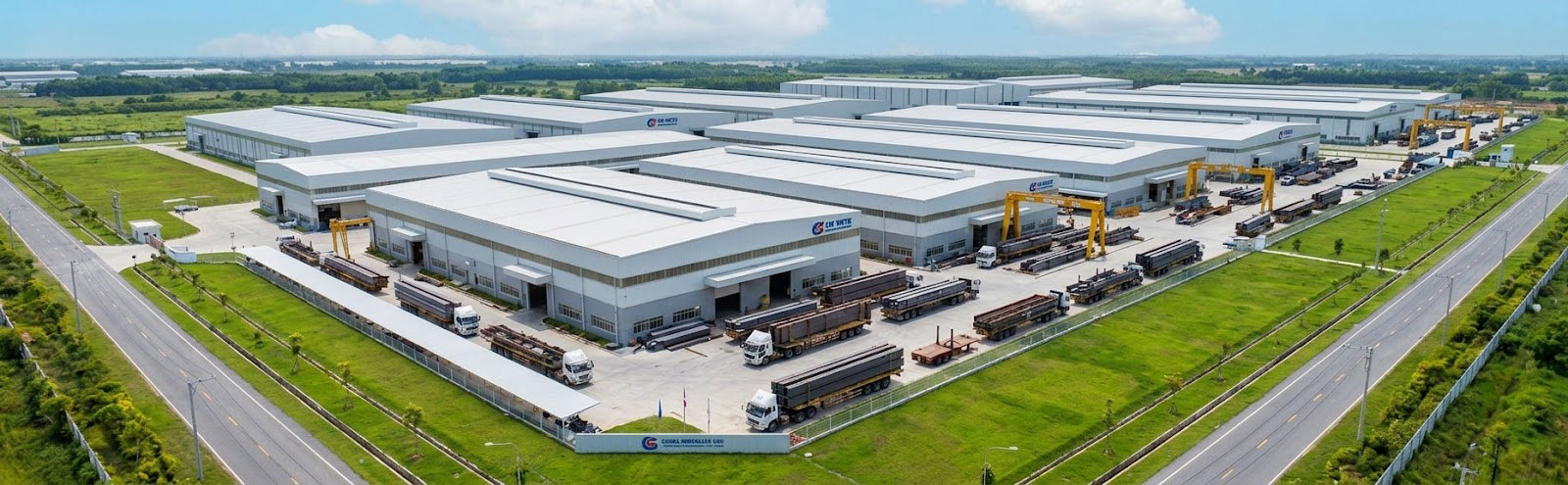
Custom Steel Structure Warehouse Manufacturer
Factory-engineered warehouse systems designed around your building size, operational use, local wind and snow loads, insulation requirements and future expansion plan.
Get a Warehouse QuoteProven Steel Building Capabilities for Global Projects
Final span, crane capacity and steel specification are determined by structural calculations, local codes and project load conditions.
Who We Serve: Steel Warehouse Solutions for Real Industrial Users
We design and manufacture steel warehouses based on real usage scenarios, not generic templates.
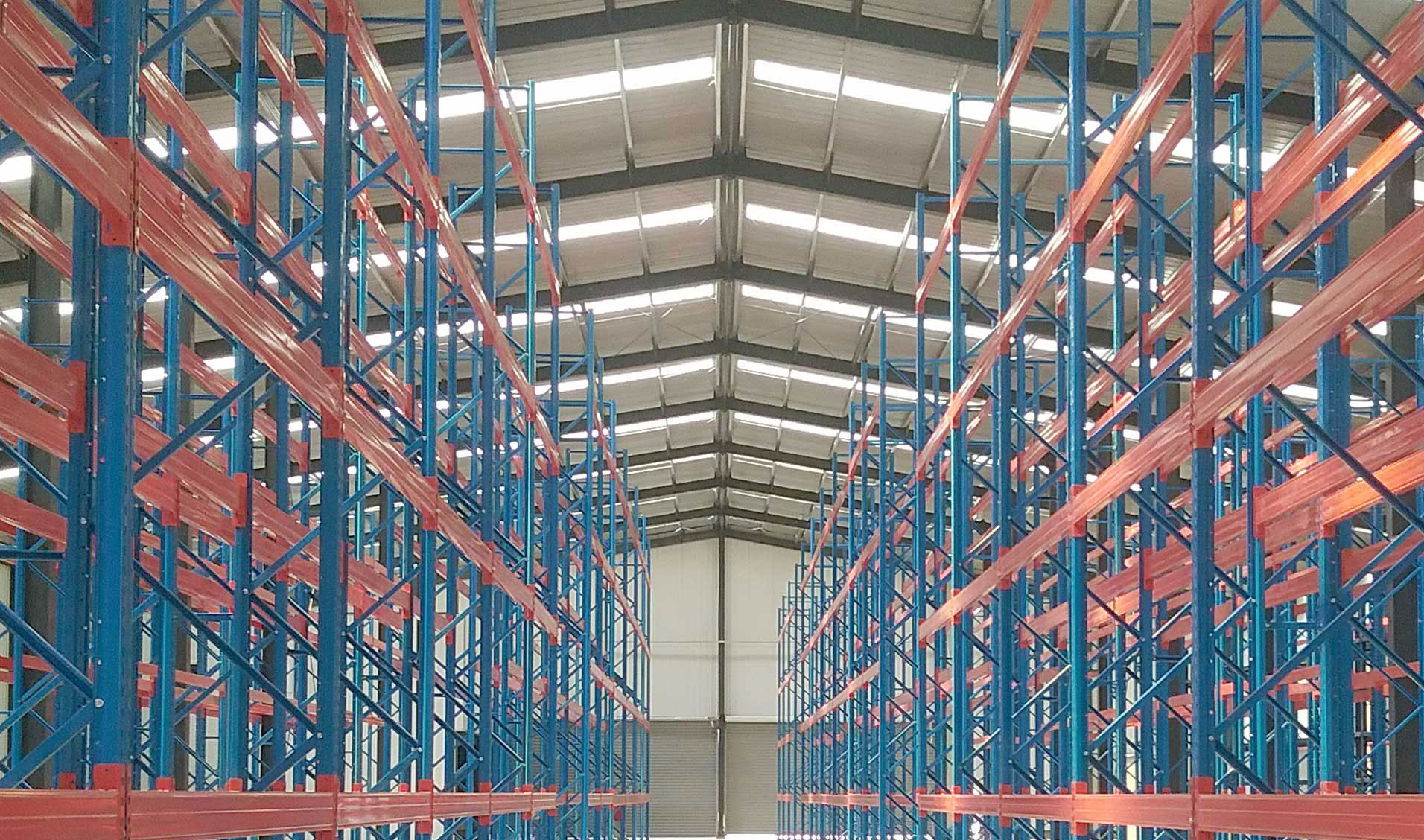
Logistics & Distribution Operators
Designed for pallet racking, forklift circulation, loading docks and future storage expansion. Door positions, column spacing and clear height are coordinated with the planned logistics flow.
- Clear-span design for high-density racking
- Dock layout optimized for loading efficiency
- Expansion-ready structure for future growth
Designed for long-term operation, not short-term cost savings.
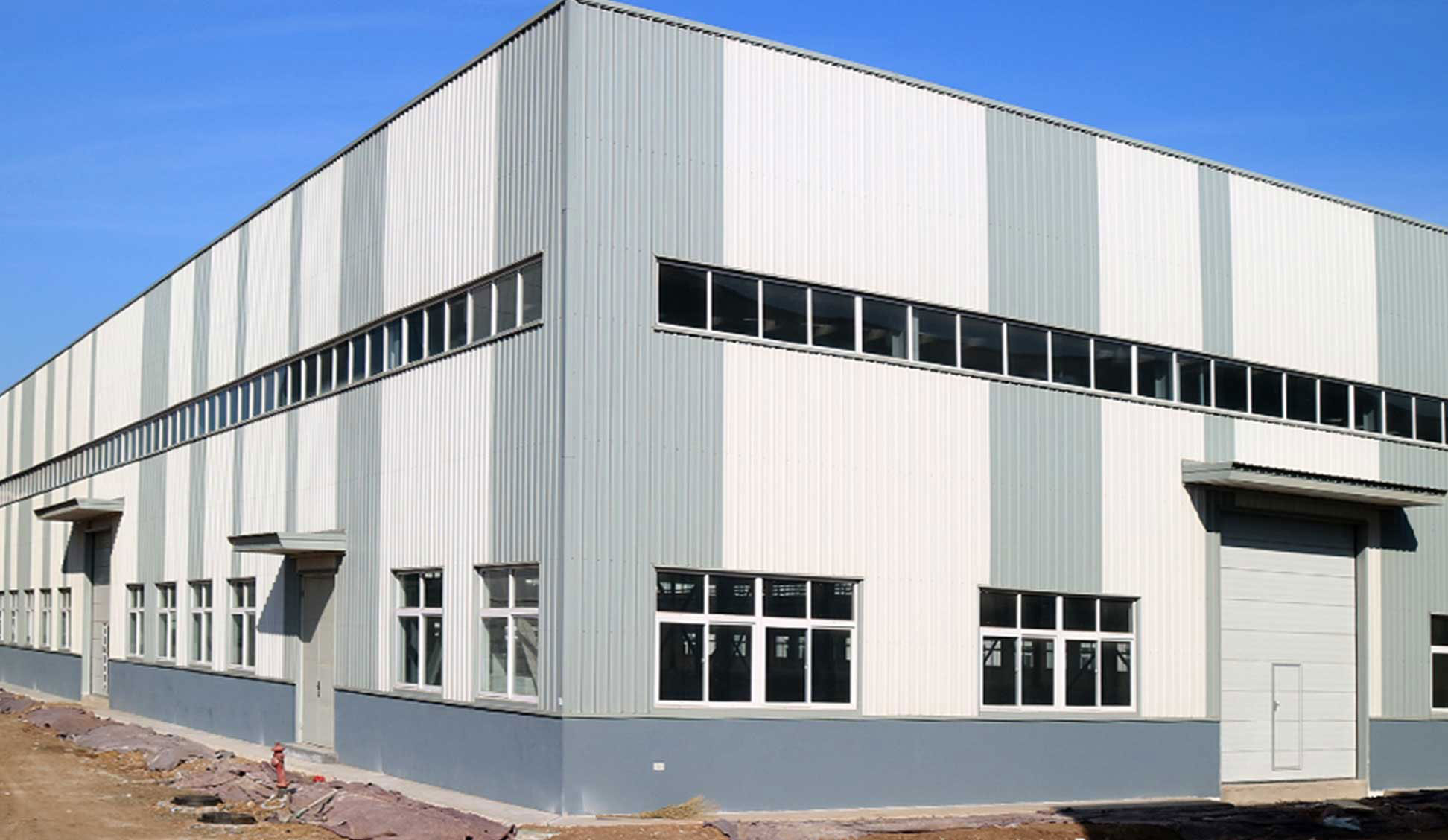
Manufacturing & Industrial Factories
Designed around machinery access, crane requirements, production-line connections and concentrated equipment loads.
- Reinforced frame for 10–50 ton crane systems
- Column-free spans up to 40 meters
- Ventilation and lighting tailored to production needs
Built to handle your actual machinery weight, not guesswork.
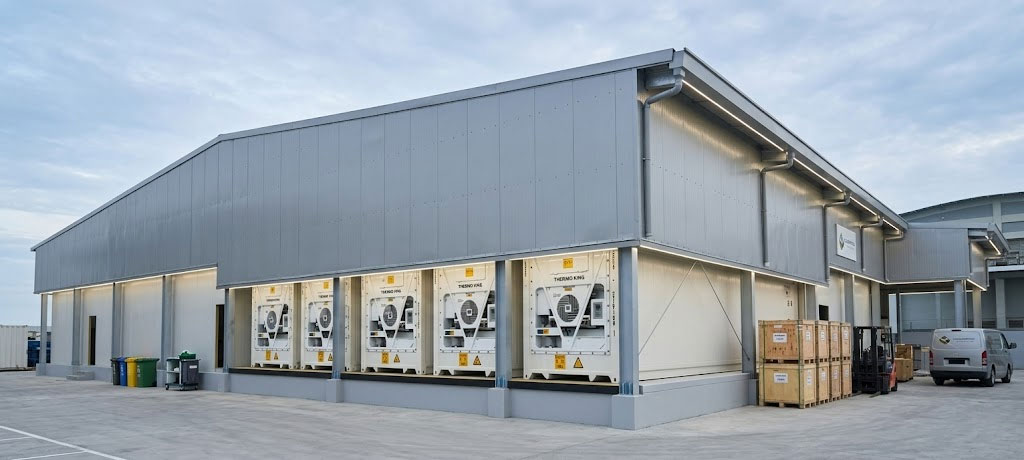
Cold Storage & Cold Room Warehouses
Structural frames and insulated enclosure systems coordinated to reduce condensation risks, thermal leakage and installation conflicts.
- Insulated panel systems with Thermal-bridge-reduction detailing
- Airtight sealing for temperature stability
- Structural design supporting refrigeration units
Energy efficiency calculated from day one, not added later.
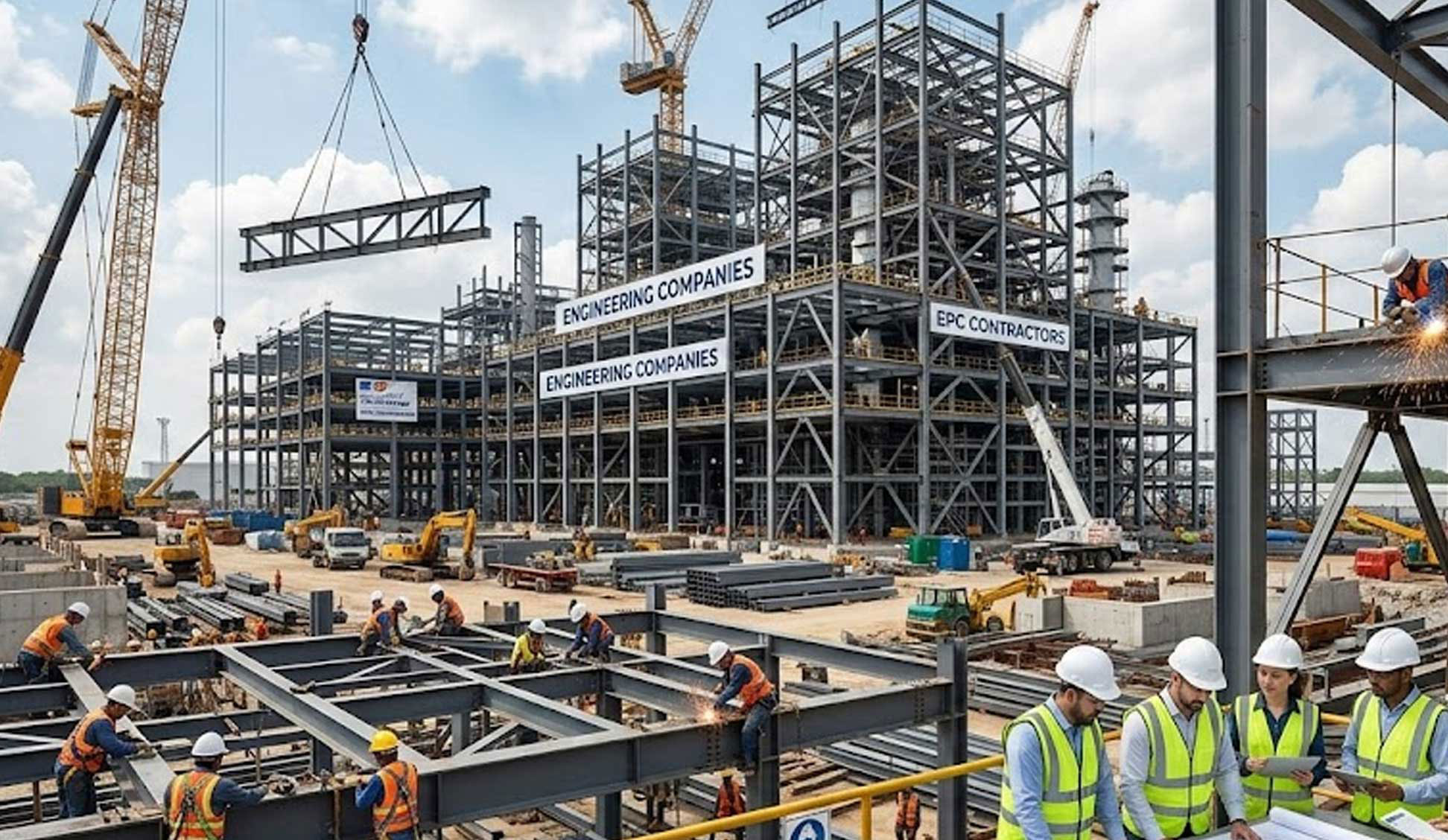
EPC Contractors & Engineering Companies
Fabrication drawings, material lists, component numbering, export packing documents and erection guidance coordinated within one supply system.
- Complete design documentation in Tekla/AutoCAD
- Pre-numbered components for fast assembly
- Direct factory coordination with you
Your project stays on schedule, our structure goes up without delays.
Why Steel Structure Fits Warehouse Use
"A warehouse is a logistics tool, not just a building."
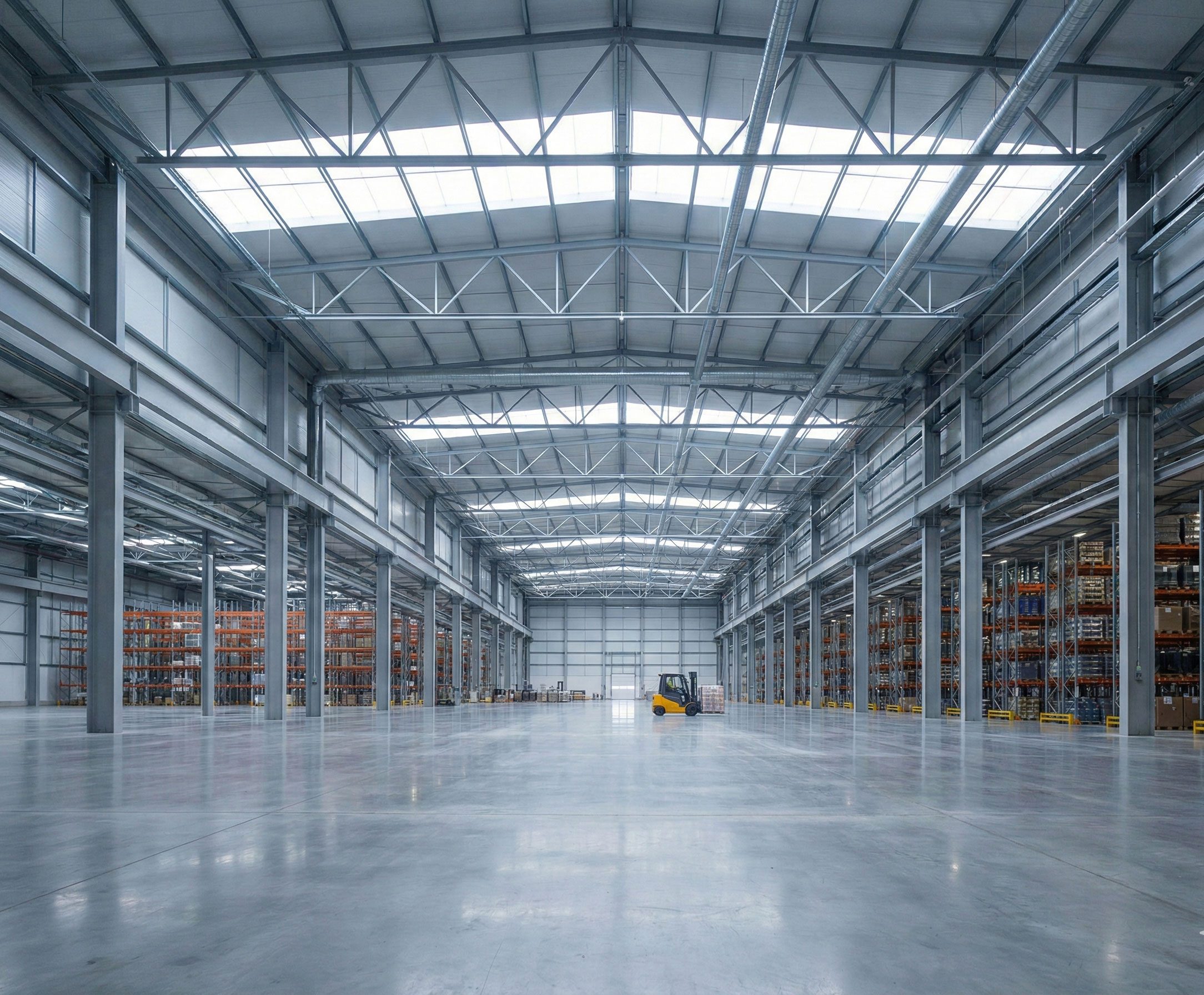
Warehouse Need: Large Span
→ Steel structure delivers column-free spans up to 40m, maximizing storage layout flexibility and forklift movement efficiency.
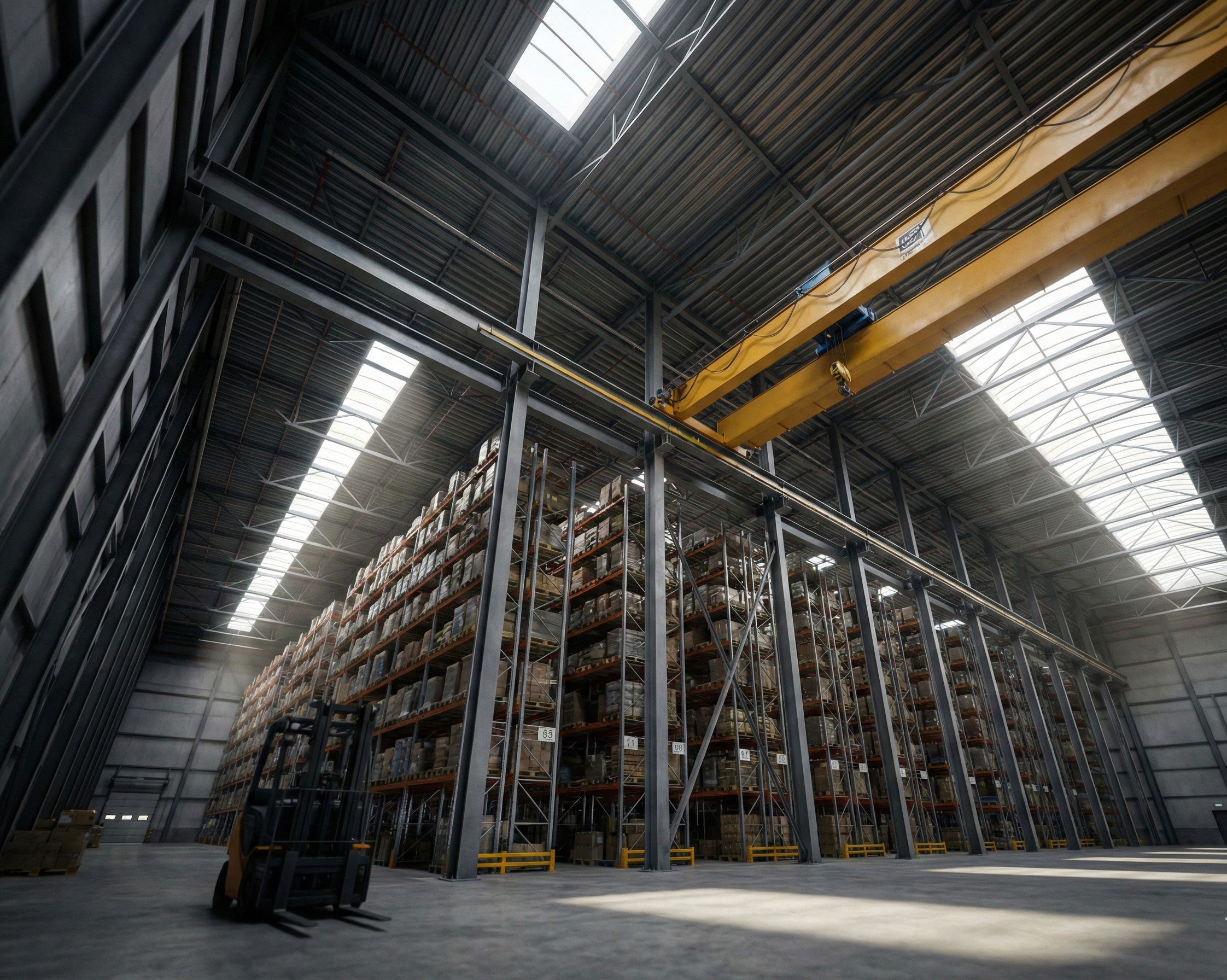
Warehouse Need: High Clear Height
→ Steel frames easily achieve 10–15m eave heights, supporting high-bay racking systems and overhead crane operations.
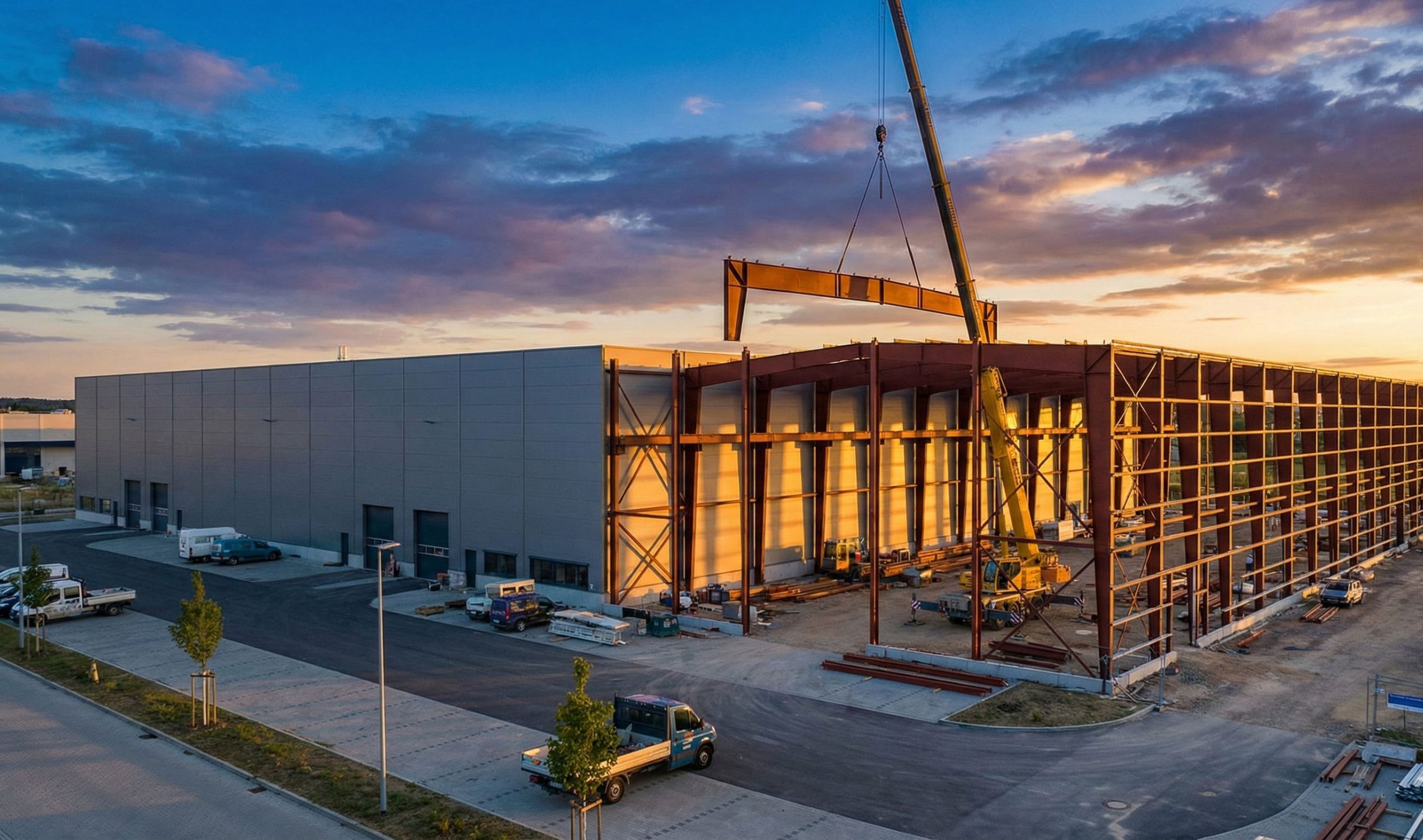
Warehouse Need: Future Expansion
→ Steel structures can be dismantled, relocated, and expanded systematically as business grows.
Design your warehouse as a functional logistics asset
Discuss Your Warehouse PlanA Typical Steel Structure Warehouse Composition
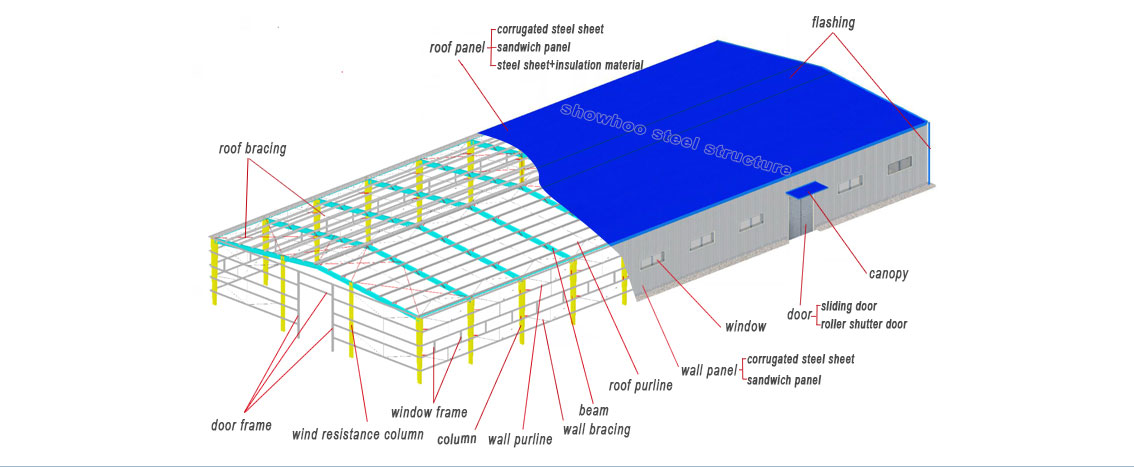
A steel structure warehouse is a fully integrated building system. Every component is engineered to work together — from the foundation to the ridge vent — ensuring structural performance, weather resistance, and operational efficiency.
You can also view the components of a steel structure warehouse in our blog posts.
Every steel structure warehouse begins with its primary steel frame — the main load-bearing skeleton responsible for transferring roof loads, wind loads, and other structural forces to the foundation.
The primary frame typically consists of:
- H-section steel columns
- H-section steel beams
- windersistance column
- Rigid portal frame connections
- Wind-resistant columns
Portal frame systems are preferred for most industrial warehouses — they provide large clear spans with minimal interior columns, maximizing usable storage and production space.
At Showhoo, the primary steel frame is fabricated from Q235B or Q355B structural steel, selected based on project requirements, local design codes, span length, and loading conditions.
Typical Design Range
| Item | Range |
|---|---|
| Clear Span | 12–40m |
| Eave Height | 4–20m |
| Crane Capacity | Up to 50T |
| Steel Grade | Q235B / Q355B |
A properly engineered primary frame improves safety, reduces long-term maintenance costs, and supports future warehouse expansion.
Learn more Primary Steel FrameWhile the primary frame carries the main loads, secondary steel members ensure the entire warehouse remains stable under wind, seismic, and operational forces.
Secondary members generally include:
- Roof bracing
- Wall bracing
- Tie bars
- Fly bracing
- Sag rods
Showhoo typically offers painted or hot-dip galvanized secondary steel members depending on environmental conditions and corrosion requirements. For coastal regions, mining projects, and agricultural facilities, galvanized bracing systems are highly recommended.
Learn more Secondary Steel MembersRoof and wall panels directly affect insulation performance, operating costs, weather resistance, and internal comfort — far more than appearance alone.
Corrugated Steel Sheets
- Economical & lightweight
- Fast installation
- Best for: storage warehouses, logistics centers, equipment shelters
Sandwich Panels
- Available core materials: EPS, Rock Wool, Fiberglass Wool, PU/PIR
- Excellent thermal insulation & sound control
- Improved fire performance
- Best for: manufacturing plants, food processing facilities, cold storage projects
Choosing the right panel system can significantly reduce long-term energy consumption and maintenance expenses.
Learn more Roof & Wall PanelsPurlins connect the roof and wall panels to the primary steel frame. Most steel warehouses use C purlins or Z purlins, selected based on building span, wind load, roof slope, and panel type.
At Showhoo, purlins are manufactured from Q235B or Q355B galvanized steel, with zinc coating thickness specified to match the project environment.
Typical Coating Options
| Environment | Zinc Coating |
|---|---|
| Normal Area | Z60-100 |
| Coastal Area | Z100-180 |
| Corrosive Area | Z180-275 |
Proper purlin design helps prevent panel deformation and improves the overall durability of the warehouse system.
Learn more Roof & Wall PurlinsOpenings and daylight systems play an important role in daily warehouse operations — not only for access but also for ventilation and energy efficiency.
Sliding Doors
- Suitable for large equipment access and wide openings
Roller Shutter Doors
- Suitable for logistics warehouses and frequent vehicle movement
- Maximum size: width 6m × height 6m
Aluminum Alloy Windows
- Corrosion resistant, low maintenance, good ventilation
FRP Skylights
- Natural daylight, reduced electricity usage, improved working environment
Well-designed access systems can improve workflow efficiency and reduce operating costs over the building lifecycle.
Learn more Doors, Windows & SkylightsMany warehouse owners underestimate the importance of drainage and ventilation during planning. Poor moisture management can lead to roof leakage, condensation, corrosion, and reduced insulation performance.
A complete drainage system includes:
- Gutters
- Downpipes
- Flashings
- Water discharge systems
Ventilation options:
- Ridge Ventilators — natural ventilation without power consumption
- Turbo Ventilators — wind-driven ventilation
- Powered Roof Fans — suitable for manufacturing plants and high-temperature environments
Proper ventilation improves indoor comfort, protects stored goods, and extends the service life of the building.
Learn more Drainage & Ventilation SystemsTell us your usage requirements — we'll spec each component to match
Start Your Warehouse ProjectWarehouse Use Scenarios & Design Focus
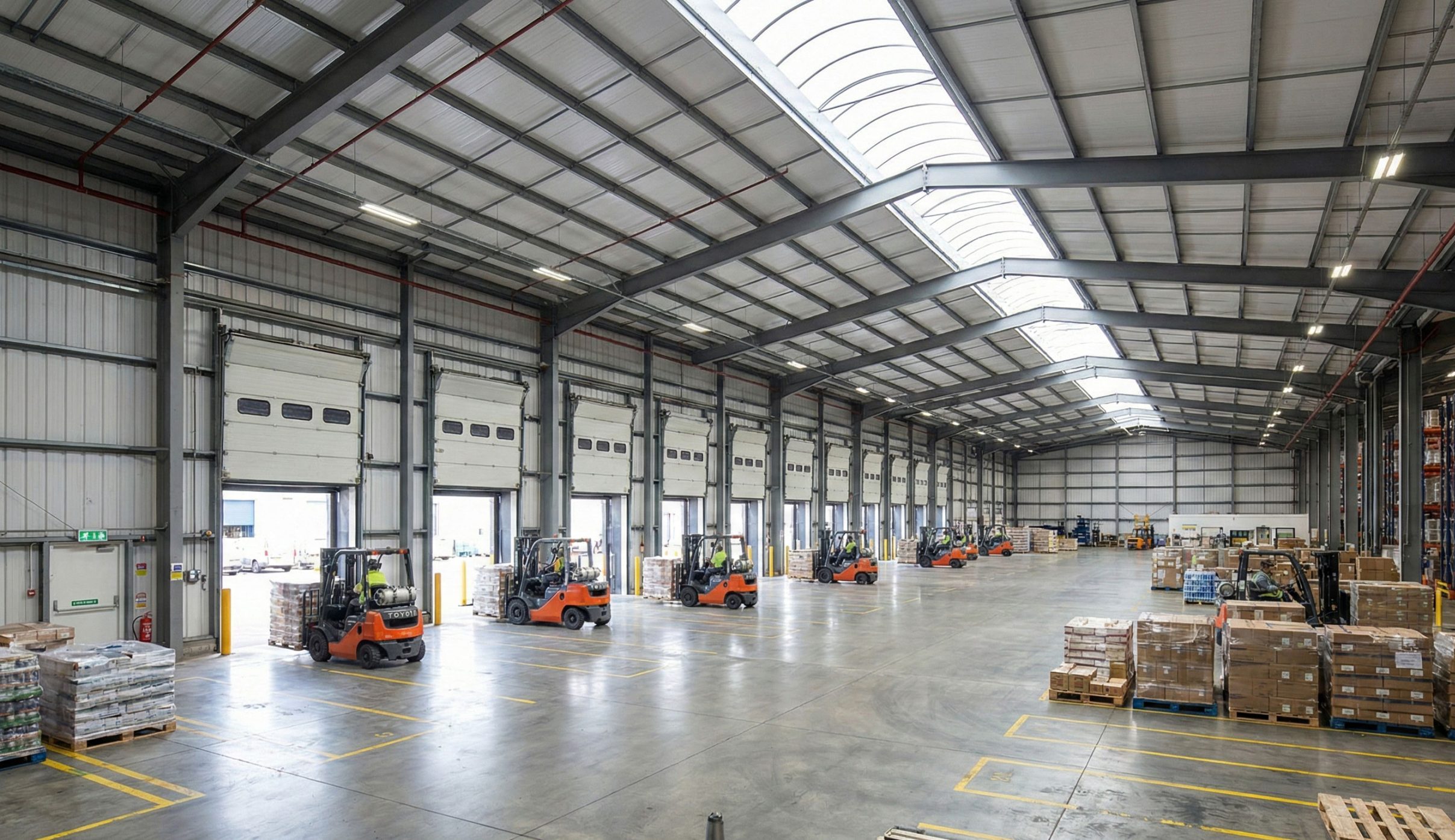
Design Focus:
- Span ≥ 24–36m for optimal layout
- Multiple door openings aligned with forklift traffic flow
- Ridge ventilation for air circulation
- Floor load capacity for heavy equipment
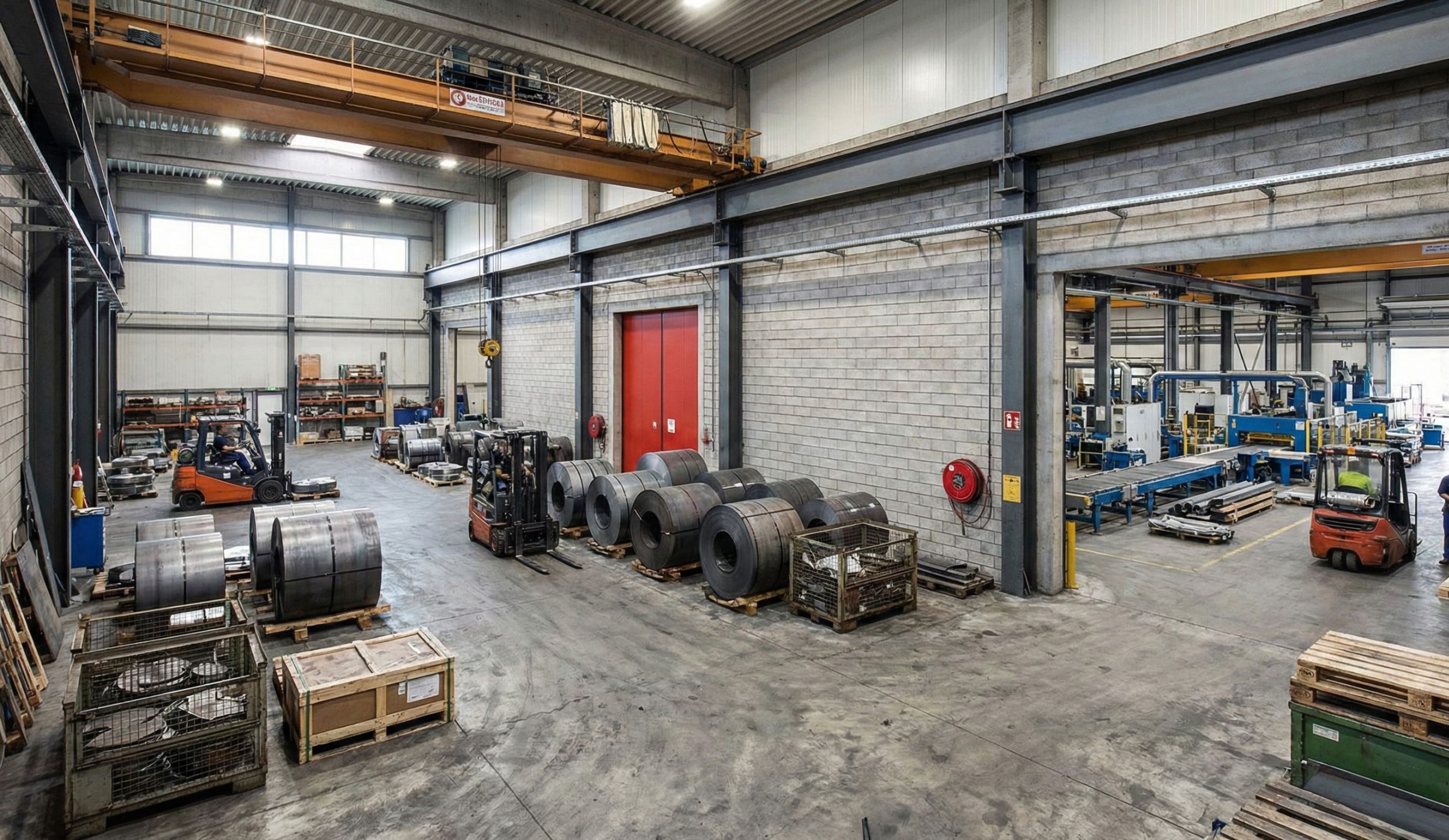
Design Focus:
- Overhead crane runway beam reserved if needed
- Fire separation zones as per industrial codes
- Direct connection to production line considered
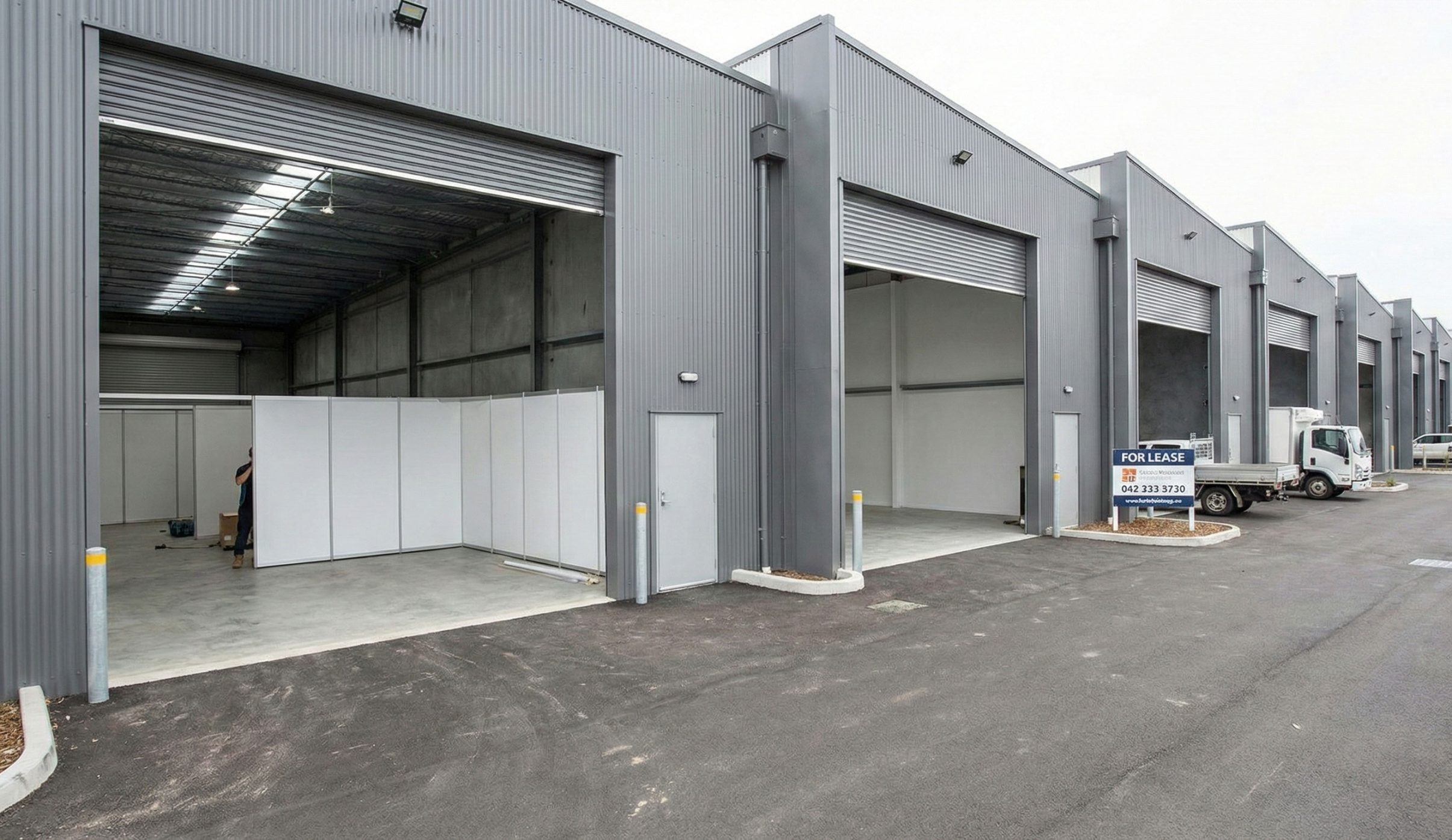
Design Focus:
- Cladding system with heat insulation performance
- Low-maintenance cladding system and long service life
- Lighting and ventilation for the warehouse building
- Fire-resistant cladding and insulation selected according to local fire codes
Match structural design to your operational requirements
Get Custom Warehouse PricingWarehouse Size, Span & Height: Critical Decisions
The right warehouse dimensions are not decided by area alone. Span, eave height, column layout, racking system, crane use, and future expansion all affect steel consumption, cost, and operating efficiency.
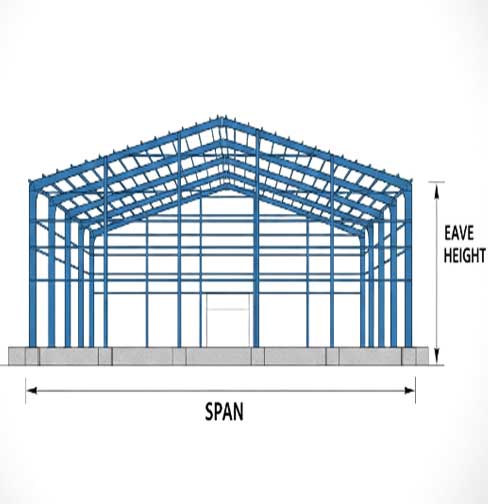
1. How to Decide Warehouse Size
Warehouse size should not be decided only by land area or total square meters. A practical steel structure warehouse should be planned according to storage goods, storage method, handling equipment, loading process, and future expansion needs.
Before design and quotation, buyers should confirm what will be stored, such as palletized goods, machinery parts, raw materials, cartons, agricultural products, or cold storage goods. Different goods require different space planning, ventilation, and load considerations. Storage methods such as floor stacking, pallet racking, high-bay racking, or heavy-duty storage also affect building width, length, and clear height.
Forklift aisle width, truck access, loading doors, office area, mezzanine, equipment space, and future expansion should also be considered. If the size is too small or the layout is not practical, the warehouse may reduce daily operating efficiency and increase later modification costs.
A well-planned warehouse should support safe storage, smooth material flow, efficient loading, and long-term business growth.
4. Size, Span and Height Must Be Designed Together
Warehouse size, span, and height should be designed as one system. A 30m span with 8m eave height may be economical for standard storage, but the same span with 12m eave height requires stronger lateral bracing, larger columns, and more careful wind-load design. If the warehouse includes overhead cranes, high-bay racking, solar panels, mezzanine floors, or heavy equipment, the structural solution must be adjusted before quotation.
That is why Showhoo recommends confirming the warehouse usage first, then deciding the most suitable span, height, column spacing, door layout, and load conditions. This avoids under-designed structures, unnecessary steel waste, and later modification costs.
2. How to Choose the Right Span
| Clear Span | Best For | Design Meaning | Cost Impact |
|---|---|---|---|
| 18–24m | Small storage, farm warehouse, simple workshop | Standard portal frame, easy fabrication | Most cost-effective |
| 24–30m | General logistics warehouse, factory storage | Good balance between usable space and steel consumption | Best value range |
| 30–40m | Large logistics, high forklift traffic, flexible racking | Requires stronger frame and bracing design | Higher steel weight, better space efficiency |
| 40m+ | Special industrial projects | Needs project-specific engineering review | Higher cost, not always economical |
Span directly affects both warehouse usability and steel consumption. A smaller span can reduce steel weight, but interior columns may limit forklift movement and racking flexibility. A larger clear span improves operational efficiency, but it requires stronger beams, columns, bracing, and connection design. For most steel structure warehouses, 24–30m is often the most economical range, while 30–40m is suitable when the buyer needs wider column-free space for logistics, equipment movement, or flexible storage planning.
3. How to Choose Eave Height
| Eave Height | Suitable Use | Key Consideration |
|---|---|---|
| 6–8m | General storage, simple pallet stacking | Economical and easy to ventilate |
| 8–10m | Standard racking warehouse | Better storage capacity without excessive steel cost |
| 10–12m | High-bay racking, logistics warehouse | Requires attention to wind load and lateral stability |
| 10–14m | Crane warehouse or production-support warehouse | Must consider crane hook height, runway beam, and column strength |
| 14m+ | Special automated storage or industrial projects | Requires customized structural calculation |
Eave height should be selected according to the actual clear height required inside the warehouse. For general pallet storage, 6–8m is usually sufficient. For high-bay racking, 9–12m can improve storage capacity, but it also increases wind load, column size, wall panel quantity, and total steel consumption. If an overhead crane is required, the design must consider crane hook height, runway beam level, lifting clearance, and safety distance under the roof structure.
Get span and height recommendations based on your specific usage
Request a Free ConsultationLoad Conditions: The Foundation of Structural Safety
Critical Impact:
Different wind regions completely change support systems and foundation design
Critical Impact:
Crane-equipped warehouses need entirely different structural specifications
Critical Impact:
Thicker floor slabs alone cannot solve concentrated load problems
Critical Impact:
Roof loads directly determine beam heights and total steel weight
Accurate load analysis prevents structural failures and cost overruns
Talk to Our Project TeamDesign for Fabrication: Drawings That Can Really Be Built
Whether drawings can be "executed in production" matters more than how well they're drawn
Component Size Exceeds Transport Limits
Designed members too long or heavy for container shipping, requiring costly field splicing or redesign
Component Segmentation Considered in Design Phase
Members are divided based on transportation constraints and assembly sequence from the initial design stage
Complex Connections, Difficult Field Assembly
Intricate node details that look good on paper but create installation nightmares on-site
Connection Details Match Production Line Capabilities
Node solutions designed around actual equipment capacity, welding accessibility, and quality control processes
Theoretically Feasible, Practically Inefficient
Designs that can be built but require excessive fabrication time, driving up costs dramatically
Drawings, Production, Packaging Coordinated by Same System
Integrated technical workflow ensures what's designed can be fabricated, shipped, and erected efficiently
Ensure your design can actually be built before production starts
Get a Tailored SolutionFactory Snapshot: Who Is Actually Building Your Warehouse
A warehouse isn't a trading product — it's an engineered project that must be manufactured
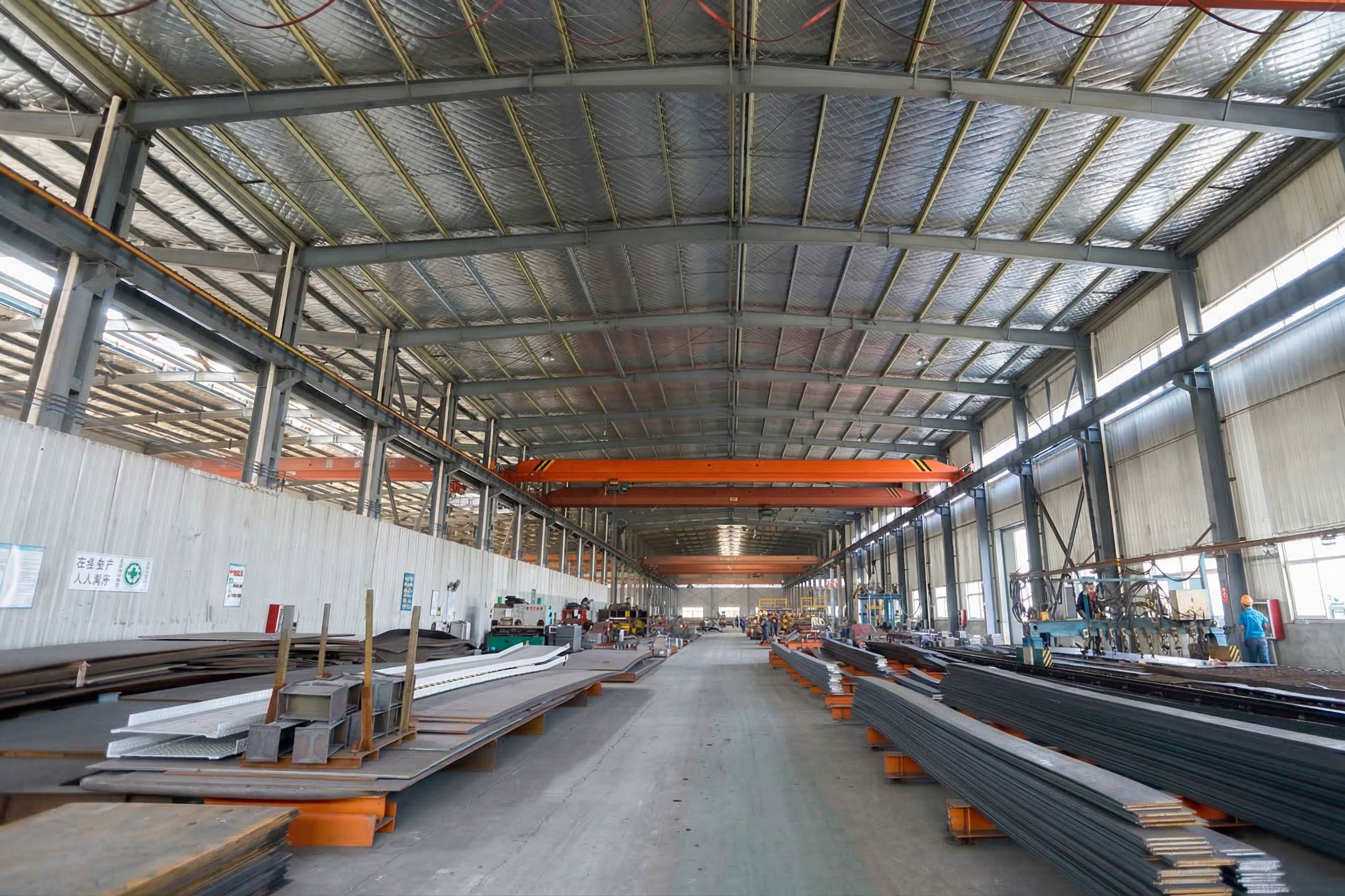
Factory Workshop
Modern production facility equipped with advanced steel fabrication machinery
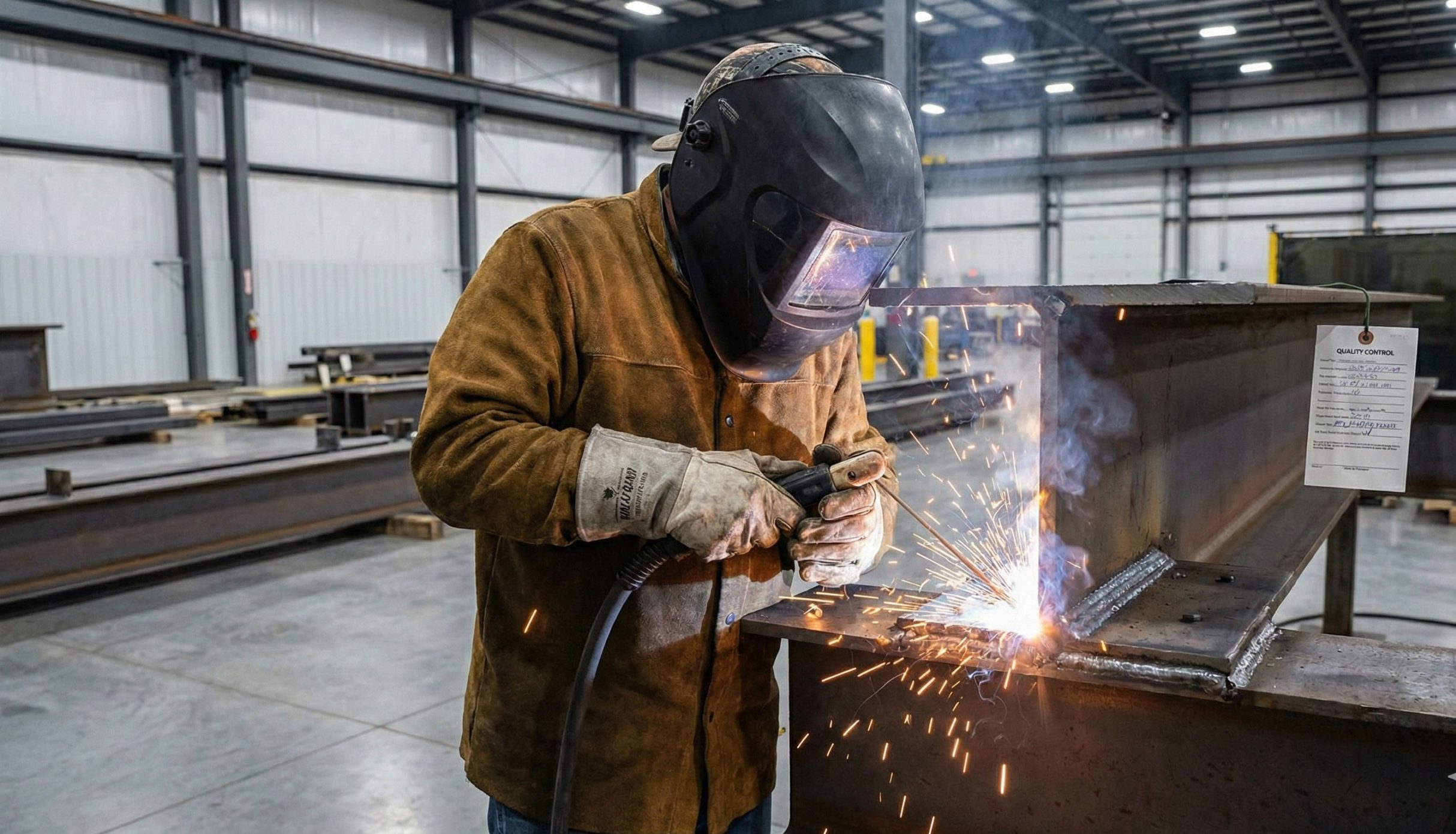
Welding Operations
Certified welders performing structural connections with quality control
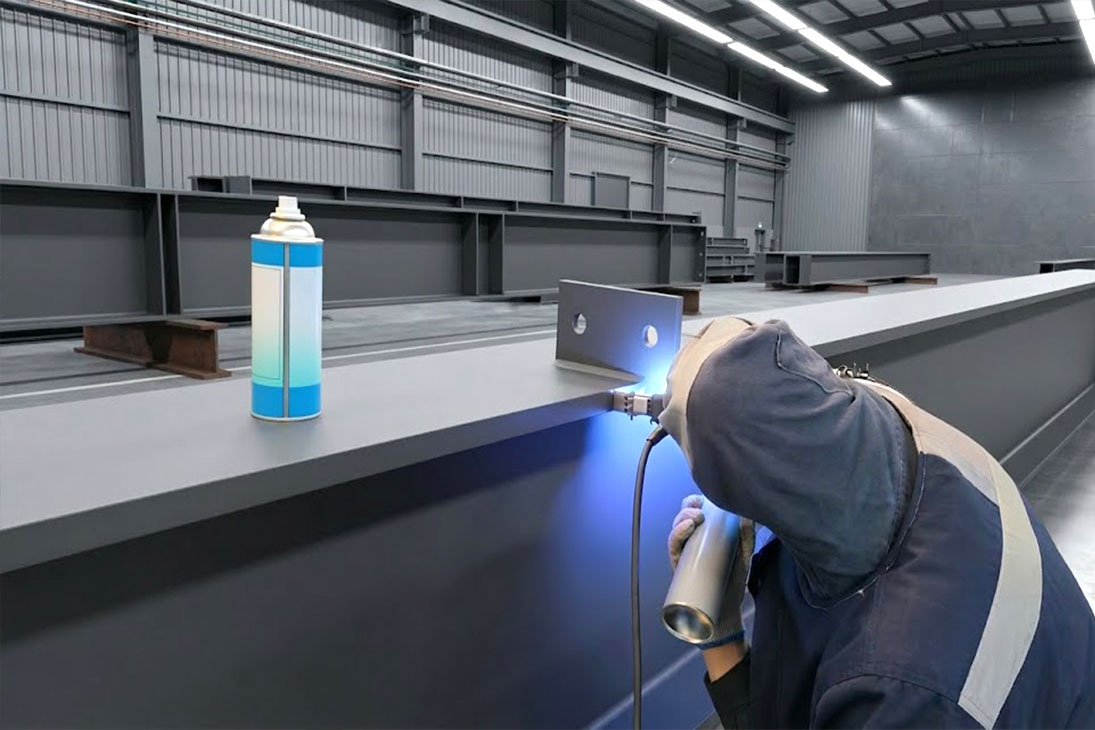
Assembly Line
Systematic component assembly and quality inspection processes
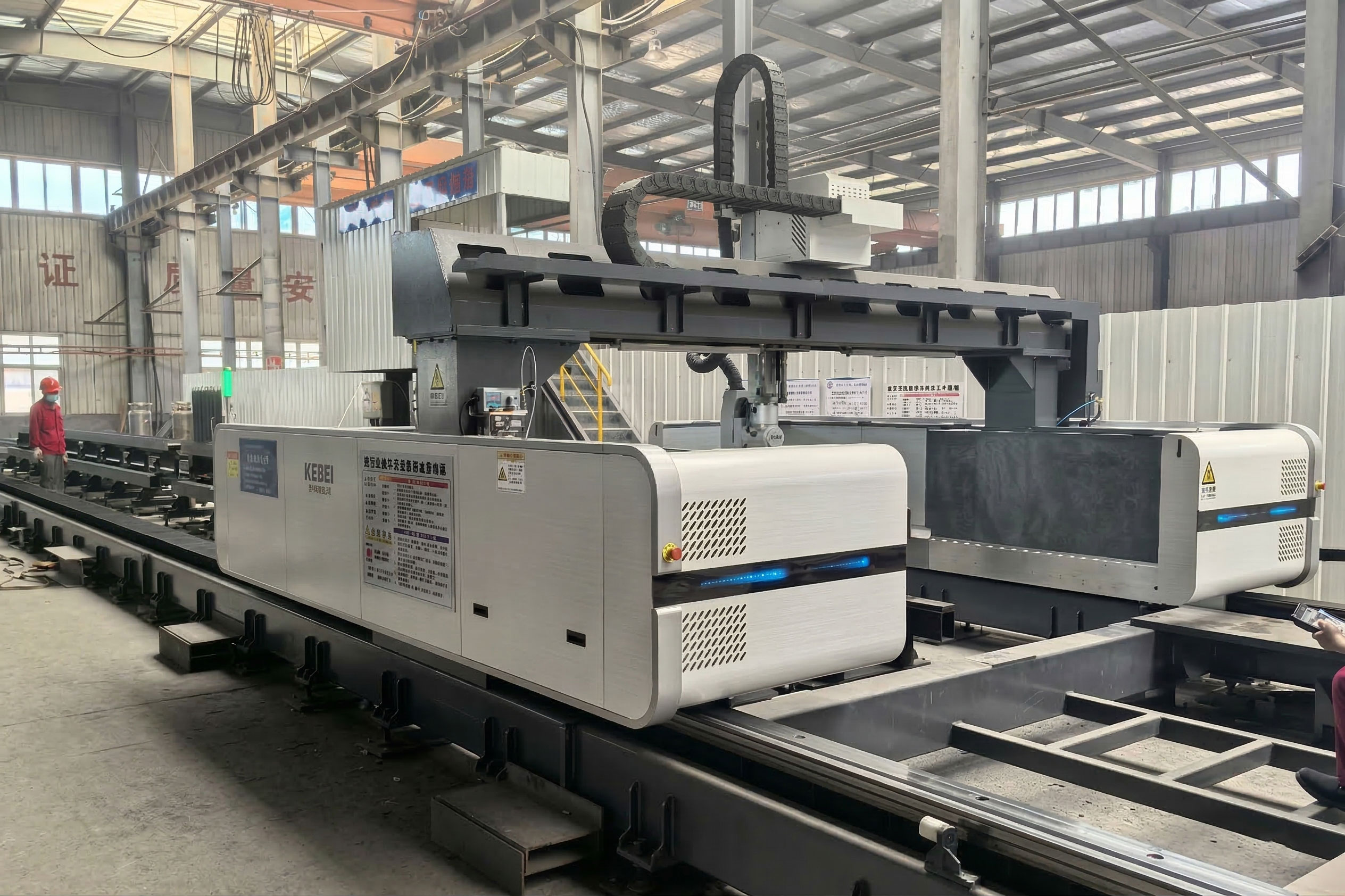
H-Section Beam & Column Fabrication
Precision cutting, drilling, and assembly of primary structural members using CNC equipment
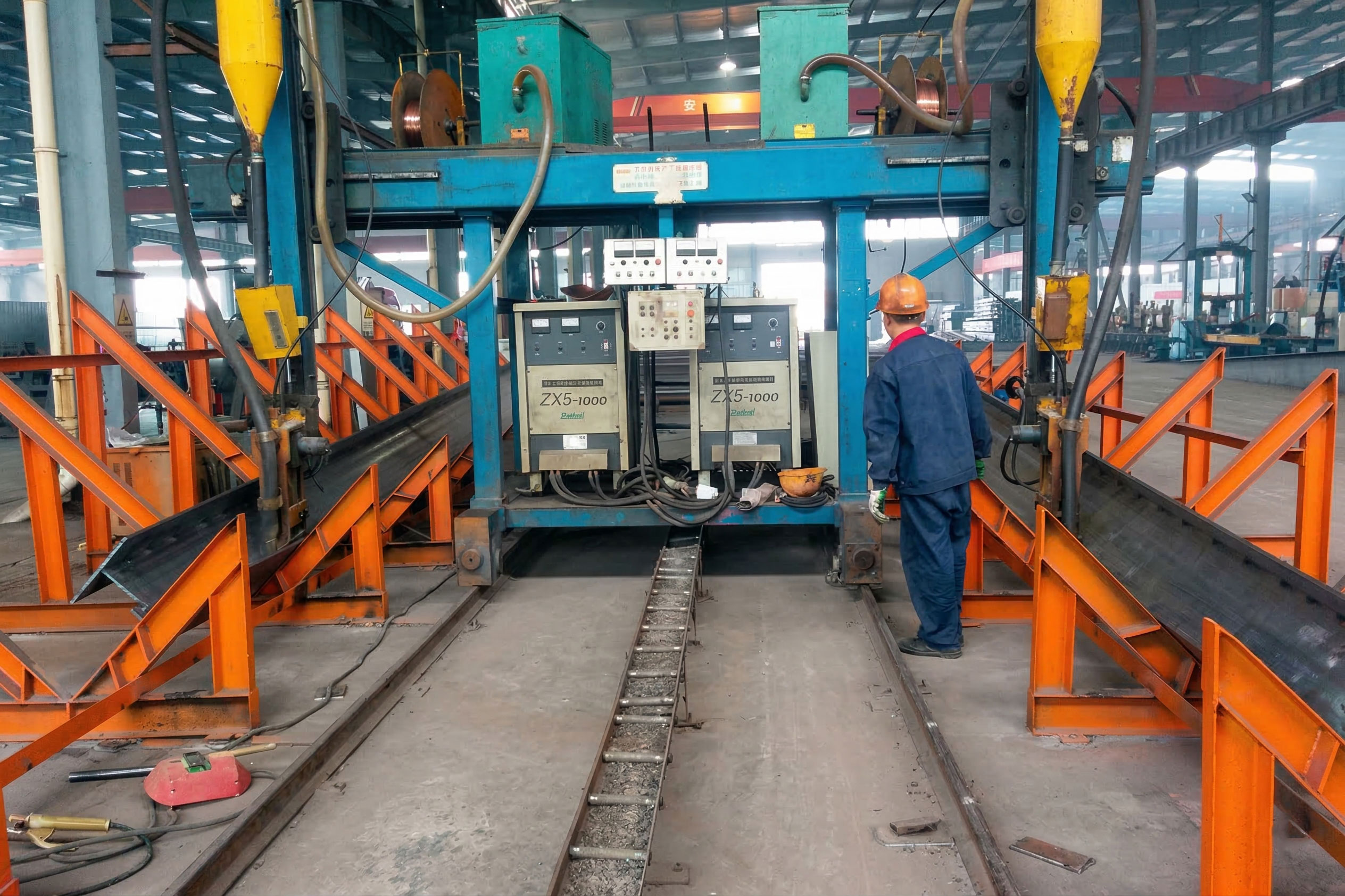
Automatic / Semi-Automatic Welding
Standardized welding procedures ensuring consistent weld quality and structural integrity
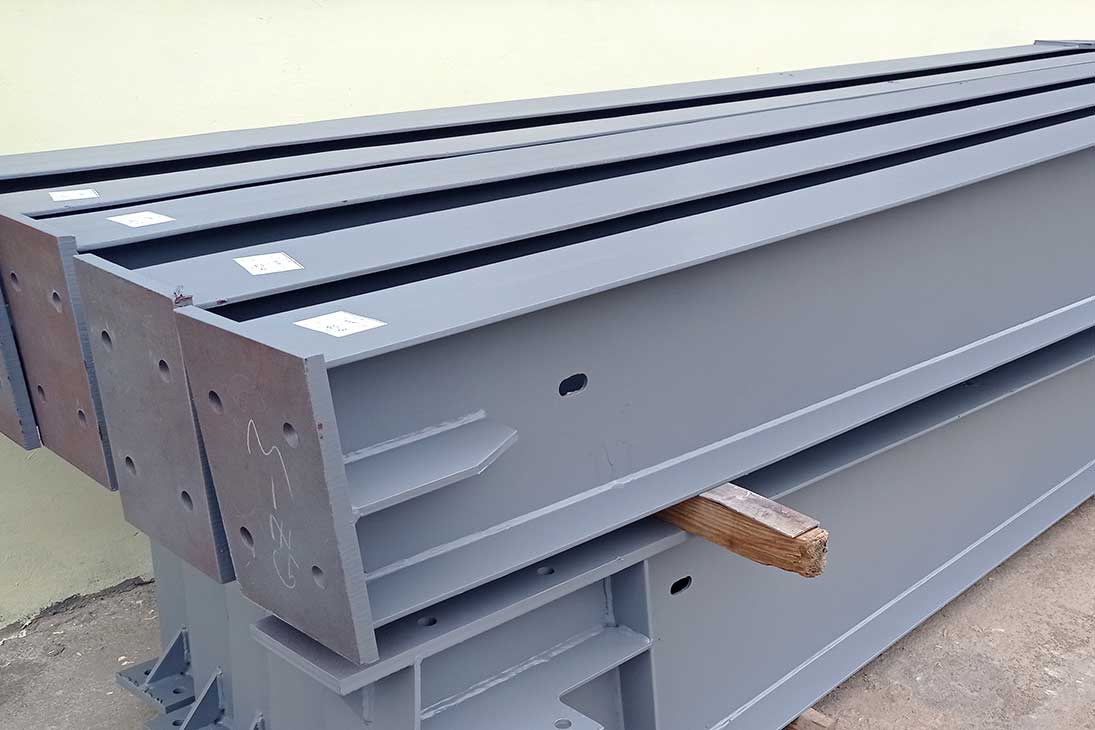
Component Numbering & Pre-Assembly Logic
Systematic marking and trial assembly verification before shipping
Know who's actually manufacturing your warehouse structure
Plan Your Steel WarehouseSteel Structure Warehouse Projects Delivered Overseas
Real export projects, real specifications, real results
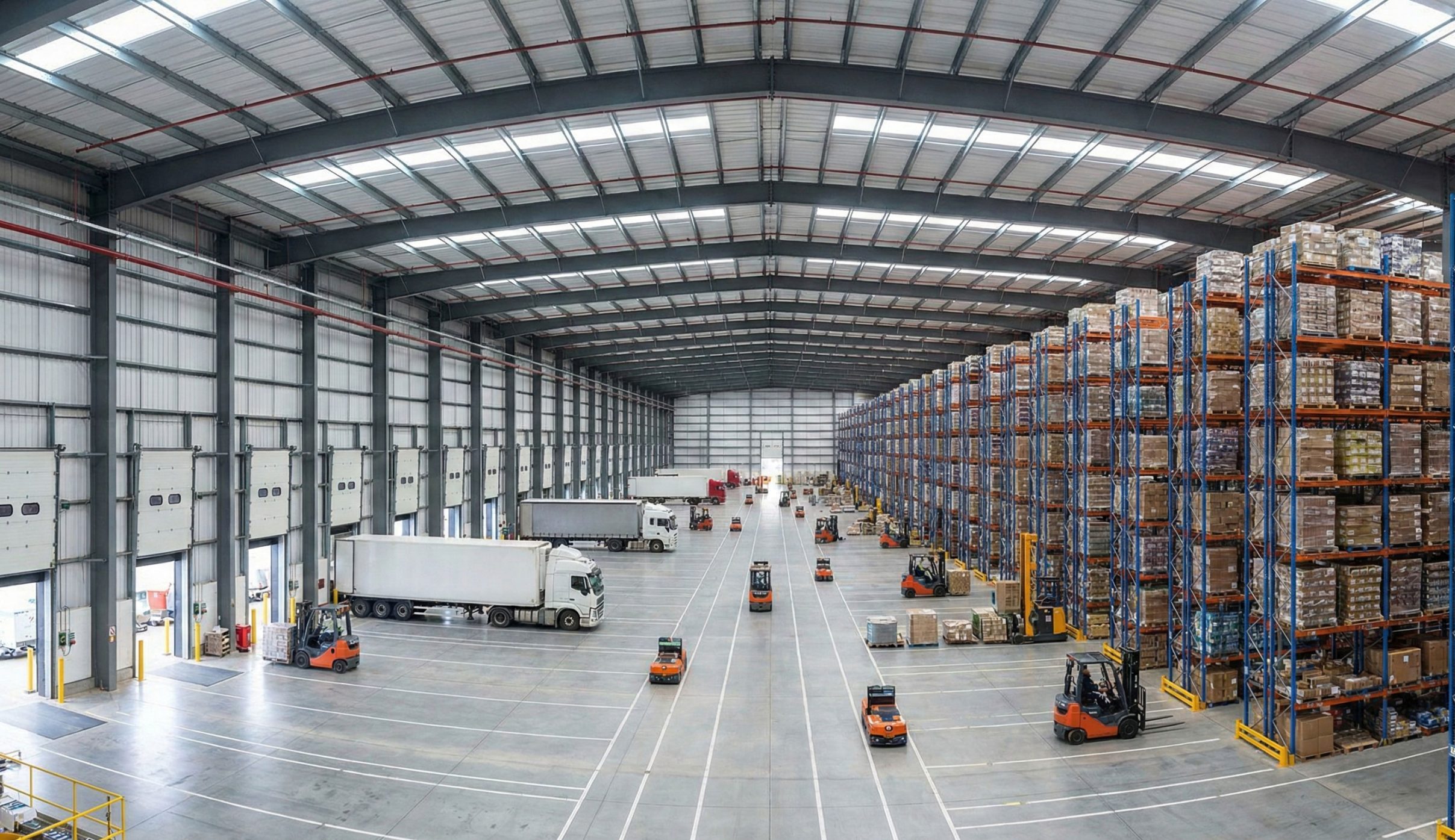
Client reported the column-free layout allowed efficient racking design and simultaneous multi-dock loading, supporting smooth daily logistics operations after handover.
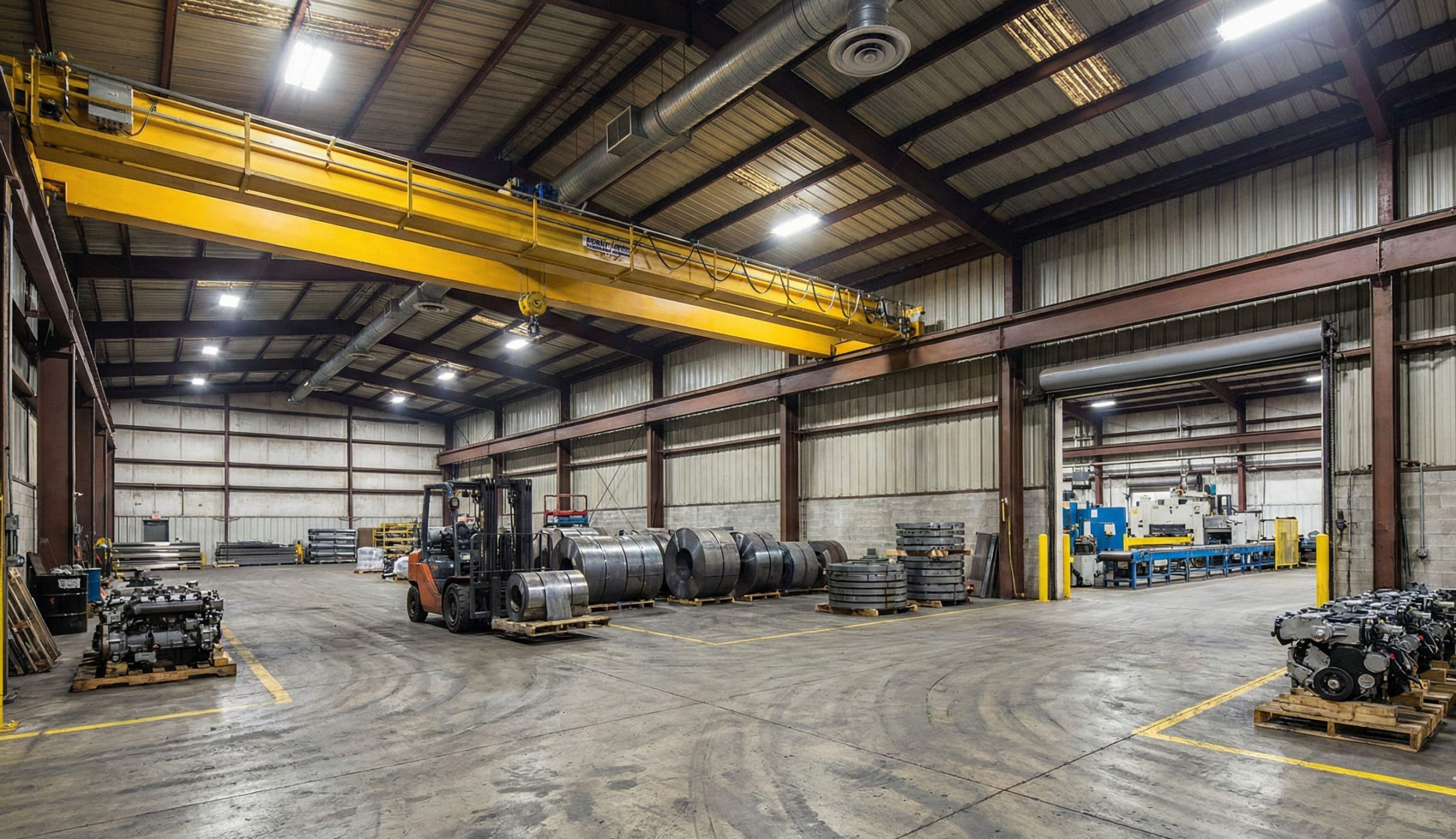
The overhead crane provision and reinforced floor slab met the client's heavy equipment handling needs, with the building integrated directly into the existing production line without operational disruption.
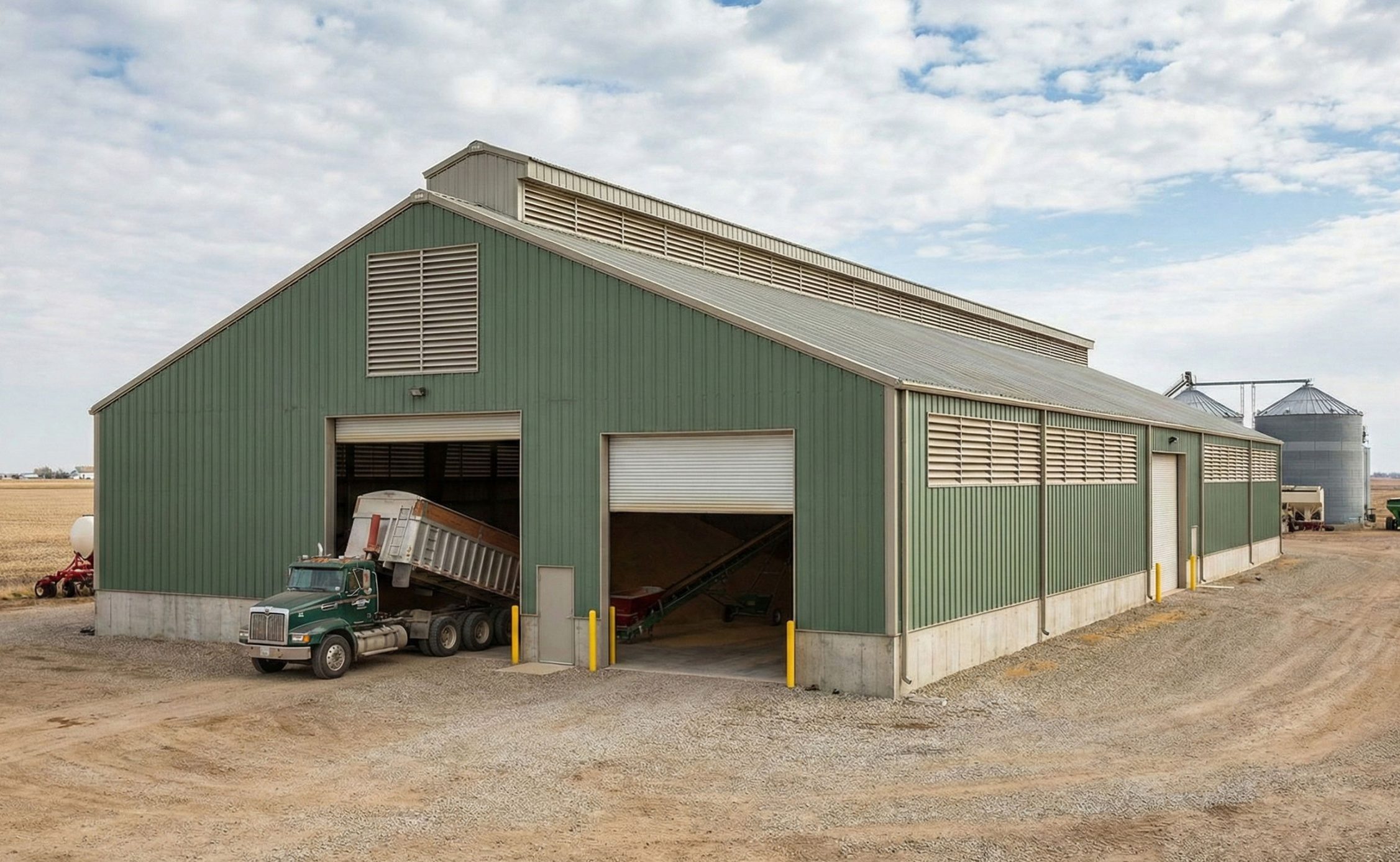
The natural ventilation design and corrosion-resistant cladding helped the client maintain stable storage conditions for grain stock through the rainy season, with no reported moisture damage after the first harvest cycle.
See how a real project plan could look for your warehouse
Get Expert Project AdviceBefore Quotation: Key Questions Clients Ask Most
What information do I need to provide to start design?
▼Usage purpose, size , location, whether overhead crane is needed, expected service life. These determine the fundamental structural approach before detailed design begins.
Can you design according to local building codes?
▼We have project experience in multiple overseas markets and can coordinate with local design standards as required by the project.
How long from design to shipping?
▼Depends on project complexity and Speed of drawing confirmation. We provide clear timeline expectations during the proposal phase, typically 4–5 weeks for standard warehouses after design approval.
What's included in the warehouse steel structure package?
▼Standard package includes primary steel frame (columns, beams, bracing), roof and wall panels, fasteners, and complete technical drawings.
Do you provide installation guidance or supervision?
▼We provide detailed installation drawings, erection manuals, and remote technical support. On-site installation supervision services are available for overseas projects.
How do you ensure quality control during production?
▼Our factory implements documented welding procedures, dimensional inspection at multiple stages, surface treatment verification, and pre-assembly checks before packaging.
Still have questions about your warehouse project?
Build Your Warehouse With UsStart Your Warehouse Project
Why Work With Showhoo?
Factory-direct, no intermediaries — your project in expert hands
-
Direct Manufacturer No middlemen. You communicate directly with the factory engineering team for faster decisions and lower costs.
-
Custom Design Per Project Every warehouse is designed to your specific span, height, load conditions, and operational needs — not a template.
-
50+ Countries Delivered Proven export experience with CIF shipping, full documentation, and site assembly support available.
-
Reply Within 24 Hours Send your requirements now and receive an initial technical assessment with pricing range within one business day.
Send Your Inquiry
Tell us how you plan to use the warehouse — not just the size