
Designing high-performance Drainage and Ventilation Systems for steel structure buildings is the ultimate way to protect your structural investment from water damage and poor air quality. Picture yourself walking into your newly built industrial facility during a sudden summer storm, only to find water pooling around critical load-bearing columns and heavy condensation dripping from the roof rafters. This trapped moisture slowly weakens your building’s primary joints, compromises expensive insulation, and risks destroying thousands of dollars in stored inventory. You cannot afford to let unchecked humidity and poor drainage ruin your building’s structural integrity and disrupt your daily business operations. By implementing carefully engineered gutter profiles and active airflow pathways, you can maintain a dry, well-ventilated, and highly durable environment year-round.
What Are Steel Building Drainage and Vent Systems?
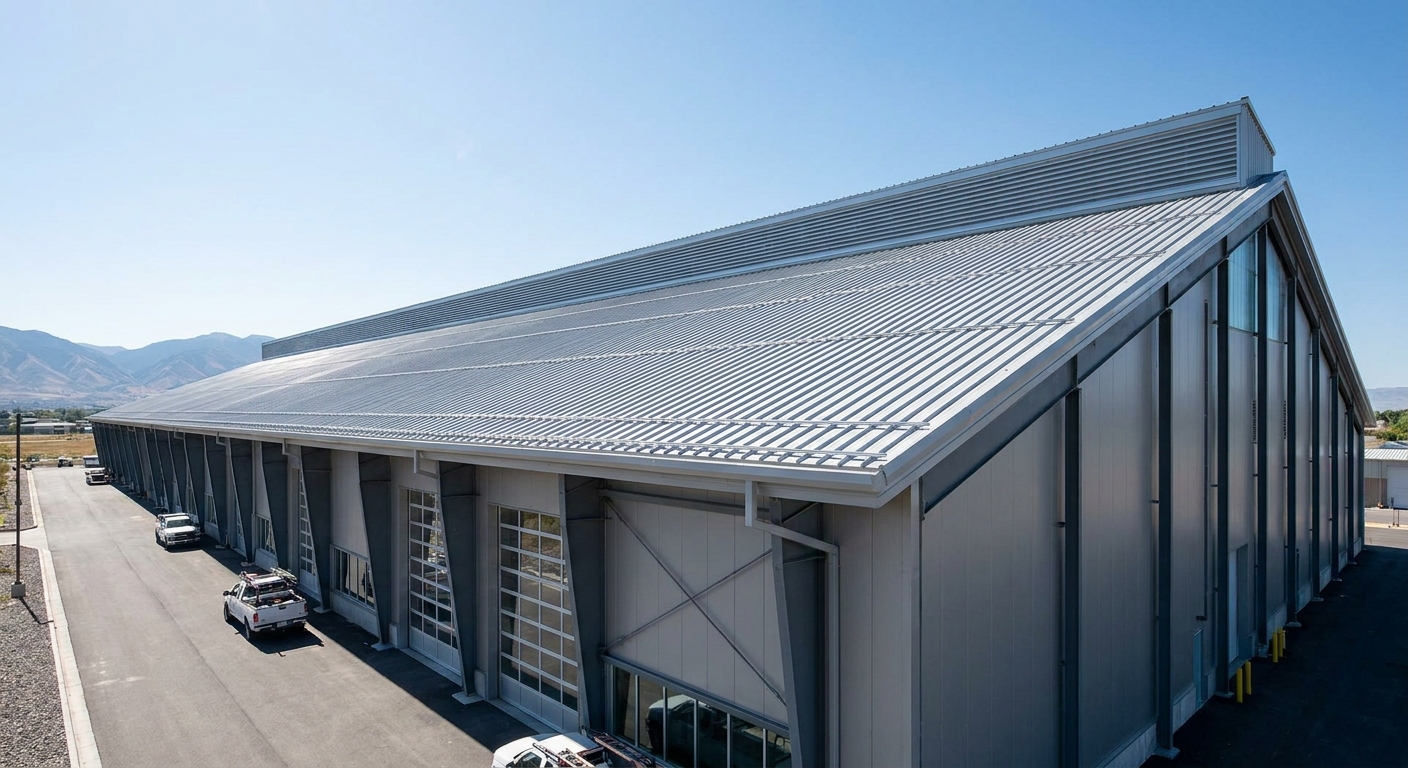
These mechanisms are the physical infrastructure that collects external stormwater and regulates interior air exchange to keep your metal facility structurally sound. Properly planned Drainage and Ventilation Systems protect your building panels and support beams from moisture-related issues.
What defines a structural drainage system?
Think about it: you cannot rely on gravity alone to protect your roof panels. An engineered drainage system uses targeted slopes, gutters, and downspouts to guide stormwater away from your foundation.
- Oversized perimeter gutters collect heavy rainfall.
- Strategic roof pitches accelerate water runoff.
- Heavy-duty downspouts discharge water safely.
The truth is, ignoring these components will lead to standing water on your roof. You must ensure every component is sized correctly for your local climate.
- High-grade sealants protect panel overlaps.
- Debris guards prevent downspout clogs.
- Custom flashing protects wall joints.
What is the main purpose of building ventilation?
Here is why this matters: metal buildings naturally trap heat and relative humidity inside. Ventilation systems cycle this stale interior air out and bring fresh, dry outdoor air inside.
- Continuous ridge vents exhaust rising hot air.
- Adjustable wall louvers pull in fresh breeze.
- Mechanical exhaust fans support rapid air exchanges.
But wait, there’s more. Active ventilation also keeps your indoor temperatures comfortable for workers and machinery.
- Lower utility bills through passive cooling.
- Reduced indoor air contaminants and dust.
- More stable indoor humidity levels.
Why do water runoff and airflow interact?
Consider this: external roof runoff and internal airflow are two sides of the same coin. If you do not ventilate your building, warm indoor air condenses on the cold metal roof, creating a dripping effect indoors even if your roof is perfectly sealed.
- Condensation mimics actual roof leaks.
- Trapped heat increases roof panel thermal expansion.
- Poor airflow accelerates structural oxidation.
But that’s not all. You need both systems working in harmony to guarantee a dry warehouse.
- Dry insulation preserves the building’s thermal envelope.
- Lower relative humidity protects stored goods.
- A dry frame maintains structural design strength.
Key Takeaway
Balancing exterior water shedding with interior air movement is the only way to guarantee a dry, long-lasting steel structure.
| System Element | Main Component | Structural Function | |
|---|---|---|---|
| Drainage | Gutters and Downspouts | Directs bulk rainwater away from roof joints and foundations. | |
| Ventilation | Louvers and Ridge Vents | Cycles humid air out of the building to prevent condensation. |
This baseline relationship demonstrates why single-system focus often fails to protect industrial structures.
Why Do Drainage and Vent Systems Matter in Steel?
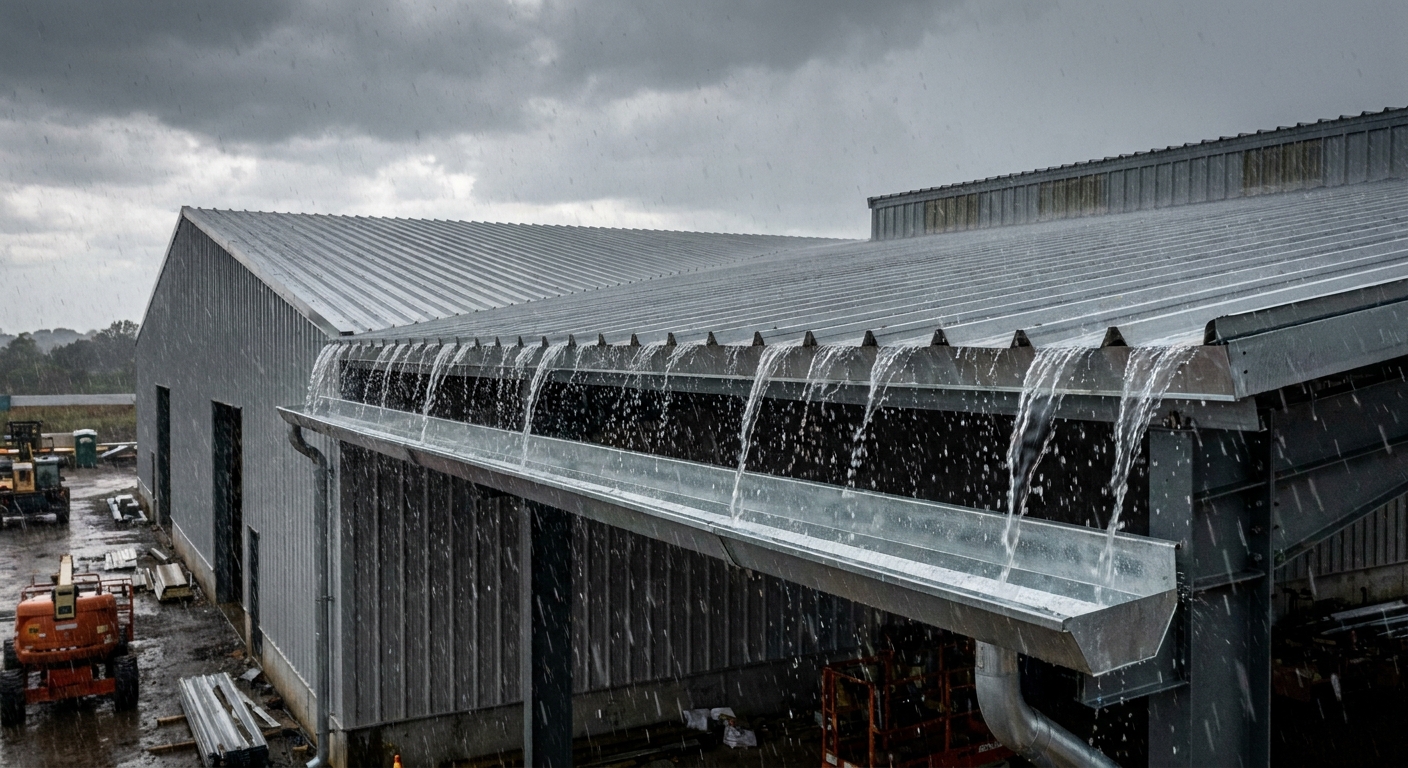
These systems are critical because they prevent metal corrosion, maintain insulation performance, and extend the lifespan of your facility. Implementing professional Drainage and Ventilation Systems protects your commercial assets from catastrophic structural failures.
How does moisture destroy structural steel?
Think about it: rust is a silent killer that eats away at your main frames. When water pools on steel connections, it triggers an oxidation process that weakens bolts and columns.
- Rust pockets form on primary frames.
- Fastener threads strip due to corrosion.
- Structural connection plates fail over time.
Here is why this matters: you won’t notice the damage until it becomes an expensive structural issue.
- Hidden corrosion develops behind insulated wall panels.
- Sagging roof purlins indicate joint weakness.
- Compromised load capacities affect main rafters.
Can proper ventilation stop mold and rot?
Yes, absolutely. When humid air is trapped inside your walls, it ruins your fiberglass insulation and creates black mold.
- Soggy insulation loses its R-value.
- Mold spores pollute indoor working air.
- Musty odors develop throughout your warehouse space.
But wait, there’s more. Keeping your insulation dry with steady airflow saves you money on energy bills.
- Consistent climate control inside the building.
- Less load on your active cooling systems.
- No costly mold remediation projects.
How do dry buildings lower operating costs?
The truth is, dry steel buildings require far fewer repairs and lower insurance premiums. You can avoid early roof replacements and panel patching by keeping water moving.
- Reduced painting and coating touch-up costs.
- Fewer structural emergency repair calls.
- Longer lifespan for roof screws and washers.
Consider this: a small upfront investment in protective components saves you tens of thousands of dollars later.
- Lower long-term maintenance labor hours.
- Higher resale value for your commercial property.
- Uninterrupted warehouse business operations.
Key Takeaway
Controlling moisture and internal humidity directly translates to lower building maintenance costs and a higher property value over time.
| Climate Hazard | Unmanaged Result | Managed Solution | |
|---|---|---|---|
| Heavy Rainfall | Roof leaks, ponding, base rust | Sloped roof, seamless gutters | |
| High Humidity | Condensation, damp insulation | Ridge vents, intake louvers |
Managing environmental hazards is critical to protecting your long-term steel investment.
Get A Dry, Durable Steel Building Design Today !
Email:sales@showhoo.com.cn
Phone/WhatsApp: + 86 186 7895 5927
What Are the Main Parts of Steel Drainage Systems?
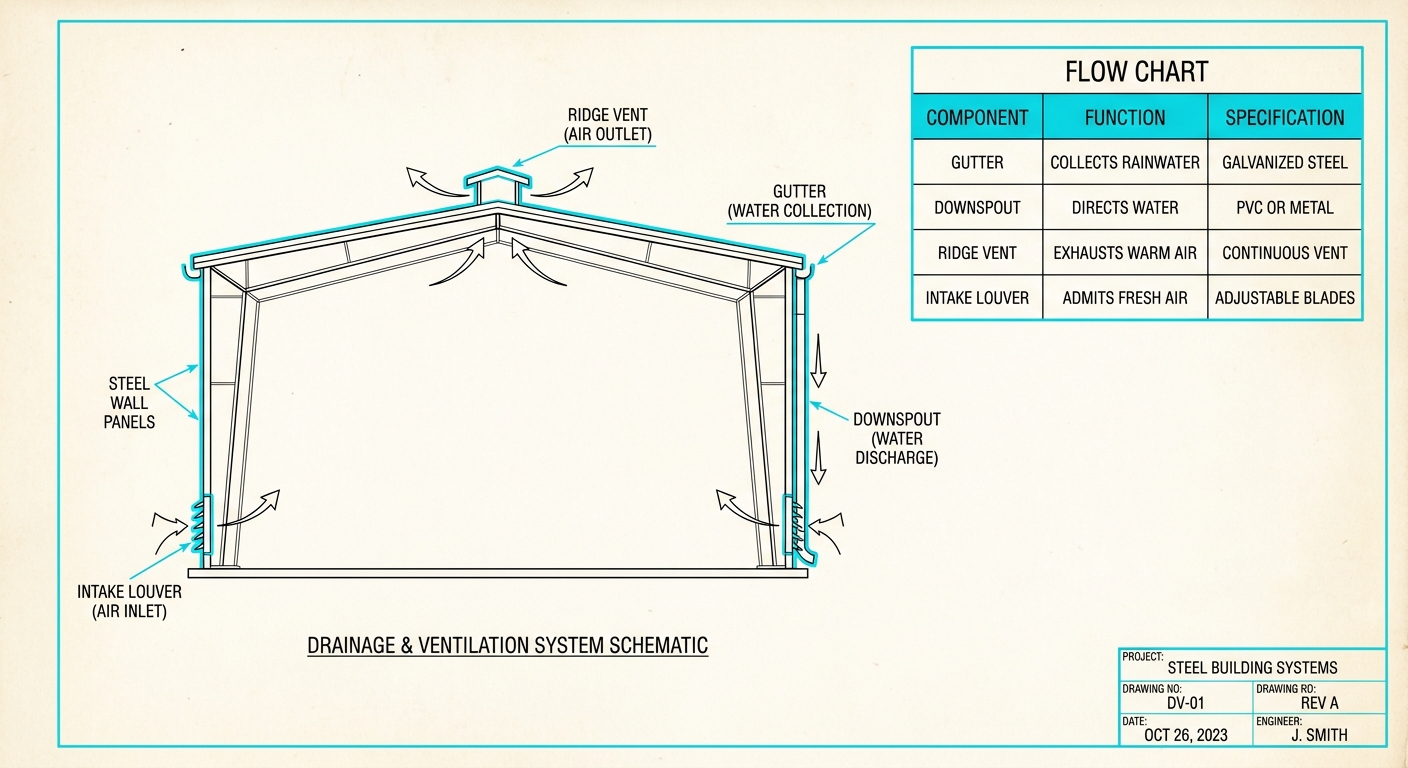
A standard drainage layout includes sloped roof panels, high-capacity eave gutters, downspouts, and waterproof flashing kits. Specifying the right materials for your Drainage and Ventilation Systems ensures that heavy rain never penetrates your building envelope.
How do roof pitch and gutters collect water?
Let’s face it: gravity is your primary tool when handling extreme weather. A steep roof pitch forces rain down to your external gutters before it can pool and seep into joints.
- Standard 1:10 pitch supports rapid water shedding.
- Seamless cold-formed gutters prevent joint leaks.
- Oversized gutter lips capture high-velocity runoff.
But that’s not all. You must ensure your gutters are mounted with strong, rust-resistant brackets.
- Heavy-gauge galvanized steel gutter brackets.
- Proper spacing supports heavy ice and snow.
- Anti-backflow designs protect the roof edge.
What is the role of downspouts and pipes?
Here is why this matters: downspouts are the express highway for water leaving your roof. If your vertical downspouts are too small, water backs up and overflows into your walls.
- Rectangular downspouts support superior water volume.
- Smooth elbow bends prevent debris blockages.
- Wall brackets secure pipes during windstorms.
Think about it: you must route this water far away from your concrete slab foundation.
- Heavy-duty drainage boots at ground level.
- Underground piping connects directly to storm drains.
- Concrete splash blocks prevent soil erosion.
How do sealants and flashing prevent leaks?
The truth is, flashing and flexible sealants seal the tiny gaps where roof panels overlap. These flexible barriers adapt to thermal expansion without cracking.
- Butyl rubber sealant tape protects overlapping joints.
- Custom-formed ridge cap flashing secures the roof peak.
- Neoprene washers seal self-drilling roof screws.
But wait, there’s more. You must replace worn sealants periodically to keep your joints completely watertight.
- UV-resistant polyurethane sealants protect repair areas.
- Expansion joint covers support long steel spans.
- Watertight boots seal roof pipe penetrations.
Key Takeaway
Every drainage part must work together seamlessly to ensure that water is collected, channeled, and discharged without touching the steel frame.
| Drainage Part | Material Type | Expected Lifespan | |
|---|---|---|---|
| Gutters | Color-coated galvanized steel | 15–20 Years | |
| Flashing | Pre-painted steel sheets | 20+ Years |
This component overview shows why using premium-grade materials prevents early system failures.
What Are Common Drainage Issues in Steel Buildings?
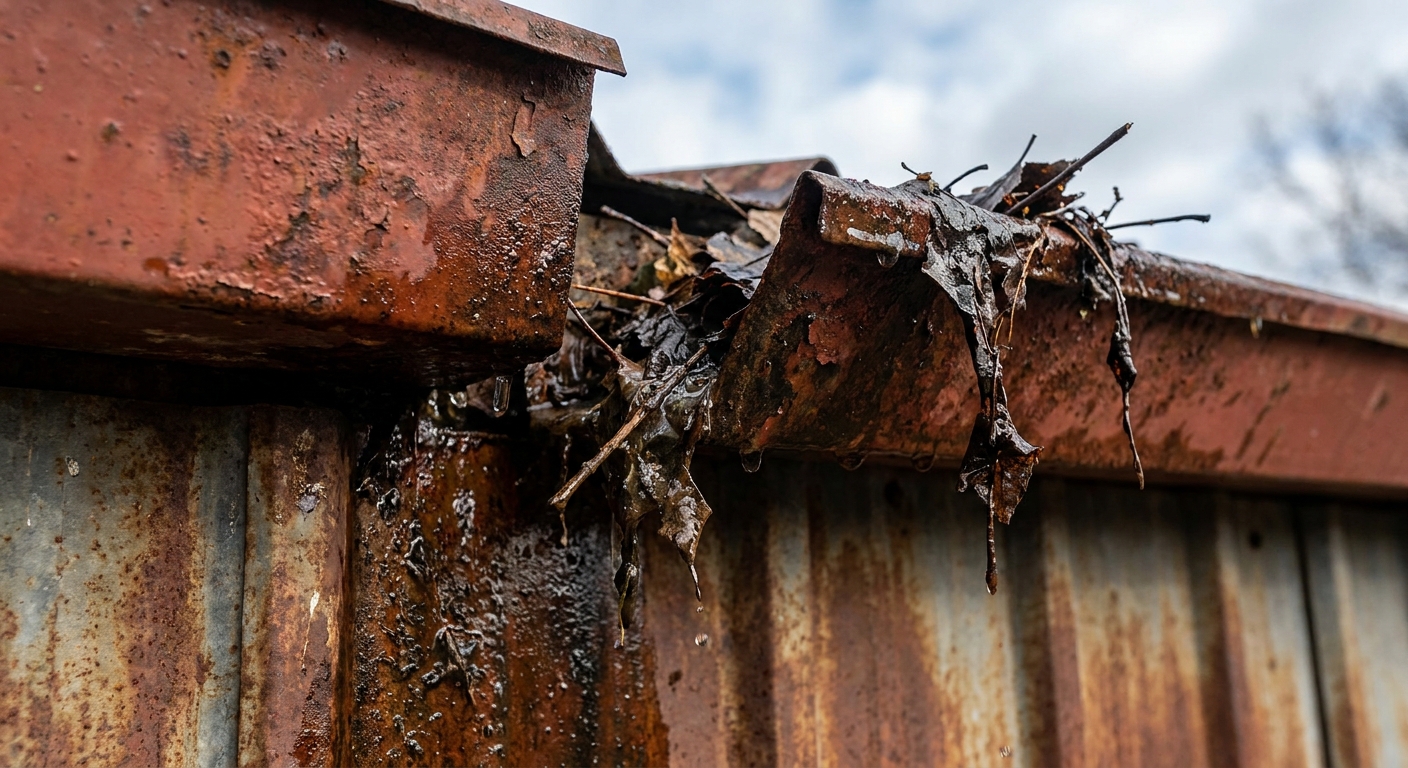
Typical problems include clogged gutters, deteriorated sealants, and splashing water that pools around your concrete foundation. Failing to inspect your Drainage and Ventilation Systems regularly can result in minor leaks turning into major structural restoration projects.
Why do joints and wall panels leak so often?
Think about it: metal buildings shift constantly due to temperature changes throughout the day. This expansion and contraction stresses your joints and tears cheap sealants.
- Cracked caulking develops at panel overlap joints.
- Enlarged screw holes occur from metal shifting.
- Loose eave flashing lets wind-driven rain in.
Here is why this matters: a small leak can go unnoticed behind insulation for months.
- Wet fiberglass insulation rots your wall.
- Slight rust forms on secondary girts.
- Water stains develop on interior metal sheeting.
What happens when gutters overflow in storms?
The truth is, undersized gutters will back up during sudden downpours. When the water level rises, it overflows backward under your roof panels.
- Water cascades down interior wall panels.
- Saturated insulation panels develop near the eaves.
- Ruined inventory occurs close to wall edges.
But wait, there’s more. The weight of trapped water can cause entire gutter runs to sag.
- Bent gutter brackets pull away from the trim.
- Standing water pools invite early rust.
- Complete gutter collapse occurs during heavy rain.
How does pooling water damage concrete bases?
Consider this: if your downspouts drop water directly at the base of your walls, you are risking foundation damage. Water will seep under your concrete slab, causing the soil to shift.
- Cracked concrete floors develop from shifting ground.
- High rising dampness occurs inside the building.
- Rust forms on the column base plates.
But that’s not all. Standing water at the base also damages the protective paint on your lower panels.
- Blistering paint and surface corrosion develop.
- Discolored wall panels occur from mud splatters.
- Weakened anchor bolts affect the main frame.
Key Takeaway
Identifying and correcting drainage bottlenecks early prevents water from reaching your structural foundation and primary steel framing.
| Identified Failure Mode | Direct Operational Cause | Engineered Corrective Action | |
|---|---|---|---|
| Gutter Backflow | Undersized gutter cross-section | Install deeper profile high-capacity gutters. | |
| Foundation Erosion | Short downspout discharge runs | Install concrete splash blocks or underground pipes. |
Proactive design modifications prevent small leaks from turning into foundation issues.
Which Ventilation Systems Work Best for Steel Shops?
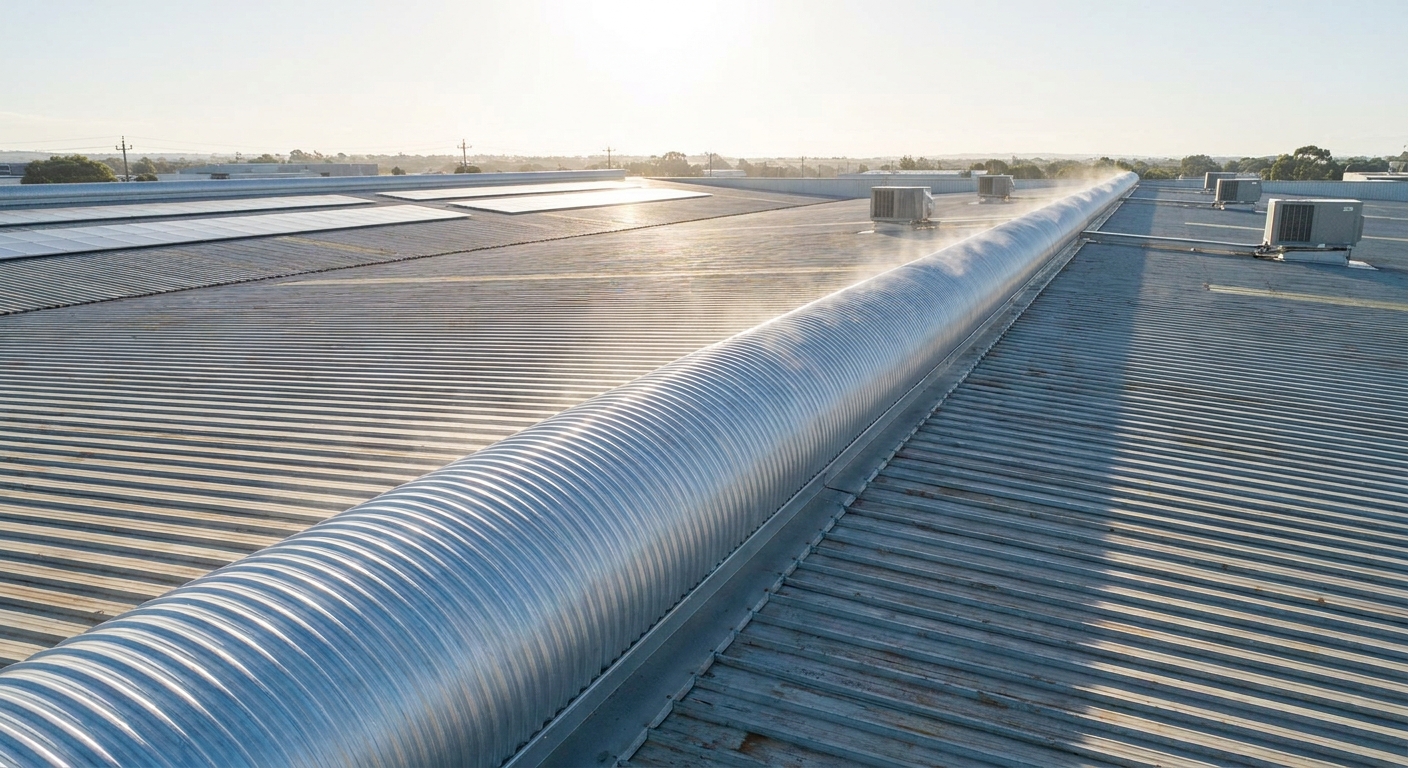
The most effective setups combine continuous roof ridge vents for hot air escape with lower wall louvers to draw in cool air. Well-designed Drainage and Ventilation Systems use both natural and mechanical forces to keep your work environment dry and comfortable.
How does natural air movement cool a warehouse?
Think about it: hot air rises naturally to the highest point of your roof. By installing continuous ridge vents, you allow this hot air to escape without spending a dime on electricity.
- Zero operating costs for continuous ventilation.
- Quiet operation with no moving mechanical parts.
- Reduced heat load affects your building’s ceiling.
Here is why this matters: you create a natural chimney effect that constantly cycles fresh air.
- Cooler air is pulled in through low wall louvers.
- Reduced indoor temperatures occur during summer.
- Better moisture removal occurs from the roof peak.
When should you install mechanical exhaust fans?
The truth is, passive ventilation isn’t always enough for busy workshops. If your facility produces heat, dust, or chemical fumes, you need mechanical exhaust fans.
- High-CFM fans clear out indoor air rapidly.
- Thermostat controls support automated operation.
- Targeted air exchange occurs in high-heat zones.
But wait, there’s more. Mechanical fans give you complete control over your indoor air quality.
- Rapid extraction of welding smoke and dust.
- Adjustable fan speeds adapt to seasonal changes.
- Consistent air pressure is maintained inside the building.
What are the benefits of hybrid ventilation?
Consider this: a hybrid system gives you the best of both worlds. You can use natural ventilation on mild days and switch on mechanical fans when production heats up.
- Optimized energy efficiency is achieved throughout the year.
- Backup airflow options are available if a mechanical fan fails.
- Lower wear and tear affects your electrical equipment.
But that’s not all. A hybrid approach adapts easily to changes in your daily business operations.
- Flexible settings support different shifts.
- Lower total operating costs benefit your shop.
- Long-term durability is achieved with minimal maintenance.
Key Takeaway
Combining passive ridge vents with motorized exhaust fans creates an efficient, adaptable system that keeps air moving in any climate.
| Ventilation Mode | Power Required | Ideal Application | |
|---|---|---|---|
| Natural | Zero Watts | General storage, agricultural sheds, warehouses | |
| Mechanical | 1.5kW – 7.5kW+ | High-heat factories, heavy manufacturing plants |
Choosing the right ventilation mode keeps operating costs aligned with your facility’s needs.
Get A Dry, Durable Steel Building Design Today !
Email:sales@showhoo.com.cn
Phone/WhatsApp: + 86 186 7895 5927
How Do Systems Control Steel Building Corrosion?
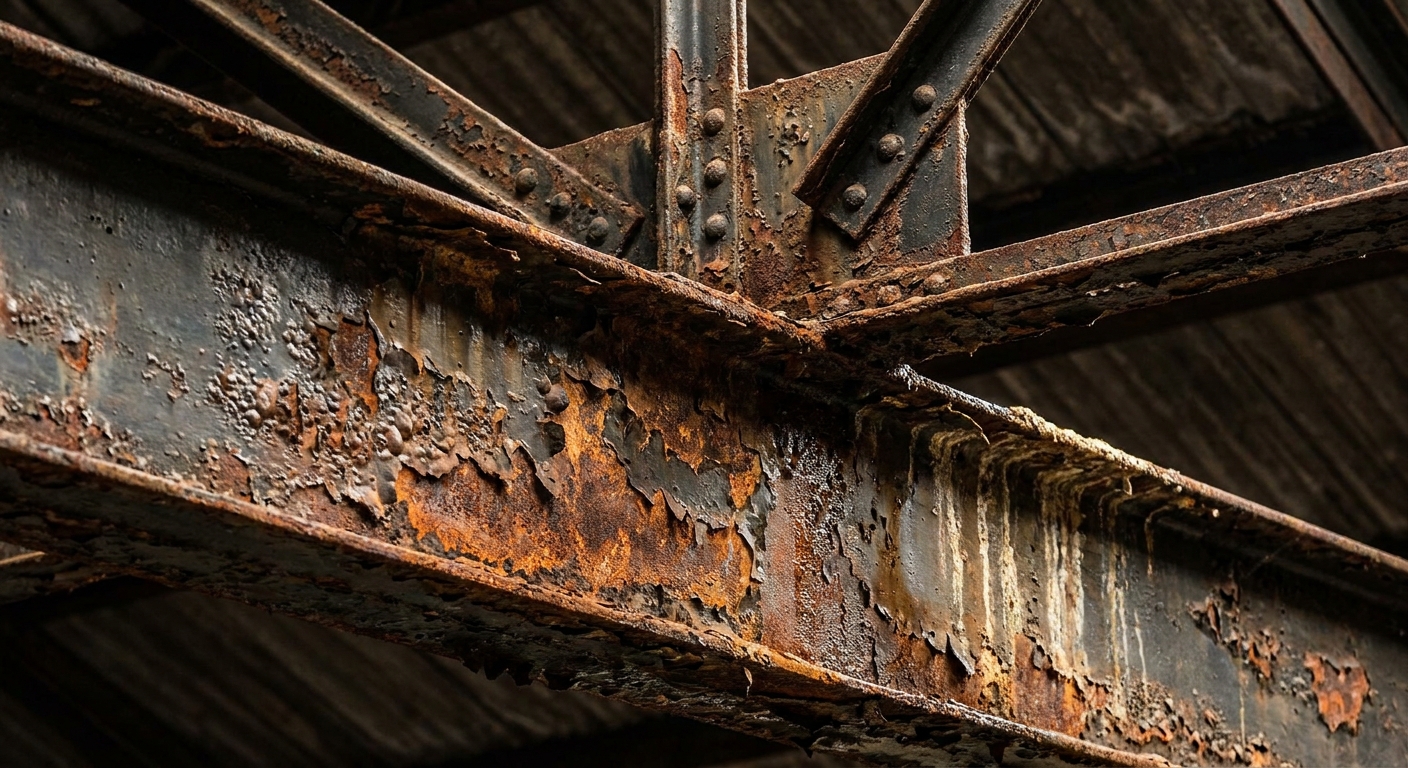
These components stop corrosion by quickly removing surface water and keeping relative indoor humidity levels below the threshold where condensation forms. Implementing professional Drainage and Ventilation Systems keeps your primary framing dry and prevents rust from weakening your building.
Why is condensation the silent enemy of steel?
Think about it: condensation forms when warm, humid indoor air touches cold metal roof panels. This moisture drips onto your steel frames, causing rust to develop slowly over time.
- Water droplets pool on top of columns.
- Slow rusting affects critical structural bolts.
- Blistering paint develops on your primary framing beams.
Here is why this matters: rust can quietly weaken your building’s structure without you realizing it.
- Loss of steel thickness occurs in high-stress joints.
- Weakened secondary purlins and wall girts develop.
- Stained and damaged interior wall panels occur.
Can galvanized coatings stop rust permanently?
The truth is, galvanizing provides excellent protection, but it isn’t indestructible. Continuous exposure to standing water will eventually wear down this protective zinc layer.
- Zinc coatings provide sacrificial defense against rust.
- Rapid wear of zinc occurs under constant standing water.
- A critical need exists for fast, reliable drainage.
But wait, there’s more. Steady airflow helps dry out any moisture before it can damage your coatings.
- Faster drying times benefit structural members.
- Preservation of your factory-applied coatings is achieved.
- An extended lifespan benefits your primary steel framing.
What are the best materials for high-humidity?
Consider this: if you are building in a humid or coastal area, standard steel isn’t enough. You should use aluminum gutters and zinc-aluminum coated panels (like Galvalume).
- Excellent corrosion resistance is delivered by zinc-aluminum.
- Aluminum gutters never rust or corrode.
- Marine-grade paint coatings protect against extreme weather.
But that’s not all. You must also use stainless steel fasteners to prevent galvanic corrosion at joint connections.
- No rust spots form around screw heads.
- Secure joints do not weaken over time.
- A cleaner appearance benefits your building exterior.
Key Takeaway
Using corrosion-resistant materials and keeping surfaces dry with constant airflow is the best way to prevent rust in your steel building.
| Structural Exposure Zone | Recommended Base Material | Protective Coating Options | |
|---|---|---|---|
| Roof Panels | High-tensile steel | Galvalume (AZ150) plus PVDF paint | |
| Gutters & Trim | Heavy-gauge aluminum | Marine-grade polyurethane powder |
Selecting the right material coatings prevents rust issues in high-moisture areas.
How Do You Design Systems for Different Buildings?
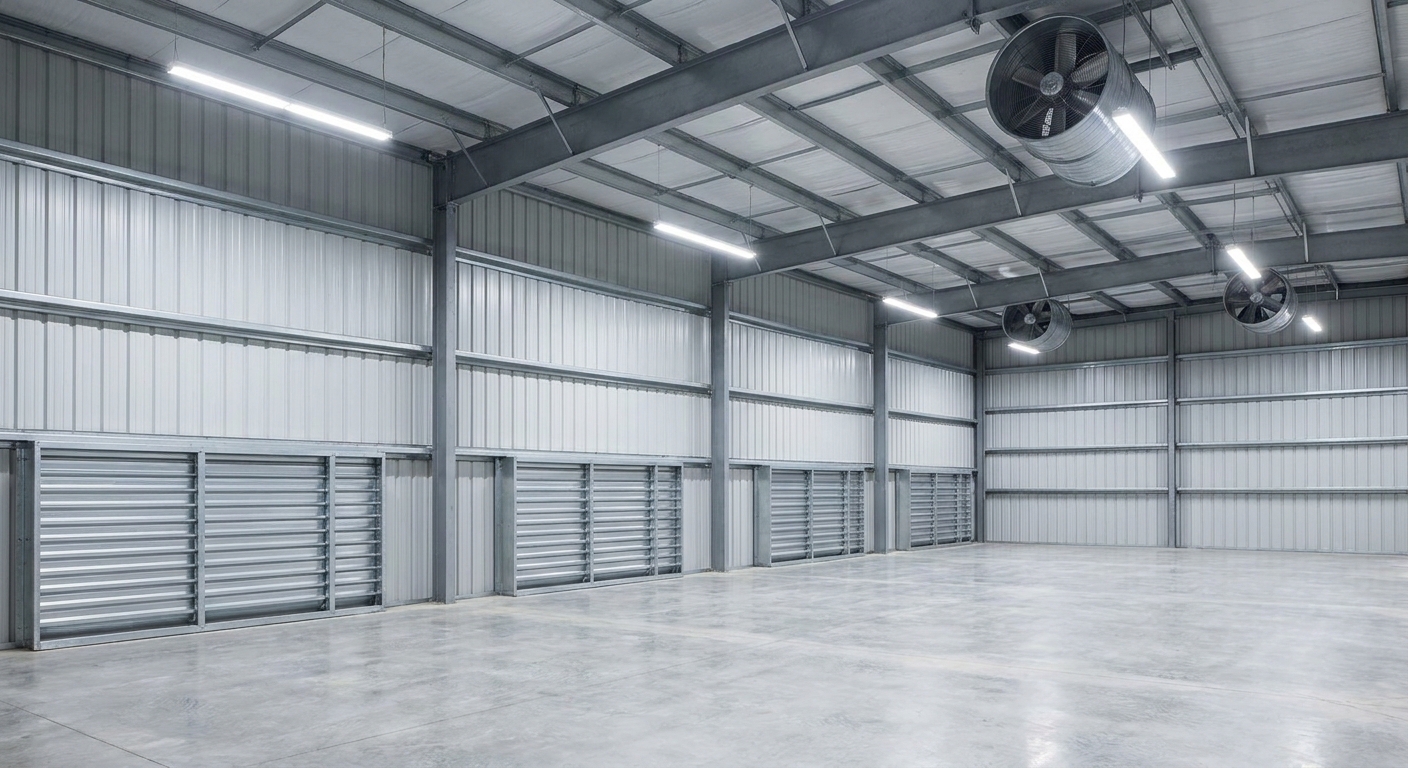
Design requirements vary based on your building’s use, requiring oversized gutters for large warehouses and high-CFM mechanical fans for industrial workshops. Customizing your Drainage and Ventilation Systems ensures your design matches your specific business operations.
What are the requirements for large warehouses?
Let’s look at the layout: large logistics warehouses have massive roof areas that collect huge volumes of rainwater. You need oversized external gutters and passive ridge vents to handle this runoff and keep inventory dry.
- High-capacity gutters prevent rainwater overflows.
- Continuous ridge vents release warm indoor air.
- Lower wall intake louvers maintain fresh airflow.
Think about it: you must protect your stored cargo from water leaks and condensation.
- A dry indoor environment protects paper and electronics.
- Consistent temperatures protect stored goods.
- Lower energy bills are achieved with passive cooling.
How do you ventilate massive industrial plants?
This is a different challenge: manufacturing plants generate high heat, steam, and dust from heavy machinery. You need high-capacity mechanical ventilation systems to maintain safe indoor air quality.
- Motorized roof exhaust fans pull out heat.
- Chemical-resistant fans support industrial processes.
- Fresh air intakes balance building pressure.
But wait, there’s more. Motorized dampers allow you to adjust your airflow based on seasonal temperatures.
- Dampers close in winter to keep heat inside.
- Vents open fully during summer operations.
- Lower heating and cooling costs benefit your plant.
What does a livestock building need to breathe?
Consider this: animal housing structures trap high levels of moisture, ammonia, and heat. You need corrosion-resistant materials and automated ventilation to keep your livestock healthy.
- Corrosion-resistant plastic or aluminum downspouts.
- Automated wall curtains adjust directly to weather.
- High-velocity circulation fans cool livestock.
But that’s not all. Proper ventilation reduces ammonia levels, protecting both your animals and your steel frame.
- Lower animal mortality rates and better growth.
- Reduced corrosion affects primary steel columns.
- Fresher, healthier working air benefits your team.
Key Takeaway
Customizing your drainage and ventilation layout for your specific business operations prevents structural and environmental issues.
| Building Use Case | Drainage Priority | Ventilation Choice | |
|---|---|---|---|
| Logistics Warehouse | High-capacity gutters | Passive ridge ventilators | |
| Poultry Shed | Acid-resistant PVC downspouts | Automated exhaust fans |
Matching system designs to your building’s use improves overall performance.
Get A Dry, Durable Steel Building Design Today !
Email:sales@showhoo.com.cn
Phone/WhatsApp: + 86 186 7895 5927
What Factors Determine Your Drainage and Vent Design?
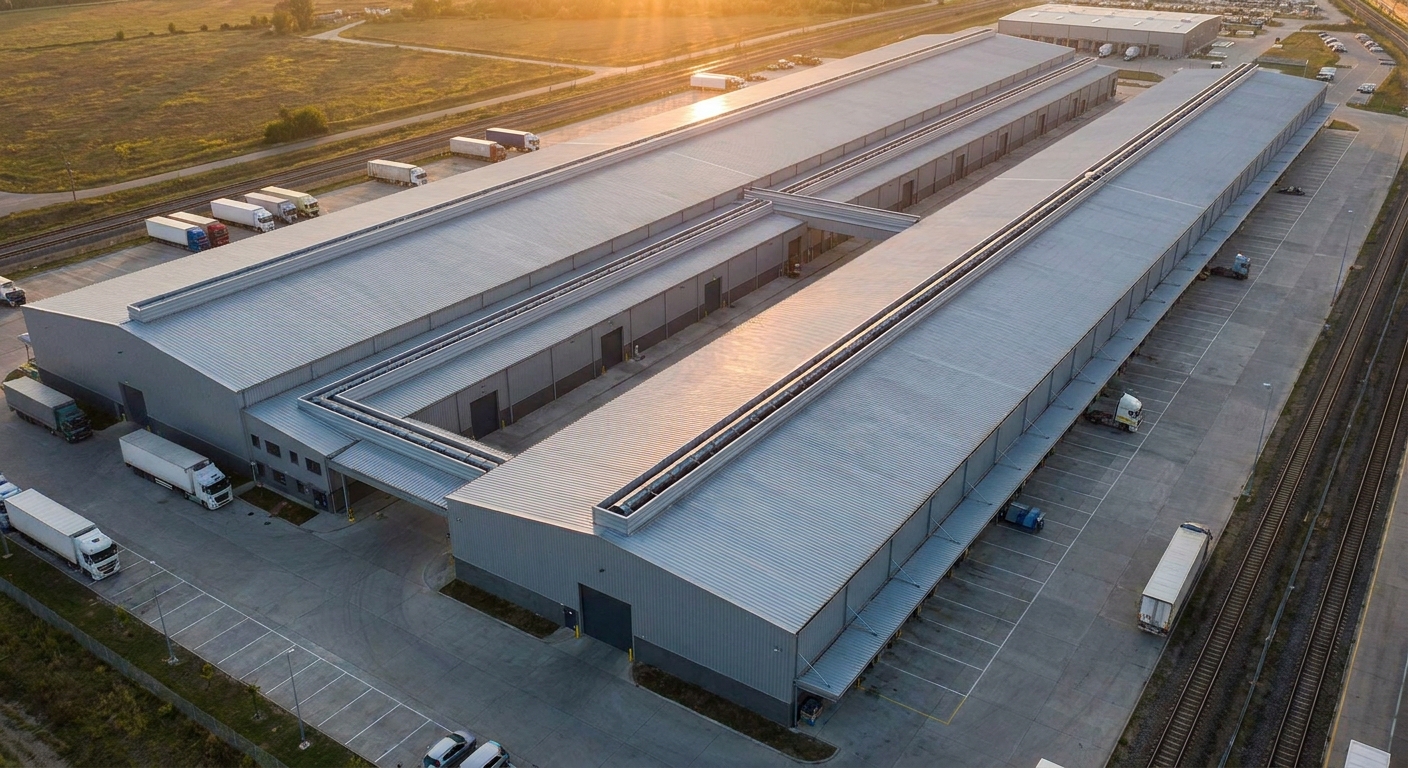
The design is determined by your local climate data, building footprint size, roof pitch, and local building codes. Specifying these Drainage and Ventilation Systems using accurate local data ensures your facility performs reliably during extreme weather.
How do local wind and rainfall rates impact size?
Think about it: you cannot design a building in a tropical region the same way as one in a dry climate. Engineers use local rainfall records to calculate the required size for your gutters and downspouts.
- Gutter widths are sized for historical storm events.
- Downspout spacing is calculated for peak rainfall.
- Snow guards prevent sliding snow from damaging gutters.
Here is why this matters: local wind loads also determine how securely your roof vents must be anchored.
- Heavy-duty brackets resist high wind forces.
- Low-profile ridge vents protect hurricane zones.
- Reinforced damper hinges secure exhaust fans.
Why do roof span and pitch dictate system layout?
The truth is, longer roof spans collect more water and require larger gutters. A steeper roof pitch sheds water faster, meaning your gutters must be positioned to catch fast-moving runoff.
- Larger roof surfaces require more downspouts.
- Steep slopes need deep-profile gutters.
- Flat roof sections require high-quality sealing.
But wait, there’s more. Your roof shape also determines where you should place your air intakes and exhaust vents.
- Vents are placed at the highest point of the roof.
- Louvers are positioned to face prevailing winds.
- Air intake and exhaust locations remain balanced.
What codes must your commercial structure follow?
Consider this: local building codes dictate minimum stormwater discharge rates and interior air exchange requirements. Your systems must meet these regulatory standards to pass inspection.
- Code-compliant rainwater drainage connects to storm sewers.
- Minimum fresh air requirements protect workers.
- Fire-rated dampers secure commercial roof vents.
But that’s not all. You must work with an experienced engineering team to ensure your designs are approved quickly.
- Certified structural drawings support your permit.
- Accurate plumbing calculations secure drainage approval.
- Energy code compliance is achieved for your ventilation.
Key Takeaway
Sizing gutters and ventilation systems to match local weather data ensures reliable performance during severe weather.
| Design Input Parameter | Engineering Calculation Impact | Standard Target | |
|---|---|---|---|
| Peak Rainfall Rate | Total downspout area calculation | 100-year storm event | |
| Building Occupancy | Minimum air change frequency | ASHRAE Standard 62.1 |
Designing for extreme weather events prevents system failures down the road.
What Should Buyers Inspect During Site Installation?
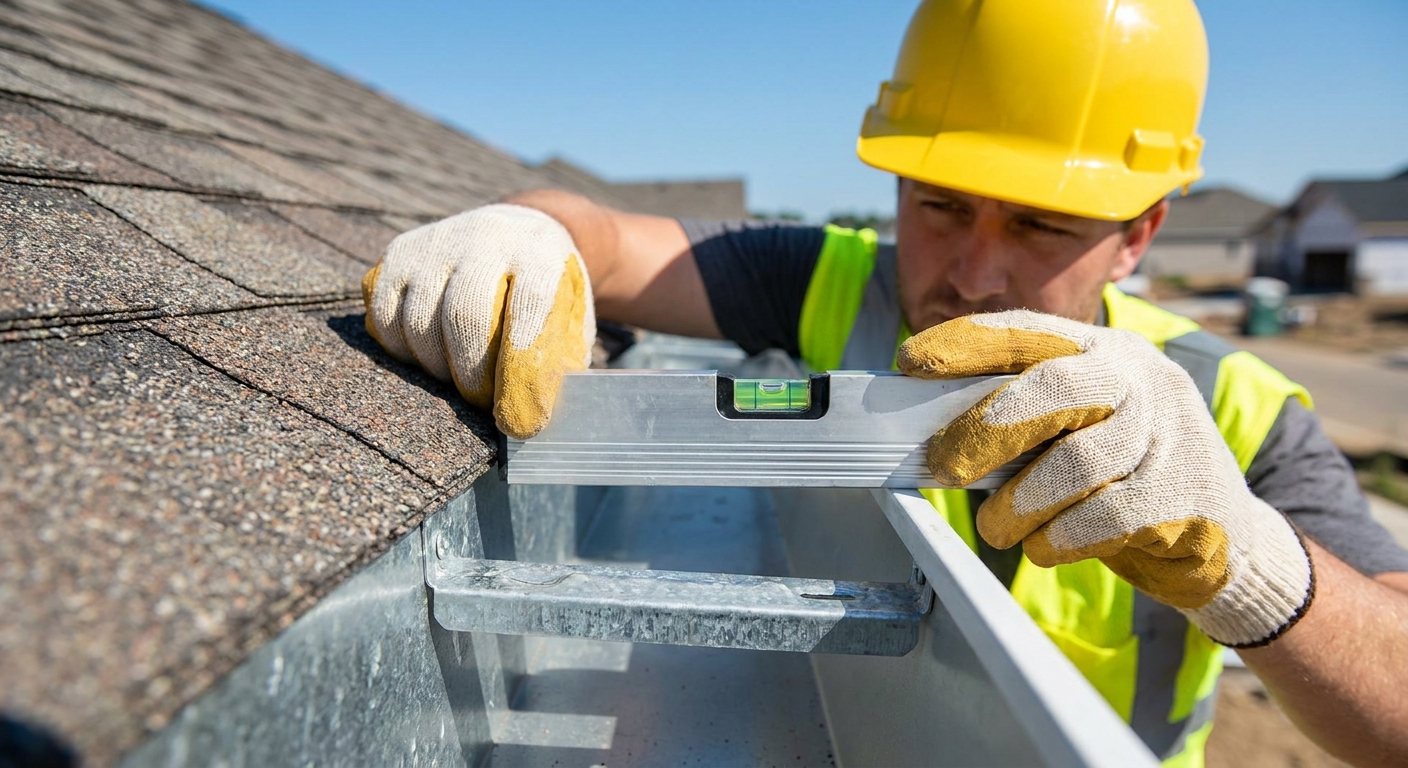
Buyers should check that gutters slope continuously toward downspouts, fasteners are driven straight, and all vents and fans have proper clearance to operate. Inspecting these Drainage and Ventilation Systems components during construction prevents expensive water leaks and mechanical issues later.
How do you check gutter alignment and slopes?
Think about it: gutters must slope continuously toward your downspouts to prevent water from pooling. If they are installed completely level, water will pool in the center, leading to early rust.
- Verify the slope using a professional level.
- Check that gutter brackets are securely anchored.
- Ensure there are no low spots where water pools.
Here is why this matters: standing water in your gutters will quickly rust through galvanized coatings.
- Early corrosion affects gutter seams and joints.
- Excess weight causes gutters to sag over time.
- Mosquito breeding grounds develop in standing water.
Are your roof panel fasteners fully watertight?
The truth is, every screw driven through your metal panels is a potential leak point. Fasteners must be driven straight, and their rubber washers should be compressed slightly to create a tight seal.
- Neoprene washers are compressed flat against panels.
- Screws are driven straight, not at an angle.
- No over-tightened screws damage the washers.
But wait, there’s more. You should check fastener seals around critical roof penetrations and flashing.
- Tight seals protect vent pipes and chimneys.
- No gaps develop in butyl tape under your flashing.
- Silicone seals are applied smoothly around joints.
How do you test fan and vent operation?
Consider this: before your contractor leaves the site, you must test all motorized fans and dampers. Vents should open and close smoothly, and fans must run quietly without excessive vibration.
- Test manual and motorized dampers for movement.
- Verify fans run quietly without vibration.
- Check that all electrical wiring is secure.
But that’s not all. You must also ensure that external weather hoods are installed correctly to keep rain out.
- Weather hoods face down to block rain.
- Bird screens are installed to prevent nesting.
- Proper clearance is maintained around all exhaust outlets.
Key Takeaway
Catching installation issues during construction prevents expensive leaks and ventilation repairs later.
| Installation Component | Quality Inspection Point | Target Condition | |
|---|---|---|---|
| Gutter Slope | Runoff water flow direction | Clean drainage to downspouts | |
| Fastener Washers | EPDM washer compression | Snug fit, flat seal, no damage |
A thorough on-site inspection ensures your water management system works as designed.
How Do You Maintain Steel Drainage and Vent Systems?
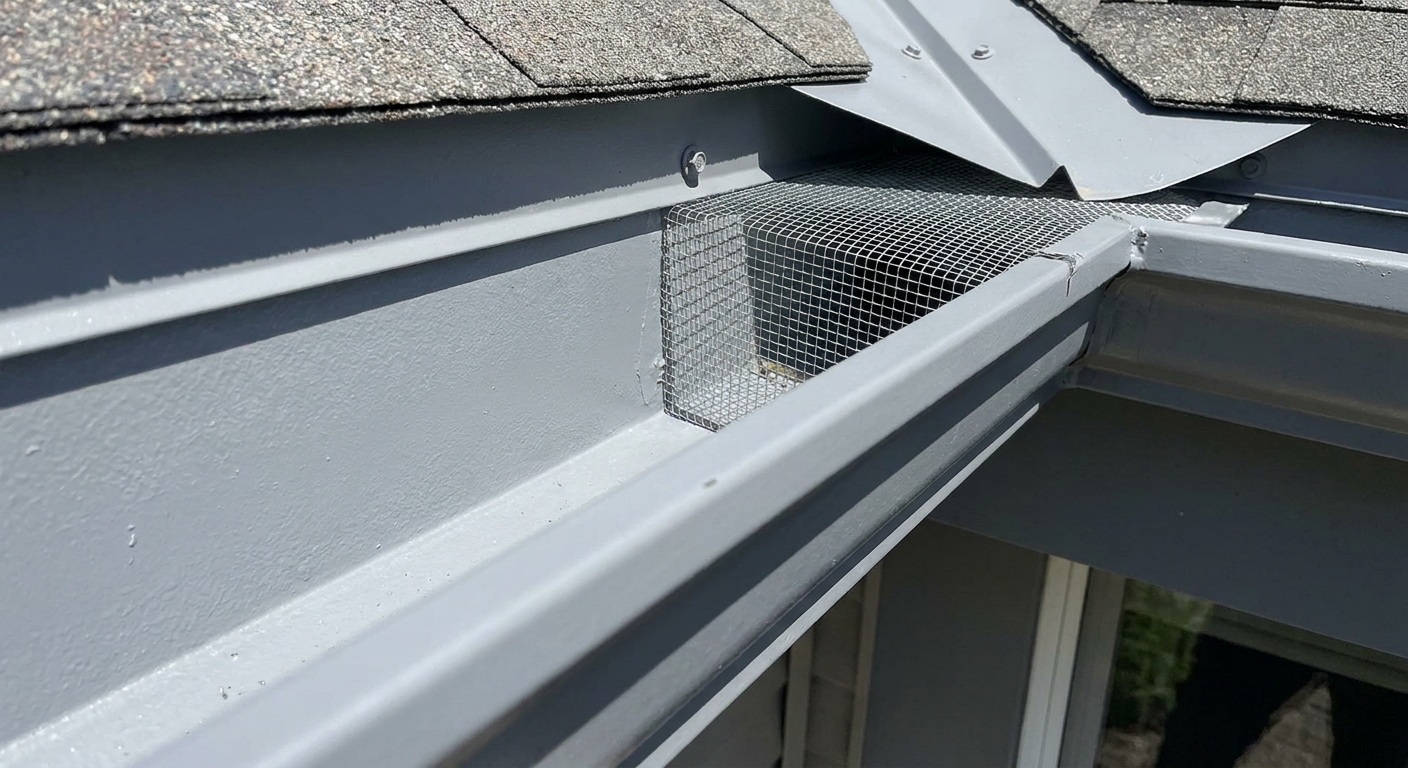
Proper maintenance requires cleaning out gutters twice a year, checking joint sealants for cracks, and servicing mechanical fan motors. Regularly maintaining your Drainage and Ventilation Systems extends the lifespan of your roof panels and keeps your interior air circulating efficiently.
When is the best time to clean gutters?
Think about it: clogged gutters are the main cause of commercial roof leaks. You should clear out leaves, dirt, and debris twice a year—ideally before your local rainy season starts.
- Debris is cleared from gutters and downspouts.
- Pipes are flushed with water to check for blockages.
- Leaf guards are installed in heavily wooded areas.
Here is why this matters: clean gutters prevent water from backing up and overflowing under your roof trim.
- No water backflow enters your wall insulation.
- Reduced weight affects your gutter support brackets.
- Fast water drainage is maintained even during heavy storms.
How do you check sealants for micro-cracks?
The truth is, solar heat and UV rays dry out joint sealants over time, causing them to crack. Inspect your roof seams and flashing joints annually to catch dry sealants early.
- Check for shrinking sealants around vents.
- Scrape away old, cracked caulking before repairing.
- Apply high-quality, UV-stable silicone sealants.
But wait, there’s more. You should also check for loose screws and damaged washers during your annual roof inspection.
- Tighten any loose panel screws you find.
- Replace cracked rubber washers immediately.
- Verify that flashing overlaps remain secure.
What does seasonal mechanical maintenance require?
Consider this: motorized fans and dampers need regular maintenance to run efficiently. You should lubricate bearings, check belt tension, and clean intake screens before summer.
- Lubricate bearings on fans and motorized dampers.
- Check belts for wear and adjust tension.
- Clean dust and debris from intake louvers.
But that’s not all. Keeping screens clean prevents dust from blocking your airflow and straining fan motors.
- Lower energy consumption benefits your fans.
- A longer lifespan is achieved for your ventilation motors.
- Consistent air quality is maintained inside your shop.
Key Takeaway
Simple preventative maintenance twice a year can extend the lifespan of your steel building’s drainage and ventilation systems.
| Frequency | Action Required | Area of Focus | |
|---|---|---|---|
| Every 6 Months | Clean gutters and downspouts | Entire roof perimeter | |
| Every 12 Months | Inspect joint sealants and flashing | Roof penetrations and joints |
Regular maintenance helps prevent unexpected building leaks and structural repairs.
Get A Dry, Durable Steel Building Design Today !
Email:sales@showhoo.com.cn
Phone/WhatsApp: + 86 186 7895 5927
How Does an Expert Supplier Ensure Better Design?
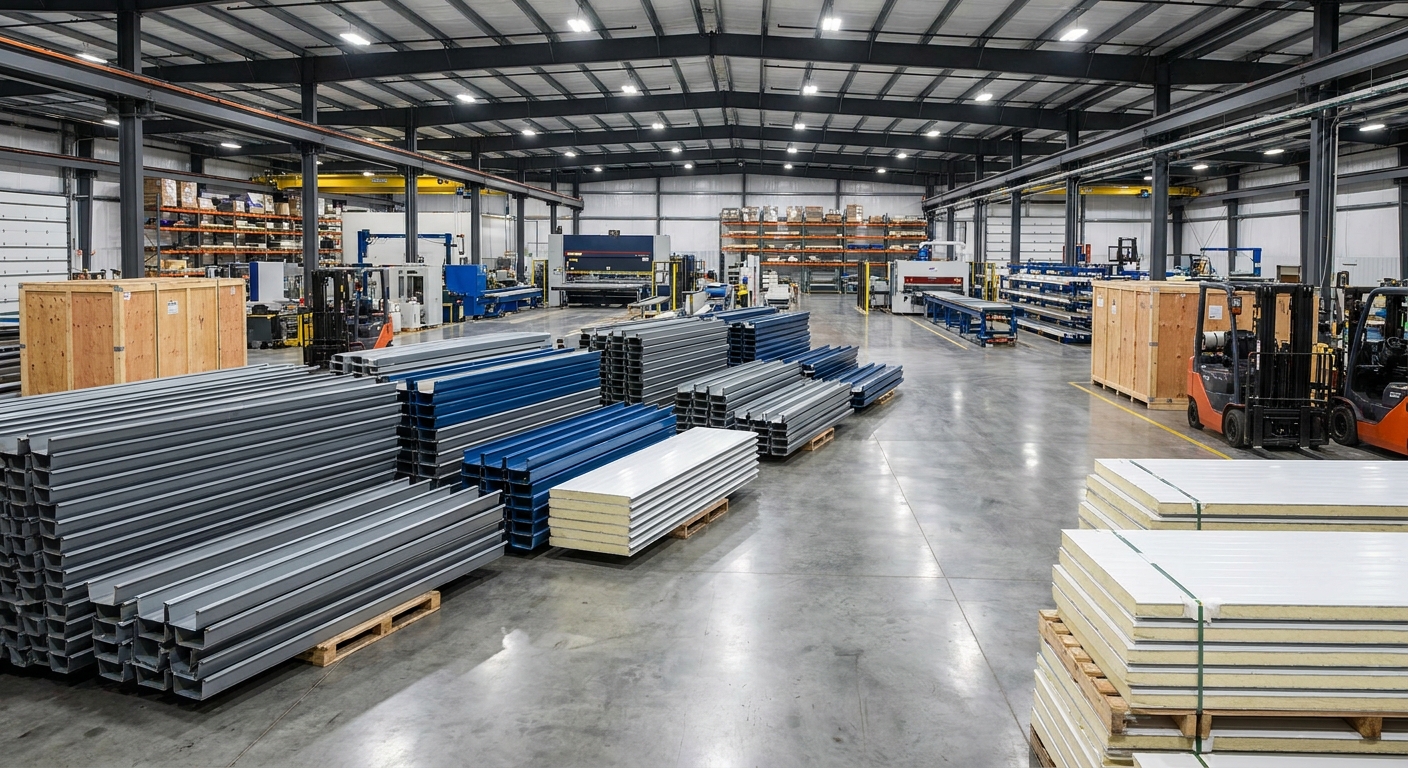
A professional manufacturer ensures reliable performance by using pre-engineered, factory-cut parts and providing detailed structural installation plans. Sourcing your Drainage and Ventilation Systems from an experienced supplier reduces field errors and ensures all components fit together perfectly.
Why choose integrated design-to-build services?
Think about it: when your structural steel, roof panels, and drainage components are designed by a single engineering team, they fit together seamlessly on-site. This integrated design approach eliminates the need for expensive modifications in the field.
- A perfect fit is achieved for all factory-cut gutter parts.
- Pre-punched holes support easy gutter mounting.
- Consistent material quality is maintained across all components.
Here is why this matters: you save time and money during the construction phase.
- Faster installation is achieved with less field work.
- Fewer mistakes occur from mixing different suppliers.
- A single point of contact simplifies your warranty.
How do custom drawings simplify field assembly?
The truth is, installation drawings leave no room for guesswork. Manufacturers provide detailed 3D plans that show your installation crew exactly where to place flashing, sealants, and vents.
- Detailed step-by-step assembly drawings are provided.
- Clear labels are placed on all factory-made parts.
- Specific details are shown for sealing flashing joints.
But wait, there’s more. Having detailed plans ensures your project is built exactly as the engineers intended.
- Easy compliance checks are maintained during construction.
- Better quality control is achieved on the job site.
- Fewer delays occur from missing assembly details.
Can pre-engineered parts reduce install errors?
Consider this: factory-fabricated components are cut and shaped under strict quality controls. This precision ensures that gutters, downspouts, and vents seal tightly and fit your steel frame perfectly.
- Accurately cut gutters prevent leaks.
- Prefabricated corner trims provide a clean look.
- Factory-fitted seals secure ventilation hoods.
But that’s not all. Using pre-cut parts reduces material waste and lowers labor costs on-site.
- No noisy on-site cutting or shaping is needed.
- Shorter installation times benefit your crew.
- A clean, professional look is delivered for your building.
Key Takeaway
Working with a qualified manufacturer ensures your building is designed to handle local weather conditions from day one.
| Factory Process | Job Site Advantage | Long-Term Benefit | |
|---|---|---|---|
| Factory Pre-Cutting | Rapid on-site assembly | Fewer installation errors | |
| Pre-Drilled Holes | Perfect bracket alignment | Secure, long-lasting gutters |
Factory preparation simplifies installation and ensures reliable on-site results.
Ready to Build a High-Performance Steel Structure?
Yes, you can achieve a highly durable, dry, and energy-efficient building by planning your water runoff and airflow solutions from the very beginning. Integrating professional Drainage and Ventilation Systems into your custom steel structure is the most effective way to protect your physical assets and lower maintenance costs.
Why early engineering planning saves future money?
Think about it: retrofitting vents or patching leaky gutters on a completed building is both difficult and expensive. Working with our engineering team during the planning stage allows us to optimize your layout for your local climate.
- Avoid expensive structural modifications later.
- Ensure proper support for heavy ventilators.
- Save money by ordering all materials together.
The truth is, we handle the complex calculations for you, from wind loads to drainage capacities.
- Accurate gutter sizing is based on local storm data.
- Balanced air exchange designs create comfortable shops.
- High-quality, galvanized materials resist rust.
How do we help optimize your custom project?
Here is why this matters: we design and manufacture high-performance, prefabricated steel buildings tailored to your exact requirements. We are dedicated to providing durable, long-lasting industrial, commercial, and agricultural facilities that stand up to the elements. If you are ready to build a reliable warehouse, factory, or animal shelter, contact us today for a professional design consultation and free quote.
- Custom 3D drawings are created for your building project.
- Direct factory prices are offered on pre-engineered steel.
- Expert engineering support guides you from start to finish.
Key Takeaway
Getting your drainage and ventilation designs finalized during the planning stage is key to a reliable, long-lasting building.
| Planning Action | Budget Impact | Long-Term Benefit | |
|---|---|---|---|
| Integrated Design | Lowers design costs | Zero installation mistakes | |
| Early Material Sourcing | Reduces freight fees | Accelerated construction timeline |
Planning your water runoff and airflow solutions during the earliest engineering stage prevents expensive rebuilds.
Get A Dry, Durable Steel Building Design Today !
Email:sales@showhoo.com.cn
Phone/WhatsApp: + 86 186 7895 5927
Technical FAQs
1. What’s the best drainage system for a steel warehouse?
Oversized external gutters paired with heavy-duty downspouts are the most reliable option. This setup keeps rainwater outside the building footprint and reduces the risk of leaks at joint connections. For larger warehouses, using external gutters instead of internal valley gutters prevents backflows from entering the interior if a downspout gets clogged.
2. How do I know if my building has enough ventilation?
You can check for visible signs of humidity like condensation on the steel frame or dry insulation. If you notice stale air, rising indoor temperatures, or moisture dripping from roof rafters, your facility lacks proper air circulation. Installing wall louvers and roof ridge vents will establish a natural airflow loop to resolve these issues.
3. Can I install passive roof vents on a low-slope roof?
Yes, absolutely. Passive ridge vents work efficiently on most sloped roofs by utilizing natural thermal currents to exhaust rising hot air. For low-slope roofs, we ensure that flashing and sealants are properly applied to prevent water from entering the vent seams during heavy windstorms.
4. What’s the best way to prevent gutter rust?
Using color-coated galvanized steel or aluminum gutters is the most effective solution. These high-quality materials resist oxidation and stand up to acidic rain. Regularly clearing leaves and flushing your gutters prevents standing water from slowly wearing down the protective coatings.
5. How do I know if my roof washers need replacement?
An annual visual inspection of your roof fasteners will tell you immediately. If you see cracked, brittle, or bulging rubber washers around the self-drilling screws, they are no longer watertight. Replacing these damaged fasteners prevents rainwater from seeping through the panel screw holes.