
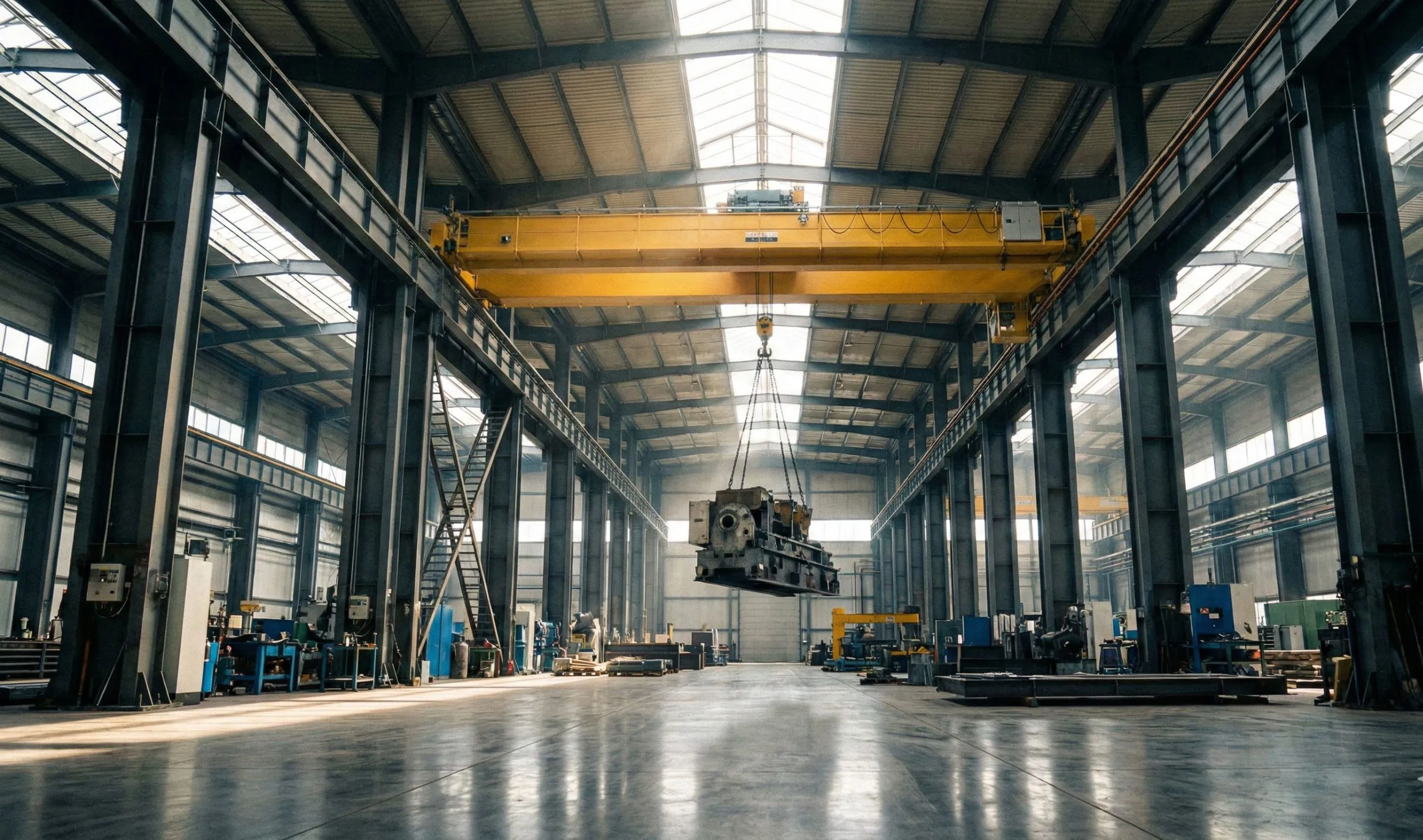
Custom Steel Structure Workshop for Manufacturing and Cranes
Custom-engineered around your production layout, crane requirements, local wind, snow and seismic inputs, and future expansion plan.
Custom Steel Workshop Solutions for Industrial Production
Each steel workshop is designed around the actual production process, equipment layout, material handling, and project conditions rather than a fixed standard model.
Manufacturing Workshop
Manufacturing workshops are designed around the production process, with layouts coordinated to:
- Production machinery and equipment foundations
- Raw-material and finished-product movement
- Forklift and vehicle access
- Equipment installation and maintenance clearances
- Door and window positions
- Ventilation and daylighting requirements
- Future production-line expansion
Building length, width, eave height, column spacing and access openings are determined according to the equipment layout and operating requirements of each project.
Workshop with Overhead Crane
For projects requiring lifting and material handling, the steel workshop building can be designed together with the overhead crane system. The confirmed project scope can include:
- Crane runway beams
- Crane-supporting column corbels
- One or two overhead cranes
- Single-girder cranes
- Double-girder cranes
- Structural provision for future crane installation
- Crane equipment supply
Crane capacity, quantity, span, lifting height, rail level, wheel loads and operating requirements must be confirmed before the structural calculation is completed.
Large-Span Workshop
Large-span workshops provide fewer internal columns and greater flexibility for machinery, production lines, and material flow. The final structure is determined by:
- Required clear working width
- Building length and total width
- Eave height
- Local wind, snow and seismic parameters
- Roof and suspended loads
- Crane loads
- Production equipment layout
- Fabrication and transportation requirements
A larger span is not automatically the most economical solution. The structure must balance usable space, steel consumption, fabrication feasibility, transportation and foundation reactions.
Key Project Controls Before Fabrication
A successful steel workshop project requires coordinated technical inputs, supply scope, drawing approval, and component identification before fabrication.
Confirm the Design Inputs
Building dimensions, local environmental loads, crane data, equipment layout and enclosure requirements must be confirmed before the structural calculation is finalized. Incomplete or changing inputs can affect:
- Steel member sizes
- Connection details
- Crane runway design
- Door and window positions
- Material quantities
- Production schedules
- Packing plans
Define the Supply Boundary
The quotation and bill of materials should clearly identify which components are included. The confirmed scope may cover:
- Primary and secondary steel structures
- Roof and wall systems
- Insulation materials
- Doors and windows
- Drainage and ventilation accessories
- Crane runway components
- Crane equipment
- Fasteners, flashings and installation accessories
Civil foundations, mechanical and electrical systems, and local construction work should be listed separately unless included in the contract.
Control Changes Before Production
Changes made after drawings are approved may affect material quantities, connection details, production sequencing and delivery schedules. Before fabrication begins, both parties should confirm:
- Final structural drawings
- Material specifications
- Component quantities
- Opening locations
- Crane requirements
- Coating requirements
- Packing and shipment arrangements
Plan Component Identification Before Production
Before fabrication, component markings should match approved erection drawings to ensure traceability during inspection, packing, and installation.
- Member marks matched to erection drawings
- Connection plates linked to the correct assemblies
- Bolts and small accessories grouped by building zone
- Drawing quantities checked against component lists
- Installation sequence reflected in identification codes
- Marking rules kept consistent across drawings and packing lists
Clear identification planned before production reduces sorting time, assembly errors and avoidable site delays.
Let's ensure your project inputs, scope and drawings are fully aligned before fabrication starts.
Send Your Project InformationWorkshop Structure: The Decision That Determines Everything
The structural system should be selected according to the workshop span, building height, crane loads, production layout and future development plan. There is no single structural configuration suitable for every industrial workshop.
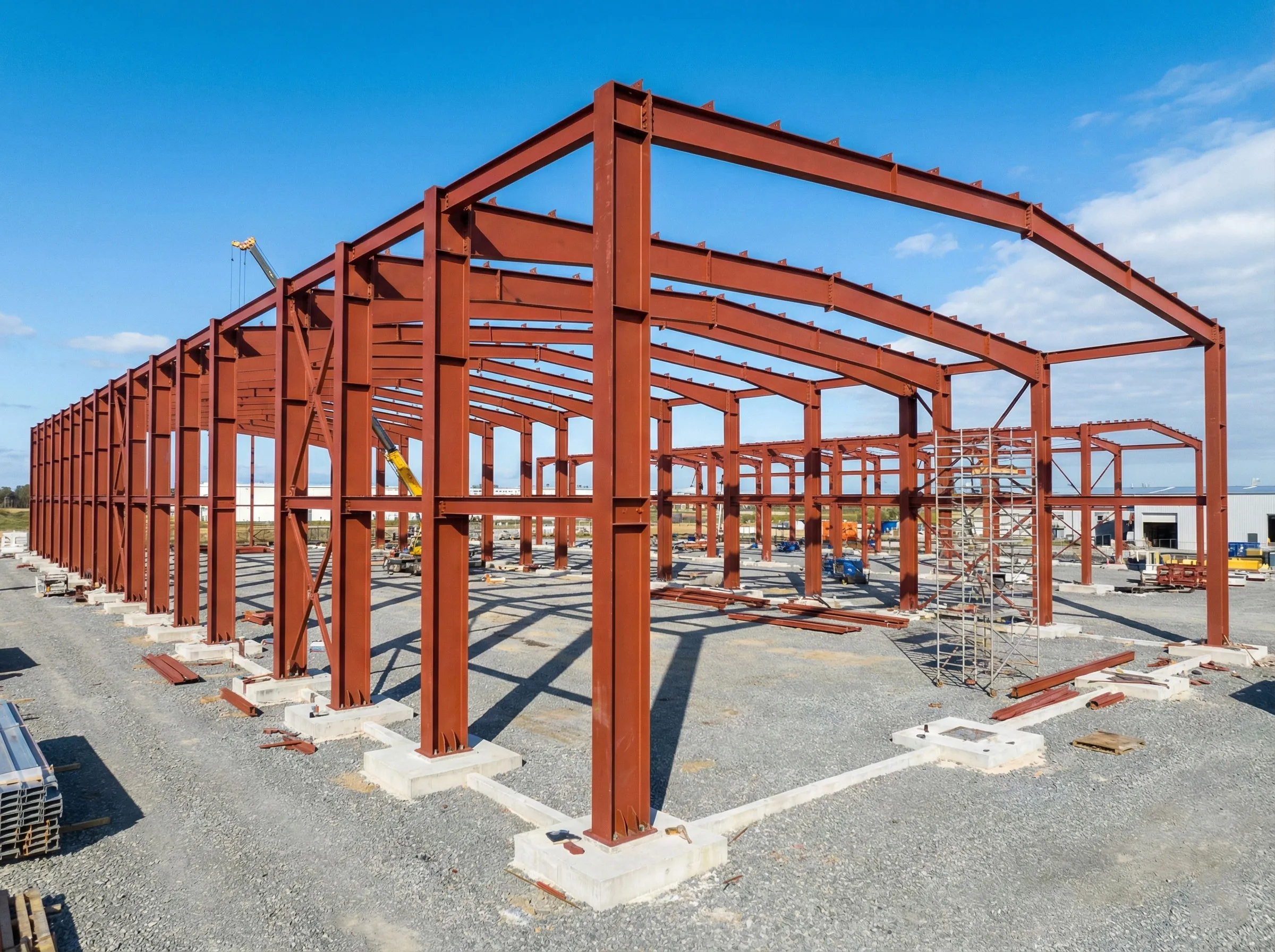
Multi-Span Workshop
A multi-span arrangement may be considered when the total building width is large or when different production areas need to be separated into functional bays. Internal columns can help control structural weight, but their positions must be coordinated with:
- Production lines
- Machinery
- Forklift routes
- Crane operation
- Material transfer
- Future layout changes
When You Need Alternative Solutions
Exceptional span requirements, heavy crane loads, or multi-story configurations may require customized structural approaches.
Portal Frame Workshop
Portal frames are commonly selected for industrial workshops when they suit the required span, building height and operating loads. This system can provide:
- Efficient use of structural steel
- Flexible internal production space
- Straightforward fabrication and bolted assembly
- Coordination with roof and wall cladding
- Future extension along the building length
The final member sizes and connection details must still be determined by structural calculation.
Customized Heavy-Duty Structure
Heavy crane loads, unusual spans, large equipment, suspended loads or complex building geometry may require a customized structural solution. The design may involve:
- Reinforced steel columns
- Crane-supporting corbels
- Customized crane runway beams
- Additional longitudinal or roof bracing
- Truss or combined framing systems
- Strengthened connections
- Higher foundation reactions
The final structural configuration is selected only after the project loads and operating requirements have been confirmed.
Structure = Usability + Expandability + Safety
Optimal structural design considers crane integration, future expansion capacity, and connection simplicity that accelerates installation.
Need guidance on the right structural system for your workshop?
Discuss the Right Structural SystemSpace Parameters That Decide Workshop Usability
Correct total area means nothing if your workshop can't accommodate your actual production process.
-
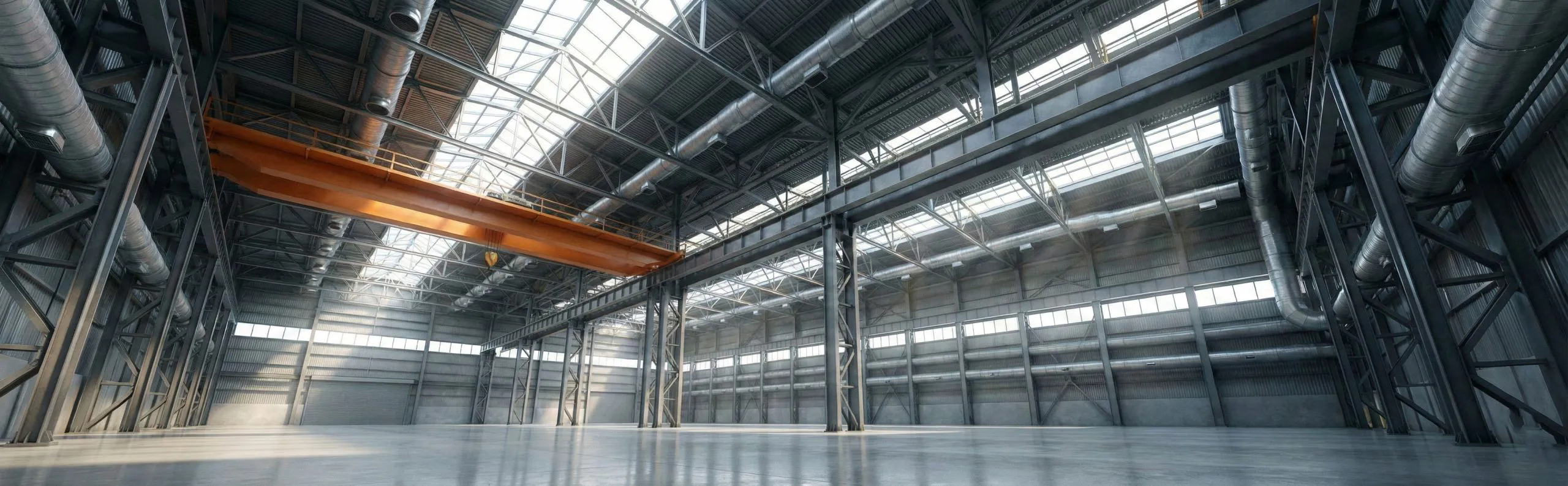
One of the most common mistakes in workshop planning is focusing only on square footage. A 2,000-square-meter workshop with an unsuitable width may provide less usable production space than a smaller building with a properly designed span. Workshop width affects:
- Production line arrangement
- Equipment installation
- Forklift movement
- Material transfer efficiency
When the width is too narrow, equipment often has to be positioned inefficiently, creating unnecessary transportation distances and reducing productivity.
For workshops handling large machinery, steel fabrication, or industrial manufacturing, selecting the correct span is often one of the most important decisions during the design phase.
-
Many buyers pay attention to building dimensions but overlook the impact of column locations. Columns are necessary for structural support, but they can also become obstacles if they interfere with production processes. Poor column placement can create problems such as:
- Restricted equipment layout
- Difficult forklift operation
- Limited storage configuration
- Reduced flexibility for future upgrades
A workshop should be designed around how the business operates rather than forcing operations to adapt to the building structure.
Proper column spacing helps maintain open working areas while controlling construction costs.
-
Height is often underestimated because it does not immediately affect floor space calculations. However, insufficient building height can create long-term operational limitations. As businesses grow, many facilities eventually require:
- Larger equipment
- Overhead crane systems
- Higher storage racks
- Improved ventilation systems
If the original workshop was designed with minimal clearance, these upgrades may become difficult or even impossible without major reconstruction.
Investing in appropriate height during the initial construction stage often costs far less than modifying the structure later.
-
Many workshop owners initially believe they do not require overhead cranes. Several years later, increased production volume or heavier products create a need for lifting equipment.
At that point, retrofitting a crane system can become expensive because the structural frame was never designed to support additional crane loads.
Even if a crane is not required immediately, evaluating future lifting requirements during the design stage can prevent costly upgrades and ensure long-term operational flexibility.
-
A workshop is typically expected to serve a business for decades. Production capacity, equipment requirements, and storage needs rarely remain unchanged during that period. Unfortunately, many buildings are designed only for current operations. As a result, owners face challenges when attempting to:
- Add production lines
- Increase storage capacity
- Install larger machinery
- Expand manufacturing output
Considering future growth during the planning stage allows the structure to accommodate expansion with significantly lower costs.
-
Instead of asking "How large should my workshop be?" a better question is: "Will my workshop still support my business five years from now?"
The answer depends on whether the key space parameters have been designed around both current operations and future development plans. A workshop that supports efficient workflows, equipment upgrades, crane installation, and expansion opportunities will continue delivering value long after construction is completed.
Steel Workshop with Overhead Crane
An overhead crane must be integrated into the workshop structure from the start.
Crane loads affect runway beams, corbels, columns, bracing, connections, and foundations. Adding a crane later may require major reinforcement if not included in the original design.
Crane Runway Beams and Column Corbels
The crane runway system is designed according to the crane technical data and workshop column arrangement. The structural scope can include:
- Crane runway beams
- Crane rails and related supporting components
- Steel column corbels
- Runway beam connections
- Longitudinal bracing coordination
- Structural calculation of crane-supporting members
The crane runway elevation must be coordinated with the required hook height, crane bridge depth and roof clearance.
Single-Girder and Double-Girder Cranes
Both single-girder and double-girder overhead cranes can be considered. The selection depends on:
- Required lifting capacity
- Crane span
- Required hook height
- Operating frequency
- Equipment and product dimensions
- Maintenance requirements
- Available building height
- Project budget
The workshop can be designed for one or two cranes when the corresponding crane data is provided. Crane equipment can also be supplied when it is included in the confirmed quotation and technical scope.
Information Required for Crane Design
Before crane runway design begins, please provide:
- Crane capacity
- Number of cranes
- Single-girder or double-girder type
- Crane span
- Required lifting height
- Rail-top elevation
- Crane operating class
- Crane self-weight
- Maximum wheel load
- Crane supplier drawings, when available
Provision for Future Crane Installation
A workshop that does not require a crane immediately can still be evaluated for future crane installation. The future crane capacity and quantity should be defined during the original design so that the following items can be checked:
- Steel column capacity
- Column corbels
- Crane runway beams
- Bracing system
- Connections
- Foundation reactions
- Available operating clearance
Future crane installation should never be assumed unless it has been included in the approved structural calculation.
Cladding System: Cost Today vs Cost for the Next 20 Years
Your choice determines not just initial investment, but decades of operational costs.
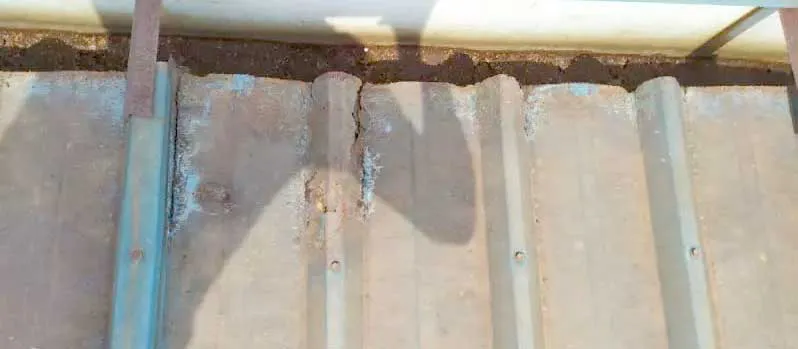
Rust Issues
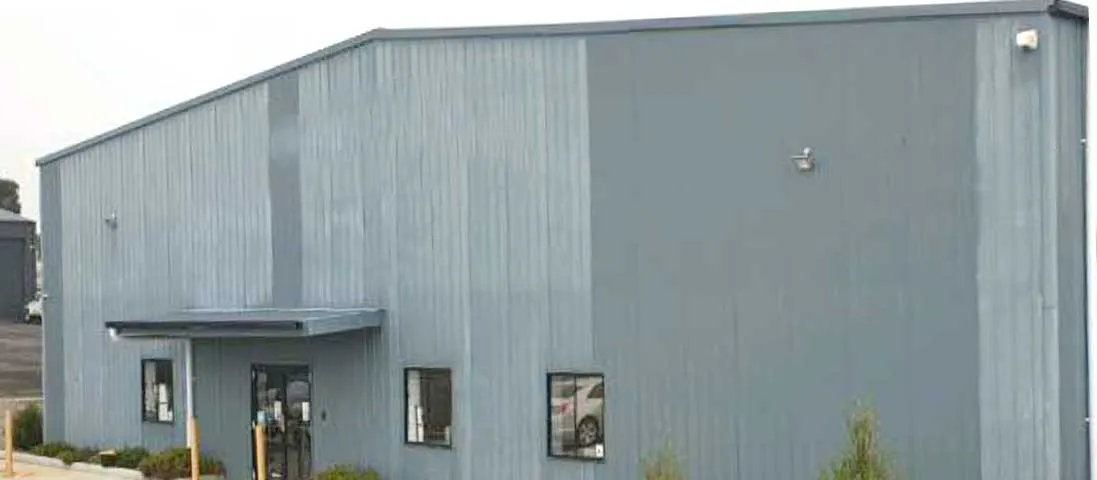
Poor-quality color steel sheet will rust after a few years of use. You may save costs at the beginning, but you will need to replace the materials with new ones after a few years, which will incur a lot of expenses.
Color Change Issues
Please check the above image for the color changes after 3 years of use. High-quality color steel sheet has a significantly longer service life, not only resisting rust, but also experiencing minimal color changes.
Let's match your cladding system to your actual operational requirements.
Ask About Workshop SolutionsEngineering Calculations, CAD Drawings and Tekla Detailing
A steel workshop project requires coordinated structural calculations, fabrication drawings and installation documents.
Our engineering process develops the workshop structure according to the confirmed building use, dimensions, loads, crane requirements and component supply scope.
Project-Specific Load Inputs
Structural calculations follow the applicable GB design framework and confirmed project inputs, including:
- Wind speed or design wind load
- Snow load
- Seismic parameters
- Roof live load
- Suspended equipment loads
- Crane loads
- Production equipment requirements
- Building dimensions
- Future expansion requirements
The customer or local consultant should confirm the official environmental parameters for the project location.
Structural Calculation Reports
Complete structural calculation reports can be prepared for the workshop steel structure. The calculation process evaluates the required structural members, which may include:
- Main steel columns
- Roof beams or trusses
- Crane runway beams
- Column corbels
- Bracing systems
- Structural connections
- Foundation reactions
Final member sections are selected according to the approved structural calculation rather than a fixed standard specification.
CAD Drawings and Tekla Detailing
Engineering deliverables can include:
- General arrangement drawings
- Structural plans and elevations
- Connection details
- Anchor bolt layouts
- Fabrication drawings
- Component drawings
- Installation drawings
- CAD files
- Tekla models
- Structural calculation reports
Tekla detailing is used to coordinate member geometry, connections, fabrication information and component identification before production.
Local Engineer Review
Calculation reports and drawings can be provided to the customer's locally licensed engineer for review. The local engineer should confirm:
- Local approval procedures
- Acceptance of the selected design standard
- Local professional stamping requirements
- Geotechnical and foundation design
- Fire and life-safety requirements
- Site-specific construction regulations
Using local wind, snow and seismic parameters does not by itself replace the local authority or licensed engineer review process.
Ensure your workshop meets local building codes from the start.
Request an Engineering ReviewFrom Approved Drawings to Export Delivery
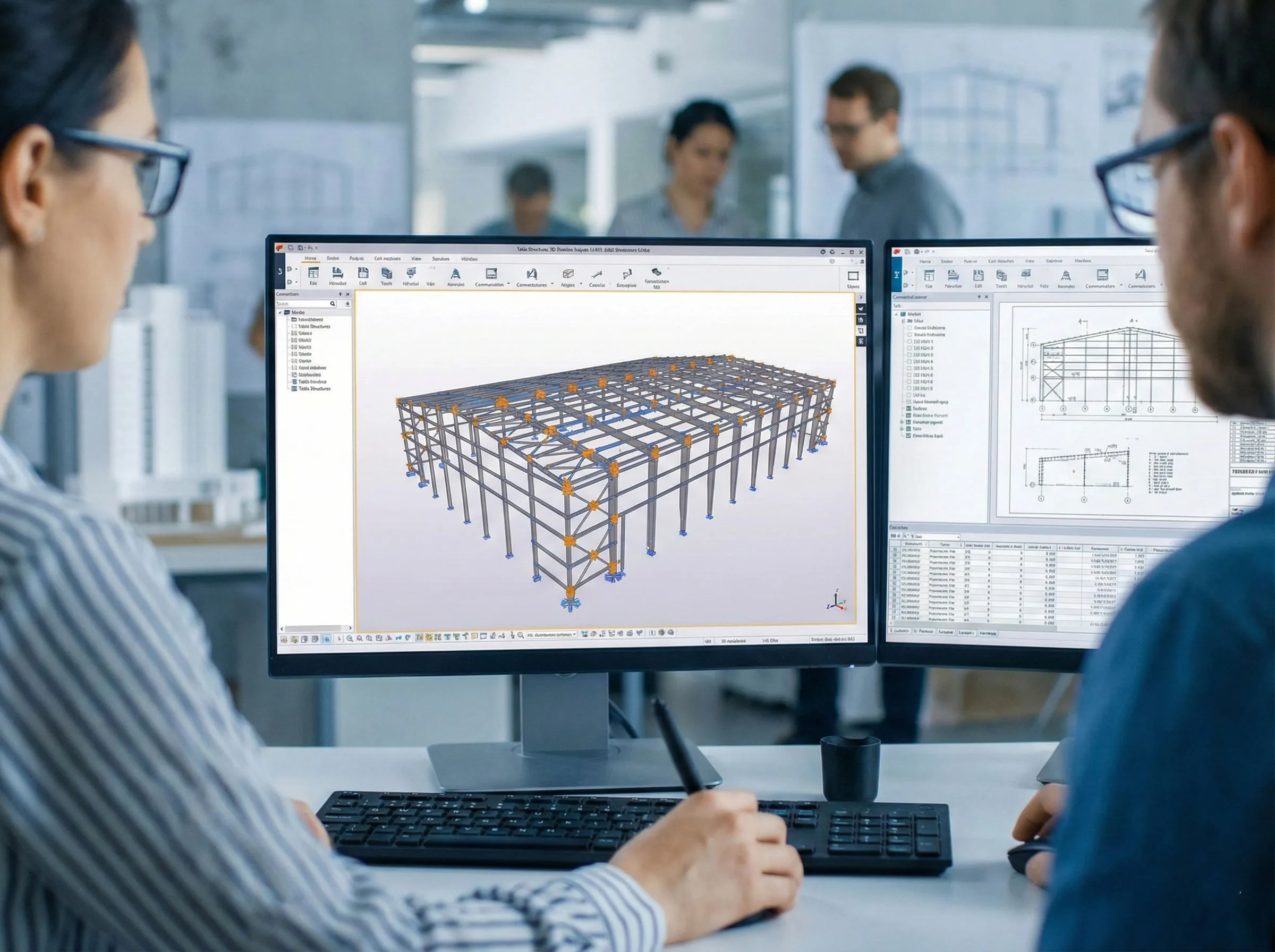
Production begins only after the structural solution, drawings, material specifications and supply scope have been confirmed. This controlled process helps keep the fabricated components, packing lists and installation drawings consistent.
Drawing and Scope Approval
Before fabrication begins, the project team confirms:
- Building dimensions
- Structural member sizes
- Connection details
- Crane requirements
- Material specifications
- Roof and wall systems
- Door and window positions
- Component quantities
- Coating requirements
- Packing and shipment plan
Changes requested after drawing approval are reviewed for their effect on cost, material quantities and production schedule.
Fabrication and Inspection
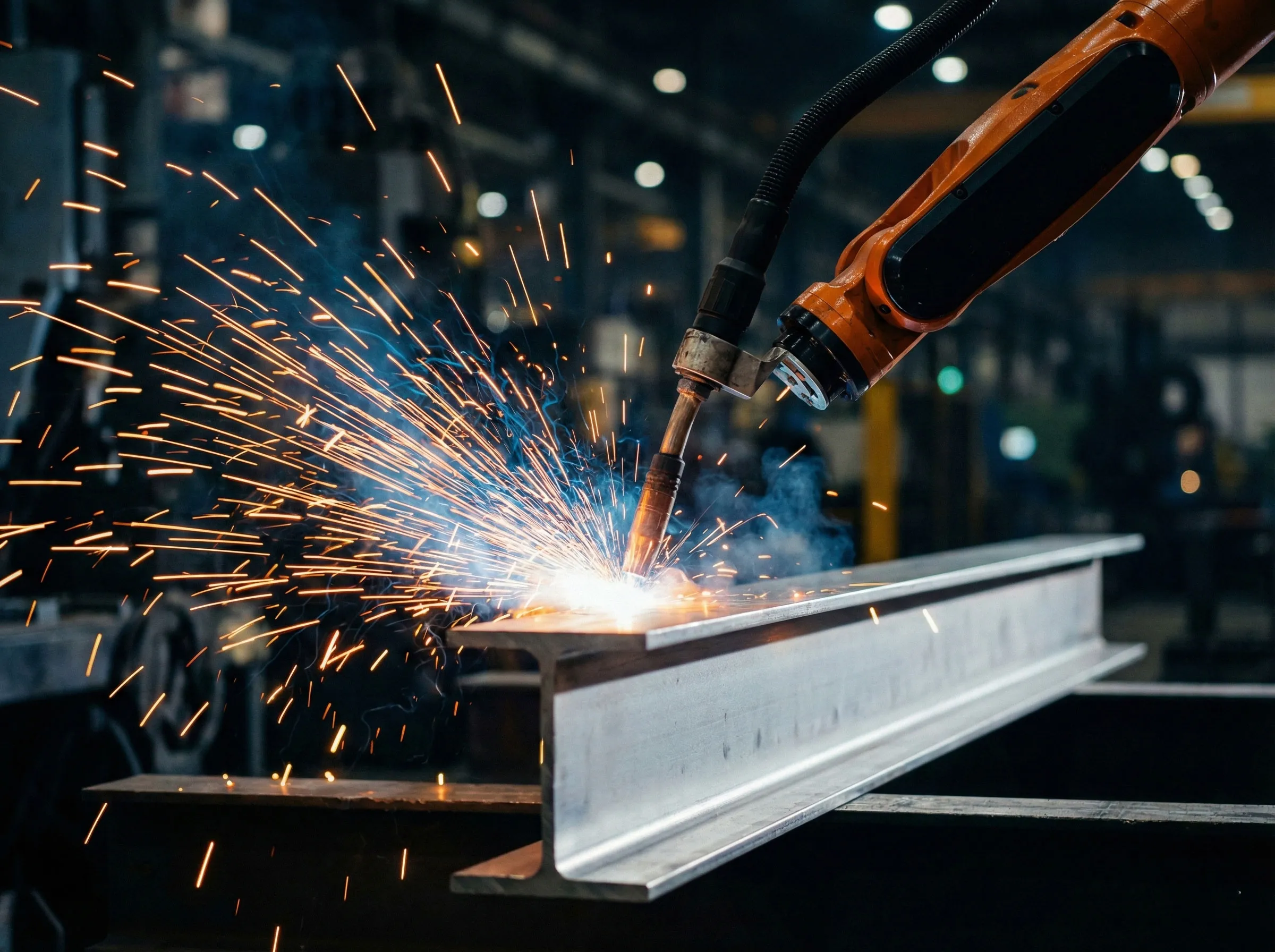
Steel components are fabricated according to the approved drawings and bill of materials. Inspection requirements can cover:
- Material identification
- Member dimensions
- Hole locations
- Plate sizes
- Connection details
- Welded assemblies
- Surface preparation
- Coating requirements
- Component quantities
Production and inspection evidence should be retained as part of the project record.
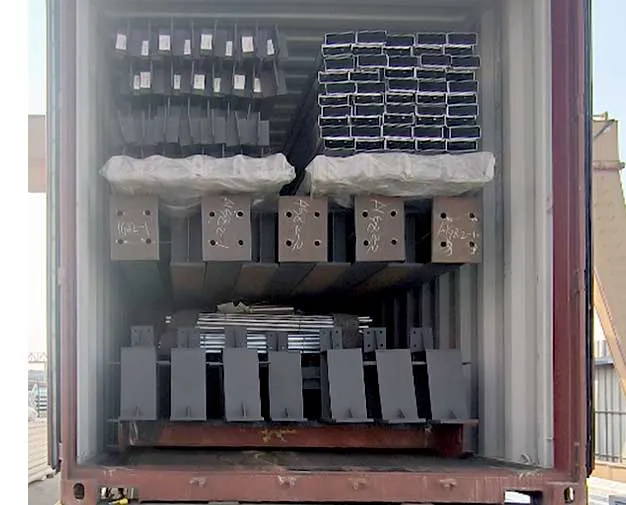
Component Marking and Packing
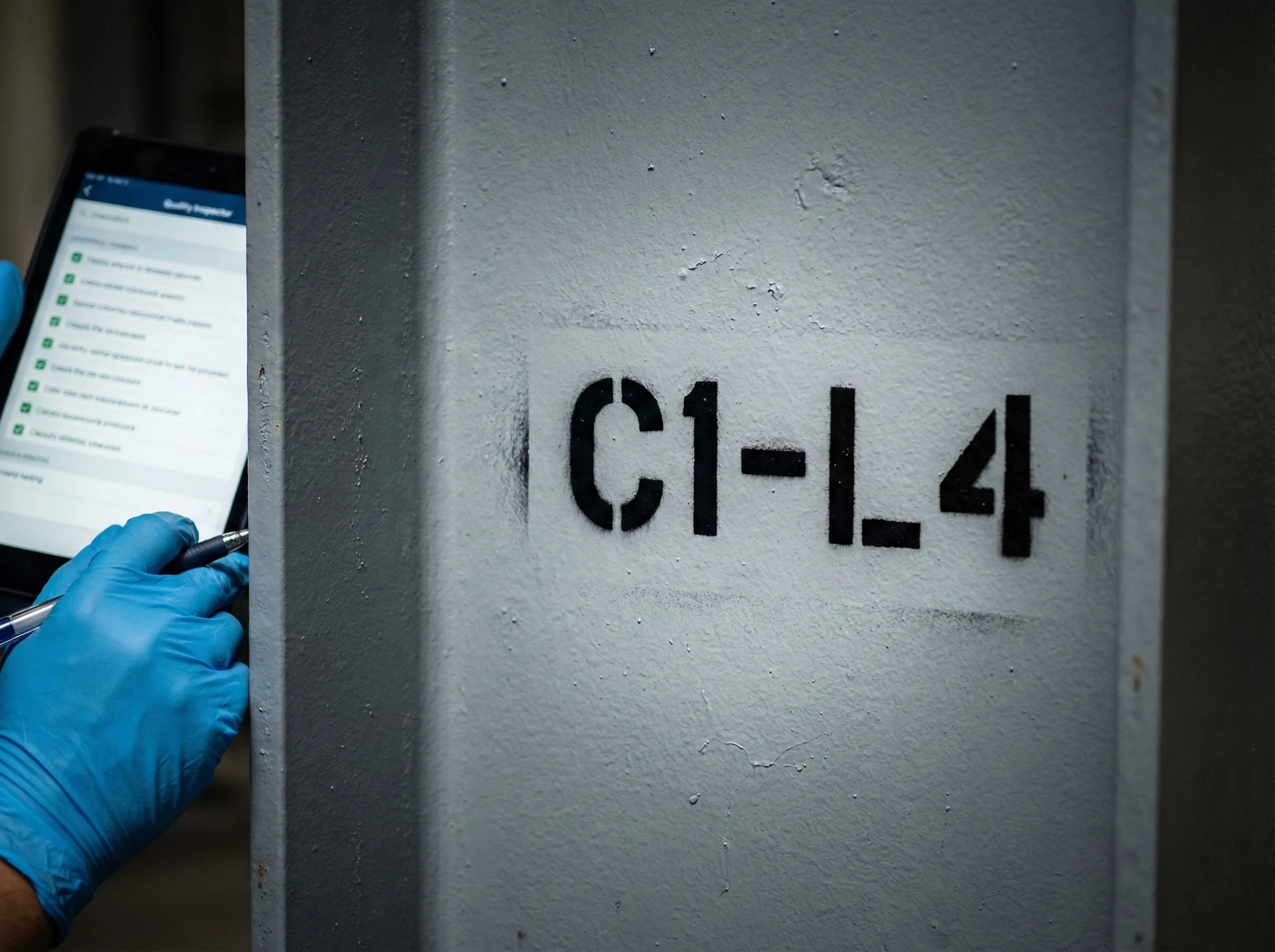
Steel members and accessories are identified according to the erection drawings. The packing process coordinates:
- Component marks
- Installation sequence
- Packing lists
- Small-part packaging
- Panel and accessory protection
- Container loading
- Shipment-stage requirements
Clear marking helps the installation team match the delivered components with the correct positions in the drawings.
Shipping and Installation Support
Export documents and packing information are prepared according to the confirmed shipment plan. Project support may include:
- Packing lists
- Container loading records
- Anchor bolt layouts
- Erection drawings
- Connection details
- Installation sequence guidance
- Remote technical communication
For larger projects, phased shipment can be arranged based on construction and storage conditions. On-site installation must be agreed separately by country, scope, and contract terms.
Why Global Buyers Choose Showhoo
Manufacturing expertise meeting international project requirements.
Manufacturing Ownership
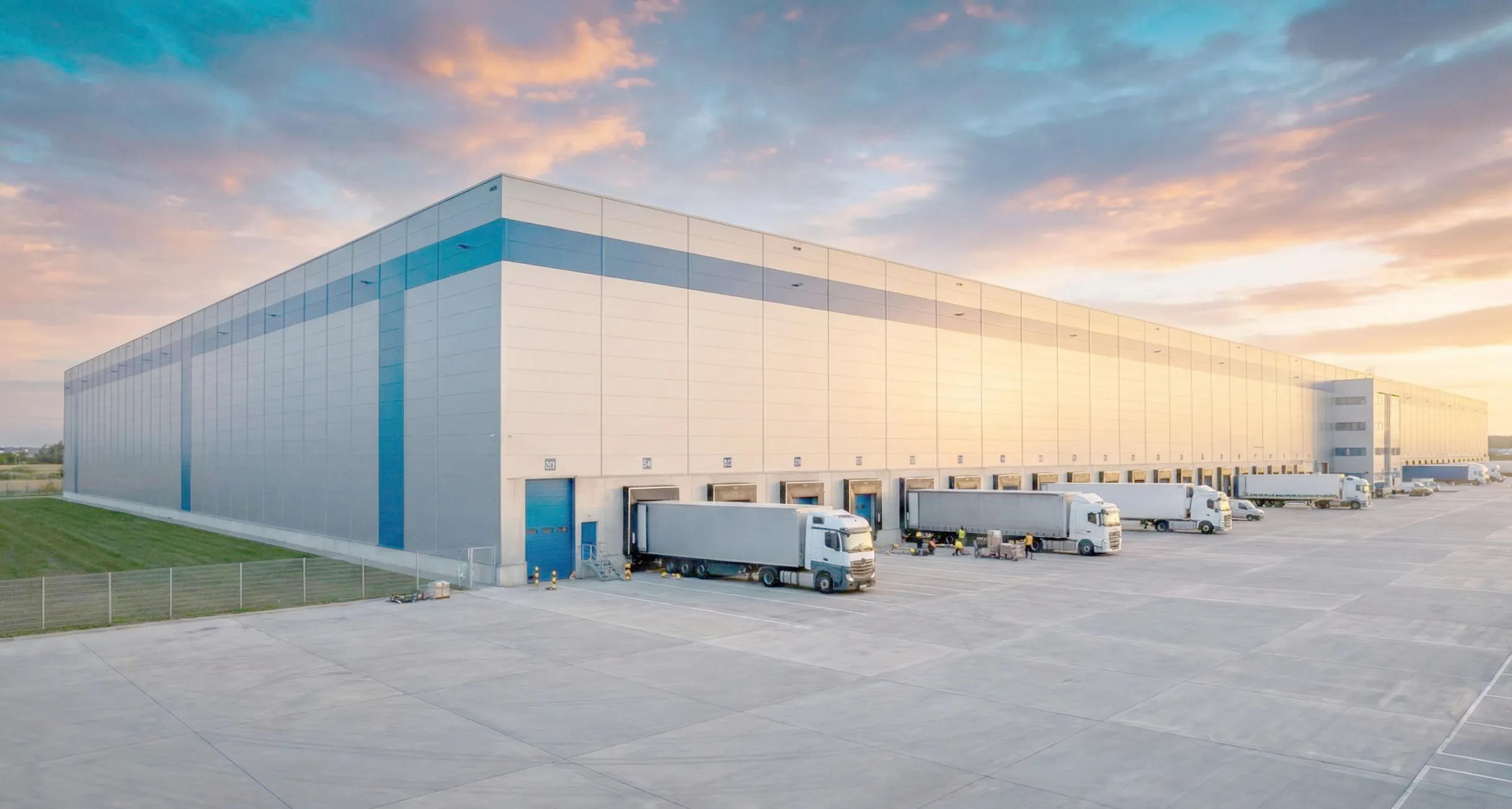
30,000+ ton annual capacity factory — we control production quality and delivery schedules directly.
International Experience
1000+ completed projects across 50+ countries. We understand overseas logistics, documentation requirements, and cross-border coordination.
Complete Supply Capability
Structure, cladding system, doors, windows, and accessories from one source. Simplified procurement with coordinated delivery timing.
Responsive Engineering
Technical team available for design adjustments, specification questions, and installation support throughout your project timeline.
Experience the difference of working with a true manufacturing partner.
Build Your Steel WorkshopReal Project Feedback from International Clients
Real feedback from engineering companies and factory owners who actually built with Showhoo
 PHILIPPINES
Engineering Contractor | Philippines
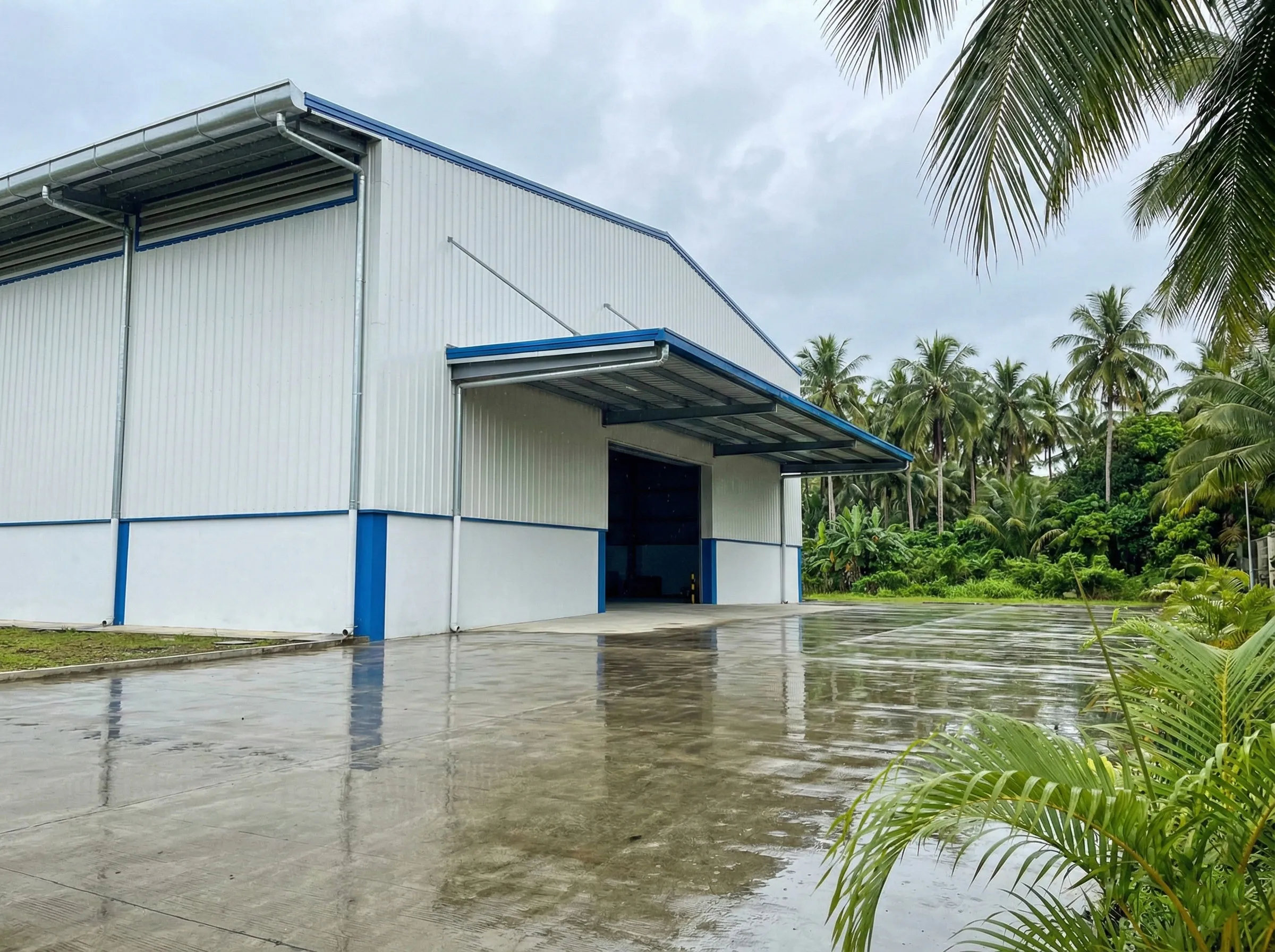
Steel Structure Workshop – Manufacturing Use
Our biggest concern was that the drawings looked fine, but the structure might not work in real fabrication.
- Reviewed the design from a fabrication perspective before production
- Flagged issues we didn't notice and adjusted the structure early
- Fixed potential problems before materials were produced
That saved us rework, delays, and a lot of explanation to our client.
— Project Director
 NIGER
NIGER
Factory Owner | Niger
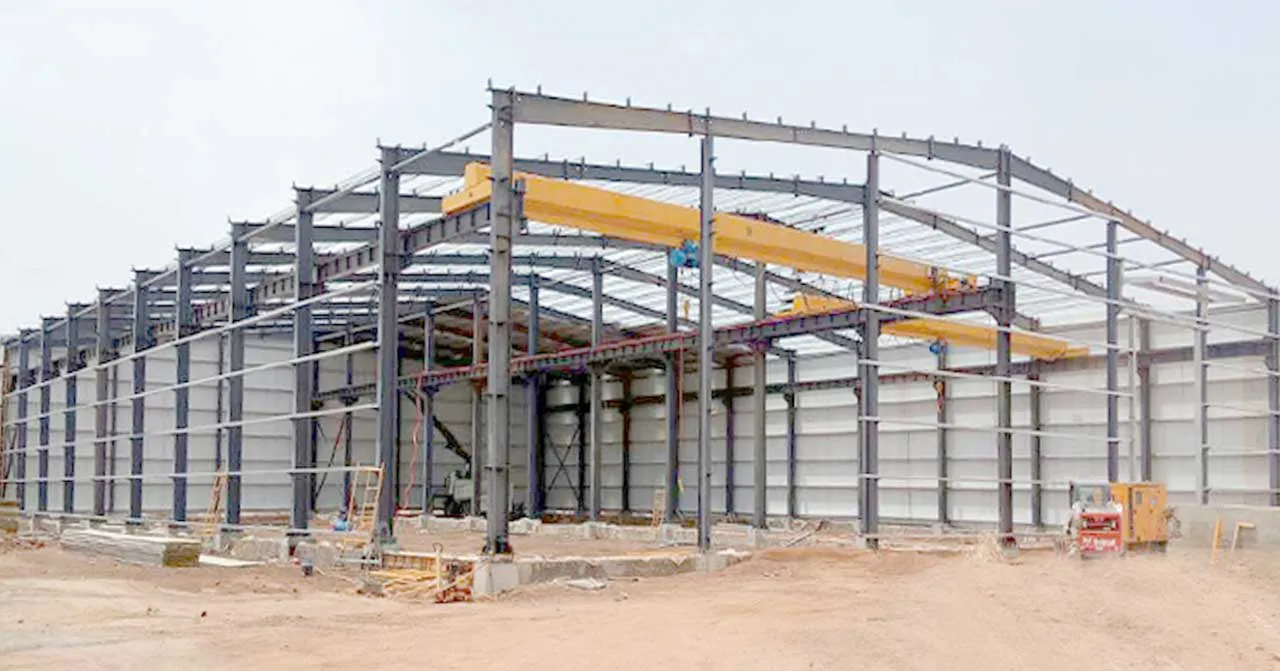
Steel Workshop with Overhead Crane
I didn't want the cheapest building. I wanted something I wouldn't regret after five years.
- Asked detailed questions about equipment height and crane load
- Considered future expansion before confirming the structure
- Designed provisions for operational growth
The workshop works exactly as planned, and we still have space to expand.
— Factory Owner
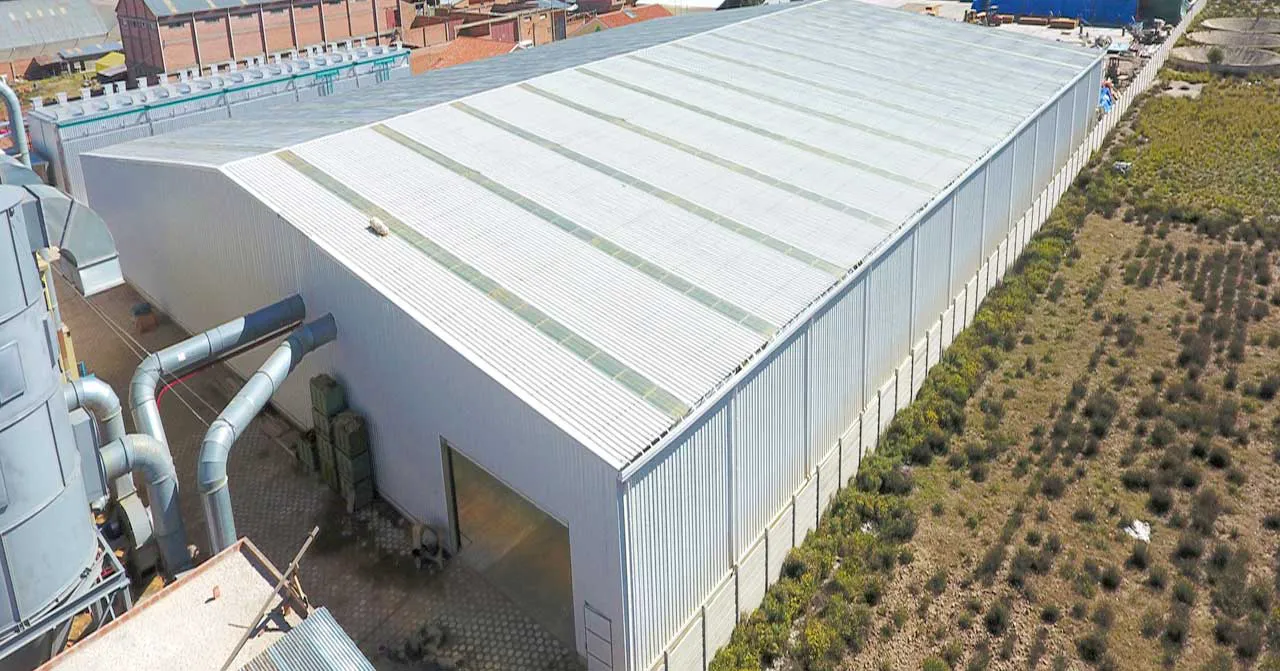 BOLIVIA
Industrial End User | Bolivia
Large-span Steel Workshop
We were worried about missing parts and installation confusion.
- All components were clearly labeled with position codes
- Drawings matched exactly what arrived on site
- Installation manuals made the process straightforward
- After-sales service is prompt and excellent
Installation was straightforward, and we avoided downtime.
— Operations Manager
Questions Buyers Always Ask Before Building a Workshop
Every workshop is custom-engineered to your specifications. We design around your required dimensions, load requirements, local codes, and site conditions. There are no "standard models" forcing you to compromise.
Yes. We calculate designs using your region's wind loads, snow loads, seismic parameters, and applicable building standards. Our documentation packages are prepared for local engineer review and approval.
Production typically requires 30-45 days after design approval. Shipping time depends on your location—generally 15-40 days by sea. We provide detailed timelines during project planning.
We regularly coordinate multi-phase shipments for projects with staged construction schedules or site storage limitations. Each shipment is packaged and documented for its construction phase.
We provide complete erection drawings, installation manuals, and remote technical support. For projects requiring on-site supervision, we can deploy experienced installation engineers to your location.
Have specific questions about your workshop project?
Contact Us About Your WorkshopTell Us Your Project. We'll Tell You If It's Workable.
Share your workshop requirements and receive expert guidance on design feasibility, timeline, and budget.
- Technical evaluation within 24 hours
- Preliminary design recommendations
- Detailed budget estimate
- Timeline and logistics planning
Project Consultation Request
Provide details below to start your workshop discussion.