
What is a primary steel frame?
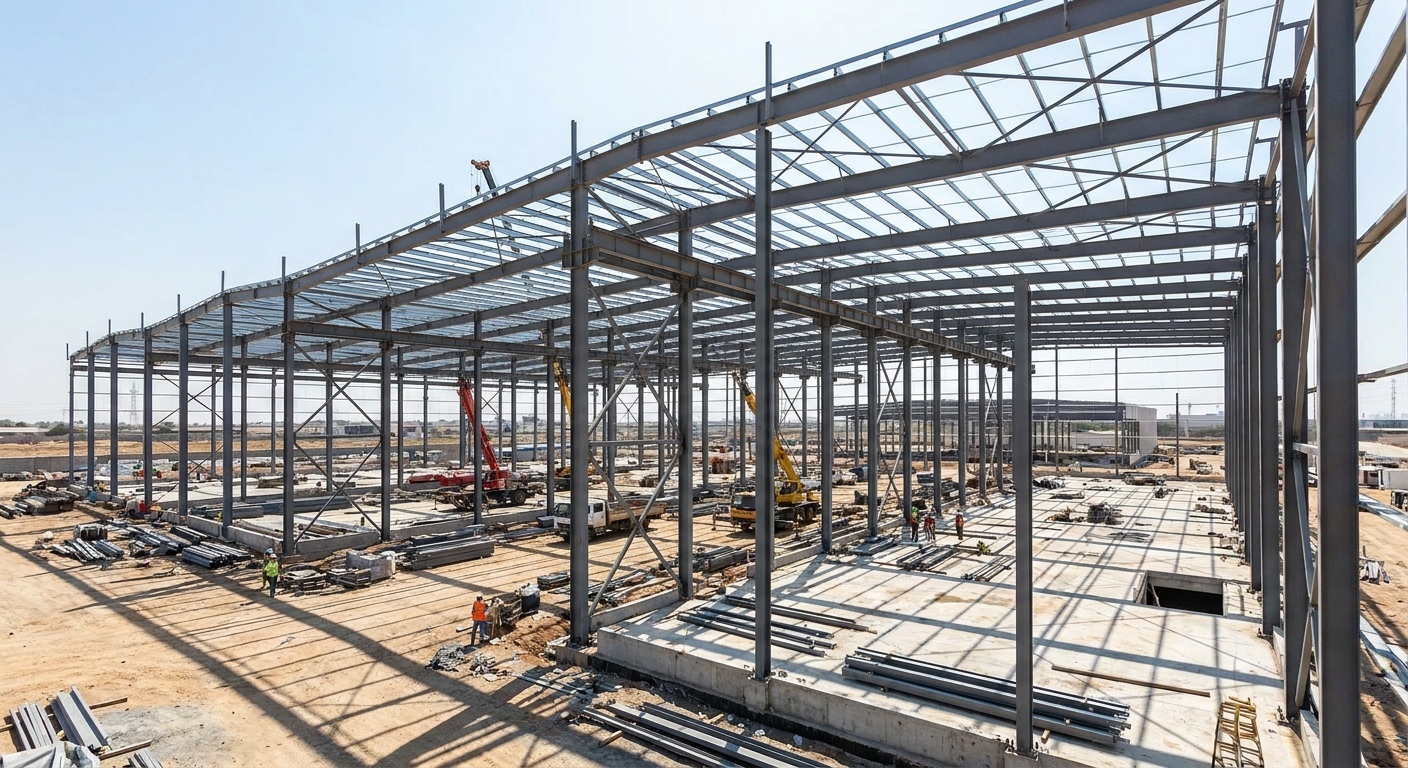
A Primary Steel Frame is the engineered, load-bearing metal skeleton of a building that transfers all heavy gravity and environmental loads directly to the foundation. When you manage a commercial construction project, keeping structures standing against high winds, snow loads, and seismic activities can keep you up at night with high-stress safety risks. A weak framing choice can lead to catastrophic structural cracking, delayed inspections, and budget-killing rework. Fortunately, opting for a heavy-duty, factory-engineered metal frame solves these risks by providing a resilient, highly stable backbone for your warehouse or workshop.
Why does load distribution matter?
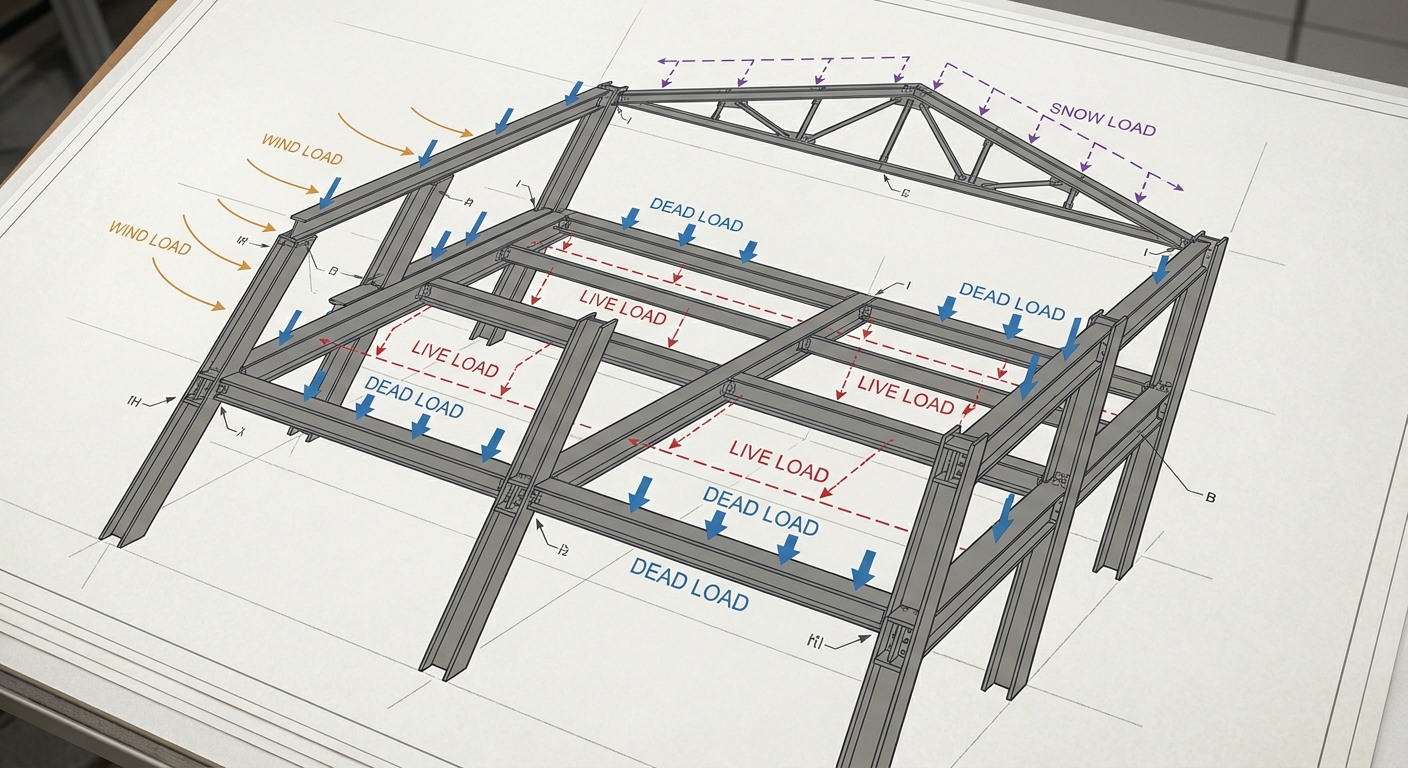
Load distribution ensures your building remains standing under all operational conditions. If your structural bones fail to absorb multi-directional pressures, localized collapse or sagging occurs.
Think about it:
- Dead Loads: Weight of permanent components like steel columns, roof trusses, and metal cladding sheets.
- Live Loads: Dynamic forces from warehouse inventory, forklift traffic, and moving maintenance equipment.
- Wind Loads: Horizontal pressures from storm gusts trying to lift or twist the building shell.
Key Takeaway: Understanding these loads allows you to select the correct load-bearing skeleton to protect your capital investment.
How do primary and secondary frames differ?
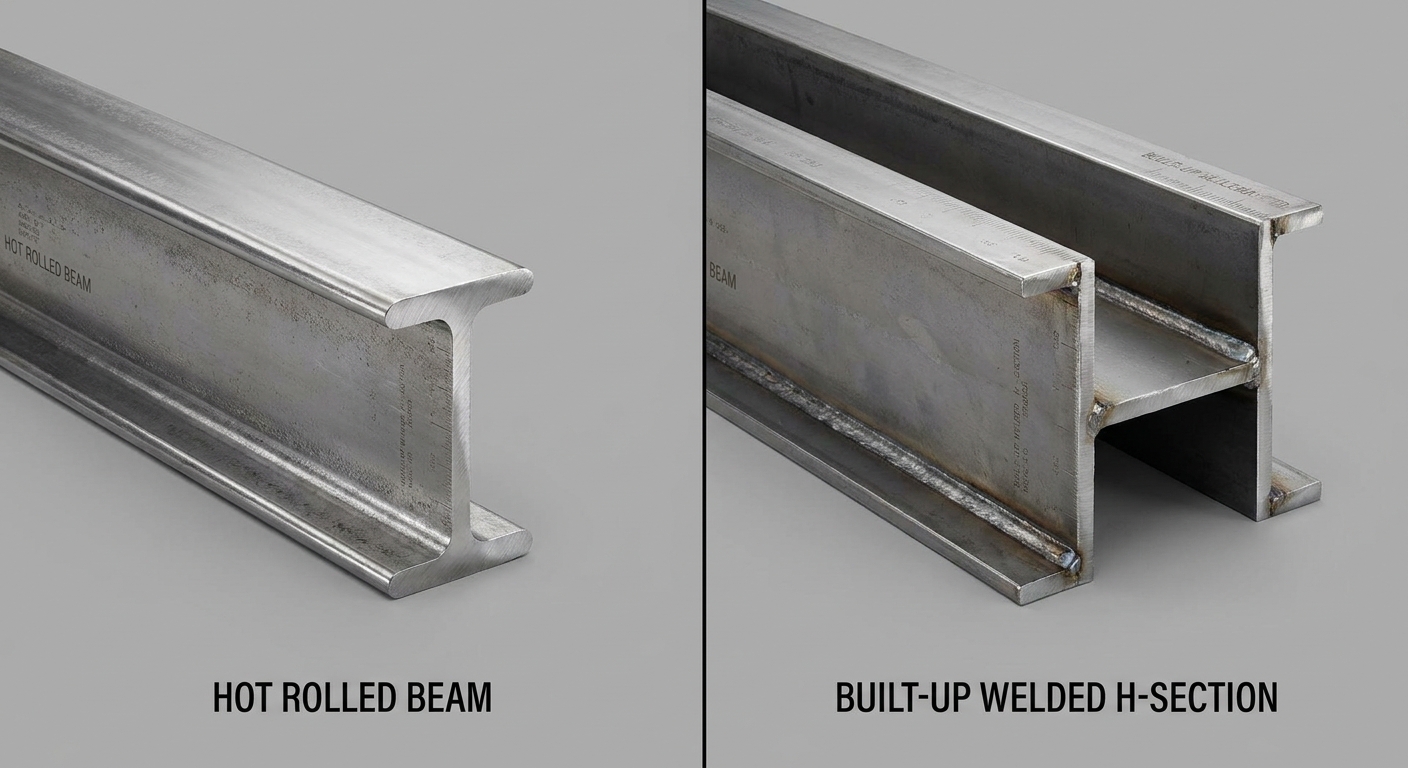
A Primary Steel Frame refers to the heavy structural skeleton of a building, whereas secondary framing consists of supporting elements that stabilize and hold the outer cladding. Your building relies on both systems, but they play distinct structural roles that affect material costs and design layout. Choosing the wrong metal profiles can lead to unnecessary steel waste or structural weakness under high winds. Understanding how these heavy-duty beams work with lighter structural components is crucial for your planning.
What are the main material differences?
Primary framing components are made from thick, hot-rolled or built-up steel plates designed to withstand massive compressive and bending forces. On the other hand, secondary members are typically cold-formed, lightweight steel profiles shaped into C or Z sections.
Let’s look at the actual data:
- Structural Steel Thickness: Heavy-duty H-sections versus thin-gauge secondary sheets.
- Span Distance Capabilities: Primary members clear massive spans, while secondary members span only short distances between main frames.
- Connection Mechanics: Heavy frames are bolted with high-strength structural bolts, while secondary pieces are attached with self-tapping screws.
Key Takeaway: Separating structural loads from light aesthetic support elements maximizes both material efficiency and structural safety.
| Feature | Primary Framing | Secondary Framing | |
|---|---|---|---|
| Primary Members | Heavy Welded H-Beams / Columns | C-Purlins / Z-Girts | |
| Load Capacity | Carries full structural weight | Supports cladding loads only | |
| Fabrication | Custom built-up hot-rolled plates | Cold-rolled light-gauge steel |
This distinction helps developers allocate budgets effectively by focusing heavy investments on the primary load-bearing backbone.
Build Your Next Warehouse with a Strong, Factory-Engineered Primary Steel Frame!
Email:sales@showhoo.com.cn
Phone/WhatsApp: + 86 186 7895 5927
What components build a primary steel frame?
The elements that build a Primary Steel Frame include heavy columns, sloped rafters, and load-distributing rigid moment connections. Together, these fabricated components form a complete structural portal loop that resists multi-directional physical forces. If you are constructing an industrial warehouse, you must understand how these heavy metal parts integrate to handle vertical and lateral weight. Each custom component is pre-engineered to connect perfectly on-site for optimal stability.
Why do columns and rafters matter?
Columns are vertical compression members that carry the roof and mechanical loads directly down to the foundation anchors. Rafters are the sloped structural beams that form the roof profile and resist horizontal bending stresses.
Here is the thing:
- Vertical Support Columns: Fabricated from high-strength steel grades to prevent structural buckling.
- Tapered Rafter Profiles: Deepened at high-stress eave connections to optimize material use.
- Rigid Frame Connections: Bolted firmly to ensure a solid, continuous load path.
Key Takeaway: Ensuring your column and rafter components are engineered together guarantees your building will not fail under severe weather loads.
| Component | Structural Role | Key Material Specification | |
|---|---|---|---|
| Columns | Support vertical compression | Q355 / ASTM A572 steel plates | |
| Rafters | Form the roof profile and carry snow loads | Custom welded tapered I-beams | |
| Base Plates | Transfer forces to concrete foundations | High-strength anchor bolt connection arrays |
Investing in premium columns and rafters ensures a robust load path that safeguards your entire industrial inventory.
How is a primary steel frame engineered?
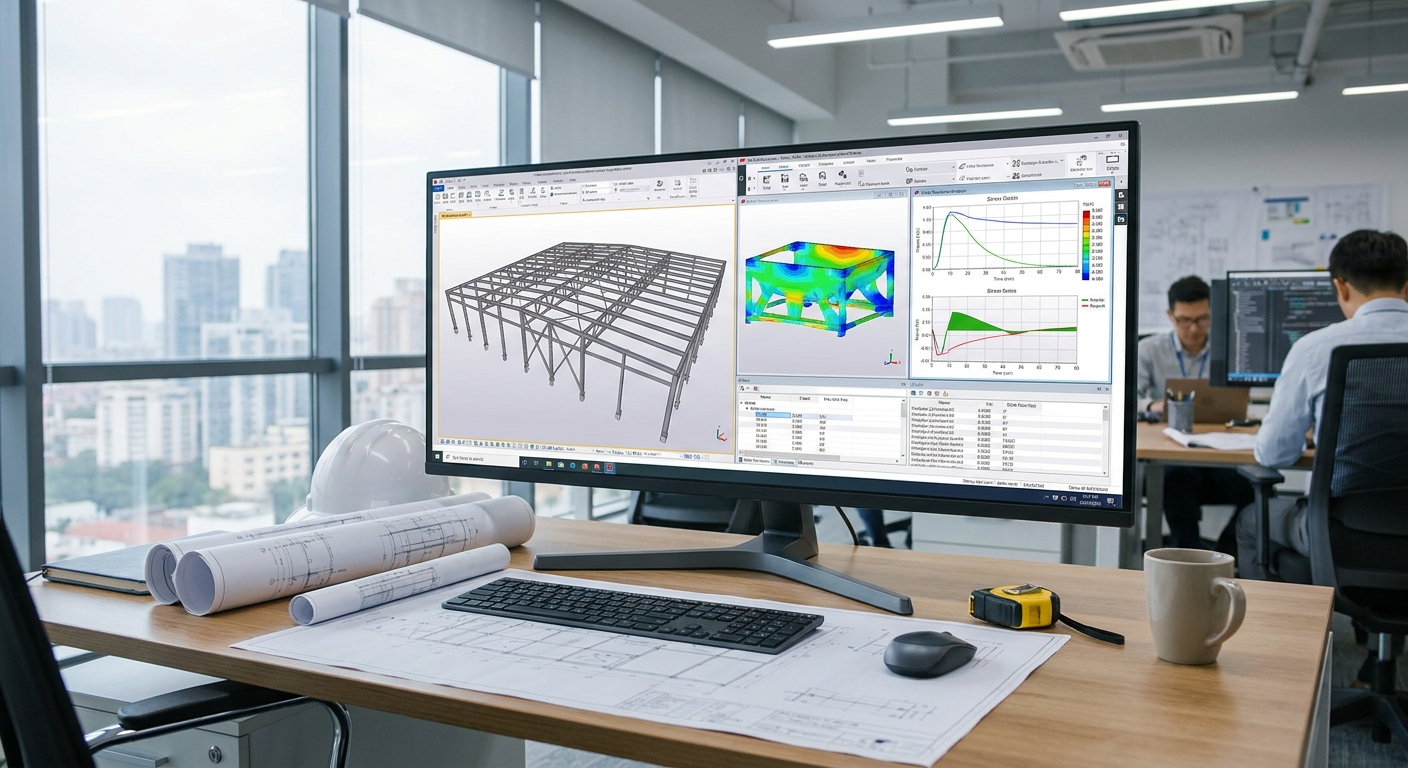
A Primary Steel Frame is engineered using advanced 3D finite element analysis software to calculate exact load paths and material thicknesses for local building codes. Structural engineers assess wind zones, snow weights, and seismic factors to determine the required thickness of every steel plate. When you build a commercial facility, failing to meet local environmental load ratings can lead to structural collapse or severe legal liabilities. Proper technical engineering guarantees that your building remains functional and fully compliant with industrial standards.
What design calculations are required?
Engineers must calculate the combined forces of dead weight, moving live loads, and lateral wind pressures acting on the frame. These values dictate the flange widths, web depths, and anchor bolt configurations needed for your safety.
Let’s dive in:
- Wind Speed Analysis: Modeling high-velocity winds that create extreme horizontal pressure and roof uplift.
- Snow Accumulation Limits: Calculating the vertical weight of heavy winter snow on the sloped roof rafters.
- Seismic Ductility Metrics: Designing connections to absorb and dissipate lateral earthquake vibrations without snapping.
Key Takeaway: Rigorous structural modeling ensures your steel frame handles extreme environmental forces safely over its entire lifespan.
| Design Parameter | Engineering Focus | Mitigation Technique | |
|---|---|---|---|
| Wind Lift Forces | Uplift resistance on roof rafters | High-strength base anchor bolts | |
| Seismic Vibration | Lateral elasticity and ductility | Moment-resistant welded joints | |
| Snow Static Loads | Vertical weight distribution | Deep-web tapered rafter profiles |
Professional engineering calculations ensure every building component is sized precisely, preventing expensive oversizing while maintaining ultimate safety.
Why is precision manufacturing so critical?
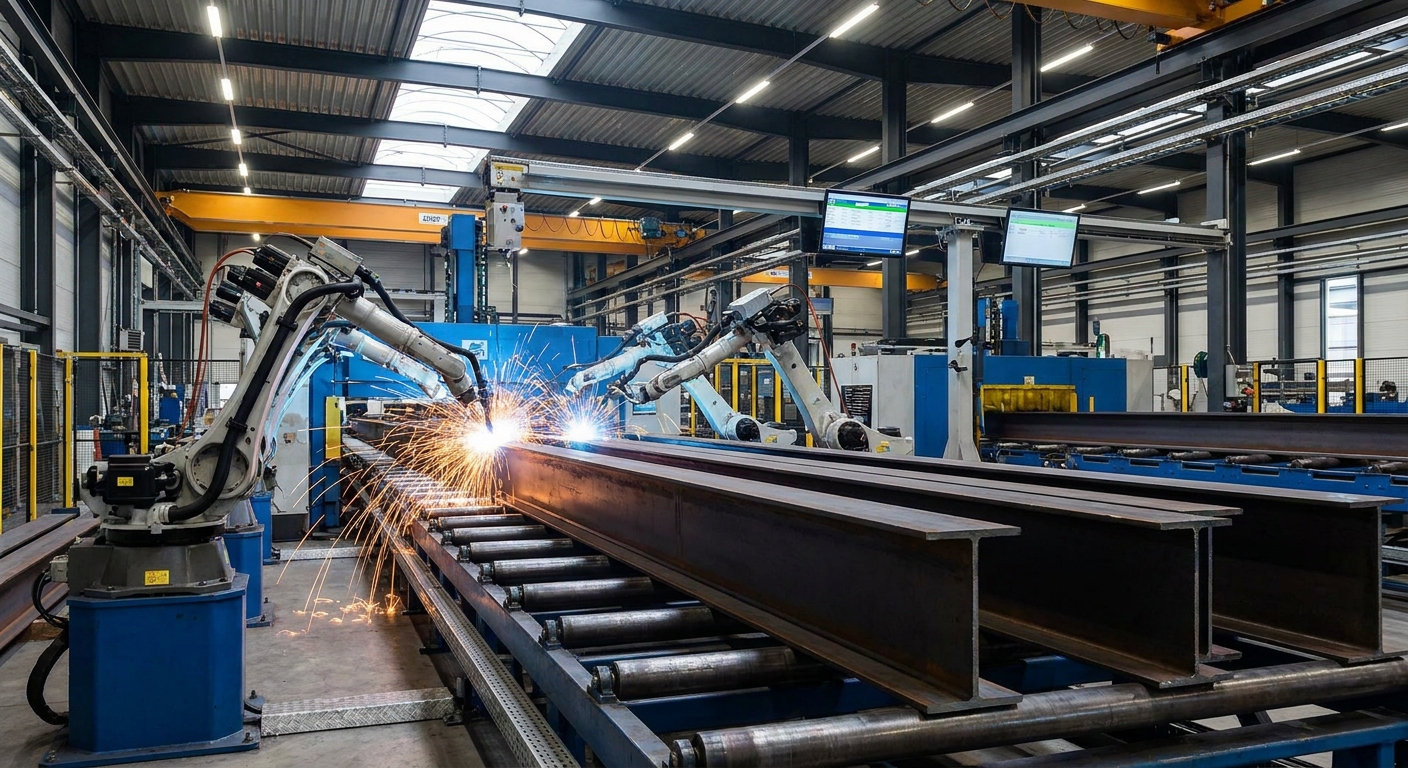
Precision manufacturing is critical because it ensures every column and rafter in your Primary Steel Frame fits together perfectly on-site with zero field corrections. Modern fabrication facilities utilize automated CNC machinery and advanced welding robots to cut and weld steel sections under strict factory-controlled conditions. If your manufacturer relies on manual cutting, minor errors can compound, resulting in misaligned bolt holes and delayed on-site assembly. Choosing a technologically advanced manufacturer protects your construction timeline and minimizes expensive labor overheads.
How does automated fabrication improve quality?
Automated manufacturing eliminates human error by directly importing 3D CAD files into CNC laser cutting and robotic welding systems. This process ensures consistent weld penetration, precise bolt-hole alignments, and uniform plate dimensions across all fabricated batches.
Here is the kicker:
- CNC Profile Cutting: Ensures perfect joint geometries with smooth, clean metal edges ready for assembly.
- Robotic Structural Welding: Delivers high-strength welds that are structurally superior to manual field welds.
- Shot-blasting Surface Treatment: Removes mill scale and rust to prepare the steel for protective coatings.
Key Takeaway: Automated precision fabrication reduces on-site erection errors to virtually zero, saving you time and field labor costs.
| Fabrication Process | Technology Used | Performance Benefit | |
|---|---|---|---|
| Beam Cutting | CNC Multi-Axis Band Saws | Sub-millimeter dimensional accuracy | |
| Structural Joining | Submerged Arc Welding Robots | Complete joint penetration for maximum strength | |
| Rust Protection | Industrial Airless Spray Painting | Long-term corrosion resistance in humid climates |
High-tech factory fabrication translates to flawless site assembly, letting your team bolt the structure together like clockwork.
What happens during on-site installation?
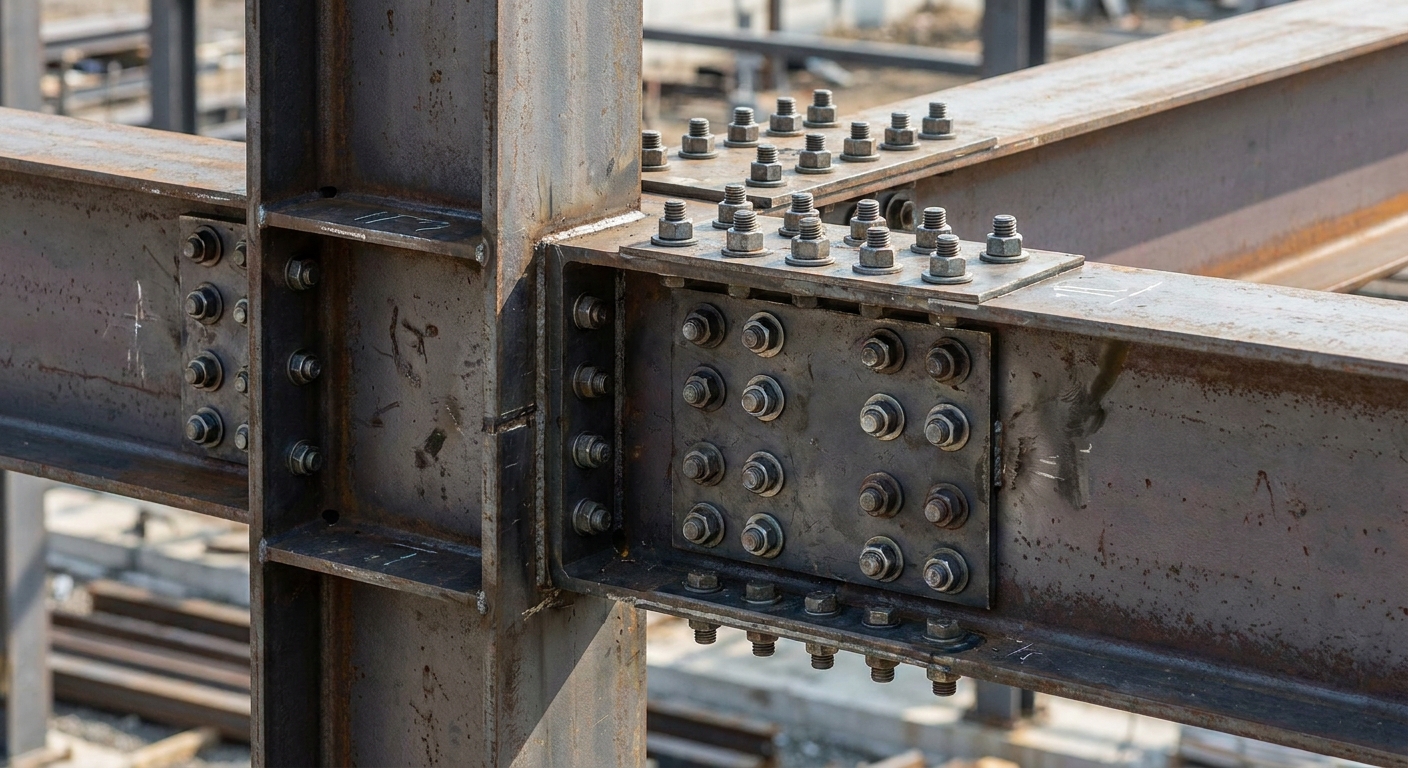
On-site installation involves erecting columns, connecting sloped roof rafters, and aligning the entire Primary Steel Frame using heavy cranes and specialized assembly crews. This physical construction stage requires a highly coordinated, safe sequence to maintain structural stability before the framework is completely bolted down. If your foundation anchors are misaligned or if your crew rushes the lifting phase, serious safety hazards and structural delays will occur. A systematic, step-by-step assembly process ensures that your pre-engineered steel building goes up safely and efficiently.
What is the correct assembly sequence?
Erection crews start by lifting and anchoring the main columns to the concrete footings before installing the central bracing bays. Once the primary columns are temporarily stabilized, cranes lift pre-assembled roof rafters to bolt them securely to the column heads.
Think about it:
- Foundation Anchor Alignment: Checking the concrete pier leveling before any heavy lifting begins.
- Initial Stability Bay Erection: Securing a braced section of columns and portal rafters to anchor the structure.
- High-strength Bolt Torquing: Using calibrated tension guns to secure all connection plates.
Key Takeaway: Following a strict erection sequence prevents structural wind buckling during construction, keeping your crew safe.
| Erection Step | Operational Focus | Safety Metric | |
|---|---|---|---|
| 1. Base Plate Anchoring | Securing columns to concrete piers | Anchor bolt torque verification | |
| 2. Portal Frame Erection | Lifting and bolting rafters to columns | Alignment check with digital transits | |
| 3. Temporary Cable Bracing | Preventing wind drift during assembly | Guy-wire tension monitoring |
A systematic structural assembly process eliminates on-site guesswork, ensuring the safe and rapid drying-in of your building shell.
Build Your Next Warehouse with a Strong, Factory-Engineered Primary Steel Frame!
Email:sales@showhoo.com.cn
Phone/WhatsApp: + 86 186 7895 5927
How do you optimize framing project costs?
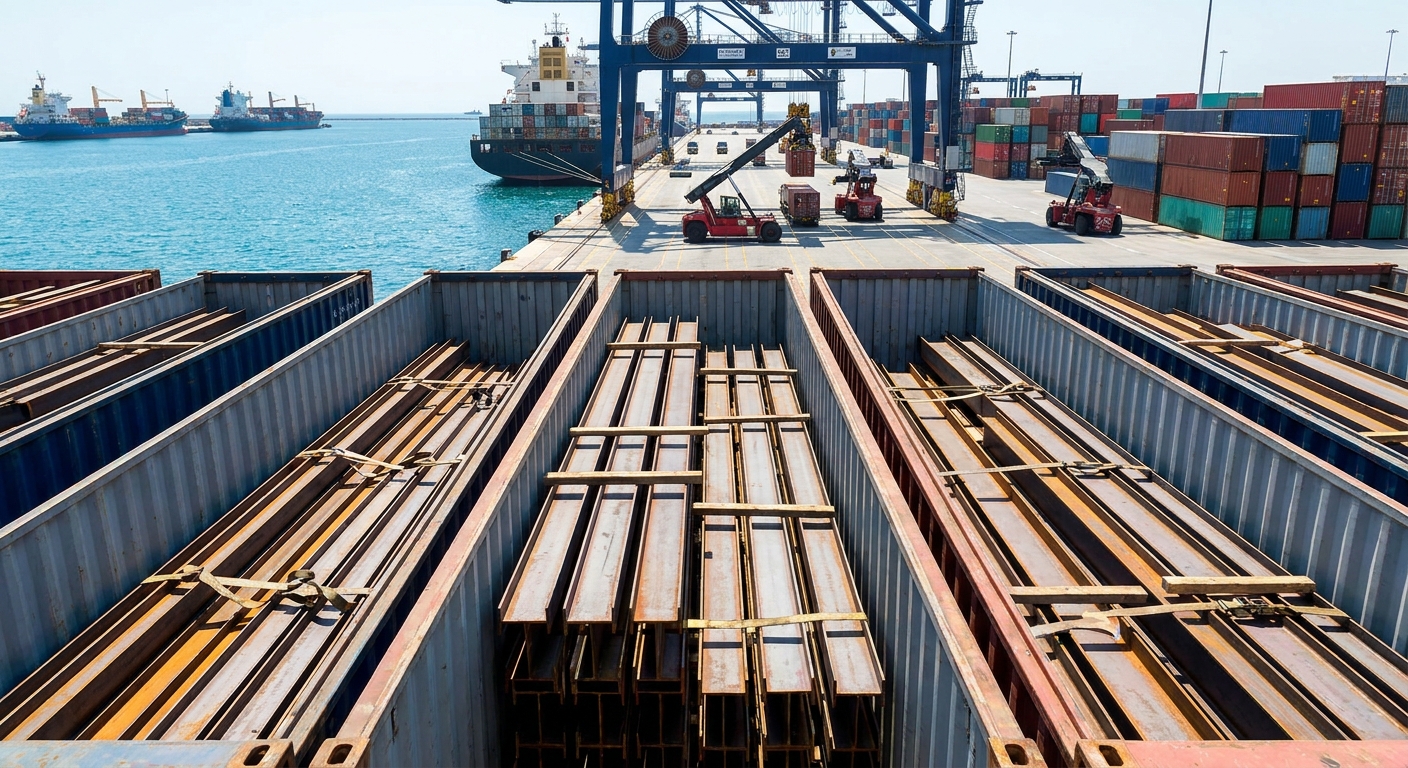
You optimize project costs by selecting standardized frame dimensions, maximizing steel plate usage, and sourcing your Primary Steel Frame directly from a high-capacity manufacturing factory. Custom engineering that minimizes excess metal weight through tapered beam designs can significantly lower your initial material procurement expenses. If you plan a massive warehouse expansion, small design alterations like adjusting column spacing can save you thousands of dollars in raw steel. Working with an experienced factory partner helps you balance structural integrity with smart financial management.
Where can developers reduce framing costs?
Choosing a standardized rectangular layout with optimal bay spacing of 6 to 9 meters allows for the most efficient use of steel. Additionally, custom tapered I-beams place heavy steel only where structural bending forces are highest, avoiding wasted metal.
Let’s face it:
- Standardized Frame Spans: Lowering custom detailing and fabrication fees.
- Factory-Direct Purchasing: Eliminating intermediary trading margins for a cheaper per-ton price.
- Pre-assembled Parts Logistics: Squeezing maximum structural steel components into shipping containers to lower ocean freight.
Key Takeaway: Designing with standard bay spacing and factory-direct logistics delivers the lowest total cost of ownership for your building project.
| Cost Factor | High-Cost Approach | Cost-Optimized Strategy | |
|---|---|---|---|
| Material Source | Local trading broker markup | Direct factory procurement | |
| Frame Geometry | Non-standard irregular clear spans | Standard rectangular bay grid | |
| Beam Design | Uniform heavy-gauge rolled I-beams | Customized tapered web plates |
Combining factory-direct shipping with standardized framing spans can trim up to 25% off your total commercial development budget.
Why does quality control prevent failures?
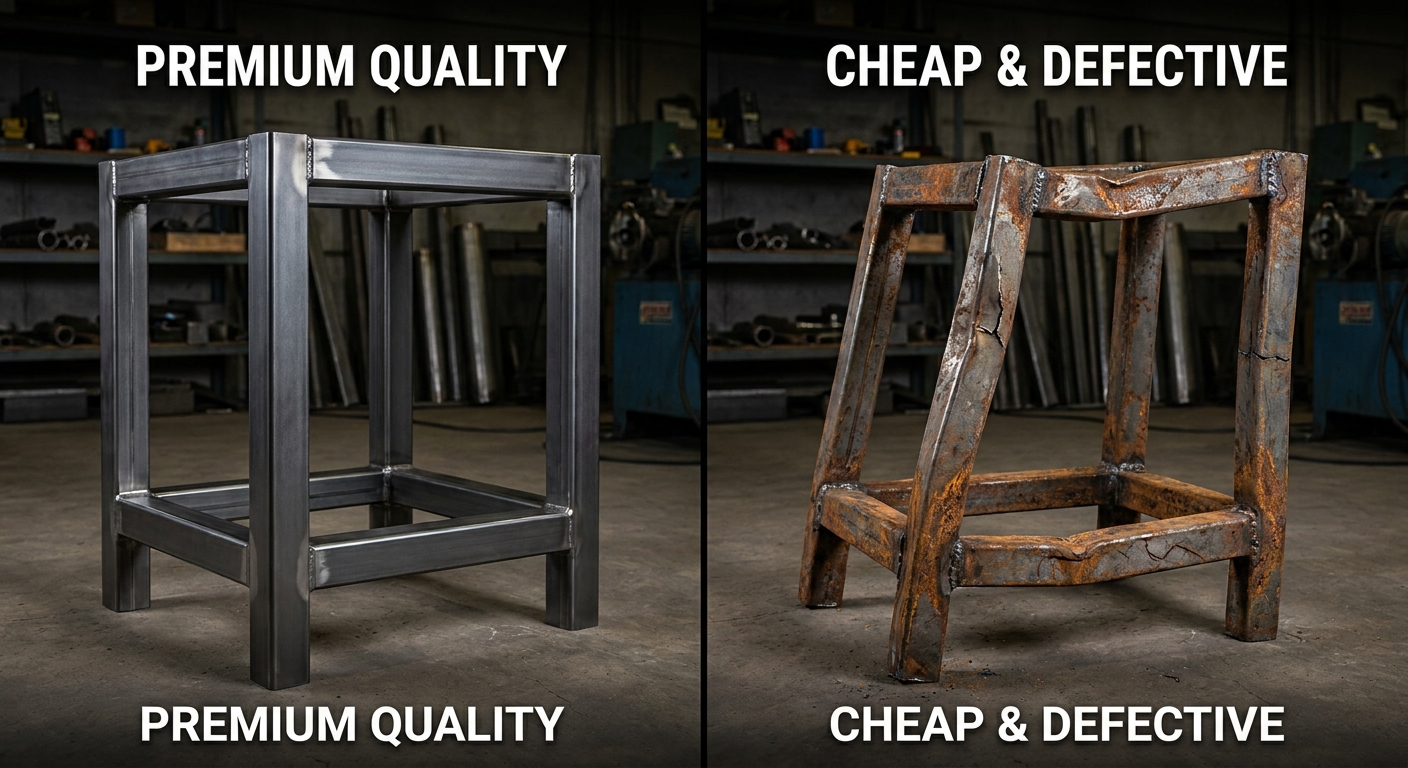
Quality control prevents failures by identifying micro-cracks, weld imperfections, and raw material defects in your Primary Steel Frame before any components ship to the job site. Implementing non-destructive testing (NDT) on structural welds ensures that every connection point can withstand long-term wind and snow loads. When you purchase steel imports, structural defects can cause unexpected field cracks, building inspections failures, or catastrophic joint collapses. Buying from an ISO-certified facility guarantees that your structural framing meets rigorous international safety codes.
What testing methods protect your project?
Manufacturers utilize ultrasonic weld testing, physical pull tests, and magnetic particle inspections to check the internal structure of welded joints. These tests verify complete weld fusion and ensure that no hidden air pockets will compromise structural load-bearing capacity.
But wait, there’s more:
- Ultrasonic NDT Testing: Detecting internal defects without damaging the steel members.
- Paint Dry Film Checks: Confirming protective primers meet exact thickness specs to prevent corrosion.
- Steel Grade Certifications: Verifying raw material mechanical properties like yield strength and ductility.
Key Takeaway: Strict quality control guarantees that your load-bearing steel skeleton will remain structurally safe under unexpected environmental overloads.
| Inspection Type | Target Element | Safety Purpose | |
|---|---|---|---|
| Ultrasonic Weld Scan | Internal weld structure | Detect hidden voids and cracks | |
| Digital Coating Audit | Protective paint / primer | Prevent rust in coastal environments | |
| Steel Pull Testing | Yield & tensile strength | Ensure code-compliant load limits |
Rigorous factory testing protocols eliminate the risk of field joint failures, protecting your personnel and machinery investments.
How do you maintain structural steel frames?
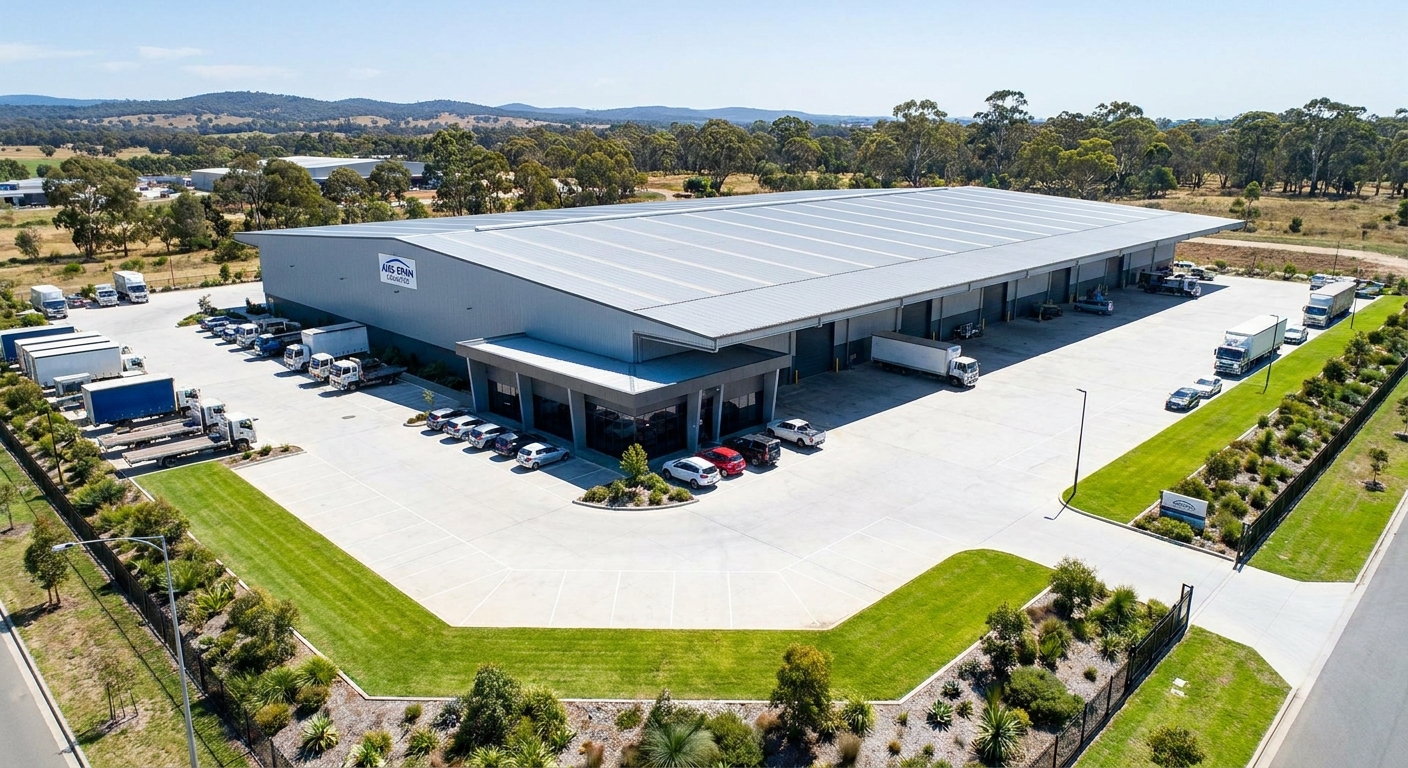
You maintain structural steel frames by conducting routine visual inspections, touch-up painting surface scratches, and keeping column bases free from standing water. Keeping the outer protective coatings intact prevents moisture from attacking the steel and causing destructive corrosion over the years. When you manage a busy warehouse facility, ignoring minor water leaks or paint scrapes can lead to localized rust that degrades structural steel strength. Proactive maintenance ensures that your Primary Steel Frame retains its structural performance and aesthetic appeal indefinitely.
What does a preventative schedule include?
A basic maintenance schedule focuses on inspecting high-stress bolt connections, clearing roof gutters to prevent wall-washing, and patching minor paint chips. Cleaning structural column bases of dirt and debris prevents moisture accumulation and localized rust formations.
Here is the thing:
- Annual Visual Audits: Checking for column base corrosion, loose bolts, and physical impact damage.
- Immediate Scratch Touch-ups: Applying zinc-rich primer sprays to seal bare metal surfaces quickly.
- Gutter Clearance Routines: Preventing overflow water from running down and pooling at column bases.
Key Takeaway: Investing a few hours annually in basic preventative maintenance extends the lifespan of your commercial building by decades.
| Maintenance Area | Check Action | Preventive Action | |
|---|---|---|---|
| Column Bases | Standing water / debris | Clear drainage pathways & clean base | |
| High-Stress Joints | Loose bolts / slippage | Tighten to original engineering specs | |
| Steel Coatings | Surface rust / scratches | Wire-brush area & apply zinc primer |
Simple preventative care keeps the protective paint barrier intact, completely eliminating the threat of long-term metal corrosion.
How can we build your next steel project?
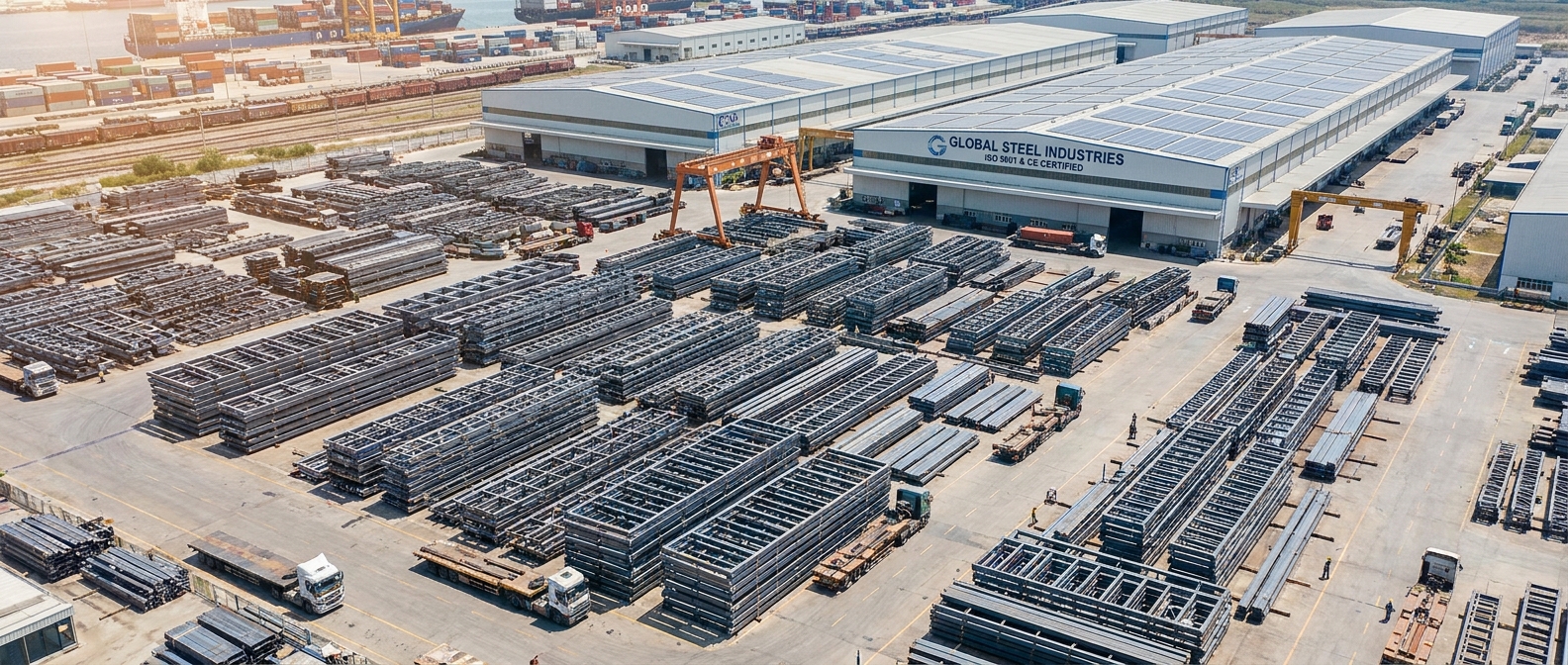
We can build your next steel project by designing a custom Primary Steel Frame that perfectly balances structural safety, environmental load resilience, and factory-direct affordability. Our expert engineering team translates your operational requirements into high-performance, precision-fabricated steel building kits delivered directly to your job site. If you are struggling with unpredictable material lead times, rising on-site labor overheads, or non-compliant design drawings, we provide the ultimate solution. Partnering with a dedicated factory manufacturer ensures your commercial warehouse, factory, or agricultural shed is built to survive for generations.
Ready to optimize your construction timeline and ensure structural compliance? Let our engineering team design a durable, factory-direct steel framework customized for your local wind, snow, and seismic loads. From precision-welded columns to tapered roof rafters, we build the heavy-duty skeletons that drive B2B growth across the globe. Reach out to our B2B consultants and contact us today to receive your free structural design drawings and factory pricing quote.
Build Your Next Warehouse with a Strong, Factory-Engineered Primary Steel Frame!
Email:sales@showhoo.com.cn
Phone/WhatsApp: + 86 186 7895 5927
FAQ: Your Primary Steel Frame guide?
Can I expand my primary steel frame in the future?
Yes, you can easily expand a primary steel frame by selecting expandable modular frame options during the initial engineering phase. If you design your building with rigid end-wall frames, our engineering team can seamlessly bolt new primary extensions onto the existing columns when your business grows.
What’s the best coating to prevent structural steel rust?
Hot-dip galvanizing is the ultimate, long-lasting coating option for structural steel exposed to highly humid or corrosive environments. While high-performance epoxy primers offer excellent protection for indoor structures, galvanizing provides a metallurgical zinc bond that physically prevents moisture from ever reaching the structural steel core.
How do I know if my local weather requires custom engineering?
Your regional building authority dictates the precise load ratings required for local construction permits based on historical weather records. Our engineers review these local codes to customize the plate thicknesses, steel grades, and bracing patterns of your portal frame to survive extreme localized hurricanes or heavy snow.
Can I integrate heavy overhead cranes with my primary columns?
Yes, heavy overhead runway crane beams can be integrated directly onto the primary columns using pre-welded structural brackets. Our design team must calculate the dynamic rolling loads of your planned crane system during the engineering phase to ensure the primary columns are thick enough to support the dynamic lifting stress safely.