
Selecting high-performance Doors, Windows & Skylights right from the start is the absolute best way to ensure your prefabricated steel building does not turn into a dark, stagnant, or inefficient metal box. Without proper planning, you will quickly face astronomical energy costs, sluggish workflows, and unsafe dark spots on your production floor.
Investing in custom, pre-engineered opening systems completely resolves these operational challenges. This comprehensive guide outlines the exact parameters, options, and engineering decisions you need to make to secure and illuminate your industrial workspace.
Why Are Doors, Windows & Skylights Vital for Steel Buildings?
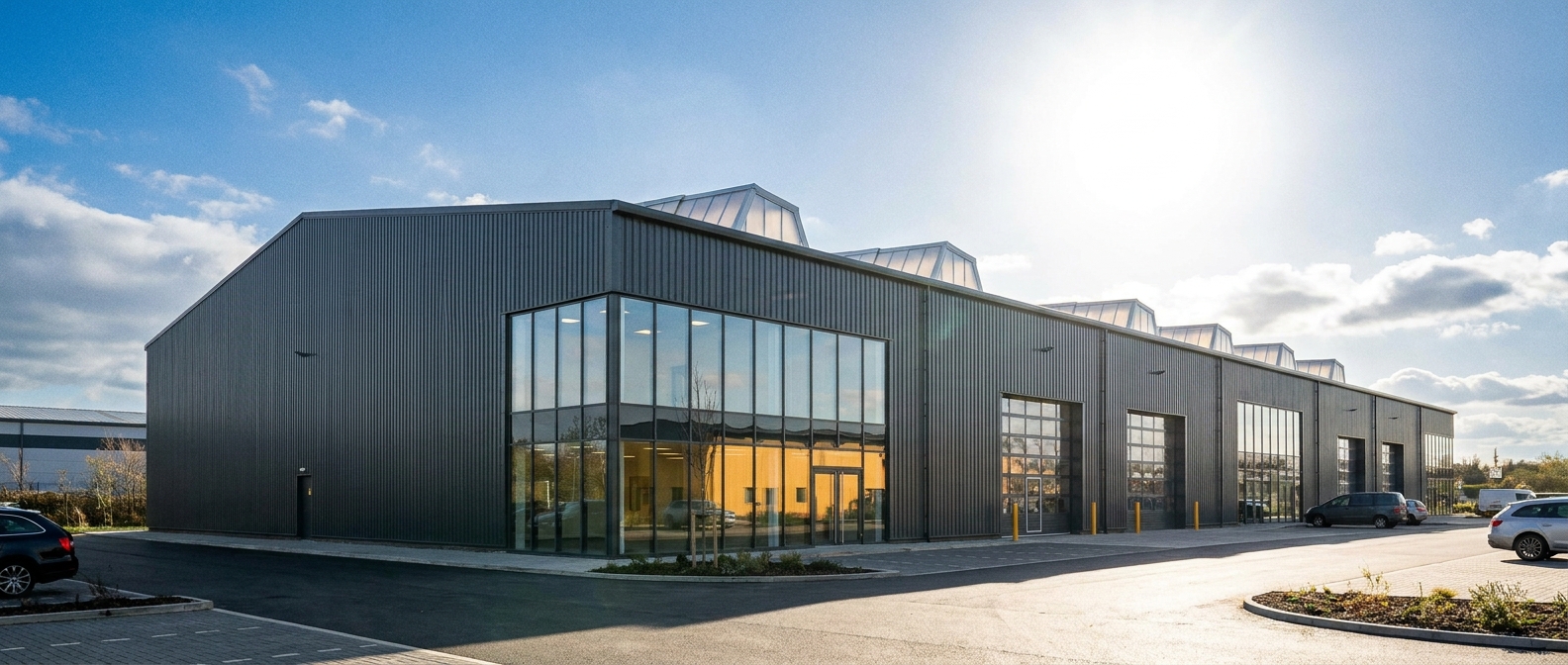
Doors, Windows & Skylights are vital for steel buildings because they directly control physical access, regulate thermal insulation, and maximize natural illumination within your commercial facility. When structural openings are poorly planned in prefabricated steel structures, you will suffer from high utility costs, stagnant workspace air, and severe operational delays. Investing in professional, engineered systems resolves these problems completely, protecting both your workforce and your bottom line.
How Do Openings Affect Daily Building Functionality?
Here is the deal: Every single door and window in a steel building acts as a critical valve for your daily business operations. If your openings are poorly sized or positioned, your forklifts will bottleneck, and your workforce will experience unnecessary delays.
Consider these facts:
- Correctly integrated steel structure accessories prevent daily logistical delays.
- Large equipment doors allow rapid, safe loading and unloading of inventory.
- Strategic placement of wall openings streamlines raw material movement.
What Is the Hidden Impact on Thermal Performance?
Think about it: Uninsulated openings are the single largest source of heat loss in a structural metal building. By selecting insulated frames and double-glazed panes, you block external climate extremes from penetrating your workspace.
- Insulated framing elements prevent condensation from corroding the surrounding metal walls.
- Double-glazed glass dramatically lowers heating and cooling energy demands.
- Durable perimeter seals protect sensitive equipment from moisture infiltration.
| Component Type | Primary Function | Operational Benefit | |
|---|---|---|---|
| Insulated Openings | Blocks outdoor temperatures | Lowers HVAC wear and energy costs | |
| Strategic Doors | Eases forklift and vehicle traffic | Prevents logistics bottlenecks | |
| Performance Glazing | Resists high wind pressures | Enhances building shell safety |
Analyzing these thermal and spatial characteristics early in the design process helps you avoid costly renovations.
Key Takeaway: Correctly planning your openings from the start prevents costly field retrofits, protects your inventory, and ensures your team operates in a safe environment.
What Doors, Windows & Skylights Suit Industrial Warehouses Best?
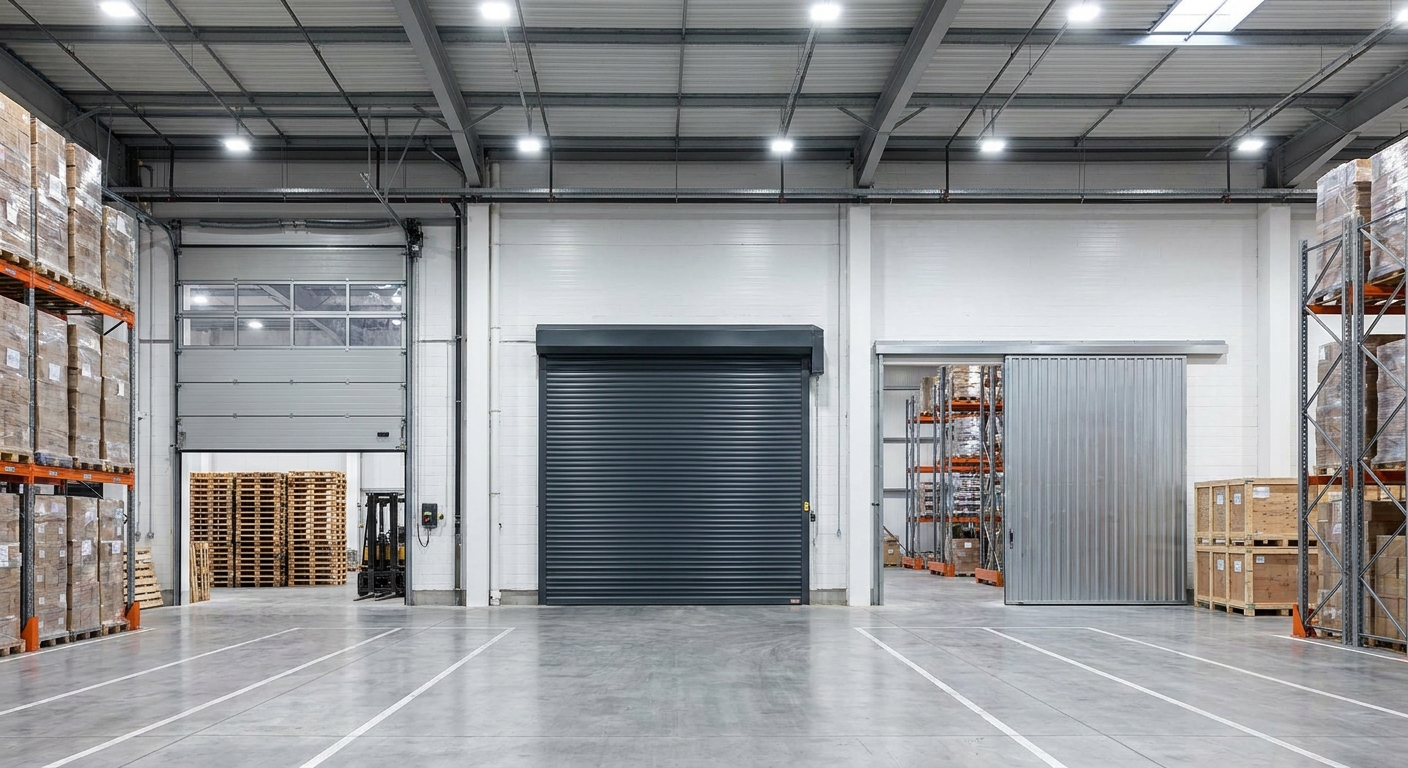
Heavy-duty roller shutters, insulated sectional overhead doors, and high-performance PVC windows are the specific variants of Doors, Windows & Skylights that suit industrial warehouses best. Understanding these configurations is crucial for managing heavy machinery, vehicles, and personnel traffic efficiently. If you operate an industrial warehouse or manufacturing plant, selecting the correct door type ensures smooth logistics and tight security.
How Do Heavy-Duty Roller and Sliding Doors Compare?
But that is not all: Roller shutter doors and sliding doors provide heavy-duty security and space-saving efficiency for high-traffic zones. Roller shutters roll up tightly into a compact coil above the header, keeping your overhead space clear for lights or cranes.
Observe these key advantages:
- Roller shutters maximize clear overhead clearance inside.
- Sliding doors require zero headroom and minimal maintenance.
- Both types withstand high wind pressures in open environments.
Why Choose Sectional Overhead and Personnel Doors?
Consider this: Sectional overhead doors are the standard choice for modern logistics warehouses and distribution centers because of their tight seals. Personnel access doors ensure that your employees can enter and exit the building safely without opening massive cargo doors.
- Sectional panels use insulated sandwich cores to prevent heat loss.
- Personnel access doors maintain internal climate zones during light foot traffic.
- Specialized panic hardware on exit doors guarantees emergency safety compliance.
| Door Type | Best Application | Primary Advantage | |
|---|---|---|---|
| Roller Shutter | High-traffic cargo zones | Extremely compact overhead footprint | |
| Sliding Doors | Agricultural & cold storage | Simple mechanics with zero headroom needs | |
| Sectional Overhead | Commercial loading docks | Exceptional thermal insulation and sealing | |
| Personnel Doors | Daily employee access | Safe egress without releasing internal heat |
Reviewing these operational benefits allows you to choose the exact door configuration that keeps your logistics running smoothly.
Key Takeaway: Matching your specific traffic types to the right door style cuts heat loss, eliminates machinery bottlenecks, and keeps your operations moving smoothly.
Get optimized steel openings—contact us today!
Email:sales@showhoo.com.cn
Phone/WhatsApp: + 86 186 7895 5927
How Do Doors, Windows & Skylights Influence Industrial Door Choice?
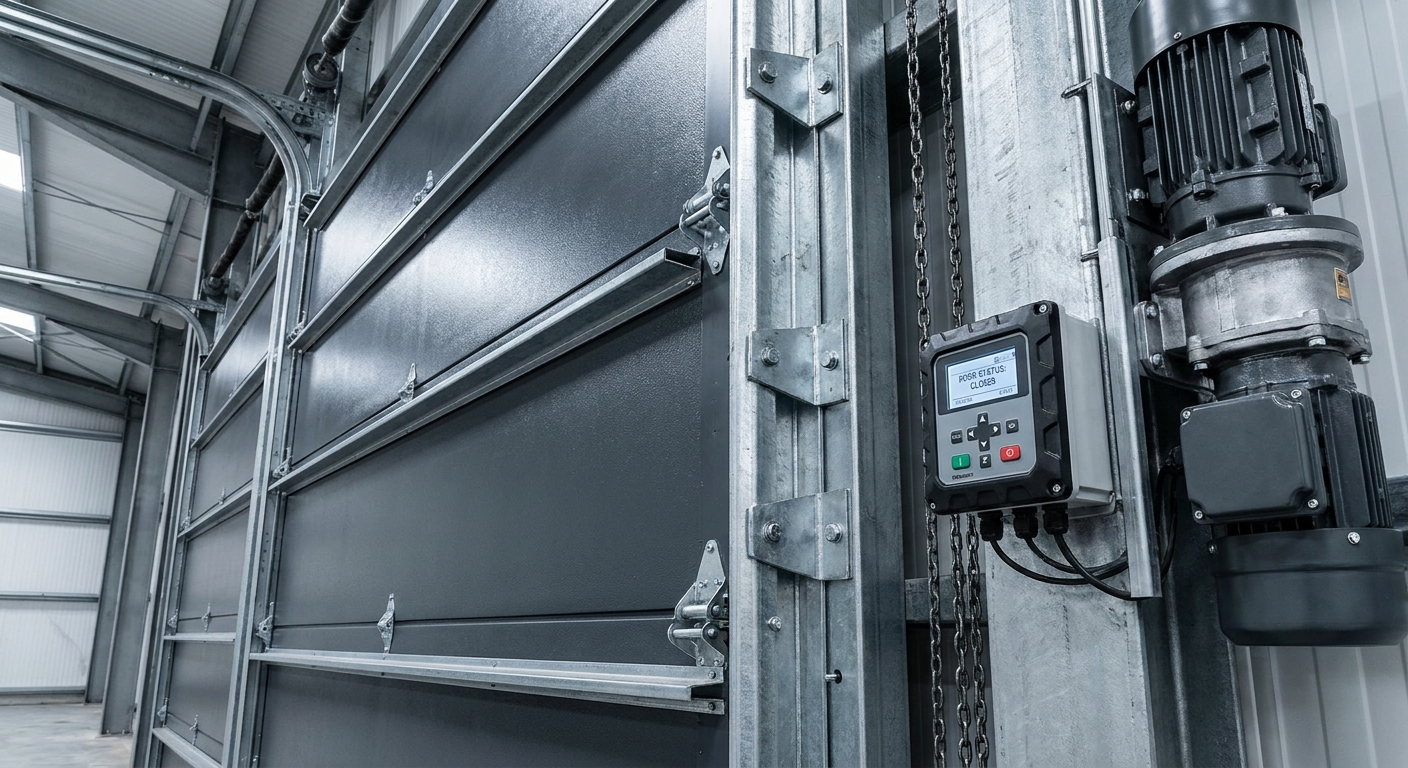
Doors, Windows & Skylights influence your industrial door choice by establishing the precise airflow patterns, clear spatial parameters, and operational cycles your facility requires. Selecting these specialized systems requires a deep assessment of how your facility operates on an hour-by-hour basis. If you neglect these structural details during the early design phase, you will face expensive retrofitting and reinforcement costs later on.
How Do You Match Openings to Daily Traffic Needs?
Let us face it: A door that is too small or slow will quickly paralyze your facility’s logistics. You must analyze your daily cycle counts—how many times a door opens and closes per hour—to choose between manual and motorized options.
Focus on these traffic rules:
- High-frequency openings require heavy-duty electric motors.
- Oversized machinery demands extra clearance for safety.
- Forklift routes benefit from automated sensor-activated doors.
Why Do Wind Loads and Security Matter Most?
Keep this in mind: Wind load is a critical engineering factor that dictates the thickness and reinforcement of your door panels. If you build in a coastal or hurricane-prone zone, you must select doors rated for high wind pressures to prevent structural failure.
- Wind-resistant tracks prevent door blowout during severe storms.
- Heavy-duty locking systems protect expensive machinery and raw materials.
- Weather stripping keeps out moisture, dust, pests, and ambient noise.
| Design Factor | Operational Goal | Technical Solution | |
|---|---|---|---|
| Traffic Frequency | Smooth logistical flow | High-speed automated motors | |
| Local Wind Load | Structural integrity | Wind-resistant reinforced panels | |
| Weatherproofing | Clean interior spaces | Premium rubber bottom seals |
Carefully evaluating these performance specifications secures your facility and reduces unexpected wear on moving parts.
Key Takeaway: Confirming your door specifications during the initial architectural phase prevents costly framing modifications and ensures your steel structure remains sound.
Which Doors, Windows & Skylights Perform Best in Cold Climates?
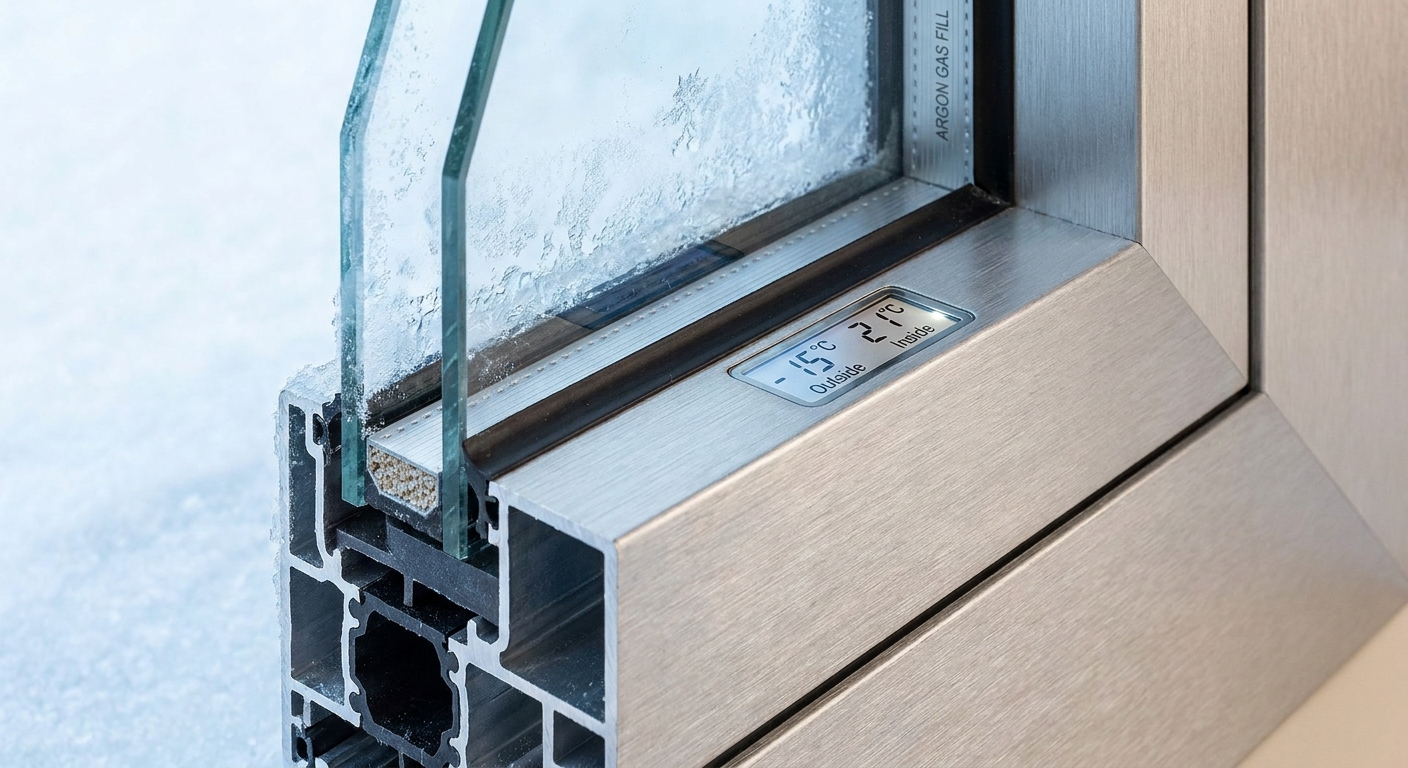
Insulated polyurethane-core doors, double-glazed aluminum windows, and UV-protected multi-wall polycarbonate skylights are the components of Doors, Windows & Skylights that perform best in cold climates. Integrating these systems with your overall layout allows you to regulate both insulation and natural ventilation. For heavy-duty industrial applications, choosing fixed or sliding windows ensures that your interior stays bright and protected.
What Are the Advantages of Aluminum and PVC Frames?
Think about it: Your windows must endure severe weather, intense sunlight, and chemical exposure without degrading. Aluminum alloy frames are exceptionally strong, lightweight, and resistant to rust, making them ideal for heavy industrial buildings.
Keep these material traits in mind:
- Aluminum alloy offers ultimate structural strength and modern design.
- PVC frames supply superior thermal performance in cold climates.
- Double-glazed glass provides advanced noise reduction and energy savings.
Should You Choose Fixed or Sliding Configurations?
Here is the key: Fixed windows are non-operational units designed purely to let in natural light while maintaining a perfect airtight seal. In contrast, sliding windows allow workers to open the panes horizontally to introduce fresh air.
- Fixed windows offer the lowest air leakage rates for climate-controlled zones.
- Sliding windows facilitate immediate physical ventilation on busy factory floors.
- Premium lock mechanisms on sliding units prevent unauthorized entry.
| Window Type | Primary Function | Ideal Application | |
|---|---|---|---|
| Aluminum Alloy | High durability & strength | Industrial workshops and offices | |
| PVC Frame | Superior thermal insulation | Cold-climate warehouses | |
| Fixed Glass | Maximum daylight & sealing | High-ceiling industrial zones | |
| Sliding Glass | Localized fresh airflow | Administrative offices and breakout rooms |
Choosing the right window style based on these mechanical attributes guarantees a comfortable working temperature year-round.
Key Takeaway: Choosing high-quality window profiles lowers maintenance requirements, maintains internal temperatures, and reduces your dependency on artificial lighting.
How Do Doors, Windows & Skylights Optimize Daily Energy Savings?
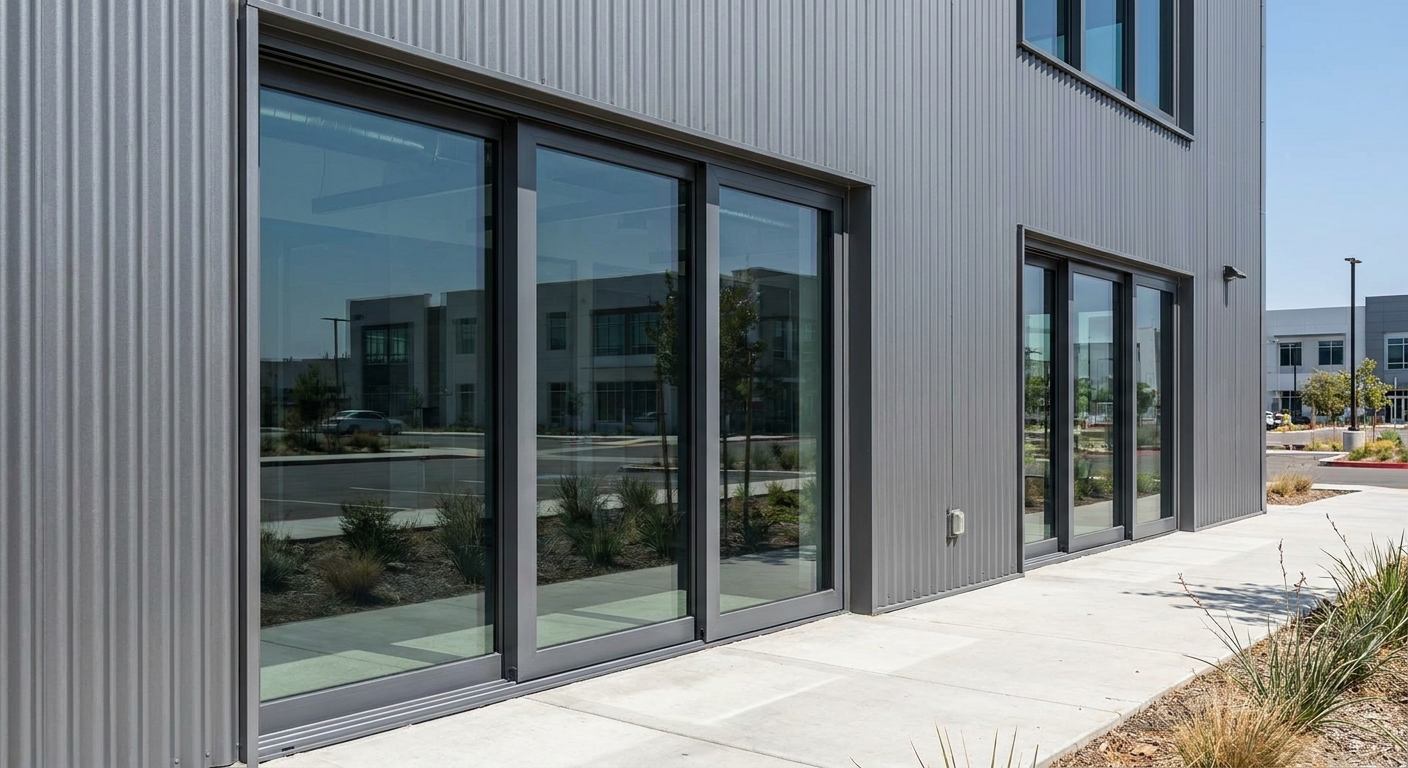
Doors, Windows & Skylights optimize daily energy savings by reducing the facility’s reliance on artificial high-bay lighting and heavy mechanical HVAC systems. Optimizing your choice of these systems dramatically improves interior air quality and worker productivity. If you run a high-occupancy workshop or poultry house, consistent fresh air and daylight are critical for maintaining productivity and health.
How Do Wall Openings Reduce Artificial Light Demands?
Make no mistake: Natural lighting is far superior to any electric bulb. By positioning windows along your building’s perimeter, you cast bright, natural light across work surfaces during peak daytime hours.
Look at these daylight benefits:
- Natural lighting reduces eye strain and worker fatigue.
- Daylight enhances safety by highlighting obstacles on the shop floor.
- Lower power usage helps you achieve modern green building certifications.
Can Cross-Ventilation Replace Costly HVAC Systems?
Consider these benefits: Placing windows on opposite walls creates a powerful natural cross-ventilation system. This movement pulls fresh air in while pushing hot, stale air out, keeping temperatures comfortable without running heavy exhaust fans.
- Strategic window alignment harnesses free, natural cross-breezes.
- Natural airflow lowers moisture buildup inside metal wall cavities.
- Cooler indoor temperatures prevent warehouse machinery from overheating.
| Environmental Goal | Architectural Solution | Direct Benefit | |
|---|---|---|---|
| Reduce Power Bills | Strategic perimeter windows | Lower electric grid dependence | |
| Clear Toxic Fumes | Louver and exhaust combos | Safer, healthier indoor air quality | |
| Regulate Temperature | Cross-ventilation window placement | Reduced mechanical cooling costs |
Leveraging natural wind and daylight forces your building to work for you, saving money every single hour.
Key Takeaway: Strategic window placement utilizes free natural elements to create a comfortable workspace, driving down energy bills while boosting workforce productivity.
Why Do Doors, Windows & Skylights Require Proactive Engineering?
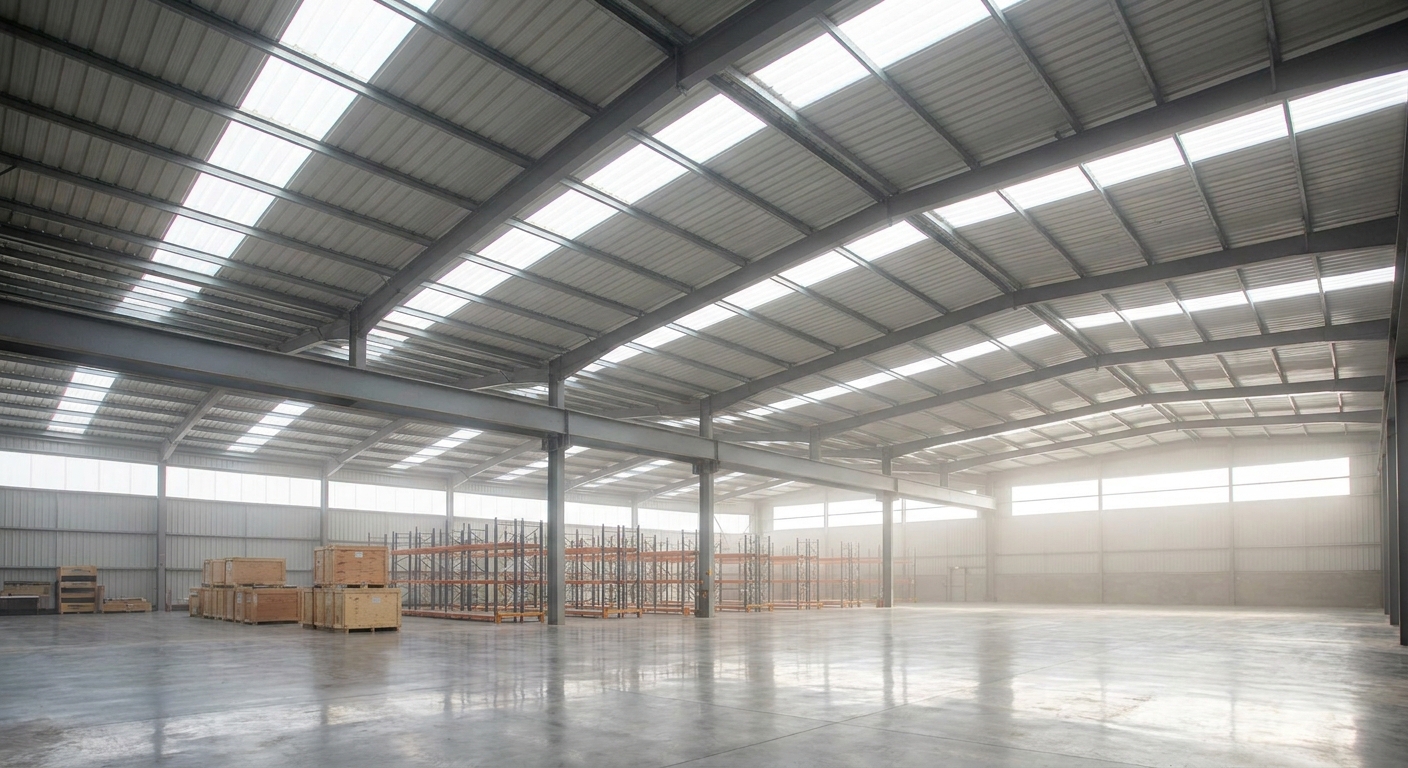
Doors, Windows & Skylights require proactive engineering because structural openings alter the load-bearing paths of a steel frame and must be reinforced before fabrication. Selecting heavy-duty options from your Doors, Windows & Skylights inventory will lower daytime energy expenses and create a safer, brighter working floor. In wide-span structures, wall windows only light the perimeter, leaving the core in shadow.
Which Skylight Materials Stand Up to Severe Weather?
The truth is: Not all skylight panels are created equal. High-quality skylight panels are typically made of polycarbonate or reinforced fiberglass (FRP) to resist yellowing and weathering.
Notice these material facts:
- Polycarbonate offers incredible impact resistance against hail.
- Fiberglass (FRP) provides excellent structural stability and light diffusion.
- UV-resistant coatings prevent panel degradation and cracking over time.
How Do You Guarantee Complete Roof Waterproofing?
Let us look closer: Because skylights are installed directly on the roof, they must be perfectly integrated to prevent leaks. You must match the skylight profile with your metal roof panels, ensuring seamless overlapping and tight seals.
- Heavy-duty butyl tape creates an impenetrable seal against rain.
- Custom metal flashing channels pooling water safely away from panel joints.
- Regular inspections of sealant boundaries preserve the primary steel rafters.
| Panel Feature | Technical Detail | Performance Impact | |
|---|---|---|---|
| Polycarbonate Material | Impact-resistant and lightweight | Prevents hail damage and roof leaks | |
| UV-Coated Exterior | Blocks harmful solar radiation | Extends panel lifespan and clarity | |
| Ridge Installation | Located at the highest roof point | Delivers peak daylight coverage |
Selecting premium skylights that interlock seamlessly with your existing metal roof profiles eliminates leaks and maximizes service life.
Key Takeaway: Installing robust, well-sealed roof skylights delivers uniform lighting to the deepest parts of your building, eliminating the need for expensive high-bay artificial lights.
Get optimized steel openings—contact us today!
Email:sales@showhoo.com.cn
Phone/WhatsApp: + 86 186 7895 5927
What Doors, Windows & Skylights Add the Highest Asset Valuation?
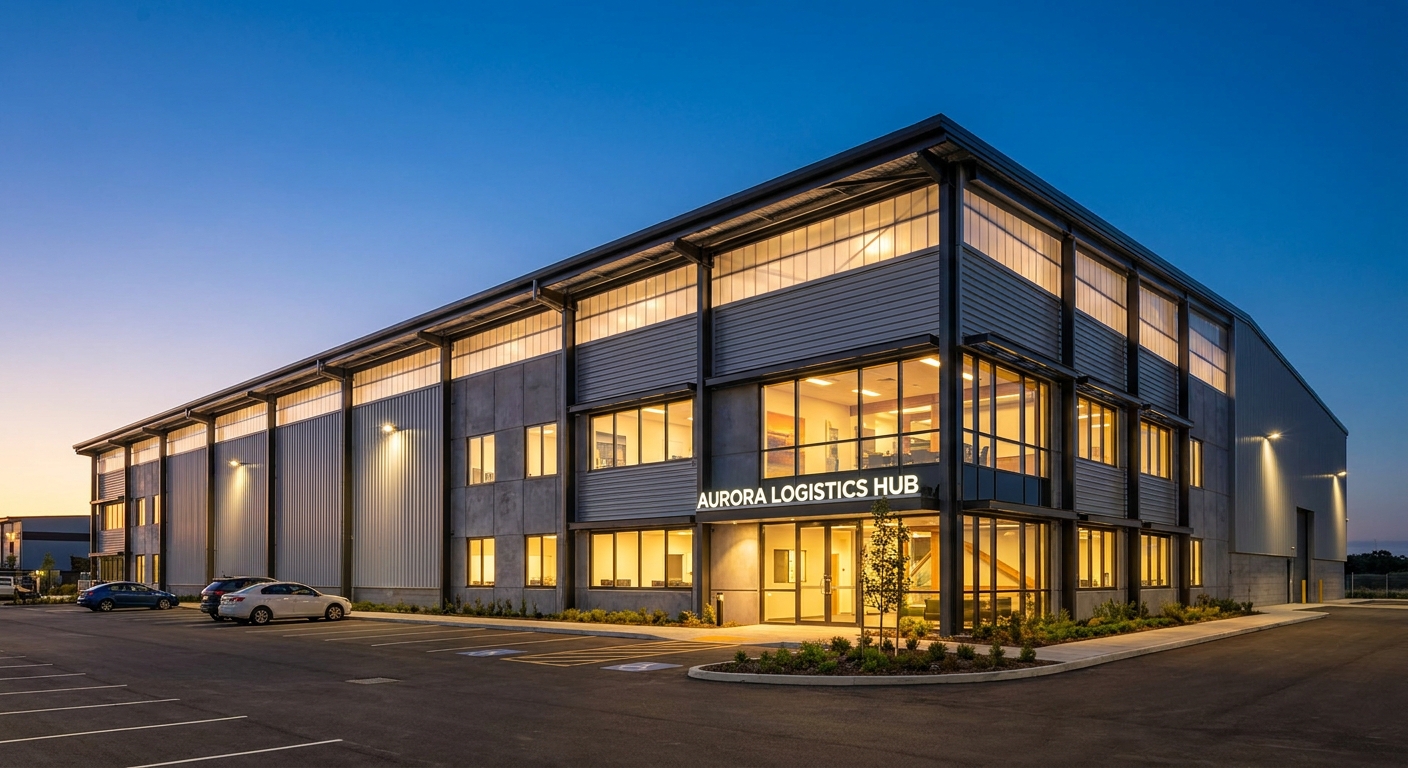
High-grade insulated personnel doors, impact-resistant windows, and seamless daylighting systems add the highest asset valuation to modern commercial metal facilities. Integrating specialized Doors, Windows & Skylights into your industrial design delivers a rapid return on investment by reducing reliance on electric light. Studies show that workers in natural light make fewer errors and experience less fatigue throughout their shifts.
How Does Daylight Harvesting Slash Operational Bills?
Here is the deal: Lighting accounts for a massive portion of an industrial warehouse’s monthly electric bill. By harvesting free daylight through the roof, you can turn off high-bay lights during peak daytime shifts.
Review these utility impacts:
- Daylight harvesting can reduce lighting energy costs by a substantial margin.
- Less artificial light lowers internal heat generation, saving cooling energy.
- High-quality panels require virtually zero energy to run.
Why Do Brighter Environments Boost Workforce Yields?
Think about it: Working under artificial fluorescent lights for long shifts can cause headaches, eye strain, and general fatigue. Natural daylight, however, boosts serotonin levels, making your workers more alert, focused, and positive.
- Better illumination reduces manufacturing assembly errors.
- Improved visual acuity prevents accidents near fast-moving forklifts.
- Daylight exposure reduces rates of employee absenteeism and turnover.
| Facility Benefit | Direct Cause | Practical Outcome | |
|---|---|---|---|
| Lower Electric Bills | High-bay lights turned off during day | Direct monthly cash savings | |
| Fewer Workplace Errors | Improved color rendering and visibility | Higher quality control and output | |
| Enhanced Floor Safety | Eliminated shadows in deep aisles | Reduced forklift and walking hazards |
Upgrading to high-valuation openings makes your property highly attractive to premium commercial tenants.
Key Takeaway: Installing skylights improves workplace safety and slashes your utility bills, directly improving your bottom line.
Which Doors, Windows & Skylights Maximize Overall Facility ROI?
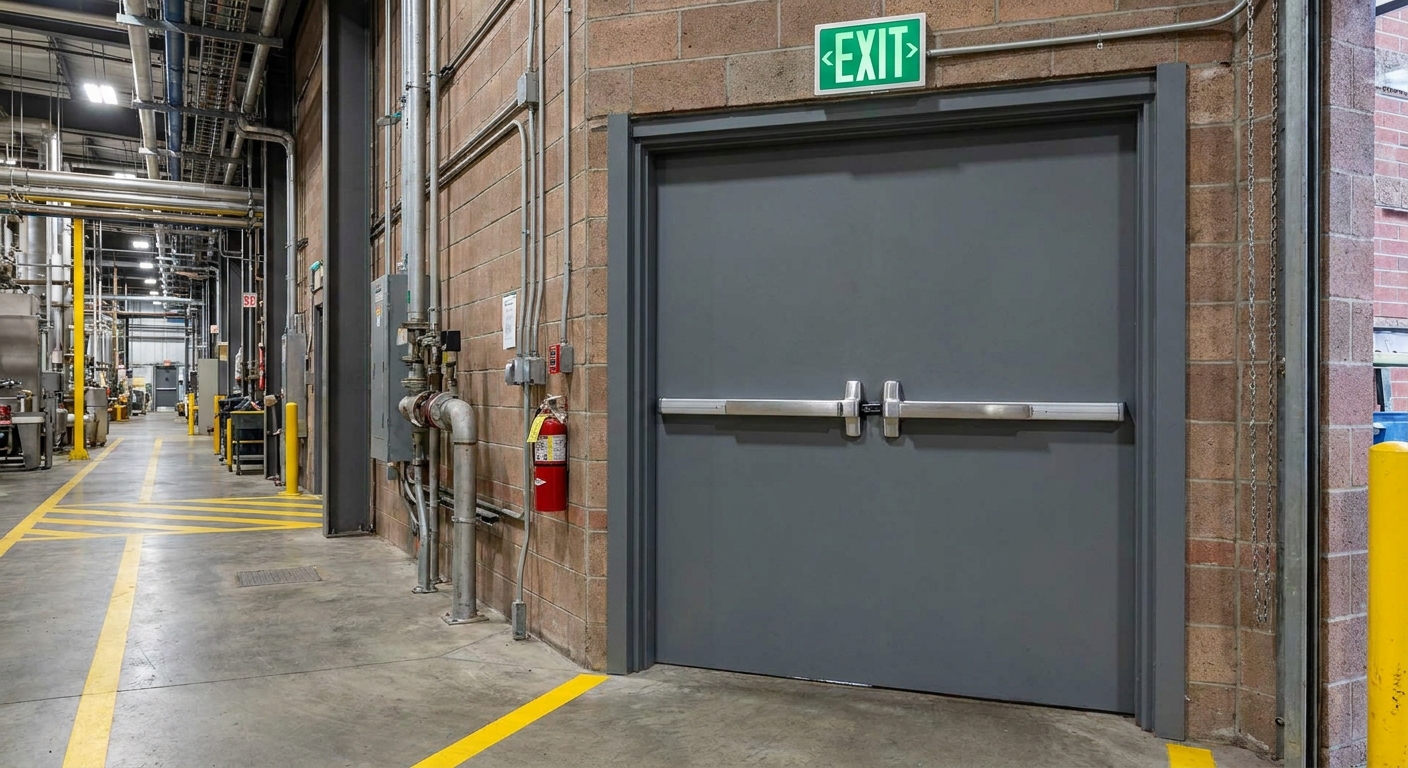
The ideal, balanced combination of automated sectional doors, sliding windows, and diffused roof skylights maximizes overall facility ROI. Balancing these options within your Doors, Windows & Skylights budget ensures that you do not overspend on one system while neglecting another. For instance, a high-traffic logistics hub must prioritize heavy-duty doors, whereas an assembly plant requires daylight from skylights.
How Do Installation and Initial Costs Compare?
The numbers do not lie: Every opening in a steel building requires framing, structural trim, and installation labor, which impacts your initial capital expenditure. Heavy-duty industrial doors represent a significant upfront cost due to complex mechanical tracks and motor systems.
Compare these installation realities:
- Industrial doors have the highest initial material and installation cost.
- Skylights offer low material costs but require experienced roofers.
- Standard windows provide a highly cost-effective daylighting option.
What Are the Long-Term Energy Saving Trade-offs?
Here is what matters: While doors represent a higher initial cost, they are critical for securing inventory and coordinating logistics. Windows and skylights, meanwhile, pay for themselves by reducing daily heating, cooling, and lighting energy bills.
- Skylights on the roof are exposed to harsher elements and require regular seal checks.
- Windows at eye level are much easier to clean, maintain, and replace.
- High-quality insulated systems reduce wear and tear on your HVAC equipment.
| System | Upfront Cost | ROI Timeline | Primary ROI Driver | |
|---|---|---|---|---|
| Industrial Doors | High | Short to Medium | Smooth logistics and high security | |
| Windows | Moderate | Medium | Localized air ventilation and light | |
| Skylights | Moderate | Very Short | Continuous daylighting energy savings |
Analyzing these trade-offs ensures you allocate your budget to the openings that generate the fastest returns.
Key Takeaway: Investing in a balanced combination of openings ensures seamless traffic flow, excellent ventilation, and low lighting bills.
How Should Doors, Windows & Skylights Be Framed Before Delivery?
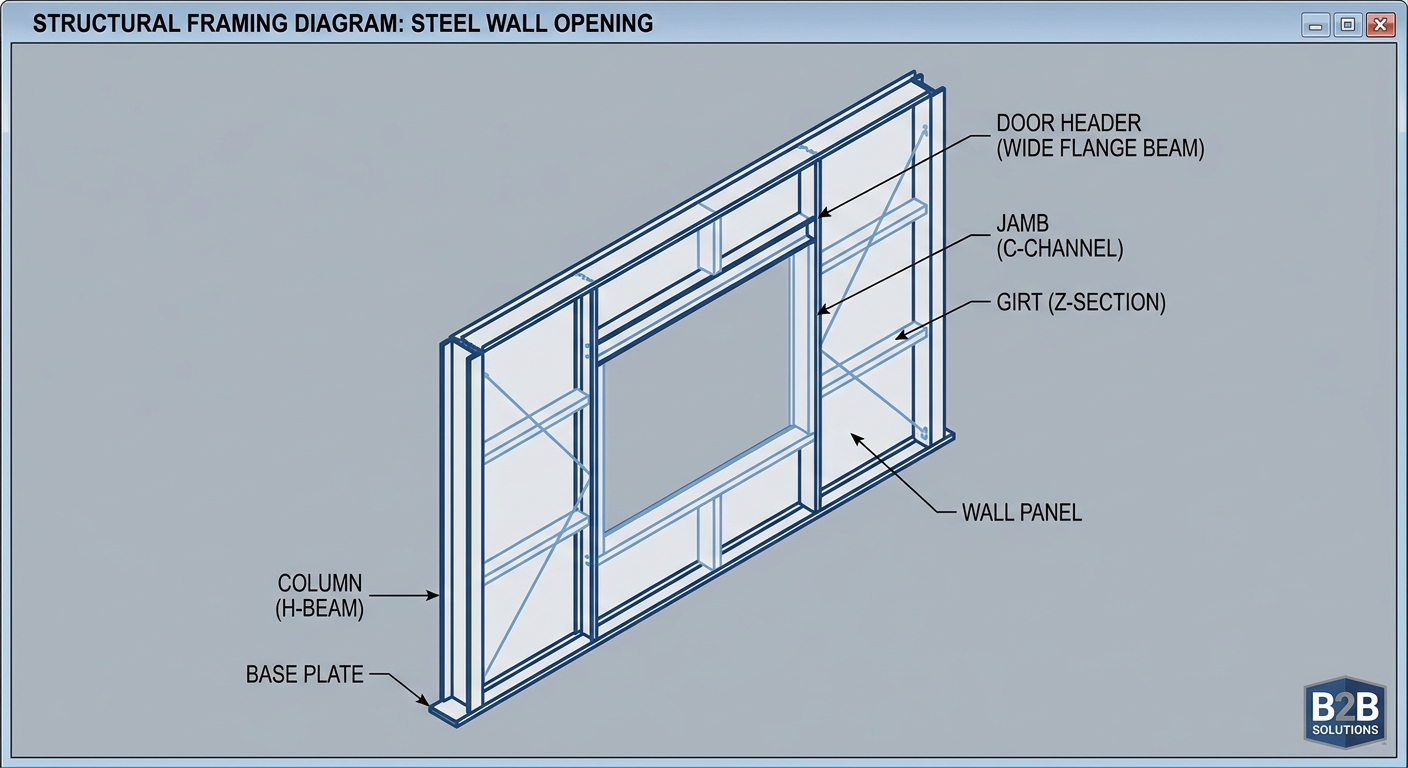
Doors, Windows & Skylights must be framed using factory-welded headers, C-channel jambs, and reinforced Z-girts integrated directly into the primary steel design before delivery. Evaluating how these impact your layout prevents structural clashes and ensures correct load distribution. If you specify these parameters early, manufacturers can factory-punch and reinforce your framing members.
Why Is Framing Alignment Critical for Structural Loading?
But that is not all: You cannot simply cut holes in your steel building’s walls after it has been designed and fabricated. Every opening must be engineered during the primary frame design so that the structure is reinforced with extra columns and beams.
Follow these critical steps:
- Confirm exact door and window dimensions with your supplier.
- Ensure all frame reinforcements are fabricated at the factory.
- Verify that heavy tracks do not interfere with interior columns.
How Do You Design for Future Facility Expansion?
Think of it this way: Designing knockout panels and extra framing into your initial blueprints protects your future options. If you need to expand your business later, you can add extra doors or windows with minimal disruption.
- Planned knockout zones prevent structural cutting during future expansions.
- Pre-installed girts allow for simple wall sheet removals when adding bays.
- Engineering columns for extra loads keeps future modifications completely safe.
| Design Step | Engineering Focus | Practical Benefit | |
|---|---|---|---|
| Dimension Check | Factory-pre-punched steel framing | Eliminates on-site cutting and welding | |
| Climate Load Check | Wind-locked rails & thick glass | Prevents structural failure during storms | |
| Safety Code Review | Fire-rated doors and safety egress | Guarantees compliance and fast permitting |
Locking in your frame design prior to production guarantees a seamless on-site assembly.
Key Takeaway: Designing all structural openings and load paths before fabrication prevents expensive field errors and ensures compliance with local building codes.
Can Doors, Windows & Skylights Be Easily Retrofitted on Site?
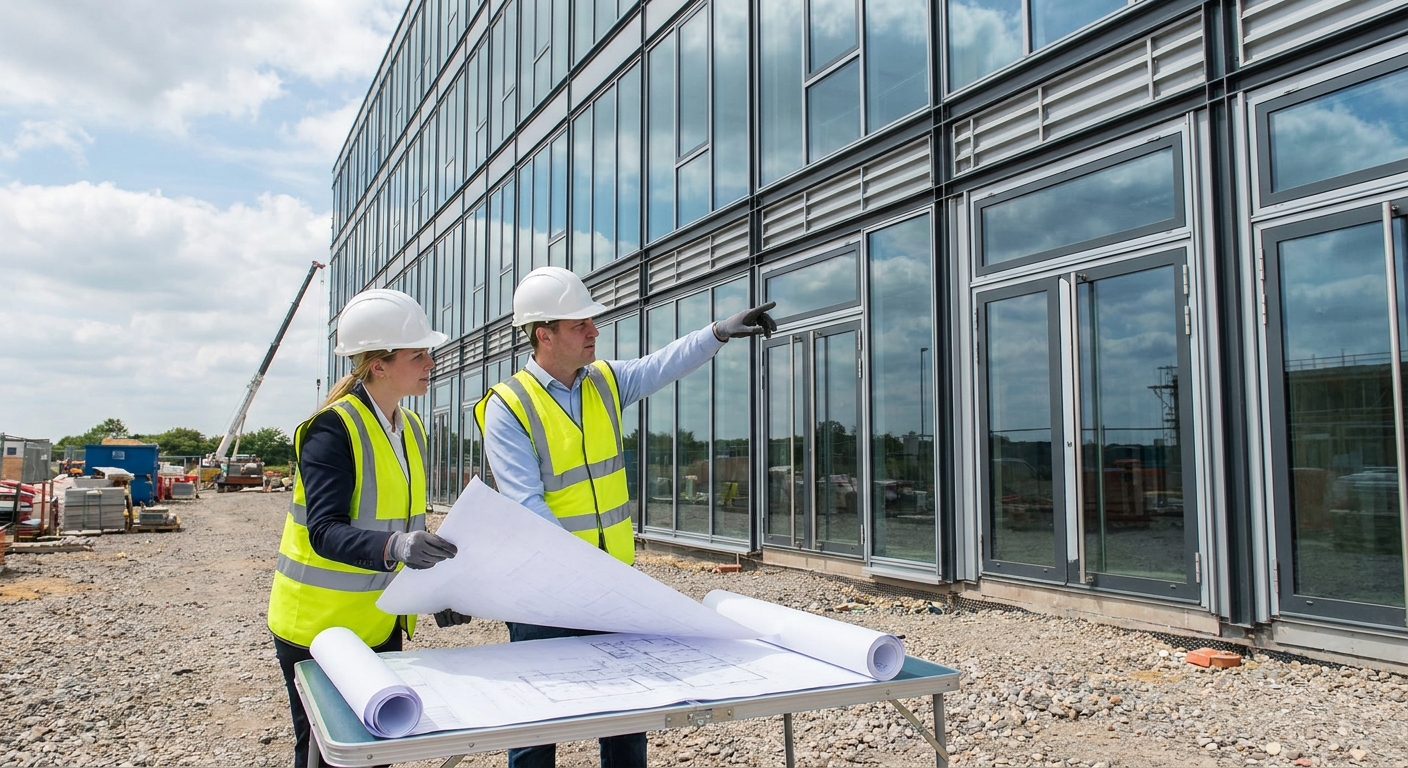
Yes, Doors, Windows & Skylights can be retrofitted on site, but doing so requires complex structural additions and professional steel reinforcements to ensure safety. Having a single-source solution for your Doors, Windows & Skylights ensures that all components fit perfectly, reduce thermal bridging, and operate smoothly. Addressing typical questions about customization, wind loads, and installation can save thousands before finalizing your order.
What Are the Primary Risks of On-Site Modifications?
Here is the reality: Cutting into an assembled metal wall without engineering oversight compromises the structural integrity of the entire building. If you slice through a vital wall girt, the structural load shifts dangerously, causing panel sagging or buckling.
Be aware of these retrofit risks:
- Unplanned cuts create weak points that fail under high wind loads.
- Improperly flashed openings will leak, ruining tools and inventory.
- Field modifications void structural warranties provided by the steel manufacturer.
How Can Professional Engineering Mitigate These Risks?
Let us face facts: Partnering with a qualified structural engineer ensures your retrofitted openings are reinforced with the exact girts and headers required. Engineers determine the precise stress distribution to keep your steel building 100% compliant with local codes.
- Engineering reviews calculate the secondary framing reinforcement needed.
- Certified flashing details ensure retrofits remain completely waterproof.
- Correct load path modeling preserves the durability of the primary frames.
| Retrofit Step | Engineering Target | Safety Outcome | |
|---|---|---|---|
| Load Analysis | Checks frame stress redistribution | Prevents wall sag and structure failure | |
| Trim Design | Custom flashing and drip caps | Eliminates long-term corrosion and leaks | |
| Jamb Installation | Adds C-channels for support | Safely holds heavy industrial doors |
Working with certified structural specialists guarantees your structural modifications do not weaken your investment.
Key Takeaway: Partnering with a dedicated manufacturer from day one solves all your opening challenges and guarantees a seamless, durable, and highly functional facility.
Frequently Asked Questions
Can I customize the sizes of these structural openings?Yes, you can fully customize every opening size and placement during the initial design phase of your steel building. Pre-engineering the framing allows the factory to punch, weld, and reinforce each location, saving you immense labor on-site and ensuring a tight weatherproof seal.
What’s the best way to prevent thermal leaks around frames?The best way to prevent thermal leaks is to select insulated aluminum or PVC frames equipped with thermal breaks, paired with double-glazed glass and industrial-grade EPDM weather stripping. This setup stops thermal bridging and prevents moisture from condensing on the metal frames.
How do I know if my steel building needs heavy wind reinforcement?Your project needs wind reinforcement if it is located in coastal areas, high-altitude regions, or zones prone to extreme storms. An engineer will reference local building codes to specify wind-locked tracks and reinforced door panels that can withstand these specific wind pressures.
What’s the best window material for a highly corrosive environment?The best window material for highly corrosive environments is anodized aluminum alloy or high-grade PVC. These materials are naturally resistant to chemical exposure, salt spray, and moisture, ensuring they will not rust, peel, or degrade over years of intense industrial use.
Conclusion
Optimizing the entryways, windows, and daylighting of your facility is the ultimate way to lower overhead, keep workers safe, and speed up daily operations. If you are struggling with poor ventilation, dark workspaces, or slow traffic flows, our engineering experts will design the perfect structural opening system tailored to your specific budget. To start designing your high-performance steel building with optimized openings, contact us today.
Get optimized steel openings—contact us today!
Email:sales@showhoo.com.cn
Phone/WhatsApp: + 86 186 7895 5927