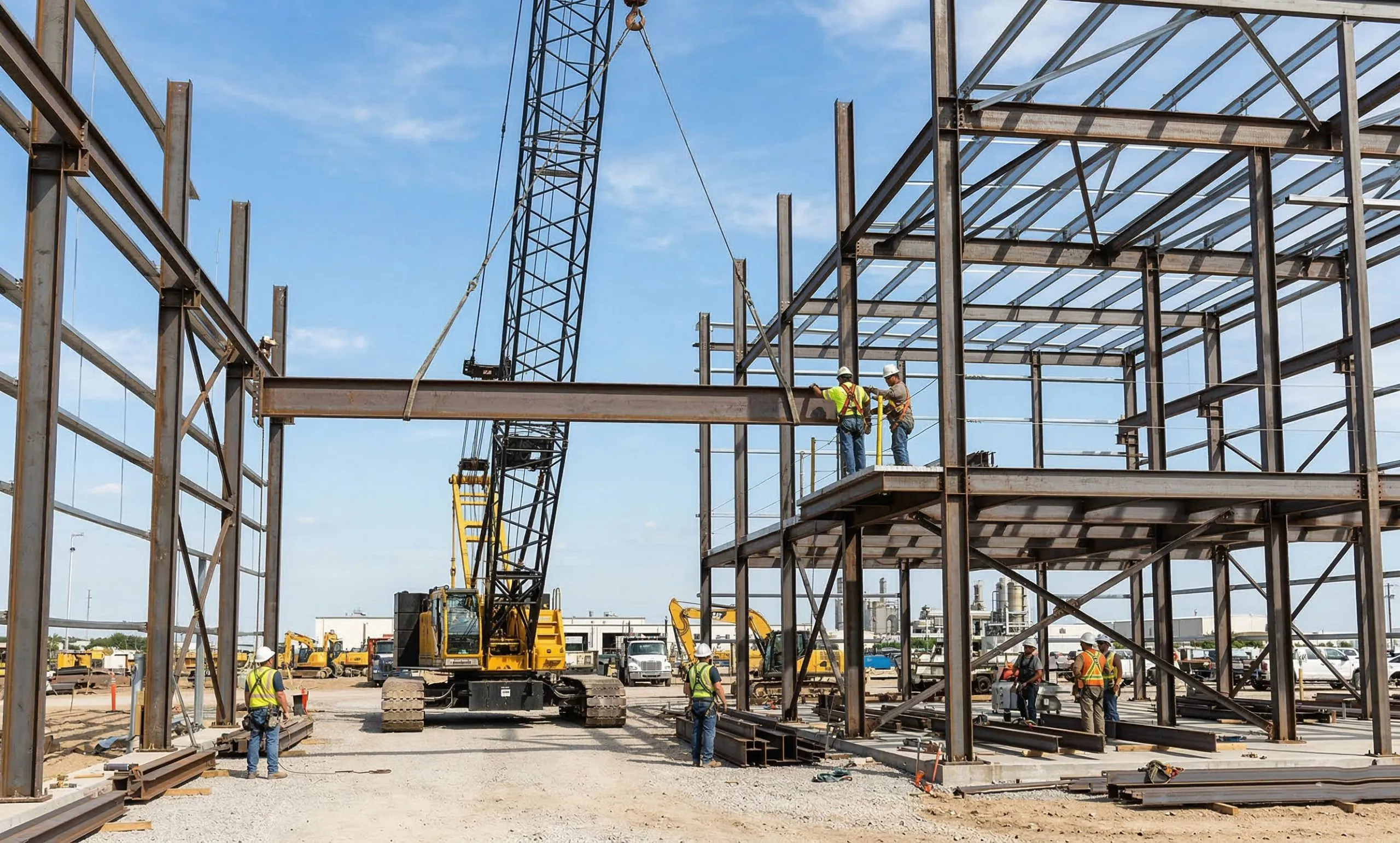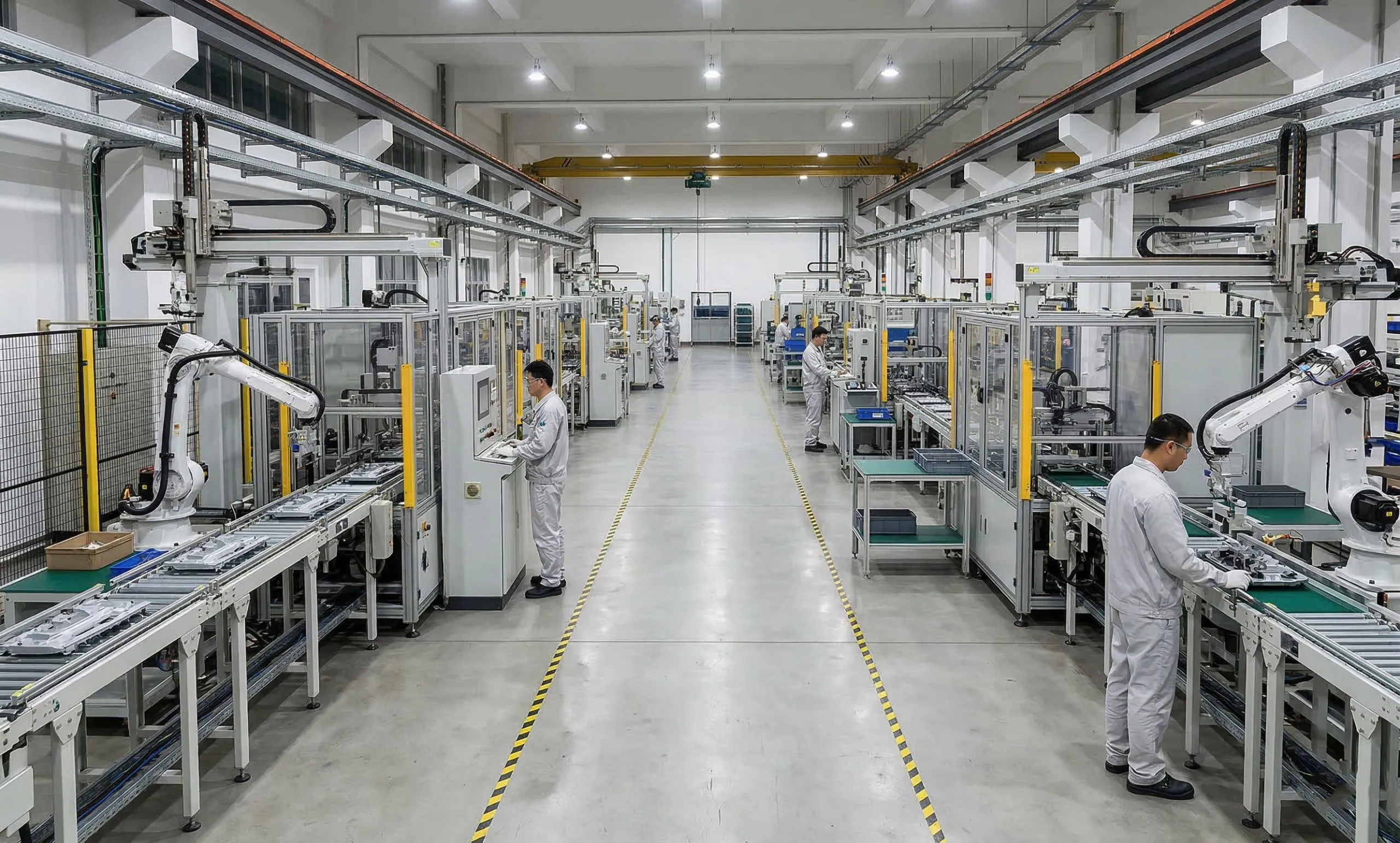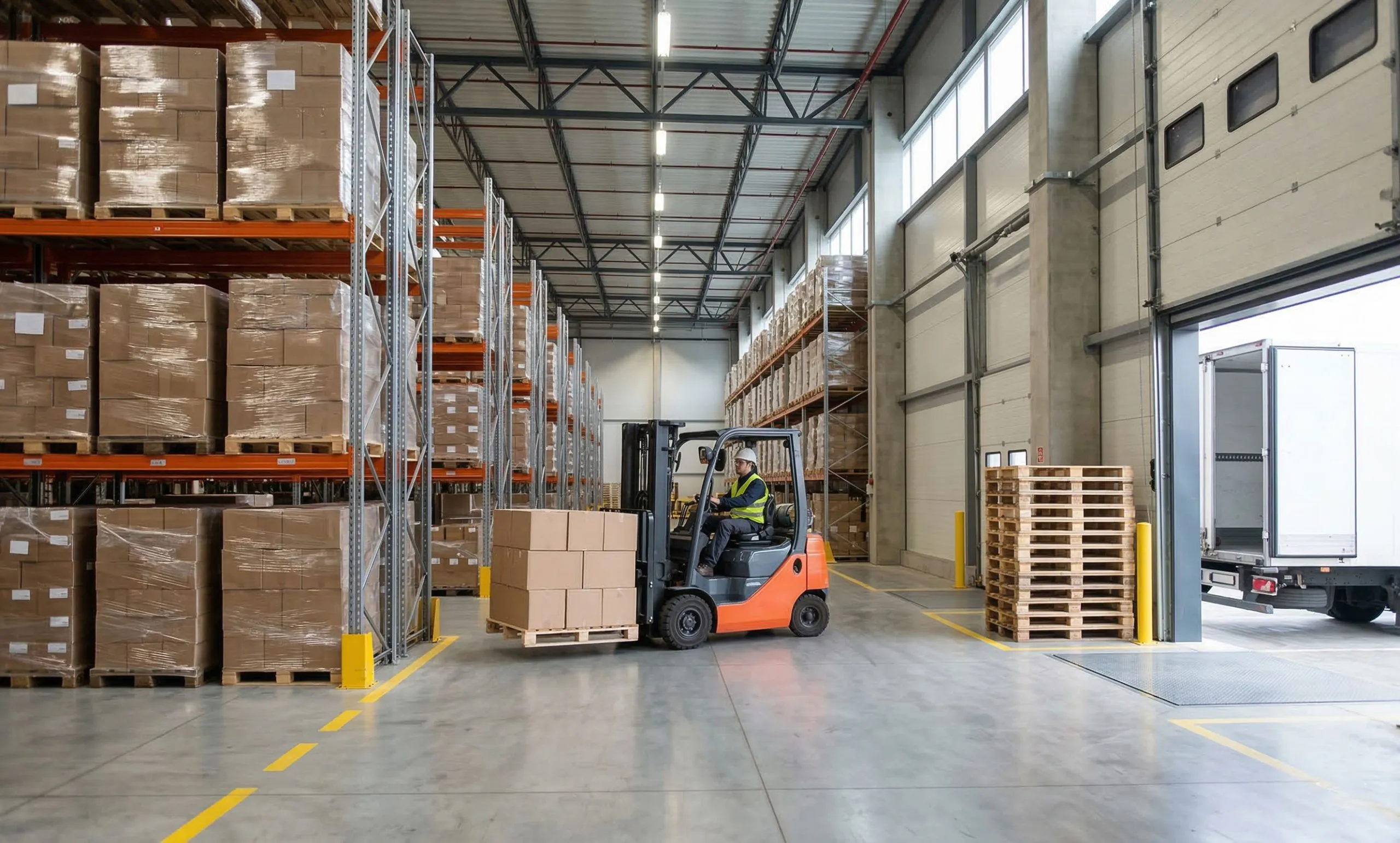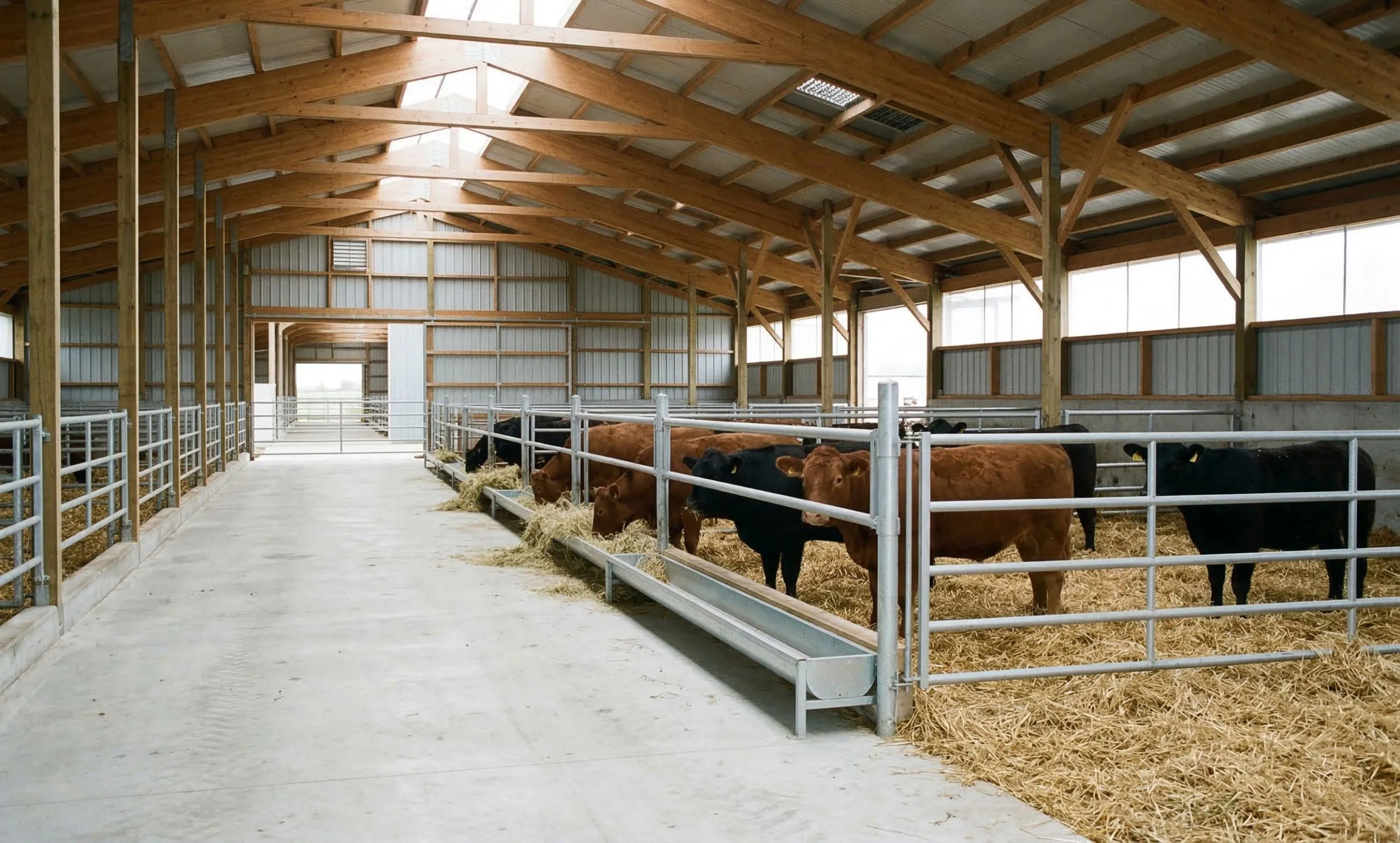
The Steel Structure Industry: Surface Prosperity vs Real Challenges
More suppliers than ever, yet finding reliable partners remains difficult. The industry has evolved, but critical gaps persist between what's promised and what's delivered.
Many Suppliers, Few Project Specialists
Thousands of steel manufacturers exist, but understanding real project requirements—from local codes to site conditions—remains rare. You need partners who comprehend construction realities, not just steel production.
Complex Designs, Inconsistent Manufacturing
Engineering drawings grow more sophisticated, yet manufacturing capabilities vary dramatically. What looks perfect on paper often reveals problems during fabrication—when changes cost 10x more.
Transparent Pricing, Hidden Project Risks
Getting quotes is easier than ever. But price transparency doesn't reveal quality variations, delivery reliability, or who handles problems. Low initial costs often mean high final costs.
Global Competition, Local Requirements Ignored
International suppliers compete on price, yet local building codes, climate requirements, and regulatory standards remain critical. Generic solutions create expensive site modifications.
Five Critical Points Where Overseas Steel Projects Lose Control
Problems aren't random—they occur at predictable stages when design, fabrication, and site reality disconnect
Design-to-Production Gap
Drawings created without manufacturing input. Beautiful designs that can't be fabricated efficiently—or at all.
Specification Conflicts
Parameters meeting design requirements but failing site assembly logic. Right on paper, wrong on ground.
Pricing Confusion
Low unit prices masking chaotic component breakdown. Cheap per ton, expensive per complete building.
Pre-Shipment Blind Spots
No trial assembly verification before ocean freight. Missing or wrong components discovered after 6-week shipping.
Accountability Vacuum
When problems emerge, unclear responsibility between designer, fabricator, and trader. Nobody owns outcomes.
Understanding where control breaks down is the first step to preventing project failures.
Why Steel Structure Problems Are Always Expensive
Once issues appear on-site, costs multiply beyond the steel itself. The real expense isn't material—it's disruption, delay, and lost opportunity.
Schedule Disruption
Delays cascade through entire project timelines, triggering penalties and relationship damage that extend far beyond the building itself.
- Contract penalty clauses activation
- Extended equipment rental costs
- Lost revenue from delayed operations
- Workforce idle time expenses
Rework Multiplication
On-site modifications cost 10-20x factory production. Overseas labor rates, crane time, and emergency logistics transform minor issues into major expenses.
- Emergency shipping for replacement parts
- Premium rates for expedited fabrication
- Extended crane and labor mobilization
- Site accommodation and logistics overhead
Trust Erosion
Relationship capital with clients, investors, and regulatory authorities depletes with each problem. Reputation damage affects future opportunities permanently.
- Client confidence deterioration
- Investor scrutiny intensification
- Regulatory approval complications
- Market reputation damage
Prevent expensive problems before they reach your construction site.
Different Customers Face Different Steel Structure Risks
Your role determines your vulnerability. Understanding your specific risk profile protects your investment.
Your reputation depends on flawless project delivery. Supplier failures become your responsibility to fix, damaging client relationships and profit margins.
- Schedule control loss
- Client relationship strain
- Unexpected cost absorption
This building serves your operations for decades. Structural compromises, layout inefficiencies, or maintenance difficulties create permanent operational constraints.
- Long-term functionality issues
- Operational flexibility limitations
- Costly future modifications
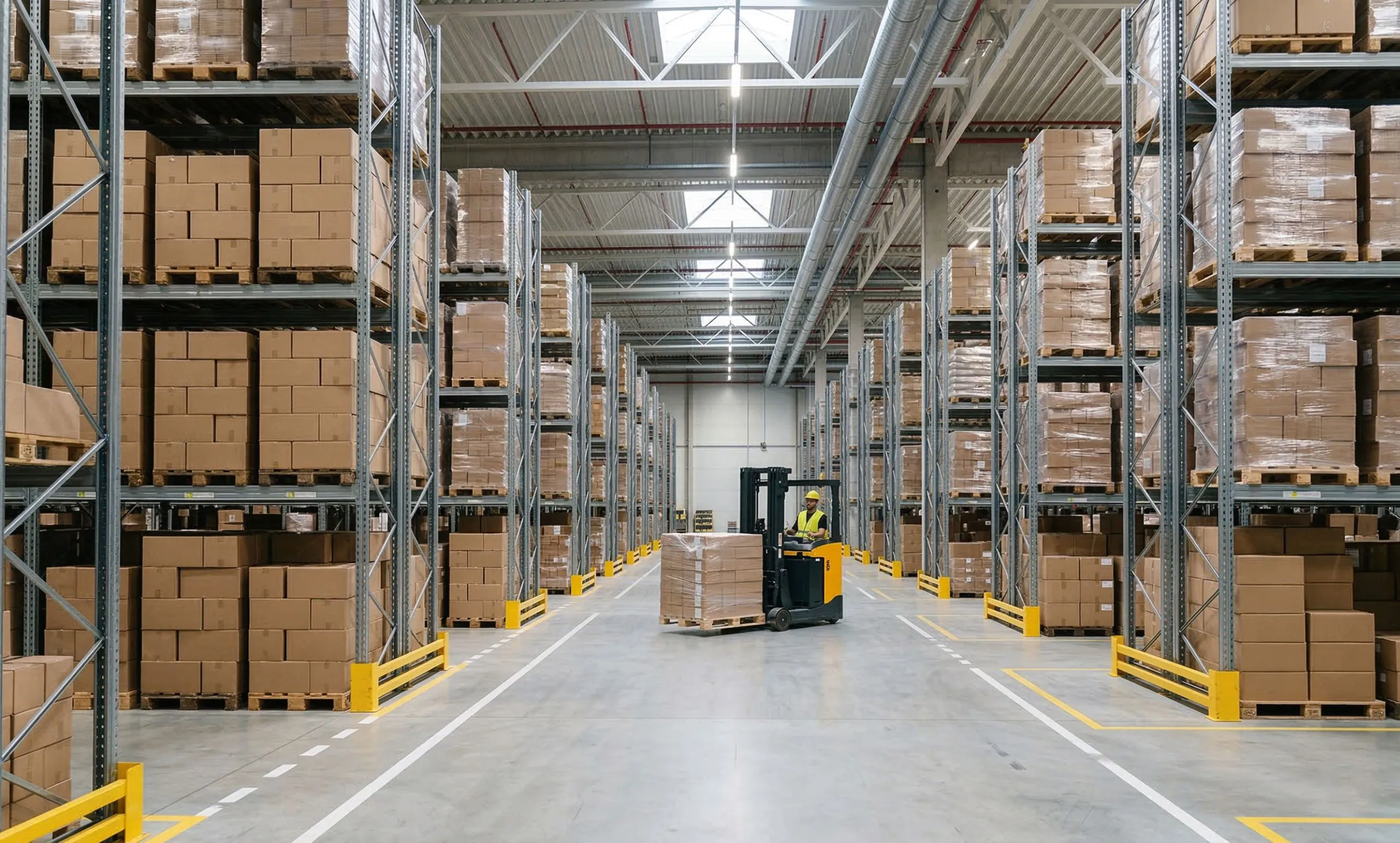
Warehouse efficiency directly impacts ROI. Poor layout design or structural limitations reduce storage density and operational throughput permanently.
- Revenue per square meter reduction
- Tenant attraction difficulties
- Property value depression
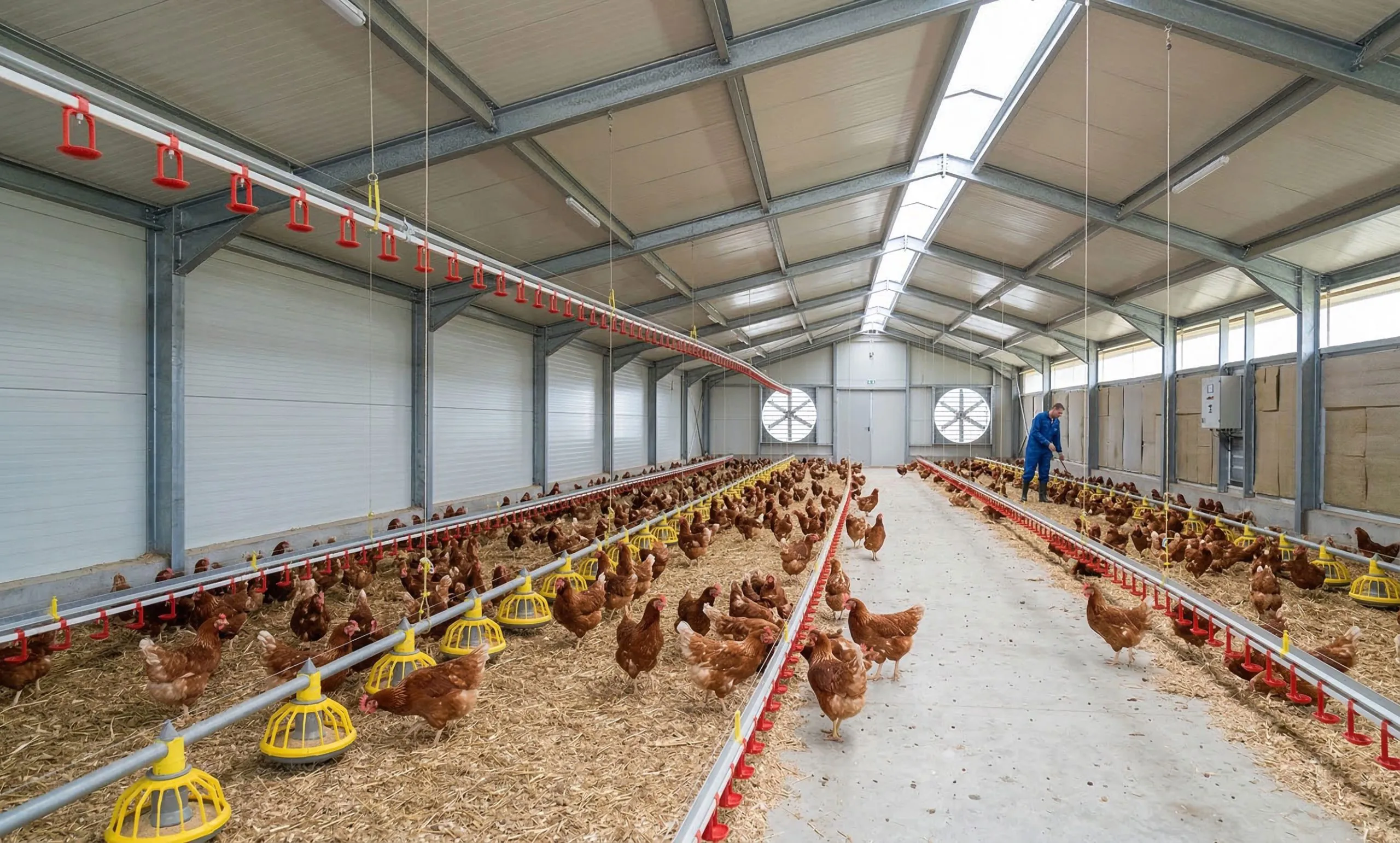
Climate control failures or ventilation problems directly affect livestock health and crop quality. Generic designs ignore agricultural-specific requirements.
- Environmental control inadequacy
- Operational workflow disruption
- Biosecurity compromise
Opening delays cost revenue daily while fixed costs continue. Construction problems trigger cascading impacts across leasing, financing, and market positioning.
- Tenant commitment breach risk
- Financing condition violations
- Market window loss
When factories don't support projects properly, you absorb client complaints and relationship damage. Your business depends on reliable manufacturing partners.
- Client satisfaction responsibility
- Technical support burden
- Warranty claim handling
Steel Structure Projects Need Control, Not Just Low Prices
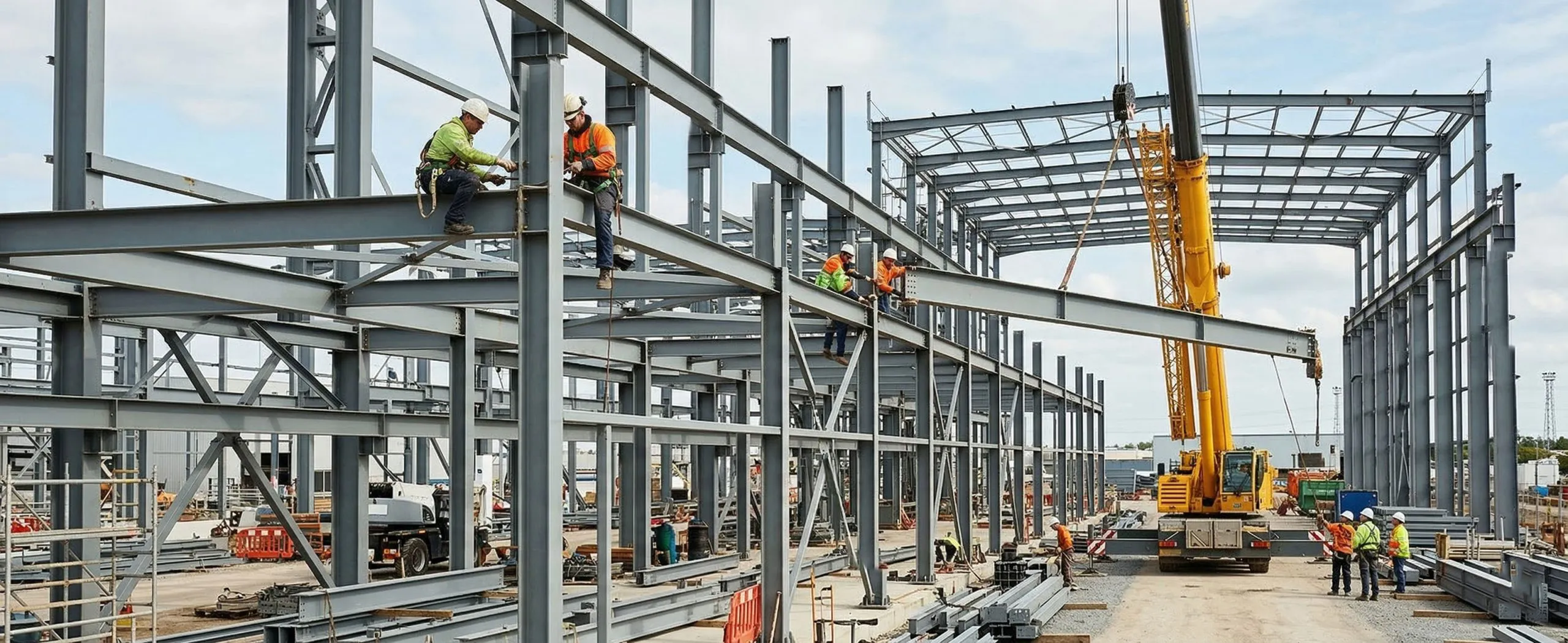
Steel structures aren't commodities—they're one-time, high-integration engineering products requiring coordinated execution from design through installation.
Price-Focused Purchasing
- Lowest cost per ton drives decisions
- Design, fabrication, shipping handled separately
- Problems discovered after installation begins
- Multiple parties, unclear responsibility
- Cheap initially, expensive ultimately
Outcome-Focused Partnership
- Total project value drives decisions
- Integrated process from design to delivery
- Problems prevented before production
- Single source accountability
- Fair pricing, predictable outcomes
Three Controllability Principles
Structural Control
Engineering verified for both performance and manufacturability before production begins. Design serves construction reality.
Process Control
Every fabrication step documented and inspected. Quality built in during production, not inspected in afterward.
Risk Control
Potential problems identified and eliminated systematically. Trial assembly verification prevents site surprises.
Experience the difference between buying steel and controlling project outcomes.
How We Transform Steel Structure Projects Into Controlled Engineering
Not a process checklist—a methodology ensuring every decision serves your project's successful completion.
Design from Manufacturing Reality
Our engineering team designs with fabrication capabilities in mind.
- Eliminates design conflicts
- Reduces manufacturing costs
- Prevents design changes
Components Serve Installation Logic
Component breakdown based on site erection sequence.
- Faster site assembly
- Reduced crane time
- Fewer field modifications
Shipping Follows Site Needs
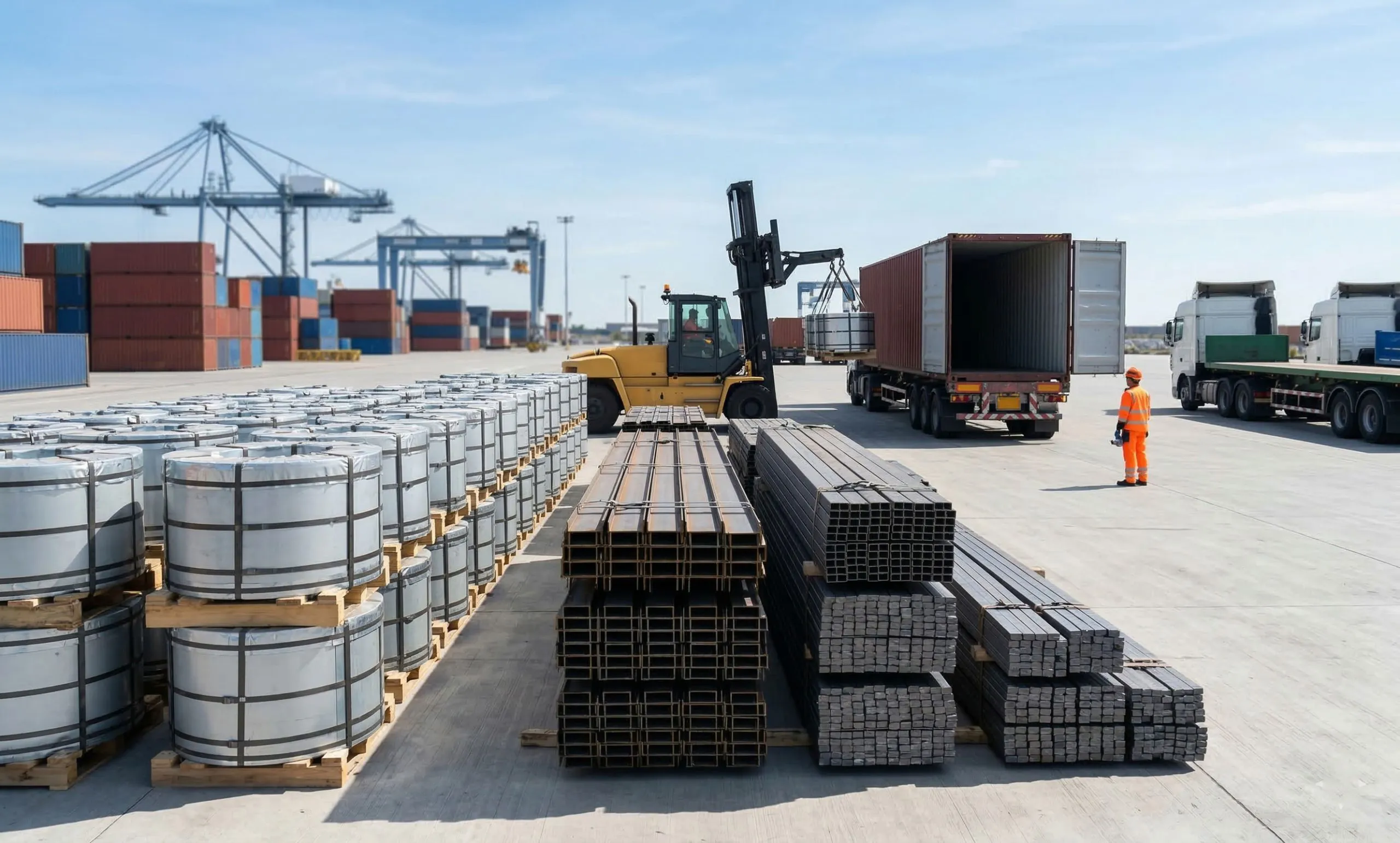
Container loading organized by installation sequence.
- Components when needed
- Reduced site storage
- Minimized handling time
Communication Serves Project Responsibility
Direct factory communication with actual designers and fabricators.
- Accurate technical answers
- Efficient changes
- Clear accountability
Experience controlled engineering for your next project.
Why Showhoo Excels in Challenging International Markets
Not every supplier fits every market. Our capabilities align specifically with projects requiring reliability in complex overseas environments.
Factory-Direct Control
We manufacture everything ourselves—no subcontracting, no trading layers, no intermediary quality variations. You communicate with the people actually building your structure.
Eliminates common supply chain disconnects where traders lack technical capability and manufacturers lack customer insight.
Complete Integration
Engineering, fabrication, quality control, and logistics managed within one facility. Problems solved internally rather than blamed externally.
Critical when projects span multiple time zones and communication delays can multiply small issues into major problems.
International Experience
50+ countries across six continents. We've navigated diverse building codes, climate requirements, and regulatory systems—knowledge that prevents expensive mistakes.
Understanding that Australian cyclone requirements differ fundamentally from Middle Eastern seismic codes saves months of approval delays.
Customization Capability
Our in-house engineering team adapts designs to specific site conditions, local requirements, and operational needs. Not locked into standard templates.
Essential when your project involves unique dimensions, special loading, or non-standard environmental conditions requiring engineering flexibility.
Real Project Experience Across Applications
We've delivered these building types internationally—understanding their specific requirements
Large-span storage facilities optimized for logistics efficiency and flexible space utilization.
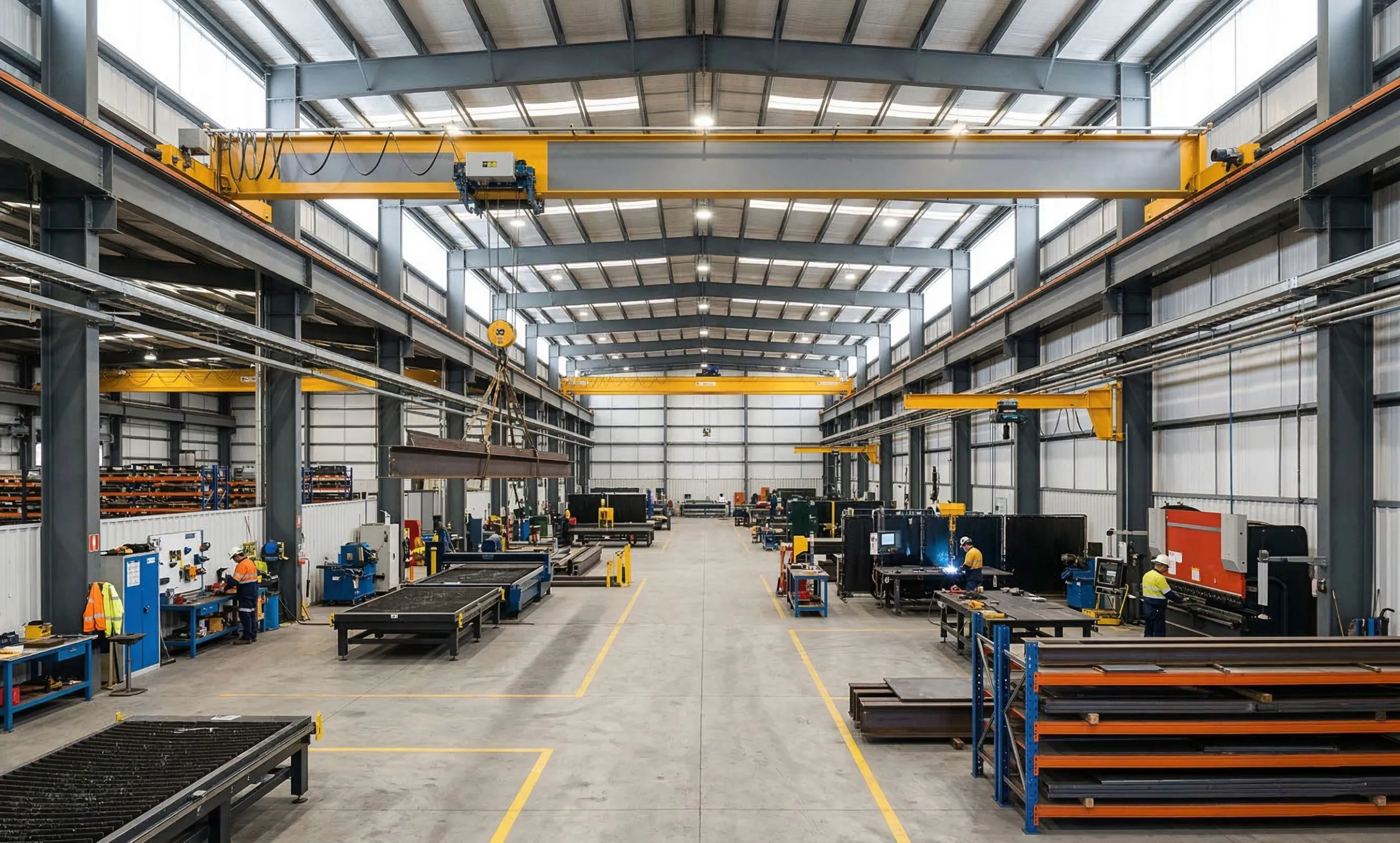
Production facilities with crane systems, heavy floor loads, and integrated utility requirements.
Poultry houses, livestock barns, and storage structures designed for agricultural operations.
Clear-span structures meeting aviation requirements for door systems and structural clearances.
Retail centers, showrooms, and mixed-use structures balancing aesthetics with functionality.
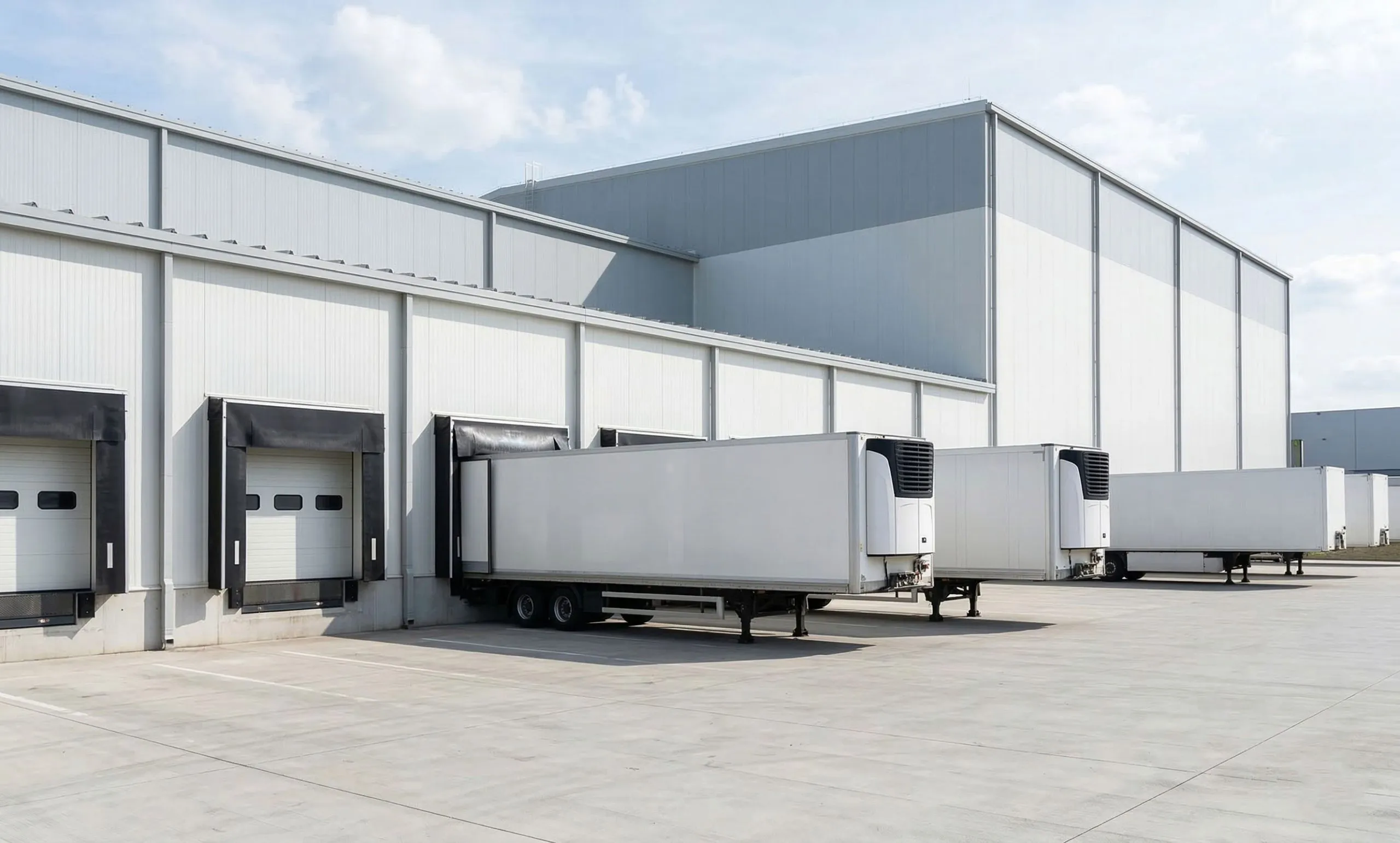
Insulated structures for temperature-controlled storage with specialized structural considerations.
Gymnasiums and training centers with long-span requirements and interior clearances.
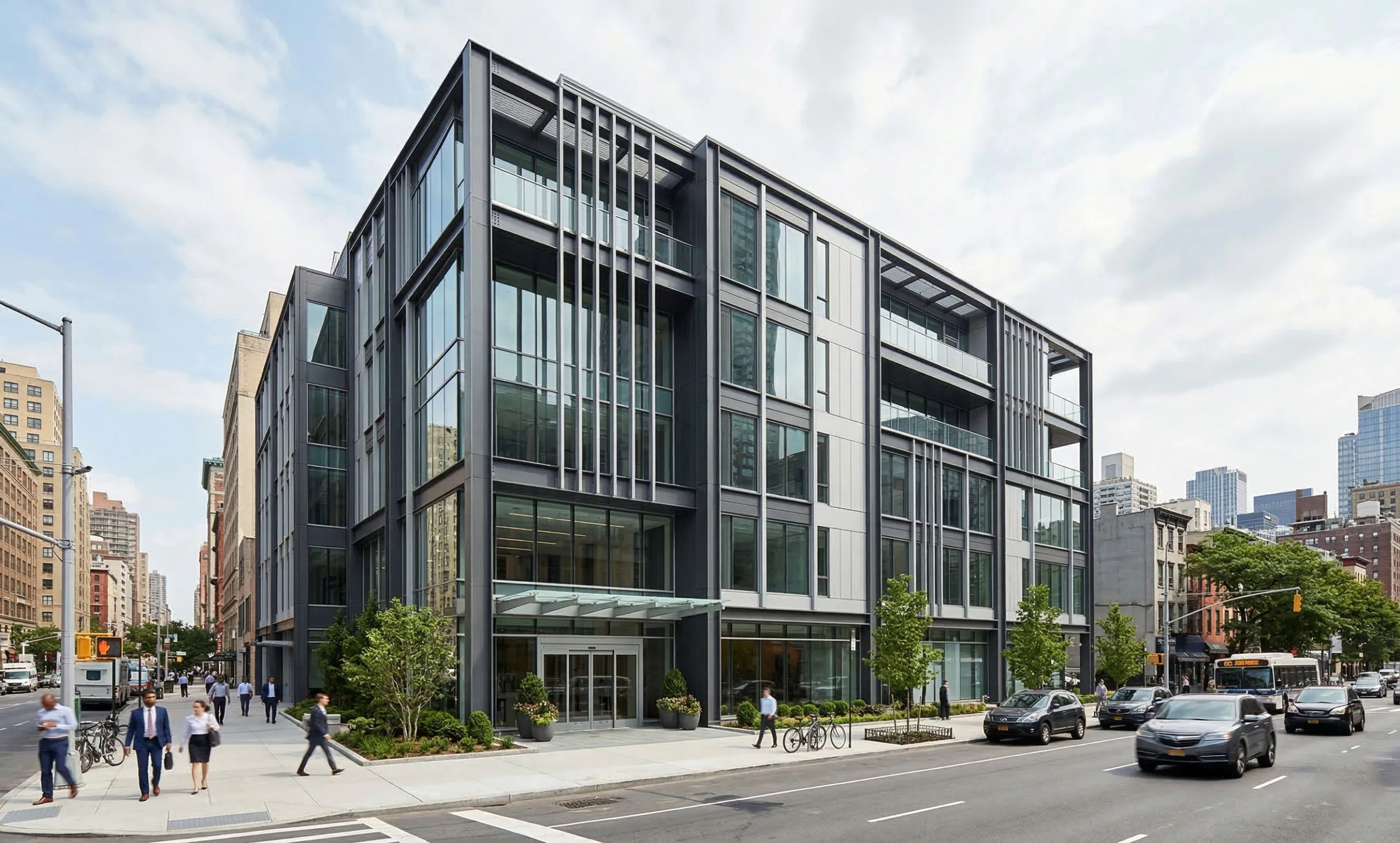
Office complexes and mixed-use developments requiring vertical load management expertise.
See detailed examples of our project experience and technical capabilities.
Understanding Steel Structure Project Fundamentals
Common questions about overseas steel structure procurement and delivery
Factory-direct means you communicate with engineers who design your building and production staff who fabricate it. Trading companies add a layer between you and manufacturing, often lacking technical depth to answer engineering questions or resolve production issues. When problems occur (and they always do in complex projects), factories can adjust immediately while traders must relay messages back and forth, multiplying delays and miscommunication risks.
Our engineering team maintains reference libraries for major international codes (Eurocode, AS/NZS, AISC, BS, and regional variations). We don't simply adapt Chinese standards—we design specifically to your local requirements from the start. This includes wind loads, seismic factors, snow loads, material grades, and connection specifications. Our 50+ country experience means we've likely worked with your local code requirements before.
We prevent this through trial assembly of critical connections before shipping. Major joints are physically assembled in our factory to verify fit. This catches tolerance issues, connection problems, or component conflicts while corrections cost hundreds instead of thousands. However, if issues do occur despite verification, we ship replacement components by air freight at our expense—your project timeline matters more than our shipping costs.
Timeline depends on project complexity and destination. Standard buildings require 35-45 days for engineering and fabrication, plus 20-40 days ocean freight depending on port. Complex projects with custom requirements may need 60-75 days production. We provide detailed schedules during quotation phase and update you at each milestone. Rush orders can be accommodated with adjusted production priorities, though this affects pricing.
Minor changes are manageable if caught early—adjusting hole positions, changing accessory specifications, or modifying non-structural elements. Major changes (dimensions, structural configuration, loading requirements) are extremely expensive once fabrication begins because components can't be repurposed. This is why we invest heavily in the design approval phase, ensuring you understand exactly what you're getting before we cut steel. Rush approvals always create problems later.
Steel excels when you need: large clear spans (over 20 meters), fast construction timelines, future expansion capability, or locations where concrete formwork is expensive. Steel doesn't make sense when: local steel prices are unusually high, you need heavy insulation for temperature control (concrete's thermal mass helps), or local regulations heavily favor concrete construction. Your construction schedule, site conditions, and long-term facility requirements determine the right choice—not just material costs.
Have specific questions about your project requirements?
Start Your Controlled Steel Structure Project
Connect directly with our factory. Get engineering expertise, manufacturing transparency, and project accountability from a single source.
- Talk directly with manufacturing engineers
- Receive customized structural solutions
- Get detailed project timeline and pricing
- Access 50+ countries of project experience
Request Project Consultation
Share your requirements and receive expert guidance from our factory engineering team.