
To start a cow farm, you must first secure a viable business plan, acquire nutrient-rich land, and invest in durable, prefabricated steel livestock housing. For many aspiring cow farmers , the dream of running a successful ranch often turns into a logistical nightmare due to improper planning and rising overhead. Without a strategic roadmap, you risk facing catastrophic herd health issues and insurmountable debt before your first sale. This guide provides the professional blueprint necessary to build a high-performance operation from the ground up.
How do cow farmers select the right cattle breed?
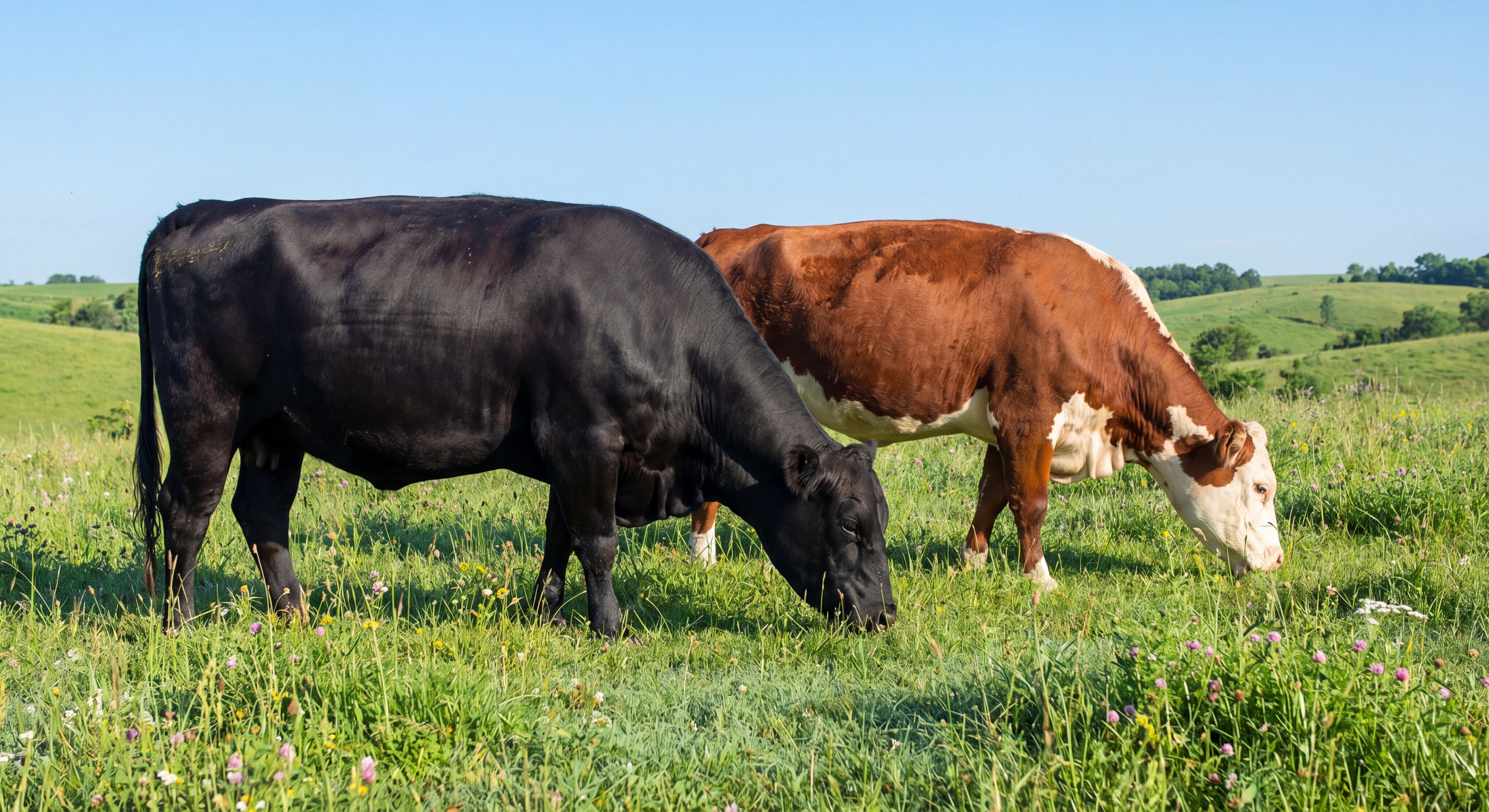
Selecting the right breed depends entirely on your specific production goals, whether you are focusing on high-yield dairy or premium beef. New cow farmers must evaluate how different genetics respond to local climate conditions and available forage.
What is the purpose of your herd?
You need to decide if you are entering the beef, dairy, or dual-purpose market. Beef cattle like Angus or Hereford are prized for meat quality, while Holsteins dominate the dairy sector.
Think about this:
- Beef Cattle: Lower daily labor requirements but longer ROI cycles.
- Dairy Cattle: Daily cash flow but extremely high labor and infrastructure needs.
- Dual-Purpose: Flexible market options for smaller start-up operations.
The reality is simple: your market determines your breed.
How to evaluate local climate suitability?
Cattle breeds have varying tolerances for heat, humidity, and extreme cold. You must select animals that can thrive in your specific geographic region to minimize veterinary costs.
Here is the kicker:
- Heat-Tolerant Breeds: Typically have thinner coats and higher sweat gland density.
- Cold-Hardy Breeds: Feature thick winter coats and robust metabolic rates.
- Disease Resistance: Some breeds are naturally more resistant to local parasites.
You cannot fight nature when choosing your livestock.
Selecting high-quality seedstock
Your starting animals represent the genetic foundation of your entire future enterprise. You should always prioritize healthy, vaccinated animals from reputable producers with proven performance records.
Look at the facts:
- Reproduction Records: Ensure cows have a history of easy calving.
- Growth Rates: Check for high weaning weights in beef calves.
- Temperament: Docile animals are easier and safer to manage.
Key Takeaway
| Breed Category | Primary Goal | Climate Fit | |
|---|---|---|---|
| Angus | Beef Production | Temperate/Cold | |
| Brahman | Beef/Crossbreeding | Hot/Humid | |
| Holstein | High Milk Volume | Controlled/Moderate |
Analysis Guide: When selecting a breed, calculate the “Cost per Pound of Gain” for beef or “Feed Conversion Ratio” for dairy. High-performance genetics may cost more upfront, but they significantly reduce long-term operational expenses.
What land requirements exist for cow farmers?
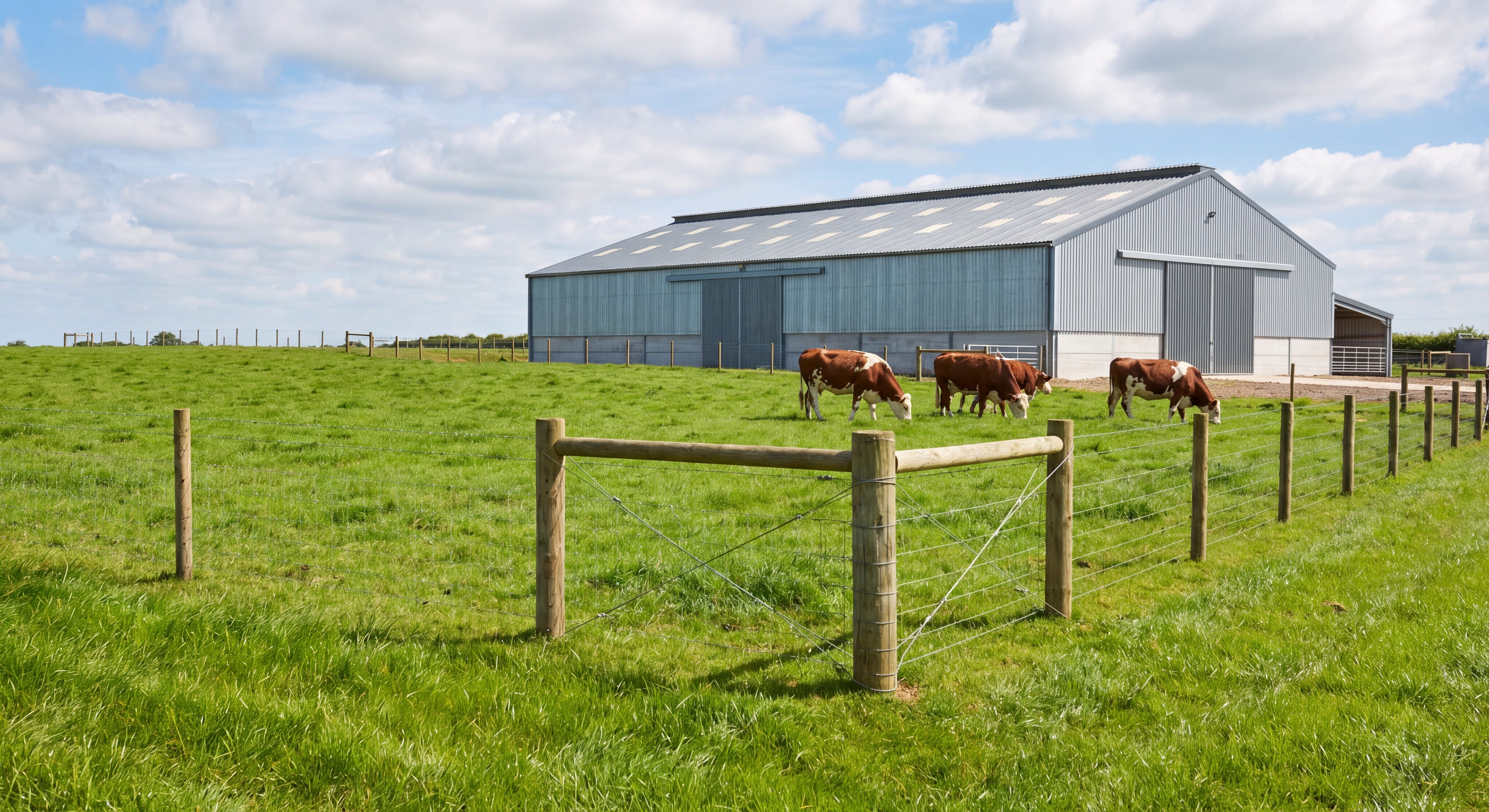
Land requirements are determined by the carrying capacity of your soil and the specific grazing system you intend to implement. Successful cow farmers often utilize rotational grazing to maximize the productivity of every acre.
Determining your stocking rate
The stocking rate is the number of animals your land can support without degrading the soil or forage. You must conduct a soil test to understand the nutrient profile of your pastures.
Here’s the deal:
- Forage Quality: Higher quality grass allows for more cows per acre.
- Water Access: Cattle must have easy access to clean water in every paddock.
- Topography: Flat or gently rolling land is ideal for grazing and machinery.
Overstocking is the fastest way to ruin your land.
Assessing soil and drainage
Poor drainage leads to mud, which causes hoof rot and increases the risk of respiratory diseases in your herd. You need to ensure your primary grazing and housing areas have a slight slope for natural runoff.
Consider the following:
- Soil Type: Sandy-loam provides the best balance of drainage and growth.
- Drainage Tiles: May be necessary in low-lying areas to prevent pooling.
- Erosion Control: Maintaining ground cover is essential for long-term land health.
It all comes down to soil health.
Planning for future expansion
You should always design your farm layout with growth in mind. Reserving space for additional sheds or larger silos now prevents expensive logistical bottlenecks later.
Remember this:
- Easements: Keep structures away from utility lines and property borders.
- Access Roads: Ensure heavy trucks can reach your loading zones year-round.
- Zoning: Verify local agricultural permits for large-scale livestock operations.
Key Takeaway
| Land Feature | Ideal Condition | Impact on Farm | |
|---|---|---|---|
| Drainage | 2-4% Slope | Prevents hoof disease | |
| Soil pH | 6.0 – 7.0 | Maximizes forage growth | |
| Water Depth | < 50 Feet | Reduces well drilling costs |
Analysis Guide: Evaluate land based on “Animal Units per Acre” (AU). If your land requires more than 5 acres per cow to maintain health, you may need to invest in soil amendments or supplementary feeding infrastructure.
How do cow farmers manage financial costs?
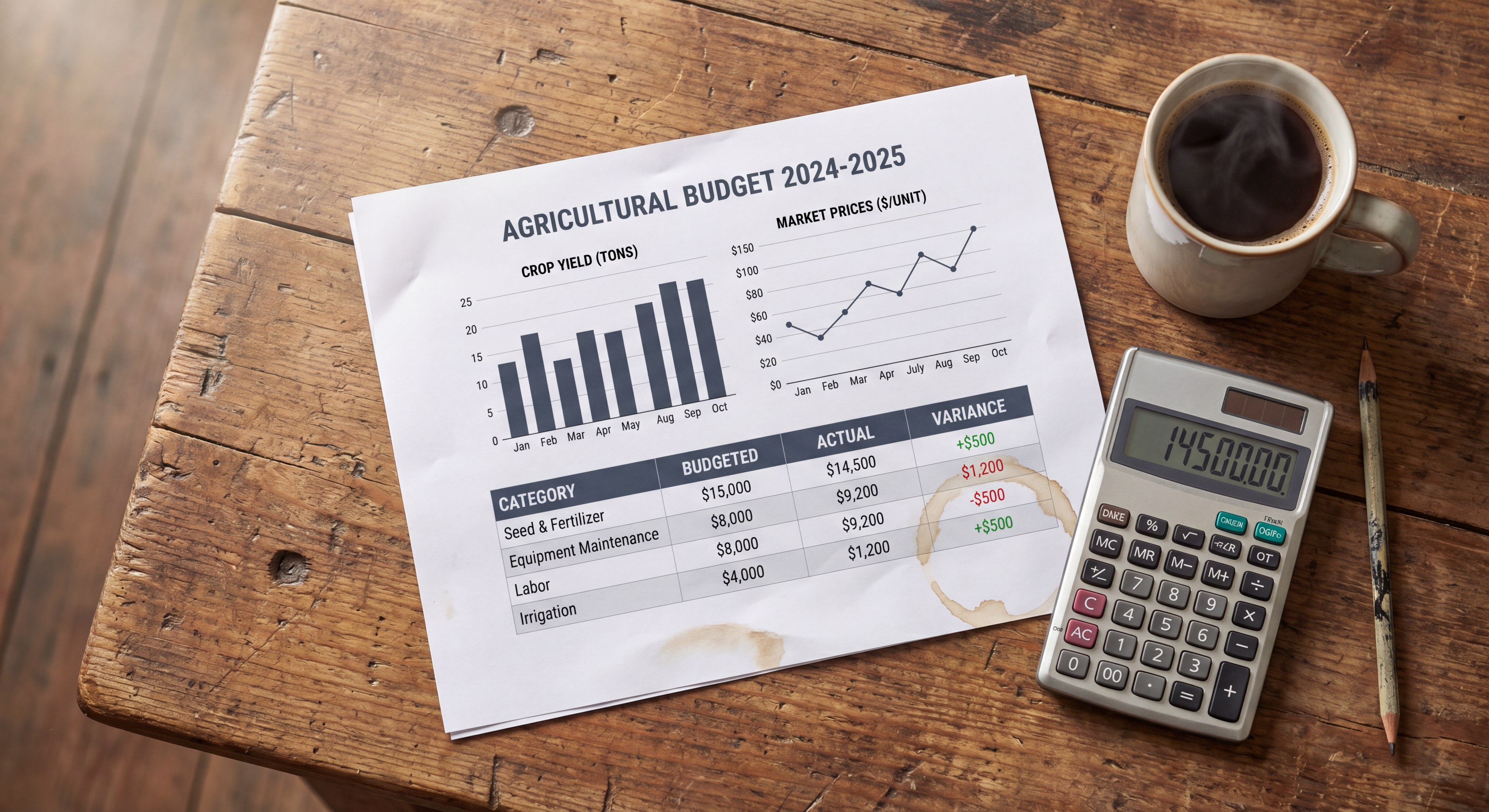
Managing financial costs involves balancing high initial capital expenditures with the long-term biological cycles of the herd. Professional cow farmers utilize detailed budgeting software to track every expense from feed to fencing.
Identifying startup capital needs
Starting a farm requires significant upfront investment in land, livestock, and permanent structures. You should secure financing that accounts for at least 18 months of operation before seeing significant revenue.
Don’t overlook these:
- Livestock Purchase: The single largest variable cost in your startup phase.
- Steel Buildings: Necessary for protecting equipment and providing shelter.
- Fencing Systems: Perimeter and internal cross-fencing are non-negotiable.
You need a financial cushion to survive the first year.
Ongoing operational expenses
Operational costs like feed, fuel, and veterinary care can fluctuate wildly based on market conditions. You must develop a lean supply chain and buy in bulk whenever possible.
Here is the truth:
- Feed and Hay: Often accounts for 60% of total annual operating costs.
- Vet and Meds: Routine vaccinations prevent expensive emergency call-outs.
- Utilities: Water pumping and lighting costs add up quickly in large barns.
Small leaks will sink a big ship.
Maximizing ROI through efficiency
Increasing your return on investment requires a focus on reducing waste and improving animal performance. You should invest in technologies that automate feeding and manure management to save on labor.
The bottom line:
- Precision Feeding: Reduces grain waste by tailoring rations to cow needs.
- Durable Housing: Steel structures reduce insurance and maintenance costs.
- Record Keeping: Tracking individual cow performance identifies low-profit animals.
Key Takeaway
| Expense Category | Typical % of Budget | Optimization Strategy | |
|---|---|---|---|
| Feed & Forage | 55-65% | Bulk purchasing & grazing | |
| Infrastructure | 15-20% | Prefab steel for longevity | |
| Healthcare | 5-10% | Preventive vaccination |
Analysis Guide: Calculate your “Break-even Price” per hundredweight (cwt) of milk or beef. If your production costs exceed market prices, focus on reducing “fixed costs” like building maintenance through high-quality materials.
Why is housing critical for cow farmers?
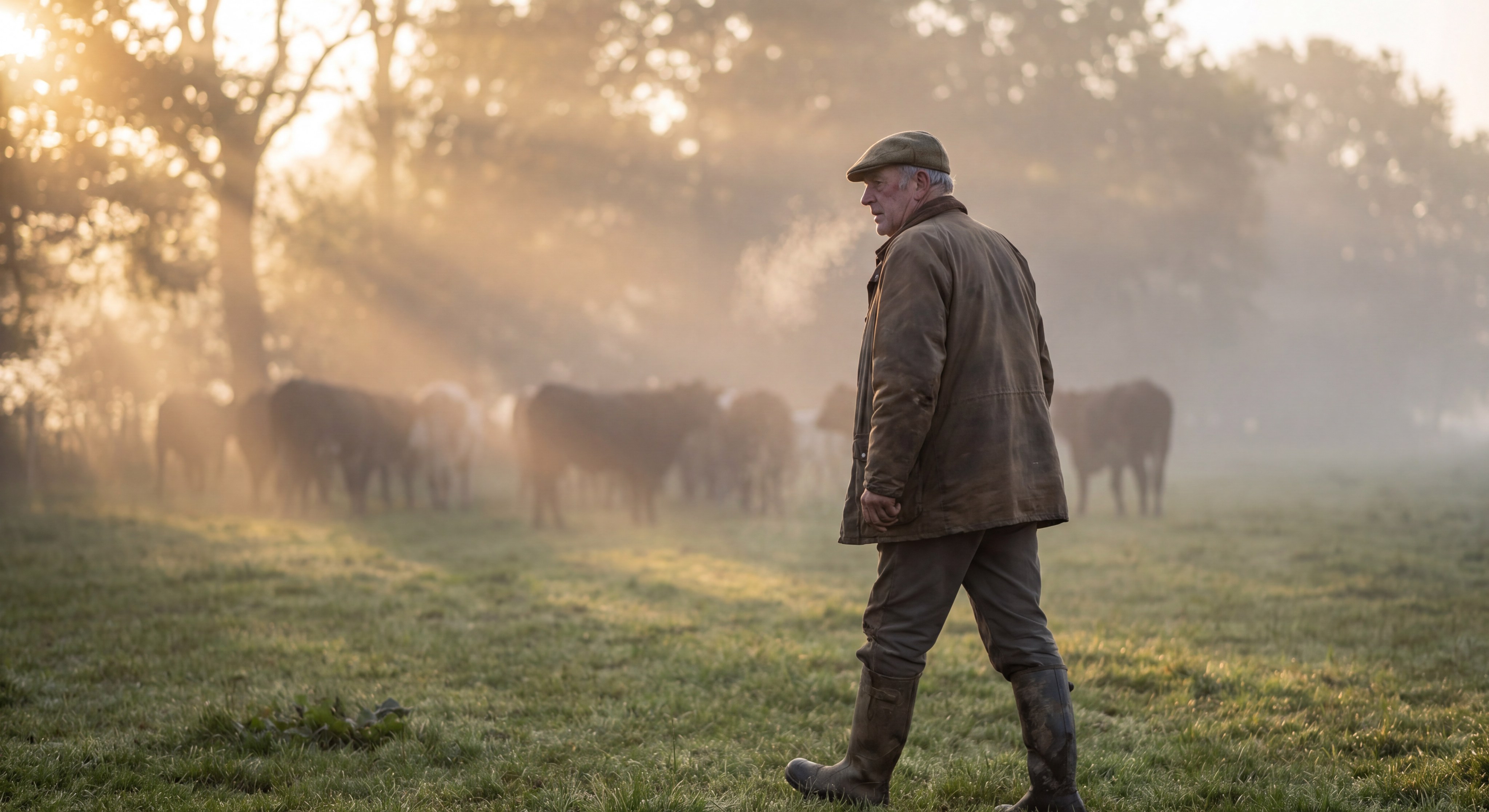
Housing is critical because it protects your primary assets—your cattle—from extreme weather and predators. Modern cow farmers prioritize ventilation and space planning to maximize herd health.
Preventing weather-related stress
Heat stress can reduce milk production by 20% and lower conception rates in beef herds. You need a shed design that provides ample shade and promotes natural airflow through ridge vents.
Consider this:
- Wind Protection: Strategic orientation blocks harsh winter gusts.
- Thermal Control: Insulated panels keep interiors cool in the summer.
- Dry Bedding: Prevents the growth of harmful bacteria and mastitis.
Comfortable cows are productive cows.
Improving animal safety and security
A secure housing environment prevents injuries caused by overcrowding or poor structural design. You should ensure all gates, alleys, and stalls are free of sharp edges and slippery floors.
Watch out for:
- Predator Control: Sturdy steel walls keep out coyotes and stray dogs.
- Fire Safety: Steel structures are non-combustible, lowering insurance risk.
- Ease of Handling: Well-designed chutes make medical treatments safer.
Safety is your first priority.
Optimizing space for growth
Your shed must accommodate the physical size of your cows while allowing for machinery access. You should plan for at least 75 to 130 square feet of space per cow depending on the breed.
The math is simple:
- Alley Width: Must allow two cows to pass or a tractor to clean.
- Bunk Space: Every cow needs enough room to eat at the same time.
- Ceiling Height: Necessary for proper air volume and machinery clearance.
Key Takeaway
| Shed Type | Best Use Case | Key Feature | |
|---|---|---|---|
| Free-Stall | Large Dairy Herds | High efficiency & comfort | |
| Loafing Shed | Beef/Small Herds | Low cost & easy access | |
| Tie-Stall | Small/Specialty Dairy | Individual animal care |
Analysis Guide: Use the “Cows per Square Foot” metric to monitor over-crowding. If your facility is over 90% capacity, monitor air quality (ammonia levels) closely to prevent respiratory disease outbreaks.
How do cow farmers handle waste management?
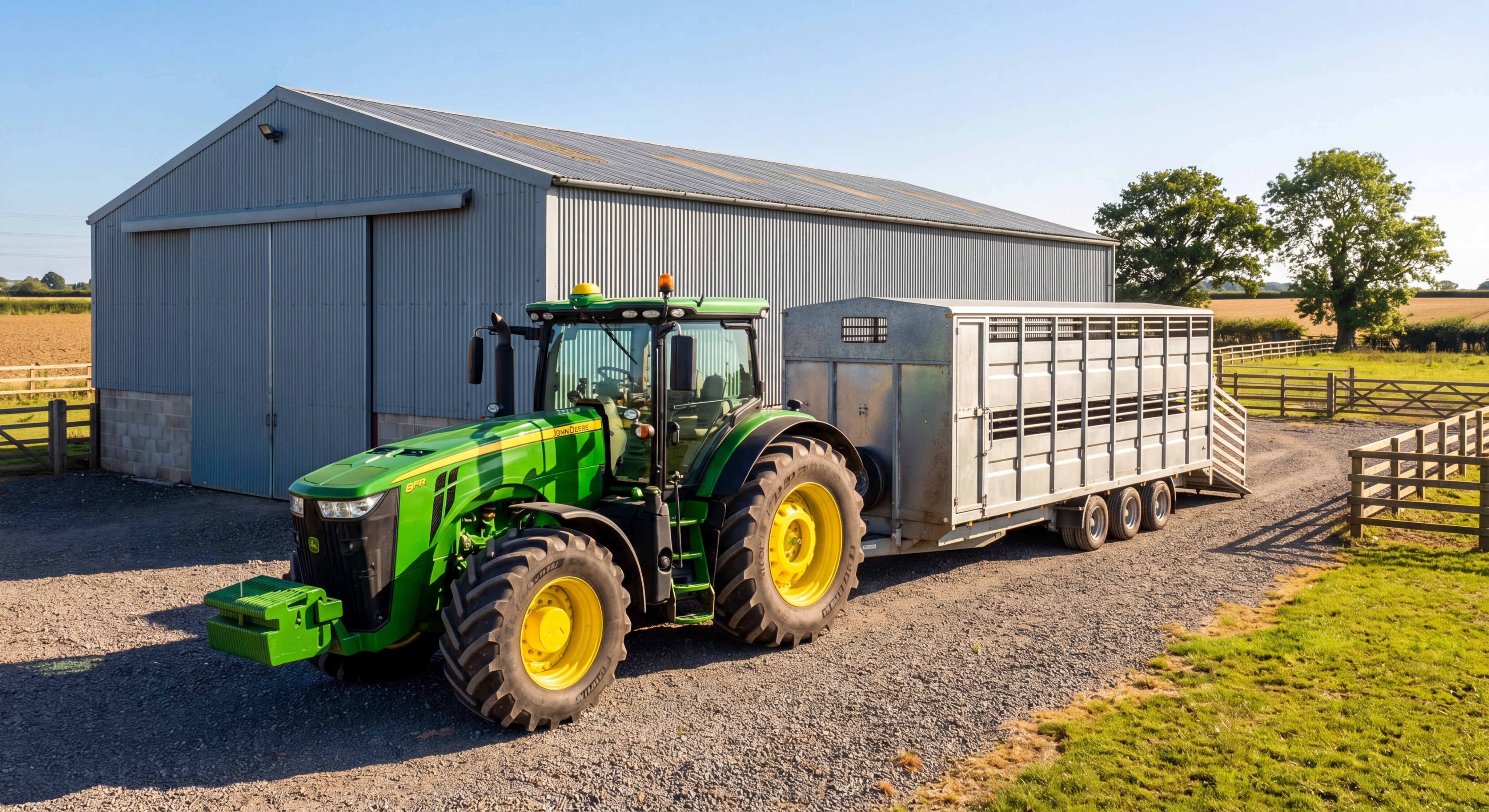
Handling waste management effectively prevents environmental contamination and can provide a source of organic fertilizer. Experienced cow farmers view manure not as waste, but as a valuable byproduct of the farming process.
Designing efficient collection systems
A well-designed floor slope allows manure to flow toward collection pits or scrapers automatically. You should choose flooring materials like grooved concrete that are easy to clean but provide traction.
Here’s the point:
- Mechanical Scrapers: Save hours of manual labor every single day.
- Flush Systems: Use recycled water to keep alleys clean and hygienic.
- Slotted Floors: Allow waste to fall into deep pits below the barn.
Automation is the key to cleanliness.
Storage and environmental compliance
You must follow local regulations regarding the storage and application of livestock waste to protect local water sources. Secure storage tanks or lagoons prevent runoff during heavy rain events.
Don’t ignore this:
- Covered Storage: Prevents rainwater from filling your manure pits.
- Odor Control: Proper aeration reduces the impact on neighboring properties.
- Liners: Prevent nitrates from leaching into the local groundwater.
Compliance prevents expensive legal fines.
Turning waste into fertilizer
Properly composted manure can significantly reduce your need for synthetic fertilizers on your pastures. You should develop a nutrient management plan to apply waste at the optimal time for plant uptake.
It works like this:
- Nutrient Testing: Knows exactly how much N-P-K is in your manure.
- Timely Application: Avoid spreading on frozen ground or before big storms.
- Soil Health: Organic matter improves the water-holding capacity of your soil.
Key Takeaway
| Method | Labor Level | Nutrient Retention | |
|---|---|---|---|
| Composting | Moderate | High (Stable) | |
| Liquid Slurry | Low | High (Volatile) | |
| Daily Spread | High | Low (Leaching risk) |
Analysis Guide: Perform a “Cost-Benefit Analysis” on a manure scraper system. If the labor savings exceed the monthly equipment loan payment, the investment is justified for improving overall farm hygiene.
What equipment is essential for cow farmers?
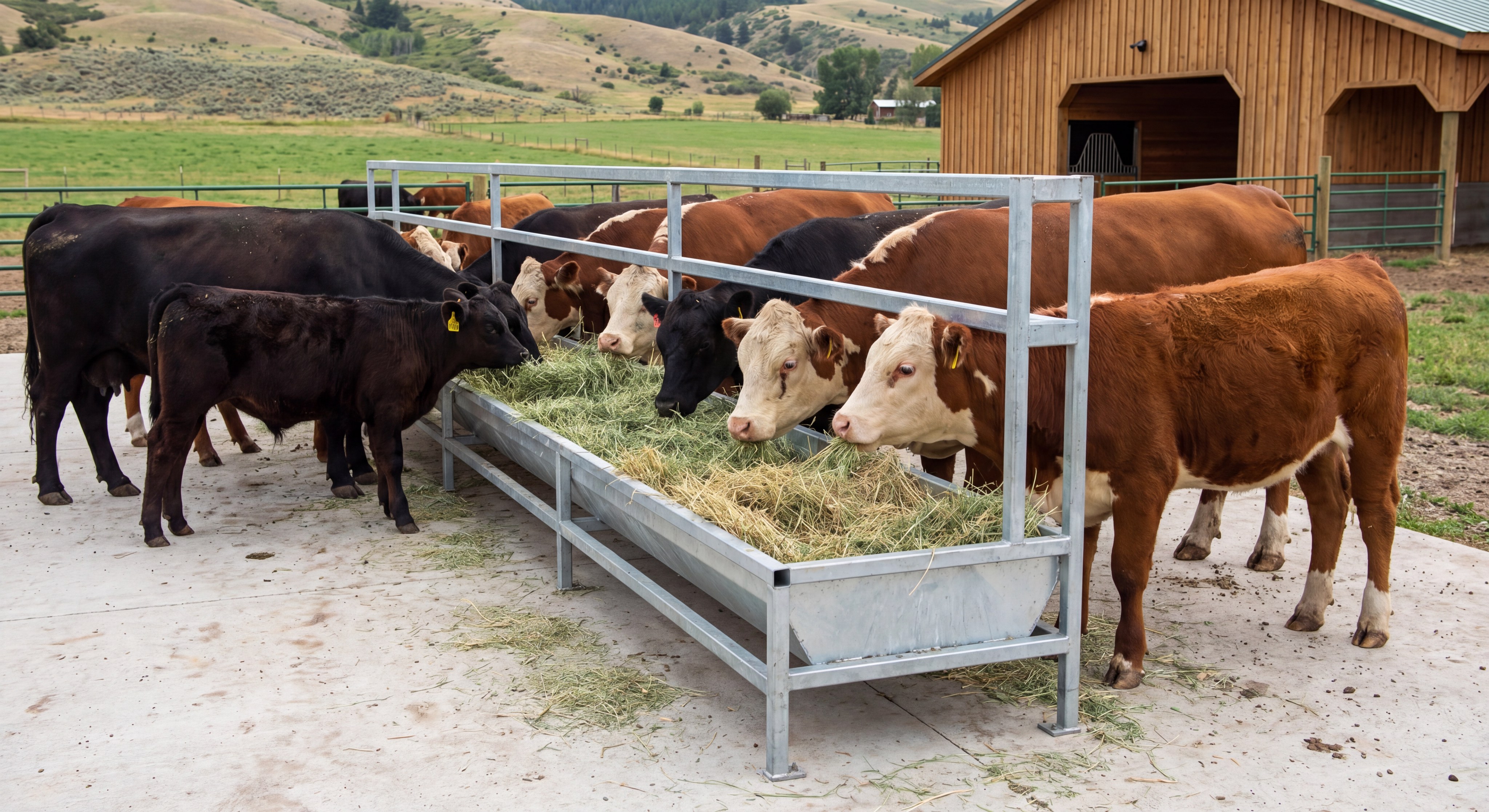
Essential equipment ranges from heavy machinery for feeding to specialized tools for animal health and maintenance. For many cow farmers , choosing durable, multi-purpose equipment is the best way to manage capital.
Investing in reliable tractors
A tractor is the heartbeat of the farm, used for everything from hauling hay to clearing manure and snow. You should select a model with enough horsepower to handle your largest implements without straining.
Consider these:
- Front-End Loader: Vital for moving round bales and loading feed.
- Four-Wheel Drive: Necessary for maintaining traction in muddy pastures.
- Ease of Repair: Choose a brand with local parts and service availability.
Your tractor must be ready to work 365 days a year.
Specialized livestock handling tools
Safe handling equipment like squeeze chutes and head gates reduces stress for both the animals and the farmer. You should invest in a high-quality sweep system to make vaccinations and ear-tagging efficient.
Here is why:
- Hydraulic Chutes: Allow for precision control with minimal physical effort.
- Digital Scales: Help you track growth rates and dose medication accurately.
- Loading Ramps: Must be non-slip and sturdy enough for large bulls.
Good equipment prevents accidents.
Feed processing and delivery
If you are mixing your own rations, you will need a TMR (Total Mixed Ration) mixer to ensure every bite is nutritionally balanced. You should also have reliable hay rings and feeders to minimize waste in the field.
Think about this:
- Bale Spears: Essential for moving 1,000-pound hay rolls.
- Grain Bins: Protect your expensive feed from rodents and moisture.
- Waterers: Automatic, frost-free troughs ensure 24/7 hydration.
Key Takeaway
| Equipment | Priority | Estimated Lifespan | |
|---|---|---|---|
| Utility Tractor | Essential | 15 – 20 Years | |
| Squeeze Chute | High | 10 – 15 Years | |
| TMR Mixer | Moderate | 7 – 10 Years |
Analysis Guide: Compare the “Total Cost of Ownership” (TCO) between new and used equipment. While used machinery has a lower purchase price, the “Opportunity Cost” of downtime during repairs can quickly exceed the savings.
How do cow farmers ensure animal health?
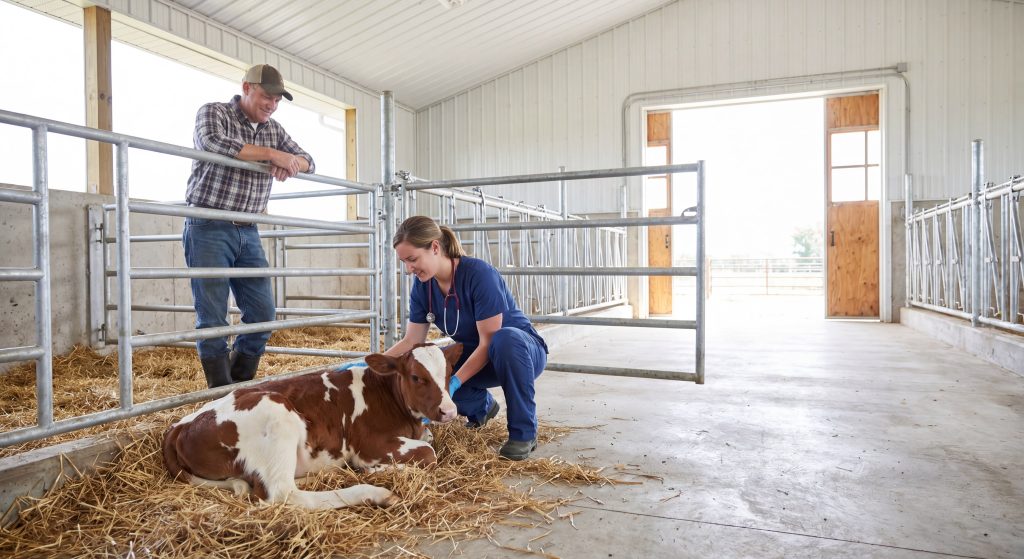
Ensuring animal health requires a proactive approach that combines high-quality nutrition with a rigorous vaccination schedule. Smart cow farmers work closely with a local veterinarian to establish a “Herd Health Plan” tailored to their region.
Implementing a vaccination schedule
Preventing disease is significantly cheaper than treating a sick animal or losing a member of the herd. You should keep meticulous records of every injection and treatment administered to your livestock.
Here’s the drill:
- Core Vaccines: Protect against common respiratory and reproductive diseases.
- Deworming: Maintains animal weight and prevents internal organ damage.
- Biosecurity: Quarantining new arrivals prevents the spread of outside pathogens.
Prevention is your best medicine.
Monitoring nutrition and body condition
Cows that are too thin will not breed back, and cows that are too fat often face difficult calvings. You must learn to “Body Condition Score” (BCS) your animals to adjust their feed rations before problems arise.
Pay attention to:
- Mineral Supplements: Crucial for bone health and reproductive success.
- Forage Testing: Ensures your hay meets the protein needs of the herd.
- Water Quality: High sulfur or salt levels can cause severe health issues.
Nutrition drives your profit margin.
Managing calving and nursery care
The calving season is the most critical time of year for any cattle operation. You should have a dedicated, clean maternity pen and a “Calving Kit” ready with colostrum, iodine, and pulling chains.
Remember:
- Early Intervention: Checking cows every few hours during peak season.
- Colostrum: Calves must receive high-quality colostrum within the first hours.
- Cleanliness: Reducing calf scours by maintaining dry, bedded areas.
Key Takeaway
| Health Indicator | Target Range | Monitoring Frequency | |
|---|---|---|---|
| Body Score (BCS) | 5.0 – 6.0 | Monthly | |
| Temperature | 101.5°F | As needed (Sick animals) | |
| Calving Rate | 90%+ | Annual |
Analysis Guide: Use the “Culling Rate” to identify underperforming cows. If a cow fails to produce a calf or requires excessive medical intervention, she is a “net loss” to the farm and should be removed from the herd.
Can cow farmers optimize shed design for profit?
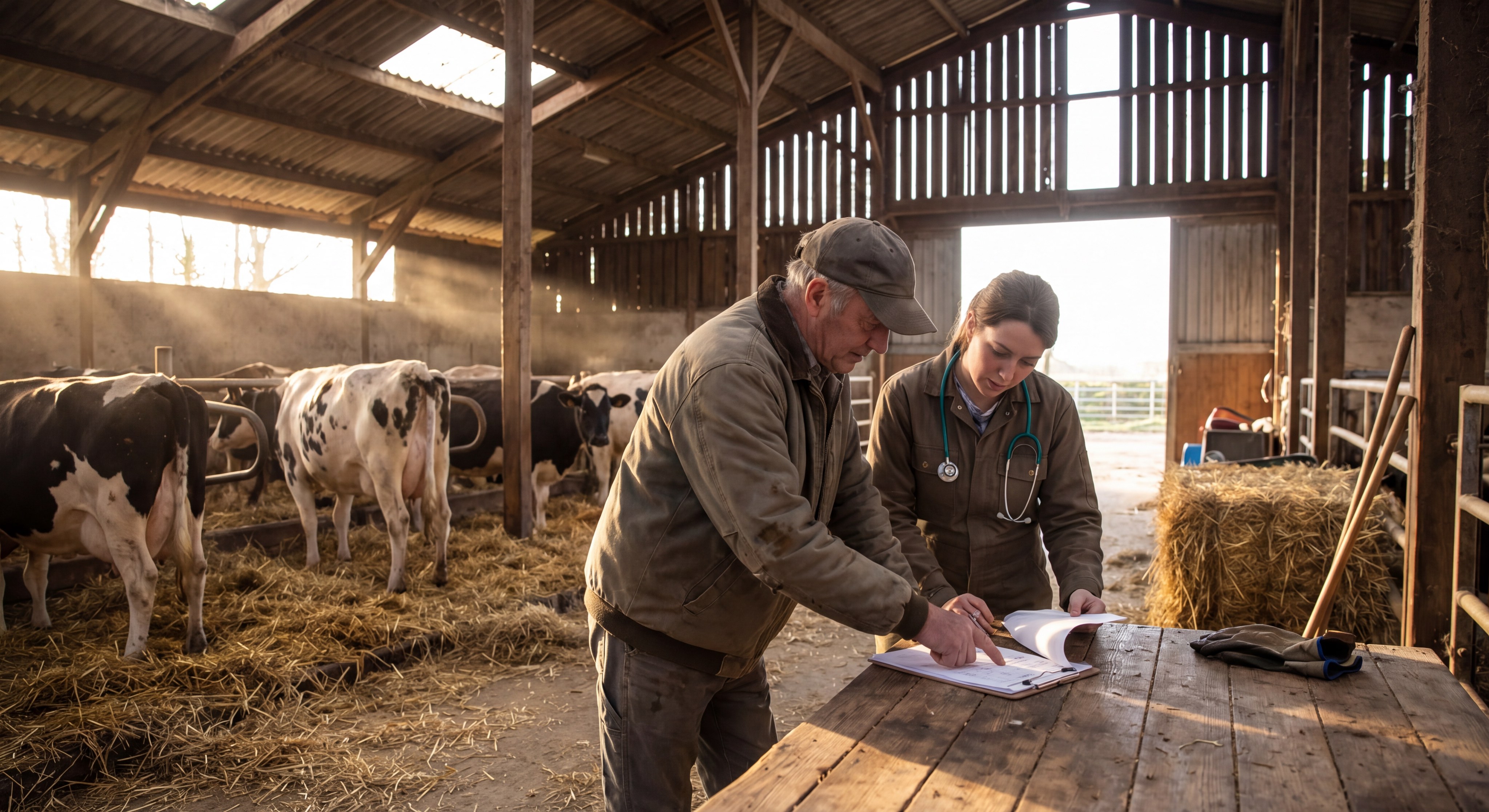
Optimizing shed design can directly increase profit by improving labor efficiency and animal productivity. Forward-thinking cow farmers utilize clear-span steel buildings to allow for flexible internal layouts and easy cleaning.
Utilizing clear-span structures
Clear-span designs eliminate the need for internal support columns, giving you total freedom to move gates and pens. You should choose a width that allows for wide alleys and easy tractor maneuverability.
The benefit is clear:
- Flexibility: Change your layout as your herd grows or your needs shift.
- Visibility: Fewer columns mean easier monitoring of the entire herd.
- Efficiency: Faster cleaning with large skid steers or loaders.
Space is money in the cattle business.
Improving airflow and lighting
Proper lighting and ventilation reduce animal stress and can boost fertility rates in the herd. You should install translucent roof panels to let in natural light and HVLS (High Volume, Low Speed) fans for air circulation.
Consider these:
- Ridge Vents: Create a chimney effect to pull out hot, humid air.
- Side Curtains: Allow you to adjust airflow based on the daily weather.
- LED Lighting: Provides consistent light levels to stimulate productivity.
Fresh air prevents pneumonia.
Designing for labor efficiency
Your shed should be designed so that one person can safely move animals or feed the herd if necessary. You should place your feed bunks on the perimeter so you never have to enter the pen with a tractor.
Look at this:
- Self-Locking Stanchions: Make individual animal handling a breeze.
- Gravity Drainage: Reduces the time spent washing down the facility.
- Central Feed Alleys: Allow for rapid delivery of TMR rations.
Key Takeaway
| Design Element | ROI Impact | Success Metric | |
|---|---|---|---|
| Clear-Span Frame | High | % Reduction in cleaning time | |
| Insulated Roof | Medium | % Increase in summer milk yield | |
| Automated Scrapers | High | Hours of labor saved per day |
Analysis Guide: Calculate your “Labor Hours per Cow per Year.” If your shed design allows you to reduce this number by just 10%, the cumulative savings over a 25-year steel building lifespan will pay for the structure itself.
How do cow farmers manage feeding schedules?
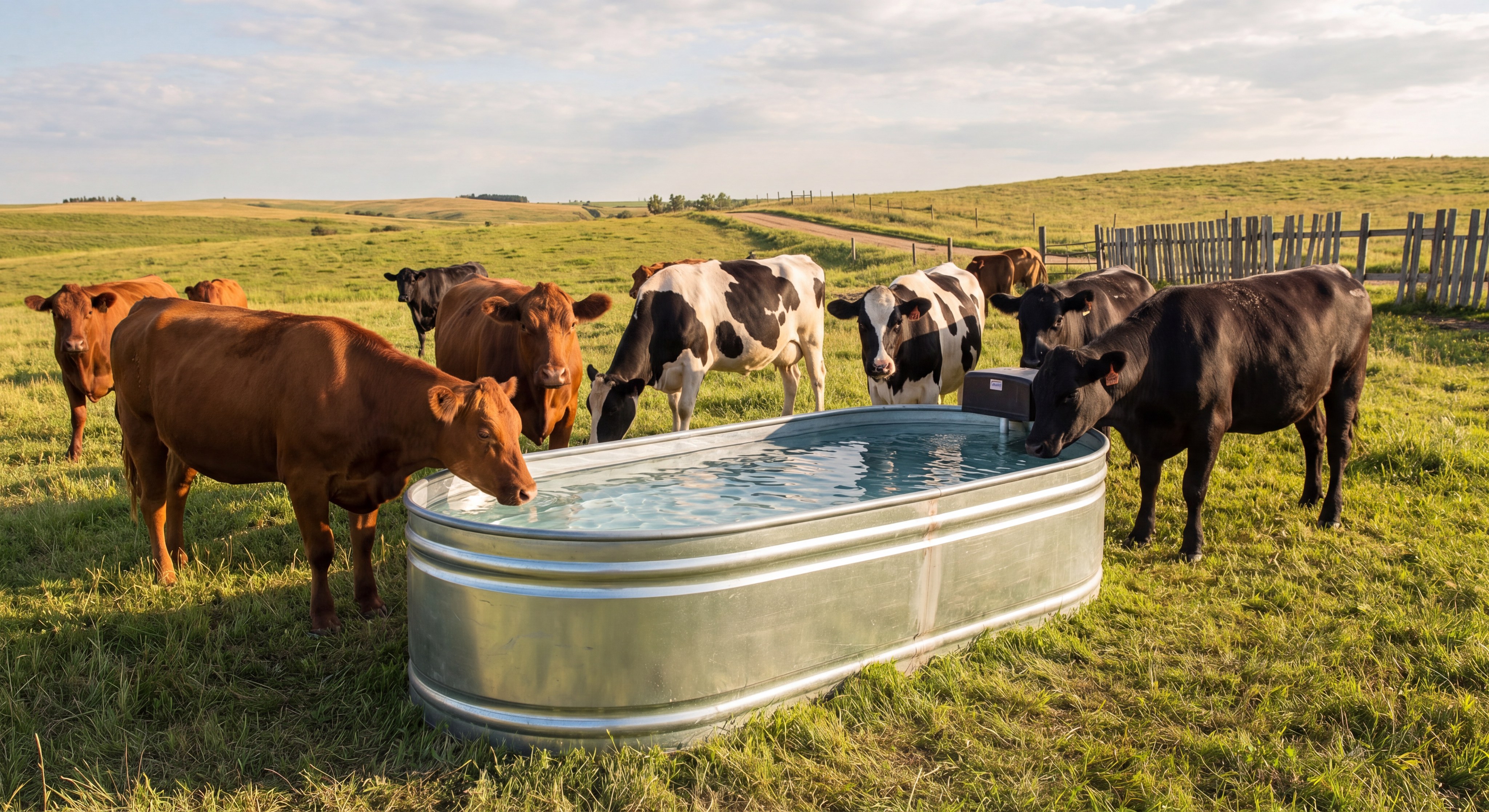
Managing feeding schedules involves providing a consistent supply of nutrients to ensure steady growth and high production levels. Successful cow farmers know that any disruption in feeding can lead to digestive upsets and a drop in profitability.
Balancing grazing and supplementation
While grazing is the most cost-effective way to feed, pasture quality varies throughout the year. You must supplement with hay or grain during the winter months or during periods of drought.
Keep in mind:
- Pasture Rotation: Prevents overgrazing and encourages grass regrowth.
- Winter Feed: Ensure you have a 4-6 month supply of hay in reserve.
- Creep Feeding: Giving calves extra grain to boost their weaning weight.
Consistency is the key to growth.
Understanding basic cattle nutrition
Cattle are ruminants and require high amounts of fiber to maintain a healthy rumen. You should work with a nutritionist to develop a ration that includes the correct balance of protein, energy, and minerals.
Here’s the scoop:
- Dry Matter Intake (DMI): The amount of feed a cow eats excluding water.
- Total Digestible Nutrients (TDN): A measure of the energy value of the feed.
- Crude Protein (CP): Essential for muscle development and milk production.
You get out what you put in.
Automating the feeding process
Automation reduces labor and ensures that cows are fed at the exact same time every single day. You should consider automated grain dispensers or silage unloaders to streamline your daily routine.
Think about this:
- Feed Pushers: Keep feed within reach of the cows 24 hours a day.
- Electronic ID (EID): Tracks how much each individual cow is eating.
- Bulk Storage: Reduces cost and ensures you never run out of supplies.
Key Takeaway
| Feed Source | Cost Level | Nutritional Value | |
|---|---|---|---|
| Fresh Pasture | Low | High (Seasonal) | |
| High-Quality Hay | Moderate | Medium | |
| Grain/Concentrates | High | High (Energy) |
Analysis Guide: Monitor the “Feed Refusal Rate.” If more than 5% of the feed is left in the bunk, your ration may be unpalatable or you are overfeeding, both of which waste significant money every month.
How do cow farmers secure the farm perimeter?
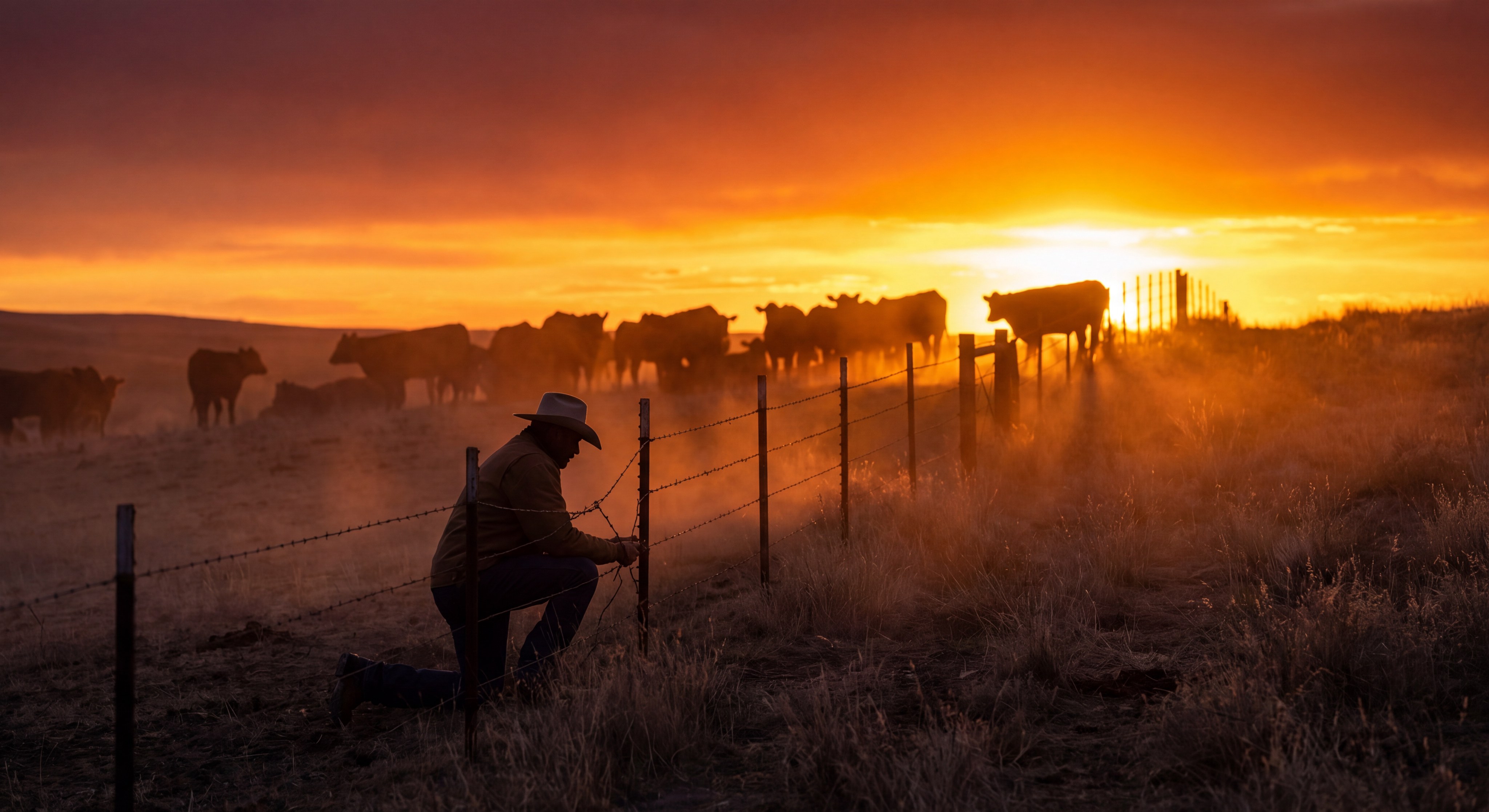
Securing the farm perimeter is the final step in protecting your investment from external threats and keeping your livestock contained. Professional cow farmers invest in high-tensile fencing and secure gates to ensure long-term peace of mind.
Selecting the right fencing material
Your choice of fencing depends on the type of cattle you raise and your specific terrain. You should use woven wire for smaller calves or high-tensile electric wire for large, managed pastures.
The options include:
- Barbed Wire: Traditional and effective for large perimeter boundaries.
- High-Tensile Electric: The best choice for internal rotational grazing.
- Steel Pipe: Ideal for high-pressure areas like corrals and loading zones.
Fencing is a permanent infrastructure investment.
Maintaining gate and entry security
Loose gates are a major liability that can lead to cattle escaping onto public roads. You should use heavy-duty steel gates with secure latching systems that cannot be opened by curious animals.
Watch for these:
- Hinge Quality: Ensure gates don’t sag and drag on the ground.
- Cattle Guards: Prevent animals from crossing while allowing vehicle access.
- Signage: Clearly mark your boundaries and “No Trespassing” zones.
Security starts at the gate.
Implementing farm monitoring systems
Modern technology allows you to monitor your farm’s security and animal movement from your smartphone. You should install cameras at main gates and around your livestock sheds to deter theft.
Here’s the deal:
- Trail Cameras: Provide a low-cost way to monitor remote pastures.
- Smart Collars: Can alert you if an animal leaves a designated “geofence.”
- Motion Lighting: Deters predators and human intruders during the night.
Key Takeaway
| Fence Type | Durability | Best Application | |
|---|---|---|---|
| Woven Wire | High | Nursery/Calving areas | |
| 5-Strand Barbed | Moderate | Large Perimeter | |
| High-Tensile Elec | High | Internal Paddocks |
Analysis Guide: Calculate the “Linear Foot Cost” of your fencing. While electric fencing has a higher initial component cost, its low labor requirement for installation often makes it the most cost-effective solution for large farms.
Summary FAQ
Can I start a cow farm with just five acres?Yes, but you will likely need to rely heavily on purchased feed rather than grazing, which increases your operational costs significantly.
What’s the best breed for a beginner beef farmer?Angus is widely considered the best starter breed due to its docile temperament, high market demand, and ease of calving.
How do I know if my land is suitable for cattle?Conduct a comprehensive soil and water test; if the land has good drainage and can produce at least 2 tons of forage per acre, it is suitable.
What’s the best way to reduce startup costs?Invest in prefabricated steel buildings which offer 15% lower construction costs and significantly longer lifespans than traditional wood structures.
Can I run a cow farm while working a full-time job?It is possible with beef cattle and automated systems, but livestock farming is a 24/7 commitment that requires daily checks.
Building Your Future
Starting a cow farm is a journey of long-term commitment and strategic planning. Whether you are aiming for a small family ranch or a large-scale commercial operation, your success depends on the quality of your infrastructure and the health of your herd. At Showhoo Building, we specialize in providing the high-performance steel structures that modern agriculture demands.
Contact us today to see what we can do for you. From custom shed designs to rapid-delivery prefab kits, we provide the foundation for your farming success. Our brand vision is to empower producers worldwide with durable, efficient, and cost-effective building solutions that stand the test of time. Let’s build your legacy together.