
Constructing a new industrial facility generally requires a budget between 12 per square foot for basic shells and 140 per square foot for fully finished small spaces. You are likely facing a storage crisis that threatens to bottleneck your logistics and halt your company’s growth. If you don’t act now, the rising costs of leasing and the inefficiency of cramped operations will drain your capital faster than a high-interest loan. The solution is understanding exactly how much does it cost to build a warehouse so you can deploy a scalable, factory-direct steel structure that maximizes every dollar of your investment.
How much does it cost to build a warehouse shell?
A basic prefabricated steel shell typically ranges from 12 to 19 per square foot for the primary components. When you evaluate how much does it cost to build a warehouse , starting with the structural frame provides the most accurate baseline for your overall budget. This initial figure covers the essential steel columns, beams, and purlins required to enclose your space.
Estimating Core Component Costs
The pricing for a steel shell is largely driven by current raw material market rates and the complexity of the clear-span design. Most standard industrial projects utilize high-strength steel that ensures durability without the need for interior support columns.
Here is the deal:
- Steel shell kits include all necessary bolts and fasteners.
- Most kits can be erected up to 33% faster than traditional builds.
- Freight costs will vary based on your proximity to the factory.
Minimizing Overhead in Early Phases
You can significantly reduce your upfront expenditure by sourcing directly from the manufacturer. By removing middlemen, you ensure that every cent goes toward the quality of the building rather than markups and commissions.
Key Takeaway: Sourcing a prefabricated shell from a factory-direct supplier provides the lowest possible entry point for industrial expansion.
| Shell Component | Estimated Cost Range | Impact on Total Budget | |
|---|---|---|---|
| Primary Steel Frame | 12−19 per sq. ft. | High | |
| Roof & Wall Panels | 3−7 per sq. ft. | Medium | |
| Fasteners & Trim | 1−2 per sq. ft. | Low |
This table highlights how the primary structural frame accounts for the majority of the shell investment.
How much does it cost to build a warehouse by size?
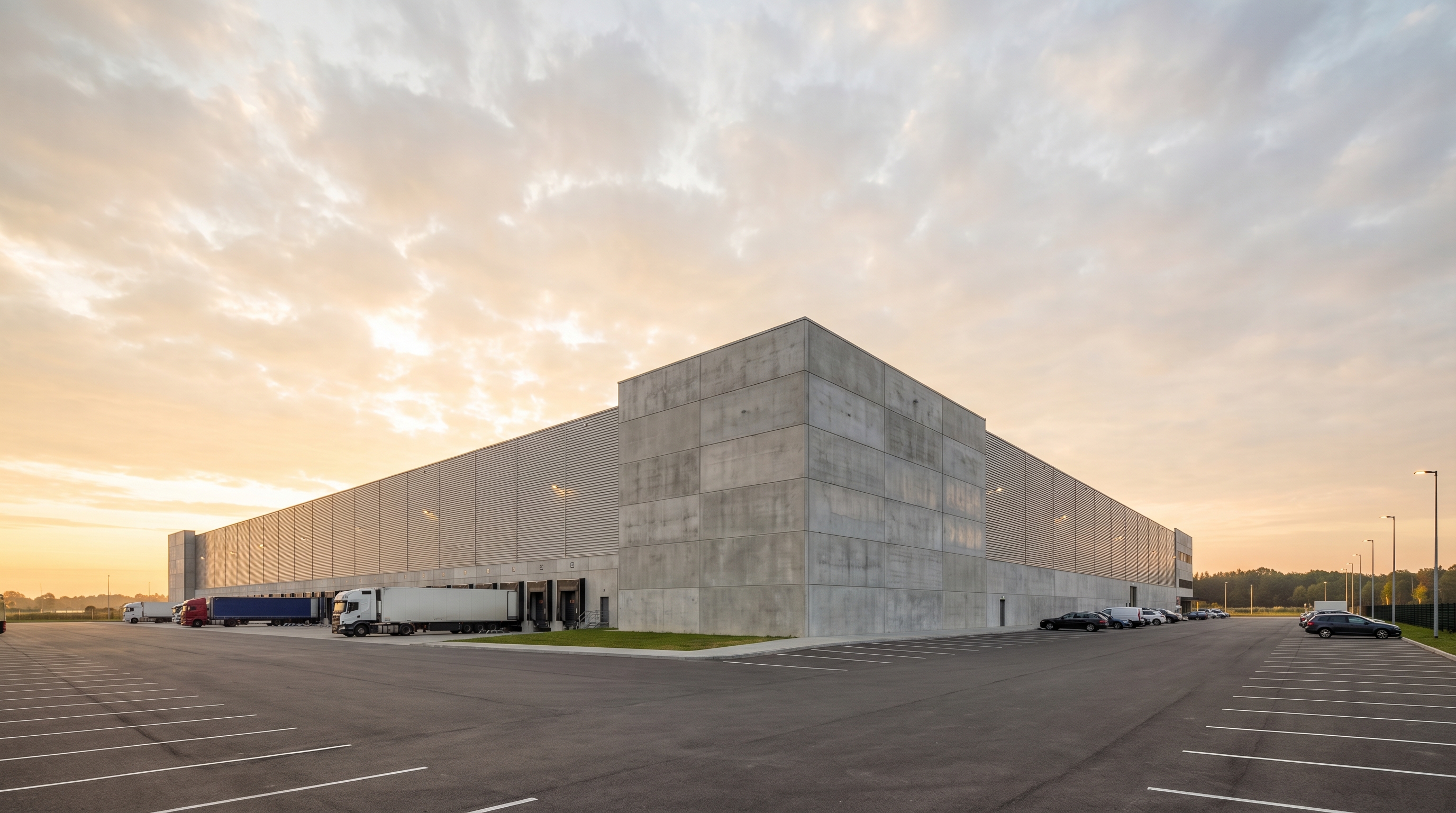
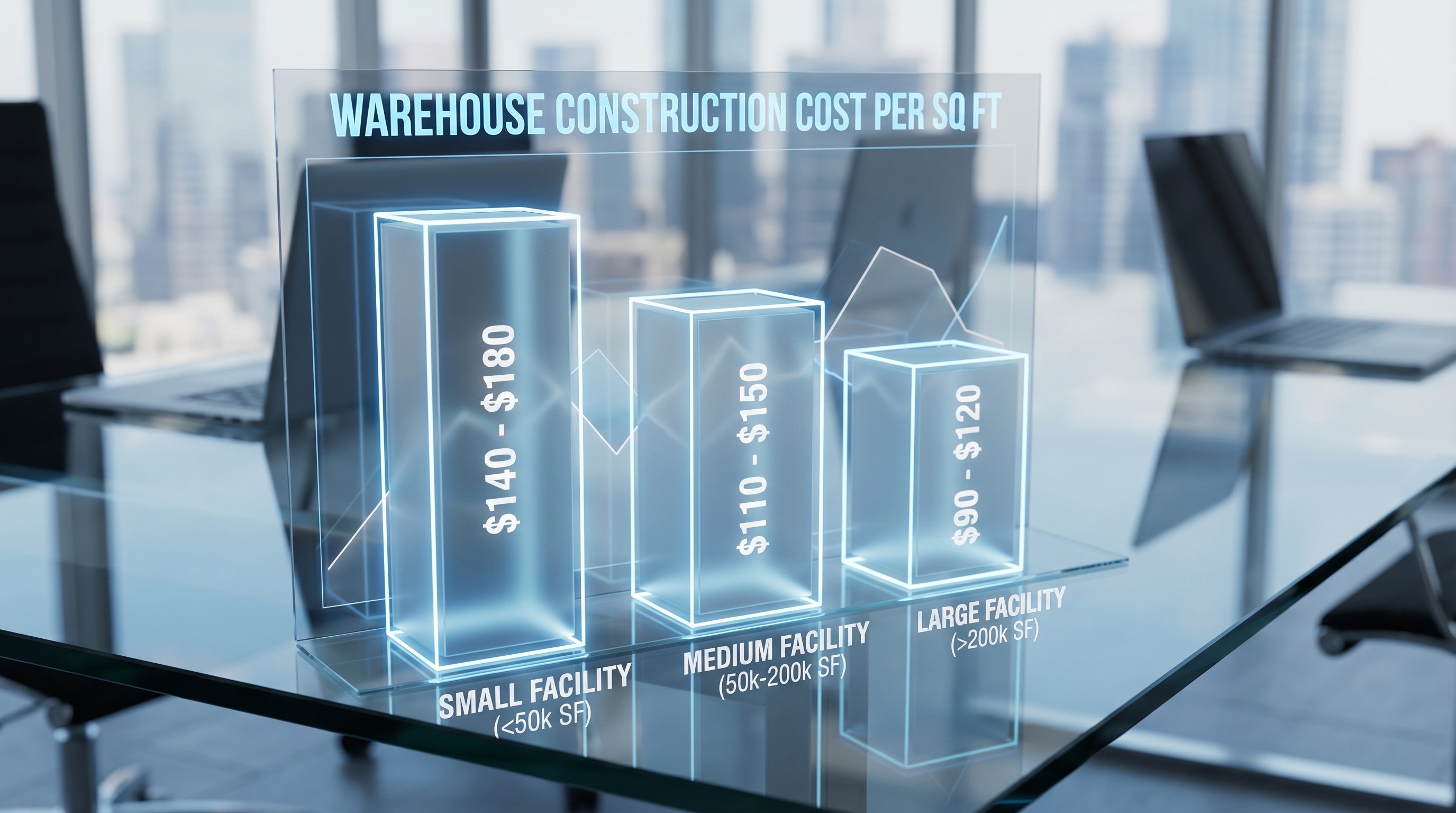
Total project costs decrease on a per-square-foot basis as the building footprint expands due to economies of scale. Determining how much does it cost to build a warehouse requires looking at the tiers of facility size, from small flex spaces to massive distribution hubs. Larger projects allow fixed costs like site mobilization and engineering to be spread across a wider area.
Budgeting for Small and Medium Facilities
Small facilities under 20,000 square feet often face higher per-unit costs because infrastructure and utility connections remain constant regardless of size. These projects typically serve as local workshops or specialized storage hubs with specific clearance needs.
But wait, there is more:
- Projects between 30,000 and 50,000 square feet often average 85 to 100 per square foot.
- Fixed costs for site preparation are amortized better at this scale.
- You gain more flexibility in internal layout as the span increases.
Scaling to Large Industrial Complexes
Large-scale projects exceeding 100,000 square feet benefit from significant material discounts and streamlined labor cycles. These facilities are the most cost-efficient to build if your operational needs can support the massive footprint.
Key Takeaway: Choosing a larger footprint from the start often results in a lower cost per square foot, providing better long-term value for growing businesses.
| Facility Size (SQ FT) | Estimated Cost Per SQ FT | Total Budget Projection | |
|---|---|---|---|
| 10,000 – 20,000 | ~$140 | 1.4M−2.8M | |
| 30,000 – 50,000 | 85−100 | 2.5M−5.0M | |
| 100,000+ | 60−80 | $6.0M+ |
Analyzing size-based data reveals that expansion is more financially viable when planned as a single large phase rather than multiple small additions.
How much does it cost to build a warehouse with steel?
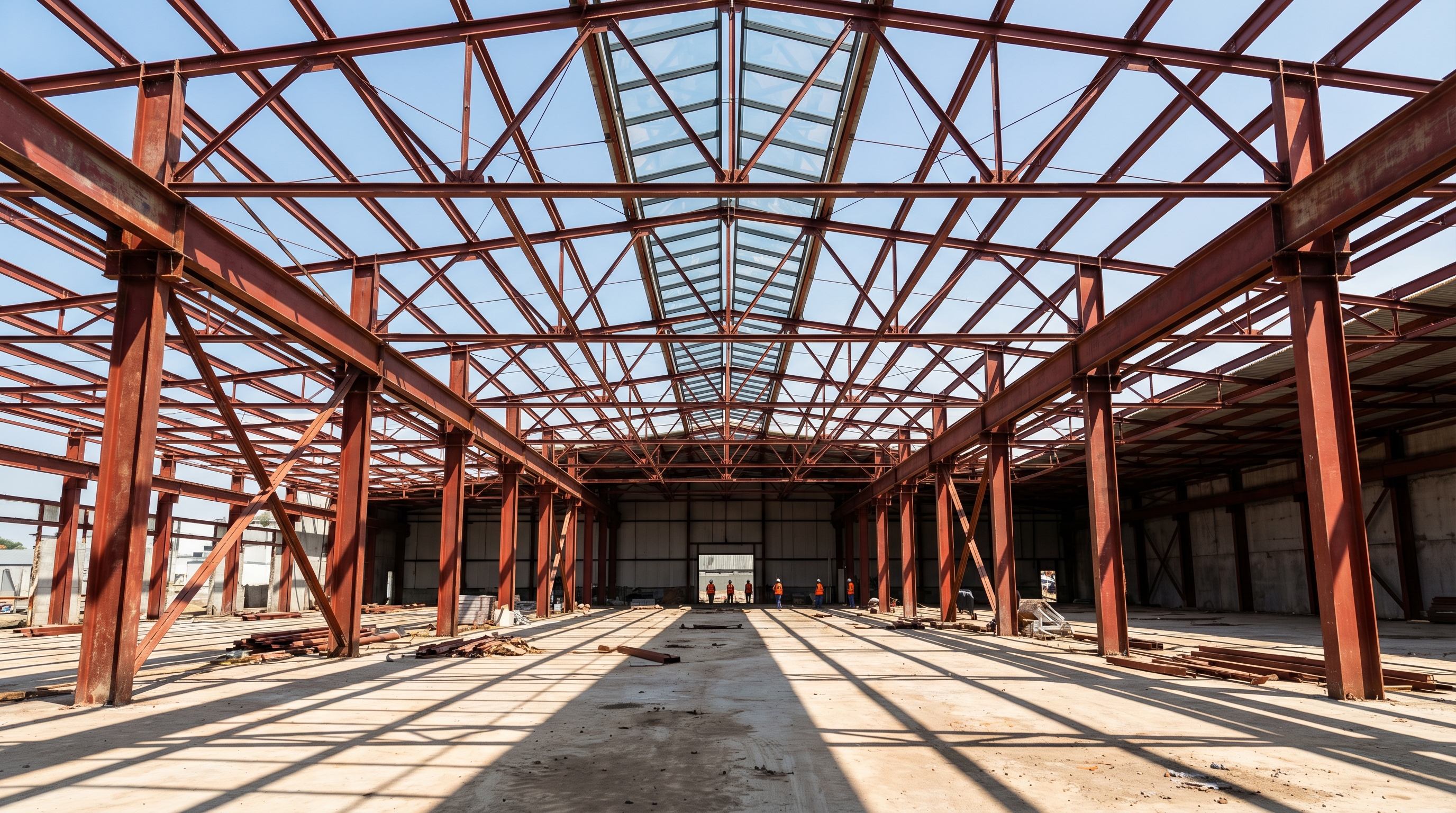
Industrial steel structure buildings typically cost between 15 and 25 per square foot for the frame and cladding alone. When calculating how much does it cost to build a warehouse , steel emerges as the most cost-effective material due to its strength-to-weight ratio. This material choice allows for column-free spans up to 60 meters, which is essential for modern logistics.
Advantages of Prefabricated Steel
The use of an Industrial Steel Structure Warehouse Solutions package ensures that all components arrive pre-engineered and ready for assembly. This precision eliminates on-site waste and reduces the specialized labor hours required for welding and cutting.
The bottom line?
- Steel is resistant to pests, rot, and fire damage.
- Insurance premiums are often lower for steel structures.
- Steel components are 100% recyclable, enhancing your sustainability profile.
Customizing for Industrial Operations
For production environments, a Steel Structure Warehouse can be designed to support heavy bridge cranes up to 50 tons. These additions increase the structural requirements of the columns but provide essential utility for manufacturing.
Key Takeaway: Steel provides the ultimate balance of low initial cost and high operational flexibility for any industrial application.
| Steel Feature | Benefit | Cost Impact | |
|---|---|---|---|
| Clear Span (Up to 60m) | Unobstructed floor space | Moderate increase | |
| Pre-numbered Parts | Rapid on-site assembly | Reduces labor cost | |
| Galvanized Coating | Rust and corrosion resistance | Low long-term cost |
Investing in high-quality steel ensures that your facility maintains its structural integrity and resale value over several decades.
How much does it cost to build a warehouse using tilt-up?
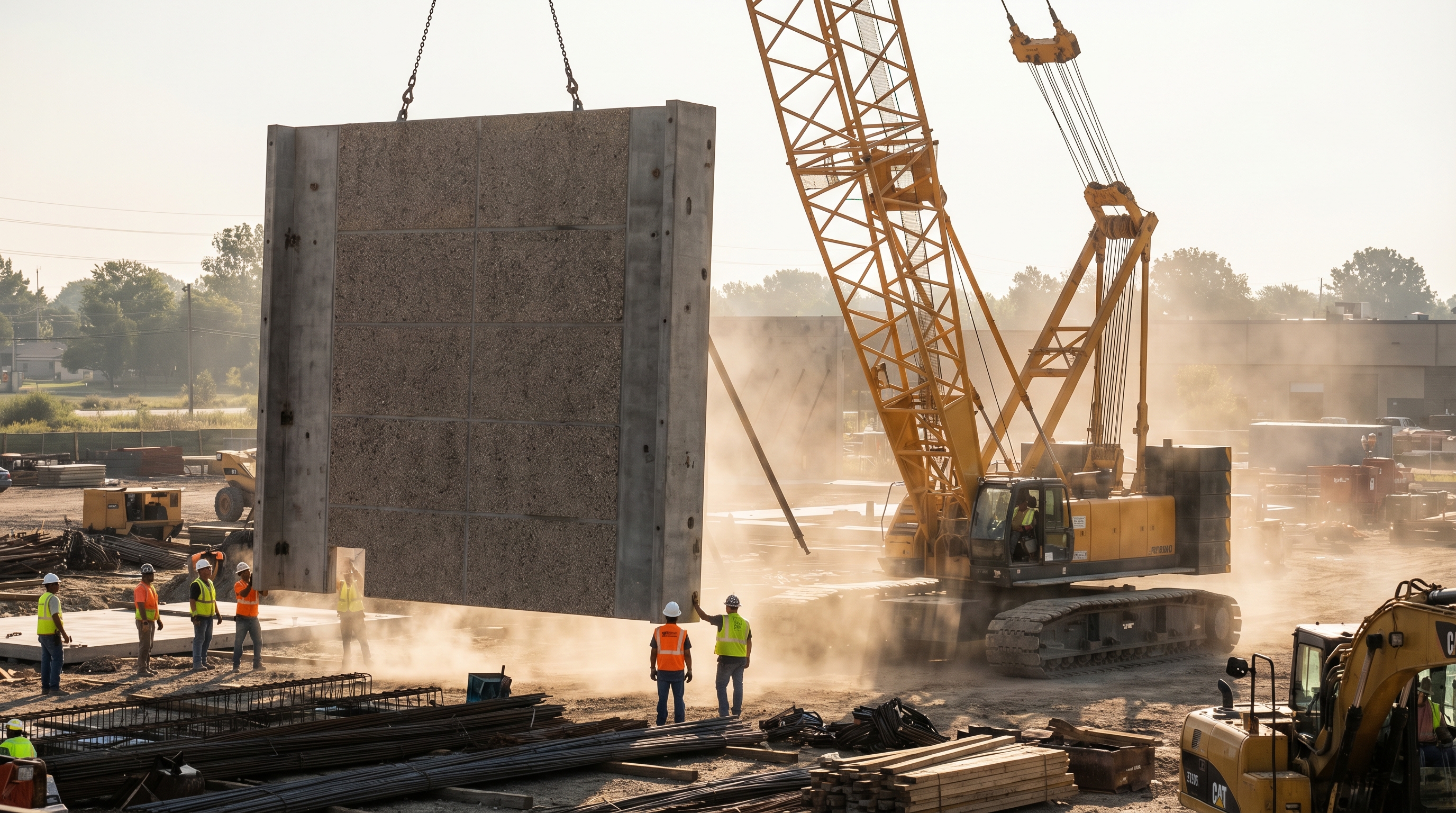
Traditional tilt-up concrete wall panels typically cost between 25 and 40 per square foot for the shell assembly. Knowing how much does it cost to build a warehouse with concrete is vital if you require extreme durability or high fire ratings. While tilt-up is popular for massive regional hubs, it often requires more on-site heavy equipment than steel.
Comparing Concrete to Steel Frames
Tilt-up construction involves casting large concrete panels on the floor slab and lifting them into place with massive cranes. This method creates a very rigid and secure enclosure that is ideal for high-security storage.
Let’s be honest:
- Concrete panels provide excellent thermal mass but require secondary insulation.
- The weight of the panels demands a more robust and expensive foundation.
- Crane rental for lifting panels can be a significant hidden cost.
Integrating Insulated Concrete Forms
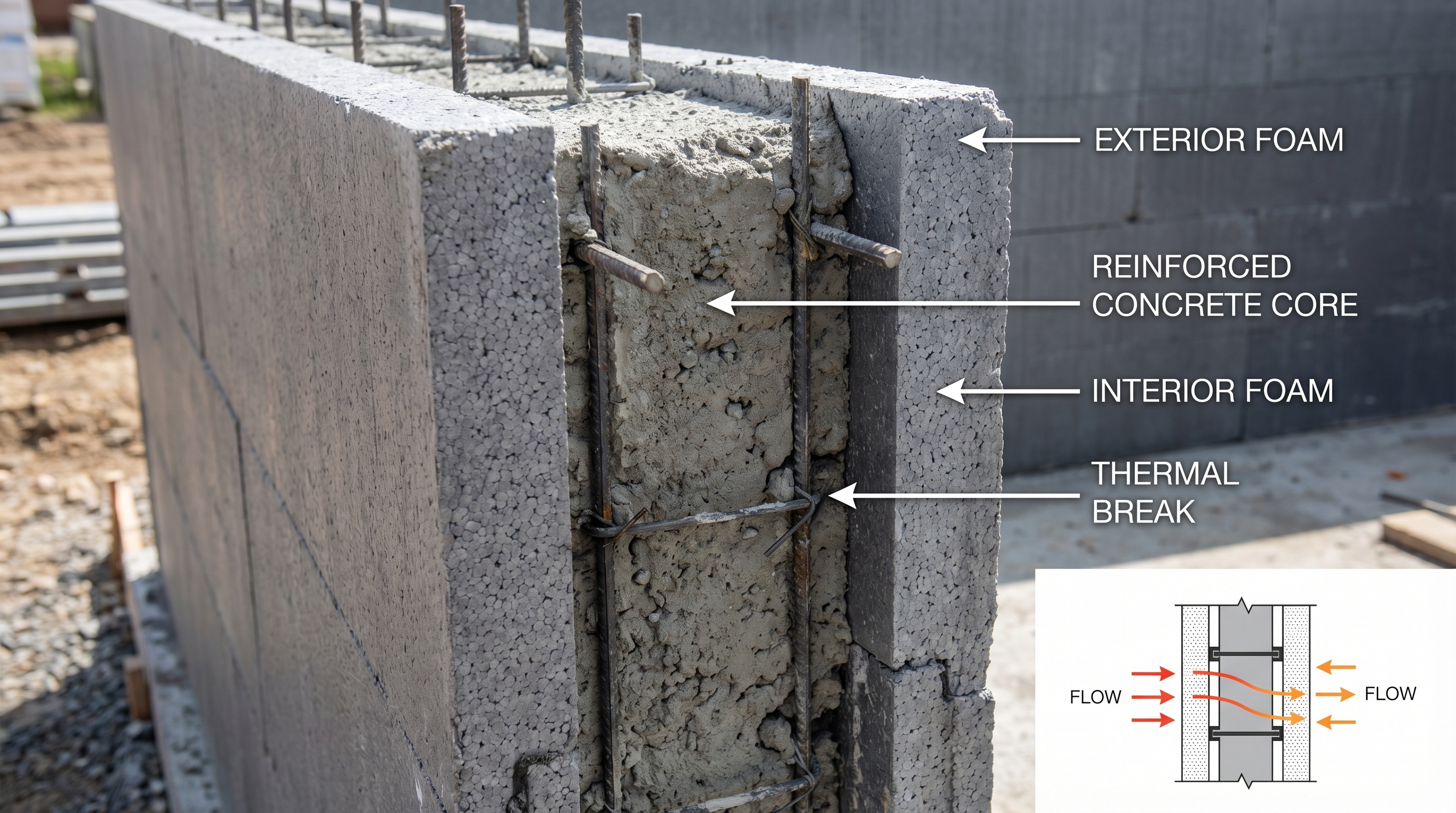
For specialized buildings, some developers opt for systems that combine concrete with built-in insulation. This can lead to a more energy-efficient building, though the initial labor cost is often higher than a simple steel frame.
Key Takeaway: Concrete provides superior physical security and fire resistance but generally increases the initial construction timeline and budget compared to steel.
| Wall System | Durability Level | Construction Speed | |
|---|---|---|---|
| Standard Tilt-Up | Very High | Moderate | |
| Insulated Concrete Form | High | Slow | |
| Steel Sandwich Panel | Moderate | Very Fast |
The choice between concrete and steel should be based on your specific security needs and local environmental regulations.
How much does it cost to build a warehouse for cold storage?
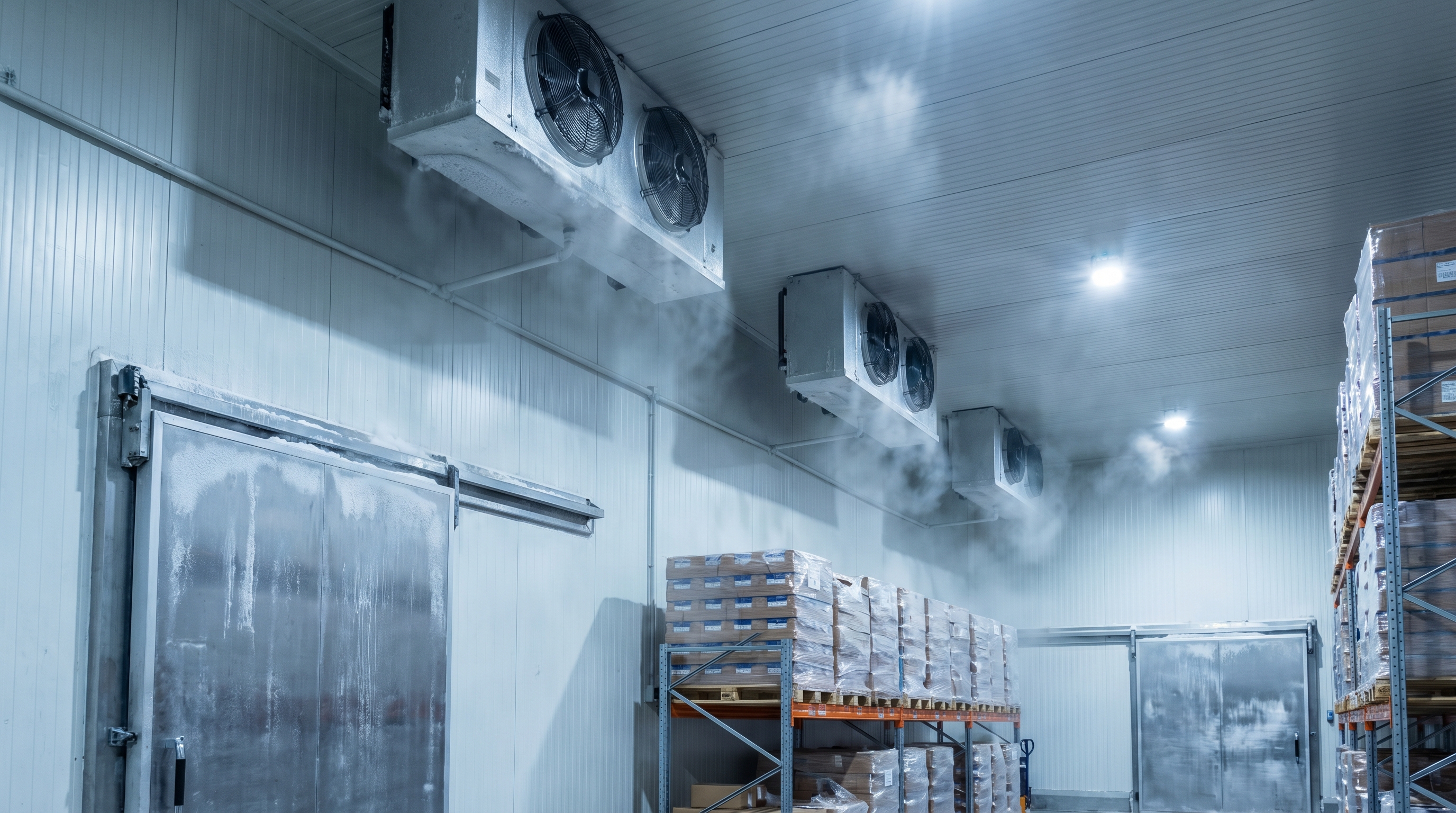
Cold storage facilities frequently exceed $150 per square foot due to specialized insulation and refrigeration requirements. When you ask how much does it cost to build a warehouse for food or pharmaceutical use, you must account for the high-performance thermal barriers required. The refrigeration units themselves can represent a quarter of your total budget.
Thermal Performance Requirements
Maintaining a consistent freezing or chilled environment requires thick sandwich panels with high R-values. These panels must be installed with an airtight seal to prevent moisture infiltration and ice buildup on the structure.
Think about it:
- Floor slabs in cold storage require heating elements to prevent frost heave.
- High-speed insulated doors are necessary to maintain the thermal break.
- Redundant refrigeration systems are mandatory to protect sensitive inventory.
Energy Efficiency and Operational Savings
While the initial cost is high, investing in superior insulation will pay for itself through lower energy bills. A well-sealed steel structure is the perfect host for advanced cold storage panels.
Key Takeaway: Cold storage is a high-cap investment that demands precision engineering to ensure long-term profitability and food safety compliance.
| Cold Storage Element | Typical Cost Driver | Priority | |
|---|---|---|---|
| Refrigeration System | Tonnage and redundancy | Critical | |
| Insulated Panels | Material thickness (PU/PIR) | High | |
| Specialized Slab | Sub-slab heating & insulation | Critical |
This cost structure proves that thermal integrity is the most important factor when budgeting for a refrigerated facility.
How much does it cost to build a warehouse for distribution?
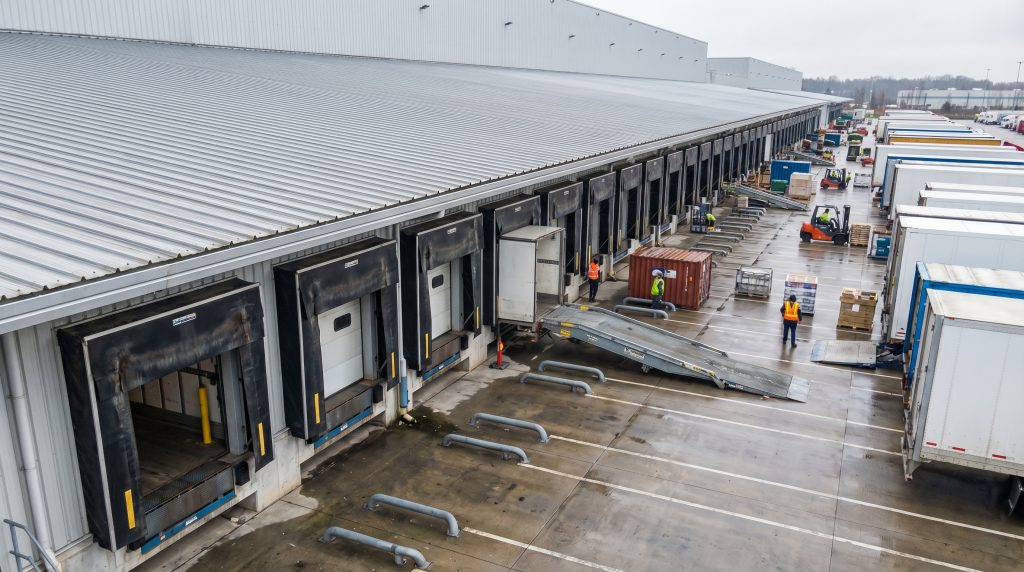
High-volume distribution centers often range from 60 to 110 per square foot depending on the level of automation. Calculating how much does it cost to build a warehouse for e-commerce requires accounting for the high density of loading docks and specialized equipment. These buildings are designed for throughput rather than just long-term storage.
Planning for High-Velocity Logistics
Distribution centers require expansive parking for trailers and heavy-duty concrete aprons that can withstand thousands of truck movements. The interior must support high-bay racking and automated sorting systems.
The reality is this:
- Dock levelers and seals add 5,000 to 15,000 per door to the budget.
- Lighting levels must be higher to ensure safe picking and packing.
- The clear height should be at least 32 to 36 feet for maximum racking density.
Integrating Mezzanines and Office Space
Many distribution centers include a Multi-Storey Steel Building Manufacturer approach for administrative offices or sorting mezzanines. This vertical expansion maximizes the use of the building’s height without increasing the foundation’s footprint.
Key Takeaway: Optimizing the dock count and clear height is the most effective way to improve the ROI of a distribution facility.
| Distribution Feature | Functional Benefit | Cost Level | |
|---|---|---|---|
| Loading Dock Package | Faster truck turnaround | Moderate | |
| High-Bay Racking | Increased pallet positions | High | |
| Automated Sortation | Reduced labor expenses | Very High |
Focusing on the speed of movement rather than just storage volume will dictate your specific equipment costs.
How much does it cost to build a warehouse: foundation?

Concrete foundations and slabs typically represent 8 to 15 per square foot of your total budget. When determining how much does it cost to build a warehouse , the floor slab is often the most underrated expense. A standard 6-inch reinforced slab may suffice for light storage, but heavy industrial use requires much more.
Designing for Heavy Loads
If your facility will host heavy machinery or massive racking systems, you need a slab that won’t crack under pressure. This often requires increasing the concrete PSI and adding layers of steel rebar or fiber reinforcement.
Here is the deal:
- Proper soil compaction is the foundation of a good slab.
- Vapor barriers are essential to prevent moisture from damaging inventory.
- Laser-leveled floors are required if you use high-reach forklifts.
Reinforcement and Joint Strategies
To prevent long-term maintenance issues, your engineers must plan the jointing strategy carefully. Large, continuous pours with saw-cut joints help control where the concrete naturally expands and contracts.
Key Takeaway: A high-performance floor slab is a non-negotiable requirement for any warehouse that utilizes heavy equipment or high-density racking.
| Foundation Element | Purpose | Budget Impact | |
|---|---|---|---|
| 6-inch Concrete Slab | Standard storage support | Baseline | |
| Rebar Reinforcement | Structural integrity | Moderate | |
| Laser Leveling | High-reach forklift safety | Moderate |
This breakdown shows that the slab is a significant structural component that directly affects your daily operations.
How much does it cost to build a warehouse: sitework?
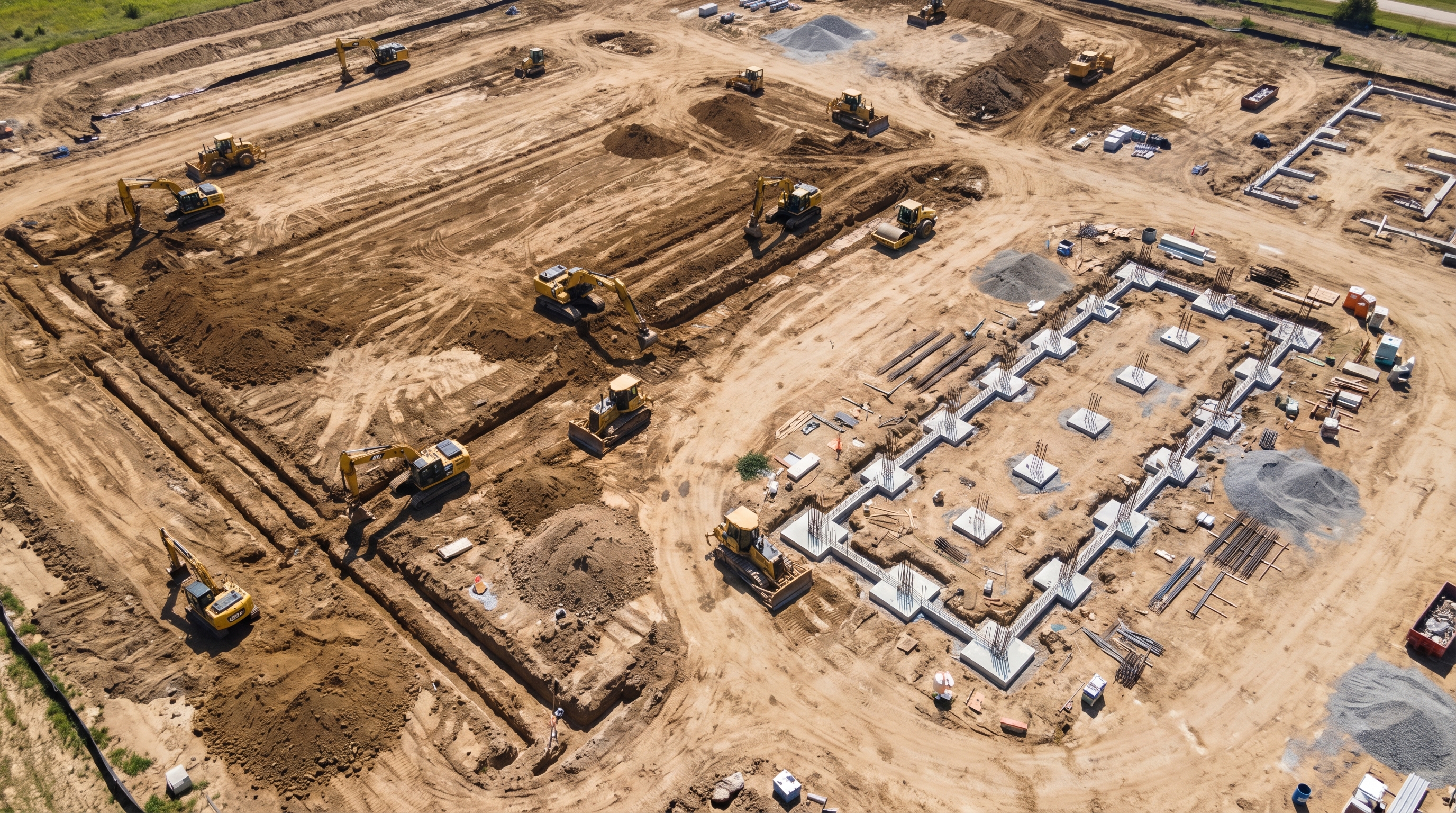
Site preparation and grading can fluctuate wildly, often costing between 5 and 20 per square foot. Every expert analyzing how much does it cost to build a warehouse knows that “below-grade” surprises are the biggest threat to a budget. If your land requires extensive clearing, blasting, or drainage systems, your costs will skyrocket before the first column is raised.
Managing Earthwork and Drainage
Proper drainage is critical to prevent your warehouse from flooding or sinking over time. This involves creating retention ponds, installing storm sewers, and ensuring the land slopes away from the building.
But there is more:
- Utility hookups (water, sewer, electric) can cost six figures.
- Paved parking lots for employees and trucks are a major expense.
- Environmental impact studies might be required by local governments.
Regional Factors and Soil Quality
The type of soil on your site determines the depth of your footings. In coastal or seismic regions, you may need pilings or advanced reinforcement to meet local building codes.
Key Takeaway: Investing in a thorough soil report before purchasing land can save you hundreds of thousands in unforeseen foundation costs.
| Sitework Phase | Common Tasks | Cost Variability | |
|---|---|---|---|
| Grading & Leveling | Removing hills & filling holes | High | |
| Stormwater Management | Retention ponds & drainage | Moderate | |
| Utility Connection | Power, water, gas lines | High |
Understanding sitework costs ensures that you don’t run out of capital before the building shell is even ordered.
How much does it cost to build a warehouse: design?
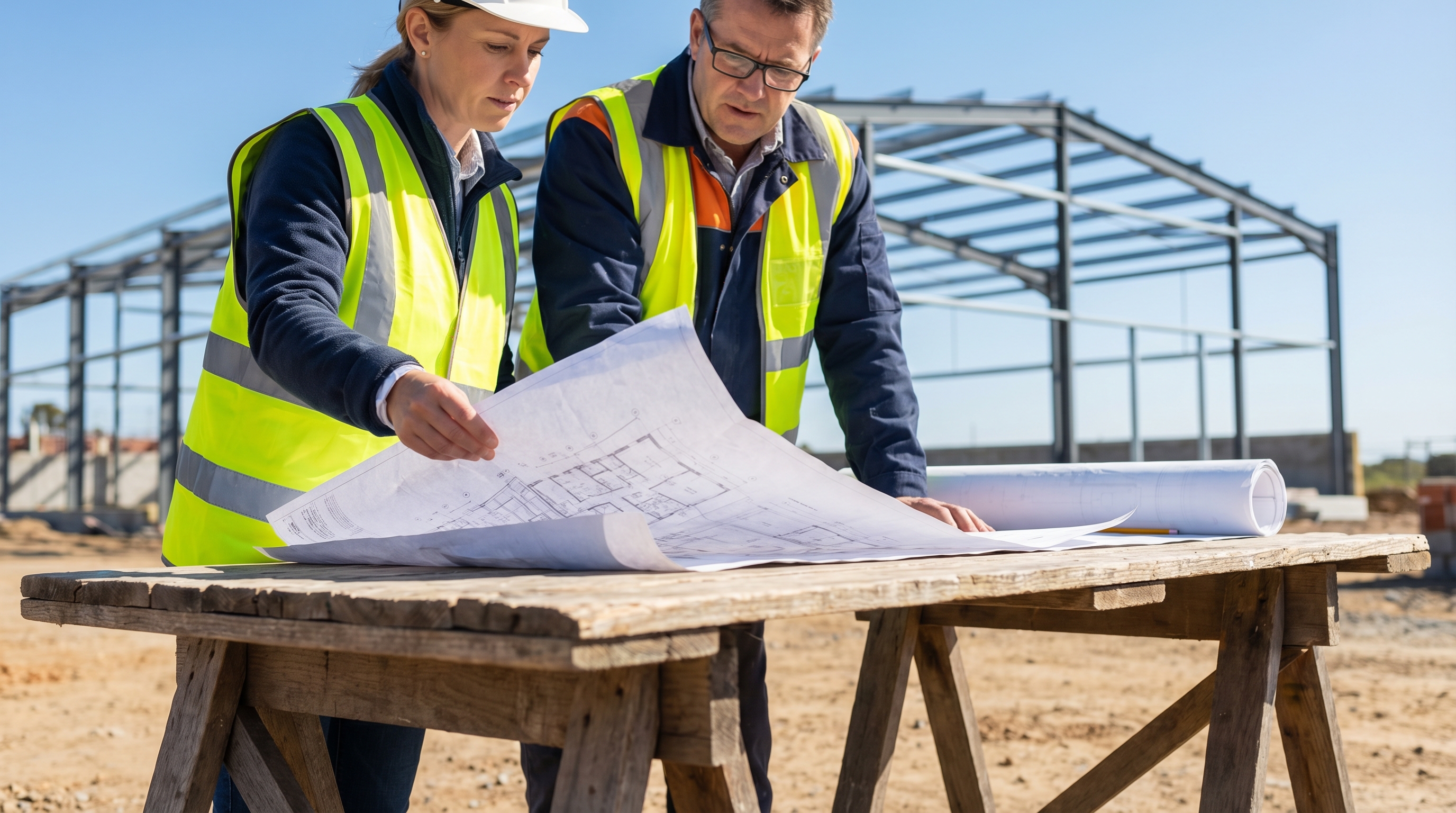
Professional design and engineering fees usually account for 5% to 10% of the total project budget. When you calculate how much does it cost to build a warehouse , remember that detailed plans prevent expensive changes in the field. Using 3D modeling and BIM (Building Information Modeling) helps catch structural conflicts before fabrication begins.
Utilizing Prefabricated Engineering
Working with a factory-direct manufacturer often includes the structural engineering in the price of the building. This “one-stop” service eliminates the need for an external structural engineer for the steel frame itself.
Let’s be honest:
- Standardized designs are much cheaper than custom architectural “statements.”
- Steel Structure Showrooms require more aesthetic design work than basic storage units.
- An Aircraft Hangar needs specialized engineering for massive door openings.
Compliance and Permitting
Your design must meet local wind, snow, and seismic loads to get a building permit. A professional manufacturer will provide the stamped drawings required for your local building department.
Key Takeaway: Professional engineering and early design planning are the best ways to ensure your project stays on schedule and meets all legal requirements.
| Design Service | Description | Typical Cost | |
|---|---|---|---|
| Structural Engineering | Stamped drawings for the frame | Included with kit | |
| MEP Design | Mechanical, Electrical, Plumbing | 15k−50k | |
| Permitting Fees | Local government approvals | Varies by city |
This table illustrates that while engineering is a small percentage of the cost, it is the roadmap for the entire build.
How much does it cost to build a warehouse: total?
The final “all-in” price for a warehouse build-out generally lands between 75 and 125 per square foot for mid-sized projects. To truly grasp how much does it cost to build a warehouse, you must add the costs of the shell, foundation, sitework, and internal finishing. A “turnkey” project takes the stress out of managing multiple contractors but often comes with a higher management fee.
Finalizing Your Budget Mapping
Your final budget should include a 10% contingency fund for unexpected material price fluctuations or weather delays. The most successful builders are those who plan for the worst-case scenario while aiming for the most efficient execution.
The bottom line?
- Turnkey solutions provide the fastest path to operational status.
- Factory-direct sourcing is the most effective way to protect your margins.
- Energy-efficient enclosures lower your total cost of ownership over 20 years.
Choosing the Right Partner
Success in industrial construction depends on the reliability of your supplier. You need a partner who has exported to dozens of countries and completed over 1,000 projects to ensure your building arrives on time and as specified.
Key Takeaway: A successful warehouse project is one where the design, fabrication, and installation are coordinated by a single expert team.
| Phase | Percentage of Total Budget | Estimated Cost (for 50k SQ FT) | |
|---|---|---|---|
| Sitework & Utilities | 15% | $750,000 | |
| Foundation & Slab | 15% | $750,000 | |
| Steel Shell & Erection | 40% | $2,000,000 | |
| MEP & Finishing | 30% | $1,500,000 |
This final breakdown provides a realistic view of how your capital will be distributed across the entire construction lifecycle.
Secure Your Industrial Future Today
Building a warehouse is the single most important physical investment your company will make this decade. We have solved the problems of high material waste, slow construction timelines, and middleman markups by providing high-capacity, factory-direct steel solutions. Our team can manage everything from 3D modeling and structural design to global shipping and installation guidance for your next project. We believe that industrial growth should be accessible, durable, and engineered for the long-term success of every developer we serve. Contact us today to receive a comprehensive quote and Talk Directly With a Real Steel Structure Factory to begin your expansion.
Frequently Asked Questions
Can I build a warehouse on a limited budget?Yes, but you must focus on a prefabricated steel shell and a standardized design. By avoiding custom architectural features and sourcing directly from a manufacturer, you can keep costs at the lower end of the 12−19 per square foot range for the primary structure.
What’s the best way to lower long-term energy costs?High-performance insulated sandwich panels are the most effective solution. These panels provide a continuous thermal break that reduces the load on your HVAC or refrigeration systems, significantly lowering monthly utility bills.
How do I know if my floor slab is thick enough?You must consult with a structural engineer who will analyze your specific racking loads and forklift weights. A standard 6-inch slab is common, but heavy manufacturing or high-density storage often requires 8 inches or more with increased steel reinforcement.
Can I expand my warehouse footprint later?Absolutely, if you choose a steel portal frame design from the start. Steel structures are modular, meaning you can easily remove an end wall and add new bays to the building without compromising the original structural integrity.
What’s the best material for thermal insulation?Polyurethane (PU) or Polyisocyanurate (PIR) sandwich panels offer the highest R-values per inch. These materials are far superior to traditional fiberglass blankets because they are rigid, airtight, and resistant to moisture absorption.