
A modern Cow Shed is a specialized agricultural structure designed to optimize the health, comfort, and productivity of dairy and beef cattle. Imagine your herd struggling through a harsh winter in an old, drafty barn where damp floors lead to constant hoof rot and low milk yields. You work tirelessly, but the poor housing conditions are eating into your profits and causing unnecessary stress for your animals. By upgrading to a modern cattle housing solution, you eliminate these environmental risks and provide a controlled atmosphere that maximizes your return on investment.
Why should you invest in a modern Cow Shed?
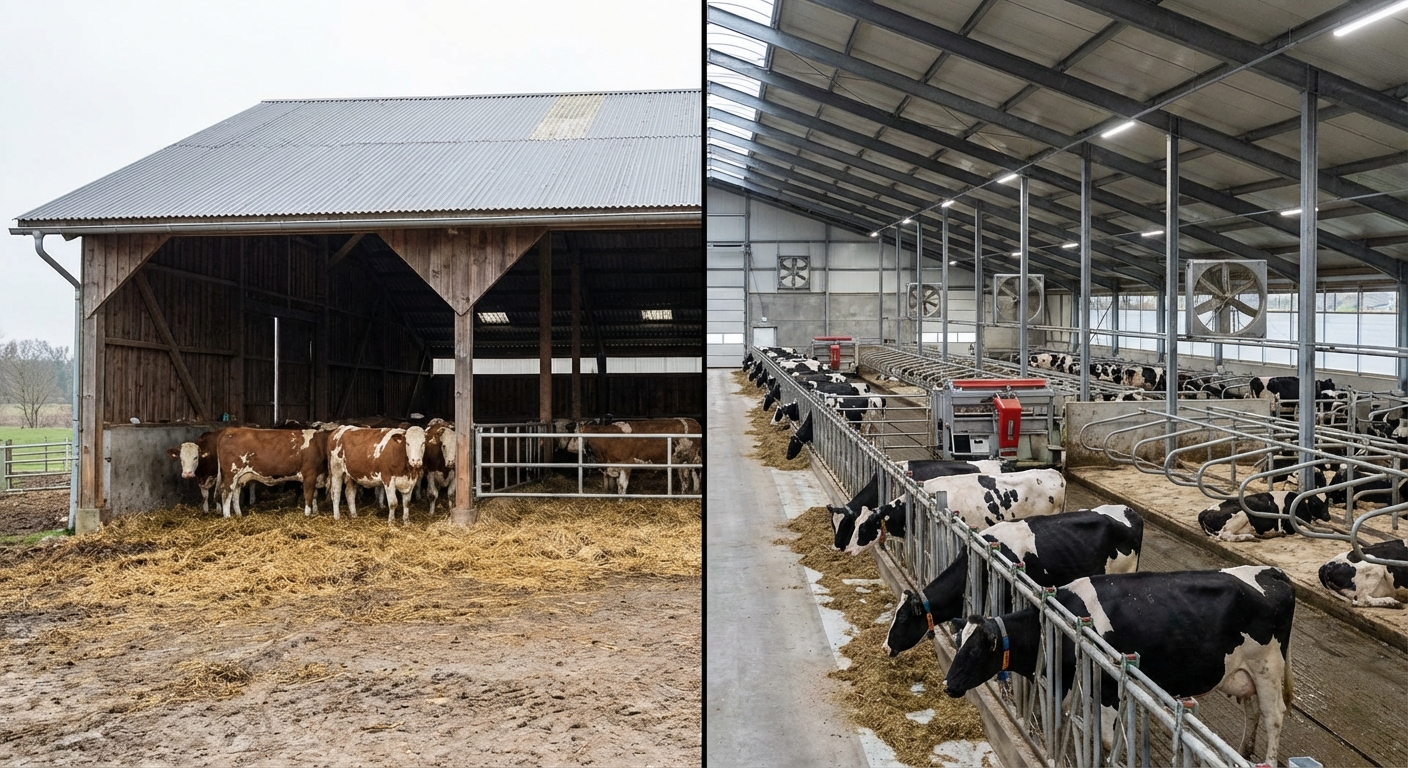
Investing in a high-quality Cow Shed is essential because it directly impacts your farm’s bottom line through improved animal welfare. When you provide a stable environment, your cattle experience less stress and utilize their energy for growth or milk production rather than temperature regulation. You will notice a significant decrease in veterinary bills as cleaner, dryer conditions prevent common diseases.
Does it improve milk production?
Think about it: a comfortable cow is a productive cow. Modern dairy cow shed systems focus on “cow comfort” to ensure that every animal has a soft place to rest and easy access to feed.
- Increased resting time for cows.
- Better blood flow to the udder.
- Lower somatic cell counts.
- Reduced incidence of lameness.
Key Takeaway: Modern housing facilitates higher milk yields by prioritizing animal comfort and hygiene.
| Benefit | Impact on Farm | |
|---|---|---|
| Disease Control | Lower mortality rates | |
| Climate Shield | Consistent year-round output | |
| Automation | Lower labor costs |
This table illustrates how specific structural benefits translate into tangible financial gains for your operation.
What defines a high-quality Cow Shed design?
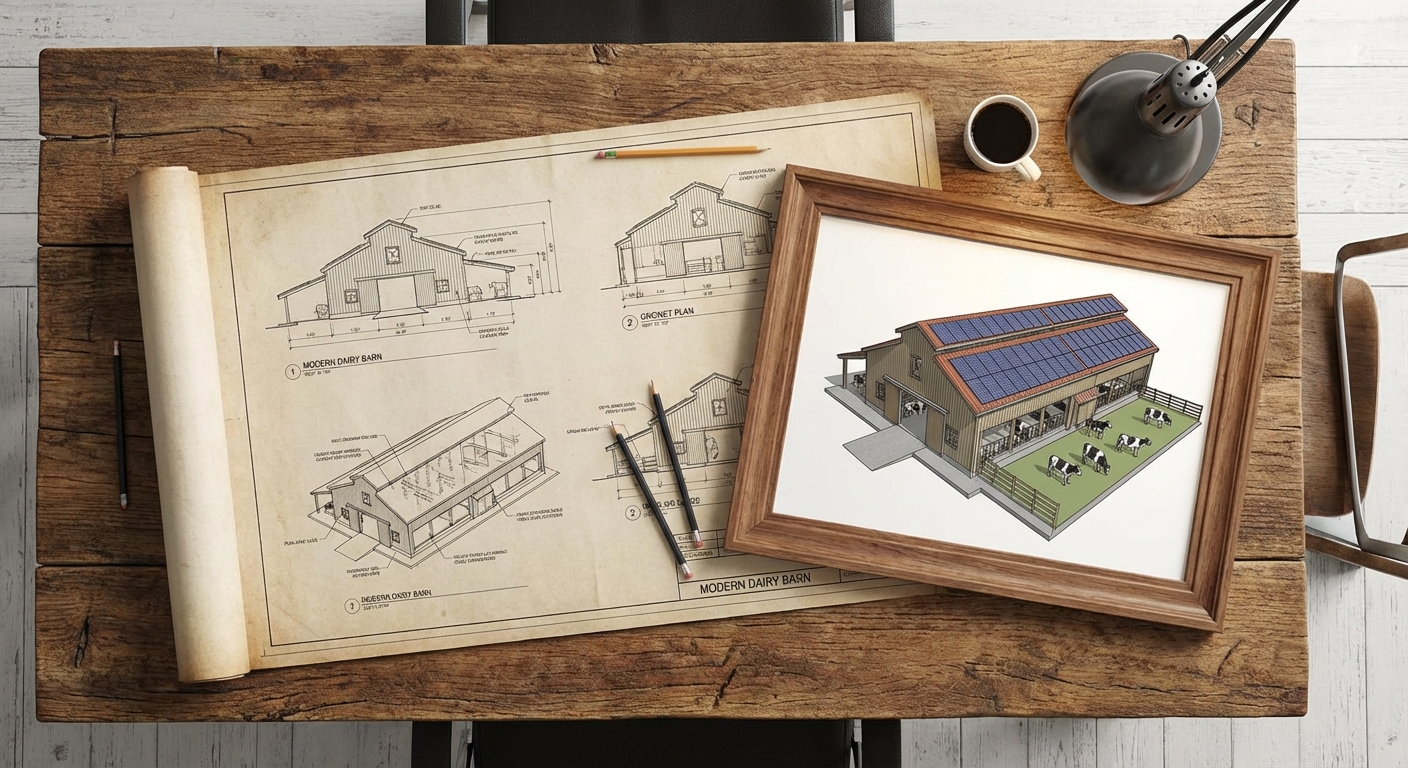
A superior cow shed design is defined by its ability to balance natural light, air circulation, and efficient waste management systems. You must consider the orientation of the building to take advantage of prevailing winds while protecting the interior from extreme solar heat. Effective layouts ensure that your staff can move animals and equipment without causing bottlenecks or safety hazards.
What are the core layout principles?
Here is the kicker: the layout determines how much time you spend on daily chores. You want a design that allows for mechanical scraping or flushing of manure to keep the environment pristine.
- Wide feeding alleys for machinery.
- Cross-ventilated ridge designs.
- Non-slip concrete flooring.
- Integrated drainage slopes.
Key Takeaway: Functional design reduces daily labor requirements while maintaining a healthy living space for cattle.
| Design Element | Primary Function | |
|---|---|---|
| Ridge Vents | Ammonia removal | |
| Eave Height | Natural cooling | |
| Feed Barriers | Organized nutrition |
Strategic design choices ensure that your building remains a high-performance asset for many years.
How do you estimate a Cow Shed project cost?
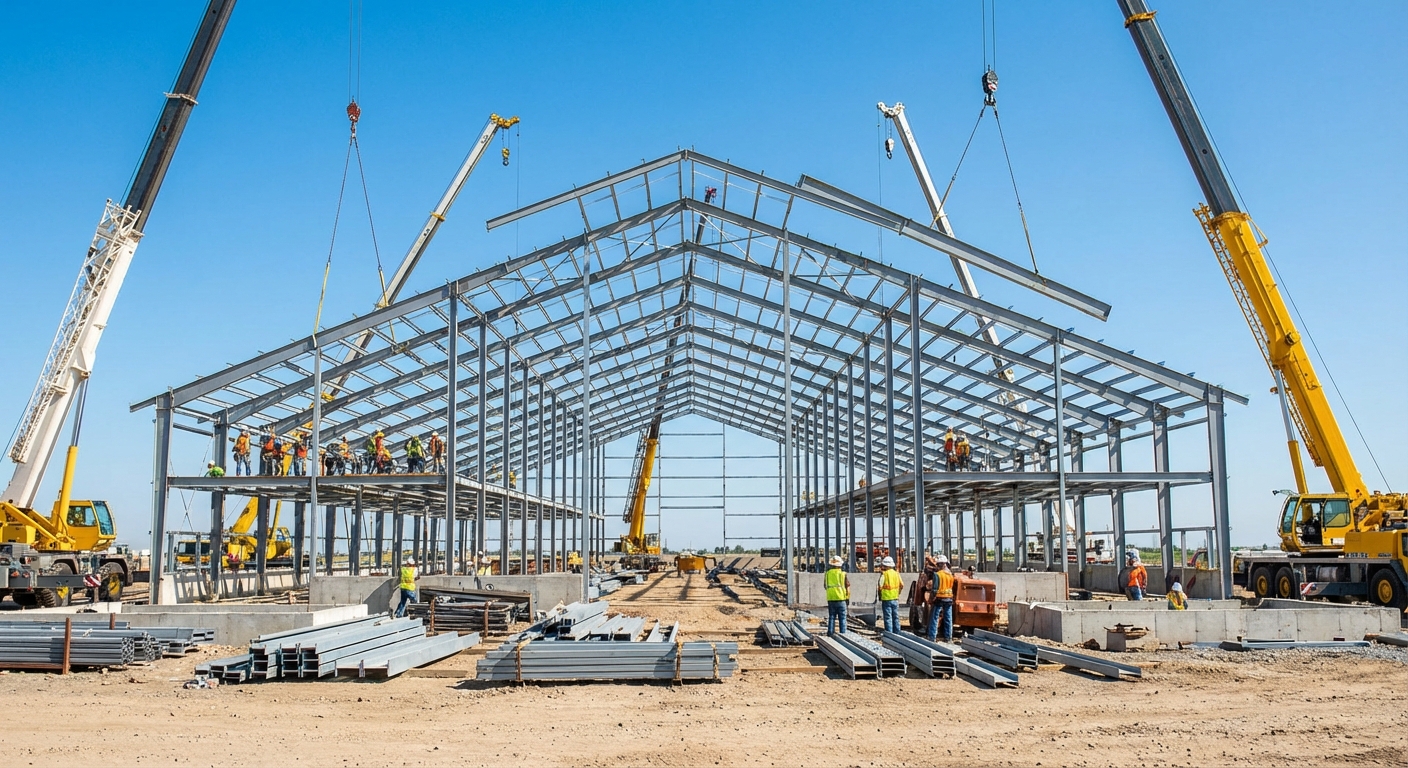
Estimating the cost of a Cow Shed requires evaluating material choices, local labor rates, and the level of internal automation you desire. Typically, a steel cow shed building offers the best value because of its rapid assembly and low long-term maintenance costs. You should also factor in site preparation and utility connections, as these can significantly impact your total budget.
Which factors drive prices up?
But wait, there is more: customization often dictates the final price per square foot. If you opt for insulated sandwich panels or robotic milking stations, your initial capital expenditure will rise, though your efficiency improves.
- Steel thickness and grade.
- Roofing insulation levels.
- Foundation depth requirements.
- Automated gate systems.
Key Takeaway: While advanced features increase upfront costs, they typically pay for themselves through labor savings.
| Cost Category | Estimated % of Budget | |
|---|---|---|
| Steel Frame | 40% – 50% | |
| Foundation | 15% – 20% | |
| Equipment/Tech | 20% – 30% |
Understanding these percentages helps you allocate your capital effectively during the planning phase.
Which Cow Shed types best suit your livestock?

The best cow housing types depend on whether you are running a dairy operation, a beef feedlot, or a breeding facility. You might choose a free-stall barn if you have a large dairy herd that needs the freedom to move between resting areas and feed bunks. For smaller operations or specialized breeding, a tie-stall or loafing shed might provide the individual attention your animals require.
Are open-front sheds effective?
Think about it: simplicity can be highly effective for beef cattle or dry cows in milder climates. Open-front sheds provide excellent natural ventilation while protecting your animals from rain and direct sun.
- Low-cost construction.
- Maximum air exchange.
- Flexible usage options.
- Easy to clean with a skid steer.
Key Takeaway: Match your shed type to your specific herd management style and local climate conditions.
| Shed Type | Best Used For | |
|---|---|---|
| Free-Stall | High-volume dairy | |
| Loafing Shed | Beef/Pasture shelter | |
| Tie-Stall | Small, high-care herds |
Selecting the right configuration ensures that your cattle housing aligns with your operational goals.
How much space does a cow need in a Cow Shed?
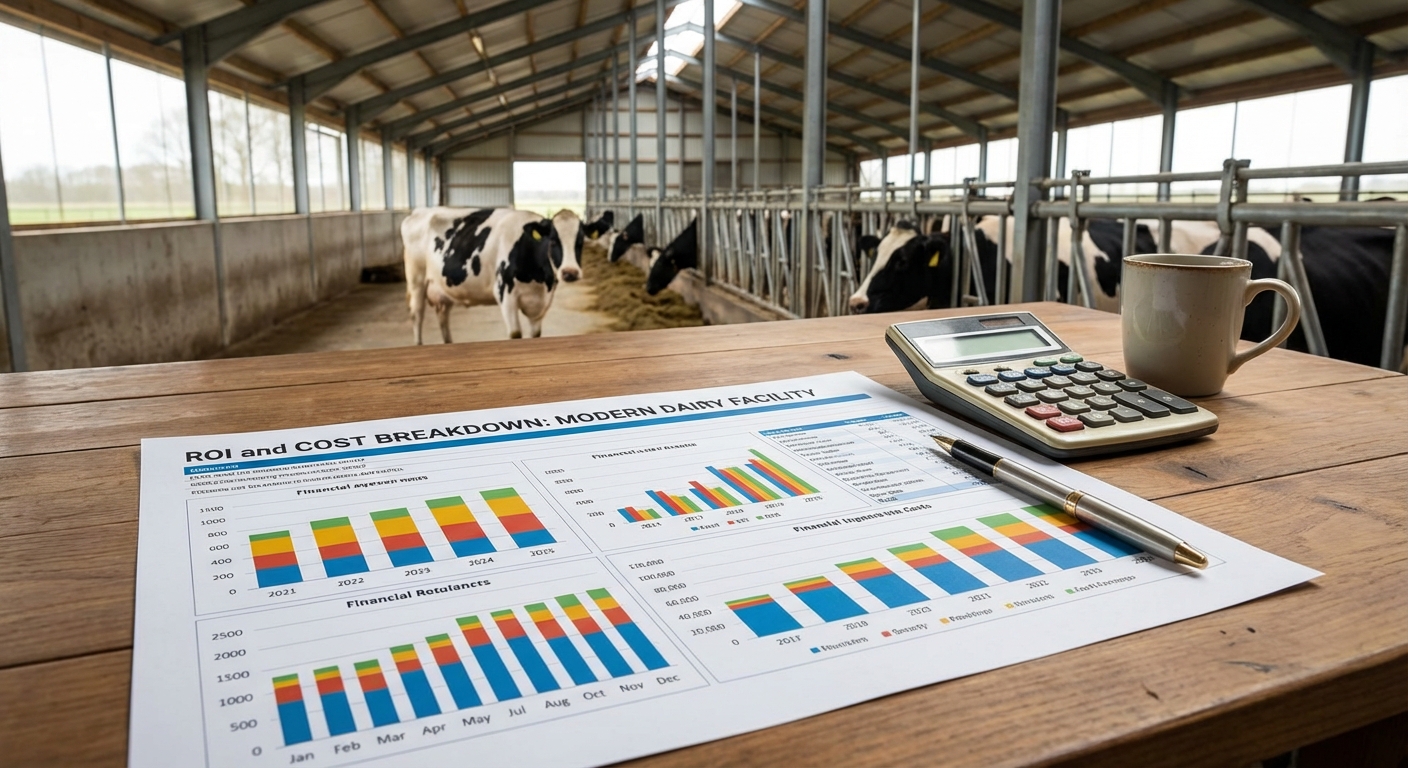
The amount of space a cow needs in a Cow Shed varies between 100 to 120 square feet for a mature Holstein, depending on the barn’s configuration. You must provide enough room for the animal to exhibit natural behaviors, such as lying down, grooming, and walking to water. Overcrowding is a major cause of stress and can lead to a drop in milk production and increased aggression within the herd.
What is the best design for cow shed density?
Here is the kicker: calculating your “head-to-bunk” ratio is just as important as total square footage. You want to ensure every cow has at least 24 to 30 inches of bunk space so they can all eat simultaneously without fighting.
- Minimize competition at waterers.
- Ensure wide enough alleys.
- Allow for “flight zones.”
- Avoid dead-end corridors.
Key Takeaway: Adequate spacing prevents social stress and ensures all animals receive proper nutrition.
| Animal Type | Space Requirement (sq ft) | |
|---|---|---|
| Lactating Cow | 100 – 125 | |
| Dry Cow | 110 – 130 | |
| Heifer | 40 – 70 |
Properly sizing your facility prevents the negative health impacts associated with high-density cattle housing.
Why is ventilation vital in Cow Shed construction?
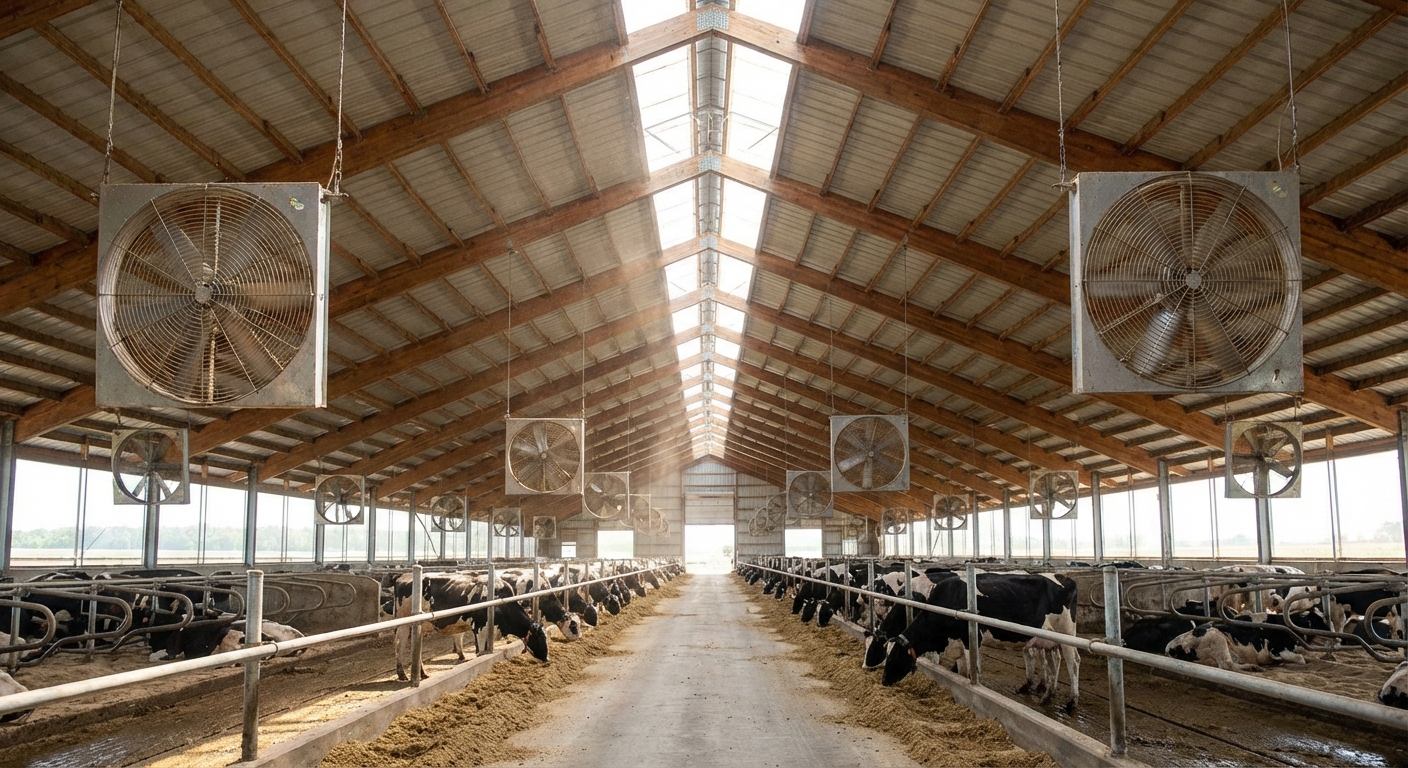
Ventilation is vital in cow shed construction because it removes moisture, pathogens, and heat from the air to prevent respiratory diseases. You must prioritize air exchange to keep the barn smelling fresh and to reduce the concentration of ammonia. Without proper airflow, your cattle will suffer from heat stress during the summer, which significantly reduces their appetite and milk output.
How do you achieve optimal airflow?
But wait, there is more: relying on wind alone is often insufficient for modern, wide-span buildings. You should consider a hybrid system that uses natural ridge vents and mechanical fans to move air during stagnant periods.
- High-volume low-speed (HVLS) fans.
- Automated curtain systems.
- Ridge openings for heat escape.
- Cross-ventilation fans.
Key Takeaway: A robust ventilation strategy protects your herd from pneumonia and heat-related production losses.
| Ventilation Method | Primary Advantage | |
|---|---|---|
| Natural | Zero energy cost | |
| Mechanical | Controlled air speed | |
| Hybrid | Best year-round performance |
Investing in climate control systems ensures that your cow barn remains habitable during extreme weather events.
What materials make a durable Cow Shed building?
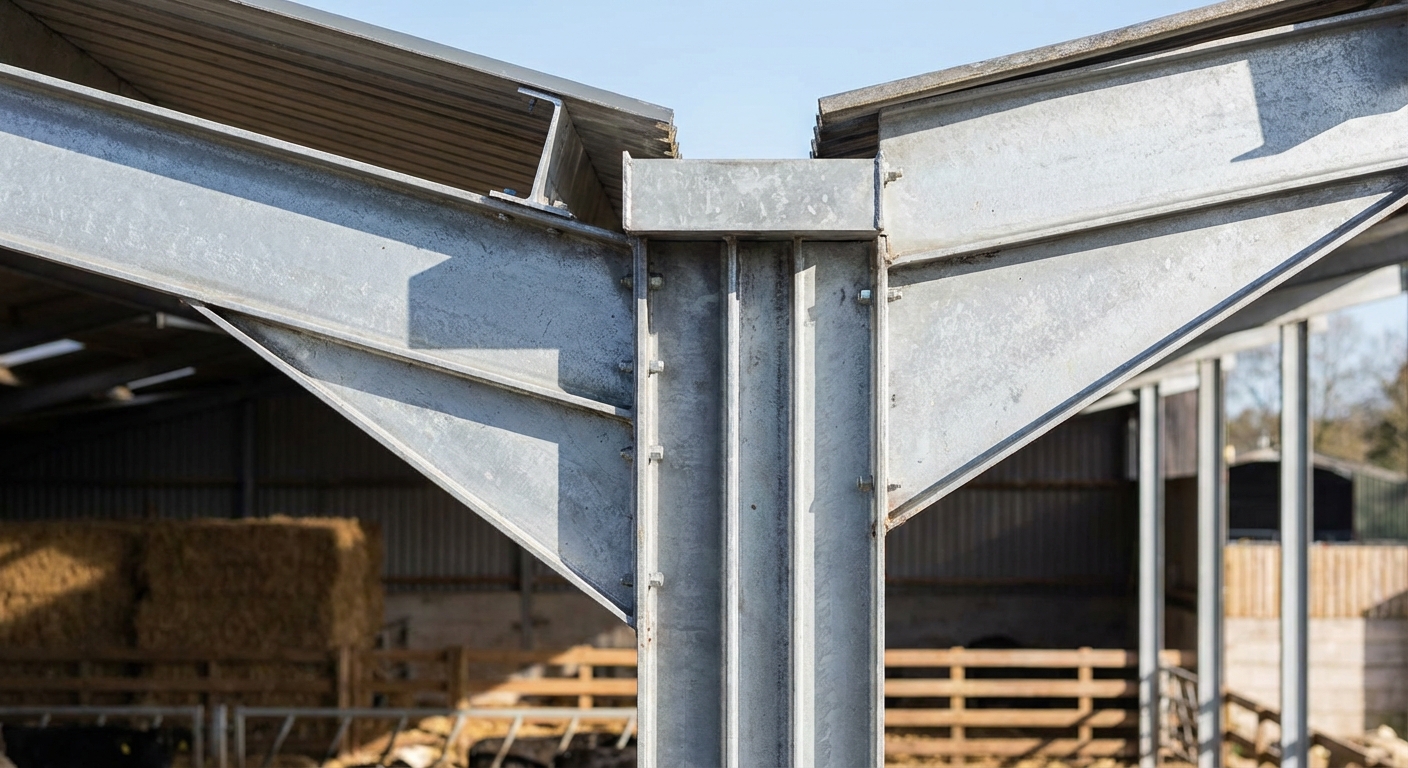
A Cow Shed built with high-tensile steel is the most durable and cost-effective option for modern farms. You benefit from steel’s resistance to pests, mold, and fire, which are common issues with traditional wooden structures. Furthermore, prefabricated steel components allow for large clear-span designs, giving you an interior free of obstructing columns for better machinery movement.
Is galvanized steel necessary?
Think about it: the interior of a cattle shed is a highly corrosive environment due to animal waste and humidity. You should always opt for hot-dipped galvanized or specially coated steel to prevent rust and structural degradation over time.
- Corrosion-resistant coatings.
- High wind load ratings.
- Pest-proof structural frame.
- Recyclable building materials.
Key Takeaway: Steel provides the structural integrity needed to withstand both heavy weather and internal farm environments.
| Material | Longevity | Maintenance | |
|---|---|---|---|
| Steel | 50+ Years | Very Low | |
| Wood | 15-25 Years | High | |
| Concrete | 50+ Years | Low |
Choosing steel for your cattle shed construction offers a superior lifespan compared to organic materials.
How do you maintain a modern Cow Shed facility?
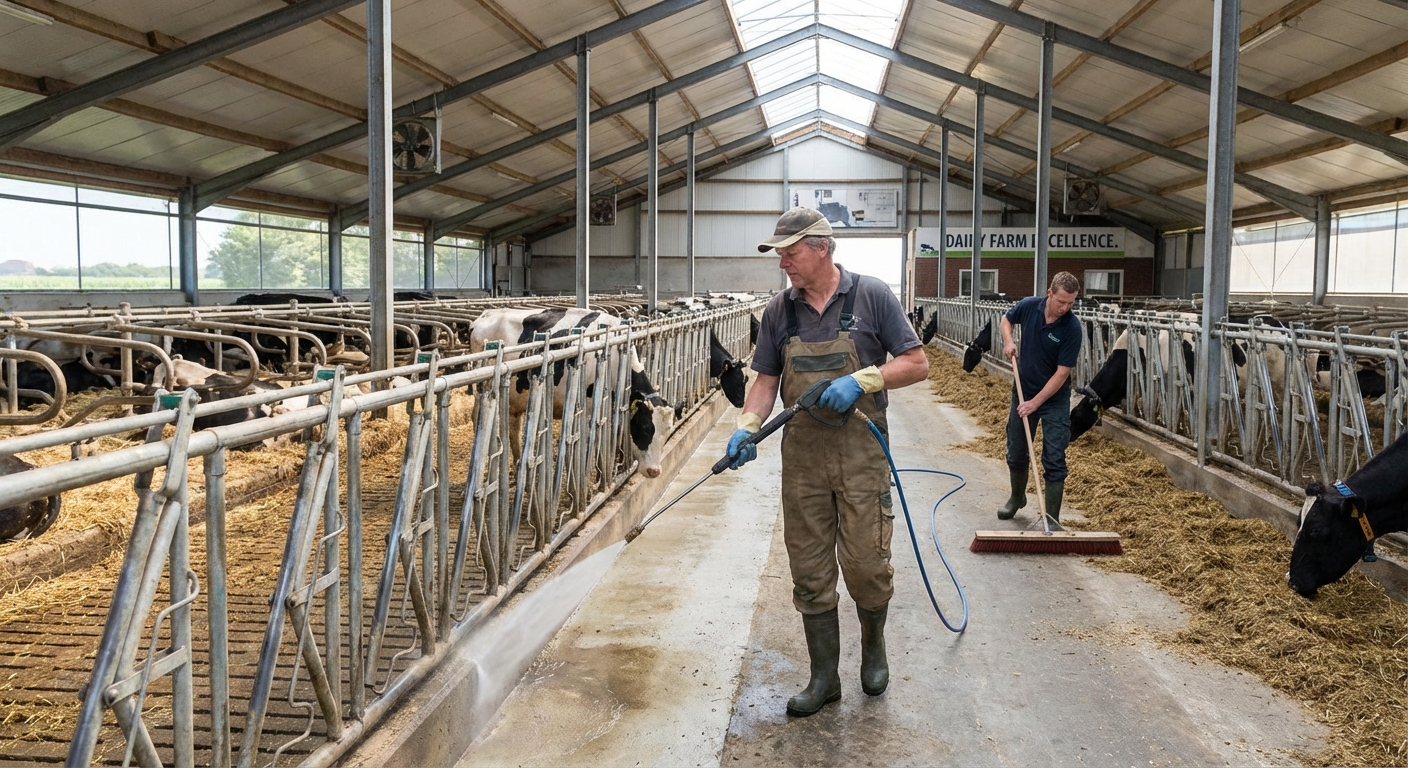
Maintaining a modern cow shed requires a strict cleaning schedule and regular inspections of the structural components and hardware. You need to keep the floor surfaces dry and clean to prevent hoof problems and maintain high milk quality standards. Regularly checking your ventilation fans and automated systems ensures that your facility continues to operate at peak efficiency without unexpected breakdowns.
What are the daily maintenance tasks?
Here is the kicker: small hygiene mistakes can lead to major outbreaks of mastitis or other infections. You must establish a routine that keeps the bedding fresh and the manure alleys clear of standing waste.
- Daily alley scraping.
- Weekly fan blade cleaning.
- Monthly bolt tightening.
- Annual roof inspections.
Key Takeaway: Proactive maintenance extends the life of your building and keeps your herd healthy.
| Task Frequency | Focus Area | |
|---|---|---|
| Daily | Manure management | |
| Monthly | Electrical/Mech check | |
| Yearly | Structural integrity |
Following a consistent maintenance plan protects your investment and ensures the safety of your livestock.
Which tech upgrades improve your Cow Shed?
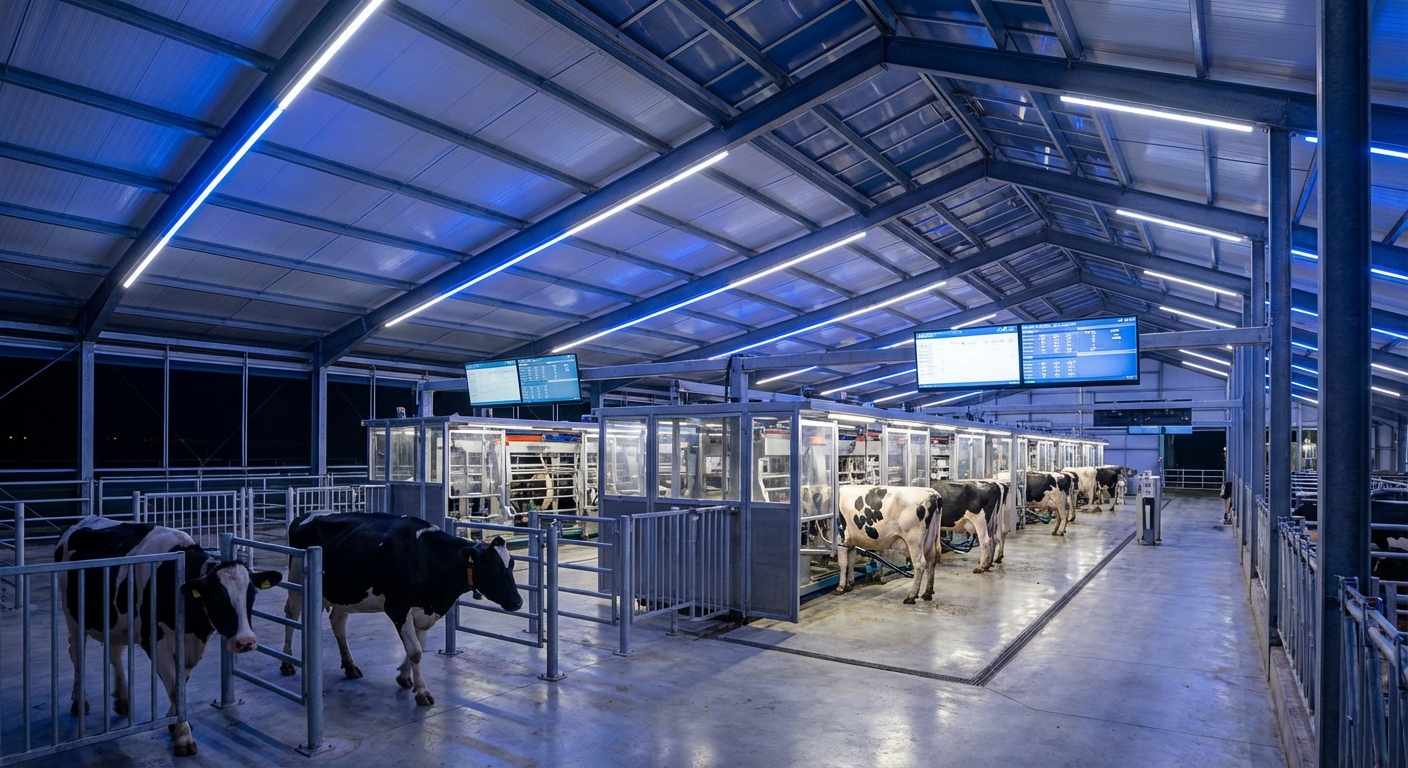
Technology upgrades like automated feeding systems and climate sensors significantly improve the performance of your Cow Shed . You can now use data-driven insights to monitor individual animal health and adjust environmental settings in real-time. These smart systems reduce the need for manual labor while ensuring that your cows receive the exact nutrition and cooling they need.
Are robotic milkers worth it?
But wait, there is more: robotics can transform your lifestyle by eliminating the 4 AM milking shift. While the cost is higher, you gain incredible amounts of data on milk quality and cow behavior that traditional systems miss.
- Real-time health monitoring.
- Precision feeding dispensers.
- Automated light dimming.
- Manure vacuum robots.
Key Takeaway: Modern technology allows for “precision farming,” which maximizes efficiency and reduces waste.
| Technology | ROI Impact | |
|---|---|---|
| Smart Sensors | Early disease detection | |
| Auto-Scrapers | Reduced labor hours | |
| LED Lighting | Improved cow fertility |
Integrating tech into your cow shed for dairy farm operations provides a competitive edge in a demanding market.
How to build a Cow Shed that lasts for decades?
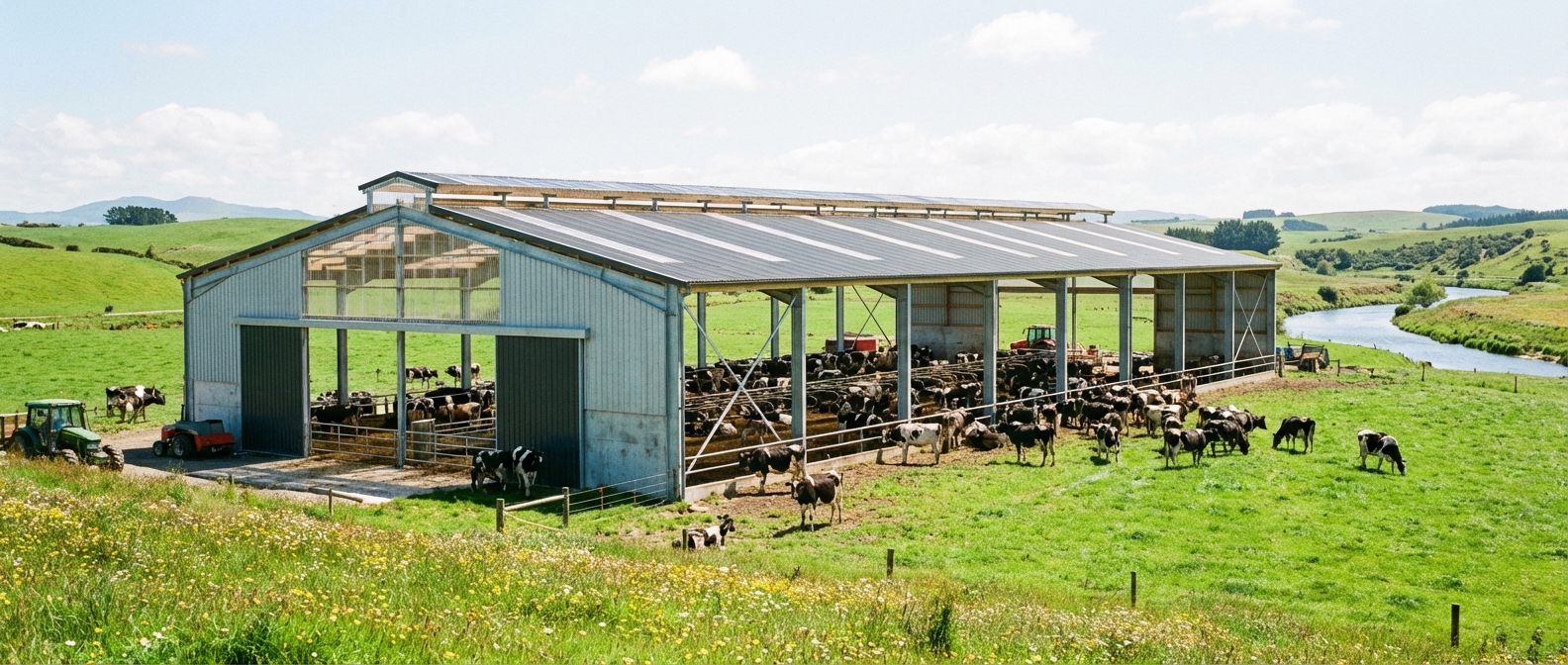
To build a cow shed that lasts for decades, you must start with a solid foundation and use high-quality, corrosion-resistant materials throughout the structure. You should work with experienced engineers who understand the specific stresses agricultural buildings face, such as heavy snow loads and internal humidity. Proper site drainage is also critical to ensure that water never pools around the base of your building.
What are the final construction steps?
Think about it: the quality of the finish determines how well the building stands up to the elements. You must ensure that all joints are sealed and that the roofing is properly fastened to prevent leaks during heavy storms.
- Precision anchor bolt setting.
- Rigid frame alignment.
- Quality insulation installation.
- Internal equipment mounting.
Key Takeaway: Professional construction oversight ensures that your cattle housing is safe, durable, and fully functional.
| Step | Importance | |
|---|---|---|
| Site Prep | Prevents settling | |
| Framing | Ensures stability | |
| Finishing | Weatherproofing |
A well-constructed steel cow shed building becomes a legacy asset for your farm’s future generations.
Conclusion
Building a modern cattle housing facility is a strategic move that solves the common problems of poor animal health, high labor costs, and weather-related production drops. By integrating smart design with durable steel materials, you create an environment where your herd can thrive and your business can grow. At Showhoo Building, our vision is to empower farmers with one-stop prefab steel solutions that combine efficiency with affordability. If you are ready to transform your operation with a world-class facility, contact us today to start your custom design.
Frequently Asked Questions
Can I customize the dimensions of my Cow Shed?
Yes, you can absolutely customize every dimension to fit your specific herd size and site constraints. Modern prefab steel systems are designed for flexibility, allowing you to choose the exact width, length, and eave height your operation requires.
What’s the best roofing material for a cattle shed?
The best roofing is typically insulated steel panels with a high-quality anti-condensation coating. This combination protects your cows from extreme heat while preventing moisture from dripping onto the bedding and increasing disease risk.
How do I know if my Cow Shed has enough ventilation?
You can tell your ventilation is sufficient if there is no lingering smell of ammonia and your cows are not panting during the warm hours of the day. If you notice damp walls or respiratory issues in your herd, it is time to upgrade your airflow systems.
Can I expand my steel Cow Shed in the future?
Yes, steel structures are inherently modular and much easier to expand than traditional wood or concrete buildings. You can simply add additional bays to the end of your existing structure as your herd grows.
What’s the best way to manage manure in a modern shed?
The best method is an automated scraper or flush system integrated into the floor design. These systems keep the alleys clean throughout the day, significantly reducing labor and improving overall hoof health and hygiene.