
Starting a cow farm requires a strategic combination of land acquisition, financial planning, breed selection, and the construction of durable infrastructure. Many aspiring agriculturalists enter the industry with romanticized visions, only to realize that a lack of preparation leads to immediate operational friction. Without a clear blueprint, you risk facing catastrophic financial losses due to poor herd health, inadequate housing, or inefficient land management. This guide serves as your professional roadmap, ensuring you understand the complexities of types of cattle farming and how to transform a plot of land into a profitable, sustainable enterprise.
Are you ready for the commitment of types of cattle farming?
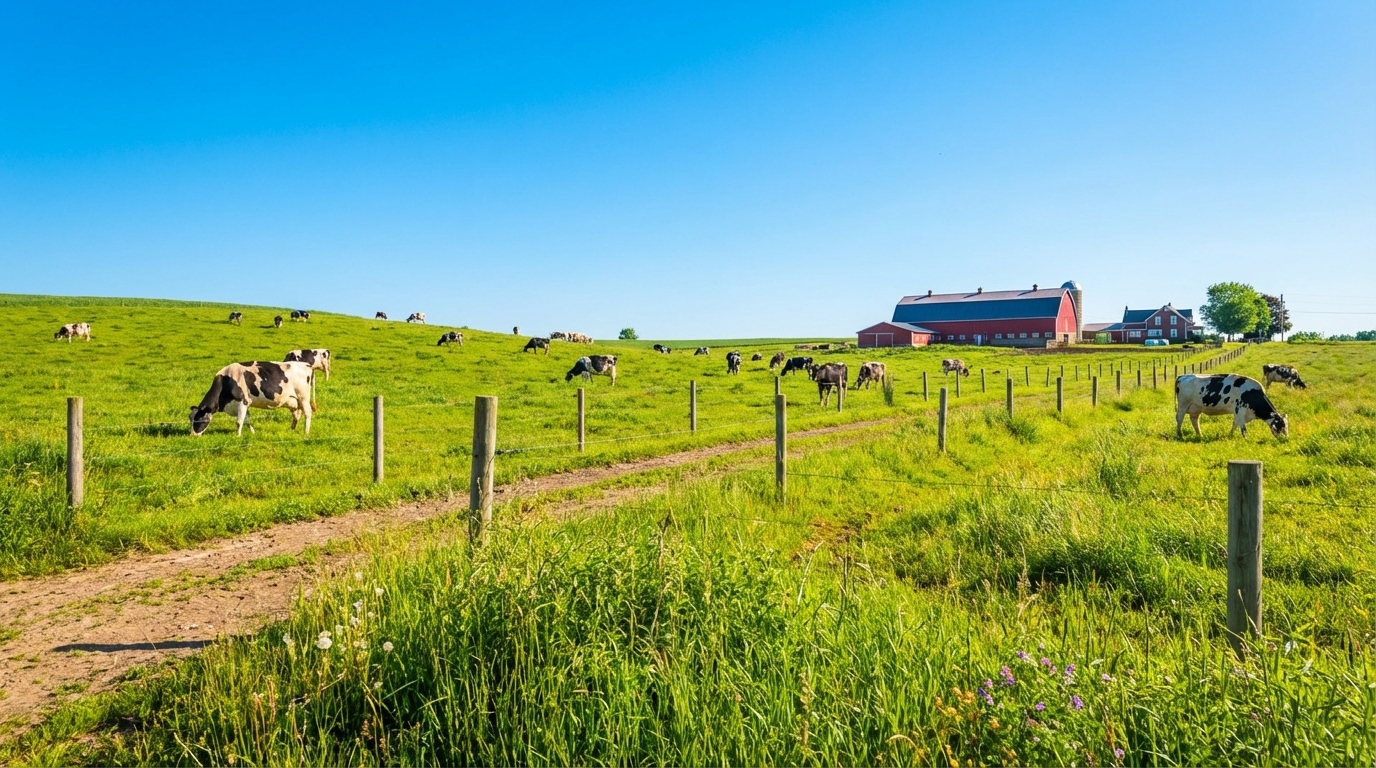
To succeed, you must be prepared for a 365-day-a-year lifestyle that prioritizes animal welfare and operational maintenance above personal leisure. Understanding the different types of cattle farming is essential before you commit your time and capital to this demanding industry.
Is cattle farming a permanent lifestyle choice?
Raising livestock is a permanent commitment that demands attention every single day of the year. Unlike seasonal crops, cattle require constant monitoring for nutrition, water access, and physical safety. This means vacations and weekends off are rare for the independent operator.
What skills are needed for these operations?
Success in this field requires a blend of physical stamina and technical aptitude. You must be prepared to handle everything from emergency veterinary needs to repairing heavy infrastructure.
But here’s the kicker:
- Mechanical Knowledge: For maintaining tractors and feeding systems.
- Biological Insight: To monitor herd health and reproductive cycles.
- Business Management: For tracking market fluctuations and overhead.
Key TakeawayYou benefit from a clear understanding of the labor-intensive nature of farming, ensuring your lifestyle aligns with the herd’s needs.
| Requirement | Description | |
|---|---|---|
| Time Commitment | 24/7/365 monitoring | |
| Skill Set | Technical, biological, and physical | |
| Asset Type | Living capital requiring daily care |
This table outlines the fundamental lifestyle adjustments necessary to maintain a productive agricultural operation.
How do you research the best types of cattle farming?
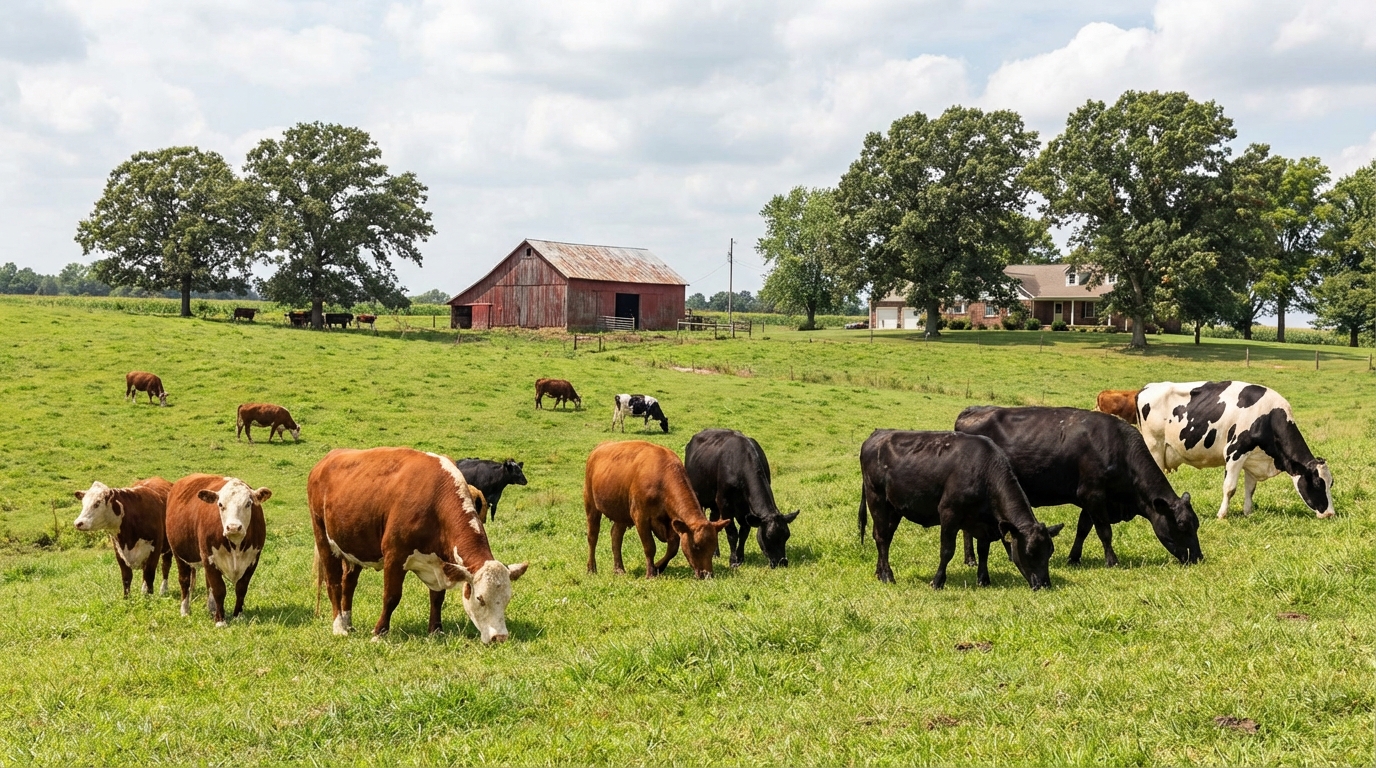
You research by consulting with local agricultural experts and analyzing regional market demand for specific beef or dairy outputs. Developing a deep knowledge of the local types of cattle farming ensures you select a niche that is economically viable in your specific geography.
Who should you consult before buying cows?
Engagement with the local agricultural community is your most valuable research tool. Consulting with experienced ranchers and specialized livestock veterinarians provides insights into regional challenges.
Wait, there’s more:
- Local Extension Offices: For soil and forage data.
- Breed Associations: For genetic performance standards.
- Auction Houses: To understand current market pricing.
Where can you find reliable market data?
Joining regional agricultural associations can provide a wealth of data regarding market trends. These organizations often publish reports on feed costs and regional demand for various livestock products.
Key TakeawayYou benefit from evidence-based decision-making that reduces the risk of entering a saturated or unprofitable market niche.
| Research Source | Primary Benefit | |
|---|---|---|
| Local Ranchers | Real-world regional insights | |
| Veterinarians | Health and disease risk profiles | |
| Market Reports | Economic forecasting and pricing |
This summary highlights the critical stakeholders you should engage with to build a robust business foundation.
Which types of cattle farming offer the highest profit?
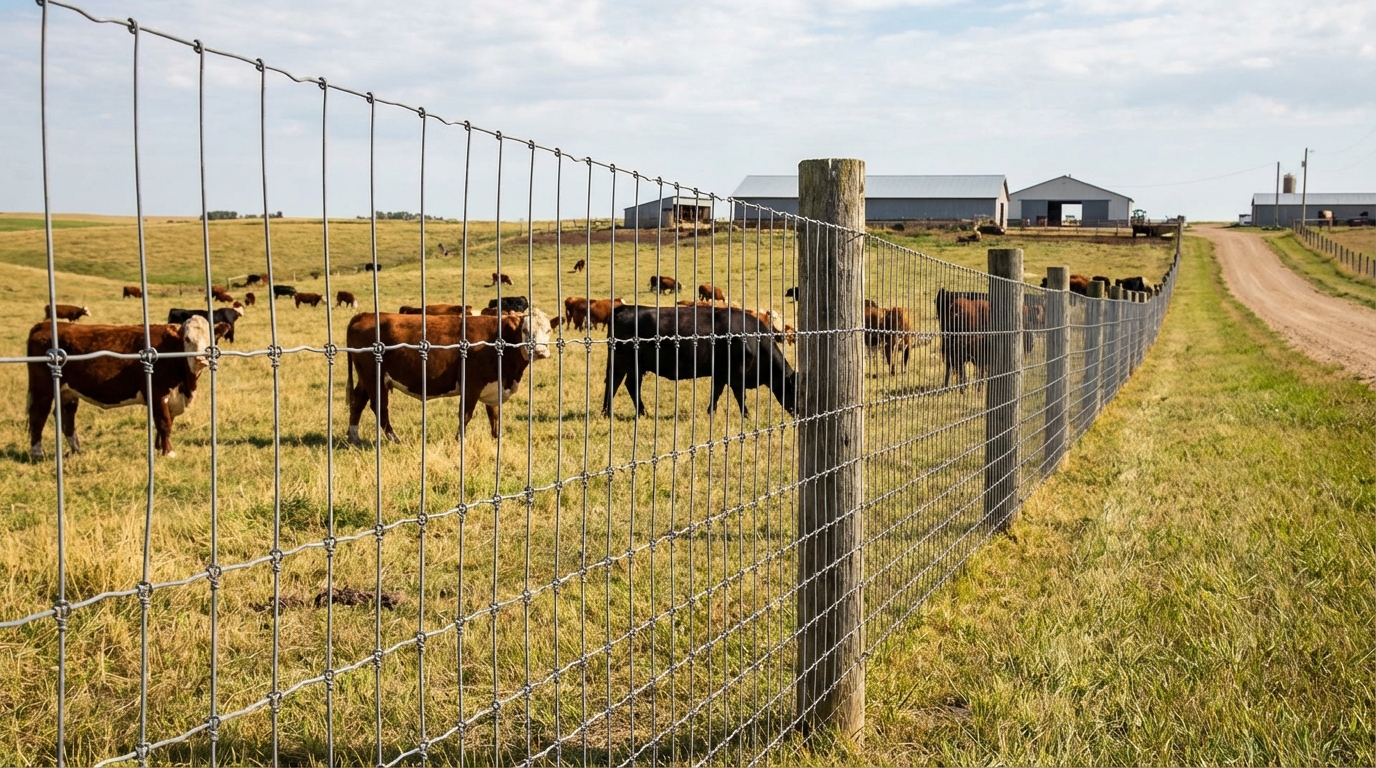
Profitability depends on your ability to minimize overhead costs while maximizing the market value of your specific livestock output. When evaluating types of cattle farming , you must prioritize long-term asset protection and efficient resource allocation.
How do you calculate initial startup costs?
Creating a comprehensive budget is the first step toward achieving a positive return on investment. You must account for the purchase price of animals, land acquisition, and initial infrastructure.
Keep this in mind:
- Animal Acquisition: Cost per head based on genetics.
- Infrastructure: Fencing, sheds, and water systems.
- Licensing: Legal fees and operational permits.
What are the ongoing expenses to monitor?
Operating costs include high-quality feed, routine veterinary care, and utility costs. Profitability hinges on managing these “per-head” costs against the eventual market price of your product.
Key TakeawayYou benefit from a disciplined financial approach that prevents over-leveraging during the critical first years of operation.
| Expense Category | Startup Impact | Ongoing Impact | |
|---|---|---|---|
| Infrastructure | High | Low (Maintenance) | |
| Feed & Forage | Low | High (Seasonal) | |
| Veterinary | Moderate | Moderate (Routine) |
Careful monitoring of these financial buckets ensures your operation remains solvent during market volatility.
How do you choose breeds for types of cattle farming?
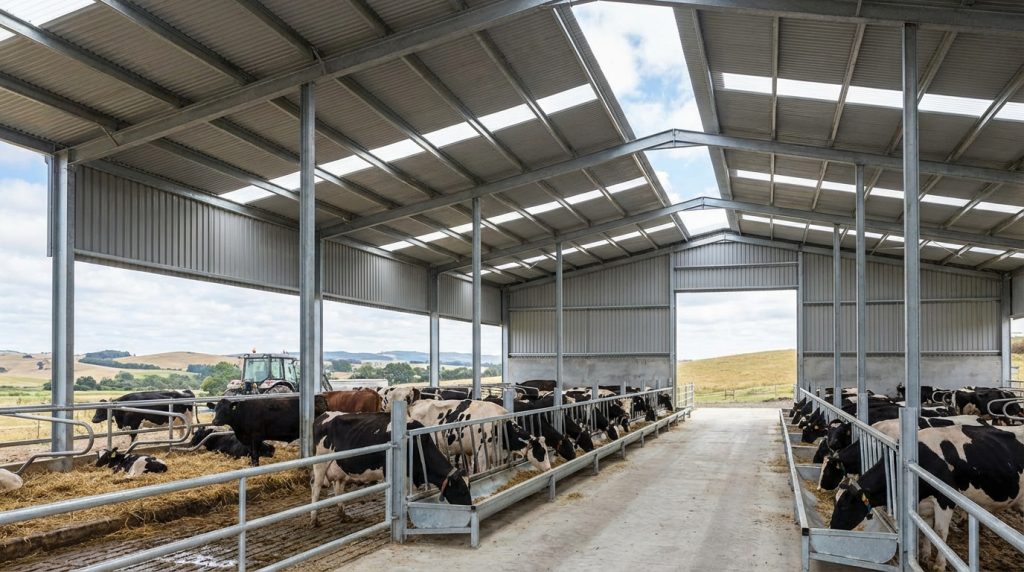
Choose breeds based on their environmental hardiness, growth rates, and alignment with your specific production goals. Selecting the right types of cattle farming for your climate ensures your herd thrives without excessive supplemental intervention.
Why does local climate matter for breeds?
Selecting a breed naturally adapted to your local temperature and humidity is essential for herd health. Cattle well-suited to their environment exhibit higher growth rates and lower stress-related health issues.
Believe it or not:
- Heat Tolerance: Essential for southern climates (e.g., Brahman).
- Cold Hardiness: Critical for northern regions (e.g., Hereford).
- Forage Efficiency: Breeds that thrive on native grasses.
Should you focus on beef or dairy?
Your business model dictates your breed choice between beef and dairy production. Beef operations often focus on meat quality, while dairy operations prioritize milk volume and butterfat content.
Key TakeawayYou benefit from a herd that requires less medical intervention and maintains higher productivity due to environmental compatibility.
| Breed Goal | Example Breeds | Key Advantage | |
|---|---|---|---|
| Beef Production | Angus, Hereford | High meat yield | |
| Dairy Production | Holstein, Jersey | High milk volume | |
| Dual-Purpose | Simmental | Versatile market options |
Selecting the correct breed type ensures your genetic investment matches your facility’s production capabilities.
Can your land support all types of cattle farming?
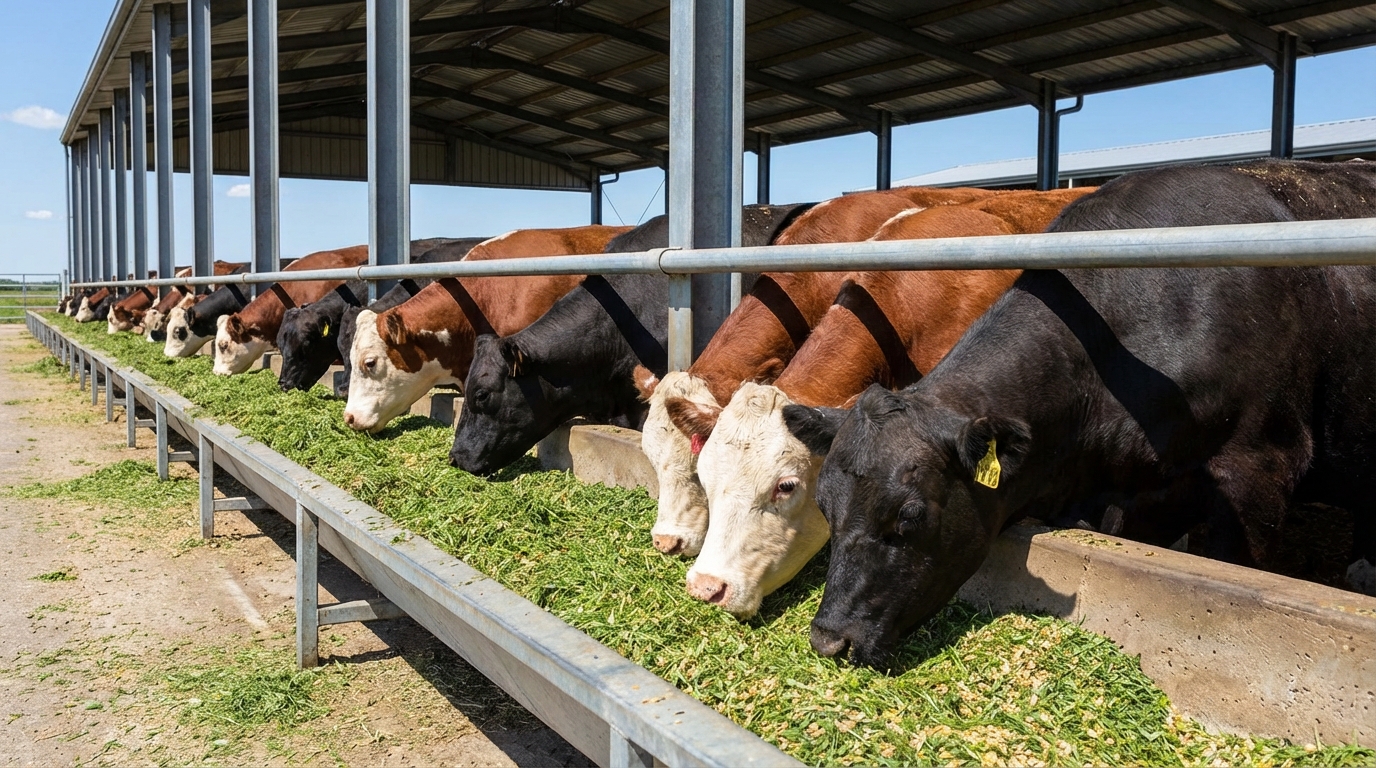
Your land’s capacity is determined by its soil quality, water availability, and the total acreage available for sustainable grazing. When designing facilities for types of cattle farming , you must ensure the terrain can support the physical weight and waste of the herd.
How do you determine stocking rates?
The stocking rate—the number of animals the land can support—is critical for preventing overgrazing. Overgrazing leads to long-term pasture damage and increased reliance on expensive supplemental feed.
But here’s the catch:
- Soil Quality: Impacts forage growth rates.
- Water Access: Must be available within a short walk.
- Topography: Slopes impact animal movement and erosion.
What water infrastructure is necessary?
A reliable water system is the most critical component of any livestock operation. You need a mix of natural sources and mechanical troughs to ensure the herd stays hydrated in all seasons.
Key TakeawayYou benefit from a preserved land ecosystem that provides natural nutrition for your herd year after year.
| Land Factor | Impact on Farming | Requirement | |
|---|---|---|---|
| Forage Quality | Nutritional intake | Regular soil testing | |
| Water Supply | Herd survival | Redundant systems | |
| Soil Drainage | Foot health | Proper site grading |
This table emphasizes the importance of land stewardship in maintaining a healthy and productive livestock environment.
What equipment is needed for types of cattle farming?
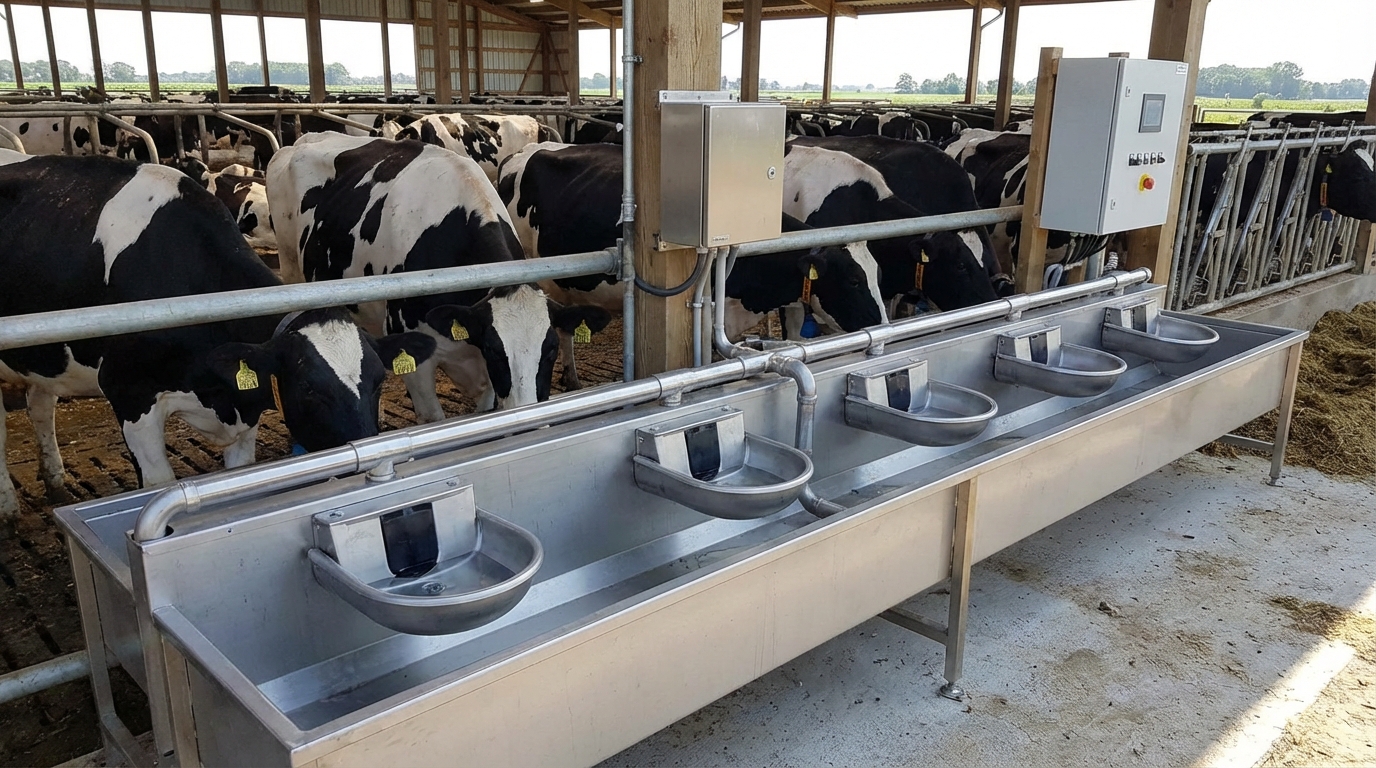
Essential equipment includes heavy-duty fencing, automated feeding systems, and specialized machinery for efficient pasture management. Modern types of cattle farming rely heavily on mechanized tools to reduce labor costs and increase animal safety.
What tools are required for daily chores?
Every farm needs reliable fencing tools, feed bunks, and water troughs. Maintaining these tools ensures that daily chores remain efficient and do not compromise animal containment.
Check this out:
- Handling Equipment: Chutes and pens for safe movement.
- Storage Units: For keeping feed dry and pest-free.
- Sanitation Tools: For manure management and stall cleaning.
Do you need heavy machinery like tractors?
Depending on the scale of your operation, machinery for moving large feed loads or clearing snow may be necessary. For beginners, purchasing multi-purpose equipment often provides the best long-term return.
Key TakeawayYou benefit from increased operational efficiency, allowing one person to manage a larger herd with less physical strain.
| Equipment Type | Primary Function | Necessity | |
|---|---|---|---|
| Fencing | Containment and safety | High | |
| Feeding Bunks | Nutritional delivery | High | |
| Tractor | Material handling | Moderate to High |
Investing in durable, high-quality equipment reduces downtime and expensive emergency repairs.
Do health routines vary across types of cattle farming?
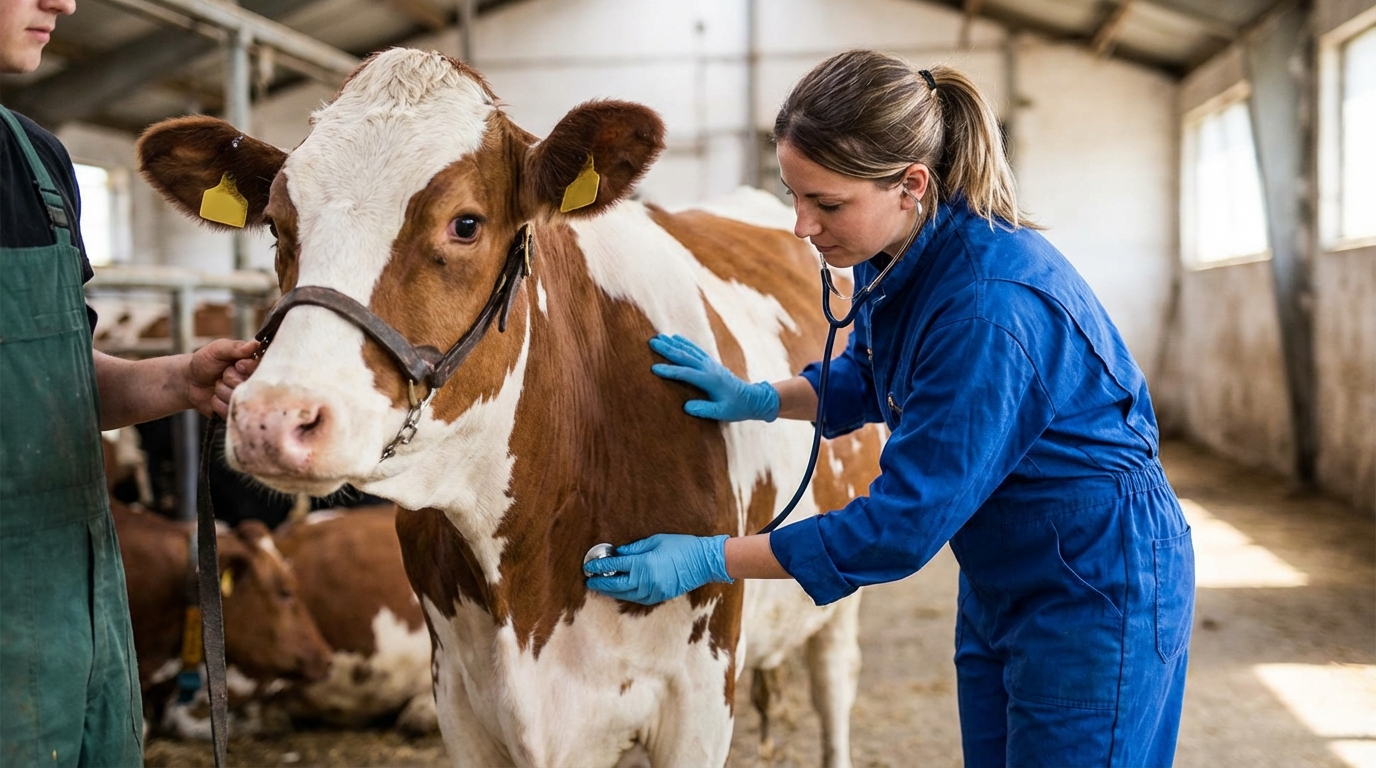
While basic protocols remain similar, health routines must be tailored to the specific density and production stress of your chosen livestock. Reviewing a case study of successful farms can help you understand how different types of cattle farming manage disease prevention.
What vaccinations are standard for cows?
Preventative care is the most cost-effective health strategy for any livestock operation. Standard protocols typically include vaccinations for respiratory diseases and clostridial infections.
It gets better:
- Deworming: Routine parasite management.
- Fly Control: Reducing stress and disease transmission.
- Mineral Blocks: Ensuring balanced trace nutrition.
How do you spot early signs of illness?
Effective management involves “walking the herd” daily to check for signs of lethargy or changes in eating habits. Early detection of illness can prevent a localized issue from becoming a herd-wide crisis.
Key TakeawayYou benefit from lower mortality rates and higher growth performance by investing in preventative veterinary care.
| Health Metric | Warning Sign | Action Step | |
|---|---|---|---|
| Appetite | Refusal to eat | Isolate and monitor | |
| Mobility | Lameness or limping | Foot inspection | |
| Behavior | Isolation from herd | Veterinary consult |
A proactive health routine is the most effective way to protect your financial investment in livestock.
How does machinery impact types of cattle farming?
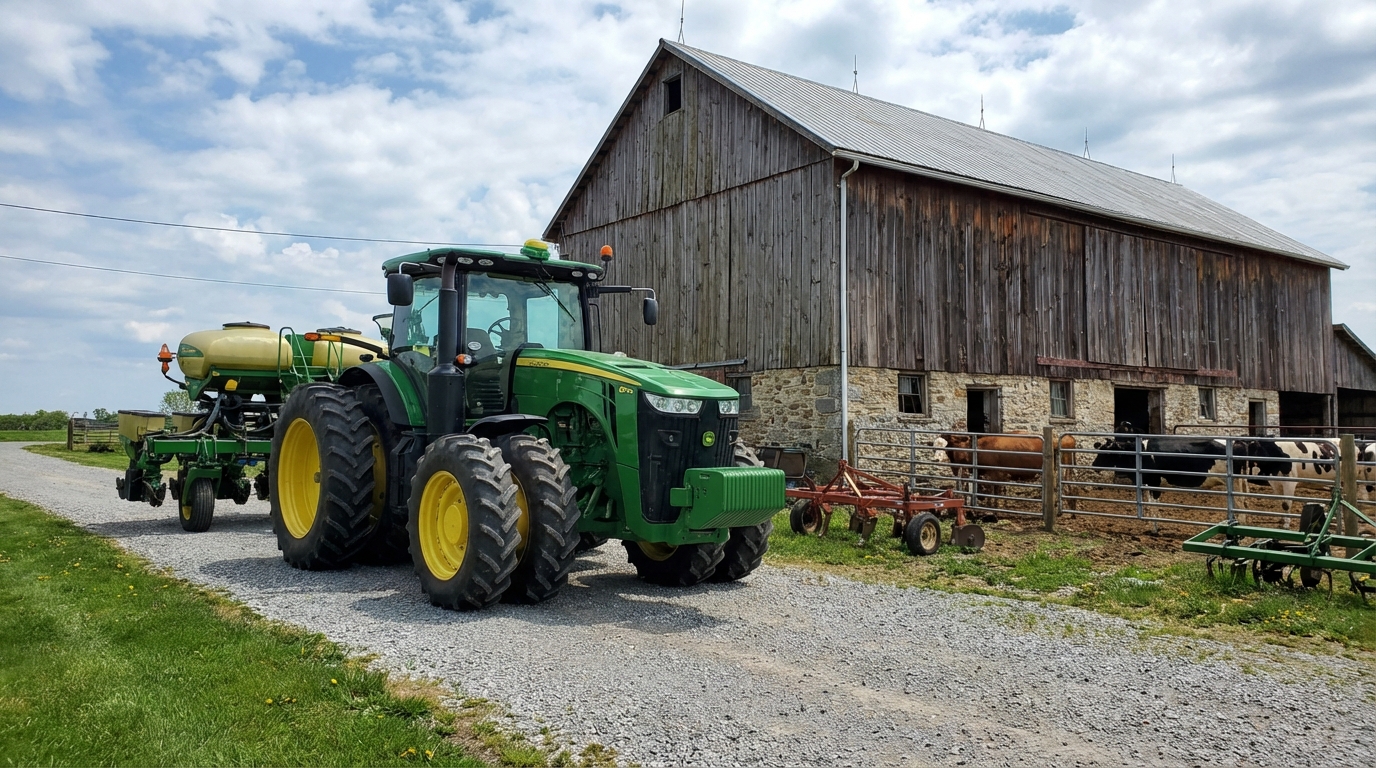
Modern machinery increases operational efficiency and allows you to scale your farming activities without a proportional increase in manual labor. In all types of cattle farming, the integration of technology reduces the time spent on repetitive tasks.
Which machines offer the best ROI?
A multi-purpose tractor with a front-end loader is often the most valuable piece of machinery for a new farm. It allows for efficient movement of hay, manure, and structural materials.
The bottom line is:
- Hay Balers: For independent winter feed production.
- Spreaders: For natural pasture fertilization.
- Post-Hole Diggers: For rapid fencing expansion.
How do you maintain expensive machinery?
Routine maintenance schedules are essential to prevent costly breakdowns during critical periods like hay season. Keeping equipment under cover in durable steel structures extends its service life significantly.
Key TakeawayYou benefit from a more scalable business model where technology handles the most physically demanding tasks.
| Machine | Key Utility | Priority | |
|---|---|---|---|
| Loader Tractor | General lifting and moving | Essential | |
| Mower | Pasture maintenance | High | |
| UTV/ATV | Herd checking and transport | Moderate |
Proper machinery selection allows you to focus on high-level management rather than manual labor.
Why is housing critical for types of cattle farming?

Quality housing protects your investment from extreme weather, reduces disease transmission, and provides a controlled environment for feeding. Learning about specialized steel structures is vital for modern types of cattle farming that require low-maintenance shelter.
Why are steel structures superior?
Prefabricated steel buildings offer unmatched durability and resistance to harsh weather conditions. Unlike wood, steel is non-combustible and resistant to rot, providing a long-term solution for animal confinement.
Wait, there’s more:
- Clear Spans: No internal columns to obstruct movement.
- Ventilation: Customizable for optimal airflow.
- Speed: Faster to erect than traditional timber.
How does ventilation impact cow health?
Proper airflow manages humidity and ammonia levels, which is critical for preventing respiratory issues. A well-ventilated shed reduces heat stress, directly correlating to higher milk yields and growth.
Key TakeawayYou benefit from reduced veterinary costs and higher animal comfort, which translates into better production quality.
| Feature | Benefit to Herd | Financial Impact | |
|---|---|---|---|
| Steel Roof | Weather protection | Reduced stress | |
| Open Sidewalls | Natural ventilation | Lower disease risk | |
| Concrete Floors | Easy cleaning | Improved sanitation |
Durable housing is not just a shelter; it is a management tool that optimizes animal performance.
How do you market products from types of cattle farming?
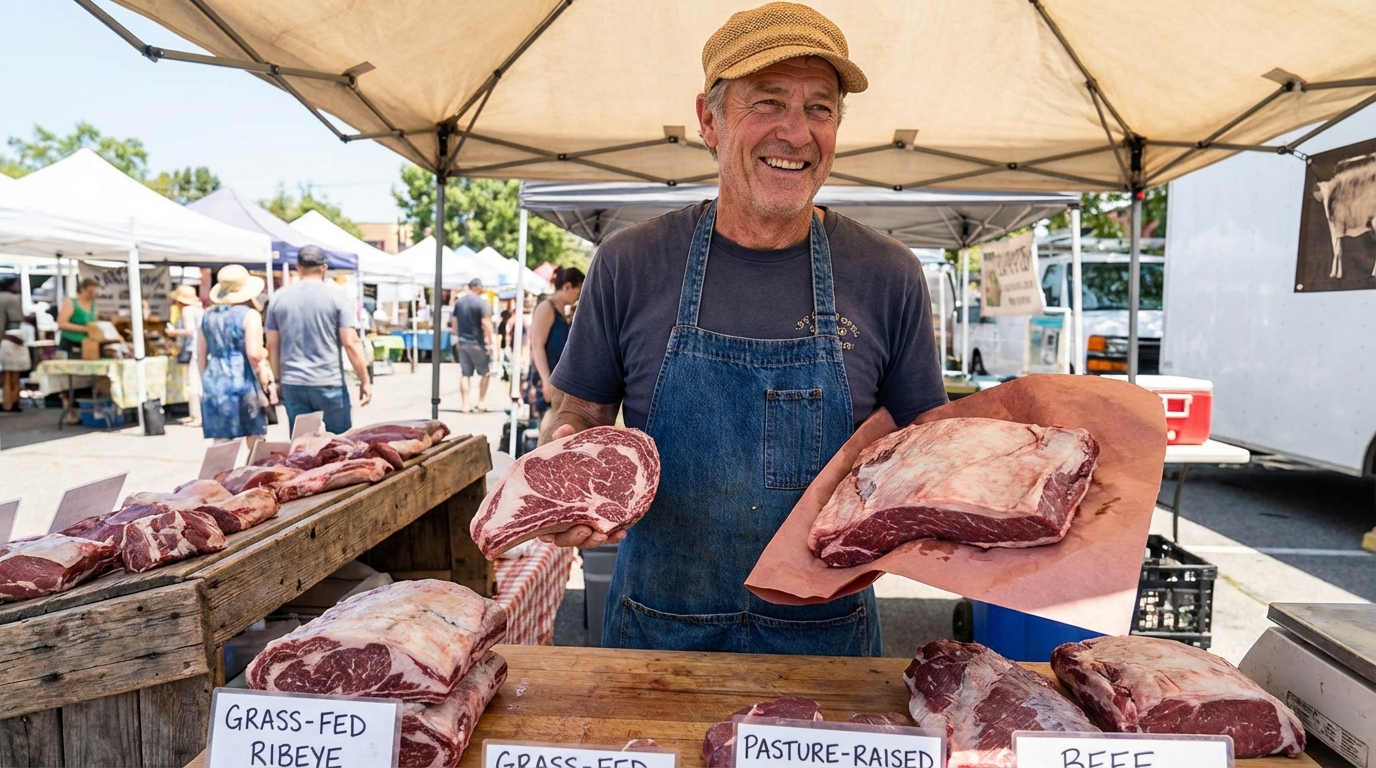
Effective marketing involves identifying your target audience and highlighting the quality and traceability of your livestock products. In various types of cattle farming, your brand is built on the consistency and health of the animals you raise.
Where can you sell your livestock?
You have several options ranging from local livestock auctions to direct-to-consumer sales. Direct marketing often yields higher margins but requires more time spent on customer relations.
But here’s the kicker:
- Local Auctions: Immediate liquidity and sales.
- Farm Stands: Maximum profit per pound.
- Wholesale: Large volume, lower management.
How do you build a local farm brand?
Focus on transparency regarding your farming practices and the quality of your animal care. Customers today are willing to pay a premium for meat and dairy products that are sustainably raised.
Key TakeawayYou benefit from higher profit margins by cutting out middlemen and building a loyal customer base in your community.
| Market Channel | Labor Intensity | Profit Margin | |
|---|---|---|---|
| Livestock Auction | Low | Moderate | |
| Direct-to-Consumer | High | High | |
| Local Grocery | Moderate | Moderate |
Diversifying your sales channels ensures a stable income even when one market segment fluctuates.
Conclusion
Starting a cattle farm is an intensive journey that rewards those who combine biological care with structural efficiency. By researching the best types of farming for your land, investing in durable steel infrastructure, and maintaining strict health protocols, you can overcome the common pitfalls that lead to agricultural failure. We are here to help you design the perfect environment for your herd— contact us today to discuss your custom building needs.
We have addressed the critical challenges of breed selection, land management, and housing to ensure your venture is built on a solid foundation. Our stance is clear: durable, well-ventilated infrastructure is the backbone of every successful and profitable cattle operation.
FAQ
Can I start a cow farm on just five acres?Yes, but you must strictly manage your stocking rates and supplement with purchased feed. Five acres is generally enough for 2–4 head of cattle depending on the quality of your forage and local rainfall.
What’s the best way to prevent herd disease?Proactive vaccination and clean housing are the best defenses. Maintaining a well-ventilated steel structure and rotating your pastures will significantly reduce the risk of respiratory and parasitic infections.
How do I know if my land is overgrazed?Observe the height of the grass and the presence of bare soil patches. If the forage is consistently shorter than three inches, you need to rotate the herd or reduce the number of animals on that acreage.
Can I manage a cattle farm while working a full-time job?Yes, if you invest in automated systems and have a reliable emergency contact. You will need to dedicate your mornings, evenings, and weekends to heavy maintenance and herd monitoring.
What’s the best breed for a beginner?Angus or Hereford are generally the best choices due to their docile nature and marketability. These breeds are hardy, easy to manage, and have a high demand in both auction and direct-to-consumer markets.