
Starting a profitable cattle farm requires a blend of strategic land management, high-quality infrastructure, and data-driven herd care. Many aspiring ranchers dream of open pastures but soon find themselves overwhelmed by the high upfront costs and complex operational demands. This financial pressure can turn a passion project into a liability if you don’t have a clear roadmap. To ensure your success, you must master the fundamentals of how to start a cattle farm by integrating modern housing solutions and efficient management practices from day one.
Are you ready for how to start a cattle farm today?
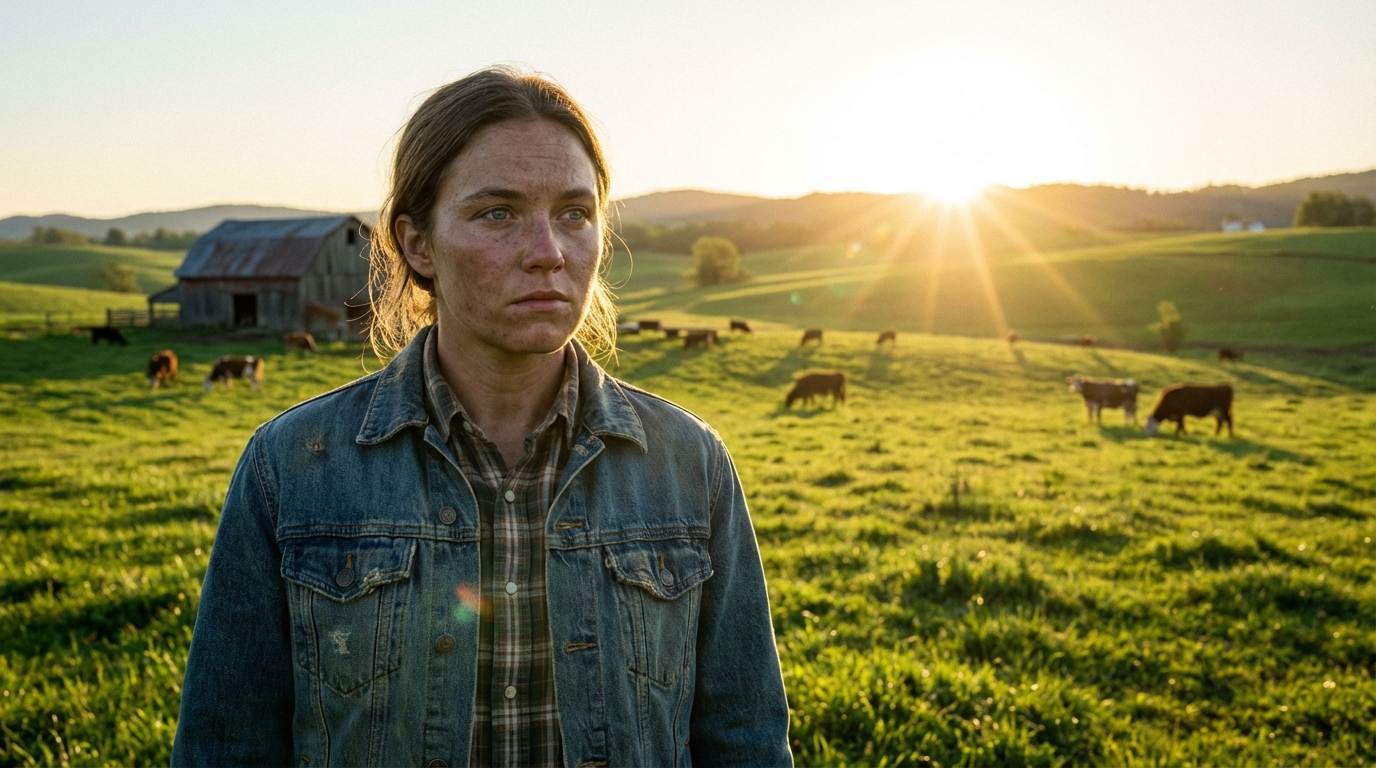
You are ready if you have secured sufficient capital and a long-term commitment to livestock welfare. Mastering how to start a cattle farm begins with an honest audit of your financial reserves and physical stamina. You must be prepared for 24/7 labor and unpredictable market shifts. Early preparation ensures you don’t face bankruptcy before the first calving season.
Assessing your personal and financial readiness
Starting a farm is a significant lifestyle change that demands constant attention and resilience. You need to verify that your current debt-to-income ratio allows for high-interest agricultural loans.
Think about this.
Most successful beginners spend at least six months researching local zoning laws and tax incentives.
- Calculate total startup capital.
- Check local agricultural regulations.
- Review personal time availability.
Choosing between beef and dairy operations
Beef operations require less daily labor while dairy farms offer more consistent cash flow but higher infrastructure costs. You must evaluate which model fits your local climate and personal lifestyle preferences.
The best part?
You can start small with a few head of cattle and scale as your experience grows.
Key Takeaway: Choosing the right operation type dictates your initial capital needs and daily schedule.
| Factor | Beef Farming | Dairy Farming | |
|---|---|---|---|
| Labor Intensity | Moderate | High | |
| Initial Cost | Low-Moderate | High | |
| Revenue Model | Annual/Seasonal | Daily/Weekly |
Analysis: Market research shows that beef operations are often more accessible for beginners due to lower daily technical requirements.
Why create a plan for how to start a cattle farm?
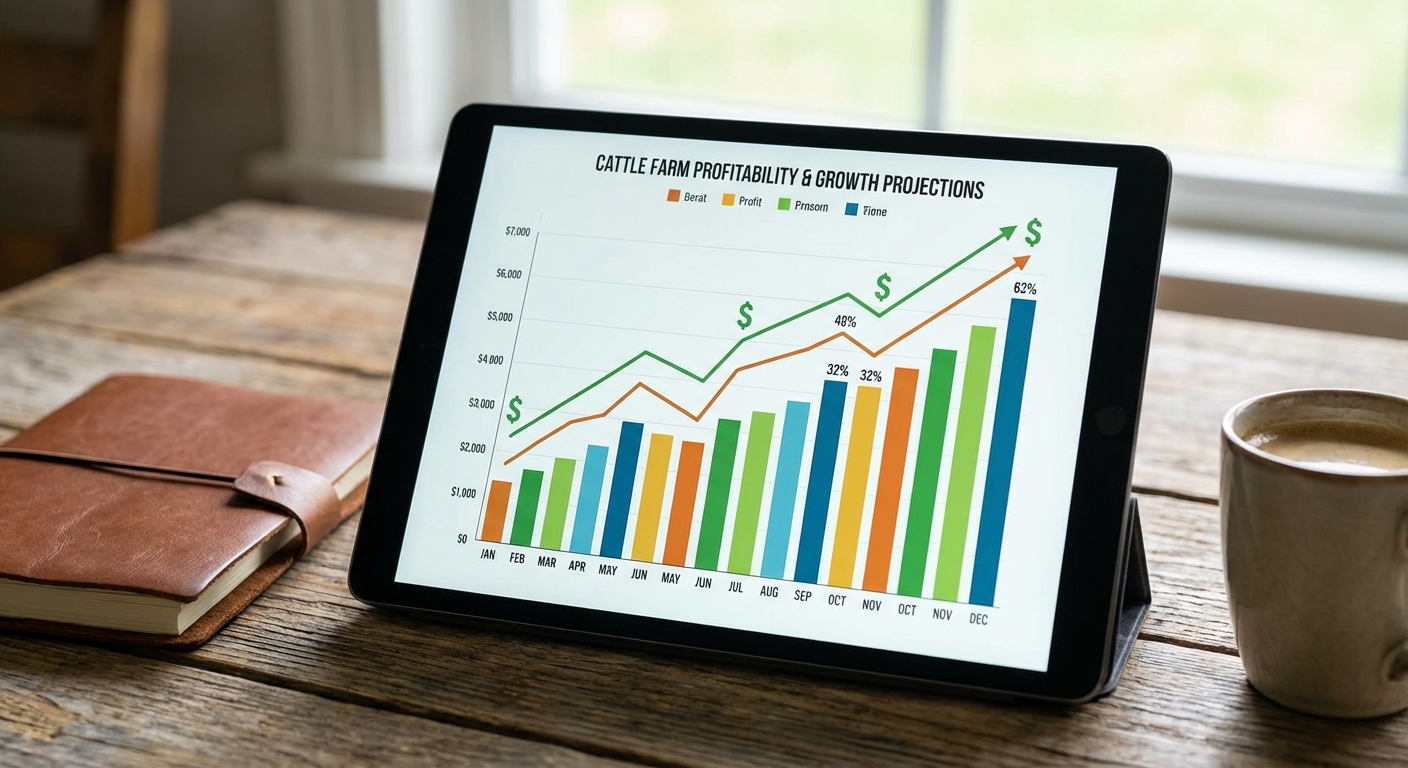
A business plan is essential to secure financing and minimize operational risks during your first year. Developing a strategy for how to start a cattle farm allows you to forecast expenses like feed, veterinary care, and labor. Without this roadmap, you risk running out of liquidity before your first sale. Professional planning transforms a hobby into a scalable commercial enterprise.
Drafting a roadmap for long-term ROI
Your roadmap should detail your target market, whether you are selling at auction or direct-to-consumer. This document serves as a guide for when to expand your herd or upgrade equipment.
Here is the kicker.
A well-documented plan increases your chances of securing government grants by over 40%.
- Define five-year growth targets.
- Identify primary sales channels.
- List equipment depreciation schedules.
Using data to secure agricultural financing
Lenders require hard data on your projected profit margins and risk mitigation strategies. You must provide clear evidence of how you will handle feed price spikes or disease outbreaks.
It gets better.
Modern digital tools can generate these reports automatically to impress potential investors.
Key Takeaway: Financial data is the most important asset when seeking external funding for your ranch.
| Item | Importance | Impact | |
|---|---|---|---|
| Cash Flow Projections | High | Loan Approval | |
| Risk Assessment | Medium | Interest Rates | |
| Market Analysis | Medium | Scalability |
Analysis: Data-driven planning reduces the uncertainty that typically scares away traditional banking institutions.
What land is best for how to start a cattle farm?
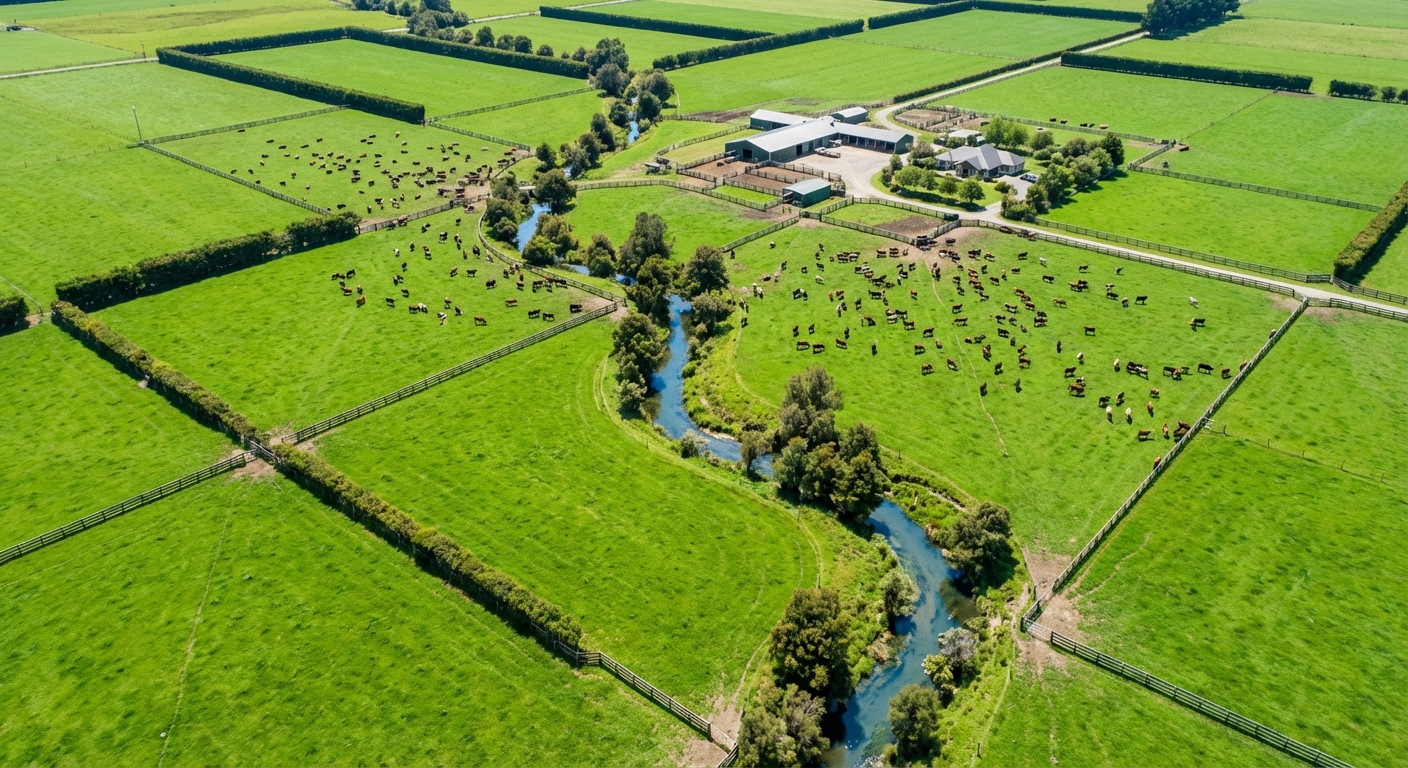
The best land features high-quality soil, abundant natural water sources, and a climate suited for your chosen breed. Researching how to start a cattle farm on specific terrain involves testing the nutrient levels of your pastures. You need enough acreage to prevent overgrazing, which can destroy the long-term value of your property. Sustainable land use is the bedrock of a profitable operation.
Evaluating soil quality and water availability
Productive soil produces the nutrient-dense forage required for rapid weight gain in livestock. You must ensure that natural streams are protected from contamination to maintain herd health.
The best part?
Soil tests are relatively inexpensive but can save thousands in fertilizer costs later.
- Test nitrogen and pH levels.
- Map natural drainage patterns.
- Check well-water flow rates.
Climate considerations for sustainable grazing
Your local weather patterns determine how many months of the year your cattle can graze outdoors. You must plan for supplemental feeding during extreme winters or droughts to keep the herd healthy.
Think about this.
Grazing management dictates your stocking density, which is the number of animals per acre.
Key Takeaway: Sustainable land management protects your primary asset and ensures long-term forage availability.
| Resource | Critical Need | Replacement Cost | |
|---|---|---|---|
| Pasture Soil | High | Very High | |
| Clean Water | Vital | High | |
| Perimeter Fencing | Essential | Moderate |
Analysis: Protecting your land through rotational grazing prevents soil erosion and maintains high-quality forage throughout the seasons.
Which tech optimizes how to start a cattle farm?
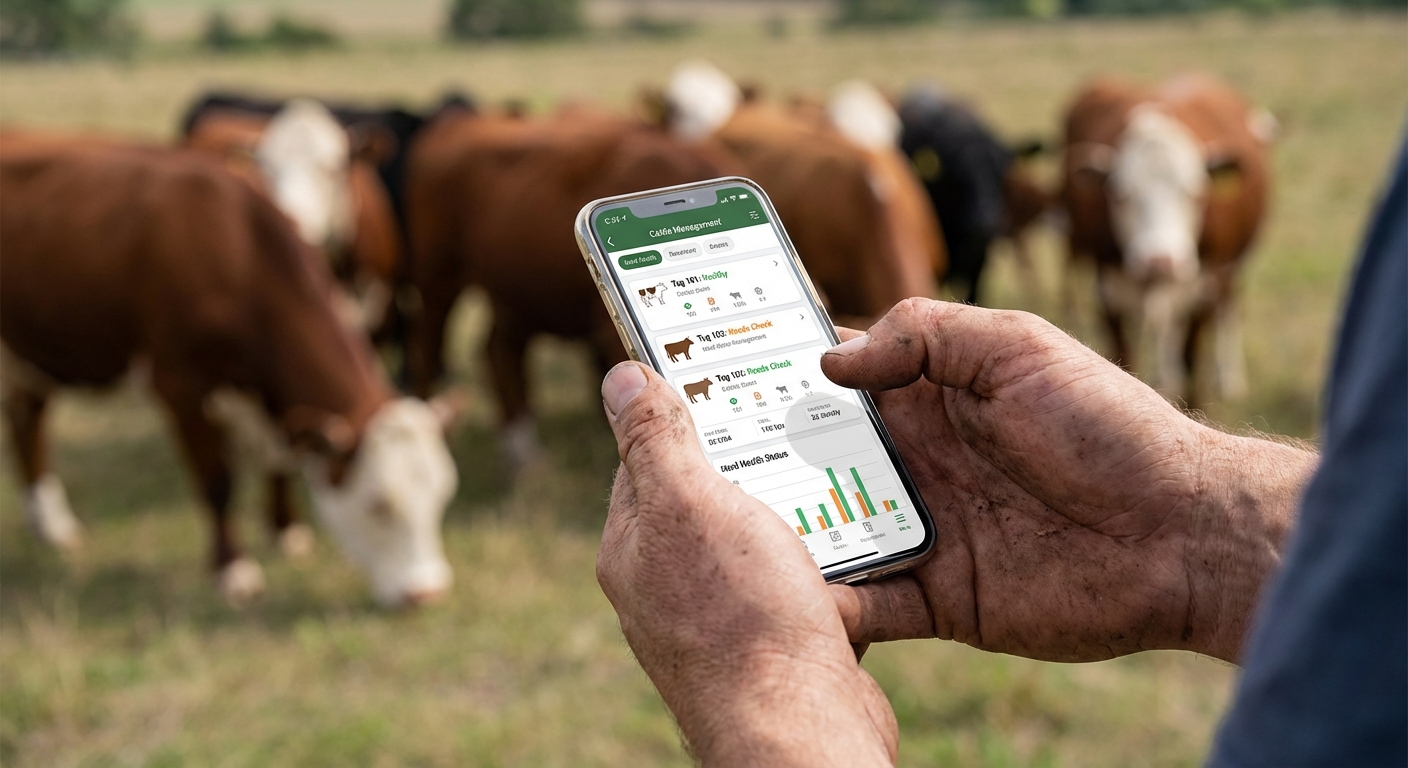
Technology optimizes your farm by replacing manual errors with precise, real-time data monitoring systems. Understanding how to start a cattle farm in the modern era requires familiarity with herd management software and GPS tracking. These tools help you monitor individual animal growth and identify illness before it spreads to the group. Tech integration is no longer optional for those seeking high profit margins.
Moving from paper records to digital software
Digital records allow you to access your farm’s performance data from any location using a smartphone. This transparency helps you make quick decisions about culling or breeding without sifting through messy ledgers.
Here is why.
Digitizing your records reduces the time spent on administration by up to ten hours per week.
- Track vaccination schedules.
- Monitor daily weight gain.
- Log breeding successes.
Monitoring herd health with real-time data
Sensors and smart tags can alert you to changes in an animal’s body temperature or activity levels. This early warning system allows for isolation and treatment before a minor issue becomes a crisis.
It gets better.
Real-time data provides a competitive edge when negotiating prices with buyers who value traceability.
Key Takeaway: Adopting technology early simplifies management and increases the market value of your livestock.
| Tech Type | Primary Benefit | ROI Timeline | |
|---|---|---|---|
| Management Apps | Organization | Immediate | |
| GPS Ear Tags | Security | 1-2 Years | |
| Auto-Waterers | Labor Saving | 6-12 Months |
Analysis: Farmers who leverage data systems report higher efficiency and lower animal mortality rates in their first three years.
What shed helps with how to start a cattle farm?
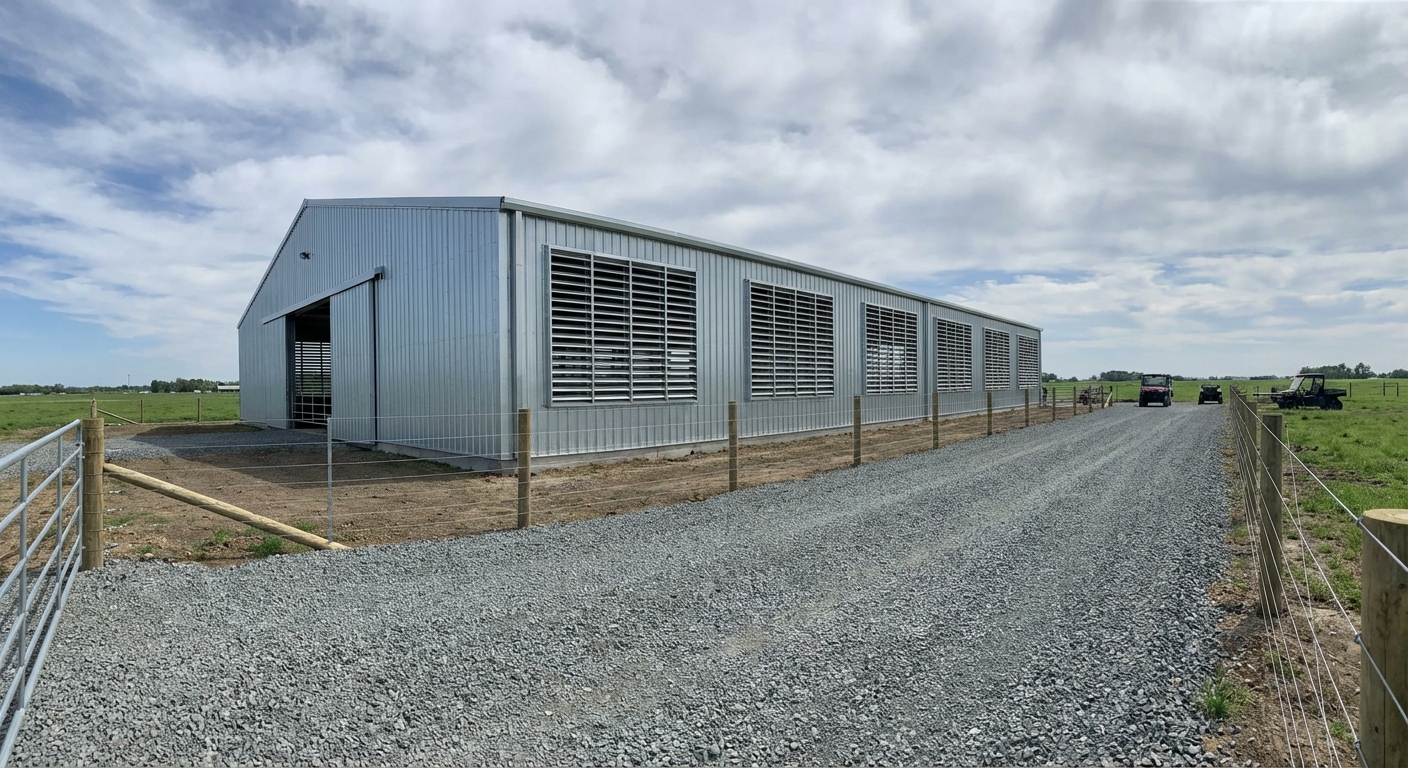
A ventilated steel shed helps your operation by providing a climate-controlled environment that reduces animal stress. When learning how to start a cattle farm , you must prioritize durable, fire-resistant housing for your herd. Prefabricated structures offer quick installation and cost-effective protection from harsh winds and heavy snow. High-quality sheds are essential for maintaining health during the winter months.
Building durable fencing and handling pens
Strong fencing keeps your livestock safe from predators and prevents them from wandering onto neighboring properties. Handling pens must be designed for safety to ensure that vaccinations and checks are stress-free for both animals and staff.
The best part?
A well-designed pen system allows one person to manage a large herd safely.
- Use high-tensile steel wire.
- Install sturdy corner posts.
- Design curved loading chutes.
Designing ventilated steel sheds for livestock
Ventilation is critical to prevent respiratory diseases that thrive in damp, enclosed environments. Steel structures provide the clear spans needed for heavy machinery and easy manure cleanup.
Think about this.
Prefabricated buildings are 40% faster to construct than traditional wood barns.
Key Takeaway: Quality infrastructure is a one-time investment that pays off through reduced veterinary costs.
| Structure | Best Material | Main Advantage | |
|---|---|---|---|
| Main Shed | Steel | Fire Resistance | |
| Perimeter Fence | High-Tensile | Durability | |
| Feed Troughs | Concrete/Steel | Easy Cleaning |
Analysis: Investing in steel infrastructure significantly lowers your long-term maintenance costs compared to traditional wooden buildings.
Which breeds suit how to start a cattle farm?
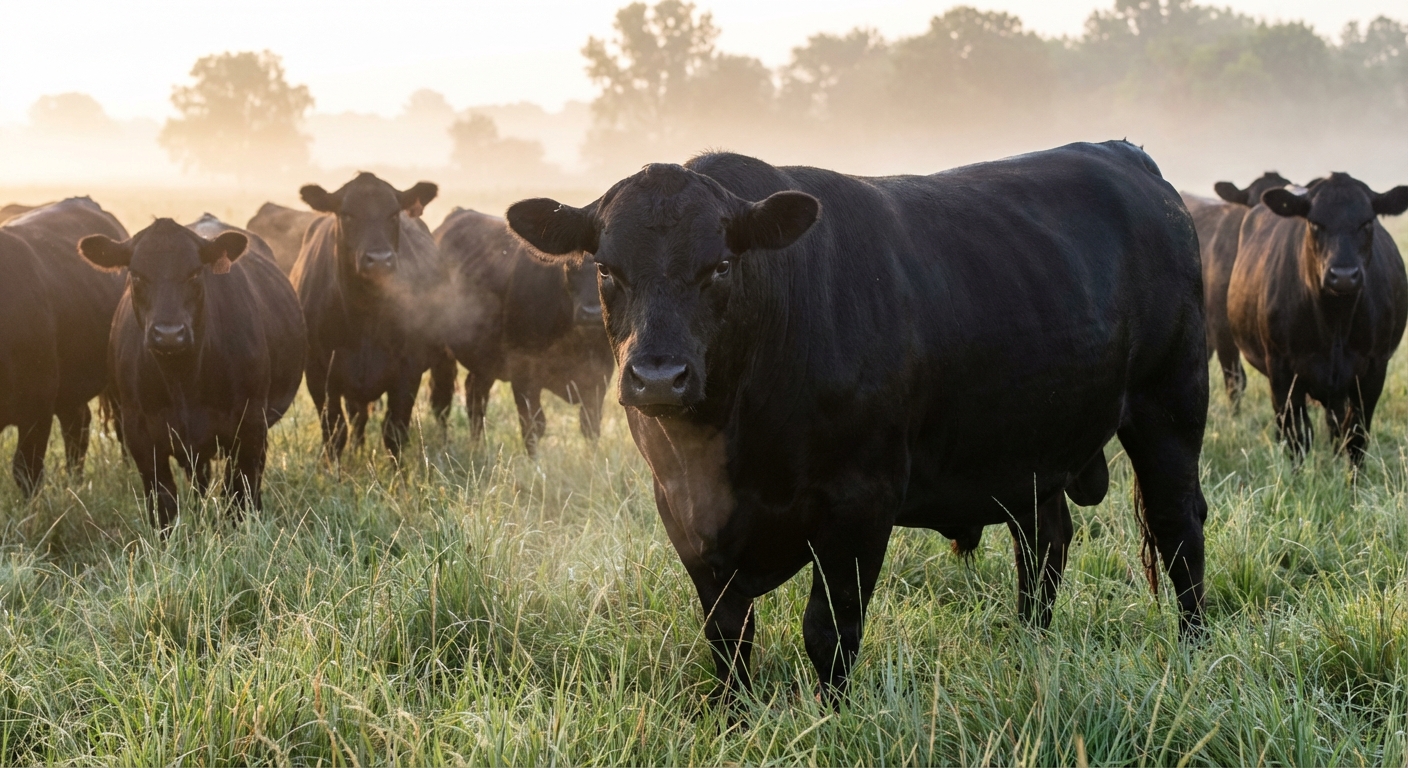
The breeds that suit beginners are typically docile, hardy, and have high market demand. Selecting the right cattle for how to start a cattle farm depends on whether your focus is on meat quality or milk volume. Beginners often find success with Angus or Hereford due to their excellent foraging abilities and mothering instincts. Starting with healthy, disease-free stock is more important than finding the cheapest price.
Why Angus and Hereford are great for beginners
Angus cattle are world-renowned for their marbling and high-quality beef, which command premium prices. Hereford breeds are exceptionally gentle, making them easier to handle if you are still learning ranching techniques.
Here is the kicker.
Docile animals reduce the risk of injury to the farmer and damage to the infrastructure.
- Evaluate calving ease.
- Check heat tolerance.
- Review average weight gain.
Sourcing healthy and disease-free breeding stock
You should only buy cattle from reputable breeders who provide full veterinary and vaccination histories. Introducing a single sick animal can devastate your entire herd and lead to massive financial losses.
The best part?
Buying from certified auctions ensures you are getting animals that meet industry standards.
Key Takeaway: Breed selection impacts your profit potential and the ease of your daily operations.
| Breed | Purpose | Key Trait | |
|---|---|---|---|
| Angus | Beef | High Marbling | |
| Hereford | Beef | Docile Nature | |
| Holstein | Dairy | High Volume |
Analysis: Beginners should prioritize “calving ease” to minimize the need for veterinary intervention during the birthing season.
Can nutrition help how to start a cattle farm?
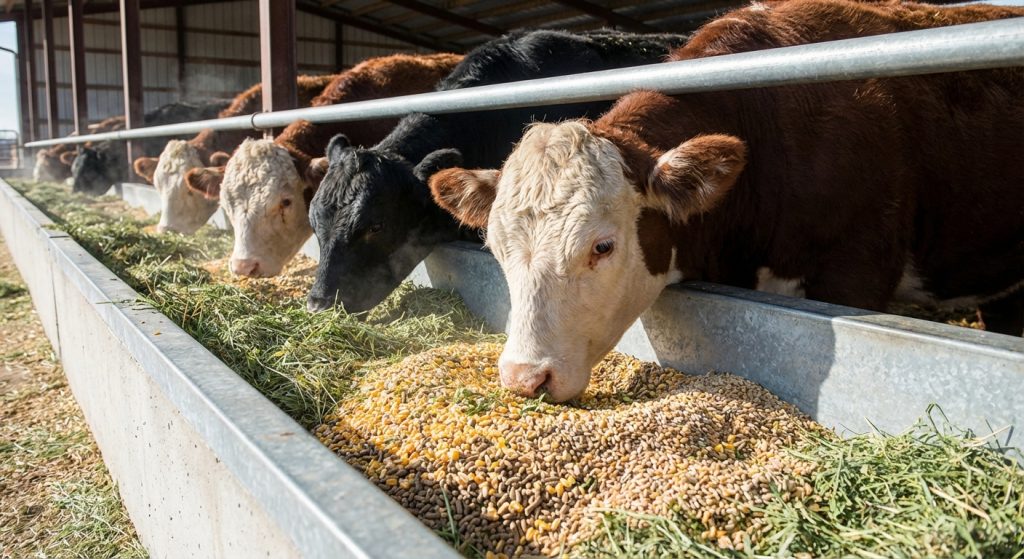
Yes, balanced nutrition is the most effective way to maximize weight gain and ensure herd health. If you want to know how to start a cattle farm with high ROI, you must master the art of feed ratios. Your cattle require a mix of forage, grains, and essential minerals to reach their full genetic potential. Efficient feeding strategies prevent waste and keep your production costs under control.
Balancing nutrition for optimal weight gain
Weight gain is directly linked to the energy density of the feed you provide daily. You must adjust the diet based on the animal’s age and whether they are meant for slaughter or breeding.
Think about this.
Small improvements in feed conversion ratios can add thousands of dollars to your annual profit.
- Supplement with salt blocks.
- Provide clean water 24/7.
- Monitor forage protein levels.
Implementing efficient pasture rotation cycles
Rotational grazing allows your pastures to recover, ensuring that your cattle always have access to fresh, nutrient-rich grass. This method reduces your dependence on expensive hay and grain during the growing season.
It gets better.
Proper rotation also naturally disrupts the life cycles of parasites in the soil.
Key Takeaway: Feeding is your largest recurring cost, so efficiency here is vital for profitability.
| Feed Type | Usage | Cost Level | |
|---|---|---|---|
| Pasture Grass | Primary | Low | |
| Alfalfa Hay | Winter | Moderate | |
| Corn/Grain | Finishing | High |
Analysis: Balancing free-range grazing with targeted grain finishing provides the best balance between cost and meat quality.
What tasks guide how to start a cattle farm?
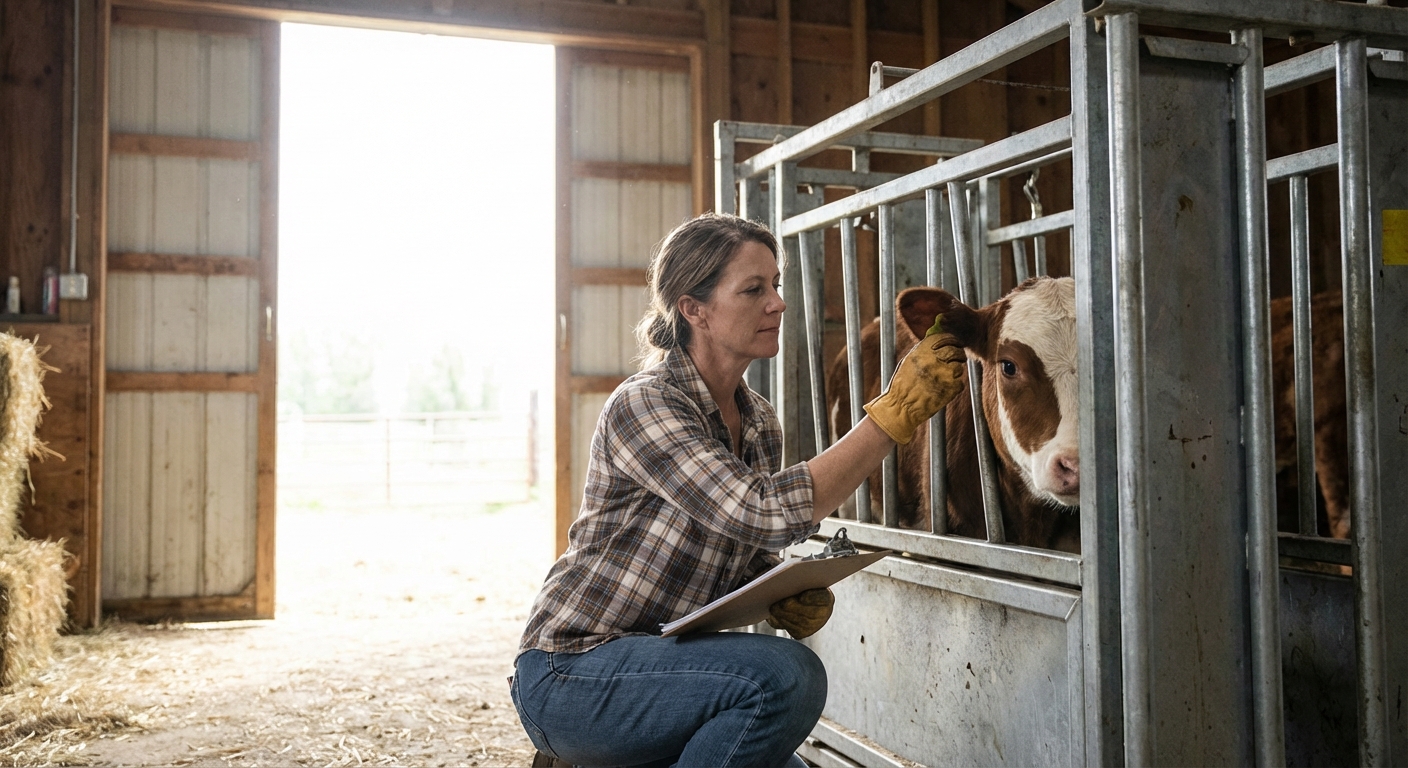
Daily tasks like health checks, fence inspections, and feeding logs are what guide a farm to success. Managing how to start a cattle farm requires a disciplined routine to catch problems while they are still small. You must walk your pastures daily to ensure water lines are functioning and fences remain secure. Consistency in these chores creates a predictable environment where livestock can thrive.
Establishing consistent health check routines
Observing your cattle daily helps you identify subtle signs of illness, such as lethargy or a lack of appetite. You should maintain a medical log for every animal to track their lifelong health and vaccination history.
Here is why.
Early detection of foot rot or pinkeye can prevent a farm-wide outbreak.
- Check eyes and nostrils.
- Observe walking gait.
- Monitor manure consistency.
Managing breeding logs and calving windows
Tracking breeding dates allows you to predict when calves will arrive so you can provide extra care and shelter. Concentrated calving windows make it easier to manage vaccinations and sales for the entire group.
The best part?
Successful calving is the primary driver of revenue for cow-calf operations.
Key Takeaway: Disciplined daily routines prevent expensive emergencies and maintain high productivity.
| Task | Frequency | Priority | |
|---|---|---|---|
| Water Check | Daily | Critical | |
| Fence Inspection | Weekly | High | |
| Soil Sampling | Yearly | Low |
Analysis: Consistency in basic animal husbandry is more important than having the most expensive equipment on the market.
How to start a cattle farm for maximum profit?
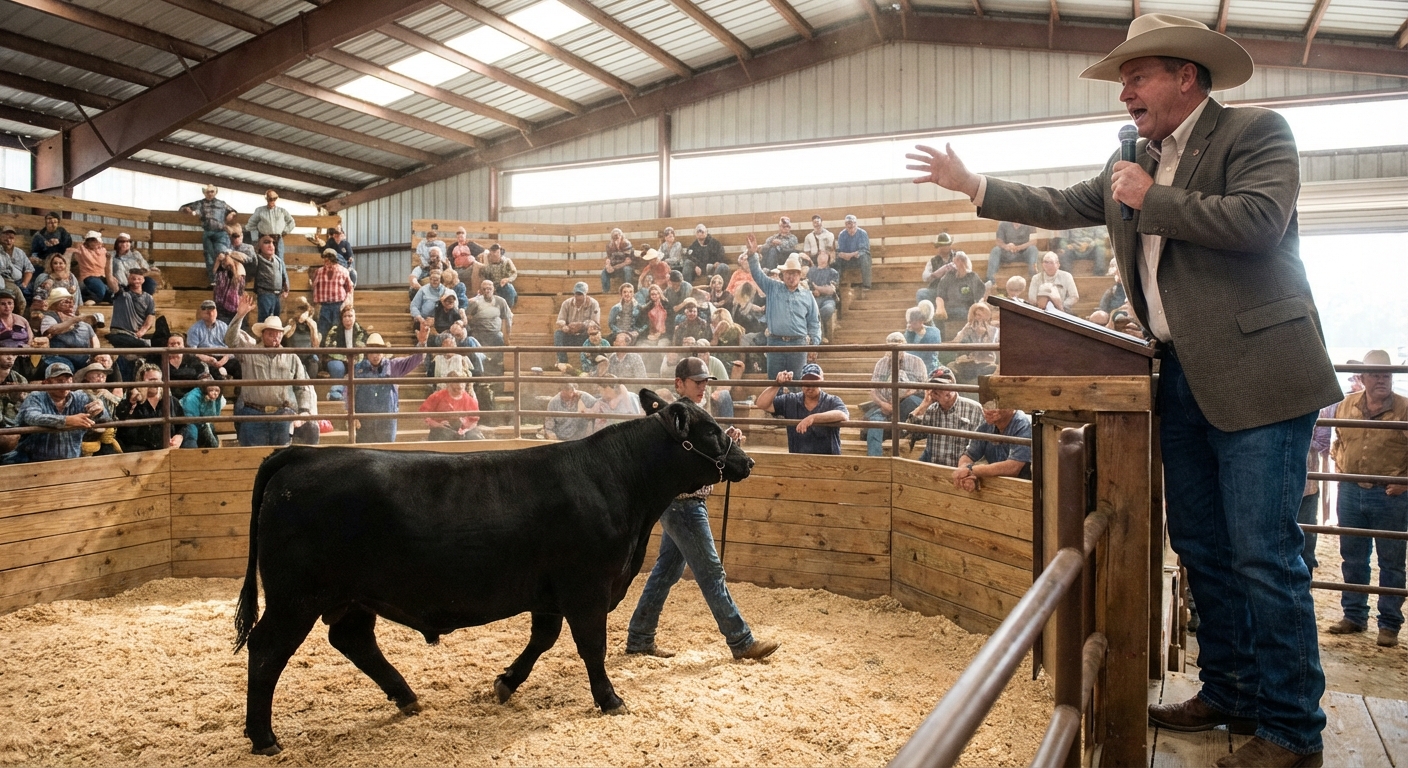
Maximum profit is achieved by reducing input costs and using traceability to increase the market value of your beef. When considering how to start a cattle farm , you must choose between traditional auctions and direct-to-consumer sales. Selling high-quality, grass-fed beef directly to families often yields much higher margins than selling to commercial feedlots. Building a strong brand around your farm’s values can attract loyal, high-paying customers.
Choosing between auctions and direct sales
Livestock auctions provide immediate cash but offer less control over the final price you receive per head. Direct sales require more marketing effort but allow you to capture the full retail value of the meat.
Here is the kicker.
Many modern consumers will pay a 30% premium for meat they can trace back to a local farm.
- Set up a farm website.
- Attend local farmers’ markets.
- Partner with local butchers.
Using traceability to increase market value
Recording the birth date, feed history, and medical treatments of every animal provides “proof of quality” to buyers. This data builds trust and allows you to access premium organic or non-GMO markets.
Think about this.
Traceability is the bridge between a generic commodity and a premium branded product.
Key Takeaway: Marketing your farm is just as important as raising the cattle if you want high profits.
| Sales Channel | Profit Margin | Labor Effort | |
|---|---|---|---|
| Local Auction | Low | Low | |
| Farm-to-Table | High | High | |
| Restaurant Supply | Moderate | Moderate |
Analysis: Diversifying your sales channels protects you from price fluctuations in the commercial commodity markets.
What risks follow how to start a cattle farm?
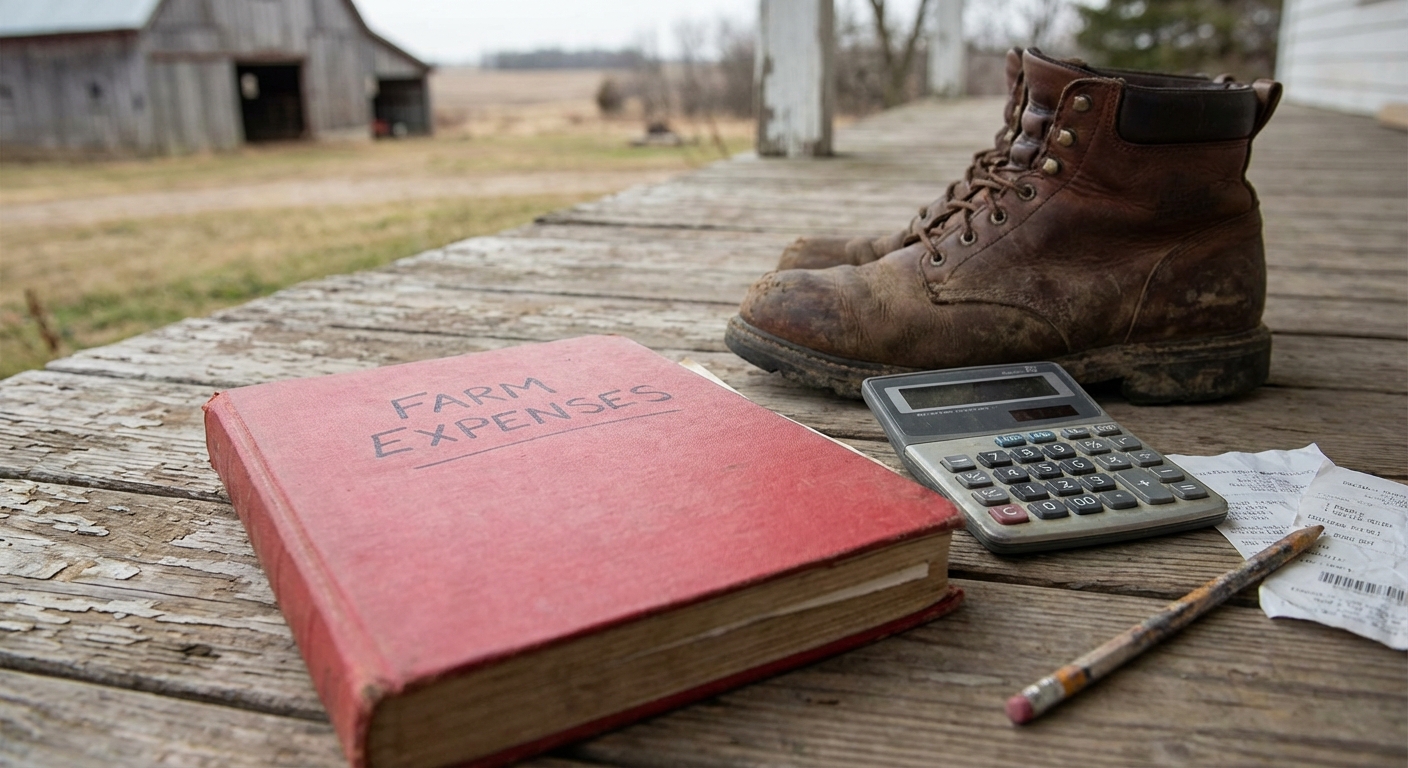
The primary risks include poor record-keeping, fluctuating feed prices, and unexpected animal mortality. Managing how to start a cattle farm involves having a contingency fund to cover these unforeseen expenses. You must also be aware of the high labor costs if you plan to hire help during the busy seasons. Ignoring the financial side of ranching is the fastest way to fail in your first year.
Avoiding the pitfall of poor record-keeping
Inaccurate records lead to missed vaccinations and difficulty proving the value of your herd during a sale. You must track every dollar spent on feed and medicine to understand your true cost of production.
It gets better.
Accurate records make it significantly easier to file taxes and claim agricultural deductions.
- Categorize all receipts.
- Log every vet visit.
- Track equipment hours.
Managing time and labor costs effectively
Ranching is a time-intensive business that can quickly lead to burnout if you don’t manage your schedule. You must evaluate whether investing in automation, like automatic gates, is cheaper than hiring part-time labor.
The best part?
Automated systems work 24/7 without requiring a salary or insurance benefits.
Key Takeaway: Financial discipline and time management are the final hurdles to long-term profitability.
| Risk Factor | Prevention | Financial Impact | |
|---|---|---|---|
| Disease Outbreak | Vaccination | Very High | |
| Feed Price Hike | Bulk Buying | High | |
| Market Crash | Direct Sales | Moderate |
Analysis: Successful ranchers view their farm as a business first and a lifestyle second, ensuring all risks are mitigated with data.
If you are ready to take the next step toward a professional ranching operation, we are here to help you design the perfect environment for your herd. Our high-durability steel structures are engineered to maximize your ROI and keep your livestock safe through every season. Don’t leave your infrastructure to chance—ensure your legacy with a building that lasts. Contact us today to receive a custom quote and start your journey with the industry’s most reliable structural experts.
Frequently Asked Questions
Can I start a cattle farm on small acreage?Yes, but you will need to rely more heavily on purchased feed and intensive grazing management.
What’s the best breed for a first-time rancher?Angus and Hereford are generally the best because of their docility and high market demand.
How do I know if my cattle farm is actually profitable?Yes, you can determine this by tracking your “cost per pound” against the current market sell price.
Can I manage a cattle farm while working a full-time job?No, it is very difficult unless you have a small herd and a highly automated infrastructure.
How do I know if my land has enough water for a herd?Yes, you should check for a minimum flow rate of 50 gallons per day per adult animal.