
To start a cow farm, you must combine strategic business planning with high-quality infrastructure and rigorous animal welfare standards. Many aspiring ranchers dream of a pastoral life but find themselves overwhelmed by the 24/7/365 commitment and the steep learning curve of livestock management. Failing to account for proper housing or genetic selection can quickly turn a promising cattle farm into a financial burden rather than a profitable venture. By following a professional guide and investing in durable facilities, you can overcome these initial hurdles to build a sustainable and successful agricultural operation.
Why start a professional cattle farm today?

Investing in a cattle farm provides a stable, long-term asset that meets the global demand for essential beef and dairy proteins. While the entry costs are significant, the ability to produce high-value agricultural products offers a recession-resistant business model for dedicated entrepreneurs.
Understanding Market Potential
The global protein market remains robust, with a growing preference for traceable, high-quality livestock products. Whether you focus on commercial beef production or a specialized dairy operation, the market reward for efficiency is substantial.
Financial Growth and Assets
Cattle act as biological capital that grows in value through weight gain and reproduction. A well-managed herd represents a diversifying asset class that can provide consistent cash flow through various sales channels.
Key Takeaway:
Investing in livestock requires a shift from viewing cows as pets to viewing them as productive business assets that require professional-grade management.
| Parameter | Impact on Profit | Strategy | |
|---|---|---|---|
| Market Timing | High | Sell during peak seasonal demand. | |
| Herd Genetics | Medium | Invest in proven, high-performing lineages. | |
| Operational Cost | High | Minimize waste through efficient infrastructure. |
This table illustrates how specific management variables directly correlate with the financial health of a modern ranching operation.
How to plan your cattle farm business?
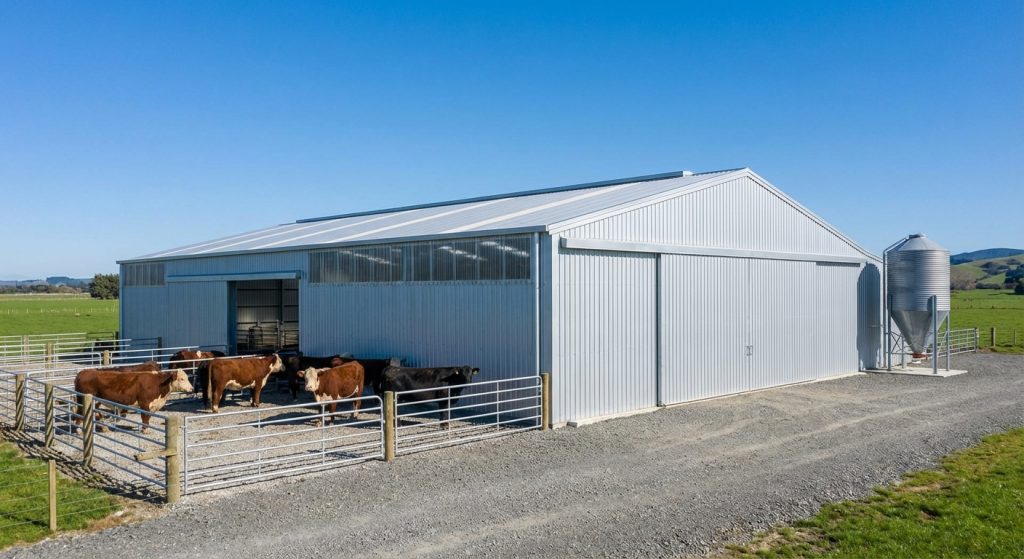
Planning a successful cattle farm starts with a robust business plan that details your production goals, target markets, and five-year financial projections. Without a clear roadmap, the complexities of land taxes, feed price volatility, and equipment depreciation can jeopardize your startup’s stability.
Defining Operational Models
- Cow-Calf Operations: Breeding a permanent herd to sell calves annually.
- Stocker/Backgrounder: Buying young cattle to grow them on pasture before finishing.
- Dairy Production: Intensive management for consistent daily milk yields.
Strategic Market Research
Here is the deal: your farm’s location dictates your market. Research local cooperatives, auction barns, and direct-to-consumer opportunities to ensure your product has a clear path to the end-user before you buy your first cow.
Key Takeaway:
A meticulous business plan acts as a shield against unpredictable market swings, ensuring you have the capital reserves to handle emergencies.
| Planning Stage | Focus Area | Required Output | |
|---|---|---|---|
| Phase 1 | Market Analysis | Competitive pricing and demand data. | |
| Phase 2 | Financial Projections | Pro-forma income statements for 3–5 years. | |
| Phase 3 | Operational Logistics | Labor schedules and equipment lists. |
The breakdown above demonstrates the phased approach necessary for converting a vision into a functional agricultural business entity.
Which location suits a cattle farm best?
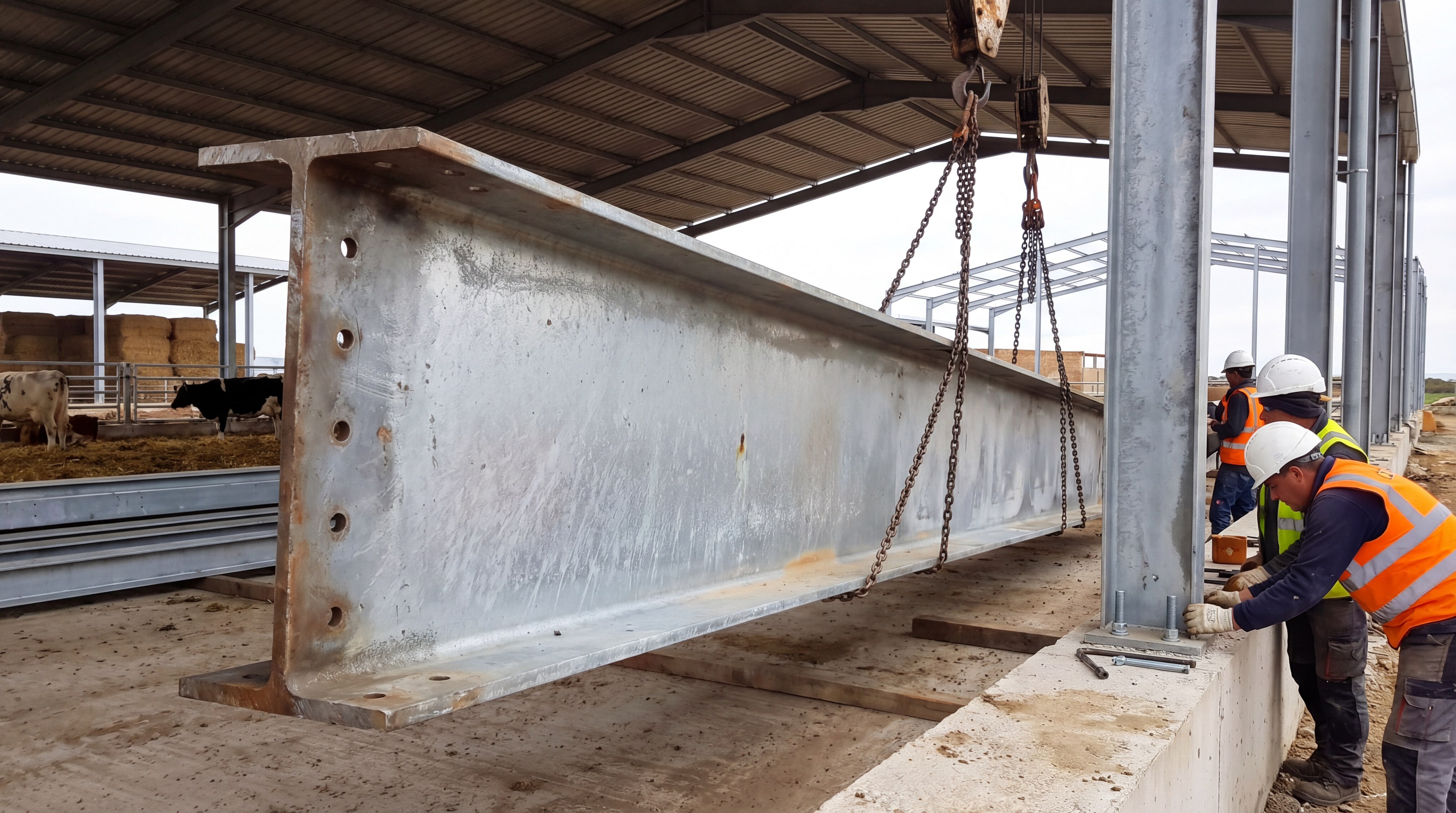
The ideal location for a cattle farm must offer access to abundant clean water, high-quality forage, and proximity to reliable logistics networks. Environmental factors like soil drainage and climate patterns will ultimately dictate your animal health outcomes and infrastructure maintenance costs.
Soil and Water Quality
Cattle require roughly 10–20 gallons of water daily, making a reliable well or spring non-negotiable. Additionally, well-drained soil prevents mud-borne diseases and supports the nutrient-dense grasses needed for weight gain.
Regulatory and Proximity Factors
Wait, there is more than just grass; you must check local zoning laws and environmental regulations. Distance to a large-animal veterinarian and feed suppliers can significantly impact your operational overhead and response times during crises.
Key Takeaway:
Site selection is a permanent decision that determines the natural productivity of your land and the ease of managing livestock.
| Site Factor | Priority | Long-term Effect | |
|---|---|---|---|
| Water Source | Critical | Essential for daily survival and hydration. | |
| Drainage | High | Reduces veterinary costs related to foot rot. | |
| Logistics Access | Medium | Impacts transport costs for livestock and feed. |
Selecting a site based on these weighted factors ensures that the natural environment supports, rather than hinders, your farming activities.
How to select cattle farm breeds?
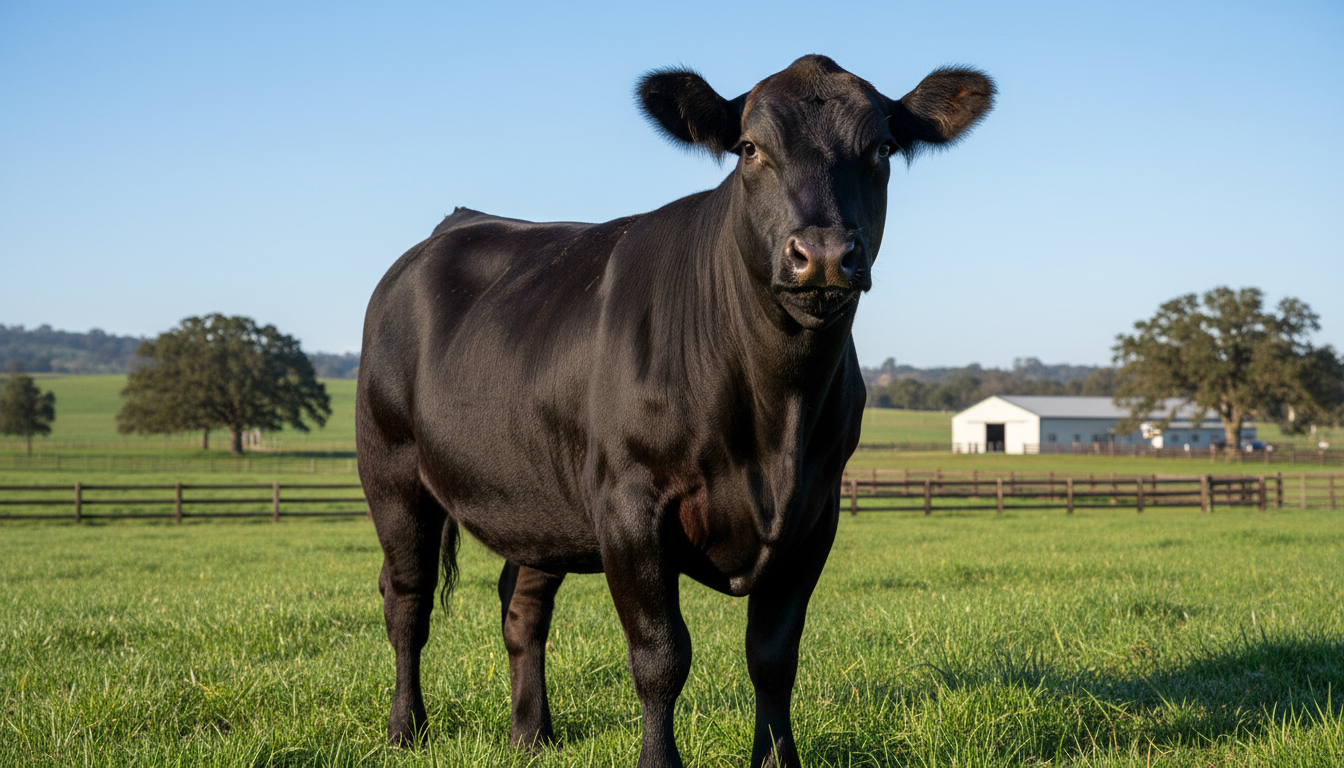
Breed selection for your cattle farm should be based on your specific climate and whether you intend to profit from marbling, milk volume, or dual-purpose versatility. Choosing a breed that is ill-suited to your local humidity or temperature extremes can lead to reproductive failure and stagnant growth rates.
Beef and Dairy Specialization
- Angus/Hereford: Excellent for beef production with high market acceptance.
- Holstein/Jersey: Top choices for dairy farms focusing on volume or butterfat.
- Brahman Cross: Essential for hot, humid climates due to superior heat tolerance.
Disposition and Handling
But wait, there is more: for beginners, temperament is a safety issue. Selecting “polled” (naturally hornless) breeds with a calm disposition reduces stress for both the animals and the handlers during routine management.
Key Takeaway:
The right genetics act as a force multiplier, allowing you to achieve higher production levels with the same amount of feed and labor.
| Breed Industry | Common Breeds | Primary Advantage | |
|---|---|---|---|
| Beef | Angus, Hereford | High growth and meat quality. | |
| Dairy | Holstein, Jersey | Superior milk production volume. | |
| Heat-Tolerant | Brahman, Brangus | Resistance to humidity and parasites. |
This comparison helps new farmers align their genetic investments with the specific environmental and commercial constraints of their region.
How to design a cattle farm shed?
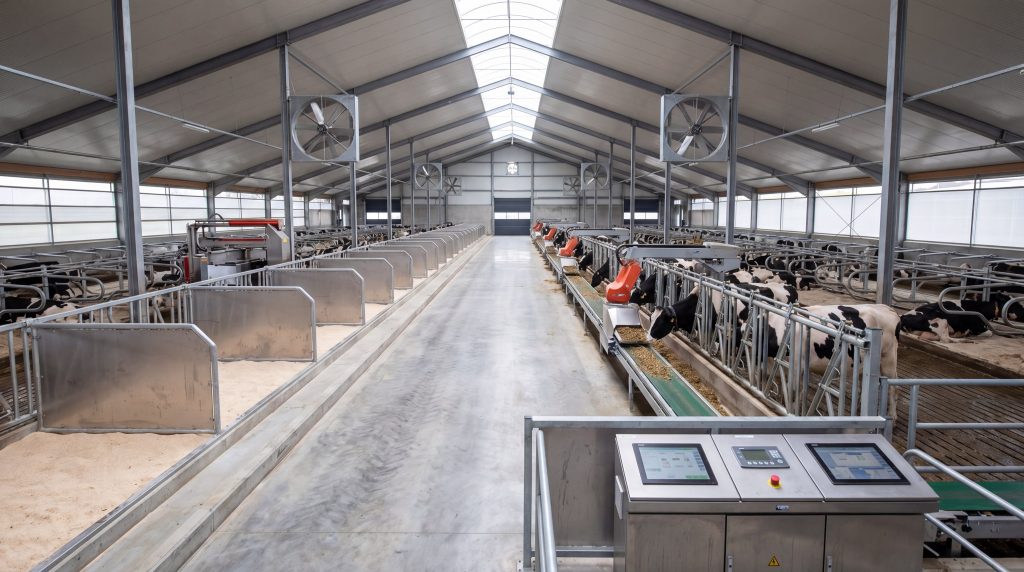
Designing a high-performance shed for your cattle farm requires a focus on ventilation, ease of cleaning, and providing enough square footage to prevent disease-inducing stress. A cramped or poorly ventilated barn will lead to respiratory issues and lower productivity, quickly eroding your profit margins.
Ventilation and Air Quality
Proper airflow is vital for removing ammonia and moisture from the air. Using a clear-span steel design allows for higher ceilings and the installation of large fans to maintain a consistent environment regardless of outside weather.
Lighting and Hygiene
Establishing a bright, clean space is about to get easier with modern translucent roofing panels. Integrating non-slip concrete flooring and automated manure scrapers ensures that the living area remains hygienic, reducing the risk of mastitis or infection.
Key Takeaway:
A well-designed shed pays for itself by reducing animal illness and making daily feeding and cleaning chores more efficient.
| Feature | Requirement | Benefit | |
|---|---|---|---|
| Ceiling Height | 12+ Feet | Enhances natural air convection. | |
| Floor Pitch | 1–2% Slope | Facilitates efficient waste drainage. | |
| Bunk Space | 24–30 Inches/Cow | Eliminates competition during feeding. |
Integrating these architectural specifications into your building plan creates a professional environment that maximizes animal performance and longevity.
What space does a cattle farm need?
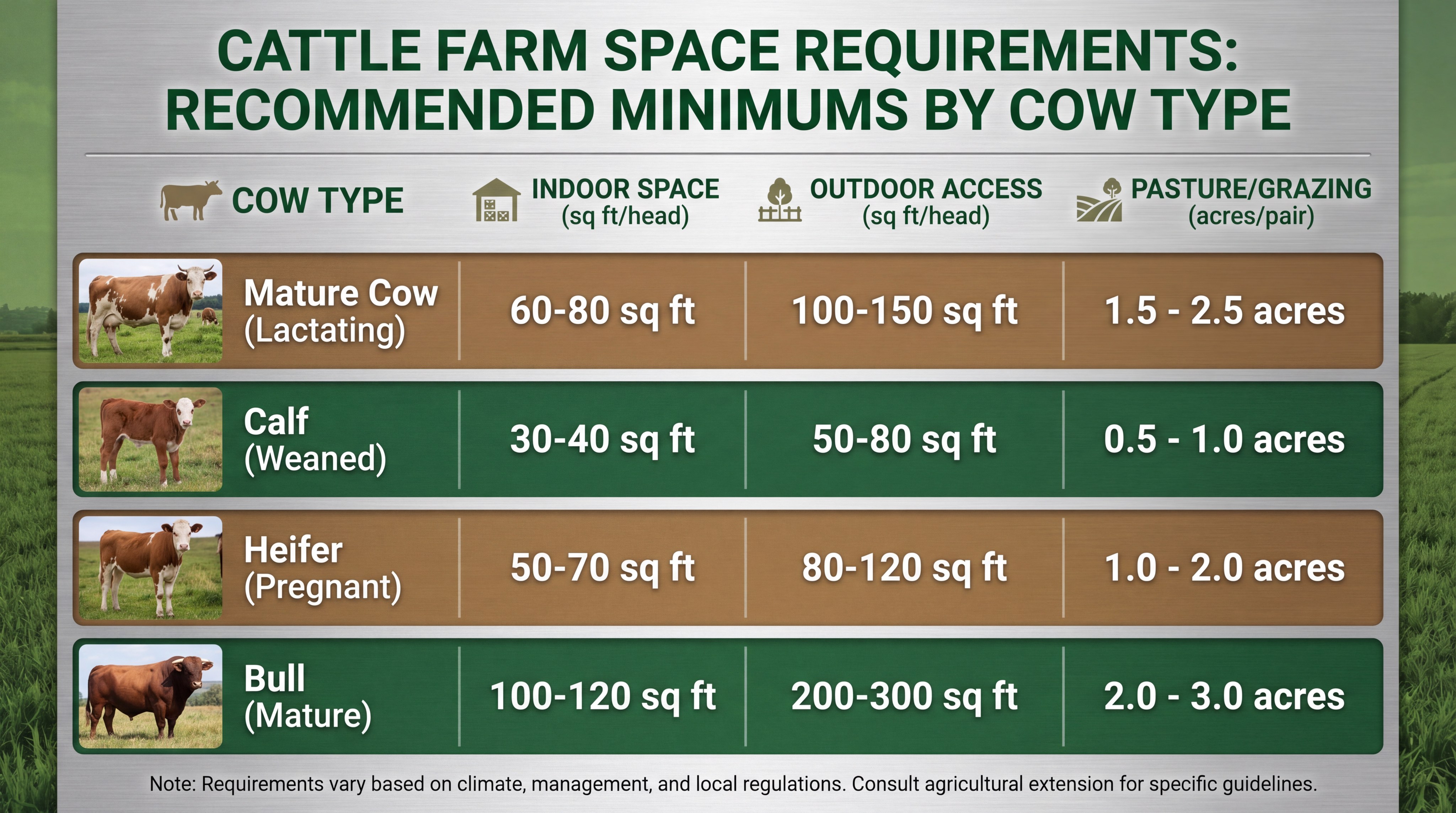
The total space required for a cattle farm depends on your stocking density and whether you utilize intensive housing or extensive pasture-based systems. Overcrowding is a leading cause of behavioral issues and injury, making adherence to minimum space guidelines essential for ethical and profitable farming.
Indoor vs. Outdoor Ratios
While a cow may only need 100 square feet inside a shed for resting, she requires significantly more for grazing. Balancing these two spaces ensures that the land is not overgrazed while providing a sheltered retreat during harsh weather.
Calculating Carrying Capacity
Here is the deal: your land can only support a specific number of “animal units.” You must assess your forage production to ensure you don’t deplete your pastures, which would force you to buy expensive supplemental hay.
Key Takeaway:
Adequate spacing reduces social stress in the herd and protects your land from the long-term degradation caused by overstocking.
| Animal Type | Barn Space (Sq Ft) | Pasture (Acres/Head) | |
|---|---|---|---|
| Mature Cow | 100–120 | 1–2 (Regional variant) | |
| Yearling | 40–60 | 0.5–1 | |
| Calving Pen | 150 | N/A (Isolated) |
The data provided serves as a baseline for calculating the total footprint of your operation based on your intended herd size.
How to optimize cattle farm layout?
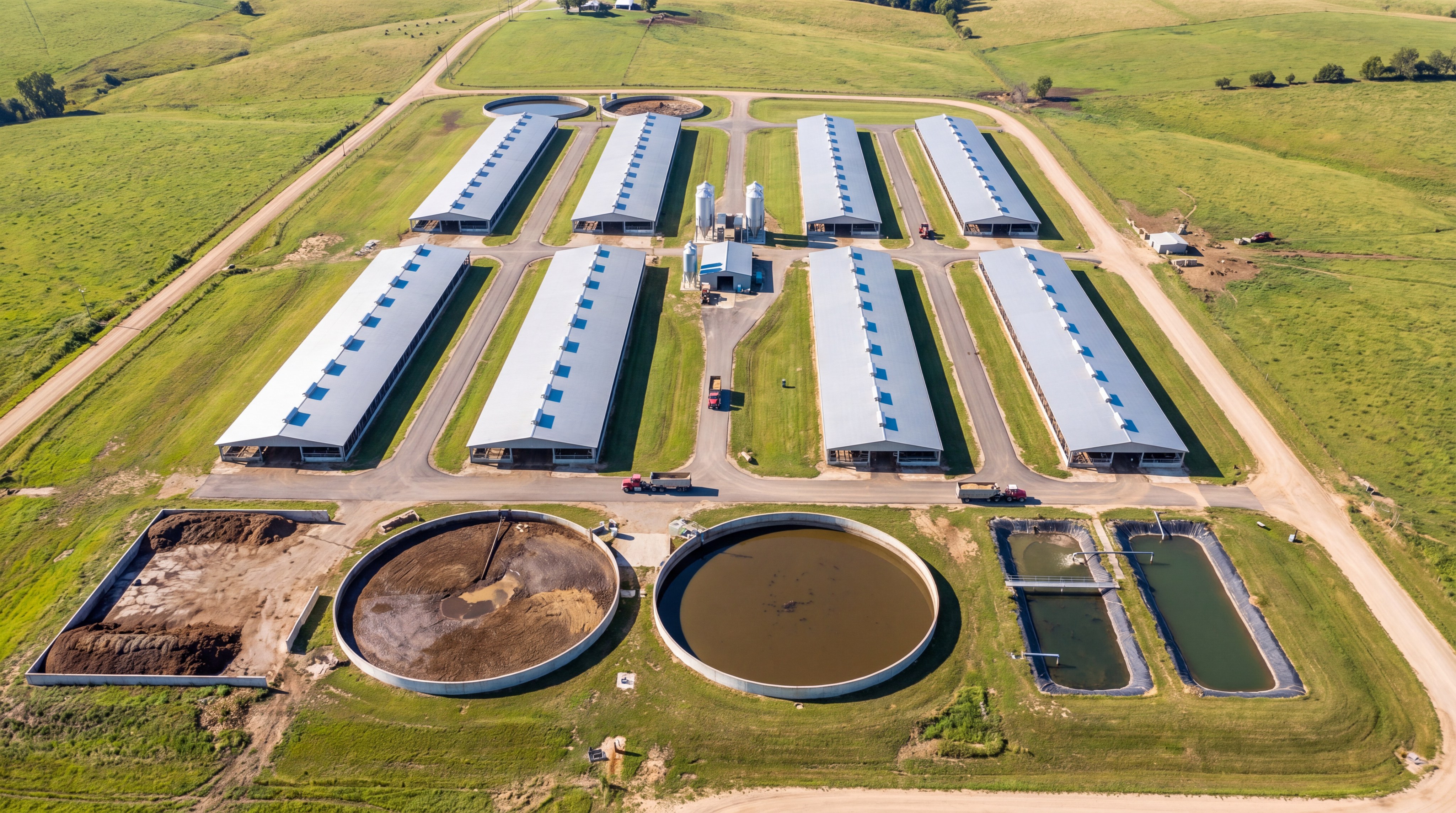
Optimizing your cattle farm layout involves positioning feed bunks, water troughs, and handling facilities to minimize the travel time for both animals and staff. An efficient layout reduces labor costs and ensures that high-traffic areas, like the milking parlor or loading chute, remain accessible and safe.
Flow and Traffic Management
Designing “one-way” traffic flows for cattle moving from pasture to the barn minimizes chaos during sorting or health checks. This logical progression through the farm reduces the “flight zone” stress commonly associated with moving large livestock.
Feeding and Waste Efficiency
But wait, there is more: position your hay storage and silage pits near the feeding alleys. This reduces the time spent operating machinery, saving fuel and labor costs while ensuring animals are fed consistently on a set schedule.
Key Takeaway:
Efficiency in layout directly translates to lower daily operational costs and a safer working environment for everyone on the farm.
| Layout Component | Ideal Position | Goal | |
|---|---|---|---|
| Handling Facility | Central or Near Road | Ease of transport and vet access. | |
| Hay Storage | Adjacent to Barn | Minimize transport distance. | |
| Manure Pit | Downwind/Downslope | Odor control and ease of drainage. |
This organizational strategy ensures that every square foot of your farm contributes to a streamlined operational cycle.
How to manage cattle farm health?
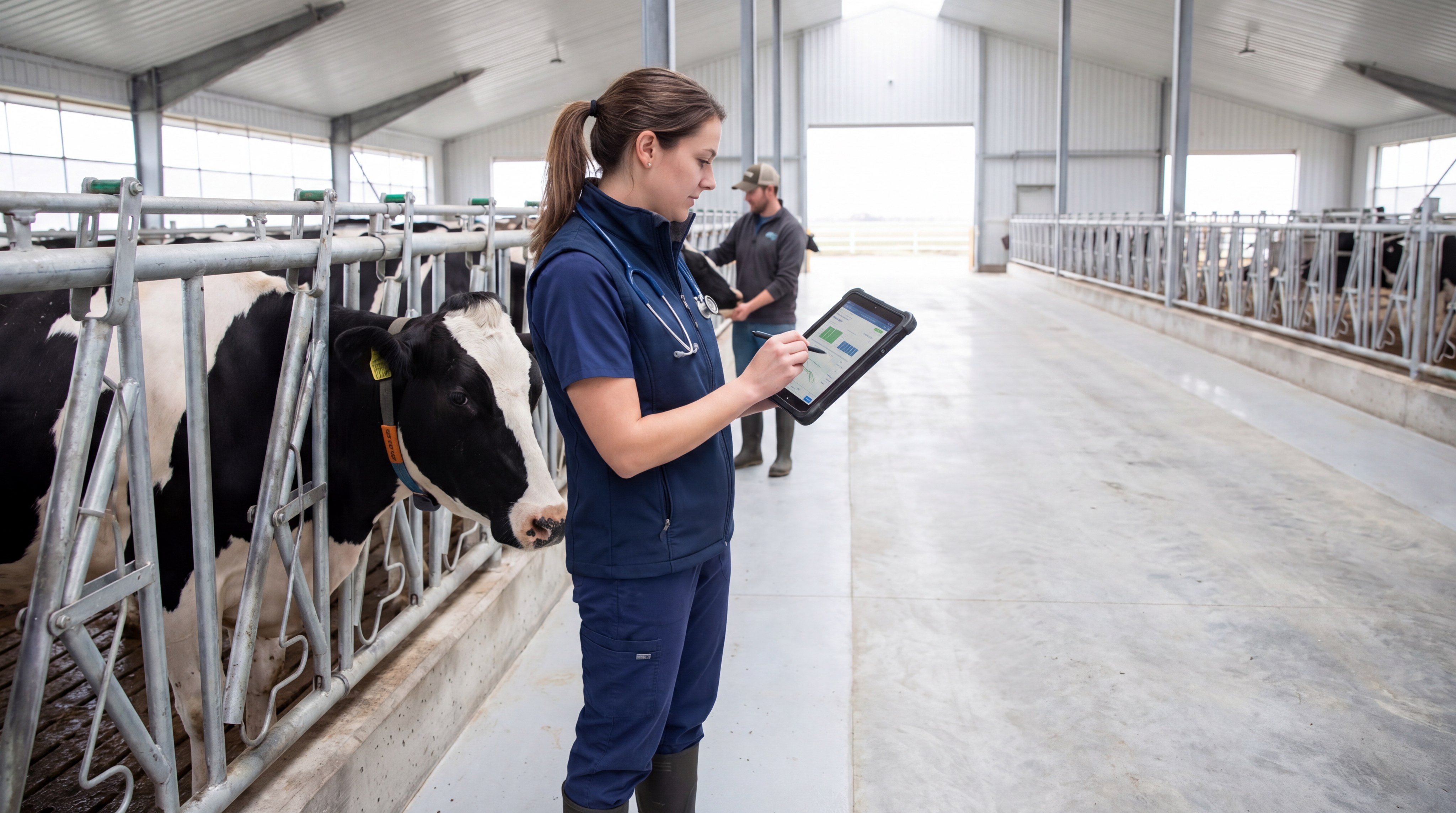
Managing health on a cattle farm requires a proactive vaccination schedule, regular parasite control, and the maintenance of detailed digital records for every animal in the herd. Preventing a disease outbreak is significantly more cost-effective than treating infected animals and dealing with the subsequent drop in production levels.
Preventative Care Protocols
Work with an experienced bovine veterinarian to develop a localized health plan. This should include vaccinations for common regional respiratory and reproductive diseases, as well as a robust biosecurity protocol for new animals entering the farm.
Nutrition as Medicine
Here is the deal: a cow’s immune system is only as strong as her diet. Ensuring access to high-quality forage supplemented with the correct mineral mix prevents metabolic disorders and improves overall resistance to environmental stressors.
Key Takeaway:
A healthy herd starts with a clean environment, superior nutrition, and a close partnership with veterinary professionals.
| Health Action | Frequency | Primary Benefit | |
|---|---|---|---|
| Hoof Trimming | Annually | Prevents lameness and mobility issues. | |
| De-worming | Bi-annually | Enhances weight gain and feed efficiency. | |
| Water Testing | Annually | Ensures no toxic mineral buildup. |
Adhering to this health maintenance calendar is the most effective way to protect your livestock investment from preventable losses.
How to fund your new cattle farm?
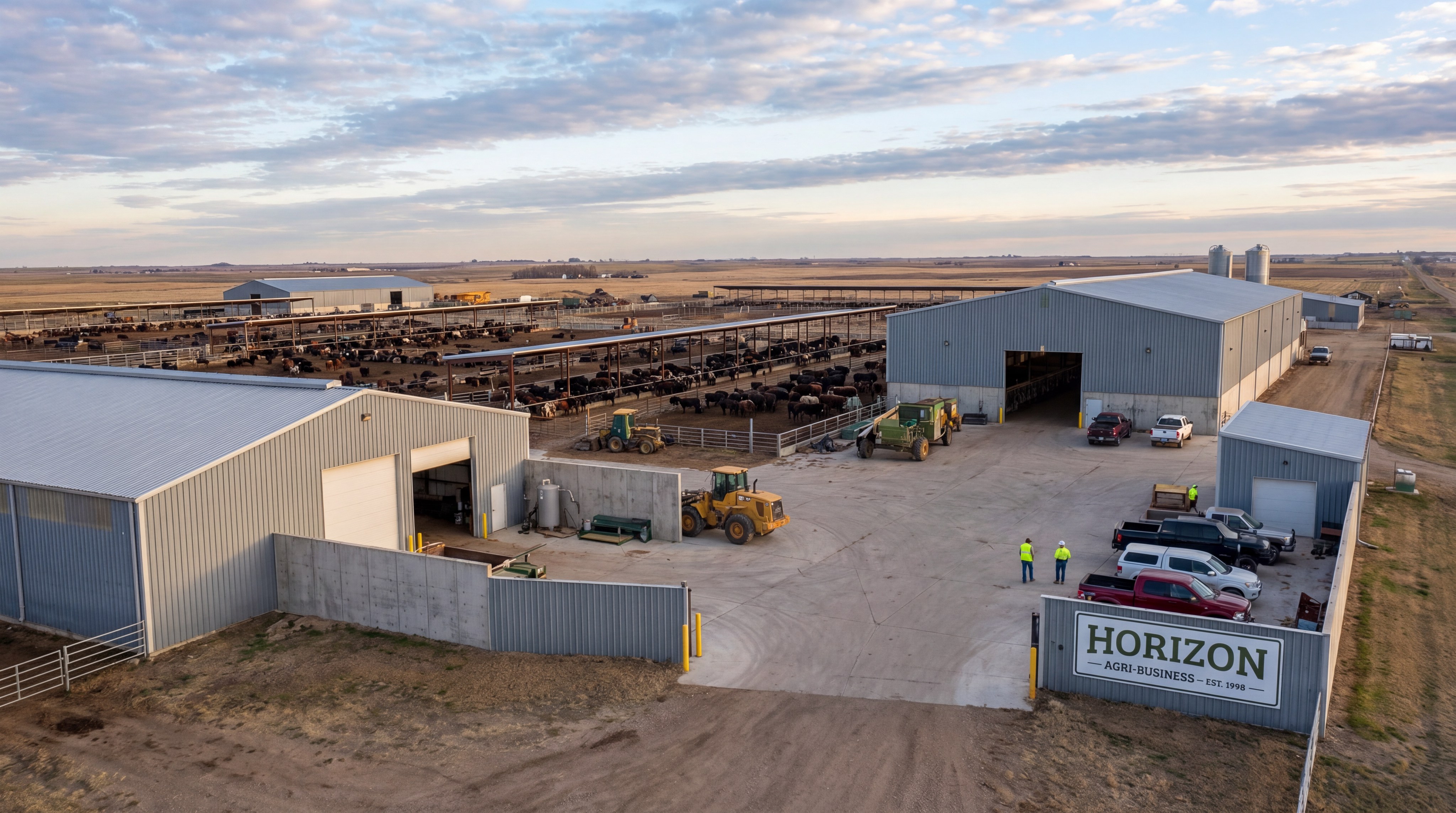
Funding a cattle farm usually involves a mix of personal equity, agricultural loans, and potential government grants designed to support new farmers or sustainable land practices. Because the initial capital for land and steel infrastructure is high, many successful beginners start by leasing land while owning their herd to build equity.
Navigating Agricultural Loans
Lenders will look for a solid credit history and a detailed business plan that proves you understand the risks of the industry. Many regions offer specialized “beginning farmer” programs with lower interest rates to encourage the next generation of ranchers.
Reducing Startup Overhead
Wait, there is more: you can significantly lower your costs by using prefabricated steel buildings. These structures are faster to erect and offer lower insurance premiums due to their fire-resistant nature, saving you money during the critical first year.
Key Takeaway:
Smart financing involves balancing debt levels with the need for high-quality, long-lasting infrastructure that reduces future repair costs.
| Funding Source | Typical Use | Advantage | |
|---|---|---|---|
| Equipment Financing | Tractors/Steel Sheds | Preserves cash for livestock purchases. | |
| Ag Operating Loan | Annual Feed/Vet Costs | Smooths out seasonal cash flow. | |
| USDA/Gov Grants | Conservation/Automation | Non-repayable funds for specific upgrades. |
By diversifying your funding sources, you can build a stable financial foundation that supports both growth and daily operations.
How to scale your cattle farm?
Scaling a cattle farm successfully requires reinvesting profits into better genetics, automated technology, and expanded steel housing facilities. As your herd grows, your management style must shift from hands-on manual labor to higher-level oversight of automated systems and employee management.
Tech and Automation Upgrades
- Automated Feeders: Ensures precision nutrition while reducing labor.
- RFID Tracking: Provides instant data on cow performance and health.
- Robotic Milking: For dairy operations looking to scale without massive labor increases.
Building for the Future
When you add a new cattle farm building, ensure it is part of a modular master plan. Steel sheds are ideal for scaling because they can be easily extended or duplicated, allowing your facility to grow in parallel with your herd size.
Key Takeaway:
Sustainable growth depends on your ability to maintain quality standards and animal welfare as the sheer number of head increases.
| Scaling Phase | Focus | Result | |
|---|---|---|---|
| Phase 1 | Herd Consistency | Stabilizes production levels. | |
| Phase 2 | Facility Expansion | Accommodates more animals safely. | |
| Phase 3 | Tech Integration | Increases efficiency per head. |
This strategic progression ensures that expansion leads to increased profitability rather than becoming an unmanageable operational burden.
Conclusion
Starting a cow farm is a journey that rewards planning, patience, and professional-grade infrastructure. We have explored the critical problems of the industry—from the 24/7 commitment to the high cost of maintenance—and provided evidence-based solutions that prioritize animal health and business efficiency. Whether you are tackling your first acre or looking to optimize a growing ranch, the key to success lies in the details of your design and the quality of your housing.
At Showhoo Building, we specialize in providing the durable, cost-effective steel structures that modern farmers need to thrive. Our prefabricated kits are designed for rapid assembly and maximum longevity, ensuring your livestock live in a safe, high-performance environment. Contact us today to receive a custom quote for your next project. Our vision is to empower new farmers with the infrastructure required to feed a growing world, one professional barn at a time.
FAQ
- Can I start a cattle farm with zero experience?It is possible, but not recommended without significant mentorship. The best option is to work on an existing farm or hire an experienced manager for the first year to avoid costly beginner mistakes in health and housing.
- What is the best material for a cow shed?The best option is galvanized steel. Steel resists the moisture and ammonia typical of livestock environments, lasting decades longer than wood while requiring almost no maintenance.
- How do I know if my land is overstocked?You will see signs like visible bare soil, declining animal body condition, and an increase in weed pressure. The best option is to perform a forage assessment annually to adjust your herd size according to land productivity.
- Is beef or dairy farming more profitable for beginners?Beef farming is usually easier for beginners. Beef operations generally require less daily labor and lower upfront costs for specialized equipment compared to the intensive 24/7 demands of a dairy parlor.
- How much water does a cow actually need?A mature cow typically needs 10 to 20 gallons daily. During extreme heat or peak lactation, this can double, so your water system must be sized for peak demand rather than average use.