
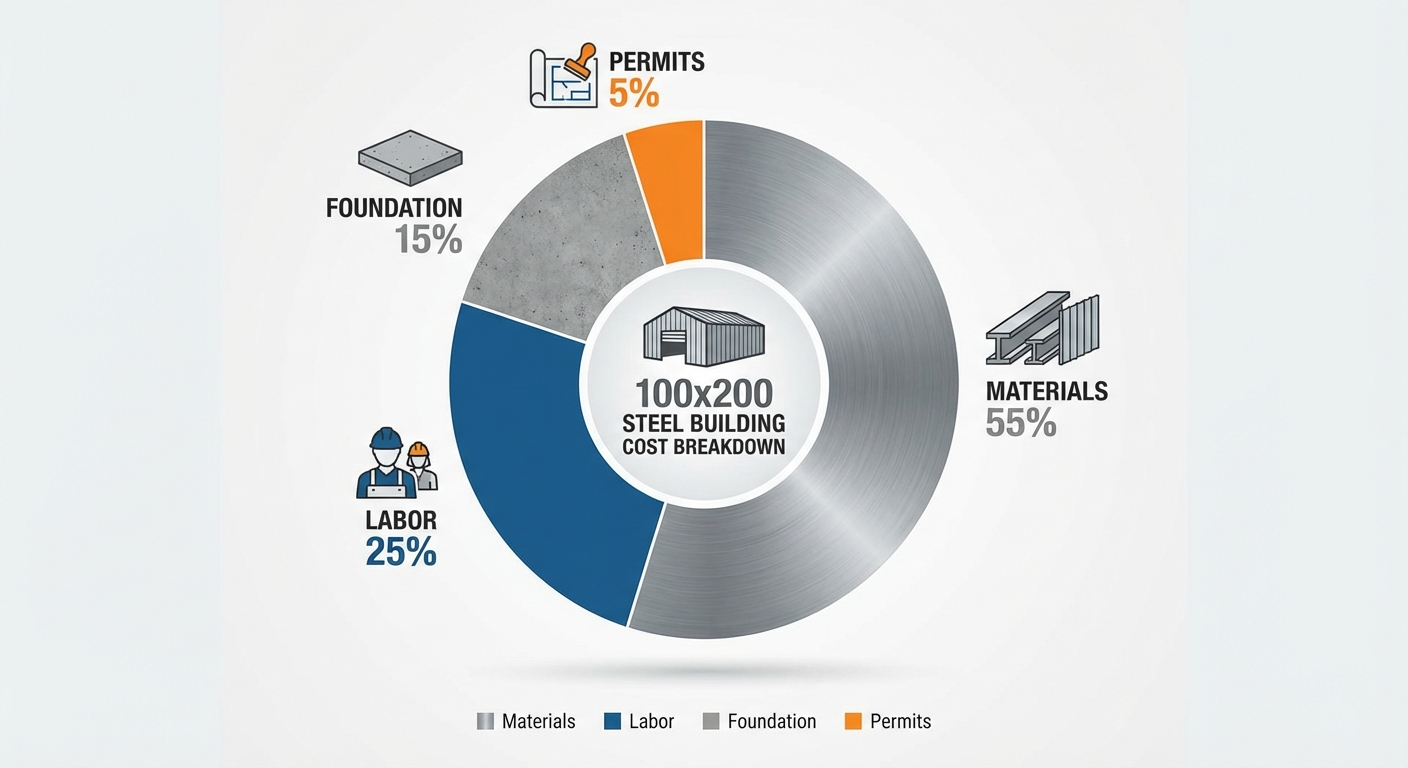
Investing in a large-scale facility typically costs between 12 and 25 per square foot, but the true price depends on your specific design requirements. You might feel overwhelmed by the lack of pricing clarity, which often leads to expensive mid-project surprises. These hidden fees and fluctuating market prices can quickly balloon a modest budget into a financial nightmare if you don’t have a solid roadmap. This guide provides a comprehensive cost analysis for your 100 x 200 steel building , ensuring you have the data needed to plan a profitable and efficient construction project.
What is the average cost for a 100×200 building?
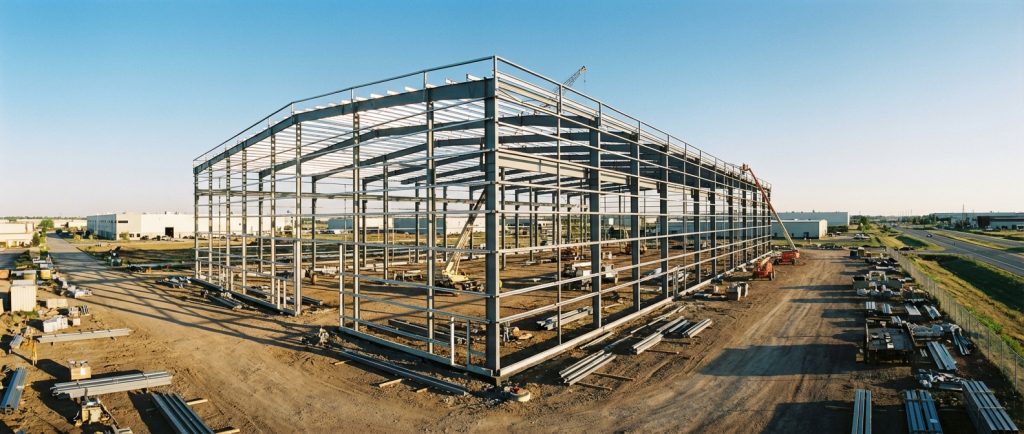
A basic 100 x 200 steel building typically requires a total investment ranging from 240,000 to 500,000 depending on location and complexity. You should expect the price to fluctuate based on the current cost of raw steel and regional labor rates.
What drives the price per square foot?
Determining the exact cost can be tricky because no two projects are identical. Factors like building height and local snow load requirements can add significant weight to the structural frame.
Here is the kicker: local codes in your area might require specific seismic bracing that adds to the total steel tonnage.
- Regional steel market fluctuations.
- Clear-span vs. modular frame designs.
- Building height and load requirements.
Key Takeaway: A 20,000-square-foot structure serves as a massive asset, provided you budget for at least $12 per square foot as a starting baseline.
Analyzing these average figures helps you establish a realistic financial ceiling before you begin the formal engineering phase.
| Component | Estimated Cost (Per Sq Ft) | Total for 20,000 Sq Ft | |
|---|---|---|---|
| Basic Shell | 7−11 | 140,000−220,000 | |
| Foundation | 5−8 | 100,000−160,000 | |
| Erection Labor | 5−9 | 100,000−180,000 |
How do hard costs affect your budget?
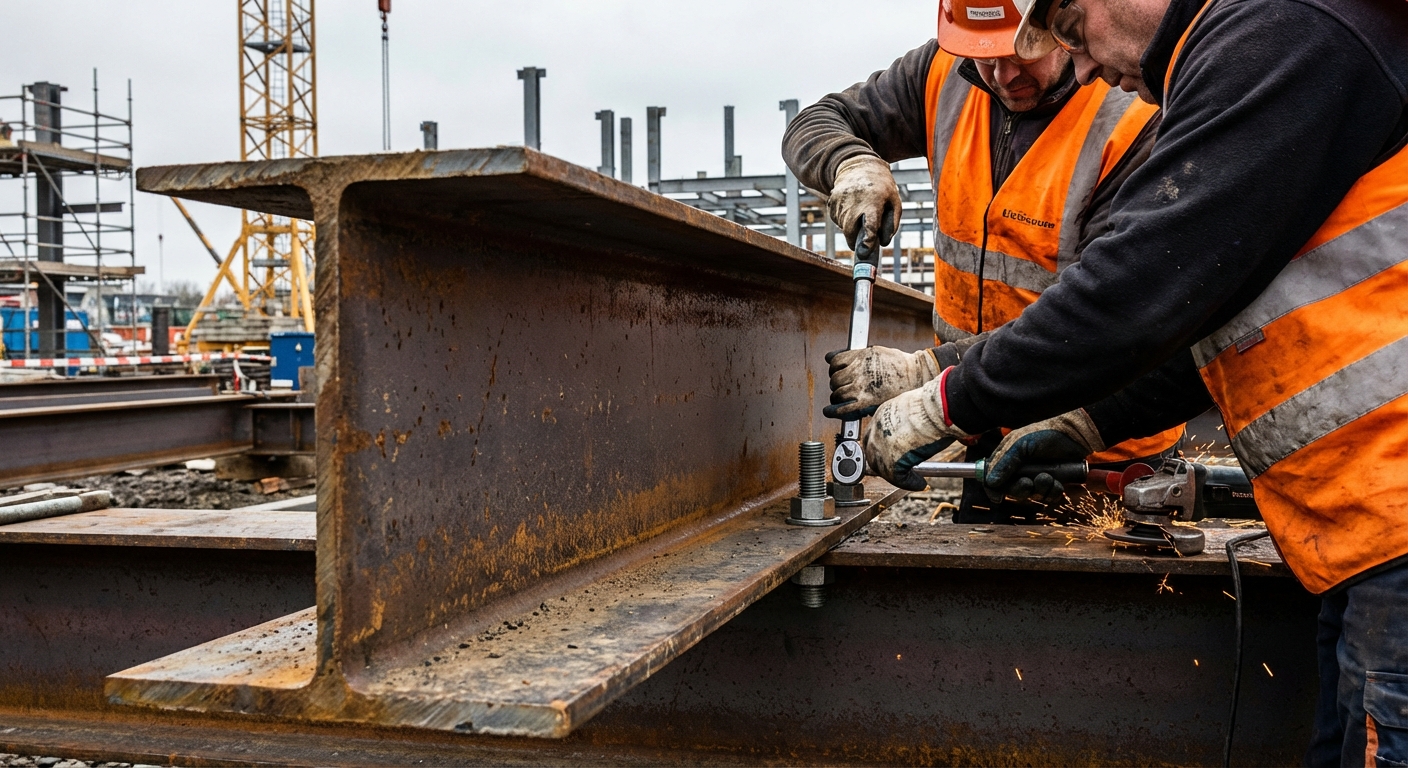
Hard costs for your 100 x 200 steel building cover the physical materials and labor required to complete the main structure and foundation. These expenses represent the most substantial portion of your total project spend and are largely unavoidable.
Are materials the biggest expense?
The primary frame and secondary members account for roughly 55% of your total building shell budget. You will need to account for every bolt and panel before the kit arrives at your site.
But wait, there is more. Labor costs can represent up to 40% of your project budget depending on the complexity of the assembly.
- H-section steel columns and beams.
- Purlins, girts, and structural bracings.
- High-strength bolt assemblies and fasteners.
Key Takeaway: Material and labor represent approximately 60-80% of your total hard cost budget, making them the primary focus for cost control.
Understanding the breakdown of materials versus labor allows you to negotiate more effectively with local contractors.
| Material Category | Description | Budget Impact | |
|---|---|---|---|
| Structural Steel | Main H-beams and columns | High | |
| Secondary Steel | Purlins and girts | Medium | |
| Fasteners | Bolts and screws | Low |
Can you customize the building for growth?
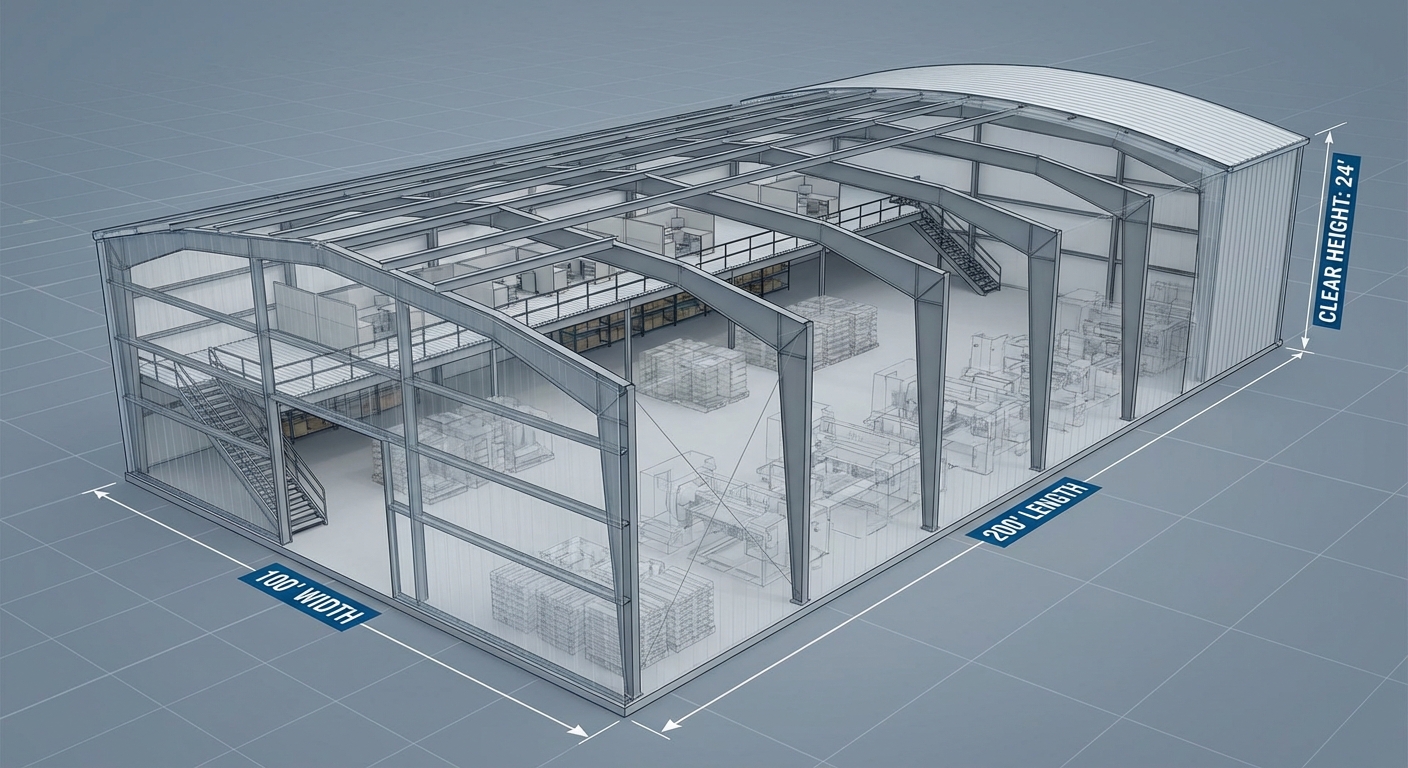
You can easily customize a 100 x 200 steel building with mezzanine levels or specialized bay spacing to maximize your operational efficiency. Flexibility is one of the greatest advantages of pre-engineered systems.
How do clear-span frames help?
Clear-span designs remove the need for interior support columns, giving you 20,000 square feet of unobstructed floor space. This is ideal for warehouses where forklifts need to maneuver without obstacles.
The best part? You can pre-engineer your building to accept a future mezzanine if your storage needs double next year.
- No interior columns for forklift navigation.
- Modular expansion capabilities for future length.
- Mezzanine integration for office space.
Key Takeaway: Pre-engineering your facility for future expansion saves up to 30% in later renovation costs compared to retrofitting a standard structure.
Choosing the right custom options during the initial design phase prevents expensive “on-the-fly” modifications during construction.
| Custom Option | Functional Benefit | Cost Consideration | |
|---|---|---|---|
| Clear-Span | Maximum interior space | Higher material weight | |
| Mezzanine | Doubles usable square footage | Significant structural load | |
| Bay Spacing | Optimized for dock doors | Design-dependent |
What soft costs should you budget?
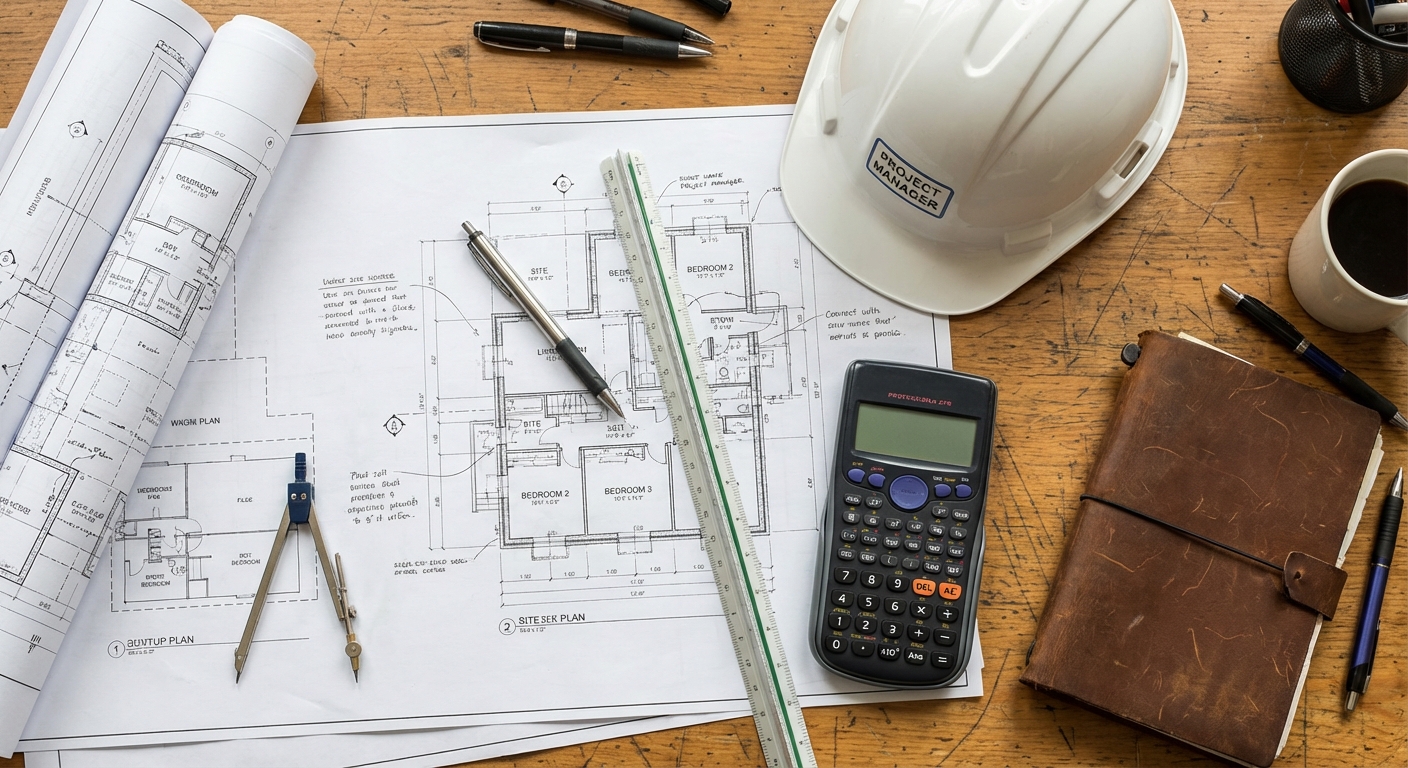
Budgeting for a 100 x 200 steel building must include soft costs like permits, engineering fees, and administration to avoid project delays. These indirect expenses are often overlooked but can quickly drain your contingency fund.
Why are permits so critical?
You cannot break ground without approved site plans and zoning permits from your local municipality. These fees vary wildly depending on your county’s specific regulations and inspection schedules.
Let’s be honest: failing to account for professional engineering stamps can stall your project before the steel even leaves the factory.
- Site plan approvals and zoning fees.
- Professional engineering (PE) stamped drawings.
- Builder’s risk insurance and liability coverage.
Key Takeaway: Always allocate at least 10% of your total budget to cover soft costs and unexpected administrative fees.
Tracking soft costs ensures your financing remains stable even when local bureaucratic processes take longer than expected.
| Soft Cost Type | Estimated Percentage | Focus Area | |
|---|---|---|---|
| Permits/Fees | 2% – 5% | Local Government | |
| Engineering | 1% – 3% | Structural Integrity | |
| Administration | 1% – 2% | Project Management |
How does insulation add long-term value?
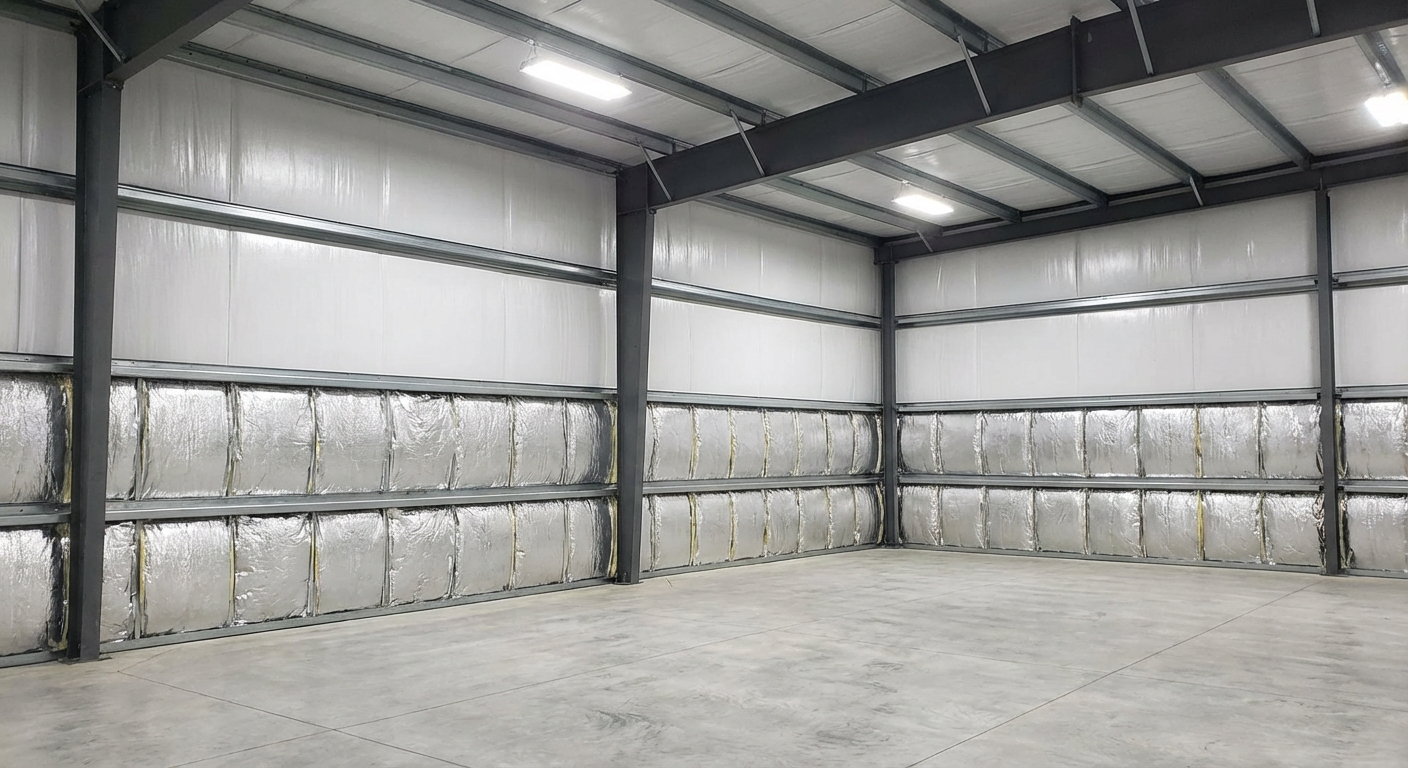
Investing in high-quality insulation for your 100 x 200 steel building significantly reduces long-term climate control expenses and protects your inventory. Proper thermal regulation is essential for maintaining building longevity and occupant comfort.
Which insulation type is right?
Fiberglass blanket insulation is the most budget-friendly option and provides a reliable thermal barrier for most industrial uses. If you are storing sensitive electronics or pharmaceuticals, you might consider rigid foam boards for higher R-values.
The reality is: skipping insulation leads to condensation issues that can eventually rust your primary steel frame.
- Fiberglass blanket insulation (standard).
- Rigid foam board for high thermal resistance.
- Spray foam for airtight sealing and moisture control.
Key Takeaway: Proper insulation in a large structure can reduce long-term climate control costs by up to 40% annually.
While insulation adds to your initial hard costs, the utility savings typically pay for the upgrade within the first five years.
| Insulation Type | R-Value Range | Cost Tier | |
|---|---|---|---|
| Fiberglass Blanket | R-13 to R-30 | Budget-Friendly | |
| Rigid Board | R-10 to R-20+ | Mid-Range | |
| Spray Foam | High/Custom | Premium |
Can safety codes change the price?
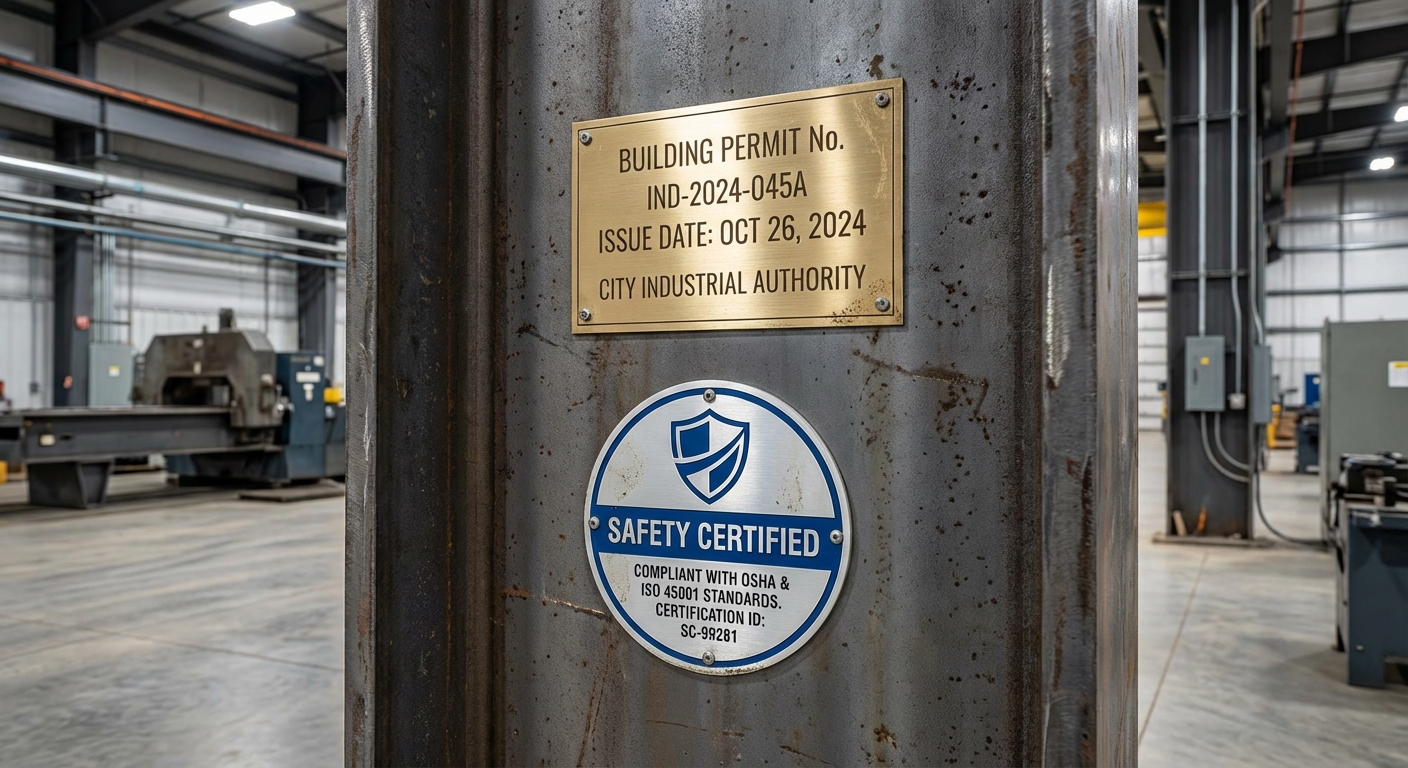
Local building codes dictate the structural weight and necessary fire resistance of your 100 x 200 steel building. Compliance is not optional, and higher safety standards in your region will directly impact the amount of steel required.
How does wind load affect design?
If your project is in a hurricane-prone or high-wind area, the frame must be engineered with additional bracings and thicker steel. This increases the total weight of the kit and the complexity of the assembly.
Make no mistake: designing for local codes from day one prevents costly retrofitting and protects you from legal liabilities.
- Fire-rated wall panels and intumescent coatings.
- Seismic bracing for high-risk geographical zones.
- ADA-compliant ramps and entry points.
Key Takeaway: Prioritizing safety compliance ensures a secure structure that meets all legal requirements and qualifies for better insurance rates.
Evaluating local codes early in the design process prevents expensive change orders after the fabrication process has already begun.
| Code Category | Requirement Example | Impact on Budget | |
|---|---|---|---|
| Wind Load | 120+ MPH rating | Structural Weight | |
| Snow Load | PSF (Pounds per sq ft) | Roof Pitch/Steel Gauge | |
| Fire Safety | 1-2 Hour Ratings | Specialized Materials |
What is the best industrial flooring?
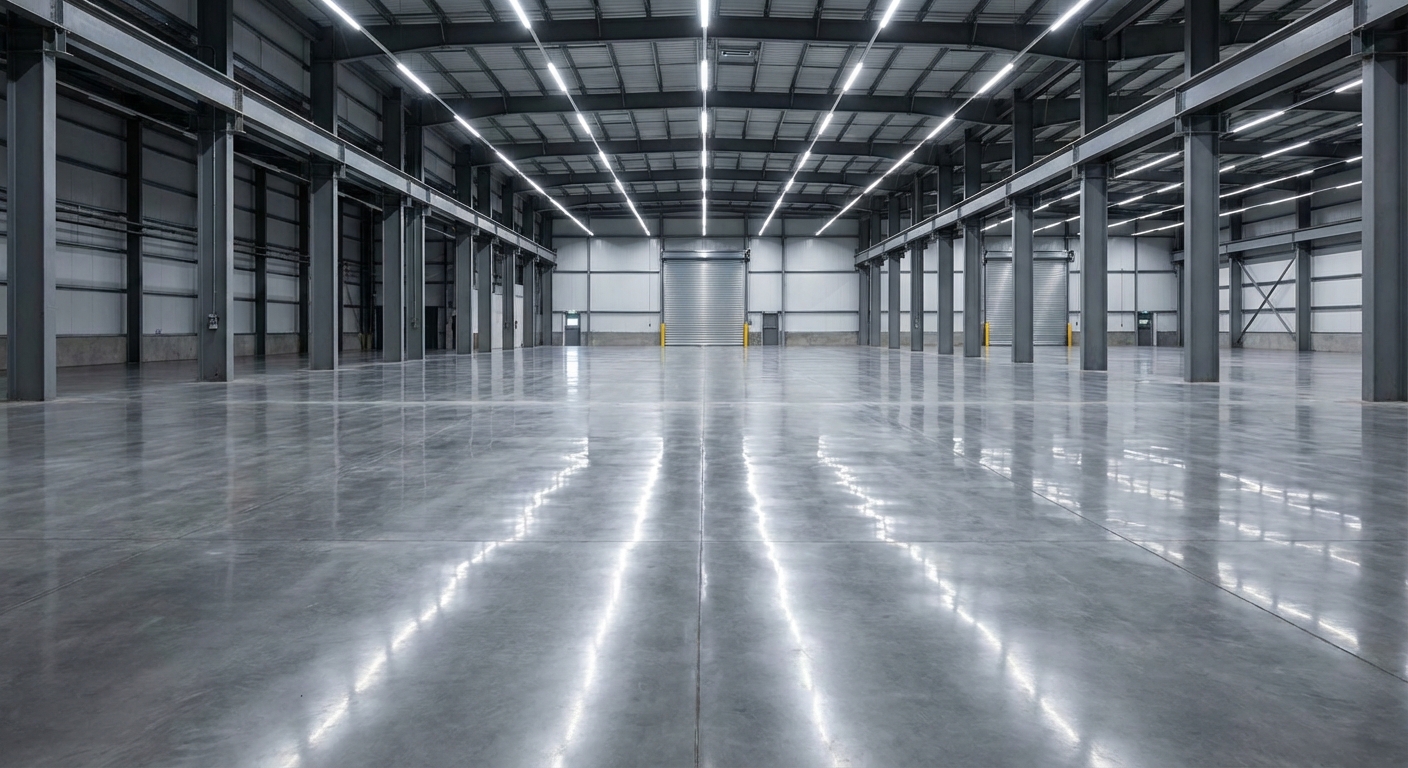
A reinforced concrete slab is the standard flooring choice for a 100 x 200 steel building used for industrial storage or manufacturing. Your floor must be thick enough to support heavy machinery and frequent forklift traffic.
Should you use epoxy coatings?
Standard concrete is durable, but applying an epoxy resin coating can protect the surface from oil spills and chemical leaks. This is especially useful in workshops where maintenance involves corrosive fluids.
Here’s a pro tip: polished concrete offers a low-maintenance, high-gloss finish that improves interior lighting and reduces dust.
- Reinforced concrete slabs (6″ to 8″ thickness).
- Epoxy resin for chemical and oil resistance.
- Polished concrete for low-maintenance aesthetics.
Key Takeaway: Your floor choice is just as critical as the frame, especially in high-traffic 20,000-square-foot warehouses.
Selecting the right floor finish during the initial build is far more cost-effective than grinding down concrete to apply a coating later.
| Floor Type | Best Use Case | Maintenance Level | |
|---|---|---|---|
| Standard Concrete | General Storage | Low | |
| Epoxy Coating | Manufacturing/Labs | Medium | |
| Poured Resin | Heavy Machinery | Low/Durable |
How does ventilation impact costs?
Effective ventilation in a 100 x 200 steel building prevents condensation buildup that can lead to corrosion or inventory damage. Proper airflow is vital for maintaining air quality, especially in facilities with high occupant density or machinery exhaust.
Is passive or active better?
Passive systems like ridge vents and wall louvers are cost-effective because they require no electricity to operate. However, if your building generates significant heat, active exhaust fans are necessary to move air quickly.
Don’t overlook this: effective ventilation prevents “sweating” in steel structures, protecting both the building and the inventory inside.
- Ridge vents and louvers (Passive).
- High-volume exhaust fans (Active).
- Supply air intake systems for agricultural use.
Key Takeaway: A well-designed ventilation system protects your investment from moisture-related damage and improves worker productivity.
Balancing initial installation costs against long-term operational expenses is key to choosing the right ventilation strategy.
| System Type | Operating Cost | Effectiveness | |
|---|---|---|---|
| Ridge Vents | $0 | Constant/Light | |
| Exhaust Fans | Monthly Electricity | High/Controlled | |
| Gravity Vents | $0 | Moderate |
Why choose steel instead of wood?
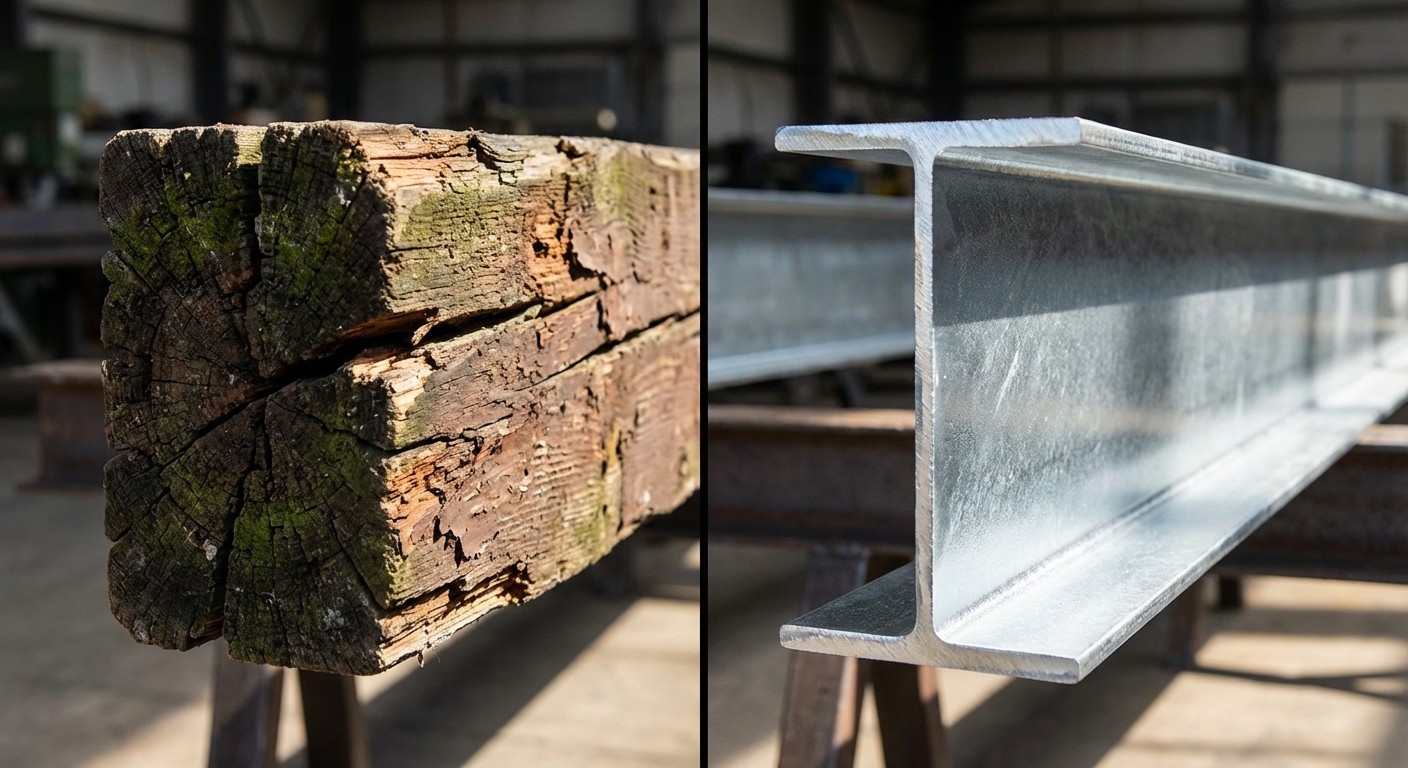
Choosing a 100 x 200 steel building over a wood-frame structure provides superior fire resistance and lower insurance premiums over time. Steel’s strength-to-weight ratio allows for much larger clear spans than traditional lumber could ever achieve.
Is maintenance really lower?
Steel will not rot, warp, or suffer from termite infestations, making it a “set and forget” solution for many business owners. You won’t have to deal with the frequent painting or structural repairs required by wood buildings.
It gets even better: steel structures are factory-finished with coatings that often last 30 to 40 years without needing a refresh.
- Termite and rot resistance.
- Non-combustible material status (lower premiums).
- 30% faster erection time vs. stick-built.
Key Takeaway: Steel offers a superior Return on Investment (ROI) over a 20-year period compared to traditional wood construction.
The long-term savings in maintenance and insurance often offset the slightly higher initial material costs of steel.
| Feature | Steel Structure | Wood Frame | |
|---|---|---|---|
| Lifespan | 50+ Years | 20-30 Years | |
| Insurance | Lower Costs | Higher Costs | |
| Maintenance | Minimal | Frequent (Paint/Rot) |
Can you install an overhead crane?
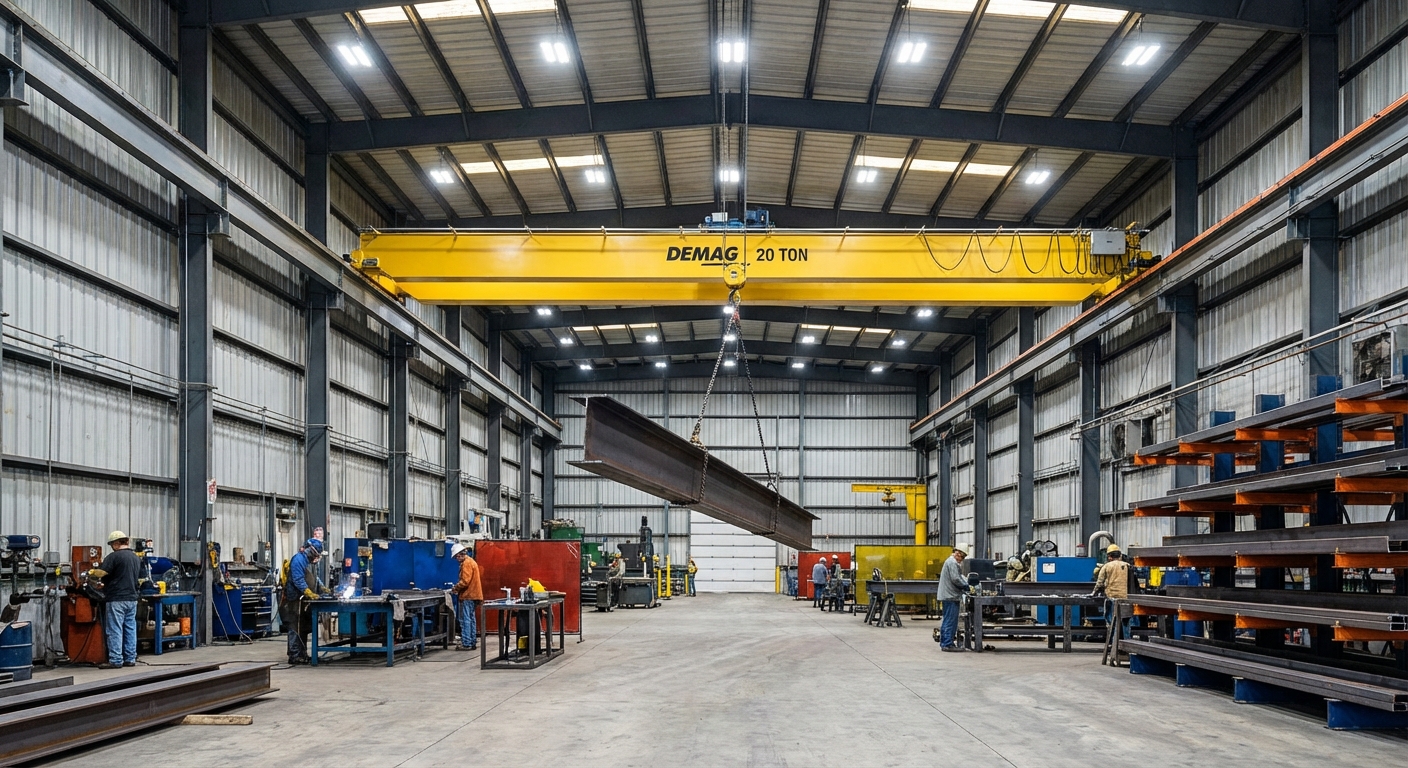
You must engineer the primary frame of your 100 x 200 steel building to support the added point loads of an overhead crane system. If you plan on moving heavy parts or equipment, this must be decided during the design phase.
What crane types work best?
Top-running bridge cranes are the most common choice for 20,000-square-foot workshops because they provide maximum lifting capacity. You can also integrate monorails or jib cranes for localized lifting tasks along the side walls.
Here is the kicker: integrating crane requirements during the design phase is 50% cheaper than adding them as a retrofit later.
- Top-running bridge crane configurations.
- Crane runway beams integrated into the main frame.
- Heavy-duty baseplates for increased point loads.
Key Takeaway: Engineering for heavy-duty lifting from the start ensures your facility can handle the most demanding industrial tasks safely.
Designing your frame with crane support in mind increases the building’s resale value and operational versatility for future owners.
| Crane Type | Lift Capacity | Structural Requirement | |
|---|---|---|---|
| Bridge Crane | 5 – 20+ Tons | Reinforced Columns | |
| Jib Crane | 1 – 5 Tons | Localized Bracing | |
| Monorail | Varied | Ceiling-mounted Purlins |
Recap and Next Steps
Building a facility of this scale is a landmark investment for any business. We have explored how hard materials, soft administrative costs, and customization options work together to define your total project spend. By understanding these variables, you can secure a structure that serves your operational needs for decades without exceeding your budget.
At Showhoo Building, we believe in engineering excellence delivered with factory-direct precision. We can provide you with a complete installation-ready system that eliminates field modifications and reduces construction timelines. Our vision is to empower your growth through durable, cost-effective steel solutions. If you are ready to transform your project from a plan into a reality, contact us today to speak with a dedicated building specialist.
Frequently Asked Questions
Can I expand a 100 x 200 steel building later?Yes, you absolutely can. Steel structures are modular, meaning you can remove end walls and bolt on additional sections to increase the length of your facility as your business grows.
What’s the best way to maintain a steel building?Minimal effort is required. We recommend an annual check of all fasteners and gutters to ensure no moisture is trapped against the steel, which preserves the factory coating for decades.
How do I know if I need a permit for my building?Almost certainly, you do. Any structure of this size requires a building permit to ensure it complies with local zoning, fire safety, and structural integrity codes before construction begins.
Can I build a 100 x 200 steel building on a slope?Yes, but it requires a specialized foundation. You will need to account for extra site grading costs or a stepped foundation design to ensure the building remains level and stable.
What’s the best foundation for this size building?A floating concrete slab is usually the most cost-effective. For areas with poor soil conditions, a pier-and-beam foundation may be necessary to support the heavy structural loads of the steel frame.