
Optimizing the architectural layout and environmental systems of your broiler farm is the most critical driver of flock uniformity, feed conversion efficiency, and overall biosecurity. Many growers struggle with rising energy costs and structural wear on traditional timber barns, which fail to protect flocks from harsh seasonal weather, pests, and airborne pathogens. When internal temperatures fluctuate and humidity rises, stocking densities drop, feed conversion efficiency collapses, and disease spreads rapidly. Upgrading to a modern steel-frame commercial chicken house provides the structural strength, thermal insulation, and advanced automation needed to stabilize your growing environment and maximize profit margins.
What Frame Style Fits a Commercial Chicken House?
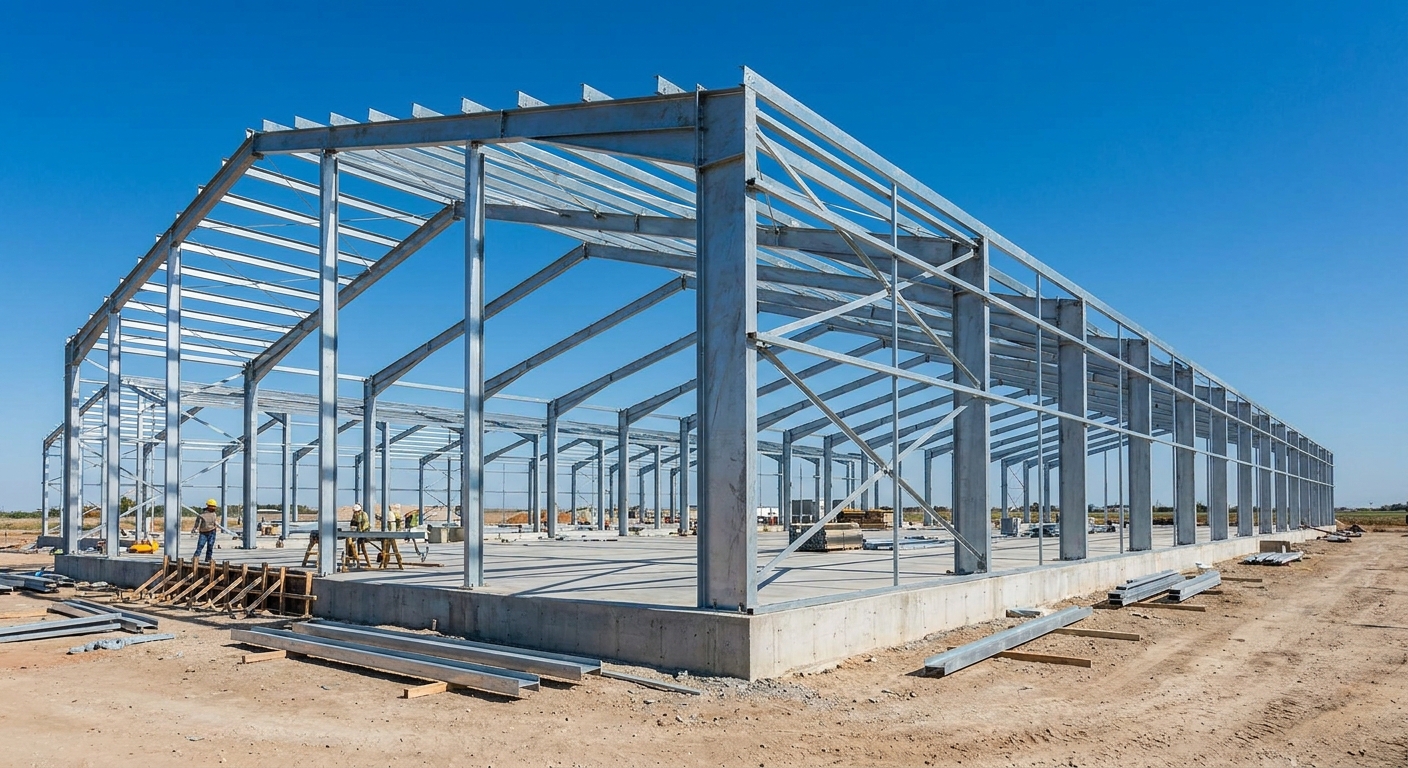
Choosing a galvanized steel portal frame is the most durable and biosecure option for your commercial chicken house. This structural style offers unparalleled stability, rapid assembly times, and a clear-span layout that accommodates heavy automated machinery.
Steel Truss vs. Wood Frame Engineering
Traditional timber frames are initially cheaper to construct but highly vulnerable to rotting, sagging roofs, and pest infestations. On the other hand, heavy-duty steel trusses eliminate these structural concerns while allowing for easier sanitization.
Here is the deal:
- Steel structures naturally resist heavy wind and snow loads.
- Non-porous metal frames prevent pathogen nesting.
- Prefabricated components reduce on-site labor expenses.
Prefabricated Portal Frame Advantages
Choosing a prefabricated portal frame gives you clear spans ranging from 12 to 36 meters wide. This unobstructed interior design allows you to install automated feeding lines and ceiling ventilation systems without encountering structural columns.
Durability and Foundation Barrier Design
A robust concrete foundation footing acts as a solid perimeter barrier around the base of the structural steel frame. This engineering detail prevents moisture seepage, stops wood rot, and excludes rodents or burrowing pests from entering the rearing zone.
Key Takeaway: Investing in a galvanized steel portal frame with a solid concrete footing ensures long-term structural integrity while lowering maintenance costs and safeguarding your flock’s health.
| Structural Metric | Steel Frame Systems | Conventional Timber Frames | |
|---|---|---|---|
| Design Lifespan | 30 to 50+ Years | 10 to 15 Years | |
| Pest Resistance | Excellent (Non-porous) | Poor (Attracts rodents/insects) | |
| Assembly Speed | 30% to 50% Faster | Standard Construction | |
| Clear Span Capacity | Up to 36m (No pillars) | Limited (Requires support columns) |
This engineering comparison highlights why structural steel frames deliver superior longevity and structural biosecurity compared to timber alternatives.
How to Value Space in a Commercial Chicken House?
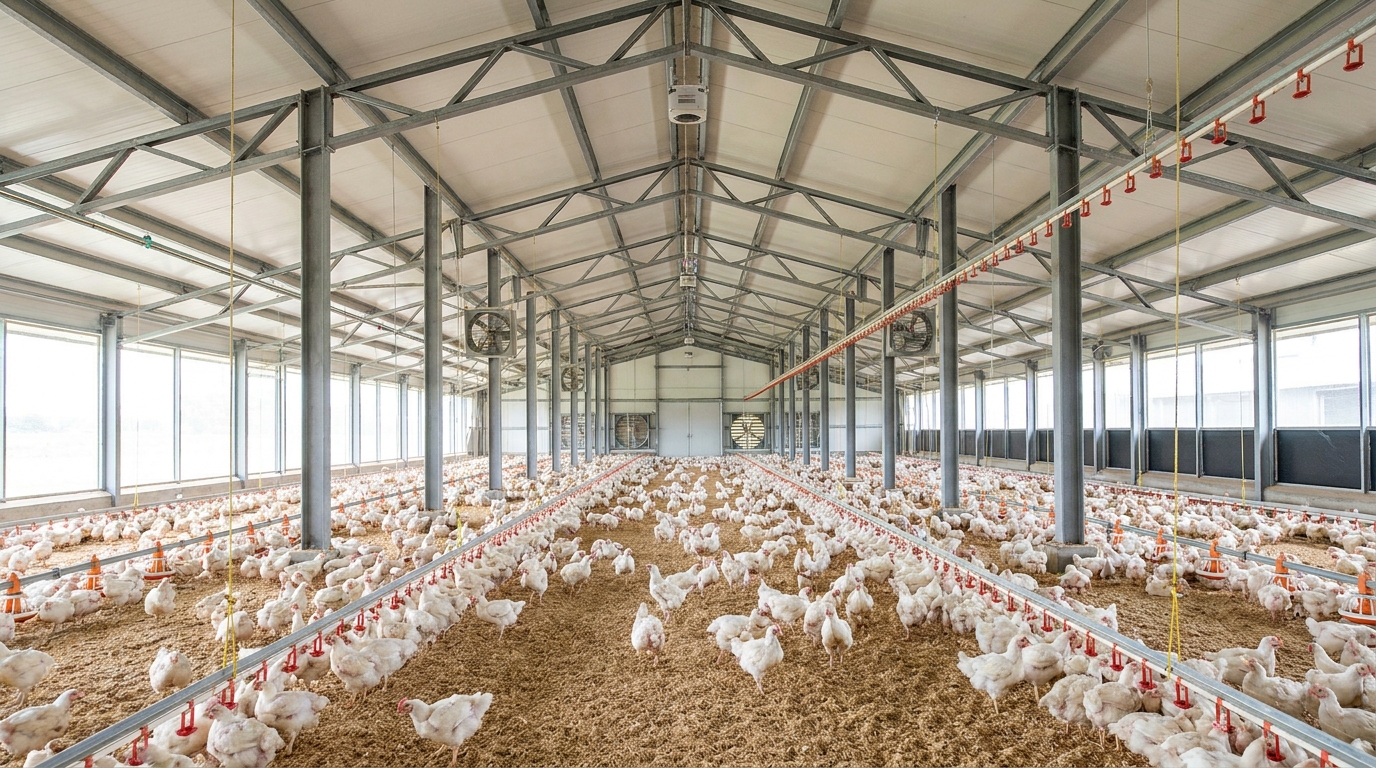
Finding the perfect balance in stocking density inside your commercial chicken house is essential for maximizing live weight yield, feed efficiency, and bird welfare. Overcrowding can quickly trigger stress, increase mortality, and degrade overall flock uniformity.
Stocking Density Targets by Live Weight
To optimize growth, you must carefully calibrate the floor space allocated per bird based on their target market weight. Standard commercial guidelines recommend adjusting bird placement density systematically to prevent crowding as the birds grow.
Think about it:
- Younger birds require smaller floor areas during early stages.
- Larger target weights demand up to 1.15 square feet per bird.
- Proper space distribution supports continuous feed access.
Climate and Seasonal Capacity Variations
Your stocking density must adapt to seasonal weather changes because ambient temperatures heavily influence how heat is removed from the barn. During winter, you can place more birds per square foot because the cold outdoor air makes ventilation and cooling easier.
Economic Impacts of House Overcrowding
Exceeding recommended bird counts in your facility triggers severe financial losses through poor feed conversion ratios and high carcass condemnation rates. Ensuring adequate space is not just about animal welfare; it directly protects your bottom-line profitability.
Key Takeaway: Properly managing stocking densities ensures your flock maintains optimal feed intake, uniform growth, and low mortality rates across all seasons.
| Target Bird Weight (lbs) | Square Feet Required Per Bird | Live Weight Density Target (lbs/sq. ft) | |
|---|---|---|---|
| 3.0 lbs | 0.50 | 5.99 | |
| 5.0 lbs | 0.85 | 5.91 | |
| 7.0 lbs | 1.00 | 7.04 | |
| 8.0 lbs | 1.15 | 6.99 |
Monitoring these density guidelines allows you to make informed decisions about bird placement, maximizing your production yield per square foot.
Why Is Feed Layout Vital in a Commercial Chicken House?
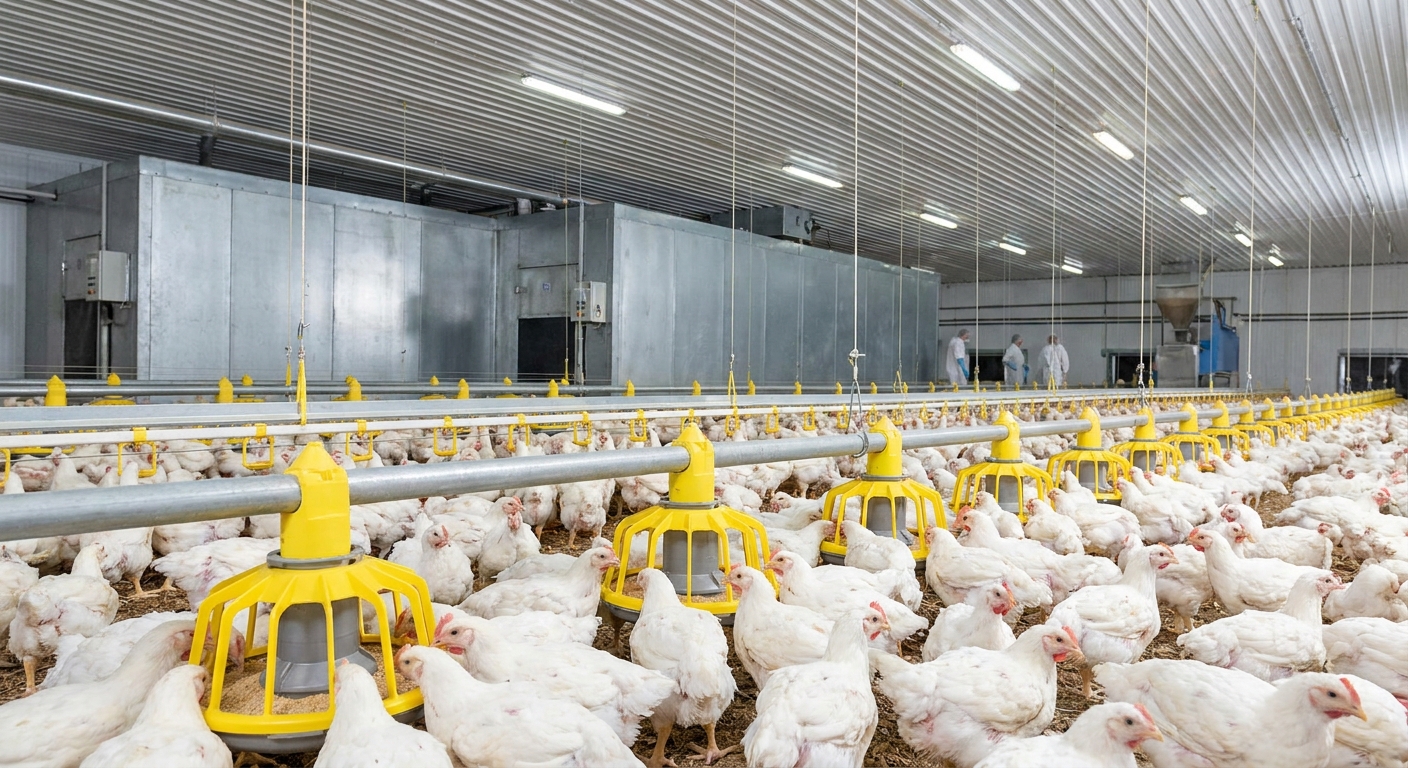
Structuring an efficient, automated feeding system inside your commercial chicken house is vital for ensuring uniform growth rates across the entire flock. A poorly planned layout can lead to competitive behavior, feed wastage, and uneven weight distribution.
Automated Pan Feeder Configurations
Modern operations utilize automatic 12-inch round feed pans designed to support 45 to 80 birds per pan. A core auger line automatically distributes feed to each pan, triggered by a sensor in the final control pan at the end of the line.
Here is why this matters:
- Faster fill times minimize bird stress and fighting.
- Unrestricted bird movement allows easy access to food.
- Height-adjustable lines keep pans level with birds’ backs.
Feed Line Planning by Facility Width
The total number of feed lines you install must match the exact width of your building to prevent crowding and ensure equal feed access. Standard 50-foot-wide houses require at least three parallel feeding lines, while wider 85-foot structures need five lines.
Storage Bin Integration and Maintenance
Your facility should feature twin external feed silos with a combined storage capacity equal to at least five days of bird consumption. Utilizing dual silos allows you to transition between feed formulations easily and carry out essential sanitation without interrupting supply.
Key Takeaway: Installing a robust, automated pan feeding system matched to your building’s width ensures all birds feed comfortably, boosting flock uniformity and feed conversion ratios.
| Building Width (Feet) | Recommended Feed Lines | Feed Silo Reserve Target | |
|---|---|---|---|
| 42 Feet | 2 Lines | 5 Days Minimum | |
| 50 Feet | 3 Lines | 5 Days Minimum | |
| 65 Feet | 4 Lines | 5 Days Minimum | |
| 85 Feet | 5 Lines | 5 Days Minimum |
Aligning your feeding infrastructure with these specific dimensions ensures even feed distribution and prevents growth setbacks.
How to Control Water in a Commercial Chicken House?
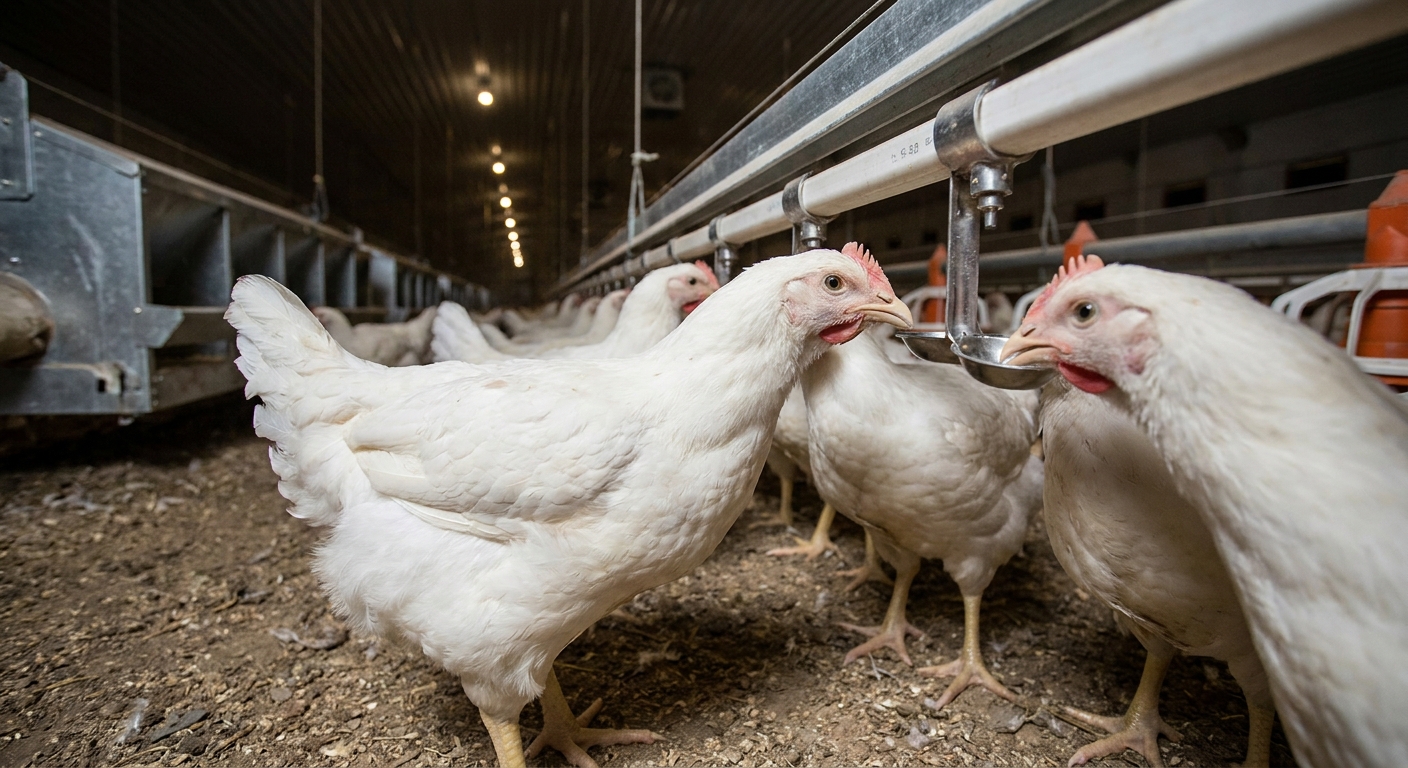
Implementing a closed water system inside your commercial chicken house is the most effective way to maintain sanitary conditions and prevent wet litter. Keeping your birds’ water supply clean is a cornerstone of advanced farm biosecurity and disease prevention.
Closed Nipple Systems vs. Open Drinkers
Transitioning from open bell drinkers or troughs to closed nipple systems represents a major leap in poultry management. Closed nipple systems prevent airborne contamination, keep the water fresh, and dramatically reduce the manual labor required for daily cleaning.
But wait, there’s more:
- Low-flow systems release up to 2 ounces of water per minute.
- Drip cups on high-flow systems catch water and keep floors dry.
- One water nipple easily services 10 to 12 active broilers.
Flow Rate Controls and Bird Positioning
You must adjust the height of the drinking lines daily so that birds can reach the metal trigger pins without strain. Ideally, the chickens should stretch slightly, keeping their necks at a 45-degree angle with their feet flat on the floor.
Water-to-Feed Ratios and Ambient Temps
Water consumption is directly tied to the feed intake of your birds, but this ratio shifts dramatically as ambient temperatures rise. On extremely hot days, water demand can more than double, making a 24-hour backup water storage tank essential.
Key Takeaway: Upgrading to closed nipple lines with automated pressure regulators prevents leaks, protects litter dry-matter ratios, and ensures continuous clean water access.
| Temperature (°F) | Water-to-Feed Consumption Ratio | Emergency Storage Requirement | |
|---|---|---|---|
| 39°F | 1.7 : 1 | 24 Hours | |
| 68°F | 2.0 : 1 | 24 Hours | |
| 79°F | 2.5 : 1 | 24 Hours | |
| 99°F | 5.0 : 1 | 24 Hours |
Tracking daily water usage through automated meters provides an early warning of potential bird stress, leaks, or disease outbreaks.
Why Manage Lighting in a Commercial Chicken House?
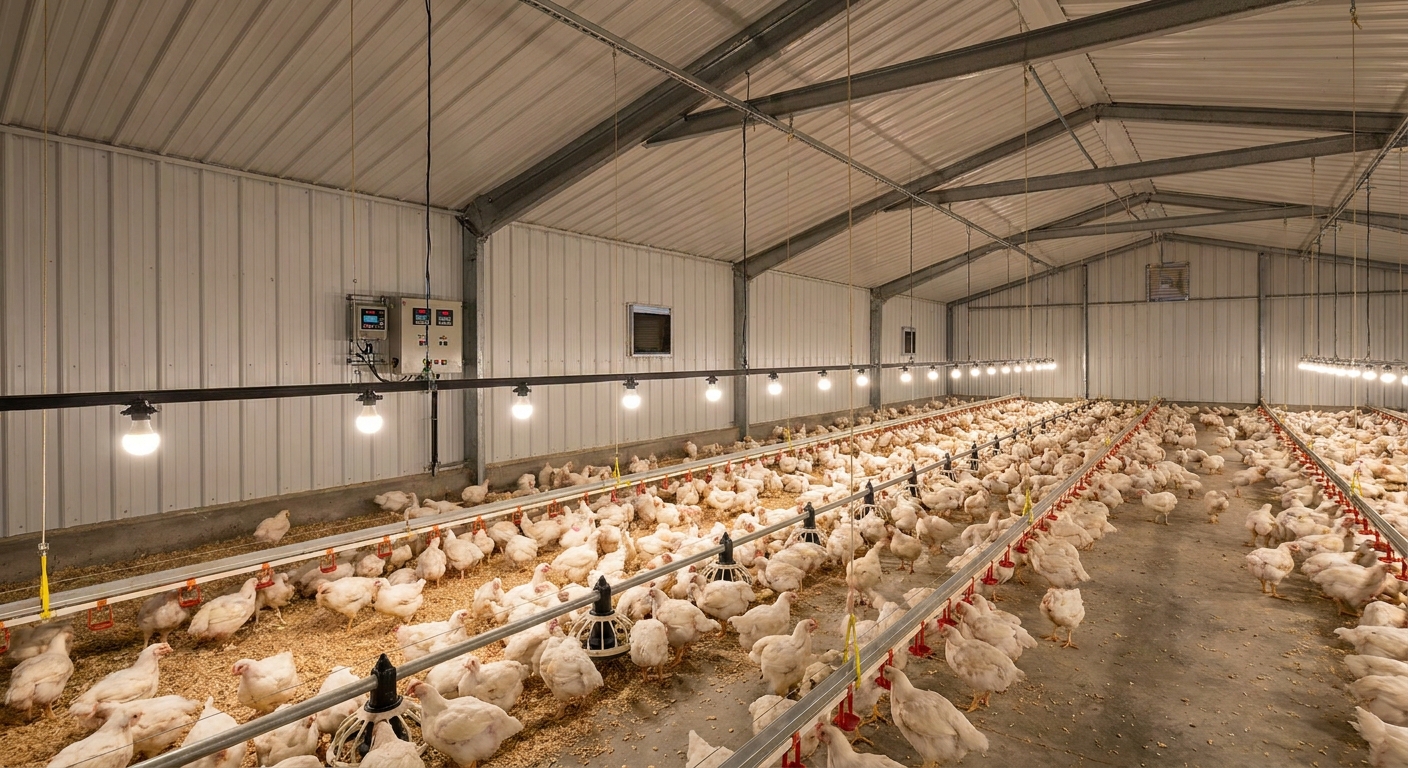
Designing a precise, automated lighting program in your commercial chicken house is critical for managing bird activity, structural skeletal development, and digestion. Proper light management directly influences animal welfare and optimizes overall feed conversion efficiency.
Photoperiod Protocols for Bird Health
Providing a consistent dark period of 4 to 6 hours daily allows your flock to rest, lowering their basal metabolic rates. This structured rest period reduces the incidence of sudden death syndrome, ascites, and skeletal leg disorders.
Think about it:
- Digestion and bone mineralization occur during dark periods.
- Constant lighting causes excessive stress and uneven growth.
- Programmed cycles mimic natural diurnal biological rhythms.
Comparing CFL, LED, and Incandescent Bulbs
While traditional incandescent bulbs are affordable to install, they have short lifespans, emit excess heat, and consume large amounts of electricity. Modern compact fluorescent lamps and durable LEDs provide long-term energy savings and allow you to dim the brightness easily.
Energy Efficiency and Operational Savings
Because lighting represents 25% to 40% of your facility’s total electricity bill, upgrading to energy-efficient bulbs is highly recommended. Transitioning to LED systems significantly lowers utility costs and ensures consistent light intensity throughout the building.
Key Takeaway: Implementing a dimmable LED lighting program with scheduled dark periods improves bird health, reduces metabolic disorders, and minimizes utility expenses.
| Bulb Technology Type | Energy Efficiency | Average Lifespan | Dimming Capability | |
|---|---|---|---|---|
| Incandescent (60W) | Poor (Baseline) | 5 to 6 Months | Yes | |
| CFL (15W – 26W) | 60% Energy Savings | 10 to 12 Months | Moderate | |
| Dimmable LED Systems | Over 80% Energy Savings | 3 to 5 Years | Excellent |
Upgrading to LED technology is a smart business decision that reduces monthly operational overhead while improving flock performance.
How to Heat a Modern Commercial Chicken House?
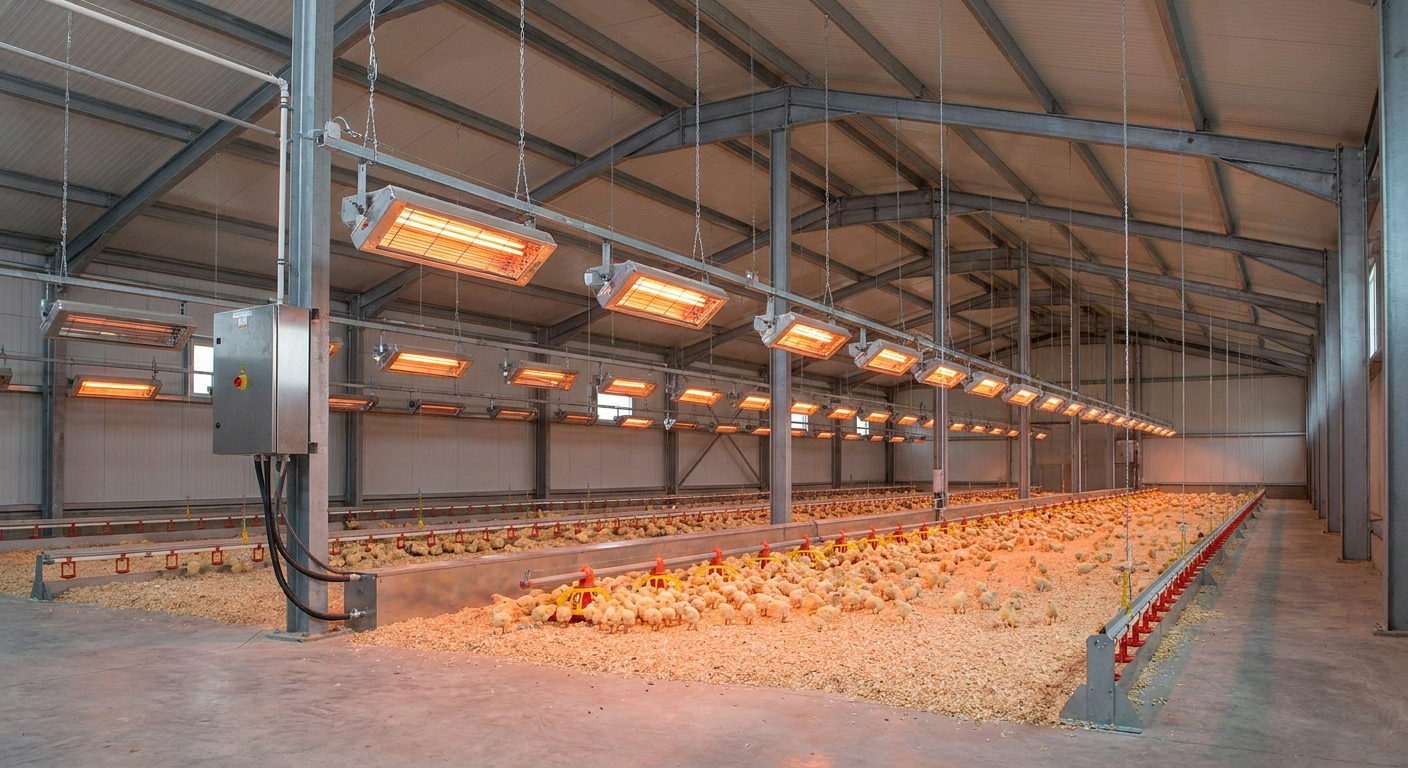
Selecting the right heating system for your commercial chicken house is critical for successful brooding and early-stage chick development. Providing a warm, stable thermal environment during the first two weeks of life ensures strong structural growth and high survival rates.
Convection Heating vs. Radiant Heat Waves
Convection space heaters heat the air in the barn, creating a uniform temperature but requiring high energy to warm the entire volume. In contrast, radiant spot heaters use infrared waves to heat objects directly, warming the chicks and the litter beneath them without wasting energy on the air.
Here is why this matters:
- Radiant heat warms the floor first, preventing cold drafts.
- Chicks can move freely between different thermal zones.
- Lower ambient air temperatures help reduce energy waste.
Brooding Zone Management with Spot Heaters
Positioning round canopy or radiant heaters 3 to 5 feet above the floor creates warm comfort zones for your chicks. This setup allows young birds to self-regulate their body temperatures by moving closer to or farther from the heat source as needed.
Radiant Tube Systems and Floor Warmth
Long radiant tube heaters installed along the roof apex or sidewalls distribute heat evenly across the entire litter surface. This system creates a uniform floor temperature, but you must monitor it closely to avoid drying out the bedding or driving chicks away from feed.
Key Takeaway: Combining radiant spot heaters for early-stage brooding with convection heaters for the grow-out phase maximizes energy efficiency and supports rapid flock development.
| Heating System Class | Heat Delivery Mode | Thermal Zoning Utility | Ideal Growth Stage | |
|---|---|---|---|---|
| Forced Air Convection | Air Circulation | Low (Uniform heat) | Post-Brooding (Day 15+) | |
| Radiant Canopy Brooders | Infrared Waves | High (Localized zones) | Early Brooding (Day 1 – 14) | |
| Radiant Tube Systems | Line Infrared | Moderate (Even floors) | Universal (Requires care) |
Choosing a heating layout tailored to your farm’s climate ensures your flock stays comfortable while keeping fuel costs in check.
Why Is Venting Critical in a Commercial Chicken House?
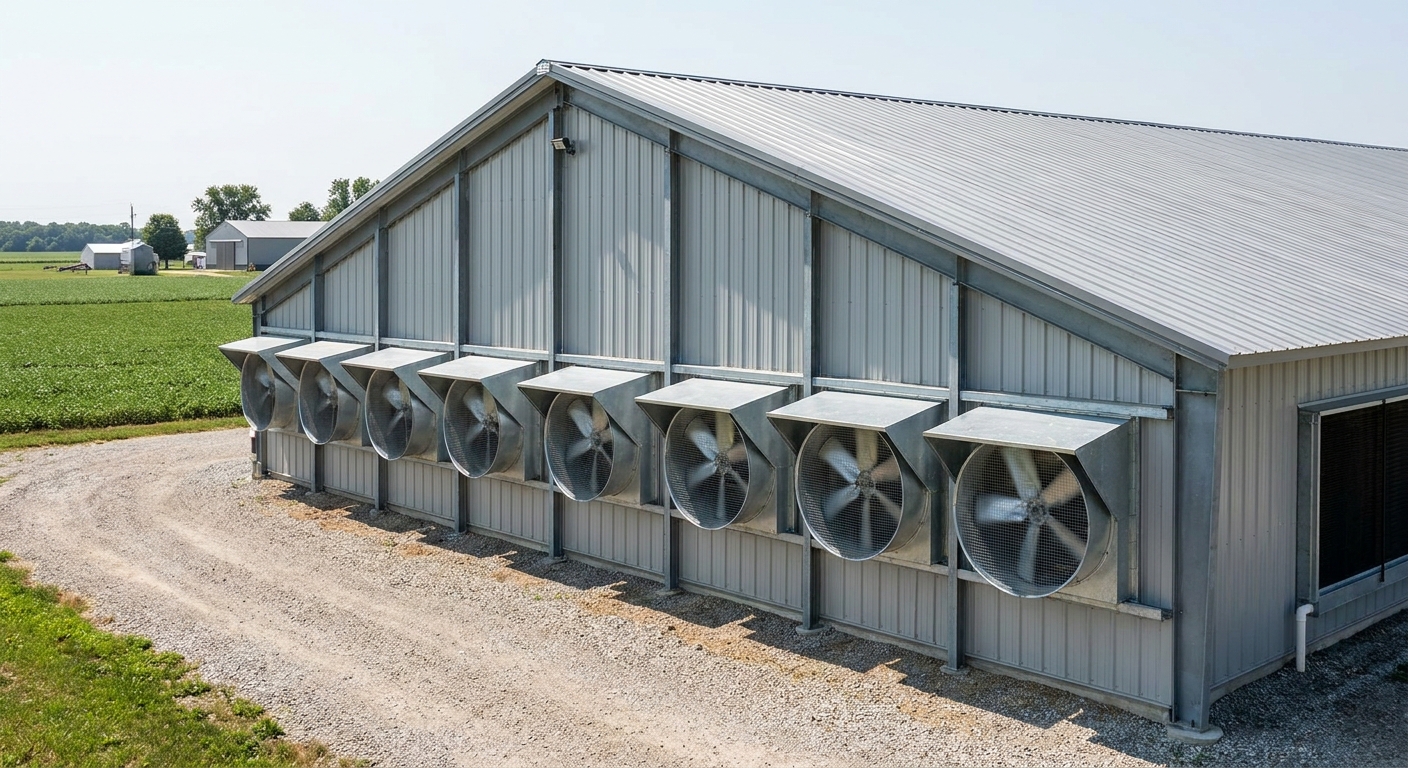
Maintaining proper ventilation in your commercial chicken house is the primary way to control humidity, supply vital oxygen, and remove toxic gases. Proper airflow prevents moisture buildup in the litter, which dramatically reduces the formation of harmful ammonia gas.
Managing Relative Humidity and Air Quality
You should aim to keep the relative humidity inside your facility between 50% and 70%. When humidity drops too low, dusty conditions develop, whereas high humidity causes wet bedding, leading to respiratory illnesses and ammonia buildup.
Here is the deal:
- Ammonia levels over 25 ppm damage birds’ respiratory tracts.
- High carbon monoxide levels indicate inefficient heater combustion.
- Continuous fresh air exchange removes airborne dust and pathogens.
Negative Pressure and Tunnel Fan Planning
Modern facilities utilize powerful electric exhaust fans to pull air out of the building, creating negative static pressure. This vacuum draws fresh air through computer-controlled wall inlets, directing the air upward toward the ceiling where it warms and expands.
Natural Side Curtain Ventilation Adjustments
In open-sided housing, natural ventilation relies on side curtains that must be manually or automatically adjusted throughout the day. While this style is cost-effective, it depends on outside wind conditions and offers less precise climate control than tunnel ventilation.
Key Takeaway: Engineering a tunnel ventilation system with negative pressure controls ensures fresh air reaches all birds, protecting their respiratory health and maximizing feed conversion.
| Gas / Air Quality Metric | Maximum Safe Threshold | Primary Biological Risk | Recommended Action | |
|---|---|---|---|---|
| Ammonia (NH3) | < 25 ppm | Respiratory damage | Increase fan speed | |
| Carbon Monoxide (CO) | < 50 ppm | Systemic asphyxiation | Clean burner lines | |
| Relative Humidity (RH) | 50% to 70% | Wet litter / Pathogens | Adjust side air inlets |
Maintaining precise static pressure and fan capacity is the key to achieving uniform air exchange and a comfortable environment for your birds.
How to Dry Litter inside a Commercial Chicken House?
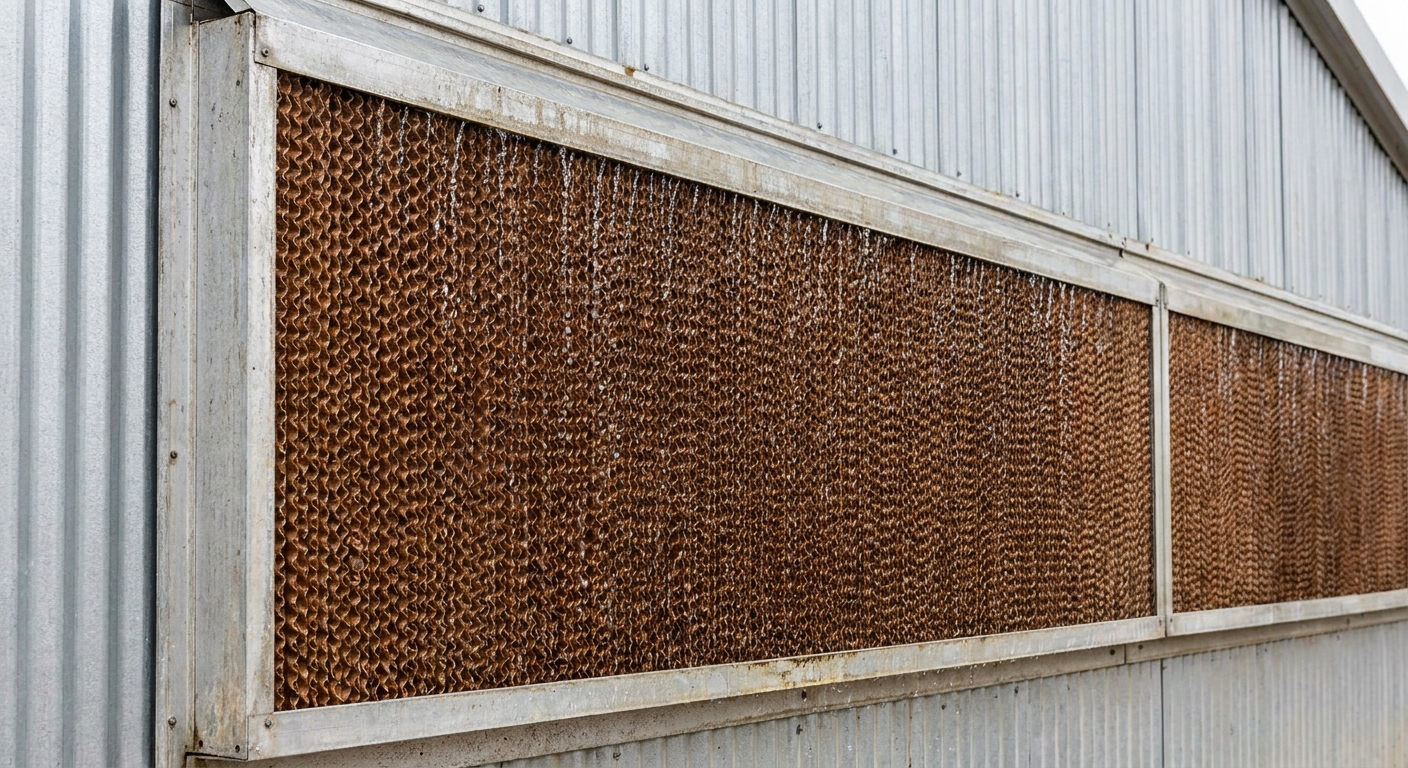
Selecting and maintaining dry, highly absorbent bedding inside your commercial chicken house is vital for protecting bird health and preventing ammonia emissions. Dry litter acts as a comfortable cushion, insulating the floor and protecting the birds’ feet and breast muscles from damage.
Selecting Lightweight Absorbent Bedding
You should choose a bedding material that is lightweight, highly absorbent, and quick to dry. While pine shavings and rice hulls are the industry standards, alternative options like wheat straw, peanut hulls, or sand can be used depending on regional availability.
But wait, there’s more:
- Bedding should be spread at a depth of 3 to 4 inches.
- Good insulation helps retain warmth during cold weather.
- Non-dusty materials prevent respiratory irritation.
Managing Uric Acid and Ammonia Emissions
When bedding becomes damp, bacteria rapidly break down the uric acid present in bird droppings, releasing toxic ammonia gas. Keeping the litter dry through proper ventilation and water line management is the most effective way to keep ammonia levels low.
Depth and Replacement Guidelines for Litter
Spreading your fresh bedding to the recommended depth of 3 to 4 inches ensures adequate floor insulation and cushioning. After each grow-out cycle, you must thoroughly clean out and replace the wet or caked litter to maintain high biosecurity standards for the next flock.
Key Takeaway: Keeping your facility’s bedding dry and well-managed minimizes bacterial growth, lowers ammonia levels, and protects footpad and respiratory health.
| Bedding Material Option | Absorbency Rating | Regional Availability | Operational Constraint | |
|---|---|---|---|---|
| Pine Shavings | Excellent | Medium | High purchasing costs | |
| Rice Hulls | Very Good | Medium | Often redirected for energy use | |
| Peanut Hulls | Moderate | Low | Risk of toxic mold growth | |
| Sand | Poor | High | Heavy floor load / Cold in winter |
Choosing the right bedding material and keeping it dry is essential for preventing foot injuries and maintaining excellent air quality.
Why Use Sensors in your Commercial Chicken House?
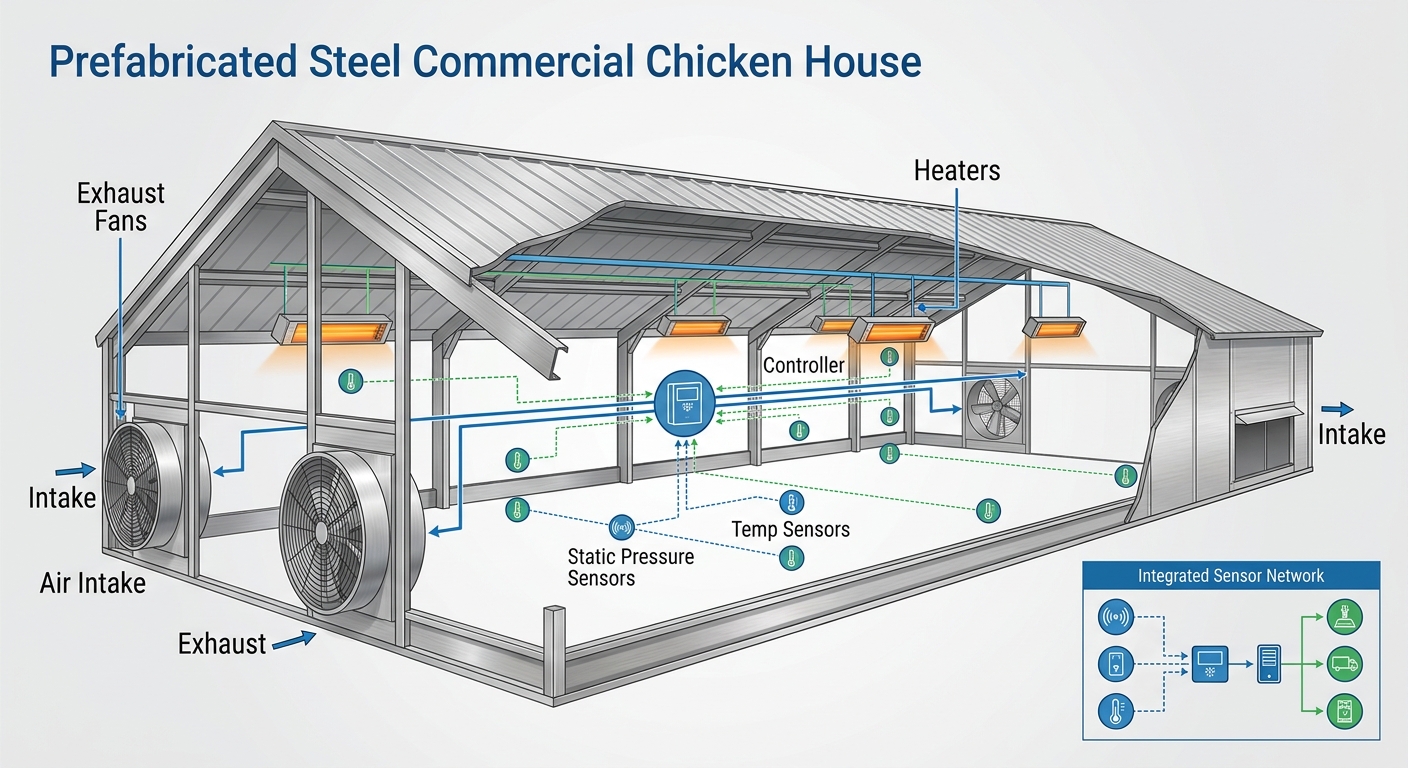
Installing an integrated network of environmental sensors in your commercial chicken house is the modern way to automate climate control and optimize bird performance. Automated monitoring systems deliver real-time data on temperature, humidity, and pressure, allowing you to make instant adjustments to protect your flock.
Computerized Environmental System Inputs
Advanced controllers gather continuous data from thermal probes, humidity sensors, and carbon dioxide monitors installed throughout the barn at bird height. This setup allows the system to automatically adjust fans, heaters, and cooling pads to maintain your target climate.
Think about it:
- Controllers keep temperatures within a tight 3°F range.
- Automated historical logs track environmental patterns.
- Sensor data can be accessed remotely via your computer.
Real-Time Static Pressure Monitoring
Your system should actively monitor negative static pressure to ensure side wall inlets open and close in sync with running exhaust fans. This precise regulation prevents drafty conditions and ensures incoming fresh air mixes thoroughly near the ceiling before reaching the floor.
Automated Fail-Safe Alarms for Disasters
Installing backup power alarms and high/low-temperature alert systems is vital for protecting your operation from sudden utility failures. These automated fail-safes immediately alert your farm managers of any critical issues, preventing catastrophic bird losses.
Key Takeaway: Utilizing automated climate sensors and fail-safe alarms ensures a stable growing environment, protects your flock from sudden system failures, and optimizes resource use.
| Sensor Parameter | Target Range | Automated System Action | Alarm Trigger Setting | |
|---|---|---|---|---|
| Thermal Probe | 68°F to 72°F (Late cycle) | Modulates fan and heater relays | ±3°F variation | |
| Static Pressure | 0.05 to 0.12 inches WC | Adjusts automated side inlets | Drop in vacuum pressure | |
| Water Meter | Proportional to feed | Signals leaks or bird health drops | Daily deviation >10% |
Integrating these automated sensor networks into your facility takes the guesswork out of daily farm management, protecting your B2B investment.
How to Guard a Commercial Chicken House from Pests?
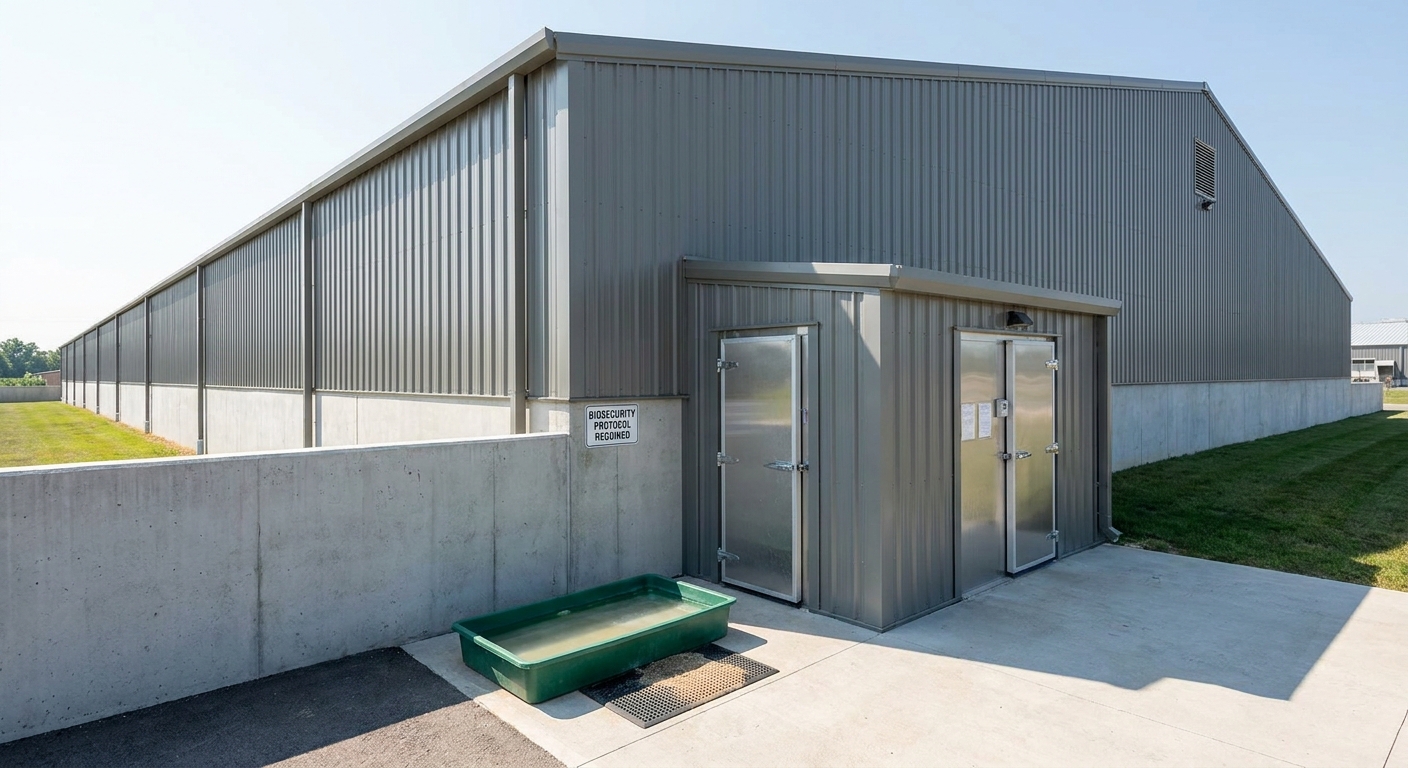
Implementing robust physical barriers and strict biosecurity protocols at your commercial chicken house is essential for keeping out disease-carrying wild birds, rodents, and insects. Enclosing your facility with high-quality steel structures represents your first and most effective defense against devastating disease outbreaks.
Excluding Wild Birds and Rodent Vectors
You must seal all building eaves, wall joints, and doors to prevent wild birds and mice from entering and spreading pathogens. Prefabricated steel frames are highly effective because they eliminate the nesting sites and chewing opportunities common in timber barns.
Here is why this matters:
- Concrete floors prevent burrowing rodents from entering.
- Mesh screens on air inlets block wild birds.
- Enclosed spaces minimize exposure to airborne pathogens.
Tackling Litter Beetles and Pathogens
Litter beetles, or darkling beetles, pose a major threat by damaging wall insulation and carrying harmful diseases between flocks. Applying approved chemical barriers and sealing wall joints prevents these insects from nesting in your facility’s walls.
Biosecurity Protocols for Farm Entrances
To maintain a highly secure environment, you should install vehicle wash bays, walk-through foot baths, and strict visitor logbooks at all facility entrances. These simple on-farm biosecurity steps prevent pathogens from being tracked into your rearing zones.
Key Takeaway: Choosing a fully sealed, steel-frame structure with solid concrete foundations forms the strongest mechanical defense against pests and disease-carrying vectors.
| Threat Vector | Biological & Structural Risk | Structural Solution | |
|---|---|---|---|
| Wild Avian Species | Avian Influenza & Newcastle disease | Eaves mesh & double-entry doors | |
| Mice & Rats | Feed waste, chewing, disease transmission | Concrete floors & solid steel frames | |
| Litter Beetles | Damaged wall insulation & host pathogens | Chemical barriers & sealed metal trim |
Building a biosecure facility with strong physical barriers is the best way to safeguard your flock’s health and protect your farming revenue.
Conclusion
In summary, designing a highly efficient poultry farm requires a careful integration of structural durability, precise climate automation, and strict biosecurity. Showhoo Building delivers industrial-scale prefabricated steel structures customized to meet these demanding farming needs, ensuring your operations remain biosecure and structurally sound. By investing in a high-performance steel building, you solve the costly problems of structural wear, pest infestations, and energy waste. Our team provides complete end-to-end services, including customized architectural layout drawings, steel fabrication, and on-site construction guidance.
Our brand vision is to provide the most durable, energy-efficient, and biosecure agricultural facilities to producers worldwide, supporting the future of sustainable food production. We are dedicated to helping you maximize animal welfare and farm profitability through advanced structural engineering. If you are ready to upgrade your agricultural infrastructure, contact us today to receive a customized technical quote and design consultation.
Build a Smarter Commercial Chicken House—Request a Quote Today !
Email:sales@showhoo.com.cn
Phone/WhatsApp:+86 186 7895 5927
Frequently Asked Questions
Can I customize the clear span and ceiling height of my steel commercial chicken house to fit specialized automation systems?
Yes, you can customize all dimensional specifications to match your exact automated equipment requirements. Our engineering team designs clear-span steel frames from 12 to 36 meters wide without internal supporting pillars, giving you complete layout freedom.
What is the best lighting system for reducing monthly operational energy bills?
Dimmable LED systems are the most efficient option for modern facilities. They consume up to 80% less energy than traditional incandescent bulbs and last significantly longer, making them a smart B2B investment.
How do I know if the static pressure inside my poultry house is correctly balanced?
You can verify static pressure levels using automated environmental controllers linked to digital sensors. A balanced negative static pressure (typically between 0.05 and 0.12 inches WC) ensures fresh air draws through side wall inlets at a velocity that allows ceiling mixing before falling to bird level.
Can I use alternative bedding materials like sand or wheat straw if pine shavings are unavailable?
Yes, alternative bedding materials can be successfully used if they are managed correctly. While pine shavings are preferred, materials like chopped wheat straw or dry sand provide acceptable insulation and floor cushion, provided you adjust your ventilation to control moisture.
What is the best heating method to prevent floor draft cold spots during early brooding?
Radiant canopy spot heaters are the most efficient option for early brooding phases. These heaters emit infrared waves that directly warm the chicks and the floor bedding, allowing birds to self-regulate by moving between localized thermal comfort zones.