
A metal workshop building is a high-performance, pre-engineered steel structure designed specifically for industrial production, heavy machinery storage, and commercial fabrication. You likely face the constant pressure of rising construction costs and unpredictable project timelines that stall your business growth. If you continue to rely on traditional brick-and-mortar methods, you risk losing thousands in overhead and maintenance fees as the structure ages and fails to adapt to your evolving needs. Choosing a modern steel solution provides you with a durable, fast-to-erect, and cost-effective facility that streamlines your operations from day one.
What is a metal workshop building?
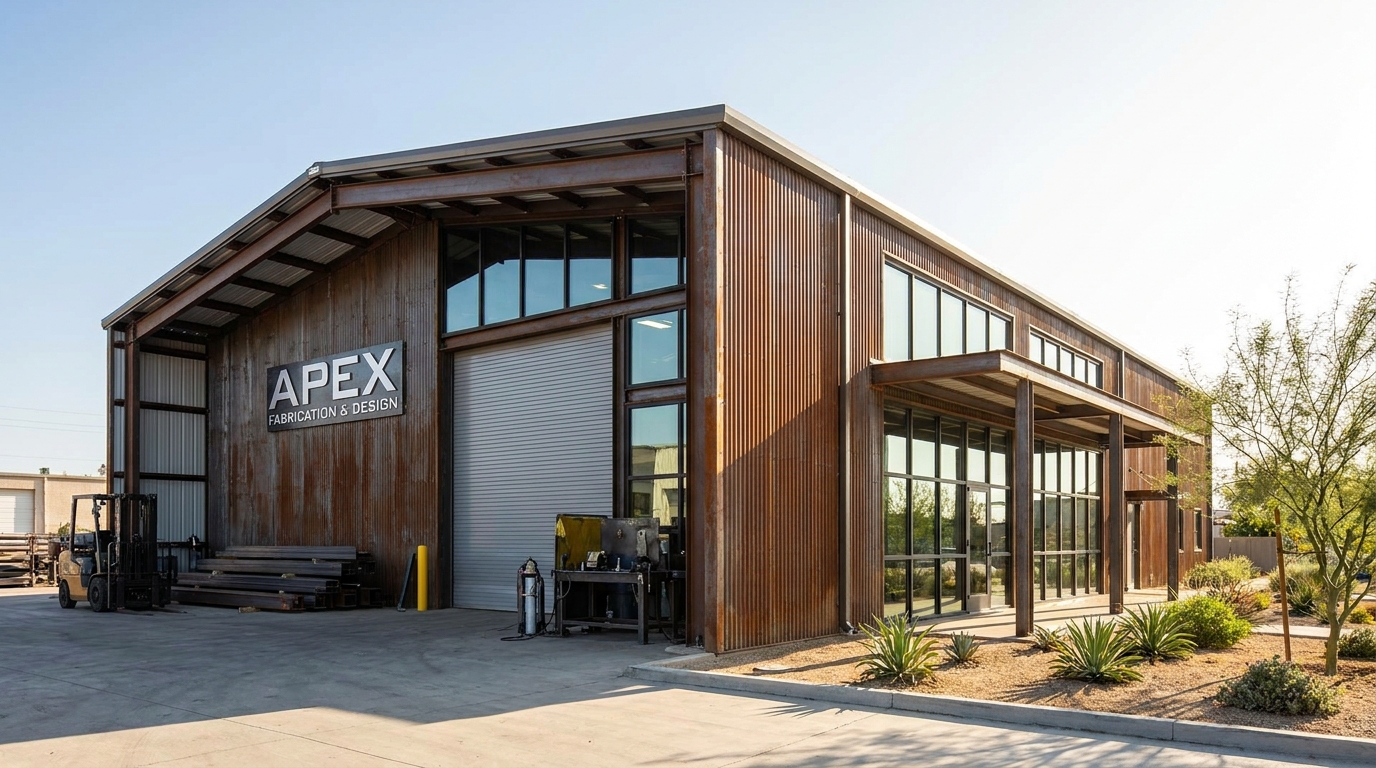
A metal workshop building is a specialized structural system composed of high-strength steel columns, beams, and cladding panels engineered to create a large clear-span workspace. These buildings are designed to accommodate heavy industrial equipment while providing a safe environment for your team. Because the components are manufactured off-site, you benefit from a highly controlled production environment that ensures every part fits perfectly.
Defining the Pre-Engineered Structure
The pre-engineered nature of these workshops means that the engineering calculations are finalized before the first piece of steel is cut. This approach eliminates the guesswork often found in traditional construction, allowing for a seamless integration of all structural elements.
Here is the deal:
- Primary frames consist of H-section steel for maximum load bearing.
- Secondary structures include purlins and girts to support the panels.
- Connections use high-strength bolts for a secure, rigid fit.
Core Applications for Industry
These buildings are not just for basic storage; they serve as the backbone for diverse industries ranging from automotive repair to manufacturing plants. You can easily integrate overhead cranes or specialized ventilation systems to meet your specific operational requirements.
Think about it:
- Automotive repair shops requiring large bay openings.
- Manufacturing facilities needing heavy-duty floor loading.
- Agricultural storage for large-scale equipment.
Key Takeaway: Understanding the structural composition of a steel facility allows you to better plan for specialized equipment integration and future expansion needs.
| Feature | Description | Benefit | |
|---|---|---|---|
| Main Frame | H-Section Steel | High load capacity | |
| Design Type | Pre-Engineered | Fast assembly | |
| Span | Up to 40m+ Clear Span | Unobstructed space |
The structural versatility of these buildings ensures they remain the top choice for modern industrial expansion projects worldwide.
How much does a metal workshop building cost?
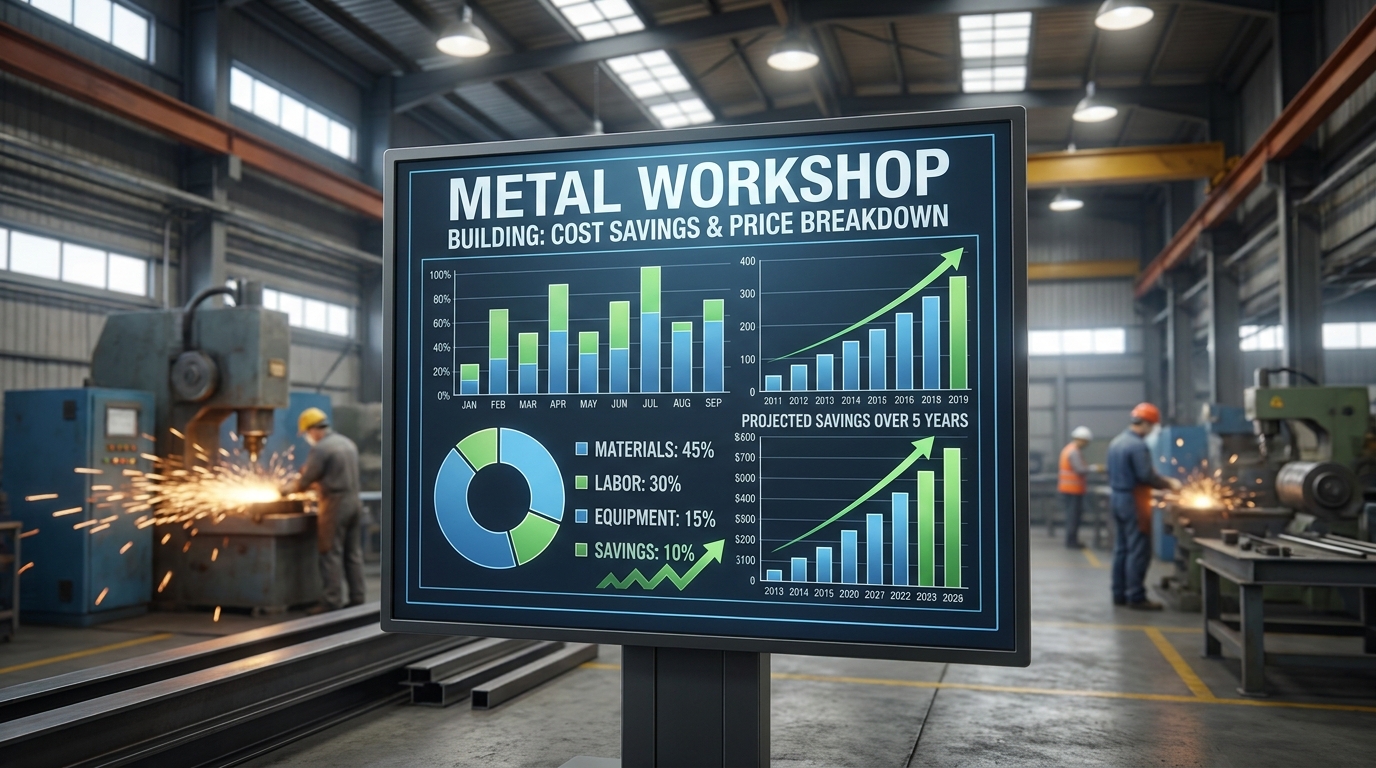
The cost of a metal workshop building is primarily determined by the building’s size, local design loads like wind and snow, and the current market price of raw steel. You will find that while the initial material cost might seem comparable to other methods, the significant savings in labor and construction time provide a lower total project cost. By sourcing directly from a manufacturer, you can bypass middleman markups and keep your budget under control.
Factors Influencing Total Investment
Your geographic location plays a major role in the pricing because it dictates the structural requirements for safety. Areas prone to heavy snowfall or seismic activity require thicker steel sections and more robust bracing systems.
But wait:
- Shipping costs vary based on the distance from the factory to your site.
- Insulation upgrades and specialized door systems add to the base price.
- Foundation requirements depend on your local soil conditions and building weight.
Comparing Long-Term Value
When evaluating the price, you must consider the lifecycle costs, including insurance premiums and maintenance requirements. Steel buildings often qualify for lower insurance rates because they are non-combustible and resistant to rot.
Listen to this:
- Reduced fire risk leads to lower annual premiums.
- Steel does not warp or crack like wood over time.
- The exterior finish requires minimal painting or repairs.
Key Takeaway: Evaluating both initial capital expenditure and long-term operating costs reveals that steel offers the most sustainable financial return for industrial projects.
| Cost Component | Impact Level | Strategy | |
|---|---|---|---|
| Raw Materials | High | Lock in prices early | |
| Shipping/Freight | Medium | Optimize container loading | |
| Local Permits | Low/Medium | Consult local codes |
A strategic approach to budgeting focuses on the total cost of ownership rather than just the initial price per square foot.
Why choose a metal workshop building for your project?
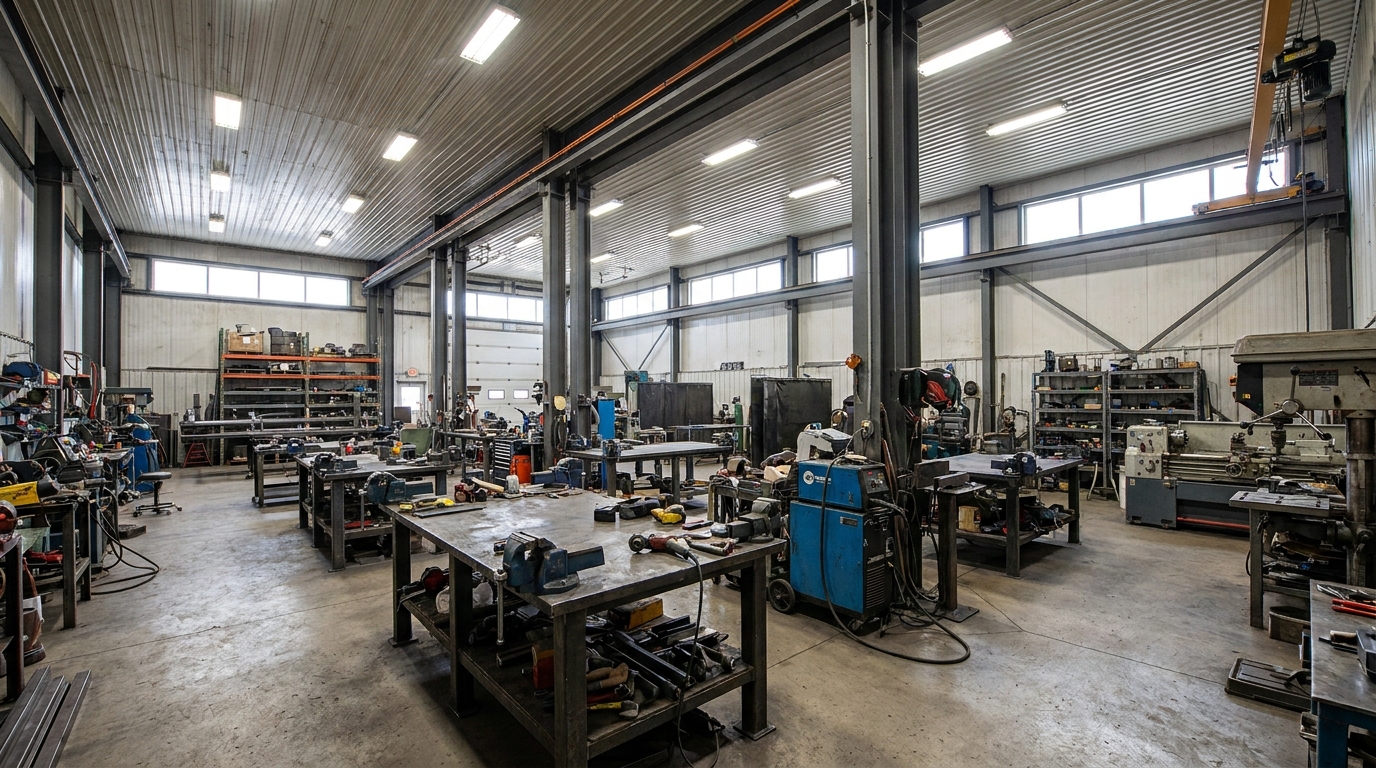
You should choose a metal workshop building because it offers an unmatched combination of speed, durability, and interior flexibility. Traditional construction can take many months to complete, often leaving your business operations in limbo. Steel allows you to move from the design phase to an operational facility in a fraction of the time, directly impacting your bottom line.
Speed of Delivery and Assembly
Because every component is precision-cut and pre-drilled in a factory environment, the on-site work is essentially a large-scale assembly project. This eliminates the need for time-consuming field modifications or cutting that typically slows down a job site.
The best part?
- Components arrive labeled for rapid sorting and installation.
- Weather delays are minimized since the shell is erected quickly.
- Coordination between trades is simplified by a standardized system.
Structural Integrity and Longevity
Steel is inherently resistant to many of the common threats that destroy other building materials, such as termites, mold, and fire. You can rest easy knowing that your investment is protected by a material that maintains its strength for decades.
Let’s be honest:
- Steel is inorganic and will not support mold growth.
- Termites cannot damage the primary or secondary structure.
- High-quality coatings prevent rust in corrosive environments.
Key Takeaway: Prioritizing speed and durability in your building selection ensures your operations remain uninterrupted by structural maintenance or long construction delays.
| Factor | Steel Buildings | Traditional Wood | |
|---|---|---|---|
| Construction Speed | Very Fast | Slow | |
| Pest Resistance | Excellent | Poor | |
| Fire Safety | Non-combustible | High Risk |
Choosing steel means investing in a resilient asset that serves your business needs with minimal downtime or risk.
Which materials are in a metal workshop building?
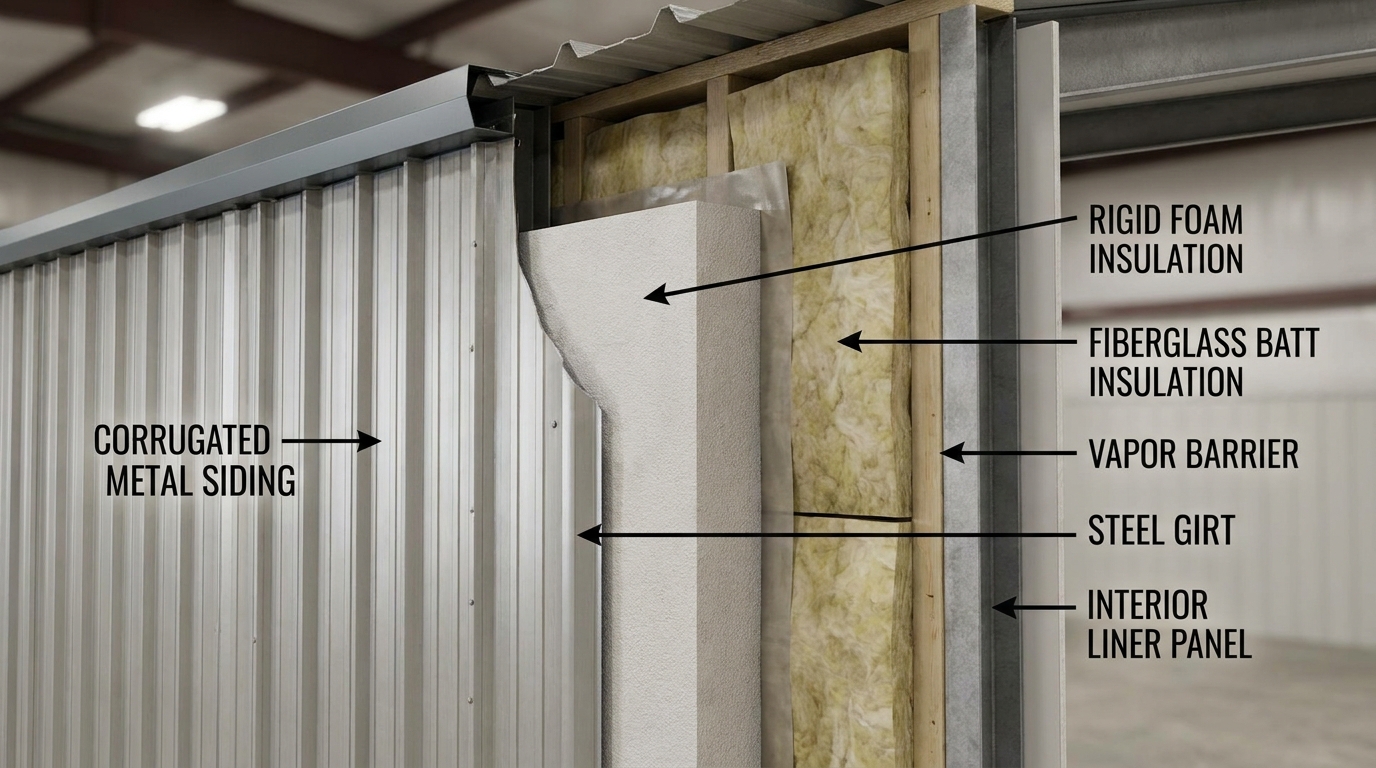
The materials in a metal workshop building include a primary frame of H-section steel, secondary structural members like purlins, and high-performance cladding for the walls and roof. Each of these components is selected to work as a unified system that transfers loads efficiently to the foundation. You can also customize the material selection with various insulation types to manage the interior climate effectively.
The Primary Steel Framework
The heavy lifting is done by the main columns and rafters, which are typically fabricated from high-grade carbon steel. These members are often sandblasted and painted or hot-dip galvanized to protect them from environmental corrosion.
It gets better:
- H-beams provide the strength needed for clear spans.
- Rigid frame designs allow for maximum height and clearance.
- Tapered members optimize material use without sacrificing safety.
Secondary Framing and Cladding Systems
Secondary members like C and Z purlins provide the necessary attachment points for your wall and roof panels. For the cladding, you can choose between single-skin steel sheets for basic protection or sandwich panels for superior thermal insulation.
That’s not all.
- Sandwich panels use EPS, Rockwool, or PU for insulation.
- Vapor barriers prevent moisture buildup within the wall system.
- Interior liner panels create a clean, finished look inside.
Key Takeaway: High-quality material selection, specifically in the insulation and coating systems, directly affects the comfort and longevity of your workspace.
| Component | Common Material | Purpose | |
|---|---|---|---|
| Main Frame | Q235/Q355 Steel | Structural support | |
| Wall Panel | Color Steel Sheet | Enclosure | |
| Fasteners | High-Strength Bolts | Component connection |
A detailed bill of materials ensures every part is accounted for, preventing delays during the critical erection phase of your project.
How is a metal workshop building manufactured?
Manufacturing a metal workshop building involves a highly technical process that transitions from 3D modeling to automated CNC cutting and welding. You benefit from this precision because it ensures that every bolt hole aligns perfectly when the steel arrives at your project site. This factory-controlled environment also allows for rigorous quality checks that are impossible to replicate with on-site construction.
Precision Engineering and Design
The process begins with expert engineers using specialized software to calculate the exact stresses the building will face during its lifetime. These designs are then translated into fabrication drawings that guide the automated machinery in the workshop.
Here is the deal:
- 3D models catch potential clashes before fabrication.
- Engineering ensures compliance with your local building codes.
- Fabrication drawings provide a roadmap for the production team.
The Fabrication and Coating Process
Steel plates are cut to size using CNC plasma or laser systems, then welded together using submerged arc welding for maximum strength. Once the structure is formed, it undergoes sandblasting to remove impurities before the final protective coating is applied.
Now for the kicker:
- Submerged arc welding creates consistent, high-penetration joints.
- Sandblasting reaches Sa2.5 grade for superior paint adhesion.
- Multi-coat paint systems or galvanization provide long-term protection.
Key Takeaway: Modern manufacturing techniques eliminate the human error associated with manual fabrication, resulting in a safer and more precise building system.
| Step | Action | Outcome | |
|---|---|---|---|
| Cutting | CNC Plasma | Exact dimensions | |
| Welding | Submerged Arc | Structural integrity | |
| Finishing | Sandblasting/Painting | Corrosion resistance |
The rigorous workflow from design to delivery guarantees that your building meets international standards for quality and safety.
Can a metal workshop building withstand extreme weather?
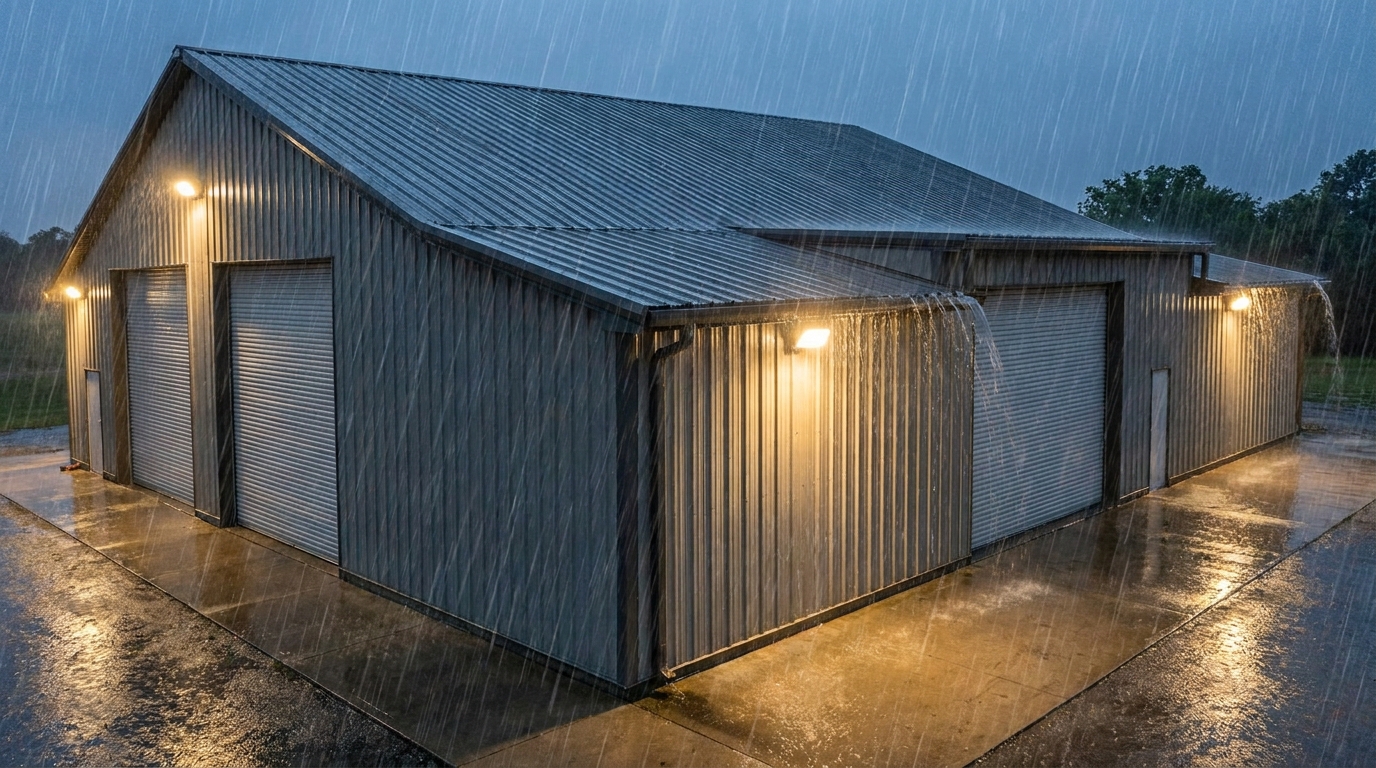
Yes, a metal workshop building is specifically engineered to withstand extreme weather conditions, including hurricane-force winds, heavy snow loads, and seismic activity. Your building is not a generic product; it is a custom-engineered solution that accounts for the specific climate data of your project location. The inherent ductility of steel allows it to absorb and dissipate energy during storms or earthquakes without suffering catastrophic failure.
Resistance to High Winds and Snow
During the design phase, engineers calculate the pressure that wind and snow will exert on the roof and wall surfaces. This data determines the spacing of the purlins and the thickness of the steel frames to ensure the building remains rigid under pressure.
You might be wondering:
- How does the roof handle massive snow accumulation?
- Can the cladding stay attached during a hurricane?
- Are the foundations deep enough to prevent lifting?
Seismic Performance and Safety
Steel structures are among the safest buildings to inhabit during an earthquake because they can bend without breaking. This flexibility, known as ductility, allows the frame to sway and absorb seismic waves, protecting the contents and people inside.
But wait:
- Bracing systems like tie rods add lateral stability.
- High-strength bolt connections allow for controlled energy release.
- Lightweight steel reduces the overall inertial forces during a quake.
Key Takeaway: Investing in a building engineered for your local climate drastically reduces the risk of property damage and operational downtime during natural disasters.
| Threat | Steel Resistance | Design Feature | |
|---|---|---|---|
| High Winds | High | Rigid Frame + Bracing | |
| Heavy Snow | Exceptional | Reinforced Roof Purlins | |
| Earthquakes | Superior | Ductile Connections |
The resilience of steel structures provides a secure environment for high-value machinery and critical industrial processes.
Is a metal workshop building easy to install?
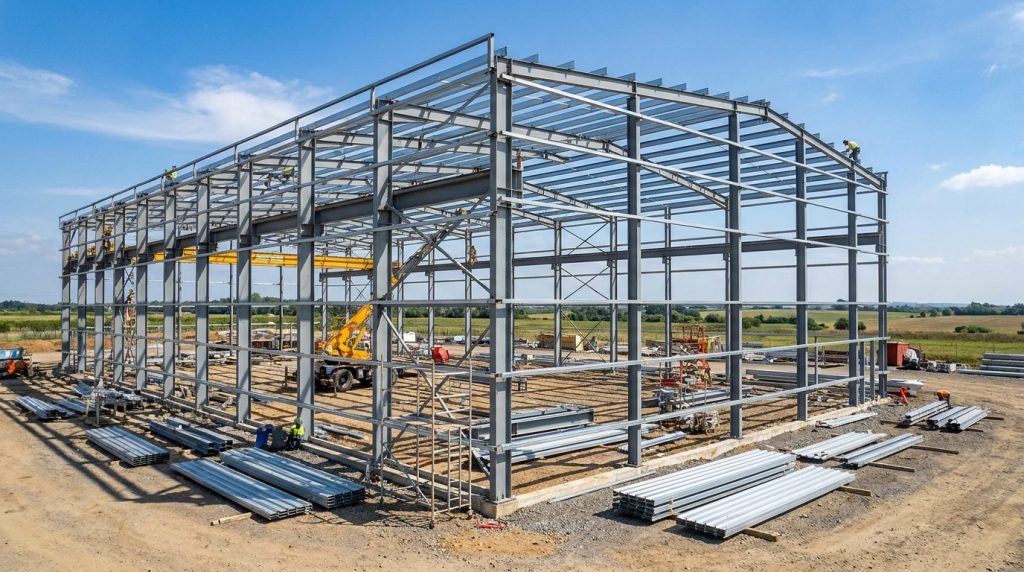
Installing a metal workshop building is a straightforward process because the entire system is prefabricated to fit together like a giant mechanical kit. You will receive detailed installation drawings and a packing list that identifies every piece, making the erection process efficient even for local contractors. While professional oversight is recommended, the simplified bolt-together design significantly reduces the labor required compared to traditional builds.
The Sequential Erection Process
The installation follows a logical sequence, starting with the foundation and anchor bolts, followed by the main columns and beams. Once the primary frame is secure, the secondary members and cladding are added to finish the enclosure.
The best part?
- No specialized welding is typically required on-site.
- Pre-drilled holes ensure parts can only fit the correct way.
- Components are clearly marked to match the assembly manual.
Necessary Equipment and Personnel
To ensure a smooth installation, you will need a small crew and standard construction equipment like a crane or telescopic forklift. Having the right tools on hand allows for the safe lifting of heavy steel sections and rapid installation of the roof panels.
Listen to this:
- A mobile crane is essential for lifting main rafters into place.
- Scissor lifts provide safe access for installing wall cladding.
- Basic hand tools and impact wrenches are all you need for bolting.
Key Takeaway: A well-organized site and the use of the manufacturer’s installation guide can cut your construction timeline by as much as fifty percent.
| Phase | Main Task | Key Equipment | |
|---|---|---|---|
| Phase 1 | Foundation & Anchors | Leveling tools | |
| Phase 2 | Frame Erection | Crane | |
| Phase 3 | Cladding & Doors | Scissor Lift |
Efficient installation not only saves money on labor but also allows you to begin your business operations much sooner.
How to maintain your metal workshop building?
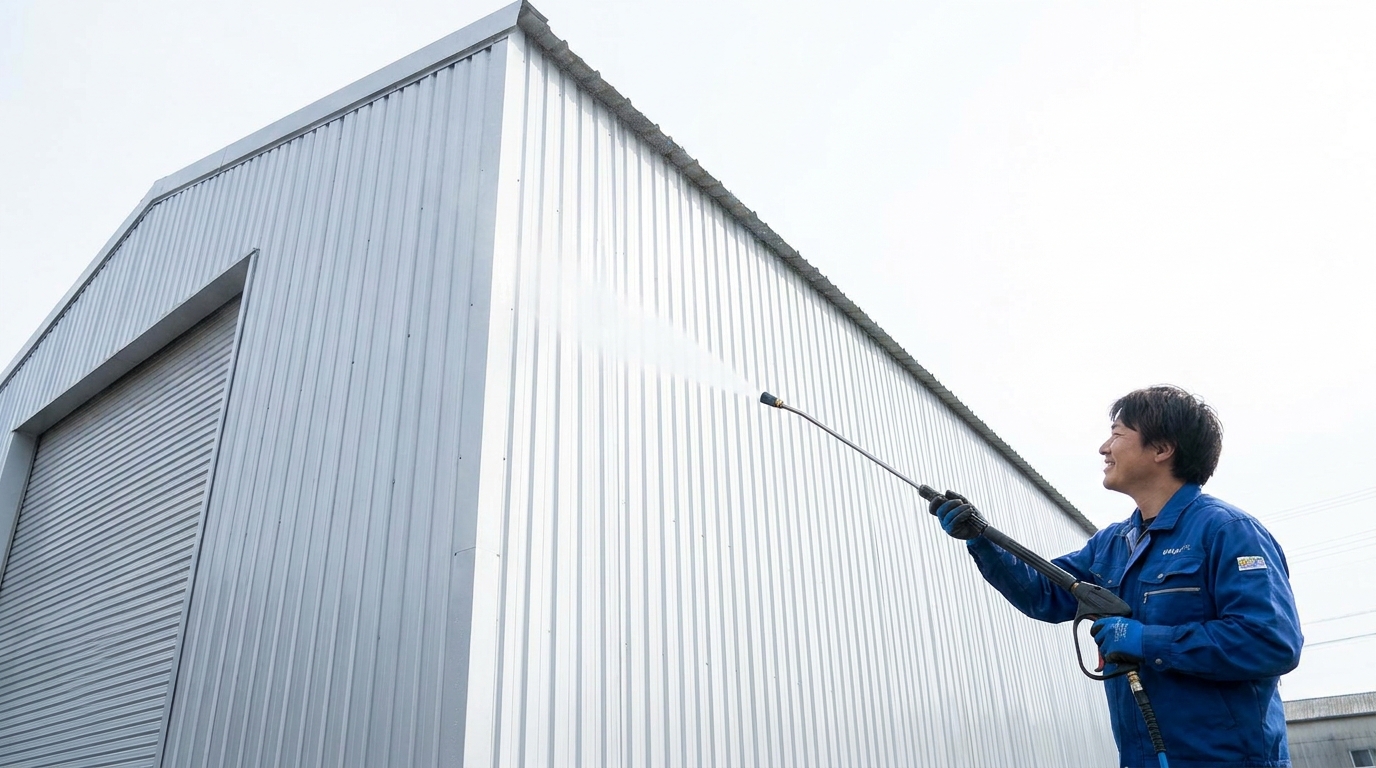
Maintaining your metal workshop building is remarkably simple, typically involving nothing more than an annual inspection and a basic cleaning of the exterior surfaces. You should focus on keeping the drainage systems clear and checking that all fasteners remain tight and secure. Because steel does not warp, rot, or attract pests, your maintenance checklist is significantly shorter than that of a wood or masonry building.
Routine Inspection and Cleaning
You should perform a walk-around inspection once or twice a year to look for any signs of surface damage or debris buildup. Washing the walls with water and a mild detergent helps preserve the vibrant color of the coating and prevents corrosive salts from accumulating.
Think about it:
- Clean gutters prevent water from backing up under the roof panels.
- Removing wet leaves from the base of the building prevents rust.
- Checking door seals ensures your interior climate stays controlled.
Protecting the Exterior Finish
Modern steel coatings are designed to last for decades, but addressing minor scratches promptly can prevent localized corrosion. You can easily apply touch-up paint to any areas where the metal has been exposed during operation or accidental impact.
Let’s be honest:
- Minor scratches are inevitable in a busy workshop environment.
- High-quality primers provide the first line of defense against moisture.
- Silicone sealants should be checked around windows and doors.
Key Takeaway: A proactive, low-cost maintenance schedule preserves the aesthetic appeal and structural integrity of your facility for its entire lifespan.
| Task | Frequency | Objective | |
|---|---|---|---|
| Gutter Cleaning | Twice Yearly | Prevent water damage | |
| Visual Inspection | Annually | Identify loose bolts | |
| Surface Washing | Every 1-2 Years | Maintain finish quality |
Simple upkeep ensures that your building remains a professional-looking and high-functioning asset for your company.
Are metal workshop building designs customizable?
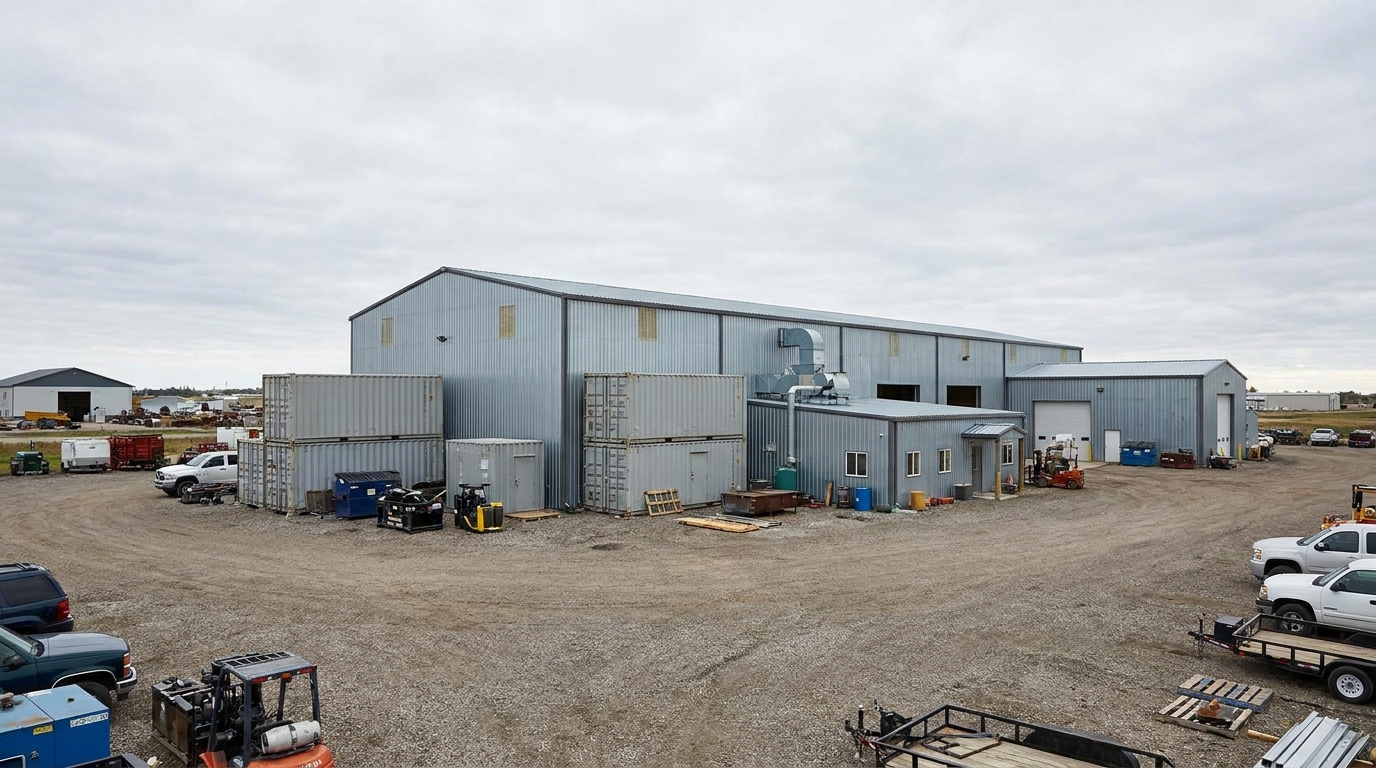
Yes, metal workshop building designs are highly customizable, allowing you to tailor the dimensions, aesthetics, and functionality to your specific business needs. You are not limited to a “box” design; you can integrate various architectural features like glass storefronts, mezzanine floors, and specialized door configurations. This flexibility ensures that your building can grow and adapt as your business expands over time.
Flexible Interior Layout Options
The clear-span capability of steel means you can have a massive interior space without any obstructive columns. This allows you to arrange your production lines, storage racks, and offices in the most efficient way possible.
It gets better:
- Mezzanines can be added for second-story office space.
- Partition walls can create clean rooms or climate-controlled zones.
- Interior heights can be adjusted to accommodate tall machinery.
Functional Architectural Additions
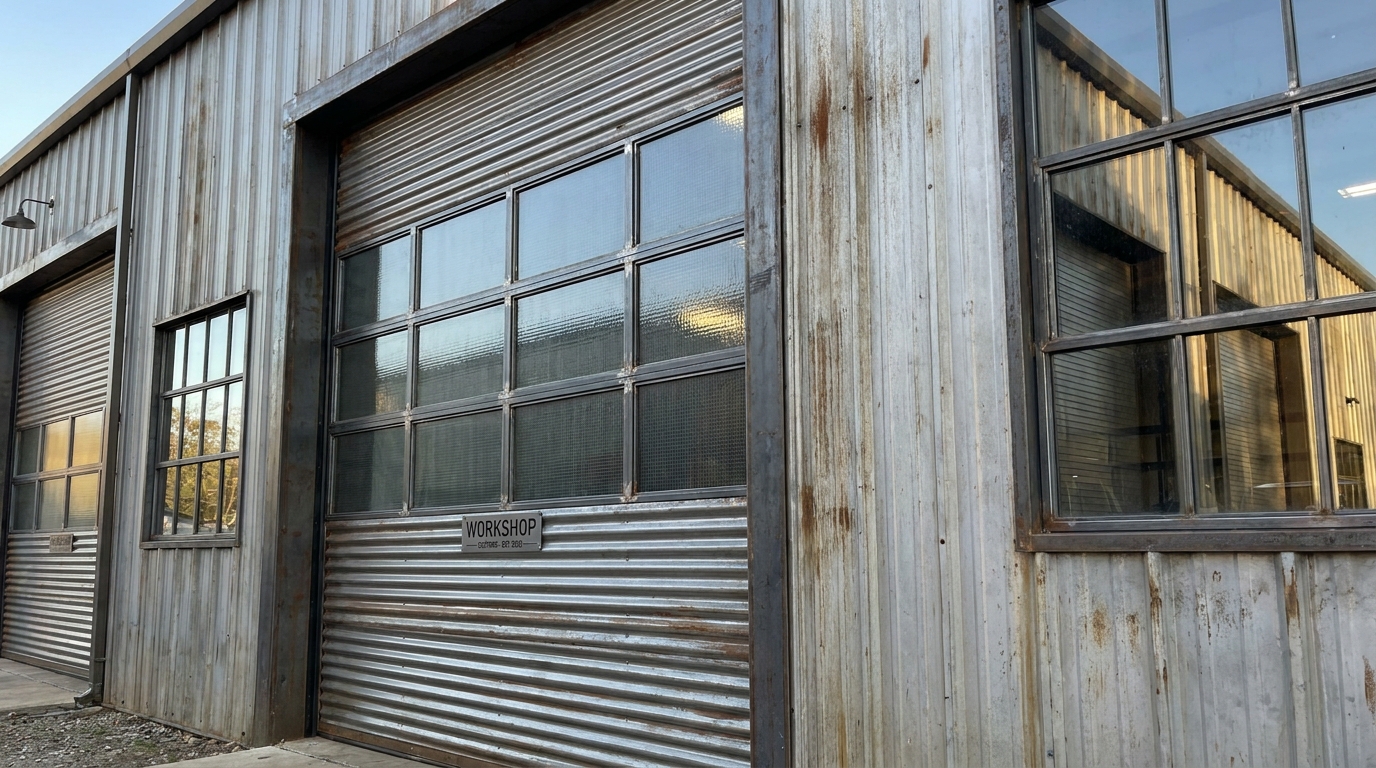
Beyond the internal layout, you can choose from a wide range of doors, windows, and ventilation options to improve the building’s utility. Whether you need industrial rolling doors for logistics or skylights for natural lighting, these features are easily integrated into the design.
That’s not all.
- Parapet walls can hide the roofline for a modern commercial look.
- Canopies provide sheltered loading docks for your shipments.
- Walk-in doors can be placed exactly where your staff needs them.
Key Takeaway: Customizing your building design at the engineering stage prevents costly modifications later and optimizes the workflow of your operations.
| Feature | Option | Purpose | |
|---|---|---|---|
| Doors | Industrial Roller | Easy vehicle access | |
| Windows | Aluminum Alloy | Natural light/airflow | |
| Floors | Mezzanine | Expanded floor area |
The ability to customize ensures that your building is a perfect fit for your current operations and future growth.
Is a metal workshop building eco-friendly?
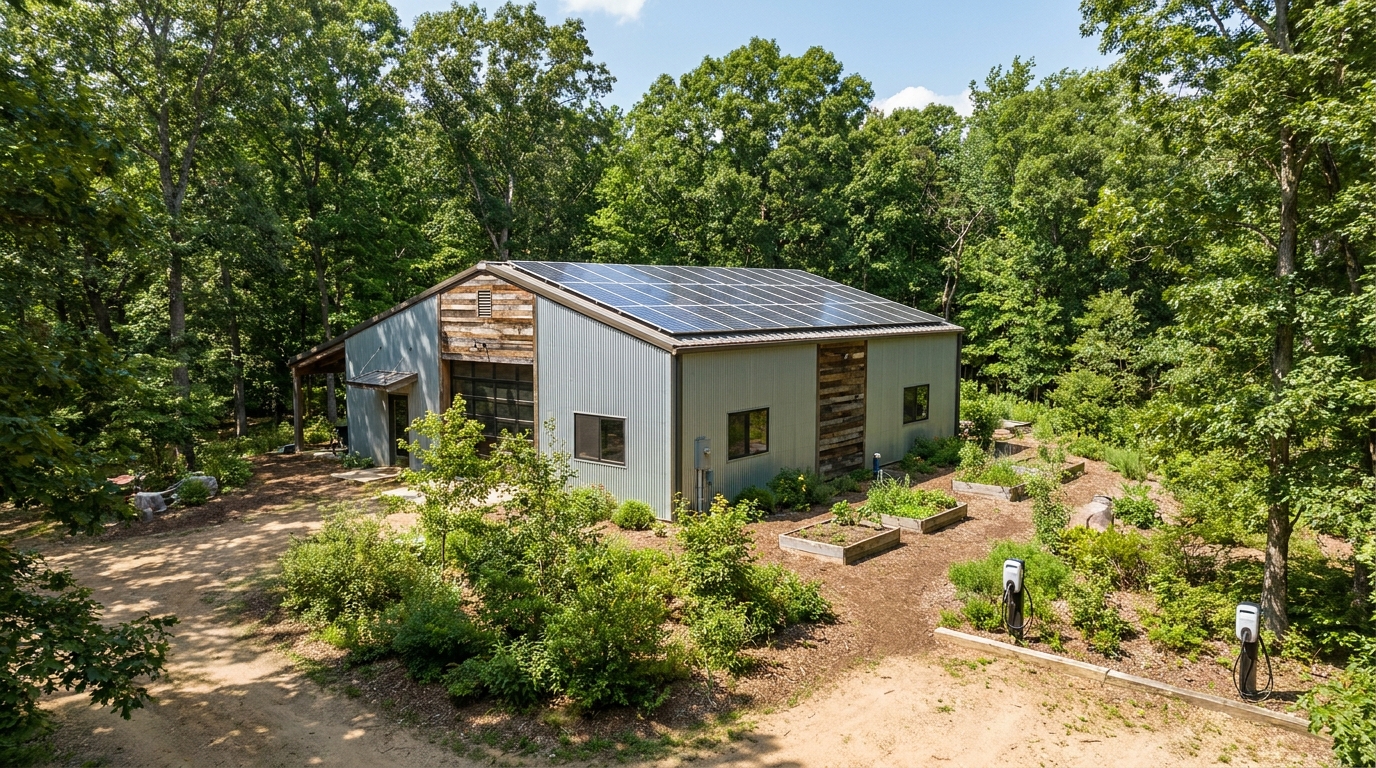
A metal workshop building is one of the most eco-friendly construction options available because steel is 100% recyclable and highly efficient to produce. You are choosing a material that can be repurposed at the end of its life cycle, reducing the burden on landfills compared to traditional debris. Additionally, the ability to integrate high-efficiency insulation and solar panels makes these buildings leaders in energy conservation.
Sustainability of Steel Construction
Most structural steel produced today contains a high percentage of recycled content, making it a sustainable choice from the start. Furthermore, the precision of factory manufacturing means there is almost zero waste on the construction site, as every piece is used as intended.
Now for the kicker:
- Steel can be recycled infinitely without losing its strength.
- Prefabrication reduces the environmental footprint of the job site.
- Dry construction methods save water compared to concrete builds.
Energy Efficiency and Insulation
When you equip your workshop with high-quality sandwich panels or thick fiberglass insulation, you significantly reduce the energy required for heating and cooling. The reflective properties of modern roof coatings also help keep the building cool in the summer, further lowering your utility bills.
Here is the deal:
- Cool-roof technology reflects solar radiation away from the building.
- Tight seals around panels prevent air leakage and energy loss.
- Large skylights reduce the need for artificial lighting during the day.
Key Takeaway: Selecting a steel building allows you to meet modern green building standards while significantly reducing your long-term energy expenditures.
| Sustainability Factor | Steel Impact | Environmental Benefit | |
|---|---|---|---|
| Recyclability | 100% | Circular economy support | |
| Construction Waste | Minimal | Lower landfill impact | |
| Energy Use | Low (with insulation) | Carbon footprint reduction |
Adopting an eco-friendly building strategy enhances your corporate image and provides a healthier environment for your employees.
Conclusion
Building a metal workshop building solves the critical challenges of high construction costs, slow timelines, and structural vulnerability. By moving away from traditional methods, you gain a facility that is tailored to your operational needs, engineered for safety, and designed for long-term financial efficiency. Steel structures offer the unique ability to provide massive clear spans and architectural flexibility while remaining virtually maintenance-free.
We believe that high-quality steel construction is the foundation of global industrial progress, providing durable spaces where innovation happens. Our commitment is to deliver precision-engineered systems that empower your business to scale without the constraints of traditional building limits. If you are ready to take the next step toward a resilient and efficient workspace, contact us today to discuss your project requirements.
FAQ
Can I expand my workshop in the future? Yes, you can. Steel buildings are designed for modular growth, allowing you to remove end walls and add new frames as your business needs more space.
What is the best way to prevent condensation inside? It depends on your climate, but using insulated sandwich panels or a vapor barrier with fiberglass insulation is the most effective method. This prevents warm interior air from hitting the cold steel surfaces.
How do I know if my local soil can support the building? You should hire a geotechnical engineer to perform a soil test. They will provide a report that our structural engineers use to design the appropriate foundation and anchor bolt system for your site.
Can I install an overhead crane in a pre-engineered building? Yes, you certainly can. We can design the primary frame with reinforced brackets and crane runways to support the specific lifting capacity required for your operations.
Is it possible to live in a part of my metal workshop? Yes, it is possible. Many business owners create “flex-spaces” by partitioning off a section of the building for offices or living quarters, provided you meet local residential building codes and fire safety requirements.