
A standard 2000-square-foot warehouse typically costs between 30,000 and 90,000 for a fully finished project, depending on your specific site requirements and customization choices. Many business owners struggle with inadequate storage space that bottlenecks their operations and increases overhead costs. If you continue to rent expensive off-site storage or let inventory clutter your production floor, you risk losing efficiency and profit margins every day. Investing in a 2000 sq ft warehouse provides a durable, permanent solution that scales with your business needs while stabilizing your long-term real estate expenses.
What is the base price of a 2000 sq ft warehouse?
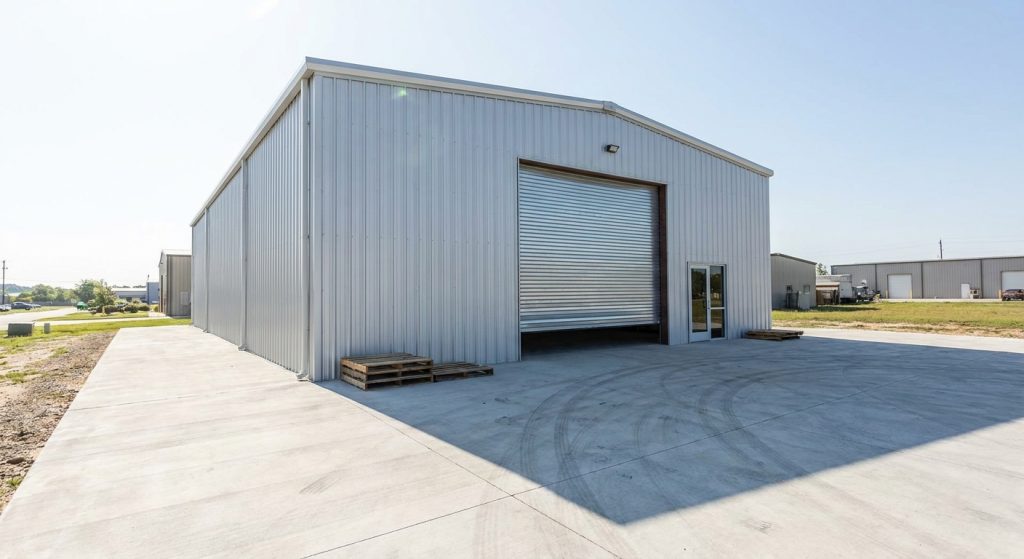
The base price for the steel components of a 2000 sq ft warehouse usually ranges from 20,000 to 45,000. This initial figure covers the primary and secondary framing members, wall and roof panels, and basic hardware. When planning your budget for a 2000 sq ft warehouse, you must differentiate between the “kit” price and the “erected” price.
How do I calculate the per-square-foot average?
Most industrial builders use a square-foot metric to provide quick estimates for early-stage planning. For a standard 2000 sq ft warehouse, you can expect the shell to cost approximately 10 to 22 per square foot.
Here is the deal:
- Steel shell: 10–20 per sq ft.
- Foundation: 6–10 per sq ft.
- Labor: 5–12 per sq ft.
| Component | Lower Bound | Upper Bound | |
|---|---|---|---|
| Steel Kit | $20,000 | $40,000 | |
| Concrete Pad | $12,000 | $20,000 | |
| Basic Labor | $10,000 | $24,000 |
This pricing structure allows you to estimate the fundamental costs before adding specialized features.
Key Takeaway: Understanding the base square-foot rate helps you set a realistic baseline budget before moving into complex customizations.
Does location affect a 2000 sq ft warehouse cost?
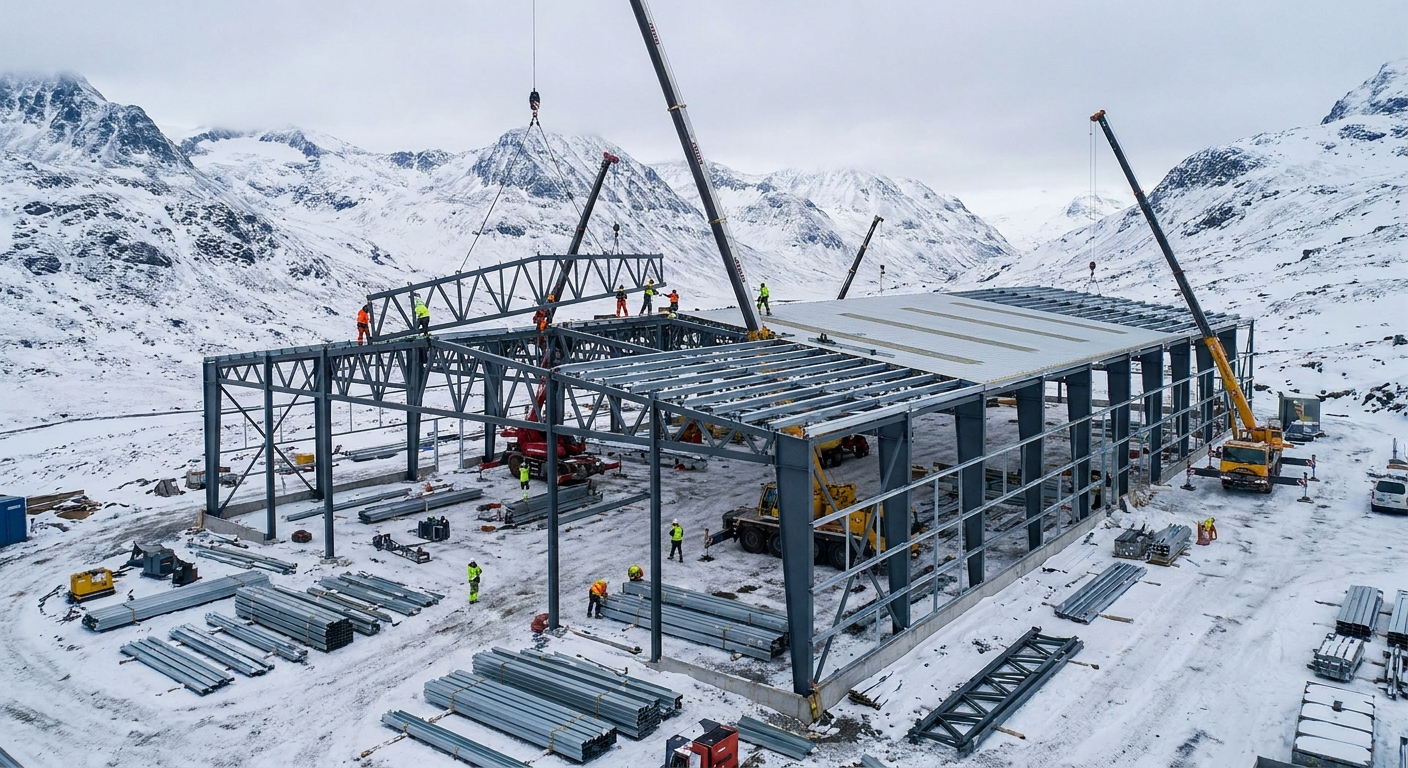
Yes, your geographic location significantly impacts the cost of a 2000 sq ft warehouse due to regional building codes and shipping logistics. Local municipalities dictate the engineering requirements for wind, snow, and seismic loads which directly influence the amount of steel used. If you are building in a high-snow or hurricane-prone area, the cost of your 2000 sq ft warehouse will increase to meet safety standards.
How do climate loads change the engineering?
Buildings in northern climates require reinforced roof systems to handle heavy snow accumulation without structural failure. Engineering for these environments involves using thicker steel beams and closer purlin spacing.
Make no mistake:
- Snow Loads: Can add 15-20% to material costs.
- Wind Loads: Requires specialized bracing and fasteners.
- Seismic Zones: Demands heavy-duty foundation anchors and connections.
| Region Type | Engineering Impact | Estimated Cost Increase | |
|---|---|---|---|
| Heavy Snow | Thicker Roof Purlins | +15% | |
| Coastal/Wind | Enhanced Bracing | +10% | |
| Seismic Area | Heavy Foundations | +12% |
Engineering for specific local climates is a non-negotiable expense that ensures the building’s longevity.
Key Takeaway: Always consult local building codes early to ensure your budget accounts for the specific environmental stresses of your region.
How do materials impact a 2000 sq ft warehouse price?
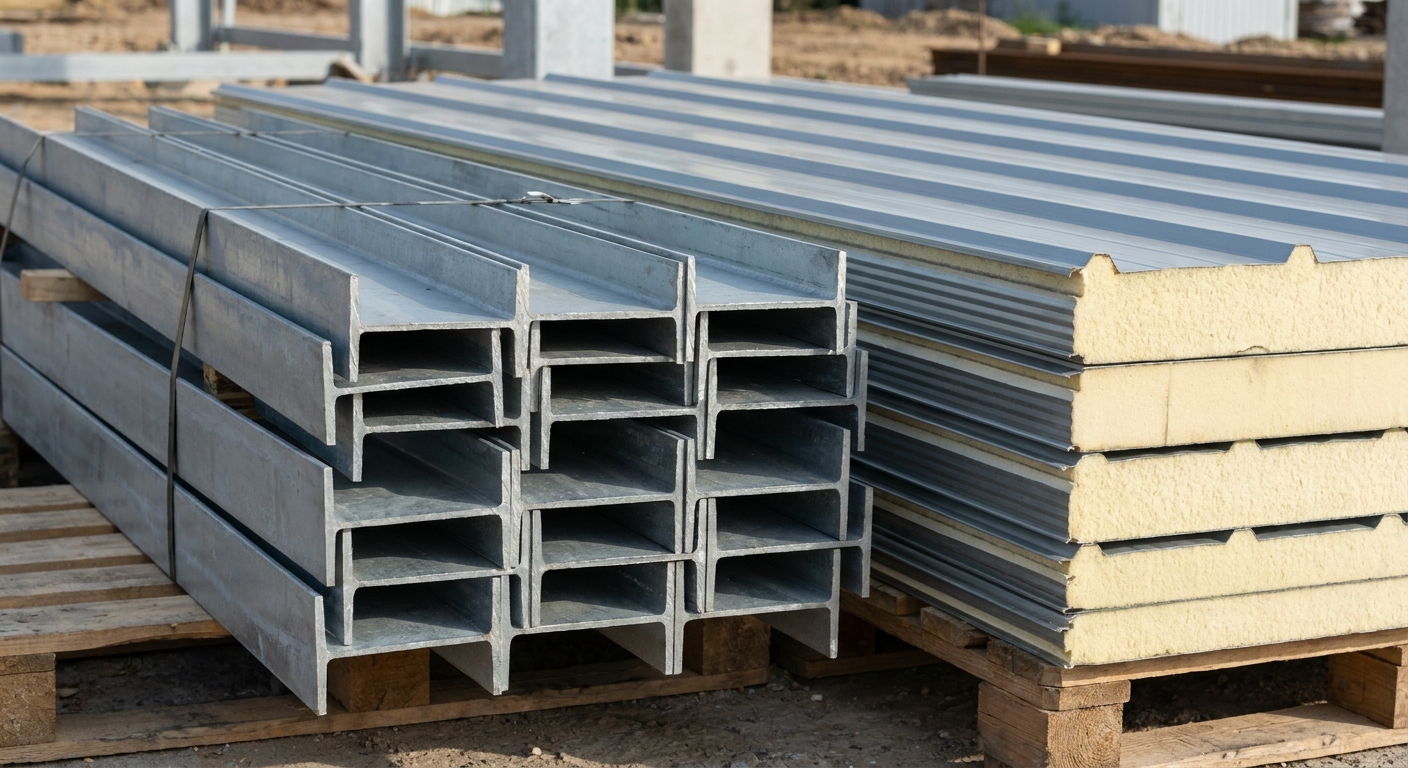
The quality and type of materials you choose can cause the price of a 2000 sq ft warehouse to fluctuate by as much as 30%. While standard steel is durable, opting for premium coatings or insulated panels will raise the upfront cost but lower maintenance. Your choice of wall and roof cladding is the primary driver of material cost variation in a 2000 sq ft warehouse project.
What is the difference in cladding options?
Single-skin metal sheets are the most economical option, while insulated sandwich panels provide superior thermal regulation for climate-controlled needs. The gauge of the steel also matters, as thicker panels offer better impact resistance and durability.
Think about this:
- R-Value: Higher insulation saves money on future energy bills.
- Gauge: Thicker 24-gauge steel costs more than standard 26-gauge.
- Coating: Galvanized finishes protect against coastal corrosion.
| Material | Advantage | Price Level | |
|---|---|---|---|
| Single Skin | Low initial cost | Economy | |
| Sandwich Panel | Energy efficiency | Premium | |
| Galvalume | Rust resistance | Standard |
High-grade materials reduce the frequency of repairs and improve the building’s thermal performance significantly.
Key Takeaway: Investing in premium materials like insulated panels provides a higher return on investment through reduced operational costs over time.
Are there hidden fees for a 2000 sq ft warehouse?
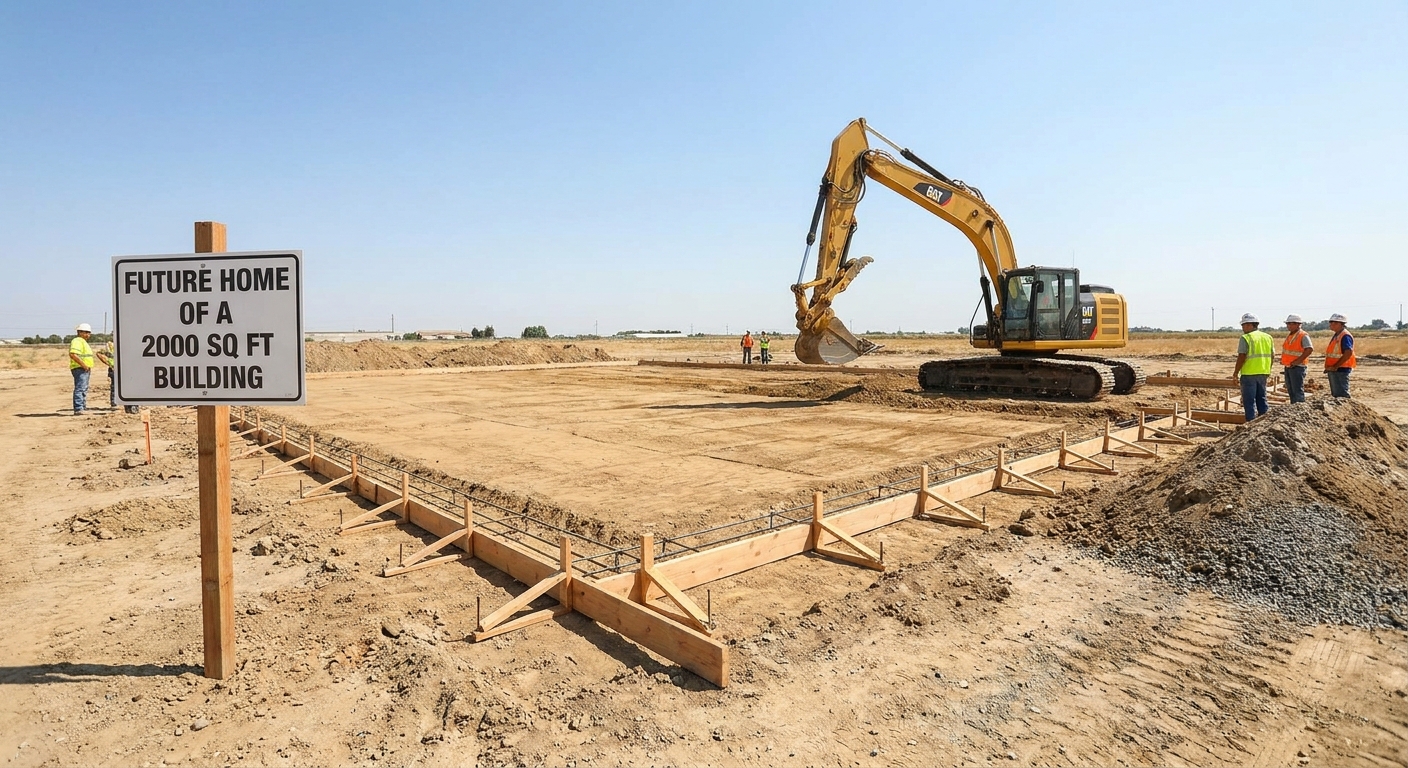
Hidden fees for a 2000 sq ft warehouse often include site preparation, permit fees, and utility hookups that are not part of the manufacturer’s quote. Site work is frequently underestimated, yet it can represent a substantial portion of the total investment if the land requires significant grading. You should prepare for these auxiliary costs to avoid budget overruns during the construction phase of your 2000 sq ft warehouse.
What site preparation costs should I expect?
The land must be cleared, leveled, and compacted before any concrete can be poured for the foundation. Soil quality also plays a role, as soft or unstable ground may require specialized piers or deep foundations.
But wait, there’s more:
- Land Clearing: Removing trees and brush.
- Grading: Ensuring proper water drainage away from the slab.
- Permits: Municipal fees for building and occupancy.
| Fee Type | Description | Estimated Range | |
|---|---|---|---|
| Site Grading | Leveling and drainage | 2,000–8,000 | |
| Permit Fees | Legal authorization | 1,000–5,000 | |
| Utility Lines | Water/Electric runs | 3,000–10,000 |
Site-specific costs vary widely based on the existing condition of your land and local government regulations.
Key Takeaway: Maintaining a 15% contingency fund specifically for site work and permits prevents unexpected financial strain during the build.
What is the kit price for a 2000 sq ft warehouse?
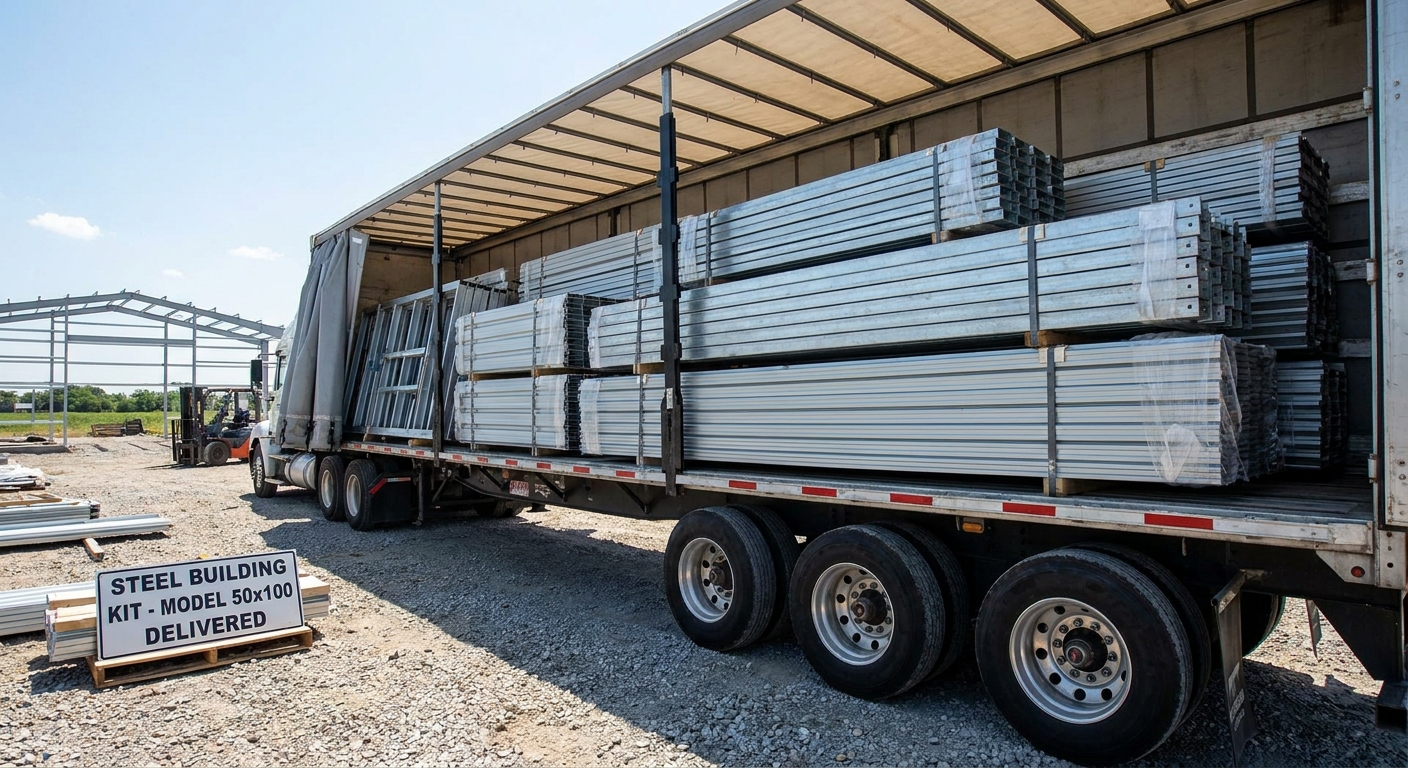
A pre-engineered building kit for a 2000 sq ft warehouse typically costs between 18,000 and 35,000 for the raw materials delivered to your site. This kit includes the main columns, rafters, purlins, girts, and all the necessary bolts and fasteners for assembly. Buying a kit for your 2000 sq ft warehouse is the most efficient way to manage fabrication quality and lead times.
What components are standard in a kit?
A comprehensive kit ensures that all parts are pre-punched and cut to length at the factory, reducing errors during installation. This factory-direct approach streamlines the supply chain and ensures structural consistency.
It gets better:
- Primary Frame: Heavy-duty H-section steel.
- Secondary Frame: C or Z purlins and girts.
- Fasteners: High-strength structural bolts.
| Kit Item | Included Status | Note | |
|---|---|---|---|
| Main Columns | Yes | Pre-drilled for bolts | |
| Roof Purlins | Yes | Galvanized for durability | |
| Trim/Flashing | Usually | Covers joints and corners |
Standardized kits eliminate the need for field welding, which significantly speeds up the construction process.
Key Takeaway: Factory-prepped kits offer the best balance of precision and cost-efficiency for industrial and commercial storage projects.
How much is labor for a 2000 sq ft warehouse?
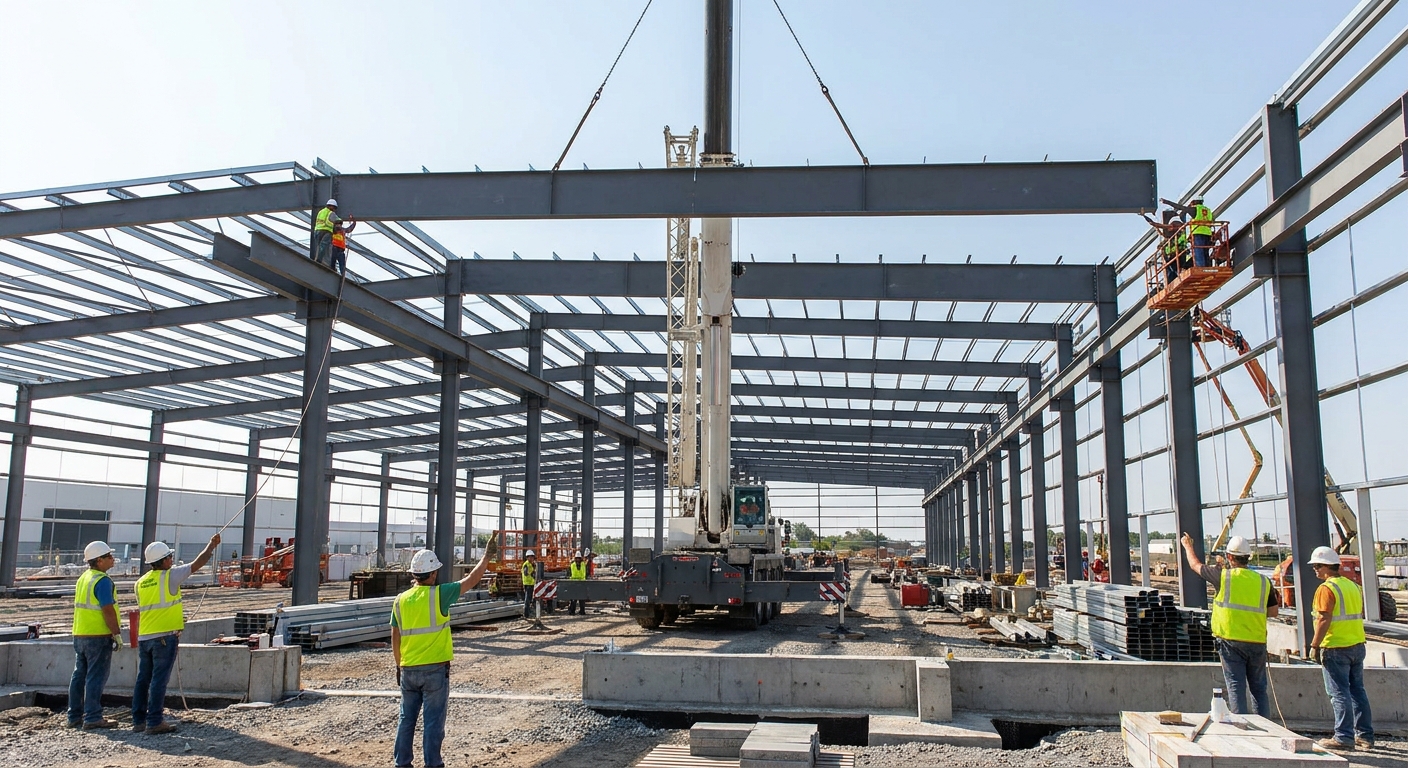
Labor costs for erecting a 2000 sq ft warehouse generally range from 5 to 12 per square foot, totaling 10,000 to 24,000. Professional steel erectors bring the specialized equipment, such as cranes and scissor lifts, required for safe and efficient assembly. While you may consider self-installation, a 2000 sq ft warehouse requires professional oversight to ensure structural integrity and warranty compliance.
Why hire professional steel erectors?
Qualified crews understand the nuances of tensioning bolts and aligning large steel frames to within tight tolerances. They also possess the necessary insurance and safety certifications to operate on a commercial job site.
Here is the kicker:
- Speed: Pros can finish the shell in 1-2 weeks.
- Safety: Reduced risk of accidents during heavy lifting.
- Precision: Ensures the building is perfectly square and level.
| Labor Component | Effort Level | Price per Sq Ft | |
|---|---|---|---|
| Frame Erection | High | 4–7 | |
| Sheeting/Trim | Medium | 2–4 | |
| Door Installation | Low | 500–1,500 per unit |
Hiring experts minimizes the risk of structural defects that could lead to leaks or long-term alignment issues.
Key Takeaway: Professional labor provides the peace of mind that your facility is built to exact engineering specifications and safety standards.
What finishing costs hit a 2000 sq ft warehouse?
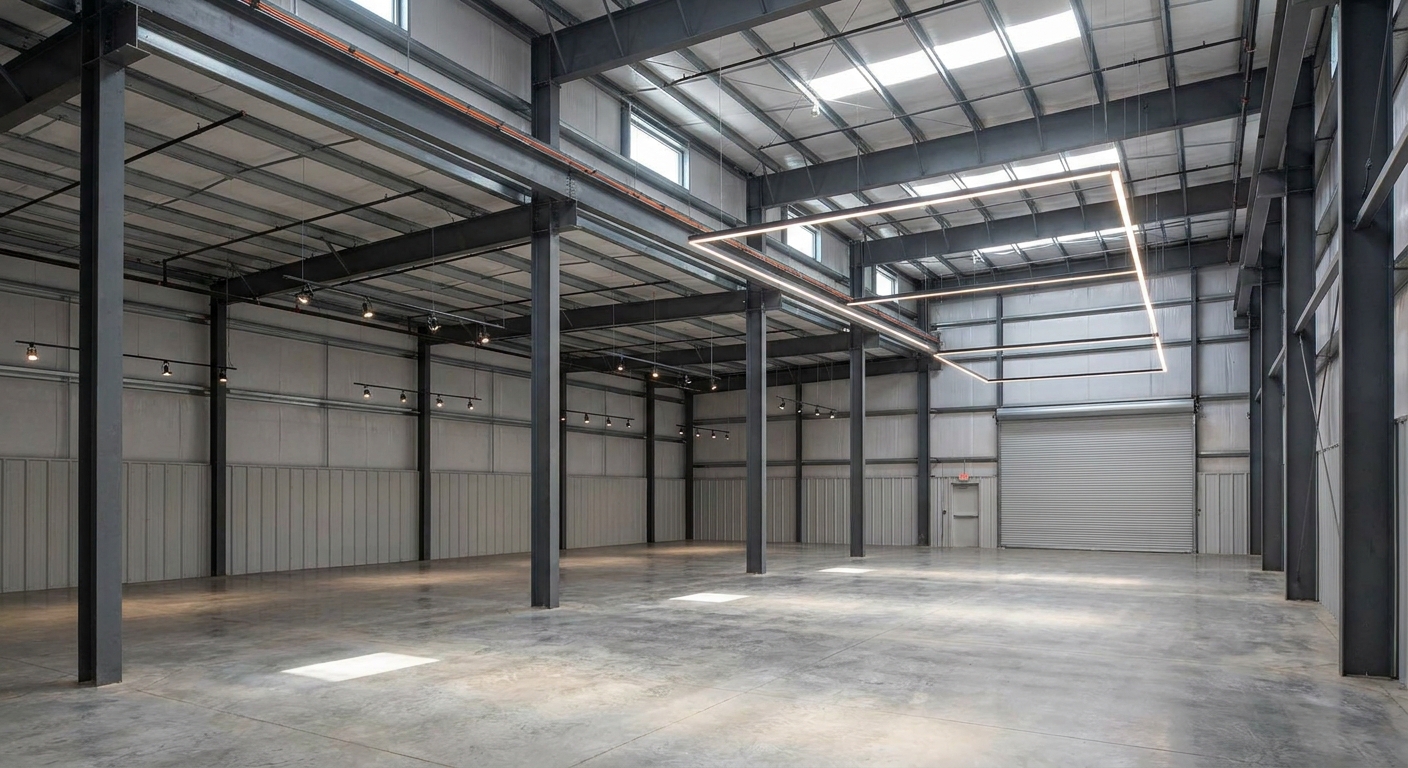
Interior finishing for a 2000 sq ft warehouse can add 15,000 to 50,000 to your budget depending on the utility requirements. Essential finishes like high-bay LED lighting, electrical outlets, and plumbing for a small office or restroom are common additions. The final use of your 2000 sq ft warehouse dictates whether you need a simple shell or a fully conditioned workspace.
What are the most common interior upgrades?
Electrical systems are the most frequent finish, involving the installation of a main panel, conduit, and lighting fixtures. If your operations require year-round occupancy, HVAC and insulation become priority investments.
The truth is:
- Lighting: LED high-bays are standard for energy savings.
- Plumbing: Necessary if staff will be stationed on-site.
- HVAC: Essential for temperature-sensitive inventory.
| Finish Item | Function | Estimated Cost | |
|---|---|---|---|
| LED Lighting | Visibility/Safety | 2,000–5,000 | |
| Electrical Work | Power distribution | 4,000–9,000 | |
| Interior Liner | Aesthetics/Protection | 3,000–7,000 |
Functional finishes transform a cold storage shell into a productive environment that supports your business goals.
Key Takeaway: Plan your interior finishes based on operational needs; storage requires minimal finishing, while manufacturing requires significant utility investment.
Can I save money on a 2000 sq ft warehouse?
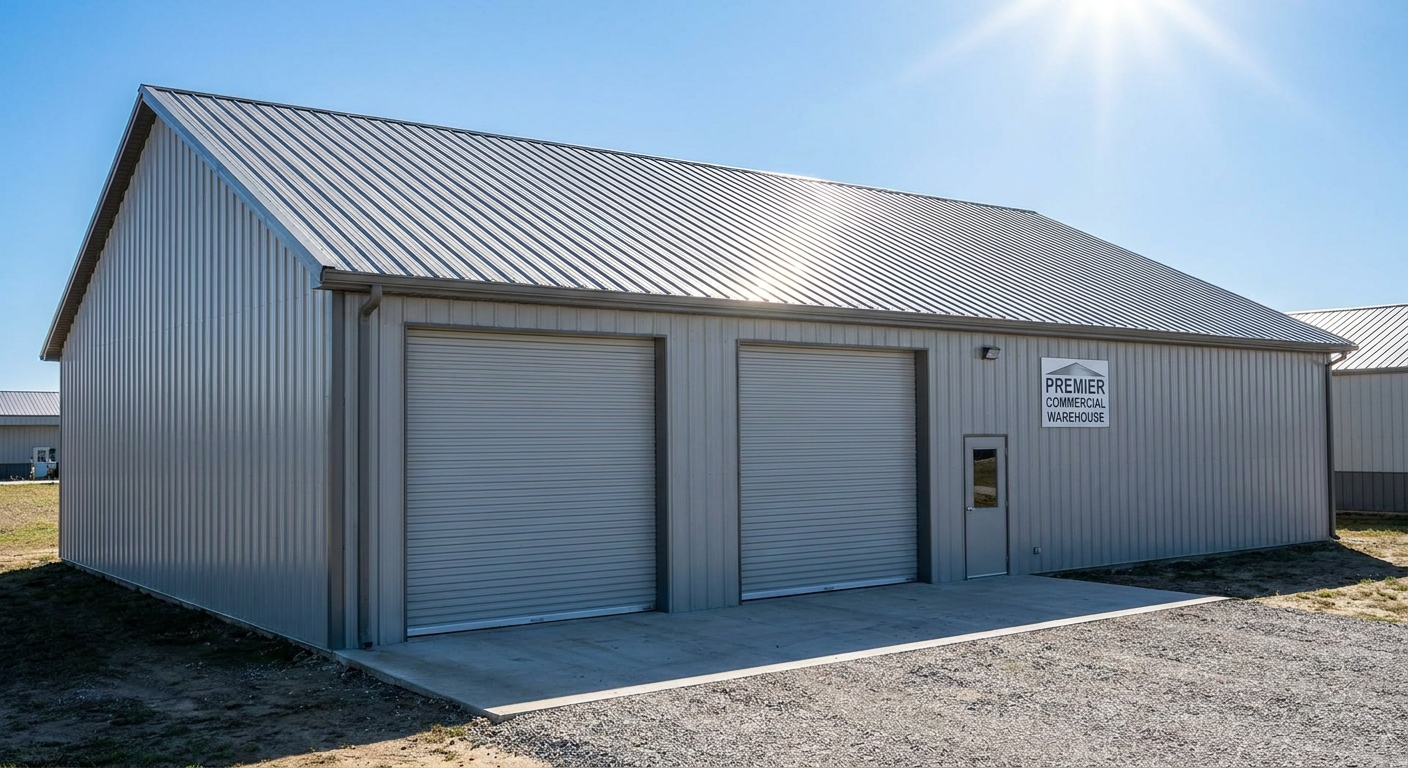
You can save money on a 2000 sq ft warehouse by choosing standard dimensions, managing site prep yourself, and ordering during off-peak seasons. Custom sizes often require unique engineering and specialized fabrication, which increases the price significantly compared to standard 40×50 layouts. A 2000 sq ft warehouse designed with material efficiency in mind can save you thousands in steel waste.
What design choices reduce the total bill?
Opting for a simple gable roof with a lower pitch uses less steel and is easier to sheet than complex designs. Limiting the number of windows and choosing standard roll-up doors also keeps costs manageable without sacrificing utility.
Look at it this way:
- Standard Sizes: Avoids custom engineering fees.
- Basic Roof: Lower pitch equals less surface area.
- Fewer Openings: Reduces framing and trim labor.
| Savings Strategy | Difficulty | Impact | |
|---|---|---|---|
| Standard 40×50 | Easy | 10–15% Reduction | |
| DIY Site Prep | Hard | 2k–5k Saved | |
| Basic Finish | Easy | Significant |
Sticking to “off-the-shelf” engineering solutions is the fastest way to reduce the overall project quote.
Key Takeaway: Complexity is the primary driver of cost; keeping the design simple and standard maximizes the value of every dollar spent.
Is a steel 2000 sq ft warehouse a good investment?
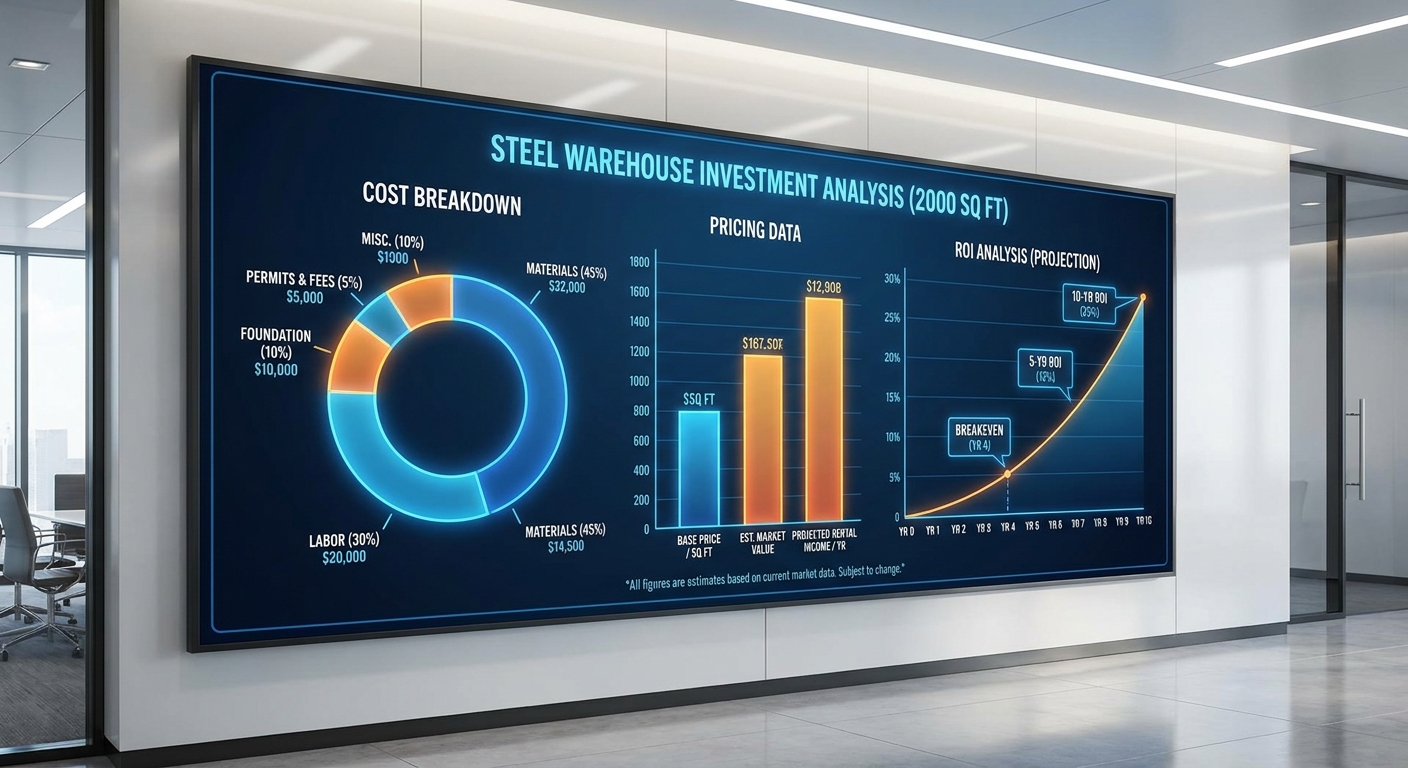
A steel 2000 sq ft warehouse is an excellent long-term investment because it maintains its value better than traditional wood-frame buildings. Steel is non-combustible, resistant to termites, and requires minimal maintenance over its 30-to-50-year lifespan. The rapid construction speed of a 2000 sq ft warehouse also means you can begin generating revenue or saving on rent much sooner.
What is the long-term ROI of steel?
Low maintenance costs and high resale value make steel structures the preferred choice for commercial real estate investors. Additionally, the durability of steel often results in lower insurance premiums compared to other building materials.
Simply put:
- Durability: Withstands harsh weather and heavy use.
- Low Upkeep: Occasional washing and inspection are all that’s needed.
- Flexibility: Easy to expand or modify in the future.
| Benefit | Impact | Long-Term Value | |
|---|---|---|---|
| Fire Resistance | Insurance Savings | High | |
| Pest Resistance | Zero Repair Costs | High | |
| Longevity | 40+ Year Life | Maximum |
The total cost of ownership for steel is significantly lower when you account for the lack of structural repairs over decades.
Key Takeaway: The structural integrity and low maintenance of steel ensure that your facility remains an asset rather than a liability for years to come.
How do I get a quote for a 2000 sq ft warehouse?
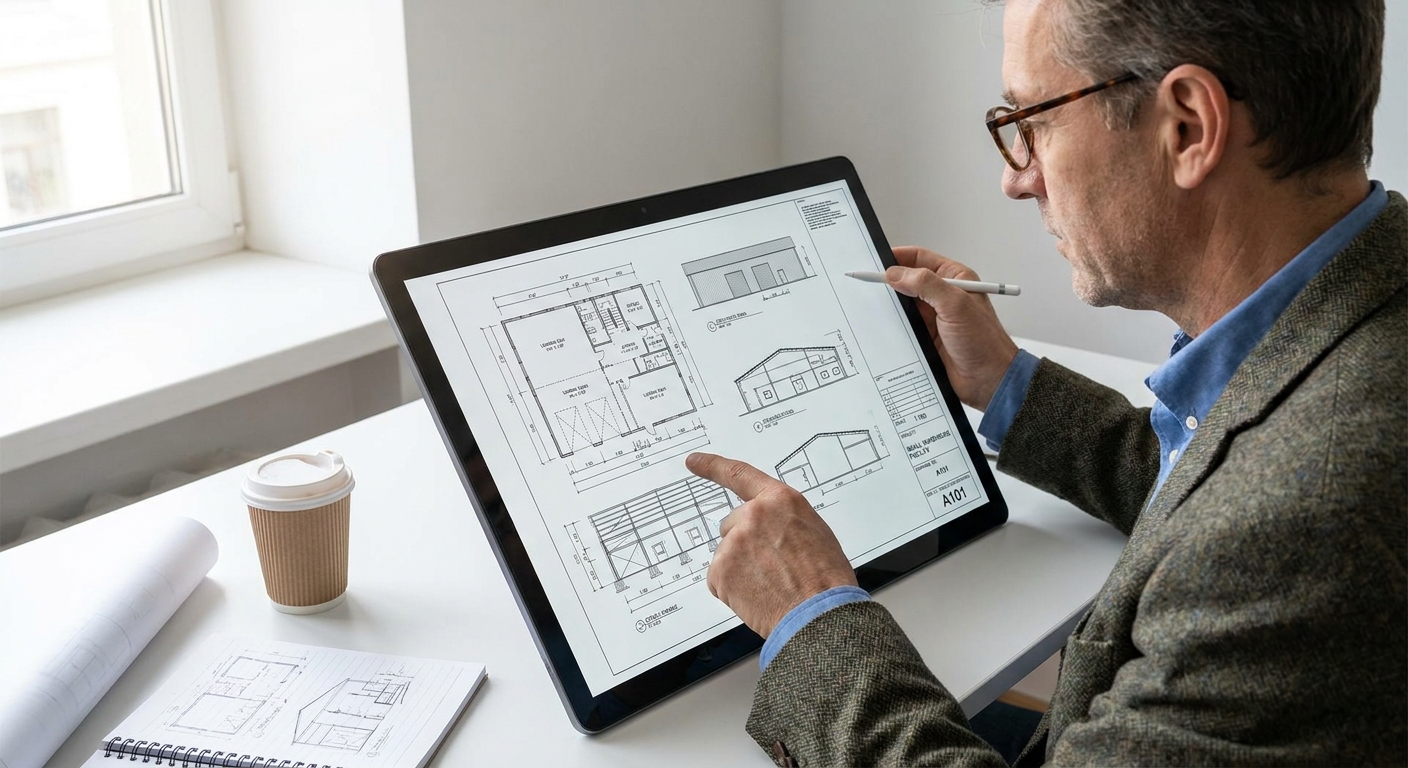
To get an accurate quote for a 2000 sq ft warehouse , you should provide your site location, intended use, and desired height to a reputable manufacturer. Detailed information regarding door sizes and window placements allows engineers to provide a firm price rather than a loose estimate. Preparing these details before your consultation ensures that the quote for your 2000 sq ft warehouse is as precise as possible.
What details should I have ready?
Manufacturers need to know the specific loads required by your local building department to ensure the building is code-compliant. Having a rough sketch or floor plan helps the design team visualize your workflow and suggest efficient structural layouts.
Let’s dive deeper:
- Zip Code: For local engineering load calculations.
- Clearance Height: Determines the column and rafter size.
- Accessories: List all doors, windows, and skylights needed.
| Requirement | Why it Matters | |
|---|---|---|
| Site Zip Code | Sets wind/snow load standards | |
| Wall Height | Affects structural steel weight | |
| Door Location | Impacts secondary framing layout |
Providing comprehensive data upfront reduces the number of revisions and speeds up the ordering process.
Key Takeaway: Accurate quotes are built on specific data; the more detail you provide about your site and usage, the more reliable your final pricing will be.
FAQ
Can I build a 2000 sq ft warehouse on a residential property?Yes, but it depends entirely on your local zoning laws and setbacks. Most residential zones have limits on the maximum square footage of accessory buildings, so you must check with your local planning department first.
What’s the best way to keep my warehouse cool in the summer?The most effective method is a combination of thick fiberglass insulation and ridge vents to allow hot air to escape. Adding white roof panels can also reflect solar heat and reduce the interior temperature by several degrees.
How do I know if the ground can support a 2000 sq ft building?A soil compaction test or a geotechnical report is the only way to be certain. A professional engineer will look at the soil’s bearing capacity to determine the thickness and reinforcement needed for your concrete slab.
Can I add a second floor to a warehouse of this size?Only if the building is originally engineered for the additional “mezzanine” load. Retrofitting a second floor later is extremely expensive, so it is better to include this requirement in your initial design if you anticipate needing more space.
How long does it take from ordering to delivery?Typical lead times range from 8 to 16 weeks depending on the complexity of the engineering and the current factory workload. Standard designs usually move through the production line faster than custom-engineered projects.
Conclusion
Successfully building a warehouse requires a balance between initial capital investment and long-term structural quality. By understanding the components of a 2000-square-foot facility—from the base steel kit to site preparation and labor—you can move forward with a budget that reflects reality. We provide engineered solutions that prioritize durability, local code compliance, and cost-efficiency to help you grow your operations without unnecessary risk. Our commitment to factory-direct manufacturing ensures that you receive a high-quality structure without middleman markups or shipping delays. If you are ready to secure a permanent home for your inventory or equipment, contact us today to start your custom engineering consultation.