
Traditional commercial construction projects often suffer from skyrocketing material costs and unpredictable labor delays. You might find your investment trapped in a half-finished shell while overhead expenses continue to mount without any rental income. Transitioning to a professional steel office building design ensures a high-precision, rapid-erection solution that puts your business on the map faster.
Why choose a modern steel office building design?
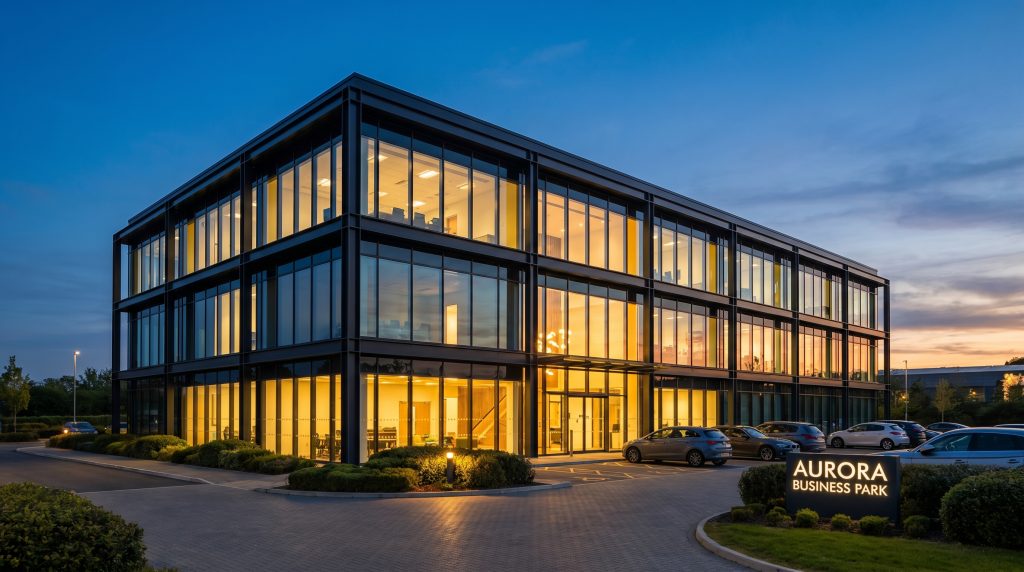
Choosing this approach provides unparalleled structural durability and significant long-term cost savings compared to masonry. A steel office building design allows for massive clear spans that maximize your usable interior floor space. This versatility ensures that your commercial layout can adapt to future business growth or tenant changes.
What are the primary benefits for owners?
But wait, there is more. Modern steel systems offer a high strength-to-weight ratio that reduces foundation requirements and lowers overall site preparation costs.
- Superior resistance to fire and pests.
- Reduced maintenance compared to wood or concrete.
- Eco-friendly materials with high recyclability.
- Rapid assembly that shortens the project timeline.
Key Takeaway: Investors gain a durable, low-maintenance asset that offers maximum flexibility for various office configurations.
| Feature | Advantage | |
|---|---|---|
| Clear Span | No interior columns required | |
| Durability | Resists rot, warping, and decay | |
| Customization | Easy to modify interior walls |
This structural efficiency translates directly into higher rental yields and lower operational overhead for the property owner.
How to start your steel office building design?
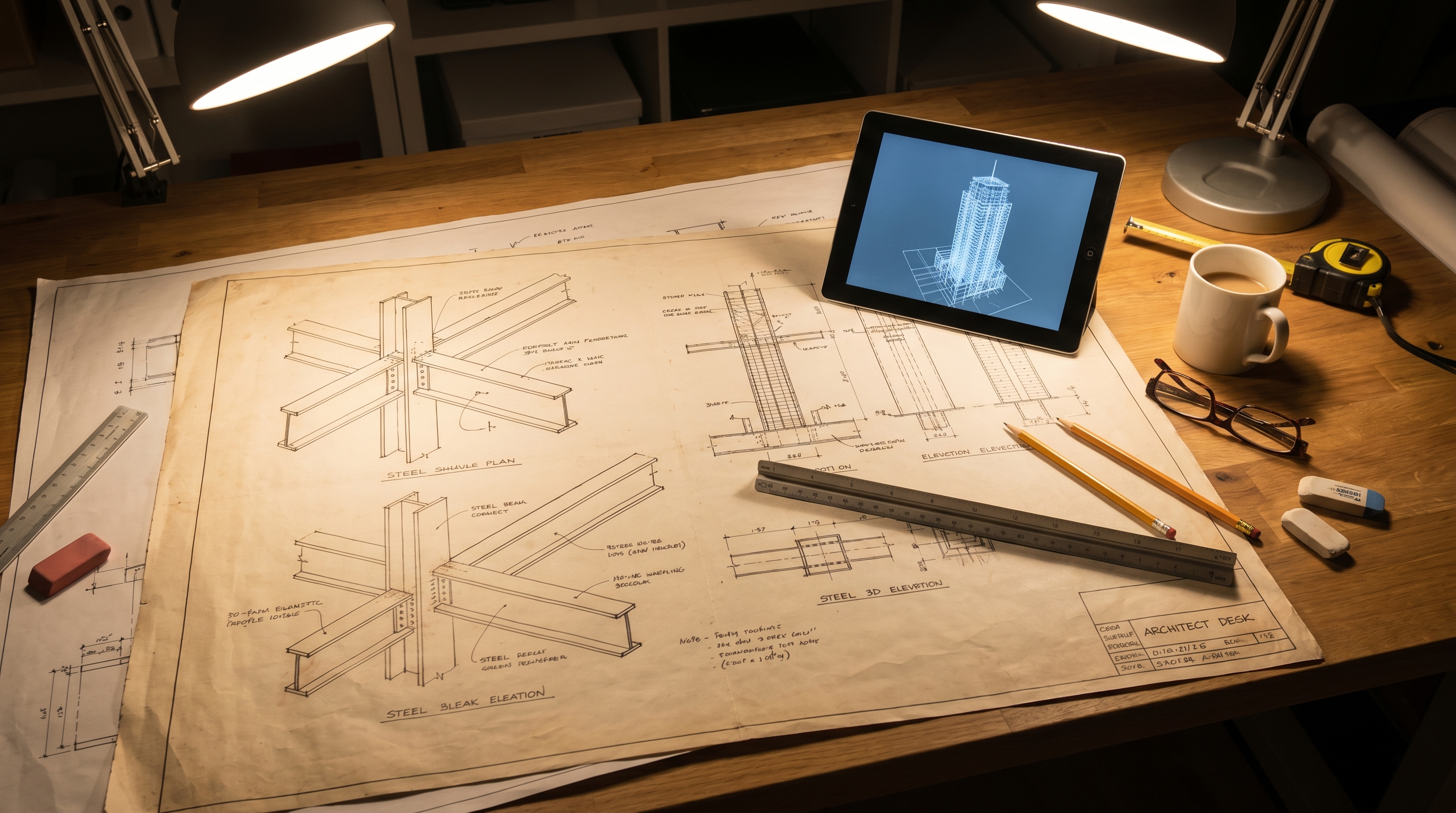
You begin by conducting a thorough site analysis and defining the specific functional requirements of your workspace. A professional steel office building design must balance architectural aesthetics with the structural integrity required for your local climate. This initial phase sets the foundation for a successful and cost-efficient construction journey.
How to define your functional needs?
Here is the kicker. Without a clear understanding of your traffic flow and employee density, even the best materials will fail to create a productive environment.
- Determine total square footage requirements.
- Identify the number of private offices versus open areas.
- Plan for essential utility and server room placements.
- Consider future expansion possibilities.
Key Takeaway: Detailed early planning prevents expensive mid-project changes and ensures the final layout meets all operational goals.
| Step | Focus Area | |
|---|---|---|
| Zoning | Local building code compliance | |
| Layout | Workflow and department placement | |
| Budgeting | Material and labor cost estimation |
By prioritizing the user experience during the conceptual phase, you create a space that attracts high-quality corporate tenants.
What materials define steel office building design?
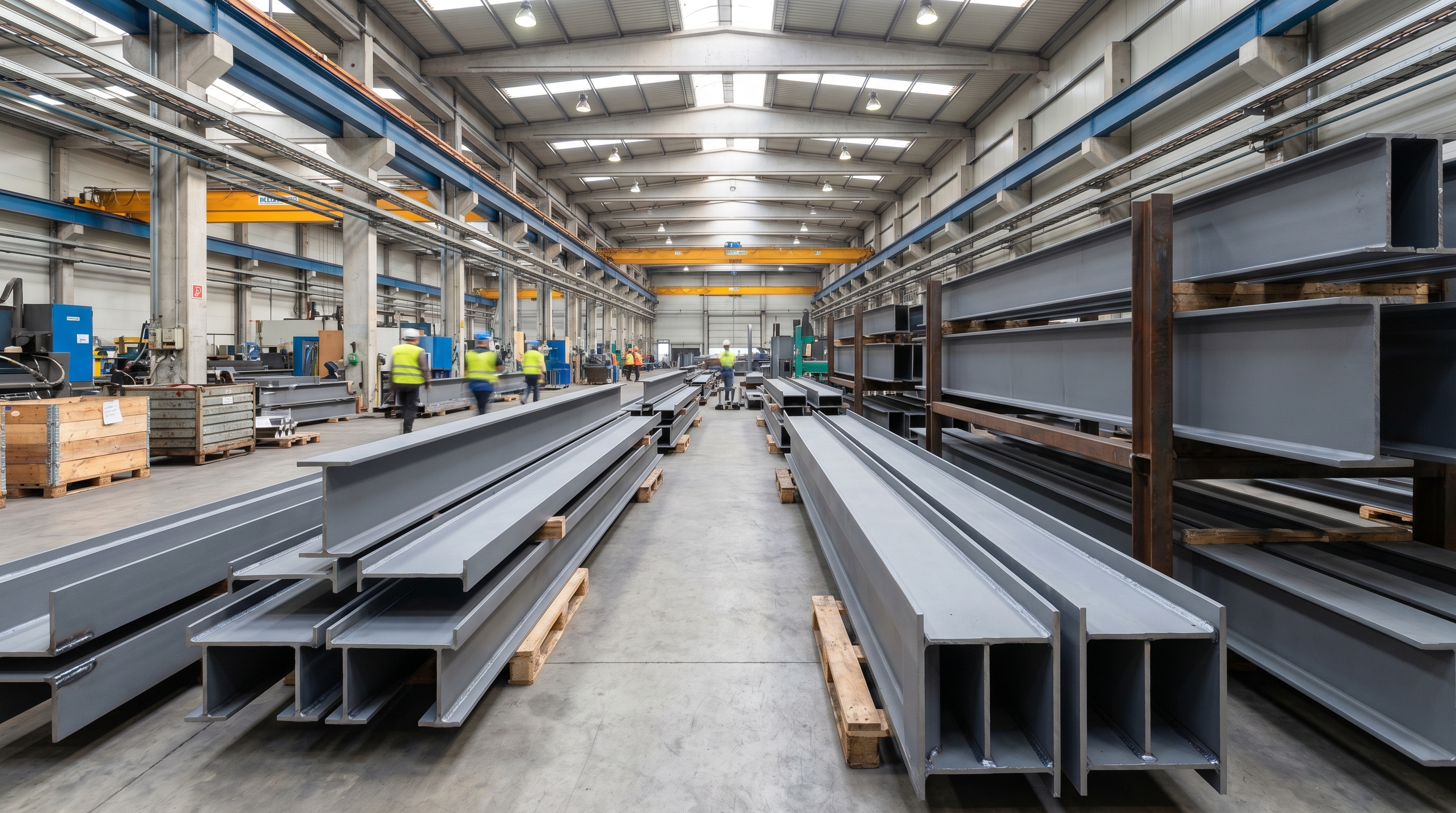
High-quality H-section beams and cold-formed purlins form the backbone of a successful structural system. The steel office building design relies on these precision-engineered components to distribute loads efficiently across the entire frame. Selecting the right grade of steel ensures your building can withstand extreme weather and seismic activity.
Why are H-section beams essential?
But that’s not all. H-section steel provides superior load-bearing capacity while maintaining a relatively light profile for easier handling on the construction site.
- Uniform strength across the entire member.
- Optimized for high-rise and multi-story applications.
- Easy to connect with high-strength bolt systems.
- Available in various sizes for custom engineering.
Key Takeaway: Utilizing standardized H-section components streamlines the fabrication process and ensures consistent structural safety throughout the building.
| Component | Function | |
|---|---|---|
| H-Beam | Primary horizontal load support | |
| Column | Vertical weight distribution | |
| Purlin | Roof and wall panel support |
Choosing certified materials is the most effective way to guarantee the longevity and safety of your commercial investment.
Is 3D modeling vital for steel office building design?
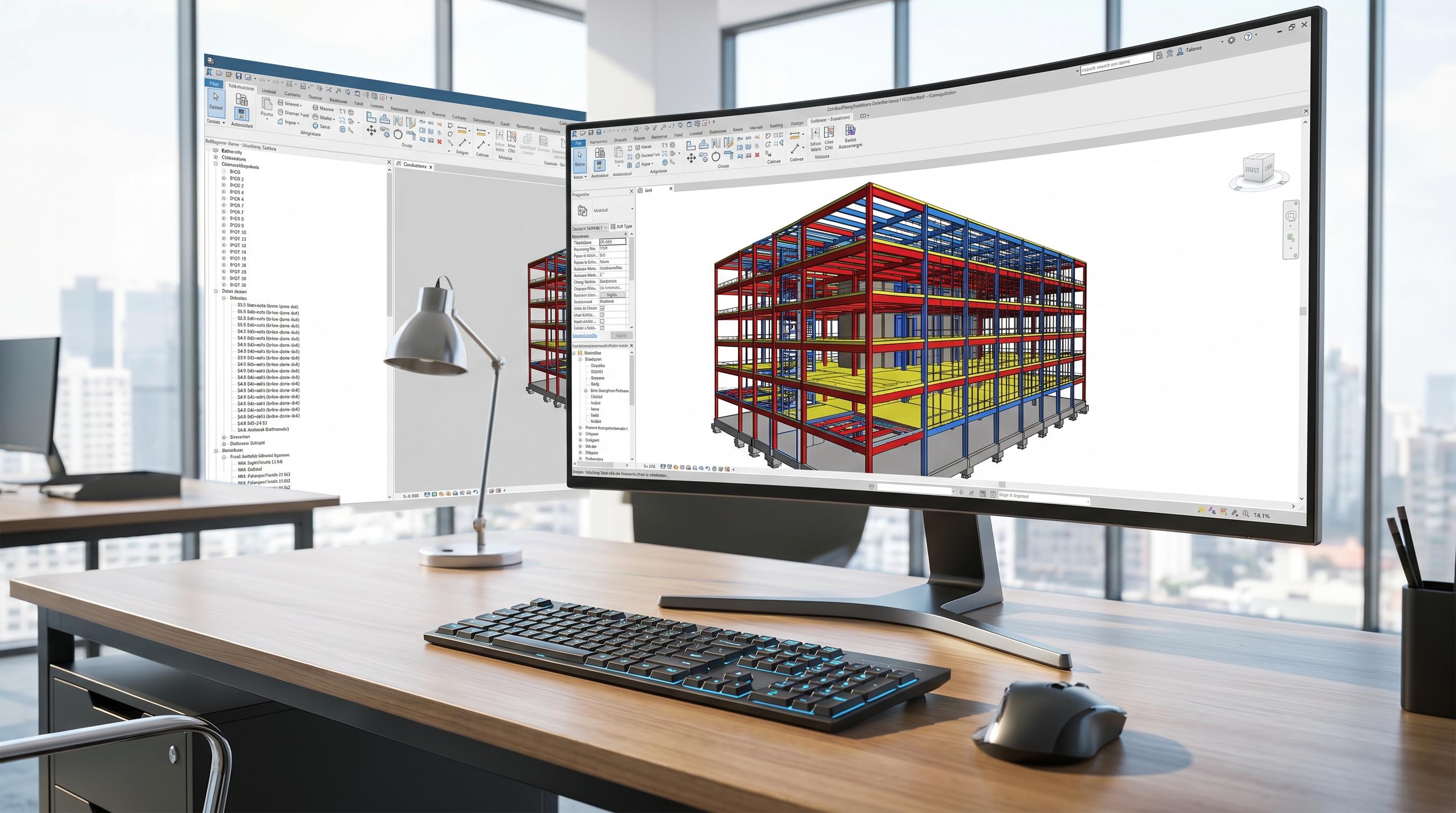
Advanced 3D modeling is indispensable for identifying structural clashes and optimizing material usage before fabrication begins. Using a steel office building design supported by Building Information Modeling (BIM) reduces on-site errors and material waste. This technology allows you to visualize the final result and make adjustments in a digital environment.
Can 3D software reduce project risks?
It gets better. Digital twins allow engineers to simulate wind loads and stress points, ensuring the structure is perfectly tuned for its environment.
- Automated clash detection between steel and HVAC.
- Precise material lists for accurate procurement.
- Enhanced communication between architects and builders.
- Clear visualization for stakeholder approval.
Key Takeaway: BIM technology acts as a roadmap that guides every phase of construction with surgical precision and cost control.
| Benefit | Impact | |
|---|---|---|
| Accuracy | Zero field modifications required | |
| Visualization | Improved tenant marketing materials | |
| Integration | Faster installation of mechanical systems |
Implementing these digital tools ensures that the physical construction phase proceeds without the typical headaches of manual drafting errors.
How does cost affect steel office building design?
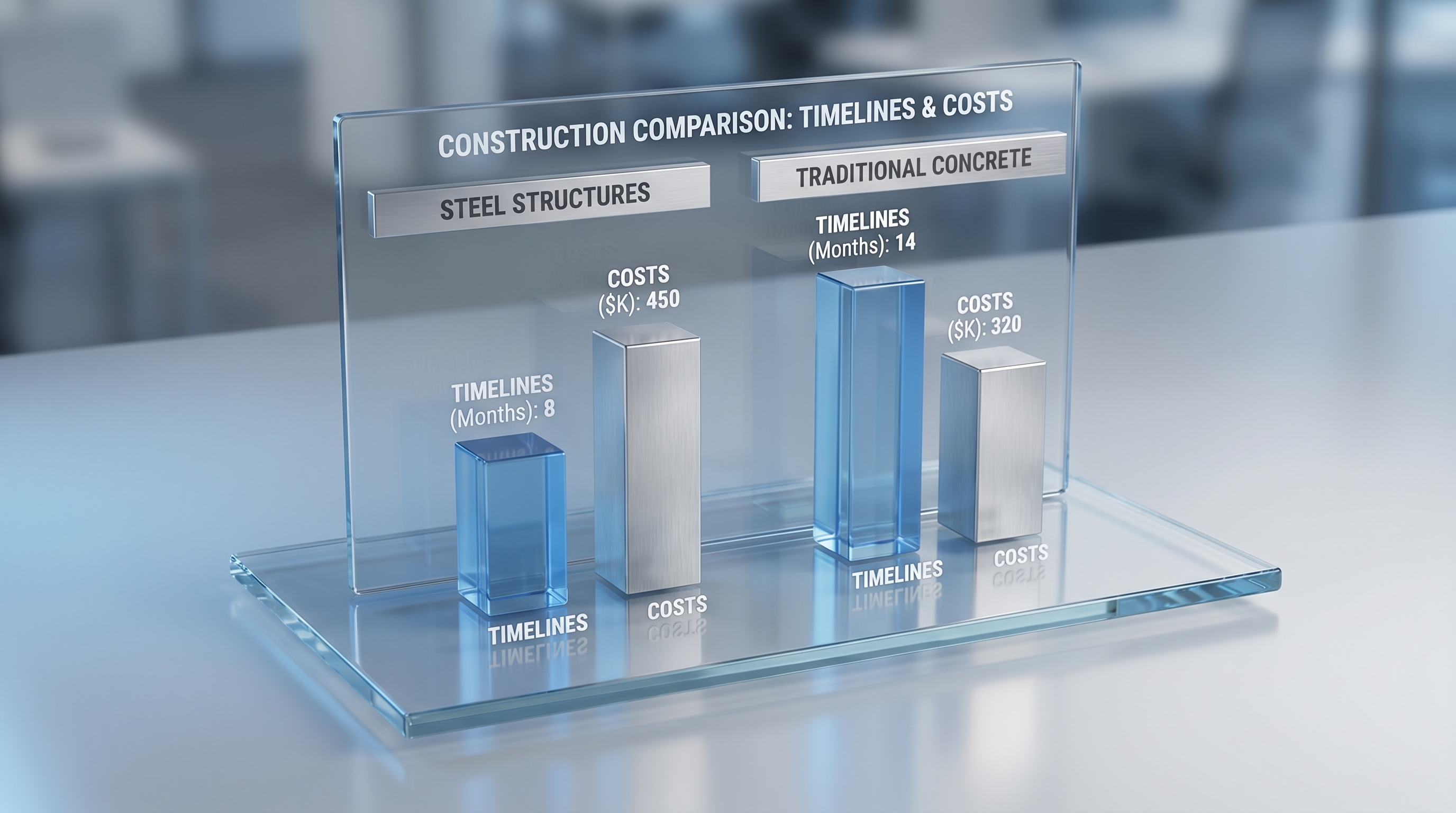
Budget considerations directly influence the complexity and size of your structural frame and exterior finishes. A smart steel office building design leverages factory-direct pricing to minimize middleman markups and keep the total project cost manageable. Understanding the breakdown of material versus labor costs helps you allocate resources where they matter most.
How do steel costs compare to concrete?
Here is the secret. While raw steel prices may fluctuate, the massive reduction in construction time leads to significant savings on labor and financing.
- Lower labor costs due to fast assembly.
- Reduced foundation costs for lighter frames.
- Faster move-in dates mean earlier revenue.
- Minimal on-site waste reduces disposal fees.
Key Takeaway: The total cost of ownership is often lower with steel because of the speed of erection and reduced site management fees.
| Material | Timeline | Cost Efficiency | |
|---|---|---|---|
| Steel | 30-40% Faster | High (Prefabricated) | |
| Concrete | Standard | Medium (Labor Intensive) |
As shown in the construction comparison chart, the accelerated timeline of steel structures provides a much faster return on your capital investment.
Which codes govern steel office building design?
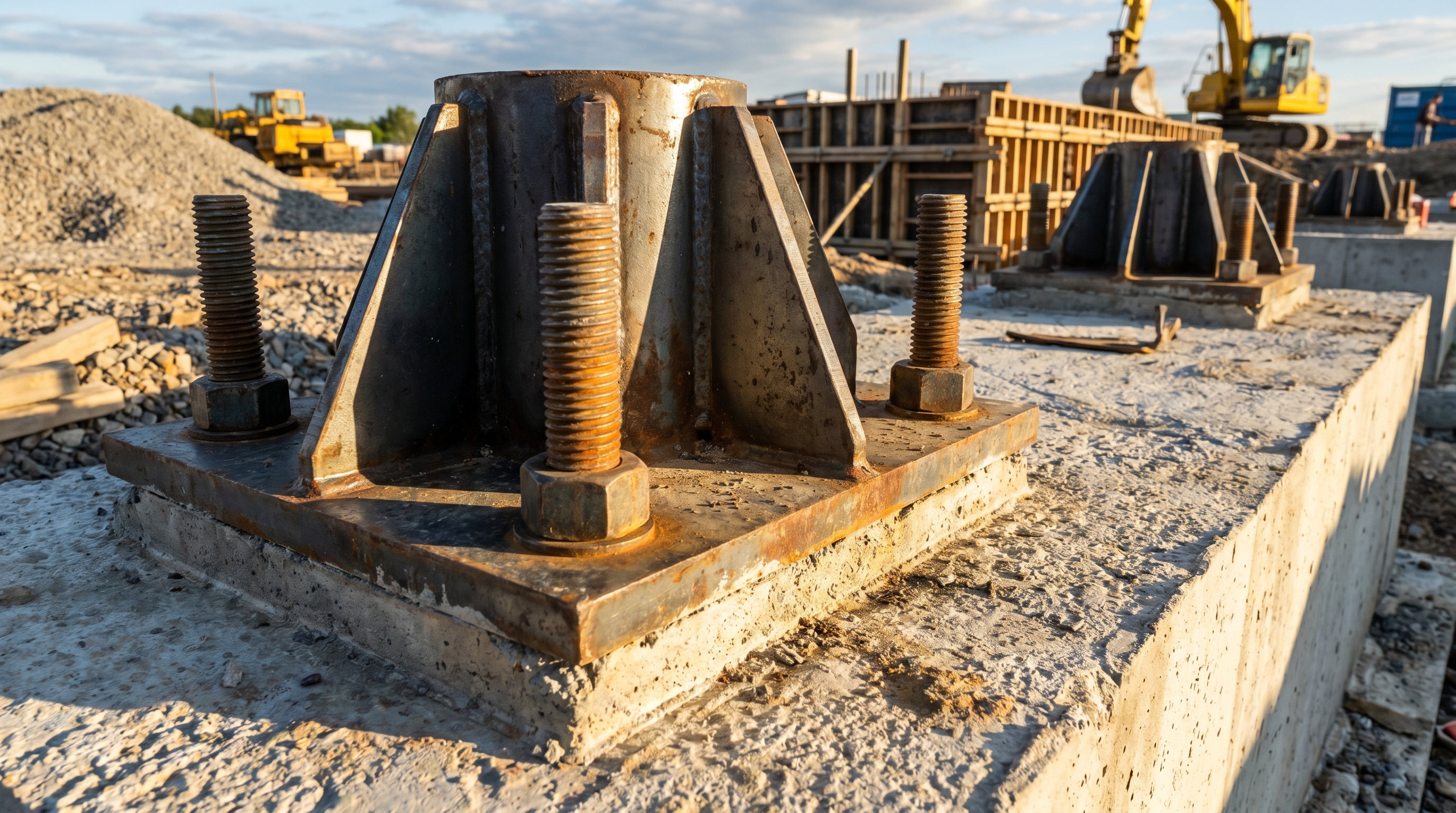
Every project must comply with international standards like AISC or Eurocode to ensure the safety of all occupants. Your steel office building design must be engineered to handle specific local loads, including high winds, heavy snow, or seismic activity. Adhering to these regulations is non-negotiable for obtaining building permits and insurance coverage.
What are the critical load requirements?
Make no mistake. Ignoring local environmental data during the design phase can lead to catastrophic structural failure or failed inspections.
- Wind load calculations for high-rise stability.
- Snow load capacities for roof deck integrity.
- Seismic bracing for earthquake-prone regions.
- Fire rating compliance for interior safety.
Key Takeaway: Professional engineering ensures your building is not only beautiful but also fully compliant with all life-safety regulations.
| Standard | Region | Focus | |
|---|---|---|---|
| AISC | North America | Structural steel specifications | |
| Eurocode | Europe | Unified design standards | |
| GB Standards | China | Fabrication and welding quality |
Following these strict guidelines protects your reputation and ensures the long-term viability of the commercial property.
How to optimize multi-story steel office building design?
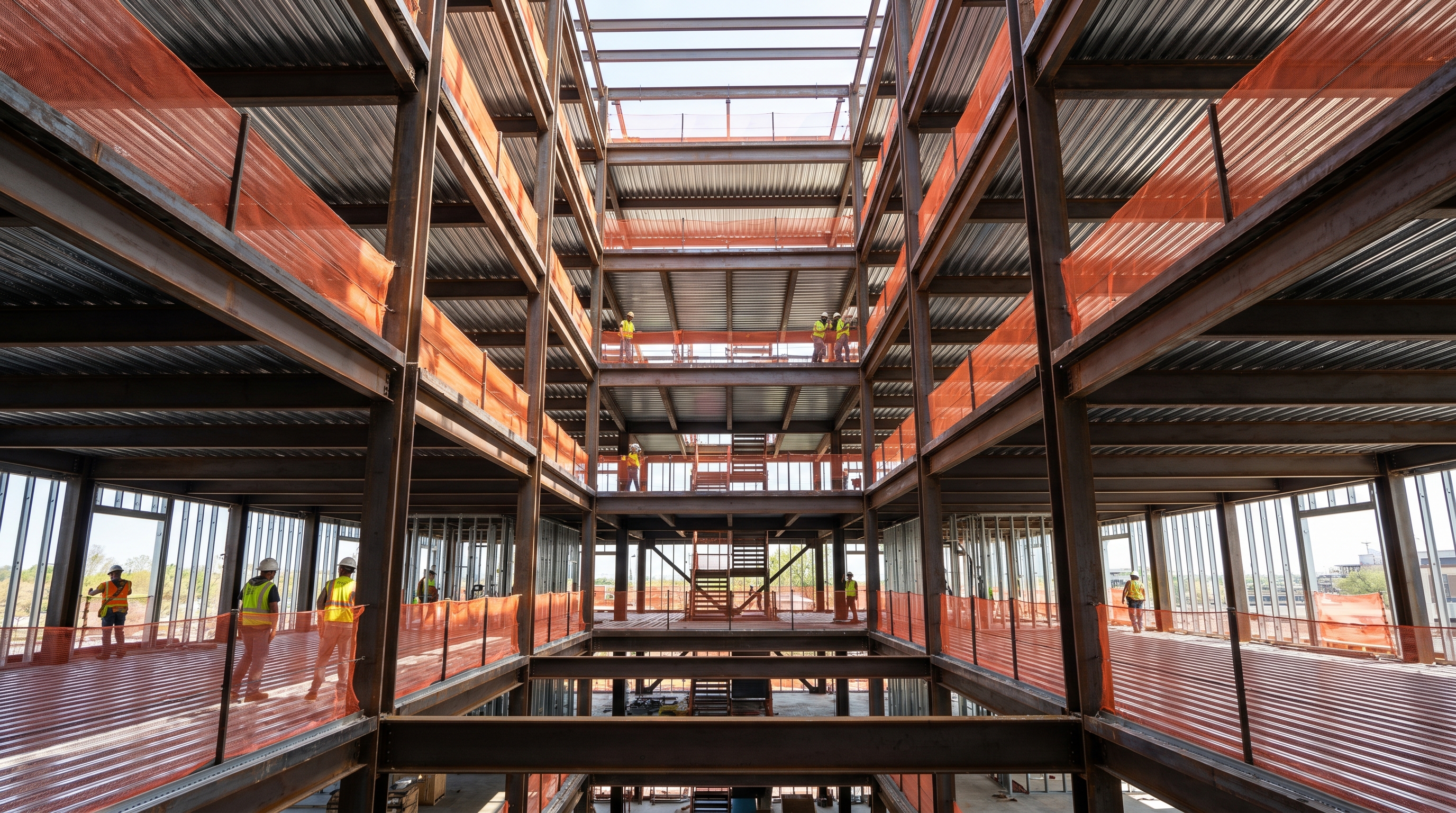
Optimization involves using composite floor decks and efficient vertical bracing to maximize the number of levels within a height limit. An advanced steel office building design integrates MEP (Mechanical, Electrical, and Plumbing) systems into the structural voids to save vertical space. This approach allows you to fit more usable office area into the same building footprint.
How to increase usable floor space?
But that is just the beginning. By utilizing cantilevered sections or thin-profile beams, you can create modern, open-concept interiors that tenants love.
- Use open-web joists for easy ductwork routing.
- Implement centralized service cores for efficiency.
- Design for high-density workstation layouts.
- Maximize natural light with large glass facades.
Key Takeaway: Multi-story optimization focuses on reducing “dead space” to increase the total leasable square footage of the property.
| Strategy | Goal | |
|---|---|---|
| Composite Decks | Thinner floors, higher ceilings | |
| Vertical Bracing | Eliminates bulky shear walls | |
| Integrated MEP | Streamlined utility installation |
Effective multi-level design creates a premium workplace environment that demands higher market rates and attracts blue-chip companies.
What is the workflow for steel office building design?
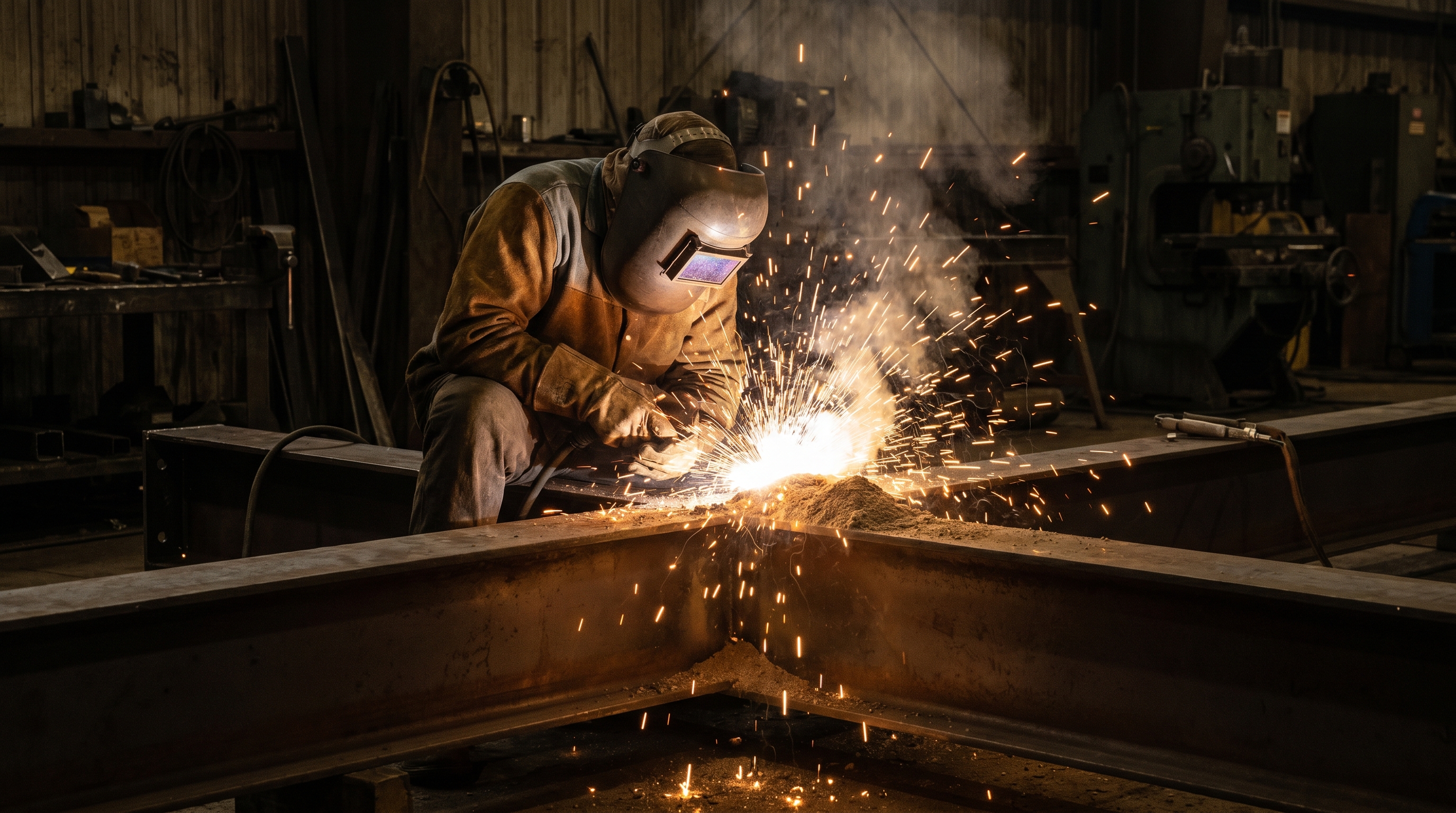
The workflow transitions from digital drafting to precision factory fabrication and finally to rapid on-site erection. A successful steel office building design requires a seamless handover between the engineering team and the manufacturing facility. This integrated process ensures that every beam is cut and drilled to the exact specifications required for the assembly.
How does the fabrication process work?
You might be wondering. Modern fabrication uses CNC machinery to ensure that every bolt hole aligns perfectly, eliminating the need for field modifications.
- Automated cutting and drilling for accuracy.
- Certified welding processes for joint integrity.
- Surface preparation through professional sandblasting.
- Sequence-based packing for efficient site delivery.
Key Takeaway: A controlled factory environment produces higher quality components than traditional on-site construction methods can achieve.
| Phase | Activity | |
|---|---|---|
| Fabrication | Cutting, welding, and drilling | |
| Coating | Painting or hot-dip galvanizing | |
| Logistics | Bundling and shipping to the site |
This streamlined workflow minimizes delays and ensures that your project stays on schedule from the first weld to the final bolt.
Does insulation improve steel office building design?
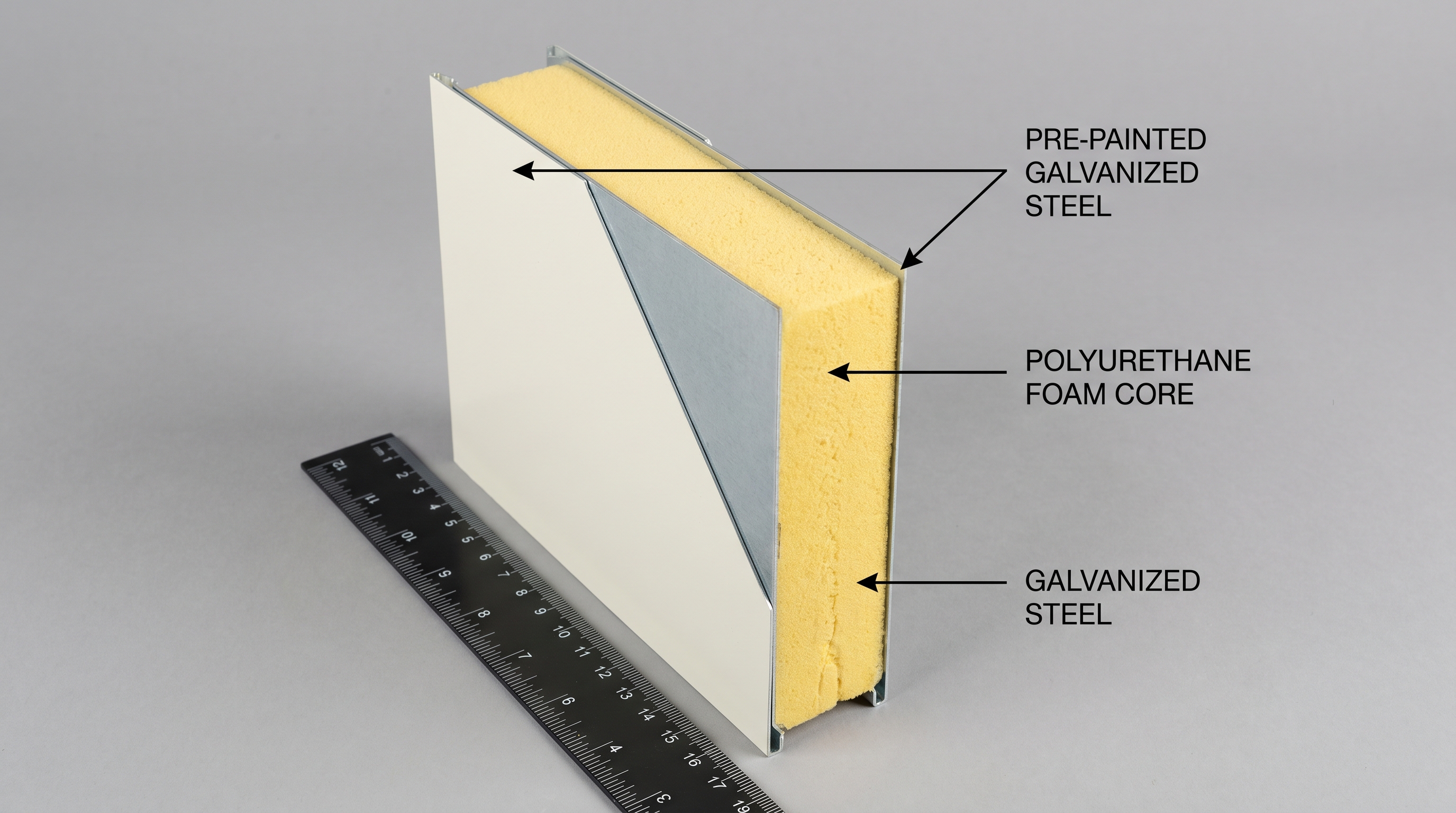
Proper insulation is critical for controlling interior temperatures and reducing the high energy costs associated with glass-heavy structures. In a modern steel office building design , high-performance sandwich panels provide both the exterior skin and the thermal barrier in one step. This system prevents thermal bridging and keeps your office comfortable year-round.
Which insulation panels are most effective?
Check this out. Polyurethane (PU) core panels offer the best R-values per inch, allowing for thinner walls without sacrificing energy efficiency.
- PU sandwich panels for maximum thermal resistance.
- Rockwool panels for superior fire protection.
- Fiberglass batts for cost-effective internal walls.
- Reflective coatings to reduce solar heat gain.
Key Takeaway: High-quality insulation lowers utility bills and creates a quieter, more productive environment for office employees.
| Panel Type | Best Use Case | |
|---|---|---|
| PU Sandwich | Cold climates or high-efficiency goals | |
| Rockwool | Buildings requiring high fire ratings | |
| EPS Core | Lightweight and budget-friendly |
Investing in a high-performance building envelope pays for itself through significantly lower monthly energy expenses and improved tenant retention.
How to install your steel office building design?
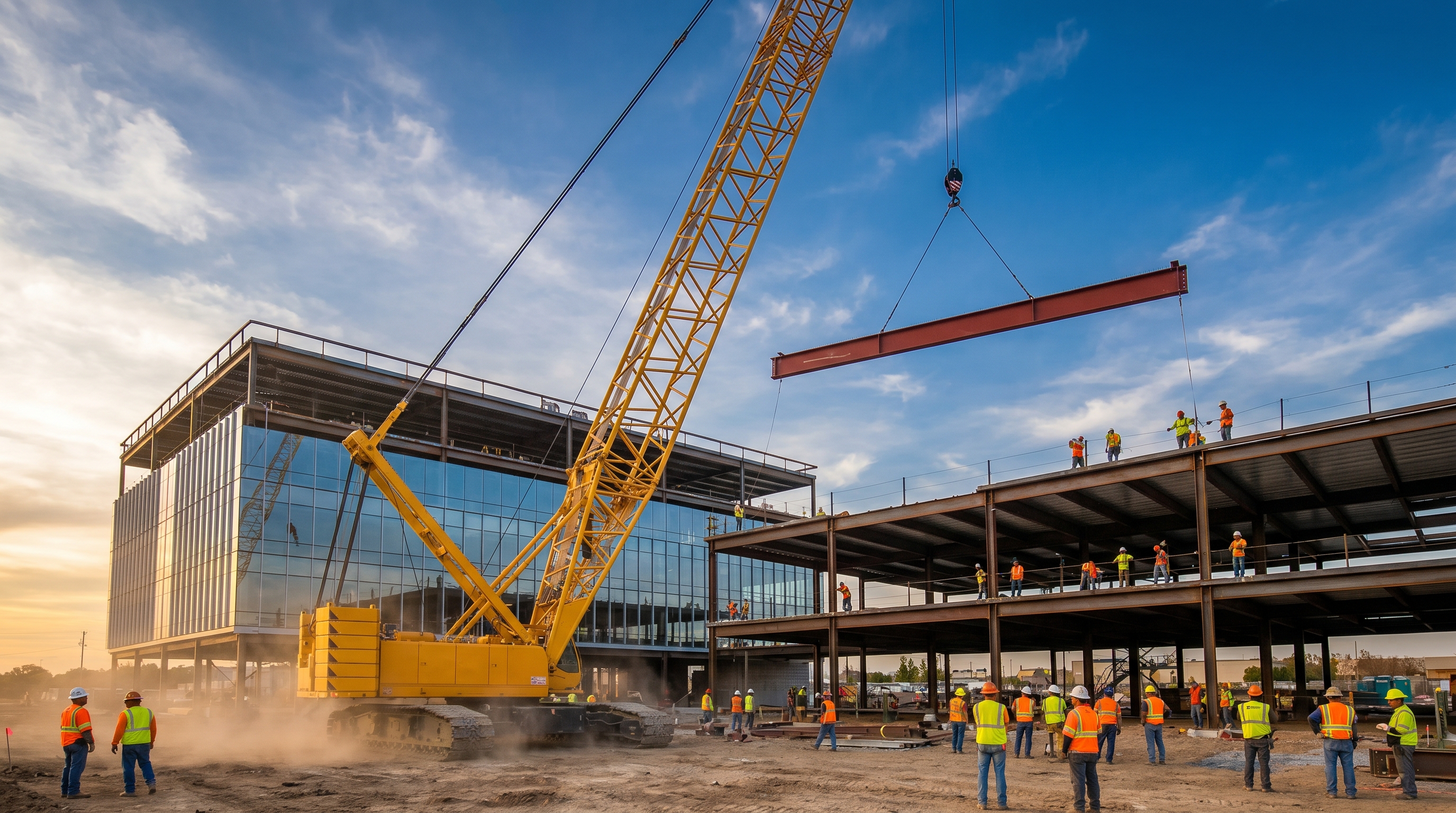
Installation begins with the precise setting of anchor bolts into a level concrete foundation. The steel office building design facilitates a “Meccano-style” assembly where pre-marked parts are craned into position and bolted together. This method is much faster and cleaner than traditional building techniques, requiring fewer workers on the site.
What are the critical erection steps?
The bottom line is simple. A well-organized site with a clear assembly sequence prevents accidents and speeds up the entire building enclosure.
- Set and level all primary steel columns.
- Install main girders and connecting floor beams.
- Secure secondary bracing and roof purlins.
- Apply exterior cladding and window systems.
Key Takeaway: Rapid erection reduces on-site labor risks and allows interior trades to begin their work weeks ahead of schedule.
| Step | Priority | |
|---|---|---|
| Foundation | Perfect alignment of anchor bolts | |
| Framing | Checking verticality of all columns | |
| Enclosure | Weather-tight sealing of panels |
Once the structure is dried-in, you can proceed with high-end interior finishes to complete your modern commercial landmark.
By addressing the challenges of cost, speed, and durability, we have shown how steel provides the ultimate solution for commercial developers. Our comprehensive guide has provided the roadmap for navigating the design, material selection, and installation phases of your project. If you are ready to bring your vision to life with a high-performance structure, contact us today for a professional consultation and quote.
FAQ
Can I customize the exterior of a steel office building? Yes, you can use glass curtain walls, metal panels, or even brick veneers to achieve any architectural style you desire.
What is the best way to prevent corrosion in steel structures? Applying a high-quality paint system or hot-dip galvanizing provides a long-lasting protective barrier against moisture and chemicals.
Can I expand a steel office building in the future? Absolutely, steel frames are modular by nature, making it simple to add new wings or additional floors with minimal disruption.
What is the typical lifespan of a steel office building? With proper design and maintenance, these structures easily last over 50 years while maintaining their structural integrity.
Does steel construction help with LEED certification? Yes, because steel is highly recyclable and energy-efficient insulation can be easily integrated into the design.