
Constructing your own storage facility directly solves chronic inventory management problems immediately. Renting commercial property drains massive amounts of capital monthly without providing any permanent physical assets. You desperately need a dedicated secure space holding valuable products safely against harsh elements constantly. Building a 1000 sq ft warehouse establishes total operational independence efficiently. We will cover critical budgeting specifics alongside optimal architectural framing choices thoroughly below.
What constitutes a primary step regarding a 1000 sq ft warehouse?
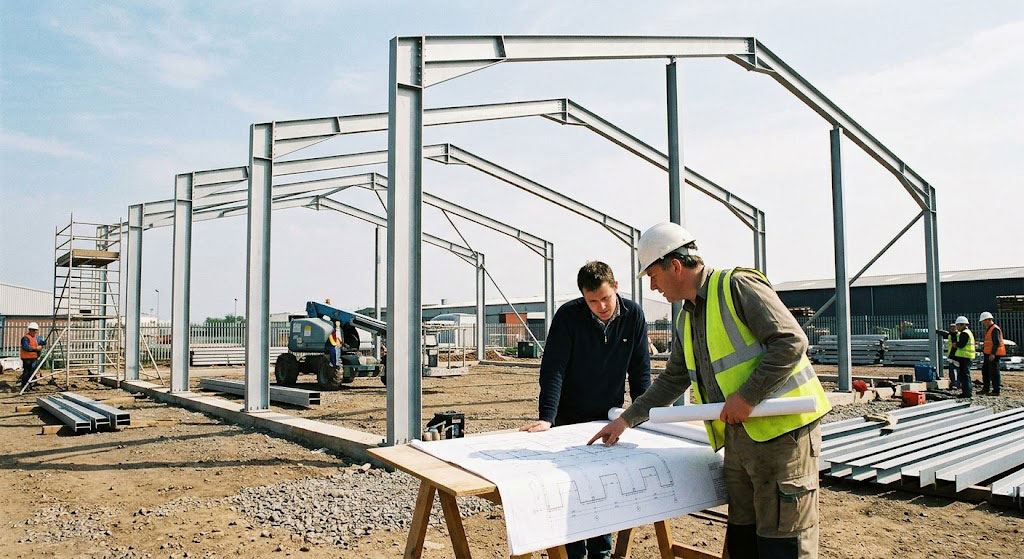
Finalizing intricate architectural blueprints systematically represents a mandatory initial action before breaking ground anywhere. Strategically planning your 1000 sq ft warehouse correctly prevents incredibly expensive structural mistakes downshore. You must rapidly determine exact internal dimensions alongside specific door placements efficiently. Securing sufficient commercial funding early guarantees your ambitious project avoids frustrating monetary bottlenecks completely.
Why detailed blueprints prevent disasters
Skipping professional drawings frequently causes catastrophic building code violations during municipal inspections. Architects consistently help visualize complex spatial requirements accurately before heavy machinery arrives onsite.
- Identify crucial load-bearing wall locations precisely.
- Plot necessary electrical utility lines seamlessly.
- Determine optimal roof pitch angles accurately.
Here is the deal… catching design errors on paper saves thousands of dollars instantly.
Securing robust project funding
Lenders demand highly comprehensive business plans before approving massive commercial construction loans. You must present exceptionally detailed cost estimates gathered from reliable specialized contractors. Obtaining formal pre-approval letters gives buyers immense leverage when negotiating raw material prices later.
Key Takeaway: Solidifying foundational designs alongside secure finances establishes an incredibly stable base regarding subsequent operations.
How much does a 1000 sq ft warehouse cost currently?
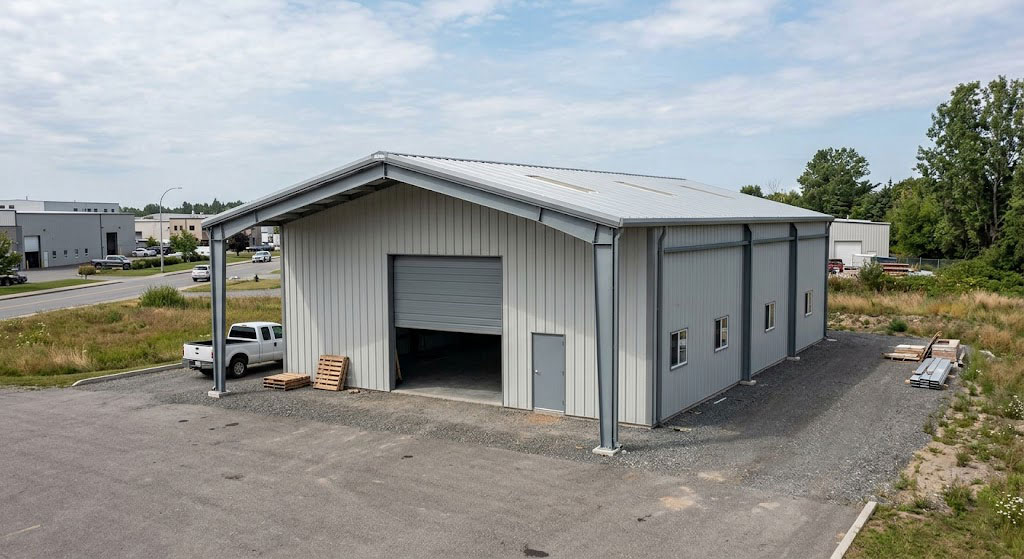
Budgeting roughly between twenty thousand and fifty thousand dollars covers most standard structures locally. Your 1000 sq ft warehouse expenses fluctuate wildly based on selected component quality. Rigid steel buildings typically present highly economical solutions compared against traditional timber frames. Geographic location heavily influences overall financial requirements due toward wildly varying labor markets globally.
Breaking down raw material expenses
Raw materials predictably consume roughly fifty percent of an entire commercial construction budget. Pre-engineered metal kits offer incredibly transparent pricing structures without hidden surprises lurking beneath.
- Purchasing wet concrete foundation supplies.
- Acquiring heavy structural framing components.
- Buying durable exterior siding panels.
What is the real story? Unpredictable material shortages frequently cause sudden price spikes globally without warning.
Labor fees and municipality permits
Hiring experienced construction crews guarantees your new facility meets strict safety standards perfectly. Never underestimate local municipal fees associated with commercial land development projects locally. Allocating funds accurately across these distinct categories prevents sudden frustrating work stoppages entirely.
Key Takeaway: Maintaining a twenty percent financial contingency fund absorbs unpredictable price fluctuations seamlessly.
| Cost Category | Average Low Cost | Average High Cost |
|---|---|---|
| Base Materials | $12,000 | $25,000 |
| Crew Labor | $6,000 | $18,000 |
| Local Permits | $2,000 | $7,000 |
Analyzing these precise financial metrics helps prevent devastating commercial budget overruns entirely.
What zoning laws affect a 1000 sq ft warehouse?
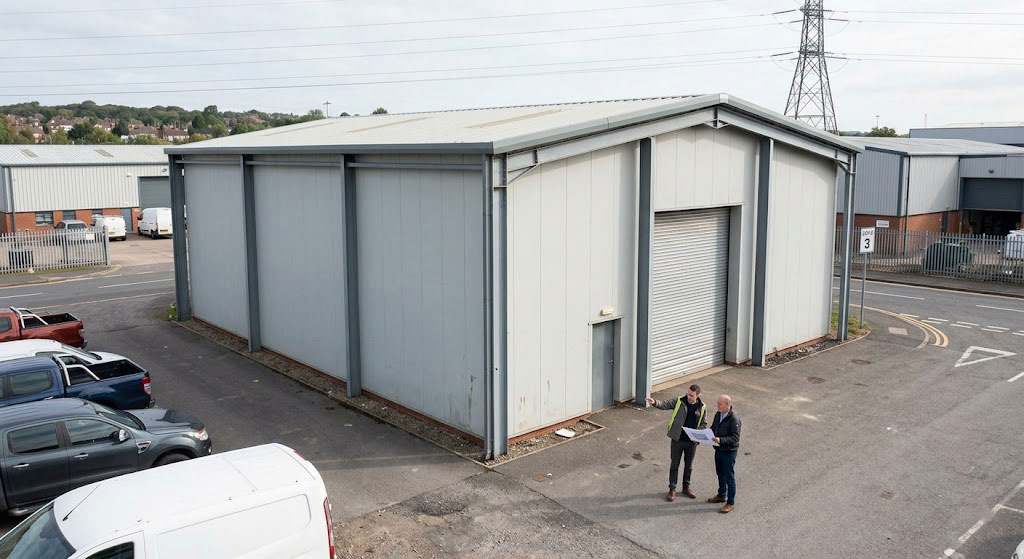
Municipal regulations dictate exactly where commercial storage facilities can operate legally nationwide. Navigating complex zoning ordinances for your 1000 sq ft warehouse prevents future legal disputes immediately. City planners review proposed building sites strictly against firmly established community master plans. Violating these rigid codes results invariably in hefty financial fines alongside potential forced demolition.
Understanding distinct land use classifications
Industrial zones generally welcome large storage buildings without requiring special complicated conditional permits. Placing massive commercial structures near quiet residential neighborhoods often triggers intense public scrutiny unfortunately.
- Check mandatory legal setback requirements carefully.
- Verify maximum allowed building height restrictions.
- Confirm strict local environmental impact limitations.
Ready for the good part? Securing official pre-approval simplifies everything moving forward tremendously.
Applying for necessary building permits
Submitting your officially approved architectural blueprints initiates a formal municipal review process immediately. Government inspectors will scrutinize every minute detail meticulously before granting permission regarding active construction. Consulting local zoning offices early eliminates frustrating bureaucratic roadblocks happening much later.
Key Takeaway: Strict adherence regarding regional regulatory parameters ensures a smooth uninterrupted construction journey.
Which foundation works best under a 1000 sq ft warehouse?
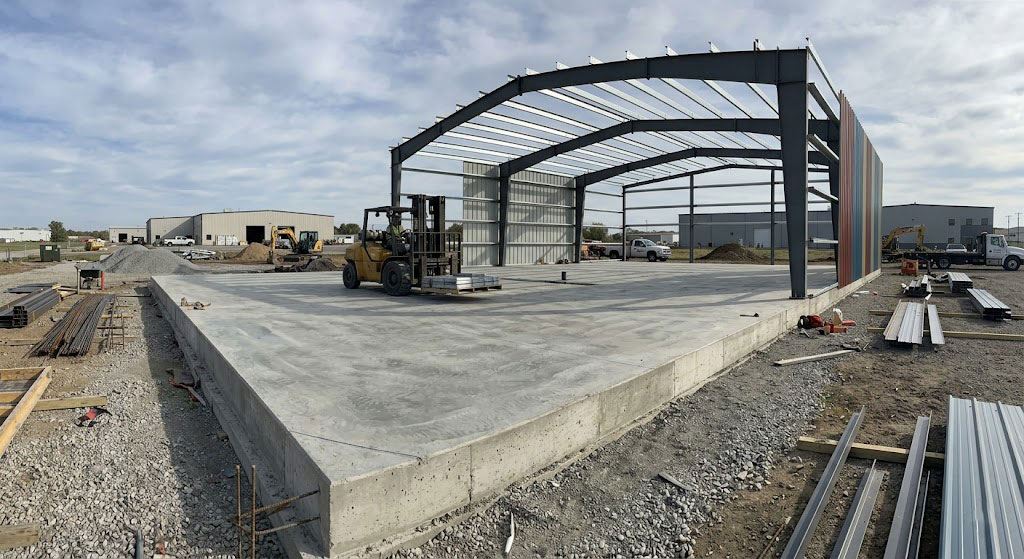
A heavily reinforced monolithic concrete slab provides absolutely optimal stability for commercial structures. Choosing an appropriate strong base regarding your 1000 sq ft warehouse guarantees long-term durability. Heavy machinery like industrial forklifts demand exceptionally strong flooring systems constantly functioning. Poorly designed concrete bases inevitably crack under immense pressure over notably short periods.
Monolithic slab primary advantages
Pouring floors alongside structural footings simultaneously creates an incredibly robust unified heavy base. This specific construction method saves significant time during early physical development phases remarkably well.
- Prevents uneven dangerous ground settling effectively.
- Supports massive internal vertical weight loads.
- Reduces overall required cement curing times.
This is where things get interesting… adding microscopic fiber mesh increases base strength exponentially.
Critical site preparation necessities
Clearing surface vegetation completely prevents trapped organic matter from decaying underneath your pristine floor. Grading loose topsoil properly ensures heavy rainwater drains safely away from sensitive building edges. Investing heavily regarding high-quality professional concrete work prevents catastrophic structural failures downshore.
Key Takeaway: Pouring an exceptionally thick slab guarantees your heavy industrial inventory remains perfectly secure always.
| Foundation Style | Best Application Area | Load Capacity |
|---|---|---|
| Monolithic Slab | Flat level ground | Exceptionally High |
| Pier and Beam | Sloped terrain layouts | Moderate |
| Raised Floating | Frost-prone geographic zones | Very High |
Selecting appropriate foundational designs depends entirely upon highly specific geographic alongside soil conditions.
What framing materials suit a 1000 sq ft warehouse perfectly?
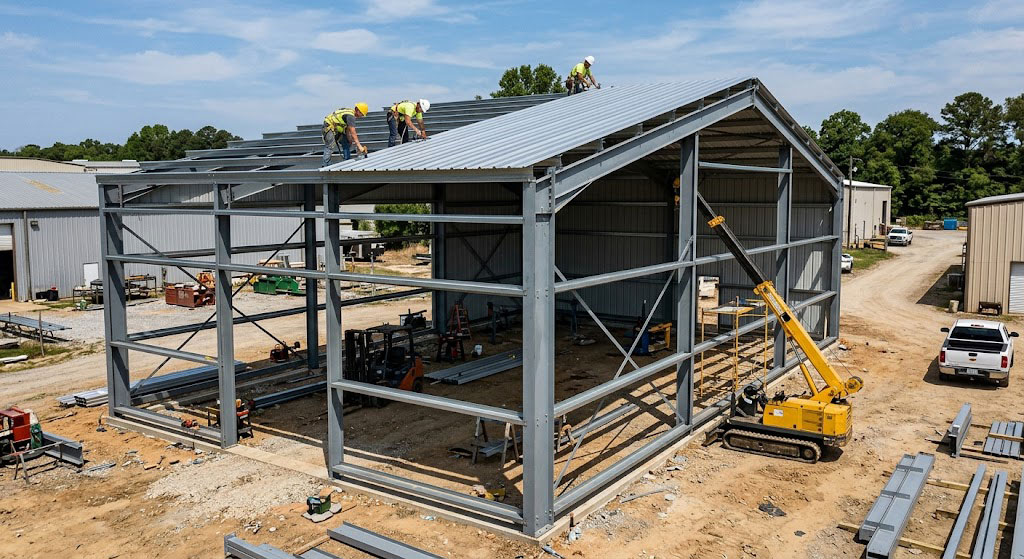
Prefabricated rigid steel frames remain absolutely the superior choice regarding modern industrial buildings. Erecting your 1000 sq ft warehouse utilizing metal components maximizes interior space flawlessly. Traditional wood framing limits clear-span capabilities significantly due toward inherent weak structural constraints. Solid structural steel resists severe moisture damage alongside destructive termite infestations effortlessly.
The incredible power of clear-span designs
Eliminating annoying internal interior support columns allows maximum flexibility regarding ongoing inventory arrangement. Industrial forklifts maneuver freely without navigating around frustrating physical obstacles constantly happening.
- Increases highly usable cubic storage volume.
- Simplifies future floor layout reconfigurations easily.
- Accommodates oversized heavy manufacturing equipment effortlessly.
But wait, there is more… modern prefabricated metal kits arrive ready for immediate rapid assembly.
Wood versus metal material comparison
Timber building frames burn surprisingly quickly during catastrophic fire emergencies unfortunately. Conversely modern steel structures provide superior fire resistance naturally without requiring dangerous chemical treatments. Utilizing commercial-grade metal framing guarantees decades of maintenance-free operational use safely.
Key Takeaway: Choosing rigid solid steel frames ensures maximum spatial efficiency alongside unmatched structural longevity.
How should someone insulate a 1000 sq ft warehouse properly?
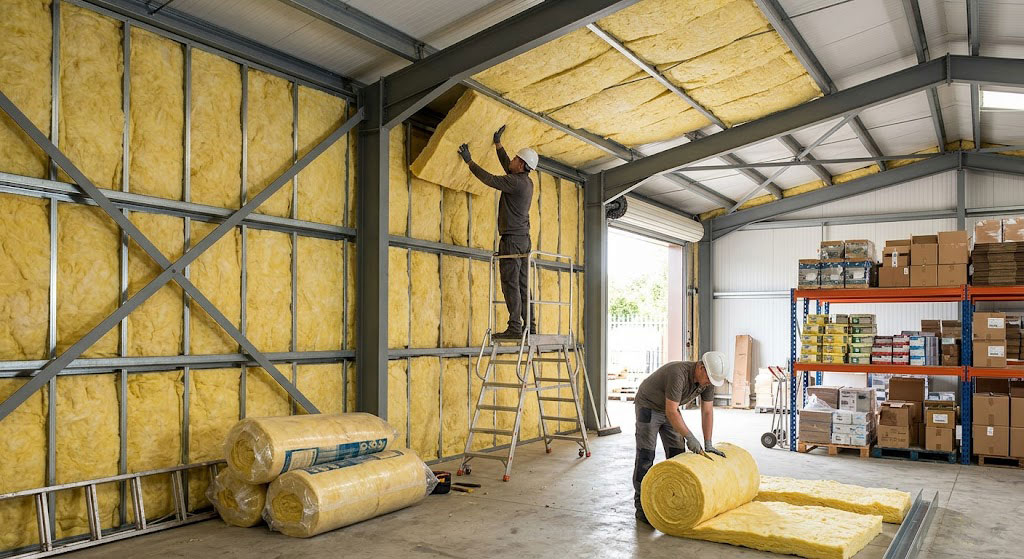
Installing extremely high R-value fiberglass batts effectively regulates internal building temperatures year-round effortlessly. Insulating a 1000 sq ft warehouse properly protects sensitive stored goods from extreme weather. Uninsulated bare metal buildings experience severe internal condensation problems during colder winter months frequently. Proper climate control prevents dangerous mold growth entirely while reducing monthly utility expenditures.
Spray foam versus traditional fiberglass
Closed-cell commercial spray foam creates an absolute vapor barrier across all exterior walls. This premium sealing option blocks tiny invisible gaps effortlessly despite carrying notably higher upfront costs.
- Prevents destructive internal building moisture buildup.
- Provides additional valuable structural rigidity naturally.
- Blocks annoying external highway traffic noises effectively.
You might be wondering… does heavy insulation truly save corporate money long-term?
Advanced roof insulation techniques
Trapped warm heat rises constantly making overhead ceiling insulation absolutely critical regarding energy efficiency. Reflective radiant barriers push harsh summer sun rays outward keeping work interiors remarkably cool. Selecting appropriate thermal barriers safeguards valuable stored commercial inventory from devastating environmental fluctuations.
Key Takeaway: Installing premium thermal weather protection dramatically lowers ongoing operational costs associated with seasonal heating.
| Insulation Option | Average R-Value | Primary Structural Benefit |
|---|---|---|
| Closed-Cell Foam | R-7.0 per inch | Complete moisture barrier |
| Standard Fiberglass | R-3.2 per inch | Highly cost-effective |
| Reflective Radiant | Varies widely | Blocks solar radiation |
Matching thermal protection strategies strategically against regional climate zones ensures maximum HVAC efficiency.
What roofing choices fit a 1000 sq ft warehouse best?
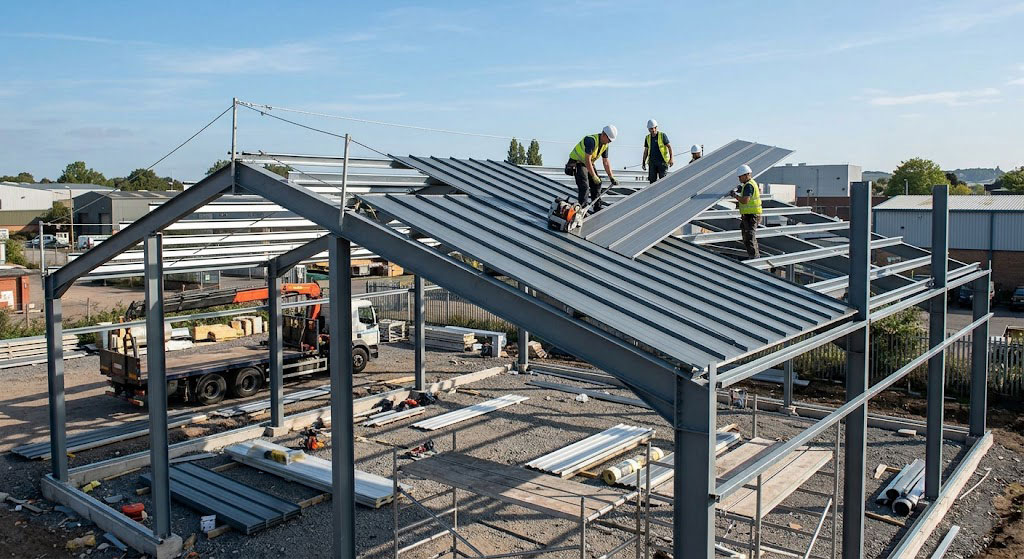
Standing seam metallic panels provide truly exceptional overhead leak protection for commercial structures. Capping your 1000 sq ft warehouse using highly durable materials ensures complete interior dryness. Traditional asphalt shingles deteriorate incredibly rapidly under intense solar ultraviolet radiation exposure constantly. Fastener-concealed roofing systems prevent standing water penetration reliably during exceptionally heavy rain storms.
Amazing benefits of standing seam roofs
Interlocking metallic panels allow natural thermal expansion without breaking delicate weather-tight seals ever. Hidden fastening metal clips eliminate exposed vulnerable screws completely reducing spreading rust vulnerability significantly.
- Lasts upwards spanning fifty unbroken years.
- Sheds heavy dangerous winter snowfall effortlessly.
- Requires incredibly minimal routine exterior visual maintenance.
Now consider this fact… applying specialized reflective coatings further reduces costly summer cooling expenses dramatically.
Roof pitch alongside drainage considerations
Completely flat commercial roofs require sophisticated rubberized waterproofing membranes preventing devastating heavy water pooling. Slightly pitched structural designs utilize gravity naturally guiding heavy precipitation away incredibly efficiently. Investing heavily regarding premium roofing materials prevents catastrophic internal inventory losses caused by hidden leaks.
Key Takeaway: High-quality interlocking steel roofs provide decades of completely maintenance-free weather protection reliably.
How can owners design a 1000 sq ft warehouse layout?
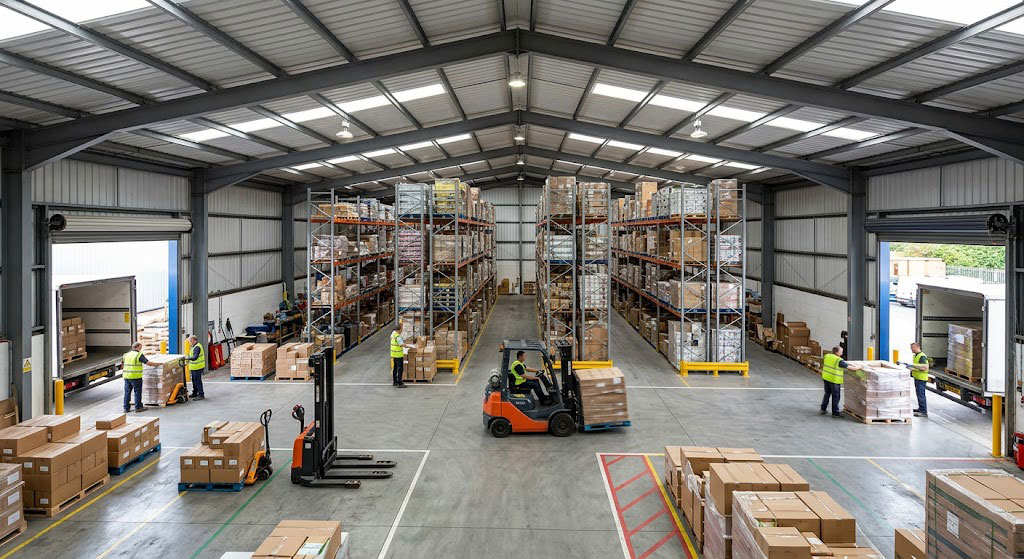
Creating distinctly designated zones regarding incoming receiving and outgoing shipping maximizes daily operational workflow. A well-planned 1000 sq ft warehouse layout minimizes unnecessary internal motorized forklift travel distances. Cramped physical floor aisles slow down hardworking employees significantly while increasing dangerous workplace accidents. Vertical high storage systems utilize empty overhead space brilliantly maximizing your limited operational footprint.
Implementing heavy pallet racking systems
Heavy-duty tall steel shelves organize massive inventory vertically keeping valuable floor spaces entirely clear. Adjustable industrial racking accommodates variously sized loading wooden pallets dynamically as business needs evolve.
- Improves overall digital inventory tracking accuracy.
- Speeds up daily commercial order fulfillment rates.
- Enhances overall warehouse worker safety dramatically.
Want to know a secret? Extremely narrow aisle configurations increase usable storage capacity remarkably well.
Optimizing efficient loading dock areas
Dedicated incoming receiving zones prevent messy shipments from mixing alongside outgoing outbound packages. Wide overhead roll-up doors allow massive delivery trucks sufficient operational clearance during unloading procedures. Strategic interior architectural planning transforms an empty metal shell into a highly productive logistical hub.
Key Takeaway: Thoughtful spatial arrangements directly boost employee productivity while simultaneously reducing costly shipping tracking errors.
| Interior Zone | Recommended Area Allocation | Primary Daily Function |
|---|---|---|
| Vertical Racking | Sixty Percent | Holding bulky inventory |
| Shipping Docks | Twenty-Five Percent | Processing active orders |
| Office Space | Fifteen Percent | Administrative paperwork tasks |
Allocating spatial resources correctly prevents frustrating logistical bottlenecks during peak busy daily operational hours.
What specific utilities power a 1000 sq ft warehouse efficiently?
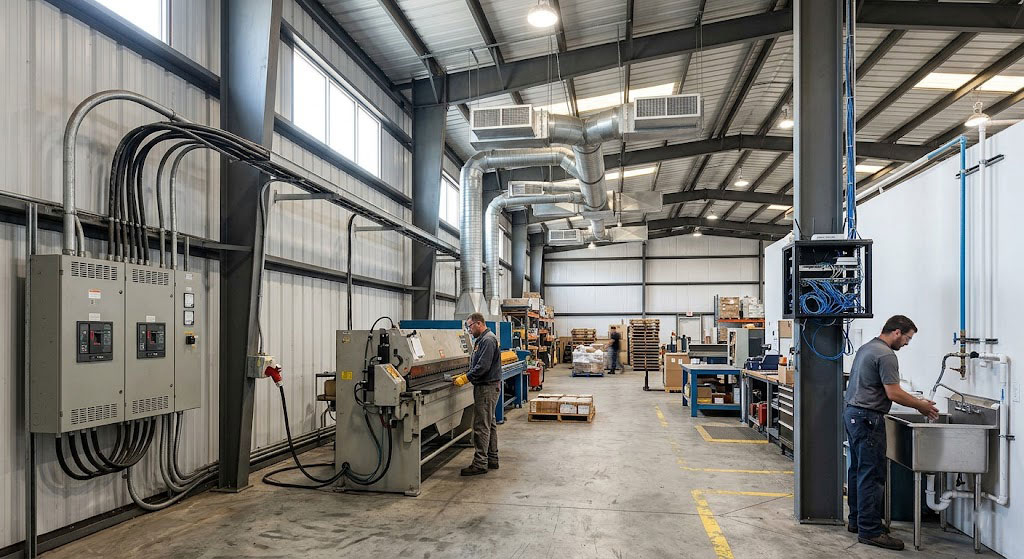
Three-phase robust electrical power handles heavy demanding industrial machinery without tripping delicate sensitive breakers. Powering your 1000 sq ft warehouse requires incredibly robust infrastructural utility planning strictly upfront. Standard residential electrical wiring fails completely when operating multiple commercial heavy HVAC units simultaneously. High-speed internet connectivity alongside adequate sanitary plumbing remains absolutely essential regarding daily modern operations.
Upgrading commercial electrical panels properly
Industrial daily operations demand high-amperage heavy electrical service boxes consistently functioning completely properly. Installing exceptionally energy-efficient overhead LED high-bay lights illuminates dark aisles brightly while saving electricity.
- Supports heavy continuous automated manufacturing equipment.
- Provides highly reliable security camera system power.
- Allows future technological digital expansion effortlessly.
Here is the honest truth… skimping on initial electrical upgrades causes immense operational headaches later.
Vital plumbing and climate control
Employee washrooms require immediate thoughtful integration into your original drafted architectural floor plans. Commercial-grade heavy heaters prevent sensitive liquid inventory from freezing solid during harsh freezing winters. Establishing incredibly strong foundational utility infrastructures guarantees your facility functions smoothly under heavy demands.
Key Takeaway: Installing robust commercial-grade utilities upfront prevents incredibly expensive electrical retrofitting projects happening later.
How long does erecting a 1000 sq ft warehouse take?
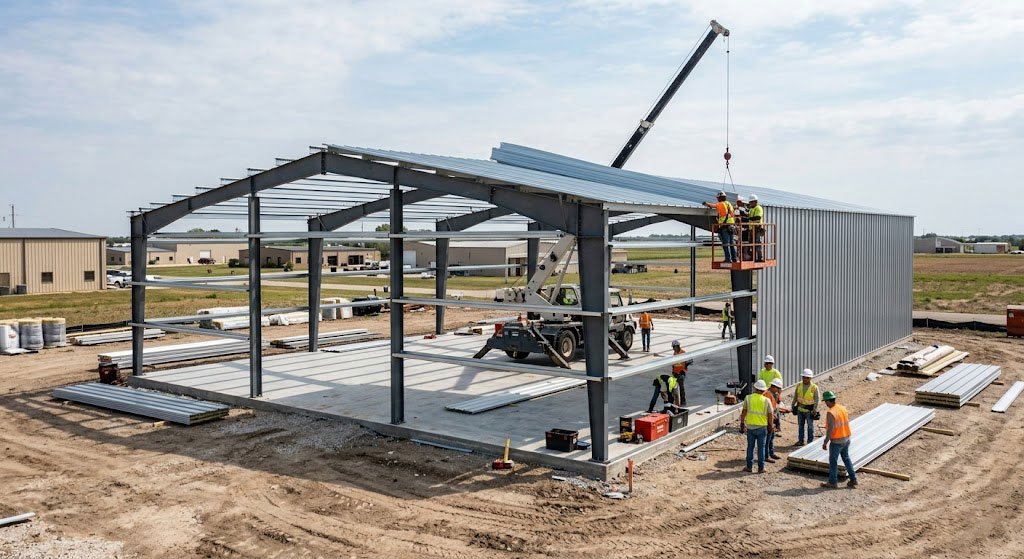
Most prefabricated metallic structural buildings finish completely within three to four months total. Constructing a 1000 sq ft warehouse moves surprisingly quickly once initial local permits gain approval. Severe weather conditions frequently delay critical concrete foundation pouring phases unexpectedly during rainy springtime. Coordinating multiple skilled professional subcontractors efficiently prevents lengthy expensive project standstills completely.
Navigating frustrating pre-construction delays smartly
Securing municipal government approvals often consumes more time than actual physical physical building. Designing structural plans meticulously beforehand speeds up sluggish bureaucratic review processes remarkably well.
- Finalize architectural detailed blueprints extremely early.
- Order necessary heavy building materials promptly.
- Schedule skilled construction contractor availability aggressively.
Think carefully about this… global supply chain shortages extend material delivery times drastically sometimes.
The rapid structural erection phase
Assembling pre-engineered rigid steel building frames usually requires merely one or two short weeks. Installing durable overhead roofing panels alongside exterior metallic siding finishes the protective building envelope rapidly. Proactive aggressive scheduling alongside utilizing prefabricated components shrinks overall construction timelines incredibly well.
Key Takeaway: Proper logistical planning ensures your new commercial facility opens exactly on schedule without delays.
| Project Phase | Average Expected Duration | Potential Delay Causes |
|---|---|---|
| Permit Approval | Four to Six Weeks | Slow Bureaucracy |
| Concrete Pouring | One to Two Weeks | Severe Weather |
| Frame Assembly | Two to Three Weeks | Material Shortages |
Understanding these typical timeframe expectations allows smart business owners to coordinate corporate relocation efforts smoothly.
Final Project Considerations
Constructing a highly durable commercial storage facility requires careful strategic financial planning strictly. You now clearly understand exactly how laying strong concrete foundations alongside erecting steel frames optimizes spaces. Whether needing more room regarding overflow inventory or advanced manufacturing capabilities, taking absolute control matters immensely. This comprehensive commercial strategy solves chronic overcrowding issues while building long-lasting valuable physical corporate equity. We proudly design premium architectural steel solutions tailored precisely toward matching your unique demanding industrial requirements. If ready to expand your operational footprint flawlessly, contact us today for expert professional guidance.
Frequently Asked Questions
Q1: What is the most durable framing material? Steel definitely represents the superior structural choice. It provides maximum clear-span interior space alongside exceptional fire resistance compared against traditional timber.
Q2: Can I skip pulling municipal building permits? No, you absolutely cannot proceed without them. Municipalities rigidly require approved official permits ensuring strict adherence regarding modern commercial safety codes constantly.
Q3: How do I guarantee my concrete foundation remains strong? Consult an experienced structural engineer early during planning. They analyze local soil conditions properly calculating exact vertical load requirements securely.
Q4: What represents the absolute best roof insulation method? Closed-cell commercial spray foam works remarkably well. This premium chemical application creates an airtight vapor barrier preventing dangerous internal condensation entirely.
Q5: Can I adjust my interior racking layout later? Yes, you certainly can change arrangements easily. Using clear-span rigid steel framing eliminates annoying interior support columns allowing effortless spatial reconfigurations anytime.