
Building a custom facility requires precise site planning, selecting durable materials, acquiring municipal permits, and laying a properly engineered concrete foundation. Are you constantly struggling with overflowing inventory, high commercial leasing costs, and a workspace that feels more like a cramped closet? Every month you delay expanding your operations, you lose money on logistical inefficiencies and miss out on bulk-buying discounts because you simply lack the physical room. Fortunately, constructing your own prefabricated facility is a permanent, cost-effective fix to these growing pains. By following this complete guide on designing your own 2000 sq ft warehouse, you can finally take full control of your logistics and build an asset perfectly tailored to your needs.
Why Build a 2000 sq ft Warehouse for Your Business?
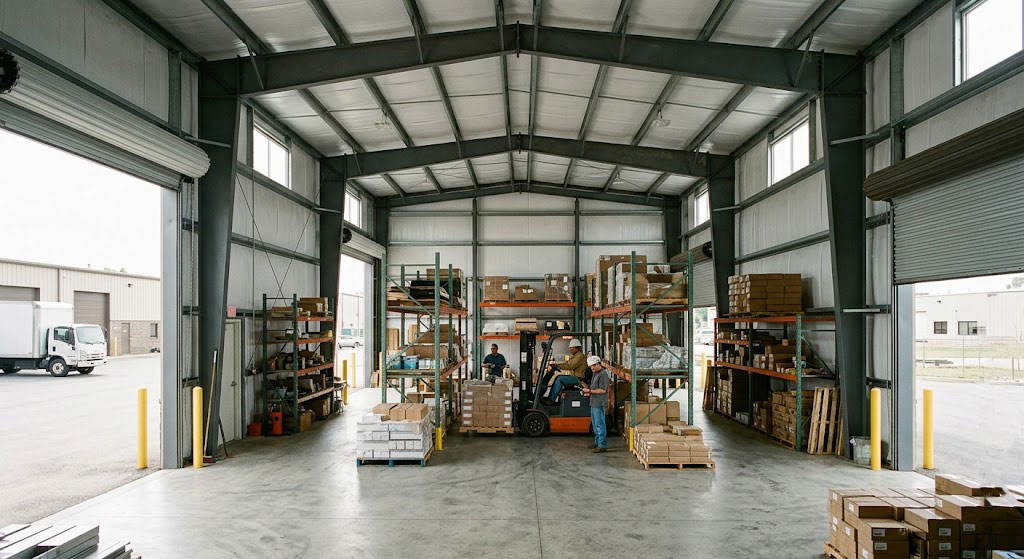
Building this specific size gives your business the exact storage capacity required to scale efficiently without overspending on massive, unnecessary square footage. A custom 2000 sq ft warehouse allows you to stop paying rent to landlords and start building true equity in your own commercial property. It provides a strategic sweet spot for medium-sized enterprises seeking room to grow while keeping overhead costs thoroughly manageable.
What are the primary space benefits?
You gain absolute control over your internal layout, allowing for specialized zones dedicated to receiving, packing, and shipping. This tailored approach drastically reduces the time your employees spend navigating cluttered aisles.
- Customizable racking systems for high-density storage.
- Dedicated office space integration on a mezzanine.
- Clear-span interiors without obstructive central columns.
How does it impact your ROI?
Now, let’s look at the numbers:
Investing in commercial real estate yields remarkably strong financial returns over a ten-year horizon. You eliminate escalating leasing fees while your physical property steadily appreciates in market value.
Key Takeaway: Owning your facility transforms lost monthly rent expenses into a valuable long-term business asset that directly boosts your operational capabilities.
Comparing rent versus ownership highlights distinct financial trajectories over a ten-year period.
| Financial Aspect | Leasing a Facility | Owning a Facility |
|---|---|---|
| Monthly Payments | Subject to annual hikes | Fixed mortgage rates |
| Property Equity | Zero equity built | Full asset ownership |
| Customization | Highly restricted | Completely flexible |
What Does a 2000 sq ft Warehouse Cost to Build?
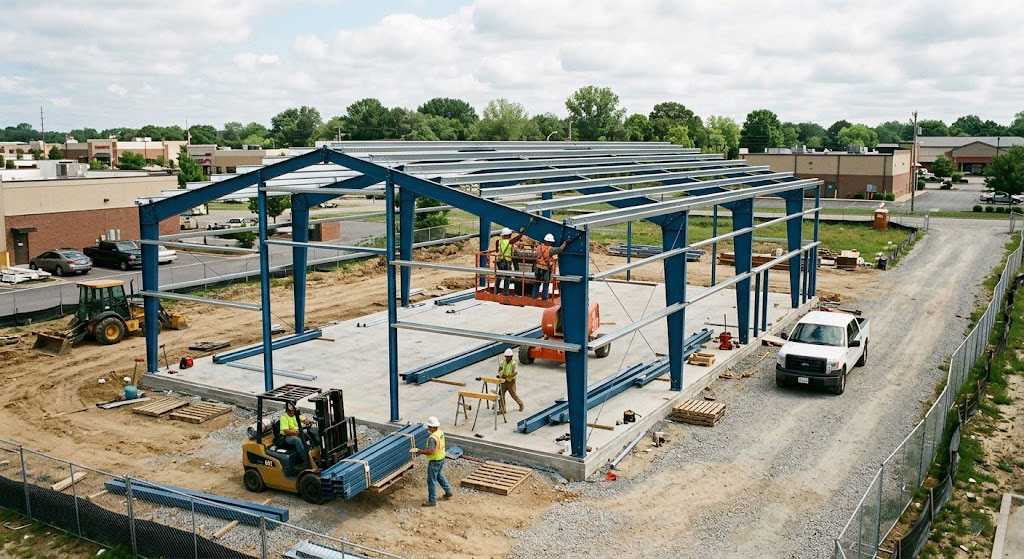
Construction costs typically range between $30,000 and $80,000 depending heavily on your chosen materials, foundation depth, and interior finishes. Estimating your 2000 sq ft warehouse budget requires looking deeply at both soft costs and hard material expenses. By breaking down these distinct elements early on, you can successfully avoid unexpected financial hurdles during the active building phase.
Material expenses to consider?
Prefabricated steel structures generally offer the most cost-effective and durable solution per square foot on the market. You must accurately price out the primary structural components before breaking ground.
- Rigid steel framing and portal kits.
- High-grade thermal insulation panels.
- Heavy-duty reinforced concrete foundations.
Hidden costs you might miss?
But wait, there is more to the budget:
Permits, mandatory soil testing, and raw site preparation can quickly eat into your allocated funds. You must set aside at least a ten percent contingency budget to absorb these inevitable surprises.
Key Takeaway: Thorough initial budgeting and contingency planning prevent costly work stoppages midway through your commercial project.
This breakdown illustrates the typical percentage distribution of standard construction expenses.
| Cost Category | Percentage of Total Budget | Impact on Timeline |
|---|---|---|
| Foundation | 20% – 25% | High |
| Structural Frame | 40% – 50% | High |
| Permits & Fees | 5% – 10% | Medium |
How to Choose a 2000 sq ft Warehouse Location?
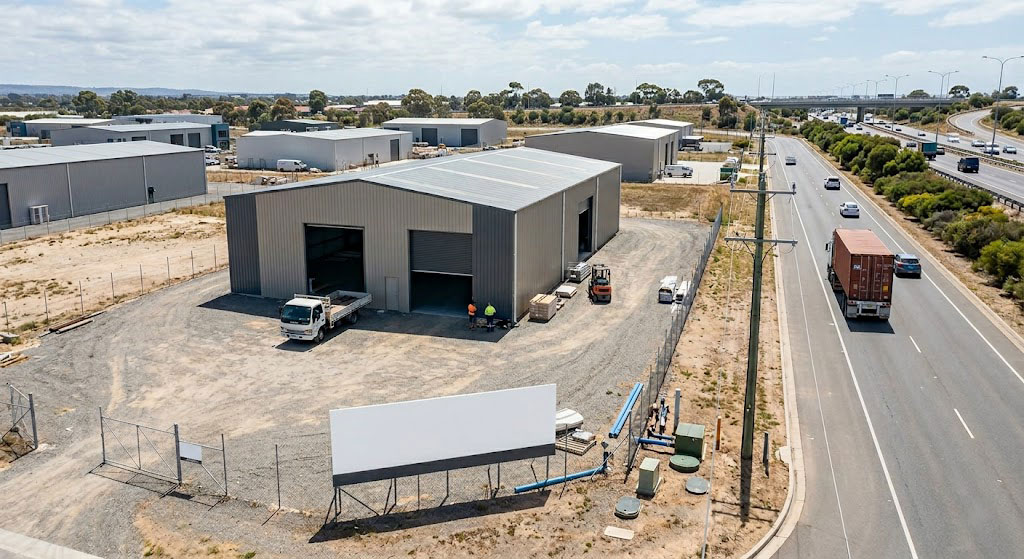
Choosing the optimal location depends entirely on strict zoning laws, highway accessibility, and the proximity of necessary municipal utility connections. Finding the perfect plot for your 2000 sq ft warehouse ensures your daily freight operations run without costly delays. You need a geographical site that perfectly balances raw land costs with long-term logistical convenience.
Does zoning affect your plot?
Securing a plot without verifying the local commercial codes can halt your project indefinitely. You must thoroughly investigate municipal allowances before signing any purchase agreements.
- Check commercial or industrial zoning requirements.
- Verify strict setback regulations from property lines.
- Assess environmental impact and noise restrictions.
Why is accessibility crucial?
Think about this for a moment:
Your heavy freight trucks require easy turning radiuses and rapid access to major shipping routes. If your chosen location is geographically isolated, your daily transportation costs will skyrocket over time.
Key Takeaway: Strategic land placement drastically reduces your ongoing freight expenses and improves vendor delivery times.
Evaluating different site features helps prioritize what matters most for your daily logistical operations.
| Site Feature | Importance Level | Direct Impact on Business |
|---|---|---|
| Highway Access | Critical | Lowers freight transit times |
| Utility Hookups | High | Reduces initial development cost |
| Topography | Medium | Dictates grading expenses |
Which Materials Suit a 2000 sq ft Warehouse Best?
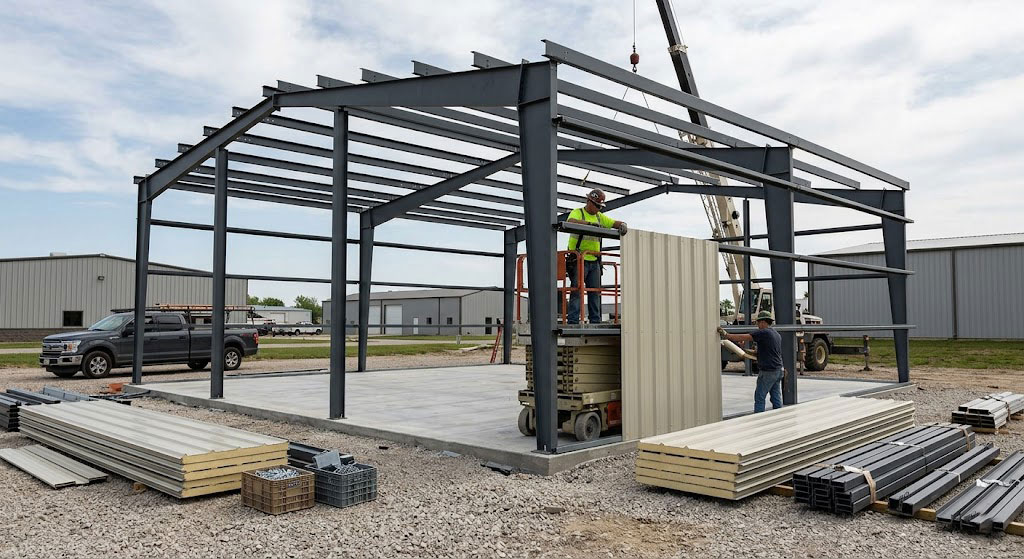
Prefabricated steel is universally considered the best material for maximum durability, rapid erection speed, and overall cost-efficiency. Your 2000 sq ft warehouse will face harsh weather conditions, making structural integrity your absolute top priority. Modern metal structures significantly outperform traditional wood framing in almost every single commercial application.
Steel vs. traditional wood framing?
When evaluating structural longevity, rigid steel easily eclipses older timber-based building methods. Steel frames do not warp, crack, or degrade when exposed to the elements.
- Steel offers superior industrial fire resistance.
- Wood is highly susceptible to termites and rot.
- Metal requires significantly less annual maintenance.
What about insulation choices?
Here is the real secret to efficiency:
Proper commercial insulation seamlessly regulates internal temperatures and actively protects your sensitive inventory from condensation. You should heavily consider closed-cell spray foam or thick fiberglass blankets to permanently lower energy bills.
Key Takeaway: High-quality steel framing combined with top-tier insulation creates a virtually maintenance-free and highly efficient facility.
Comparing material lifespans showcases precisely why modern metal framing outlasts traditional building methods.
| Building Material | Estimated Lifespan | Required Maintenance |
|---|---|---|
| Rigid Steel | 50+ Years | Extremely Low |
| Treated Wood | 20-30 Years | High (Pest/Moisture) |
| Concrete Block | 40+ Years | Medium (Sealing) |
Do You Need Permits for a 2000 sq ft Warehouse?
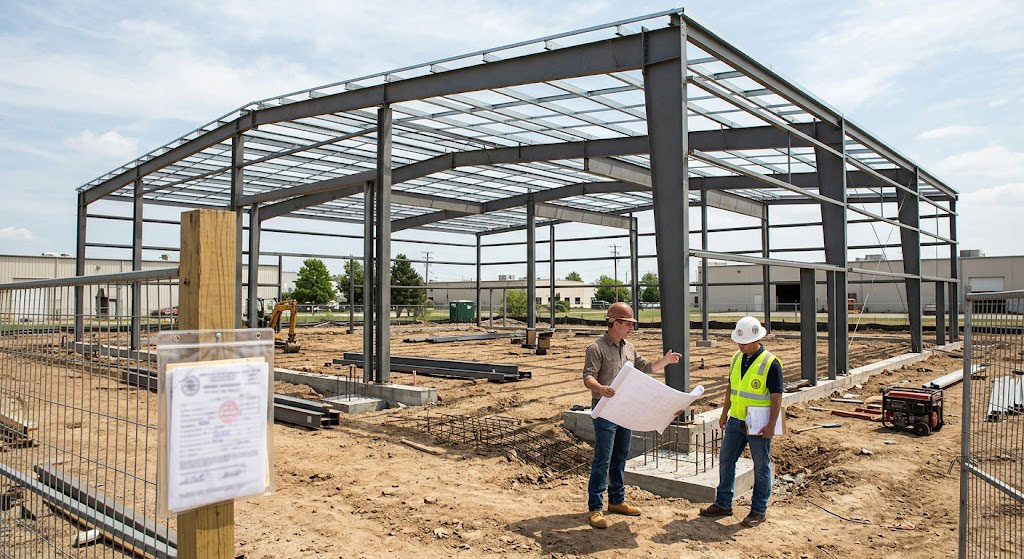
Yes, you absolutely must obtain approved commercial building permits before pouring any foundation concrete. Navigating the municipal paperwork for a 2000 sq ft warehouse can feel tedious but is legally non-negotiable. Local city planners dictate specific safety, fire, and structural codes you must strictly follow.
How to navigate local building codes?
Partnering with experienced local professionals is the fastest way to get your complex plans approved. They deeply understand the specific quirks of your town’s planning department.
- Hire a locally licensed structural engineer.
- Submit stamped and finalized architectural blueprints.
- Schedule phased municipal safety inspections.
What documents are required first?
It all comes down to this:
The city planning office wants to inspect your site plan, drainage proposals, and internal electrical schematics. Having these vital documents professionally organized beforehand drastically accelerates the entire approval timeline.
Key Takeaway: Staying compliant with city codes from day one prevents expensive legal fines or forced structural tear-downs.
A standard permitting checklist ensures you never miss a critical municipal requirement before breaking ground.
| Document Type | Primary Purpose | Issuing Authority |
|---|---|---|
| Zoning Permit | Verifies land use legality | City Planning Dept |
| Building Permit | Approves structural safety | Local Building Dept |
| Grading Permit | Allows earthmoving work | Environmental Dept |
How Long to Construct a 2000 sq ft Warehouse?
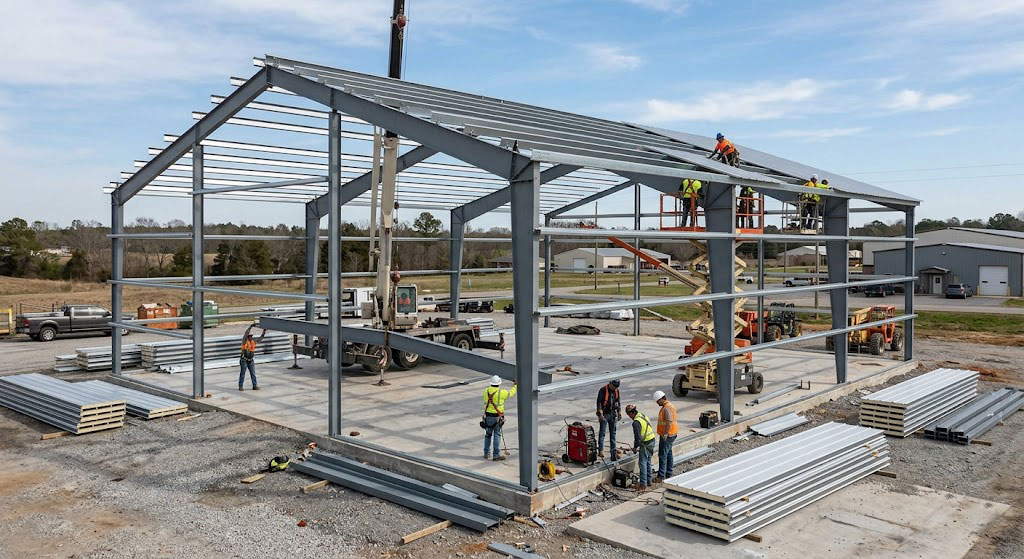
A standard commercial build usually takes between two to four months from the foundation pour to the final finish. Accelerating your 2000 sq ft warehouse timeline is entirely possible by utilizing prefabricated metal building kits. Proper daily scheduling of your sub-contractors eliminates frustrating, expensive downtime on your active job site.
What is the pre-construction phase?
Preparing the raw dirt is often the most unpredictable phase of the entire building process. Weather delays can easily push back your initial grading schedule by several weeks.
- Clearing and perfectly leveling the raw land.
- Deep trenching for main plumbing and electrical lines.
- Pouring and properly curing the main concrete slab.
How to speed up erection time?
Picture this incredible efficiency:
Pre-engineered steel components arrive at your site pre-drilled, pre-cut, and ready for immediate assembly. You simply need a skilled steel erection crew and a crane to lift the heavy main portal frames.
Key Takeaway: Leveraging prefabricated steel systems cuts traditional commercial building timelines completely in half.
This timeline breakdown provides highly realistic expectations for each major phase of your build.
| Construction Phase | Average Duration | Key Dependency |
|---|---|---|
| Permitting & Design | 4 – 8 Weeks | Municipal Backlog |
| Site Prep & Foundation | 2 – 3 Weeks | Weather Conditions |
| Frame Erection | 1 – 2 Weeks | Material Delivery |
Can a 2000 sq ft Warehouse Be Eco-Friendly?
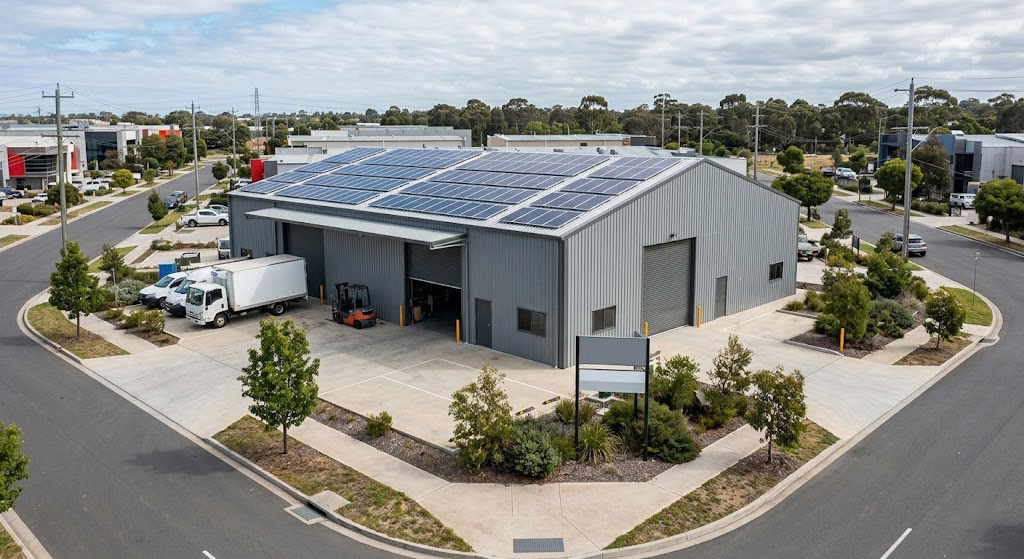
Yes, utilizing highly recyclable metal materials and rooftop solar power makes your commercial facility incredibly sustainable. Greening your 2000 sq ft warehouse not only helps the planet but significantly slashes your operational utility costs. You can often qualify for lucrative tax rebates by proactively implementing smart, energy-efficient building strategies.
Are solar panels worth the upgrade?
Investing in green energy infrastructure pays massive dividends as commercial electricity rates continue to climb. The expansive, flat roof of a steel building is structurally perfect for large solar arrays.
- Significant reduction in monthly electrical bills.
- Potential for state and federal tax incentives.
- Dramatically increased overall property resale value.
What are energy-saving designs?
Let’s look at a truly bright idea:
Installing transparent skylights and LED motion-sensor lighting minimizes your daily reliance on the power grid. Applying reflective cool roof coatings also keeps the vast interior highly comfortable during scorching summers.
Key Takeaway: Eco-friendly facility upgrades require upfront capital but consistently deliver massive returns through decades of utility savings.
Evaluating green upgrades shows the direct correlation between environmental sustainability and raw financial savings.
| Eco-Friendly Feature | Upfront Investment | Long-Term Financial Benefit |
|---|---|---|
| Solar Panel Array | High | Eliminates energy bills |
| LED Sensor Lighting | Low | Reduces daily power draw |
| Cool Roof Coating | Medium | Lowers HVAC cooling costs |
What Foundation Fits a 2000 sq ft Warehouse?
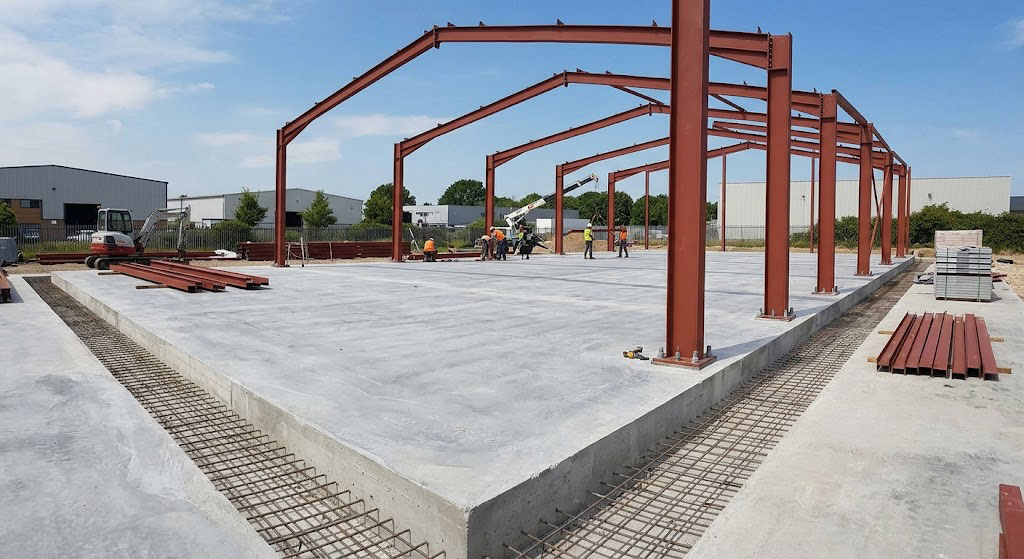
A heavily reinforced concrete slab-on-grade is typically the most reliable foundation for heavy commercial use. The base of your 2000 sq ft warehouse must safely support heavy machinery, loaded forklifts, and massive inventory racks. A poorly engineered concrete foundation will eventually crack, actively compromising the entire steel structure bolted above it.
Concrete slab or perimeter footing?
Choosing the right concrete base depends heavily on your local frost lines and intended interior usage. Your structural engineer will calculate the exact thickness required for your expected floor loads.
- Slabs provide a perfectly smooth, continuous work surface.
- Perimeter footings offer vital deep frost line protection.
- Heavy rebar reinforcement entirely prevents structural shifting.
How does soil testing help you?
You simply cannot afford to ignore this step:
Engineers must scientifically verify the raw soil’s load-bearing capacity before designing the final concrete mix. Weak, sandy soil might require specialized deep piers to ensure total building stability.
Key Takeaway: A professionally engineered concrete foundation acts as the ultimate permanent safeguard for your entire structural investment.
Understanding foundation varieties helps you perfectly match the concrete base to your specific geographical soil conditions.
| Foundation Type | Best Soil Condition | Commercial Load Capacity |
|---|---|---|
| Slab-on-Grade | Compacted, stable dirt | Extremely High |
| Pier and Beam | Shifting, expansive clay | Medium |
| Floating Slab | Marshy, soft ground | Variable |
How to Optimize a 2000 sq ft Warehouse Layout?
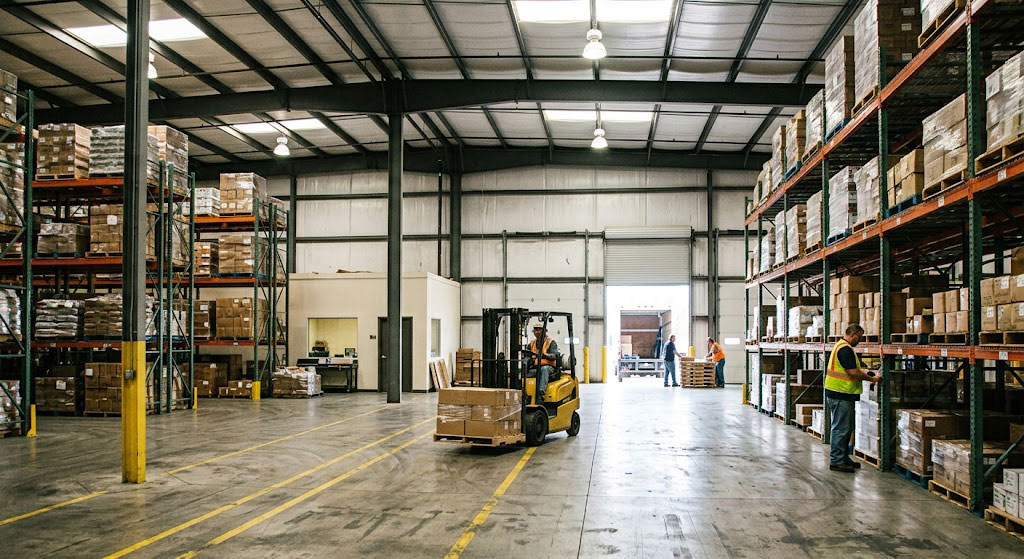
Optimizing your layout primarily involves creating clear traffic aisles and aggressively maximizing vertical storage space. Designing the interior of your 2000 sq ft warehouse dictates exactly how efficiently your daily operations will function. You want to completely eliminate logistical bottlenecks between your active receiving docks and your static storage racks.
Maximize vertical storage space?
Taking advantage of the building’s height allows you to store twice the inventory on the same footprint. Specifying a higher roof pitch during the design phase gives you immense flexibility.
- Install towering, heavy-duty pallet racking systems.
- Utilize a structural mezzanine for elevated office spaces.
- Use specialized narrow-aisle forklifts for tighter turns.
Where to place doors and windows?
Imagine the perfect workflow layout:
Positioning massive overhead roll-up doors directly opposite each other creates a highly seamless drive-through experience. Strategic high-wall window placement brings in free natural light without compromising your valuable wall storage capacity.
Key Takeaway: Smart, calculated interior planning turns a modest building footprint into a highly productive logistical hub.
Implementing strategic layout zones ensures maximum fluidity and safety for your daily business operations.
| Layout Zone Type | Ideal Physical Location | Primary Operational Function |
|---|---|---|
| Receiving Dock | Front of building | Unloading raw freight |
| Bulk Storage | Central aisles | Storing palletized inventory |
| Fulfillment | Near shipping doors | Packing outbound orders |
Who Can Build Your 2000 sq ft Warehouse?
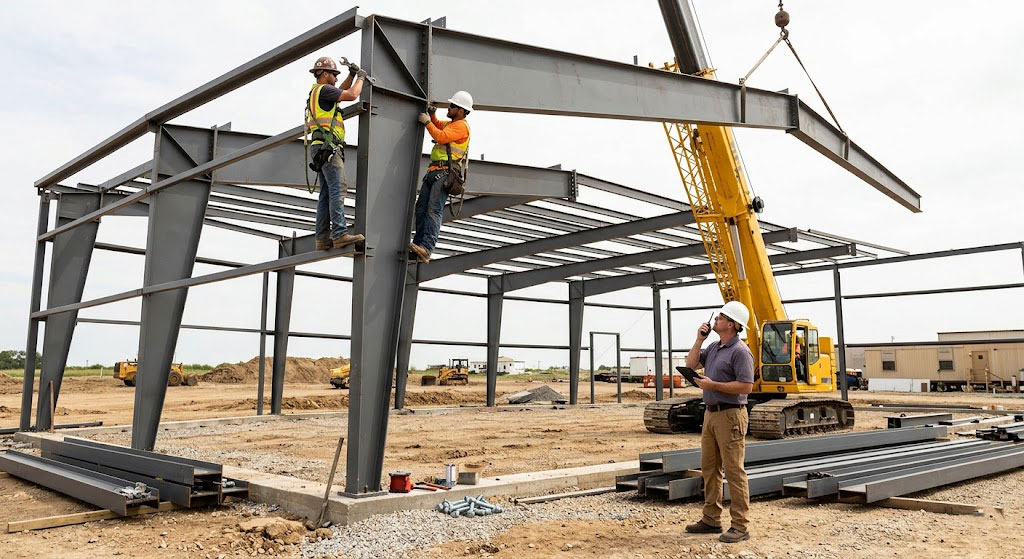
Licensed commercial general contractors or specialized steel erectors are universally your safest and best options. Hiring the right professional team for your 2000 sq ft warehouse ensures the massive project finishes on time and exactly on budget. You should always aggressively seek professionals with extensive, proven experience in commercial metal buildings.
DIY kits versus hiring contractors?
While assembling the kit yourself might seem cheaper, the hidden risks often outweigh the initial labor savings. Erection requires dangerous heavy lifting and precise laser alignment of massive steel beams.
- DIY saves labor but absolutely requires rented heavy machinery.
- Contractors seamlessly handle complex permits and safety compliance.
- Professionals explicitly guarantee structural warranties and deadlines.
How to vet your final builder?
Here is the final piece of the puzzle:
Always meticulously check their portfolio of recent commercial projects and rigorously verify their active insurance coverage. Speaking directly with their past commercial clients gives you brutally honest insights into their reliability.
Key Takeaway: Partnering with a highly experienced builder eliminates construction stress and guarantees a premium finished product.
Comparing builder credentials ensures you confidently entrust your commercial project to the most qualified professional available.
| Builder Credential | Why It Deeply Matters | Verification Method |
|---|---|---|
| Commercial License | Proves legal competency | State licensing board |
| Liability Insurance | Protects your finances | Request current certificate |
| Client References | Validates work quality | Direct phone interviews |
Conclusion
Building a new facility from the ground up permanently solves your spatial limitations and sets the perfect stage for massive operational growth. At Showhoo Building, we specialize in manufacturing and designing top-tier steel structures tailored directly to your exact commercial specifications. We passionately believe that every expanding business deserves a durable, highly cost-effective space to thrive and dominate their market. If you are ready to design your perfect customized facility, please contact us today to start mapping out your commercial blueprints.
FAQ
Can I build a 2000 sq ft warehouse without a general contractor? Yes, but it is a highly risky endeavor for novices. You need specialized heavy machinery, a deep understanding of structural erection, and the ability to manage complex safety codes.
What’s the best roof style for a building of this size? A pitched gable roof is structurally optimal. It sheds heavy rain and snow quickly while automatically providing excellent vertical clearance for tall interior racking.
How do I know if my land is zoned correctly? You must visit your local municipal planning department. They will provide the official zoning maps and specifically outline the allowable commercial usage codes for your plot.
Can I add an interior office space later? Absolutely, you can modify it anytime. Clear-span steel frames allow you to easily partition the interior floor space or construct a lofted mezzanine at any future date.
What’s the best way to finance the construction? A standard commercial construction loan is the most secure path. It systematically provides safe draw payments directly to your builders only as major project milestones are successfully completed.