
Building a commercial storage facility requires precise planning, securing permits, selecting robust materials, and hiring capable contractors. Many business owners struggle with overflowing inventory, risking damaged goods and lost profits due toward cramped spaces. A cramped facility constantly disrupts daily operations. Erecting a new 3000 sq ft warehouse resolves these space limitations effectively. This structure gives your operations ample room for safe storage and streamlined logistics.
Why Build A 3000 Sq Ft Warehouse?
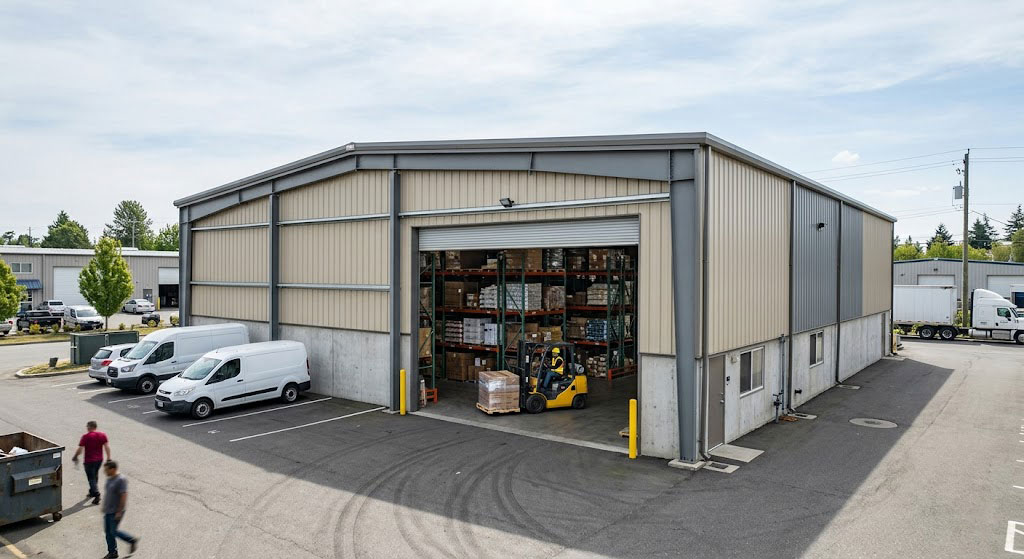
Constructing this facility provides medium-sized businesses with exact physical capacity needed for steady inventory growth. Choosing a 3000 sq ft warehouse balances upfront investment with adequate operational space. Such dimensions comfortably accommodate multiple racking systems while leaving room for forklift maneuverability. This specific footprint prevents overspending on unused square footage.
What Are The Main Uses?
These structures serve primarily as distribution hubs, manufacturing floors, or secure equipment shelters. You can tailor floor plans for different operational demands. Here is a proven fact… customizing a layout utilizes every single inch.
- E-commerce fulfillment centers
- Light manufacturing assembly lines
- Agricultural equipment storage
Can You Expand Later?
Yes, building extra bays or extending rooflines remains entirely possible later. Modular steel frames make future expansions relatively painless. Key Takeaway: Proper initial planning lets your facility grow seamlessly alongside future business demands.
| Facility Benefit | Business Impact |
|---|---|
| Optimized Space | Reduces overhead waste |
| Flexible Layout | Adapts quickly |
| Scalable Framing | Lowers future expansion costs |
This data demonstrates that modular designs directly improve long-term financial efficiency.
How Much Does It Cost?
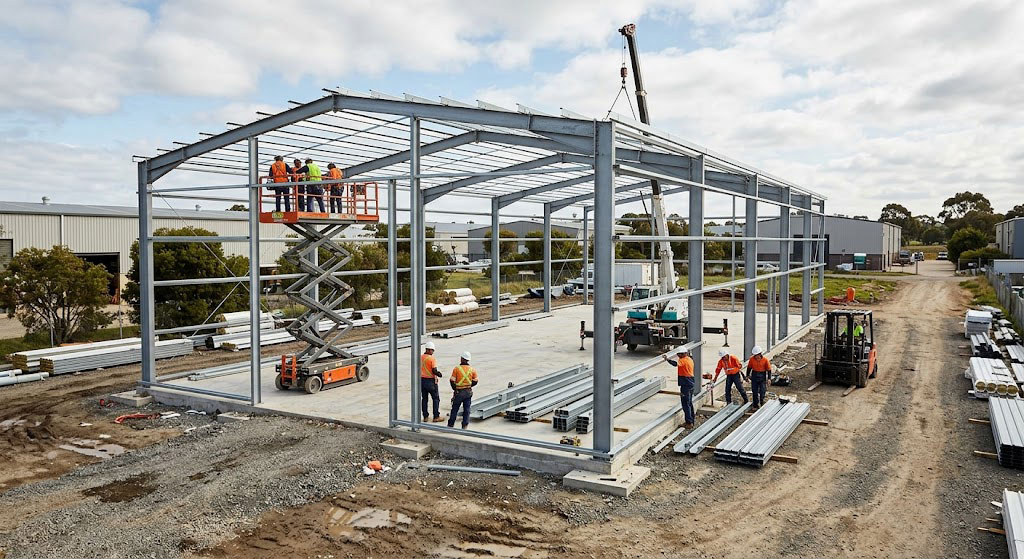
Expect expenses ranging from $45,000 up toward $90,000 depending on material choices and site conditions. A 3000 sq ft warehouse requires careful budget allocation across foundations, framing, and finishing work. Steel structures generally offer lower per-square-foot rates compared against traditional brick builds. Managing these numbers properly keeps your project financially viable.
What Drives Material Expenses?
Steel prices, concrete foundation depth, and specialized insulation grades dictate most material budgets. You must track commodity pricing trends closely. What happens behind closed doors? Fluctuations in global steel markets heavily impact your final invoice.
- Base steel framework
- Concrete slab thickness
- Insulation R-value choices
Are Hidden Fees Common?
Site grading, unexpected soil issues, and specialized permit fees often surprise new builders. Always keep a contingency fund ready. Key Takeaway: Setting aside a ten percent contingency budget shields your project from unexpected financial delays.
| Expense Category | Typical Range |
|---|---|
| Concrete Foundation | $12,000 – $18,000 |
| Steel Building Kit | $25,000 – $40,000 |
| Erection Labor | $10,000 – $20,000 |
These figures highlight that structural kits represent a large project expense.
What Zoning Laws Apply?
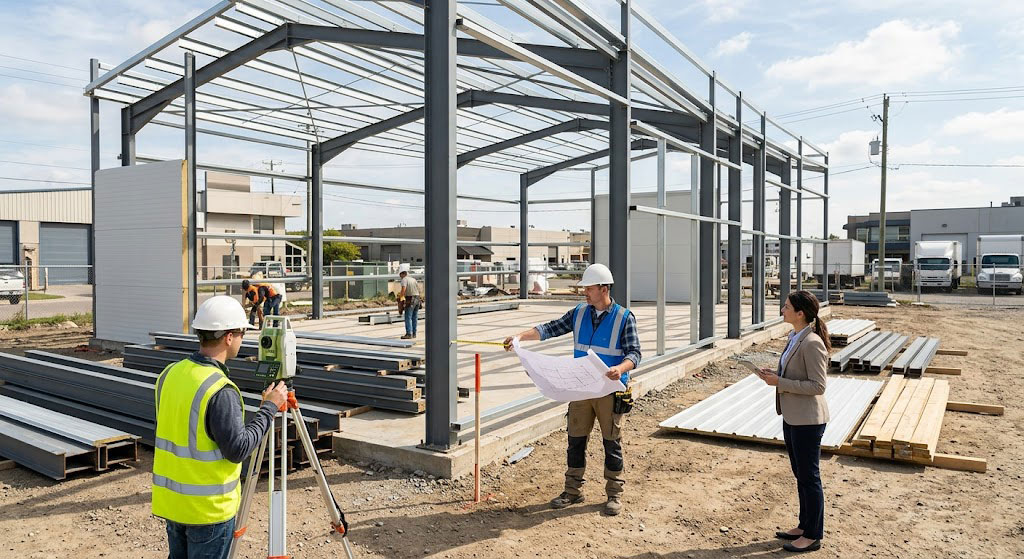
Local municipal codes dictate building height, setbacks, and permitted commercial activities for your specific plot. Before erecting a 3000 sq ft warehouse, verifying local zoning ordinances prevents costly legal disputes. Commercial zones often have strict rules regarding noise, traffic, and aesthetic exterior finishes. Failing code checks stops construction immediately.
How Do You Get Permits?
Submit detailed architectural drawings and structural engineering stamps directly. You will need patience during review periods. You might be wondering… local clerks heavily scrutinize drainage plans.
- Structural engineering blueprints
- Environmental impact reports
- Fire safety compliance documents
Can You Skip Inspections?
Skipping inspections guarantees hefty fines and forces you into tearing down unapproved work. Municipal inspectors verify safety standards at every phase. Key Takeaway: Strict adherence regarding municipal code reviews guarantees your facility operates legally without future interruptions.
| Permit Type | Review Timeline |
|---|---|
| Site Plan Approval | 2 – 4 weeks |
| Building Construction | 4 – 8 weeks |
| Final Occupancy | 1 – 2 weeks |
This table reveals that bureaucratic reviews demand large scheduling buffers before breaking ground.
Which Materials Work Best?
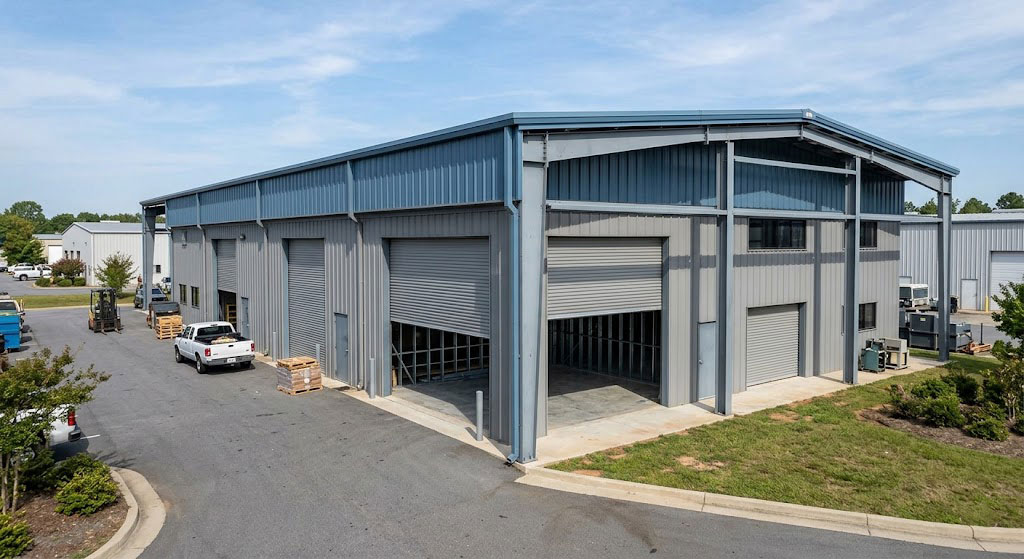
Prefabricated steel kits offer high durability and fast erection times for commercial structures. Designing a 3000 sq ft warehouse using steel minimizes maintenance costs over ensuing decades. Wood pole barns degrade faster and face higher insurance premiums due toward fire risks. Metal buildings withstand severe weather events exceptionally well.
Is Steel The Top Choice?
Steel provides clear-span capabilities without needing interior support columns. You get totally unobstructed floor space. Ready for a good part? Unobstructed floors let you place machinery anywhere.
- I-beam rigid frames
- Galvanized roof panels
- High-tensile wall sheeting
What About Insulation?
Proper insulation prevents condensation drips and dramatically lowers monthly heating bills. Spray foam creates a superior airtight envelope. Key Takeaway: Selecting premium steel materials paired with high-grade insulation drastically reduces lifetime facility maintenance costs.
| Material Type | Lifespan Expectancy |
|---|---|
| Prefabricated Steel | 50+ years |
| Wood Pole Frame | 15 – 25 years |
| Concrete Block | 40+ years |
The comparison confirms steel delivers prolonged operational life with minimal structural degradation.
How To Design The Layout?
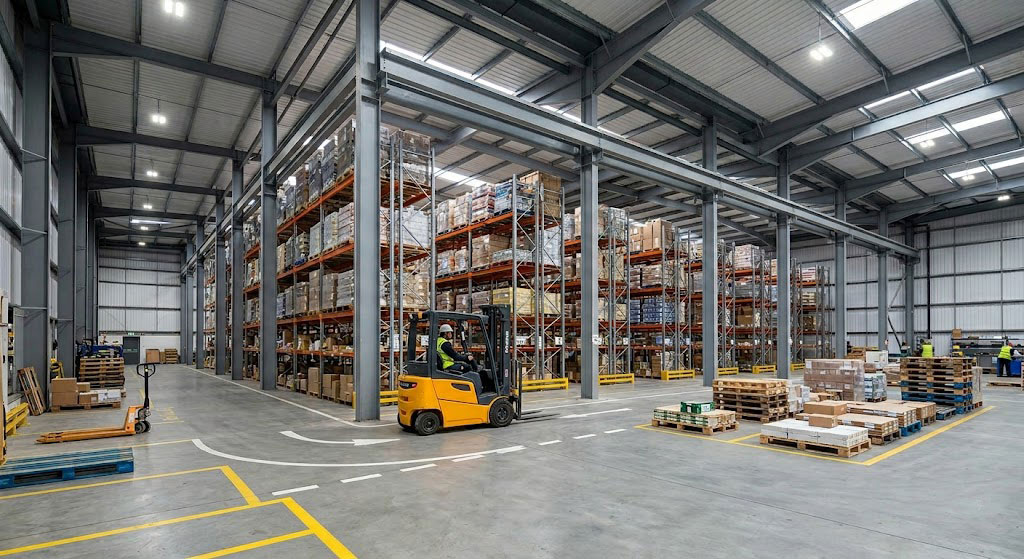
Effective floor plans prioritize smooth traffic flow, clear staging areas, and tall vertical storage racks. Optimizing a 3000 sq ft warehouse means treating vertical volume just like floor space. You must map out forklift turning radiuses before bolting down any shelving units. A poorly planned interior creates daily operational bottlenecks.
Where Should Doors Go?
Place massive roll-up doors opposite each other facilitating cross-docking and easy truck access. You should align personnel doors near office spaces. This gets really interesting… strategic door placement slashes loading times by half.
- Overhead clearance doors
- Standard pedestrian exits
- Ventilation louvers
How High Should Ceilings Be?
Aim for at least sixteen feet at eaves accommodating modern racking. Higher ceilings multiply your cubic storage capacity. Key Takeaway: Expanding vertical ceiling clearance allows your business room storing more inventory without increasing land footprint.
| Ceiling Height | Racking Tiers |
|---|---|
| 12 Feet | 2 Tiers |
| 16 Feet | 3 Tiers |
| 20 Feet | 4 Tiers |
These dimensions indicate that adding vertical height dramatically multiplies total available pallet positions.
What Is The Timeline?
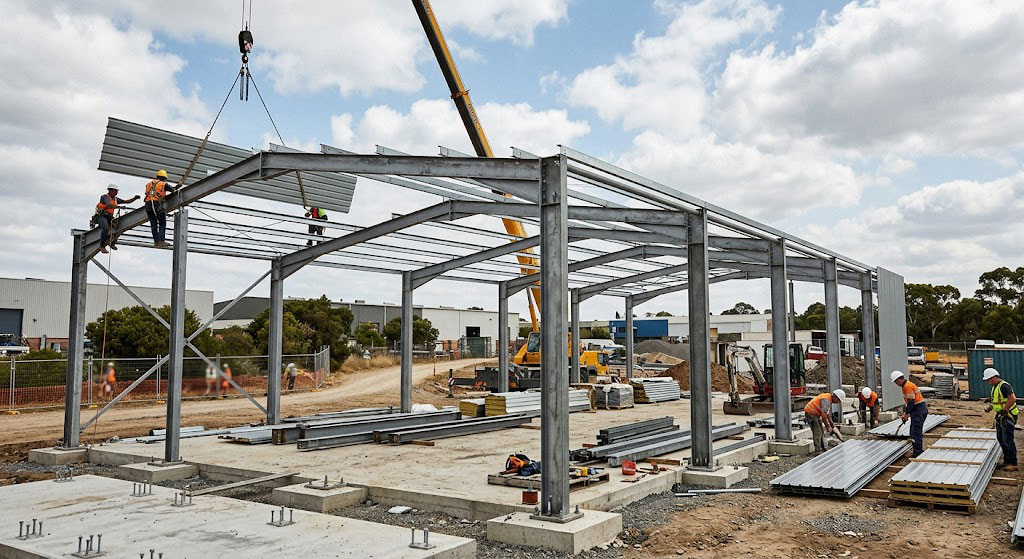
Completing this facility typically requires three months from foundation pouring until final inspection. Building a 3000 sq ft warehouse moves quickly once prefabricated frames arrive on site. Delays usually stem from permit backlogs or slow concrete curing times. Coordinating subcontractor schedules tightly keeps projects moving.
How Long Is Site Prep?
Clearing land and leveling dirt takes one week depending on terrain. You cannot rush foundational phases. Truth be told… soil compaction requires exact moisture levels.
- Tree and debris removal
- Laser leveling pads
- Digging utility trenches
Can Weather Delay Builds?
Rain ruins fresh concrete pours and high winds make steel beam erection incredibly dangerous. Always build buffer days into your schedule. Key Takeaway: Realistic scheduling with weather buffers prevents extreme frustration and keeps contractor relationships positive.
| Construction Phase | Estimated Duration |
|---|---|
| Site Preparation | 1 – 2 weeks |
| Foundation Pours | 2 – 3 weeks |
| Frame Erection | 2 – 4 weeks |
This schedule highlights that actual steel assembly happens much faster than foundational prep work.
Who Should You Hire?
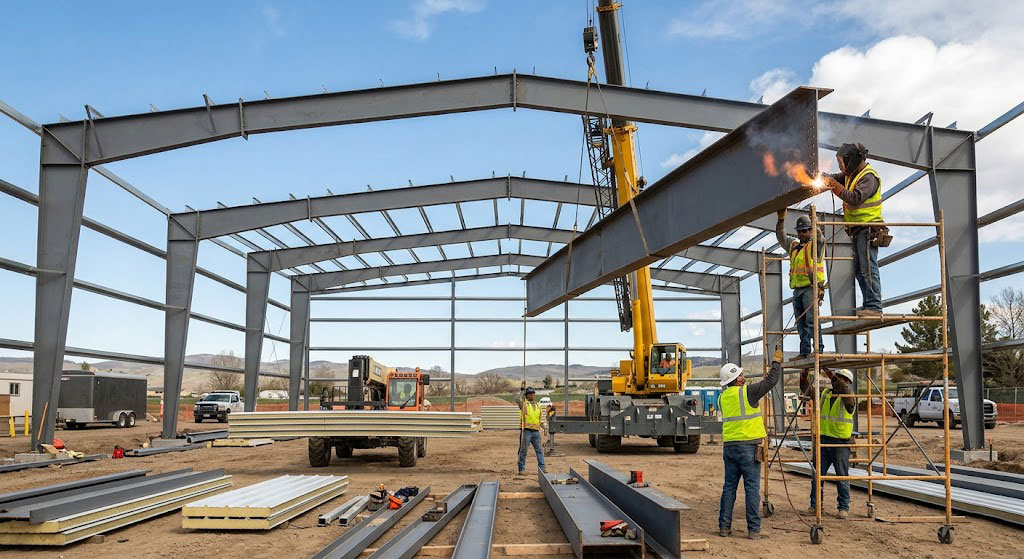
Hire licensed commercial general contractors who specialize inside erecting prefabricated metal building systems. Assembling a 3000 sq ft warehouse requires heavy machinery operators and certified structural welders. Inexperienced residential builders often struggle handling massive scales regarding commercial steel components. Vetting your crew guarantees a safe and structurally sound facility.
Do You Need An Architect?
You mainly need a structural engineer since metal building manufacturers provide core architectural blueprints. Engineers verify foundations match steel loads. Here lies a catch… local codes might still demand an architect’s stamp.
- Licensed general contractors
- Specialized steel erectors
- Commercial concrete crews
What Makes A Good Crew?
Look for teams with verified safety records, heavy lifting equipment, and solid local references. You should verify their insurance coverage limits. Key Takeaway: Partnering with specialized steel erectors prevents costly mistakes and speeds up entire construction processes.
| Contractor Type | Primary Responsibility |
|---|---|
| General Contractor | Complete project management |
| Concrete Specialist | Slab and footing integrity |
| Steel Erector | Frame assembly and sheeting |
Data shows that specialized roles guarantee higher quality control during specific construction phases.
How To Handle Site Prep?
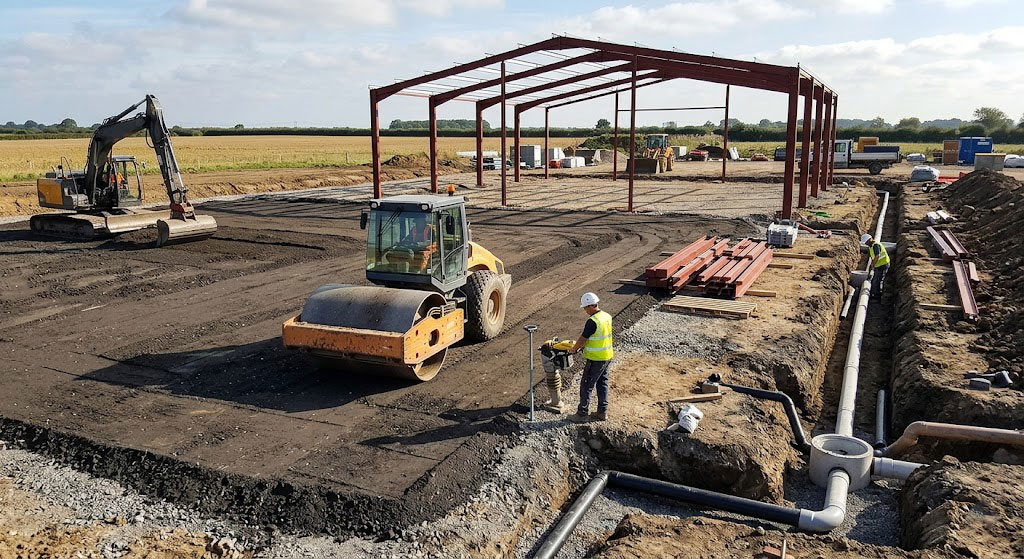
Proper site preparation involves testing soil compaction, grading earth, and installing underground drainage pipes. Constructing a 3000 sq ft warehouse upon a weak base guarantees future slab cracking. You must direct rainwater away from perimeter foundations. Skipping thorough earthwork dooms your entire structural investment.
Why Is Grading Necessary?
Grading creates a level pad and establishes required slopes for proper water runoff. You need heavy excavators moving enough dirt. It boils down regarding this… standing water destroys concrete foundations over time.
- Soil bearing capacity tests
- Erosion control silt fences
- Gravel sub-base installation
What About Utilities?
Trenching for water, sewer, and heavy electrical lines must happen before pouring concrete slabs. You cannot easily add plumbing later. Key Takeaway: Perfecting dirt pads and underground utilities guarantees your building stands solid for decades.
| Prep Activity | Equipment Used |
|---|---|
| Land Clearing | Bulldozer |
| Soil Compaction | Vibratory Roller |
| Utility Trenching | Backhoe |
This breakdown proves that heavy industrial equipment handles necessary initial dirt manipulation.
Are Eco-Friendly Options Real?
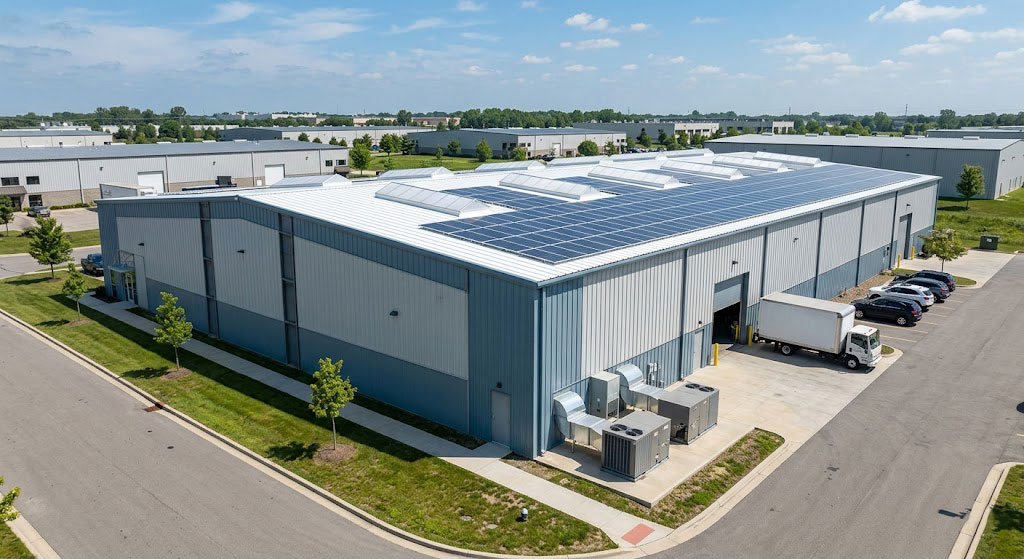
Integrating solar panels, skylights, and high-efficiency HVAC systems heavily lowers your facility’s carbon footprint. Operating a 3000 sq ft warehouse utilizing green technology reduces monthly utility expenses greatly. Reflective roof coatings bounce summer heat away from building interiors. These upgrades pay for themselves through long-term energy savings.
Do Solar Panels Make Sense?
Large metal roofs provide perfect unshaded canvases for massive commercial solar arrays. You can often sell excess power back. Think about this… generating your own electricity protects against grid price hikes.
- Rooftop photovoltaic arrays
- Translucent ridge skylights
- LED motion-sensor lighting
What Lighting Saves Cash?
LED fixtures paired with motion sensors make sure lights only operate when workers occupy aisles. You save massive amounts regarding electricity. Key Takeaway: Investing in smart energy technologies slashes monthly overhead costs and modernizes your entire operation.
| Green Upgrade | Expected ROI Time |
|---|---|
| LED Lighting | 1 – 2 years |
| Reflective Roof | 2 – 3 years |
| Solar Panels | 5 – 7 years |
This table confirms that lighting upgrades provide rapid returns on initial sustainability investments.
How To Secure The Building?
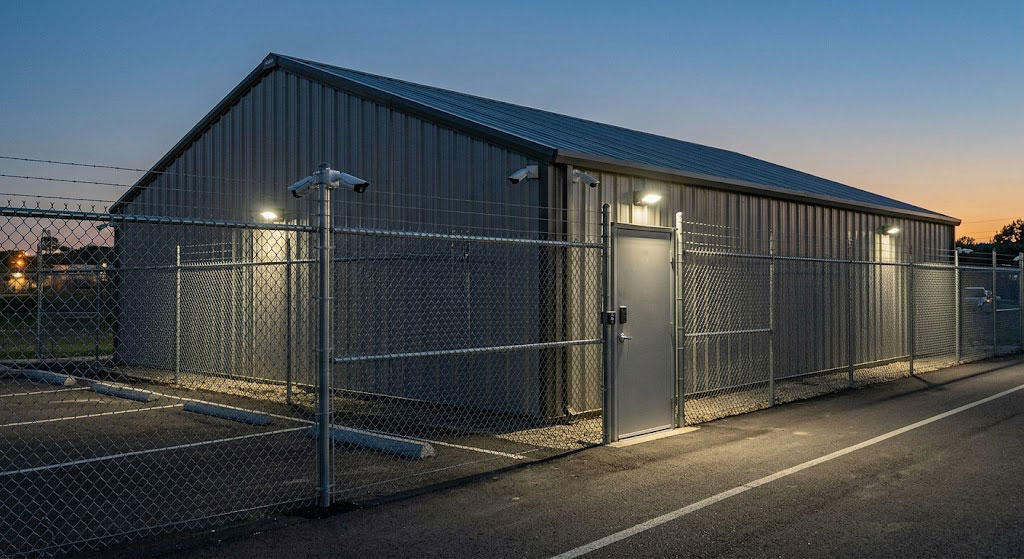
Installing perimeter fencing, high-definition cameras, and commercial-grade access controls protects your valuable stored inventory. Securing a 3000 sq ft warehouse requires a layered approach deterring determined thieves. You need heavy-duty steel personnel doors equipped with deadbolts. A dark, unmonitored facility invites constant criminal activity.
What Cameras Work Best?
Night-vision cameras with remote mobile viewing allow monitoring properties from anywhere. You should cover all exterior entrances clearly. Let us be real… visible security cameras stop most crimes before they start.
- Infrared perimeter cameras
- Biometric entry keypads
- Motion-activated floodlights
Do You Need Smart Locks?
Smart access controls track exactly who enters facilities and at what specific time. You can instantly revoke digital keys. Key Takeaway: A complete digital security network shields physical assets and provides absolute operational peace of mind.
| Security Feature | Primary Function |
|---|---|
| Perimeter Fencing | Physical barrier deterrent |
| Smart Access Pads | Digital entry tracking |
| HD Camera System | Visual recording and alerts |
These security layers demonstrate that multi-tiered approaches provide highest levels regarding asset protection.
Final Thoughts
Designing your facility demands careful attention regarding budgets, materials, and municipal zoning laws. Your choices during planning phases dictate long-term efficiencies. Take next steps formalizing blueprints and securing reliable contractors. Reach out and contact us today starting your next project. We build durable structures protecting your business investments for decades.
| sales@showhoo.com.cn | |
| Phone/WhatsApp | +86 186 7895 5927 |
FAQ
Q1: Can I expand the building later? Yes, expanding remains simple. Steel frames feature modular designs allowing contractors easy expansion when your business needs more space.
Q2: What’s the best material for this size? Prefabricated steel ranks highest. Steel offers massive clear-span interiors, resists pest damage, and provides superior longevity compared against traditional wood framing methods.
Q3: How do I know if my site is ready? You need a soil test. Geotechnical engineers must verify dirt compaction meets load-bearing requirements for specific concrete foundation plans.
Q4: What is the average build time? Expect three months minimum. Once permits clear and foundations cure, actual steel erection processes move incredibly fast with skilled crews.
Q5: Do I need a specialized contractor? Yes, commercial builders are required. Erecting heavy steel beams demands specialized lifting equipment and certified welders that standard residential home builders lack.