
20,000 square feet is approximately one-third the size of a professional football field or roughly the size of four NBA basketball courts. You might find yourself at a crossroads where your current facility is bursting at the seams, yet you fear the financial risk of over-expanding. Failing to visualize the true scale of your next building can lead to costly workflow bottlenecks or wasted vertical space. By mastering the specifics of how big is 20 000 square feet , you can make an informed investment that perfectly balances operational capacity with budgetary constraints.
What Does How Big Is 20 000 Square Feet Look Like Industrially?
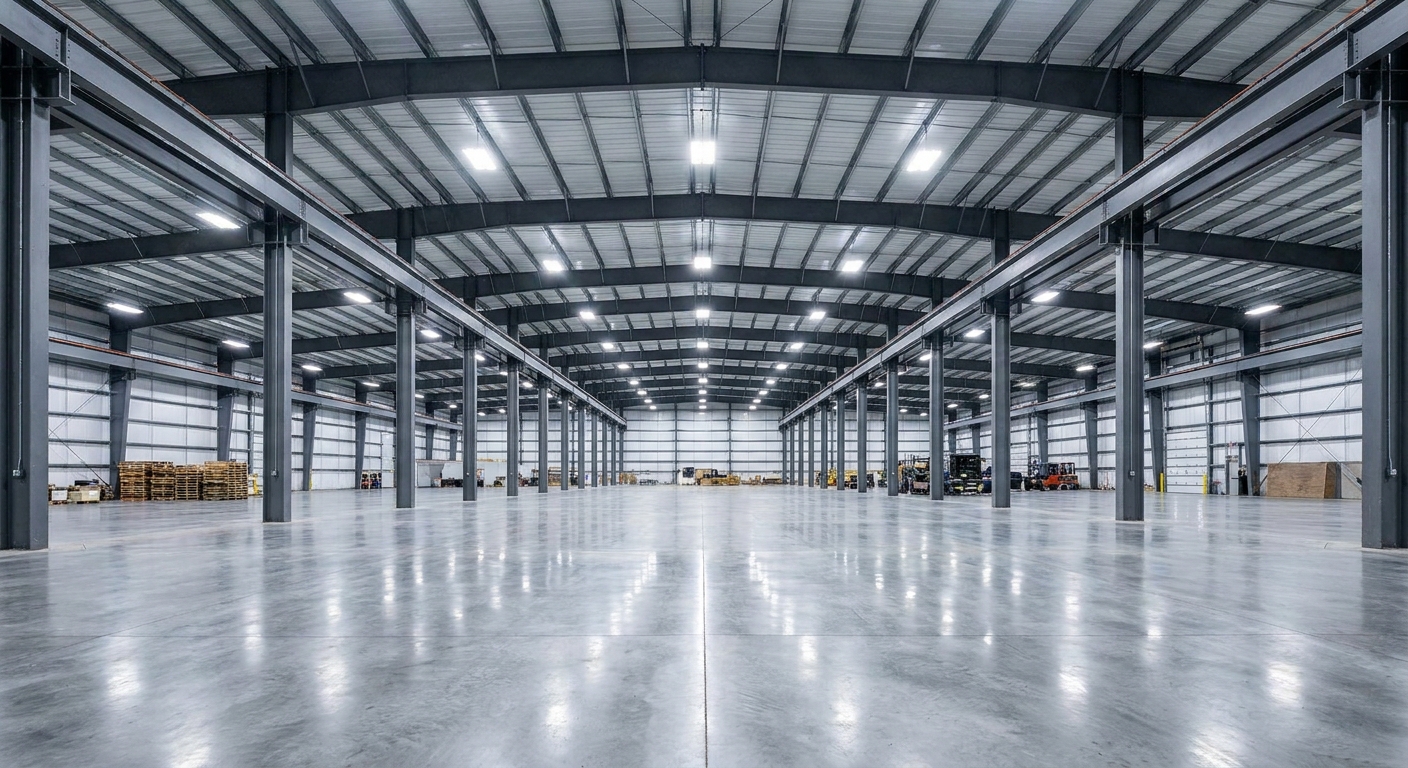
Industrially, this footprint offers enough space to house several high-speed production lines while maintaining clear thoroughfares for forklift traffic. When you consider how big is 20 000 square feet , you are looking at a building roughly 100 feet wide by 200 feet long. This dimensions-to-scale ratio is highly efficient for most standard steel frame designs.
Is the clear height sufficient?
Clear height is just as important as floor area when measuring total volume. A 20,000 sq ft facility with a 30-foot ceiling offers significantly more storage than one with only 20 feet.
- Maximizes pallet racking density.
- Accommodates mezzanine floor installations.
- Allows for large-scale HVAC and crane systems.
Here is the deal: your vertical space is often “free” square footage that many owners forget to calculate during the initial planning phase.
Key Takeaway: Understanding the physical dimensions helps you visualize equipment placement and ensure the building fits your specific site constraints.
| Industrial Feature | Typical 20,000 Sq Ft Capacity | |
|---|---|---|
| Floor Dimensions | 100′ x 200′ or 80′ x 250′ | |
| Pallet Positions | 1,500 – 2,500 (depending on racking) | |
| Forklift Lanes | 3-4 main longitudinal aisles |
The physical footprint acts as the canvas for your entire industrial operation, dictating the flow of goods from wall to wall.
How Big Is 20 000 Square Feet When Comparing Warehouse vs Workshop?
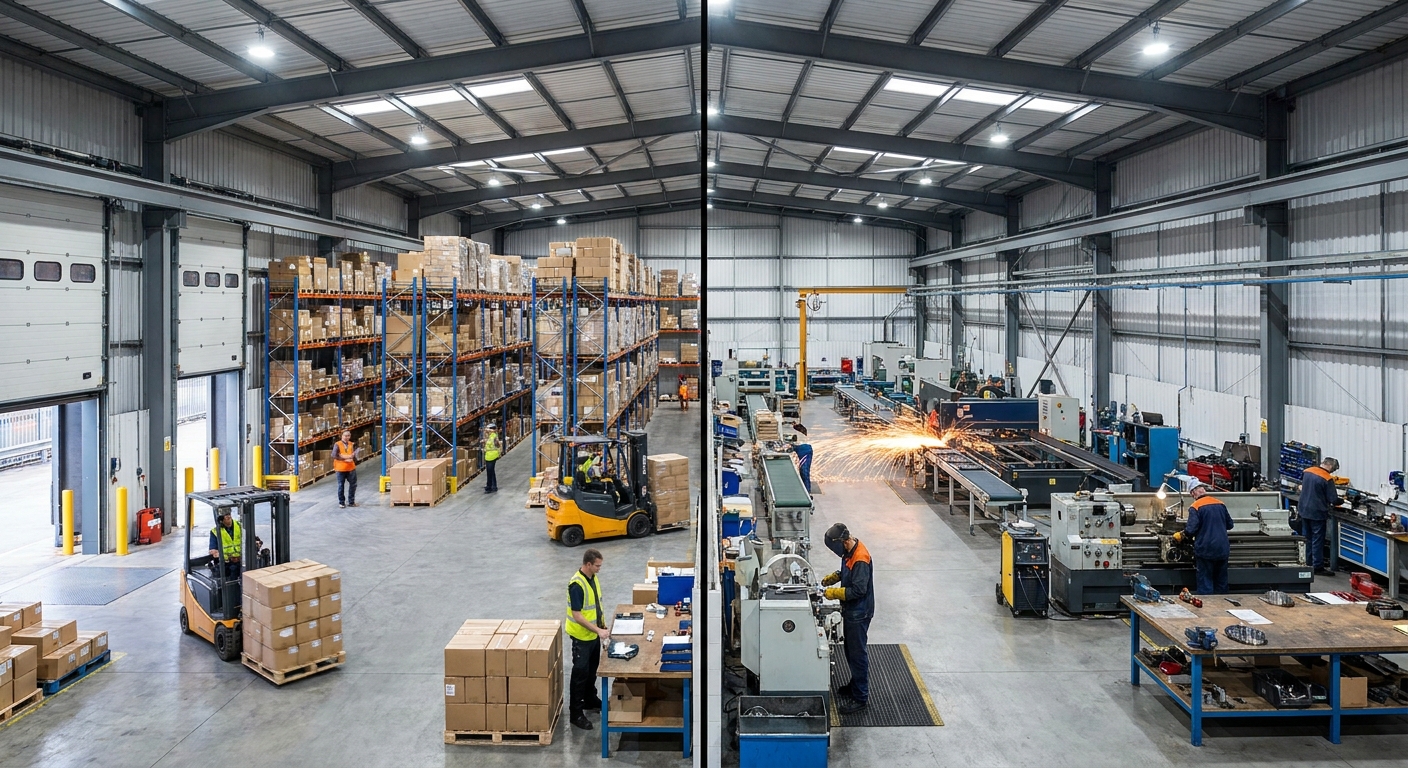
The primary difference lies in the ratio of open floor space to specialized utility zones required for machinery or assembly. Determining how big is 20 000 square feet depends on whether you are prioritizing static storage or active manufacturing processes.
Does manufacturing require more space?
Workshops often feel smaller because they require substantial clearances around machines for safety and maintenance. You must also account for specialized zones like tool rooms or paint booths.
- Dedicated zones for raw material intake.
- Safety buffers around CNC or heavy fabrication units.
- Consolidated assembly lines to reduce part travel.
The best part? Steel structures allow for wide clear spans, meaning you won’t have columns interfering with your manufacturing equipment layout.
Key Takeaway: A workshop layout focuses on “process flow,” while a warehouse layout focuses on “density,” making the same 20,000 sq ft feel very different.
| Facility Type | Primary Space Driver | Layout Priority | |
|---|---|---|---|
| Warehouse | High-density racking | Vertical clearance | |
| Workshop | Equipment footprints | Power and safety access |
Analyzing your specific business model ensures the square footage supports your daily tasks rather than hindering them.
Contact Information:
Email: sales@showhoo.com.cn
Phone/WhatsApp: +86 186 7895 5927
Why Ask How Big Is 20 000 Square Feet for Mid-Sized Logistics?
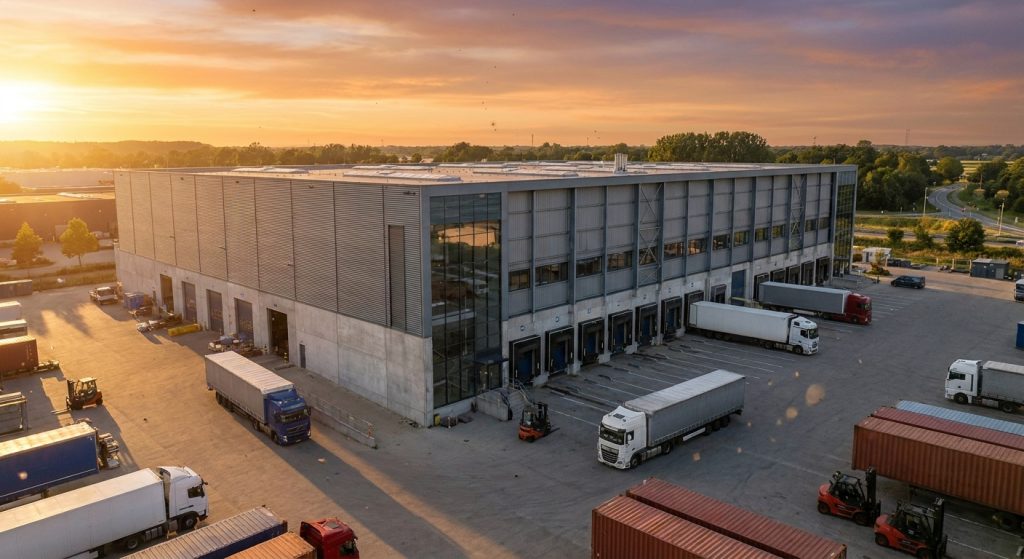
This size serves as a perfect regional distribution hub for businesses scaling beyond local storage into broader markets. Investigating how big is 20 000 square feet for logistics reveals a facility capable of handling dozens of shipments per day.
Can it handle multiple loading docks?
A 20,000 sq ft building typically supports between four and eight loading docks along one of its long sides. This allows you to manage simultaneous loading and unloading without causing yard congestion.
- Space for automated sorting conveyors.
- Designated staging areas for outgoing freight.
- Secure “cage” areas for high-value inventory.
Think about it: a well-designed logistics hub of this size can often outperform a poorly designed 40,000 sq ft facility through sheer efficiency.
Key Takeaway: Mid-sized logistics facilities provide the agility needed for “last-mile” delivery or regional parts distribution.
| Logistics Component | Estimated Space Usage | |
|---|---|---|
| Loading/Staging | 4,000 – 5,000 sq ft | |
| Main Storage | 12,000 – 14,000 sq ft | |
| Office/Admin | 1,000 – 2,000 sq ft |
Choosing a 20,000 sq ft footprint allows you to remain lean while still possessing the capacity to serve a large customer base.
How Big Is 20 000 Square Feet When Designing a Steel Structure?
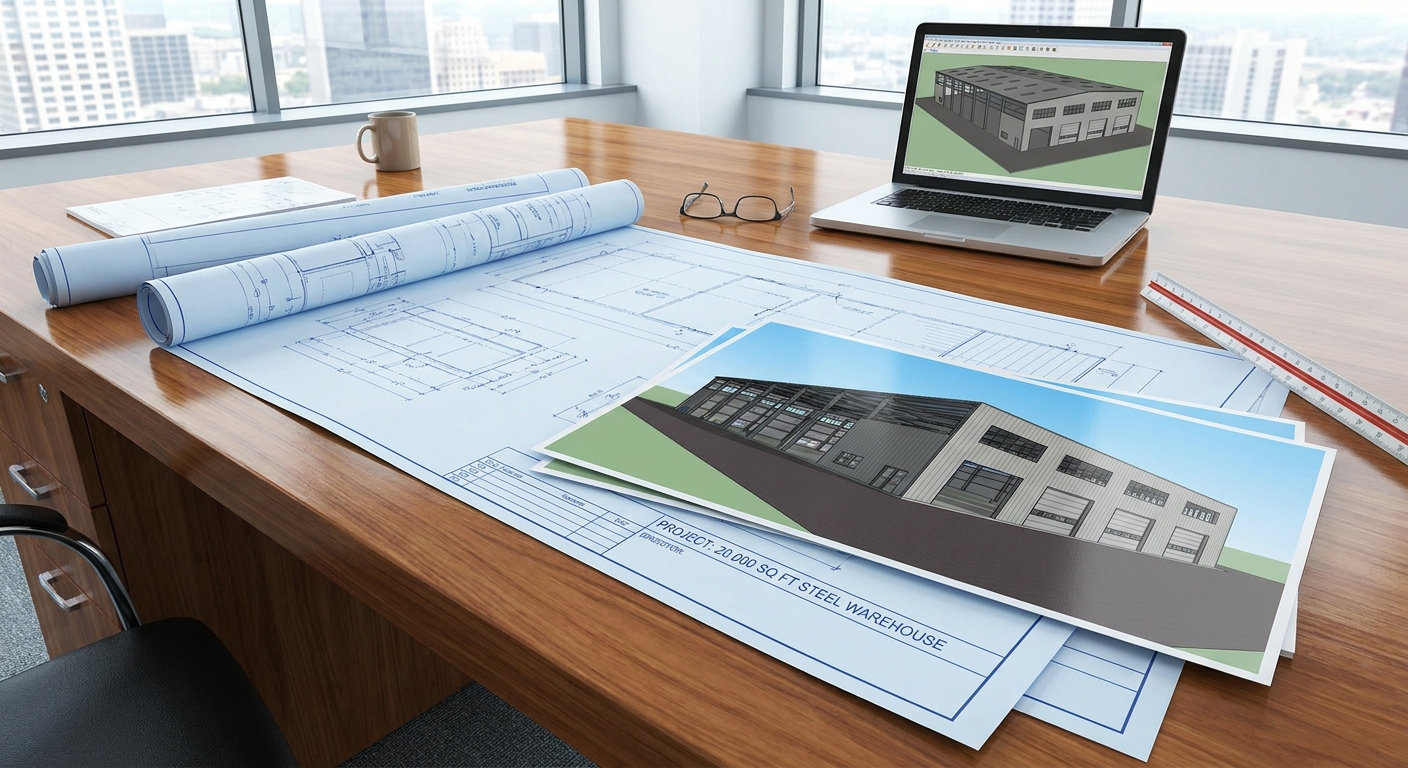
Designing for this area requires careful consideration of column placement and primary frame spacing to maximize usable square footage. Calculating how big is 20 000 square feet in a structural context means looking at the weight and span of the H-section steel beams.
What is the ideal column spacing?
To keep costs low, many designers use a grid that balances material strength with the need for open floor area. Typical spacing for a building this size might involve columns every 20 to 25 feet.
- Reduces the need for massive, expensive clear-span beams.
- Aligns with standard pallet racking dimensions.
- Simplifies the foundation and anchor bolt layout.
Let’s be honest: the goal of engineering is to make the building disappear so your operations can take center stage without structural interference.
Key Takeaway: Strategic engineering ensures that the 20,000 sq ft you pay for is 100% usable for your intended business operations.
| Structural Element | Design Consideration | Impact on Space | |
|---|---|---|---|
| Clear Span | No interior columns | Total layout freedom | |
| Multi-Span | Interior column rows | Lower cost, restricted flow |
Effective design translates a simple footprint into a high-performance industrial tool that grows with your business.
How Big Is 20 000 Square Feet in Terms of Facility Building Costs?
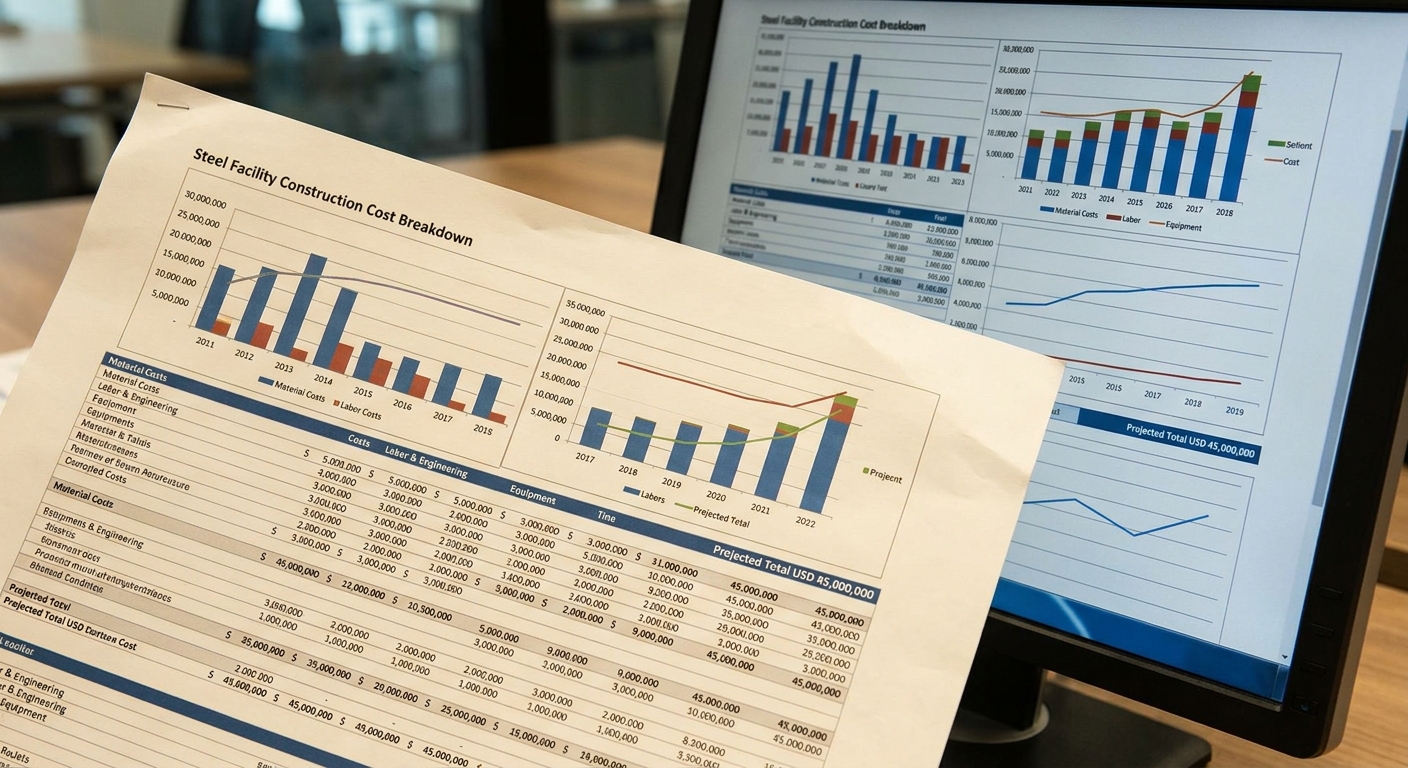
Building costs for this size are influenced heavily by material selection, regional labor rates, and the complexity of the steel frame. When asking how big is 20 000 square feet in financial terms, you must look at the price per square foot compared to smaller buildings.
Are there economies of scale?
Generally, a 20,000 sq ft building is more cost-effective per foot than a 5,000 sq ft building because mobilization and engineering costs are spread over a larger area. You benefit from bulk purchasing of steel and cladding materials.
- Lower per-unit cost for foundation pouring.
- Reduced shipping costs per ton of steel.
- More efficient labor utilization during the erection phase.
What does this mean for you? It means you might find that stepping up to 20,000 sq ft is more affordable than you initially projected.
Key Takeaway: Investing in a mid-sized facility often hits the “sweet spot” for return on investment regarding construction and material costs.
| Cost Category | Percent of Budget | Variable Factors | |
|---|---|---|---|
| Steel Frame | 40% – 50% | Steel market prices | |
| Foundation/Slab | 15% – 20% | Soil quality, load requirements | |
| Enclosure/Panels | 20% – 25% | Insulation type, finish |
Detailed cost analysis allows you to allocate funds where they matter most, such as high-strength flooring or premium insulation.
How Big Is 20 000 Square Feet for Optimizing Workflow Layouts?
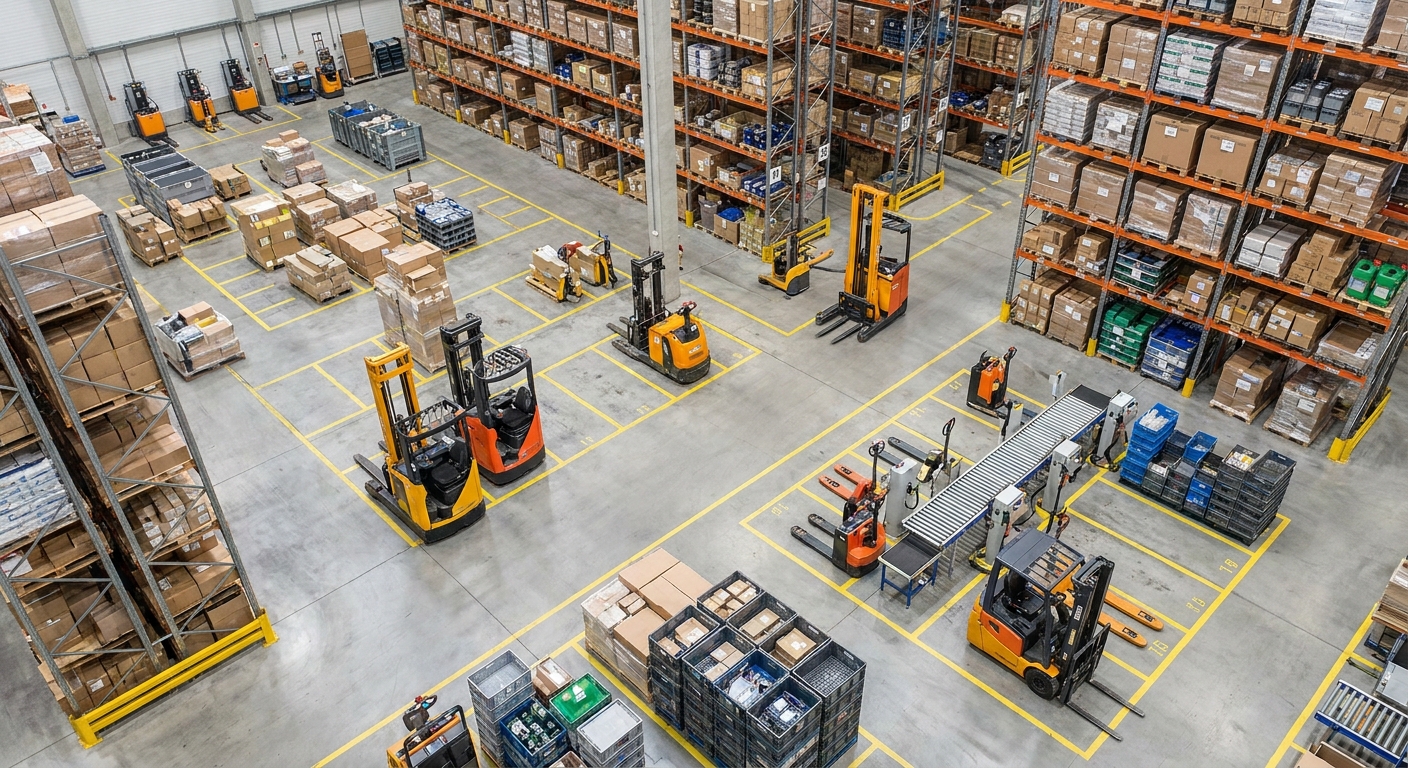
Optimizing a 20,000 sq ft floor plan involves minimizing travel distances between receiving and shipping to increase productivity. Visualizing how big is 20 000 square feet through an isometric layout helps identify potential bottlenecks before construction begins.
Can a U-shaped flow work?
A U-shaped flow puts receiving and shipping on the same side of the building, which is highly effective for 20,000 sq ft footprints. This setup keeps the center of the building clear for storage or processing.
- Streamlines the “dock-to-stock” timeline.
- Reduces forklift travel time across the facility.
- Simplifies security and oversight of the loading area.
But there is more. Proper layout optimization can actually make a 20,000 sq ft space feel and function like a 25,000 sq ft building.
Key Takeaway: A smart layout is the cheapest way to “expand” your building without adding a single physical square foot.
| Layout Style | Best For | Main Benefit | |
|---|---|---|---|
| U-Shape | Small/Mid logistics | Consolidated dock management | |
| I-Shape | Cross-docking | Maximum speed and throughput |
Workflow planning is the bridge between a static building and a dynamic, profitable business operation.
Contact Information:
Email: sales@showhoo.com.cn
Phone/WhatsApp: +86 186 7895 5927
How Big Is 20 000 Square Feet When Preparing Site Foundations?
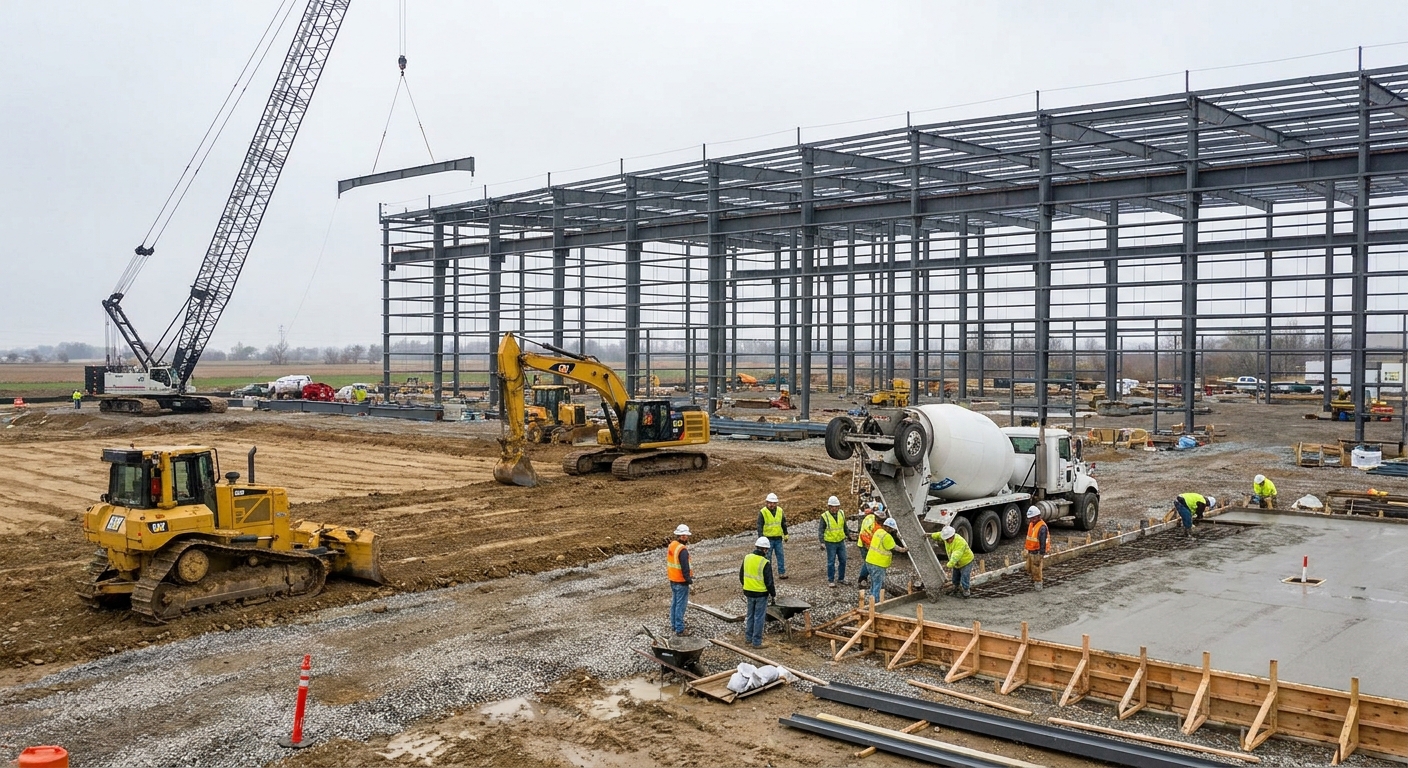
Foundation requirements for this footprint depend on the total load of the steel frame and the weight of your internal equipment. Understanding how big is 20 000 square feet at the ground level is vital for managing site drainage and soil compaction.
How much concrete is required?
For a standard industrial building of this size, you will likely need a reinforced concrete slab between 6 and 8 inches thick. This ensures the floor can withstand the point loads of heavy racking and machinery.
- Precision-placed anchor bolts for the main columns.
- Expansion joints to prevent cracking over the large surface area.
- Vapor barriers to protect inventory from ground moisture.
It gets better: steel structures are relatively lightweight compared to concrete buildings, which can sometimes reduce the depth of the required footings.
Key Takeaway: The foundation is the most critical part of your building, as it supports the entire 20,000 sq ft structure for decades.
| Foundation Element | Standard Spec | Purpose | |
|---|---|---|---|
| Slab Thickness | 6″ – 8″ | Load distribution | |
| Reinforcement | #4 or #5 rebar | Structural integrity | |
| Finish | Power troweled | Smooth forklift operation |
Investing in a high-quality foundation ensures that your 20,000 sq ft facility remains level and durable under heavy industrial use.
How Big Is 20 000 Square Feet for Engineering and Permitting?
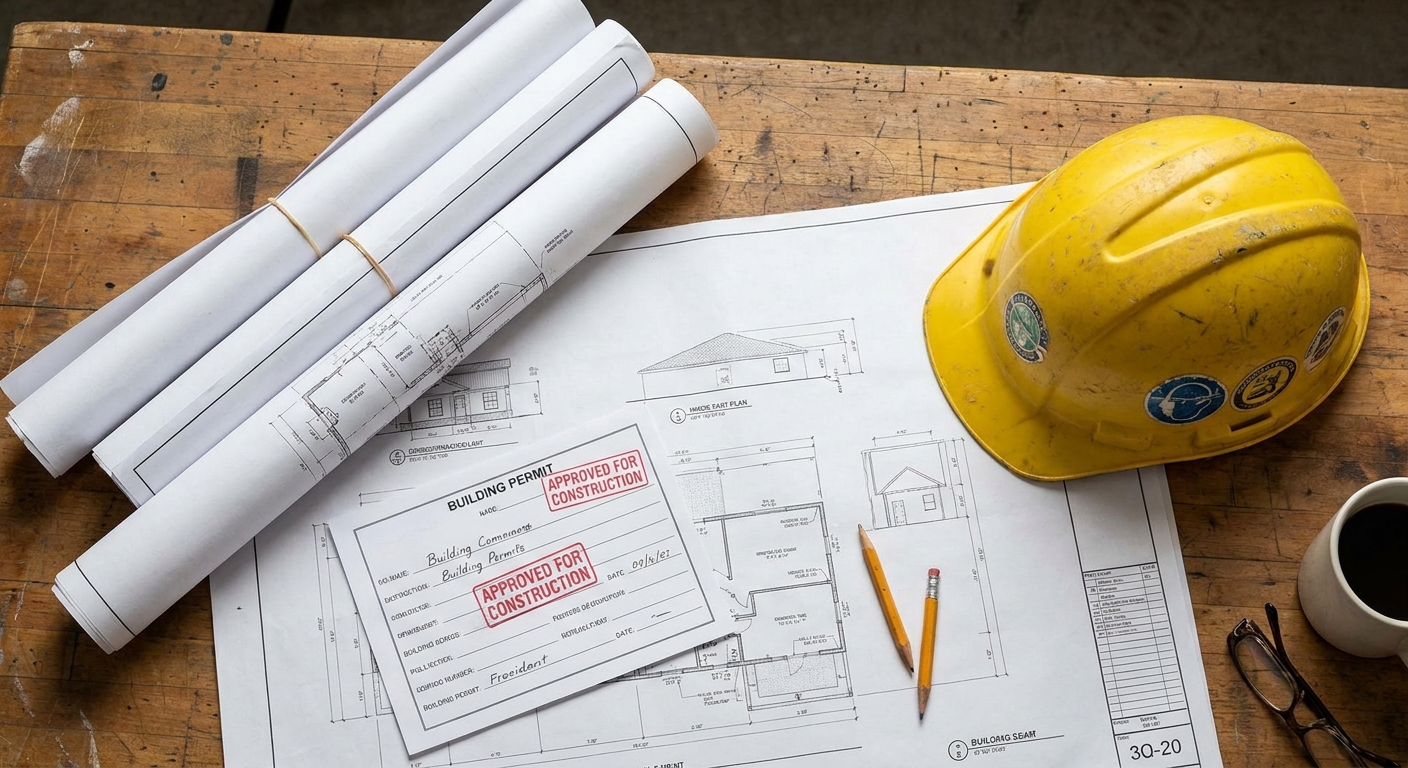
Engineering for this scale must account for local zoning, fire safety codes, and environmental impacts like snow or wind loads. When determining how big is 20 000 square feet for permits, you must look at setbacks and parking requirements.
Does it require a fire sprinkler system?
In many jurisdictions, 20,000 sq ft is the threshold where automated fire sprinkler systems become mandatory. This can significantly impact your mechanical engineering budget and water supply requirements.
- Structural calculations for wind, snow, and seismic activity.
- Zoning compliance for building height and site coverage.
- Life safety plans including exit paths and emergency lighting.
Listen to this: getting your engineering right the first time can save you months of delays in the permitting office.
Key Takeaway: Professional engineering turns your 20,000 sq ft vision into a safe, compliant, and buildable reality.
| Permitting Factor | Requirement Type | Impact | |
|---|---|---|---|
| Zoning | Land use | Determines building placement | |
| Fire Code | Life safety | Mandatory sprinkler/egress | |
| Structural | Code compliance | Ensures building won’t collapse |
Navigating the regulatory landscape is a necessary step to ensure your industrial asset is legally protected and insurable.
How Big Is 20 000 Square Feet Compared to Other Footprints?
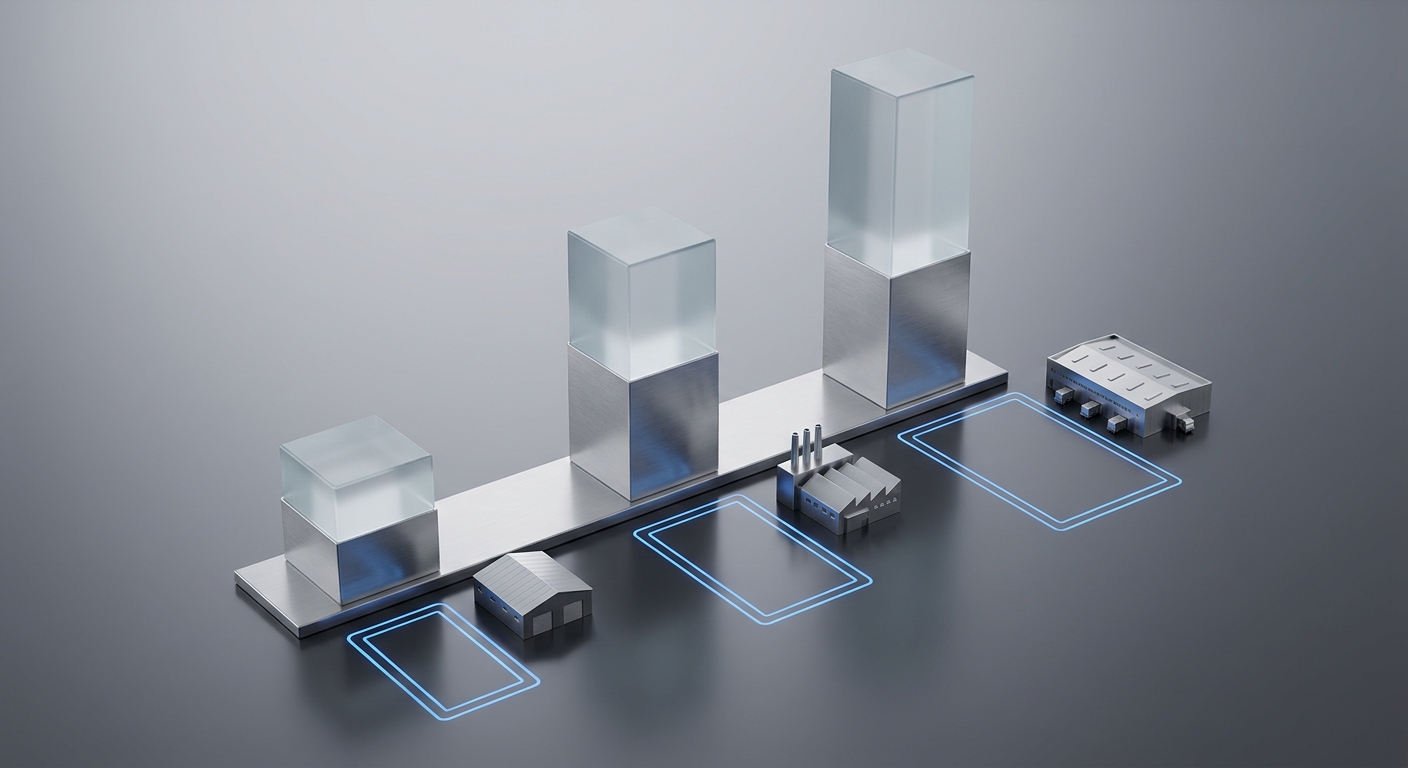
This footprint represents a “Goldilocks” zone in the market—larger than a standard shop but more manageable than a mega-center. Comparing how big is 20 000 square feet to smaller 5,000 sq ft units shows a massive leap in operational capability.
Is it too big for a small business?
For a business outgrowing a 10,000 sq ft space, 20,000 sq ft provides the necessary “breathing room” to double inventory or add a second production line. It is a manageable scale that doesn’t require a massive increase in facility management staff.
- Four times larger than a standard commercial “flex” unit.
- Half the size of a typical medium-sized manufacturing plant.
- Small enough to fit on many suburban industrial lots.
You might be wondering: will I grow into it too fast? The beauty of steel is that you can often design these buildings for future expansion.
Key Takeaway: The 20,000 sq ft size is one of the most versatile and liquid assets in the industrial real estate market.
| Size Comparison | Relative Scale | Target Use | |
|---|---|---|---|
| 5,000 Sq Ft | 1/4 size | Small trade shop | |
| 20,000 Sq Ft | Base size | Regional distribution | |
| 50,000 Sq Ft | 2.5x size | Full-scale manufacturing |
Understanding where this size sits on the spectrum helps you decide if it matches your five-year growth plan.
How Big Is 20 000 Square Feet for Long-Term ROI and Value?
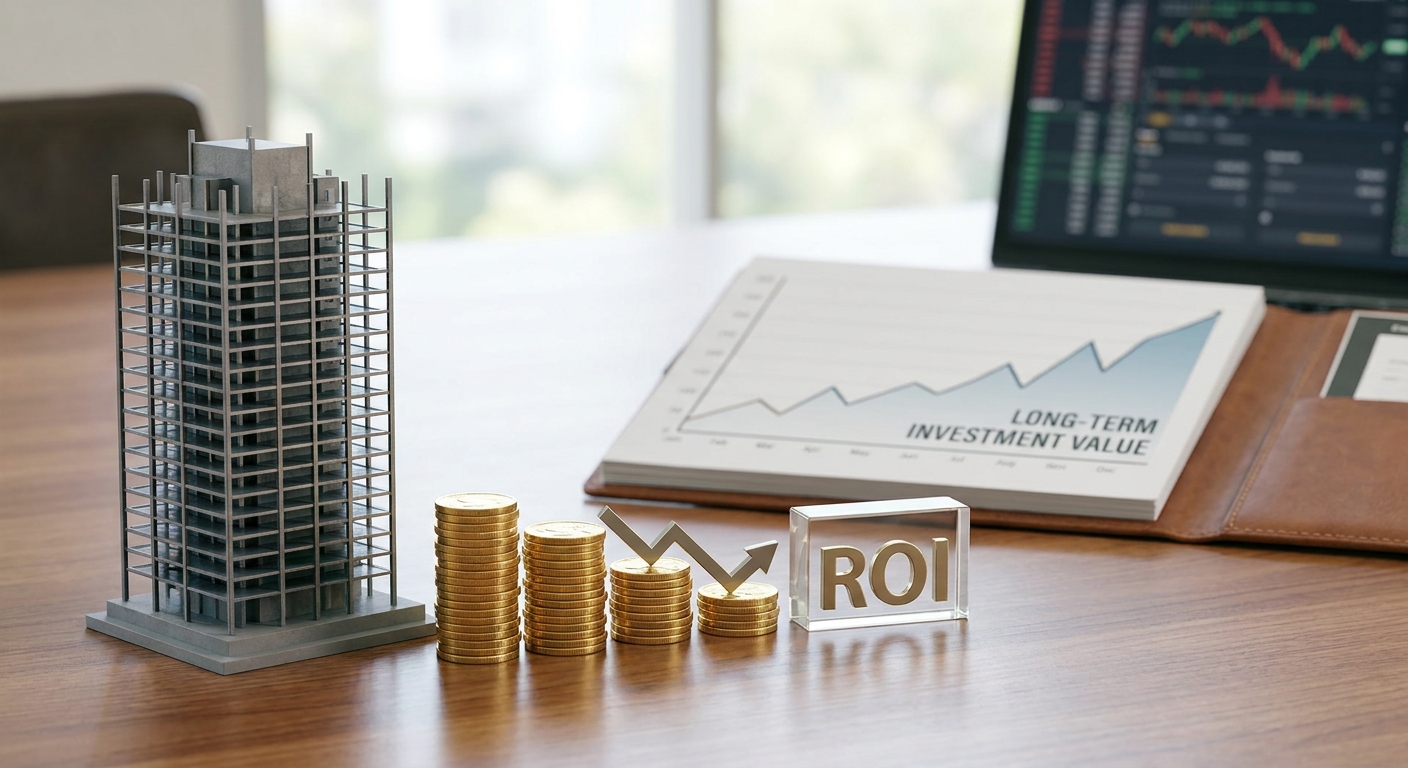
The long-term value of a 20,000 sq ft asset is bolstered by its high demand in the secondary rental and resale market. Analyzing how big is 20 000 square feet from an investment perspective shows it as a highly resilient asset class.
Why is this size easy to lease?
Many mid-market companies look for exactly this amount of space when they graduate from small incubator units. This means your vacancy risk is generally lower compared to massive warehouses that only a few tenants can fill.
- High demand from a wide variety of industrial sectors.
- Lower maintenance costs compared to mega-facilities.
- High appreciation potential in growing industrial corridors.
The bottom line? A 20,000 sq ft steel building is a “workhorse” asset that provides consistent utility and financial stability.
Key Takeaway: Choosing a 20,000 sq ft footprint is a strategic move that protects your capital while enabling your business to thrive.
| ROI Driver | Impact Level | Long-Term Benefit | |
|---|---|---|---|
| Tenant Versatility | High | Easy to re-lease | |
| Durable Materials | Medium | Low depreciation | |
| Operational Utility | High | Direct business growth |
A well-built steel facility is more than just a shelter for your goods; it is a foundational piece of your company’s financial future.
Conclusion
Selecting the right building size is the difference between a facility that accelerates your growth and one that drains your resources. We have helped countless businesses navigate the complexities of structural design, site preparation, and cost management to deliver high-performance steel buildings. Whether you are launching a new logistics hub or expanding your manufacturing capacity, our expertise ensures your 20,000 sq ft investment is engineered for excellence and built to last. We believe that industrial structures should be more than just boxes; they should be precision-engineered environments that empower global progress. To start your journey toward a world-class facility, contact us today for a comprehensive project consultation.
Contact Information:
Email: sales@showhoo.com.cn
Phone/WhatsApp: +86 186 7895 5927
FAQ
Can I add a second floor to a 20,000 sq ft building?Yes, you can. Steel structures are ideal for adding mezzanines because the primary frames can be engineered to support the additional weight of an office or light storage level.
What’s the best roof type for this size of facility?The best option is a standing seam metal roof. It provides superior leak resistance and allows for the easy installation of solar panels or skylights to reduce energy costs.
How do I know if 20,000 square feet is enough for my equipment?The best way is to create a 1:1 scale layout of your machinery. You must account for safety clearances, operator walkways, and maintenance access to ensure the space is functional.
Can I use a 20,000 sq ft building for cold storage?Yes, you can. Steel buildings are frequently used for cold storage by installing high-R-value insulated sandwich panels (PIR/PUR) to maintain strict temperature controls.
What’s the best way to handle lighting in a space this big?The best option is a combination of LED high-bay fixtures and translucent roof panels. This mix provides excellent nighttime illumination while using natural light to save on daytime electricity.