
Building a 5000 square feet warehouse typically costs between 150,000 and 300,000 for a turnkey facility, though basic shell prices can drop as low as $75,000. Navigating the financial landscape of industrial construction often feels like hitting a moving target. Many entrepreneurs start with a vision of expansion, only to find themselves overwhelmed by fluctuating material prices and unforeseen site requirements. If you fail to account for the specific variables of a mid-sized facility, you risk significant budget overruns and delayed timelines. By focusing on a precision-engineered approach—utilizing modern prefabricated systems—you can secure a fixed-cost trajectory that ensures your facility is built for maximum ROI and long-term resilience.
1. What is the baseline price per square foot?
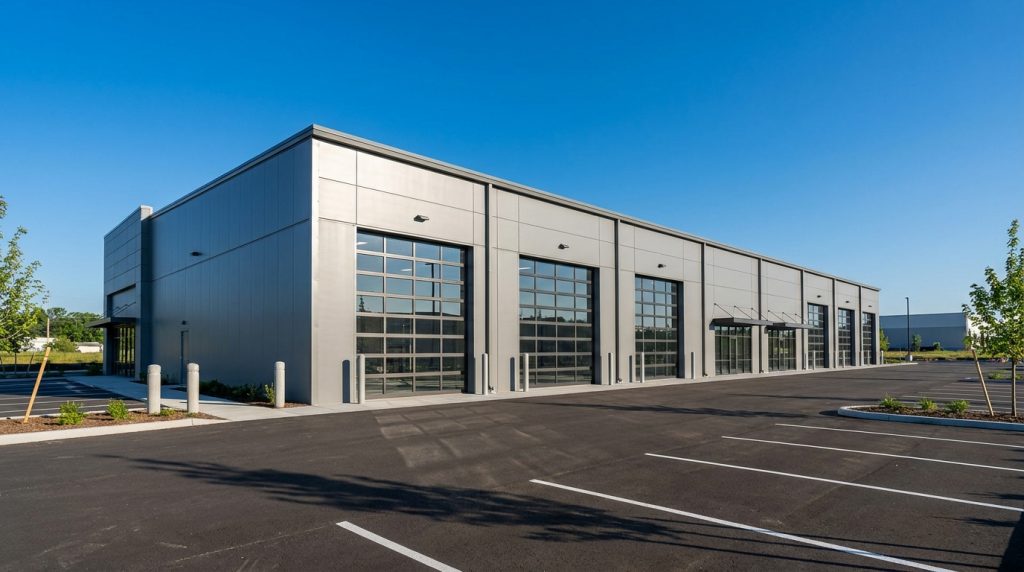
Determining the investment for a 5000 square feet warehouse requires a look at current market averages, which range from 15 to 60 per square foot. These figures vary based on the level of finish and local economic factors.
Prices aren’t just about the shell. You must consider the difference between a “cold dark shell” and a fully integrated turnkey facility.
Can you distinguish between shell and turnkey?
Here is the kicker: The shell is just the beginning of your financial journey.
- Shell Construction: The basic structure and roof system.
- Foundation: Reinforced concrete designed for heavy loads.
- Turnkey Integration: Plumbing, electrical, and climate systems.
Why do regional market trends matter?
Think about it. Labor and material availability fluctuate wildly between different states.
- Local Labor: Specialized crews are more expensive in urban hubs.
- Permit Fees: Some counties charge significantly more for impact.
- Shipping Costs: Proximity to steel manufacturers reduces freight.
How do variables change industrial builds?
The bottom line? Customizing your height or bay spacing will shift your final quote.
- Eave Height: Taller buildings require more structural steel.
- Bay Spacing: Wider spans increase the complexity of the frame.
- Door Count: Every specialized bay door adds to the budget.
Key Takeaway: Start with a 25per square foot base line for the structure,but budget closer to 50 for a functional, utility-ready facility.
2. How do material choices impact your budget?
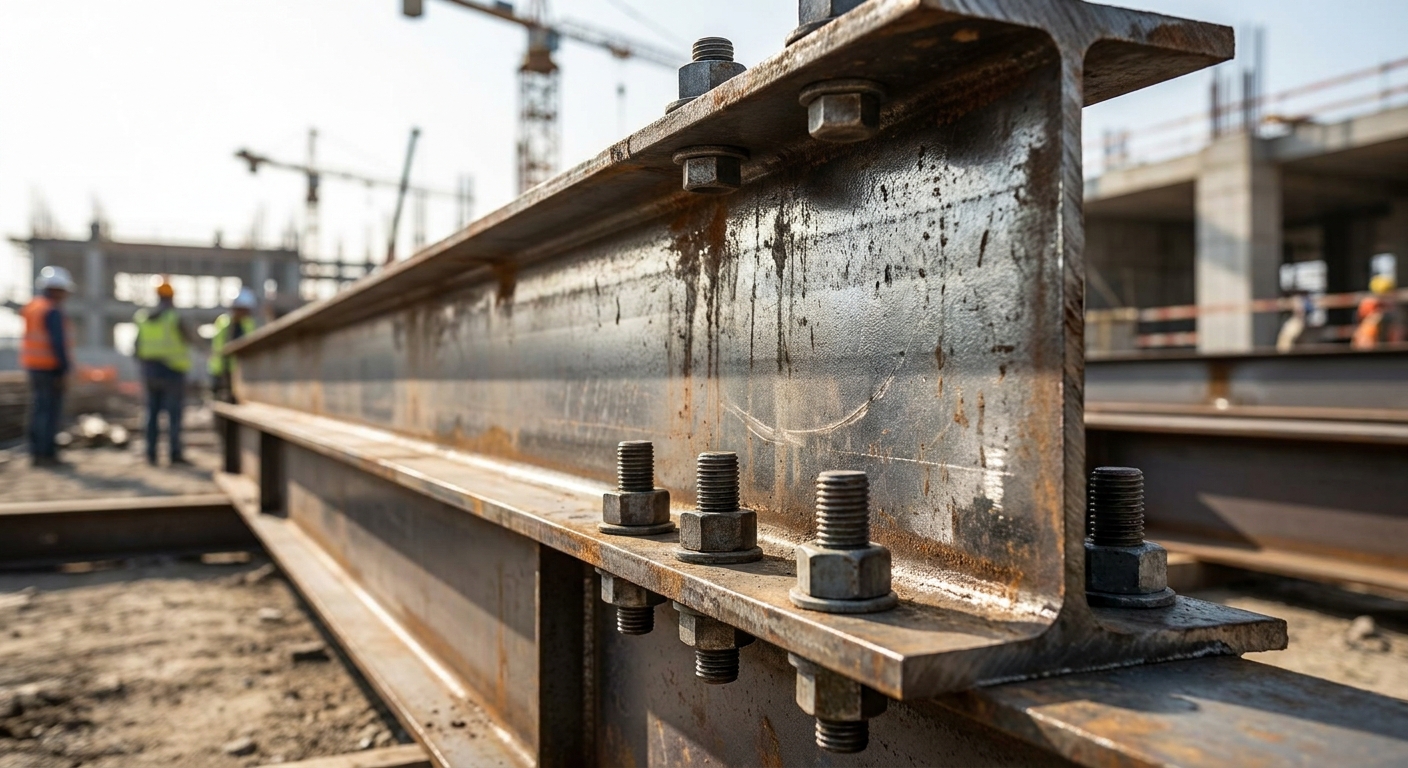
The materials you select for your 5000 square feet warehouse represent the largest portion of your capital expenditure. Steel and concrete remain the dominant choices for modern industrial projects due to their durability and fire resistance.
Steel frames offer fast assembly while concrete forms provide superior thermal mass. You should weigh the upfront costs against the long-term maintenance requirements of each material.
Is steel more cost-effective than concrete?
You might be wondering: Does the choice of material affect more than just the upfront price?
- Steel Durability: Resistant to pests, mold, and rot.
- Concrete Mass: Excellent for temperature-sensitive storage.
- Hybrid Designs: Combining both for specialized industrial needs.
How do metal prices affect your quote?
But wait, there’s more: Global market shifts can change your material costs in a matter of weeks.
- Tariff Impacts: International trade can spike steel prices suddenly.
- Supply Chain: Lead times for materials impact your loan interest.
- Scrap Value: High-quality steel retains value for future recycling.
Which materials offer the best durability?
Consider this: Investing in premium cladding now prevents expensive repairs in ten years.
- Galvalume Finish: Provides superior rust protection for roofing.
- Insulated Panels: Lowers the load on your HVAC systems.
- Reinforced Concrete: Prevents cracking under heavy machinery.
| Material Type | Upfront Cost | Lifespan | Energy Efficiency | |
|---|---|---|---|---|
| Prefabricated Steel | Moderate | 40+ Years | Moderate to High | |
| Concrete Blocks | Higher | 50+ Years | High | |
| Wood Framing | Lower | 20+ Years | Low |
Steel provides the best balance of speed and cost for mid-sized warehouses compared to traditional masonry.
Key Takeaway: Steel provides the best balance of speed and cost, while insulated concrete offers the best energy performance for temperature-sensitive storage.
3. What site preparation costs should you expect?
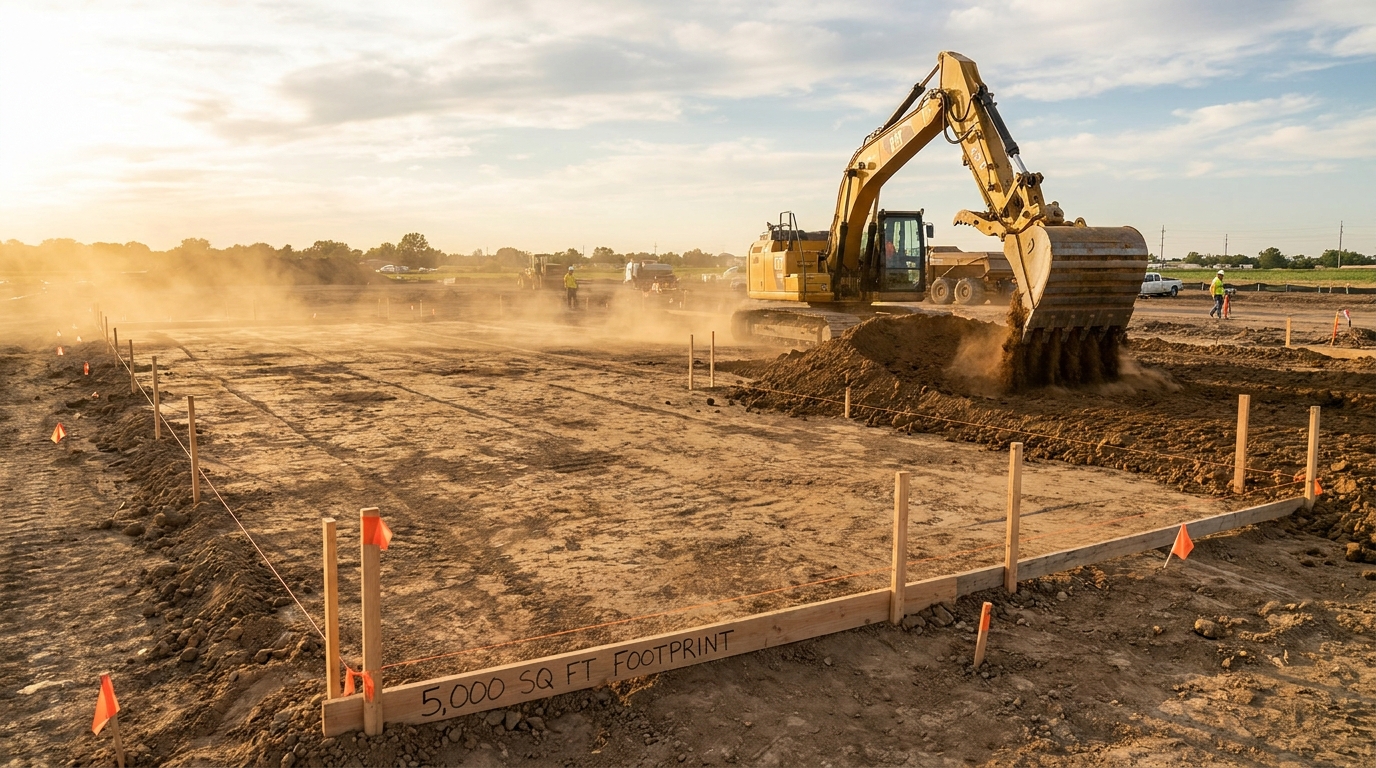
Before any vertical construction begins on your 5000 square feet warehouse, the land must be engineered to support the structure. This phase ensures proper drainage and prevents future foundation settling.
A cheap lot can become an expensive nightmare if the soil won’t support a concrete slab. You must budget for clearing, grading, and utility trenching before the first pour.
Why is soil testing non-negotiable?
Let’s dive deeper: Building on unstable soil will lead to structural failure regardless of material quality.
- Load Bearing: Determines if the soil can support heavy steel.
- Compaction: Testing ensures the pad won’t shift over time.
- Moisture Content: High water tables require specialized drainage.
How does grading affect your drainage?
Think about it. Improper grading leads to standing water that erodes your foundation.
- Mass Grading: Leveling the building pad for the concrete slab.
- Swales: Creating paths for rainwater to move away from doors.
- Retention Ponds: Managing runoff according to local environmental laws.
What utilities are required for the site?
Wait, there’s more: Bringing power and water to a remote lot can cost more than the structure itself.
- Electrical Hookup: Running lines from the nearest transformer.
- Sewage Systems: Connecting to city lines or installing a septic.
- Water Mains: Ensuring enough pressure for fire sprinkler systems.
| Activity | Estimated Range | Potential Risk | |
|---|---|---|---|
| Land Clearing | 2,000–10,000 | Dense vegetation or rocks | |
| Soil Testing | 1,500–4,000 | Unstable soil discovery | |
| Grading | 5,000–15,000 | Steep slopes or drainage |
Site preparation is the most variable part of the budget and should always include a healthy contingency fund.
Key Takeaway: Allocate at least 10% of your total budget for site preparation to avoid structural issues later.
4. How much does professional labor cost today?
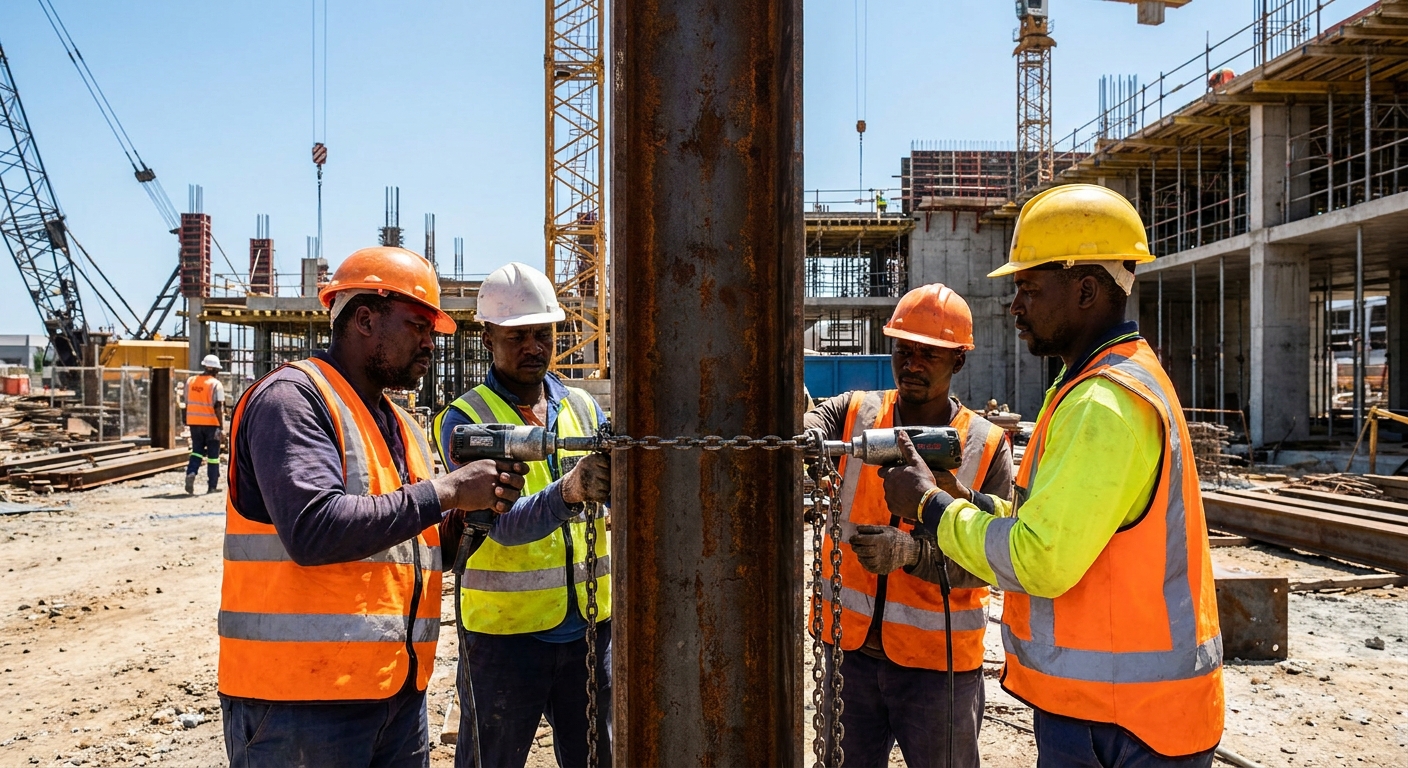
Labor for a 5000 square feet warehouse generally accounts for 30% to 50% of the total project cost. Specialized crews are required for tasks like steel erection, electrical wiring, and high-tolerance concrete pouring.
The speed of the building system you choose directly dictates how many man-hours you have to pay for. Regional labor rates and the complexity of your design are the primary drivers of this expense.
How do you find qualified contractors?
That’s not all: Hiring the wrong team can lead to costly mistakes and safety violations.
- Project Management: Overseeing the coordination of different trades.
- Specialized Trades: Certified electricians and industrial plumbers.
- Steel Erectors: Teams trained specifically in metal building assembly.
Can assembly speed reduce your costs?
Here is the secret: Prefabricated components arrive ready for assembly, cutting down on-site labor time.
- Pre-Punched Holes: Simplifies the bolting process for crews.
- Kit Delivery: All components arrive together to avoid downtime.
- Standardized Parts: Reduces the need for highly specialized on-site fabrication.
Are regional labor rates shifting?
Consider this: Labor in coastal metropolitan areas can be double the price of rural regions.
- Union Requirements: Some zones mandate union labor for large builds.
- Prevailing Wage: Government projects may require higher pay scales.
- Travel Stipends: Remote sites may require paying for crew housing.
| Role | Cost Impact | Benefit | |
|---|---|---|---|
| General Contractor | 10% – 20% | Professional coordination | |
| Steel Erector | High | Fast shell completion | |
| Electrical Team | Moderate | Operational safety |
Selecting a builder with specific experience in steel structures is the best way to keep labor hours predictable.
Key Takeaway: Choosing prefabricated building systems can reduce labor costs by up to 30% compared to traditional stick-built methods.
5. Are there hidden soft costs in this build?
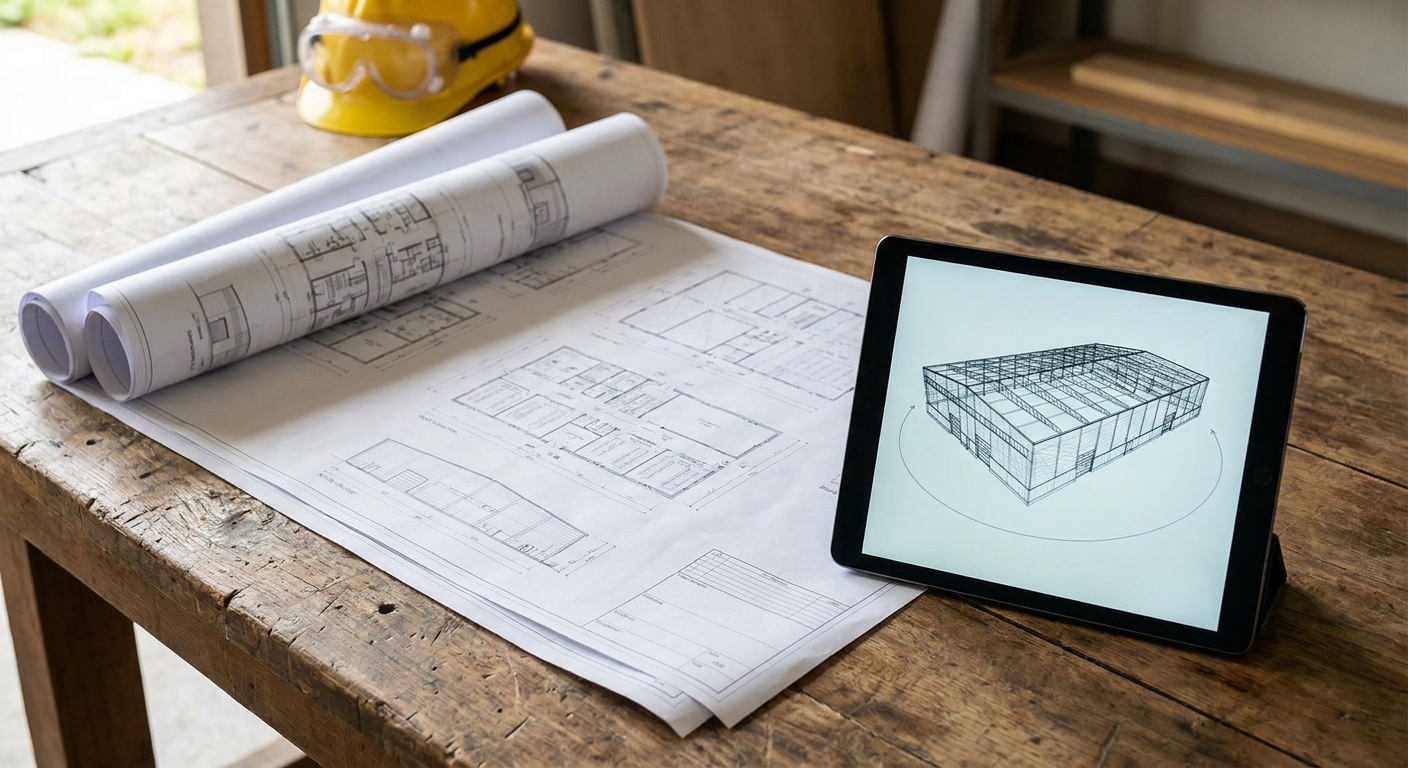
Soft costs are the “invisible” expenses of building a 5000 square feet warehouse that are mandatory for legal and safety compliance. These include architectural designs, structural engineering, and government permit fees.
Failing to budget for these can result in a project stalling before it even breaks ground. You must account for these early in the planning phase to ensure a smooth transition to construction.
Why is engineering a non-negotiable cost?
You might be wondering: Can I just use a standard plan to save money on engineering?
- Seismic Loads: Ensuring the frame can withstand earthquake forces.
- Wind Speed: Engineering for hurricane or high-wind zones.
- Snow Loads: Calculations for roof weight in northern climates.
How do local permit fees vary?
But wait, there’s more: Municipalities often charge impact fees to cover the stress on local infrastructure.
- Plan Review: Fees paid for officials to check your blueprints.
- Inspection Fees: Costs for onsite safety and code checks.
- Environmental Permits: Required if building near protected wetlands.
What does architectural design cover?
The bottom line? A good architect maximizes your usable space and ensures efficient traffic flow.
- Space Optimization: Planning your racking for maximum capacity.
- Egress Safety: Meeting fire codes for worker exit paths.
- Aesthetic Branding: Designing the exterior to match your brand.
| Soft Cost Category | Est. Percentage | Dollar Range | |
|---|---|---|---|
| Permits & Fees | 3% – 5% | 6,000–15,000 | |
| Design/Engineering | 5% – 10% | 12,500–30,000 | |
| Insurance & Legal | 1% – 2% | 2,500–6,000 |
Soft costs are often front-loaded, meaning you will need this capital available before physical construction begins.
Key Takeaway: Always include a “contingency fund” of 5-10% to cover permit delays or unexpected engineering requirements.
6. How does location influence total expenses?
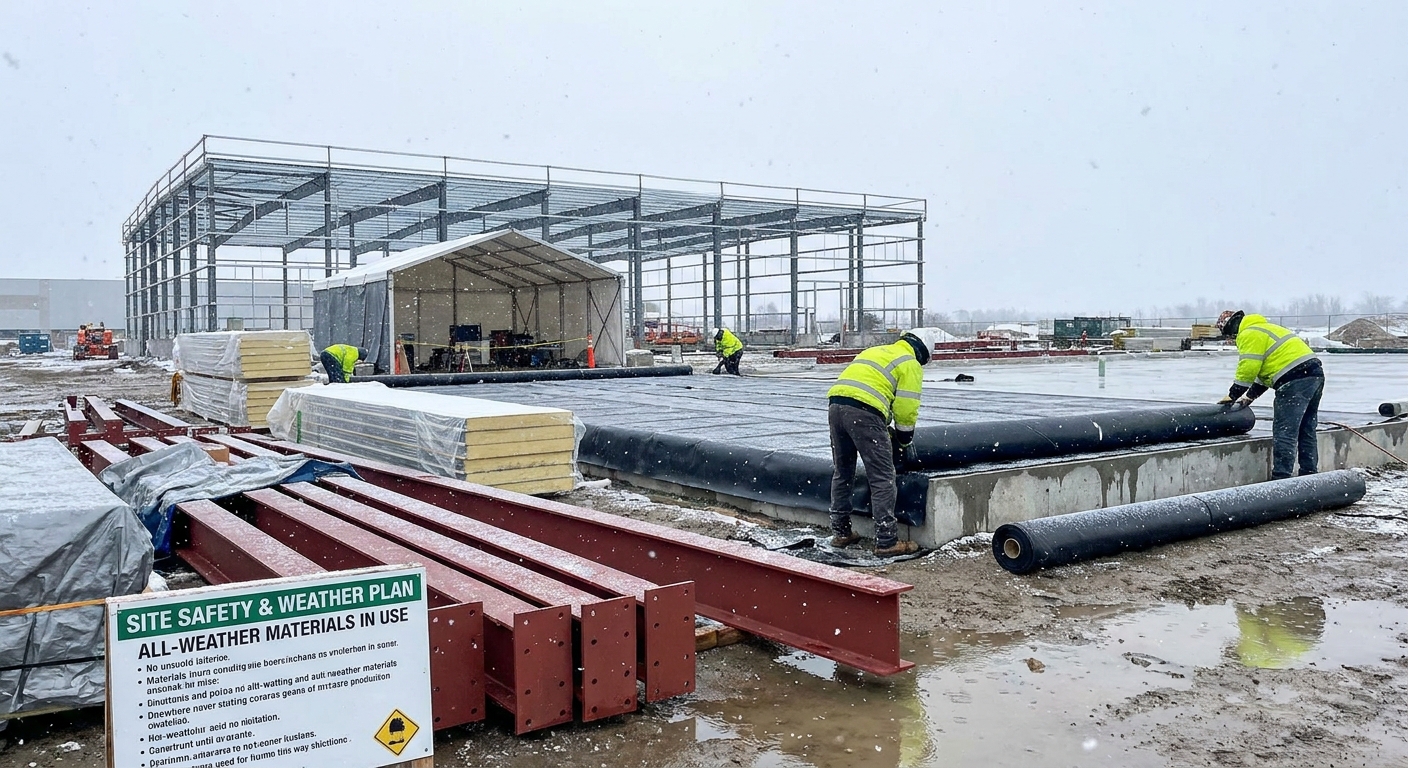
The geographic location of your 5000 square feet warehouse dictates everything from shipping costs to the environmental resilience codes you must follow. Building in a hurricane zone requires different structural reinforcements than building in a heavy snow region.
Proximity to suppliers also plays a critical role in your logistics budget. If your site is far from a steel manufacturing hub, freight charges can add thousands to your bottom line.
How do shipping and logistics add up?
Consider this: The weight of industrial steel makes long-distance transportation very expensive.
- Freight Miles: Distance from the factory to your building site.
- Fuel Surcharges: Fluctuating fuel prices impact delivery quotes.
- Wide Load Permits: Specialized trailers for large structural beams.
Are local building codes getting stricter?
Let’s dive deeper: Climate change is pushing municipalities to require higher wind and flood ratings.
- Hurricane Straps: Mandatory in coastal regions for roof safety.
- Insulation Minimums: Strict energy codes in colder northern states.
- Flood Elevation: Requirements to raise the pad in high-risk zones.
Is there a regional cost comparison?
Wait, there’s more: The same building design can vary by 20% in price between different regions.
- Rural Advantages: Lower land costs and simpler permit processes.
- Urban Challenges: Limited space for equipment and higher fees.
- Climate Premiums: Extra costs for heaters or specialized cooling.
| Region Type | Cost Impact | Main Requirement | |
|---|---|---|---|
| Coastal | High (+15%) | Wind-rated openings | |
| Northern | Moderate (+10%) | High R-value insulation | |
| Rural | Low (-10%) | Long utility extensions |
Choosing a location with favorable zoning and existing infrastructure is the easiest way to keep costs under control.
Key Takeaway: Research local zoning and environmental codes early, as they can mandate structural upgrades that increase costs by 15% or more.
7. Which foundation type is best for your slab?
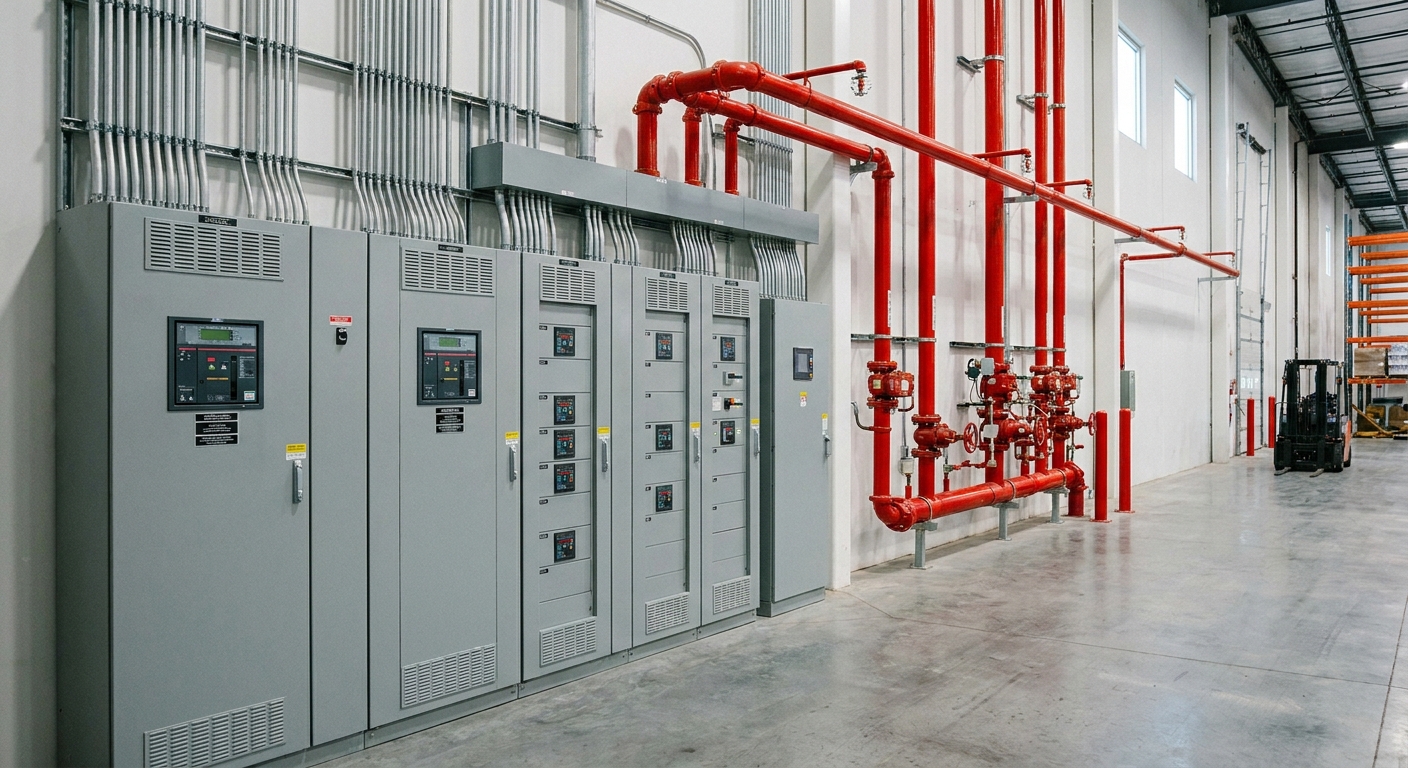
For a 5000 square feet warehouse, the foundation is typically a reinforced concrete slab-on-grade. The thickness and reinforcement density depend on whether you are doing light storage or heavy manufacturing.
If you plan on using high-density racking or heavy forklifts, a standard 4-inch residential slab will fail. You must design for the point loads of your equipment to prevent costly slab cracking.
How do you design for heavy loads?
Think about it. The floor is the hardest working part of your entire industrial building.
- Slab Thickness: Typically ranges from 6 to 8 inches for industrial.
- PSI Rating: Higher strength concrete prevents surface scaling.
- Point Loading: Engineering for the feet of heavy storage racks.
What reinforcement methods work best?
That’s not all: Steel rebar and fiber mesh work together to hold the concrete together under stress.
- Rebar Grids: Traditional steel bars for maximum tensile strength.
- Fiber Mesh: Synthetic fibers that prevent micro-cracking.
- Expansion Joints: Strategic cuts that allow the slab to move safely.
Are thermal breaks and barriers needed?
Here is the secret: Moisture barriers prevent groundwater from seeping through your floor and damaging inventory.
- Vapor Barriers: Thick plastic sheeting placed under the concrete.
- Thermal Breaks: Preventing heat loss through the edges of the slab.
- Edge Insulation: Crucial for heated warehouses in cold climates.
| Slab Type | Thickness | Recommended Use | |
|---|---|---|---|
| Light Duty | 4 Inches | Office or light storage | |
| Medium Duty | 6 Inches | Forklifts and standard racks | |
| Heavy Duty | 8+ Inches | Manufacturing or heavy machinery |
Investing in a thicker slab now is significantly cheaper than tearing out a cracked floor in five years.
Key Takeaway: Invest in a 6-inch reinforced slab as a minimum for industrial flexibility; it is cheaper to overbuild the floor now than to repair cracks later.
8. Can energy-efficient features save money?
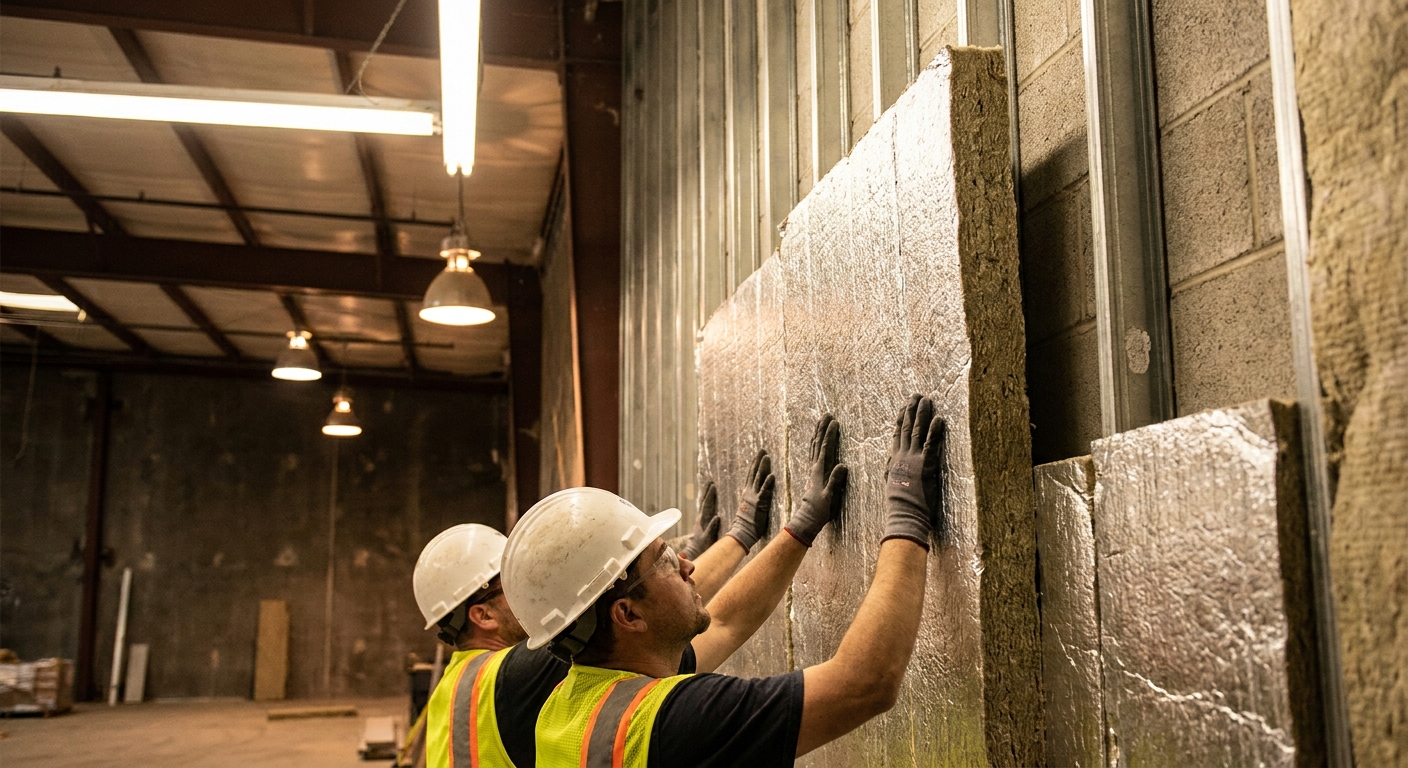
While adding insulation to your 5000 square feet warehouse increases the initial price, the reduction in monthly utility bills creates a clear “break-even” point. An airtight building envelope is the single most effective way to control long-term operating costs.
Efficiency upgrades like reflective roofing and LED lighting minimize electrical draw. These features also improve the comfort of the workspace, leading to higher employee productivity.
What is the ROI of high insulation?
Let’s dive deeper: Heat gain through a poorly insulated roof is the primary driver of cooling costs.
- R-Value: The measure of thermal resistance in your insulation.
- Continuous Barrier: Preventing air leaks at the wall-to-roof joints.
- Radiant Barriers: Reflective foils that stop solar heat from entering.
Can you reduce HVAC tonnage?
Consider this: A highly efficient building allows you to install a smaller, cheaper cooling system.
- Load Calculations: Engineering the HVAC based on the insulation quality.
- Zoned Cooling: Only cooling the areas where people are working.
- Programmable Controls: Reducing energy use during off-hours.
Does natural lighting lower overhead?
The bottom line? Skylights and wall panels can provide 100% of your daytime lighting for free.
- Translucent Panels: Allowing soft, natural light into the warehouse.
- Daylight Sensors: Automatically dimming LEDs when sun is available.
- Reflective Floors: High-gloss finishes that bounce light deeper into the space.
| Upgrade | Initial Cost | Est. Annual Savings | |
|---|---|---|---|
| High-R Insulation | 5,000–8,000 | 25% on HVAC | |
| Cool Roof Coating | 3,000–5,000 | 10% on cooling | |
| LED Lighting | 4,000–6,000 | 40% on electric |
Energy efficiency transforms your warehouse from a liability into a high-performance asset.
Key Takeaway: High-performance insulation can allow you to install a smaller, less expensive HVAC system, offsetting the cost of the insulation itself.
9. How do interior finishes change the total?
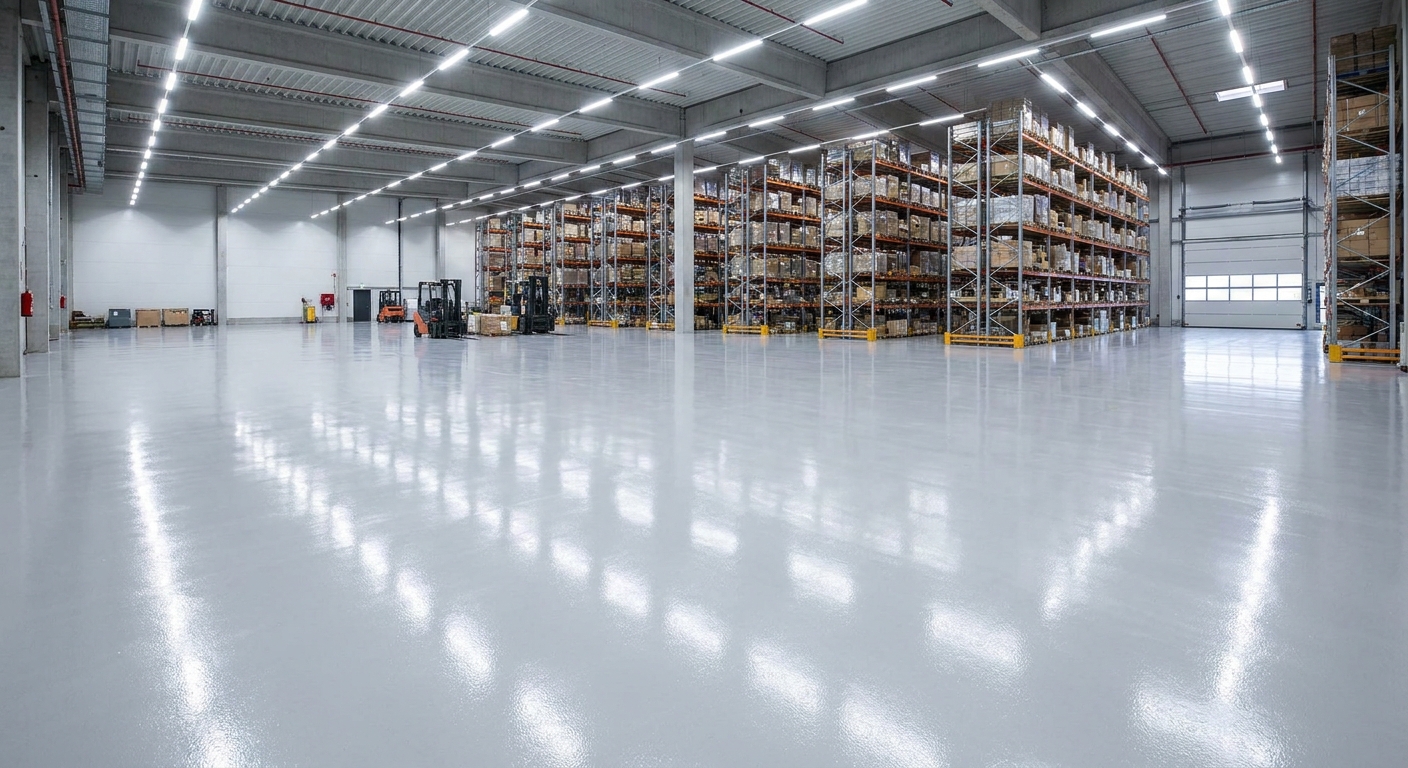
A 5000 square feet warehouse used for simple cold storage will cost significantly less than one requiring finished office space or climate control. Every interior wall and finished ceiling adds to both the material list and the labor schedule.
Interior finishes change the functionality of the space. You should prioritize durable, low-maintenance options that can withstand the rigors of an industrial environment.
What are your flooring options?
You might be wondering: Is an epoxy coating worth the extra cost over sealed concrete?
- Sealed Concrete: Low-cost protection against dust and stains.
- Epoxy Coating: High-durability finish for chemical resistance.
- Polished Concrete: High-end look with very low maintenance.
Can mezzanines maximize your space?
That’s not all: A mezzanine allows you to add square footage without increasing the footprint.
- Structural Steel: Heavy-duty platforms for storage or equipment.
- Office Loft: Placing your management team above the floor.
- Stair Access: Ensuring all levels meet local safety codes.
How expensive is an office build-out?
Think about it. Finished space requires drywall, plumbing, and separate climate zones.
- Restrooms: Mandatory for health codes and worker comfort.
- Break Rooms: Providing a clean space for employee rest.
- IT Infrastructure: Wiring the office for high-speed data.
| Finish Level | Added Cost / Sq Ft | Common Application | |
|---|---|---|---|
| Basic Sealant | 1–2 | General storage | |
| Epoxy Coating | 5–9 | Manufacturing | |
| Office Space | 75–150 | Administration |
Prioritize the finishes that directly impact your operational efficiency and employee safety.
Key Takeaway: If your business requires office space, consider a modular in-plant office to save on construction time and permit complexity.
10. Is a prefabricated structure the best value?
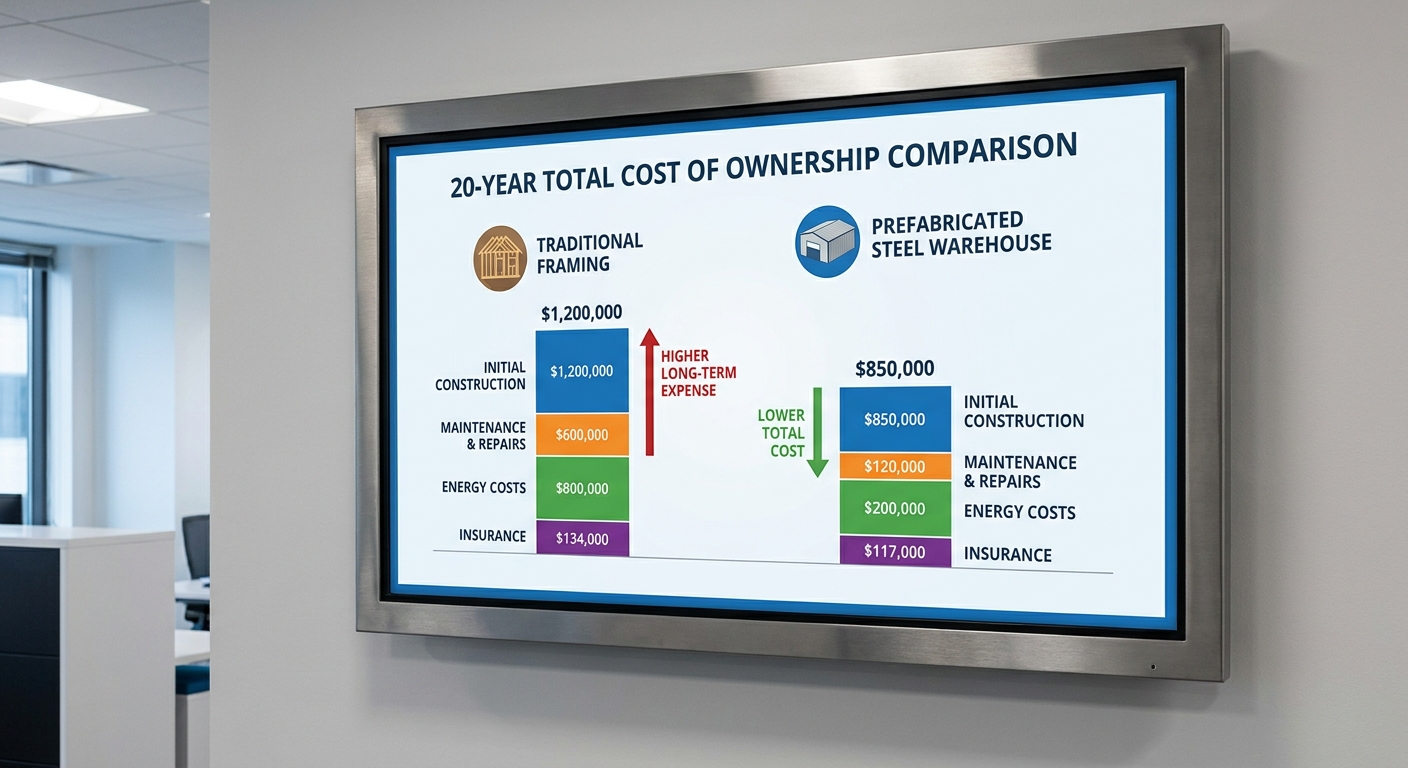
When analyzing the total cost of ownership for a 5000 square feet warehouse , prefabricated steel systems offer the most predictable pricing. They consistently provide the fastest path to completion, reducing the interest paid on construction loans.
The durability of these systems often leads to lower insurance premiums and higher resale values. Because the components are factory-made, there is significantly less waste on the job site.
Why does speed equal lower debt?
Wait, there’s more: Getting your business operational three months sooner is worth thousands in revenue.
- Faster ROI: Starting production or storage ahead of schedule.
- Loan Interest: Paying less for bridge or construction financing.
- Market Entry: Responding faster to changes in your industry.
Are maintenance costs lower for steel?
Here is the secret: Steel does not warp, rot, or crack like wood or traditional masonry.
- Pest Resistance: No risk of termite damage or rodent nesting.
- Fire Safety: Non-combustible materials lower your risk profile.
- Paint Longevity: Modern finishes last decades without fading.
How do you analyze the TCO?
Consider this: The initial build price is only a small part of the building’s 20-year cost.
- Insurance Savings: Lower premiums for fire-rated structures.
- Energy Bills: High-efficiency shells save money every month.
- Expansion Potential: Easy to add bays as your business grows.
| Comparison | Traditional Build | Prefab Steel | |
|---|---|---|---|
| Build Time | 6 – 9 Months | 3 – 5 Months | |
| Maintenance | High | Low | |
| Resale Value | Standard | High |
Prefabricated steel is the logical financial path for most mid-sized industrial needs due to its longevity and speed.
Key Takeaway: For most 5,000 sq ft industrial needs, a prefabricated system provides the most logical financial path due to shortened construction loan durations and lower maintenance needs.
Frequently Asked Questions
Can I build a warehouse myself to save money?While managing the project as an owner-builder is possible, the specialized nature of steel erection and concrete engineering means you should still hire professional crews for structural phases. Professional assembly ensures your facility meets strict safety and building codes.
What’s the best way to get an accurate quote?Provide a detailed site plan and a “list of use” to your builder immediately. Knowing your required ceiling height and floor load requirements drastically changes the amount of steel and concrete needed.
How do I know if I need a mezzanine?If your operation involves light storage or office needs but you are limited by your lot size, a mezzanine is the most efficient solution. It doubles your usable space without requiring a larger foundation.
Can I add solar panels to a 5,000 sq ft roof?Absolutely. Most modern industrial roofs are engineered to handle the additional weight of solar arrays. The large surface area of a 5,000 sq ft building is ideal for generating significant renewable energy.
Can I customize the exterior of a steel building?Yes. You can use glass, stone, or specialized metal siding to ensure your warehouse matches your brand aesthetic. Modern steel structures offer the same design flexibility as traditional construction.
Strategic Action Plan
Building a warehouse is a high-stakes investment that requires balancing upfront affordability with long-term operational efficiency. By selecting a prefabricated building system and accounting for site prep, labor, and soft costs early, you can create a facility that serves your business for decades.
The decisions you make during the design phase—from slab thickness to insulation levels—will dictate your profit margins for years to come. Do not cut corners on engineering or site preparation, as these are the foundations of your company’s future growth.
Contact us today to receive a precision estimate tailored to your project goals and start your journey toward a high-performance industrial facility.
| sales@showhoo.com.cn | |
| Phone/WhatsApp | +86 186 7895 5927 |