
The best sizes for indoor riding arenas range from 60′ x 120′ for private training to 100′ x 200′ for professional competition venues. You understand the frustration of trying to train in a cramped space where every corner feels like a collision risk for your horse. This lack of maneuverability agitates both the rider and the animal, leading to poor performance and potential injury. Investing in a precision-engineered steel building ensures you have the ideal equestrian arena sizes to foster growth and safety for your facility.
What are standard equestrian arena sizes for dressage?
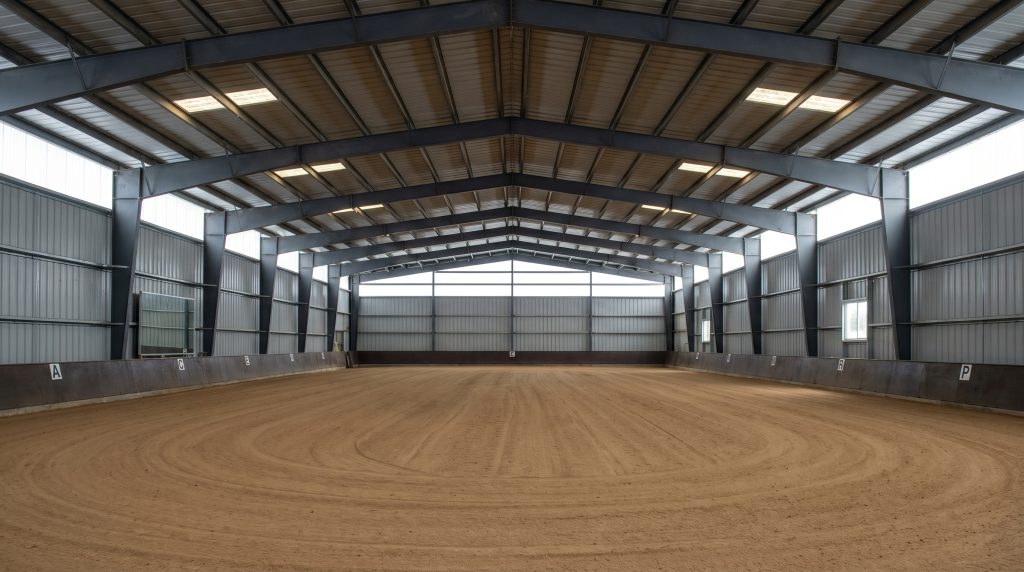
Standard equestrian arena sizes for dressage typically follow the international dimensions of 20 meters by 60 meters (approximately 66′ x 197′). These dimensions provide the necessary length for specialized movements like the extension and lateral work required in upper-level tests. If your focus is purely on training at home, a smaller footprint of 20 meters by 40 meters (66′ x 132′) is often sufficient for basic schooling.
Is a 60′ x 120′ layout enough for training?
A 60′ x 120′ layout provides a functional space for most lower-level dressage training and general flatwork.
Think about it:
- It accommodates a standard 20-meter circle easily.
- The width allows for safe passing of two riders.
- It fits smaller private property footprints perfectly.
The reality is: you can achieve significant progress in this compact space without the high overhead costs of a massive commercial hall.
How do dressage markers fit in these spaces?
Properly placing markers is essential for accurate test practice in any of these equestrian arena sizes.
| Feature | Standard (Large) | Small Arena | |
|---|---|---|---|
| Length | 200 Feet | 132 Feet | |
| Width | 66 Feet | 66 Feet |
Choosing a 200-foot length allows you to place all twelve standard letters for full-test simulations.
How does jumping impact equestrian arena sizes?
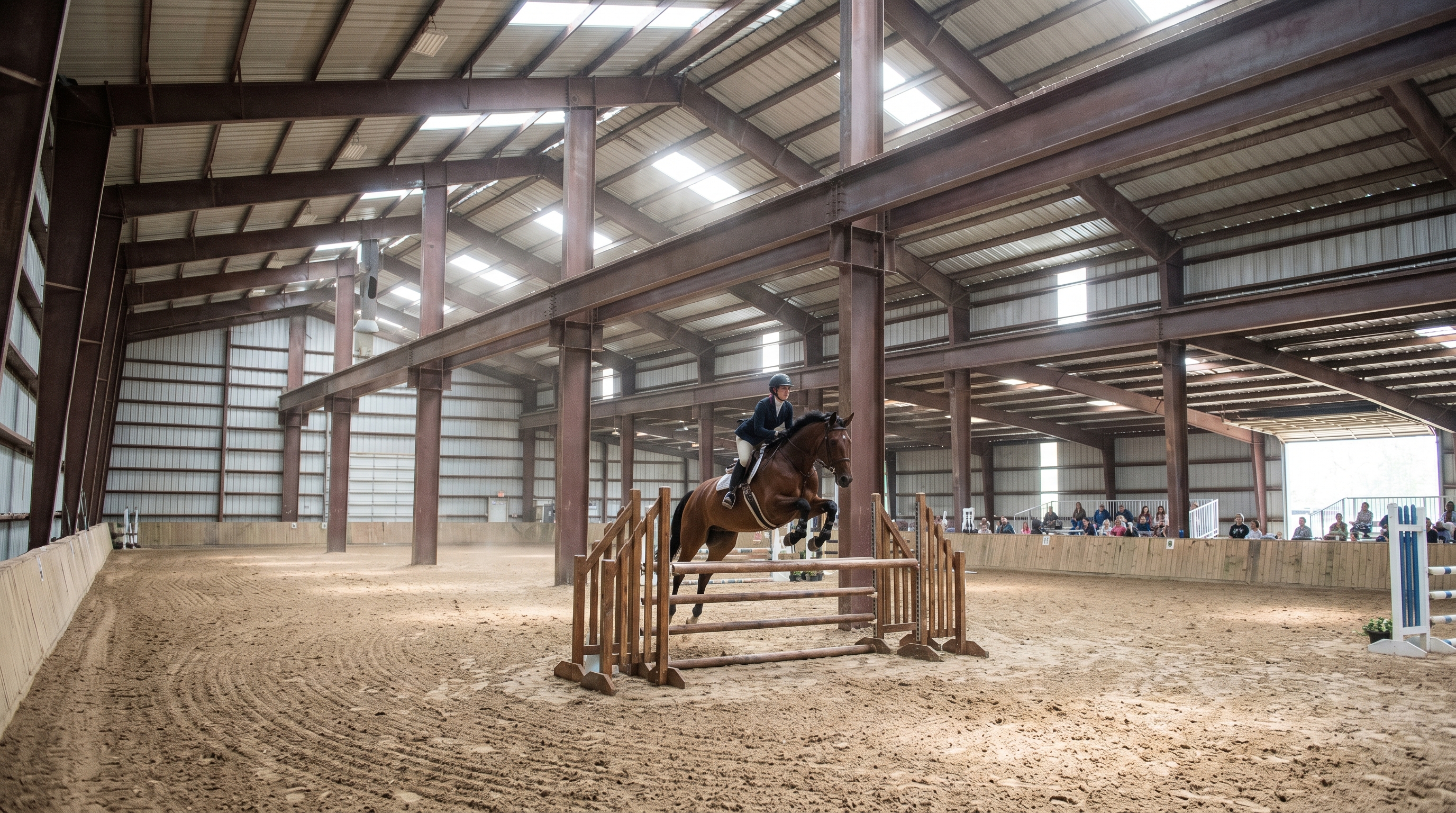
Jumping horses require larger equestrian arena sizes to accommodate the speed and turning radius needed between obstacles. To build a prefabricated steel structure for jumping, you should aim for a minimum width of 80 feet. This extra space prevents the “wall effect” where a horse feels trapped when approaching a jump near the arena perimeter.
Is 80′ width necessary for complex jump courses?
An 80-foot width is highly recommended because it allows for multi-stride combinations and safe rollback turns.
Here is the kicker:
- It permits a three-stride combination along the rail.
- Riders can set up figure-eight patterns without clipping corners.
- It provides ample room for ground crew and instructors.
| Requirement | Training Size | Competition Size | |
|---|---|---|---|
| Min Width | 70 Feet | 100 Feet | |
| Min Length | 150 Feet | 250 Feet |
Strategic width choices ensure your horses can maintain their natural stride and jump with confidence.
Key Takeaway
Larger widths are non-negotiable for jumping to ensure safety and allow for fluid, rhythmic course navigation.
Get Your Custom Quote Today
Email:sales@showhoo.com.cn
Phone/WhatsApp:+86 186 7895 5927
How does site prep affect equestrian arena sizes?
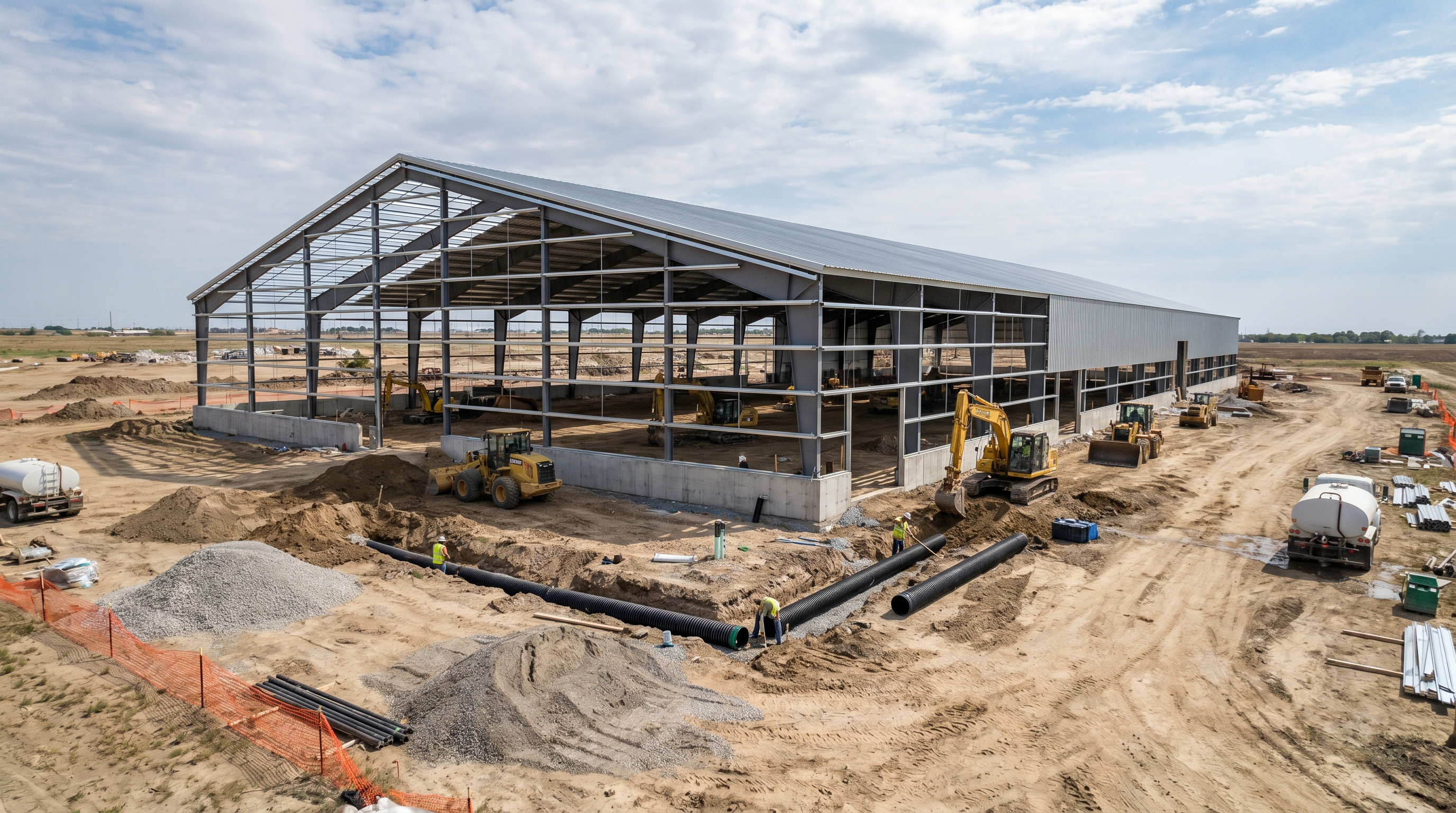
Site preparation determines the ultimate stability and usable equestrian arena sizes by establishing a perfectly level foundation for the steel frame. If your site has a significant slope, the cost of leveling the ground can often exceed the cost of adding extra width to the building itself. You must account for a “setback” area around the building to ensure proper heavy machinery access during the construction phase.
Why is a level site critical for large footprints?
A level site prevents structural stress on the rigid steel frame and ensures the footing material stays evenly distributed.
Make no mistake:
- Uneven ground causes footing to migrate to the lowest point.
- Poor leveling leads to water pooling inside the riding area.
- Foundation piers require precise elevation to support the main columns.
| Prep Step | Purpose | Impact on Size | |
|---|---|---|---|
| Grading | Creates level base | Limits max building length | |
| Compaction | Prevents settling | Dictates column placement |
Proper grading is the invisible foundation that makes your chosen building dimensions functional for years to come.
Key Takeaway
Investing in professional grading early prevents drainage issues that could effectively shrink your rideable surface.
What footing depth works for equestrian arena sizes?
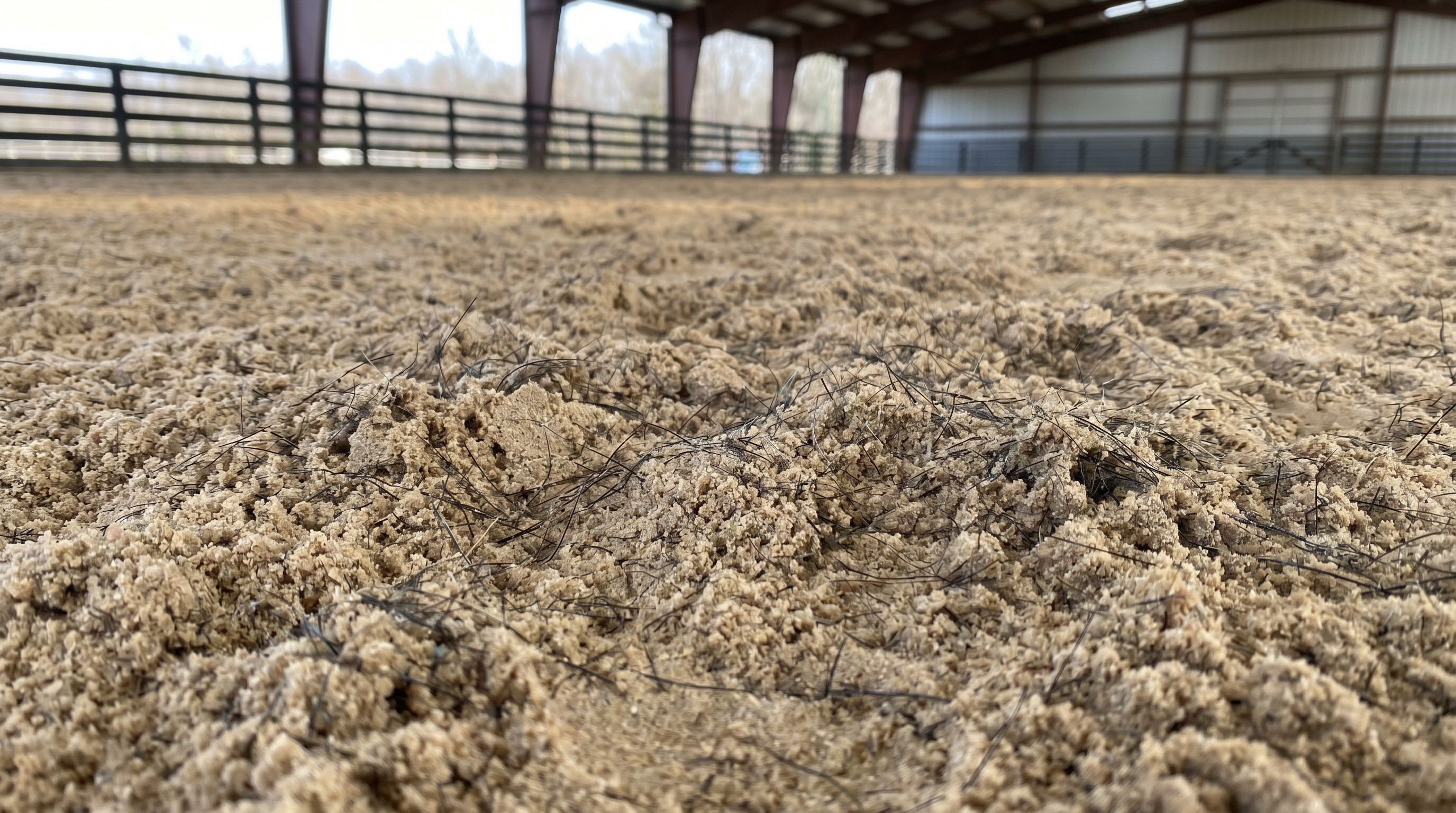
Selecting the right footing depth depends on your equestrian arena sizes and the intensity of the riding disciplines you practice. For a steel structure warehouse converted to an arena, a typical installation includes 4 inches of sub-base and 2 to 3 inches of top footing. This layered approach protects the horse’s joints by providing both cushion and energy return during high-impact activities.
Which sand types provide the best arena traction?
Not all sand is created equal when you are filling large equestrian arena sizes.
The truth is:
- Sub-angular sand provides the best interlocking stability.
- Round beach sand often feels like riding on marbles.
- Silica sand is the gold standard for dust control and durability.
| Sand Type | Stability | Dust Level | |
|---|---|---|---|
| Silica | High | Low | |
| Masonry | Medium | High | |
| River Sand | Low | Medium |
Using high-quality silica sand ensures a consistent surface that won’t degrade into fine, dangerous dust over time.
Key Takeaway
Footing quality is as important as building size, as poor materials will ruin the rideability of any space.
Why is clear-span vital for equestrian arena sizes?
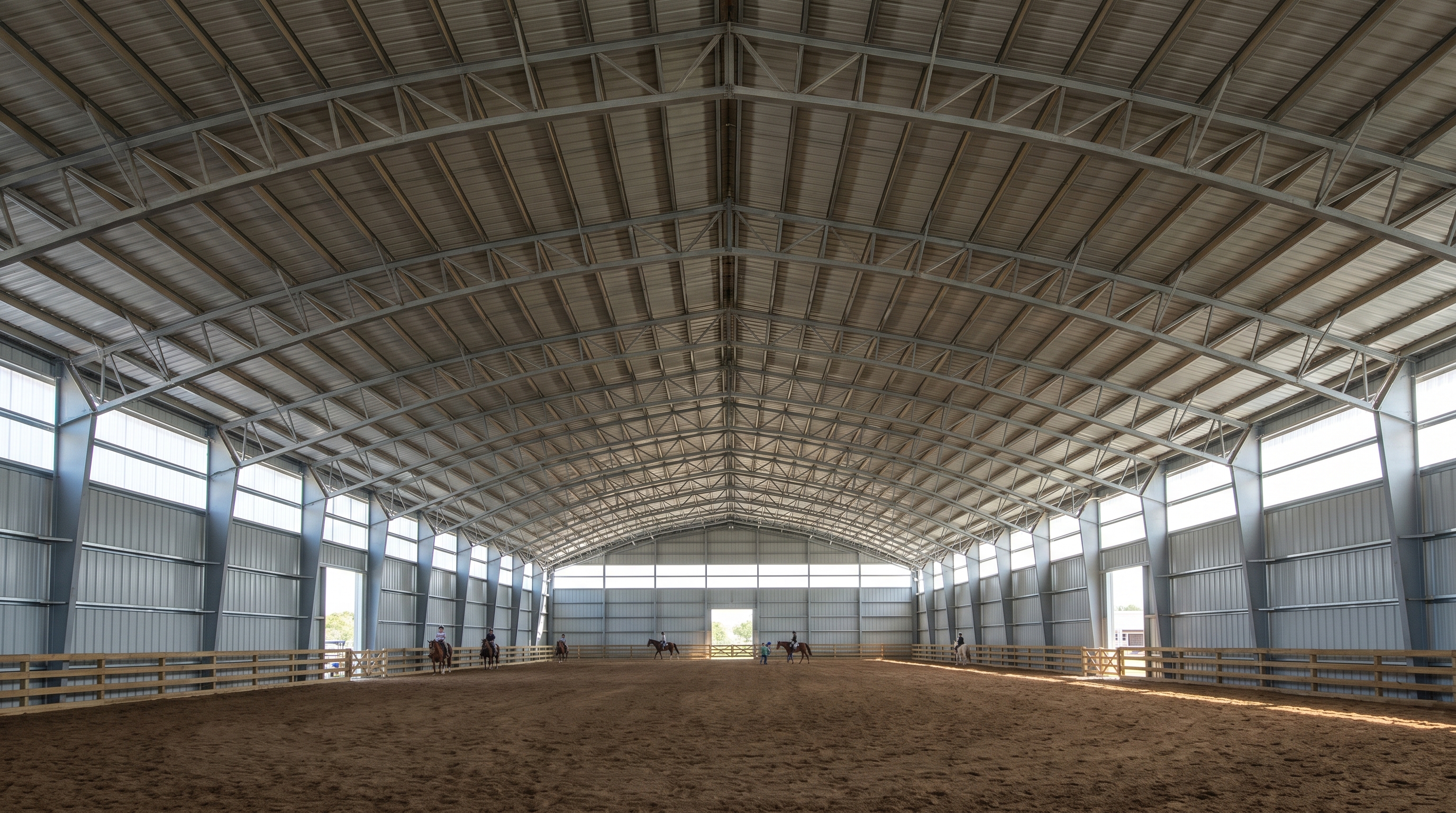
Clear-span technology is the only way to achieve large equestrian arena sizes without dangerous interior support columns that obstruct riding paths. Steel frames can bridge gaps of over 200 feet, providing a completely open interior for patterns and high-speed maneuvers. This lack of columns significantly increases the safety of the facility for both horse and rider during spooking or loss of control.
How do interior posts affect rider safety?
Interior posts are a major liability because they create “blind spots” and physical hazards for galloping horses.
The bottom line is:
- Posts limit your ability to use the center of the arena.
- They make dragging and grooming the footing much harder.
- Horses can easily strike a post if they shy away from a stimulus.
| Design | Safety Rating | Maintenance Ease | |
|---|---|---|---|
| Clear-Span | Excellent | High | |
| Post-Frame | Poor | Low |
Opting for a clear-span steel design maximizes every square foot of your footprint for actual riding.
Key Takeaway
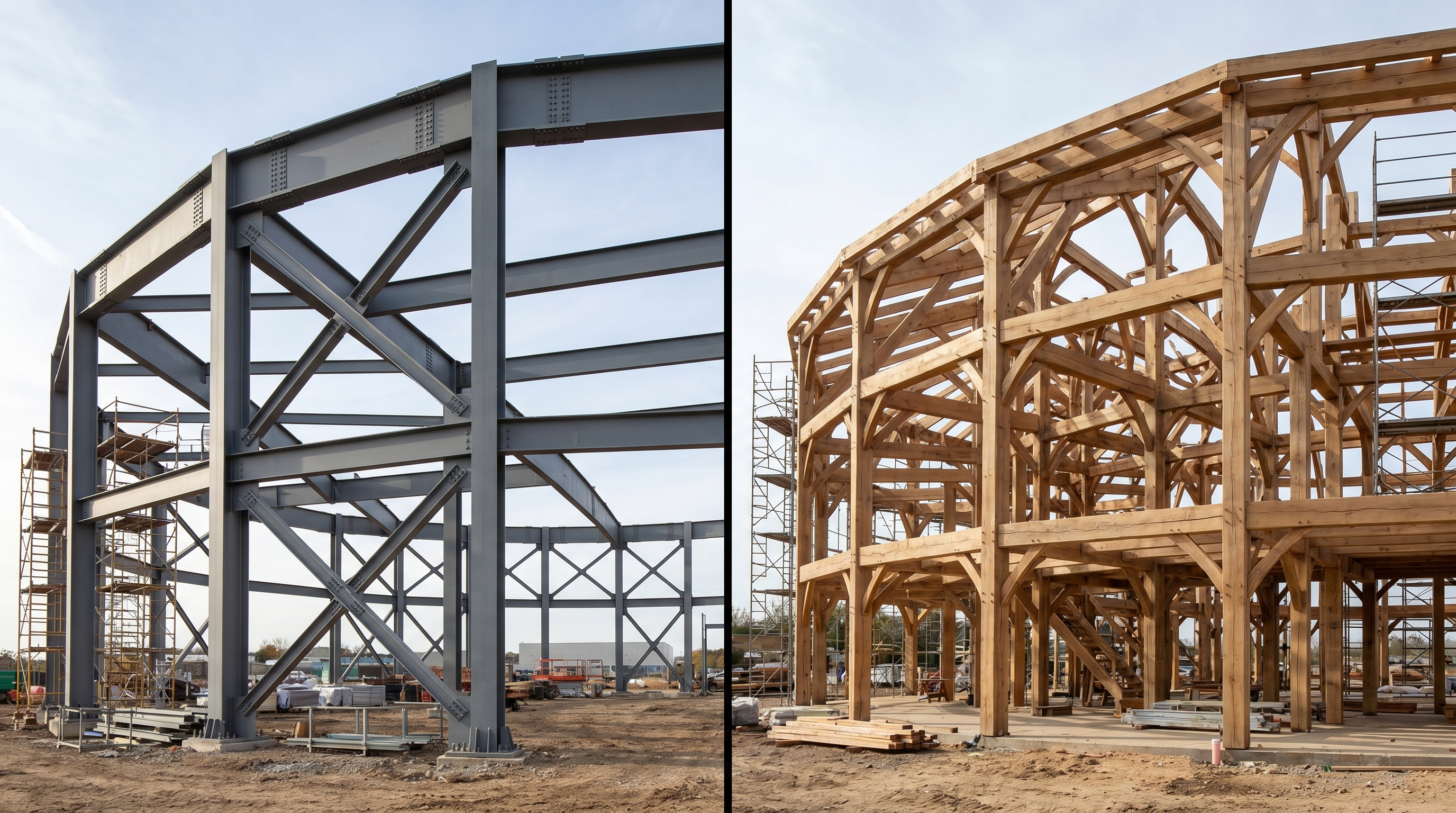
Total interior freedom is the primary reason professional equestrian facilities choose steel clear-span structures over wood.
Get Your Custom Quote Today
Email:sales@showhoo.com.cn
Phone/WhatsApp:+86 186 7895 5927
How to ventilate various equestrian arena sizes?
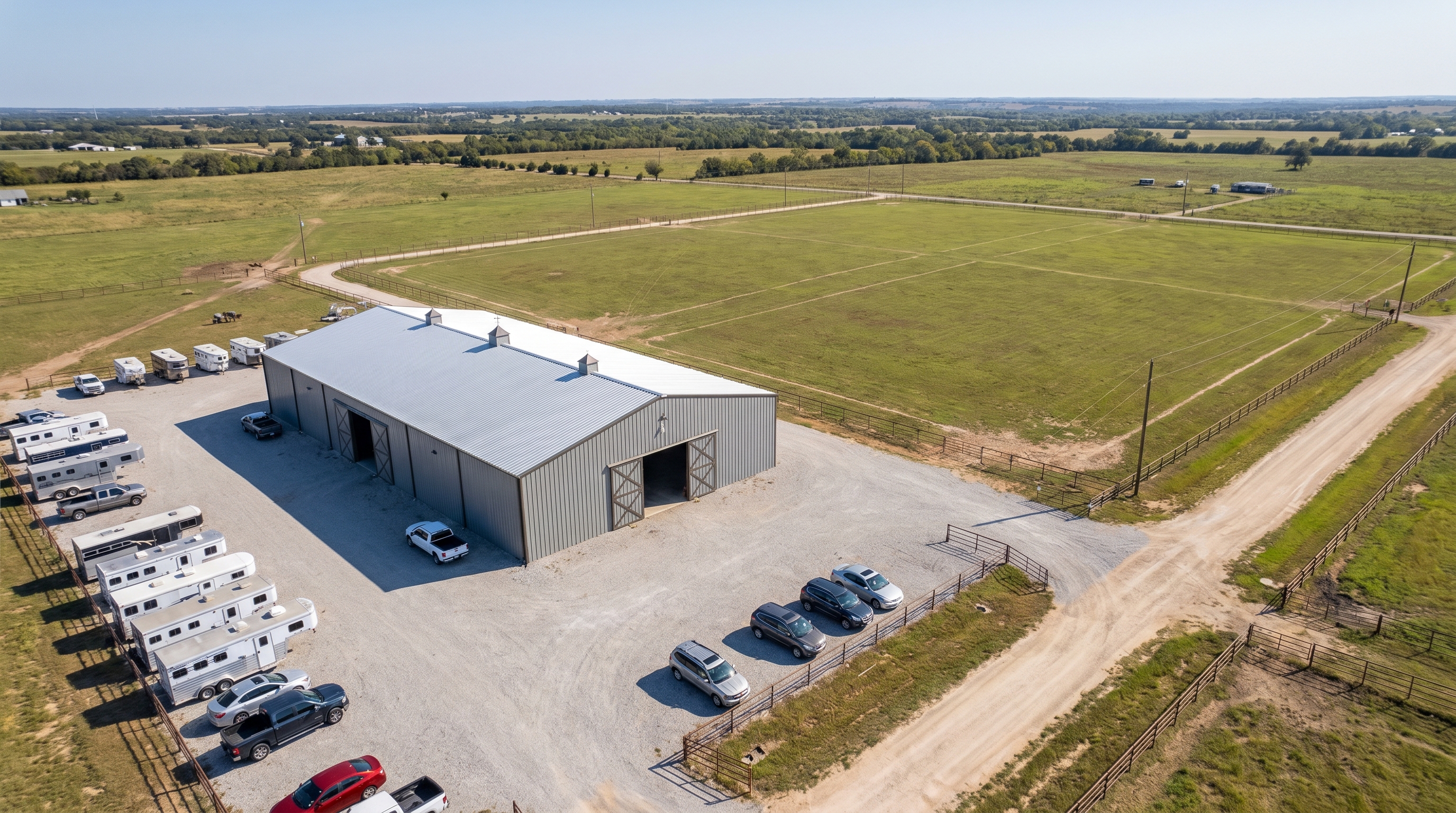
Ventilation needs increase exponentially as you expand your equestrian arena sizes to keep the air fresh and moisture levels low. Designing a steel structure workshop for horses requires ridge vents and large gable end doors to create a natural chimney effect. This air movement is crucial for removing the ammonia smells and dust that can lead to respiratory issues in performance animals.
Do cupolas improve airflow in larger structures?
Cupolas are not just decorative; they serve as vital exhaust points for hot air trapped at the peak of the roof.
Look at it this way:
- They allow heat to escape without letting rain in.
- They can be fitted with fans for active air exchange.
- Strategic placement ensures no “dead air” zones in the arena corners.
| Vent Type | Effectiveness | Cost | |
|---|---|---|---|
| Ridge Vent | Passive/Continuous | Low | |
| Power Fan | Active/High Volume | Medium | |
| Gable Door | Passive/High Volume | Included |
A combination of passive ridge vents and active fans provides the most comfortable environment during summer months.
Key Takeaway
Proper airflow design ensures that your indoor arena stays cool and the air remains healthy for intense training.
How to light different equestrian arena sizes?
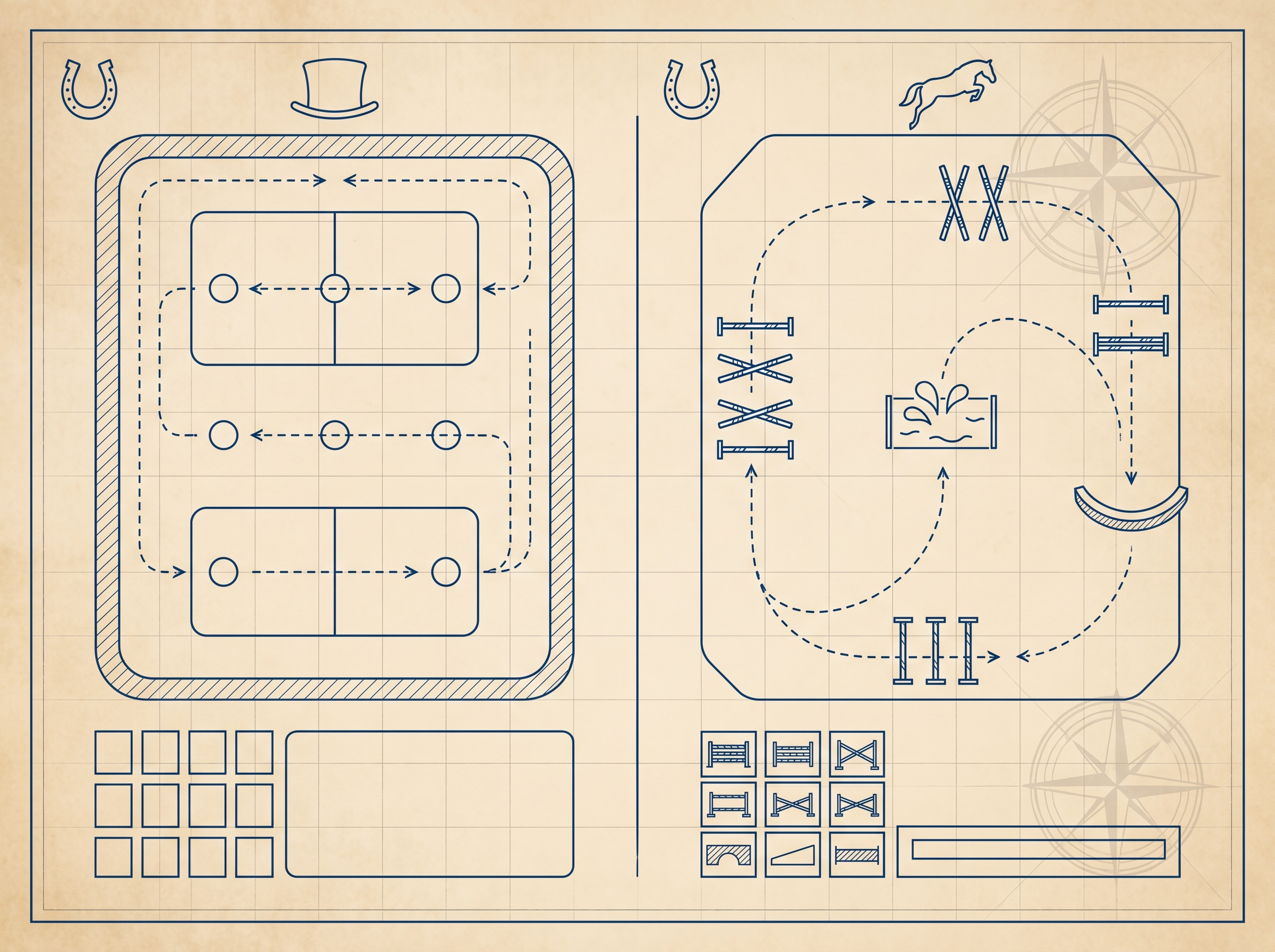
Lighting strategies must be tailored to your specific equestrian arena sizes to eliminate shadows that can cause a horse to spook. Modern LED fixtures should be placed approximately 15 to 20 feet apart to ensure even coverage across the entire footing surface. Natural light can be integrated through wall-mounted “eave lights,” which are more durable and leak-resistant than traditional plastic roof skylights.
Where should LED fixtures be placed for safety?
Fixtures should be mounted on the trusses, angled slightly inward to illuminate the center and the rail simultaneously.
Think about it:
- Shadows on the rail can look like holes to a horse.
- Bright spots can cause glare on the rider’s vision.
- LEDs provide instant-on capabilities unlike older metal halide bulbs.
| Light Source | Lifespan | Energy Use | |
|---|---|---|---|
| LED | 50,000 Hrs | Low | |
| Metal Halide | 10,000 Hrs | High |
High-efficiency LEDs are the industry standard for reducing long-term operating costs in large-scale equestrian buildings.
Key Takeaway
Consistent, shadow-free lighting is the secret to a safe indoor riding experience during evening or winter sessions.
How to plan for future equestrian arena sizes?
Planning for future growth allows you to start with modest equestrian arena sizes and expand into a poultry house style multi-use facility later. Steel buildings are modular, meaning you can add extra bays to increase the length of the arena without tearing down the existing structure. You should always position your initial building on the site so that there is at least 100 feet of clear space for future extensions.
Does extra land allow for future bay additions?
Reserving land adjacent to the gable ends of your building is the most cost-effective way to prepare for expansion.
The reality is:
- Adding 20-foot bays is simple with bolt-together steel frames.
- You can add viewing rooms or offices to the side walls later.
- Proper site placement prevents your building from being “landlocked.”
| Addition | Utility | Complexity | |
|---|---|---|---|
| Length Bay | More riding space | Low | |
| Lean-to | Stalls/Storage | Medium |
Building with a “future-proof” mindset saves you from the massive expense of starting a new project from scratch.
Key Takeaway
Always build the widest possible clear-span now, as length is much easier and cheaper to add in the future.
Get Your Custom Quote Today
Email:sales@showhoo.com.cn
Phone/WhatsApp:+86 186 7895 5927
What ceiling height fits these equestrian arena sizes?
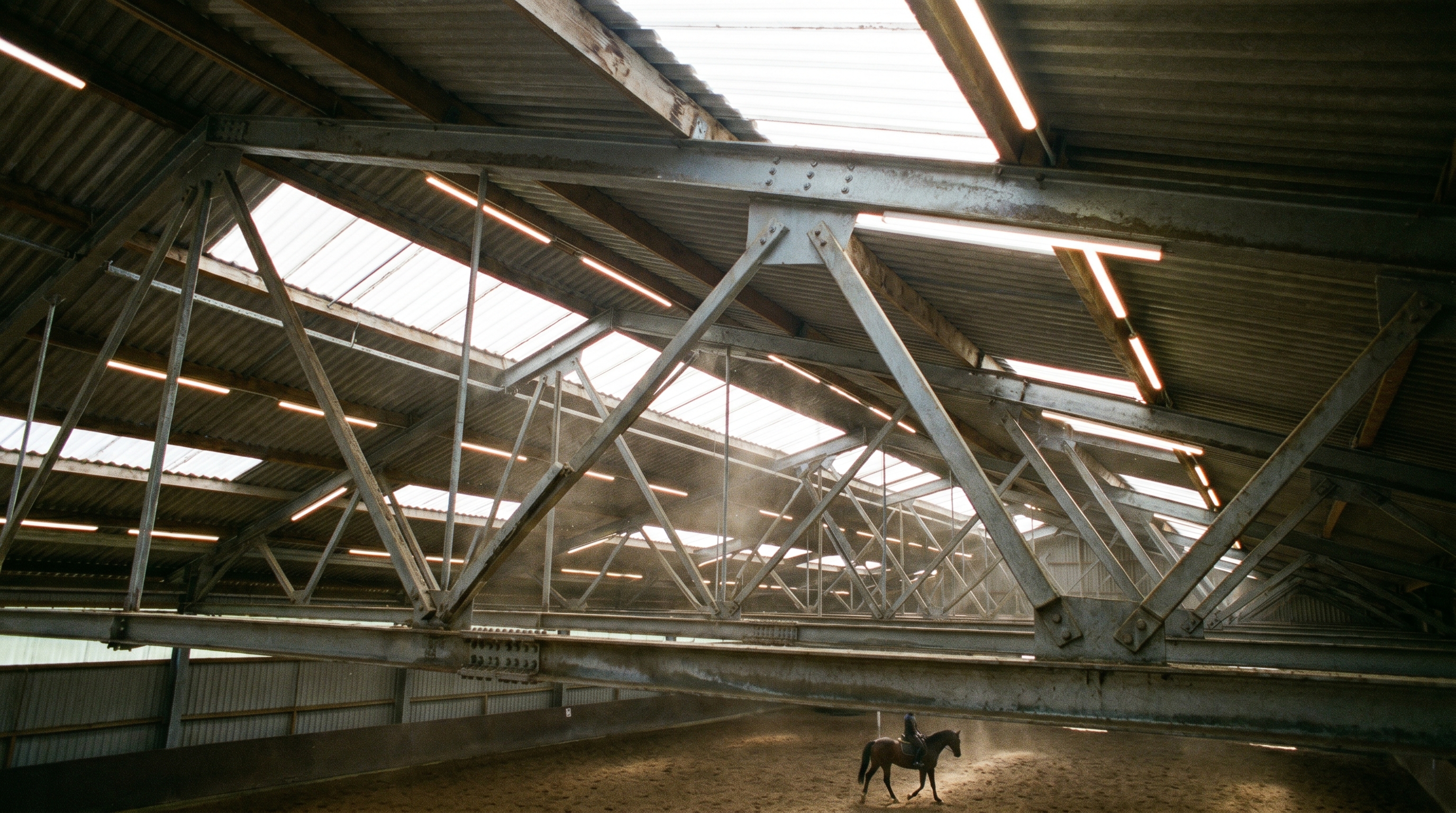
Ceiling height is a critical dimension that must scale with your equestrian arena sizes to provide enough vertical clearance for jumping. While 16 feet is often cited as the minimum, a 18-foot or 20-foot eave height is significantly better for modern equestrian use. This extra height allows for the installation of overhead lighting and ventilation systems without them becoming a hazard to a mounted rider.
Why is truss clearance vital for mounted riders?
Truss clearance represents the actual usable height, which is often lower than the eave height in some building styles.
Here is the kicker:
- A jumping horse can easily clear 5 feet vertically.
- Riders add another 3 to 4 feet of height above the saddle.
- Low trusses create a claustrophobic and dangerous environment.
| Height | Best Use | Rider Comfort | |
|---|---|---|---|
| 14 Feet | Pony training | Low | |
| 16 Feet | Dressage | Medium | |
| 20 Feet | Jumping/Events | High |
Selecting a 20-foot eave height provides the most versatility for your facility, allowing for any discipline to be practiced safely.
Key Takeaway
Vertical space is just as important as floor space for ensuring a safe and airy riding environment.
Why is steel best for equestrian arena sizes?
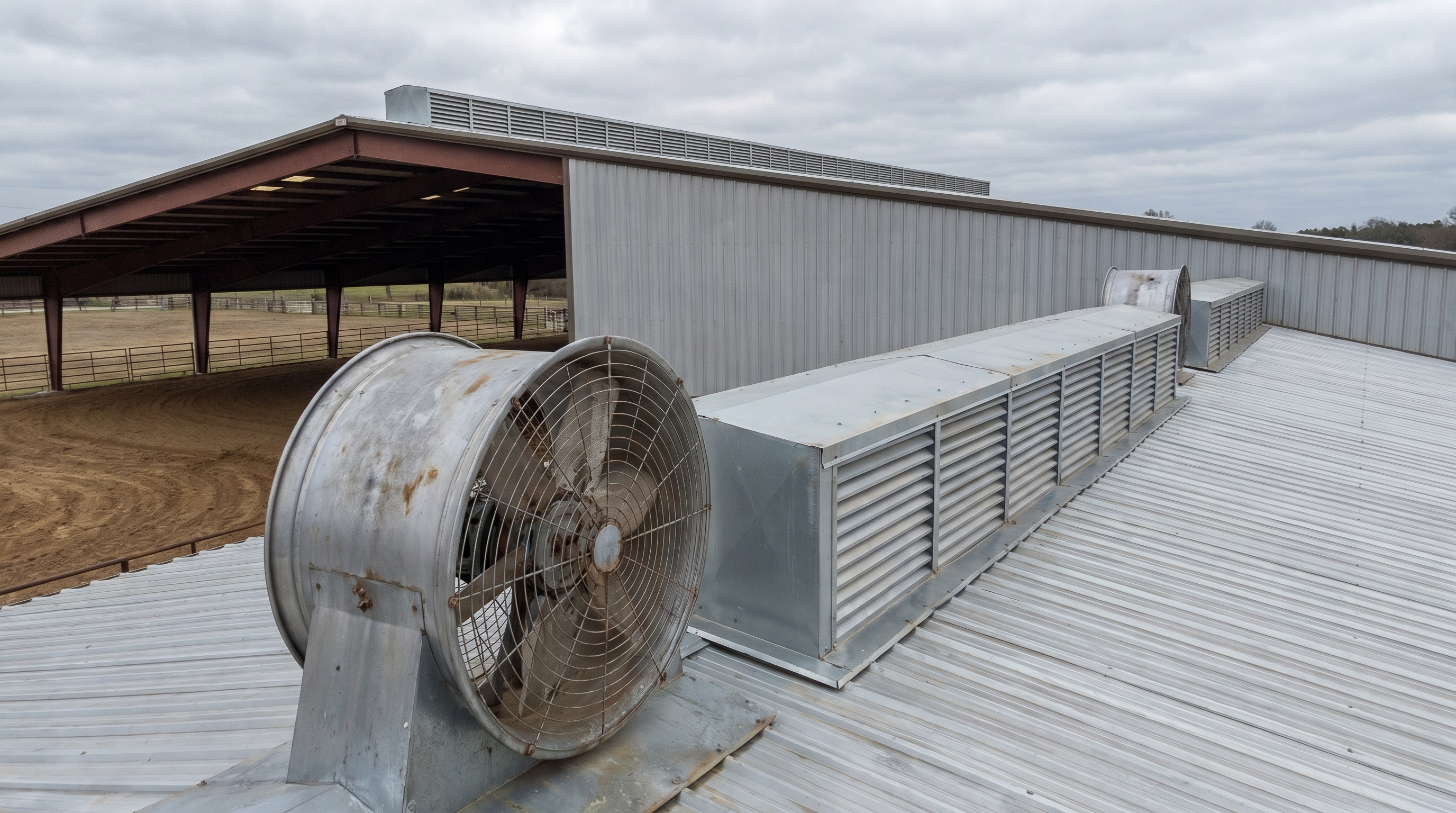
Steel is the superior material for large equestrian arena sizes because it offers the highest strength-to-weight ratio for clear-span designs. Unlike wood, steel does not warp, rot, or attract termites, ensuring your investment remains structurally sound for decades with minimal maintenance. Furthermore, steel buildings are non-combustible, which can significantly lower your insurance premiums for a high-value equestrian facility.
How does steel maintain year-round temperatures?
When combined with high-quality insulation, steel buildings create a thermal break that keeps the interior comfortable in all seasons.
Think about it:
- Reflective roof coatings bounce away summer heat.
- Vapor barriers prevent the “indoor rain” of condensation.
- Tight seals prevent drafts during the coldest winter months.
| Material | Durability | Fire Resistance | |
|---|---|---|---|
| Steel | 50+ Years | High | |
| Wood | 20-30 Years | Low |
The long-term value of steel lies in its resilience and the ability to maintain a consistent environment for your horses.
Key Takeaway
Steel provides the permanence and safety that discerning horse owners demand for their high-performance athletes.
Conclusion
Selecting the right equestrian arena sizes is the most critical decision in your facility planning process. We have explored how discipline-specific dimensions, clear-span engineering, and proper height considerations solve the problems of limited maneuverability and rider safety. By choosing a custom-designed steel structure, you eliminate the risks of obstructive columns and high maintenance costs, ensuring a lifetime of productive training. At Showhoo Building, we are committed to providing factory-direct, high-quality steel structures that empower riders worldwide. We invite you to contact us today to receive a customized quote and start building the arena your horses deserve.
Get Your Custom Quote Today
Email:sales@showhoo.com.cn
Phone/WhatsApp:+86 186 7895 5927
FAQ
1. What is the absolute minimum width for a safe indoor riding arena?
You should never go below 60 feet. Anything narrower restricts a horse’s ability to turn comfortably and can lead to leg strain over time.
2. How much extra height is needed for a rider on a jumping horse?
You need at least 18 feet of clearance. This accounts for the height of the horse, the jump, and the rider’s upright position during the arc.
3. Do I need a building permit for a personal-use indoor arena?
Yes, in most jurisdictions. Even for private use, large steel structures must meet local wind and snow load codes to ensure safety.
4. What are the most common hidden costs in larger arena sizes?
Footing and lighting. As the square footage grows, the volume of sand needed and the number of LED fixtures required increase significantly.
5. Why are sliding doors preferred over overhead doors for horses?
Sliding doors are safer. They don’t have overhead tracks that can be struck by a tall rider and won’t trap a horse if the power fails.