
Implementing a combination of vertical optimization, robotic automation, and lean management practices will allow you to achieve a 30-strategy plan for an efficient warehouse in 2026. Many facility managers currently struggle with rising labor costs and stagnant storage capacity that drain profitability. If you allow these bottlenecks to persist, your competitors will quickly outpace you using modern fulfillment speeds, leaving your operations obsolete. The solution lies in transforming your efficient warehouse into a high-performance hub through strategic layout redesigns and integrated digital intelligence.
How Do You Design a More Efficient Warehouse Layout?
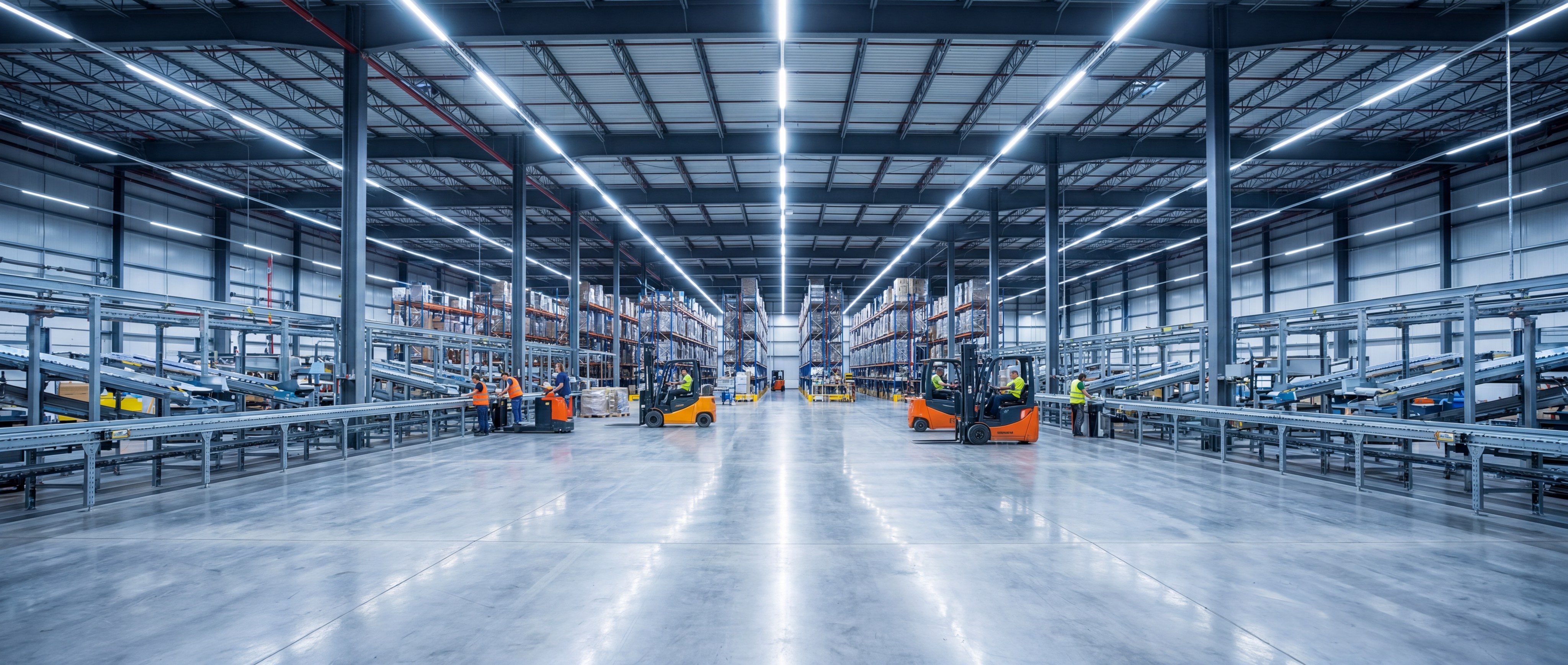
You design a layout by creating a seamless flow that minimizes travel distances and reduces physical bottlenecks. Maintaining an efficient warehouse requires a floor plan that supports high-velocity movement while preventing cross-traffic interference.
Adopt a Strategic U-Shaped Floor Plan
A U-shaped layout places receiving and shipping on the same side of the building to streamline the flow of goods. This design ensures that products move in a clear, semi-circular path from the dock to storage and back.
Think about it:
- Receiving and shipping stay separated by a central storage zone.
- Forklift paths remain clear of pedestrian zones.
- Total travel time for high-velocity items is cut in half.
Optimize Your Packing Workstations
Workstations must be organized so that every tool and material is within an arm’s reach of the operator. This reduces the fatigue associated with constant bending or reaching during long shifts.
Here is the kicker:
- Customizing bench heights reduces physical strain.
- Keeping high-frequency SKUs near the station boosts output.
Key TakeawayA logical floor plan serves as the foundation for all other operational improvements, ensuring that your staff moves with maximum purpose and minimal waste.
| Layout Strategy | Primary Benefit | Impact Level | |
|---|---|---|---|
| U-Shape Flow | Reduces cross-traffic | High | |
| Workstation Ergonomics | Boosts worker speed | Medium | |
| Centralized Storage | Simplifies picking | High |
This data shows that structural flow changes offer the most significant impact on overall facility throughput.
Can Vertical Space Create a More Efficient Warehouse?
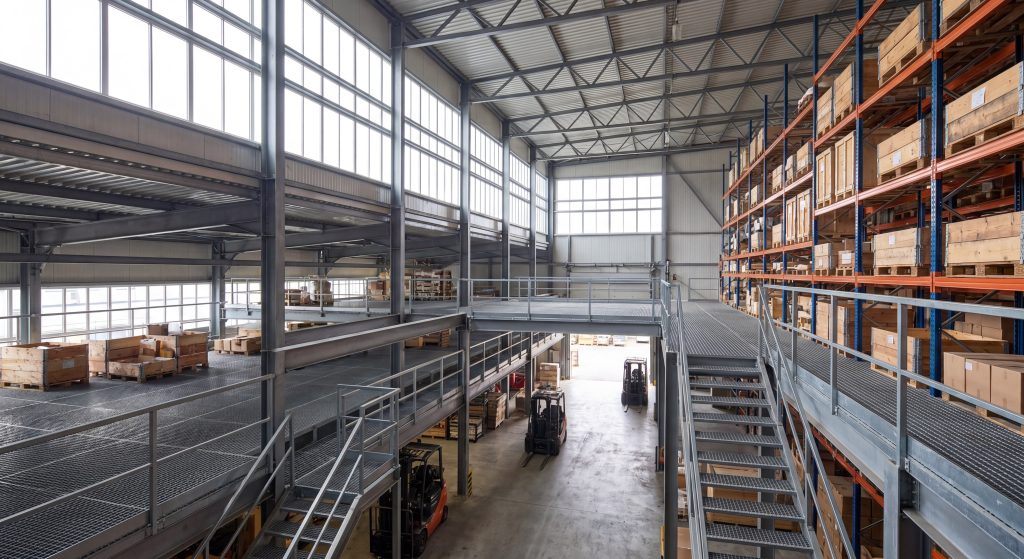
Vertical space creates capacity by utilizing the full height of your building’s interior rather than just the floor area. Scaling upward is the most cost-effective way to manage an efficient warehouse when your horizontal footprint is limited by property lines.
Install Steel Mezzanine Floor Systems
Mezzanines allow you to double your usable square footage by adding an intermediate level for storage or offices. These structures are ideal for separating light picking tasks from heavy pallet storage.
The truth is:
- You avoid the massive costs of building expansion.
- Vertical cube utilization increases by up to 100%.
- Modular designs allow for future reconfiguration.
Utilize High-Density Pallet Racking
High-density racking systems like drive-in or double-deep structures maximize the number of pallets per square foot. These systems are essential for managing large quantities of similar goods in tight spaces.
It gets better:
- Double-deep racking reduces the number of required aisles.
- Drive-in systems maximize bulk storage efficiency.
- Push-back racks support high-turnover inventory rotation.
Key TakeawayLeveraging the vertical cube allows you to scale your inventory capacity without increasing your monthly real estate expenses.
| Vertical Solution | Capacity Gain | Cost Efficiency | |
|---|---|---|---|
| Mezzanine Floors | 100% | Very High | |
| High-Density Racking | 40-60% | High | |
| Vertical Lift Modules | 90% | Medium |
Building upward provides a clear path to expansion that bypasses the complexities of new construction.
Boost Your Efficiency Today
Email:sales@showhoo.com.cn
Phone/WhatsApp:+86 186 7895 5927
Which Tech Tools Build an Efficient Warehouse in 2026?

Tech tools like cloud-based management systems and AI forecasting provide the visibility needed to eliminate manual errors. To run an efficient warehouse, you must replace paper-based tracking with real-time digital data streams.
Implement a Cloud-Based WMS
A Warehouse Management System acts as the brain of your operation, coordinating every movement from receiving to final dispatch. It provides you with a bird’s eye view of stock levels and worker productivity across all zones.
The reality is:
- Digital tracking eliminates the risk of lost inventory.
- Real-time data allows for immediate operational pivots.
- Automated reporting identifies hidden bottlenecks.
Use AI for Inventory Demand Forecasting
Artificial Intelligence analyzes historical sales patterns to predict exactly when you will need more stock. This prevents the dual problems of overstocking and costly stockouts during peak seasons.
Here is the kicker:
- Machine learning adjusts to seasonal market shifts.
- Precision ordering reduces capital tied up in slow stock.
Key TakeawayDigital intelligence transforms reactive managers into proactive leaders who can anticipate challenges before they disrupt the supply chain.
| Technology Tool | Function | ROI Period | |
|---|---|---|---|
| WMS Software | Process coordination | 6-12 Months | |
| AI Forecasting | Inventory optimization | 12-18 Months | |
| RFID Tracking | Real-time visibility | 18-24 Months |
Implementing these tools ensures your data is as accurate as your physical inventory, leading to better decision-making.
How Does Automation Support an Efficient Warehouse?
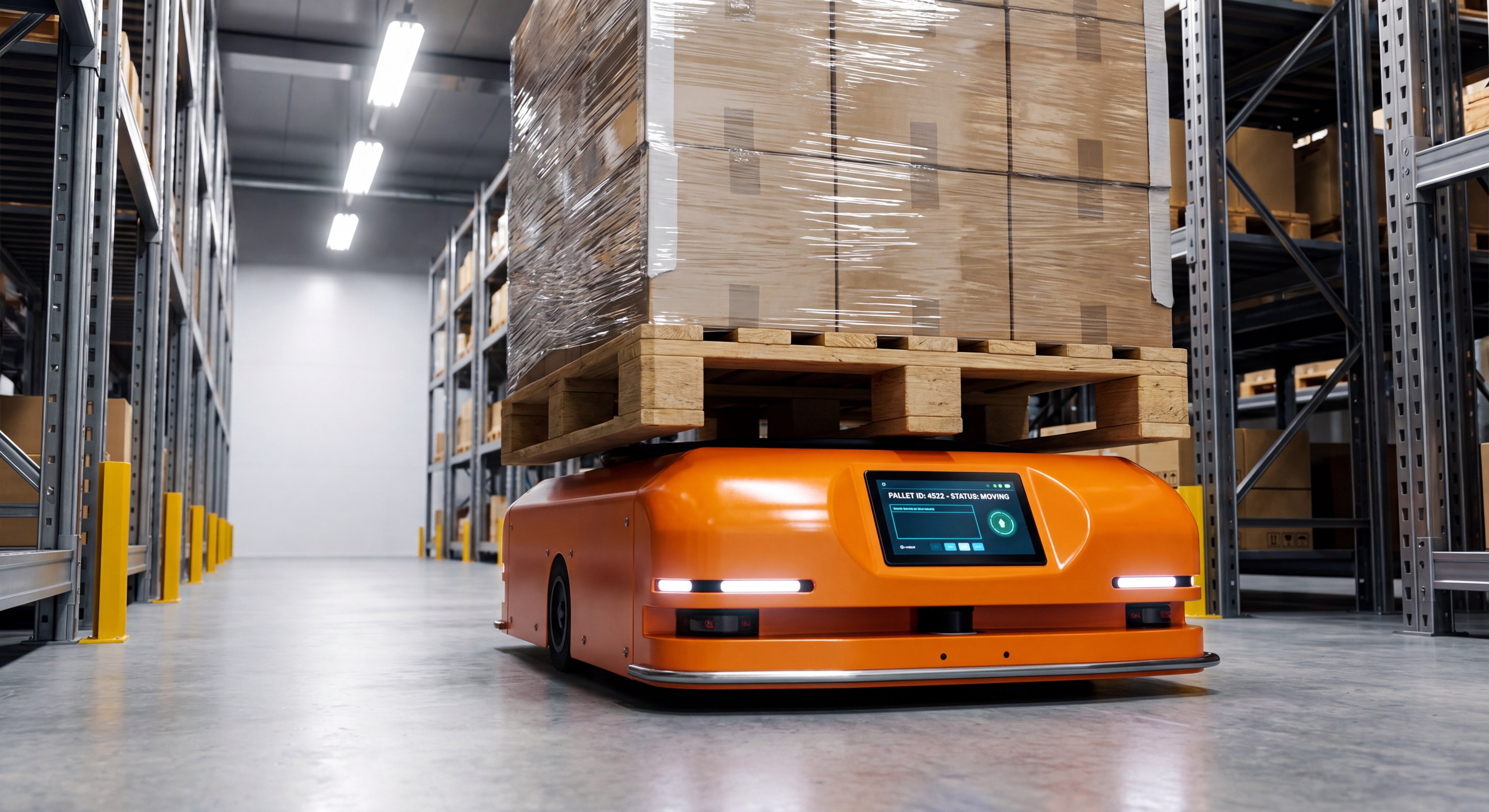
Automation supports efficiency by handling repetitive, labor-intensive tasks with perfect consistency and speed. When planning a large-scale efficient warehouse , robots allow your human staff to focus on complex problem-solving rather than manual hauling.
Deploy Autonomous Mobile Robots (AMRs)
AMRs navigate your aisles independently to transport goods between picking zones and shipping docks. These robots use advanced sensors to work safely alongside your human team members without traditional safety cages.
Make no mistake:
- Travel time for pickers is reduced by up to 80%.
- Robots operate 24/7 without needing breaks or shifts.
- Fleet sizes can scale up or down based on demand.
Integrate Automated Storage (AS/RS)
Automated Storage and Retrieval Systems use high-speed cranes or shuttles to place and retrieve items from high shelves. This technology is the gold standard for high-volume facilities that require extreme accuracy.
Think about it:
- Human error in storage placement is completely eliminated.
- Vertical space is utilized with pinpoint precision.
Key TakeawayRobotic integration removes the physical limits of human labor, allowing your facility to operate at speeds once thought impossible.
| Automation Type | Labor Reduction | Accuracy Gain | |
|---|---|---|---|
| AMRs | 50% | High | |
| AS/RS | 70% | Extremely High | |
| Drones | 30% | High |
The shift toward robotics is no longer optional for warehouses aiming for top-tier fulfillment performance.
Why Is Picking Speed Vital for an Efficient Warehouse?

Picking speed is vital because it directly determines your order cycle time and customer satisfaction levels. An efficient warehouse relies on rapid retrieval to meet the same-day delivery expectations of modern commerce.
Utilize Voice and Light Picking Aids
Pick-to-light and voice picking systems guide workers to the exact location of items using visual cues or headset instructions. This technology allows pickers to keep their hands and eyes on the task rather than a paper list.
Here is the kicker:
- Training time for new hires is reduced to minutes.
- Picking accuracy often rises above 99.9%.
- Distractions are minimized through directed workflows.
Group SKUs Using ABC Analysis
ABC analysis categorizes your inventory so that fast-moving items are stored in the most accessible locations. Placing “Class A” items nearest to the shipping dock slashes travel time for your highest-volume orders.
It gets better:
- Fastest items stay at waist height for easy access.
- Slow-moving stock moves to high or back shelving.
- Bulk items are positioned near heavy-duty equipment.
Key TakeawaySmall improvements in picking logic and hardware support can lead to massive gains in total daily order fulfillment.
| Picking Method | Speed Ranking | Best Use Case | |
|---|---|---|---|
| Voice Picking | 1st | High-volume small parts | |
| Batch Picking | 2nd | Multiple similar orders | |
| Zone Picking | 3rd | Large, complex facilities |
Optimizing how your team finds and grabs items is the fastest way to increase your facility’s profit margin.
Boost Your Efficiency Today
Email:sales@showhoo.com.cn
Phone/WhatsApp:+86 186 7895 5927
Is Lean Methodology Key to an Efficient Warehouse?
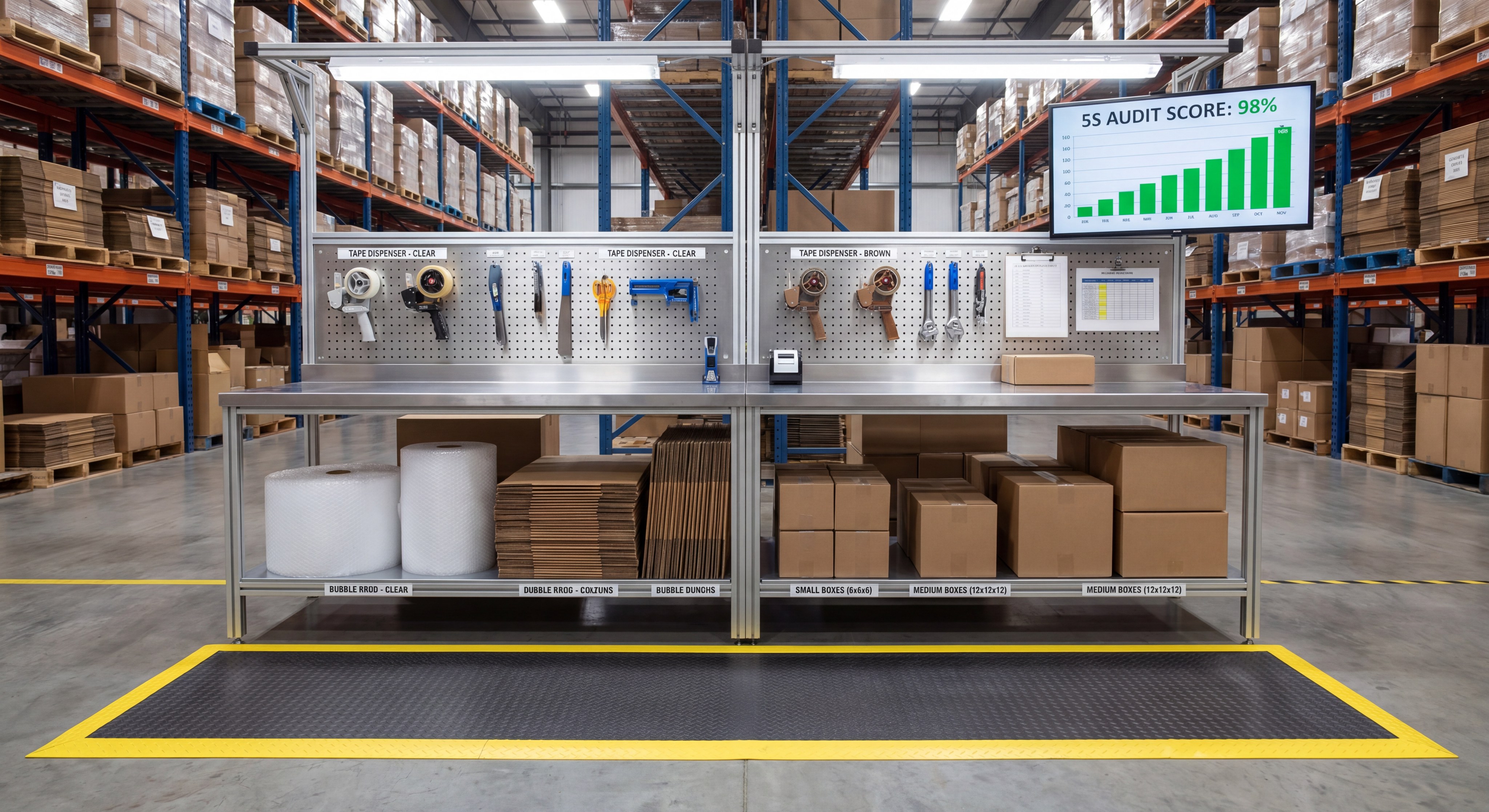
Lean methodology is the key because it focuses on the continuous elimination of waste in every process. Operating an efficient warehouse requires you to audit your workflows constantly to find and remove non-value-added activities.
Apply the 5S Framework
The 5S system—Sort, Set in order, Shine, Standardize, and Sustain—creates an organized environment where everything has a specific home. This discipline prevents the clutter that often leads to accidents and lost productivity.
The reality is:
- Tool retrieval time is virtually eliminated.
- Safety hazards are identified and cleared daily.
- Staff morale improves in a clean, professional space.
Eliminate Operational Waste (Muda)
Waste in warehousing includes unnecessary motion, over-processing of packages, and long waiting times for equipment. Identifying these “Muda” factors allows you to tighten your schedule and maximize your available labor hours.
Think about it:
- Every extra step taken by a worker is lost profit.
- Streamlining box sizes reduces material waste and cost.
Key TakeawayLean thinking shifts the culture of your warehouse from “doing things the old way” to “finding a better way every day.”
| Lean Pillar | Core Focus | Operational Goal | |
|---|---|---|---|
| Standardize | Consistent workflows | Zero variance | |
| Shine | Clean environments | Early fault detection | |
| Sort | Clutter removal | Maximized space |
Maintaining a lean operation ensures that your resources are always focused on activities that generate revenue.
How Can You Manage an Efficient Warehouse Safely?
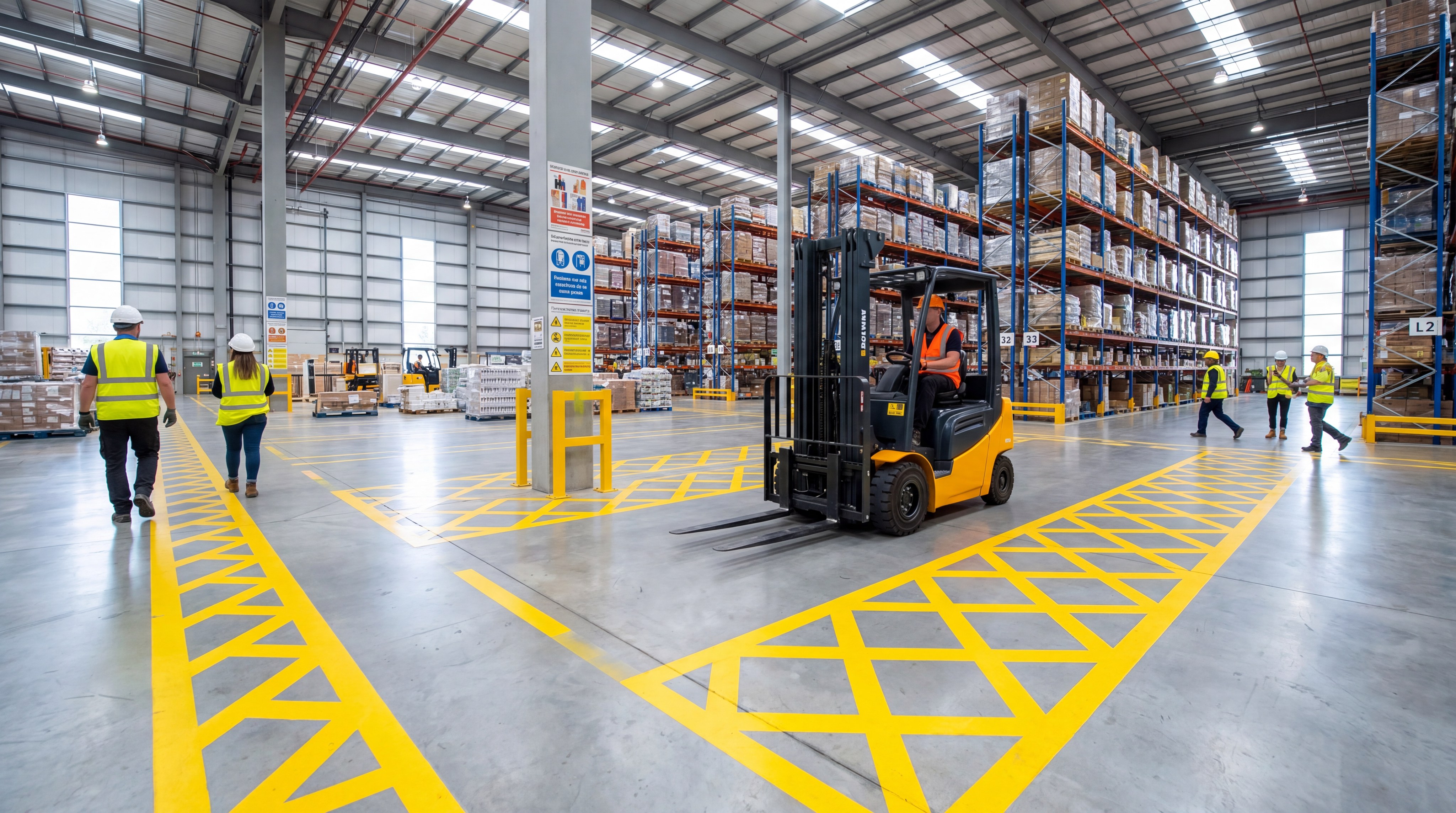
You manage safety by integrating visual cues and ergonomic equipment into the physical fabric of your facility. An efficient warehouse cannot exist without a safe workforce, as accidents lead to devastating downtime and high insurance costs.
Use High-Visibility Floor Markings
Clearly defined lanes for forklifts and pedestrians prevent collisions in high-traffic areas. Bright yellow and black markings act as a constant visual reminder of safety protocols for both staff and visitors.
Make no mistake:
- Dedicated pedestrian zones keep walkers safe from machinery.
- Staging areas for pallets stay organized and out of the way.
- Emergency exits remain clear and visible at all times.
Invest in Ergonomic Handling Equipment
Anti-fatigue mats, vacuum lifters, and adjustable-height tables reduce the physical toll on your workers. When your team feels physically supported, they can maintain a steady pace without the risk of repetitive motion injuries.
Here is the kicker:
- Chronic injury rates drop significantly over time.
- Energy levels stay higher through the end of shifts.
Key TakeawayA safety-first culture is the most effective way to ensure uninterrupted productivity and protect your most valuable asset—your people.
| Safety Measure | Primary Function | Long-term Value | |
|---|---|---|---|
| Floor Markings | Prevents collisions | High | |
| Ergonomic Mats | Reduces fatigue | Medium | |
| PPE Compliance | Protects individuals | Vital |
Safety and speed are not at odds; rather, a safe warehouse is the only type of facility that can sustain high speeds.
Does Sustainability Lead to an Efficient Warehouse?

Sustainability leads to efficiency by reducing energy consumption and minimizing material waste across your supply chain. For many businesses, building an efficient warehouse with green technology results in significant long-term savings on utility bills and packaging costs.
Install Solar Power and LED Lighting
Mounting solar panels on your facility’s roof allows you to generate your own electricity, insulating you from rising energy prices. Combining this with motion-sensor LED lighting ensures you only pay for the light you actually use.
The truth is:
- Solar energy can offset up to 70% of warehouse power needs.
- LED bulbs last years longer than traditional lighting.
- Automatic sensors eliminate the waste of “forgotten” lights.
Optimize Packaging with Box-Sizing Tech
Advanced software can calculate the exact size of the box needed for every order, eliminating the need for excessive plastic fillers. This reduces the weight of your shipments and the amount of space they take up in delivery trucks.
Think about it:
- Lower shipping weights lead to lower fuel surcharges.
- Customers appreciate receiving orders with minimal waste.
Key TakeawayEnvironmental responsibility is a powerful tool for cost reduction and building a modern, reputable brand in the 2026 market.
| Green Strategy | Cost Savings | Environmental Impact | |
|---|---|---|---|
| Solar Panels | High (Long-term) | Major | |
| LED Lighting | Medium (Instant) | Moderate | |
| Box-Sizing | High (Shipping) | Major |
Adopting sustainable practices proves that what is good for the planet is also good for your bottom line.
Boost Your Efficiency Today
Email:sales@showhoo.com.cn
Phone/WhatsApp:+86 186 7895 5927
Can Human Capital Foster an Efficient Warehouse?
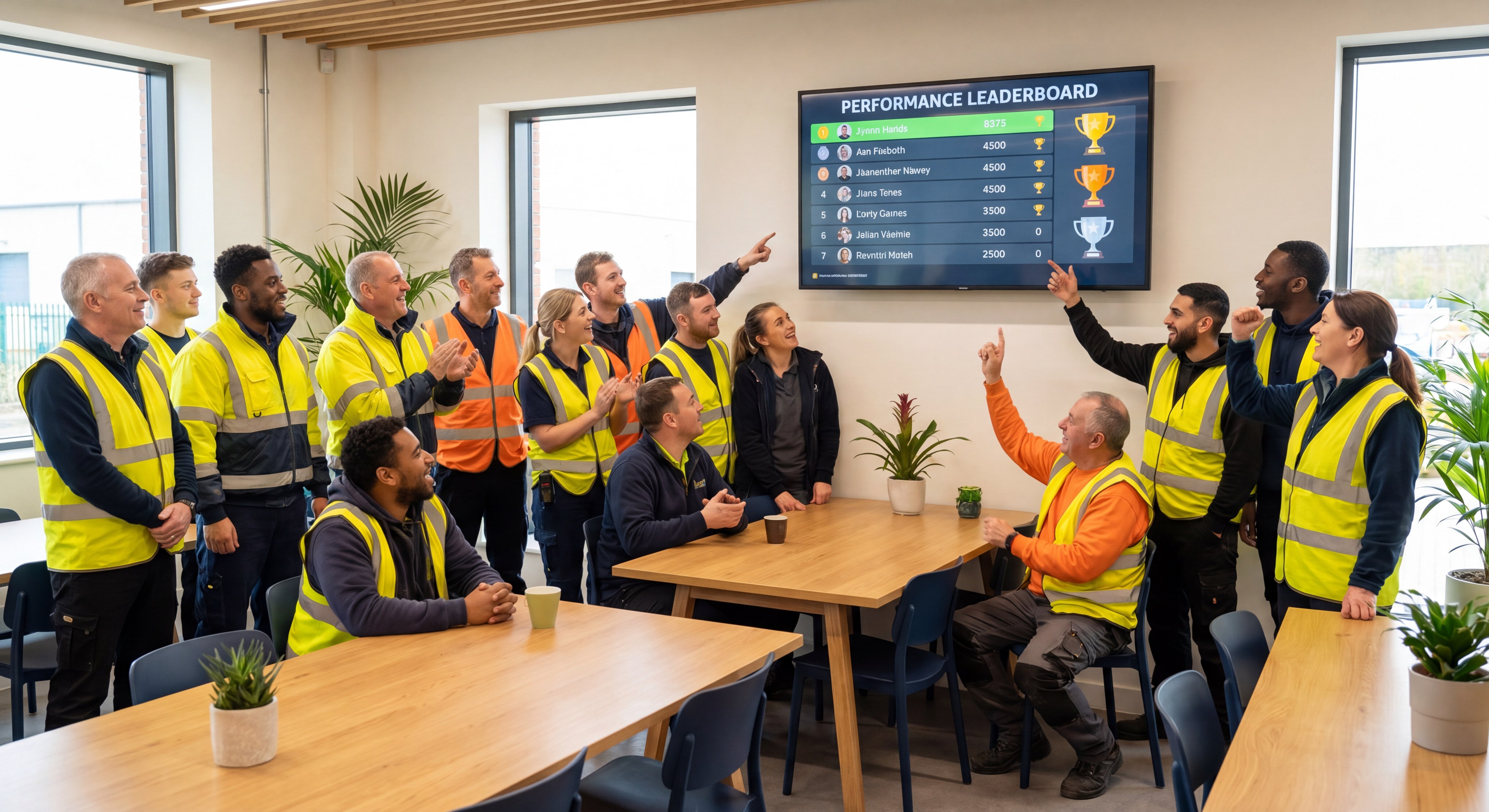
Human capital fosters efficiency when you invest in comprehensive training and performance-based incentives for your team. An efficient warehouse is driven by motivated people who understand their role in the facility’s overall success.
Implement Gamification and Leaderboards
Applying game-design elements like scoreboards and rewards for accuracy turns daily tasks into engaging challenges. Friendly competition encourages teams to meet safety and throughput targets while building a sense of community.
Here is the kicker:
- Employee engagement rises by up to 40% with rewards.
- Accuracy becomes a point of pride for individual workers.
- High-performing teams act as mentors for new hires.
Cross-Train Your Staff
Training your employees in multiple roles—such as receiving, picking, and shipping—ensures that your operations never stop due to a single person’s absence. This flexibility allows you to shift labor to where it is needed most during peak hours.
It gets better:
- Bottlenecks at receiving are cleared by shipping staff.
- Employees stay engaged by learning new skills.
- Promotion opportunities increase for skilled workers.
Key TakeawayA versatile and engaged workforce provides the operational flexibility needed to handle the unpredictable nature of modern logistics.
| HR Strategy | Benefit | Engagement Impact | |
|---|---|---|---|
| Gamification | Boosts daily output | High | |
| Cross-Training | Removes bottlenecks | High | |
| Safety Bonuses | Reduces accidents | Medium |
Focusing on the human element ensures that your high-tech tools are being used to their fullest potential by a capable team.
What Inventory Strategies Drive an Efficient Warehouse?
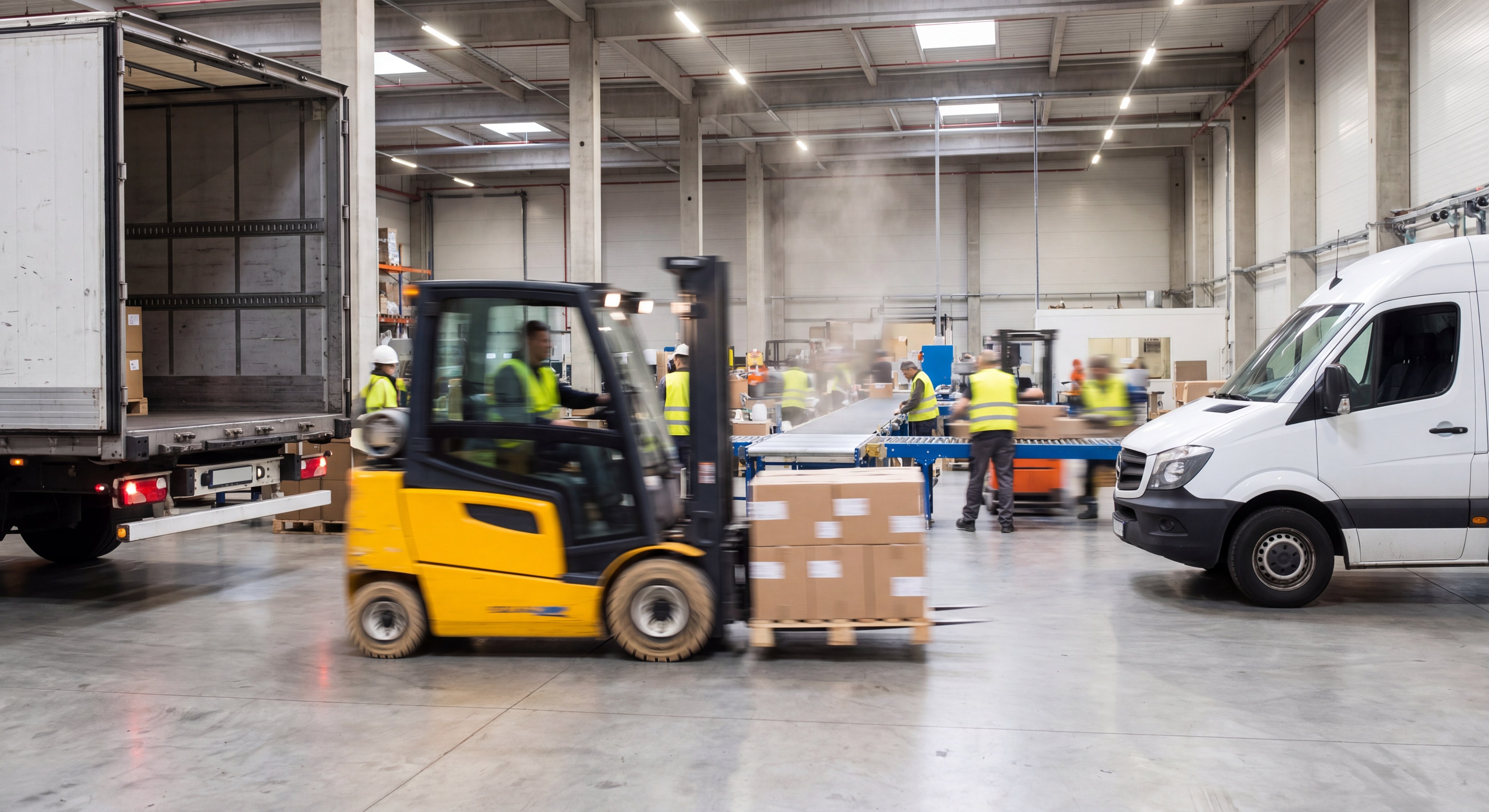
Inventory strategies like cross-docking and frequent cycle counts drive efficiency by keeping stock levels accurate and moving. In an efficient warehouse, inventory should never sit still longer than necessary, as stagnant stock is essentially frozen capital.
Utilize Cross-Docking for Rapid Orders
Cross-docking involves unloading goods from an incoming truck and moving them directly to an outbound shipment with almost no storage time. This strategy is perfect for pre-sold items or perishable goods that require immediate fulfillment.
The reality is:
- Storage holding costs are completely bypassed.
- Handling risks and product damage are minimized.
- Order turnaround time drops from days to hours.
Conduct Regular Cycle Counts
Instead of shutting down for a massive annual inventory, perform small, daily counts of specific sections. This constant verification ensures that your WMS data matches what is actually on your shelves at all times.
Think about it:
- Discrepancies are caught within 24 hours.
- Stockouts become almost non-existent.
Key TakeawayActive inventory management ensures your facility remains a fast-moving conduit for commerce rather than a static storage room.
| Inventory Tactic | Speed | Accuracy Gain | |
|---|---|---|---|
| Cross-Docking | Instant | Medium | |
| Cycle Counting | Daily | High | |
| Slotting Optimization | Weekly | Medium |
By treating inventory as a fluid asset, you maximize your facility’s throughput and maintain a healthier cash flow.
Conclusion
Achieving peak performance in 2026 requires a synergy between smart structural design and cutting-edge digital tools. By implementing these 30 strategies, you can transform your storage facility into a dominant logistics asset. Ready to maximize your space? Contact us today to learn how a custom steel structure or layout redesign can double your operational capacity.
Boost Your Efficiency Today
Email:sales@showhoo.com.cn
Phone/WhatsApp:+86 186 7895 5927
Frequently Asked Questions
- How much storage capacity can a mezzanine floor add?
It can add up to 100% more space. Depending on your ceiling height, a mezzanine allows you to utilize the vertical volume of your building without expanding the physical footprint.
- What is the most effective picking method for high volumes?
Batch picking is generally the most effective. This method allows workers to pick items for multiple orders at once, significantly reducing the total travel distance per order.
- How often should we perform inventory cycle counts?
Daily mini-counts are recommended. Performing frequent small counts ensures that every SKU is verified at least once per quarter without requiring a total operational shutdown.
- What are the main benefits of an automated warehouse?
Reduced costs and higher accuracy. Automation handles repetitive tasks with perfect consistency, freeing up human workers for complex duties while increasing fulfillment speed.
- How does a WMS improve daily efficiency?
It provides real-time visibility. A Warehouse Management System coordinates all movements, suggests optimal picking routes, and prevents inventory errors through digital tracking.