
Modern pig farming housing requires a strategic combination of durable steel portal frames, automated climate systems, and rigorous biosecurity layouts to ensure livestock health and operational profitability. Imagine you are managing a large-scale farm with aging timber or masonry barns that are constantly rotting due to high ammonia levels and moisture. This structural decay leads to rising maintenance costs, poor animal welfare, and shrinking margins that threaten your long-term viability. By transitioning to a professional pig shed project management approach utilizing high-grade steel structures, you can build a facility that resists corrosion and optimizes growth environments.
Why is pig shed project management vital for farm ROI?
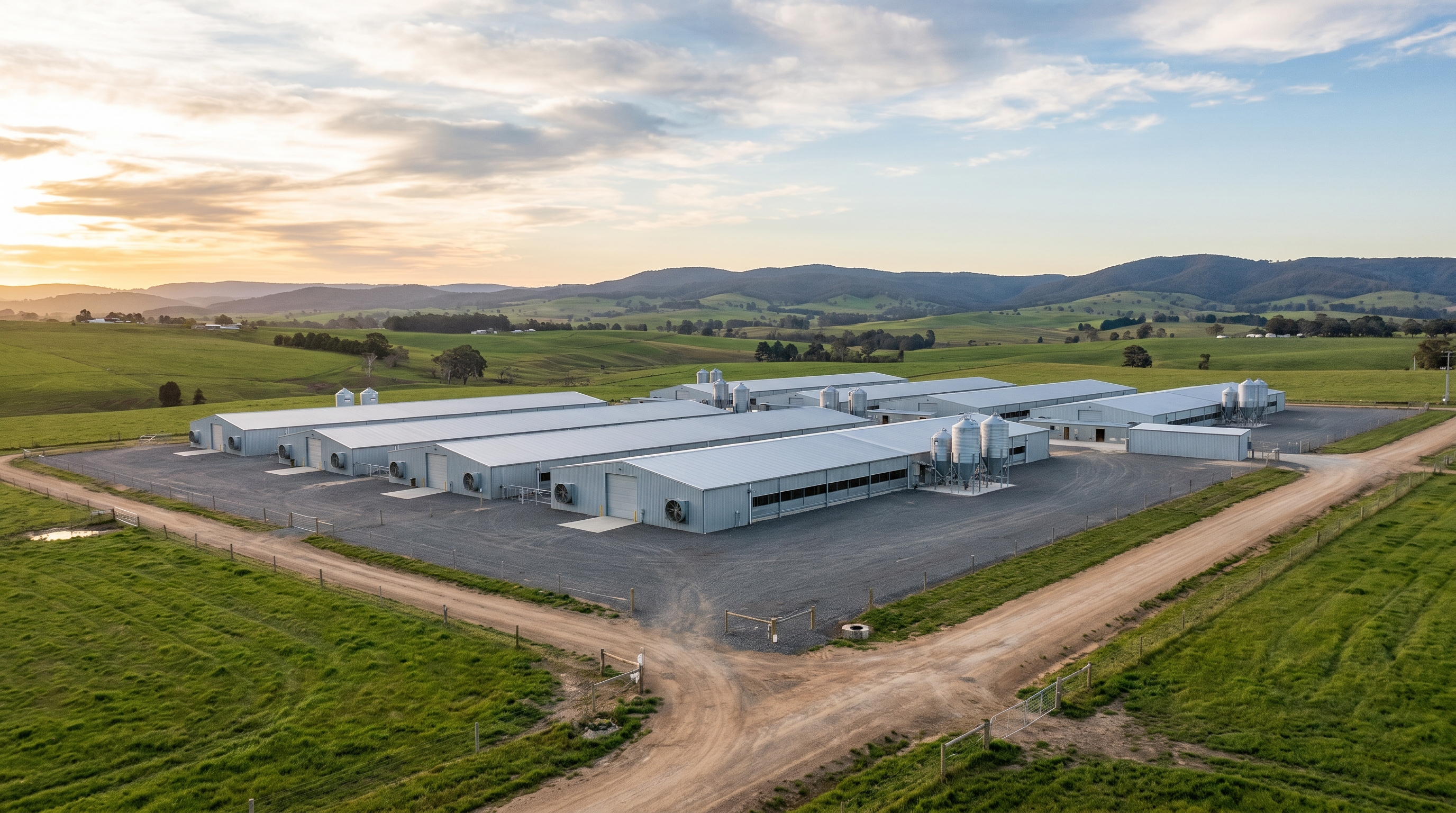
Comprehensive oversight ensures that your capital investment translates into a high-performance production asset that lasts for decades rather than years. Professional pig shed project management prioritizes the selection of hot-dip galvanized materials that withstand the aggressive chemical environment inherent in swine production.
Can management improve growth rates?
Efficient facility planning creates a micro-climate that reduces animal stress and maximizes feed conversion ratios. When pigs are kept in a temperature-controlled environment, they expend less energy on thermoregulation and more on gaining weight.
And the best part?
- Reduced piglet mortality through precision heating.
- Faster turnaround times between production cycles.
- Lower long-term repair and maintenance overheads.
How does structural durability impact profit?
Steel portal frames offer a 30-year lifespan that far exceeds traditional materials prone to rot and pest infestation. A managed project ensures that every joint and coating is verified to prevent hidden corrosion from ammonia gases.
Key Takeaway: Professional management transforms a simple building into a high-efficiency growth tool that secures your financial future.
| ROI Factor | Traditional Housing | Managed Steel Structure | |
|---|---|---|---|
| Lifespan | 5-10 Years | 20-30+ Years | |
| Growth Rate | Standard | +12% Improvement | |
| Maintenance | High (Rot/Pests) | Low (Corrosion Resistant) |
Effective planning ensures that your initial investment pays dividends through increased productivity and lower operational costs.
How can pig shed project management improve ventilation?
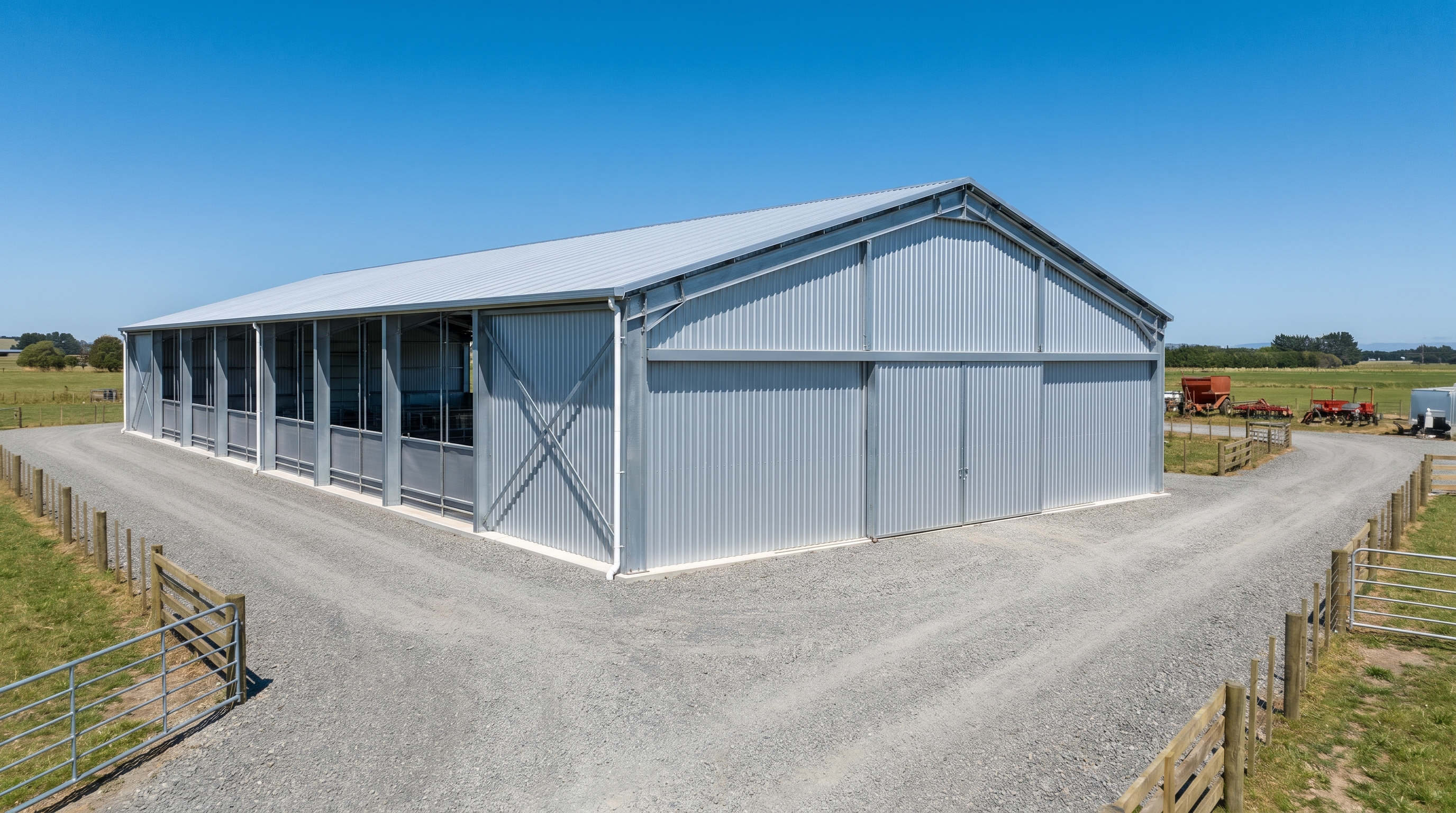
Effective ventilation is achieved by coordinating the building’s orientation with mechanical cooling systems and natural airflow ridge vents. Implementing pig shed project management allows you to integrate high-velocity fans and evaporative cooling pads into the structural design of the workshop-style barn.
Why is air quality essential for health?
Ammonia and dust accumulation are the primary drivers of respiratory disease in intensive pig farming. Managing the airflow ensures that harmful gases are purged constantly, maintaining a fresh environment for both the livestock and the staff.
Here is why:
- Ridge vents facilitate natural rising heat escape.
- Automated curtain systems react to weather changes.
- Consistent air exchange prevents pathogens from settling.
Can mechanical systems be integrated early?
The steel frame must be engineered to support the weight and vibration of industrial fans and cooling systems. Professional oversight ensures that all fixing points are pre-calculated during the fabrication phase.
Key Takeaway: Ventilation is the lungs of your facility, and professional planning ensures it never fails.
| Ventilation Method | Power Need | Climate Suitability | |
|---|---|---|---|
| Natural | Low/Zero | Temperate/Tropical | |
| Mechanical | High | Extreme Heat/Cold | |
| Evaporative | Medium | Dry/Arid regions |
Strategic placement of air inlets and outlets creates a uniform temperature zone across the entire floor plan.
“Download Our Technical Specifications”
Email:sales@showhoo.com.cn
Phone/WhatsApp:+86 186 7895 5927
What role does pig shed project management play in biosecurity?
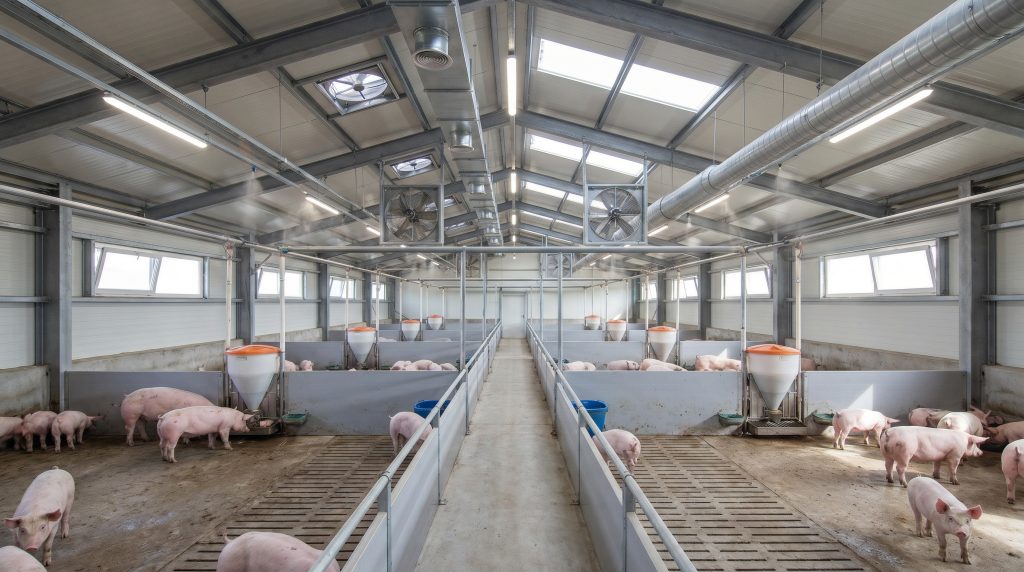
Strict biosecurity is maintained through a layout that separates “clean” and “dirty” zones while using easy-to-sanitize steel surfaces. Rigorous pig shed project management ensures that the interior finishes are non-porous, preventing the harbor of bacteria and viruses between batches.
Does layout prevent disease spread?
A well-designed facility includes controlled entry points and designated loading zones that minimize external contact. By managing the flow of personnel and equipment, you can significantly reduce the risk of introducing devastating diseases like Swine Flu.
And the best part?
- Smooth galvanized walls allow for high-pressure washing.
- Integrated drainage systems remove waste immediately.
- Clearly defined zones simplify staff protocols and training.
How does material choice help hygiene?
Unlike wood, which absorbs moisture and pathogens, steel remains inert and easy to disinfect. This structural choice is a fundamental pillar of modern disease prevention strategies in intensive farming.
Key Takeaway: Hygiene is a structural design choice that begins long before the first pig enters the building.
| Hygiene Feature | Impact on Health | Management Focus | |
|---|---|---|---|
| Sloped Floors | Dry environment | Waste removal speed | |
| Galvanized Walls | Bacteria resistance | Easy sanitization | |
| Foot Baths | Disease prevention | Entry point control |
Implementing a biosecure layout is your first line of defense against production-halting disease outbreaks.
Does pig shed project management reduce construction costs?
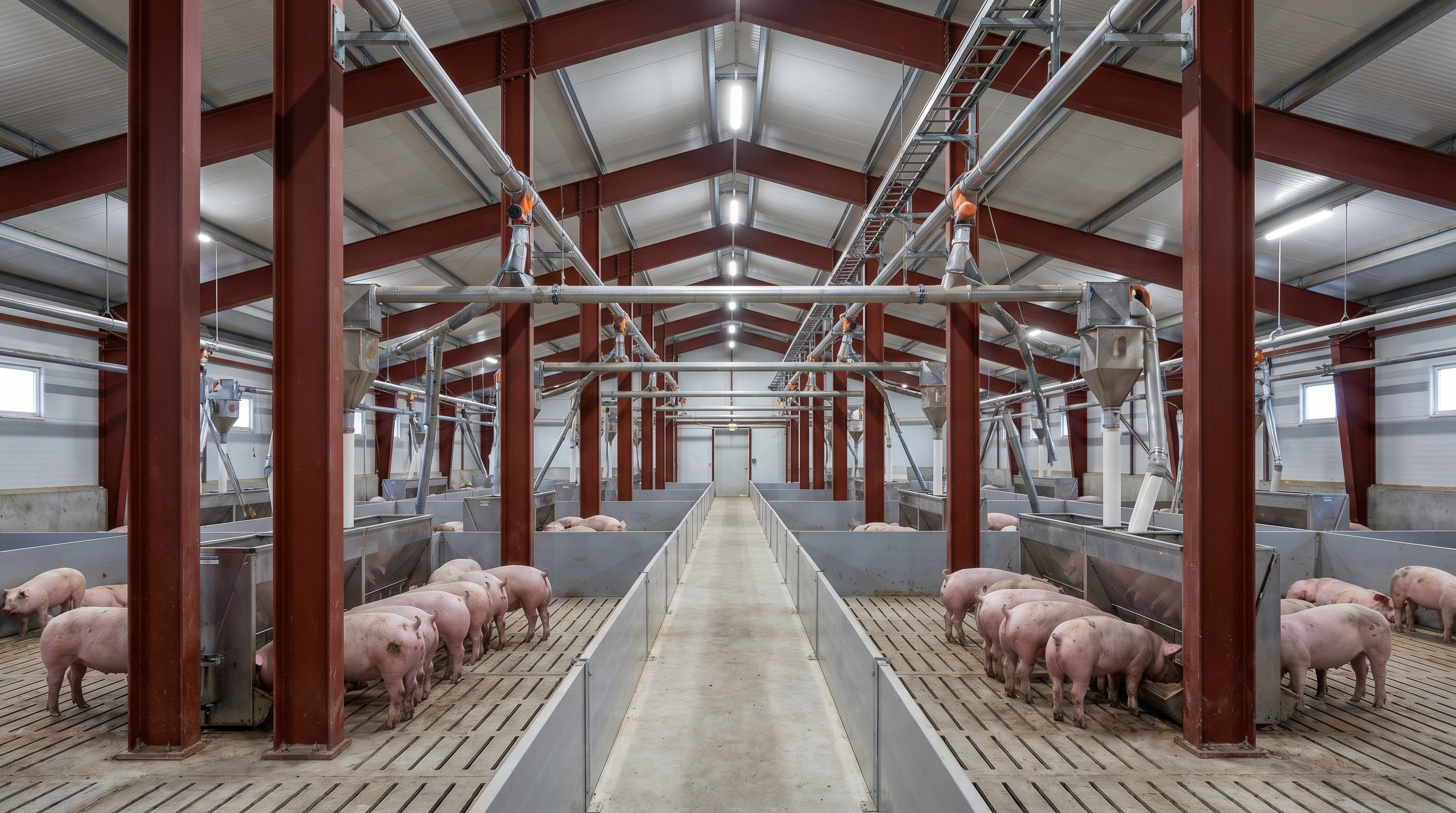
Cost reduction is achieved by eliminating middlemen and using pre-engineered components that arrive on-site ready for immediate assembly. When you leverage pig shed project management from a factory-direct provider, you gain transparency over material costs and avoid unexpected field modifications.
How does pre-fabrication save money?
Every beam and column is precision-cut and pre-drilled in a controlled factory environment to match the master plan. This prevents expensive on-site welding and cutting that typically causes delays and budget overruns in traditional builds.
Here is why:
- Faster installation reduces local labor hours significantly.
- Accurate Bill of Materials (BOM) prevents waste.
- Factory-direct pricing removes hidden agency markups.
Can modular design scale your budget?
Steel structures allow for phased expansion, meaning you can build what you need now and add more bays later. This flexibility helps you manage cash flow while planning for future growth in your herd size.
Key Takeaway: Upfront investment in quality engineering prevents the “hidden” costs of delays and structural errors.
| Budget Item | Cost Strategy | Long-term Value | |
|---|---|---|---|
| Steel Frame | Factory-direct | High durability | |
| Installation | Pre-engineered kit | Lower labor costs | |
| Insulation | Sandwich panels | Energy savings |
Focusing on factory precision ensures your project stays on schedule and within the agreed budget.
How does pig shed project management handle climate control?
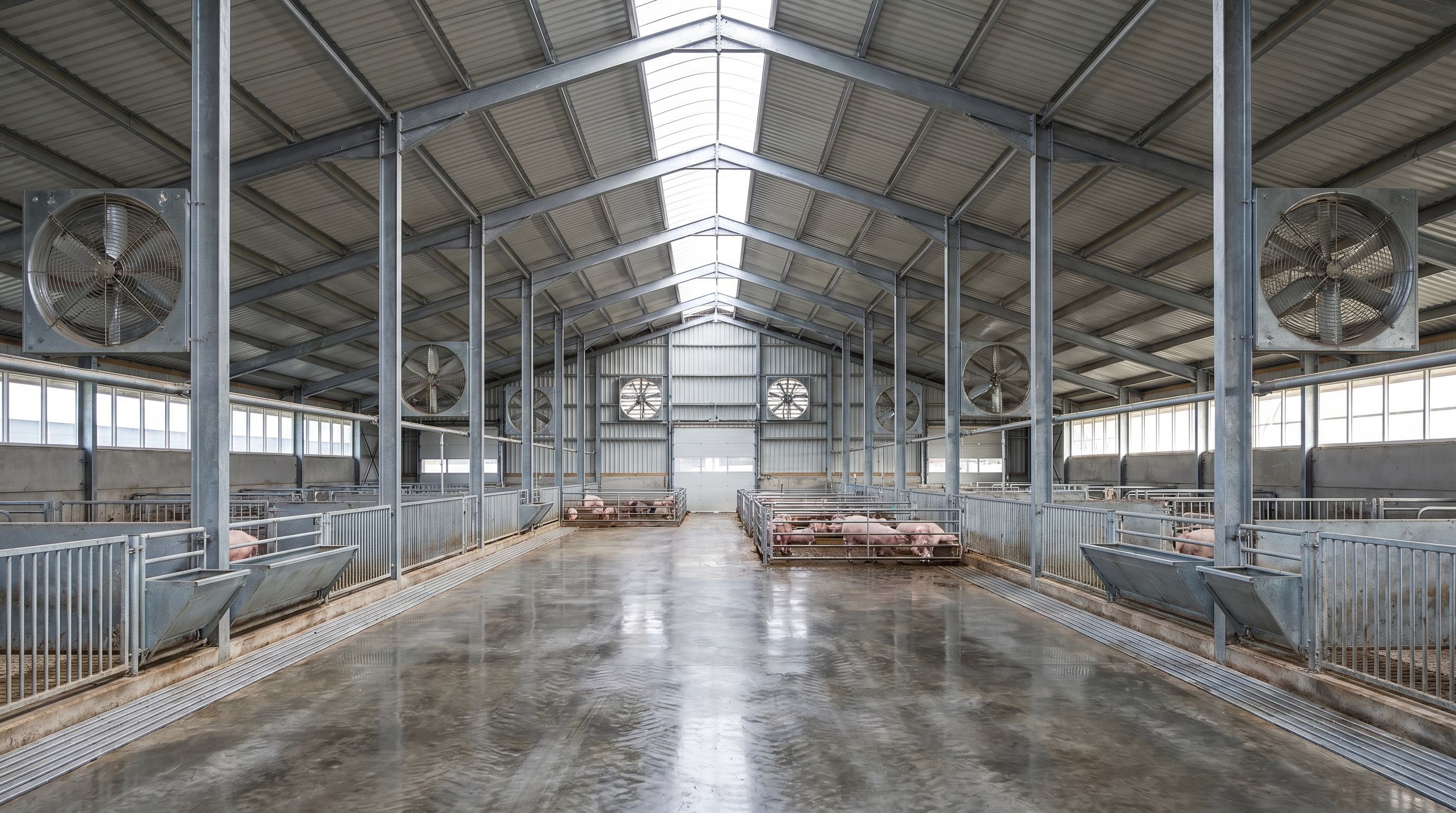
Climate control is managed through the strategic selection of insulation materials and the automation of internal heating and cooling systems. Professional pig shed project management involves calculating the thermal resistance (R-value) required for your specific geographic location to maintain stable temperatures year-round.
Why is thermal stability vital?
Extreme temperature fluctuations cause metabolic stress, which leads to reduced immunity and slower growth. Management ensures that sandwich panels or fiberglass insulation are thick enough to block external heat or cold effectively.
And the best part?
- Lower electricity bills for heating and cooling.
- Improved comfort levels for lactating sows and piglets.
- Prevention of condensation that leads to structural rust.
Can automation simplify farm operations?
Integrating sensors into the project plan allows the building to adjust ventilation and heating automatically. This reduces the need for manual intervention and ensures a 24/7 optimal environment for your livestock.
Key Takeaway: A stable climate is the foundation of high-performance farming, regardless of external weather conditions.
| Climate Element | Management Goal | Technology Used | |
|---|---|---|---|
| Heat Control | Prevent heat stress | Evaporative cooling | |
| Cold Control | Maintain piglet warmth | Insulated sandwich panels | |
| Humidity | Reduce moisture | High-velocity fans |
Choosing high-quality insulation today prevents expensive energy waste and animal health issues tomorrow.
“Download Our Technical Specifications”
Email:sales@showhoo.com.cn
Phone/WhatsApp:+86 186 7895 5927
Is pig shed project management essential for animal health?
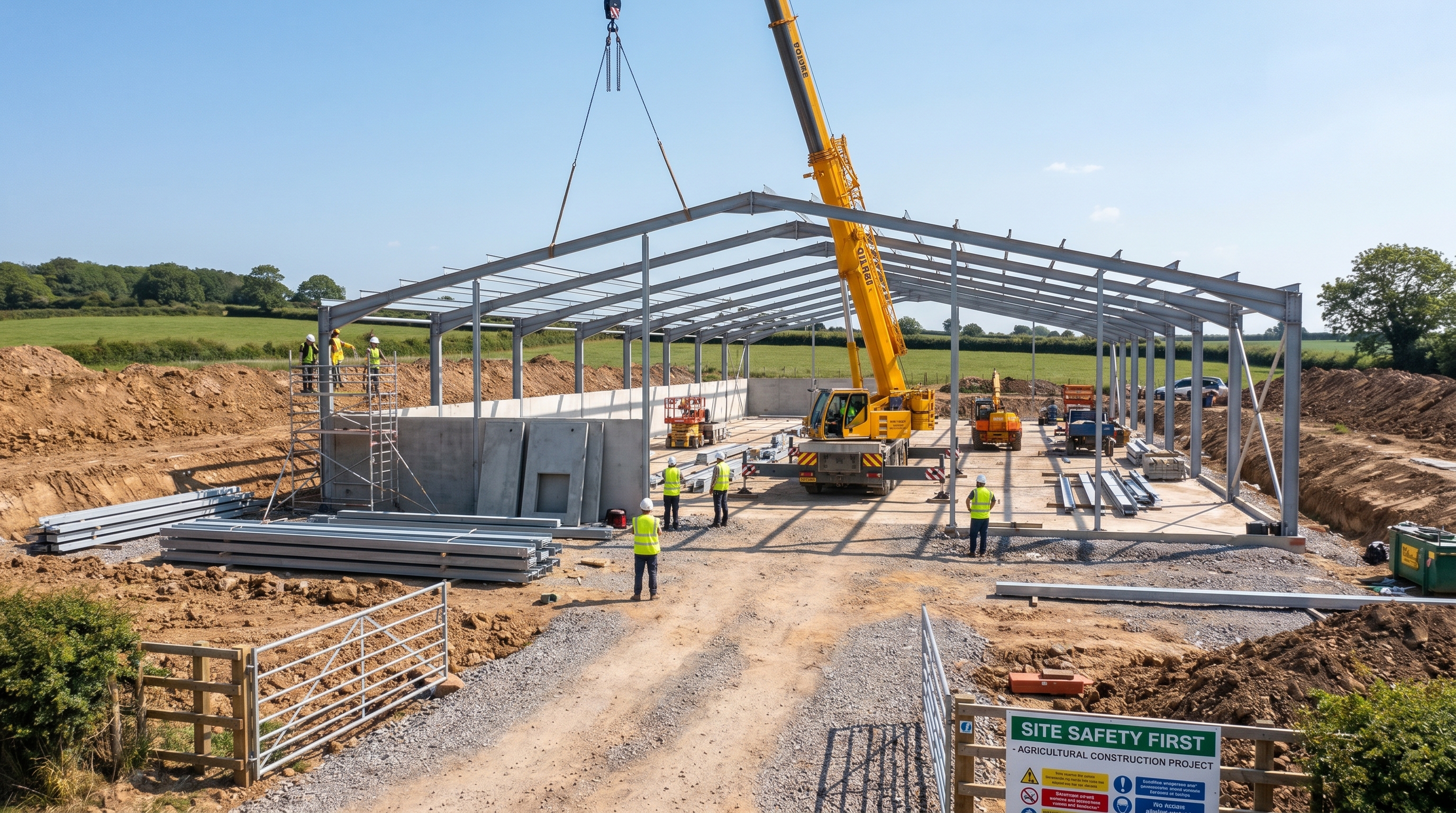
Yes, because it coordinates the structural environment with the specific physiological needs of the pigs at every growth stage. Utilizing professional pig shed project management for your agricultural building construction ensures that pen densities and feeding systems are perfectly aligned with animal welfare standards.
How does space planning reduce stress?
Overcrowding is a leading cause of tail-biting and aggression in commercial herds. Management calculates the exact square footage needed for weaners, fatteners, and breeding stock to ensure every animal has adequate space.
Here is why:
- Precise density planning reduces cortisol levels.
- Dedicated feeding zones ensure fair access to nutrition.
- Modular pen partitions allow for easy group sizing.
Does structural safety prevent injuries?
A managed project focuses on removing sharp edges and ensuring that flooring is non-slip but easy to clean. This attention to detail prevents leg injuries and infections that can lead to premature culling of valuable stock.
Key Takeaway: Healthy pigs are productive pigs, and their health is a direct result of their structural environment.
| Pig Category | Space Required | Pen Environment | |
|---|---|---|---|
| Weaner | 0.3 – 0.5 sqm | Heated/Draft-free | |
| Fattener | 0.5 – 1.0 sqm | Solid/Slotted floor | |
| Breeding Boar | 6.0 – 8.0 sqm | High strength partitions |
Properly managed space allows your animals to thrive and reach market weight faster and more efficiently.
How can pig shed project management optimize waste handling?
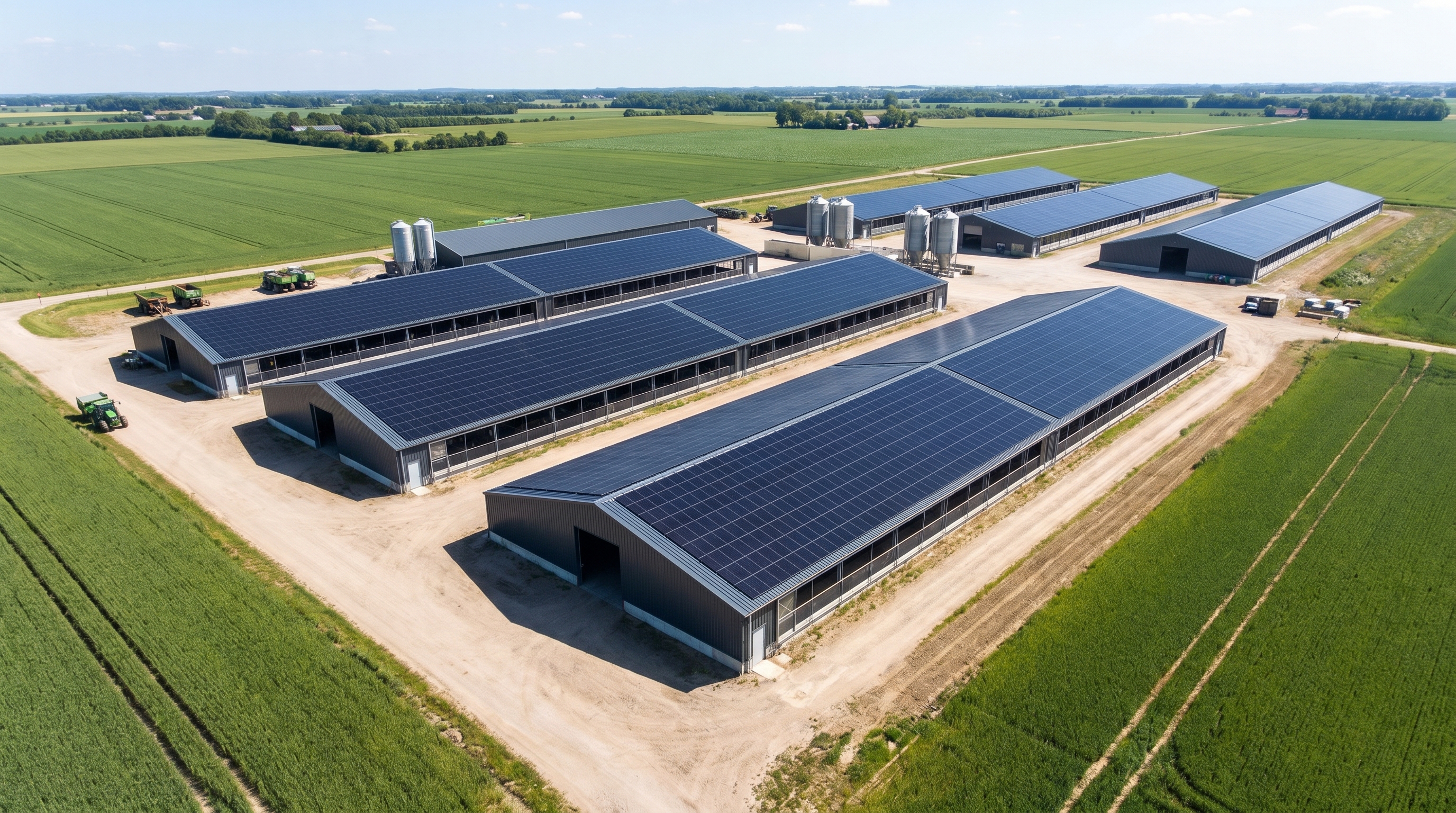
Waste optimization involves designing the floor slope and drainage channels to move manure away from the animals as quickly as possible. Effective pig shed project management ensures that the concrete foundation work matches the steel frame’s anchor points while maintaining the correct pitch for liquid waste.
Why is waste removal critical?
Standing waste is the primary source of ammonia gas and bacteria in a pig shed. Management focuses on slatted floor systems or sloped solid floors that facilitate rapid cleaning and maintain a dry, healthy environment.
And the best part?
- Reduced labor time for manual cleaning operations.
- Lower ammonia levels for better respiratory health.
- Efficient collection for use as organic fertilizer.
Can waste systems be automated?
Integrating scrapers or flushing systems into the structural plan allows for constant waste removal without disturbing the herd. This automation is a key feature of modern intensive farming managed by professional engineering teams.
Key Takeaway: Efficient waste management is the secret to maintaining a low-odor and high-hygiene production facility.
| Waste Element | Requirement | Management Goal | |
|---|---|---|---|
| Floor Slope | 2-3% Gradient | Rapid liquid drainage | |
| Slatted Areas | Precise gap sizing | Hoof safety & cleanliness | |
| Channels | Smooth concrete | Prevent solids buildup |
Clean floors lead to dry hooves and healthier animals, significantly reducing the incidence of lameness.
What are the stages of professional pig shed project management?
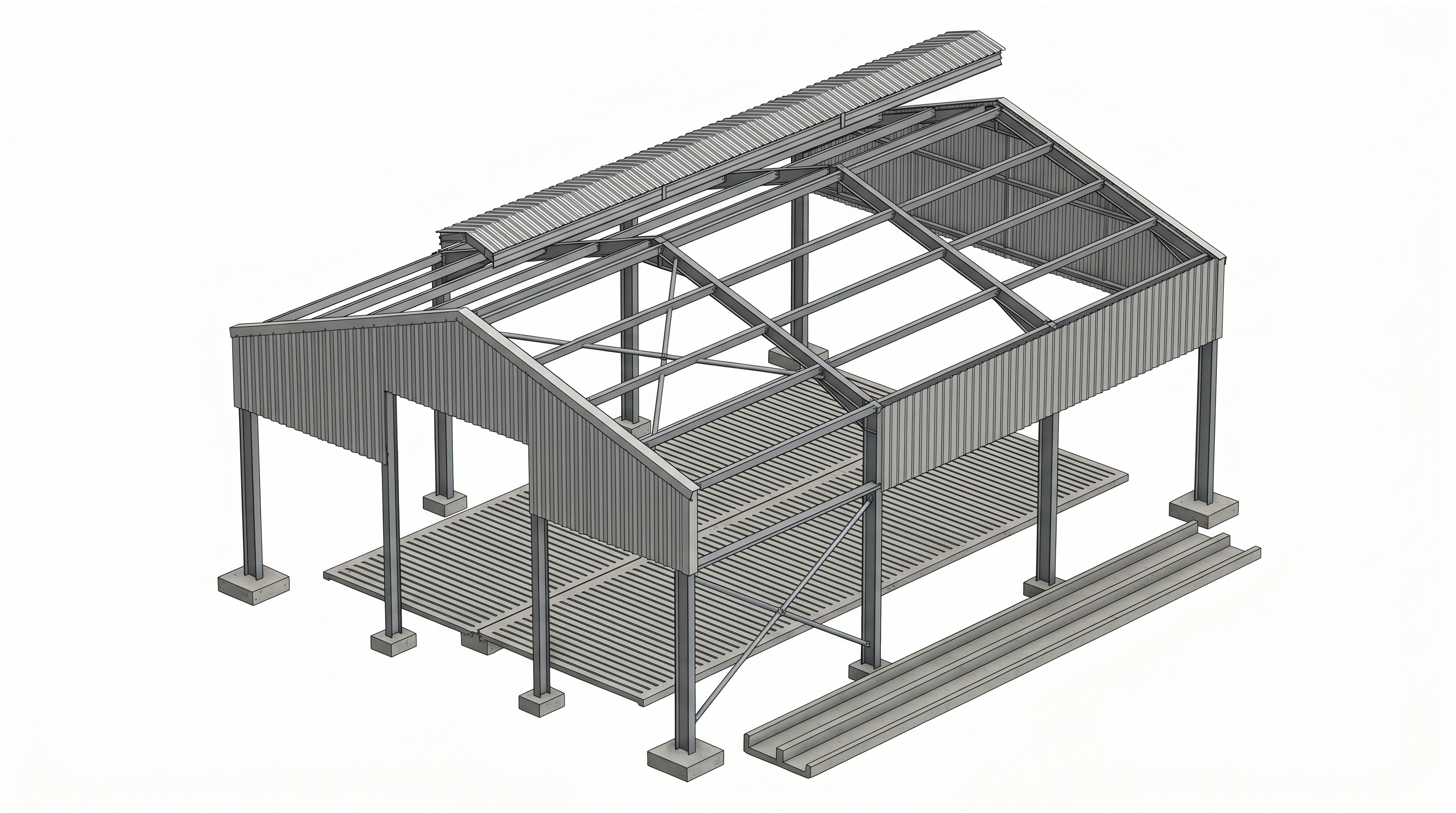
The process begins with engineering designs tailored to your site and ends with a quality-verified structure ready for livestock. By following a structured pig shed project management plan, you ensure that every component from the anchor bolts to the roof cladding is installed correctly.
What happens during the design phase?
This stage involves 3D modeling of the portal frame to account for wind loads, snow loads, and internal equipment weights. Managing this phase prevents structural failure and ensures the building meets all local building codes.
Here is why:
- Precise engineering prevents on-site errors.
- 3D models allow you to visualize the layout.
- Material specifications are optimized for cost.
How is the installation phase managed?
Once the pre-engineered kit arrives, the management focus shifts to the sequence of erection. Sequential bolting of columns, rafters, and purlins ensures the structure is rigid and safe throughout the construction process.
Key Takeaway: A step-by-step approach ensures that your facility is built safely, efficiently, and to exact specifications.
| Construction Phase | Primary Task | Duration Factor | |
|---|---|---|---|
| Stage 1 | Foundation & Anchoring | Curing time (7-14 days) | |
| Stage 2 | Structural Steel Erection | Fast (Bolted connections) | |
| Stage 3 | Enclosure & Equipment | Finishing details |
Detailed installation guides allow local crews to assemble the building rapidly, reducing your time to market.
“Download Our Technical Specifications”
Email:sales@showhoo.com.cn
Phone/WhatsApp:+86 186 7895 5927
Can pig shed project management prevent structural failure?
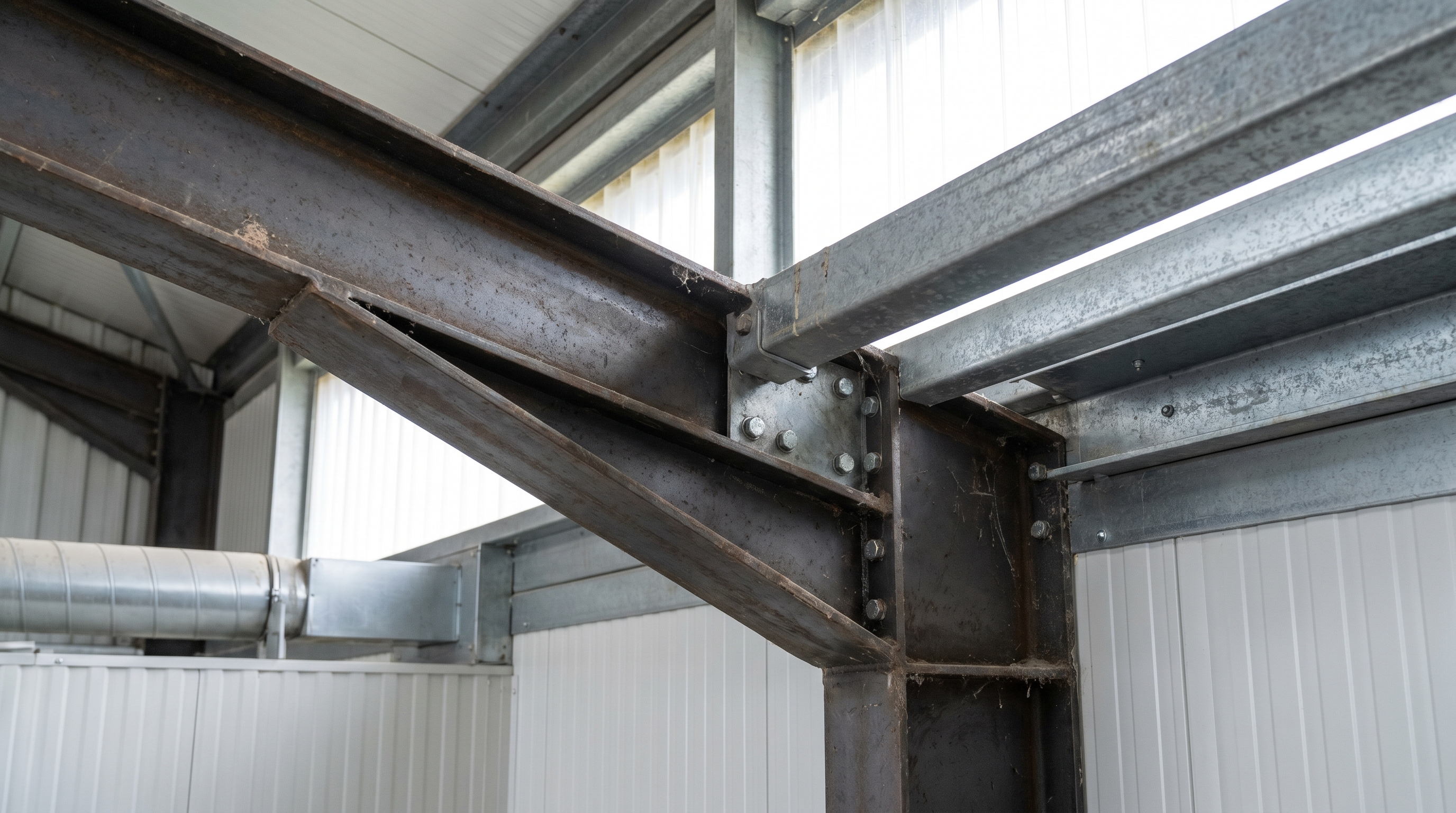
Structural failure is prevented by using high-strength steel and calculating the specific environmental loads of your farm’s location. Rigorous pig shed project management includes mill certificate verification for all raw materials, ensuring they meet international standards for strength and durability.
Why is load calculation important?
A shed in a typhoon-prone region requires different bracing and steel thickness than one in a snowy mountain area. Management ensures your portal frame is over-engineered for safety while remaining cost-effective for your budget.
And the best part?
- Peace of mind during extreme weather events.
- Zero risk of building collapse from heavy snow.
- High seismic resistance for earthquake-prone zones.
How do coatings prevent corrosion?
The humid, ammonia-rich air inside a pig shed is highly corrosive to untreated metal. Managing the project means specifying hot-dip galvanization or high-performance epoxy coatings to protect the steel skeleton for decades.
Key Takeaway: Strength is a result of precision engineering and the right material protection for your environment.
| Structural Check | Method | Importance | |
|---|---|---|---|
| Welding | Ultrasonic/Visual | Structural safety | |
| Coating | Thickness Gauge | Corrosion protection | |
| Bolts | Torque Testing | Connection integrity |
Building with a “safety-first” mindset protects your animals and your long-term capital investment.
How to ensure hygiene with pig shed project management?
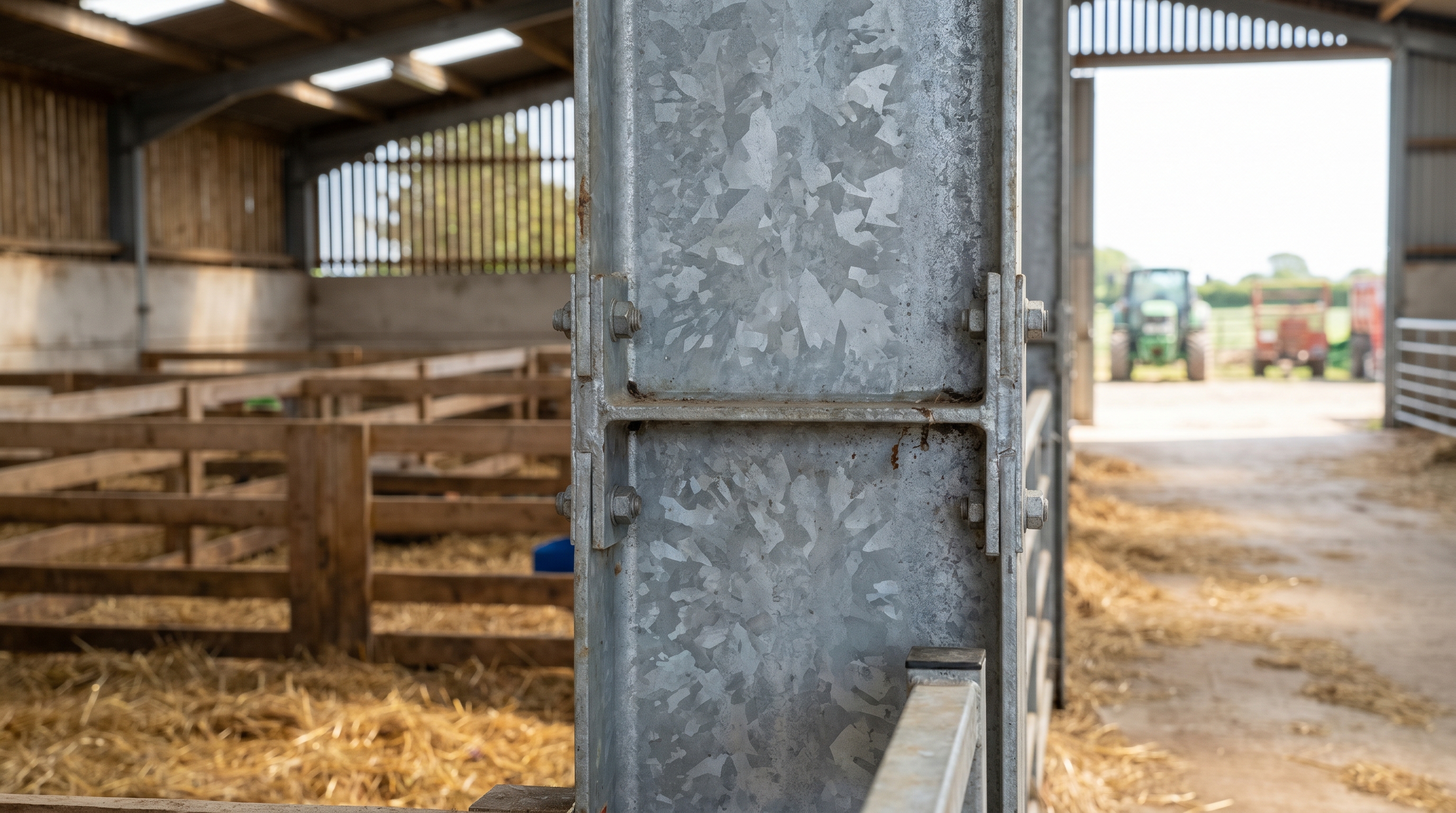
Ensuring hygiene involves selecting non-porous materials and designing a layout that facilitates thorough daily cleaning. Implementing pig shed project management for your facility ensures that the interior design is optimized for high-pressure washing and rapid disinfection.
Can material choice kill pathogens?
Steel and high-density plastic panels do not harbor bacteria like wood or porous concrete blocks. Managing the material selection ensures that your cleaning efforts are 100% effective, breaking the cycle of infection between production batches.
Here is why:
- Smooth surfaces prevent biofilm accumulation.
- Galvanized steel resists chemical disinfectants.
- Rapid drying times reduce mold and fungi growth.
How does drainage impact hygiene?
A managed project ensures that all wash water is channeled away immediately, preventing puddles where pathogens can multiply. This dry environment is essential for maintaining hoof health and reducing humidity levels.
Key Takeaway: A clean barn is a profitable barn, and cleanliness starts with professional structural design.
| Hygiene Metric | Target | Management Focus | |
|---|---|---|---|
| Ammonia Level | < 20 ppm | Ventilation & waste speed | |
| Surface Dryness | Rapid (< 2 hours) | Drainage & airflow | |
| Bacteria Count | Minimal | Surface sanitization |
By prioritizing hygiene in the design phase, you create a facility that is easy to manage and highly productive.
Summary of Action
Building a modern swine facility requires more than just materials; it requires a disciplined approach to engineering and logistics. By focusing on factory-direct precision and integrated design, you can ensure your facility remains a productive asset for decades. To discuss your specific site requirements and receive a customized structural analysis, contact us today .
“Download Our Technical Specifications”
Email:sales@showhoo.com.cn
Phone/WhatsApp:+86 186 7895 5927
Decision FAQ
Can I customize the steel frame layout?
Yes, every steel structure is engineered to meet your specific pen dimensions and interior equipment requirements, ensuring the building fits your operational flow perfectly.
What’s the best floor slope for drainage?
Generally, a slope of 2-3% is recommended to ensure efficient liquid waste removal toward the drainage channels without making the surface slippery for the livestock.
How do I know if my site is suitable for steel?
Our engineering team conducts a site analysis based on your local soil conditions and weather data to ensure the foundation and steel frame are designed for your specific environment.
Can I expand the shed in future phases?
Standardized steel frames are designed for modularity; we can incorporate expansion joints into the initial design to make future additions seamless and cost-effective.
What’s the best roofing material for insulation?
For high-performance climate control, sandwich panels with a PIR or Rockwool core are recommended to provide superior thermal resistance and fire safety.