
Designing a large metal workshop requires a systematic evaluation of structural engineering, spatial optimization, and long-term utility needs to ensure operational success. Constructing a massive industrial facility represents a significant capital expenditure where minor oversights can lead to structural vulnerabilities or excessive maintenance costs. You cannot afford the risk of a layout that restricts workflow or an environment that fails to protect your expensive machinery. A professional steel structure workshop design from Showhoo Building provides the robust, scalable solution your business requires to thrive in a competitive market.
Why choose a steel structure workshop design?
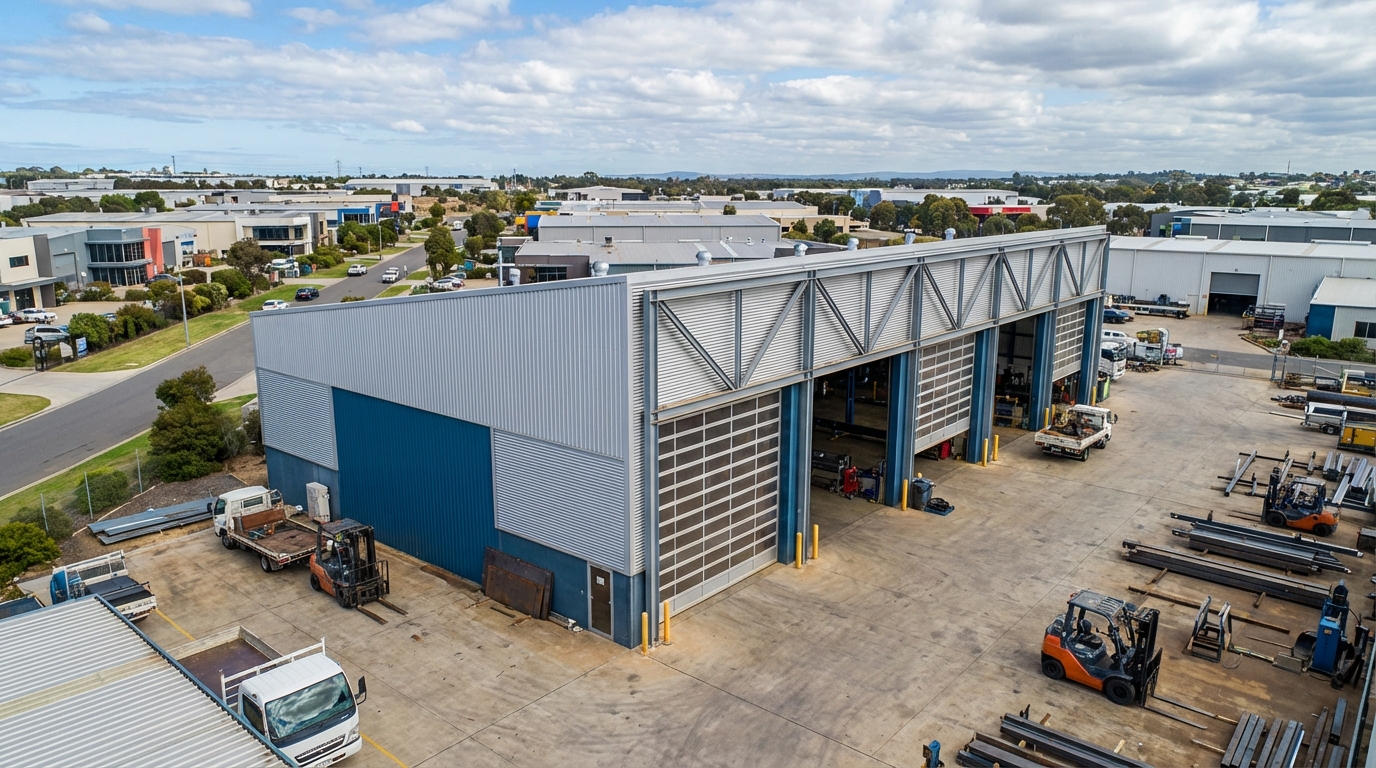
Steel offers a superior strength-to-weight ratio and exceptional versatility for any high-performance steel structure workshop design. This material choice allows you to create wide-span environments without the need for intrusive interior columns.
Versatility for industrial applications
Modern industrial facilities must adapt to changing market demands and equipment upgrades. Steel structures provide the clear-span space necessary for housing large-scale production lines or heavy inventory.
Think about this:
- Customizable eave heights for tall machinery.
- Flexible floor plans for future partitions.
- Compatibility with various door systems.
Long-term durability and strength
Industrial environments demand buildings that can withstand high-impact activities and harsh weather conditions. Galvanized steel frames are engineered to resist pests, rot, and severe structural warping over decades of use.
Speed of prefabricated assembly
Reducing the time from design to occupancy is critical for maintaining business continuity and ROI. Prefabricated components are manufactured in a controlled factory setting and arrive on-site ready for immediate erection.
Here is why:
- Minimal on-site welding or cutting.
- Reduced labor costs during construction.
- Faster project completion timelines.
Key Takeaway: Choosing steel ensures your facility is both a high-performance asset and a long-term investment capable of evolving with your industrial needs.
| Feature | Industrial Benefit | |
|---|---|---|
| Clear Span | Maximizes usable floor area for logistics. | |
| Prefabricated | Accelerates time-to-market and occupancy. | |
| Durability | Lowers lifetime maintenance expenditures. |
Choosing steel for your workshop provides the structural integrity needed to support complex industrial operations with minimal overhead.
How to budget for steel structure workshop design?
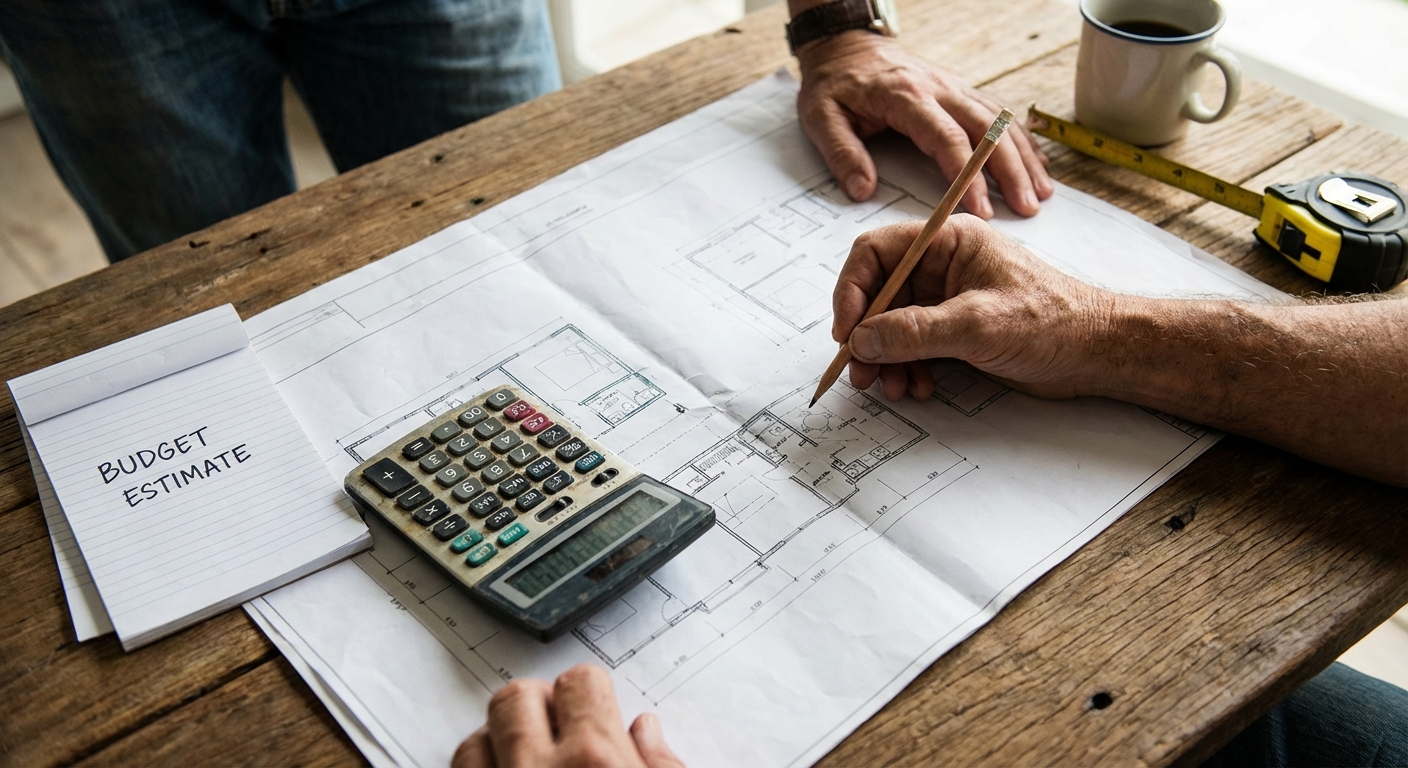
Successful budgeting for your steel structure workshop design starts with a comprehensive analysis of material acquisition, specialized labor, and site preparation costs. You must account for the current price of raw steel and the complexities of your specific structural requirements.
Estimating raw material costs
The cost of your primary and secondary frames typically accounts for the largest portion of your capital budget. You should factor in the price of H-section beams, purlins, and specialized cladding materials.
Labor and installation expenses
Erecting a large-scale metal facility requires skilled technicians and heavy equipment like cranes or scissor lifts. Labor costs vary by region, so obtaining multiple local quotes is a strategic move for any project manager.
It gets better:
- Fixed pricing from factory-direct suppliers.
- Reduced waste compared to traditional building.
- Lower insurance premiums for fire-resistant steel.
Accounting for site preparation
Do not overlook the expenses associated with clearing land, grading the soil, and installing a reinforced concrete foundation. A stable base is non-negotiable for supporting the heavy loads typical of industrial metal workshops.
Keep this in mind:
- Soil testing prevents foundation settling.
- Drainage systems protect structural longevity.
- Utility hookups must be planned early.
Key Takeaway: A well-planned budget prevents mid-project delays and ensures that all structural and functional requirements are met without financial strain.
| Expense Category | Typical Impact | |
|---|---|---|
| Materials | High (Major frame and panels). | |
| Labor | Medium (Assembly and crane hire). | |
| Site Work | Variable (Depends on land condition). |
Accurate budgeting serves as the roadmap for your project, ensuring that every dollar spent contributes directly to structural quality.
Where to site the steel structure workshop design?
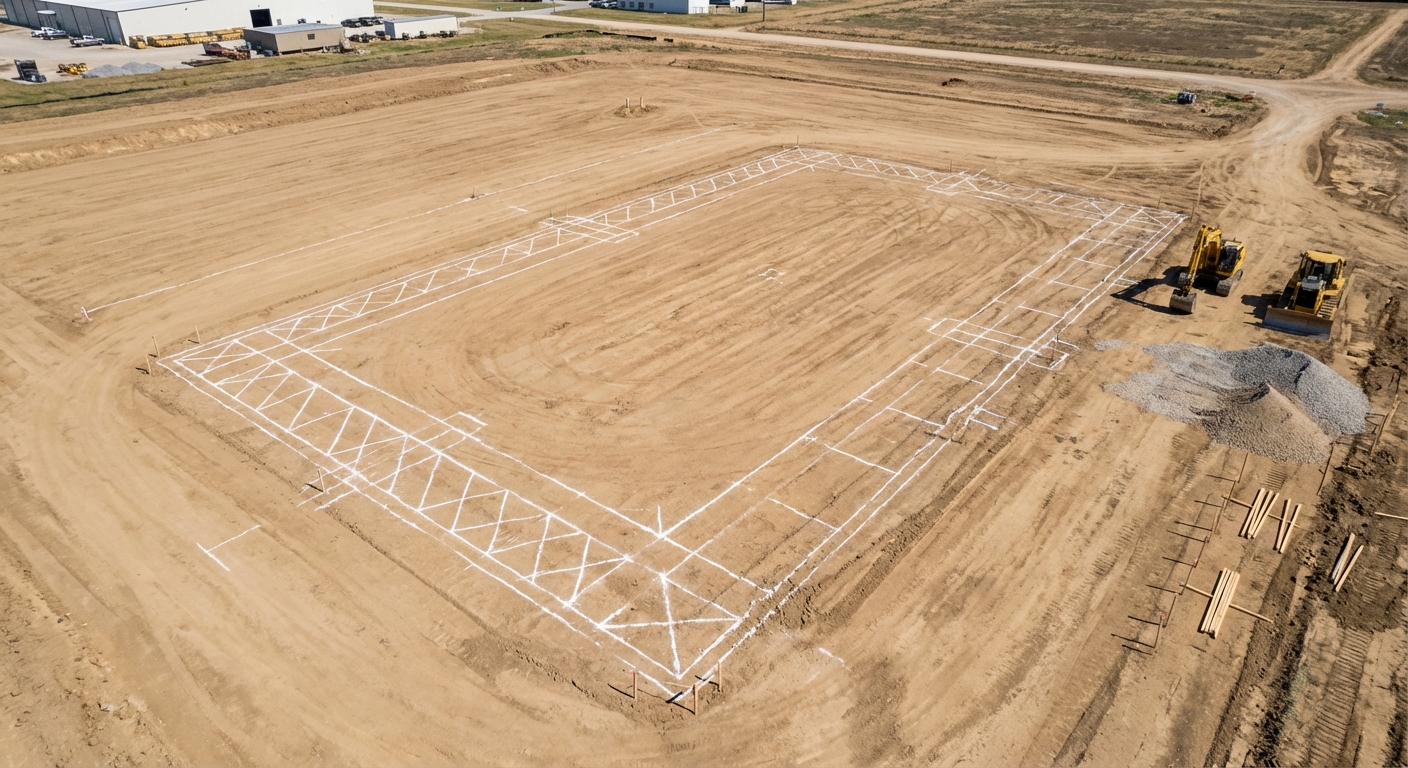
Selecting the right location for your steel structure workshop design involves evaluating logistical accessibility, soil load capacity, and utility connectivity. You need a site that facilitates the easy movement of large trucks and heavy machinery during and after construction.
Soil testing and land grading
The integrity of your steel building is only as good as the ground it stands on. Professional soil analysis determines if the land can support a thick concrete slab and the weight of your heavy industrial equipment.
Logistics and machinery access
Consider the flow of traffic for raw materials entering and finished products leaving your new facility. You must ensure that entrance gates and turning radiuses are sufficient for industrial transport vehicles.
Here is the truth:
- Proximity to main roads reduces fuel costs.
- Ample parking prevents site congestion.
- Strategic docking zones improve workflow.
Utilities and drainage planning
Your workshop will likely require significant power, water, and waste management systems to function effectively. Early planning for these services prevents expensive retrofitting once the steel frame is already erected.
Key Takeaway: Strategic site selection minimizes operational friction and ensures your building remains accessible and stable for its entire lifecycle.
| Site Factor | Operational Importance | |
|---|---|---|
| Soil Stability | Prevents cracks in the foundation slab. | |
| Road Access | Facilitates efficient supply chain movement. | |
| Utility Grid | Powers industrial machinery and HVAC. |
The right site provides the physical foundation necessary for your workshop to operate at peak efficiency without environmental or logistical hurdles.
Is load-bearing key in steel structure workshop design?
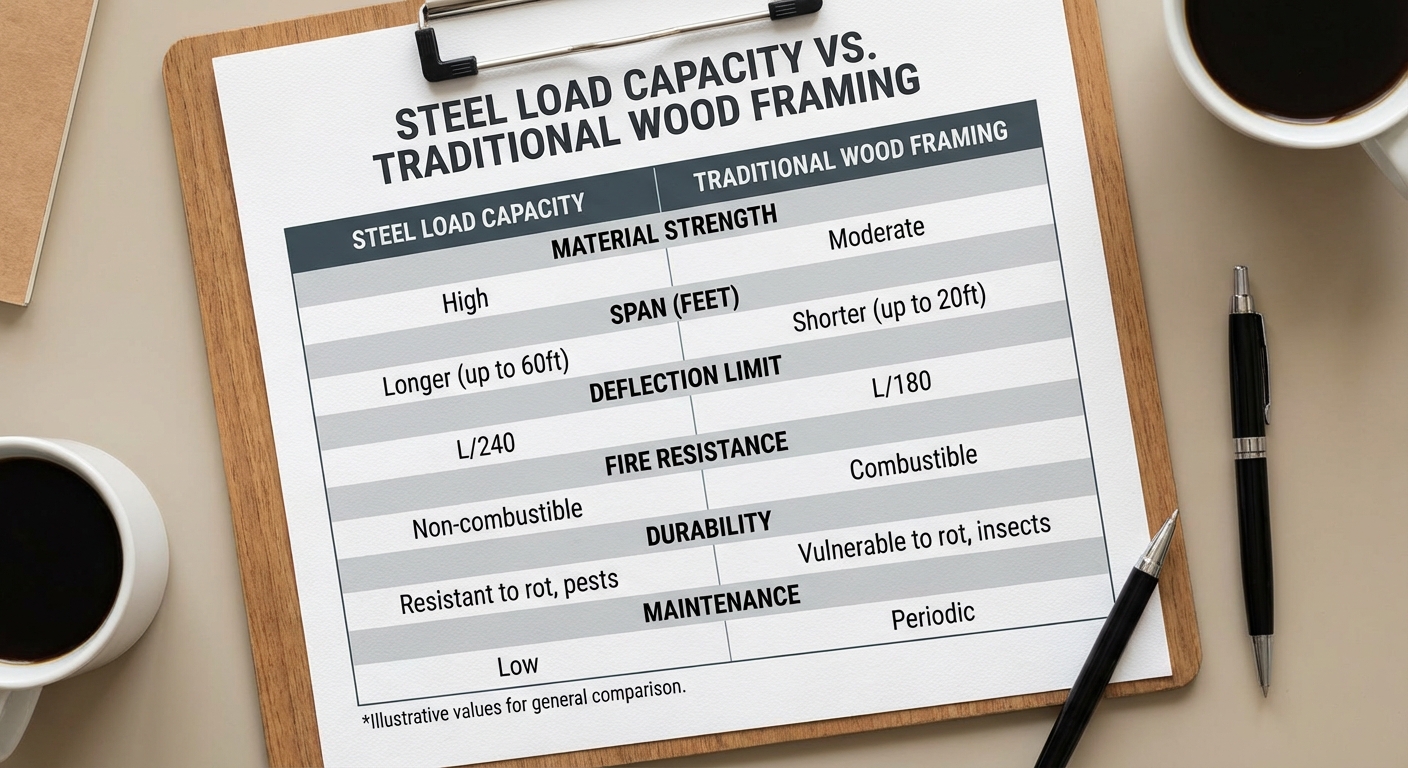
Load-bearing engineering is the most critical safety factor in any steel structure workshop design intended for heavy-duty industrial usage. You must ensure that the frame can handle not just the building weight, but also dynamic forces from cranes and environmental loads.
Integrating overhead crane systems
Many modern workshops require overhead bridge cranes for moving heavy components through the production line. These systems impose significant stress on the support columns, necessitating reinforced H-section steel.
Check this out:
- Increased steel gauge for crane rails.
- Bracing designed for lateral movements.
- Automated lifting improves worker safety.
Snow and seismic load ratings
Depending on your geographic location, your building must be engineered to resist heavy snow accumulation or seismic activity. Professional designers use local building codes to calculate the necessary thickness of the primary steel frame.
High-strength H-section framing
The use of high-grade steel for columns and beams ensures that your building remains plumb and level under maximum load. This structural rigidity is vital for the precise operation of sensitive manufacturing equipment.
Key Takeaway: Prioritizing load-bearing capacity guarantees that your facility can safely support heavy industrial machinery and withstand extreme environmental stresses.
| Load Type | Structural Requirement | |
|---|---|---|
| Dead Load | Weight of the steel and panels. | |
| Live Load | Dynamic weight of cranes and equipment. | |
| Wind/Snow | Regional environmental resistance. |
Engineering for high load capacity ensures that your workshop remains a safe and reliable environment for high-intensity industrial operations.
How to optimize light in steel structure workshop design?
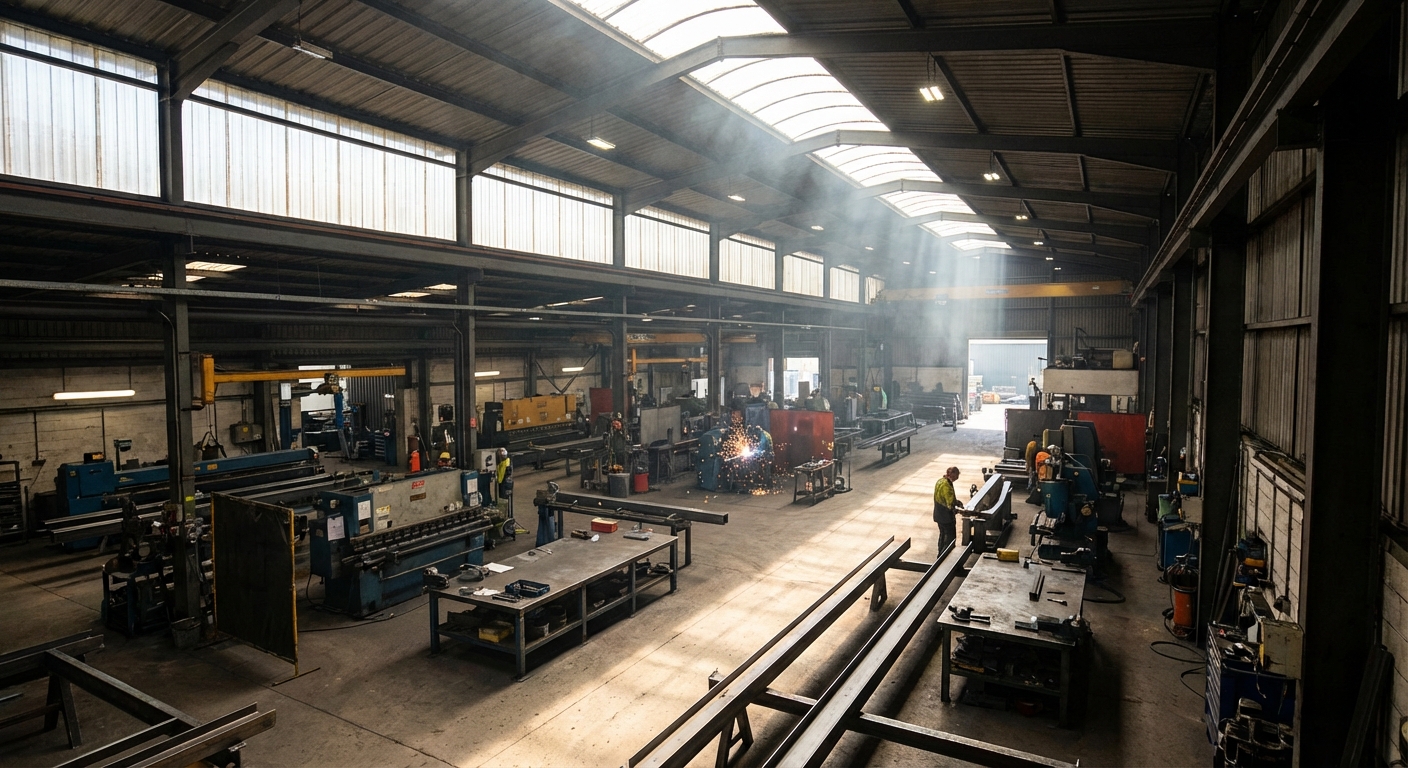
Optimizing light in your steel structure workshop design improves worker productivity while significantly reducing your monthly energy expenditures. You should combine natural daylighting solutions with high-efficiency artificial lighting to create a safe, well-lit work environment.
Skylights and translucent panels
Installing translucent roof panels is one of the most cost-effective ways to introduce natural light into a deep workshop space. These panels allow you to operate during daylight hours with minimal reliance on electric lighting.
Industrial LED lighting layouts
For nighttime operations or precision tasks, industrial-grade LED fixtures provide high-lumen output with low power consumption. A well-designed layout ensures there are no dark shadows where accidents could occur.
But that’s not all:
- Dimming controls for varied task needs.
- Motion sensors in storage areas.
- Long-lasting bulbs reduce maintenance.
Strategic window placement
Windows serve the dual purpose of providing light and allowing for a visual connection to the exterior site. Placing windows at eye level improves the working environment, while high-clerestory windows maximize light penetration.
Key Takeaway: A smart lighting strategy balances natural and artificial sources to create a bright, energy-efficient workspace that enhances safety and morale.
| Light Source | Primary Benefit | |
|---|---|---|
| Skylights | Zero-cost natural illumination during the day. | |
| LED Fixtures | Consistent, high-quality light for precision work. | |
| Windows | Visual comfort and supplemental ventilation. |
Integrating advanced lighting solutions turns a dark industrial shell into a highly functional and inviting production facility.
Which insulation fits steel structure workshop design?
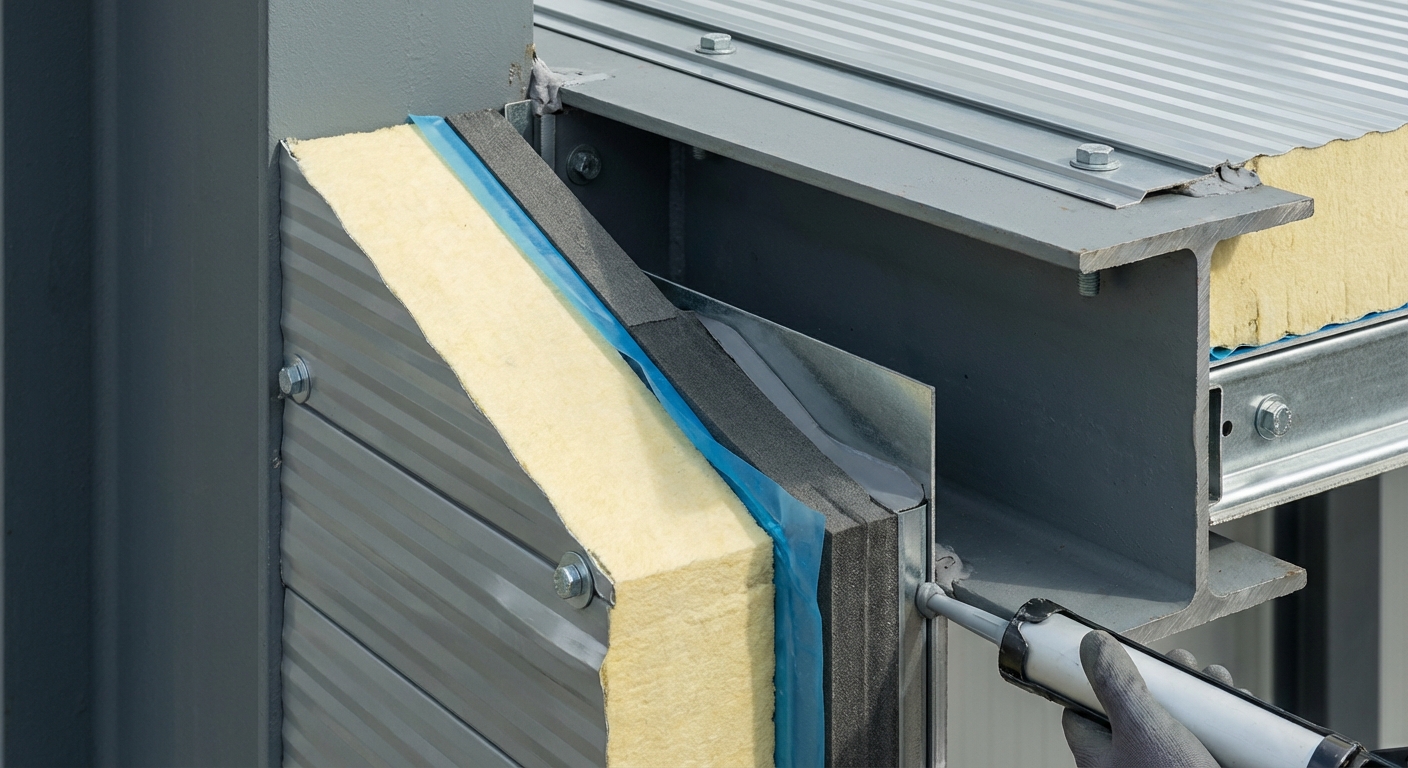
Selecting the correct insulation for your steel structure workshop design is vital for thermal regulation and protecting your inventory from moisture damage. You need a system that minimizes thermal bridging and prevents the formation of condensation on metal surfaces.
Moisture and condensation control
Temperature fluctuations between the interior and exterior can cause water droplets to form on uninsulated steel. High-quality sandwich panels or fiberglass batts with vapor barriers are essential to keep your equipment dry.
Thermal regulation for HVAC efficiency
Effective insulation keeps the interior cool in the summer and warm in the winter, lowering your heating and cooling costs. This is especially important if your workshop houses temperature-sensitive electronics or chemicals.
Look at this:
- Reduced load on HVAC systems.
- Improved comfort for site workers.
- Compliance with energy-saving codes.
Soundproofing for noisy equipment
Industrial workshops are loud environments that can disturb nearby offices or neighbors. Insulation materials like rock wool provide excellent acoustic damping, absorbing the vibrations from heavy machinery.
Key Takeaway: Proper insulation protects your structural assets from corrosion while creating a comfortable, cost-effective climate for your employees.
| Material Type | Performance Focus | |
|---|---|---|
| Sandwich Panels | Superior thermal and moisture barrier. | |
| Fiberglass Batts | Cost-effective and easy to install. | |
| Rock Wool | Best for fire safety and soundproofing. |
Investing in high-performance insulation ensures your steel building remains a climate-controlled asset that protects both people and profits.
How to ensure safety in steel structure workshop design?
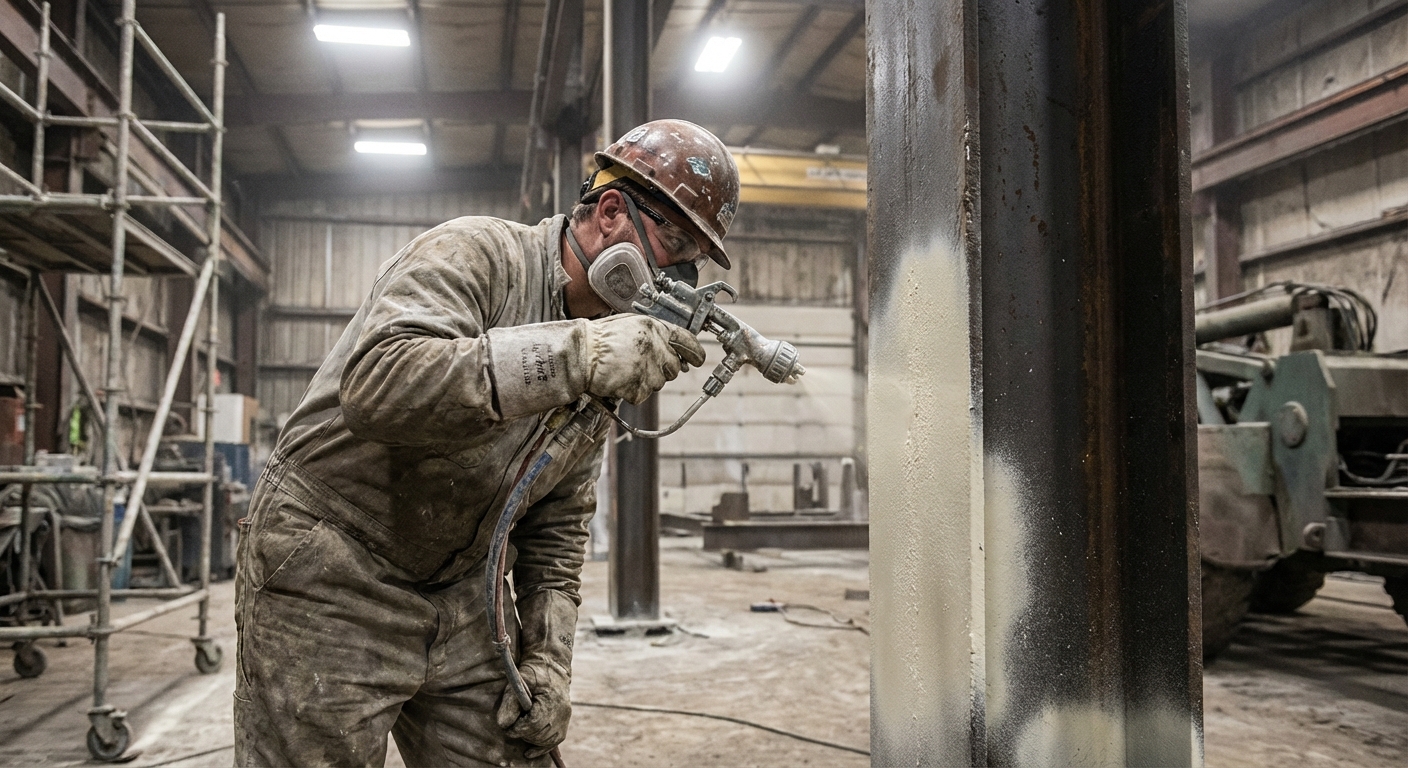
Ensuring safety in your steel structure workshop design requires a proactive approach to fire protection, wind resistance, and strict adherence to regional safety standards. You must design your facility to protect both the physical structure and the lives of the people working inside.
Fire-resistant coating benefits
While steel is non-combustible, extreme heat can weaken its structural integrity. Applying intumescent paint or fire-resistant board provides critical time for evacuation and fire suppression during an emergency.
Wind resistance and storm bracing
Workshops in coastal or high-wind areas need specialized bracing to prevent racking or structural failure. This includes cross-bracing and portal frames that distribute wind loads safely into the foundation.
Here is why:
- Prevents structural sway during storms.
- Protects cladding from being stripped away.
- Increases the building’s overall lifespan.
Compliance with local building codes
Building codes are not just suggestions; they are legal requirements designed to ensure structural safety. Working with a certified manufacturer ensures your designs meet or exceed local snow, wind, and seismic ratings.
Key Takeaway: A safety-first design philosophy reduces liability risks and ensures your workshop can withstand both internal accidents and external disasters.
| Safety Measure | Risk Addressed | |
|---|---|---|
| Intumescent Paint | Structural failure during fire. | |
| X-Bracing | Lateral instability from high winds. | |
| Code Compliance | Legal liability and safety violations. |
Prioritizing safety features in the design phase creates a resilient industrial environment that safeguards your employees and your investment.
Does airflow matter in steel structure workshop design?
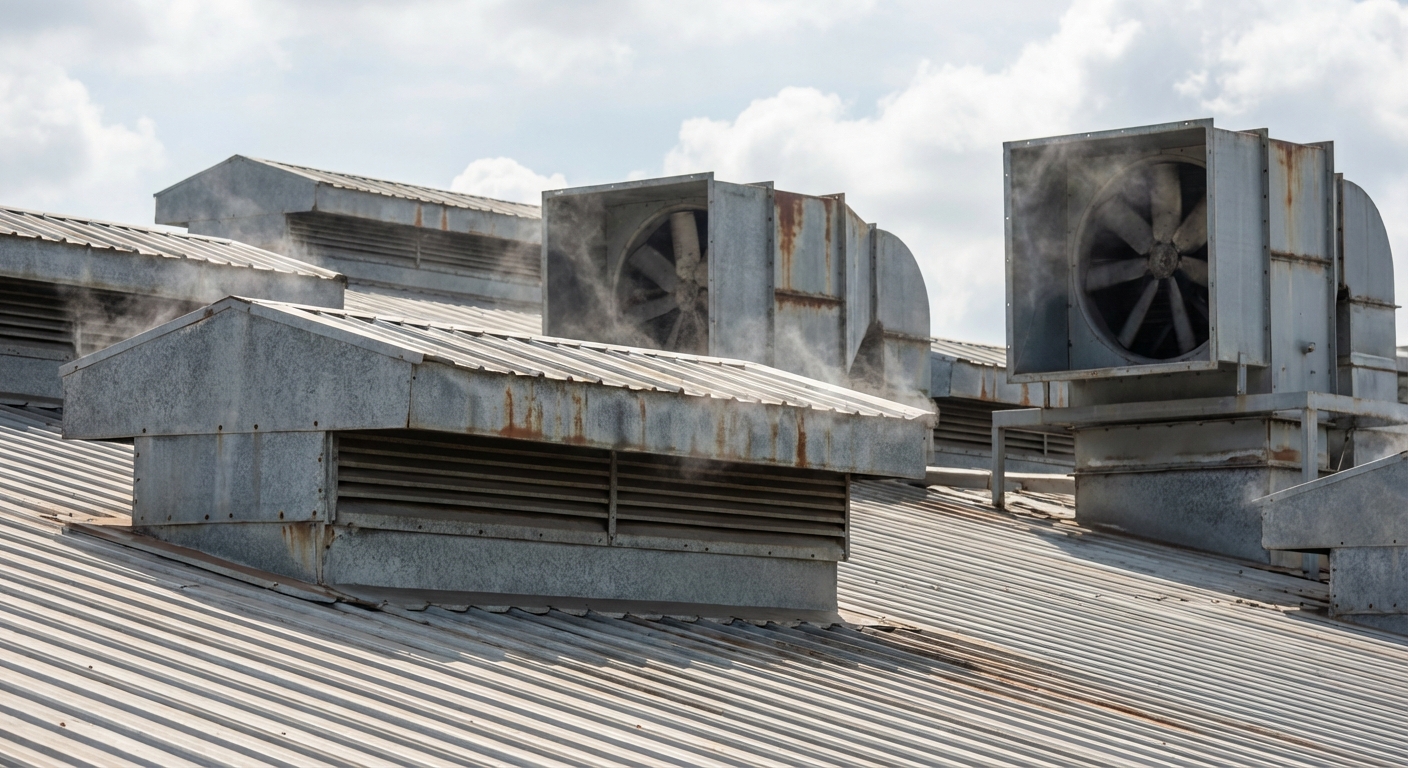
Effective airflow is mandatory in any steel structure workshop design where welding, painting, or heavy chemical processes occur. You need a ventilation strategy that removes stale air and contaminants while bringing in fresh, clean air for your workforce.
Passive ventilation through louvers
Passive systems use natural air movement to refresh the building’s interior without using electricity. Wall louvers and ridge vents are standard features that allow hot air to escape through the roof while drawing cooler air in.
Active exhaust and fan systems
For high-intensity production environments, passive ventilation may not be enough to clear fumes. Heavy-duty roof fans and localized exhaust hoods are necessary to capture pollutants at the source and vent them safely outside.
The reason is clear:
- Removes harmful chemical particles.
- Prevents heat buildup near machinery.
- Reduces humidity and moisture levels.
Managing dust and chemical fumes
In workshops involving woodworking or metal grinding, dust management is a significant safety concern. Integrating dust collection systems into your building’s design helps maintain air quality and prevents respiratory issues for workers.
Key Takeaway: A comprehensive ventilation plan ensures a healthy working environment and prevents the buildup of dangerous gases or excessive heat.
| Vent Type | Usage Scenario | |
|---|---|---|
| Ridge Vents | Passive cooling for the whole shop. | |
| Wall Louvers | Targeted air intake at floor level. | |
| Exhaust Fans | Rapid removal of toxic fumes or heat. |
Proper airflow management is a vital component of industrial hygiene that ensures your workshop remains a productive and compliant workplace.
What are the steps for steel structure workshop design?
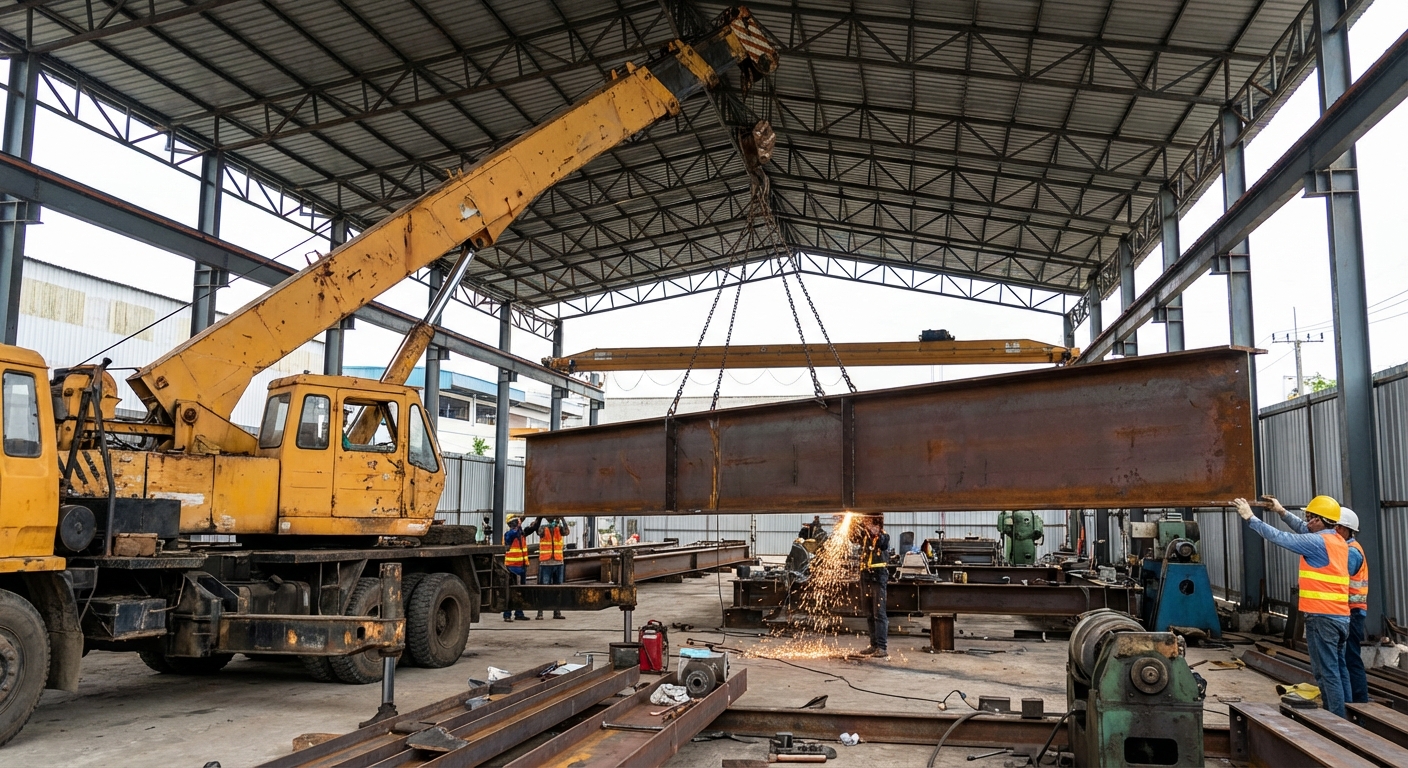
The steps for a successful steel structure workshop design transition from detailed architectural planning to the final erection of the protective cladding. You should follow a structured phase-by-phase approach to ensure every component fits perfectly and meets structural standards.
Choosing the right foundation type
The foundation must be designed to handle the specific PSI requirements of your machinery. Whether you use a pier foundation or a floating slab, the curing process must be complete before steel erection begins.
Primary and secondary frame erection
The primary frame consists of columns and rafters that form the skeleton of the building. Secondary members, like purlins and girts, are then bolted into place to provide support for the wall and roof panels.
It works like this:
- Columns are anchored to the foundation.
- Rafters are hoisted and bolted to columns.
- Bracing is tightened for total stability.
Cladding and finishing the facade
Once the frame is secure, wall and roof panels are installed to seal the building. This phase includes the installation of doors, windows, and flashing to ensure the structure is completely weather-tight.
Key Takeaway: Following a precise installation sequence prevents structural errors and ensures the long-term durability of your metal workshop.
| Construction Phase | Primary Task | |
|---|---|---|
| Groundwork | Leveling and foundation pouring. | |
| Frame Erection | Bolting the primary steel skeleton. | |
| Enclosure | Installing panels, doors, and vents. |
A methodical construction process guarantees that your steel structure is built to the highest engineering standards for maximum operational life.
Why is green steel structure workshop design vital?
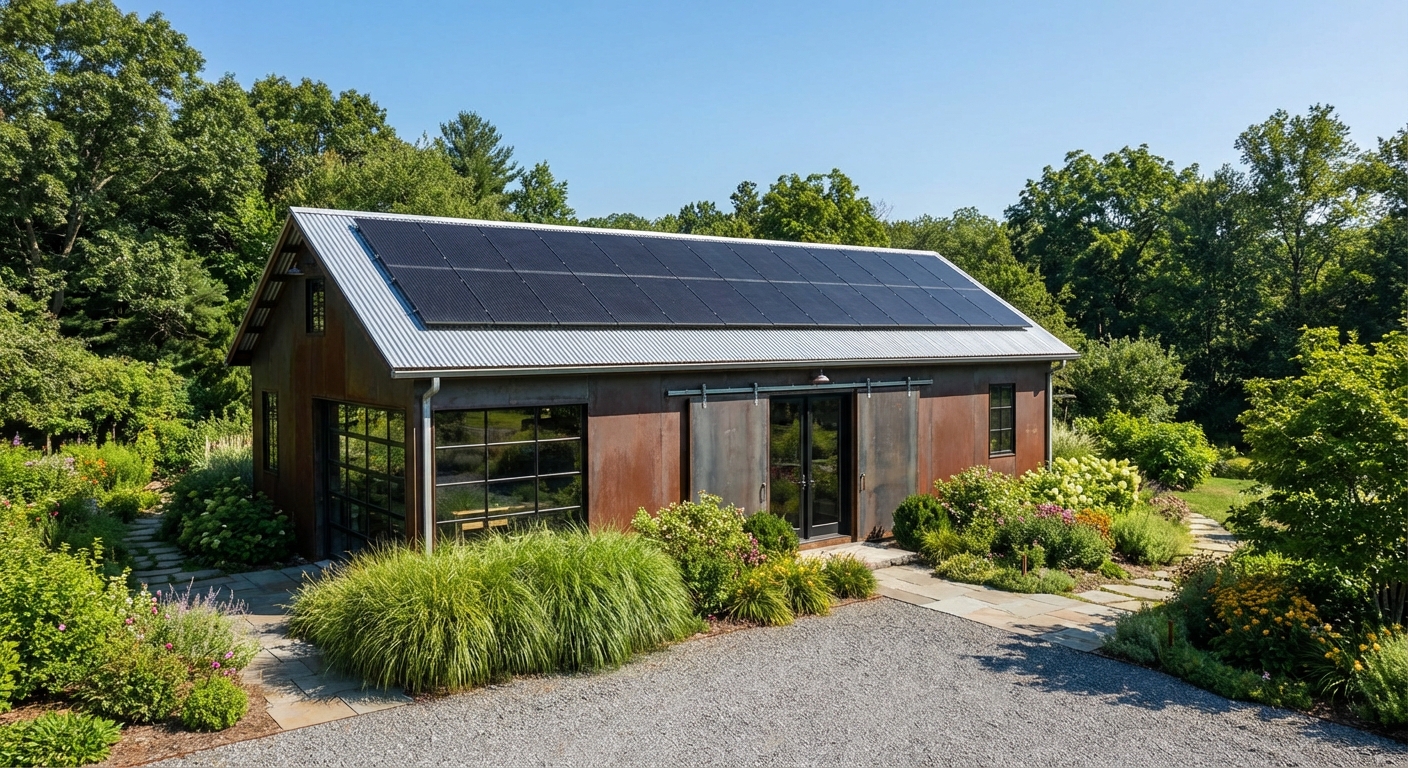
Adopting a green steel structure workshop design is vital for reducing your carbon footprint and lowering long-term operational costs through energy efficiency. You can utilize the inherent recyclability of steel and integrate renewable energy sources like solar panels into your roof design.
Benefits of 100% recyclable steel
Steel is the most recycled material on the planet, meaning your building can be repurposed at the end of its life without losing quality. This circular economy approach minimizes the environmental impact of your industrial expansion.
Minimizing construction site waste
Because steel buildings are prefabricated to exact measurements, there is virtually zero waste generated on the construction site. This differs significantly from traditional wood or concrete construction, which often fills landfills with scrap.
Consider these facts:
- Components arrive pre-cut and pre-drilled.
- Less debris means a safer job site.
- Lower disposal costs for your project.
Energy-efficient lifecycle value
A green design often includes high-performance insulation and energy-efficient lighting. These features may have a higher upfront cost but provide massive savings over the decades-long lifespan of the building.
Key Takeaway: Sustainable building practices enhance your brand’s reputation while providing tangible financial benefits through lower waste and energy costs.
| Sustainable Feature | Long-term Value | |
|---|---|---|
| Recycled Steel | Reduced environmental depletion. | |
| Solar Compatibility | Drastic reduction in utility bills. | |
| Zero Waste | Efficient use of capital and materials. |
Integrating green technologies ensures your facility is prepared for future environmental regulations while operating at the lowest possible cost.
Conclusion: Realize Your Vision with Showhoo Building
At Showhoo Building, our vision is to empower global industries with engineering excellence and factory-direct quality. We don’t just supply materials; we provide integrated, installation-ready systems that eliminate project risk and maximize your operational efficiency. Whether you are expanding a logistics hub or launching a new production line, our team handles everything from custom 3D design to global delivery. If you are ready to secure a durable, high-performance facility at a competitive price, contact us today to begin your consultation.
FAQ: Designing Your Metal Workshop
Can I customize the interior height of my workshop to accommodate a 10-ton crane? Yes, steel buildings are highly flexible and can be engineered with increased eave heights and reinforced columns specifically for heavy crane systems.
What’s the best insulation material for a workshop in a high-humidity coastal climate? Sandwich panels are the best choice as they provide an airtight seal and a built-in vapor barrier that prevents salt-air corrosion and internal condensation.
How do I know if my ground is stable enough for a concrete slab foundation? You must hire a local geotechnical engineer to perform soil testing, which provides the necessary data on load-bearing capacity and drainage needs.
Can I expand the building length in the future without tearing down the existing frame? Yes, the modular nature of steel frames allows you to easily add additional bays or “bays” to the length of the building with minimal disruption.
What’s the best way to protect the steel structure from corrosion in industrial zones? Hot-dip galvanization or specialized epoxy paint systems offer the best protection against the corrosive chemicals and pollutants common in industrial environments.