
Building vertically requires incredibly strong frameworks immediately. You face tight urban plots demanding rapid commercial assembly methods. Delayed concrete pouring routinely wastes your valuable capital. Here lies your optimal solution. A multi storey steel building provides rapid assembly alongside immense structural integrity. This approach significantly cuts down your overhead expenses. Your project finishes faster using prefabricated metal frameworks.
Why choose a multi storey steel building?
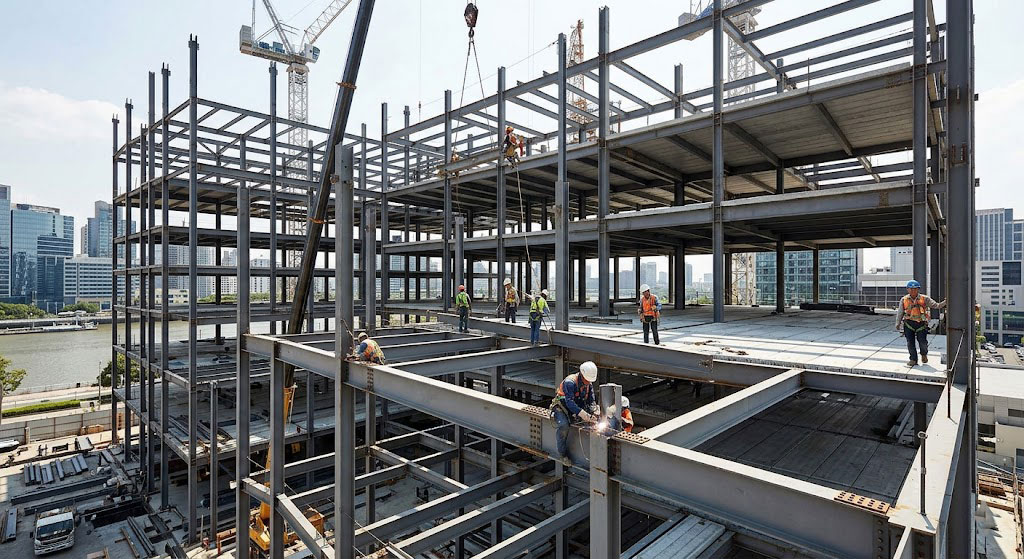
Choosing this material provides developers with unmatched structural strength directly. A multi storey steel building requires significantly fewer internal support columns. Your architectural team gains vast open floor plans effortlessly. These spacious interiors attract premium corporate tenants quickly.
What makes metal framing superior?
Here’s the deal, prefabricated metal components arrive onsite perfectly measured. This precise engineering eliminates unpredictable onsite fabrication errors entirely.
- High-tensile beams bear massive vertical loads easily.
- Galvanized coatings prevent destructive rust formation completely.
- Standardized connections accelerate bolting procedures significantly.
Overcoming urban site limitations
What’s the real story? Dense city environments heavily restrict traditional heavy equipment deployment. Modular metallic elements demand much less staging area physically. Your logistics manager coordinates deliveries efficiently without causing major traffic disruptions. Key Takeaway: Implementing vertical metal architecture maximizes your tight urban land usage effectively.
| Material Type | Assembly Speed | Support Columns Needed |
|---|---|---|
| Concrete | Extremely Slow | Many |
| Wood | Moderate | Several |
| Metal | Exceptionally Fast | Very Few |
This comparative data highlights how metallic frameworks optimize your internal spatial configurations.
How sustainable is a multi storey steel building?
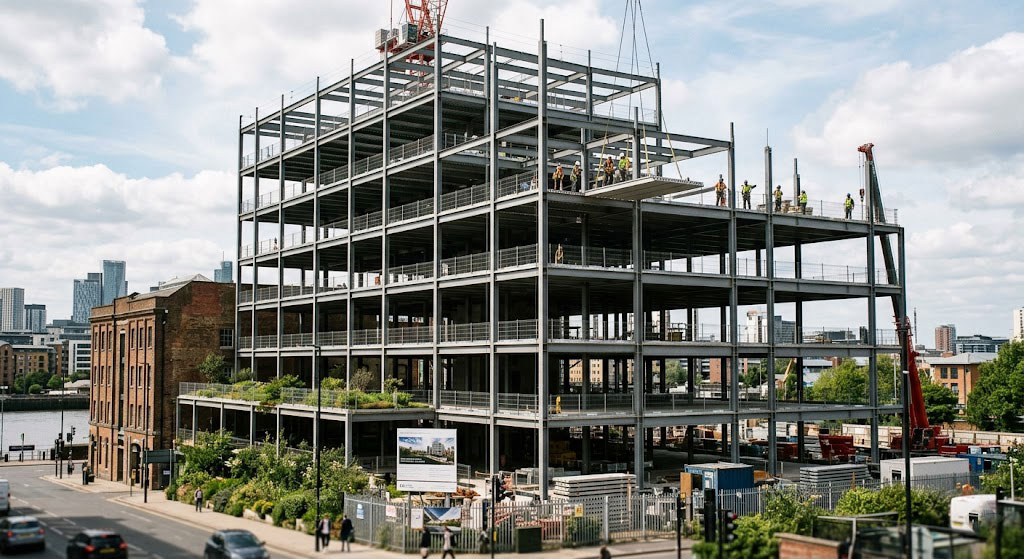
Constructing with recyclable metals drastically reduces overall environmental impact globally. A multi storey steel building utilizes highly repurposed materials during initial fabrication phases. Your development firm lowers its carbon footprint remarkably using these methodologies. Such eco-friendly practices satisfy strict modern governmental building regulations easily.
Can you recycle these structural materials?
Think about it, modern smelters constantly melt down old metallic beams efficiently. Your sustainable project actively contributes toward a circular global economy.
- Repurposed girders maintain their original structural integrity completely.
- Scrap metals prevent massive landfill overflow issues locally.
- Recycling consumes significantly less energy than raw iron extraction.
Lowering your operational carbon footprint
Truth be told, insulated metallic wall panels trap internal ambient heat effectively. Advanced cladding systems prevent expensive artificial climate control energy leakage. This thermal efficiency permanently reduces monthly corporate utility expenditures. Key Takeaway: Sustainable metal construction directly saves your enterprise substantial long-term operating cash.
| Building Material | Recyclability Rate | Carbon Footprint Impact |
|---|---|---|
| Virgin Concrete | Exceptionally Low | Terribly High |
| Timber Framing | Moderately High | Generally Medium |
| Structural Metal | Nearly Perfect | Surprisingly Low |
This environmental data illustrates why reusable frameworks dominate green commercial construction today.
Can a multi storey steel building speed up construction?
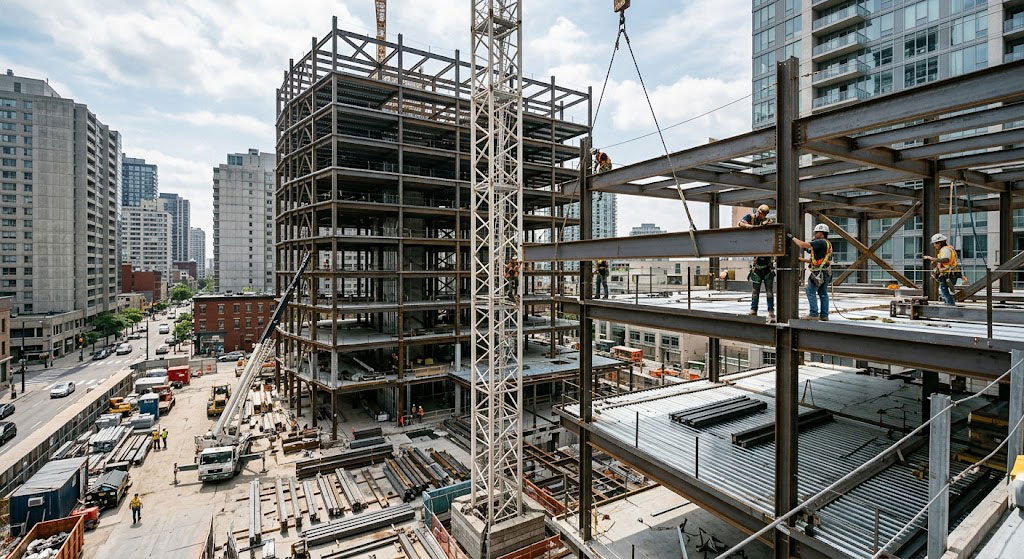
Using prefabricated metallic components accelerates typical project completion timelines exponentially. Every multi storey steel building bypasses lengthy concrete curing delays entirely. Your installation crew simply bolts manufactured pieces together securely onsite. This rapid deployment guarantees a remarkably fast return upon investment.
Why does prefabrication save time?
Listen closely, factory environments operate continuously regardless of bad outdoor weather. These parallel workflows slice months off standard commercial building schedules.
- Indoor manufacturing prevents unexpected seasonal work stoppages entirely.
- Standardized parts guarantee smooth onsite component integration immediately.
- Concurrent site preparation happens alongside simultaneous factory beam fabrication.
Streamlining your site logistics
But here’s the kicker, neatly organized delivery trucks drop off specific beams directly. Installation teams hoist these labeled parts into position without hesitation. Your project managers completely avoid chaotic ground-level material sorting nightmares. Key Takeaway: Accelerated erection processes allow you early market entry and faster revenue generation.
| Construction Phase | Traditional Method | Prefabricated Metal Method |
|---|---|---|
| Material Prep | Done Entirely Onsite | Handled Inside Factories |
| Erection Speed | Painfully Slow | Incredibly Rapid |
| Weather Delays | Very Frequent | Almost Nonexistent |
This scheduling breakdown clearly proves how modularity conquers typical frustrating timeline bottlenecks.
What efficiency does a multi storey steel building offer?
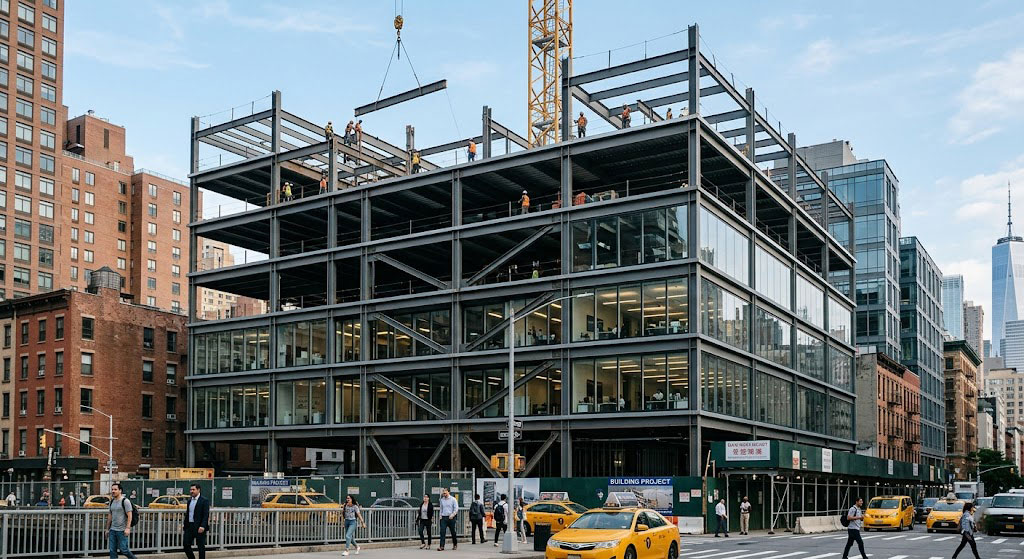
These sturdy frameworks support incredibly massive loads using surprisingly thin profiles. A multi storey steel building maximizes valuable internal floor space remarkably well. You secure wider interior spans without needing bulky concrete columns. Your corporate tenants genuinely appreciate such flexible open office layouts.
Maximizing your rentable floor space
Ready for the good part, slender metallic pillars consume minimal valuable square footage. These spatial advantages directly increase your monthly commercial rental income.
- Broad spans eliminate visually obstructive interior support structures completely.
- Thinner walls yield slightly larger overall internal room dimensions.
- Flexible floor plans accommodate diverse future tenant layout modifications.
Reducing overall structural dead weight
This is where it gets interesting, metallic frames weigh considerably less than masonry. Lighter upper floors impose significantly less stress upon lower foundations. Your engineers easily design taller structures without demanding excessively deep footings. Key Takeaway: Exceptional strength-to-weight ratios dramatically optimize your entire architectural planning process.
| Framework Type | Support Profile Size | Internal Space Yield |
|---|---|---|
| Concrete Columns | Extremely Bulky | Noticeably Reduced |
| Masonry Walls | Very Thick | Severely Limited |
| Metallic Beams | Incredibly Slender | Greatly Maximized |
This spatial comparison reveals how slender supports generate highly profitable commercial square footage.
How does a multi storey steel building resist earthquakes?
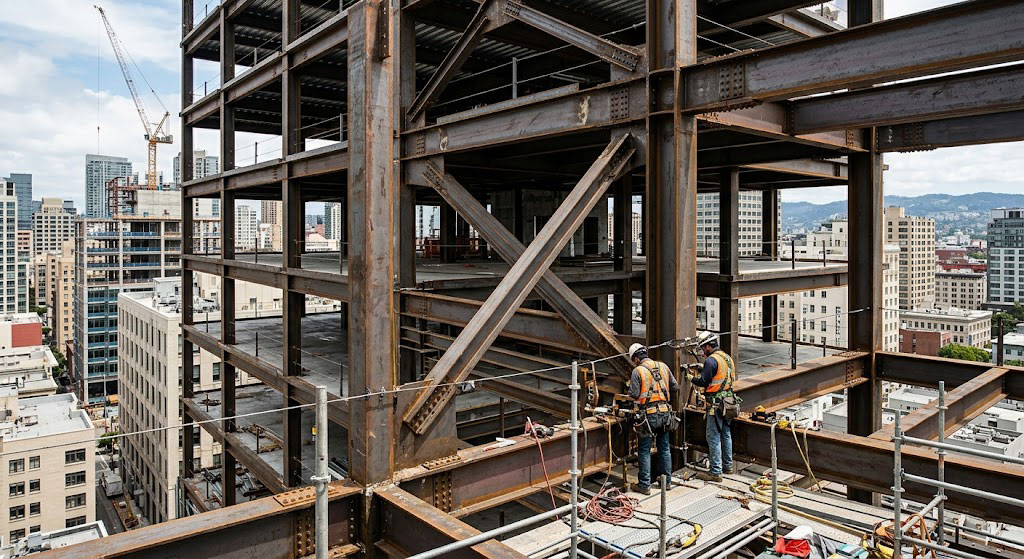
Metallic alloys possess inherent ductility allowing them controlled flexing during tremors. A multi storey steel building absorbs violent seismic energy safely without shattering. Your structural engineers implement specialized dampening systems throughout these frameworks. Such dynamic flexibility consistently saves human lives during terrifying natural disasters.
Understanding structural ductility benefits
You might be wondering, rigid concrete pillars simply crack under intense lateral forces. These resilient characteristics prevent complete architectural collapse during severe magnitude earthquakes.
- Metallic joints bend slightly without suffering catastrophic permanent failure.
- Specialized shock absorbers dissipate destructive subterranean kinetic energy harmlessly.
- Reinforced cross-bracing maintains overall vertical stability amidst violent shaking.
Safeguarding your valuable real estate
What’s the real story? Post-earthquake building inspections often reveal minimal structural frame damage. Maintenance crews typically replace isolated broken facade panels very quickly. Your business operations resume remarkably fast following major regional seismic events. Key Takeaway: Investing heavily into ductile frameworks protects your massive corporate financial assets continuously.
| Material Property | Seismic Response | Post-Quake Repair Cost |
|---|---|---|
| Brittle Concrete | Catastrophic Cracking | Astronomically High |
| Rigid Masonry | Structural Crumbling | Terribly Expensive |
| Ductile Metal | Controlled Flexing | Surprisingly Affordable |
This structural resilience data emphasizes why earthquake-prone regions mandate flexible metallic architecture.
Can a multi storey steel building give architects design freedom?
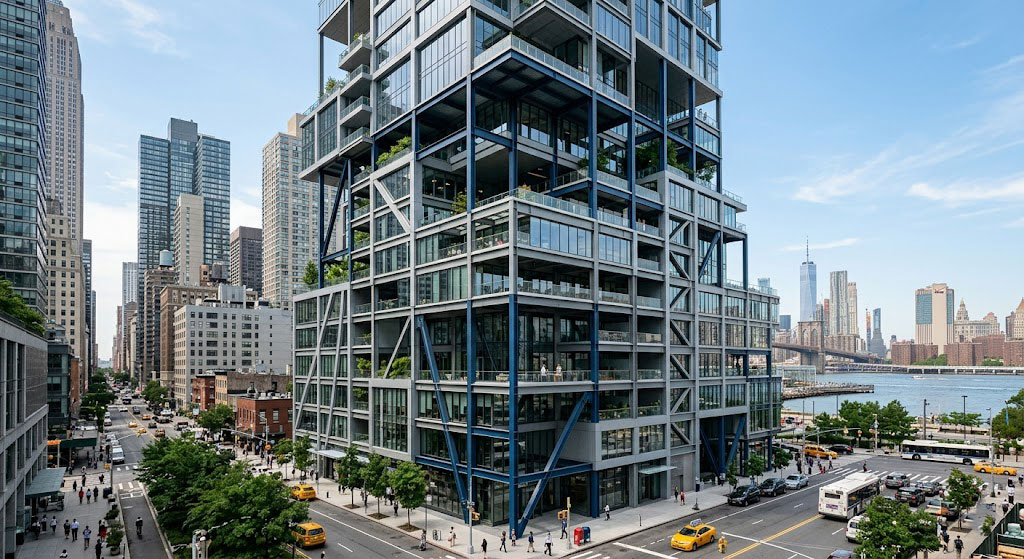
These versatile materials readily bend into incredibly complex architectural geometric shapes. A multi storey steel building accommodates breathtaking sweeping curves without compromising safety. You effortlessly achieve visually striking modern facades using customized metallic skeletons. Your completed project quickly becomes an iconic local urban landmark.
Crafting unique exterior building facades
Here’s the deal, flexible girders support dramatically cantilevered upper floor balconies securely. These bold aesthetic choices attract high-paying prestige corporate clients effortlessly.
- Transparent glass curtain walls attach seamlessly onto strong metallic frames.
- Curved roofline designs create uniquely identifiable corporate brand silhouettes.
- Asymmetrical structural layouts challenge boring traditional rectangular skyscraper aesthetics.
Customizing internal spatial configurations
Truth be told, architects easily design breathtaking multi-level open internal atriums. Suspended walkways span wide internal voids safely using high-tension cables. Your interior designers manipulate these vast volumes creatively without structural hindrances. Key Takeaway: Unrestricted architectural possibilities ensure your commercial property visually dominates crowded city skylines.
| Design Feature | Concrete Capability | Metallic Frame Capability |
|---|---|---|
| Sweeping Curves | Extremely Difficult | Very Easily Achieved |
| Long Cantilevers | Severely Limited | Highly Supported |
| Vast Atriums | Requires Thick Pillars | Needs Minimal Supports |
This aesthetic capability chart proves how versatile alloys empower visionary modern architectural minds.
Why does a multi storey steel building reduce foundation costs?
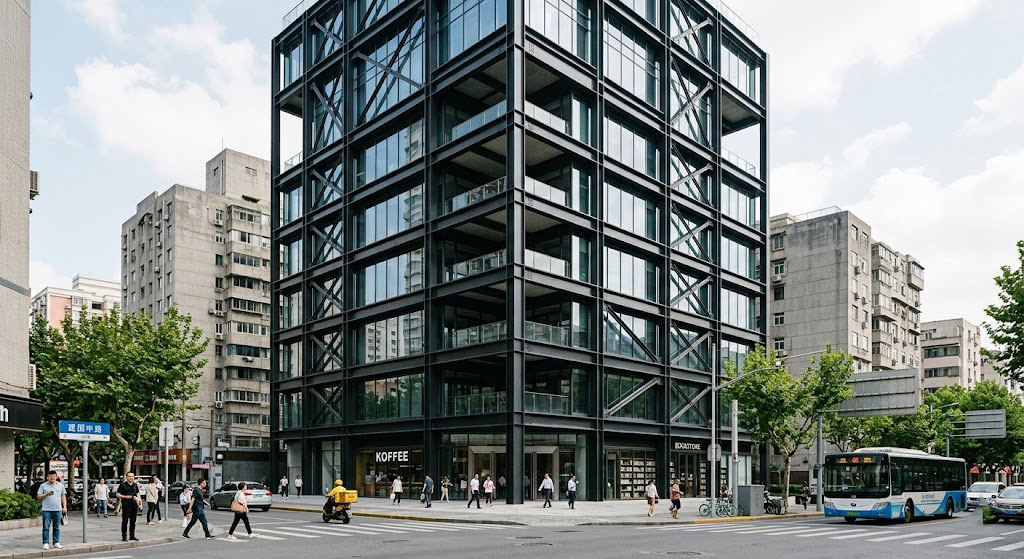
Lighter upper frameworks directly require noticeably shallower subterranean concrete support footings. A multi storey steel building physically weighs significantly less than traditional masonry. You purchase much less raw cement during initial groundwork excavation phases. This fundamental weight advantage practically slashes your preliminary site preparation expenses.
Minimizing expensive earthmoving operations
Listen closely, massive excavators burn expensive diesel fuel digging deep foundation trenches. These compounded savings drastically shrink your overall preliminary project financial budget.
- Shallower structural footings demand drastically shorter heavy machinery rental periods.
- Reduced soil displacement means lower hazardous waste removal trucking fees.
- Smaller concrete pours require fewer labor hours during foundation curing.
Building atop challenging soil conditions
Think about it, soft urban soil desperately struggles supporting overly heavy concrete towers. Lightweight metal architecture performs exceptionally well across unstable ground environments. Your structural engineers safely utilize standard piles instead of expensive caissons. Key Takeaway: Drastically reduced dead loads fundamentally transform financially unviable plots into profitable developments.
| Foundation Factor | Heavy Concrete Structure | Light Metallic Structure |
|---|---|---|
| Required Depth | Extremely Deep | Noticeably Shallower |
| Excavation Cost | Very Expensive | Quite Economical |
| Soil Compatibility | Requires Solid Bedrock | Tolerates Softer Earth |
This financial breakdown reveals how lighter frameworks generate massive initial construction savings.
How easily can you expand a multi storey steel building?
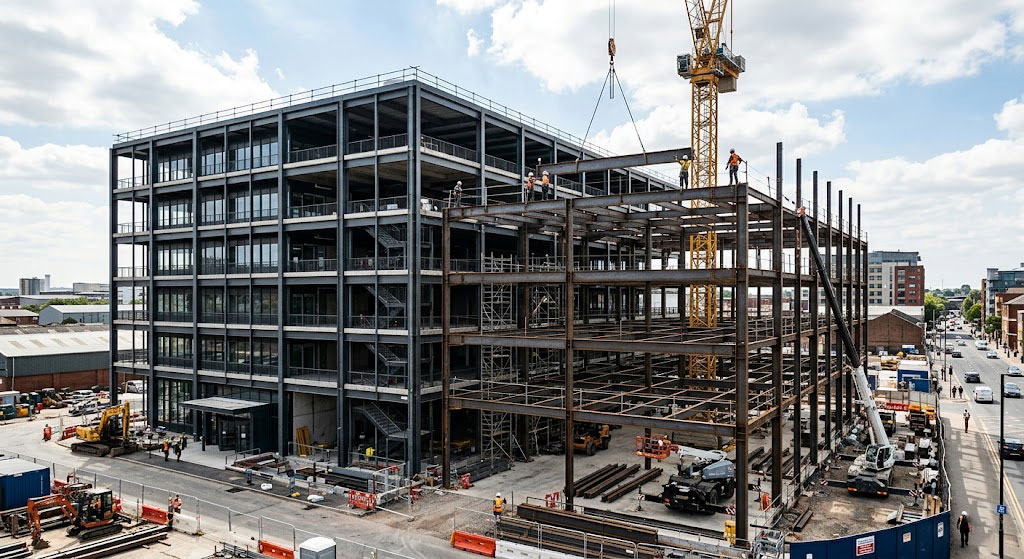
Adding extra floor levels happens remarkably fast using easily bolted connections. A multi storey steel building strongly anticipates future corporate physical growth requirements. You effortlessly attach new horizontal wings onto existing external metal facades. Your business smoothly scales its operational footprint without enduring relocation nightmares.
Planning for future vertical additions
But here’s the kicker, engineers intentionally over-design lower support columns during initial drafting. This incredible modularity perfectly suits rapidly expanding modern enterprise organizations.
- Removable roof panels expose pre-drilled vertical beam connection nodes instantly.
- Cranes hoist new lightweight modules atop existing occupied lower floors.
- Minimal noise pollution allows continuous lower-level commercial tenant business operations.
Simplifying horizontal wing extensions
Ready for the good part, knocking down temporary exterior walls exposes structural skeletons. New lateral beams seamlessly bolt onto these waiting sturdy connection points. Your architectural team flawlessly integrates modern aesthetic extensions visually alongside older sections. Key Takeaway: Future-proofing your commercial real estate portfolio guarantees long-term operational flexibility.
| Expansion Method | Traditional Masonry | Modular Metallic Frame |
|---|---|---|
| Vertical Addition | Nearly Impossible | Surprisingly Simple |
| Horizontal Extension | Messy Demolition | Clean Bolting Process |
| Tenant Disruption | Extremely High | Very Minimal |
This scalability comparison demonstrates how forward-thinking metal architecture easily accommodates corporate growth.
What maintenance does a multi storey steel building require?
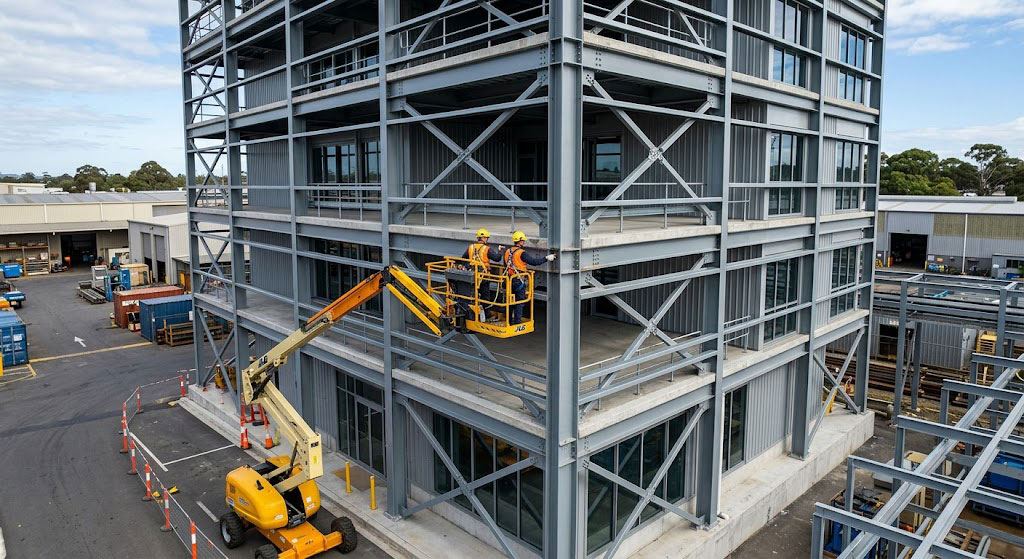
Protective chemical coatings continuously shield these sturdy structures against destructive environmental rust. A multi storey steel building demands surprisingly minimal routine physical upkeep. You simply schedule periodic visual inspections checking crucial high-tension bolted joints. Your facility managers spend drastically less money executing annual maintenance budgets.
Protecting against corrosive weather elements
This is where it gets interesting, modern factories apply advanced galvanized zinc treatments. These preventative measures actively extend your commercial property lifespan across multiple decades.
- Intumescent paints proactively block atmospheric moisture from touching bare iron.
- Routine exterior pressure washing easily removes harmful acidic urban smog residue.
- Specialized sensors actively monitor structural stress points detecting microscopic internal fatigue.
Streamlining facility management duties
You might be wondering, fixing localized accidental damage requires only minor isolated repairs. Welders quickly replace uniquely damaged individual beam sections without compromising entire frames. Your dedicated maintenance crew handles these tasks safely during quiet weekend hours. Key Takeaway: Low-maintenance commercial properties continuously maximize your annual corporate real estate profitability.
| Maintenance Task | Frequency Required | Expected Financial Cost |
|---|---|---|
| Joint Inspection | Annually | Very Low |
| Coating Touch-up | Every Decade | Moderate |
| Component Cleaning | Bi-Annually | Extremely Cheap |
This simplified upkeep schedule proves how durable metallic frameworks actively lower ownership costs.
How do fire systems fit a multi storey steel building?
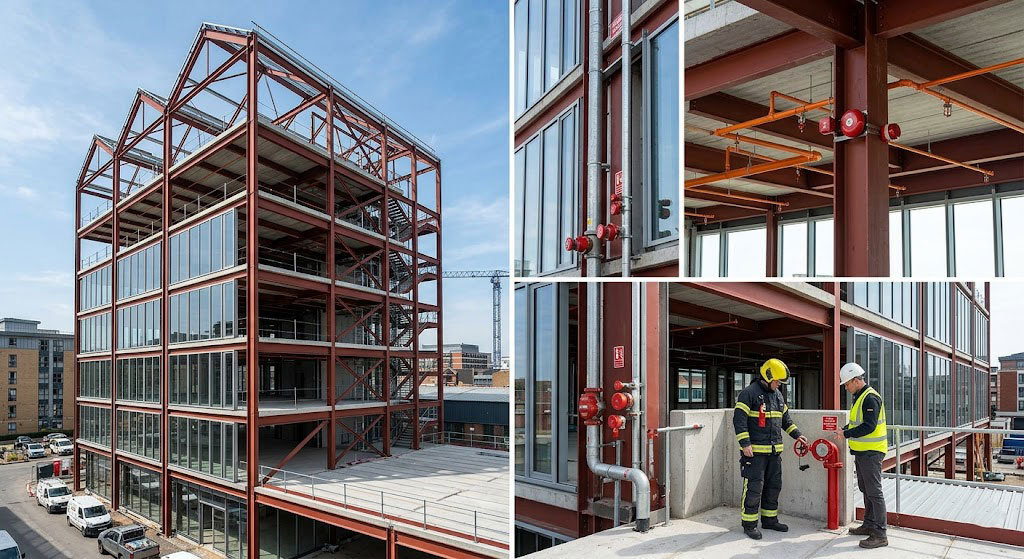
Modern engineers masterfully wrap exposed girders inside highly resilient flame-retardant materials. A multi storey steel building integrates advanced sprinkler networks seamlessly throughout ceilings. You easily fulfill stringent municipal fire safety code regulations without struggles. Your occupants safely evacuate through wide pressurized stairwells during sudden emergencies.
Applying advanced intumescent fireproofing paints
What’s the real story? Specialized chemical coatings expand massively when exposed to extreme heat. These integrated safety technologies actively prevent catastrophic structural yielding during infernos.
- This expanded char layer heavily insulates bare metal against melting temperatures.
- Sprinkler pipes securely hang from pre-punched holes within horizontal floor joists.
- Automated smoke detectors wire directly through hollow vertical support columns neatly.
Ensuring safe occupant evacuation routes
Here’s the deal, wide metallic staircases refuse to collapse under chaotic crowd pressure. Emergency lighting systems maintain continuous illumination using secure internal electrical conduits. Your corporate safety officers confidently execute rapid emergency building evacuation protocols. Key Takeaway: Prioritizing integrated fire protection technologies ethically safeguards human lives alongside corporate assets.
| Fire Safety Feature | Integration Method | Primary Protection Goal |
|---|---|---|
| Intumescent Paint | Direct Beam Coating | Prevents Metal Melting |
| Sprinkler Networks | Hung From Joists | Extinguishes Active Flames |
| Pressurized Stairs | Central Core Placement | Ensures Safe Evacuation |
This crucial safety breakdown highlights how meticulously planned architecture neutralizes deadly thermal threats.
Vertical metal frameworks consistently provide unparalleled strength alongside rapid erection speeds. These meticulously engineered structures optimize commercial investments brilliantly. You secure immense architectural freedom while experiencing dramatically reduced maintenance costs. Transform your next urban development project effectively; contact us today.
FAQ
Q1: What is the best way to define a multi storey steel building? It is a vertical architectural structure relying primarily upon metallic frameworks. These robust systems utilize highly prefabricated iron alloys for supporting massive floor loads safely.
Q2: How do I know if modular prefabrication works for my project? Yes, it absolutely works if you face tight deadlines. Factory construction happens concurrently alongside preliminary site excavation, saving you several valuable months.
Q3: Can I genuinely achieve eco-friendly certification with these frameworks? Yes, you certainly can. Structural metals possess incredibly high recycling rates, dramatically lowering your overall corporate carbon footprint efficiently.
Q4: Can I significantly lower my total construction costs using metal? It depends primarily upon your specific structural design complexity. However, faster erection speeds generally reduce expensive onsite labor hours substantially.
Q5: How do I know if my metallic framework requires preventative maintenance? You should conduct thorough visual inspections annually. Looking for compromised chemical coatings ensures your protective rust barriers remain functionally intact.