
A multi stories building represents any architectural structure featuring multiple floors stacked vertically above ground level. Urban developers often struggle finding adequate space within crowded city centers currently. Wasted land means lost revenue potential for growing enterprises everywhere. Building vertically offers an incredibly efficient method maximizing limited property footprints effectively. This approach allows companies room accommodating expansive operations without requiring massive land purchases.
What Defines A Typical Multi Stories Building?
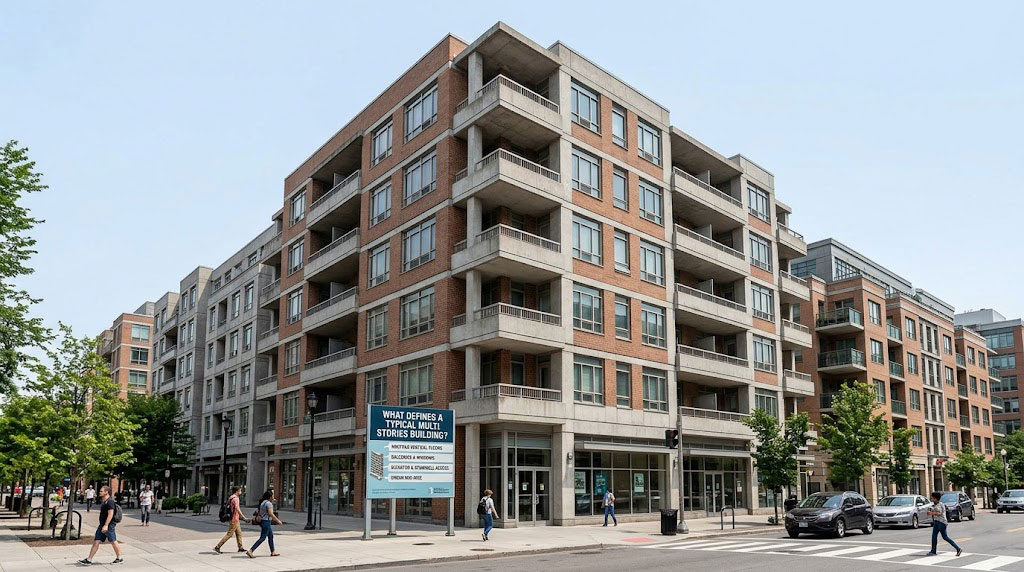
A multi stories building incorporates several stacked levels designed specifically handling residential or commercial use. Modern property owners demand versatile spaces capable accommodating diverse daily operations simultaneously. Structuring facilities vertically solves spatial limitations effortlessly across crowded metropolitan zones.
How high can these structures reach safely?
Advanced engineering techniques allow modern skyscrapers dizzying heights without sacrificing structural stability whatsoever. You might assume taller frameworks inherently carry greater physical risks during extreme weather. But here’s the kicker… Innovative materials provide exceptional wind resistance while supporting massive weight loads efficiently.
- Core central pillars distribute weight downward securely.
- Flexible joints absorb seismic shocks naturally.
- Aerodynamic exteriors reduce wind shear forces drastically.
What specific architectural features stand out?
Distinctive exterior facades often define modern urban skylines beautifully across global metropolitan areas. Planners prioritize maximizing natural light penetration alongside maintaining efficient internal climate control networks. This is where it gets interesting… Many new designs feature automated environmental systems tracking real-time usage data constantly.
- Smart glass windows adjust tinting automatically.
- Dedicated service elevators isolate heavy cargo transport.
- Rooftop green spaces reduce urban heat islands.
Table Summary for Features
| Feature Category | Primary Function | Typical Material |
|---|---|---|
| Core Structure | Load distribution | Reinforced concrete |
| Exterior Facade | Climate management | Smart glass |
| Base Foundation | Seismic stability | Steel pilings |
These core components work together guaranteeing long-term durability across various challenging environments universally.
Key Takeaway: Understanding fundamental structural traits helps buyers evaluate commercial property investments much more accurately.
Why Choose A Multi Stories Building For Business?
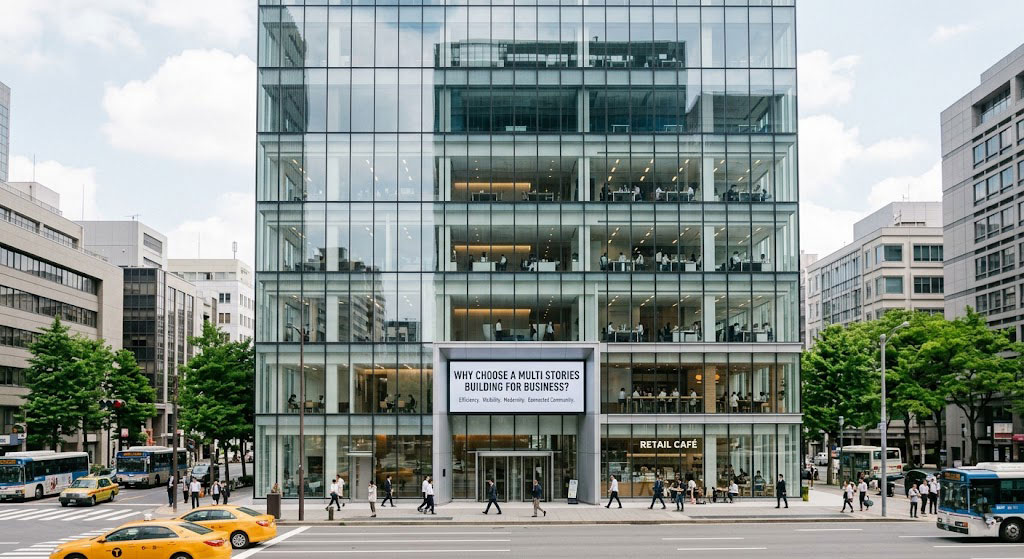
Selecting a multi stories building grants businesses centralized operational control over multiple distinct departments. Fragmented offices across different locations usually create frustrating communication bottlenecks daily. Consolidating teams under one roof streamlines corporate workflows instantly.
Will vertical space improve overall productivity?
Co-locating separate divisions encourages spontaneous collaboration between previously isolated employee groups organically. You may notice faster decision-making processes once managers share physical proximity daily. Ready for the good part? Face-to-face interactions resolve complex issues faster than endless email chains ever could.
- Open floor concepts encourage cross-departmental communication.
- Shared recreational areas build stronger corporate cultures.
- Centralized IT hubs resolve technical problems quicker.
Can commercial enterprises save operational costs?
Shared utility infrastructures lower monthly electricity bills compared against maintaining separate single-level facilities. Property taxes generally cost less per square foot when building upward instead. Here is the deal… Consolidated security systems require fewer personnel guarding fewer physical entrance points overall.
- Single HVAC systems heat entire complexes uniformly.
- Bulk internet contracts lower telecommunication expenses drastically.
- Shared maintenance teams reduce external contractor reliance.
Operational Cost Comparison
| Expense Type | Single Level | Multi Storey |
|---|---|---|
| Property Tax | High | Moderate |
| Security Staff | Multiple teams | One central team |
| HVAC Maintenance | High | Efficient |
Analyzing these cost differences reveals clear financial advantages favoring vertical corporate headquarters.
Key Takeaway: Centralizing business operations vertically reduces unnecessary expenses while boosting team collaboration noticeably.
How Are Multi Stories Building Foundations Laid?
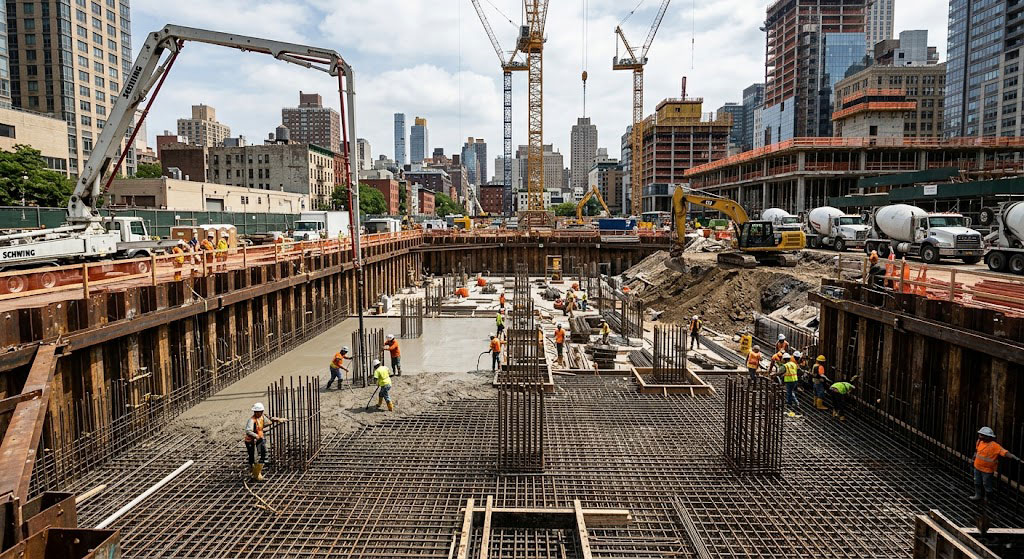
Constructing a solid multi stories building foundation requires extensive subterranean excavation reaching solid bedrock layers. Weak soil conditions often threaten structural integrity over decades witnessing continuous heavy usage. Deep piling techniques anchor massive frameworks firmly against shifting subterranean ground forces.
Why do deep foundations matter most here?
Tall structures generate immense downward pressure requiring highly specialized weight distribution networks below ground. Shallow footings simply cannot support towering frameworks safely against high wind conditions. What does this mean for you? Engineers calculate exact load-bearing requirements before pouring any concrete mixtures onsite.
- Friction piles grip surrounding dirt tightly.
- End-bearing piles rest directly atop solid rock.
- Raft foundations float massive weights across soft ground.
How do soil conditions impact structural integrity?
Different geological profiles dictate which specific anchoring methods contractors must implement during initial phases. Sandy terrains require vastly different stabilization techniques compared against dense clay environments. You might be wondering… Ignoring geological surveys inevitably leads toward expensive structural repairs shortly after completion.
- Clay soils demand moisture control barriers constantly.
- Sandy grounds require chemical binding agents initially.
- Rocky terrains need heavy drilling equipment upfront.
Foundation Types Comparison
| Soil Type | Recommended Foundation | Primary Benefit |
|---|---|---|
| Soft Clay | Raft Foundation | Broad weight distribution |
| Loose Sand | Friction Piles | High surface resistance |
| Solid Rock | End-bearing Piles | Ultimate stability |
Selecting proper subterranean supports guarantees your investment remains upright despite changing environmental factors.
Key Takeaway: Investing heavily into geotechnical surveys prevents disastrous foundational failures during later building stages.
Which Materials Suit A Multi Stories Building Best?
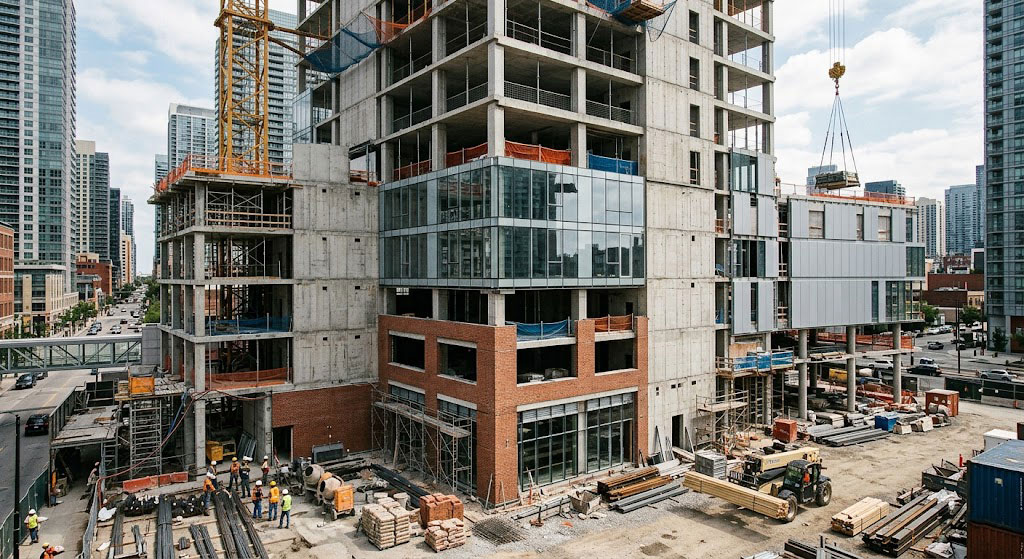
The ideal multi stories building relies heavily upon high-grade structural steel frameworks primarily. Inferior building supplies degrade rapidly under constant environmental stress over many harsh seasons. Sourcing premium industrial materials ensures unmatched longevity while meeting strict local zoning codes.
Is steel framing superior for tall structures?
Structural steel offers unparalleled flexibility allowing architects incredible creative freedom during design phases. Concrete alone becomes prohibitively heavy when reaching beyond twenty individual floor levels vertically. Truth be told… Pre-fabricated metal components assemble much faster onsite than traditional poured masonry requires.
- Steel I-beams span vast open interior spaces.
- Galvanized coatings prevent dangerous internal rust buildup.
- Recycled metal options lower environmental impact scores.
When should contractors rely upon reinforced concrete?
Solid concrete cores provide unmatched rigidity against lateral forces like strong storm winds. Elevators shafts typically utilize thick masonry walls protecting vulnerable mechanical components inside completely. Here is the secret… Concrete offers natural fire resistance delaying catastrophic collapses during severe emergency situations.
- Post-tensioned slabs allow thinner floor profiles generally.
- Pre-cast panels speed exterior wall assembly considerably.
- High-density mixtures block external city noises effectively.
Material Application Breakdown
| Material | Typical Usage | Key Advantage |
|---|---|---|
| Structural Steel | Main framework | High tensile strength |
| Reinforced Concrete | Elevator cores | Fire resistance |
| Tempered Glass | Exterior facade | Natural lighting |
Combining diverse industrial materials strategically maximizes both aesthetic appeal alongside raw physical endurance.
Key Takeaway: Balancing steel flexibility against concrete rigidity creates incredibly resilient commercial property assets.
Are Multi Stories Building Projects Cost Effective?
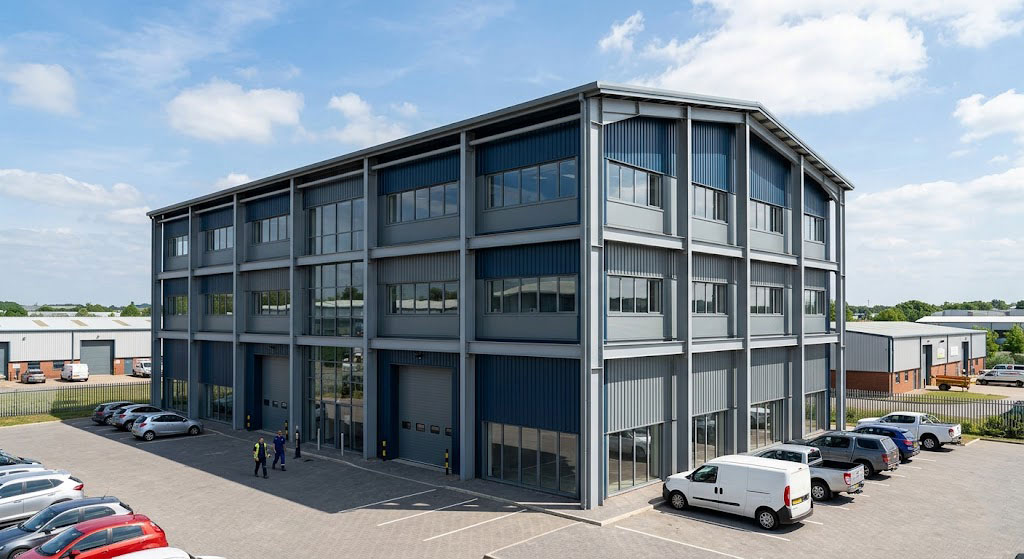
Funding a multi stories building demands significant upfront capital covering specialized engineering labor. Short-sighted investors frequently balk viewing massive initial price tags associated with tall developments. Maximizing rentable square footage per acre guarantees much higher eventual profit margins.
How do developers estimate initial project budgets?
Accurate financial forecasting requires analyzing current raw material prices alongside projected labor union rates. Hidden costs involving complicated municipal permitting processes frequently derail poorly planned preliminary budgets entirely. Let me explain… Experienced project managers include substantial contingency funds covering unexpected delays predictably arising later.
- Geotechnical surveys determine hidden excavation expenses early.
- Architectural revisions add significant consulting fees upfront.
- Specialized equipment rentals increase daily operational costs.
Can long term ROI justify initial expenses?
Premium office spaces located high above noisy streets command significantly higher monthly rental rates. Commercial tenants eagerly pay extra for prestige addresses featuring unobstructed panoramic city views. Consider this fact… Amortizing large construction loans becomes manageable once maximum occupancy levels stabilize consistently.
- Ground-level retail spaces generate steady daily income.
- Rooftop cellular antennas provide hidden revenue streams.
- Premium penthouse offices attract wealthy corporate clients.
Financial Return Matrix
| Revenue Source | Investment Level | Profit Potential |
|---|---|---|
| Retail Leasing | High | Moderate |
| Premium Office | Very High | Maximum |
| Antenna Space | Low | Steady |
Diversifying internal income streams ensures steady cash flow buffering against temporary economic downturns.
Key Takeaway: Vertical commercial real estate development offers unmatched long-term financial returns despite steep entry costs.
Can A Multi Stories Building Be Eco Friendly?
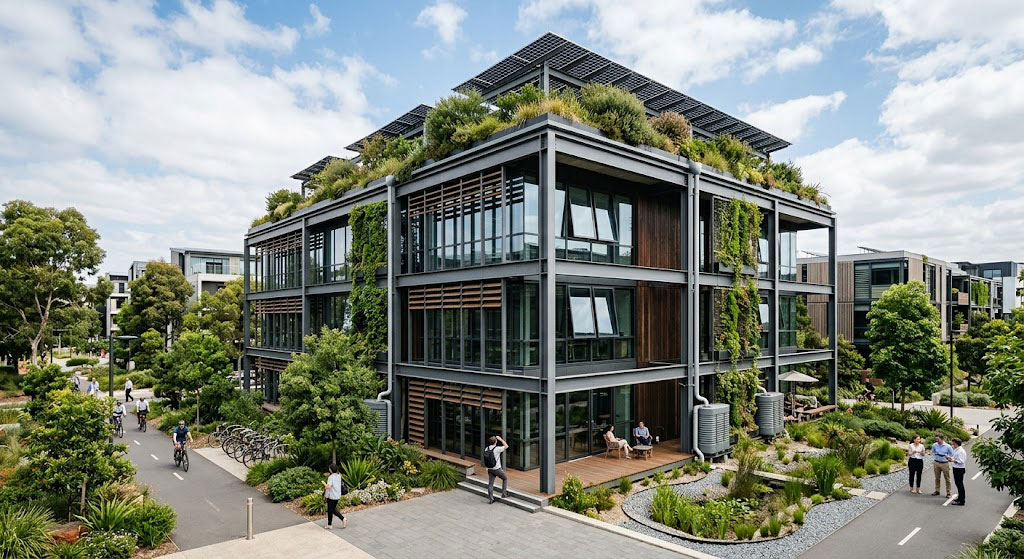
Every modern multi stories building can incorporate sustainable technologies reducing overall carbon footprints. Traditional skyscrapers consume massive energy amounts generating significant greenhouse gas emissions daily. Implementing green initiatives transforms energy-hungry towers into highly efficient sustainable urban models.
What role do green certifications actually play?
Achieving strict LEED certification status proves your commitment toward measurable environmental sustainability goals publicly. Buildings lacking modern efficiency standards face steep fines from aggressive new municipal climate regulations. Want to know a secret? Certified green properties historically maintain much higher resale values than traditional older structures.
- Low-flow plumbing fixtures reduce municipal water waste.
- Smart thermostats minimize unnecessary overnight heating cycles.
- Motion-activated lighting lowers daily electricity consumption dramatically.
How do solar panels integrate seamlessly today?
Modern photovoltaic arrays blend directly into exterior glass facades rather than sitting clumsily atop roofs. Generating renewable energy onsite lowers reliance upon unstable public electrical grid systems continuously. Listen closely… Battery storage networks capture excess daytime solar power handling peak evening usage demands smoothly.
- Transparent solar windows generate passive electrical currents.
- Rooftop wind turbines harvest high-altitude breezes efficiently.
- Regenerative elevator braking systems capture kinetic energy.
Sustainability Impact Chart
| Eco Feature | Primary Target | Expected Reduction |
|---|---|---|
| Solar Windows | Grid reliance | 30% energy drop |
| Smart HVAC | Heating waste | 25% cost savings |
| Low-flow Pipes | Water usage | 40% volume decrease |
Deploying targeted sustainable technologies dramatically cuts ongoing utility costs while pleasing environmentally minded occupants.
Key Takeaway: Embracing green architectural standards protects future property valuations against tightening environmental government regulations.
What Safety Features Does A Multi Stories Building Need?
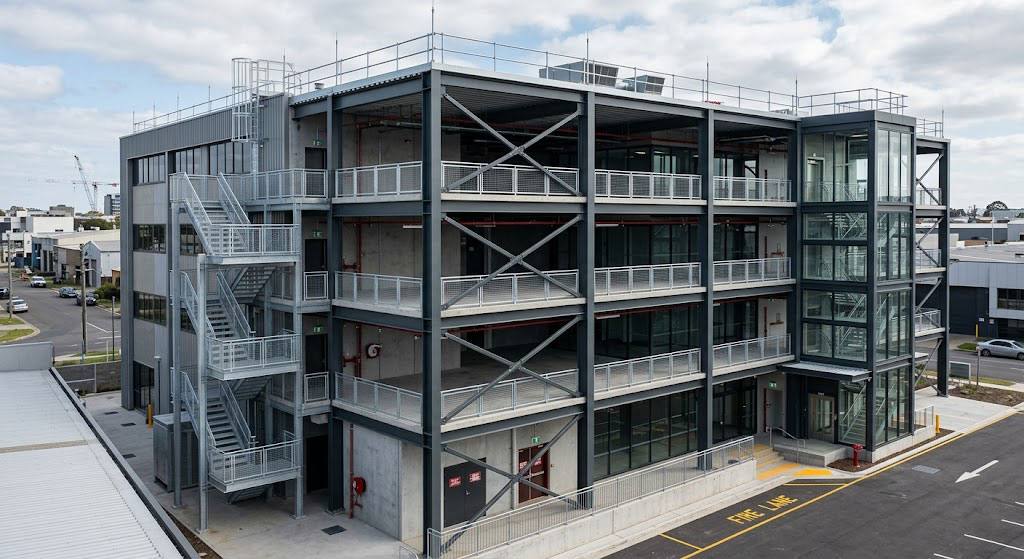
Any compliant multi stories building requires comprehensive emergency response systems protecting human lives constantly. High-rise disasters often result causing catastrophic casualties without proper preventative measures installed beforehand. Modern safety protocols create reliable failsafe mechanisms handling diverse crisis scenarios effectively.
Are fire suppression systems strictly mandated globally?
International building codes require advanced sprinkler networks covering every single interior square foot comprehensively. Smoke inhalation poses far greater danger during emergencies than actual open flames typically do. The bottom line? Pressurized stairwells keep toxic smoke out while desperate occupants evacuate downward quickly.
- Heat-activated ceiling sprinklers target localized fire outbreaks.
- Automated smoke vents clear corridors maintaining visibility.
- Flame-retardant interior doors isolate spreading infernos effectively.
How do engineers plan emergency evacuation routes?
Architects design redundant exit pathways guaranteeing nobody remains trapped if one corridor collapses unexpectedly. Glow-in-the-dark floor striping guides panicked people forward whenever main electrical grids fail completely. Why does this matter? Specialized evacuation elevators operate safely even during severe multi-floor raging fire scenarios.
- Wide staircases accommodate massive simultaneous crowd movements.
- Clearly marked exit signs feature backup battery supplies.
- Dedicated emergency intercoms connect directly toward local dispatchers.
Safety Protocol Requirements
| Safety System | Function | Maintenance Schedule |
|---|---|---|
| Pressurized Stairs | Smoke blocking | Monthly testing |
| Sprinkler Network | Fire suppression | Annual inspection |
| Backup Generators | Emergency power | Weekly run tests |
Rigorous preventative maintenance schedules ensure critical life-saving equipment functions flawlessly during actual terrifying emergencies.
Key Takeaway: Over-engineering internal safety systems prevents tragic loss saving lives while dramatically lowering insurance premiums.
How Long Does Multi Stories Building Construction Take?
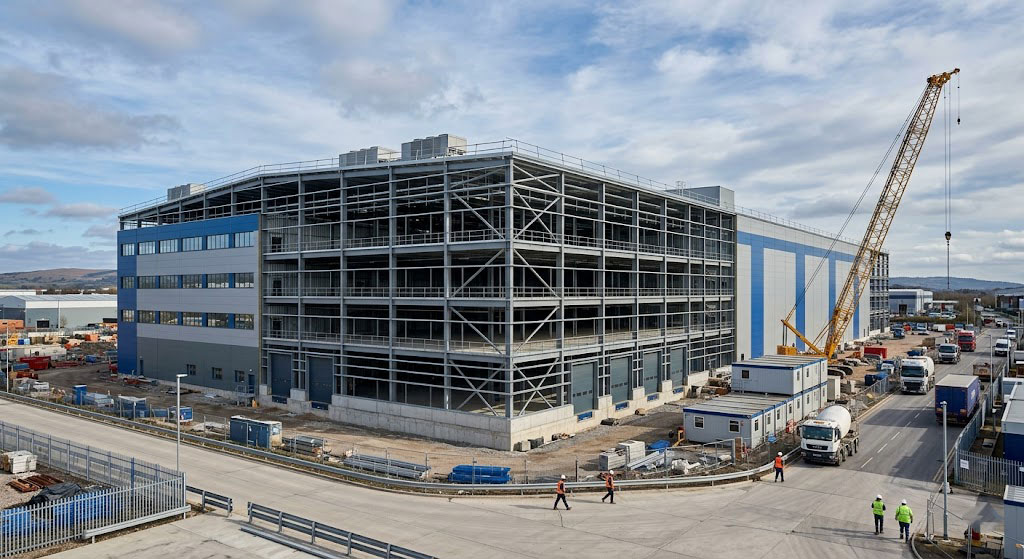
A typical multi stories building completion timeline spans anywhere between two and five years. Rushing complex architectural projects inevitably causes dangerous structural flaws requiring expensive future remediation. Careful phased planning ensures each construction stage meets rigid quality control standards perfectly.
What factors cause common scheduling delays routinely?
Supply chain bottlenecks involving rare raw materials halt forward progress completely for several weeks. Severe winter storms prevent concrete mixtures from curing properly outside causing massive timeline setbacks. Get this… Municipal building inspectors often require last-minute design changes delaying final occupancy permit approvals indefinitely.
- Labor strikes halt daily physical site progress entirely.
- Delayed steel shipments push back framing milestones.
- Unexpected subterranean rock formations slow excavation phases.
Can modular construction speed up project timelines?
Assembling prefabricated rooms inside climate-controlled factories removes unpredictable weather variables from scheduling equations entirely. Cranes lift completed modular units directly into place saving countless hours onsite daily. Now pay attention… Factory assembly lines maintain far stricter quality tolerances than outdoor manual labor allows.
- Pre-wired wall panels install instantly upon arrival.
- Completed bathroom pods slide into designated slots quickly.
- Standardized components reduce unique custom fabrication delays.
Construction Timeline Averages
| Project Phase | Traditional Method | Modular Method |
|---|---|---|
| Foundation Work | 6 Months | 6 Months |
| Framework Assembly | 12 Months | 4 Months |
| Interior Finishing | 10 Months | 5 Months |
Transitioning toward modern modular assembly techniques slashes overall project duration delivering faster investor returns.
Key Takeaway: Proactive supply chain management remains absolutely critical keeping massive construction projects running smoothly onsite.
Do Multi Stories Building Designs Maximize Space?
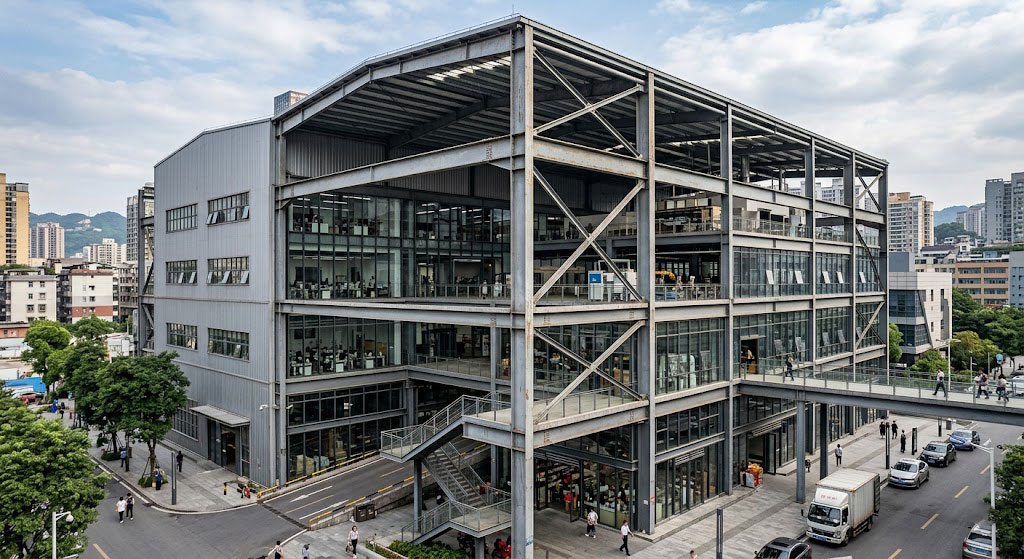
Every single multi stories building strives toward optimizing usable interior square footage completely. Dead zones featuring unusable corners drain potential rental income from property owners silently. Intelligent spatial mapping transforms awkward architectural layouts into highly desirable premium commercial real estate.
How do open floor plans increase utility?
Removing non-load-bearing internal walls creates expansive sightlines fostering collaborative corporate working environments naturally. Fluid workspaces adapt easily whenever fast-growing companies need sudden internal departmental layout rearrangements. What is the catch? Acoustic dampening materials prevent these large open areas becoming deafeningly loud echo chambers.
- Movable partition walls create temporary private meeting rooms.
- Under-floor wiring systems eliminate dangerous tripping hazards.
- Shared printing stations reduce redundant bulky office equipment.
Do parking structures fit within limited footprints?
Subterranean parking garages utilize deep underground spaces leaving valuable street-level areas supporting retail storefronts. Automated vehicle stacking machinery parks cars closer together than human drivers ever could safely. Make no mistake… Efficient vehicle storage solutions attract premium corporate tenants demanding reliable daily commuter accommodations continuously.
- Robotic valets retrieve stored vehicles within minutes accurately.
- Designated EV charging bays support modern sustainable transportation.
- Secure bicycle lockers encourage healthy alternative commuting habits.
Spatial Optimization Strategies
| Space Type | Traditional Issue | Modern Solution |
|---|---|---|
| Office Floor | Cubicle maze | Open flexible layouts |
| Parking Lot | Surface sprawl | Subterranean stacking |
| Meeting Room | Rarely used | Convertible partitions |
Clever architectural trickery squeezes maximum functional utility out from strictly limited urban land parcels.
Key Takeaway: Creative spatial engineering maximizes rentable areas dramatically increasing total overall property valuation permanently.
What Future Trends Affect A Multi Stories Building?
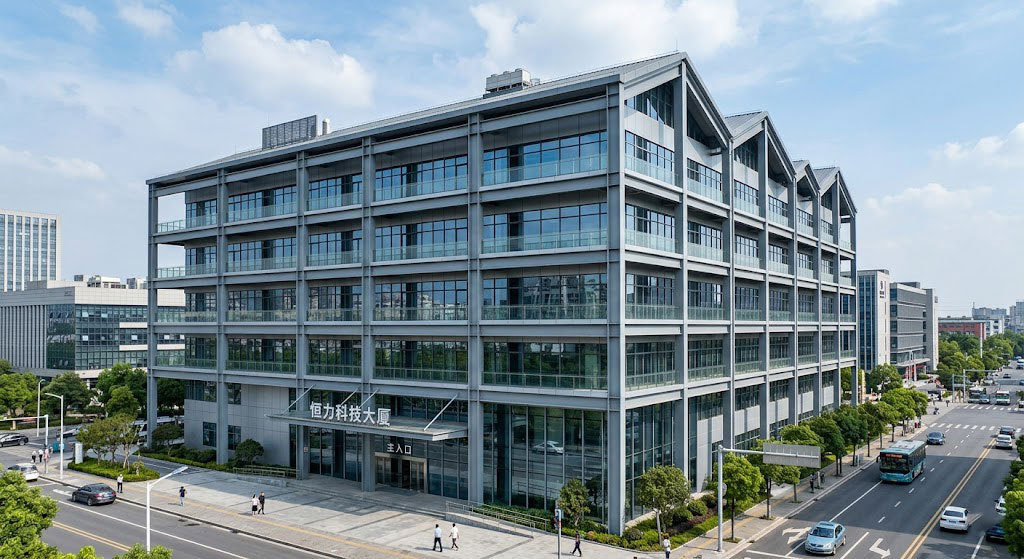
Tomorrow’s multi stories building will feature artificial intelligence managing daily operational functions completely autonomously. Aging structures lacking smart integrations will struggle attracting high-paying modern corporate tenants soon. Upgrading digital infrastructure remains crucial staying competitive within aggressively evolving commercial real estate markets.
Will smart tech redefine urban property management?
Internet-connected sensors monitor structural health spotting microscopic stress fractures long before humans notice them. Autonomous cleaning robots navigate empty corridors overnight sanitizing shared surfaces without human intervention required. Truth is… Digital twin software creates virtual building replicas allowing managers risk-free system testing capabilities.
- Facial recognition cameras replace traditional plastic security badges.
- AI HVAC systems learn tenant temperature preferences intuitively.
- Smart plumbing detects silent pipe leaks stopping water damage.
How do changing zoning laws impact development?
Municipal governments increasingly favor mixed-use developments blending residential apartments seamlessly alongside commercial office spaces. Strict single-use zoning regulations previously created desolate downtown districts after normal business hours ended. But wait, there’s more… Future urban planning demands properties capable serving multiple diverse community needs simultaneously.
- Shared ground-level plazas host vibrant weekend community markets.
- Integrated grocery stores serve both residents and office workers.
- Flexible zoning allows rapid repurposing during economic shifts.
Future Trend Predictions
| Trend Category | Current Standard | Future Expectation |
|---|---|---|
| Security Access | Keycards | Biometric scanning |
| Maintenance | Reactive repairs | AI predictive fixes |
| Zoning Rules | Single usage | Dynamic mixed-use |
Adapting swiftly toward emerging technological trends guarantees your commercial property remains highly relevant tomorrow.
Key Takeaway: Embracing artificial intelligence integrations transforms passive concrete structures into responsive living technological ecosystems.
Understanding vertical architecture helps developers maximize urban investments significantly over time. We explored foundational methods, material choices, eco-friendly integrations, and future smart tech trends comprehensively. Upgrading your commercial property portfolio requires expert guidance navigating complex modern construction regulations efficiently. Your company deserves visionary structures inspiring future generations continuously. Secure your structural future by choosing partners who understand complex architectural demands perfectly. Please contact us today scheduling a comprehensive project consultation immediately.
FAQ
Q1: Can I build a multi stories building on soft soil?
Yes, absolutely. Deep raft foundations and friction piles distribute massive weights safely across challenging unstable geological terrains.
Q2: What’s the best material for high-rise frameworks?
Structural steel wins easily. It provides exceptional tensile strength while remaining lightweight enough for rapid vertical assembly.
Q3: How do I know if my building is eco-friendly?
Check your LEED certification status. Valid green certifications prove your property meets strict energy efficiency and sustainability standards.
Q4: Can I retrofit smart technology into older buildings?
Yes, you can. Wireless IoT sensors and smart thermostats upgrade outdated infrastructure without requiring massive destructive wall demolitions.
Q5: What’s the best way to maximize interior space?
Implement open floor plans immediately. Removing non-load-bearing walls creates flexible environments that adapt quickly toward changing tenant needs.