
Your guide to building a steel warehouse centers on selecting premium materials, maximizing interior space, and planning for long-term durability. You desperately need a secure facility to house your expanding inventory, but navigating construction options often feels completely overwhelming. Delays, hidden costs, and vulnerable materials can quickly turn a straightforward storage project into an agonizing financial burden. Thankfully, opting for a prefabricated steel structure eliminates these headaches by providing a rapid, resilient, and highly customizable environment. When building a warehouse, following structured best practices guarantees you achieve maximum efficiency. This comprehensive manual explores exactly how you can safeguard your assets.
What Are Key Steps For Building a Warehouse?
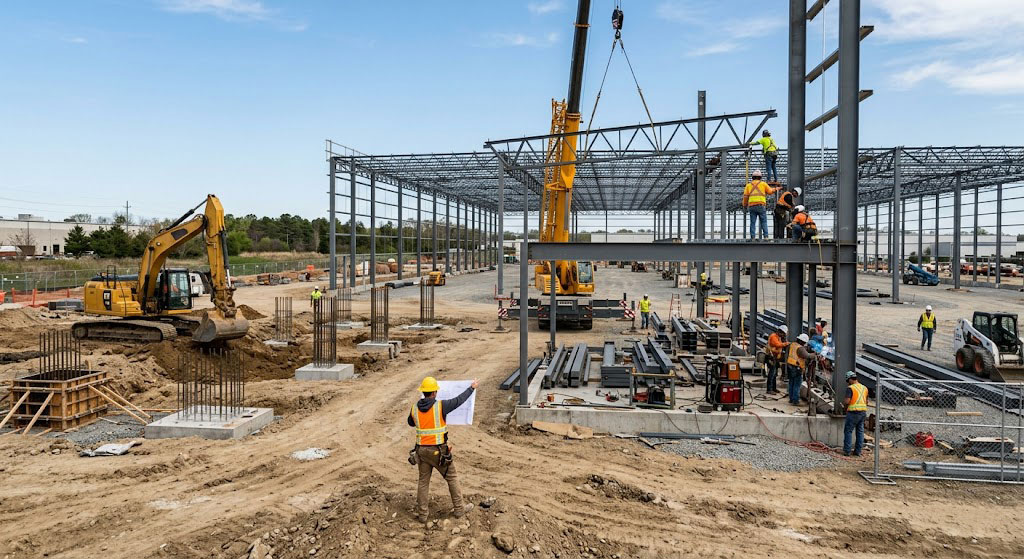
The key steps involve finalizing your design, acquiring permits, and assembling the components systematically. When you begin the journey of building a warehouse, preparation is your best defense against unexpected delays. A solid foundation requires careful planning and strategic execution. You must organize your timeline effectively to ensure successful completion.
This phase is critical for long-term structural durability. Moving forward without a blueprint will only increase your overall expenses. Proper coordination ensures that every steel beam aligns perfectly.
Why Is Site Selection Critical?
Here is the truth: your location dictates the success of your entire project. If your ground is uneven, your structural integrity will suffer immensely. You need an environment that supports heavy machinery and constant traffic.
Selecting the right spot means evaluating multiple environmental factors.
- Soil composition must support heavy loads.
- Drainage systems need to prevent flooding.
- Access roads should accommodate large delivery trucks. A bad location will cripple your daily operations.
How Do You Navigate Zoning Laws?
Zoning regulations determine what you can legally construct on your property. You cannot afford to ignore local ordinances and building codes. If you violate these rules, authorities will shut down your project immediately. Securing the right permits protects you from legal headaches down the line.
Understanding local compliance saves you both time and money.
| Requirement | Importance | Impact |
|---|---|---|
| Setbacks | High | Prevents boundary disputes |
| Height Limits | High | Ensures neighborhood compliance |
| Use Permits | Medium | Validates business operations |
This structured breakdown highlights exactly how regulations dictate your construction boundaries.
Key Takeaway: By mastering site selection and zoning laws, you ensure your project starts on a legally and physically solid foundation.
How Does Durability Impact Building a Warehouse?
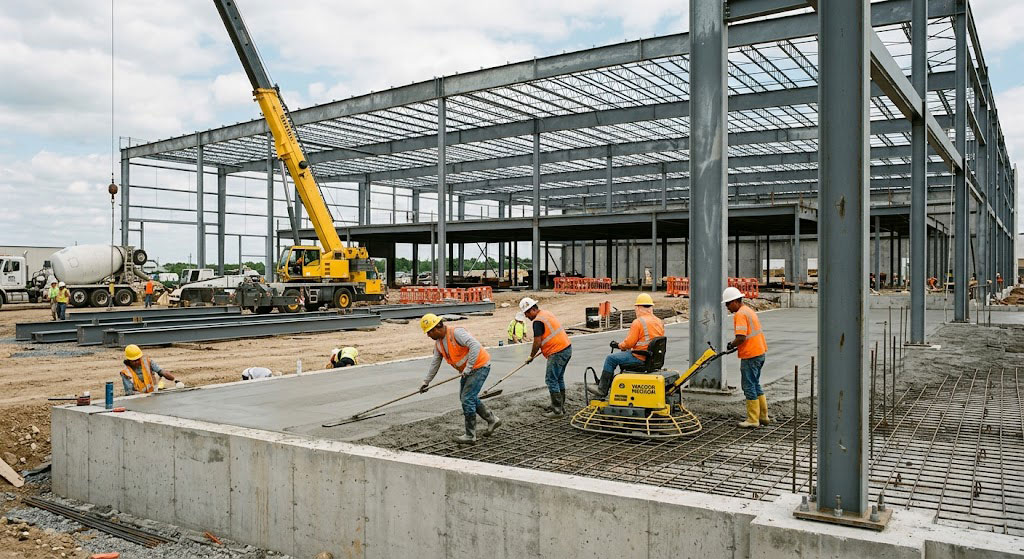
Durability guarantees that your structure withstands environmental threats and daily operational wear. While building a warehouse, selecting resilient materials minimizes your long-term maintenance costs. You need a facility that offers unbeatable protection for your valuable inventory. A robust exterior acts as your primary shield against the elements.
Lumber often succumbs to fires, pests, and rotting over time. Steel framing remains non-combustible and completely resistant to these common hazards. Choosing metal over wood ensures your investment lasts for decades.
Why Choose Non-Combustible Materials?
Consider this: fires are a leading cause of catastrophic inventory loss. Using steel dramatically reduces the risk of accidental combustion on site. You can rest easy knowing your goods are safely encased.
Fire-resistant structures also lead to significantly lower insurance premiums.
- Steel does not ignite or spread flames.
- Non-combustible walls protect adjacent properties.
- Heat resistance preserves structural integrity during emergencies. These safety features are completely non-negotiable for commercial storage.
Can You Protect Against Earthquakes?
Seismic activity poses a massive threat to poorly constructed commercial buildings. Steel possesses a unique weight-to-strength ratio that allows it to flex safely. This flexibility prevents catastrophic collapse during intense ground tremors. You absolutely need this resilience in disaster-prone regions.
Engineered framing absorbs kinetic energy much better than rigid concrete.
| Hazard | Steel Performance | Wood Performance |
|---|---|---|
| Earthquakes | Excellent flexibility | Prone to splintering |
| High Winds | Superior resistance | High risk of damage |
| Termites | 100% Immune | Highly vulnerable |
Comparing these materials proves why steel is the superior choice for mitigating natural disasters.
Key Takeaway: Prioritizing durability through steel construction protects your inventory from fires, pests, and severe weather events.
Why Is Clear Space Vital In Building a Warehouse?
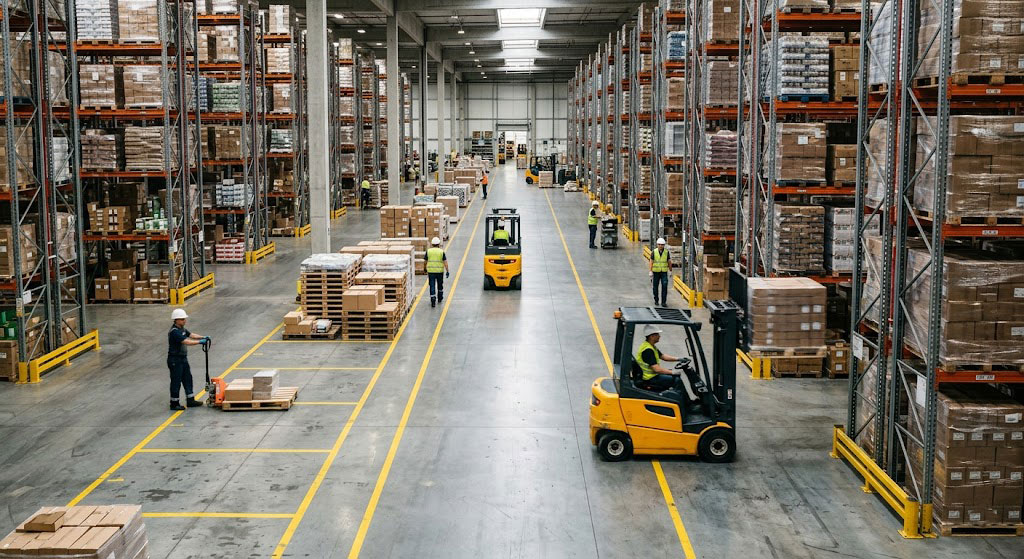
Clear space allows you to configure your interior layout without physical obstructions. When building a warehouse, an open floor plan maximizes your functional storage capacity. You can arrange massive shelving units without working around bulky columns. This uninterrupted area is essential for seamless logistics.
Load-bearing columns severely limit where you can drive forklifts. Eliminating these obstacles speeds up your entire inventory management process. A wide-open interior adapts easily to your changing business needs.
What Are Rigid Framing Benefits?
Look at it this way: rigid framing supports enormous roof weights without interior posts. You can achieve up to 150 feet of width completely uninterrupted. This engineering marvel grants you ultimate freedom in spatial planning.
This structural strategy directly impacts your daily operational workflow.
- Maneuvering large equipment becomes significantly safer.
- Stacking pallets in straight lines optimizes square footage.
- Reconfiguring aisles requires zero structural modifications. These benefits streamline your warehouse activities effortlessly.
How Do You Maximize Floor Plans?
Your floor plan must accommodate both current inventory and future growth. Designing a clear span layout lets you easily shift storage zones. You can install automated sorting systems without structural interference. Maximum floor utility translates directly to higher profitability.
Smart spatial design reduces the time workers spend moving goods.
| Feature | Clear Span | Column Supported |
|---|---|---|
| Flexibility | Maximum | Limited |
| Forklift Path | Unobstructed | Restricted |
| Setup Speed | Fast | Slower |
This comparison clearly illustrates how unobstructed layouts enhance operational efficiency.
Key Takeaway: Utilizing a clear span design ensures your storage facility remains versatile, efficient, and free from restrictive columns.
How Do Equipment Needs Shape Building a Warehouse?
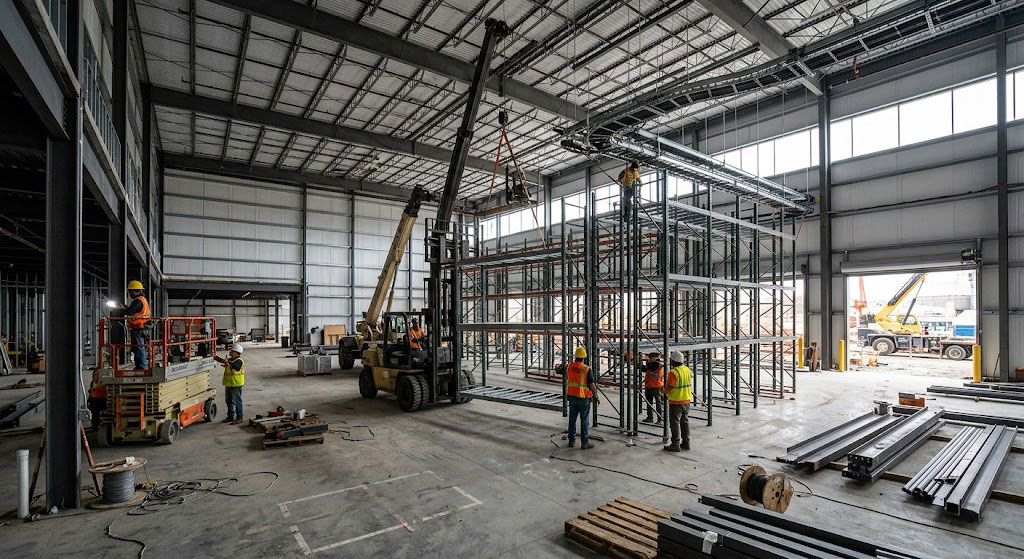
Your equipment needs dictate the necessary height, width, and layout of your facility. During the process of building a warehouse, you must account for the machinery handling your inventory. Tall racking systems require substantially higher roofs and specialized clearances. You must align your structural dimensions with your operational tools.
Standard prefabricated heights might not accommodate specialized lifting vehicles. Customizing your vertical space prevents costly operational bottlenecks later. Every inch of clearance matters when moving massive pallets.
What Are Interior Clearance Rules?
The truth is: inadequate ceiling height will instantly paralyze your logistics. You must measure your tallest forklift at its maximum vertical extension. If your roof pitch is too low, you cannot stack materials efficiently.
Proper clearance planning saves you from future expansion headaches.
- Calculate the maximum height of stacked inventory.
- Account for overhead lighting and HVAC ductwork.
- Ensure automated cranes have room to operate safely. These calculations guarantee your machinery operates without friction.
How Do You Plan For Forklifts?
Forklifts require spacious aisles to turn, lift, and reverse securely. Your design must feature reinforced concrete floors to handle their massive weight. You must also include charging stations or refueling zones nearby. A well-planned layout minimizes workplace accidents and collisions.
Traffic flow optimization keeps your daily operations moving swiftly.
| Equipment | Required Clearance | Floor Strength Need |
|---|---|---|
| Pallet Jack | Low | Moderate |
| Standard Forklift | Medium | High |
| Reach Truck | Very High | Maximum |
Evaluating these equipment specifications ensures your facility safely supports your logistical fleet.
Key Takeaway: Designing your structure around your specific machinery requirements prevents operational bottlenecks and ensures workplace safety.
What Insulation Is Best For Building a Warehouse?
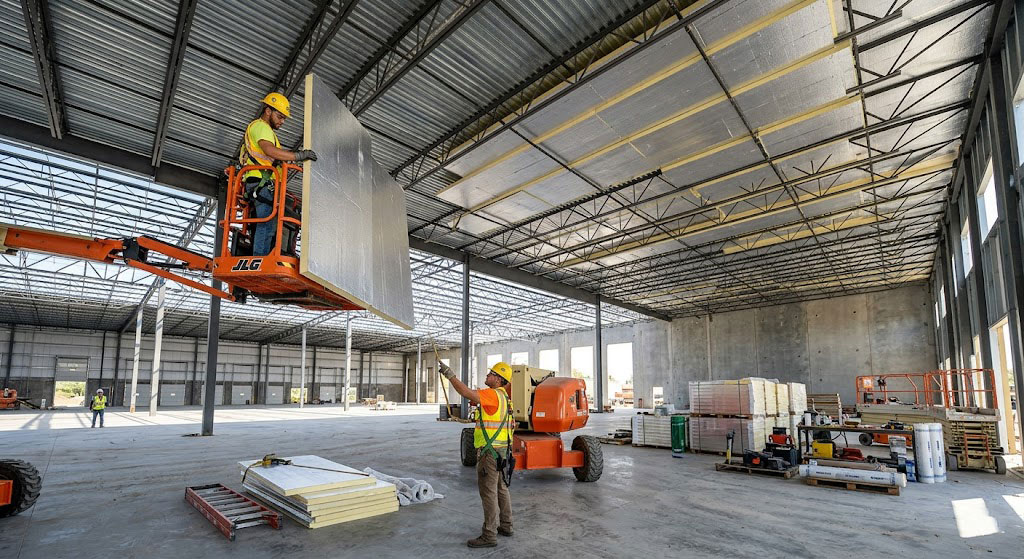
The best insulation utilizes advanced envelope solutions to maintain consistent interior temperatures. While building a warehouse, proper thermal regulation protects climate-sensitive inventory from spoiling. You must select materials that prevent heat transfer effectively year-round. A well-insulated building drastically reduces your monthly utility expenses.
Inadequate insulation leads to condensation, which causes severe moisture damage. You can easily prevent mold growth by sealing your building properly. High-quality thermal barriers are an absolute necessity for commercial structures.
Why Are Envelope Solutions Key?
What does this mean for you? Envelope solutions create a continuous thermal boundary. This method wraps the entire structure, eliminating hidden air leaks. You maintain optimal energy performance regardless of the exterior weather.
A complete envelope approach guarantees superior interior climate control.
- Fiberglass blankets offer cost-effective thermal resistance.
- Spray foam seals complex structural gaps perfectly.
- Insulated metal panels provide durability and thermal efficiency. Choosing the right method depends on your specific climate zone.
How Do You Regulate Temperature?
Climate-controlled facilities demand powerful HVAC systems paired with excellent insulation. You must balance heating and cooling loads to protect delicate goods. Proper ventilation prevents stale air from accumulating inside the building.
Effective temperature management preserves your valuable stored materials.
| Insulation Type | R-Value | Best Application |
|---|---|---|
| Fiberglass | Medium | Standard Storage |
| Spray Foam | High | Cold Storage |
| Rigid Board | Very High | Extreme Climates |
This thermal resistance chart guides you in selecting the perfect insulation for your specific climate needs.
Key Takeaway: Implementing comprehensive envelope insulation solutions protects your inventory from temperature fluctuations and reduces energy costs.
How Do Gutters Protect You Building a Warehouse?
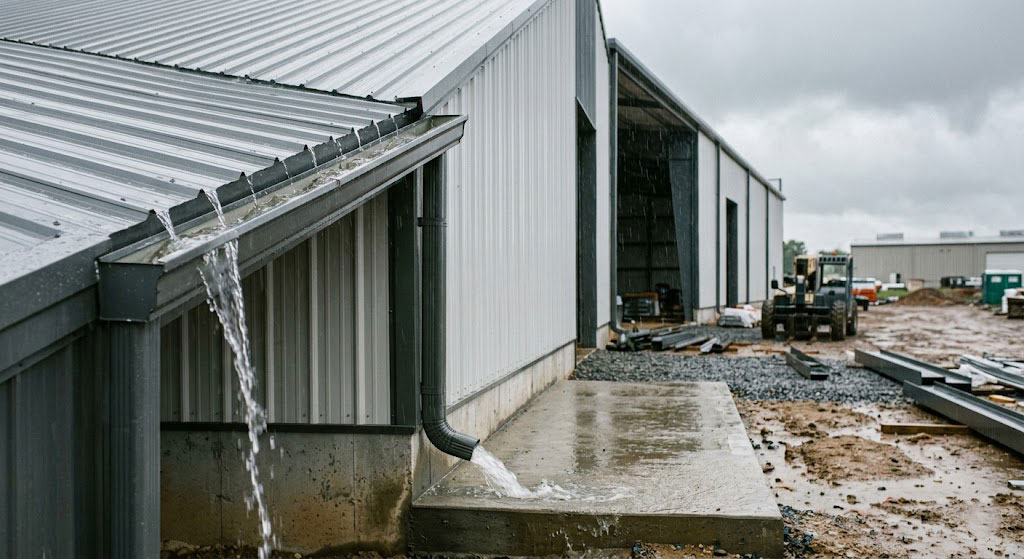
Gutters protect your foundation by directing destructive rainwater away from the structure. When building a warehouse, managing exterior moisture is just as crucial as interior climate control. You must prevent water from pooling around your concrete slab. Effective drainage systems are your first line of defense against erosion.
Widespread moisture damage compromises the structural integrity of your facility. Investing in heavy-duty downspouts saves you from catastrophic repair bills. Properly channeled water ensures your steel frame remains rust-free.
Why Is Moisture Control Urgent?
Why does this matter? Standing water rapidly degrades your concrete foundation. Once moisture seeps into the base, structural shifting inevitably occurs. You must aggressively divert rainfall to designated drainage zones.
Proactive water management prevents costly interior flooding incidents.
- Install commercial-grade gutters to handle heavy downpours.
- Ensure downspouts direct water at least ten feet away.
- Regularly clear debris to maintain optimal water flow. Ignoring these steps leads to immediate infrastructural decay.
What Are Annual Maintenance Costs?
Neglected drainage systems result in massive annual repair expenditures. You will spend thousands fixing cracked foundations if water pools nearby. Routine gutter cleaning is vastly cheaper than structural rehabilitation. A well-maintained exterior preserves the total value of your investment.
Budgeting for preventative maintenance keeps your overhead low.
| Action | Frequency | Cost Impact |
|---|---|---|
| Gutter Cleaning | Bi-Annually | Very Low |
| Downspout Check | Quarterly | Very Low |
| Foundation Repair | Reactive | Extremely High |
Analyzing these maintenance variables highlights the financial importance of routine exterior upkeep.
Key Takeaway: Installing and maintaining robust gutter systems is essential for diverting water and protecting your structural foundation.
Why Add Lean-Tos When Building a Warehouse?
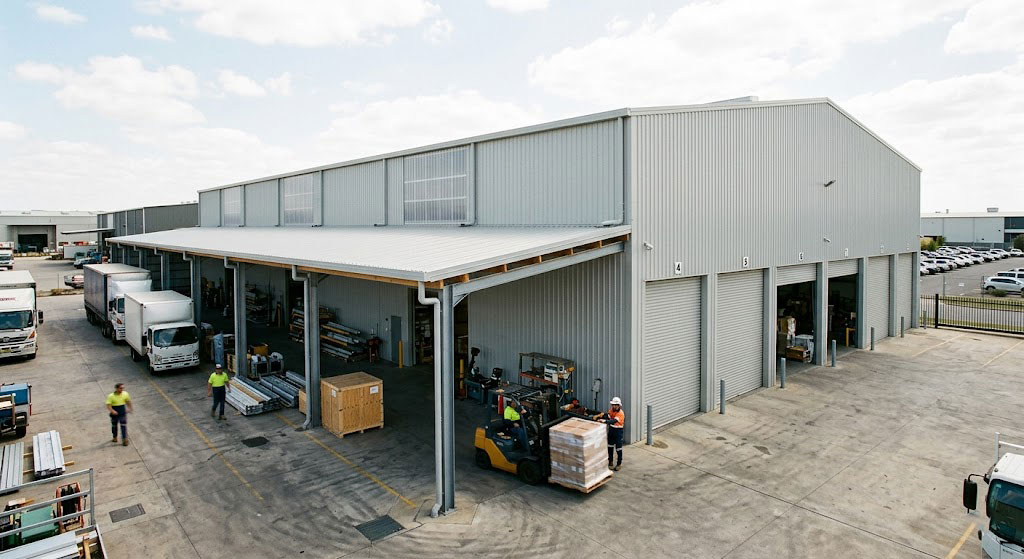
Lean-tos provide covered exterior spaces that shield active loading zones from weather. During the process of building a warehouse, adding these extensions increases your usable footprint affordably. You can easily protect workers and materials moving in and out. This simple addition dramatically improves your daily logistical flow.
Creating a sheltered staging area prevents rain from damaging outgoing shipments. You do not need to expand the main enclosed structure. These additions are highly cost-effective and structurally straightforward.
How Do You Shelter Equipment?
Consider the impact: leaving expensive machinery outdoors accelerates rust and wear. A lean-to provides an inexpensive canopy for your idle forklifts. You extend the lifespan of your equipment without building entirely new rooms.
Covered exterior spaces offer versatile operational benefits.
- Store weather-resistant materials outside safely.
- Create a shaded break area for your employees.
- Protect delivery trucks during loading procedures. These practical applications maximize your overall property usage.
What Are Cost Effective Additions?
Expanding your main interior square footage is an expensive undertaking. A lean-to simply attaches to an existing sidewall, utilizing the current framing. You save massive amounts of money on foundational and roofing costs.
Smart architectural additions boost your facility’s functionality instantly.
| Expansion Type | Cost | Construction Speed |
|---|---|---|
| Full Addition | High | Slow |
| Lean-To Roof | Low | Very Fast |
| Temporary Tent | Lowest | Immediate |
This expansion comparison shows that lean-tos offer the best balance of price and permanent protection.
Key Takeaway: Incorporating lean-to structures provides cost-effective, weather-protected exterior zones that enhance your overall operational capacity.
What Openings Do You Need Building a Warehouse?
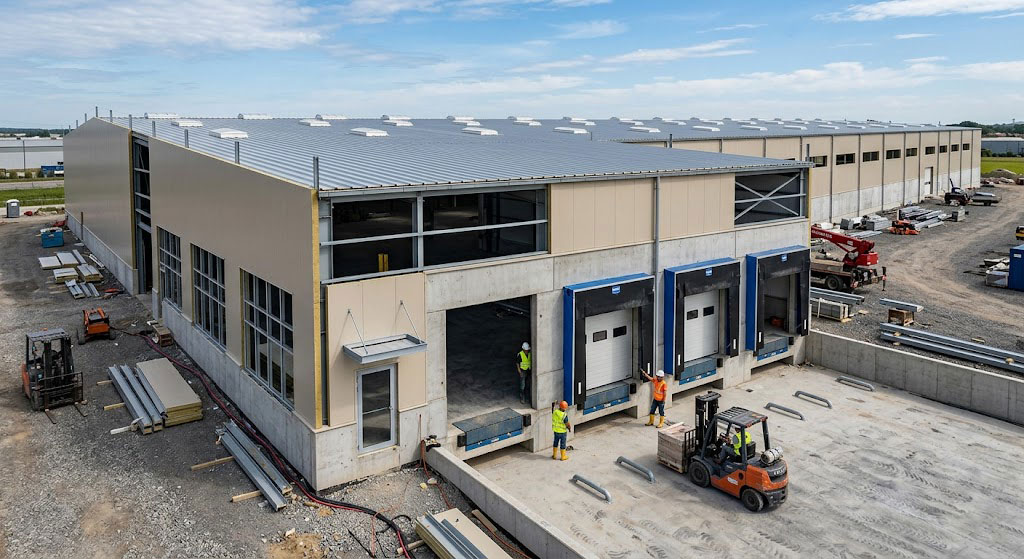
You need large framed openings to accommodate rolling doors and heavy machinery. When building a warehouse, your entry points dictate how efficiently goods enter and exit. You must design portals wide enough for your largest delivery trucks. Seamless access is the backbone of any successful storage facility.
Standard doors cannot handle the constant traffic of a commercial hub. You must install reinforced jamb extensions to support heavy vertical doors. Properly engineered openings prevent structural sagging over time.
Why Are Jamb Extensions Useful?
Here is the deal: heavy rolling doors exert massive stress on your walls. Jamb extensions provide the necessary structural reinforcement to support these weights. You can safely operate doors weighing up to 2000 pounds.
Reinforced entryways guarantee long-term operational safety.
- They prevent the door tracks from misaligning.
- They seal tight to maintain interior insulation.
- They withstand the impact of minor forklift bumps. Without these extensions, your doors will inevitably fail.
How Do You Fit Rolling Doors?
Selecting the right rolling door depends on your daily traffic volume. You must choose between insulated and non-insulated models based on climate. Automated lifting mechanisms speed up the loading process considerably.
High-quality doors improve both security and workflow.
| Door Type | Security Level | Best Feature |
|---|---|---|
| Sectional | High | Good Insulation |
| Rolling Steel | Very High | Space Saving |
| High-Speed | Medium | Fast Access |
Reviewing these door specifications helps you select the optimal access points for your facility.
Key Takeaway: Engineering proper framed openings with jamb extensions ensures your heavy-duty doors operate safely and reliably.
How Can Energy Efficiency Help Building a Warehouse?
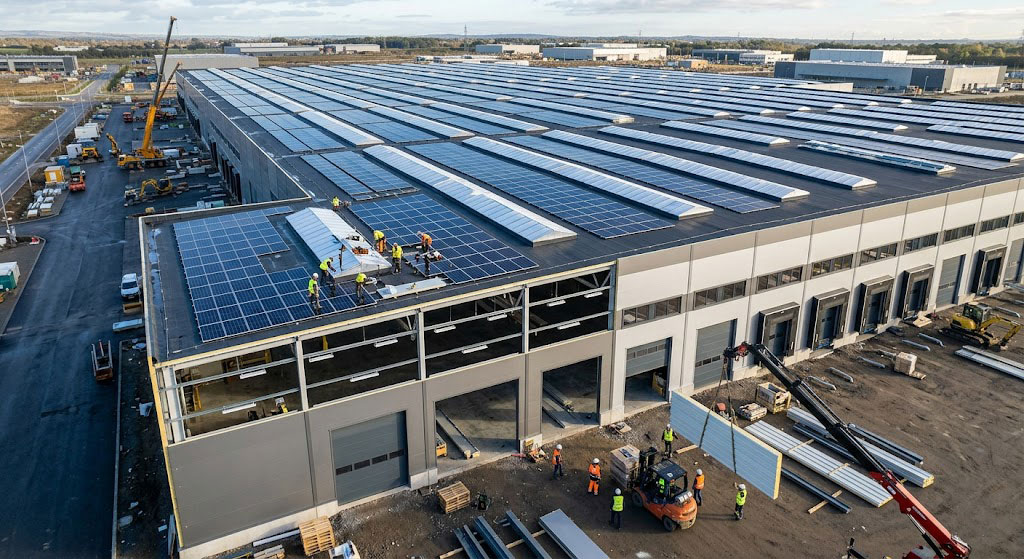
Energy efficiency drastically lowers your monthly overhead and reduces your carbon footprint. While building a warehouse, integrating sustainable technologies yields massive long-term financial returns. You can offset your initial construction costs through reduced utility bills. Environmentally friendly designs are becoming an industry standard.
Implementing smart lighting and solar power completely transforms your operational budget. You also qualify for lucrative government tax incentives by going green. Sustainability is a highly profitable business strategy.
What Are Sustainable Building Tips?
Look closely at this: steel itself is entirely recyclable, making it incredibly eco-friendly. You can source materials that are previously repurposed from other projects. Integrating skylights reduces your reliance on artificial daytime illumination.
Green construction techniques benefit both the planet and your wallet.
- Install motion-sensor LED lighting throughout the facility.
- Use reflective roof coatings to deflect solar heat.
- Implement smart thermostats to optimize HVAC usage. These targeted upgrades produce immediate energy savings.
Can You Lower Utility Bills?
Your HVAC and lighting consume the vast majority of your electricity. Upgrading to high-efficiency systems slashes these continuous operational expenses. You will see a remarkable difference in your first monthly statement.
Strategic investments in technology yield compounding financial benefits.
| Upgrade | Initial Cost | Long-Term Savings |
|---|---|---|
| LED Lighting | Moderate | High |
| Solar Panels | High | Very High |
| Cool Roofs | Low | Moderate |
This energy investment matrix demonstrates how green technologies translate into significant monetary savings.
Key Takeaway: Committing to energy-efficient designs and sustainable technologies slashes overhead costs and promotes environmental responsibility.
What Are Expected Costs Of Building a Warehouse?
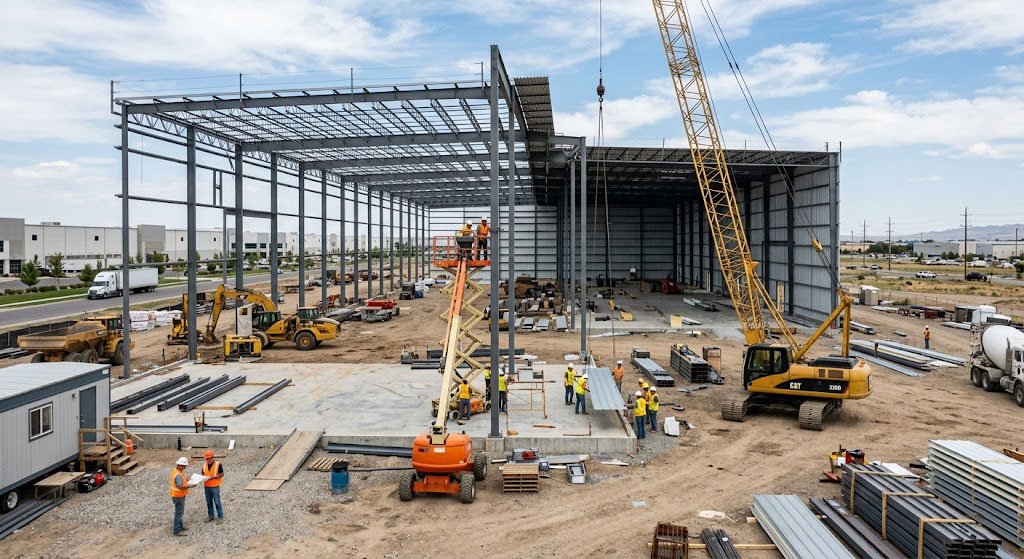
Expected costs involve land acquisition, material procurement, labor, and necessary permits. While building a warehouse, establishing a strict budget prevents disastrous financial overruns. You must accurately forecast both your primary expenses and potential hidden fees. Thorough financial planning guarantees a smooth construction process.
Steel structures offer highly predictable pricing compared to traditional wood frames. Because components are prefabricated off-site, you save heavily on labor hours. Understanding your budget helps you secure proper financing.
How Do You Budget Effectively?
Consider your options: acquiring multiple quotes ensures you receive fair market pricing. You must allocate a contingency fund for unexpected delays or material shortages. Partnering with experienced contractors keeps your financial projections grounded in reality.
A detailed budget breakdown keeps your project completely on track.
- Secure firm pricing for your customized steel kit.
- Calculate exact concrete pouring and foundation expenses.
- Estimate costs for interior finishing and electrical work. Meticulous tracking prevents minor expenses from snowballing.
What Are Hidden Expenses?
Permit delays and unexpected soil issues quickly inflate your final bill. You might encounter sudden increases in local labor rates. Upgrading your insulation or doors mid-project will also stretch your budget.
Anticipating these variables protects your overall financial stability.
| Expense Category | Predictability | Budget Impact |
|---|---|---|
| Steel Kit | High | Major |
| Groundwork | Medium | Moderate |
| Permits | Low | Minor |
This financial predictability chart helps you allocate contingency funds exactly where they are needed.
Key Takeaway: Developing a comprehensive budget that accounts for both fixed materials and hidden variables ensures financial success.
Conclusion
The journey from initial planning to final assembly requires strategic decision-making and meticulous execution. By prioritizing durable steel, maximizing your clear span space, and implementing robust insulation, you create a facility designed for long-term success. Every structural choice directly impacts your daily operational efficiency and overall profitability. We are dedicated to providing the insights and materials necessary to make your vision a reality. Whether you need a simple storage solution or a massive commercial hub, we deliver engineering excellence. Contact us today to start planning your customized project and secure your business’s future.
Frequently Asked Questions
Can I customize the dimensions of my prefabricated structure? Yes, you have complete control over the dimensions. Prefabricated steel allows for limitless lengths and incredibly wide clear span widths to fit your exact specifications without compromising stability.
What’s the best foundation for a heavy-duty commercial facility? A reinforced concrete slab is absolutely the best choice. This foundation safely supports heavy machinery, towering storage racks, and the immense structural weight of the building itself.
How do I know if my location requires specific zoning permits? You must consult your local municipal planning office immediately. Every county has unique regulations regarding setbacks, height restrictions, and acceptable commercial land use that you cannot bypass.
Can I expand my steel building later if my business grows? Yes, expanding is a straightforward and cost-effective process. The modular nature of steel framing allows you to easily remove end walls and seamlessly attach new structural bays as needed.
What’s the best way to prevent condensation inside the facility? Installing a comprehensive continuous insulation envelope is the ultimate preventative measure. Properly sealing the structure and utilizing vapor barriers stops moisture buildup completely before it starts.