
Building this structure requires meticulous planning, securing permits, selecting appropriate materials, and hiring reliable contractors. You are running out of space for your growing inventory, leaving pallets stacked haphazardly in cramped quarters. Finding a specific item takes hours, crippling your operational efficiency and frustrating your staff. A custom 4,000 sq ft warehouse offers the perfect tailored solution to organize your goods and streamline your logistics immediately.
What are the benefits of a 4,000 sq ft warehouse?
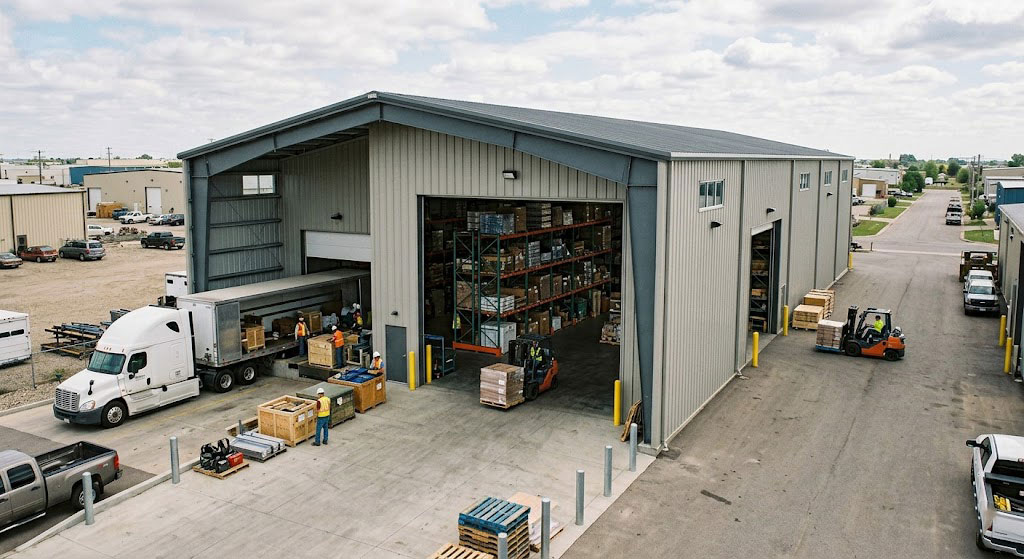
This specific size provides massive operational flexibility without overwhelming overhead expenses. You can streamline your entire supply chain by investing in a 4,000 sq ft warehouse. Such facilities easily accommodate heavy machinery alongside dense storage racks. Expanding your business becomes much simpler with this layout.
Owners frequently notice immediate improvements regarding daily logistics management. Your team will navigate aisles quickly due to optimized floor plans. A well-designed facility minimizes bottlenecks during peak loading hours. You gain significant market advantages through faster order fulfillment.
Can this footprint handle your growth?
What’s the real story? Scaling operations demands adaptable infrastructure. Your new building easily adapts during seasonal demand spikes. Managers can reconfigure pallet racking systems without structural interference. You maintain high efficiency regardless of fluctuating inventory volumes.
Proper planning requires analyzing specific structural advantages.
- Clear span designs eliminate annoying interior columns.
- High ceilings maximize vertical cubic storage space.
- Wide bays accommodate large commercial delivery trucks.
Why does location strategy matter?
Placing your facility near major highways slashes transportation costs significantly. Your delivery fleet reaches customers faster. Local zoning laws might dictate specific aesthetic requirements for industrial parks. You must evaluate regional climate conditions before finalizing architectural blueprints.
Key Takeaway: Strategically sizing and locating your facility creates a compounding advantage for long-term profitability. You establish a robust foundation for scalable logistics. Operators who prioritize site selection always outperform competitors.
| Feature | Primary Benefit |
|---|---|
| Clear Span | No interior columns |
| High Eaves | Vertical storage volume |
| Wide Bays | Easy truck access |
This feature breakdown highlights how structural choices directly impact daily logistical efficiency.
How much does a 4,000 sq ft warehouse cost?
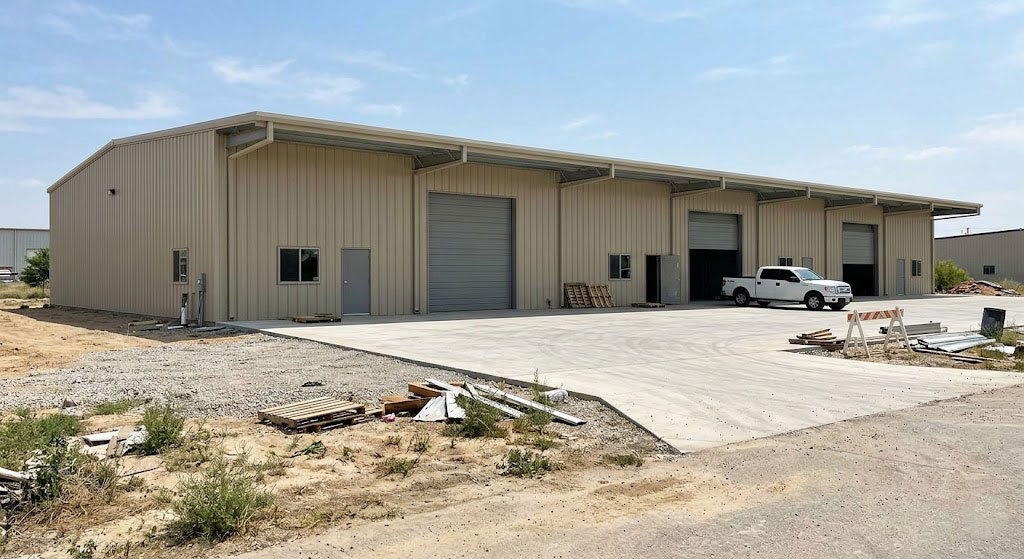
Financial requirements depend heavily upon material selection and geographic location. Expect a basic 4,000 sq ft warehouse package starting around fifty thousand dollars. Site preparation expenses can drastically alter your final budget. You must calculate long-term maintenance alongside initial construction fees.
Local labor rates significantly influence overall project expenditures. Complex foundation pours add substantial figures quickly. Custom architectural elements drive prices upward rapidly. Smart investors always request multiple quotes from reputable builders.
What factors influence material pricing?
Here is the kicker: volatile steel markets dictate framing costs constantly. Secondary components like commercial roll-up doors require separate budgeting. Thick insulation packages demand higher upfront capital. You save money eventually through reduced monthly utility bills.
Carefully selecting components prevents unexpected budget overruns.
- Premium paint finishes resist harsh weather damage.
- Galvanized steel frames prevent premature rust accumulation.
- Skylights reduce daytime electrical lighting demands.
Can financing ease your burden?
Many commercial lenders offer specialized industrial construction loans. You might qualify for attractive interest rates with good credit. Certain government grants support energy-efficient commercial developments. Leasing options exist for modular temporary structures.
Key Takeaway: Comprehensive financial planning prevents disastrous mid-project funding shortages. You must account for every single nut and bolt. Accurate budgeting guarantees a smooth construction experience.
| Expense Category | Estimated Percentage |
|---|---|
| Framing Materials | 40% |
| Skilled Labor | 35% |
| Site Preparation | 25% |
This cost distribution chart reveals where managers should focus their cost-reduction strategies.
How do I design my new 4,000 sq ft warehouse?
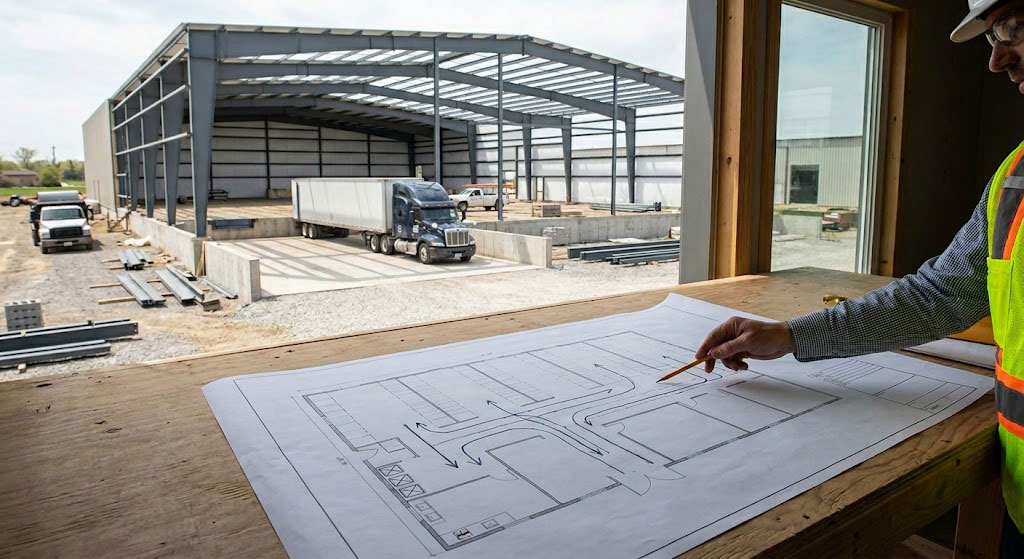
Effective blueprints prioritize seamless workflow above purely aesthetic considerations. Designing a custom 4,000 sq ft warehouse requires analyzing your specific operational routines. You should map out forklift traffic patterns early. Placing shipping bays strategically prevents outdoor truck congestion.
Incorporating administrative office space demands careful acoustic planning. Managers need quiet zones separated from noisy production areas. Restrooms require appropriate plumbing connections before pouring concrete slabs. You must consider employee comfort throughout the entire layout.
Why prioritize vertical storage?
Ready for the good part? Taller eaves multiply your usable volume without increasing land usage. You stack pallets higher using specialized heavy-duty racking. Mezzanine floors add valuable square footage for lightweight items. This vertical strategy maximizes your real estate investment.
Maximizing height requires specific structural accommodations.
- Reinforced flooring supports immense point loads.
- Specialized forklifts reach top-tier storage shelves.
- Advanced sprinkler systems protect elevated inventory.
How do you plan for future expansion?
Smart designs include easily removable end walls for future additions. You avoid buying new land by expanding linearly. Modular construction methods make adding bays incredibly simple. Your business scales seamlessly without interrupting ongoing operations.
Key Takeaway: Proactive architectural planning eliminates operational friction and accommodates future business growth naturally. You build a facility ready for tomorrow. Excellent design prevents expensive retroactive modifications.
| Design Element | Operational Function |
|---|---|
| Open Layout | Maximizes floor maneuverability |
| Mezzanine | Adds separate office space |
| High Eaves | Increases storage density |
Evaluating these architectural components helps owners customize their space efficiently.
Which framing suits a 4,000 sq ft warehouse?
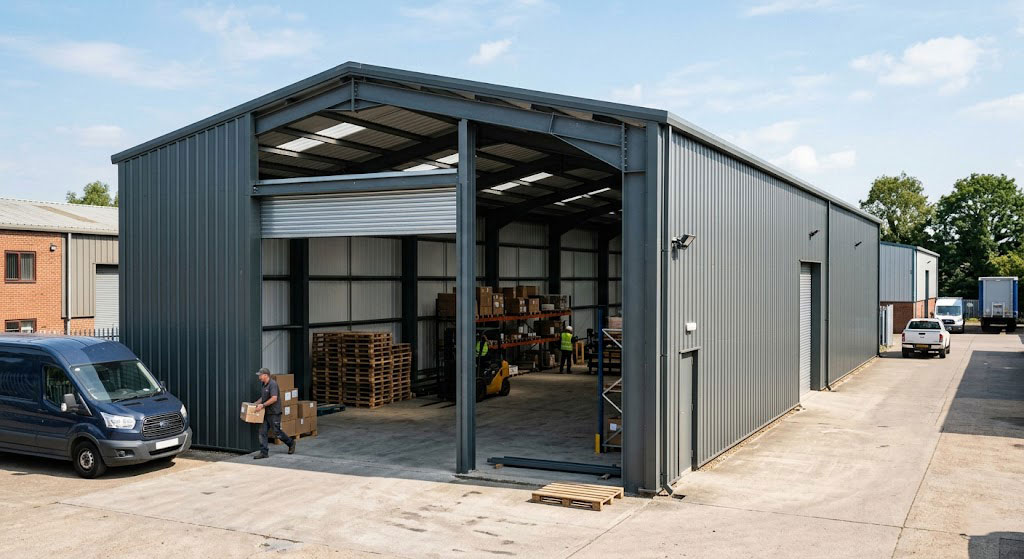
Pre-engineered steel offers unmatched durability and rapid assembly capabilities. Selecting framing for a 4,000 sq ft warehouse dictates its lifespan. Wood pole barns cost less initially but require heavy maintenance. Rigid steel frames withstand extreme weather events easily.
I-beam construction supports massive overhead cranes seamlessly. Your heavy manufacturing processes require this robust structural integrity. Cold-formed steel works perfectly for lighter commercial applications. You must match the material with your operational demands.
Why do professionals prefer steel?
This is where things get interesting: metal buildings resist pests completely. Termites cannot consume galvanized structural supports. Fire risks drop significantly compared with wooden alternatives. Insurance premiums often decrease when you choose non-combustible materials.
Steel framing delivers numerous long-term ownership advantages.
- Minimal maintenance saves thousands annually.
- Recyclable materials appeal to eco-conscious brands.
- Engineered components guarantee precise field assembly.
Are there alternative construction methods?
Concrete tilt-up panels provide excellent security and sound insulation. This method requires specialized heavy lifting equipment during erection. Fabric structures offer temporary solutions for seasonal storage needs. You sacrifice longevity for extreme portability with fabric.
Key Takeaway: Steel provides the absolute best return on investment for permanent commercial structures. You gain peace of mind alongside unparalleled structural strength. Your inventory remains fully protected year-round.
| Framing Type | Durability Rating |
|---|---|
| Rigid Steel | Exceptional |
| Pole Barn | Moderate |
| Tilt-Up | High |
This material comparison confirms steel as the superior choice for permanent industrial applications.
What permits does a 4,000 sq ft warehouse need?
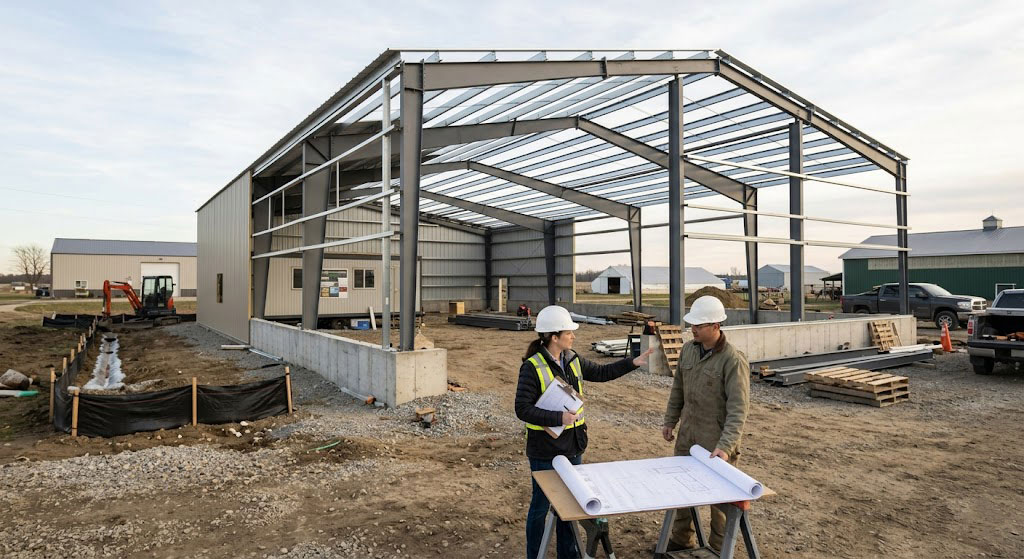
Local municipalities require extensive documentation before allowing any commercial construction. Securing approval for a 4,000 sq ft warehouse often takes several months. You must submit stamped engineering blueprints for structural review. Environmental impact studies might dictate specific stormwater management plans.
Zoning boards verify your intended business activities match regional designations. Heavy industrial manufacturing cannot occur near residential neighborhoods. Fire marshals demand comprehensive safety plans featuring adequate exit routes. You face massive fines if you build without proper authorization.
How do you navigate the bureaucracy?
Listen closely: hiring an experienced local expeditor saves endless frustration. These professionals understand obscure municipal code requirements intimately. They push your paperwork through stagnant government channels faster. You can focus on running your business instead.
Prepare several key documents for your initial application.
- Detailed site plan showing property setbacks.
- Certified structural engineering calculations.
- Comprehensive electrical and plumbing schematics.
What causes typical approval delays?
Incomplete applications trigger immediate administrative rejections. Changing your design mid-process requires starting over entirely. Historical preservation societies occasionally block modern exterior designs. You must practice extreme patience during this mandatory legal phase.
Key Takeaway: Proactive permit management prevents catastrophic project delays and unexpected legal penalties. You keep construction schedules strictly on track. Thorough documentation remains your best defense against bureaucratic hurdles.
| Permit Type | Issuing Authority |
|---|---|
| Building | Local Municipality |
| Environmental | State EPA |
| Fire Safety | Fire Marshal |
Understanding these regulatory bodies helps owners streamline their entire application process.
How do you ventilate a 4,000 sq ft warehouse?
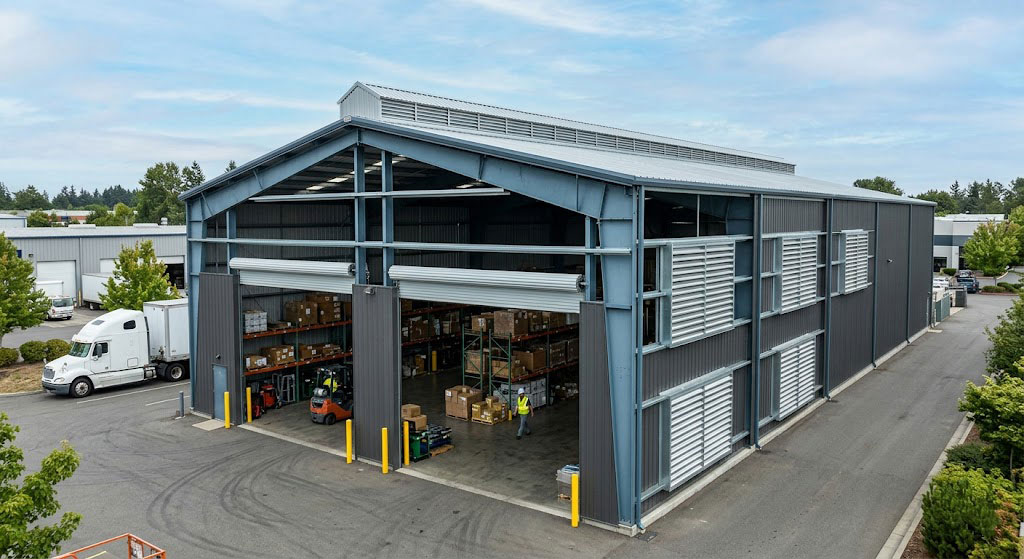
Proper airflow prevents hazardous fume buildup and massive condensation issues. Ventilating a 4,000 sq ft warehouse protects both goods and personnel. Ridge vents allow trapped hot air to escape naturally. Intake louvers draw fresh breezes inside effortlessly.
Mechanical exhaust fans become mandatory for chemical storage facilities. You must maintain specific temperature ranges for perishable inventory. Poor air quality leads to severe employee health problems. Investing in excellent HVAC systems pays massive dividends continually.
What are passive ventilation techniques?
You might be wondering: can natural breezes cool a massive building? Strategic window placement creates cross-ventilation during pleasant weather. Gravity ventilators operate silently without consuming expensive electricity. These passive methods lower your carbon footprint significantly.
Passive cooling requires careful architectural integration.
- Roof monitors capture prevailing winds efficiently.
- Adjustable wall louvers control intake volume.
- Thermal buoyancy drives hot air upward.
When do you need active systems?
High-humidity regions demand powerful mechanical dehumidification. Heavy manufacturing generates heat that passive systems cannot handle. You need massive commercial fans circulating air continuously. Smart thermostats optimize energy usage based on current occupancy.
Key Takeaway: Combining passive and active airflow mechanisms creates a perfectly balanced internal atmosphere. You protect delicate goods from moisture damage. Comfortable workers maintain higher productivity levels daily.
| Ventilation Method | Energy Cost |
|---|---|
| Ridge Vents | Zero |
| Exhaust Fans | Moderate |
| Full HVAC | High |
This system breakdown illustrates the financial trade-offs between different climate control strategies.
Can I insulate a custom 4,000 sq ft warehouse?
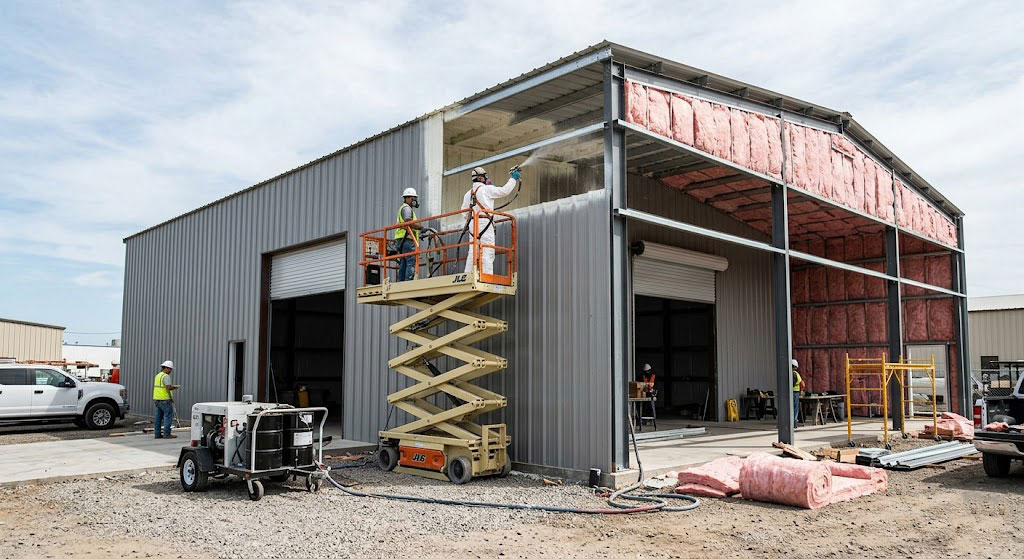
Wrapping your facility with high-grade thermal barriers prevents extreme temperature fluctuations. Insulating a 4,000 sq ft warehouse drastically reduces your heating bills. Fiberglass blankets offer an economical choice for basic commercial applications. Spray foam provides an impenetrable airtight seal against drafts.
Reflective foil prevents intense summer heat from cooking your inventory. You must stop condensation from dripping onto cardboard packaging. Proper vapor barriers block destructive moisture migration entirely. Your regional climate determines your required R-value rating.
Which material performs best?
Picture this: ice forming on bare steel interior walls. Rigid board insulation prevents this disastrous thermal bridging scenario. Closed-cell foam adds immense structural rigidity while blocking heat transfer. You get what you pay for regarding thermal performance.
Different materials serve distinct environmental purposes.
- Fiberglass absorbs unwanted industrial noise well.
- Spray foam seals tiny structural gaps permanently.
- Foil reflects radiant solar energy effectively.
How does it impact energy efficiency?
Uninsulated metal buildings act like massive solar ovens during summer. Your air conditioning units will run constantly without thermal protection. A tight building envelope slashes your monthly utility costs dramatically. You achieve a rapid return on this initial investment.
Key Takeaway: Quality thermal protection transforms a harsh metal box into a comfortable workspace. You safeguard sensitive inventory from freezing temperatures. Lower operational costs boost your bottom line directly.
| Insulation Type | R-Value per Inch |
|---|---|
| Fiberglass | 3.1 |
| Rigid Board | 5.0 |
| Spray Foam | 6.5 |
This thermal rating comparison guides owners toward selecting the most efficient barrier available.
What doors fit a standard 4,000 sq ft warehouse?
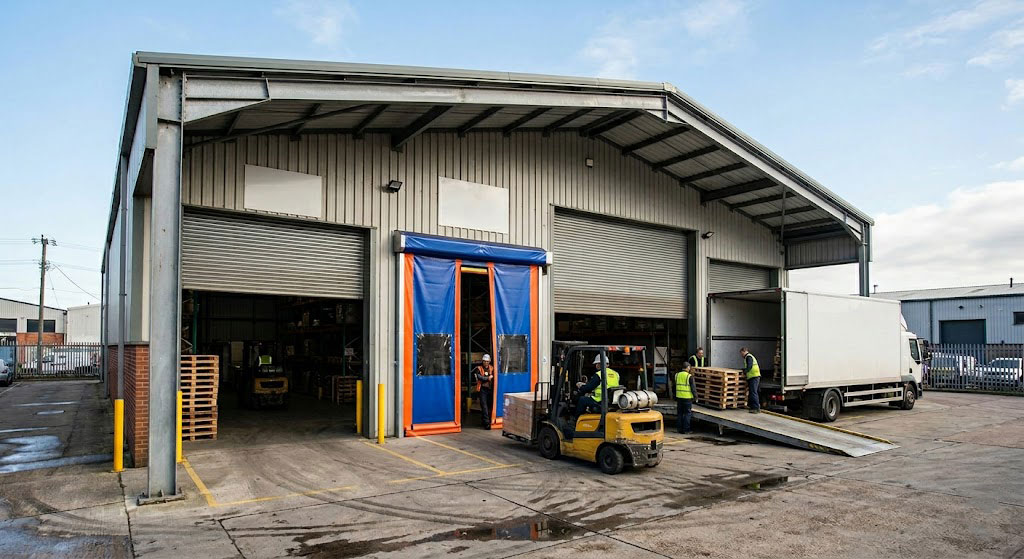
Selecting appropriate access points dictates how quickly goods enter your facility. Outfitting a 4,000 sq ft warehouse requires heavy-duty commercial portals. Overhead roll-up doors save valuable space inside your loading bays. High-speed fabric models maintain internal temperatures during rapid forklift traffic.
Personnel entry requires separate fire-rated steel walk doors. You must include panic hardware for emergency evacuation compliance. Sectional glass doors allow natural sunlight into showroom areas. Sturdy hardware prevents unauthorized access effectively.
Why choose sectional overhead models?
Here is a wild thought: poorly chosen doors can cripple your logistics. Sectional units offer excellent thermal insulation properties. Individual panels are easily replaced if a forklift damages them. Smooth electric motors open these heavy panels effortlessly.
Proper portals improve daily operational flow remarkably.
- Weatherstripping blocks rain and annoying pests.
- Safety sensors prevent tragic crushing accidents.
- Remote controls keep drivers inside their vehicles.
How do you secure loading docks?
Hydraulic dock levelers bridge the gap between truck and floor seamlessly. Heavy-duty bumpers protect your exterior walls from reversing trailers. Dock seals prevent conditioned air from escaping during loading operations. You need bright guide lights for nighttime vehicle maneuvering.
Key Takeaway: Optimizing your entryways accelerates inventory movement while maintaining strict site security. You reduce costly loading delays significantly. Quality hardware withstands relentless daily commercial abuse.
| Door Style | Ideal Application |
|---|---|
| Roll-up | Basic loading bays |
| High-Speed | Climate-controlled zones |
| Sectional | Insulated areas |
Matching the entry style to your operational requirements prevents frustrating daily logistics bottlenecks.
How fast can you erect a 4,000 sq ft warehouse?
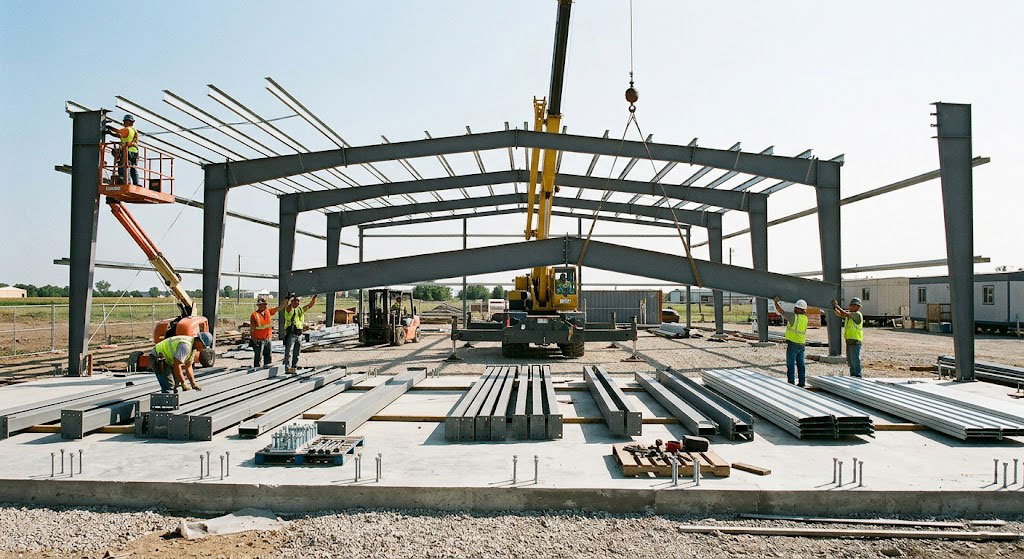
Prefabricated components drastically accelerate the entire commercial building timeline. Assembling a 4,000 sq ft warehouse often finishes within a few weeks. Factory-punched steel framing aligns perfectly on your prepared concrete foundation. You avoid the massive delays associated with traditional masonry construction.
Weather conditions greatly impact your exterior framing schedule. High winds force crane operators to halt lifting operations immediately. Pouring concrete requires specific temperature windows for proper curing. Experienced contractor crews work with astonishing speed and precision.
What happens during pre-construction?
Believe it or not: planning takes longer than actual building. Engineers draft precise blueprints detailing every single bolt location. Factories manufacture your custom structural pieces simultaneously. You spend this time clearing the land and laying utilities.
Site preparation involves several critical earthmoving phases.
- Grading ensures proper rainwater runoff away from walls.
- Trenching conceals electrical and plumbing lines safely.
- Compacting soil prevents disastrous foundation settling.
Can you accelerate the schedule?
Ordering standard sizes reduces factory production wait times significantly. Hiring larger crews speeds up the physical framing process. You can authorize overtime pay to catch up after rain delays. Excellent project management keeps every subcontractor perfectly synchronized.
Key Takeaway: Pre-engineered systems provide the fastest path to opening your new commercial facility. You start generating revenue much sooner. Rapid deployment minimizes costly business interruptions.
| Construction Phase | Estimated Duration |
|---|---|
| Permitting | 4-8 weeks |
| Site Preparation | 2-3 weeks |
| Assembly | 3-5 weeks |
This timeline breakdown sets realistic expectations for project managers overseeing rapid commercial developments.
How do I maintain my 4,000 sq ft warehouse?
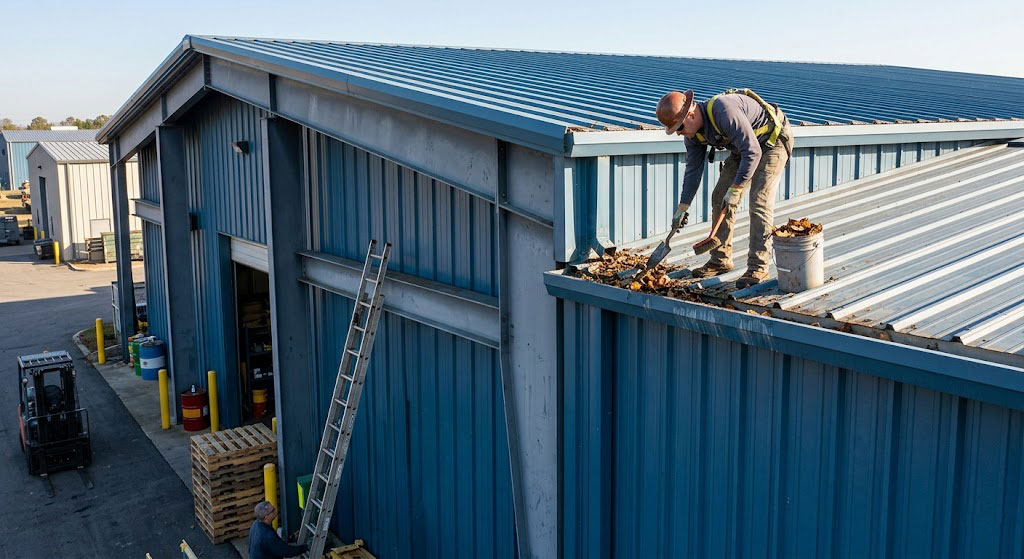
Consistent upkeep prevents minor issues from becoming disastrous structural failures. Preserving a 4,000 sq ft warehouse requires a proactive seasonal approach. You should inspect roof panels annually for loose fasteners. Clearing gutters prevents water from backing up and rusting steel.
Washing exterior walls removes corrosive environmental pollutants effectively. You must lubricate heavy roll-up door springs every few months. Fixing concrete floor cracks prevents expensive forklift tire damage. Diligent facility managers save companies massive repair bills.
What are critical seasonal checks?
Let’s dig a little deeper: winter weather brutalizes commercial structures. You must check weatherstripping before freezing temperatures arrive. Removing heavy snow loads prevents catastrophic roof collapses. Summer requires servicing your massive HVAC ventilation units thoroughly.
Creating a standardized checklist ensures nothing gets missed.
- Test emergency exit lighting batteries monthly.
- Inspect perimeter fencing for security breaches.
- Clean skylights to maximize free solar illumination.
Should you outsource facility management?
Professional maintenance companies possess specialized high-reach access equipment. They identify hidden rust spots that untrained eyes easily miss. You avoid risking employee injuries on tall ladders. Outsourcing lets your team focus entirely on core business tasks.
Key Takeaway: Rigorous preventive care dramatically extends the operational lifespan of your commercial real estate. You protect your massive capital investment completely. A pristine facility impresses visiting clients and boosts worker morale.
| Maintenance Task | Recommended Frequency |
|---|---|
| Gutter Cleaning | Bi-annually |
| Door Lubrication | Quarterly |
| Roof Inspection | Annually |
Following this strict maintenance schedule guarantees long-term structural integrity and sustained property value.
Properly designing your facility solves cramped storage dilemmas and chaotic logistics completely. We deliver custom blueprints that eliminate your operational bottlenecks forever. If you are ready to construct a durable, highly efficient space, contact us today. Our premium steel structures forge the backbone of global commercial success.
FAQ
Q1: Can I expand this facility later? Yes, you absolutely can. Modular steel designs allow you to remove end walls and bolt on additional framing bays seamlessly.
Q2: What’s the best flooring option? Polished concrete remains the undisputed champion. It withstands massive forklift weight and resists nasty chemical spills exceptionally well.
Q3: How do I know if I need a permit? You always need one. Every municipality requires legal approval for commercial structures to ensure strict public safety compliance.
Q4: Can I build this without professional help? No, it is highly discouraged. Erecting massive steel beams requires specialized cranes and certified rigging crews to prevent tragic accidents.
Q5: What’s the best way to heat the space? Radiant tube heaters perform exceptionally well. They warm the actual objects and floor rather than wasting energy heating empty air.