
You can raise goats for profit in the USA by diversifying into meat production, high-yield dairy, premium fiber, and specialized agritourism while utilizing modern steel infrastructure to maximize efficiency. Many aspiring farmers struggle with high mortality rates and low margins because they rely on outdated wooden structures that harbor parasites and rot under environmental stress. These deteriorating buildings eventually eat your profits through constant repairs and veterinary bills, leaving you with a stagnant business. Investing in a modern goat farm using portal steel frames provides the biosecurity, climate control, and structural longevity needed to turn your agricultural passion into a high-yield enterprise.
Why start a profitable goat farm business today?
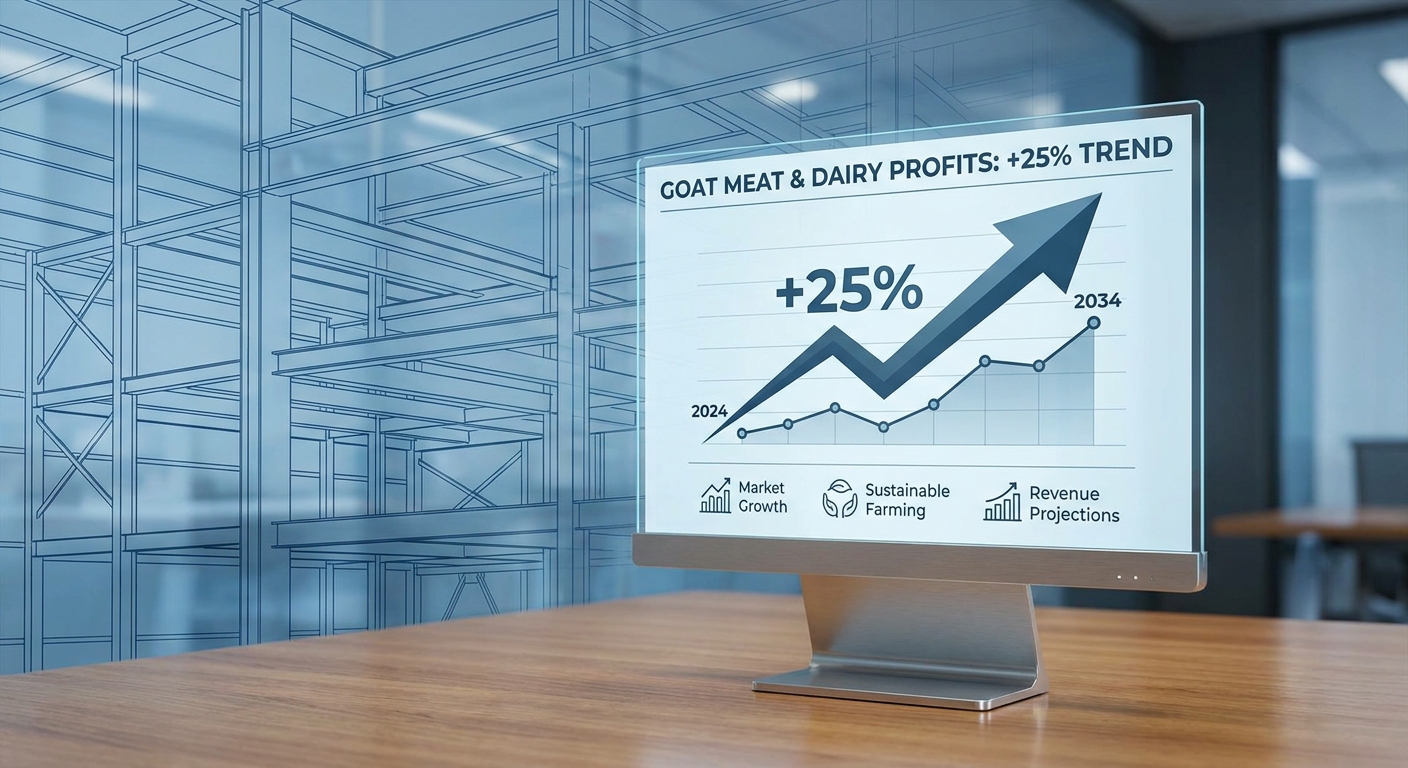
Starting now is lucrative because the US market for goat products is experiencing unprecedented growth driven by shifting consumer demographics and health-conscious trends. A modern goat farm can tap into a market that saw over $27 million in retail sales recently, with demand still far outstripping domestic supply.
Current industry data suggests that small-scale operations can achieve net profit margins of 10-20%, while professional facilities with optimized layouts reach up to 35%. This sector offers one of the fastest returns on investment in the livestock industry due to the high fertility and rapid growth rates of goats.
What is the current market demand for goat products?
Market demand is rising rapidly due to a 25% increase in interest for lean proteins and lactose-friendly dairy alternatives. Ethnic markets represent a massive, underserved segment that peaks during cultural holidays throughout the calendar year.
Think about it:
- Goat meat is now a staple for health-conscious consumers seeking low-fat protein.
- The dairy sector is expanding into high-end cheeses and skincare products.
- Fiber markets for mohair and cashmere remain strong in the boutique textile industry.
Here is the deal: you must align your production cycle with these market peaks to secure the highest possible prices for your livestock.
What are the average profit margins for goat farms?
Profit margins depend heavily on your ability to control overhead costs like feed and healthcare through smart infrastructure. Efficient facilities reduce labor and veterinary expenses, which are the two largest drains on a farm’s bank account.
Key Takeaway: Understanding the financial trajectory of the goat industry allows you to make data-driven decisions that ensure long-term solvency and growth.
| Category | Average Sale Price | Annual Cost | Net Profit per Head | |
|---|---|---|---|---|
| Market Goats | 210−260 | 140−160 | 50−100 | |
| Dairy Does | 400−700 | 250−350 | 150−350 |
The table above demonstrates that while dairy requires higher upfront investment, the per-head profit significantly outweighs traditional meat production.
How to choose a niche for your new goat farm?
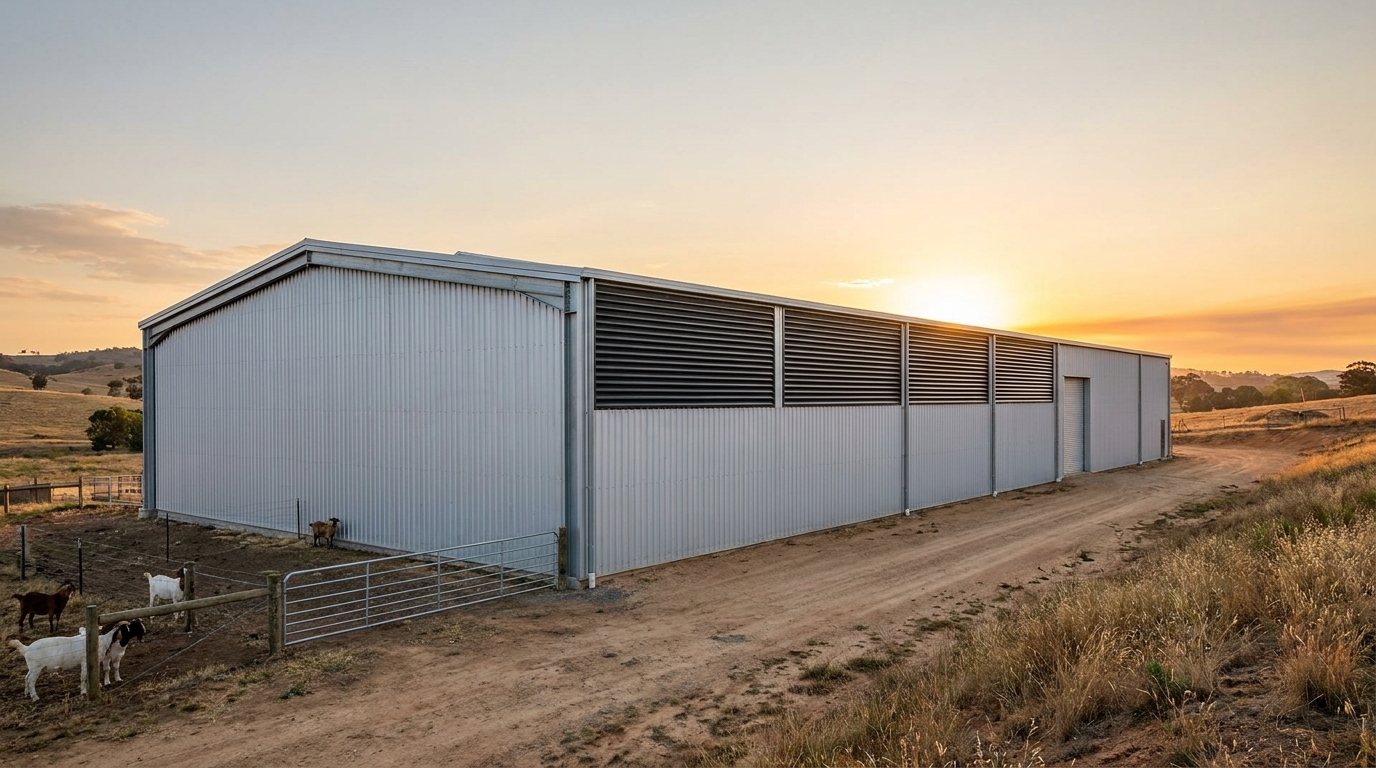
Selecting a niche requires balancing your local market demand with the specific climate and land resources available on your property. Your goat farm will be more successful if you focus on a single primary production goal before diversifying into secondary revenue streams.
You should evaluate whether you have the high-intensity labor required for dairy or the vast grazing land suited for meat and fiber breeds. A well-planned niche allows you to specialize your equipment and housing, reducing unnecessary capital expenditures during the startup phase.
Which goat breeds are best for beginners?
Boer goats are often recommended for meat due to their docility and rapid weight gain, while Nigerian Dwarfs are excellent for small-scale dairy. Choosing a hardy breed ensures that you can learn the ropes of herd management without excessive mortality risks.
The best part?
- Hardy breeds require less intensive veterinary intervention.
- High-fertility breeds like the Kiko goat provide more offspring for sale.
- Dual-purpose breeds can provide both milk and meat during your first few seasons.
Believe it or not, selecting the wrong breed for your climate can increase your feed costs by 30% as animals struggle to maintain body temperature.
Should you focus on meat or dairy production?
Meat production offers a faster turnover and lower daily labor requirements compared to the strict twice-daily milking schedules of a dairy operation. However, dairy products often command a higher price point in urban markets where specialty cheeses and soaps are in high demand.
Key Takeaway: Choosing the right niche early on prevents expensive pivots later and allows you to design your steel buildings for maximum operational flow.
| Niche | Labor Intensity | Time to Revenue | Market Entry Ease | |
|---|---|---|---|---|
| Meat | Low to Medium | 6 – 9 Months | High | |
| Dairy | High | 12 – 18 Months | Medium |
This comparison highlights that meat production is the most accessible entry point for those looking for quick revenue cycles.
Can a meat-focused goat farm boost revenue?
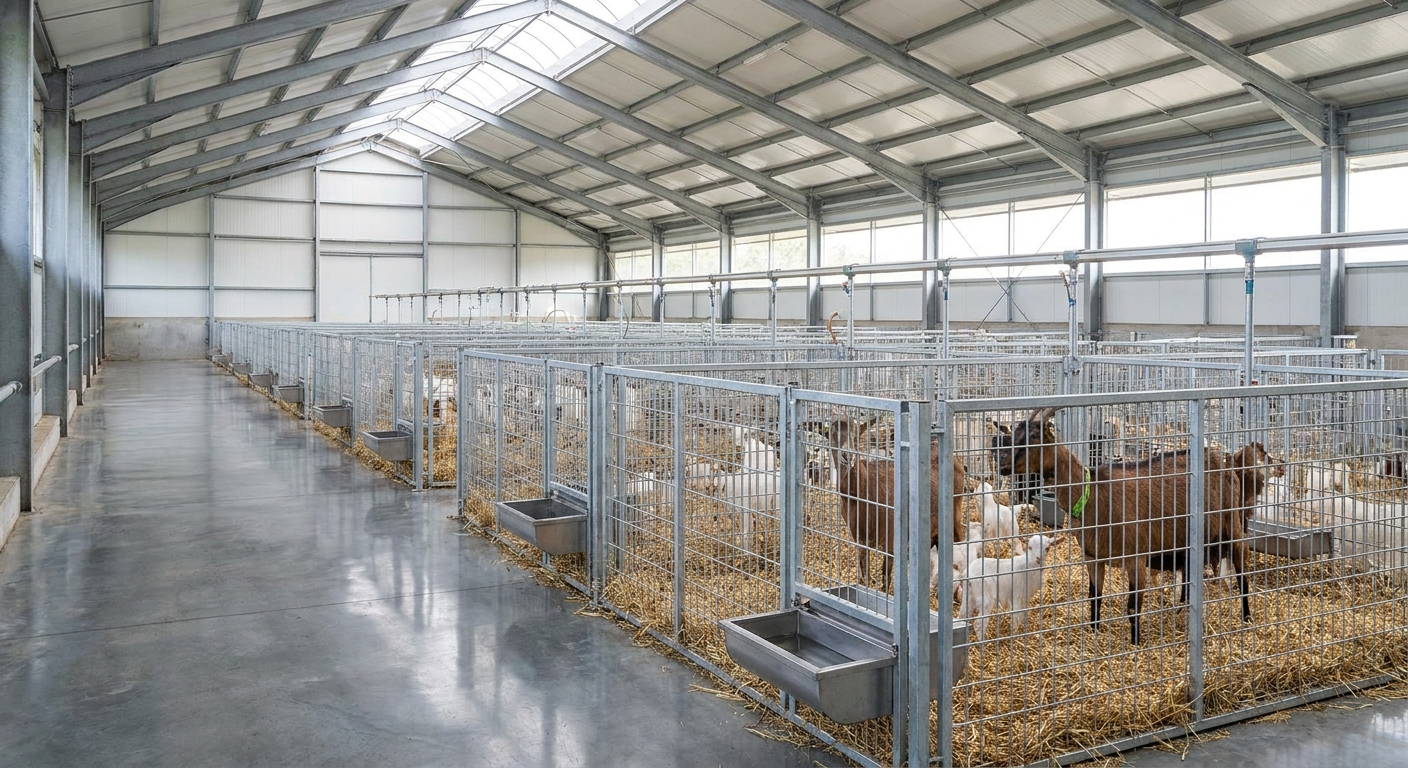
Meat-focused operations boost revenue by maintaining high-volume throughput and timing sales to coincide with religious and cultural holidays. Managing a goat farm with a meat focus allows you to capitalize on the lean-protein trend that is currently sweeping the American culinary scene.
You can increase your margins by focusing on weight-gain efficiency and using prefabricated steel barns that minimize disease transmission between animals. Proper ventilation and easy-to-clean flooring are essential for keeping your kids healthy and market-ready in record time.
Which meat goat breeds grow the fastest?
Boer goats are the gold standard for growth, often reaching market weight faster than any other breed due to their superior muscling. Kiko goats are another excellent option, prized for their ability to thrive on natural forage with minimal supplemental feeding.
You should consider:
- Crossing breeds to achieve “hybrid vigor” and improved disease resistance.
- Selecting bucks with proven genetic records for high daily weight gains.
- Maintaining a strict culling process to ensure only the most efficient animals remain.
But wait, there is more—rapid growth only translates to profit if you can keep your feed-to-meat conversion ratio under strict control.
How to time goat sales for holiday peaks?
Profitable farmers schedule their breeding cycles so that kids reach 60-80 pounds just weeks before major holidays like Easter, Christmas, and Eid. During these periods, prices per pound can jump significantly, often doubling your net profit for the same animal.
Key Takeaway: Strategic timing and breed selection turn a standard livestock operation into a high-performance meat production business.
| Holiday Peak | Target Weight | Estimated Price Premium | |
|---|---|---|---|
| Spring Holidays | 40 – 60 lbs | 25% – 40% | |
| Winter Holidays | 70 – 90 lbs | 15% – 30% |
Data indicates that timing your sales for the spring peak yields the highest return on investment due to lower wintering costs.
Is a dairy goat farm the right choice for you?
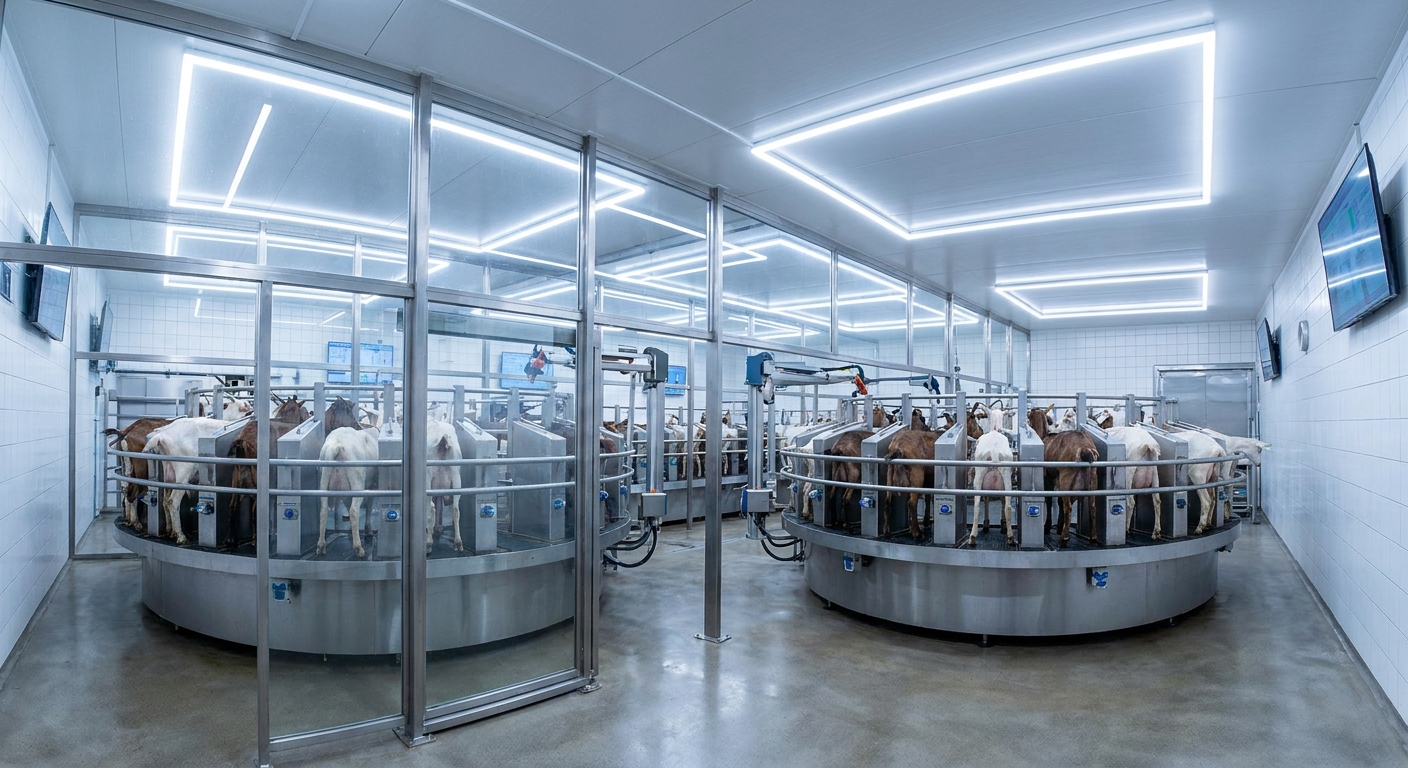
Dairy production is the right choice if you have access to a reliable workforce and an urban market hungry for premium, artisanal milk products. Running a goat farm in the dairy sector provides a consistent daily cash flow that can stabilize your finances throughout the year.
While the infrastructure costs for a milking parlor are higher, the value-added potential of cheese, yogurt, and lotions is immense. You will need a highly sterile environment, which makes non-porous steel structures and professional layouts an absolute necessity for regulatory compliance.
How much milk do top dairy breeds produce?
High-performing breeds like the Saanen or Alpine can produce between 2,000 and 3,000 pounds of milk per lactation cycle. Even smaller breeds like the Nigerian Dwarf, while producing less volume, offer milk with significantly higher butterfat content for cheese making.
Consider these facts:
- Saanens are known as the “Holsteins” of the goat world for their high volume.
- Nubians produce rich, creamy milk ideal for luxury soap production.
- Proper nutrition and stress-free housing can increase milk yields by up to 15%.
The secret sauce? Consistency in your milking routine and a climate-controlled environment are the primary drivers of high production.
What are the regulations for selling goat milk?
Regulations vary by state, but most require Grade A certified facilities for the sale of raw or pasteurized milk for human consumption. You must ensure your barn design includes separate areas for milking, milk storage, and animal housing to meet USDA standards.
Key Takeaway: Investing in a professional steel dairy facility ensures you pass health inspections and can access the most profitable retail markets.
| Product Type | Regulatory Difficulty | Profit Margin Potential | |
|---|---|---|---|
| Fluid Milk | High | Medium | |
| Artisan Cheese | High | Very High | |
| Goat Milk Soap | Low | High |
Analytical evidence shows that processing milk into value-added goods like soap offers the best balance between regulatory ease and profit.
How to maximize profit on a fiber goat farm?
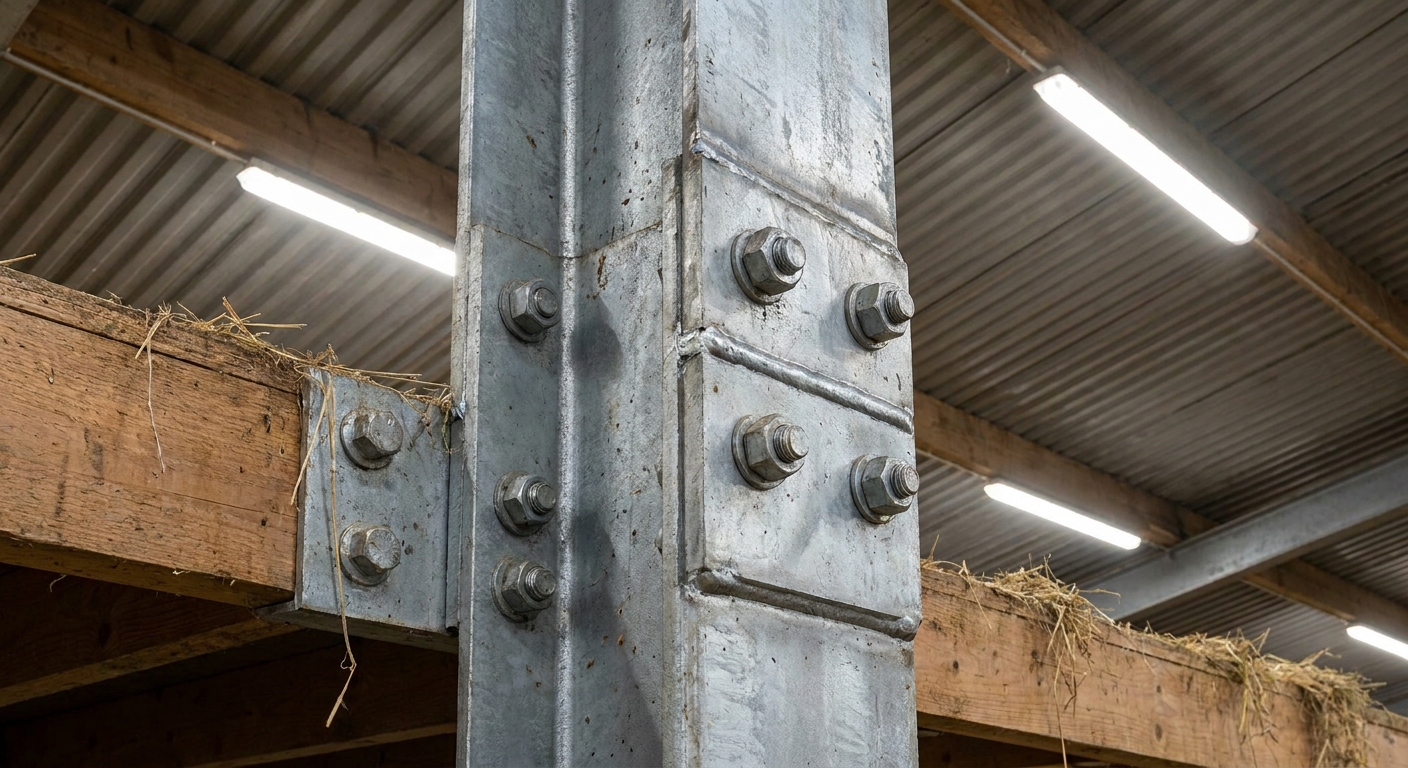
Maximizing fiber profit requires a focus on fleece quality, which is directly influenced by the cleanliness and protection of your animal’s environment. A goat farm focused on fiber production relies on keeping Angora or Cashmere goats in dry, well-ventilated steel structures to prevent coat damage.
You can significantly increase the value of your clip by performing on-farm processing like washing and carding before sale. Luxury textile manufacturers pay a premium for “clean” fiber that is free of vegetable matter, which is much easier to manage in a controlled indoor environment.
Which fiber goats yield the most valuable wool?
Cashmere goats produce a highly valuable down undercoat, while Angora goats provide mohair, which is prized for its luster and durability. Pygora goats are a versatile hybrid choice for those looking to sell to the boutique hand-spinning market.
Here is the deal:
- Mohair prices depend on the “micron count,” with finer kid hair bringing top dollar.
- Cashmere is harvested by combing rather than shearing, increasing labor but also value.
- Health directly impacts shine and strength, so parasite control is paramount.
You should know that a single stressed season can ruin the fiber quality for an entire year, making consistent housing vital.
How to maintain fiber quality in steel sheds?
Steel sheds are superior for fiber goats because they lack the splintering wood and rough surfaces that snag and tear expensive fleeces. Furthermore, the ability to maintain a dust-free environment through advanced ventilation keeps the wool bright and marketable.
Key Takeaway: Protecting your fiber harvest from the elements through steel housing is the most effective way to ensure “Grade A” pricing.
| Fiber Type | Harvest Method | Market Value (per lb) | |
|---|---|---|---|
| Mohair | Shearing | 10−20 | |
| Cashmere | Combing | 120−190 |
This data confirms that while cashmere is labor-intensive, its market value per pound is unrivaled in the textile sector.
Why use a goat farm for land management?
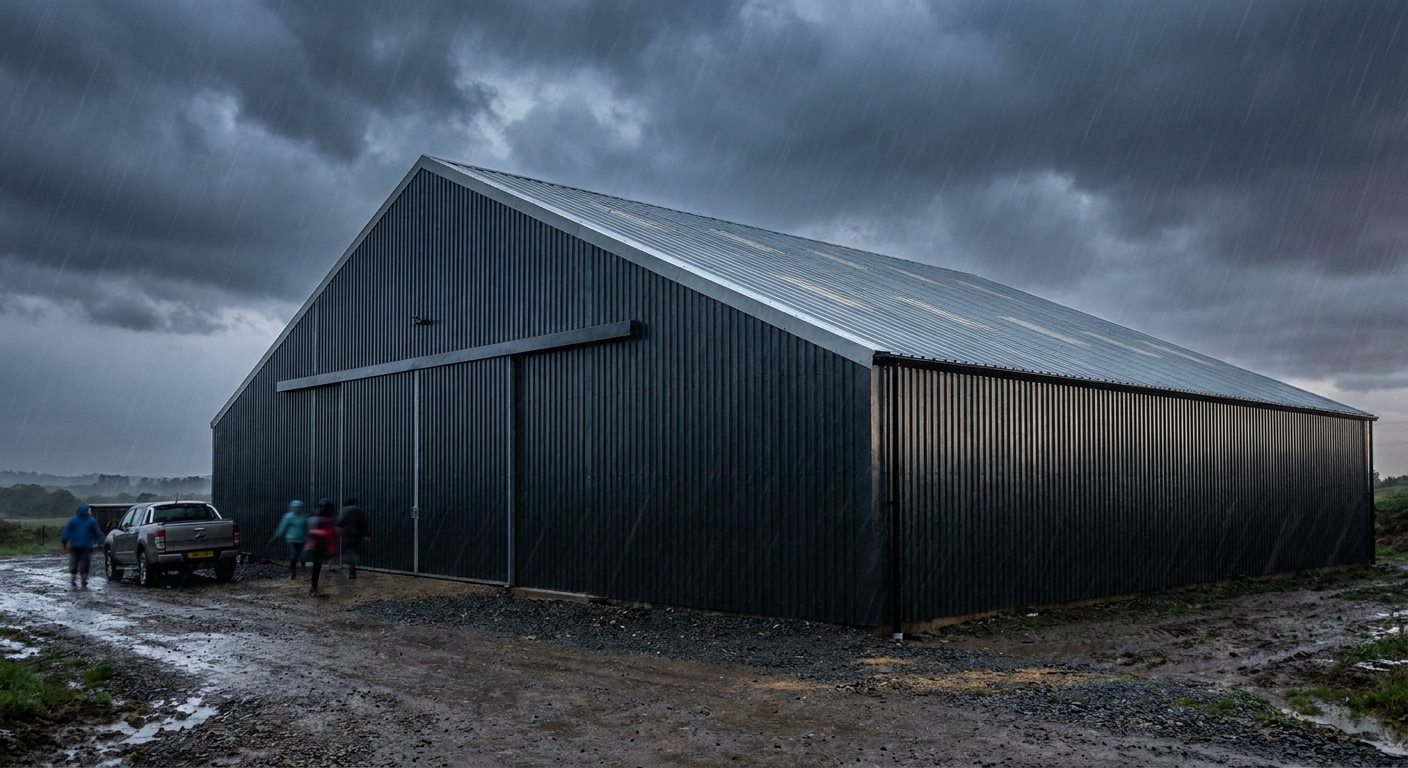
Using goats for land management is an eco-friendly service that generates revenue while reducing your overall feed costs through natural browsing. A goat farm that offers brush-clearing services can charge property owners, parks, and municipalities for fire mitigation and invasive plant removal.
You can operate this as a mobile business, transporting your herd to various sites to clear overgrown vegetation without the use of heavy machinery or chemicals. This “prescriptive grazing” is becoming a preferred method for sustainable land restoration across the United States.
How to market brush-clearing services to locals?
Marketing your services to local governments and high-end residential homeowners focuses on the “green” and “silent” nature of goat-powered clearing. You should highlight how goats can access steep terrains and dense thickets that are impossible for tractors to reach.
Think about it:
- Goats are natural weed-eaters that consume invasive species like kudzu and English ivy.
- Their manure provides natural fertilization during the clearing process.
- Using a herd for fire breaks is often cheaper than hiring a human crew.
It is worth noting that you can charge per acre or per day, often earning hundreds of dollars for simply letting your goats eat.
What are the herd requirements for land clearing?
You need a hardy, mixed-age herd that is habituated to mobile electric fencing and frequent transport. Spanish goats are particularly well-suited for this niche because of their toughness and lack of picky eating habits compared to dairy breeds.
Key Takeaway: Land management services provide a low-overhead revenue stream that actually improves the health of your primary breeding stock.
| Service Type | Target Client | Daily Revenue per Herd | |
|---|---|---|---|
| Fire Mitigation | Municipalities | 250−500 | |
| Residential Clearing | Homeowners | 150−300 |
Strategic focus on municipal contracts provides the most stable and high-paying work for land-clearing operations.
Can agri-tourism diversify your goat farm?
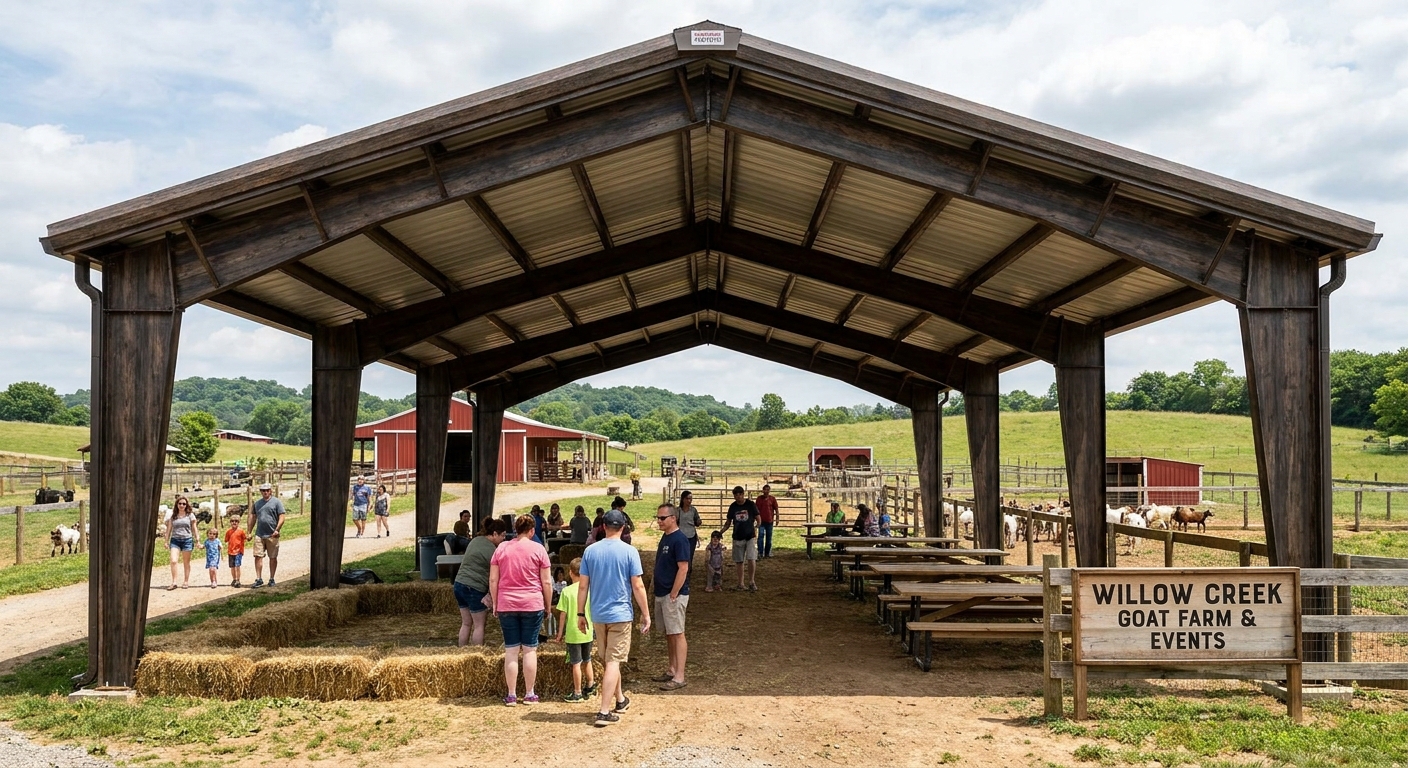
Agri-tourism can massively diversify your income by inviting the public to experience your goat farm through events like goat yoga, farm-to-table dinners, and educational tours. People are willing to pay a premium for “authentic” agricultural experiences and the chance to interact with friendly livestock.
You can leverage a beautiful steel pavilion to host these events, providing a safe and weather-proof space for visitors. This model allows you to sell retail products like soaps and cheeses directly to consumers, bypassing wholesalers and keeping 100% of the profit.
How to host successful goat yoga sessions?
Hosting successful sessions requires a clean, open-sided steel structure where visitors can practice yoga while playful kids roam among them. You should focus on social media-friendly setups, as the “Instagrammable” nature of goat yoga is its primary marketing engine.
The best part?
- You can charge 30−50 per person for a single 60-minute session.
- It requires almost zero additional equipment beyond what you already have.
- It builds a loyal community of local customers who will buy your other farm products.
Believe it or not, some farms report that agritourism events now represent over 50% of their total annual net income.
What insurance is needed for farm visitors?
Opening your property to the public requires specialized agritourism liability insurance to protect your business from accidents. You must also implement clear safety signage and hand-washing stations to comply with biosecurity and public health guidelines.
Key Takeaway: Agritourism turns your daily farm operations into a high-margin service business that connects you directly with your local community.
| Event Type | Avg. Fee per Person | Estimated Monthly Revenue | |
|---|---|---|---|
| Goat Yoga | $40 | 2,000−4,000 | |
| Farm Tours | $15 | 500−1,500 |
This revenue potential demonstrates why adding a public-facing element to your farm is a strategic move for modern owners.
How to scale a goat farm with genetics?
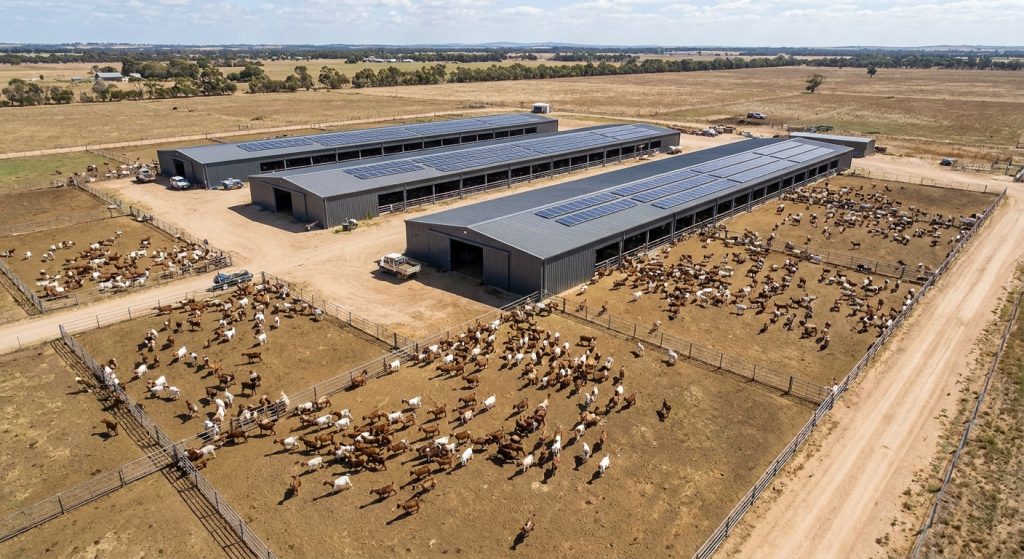
Scaling through genetics involves the selective breeding and sale of registered, high-quality breeding stock to other producers. A professional goat farm focused on genetics can sell a single high-pedigree buck for thousands of dollars, far exceeding market meat prices.
You should maintain meticulous records of birth weights, milk yields, and health histories to prove the value of your bloodlines. Investing in a modern, organized facility with specialized kidding pens allows you to monitor and protect your most valuable genetic assets.
Why is record-keeping vital for breeding stock?
Buyers of breeding stock are purchasing “proven performance,” which can only be verified through years of detailed health and production data. Without records, your animals are just “grade” goats and will only sell for standard market rates regardless of their appearance.
Consider these facts:
- Digital tracking apps make it easy to log vaccines and breeding dates.
- High survival rates in your kids are a primary selling point for other farmers.
- DNA testing can verify parentage and increase the prestige of your herd.
Here is the deal: if you don’t track the data, you are leaving money on the table every time you sell an animal.
How to value high-genetic-lineage goats?
Valuation is based on the animal’s potential to improve the next generation’s traits, such as parasite resistance or udder attachment. Participating in shows and breed associations helps build your reputation and allows you to set premium prices for your stock.
Key Takeaway: Genetic excellence is the ultimate “value-added” product in the goat world, offering exponential returns on your initial investment.
| Goat Status | Market Value | Potential ROI | |
|---|---|---|---|
| Commercial Grade | 200−300 | 15% | |
| Registered/Elite | 800−5,000+ | 300% |
Analytical comparison proves that elite genetics offer the highest profit ceiling of any goat-related business model.
What are the key costs for a modern goat farm?

Key costs include land acquisition, initial breeding stock, high-tensile fencing, and professional goat farm housing that protects your investment from the elements. While infrastructure is a significant upfront expense, it drastically reduces long-term maintenance and replacement costs.
You should prioritize spending on items that directly affect animal health and labor efficiency, such as automated waterers and climate-controlled barns. Cutting corners on housing often leads to higher veterinary bills and lower production rates, which eventually costs more than the initial savings.
How much does professional goat housing cost?
Professional steel structures typically cost between 15 and 30 per square foot, depending on customization and local labor rates. These buildings are a one-time investment that can last over 50 years, whereas wooden barns often require major renovations every decade.
You must account for:
- Concrete foundations for easy sanitation and hoof health.
- Integrated ventilation systems to prevent respiratory disease.
- Interior gate systems for flexible herd management and separation.
But wait, there is more—modern steel buildings can be erected in a fraction of the time required for traditional construction, saving you weeks of labor.
How to reduce feed expenses through steel design?
Designing your barn with integrated hay mangers and grain bins that prevent spoilage and waste can reduce your annual feed bill by up to 20%. Steel structures allow for high-clearance ceilings, enabling the use of vertical storage and automated feeding systems that minimize labor.
Key Takeaway: Smart infrastructure design is not just a building; it is a financial tool that lowers your daily operating expenses.
| Infrastructure Item | Initial Cost | Est. Annual Savings | |
|---|---|---|---|
| Steel Portal Frame | High | 2,000−5,000 (Repairs) | |
| Auto-Waterers | Medium | $1,500 (Labor) |
This table illustrates that high-quality infrastructure pays for itself through reduced labor and maintenance within the first few years.
Why build a steel goat farm for durability?
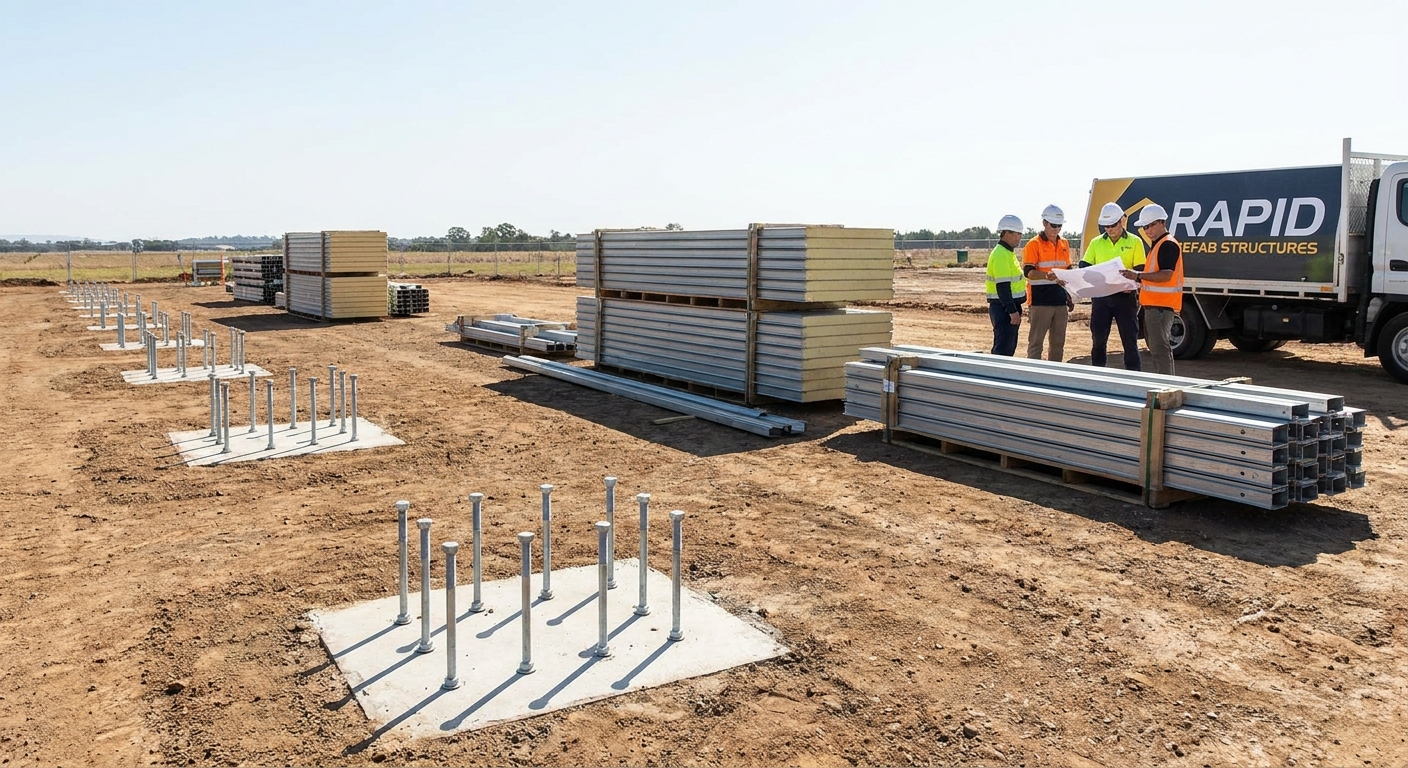
Building with steel is the most strategic choice for a long-term goat farm because it offers unmatched resistance to fire, pests, and extreme weather. A steel foundation and portal frame provide the structural integrity needed to withstand high snow loads and hurricane-force winds.
You will find that steel is non-porous and does not harbor the bacteria or parasites that thrive in old wooden barns. This biosecurity advantage is crucial for maintaining a healthy herd and ensuring your operation meets the highest agricultural safety standards.
Why choose prefabricated portal steel frames?
Prefabricated frames are engineered for precision and rapid assembly, allowing you to get your operation up and running without the delays of custom site-built construction. They provide clear-span interiors, meaning there are no internal columns to get in the way of your goats or equipment.
The best part?
- They are virtually maintenance-free and do not require painting or treating.
- Steel is 100% recyclable and environmentally friendly.
- Customization is easy, allowing you to add insulation or large garage doors.
Think about it: while others are painting and patching wood, you will be focusing on growing your business and managing your herd.
How to optimize ventilation in a goat shed?
Optimal ventilation in a steel shed is achieved through adjustable wall panels and ridge vents that pull ammonia and moisture out of the building. This keeps the air fresh and dry, which is the single most important factor in preventing pneumonia and other respiratory issues in goats.
Key Takeaway: A durable steel building is the backbone of your farm’s success, providing the safety and biosecurity required for a profitable enterprise.
| Housing Material | Lifespan | Pest Resistance | Fire Safety | |
|---|---|---|---|---|
| Portal Steel | 50+ Years | High | Excellent | |
| Traditional Wood | 15 – 20 Years | Low | Poor |
The analytical conclusion is clear: steel buildings represent the lowest total cost of ownership for any modern livestock operation.
Conclusion
Maximizing profits in the American goat industry requires a shift from traditional hobby farming to a professional, infrastructure-driven business model. By diversifying into meat, dairy, and agritourism while housing your livestock in durable steel structures, you solve the persistent problems of high mortality, labor inefficiency, and constant maintenance. We specialize in providing the high-performance steel portal frames and custom agricultural designs that empower farmers to scale their operations with confidence. contact us today to design a facility that protects your investment and secures your agricultural legacy. Our vision is to build the future of American agriculture with structures that work as hard as the farmers who use them.
FAQ
Can I start a goat farm on a small piece of land?
Yes, you can. Goats are highly efficient browsers that require significantly less acreage per head than cattle, making them perfect for small-scale properties.
What’s the best breed for producing goat milk soap?
Nubians are generally the best. Their milk contains the highest butterfat levels, which creates the creamiest and most luxurious soap bars for high-end markets.
How do I know if my goat barn needs better ventilation?
It depends entirely on the smell and moisture levels inside. If you detect the sharp scent of ammonia or see condensation on the walls, your ventilation is insufficient and needs immediate upgrade.
Can I mix different breeds in the same steel barn?
Yes, you can. However, you must use interior gate systems to separate animals by size and temperament to prevent injuries and ensure fair access to feed.
What’s the best way to prevent parasites on a goat farm?
Rotational grazing and clean housing are the keys. Using easy-to-sanitize steel flooring and moving goats to fresh pasture every few weeks breaks the parasite life cycle.