
Constructing a modern dairy cow shed requires a strategic balance between structural durability and precise animal welfare engineering. Managing a herd in a crumbling wooden barn is a recipe for disaster because moisture buildup and poor sanitation lead to chronic lameness and respiratory issues that drain your profits. These inefficiencies do more than just complicate daily chores; they actively erode your milk production potential through environmental stress. Our steel portal frame solutions provide the hygienic, clear-span environment necessary for industrial-scale dairy operations to thrive long-term.
Why is a steel portal frame ideal for a dairy cow shed?
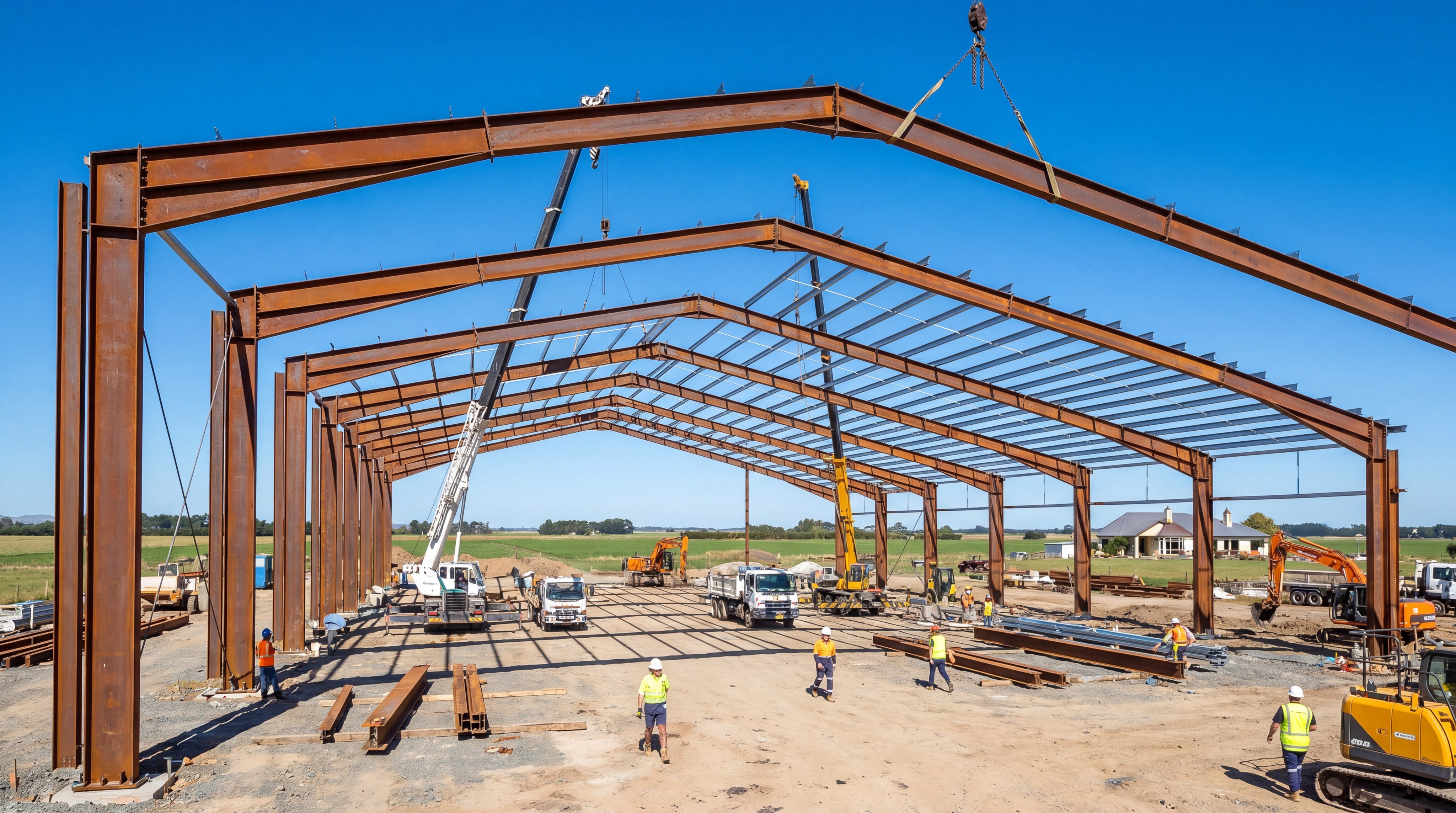
A steel portal frame is the superior choice for a dairy cow shed due to its massive clear-span capability and resistance to the corrosive agricultural environment. Unlike timber, steel does not rot or harbor pests that can compromise biosecurity.
Maximizing Open Interior Space
Clear-span engineering allows you to operate large machinery and scraping systems without the obstruction of internal support columns. Here is the deal: removing interior pillars reduces the risk of cattle injury and simplifies the installation of automated milking robots.
Corrosion Resistance and Longevity
High-grade galvanized steel is essential because it withstands the constant exposure to moisture and ammonia found in livestock environments. Think about it; a structure that resists rust for decades represents a significantly higher return on your initial capital investment.
| Feature | Steel Portal Frame | Traditional Timber | |
|---|---|---|---|
| Clear Span | Up to 40m+ | Very Limited | |
| Rot Resistance | High (Galvanized) | Low | |
| Life Expectancy | 50+ Years | 15-20 Years |
The structural rigidity of steel ensures that your building maintains its integrity even under heavy snow or wind loads.
Key Takeaway: Steel portal frames provide the unobstructed space and durability required for modern, high-efficiency dairy farming.
How do you plan the layout of a dairy cow shed for comfort?
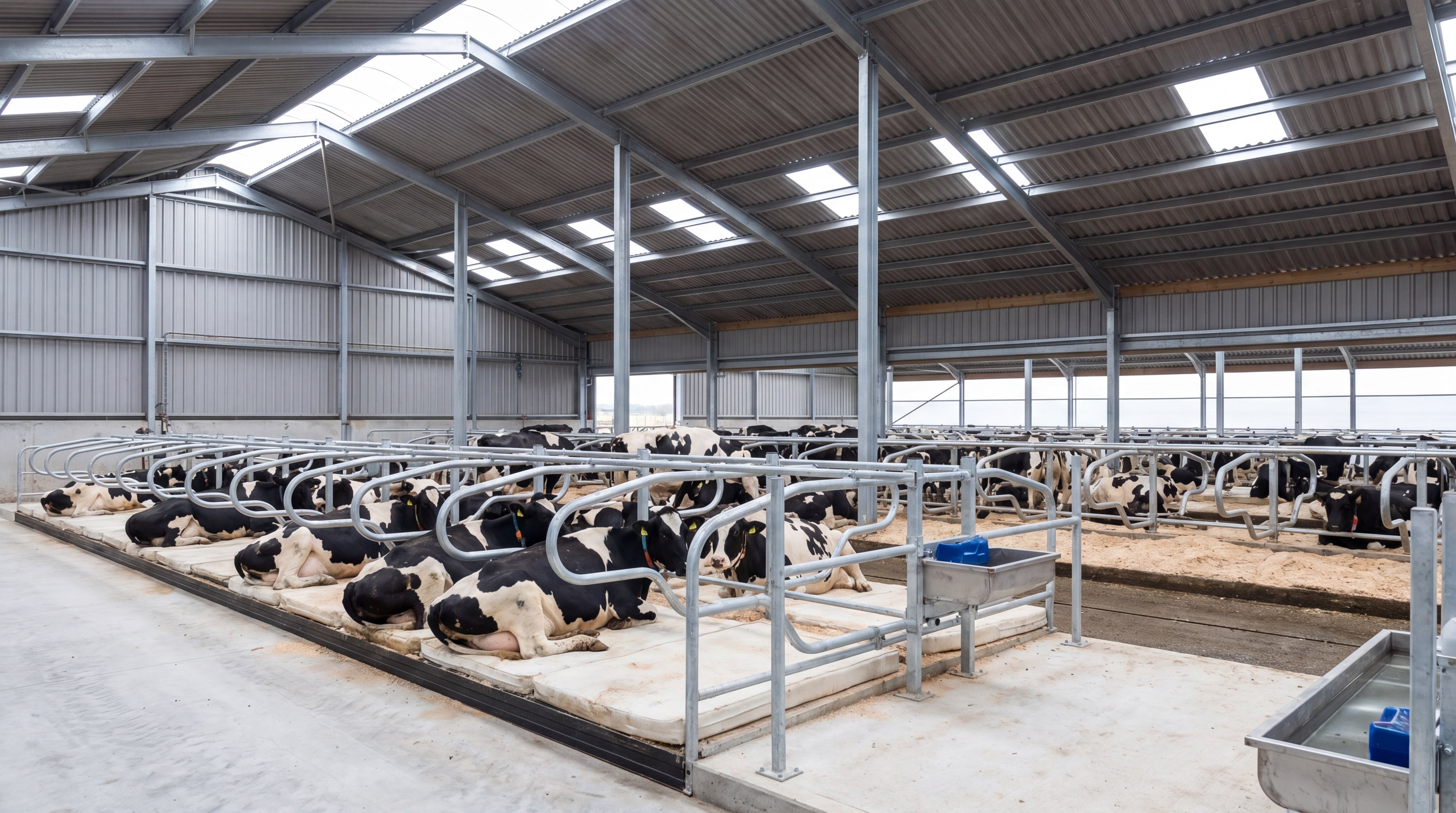
Planning a dairy cow shed layout requires prioritizing the biological needs of the animal, specifically focusing on resting space and traffic flow. A professional layout ensures that every cow has a dedicated cubicle and ample room to move to the feeding alley.
Engineering the Perfect Cubicle
Standard adult cubicles should be approximately 210 cm in length and 120 cm in width to allow cows to lie down naturally. Look: if the cubicle is too small, the cow will refuse to use it, leading to standing fatigue and reduced milk production.
Optimizing Animal Traffic Flow
Design your alleys to be at least 3.5 to 4 meters wide to prevent bottlenecks when cows move between the parlor and resting areas. You should also consult our about us page to see how our engineering team optimizes these specific dimensions for global clients.
| Component | Standard Dimension | Purpose | |
|---|---|---|---|
| Cubicle Width | 120 cm | Prevents turning; keeps beds clean | |
| Alley Width | 3.5 – 4.0 m | Improves social hierarchy flow | |
| Feed Barrier | 3 ft high | Ensures comfortable reach |
Proper spacing reduces social stress among the herd, which is a primary driver of overall animal health.
Key Takeaway: Strategic layout design directly translates to increased rumination time and higher lactation performance.
Email:sales@showhoo.com.cn
Phone/WhatsApp:+86 186 7895 5927
What are the core structural parts of a dairy cow shed?
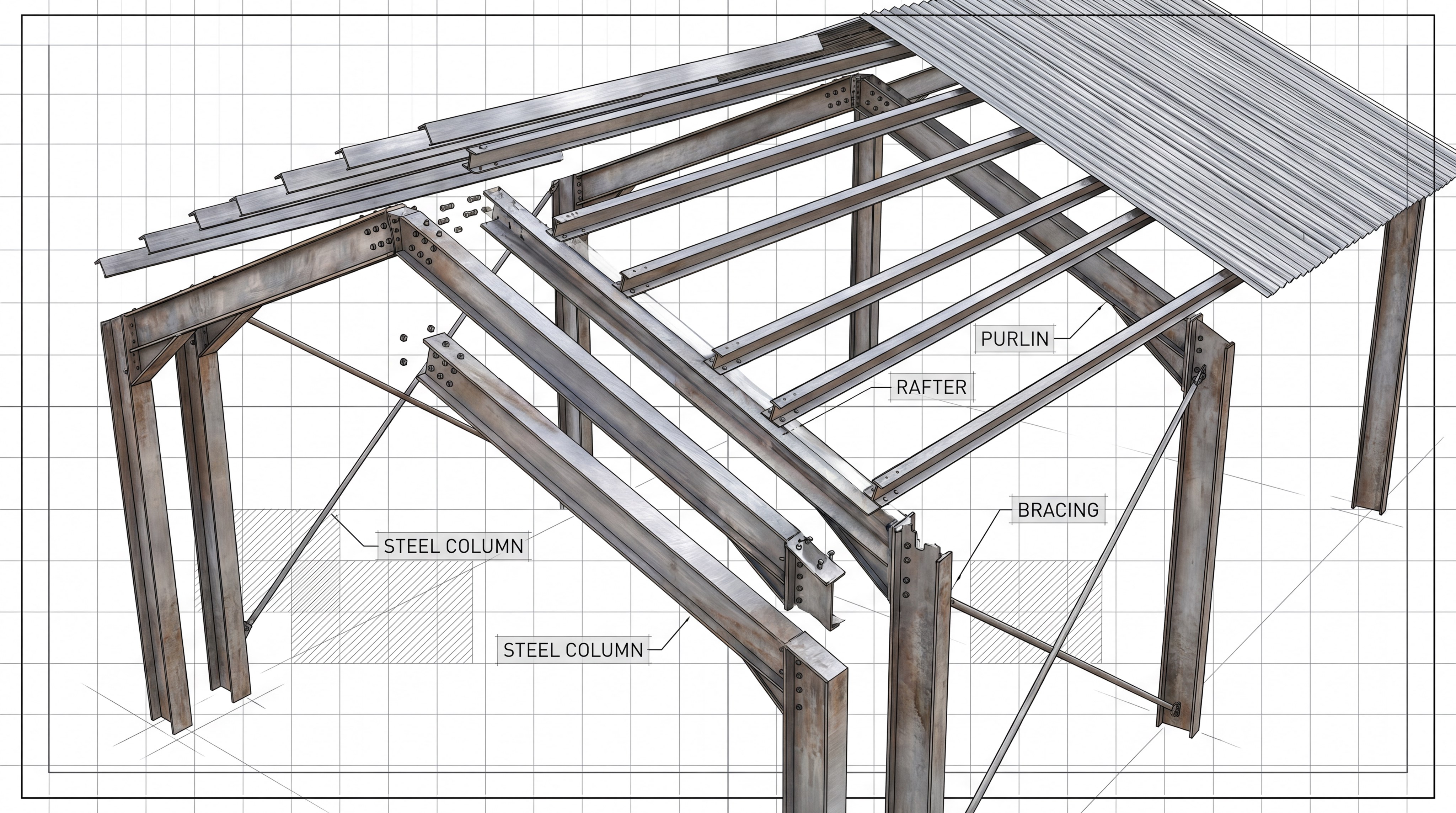
The structural integrity of a dairy cow shed depends on a hierarchy of primary, secondary, and bracing components designed to work as a single unit. Each part is precision-engineered in our factory to ensure a perfect fit during on-site assembly.
Primary and Secondary Steel Members
The primary frame consists of H-section columns and rafters that bear the vertical and lateral loads of the entire building. Simply put, these members are the “skeleton” of your facility and must be manufactured from high-strength Q355B steel for maximum safety.
Bracing and Cladding Support
Secondary members like Z-purlins and C-girts provide the necessary support for the roof and wall panels while adding longitudinal stability. Bracing systems, including tie rods and knee braces, ensure the shed remains rigid against hurricane-force winds or heavy seismic activity.
| Part Type | Material | Function | |
|---|---|---|---|
| Main Column | Q355B H-Steel | Vertical load bearing | |
| Roof Purlin | Galvanized C/Z Steel | Cladding support | |
| Bracing | Round Steel | Lateral stability |
A complete structural system integrates these parts to provide a safe, permanent housing solution for your livestock.
Key Takeaway: A well-engineered portal frame utilizes a combination of primary and secondary steel to create a high-strength, durable enclosure.
How does ventilation improve a dairy cow shed’s health?
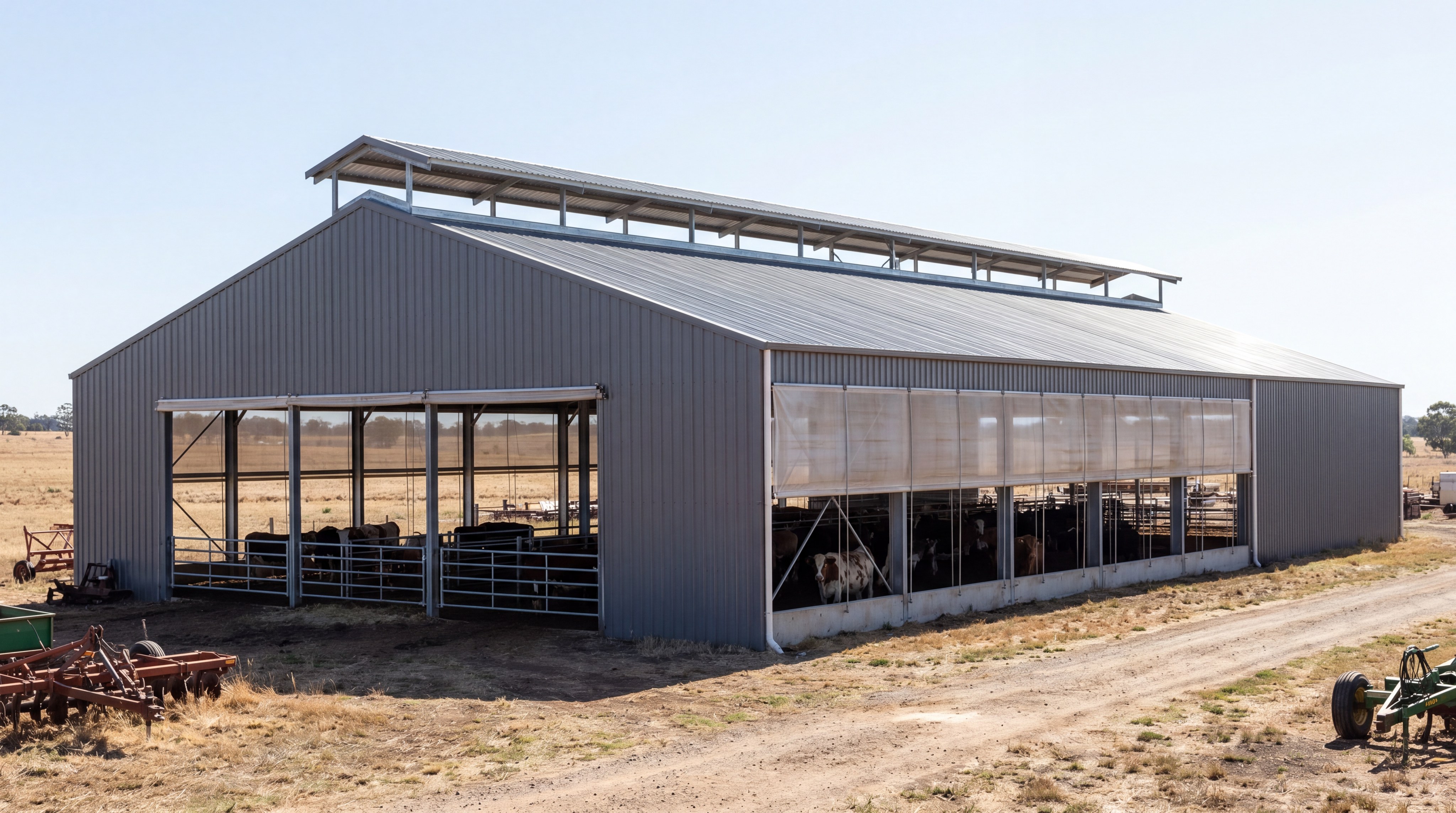
Ventilation in a dairy cow shed is critical for removing ammonia, moisture, and heat that can lead to pneumonia and heat stress. A steel building’s high eave design naturally facilitates the “stack effect,” where warm air rises and escapes through the roof.
Utilizing Natural Airflow Patterns
Incorporating a continuous ridge vent at the peak of the roof allows stale air to exit while fresh air enters through open side walls. Consider this: proper natural ventilation can reduce your reliance on expensive mechanical fans, significantly lowering your monthly electricity bills.
Integrating Adjustable Side Curtains
Adjustable PVC curtains allow you to control the wind speed and temperature inside the shed depending on the season. This flexibility is a hallmark of a modern steel structure warehouse or livestock facility designed for variable climates.
| Ventilation Feature | Specification | Impact | |
|---|---|---|---|
| Eave Height | 4.0 – 5.0 m | Increases air volume | |
| Roof Pitch | 18 – 22 Degrees | Accelerates heat exhaust | |
| Ridge Opening | 30 – 50 cm | Continuous air exchange |
Effective ventilation is your best defense against respiratory diseases that can devastate young-stock and high-producing cows alike.
Key Takeaway: High eaves and open ridge designs leverage thermodynamics to maintain a healthy, dry environment for the herd.
Which flooring is best for a modern dairy cow shed?
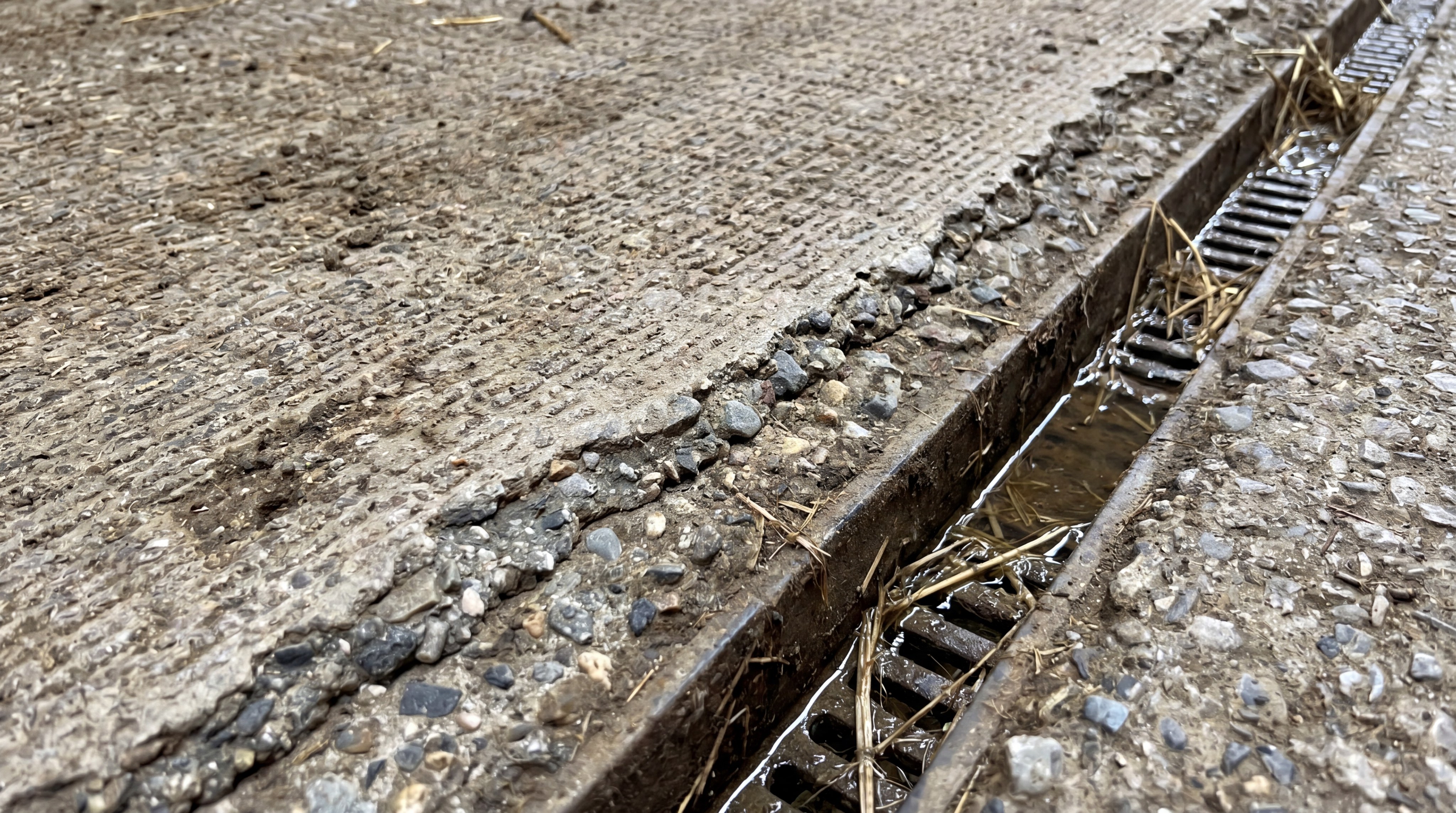
The best flooring for a dairy cow shed is grooved, high-strength concrete that provides traction while facilitating rapid cleaning. Non-slip surfaces are essential to prevent pelvic injuries and lameness, which are leading causes of involuntary culling.
Preventing Slippage with Grooved Surfaces
Concrete floors should be diamond-grooved to provide multi-directional grip for the cows’ hooves as they move. It gets better: grooved floors also help channel liquid waste toward the drainage systems, keeping the walking surface drier.
Designing for Efficient Waste Drainage
A floor slope of 1-2% ensures that urine and manure flow toward central collection channels or automated flush systems. Maintaining a clean floor reduces the incidence of digital dermatitis and other common hoof infections that plague poorly drained sheds.
| Floor Area | Material/Finish | Benefit | |
|---|---|---|---|
| Main Alleys | Grooved Concrete | Maximum traction | |
| Cubicle Base | Sloped Solid Concrete | Keeps bedding dry | |
| Milking Area | Rubber Matting | Joint comfort for cows |
A well-designed floor system integrates seamlessly with the steel building’s foundation to provide a long-lasting, hygienic surface.
Key Takeaway: Non-slip, sloped concrete floors are vital for maintaining hoof health and simplifying daily sanitation tasks.
How do you install a portal frame dairy cow shed quickly?
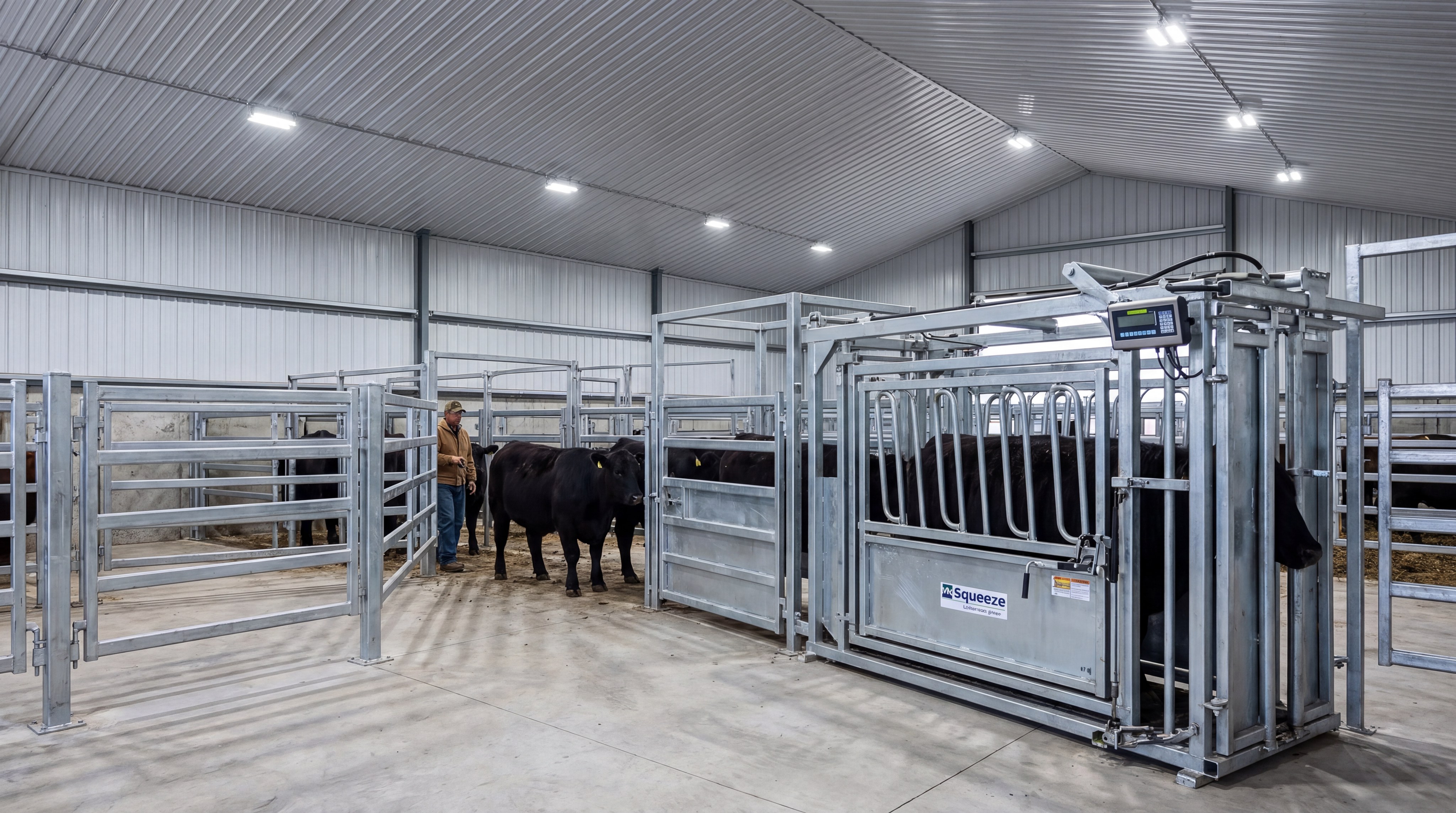
Installation of a dairy cow shed is exceptionally fast because every component is pre-cut and pre-drilled in a controlled factory setting. This “bolt-together” logic eliminates the need for on-site welding and reduces total construction time by up to 50%.
Sequential Assembly Logic
The process begins with securing columns to the foundation bolts, followed by lifting the roof rafters into place with a crane. Here is the bottom line: the precision of the factory manufacturing means you won’t face delays due to mismatched parts or field corrections.
Streamlining the Finishing Phase
Once the primary frame is up, installers quickly attach the purlins and cladding panels to create a weather-tight envelope. You can view successful installations in our case studies to see how we manage global project timelines efficiently.
| Step | Equipment | Outcome | |
|---|---|---|---|
| Anchoring | Precision Bolts | Structural foundation | |
| Framing | Mobile Crane | Rapid skeleton setup | |
| Cladding | Scissor Lift | Weatherproof finish |
Prefabricated steel kits minimize on-site labor costs and allow you to begin milk production much sooner than traditional builds.
Key Takeaway: Professional steel structures follow a standardized installation sequence that ensures accuracy, safety, and speed.
Email:sales@showhoo.com.cn
Phone/WhatsApp:+86 186 7895 5927
Can a dairy cow shed handle extreme climate loads?
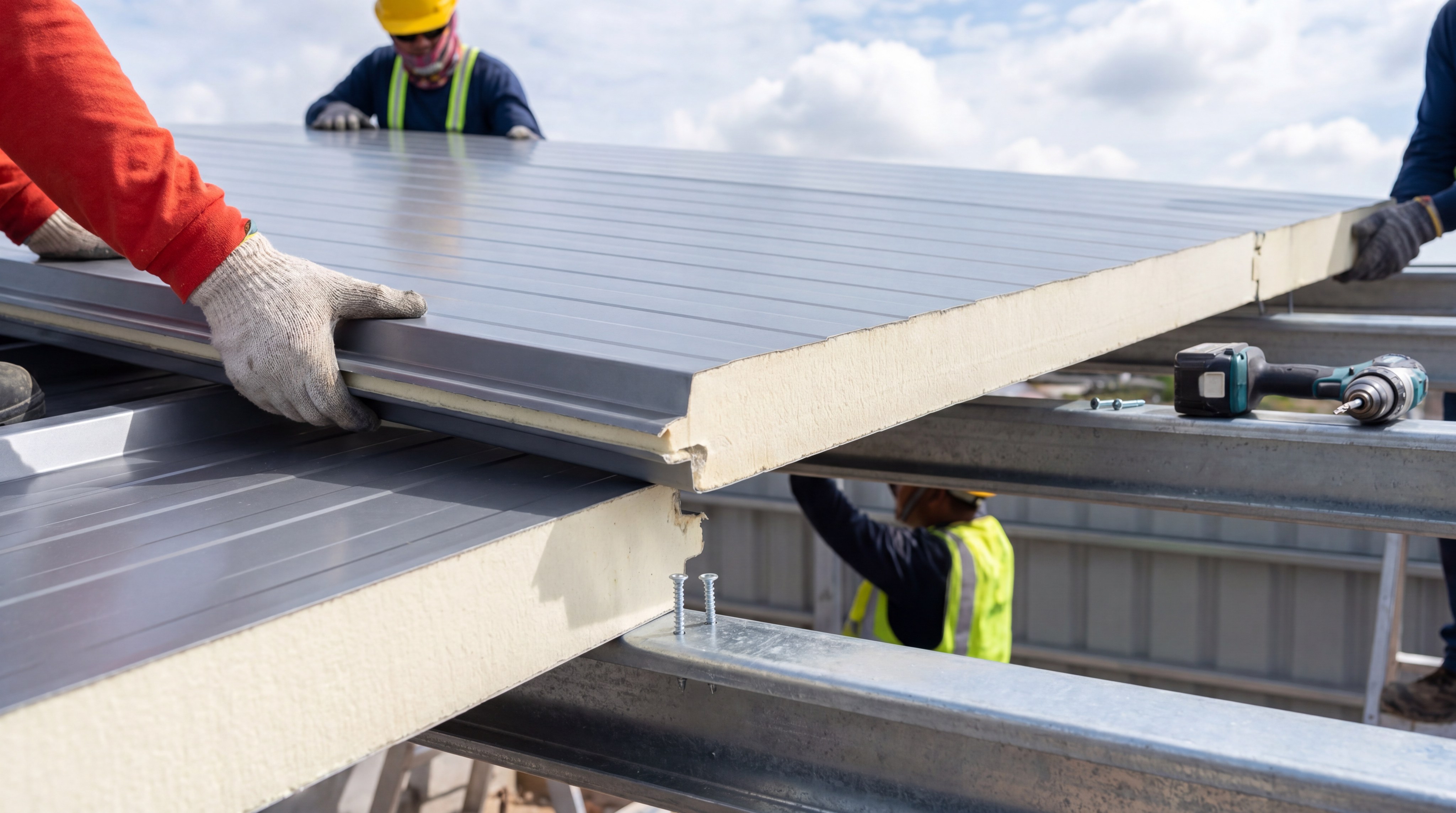
A dairy cow shed built by Showhoo is engineered to withstand extreme snow, wind, and seismic loads based on your specific local building codes. We use advanced 3D modeling to simulate environmental stresses before fabrication begins.
Insulating for Thermal Regulation
In extreme climates, using sandwich panels with PIR or Rockwool cores helps maintain a stable internal temperature for the livestock. Think about it: preventing heat stress in the summer and freezing in the winter is essential for maintaining consistent milk yields year-round.
Adapting for High Wind or Snow
We increase the gauge of the steel and the frequency of the purlins for projects located in hurricane or heavy snow zones. This customized engineering protects your livestock investment from catastrophic structural failure during severe weather events.
| Climate Issue | Solution | Result | |
|---|---|---|---|
| High Heat | Insulated Panels | 5-8°C cooler interior | |
| Heavy Snow | Reinforced Rafters | No structural sagging | |
| Coastal Salt | Hot-Dip Galvanization | Decades of rust protection |
Custom engineering ensures that your building is not just a shed, but a resilient asset designed for your exact geography.
Key Takeaway: Site-specific engineering and specialized cladding materials protect your herd from the most extreme environmental challenges.
How is shipping handled for a dairy cow shed kit?
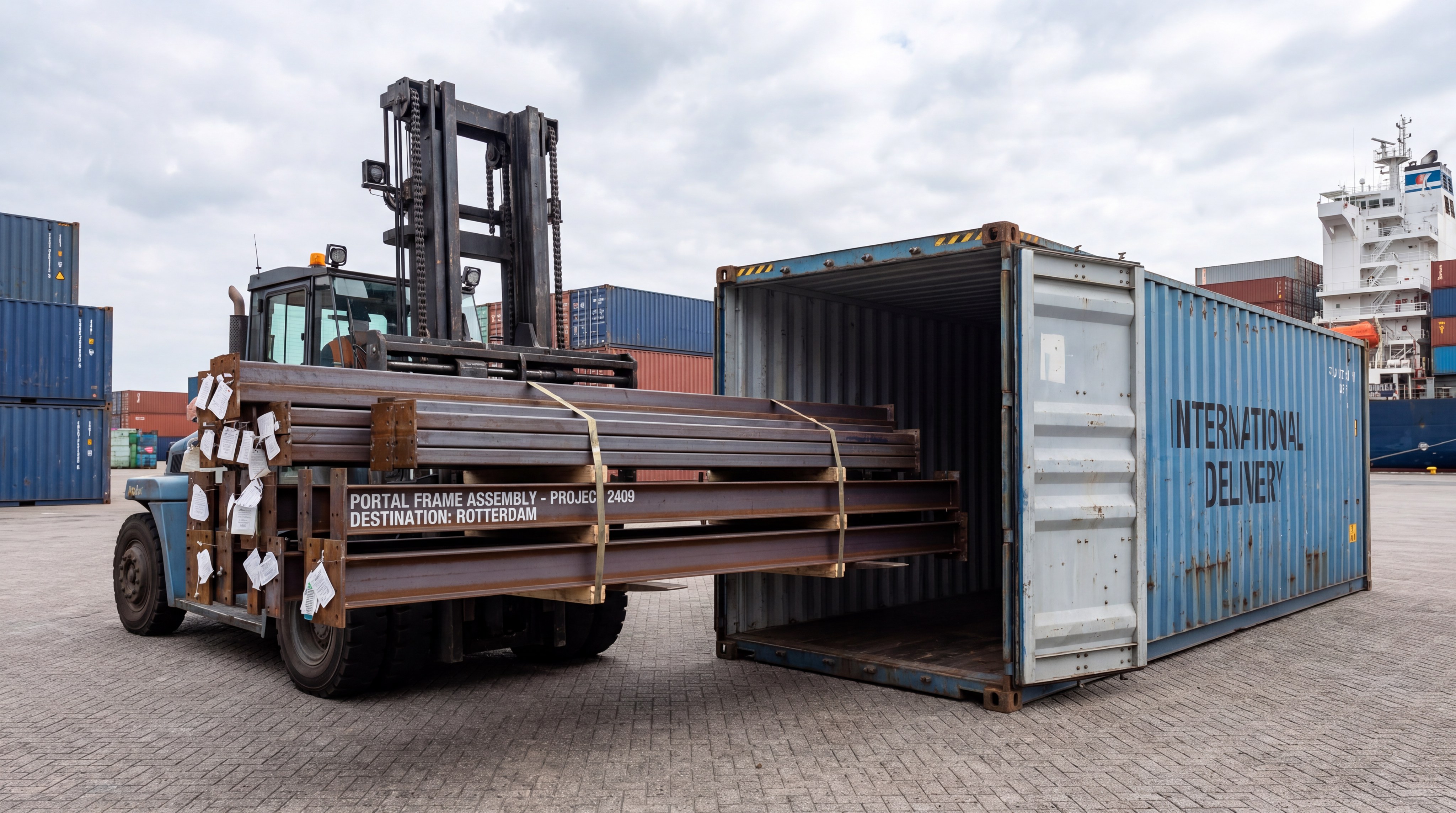
Shipping a dairy cow shed internationally requires a highly organized containerization strategy to ensure all parts arrive safely and in order. Every H-section beam and individual fastener is labeled and cross-referenced with a detailed Bill of Materials.
Container Loading and Protection
Large steel components are bundled and secured within 40ft HQ containers to prevent shifting or damage during sea transit. The best part? Our team handles all export documentation, making the international procurement process as seamless as possible for you.
Clear Labeling for Site Sorting
Each bundle of steel corresponds to a specific section of the installation drawings, allowing your local crew to sort materials efficiently upon arrival. This organization prevents the loss of small parts and keeps the assembly process on a strict schedule.
| Logistic Factor | Our Standard | Benefit | |
|---|---|---|---|
| Packaging | Steel Pallets | Safe transit; easy forklift access | |
| Labeling | Numerical Coding | Faster on-site identification | |
| Documentation | Full BOM Included | Zero missing parts at delivery |
Organized logistics reduce the “hidden costs” of construction by preventing delays caused by damaged or missing materials.
Key Takeaway: Professional containerization and clear labeling are the foundation of a successful international steel building project.
Why is quality control vital for a dairy cow shed?
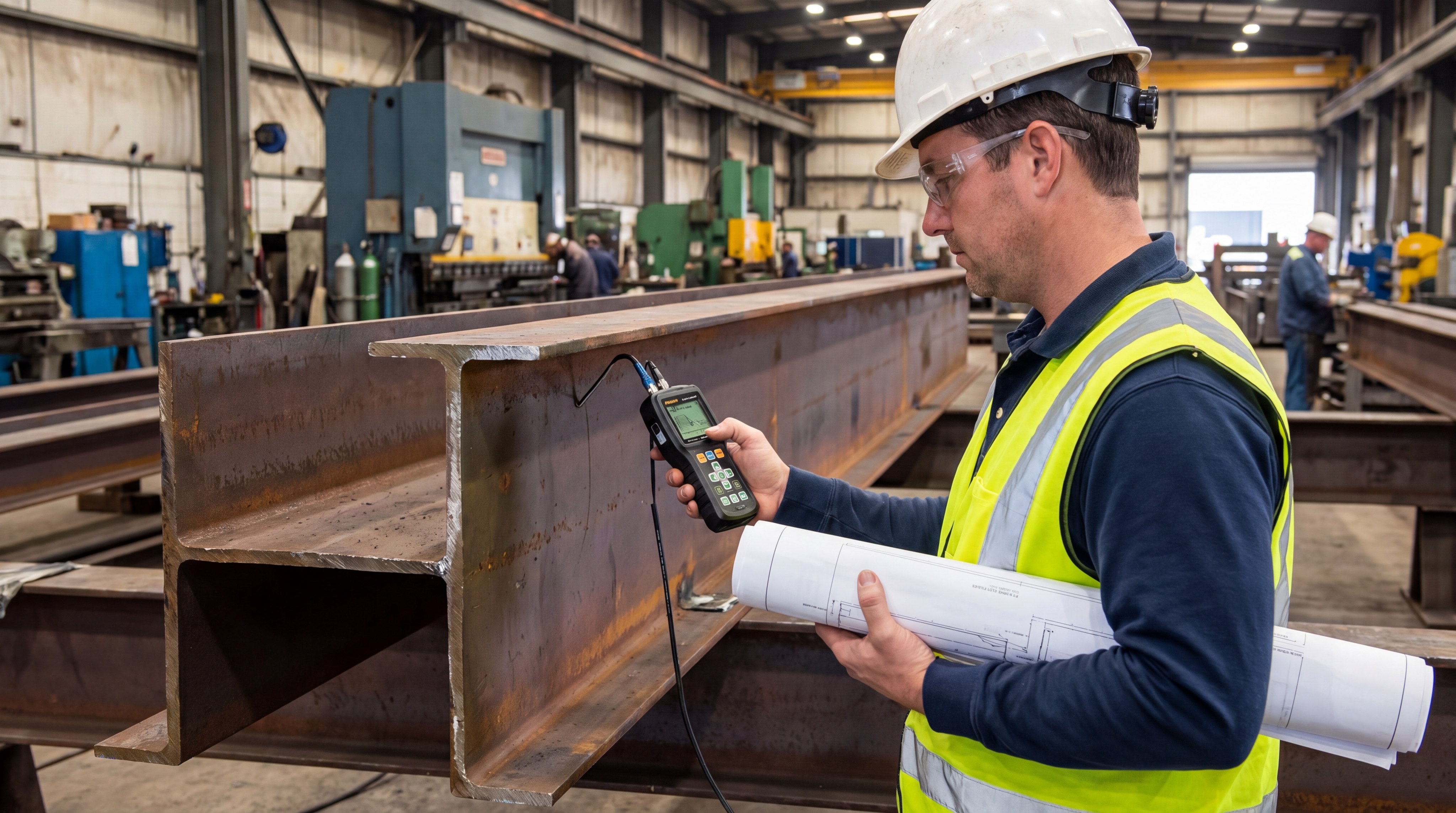
Quality control for a dairy cow shed ensures that every weld and coating meets international safety and durability standards. Because livestock buildings face high moisture levels, the integrity of the protective finish is just as important as the steel itself.
Rigorous Testing Procedures
We perform ultrasonic testing on major welds to ensure there are no internal defects that could lead to structural failure. Consider this: third-party inspections from groups like SGS are always welcome at our factory to provide you with total peace of mind.
Certifying Material Strength
Every batch of steel comes with a mill test certificate to verify that the yield strength matches the engineering requirements of your project. You can learn more about our quality standards on our contact page where we provide detailed material specifications.
| Inspection Type | Method | Target | |
|---|---|---|---|
| Weld Quality | Ultrasonic / X-Ray | Flawless joint integrity | |
| Coating | Digital Gauge | Consistent micron thickness | |
| Dimensions | Laser Measurement | Millimeter-perfect fit |
Strict quality checkpoints at every stage of fabrication guarantee a building that is safe for your cattle and your staff.
Key Takeaway: Comprehensive quality control prevents structural issues and ensures the long-term safety of your dairy operation.
How do lighting and fans integrate into a dairy cow shed?
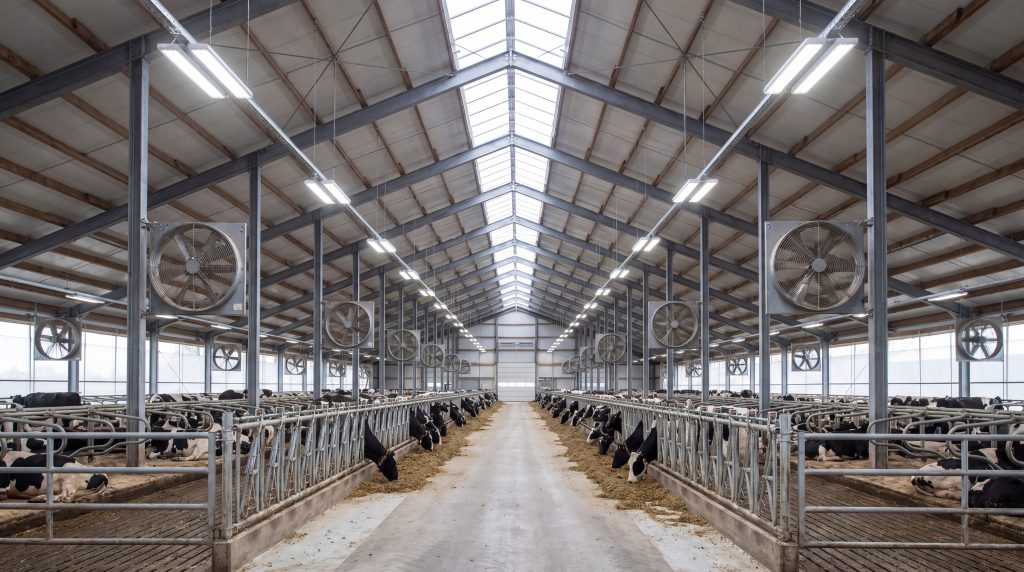
Lighting and fans are easily integrated into a dairy cow shed by mounting them directly to the rigid steel portal frame. The strength of the H-section rafters allows for the installation of heavy-duty industrial equipment without compromising the roof’s stability.
Lighting for Maximum Productivity
Standardizing light cycles to 16 hours of daylight and 8 hours of darkness has been proven to increase milk production. Here is the deal: our steel frames can support full LED arrays that provide uniform light distribution across the entire resting area.
High-Volume Mechanical Fans
For areas with low natural wind, large diameter HVLS fans can be bolted directly to the steel columns to move massive volumes of air. It gets better: the vibration-resistant nature of the steel frame makes it the perfect mounting surface for these high-torque mechanical systems.
| Integration | Mounting Method | Operational Benefit | |
|---|---|---|---|
| HVLS Fans | Column/Rafter Brackets | Eliminates summer heat stress | |
| LED Lights | Purlin Clips | Optimizes lactation cycles | |
| Brushes | Column Mounted | Improves animal circulation |
A steel structure provides a versatile “utility grid” that allows you to upgrade your dairy technology as your business grows.
Key Takeaway: The structural rigidity of steel portal frames provides a secure platform for essential lighting and cooling technology.
Conclusion
Investing in a professionally manufactured steel structure is the most effective way to scale your dairy operations while ensuring the highest standards of animal welfare. At Showhoo, we are dedicated to delivering engineering excellence that supports the growth of global agricultural enterprises. To begin your journey toward a more efficient and durable facility, contact us today for a comprehensive project consultation and a free engineering quote.
Email:sales@showhoo.com.cn
Phone/WhatsApp:+86 186 7895 5927
Frequently Asked Questions
1.Can I expand my dairy cow shed in the future?
Yes, steel portal frames are designed for easy longitudinal expansion. You can add new bays to the existing structure by simply bolting on additional rafters and columns with minimal disruption to your current herd.
2.What is the best way to prevent rust in a cow shed?
The gold standard is hot-dip galvanization for all structural steel members. This creates a metallurgical bond that protects the steel from the corrosive ammonia and moisture typically found in a livestock environment.
3.How long does it take to get a quote?
You can receive a customized solution and a preliminary quote within 24 hours of sharing your project requirements. Our engineering team evaluates your local wind and snow loads to ensure the pricing is accurate for your site.
4.Can I install the shed myself ?
While we provide detailed 3D installation guides and labeled parts for local crews, we recommend a professional contractor for the primary frame lifting. This ensures that all bolts are torqued correctly and that the building is perfectly leveled for the cladding.
5.What is the life expectancy of a steel dairy shed?
With proper maintenance and a high-quality galvanized finish, a steel portal frame shed has a life expectancy of 50 years or more. This makes it a much more sustainable and cost-effective investment than timber or light-gauge structures.