
Optimizing farm infrastructure requires high-tensile steel structure goat sheds to ensure superior livestock protection, bio-security, and long-term economic viability. You might find yourself constantly battling wood rot, pest infestations, or poor ventilation that directly impacts your herd’s health and your bottom line. Investing in a precision-engineered goat shed solves these systemic issues by providing a durable, hygienic, and scalable environment that grows with your business.
What Role Does a Goat Shed Play in Modern Farming?
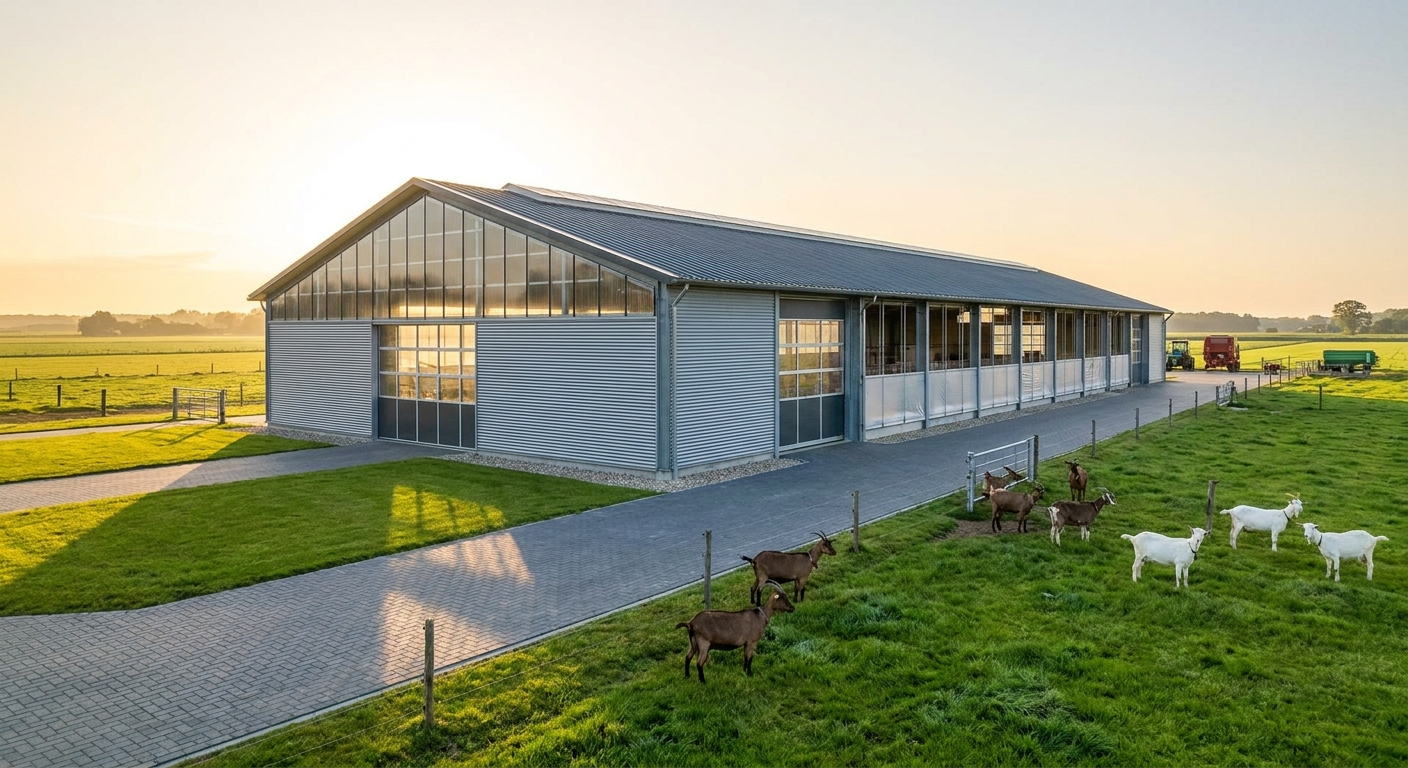
A modern goat shed acts as a specialized production hub that stabilizes environmental factors to maximize the growth and milk yields of your herd. By providing a controlled climate and organized layout, you can significantly reduce animal stress and increase production efficiency.
How does shelter impact herd productivity?
Your goats need a consistent environment to thrive without wasting energy on thermoregulation. When you provide a professional structure, you ensure that every resource goes toward growth and milk production.
- Consistent protection from wind and rain.
- Reduced energy expenditure for animals.
- Centralized location for health monitoring.
Here is the deal: When goats are comfortable, their immune systems remain stronger. You will see fewer veterinary interventions and more consistent output across your entire operation.
Can a shed improve daily workflow?
Designing your facility with modern steel components allows for wide, clear-span interiors that facilitate the use of machinery. Similar to a professional poultry house , these layouts allow you to move feed and clean waste much faster.
- Clear-span designs for easy tractor access.
- Integrated feeding troughs and watering systems.
- Logical flow for animal movement.
But that’s not all. A well-organized interior reduces the physical labor required from you and your staff. This efficiency allows you to manage larger herds without increasing your labor costs.
Key Takeaway
| Feature | Operational Benefit | Long-term Impact | |
|---|---|---|---|
| Clear-Span Design | Machinery Accessibility | Reduced Labor Costs | |
| Controlled Environment | Stress Reduction | Higher Production Yields |
The integration of professional steel sheds into your farm infrastructure shifts the focus from constant maintenance to active production management.
Why Choose Steel Over Wood for Goat Housing?
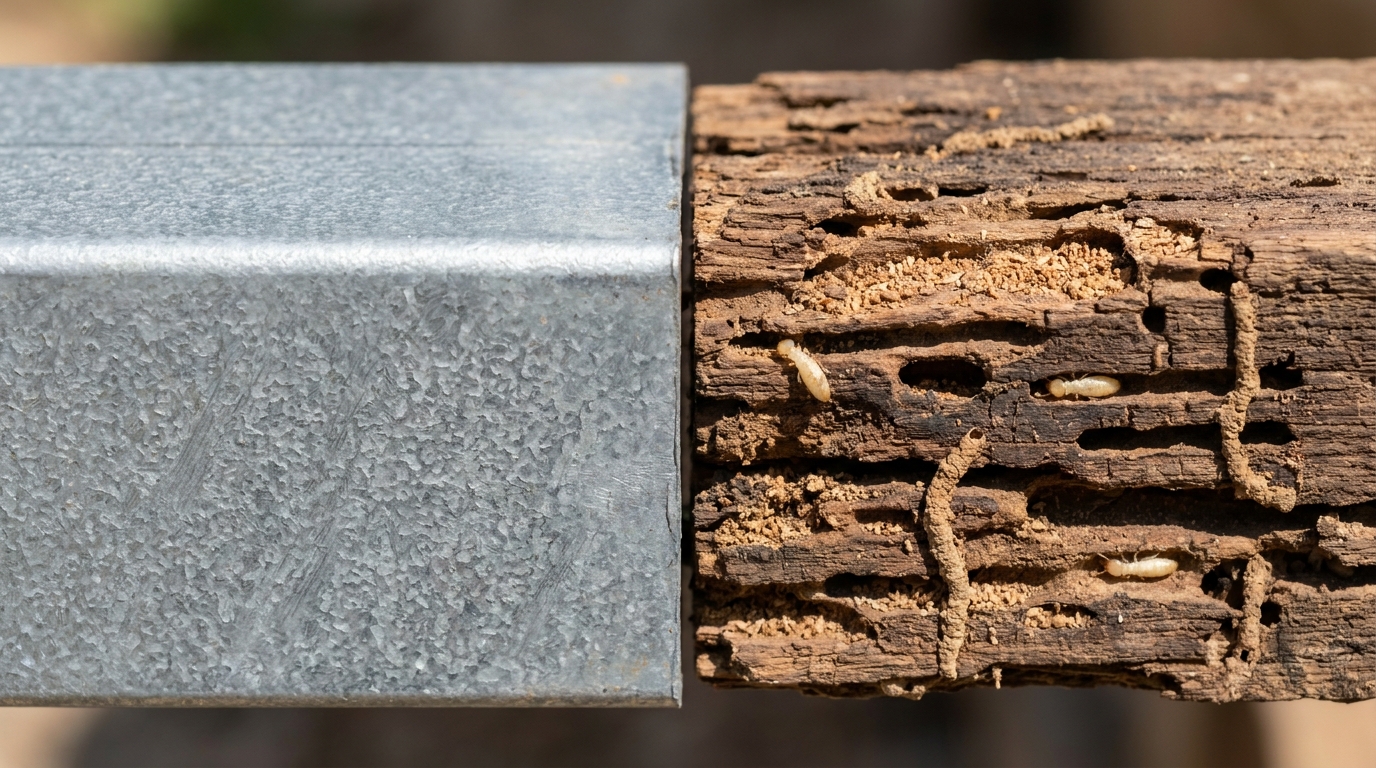
Steel provides a non-porous, rot-resistant alternative to wood that significantly reduces the risk of pest infestations and structural decay. Unlike organic materials, steel does not harbor bacteria or attract wood-boring insects that can compromise your building’s integrity.
How does durability compare between materials?
Steel does not warp, crack, or rot when exposed to the moisture commonly found in livestock environments. You will find that steel maintains its structural precision for forty years or more with minimal intervention.
- Resistance to termites and wood-boring insects.
- No warping due to high humidity levels.
- Consistent strength-to-weight ratio over time.
You see, wood starts to degrade the moment it is installed. Steel remains as strong on day one thousand as it was on day one, ensuring your goats stay safe.
Is steel more hygienic for livestock?
Because steel is non-porous, it does not absorb animal waste or moisture that leads to mold growth. You can easily pressure-wash the entire structure to maintain a sterile environment for your herd.
- Non-porous surfaces prevent bacterial buildup.
- Resistance to ammonia-based corrosion.
- Easy to disinfect during disease outbreaks.
The truth is: Traditional wooden barns trap pathogens in the grain of the wood. Using steel allows you to break the cycle of infection and keep your goats in peak condition.
Key Takeaway
| Material Factor | Wood Construction | Steel Construction | |
|---|---|---|---|
| Pest Resistance | Low (Termite Risk) | High (Inert Material) | |
| Cleaning Ability | Difficult (Porous) | Easy (Pressure Washable) |
Switching to steel eliminates the common points of failure found in timber barns, leading to a more resilient and profitable farm.
Email:sales@showhoo.com.cn
Phone/WhatsApp:+86 186 7895 5927
How Do Steel Structures Improve Animal Welfare?
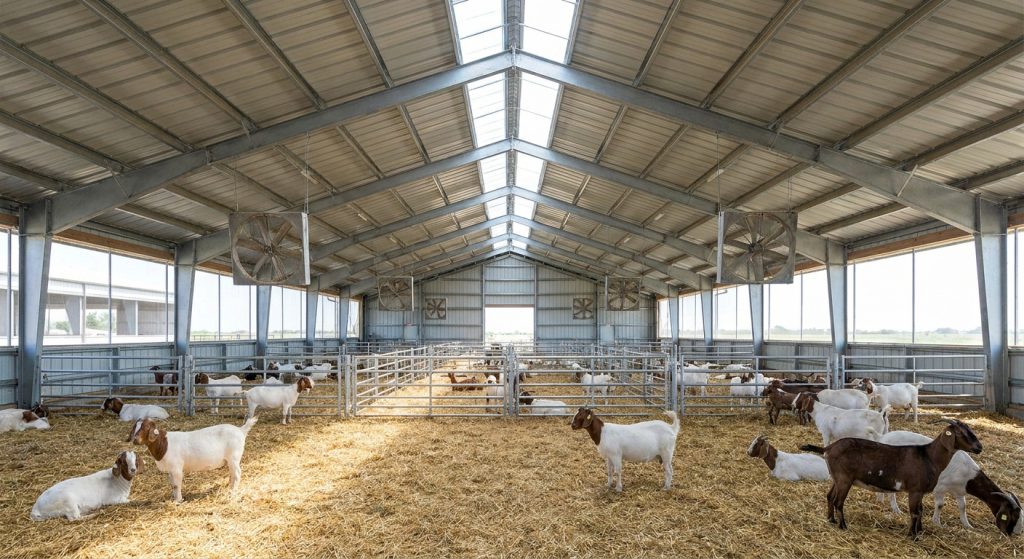
These structures improve welfare by allowing for precision-engineered climate controls and superior natural lighting that reduce animal stress. Just as a pig shed requires specific biosecurity, a steel goat facility ensures a clean, breathable atmosphere.
How does temperature control affect health?
Steel sheds can be easily insulated or designed with reflective coatings to keep the interior cool during summer. You can prevent heat stress, which is a major cause of respiratory distress and decreased fertility in goats.
- Reflective roofing to reduce solar gain.
- Space for high-efficiency insulation panels.
- Stable interior temperatures year-round.
Here is the point: Extreme temperature fluctuations are the enemy of consistent production. A steel structure acts as a thermal buffer that keeps your animals comfortable in any season.
Why is light management important?
Proper lighting influences the hormonal cycles of goats, affecting everything from breeding to milk production. Steel frames allow for large windows and translucent roof panels without sacrificing strength.
- Natural light integration via wall panels.
- High eaves for better light penetration.
- Programmable LED lighting compatibility.
But that’s not all. Ample natural light also helps dry out the bedding and reduces the growth of damp-loving bacteria. Your goats will be more active and exhibit more natural behaviors in a bright environment.
Key Takeaway
| Welfare Metric | Steel Shed Solution | Animal Outcome | |
|---|---|---|---|
| Air Quality | Ridge and Wall Vents | Reduced Respiratory Disease | |
| Thermal Comfort | Insulated Sandwich Panels | Improved Feed Conversion |
By focusing on these structural advantages, you create an environment where animal welfare and business profitability go hand in hand.
Can Steel Sheds Withstand Extreme Weather?
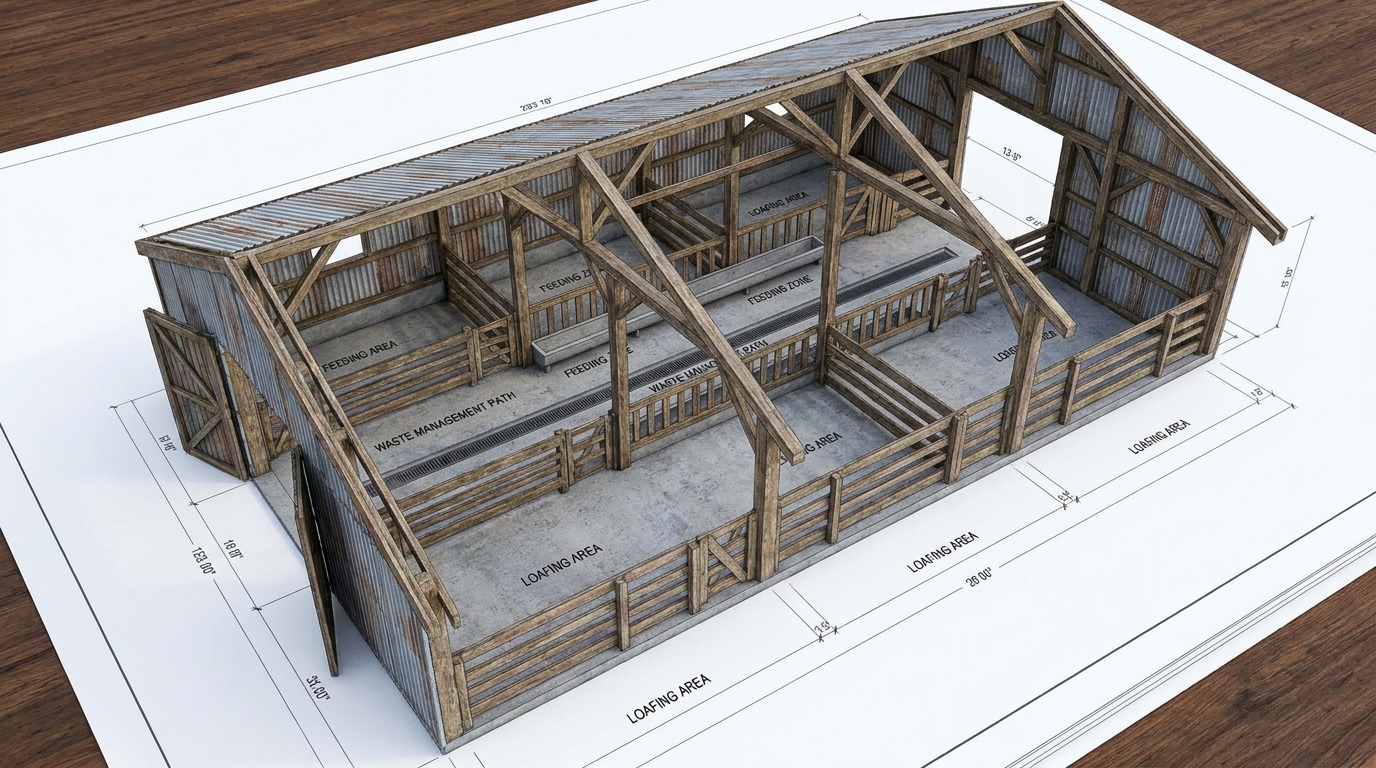
High-quality steel buildings are engineered to resist high wind speeds, heavy snow loads, and seismic activity based on your specific location. Every structural member is calculated to ensure the building remains standing during the most severe weather events.
How do they handle high wind speeds?
Steel has the highest strength-to-weight ratio of any common building material. You can rest assured that your structure is designed with robust bracing systems that resist shearing and uplift during storms.
- Tapered beam designs for wind resistance.
- Secure anchor bolt systems in foundations.
- Precision-engineered secondary bracing.
Bottom line: When a storm hits, you shouldn’t have to worry about your roof blowing off. Steel provides the structural rigidity necessary to withstand hurricane-force winds.
Are they safe under heavy snow loads?
In colder climates, the weight of snow on a roof can cause traditional structures to collapse. Steel sheds are calculated to support massive vertical loads, protecting your animals through the harshest winters.
- High-tensile steel roof purlins.
- Engineered pitch to encourage snow shed.
- Reinforced columns for vertical stability.
You might be wondering: How do I know it will hold? Every steel building is designed based on your specific geographic coordinates to meet or exceed local building codes.
Key Takeaway
| Weather Event | Structural Defense | Resulting Benefit | |
|---|---|---|---|
| Heavy Snow | Reinforced Purlins | No Roof Collapse | |
| High Winds | Cross-Bracing Systems | Integrity Maintained |
The engineering precision of steel ensures that your farm infrastructure remains a reliable asset regardless of the environmental challenges you face.
What Customization Options Enhance Operations?
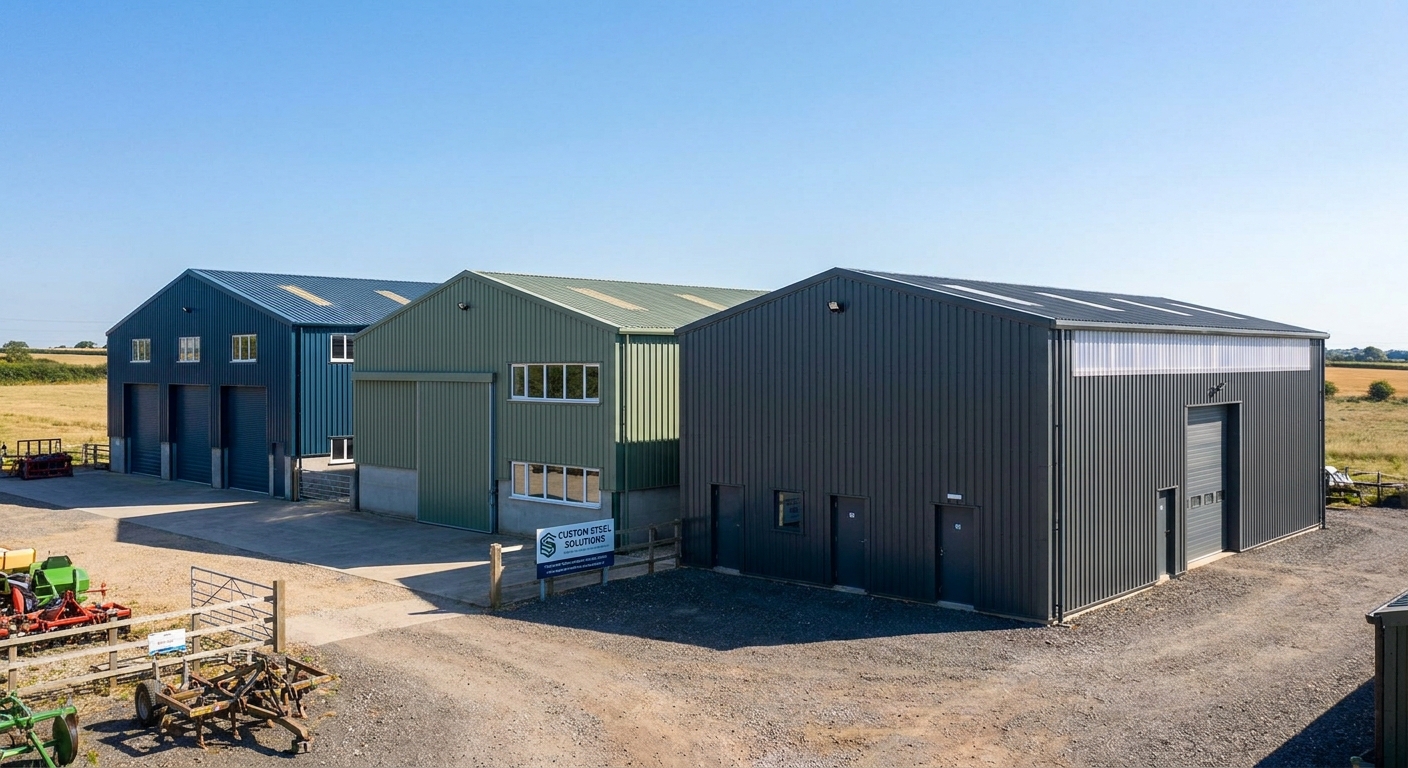
You can customize your facility with modular pen systems, integrated feeding tracks, and automated waste management for peak operational efficiency. If you require storage for feed nearby, a steel structure warehouse can be integrated seamlessly into the design.
Can the layout be easily modified?
Because steel uses clear-span frames, you don’t have to deal with internal load-bearing pillars. You can reconfigure your internal partitions and pens as your herd grows or your management style changes.
- Open floor plans for total flexibility.
- Modular pen systems for easy cleaning.
- Expandable designs for future growth.
But that’s not all. If you need more space in five years, steel buildings are much easier to extend than traditional masonry or wood structures. You simply add more bays to the existing frame.
How does automation integrate with steel?
Modern goat farming often involves automated feeding and milking systems. Steel structures provide the strong mounting points needed for heavy equipment and overhead tracks.
- Strong rafters for mounting feed lines.
- Stable floors for robotic milking units.
- Integrated conduits for electrical wiring.
Here is the kicker: Automation reduces your reliance on manual labor. By designing your shed with these systems in mind, you future-proof your operation against rising labor costs.
Key Takeaway
| Operational Need | Customization Option | Efficiency Gain | |
|---|---|---|---|
| Future Growth | Expandable Bay Design | Scalable Operations | |
| Automation | Equipment Mounting Rafters | Lower Labor Demand |
Customization allows you to build a facility that works for you, rather than you working for the facility.
Are Steel Goat Sheds Cost-Effective?

Steel sheds offer lower total cost of ownership by eliminating frequent repairs and reducing construction time compared to traditional masonry. While the upfront material cost may vary, the long-term savings on maintenance and insurance make it the superior financial choice.
Why is construction faster with steel?
Steel components are pre-cut and pre-drilled in a controlled factory environment. You can erect a steel building in a fraction of the time it takes to build with wood or bricks, meaning your goats can move in sooner.
- Precision-engineered bolt-together kits.
- Minimal on-site waste or cutting.
- Reduced labor hours for assembly.
Think about this: Every week your building isn’t finished is a week of lost productivity. Faster construction means you get a return on your investment much earlier in the project lifecycle.
How much can you save on maintenance?
Traditional barns require constant painting, structural repairs, and pest treatments. Steel requires almost no maintenance once it is installed, allowing you to reallocate those funds to your livestock.
- No need for annual pest spraying.
- Durable finishes that don’t need paint.
- Resistance to rot and structural decay.
The fact is: Maintenance is a hidden cost that drains your profits over time. Steel allows you to “set it and forget it,” focusing your capital where it matters most.
Key Takeaway
| Financial Factor | Traditional Barn | Steel Structure Shed | |
|---|---|---|---|
| Assembly Time | 8 – 12 Weeks | 3 – 5 Weeks | |
| 10-Year Maintenance | High (Repairs/Paint) | Low (Inspections only) |
Investing in steel is a long-term financial strategy that maximizes your profit margins through efficiency and durability.
Email:sales@showhoo.com.cn
Phone/WhatsApp:+86 186 7895 5927
How Does Ventilation Impact Goat Health?
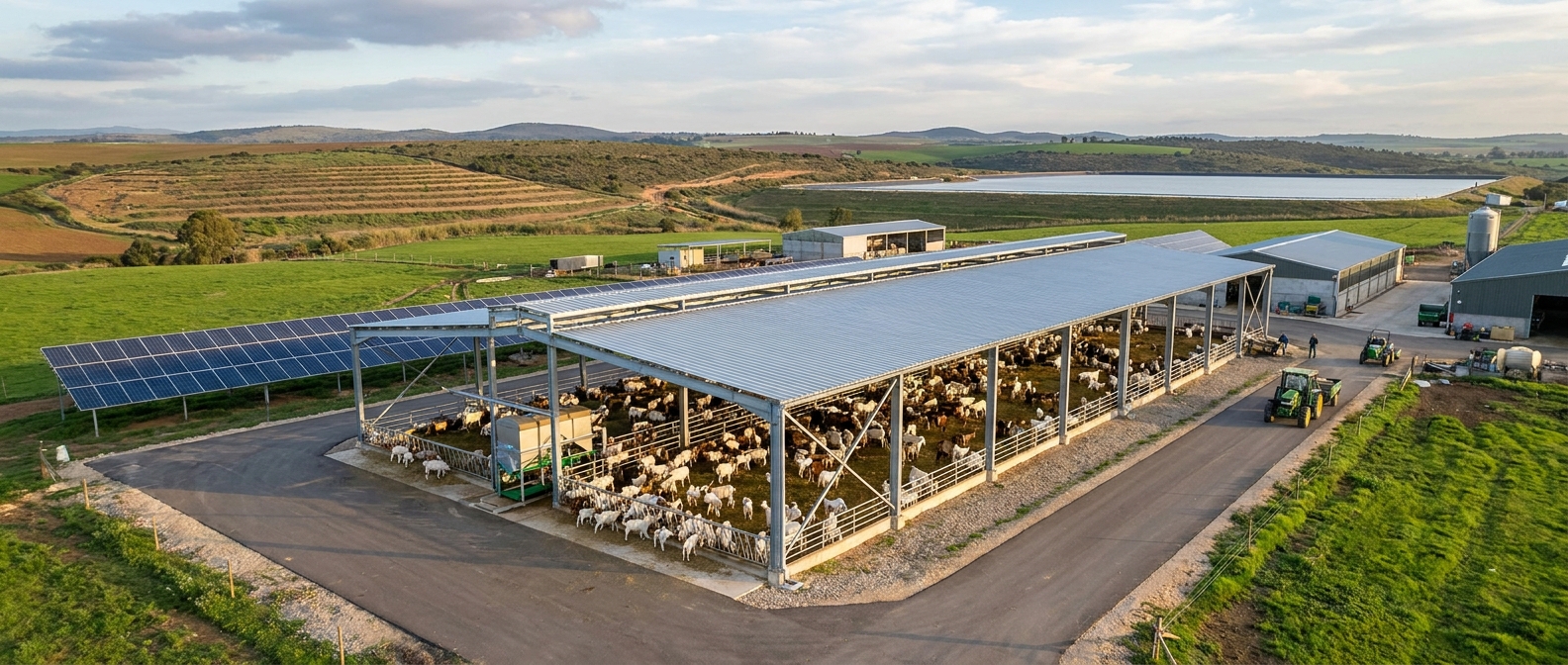
Proper ventilation in a steel structure prevents the buildup of harmful ammonia and moisture that can cause chronic respiratory diseases. By utilizing a steel workshop design philosophy, we focus on airflow to maintain a healthy environment.
Why is ammonia control critical?
Goat waste produces ammonia gas, which can irritate the respiratory tract and eyes of your animals. Steel sheds with high ceilings allow these gases to rise and escape through ridge vents before they reach harmful levels.
- High eaves to trap and vent gases.
- Constant air exchange at the animal level.
- Reduced risk of chronic lung damage.
But that’s not all. Removing ammonia also improves the working environment for you and your staff. A fresh-smelling barn is a sign of a healthy, well-managed operation.
How does ventilation manage humidity?
Excessive humidity inside a shed leads to damp bedding and increased pathogen growth. You can utilize natural cross-ventilation in a steel structure to keep the air dry and the bedding comfortable.
- Strategic placement of wall louvers.
- Promotion of the “chimney effect” for airflow.
- Prevents condensation on walls and roof.
You might be wondering: Will my goats get cold? The goal is “draft-free” ventilation, which moves air gently without creating the chilling winds that stress animals in winter.
Key Takeaway
| Ventilation Type | Design Element | Health Benefit | |
|---|---|---|---|
| Natural | Ridge Vents | Ammonia Gas Removal | |
| Cross-Flow | Side Louvers | Moisture Control |
A well-ventilated steel shed is the first line of defense against the most common health challenges in modern goat farming.
What Are the Main Components of a Modern Shed?
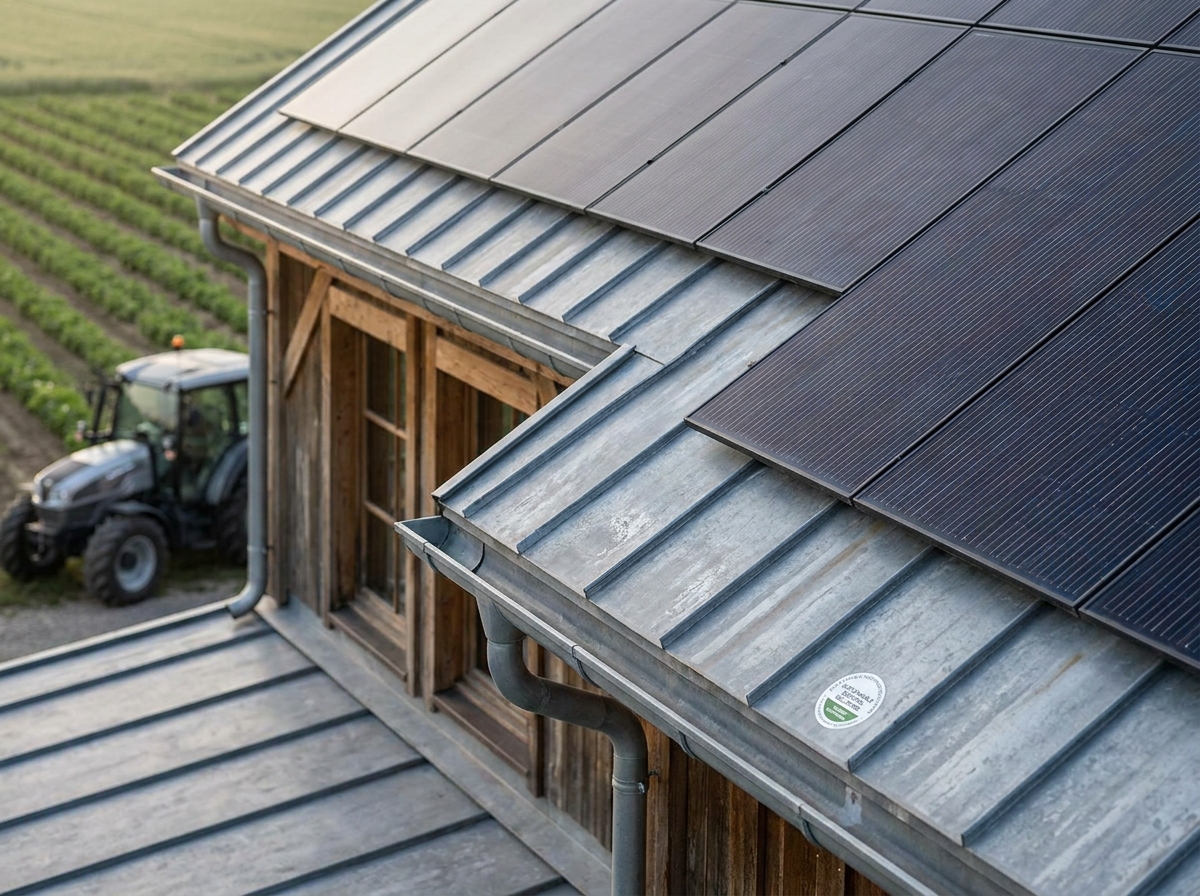
The core components include high-strength H-section steel frames, galvanized purlins, and insulated sandwich panels for thermal regulation. These parts are engineered to work as a unified system, providing maximum strength with minimal material weight.
What forms the main structural frame?
The skeleton of the building is typically made from high-strength H-section steel columns and beams. These members are designed to carry the primary loads and provide the clear-span space you need for operations.
- H-section steel for maximum load bearing.
- Bolted connections for structural integrity.
- Factory-applied protective coatings.
But that’s not all. Using a heavy steel frame ensures that the building won’t shift or settle over time, keeping your doors and windows perfectly aligned for decades.
Which panels provide the best protection?
The “skin” of your shed can be made from various materials depending on your climate. Sandwich panels with a foam core offer excellent insulation, while single-skin sheets are a cost-effective choice for milder regions.
- Insulated sandwich panels for thermal control.
- Galvanized steel sheets for durability.
- Color-coated finishes for aesthetic appeal.
Here is the deal: Your choice of cladding directly impacts your heating and cooling costs. Investing in quality panels now saves you money on energy every month for the life of the building.
Key Takeaway
| Component | Material Specification | Functional Role | |
|---|---|---|---|
| Main Frame | H-Section Steel | Primary Load Support | |
| Roof & Wall | Sandwich/Steel Panels | Environmental Barrier |
Each component is designed to work in harmony, creating a building that is far greater than the sum of its parts.
How Can You Streamline the Installation Process?
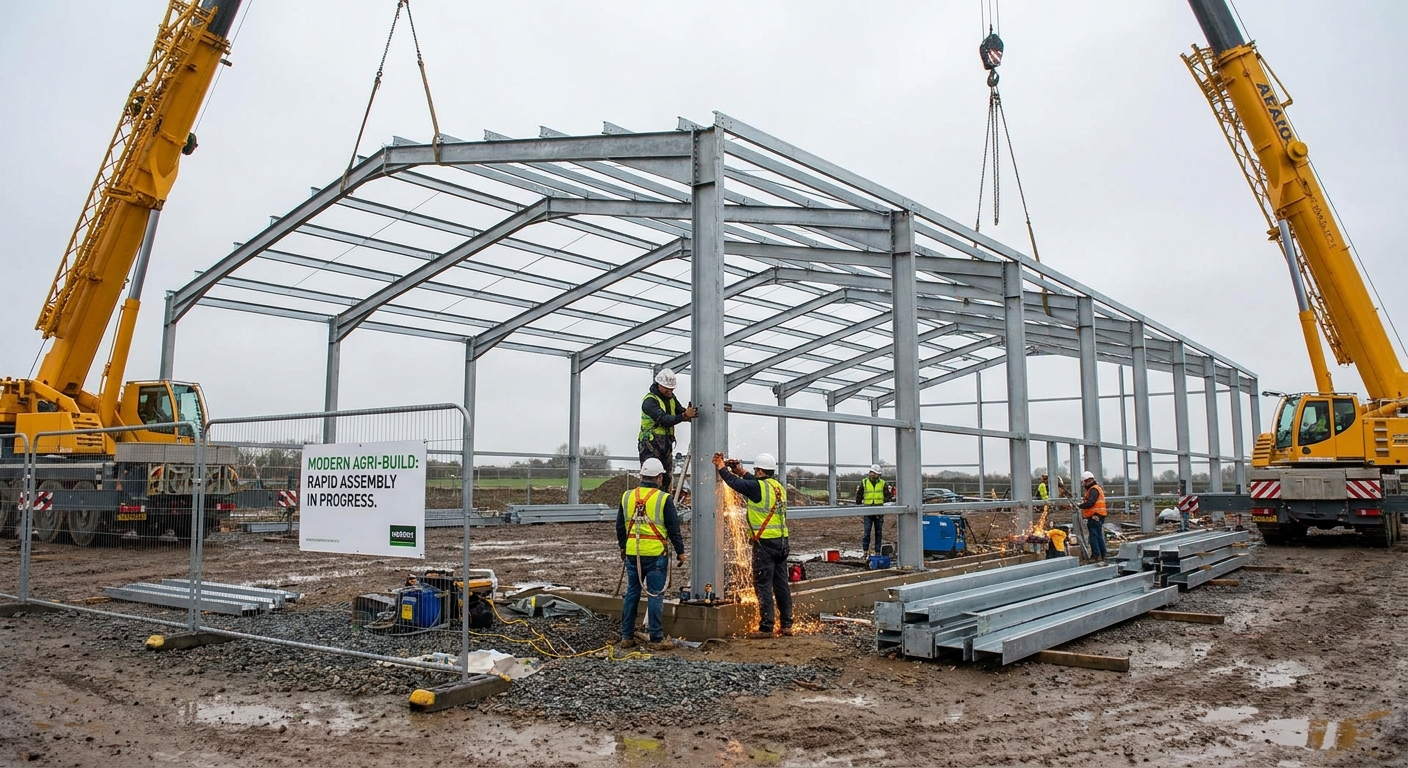
Streamlining is achieved through factory pre-fabrication where every component is pre-cut and drilled for rapid bolt-together assembly on-site. This industrial approach to farming infrastructure reduces the risk of human error during the building process.
Why is pre-fabrication a game changer?
When all components are manufactured in a controlled factory, they arrive at your farm ready to be bolted together immediately. This eliminates the need for expensive on-site welding or custom cutting, saving you both time and money.
- Complete kits with detailed assembly guides.
- Numbered parts for logical construction flow.
- Standardized quality control for every piece.
You see: Pre-fabrication turns a complex construction project into a manageable assembly task. You can focus on preparing your site while your building is being manufactured to exact specs.
How do you manage the final assembly?
The final assembly involves lifting the main frames into place and securing the secondary structure and cladding. Because everything is pre-drilled, the alignment is perfect every time, allowing for a tight, weather-sealed finish.
- Use of light machinery for rapid erection.
- Simple bolt connections for all joints.
- Fast enclosure of the building shell.
Here is the point: The faster your building is enclosed, the sooner your goats can move in. A streamlined assembly process ensures you meet your operational deadlines without stress.
Key Takeaway
| Installation Phase | Strategy for Speed | Expected Result | |
|---|---|---|---|
| Pre-Construction | Factory Pre-Fabrication | Error-Free Components | |
| Site Assembly | Bolt-Together System | Rapid Building Enclosure |
Streamlining the build process ensures your farm infrastructure is ready to perform exactly when you need it.
What Are the Top FAQ for Goat Shed Projects?
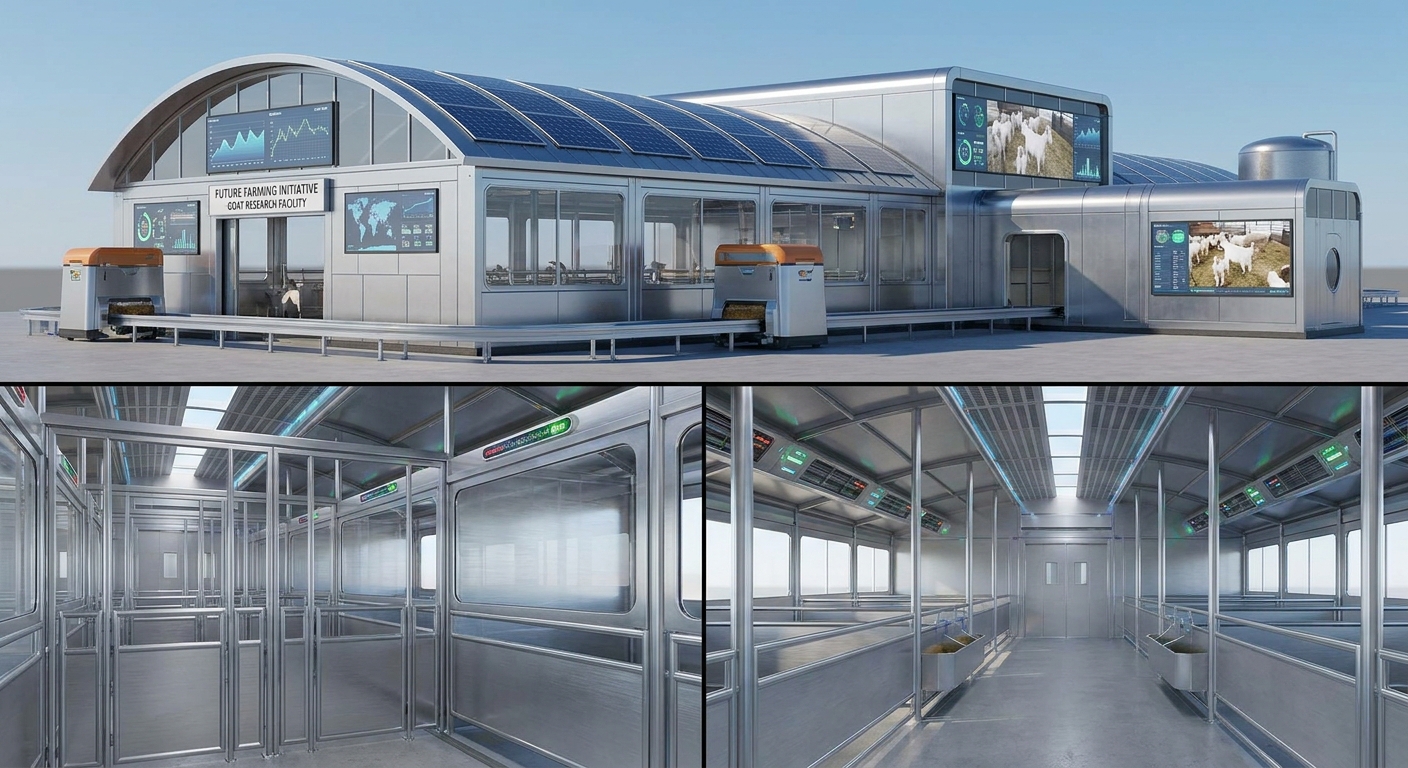
Planning your project effectively requires understanding site preparation, local codes, and the specific housing needs of your livestock breeds. Addressing these common concerns early ensures a smooth transition to your new facility.
Can I expand my steel goat shed in the future?
Yes, you certainly can. One of the greatest benefits of steel structure buildings is their modularity, allowing you to add more bays or sections as your herd grows without compromising structural integrity.
What’s the best floor type for a steel goat shed?
While concrete is durable and easy to clean, many farmers prefer slatted floors or a combination of concrete paths and deep-litter bedding areas. The choice depends on your specific waste management system and local climate.
Can I install solar panels on the roof?
Absolutely. Steel structures are engineered with specific load-bearing capacities that can easily support the weight of modern solar arrays. This allows you to generate renewable energy and reduce your farm’s operating costs.
What is the typical lead time for a custom shed?
The lead time varies depending on the complexity of your design, but generally, manufacturing takes 4 to 6 weeks. Shipping and site preparation happen simultaneously to minimize the total project duration.
How do I ensure proper bio-security in the shed?
The non-porous nature of steel makes disinfection easy. By designing clear entry/exit points and using materials that do not absorb fluids, you can maintain a high standard of herd health and disease prevention.
Conclusion
Optimizing your farm infrastructure with a steel structure goat shed is a strategic decision that directly impacts the health of your animals and the profitability of your business. By moving away from the limitations of traditional materials, you gain a durable, hygienic, and weather-resistant facility that is built to last for generations. Whether you are focused on improving animal welfare, streamlining daily workflows, or securing a better return on your investment, steel provides the versatility and strength required for modern agriculture.
We believe that every farm deserves infrastructure that works as hard as the farmer. Our vision is to lead the agricultural industry into a future where technology and durability go hand-in-hand. To begin transforming your operation with a customized livestock solution, contact us today and let our experts help you design a facility that meets your exact needs. Don’t let outdated infrastructure hold back your herd’s potential; invest in the strength of steel and watch your farm thrive.
Email:sales@showhoo.com.cn
Phone/WhatsApp:+86 186 7895 5927