
Building a highly efficient pig house requires selecting the right structural design, preparing a solid concrete foundation, assembling a durable frame, and integrating optimal ventilation and climate control systems.
Imagine walking into your barn on a freezing winter morning or a sweltering summer afternoon, only to find your pigs shivering, panting, and struggling to grow because of poor insulation and drafty walls. For many livestock owners, watching herd health decline and feed conversion rates plummet due to flimsy wooden shelters is an ongoing, exhausting headache that eats away at seasonal profits. Fortunately, transitioning to a modern pig house steel structure offers a robust, biosecure, and climate-controlled solution that keeps your animals comfortable and thriving year-round.
Why Does Your Pig House Steel Structure Affect Farm Profits?
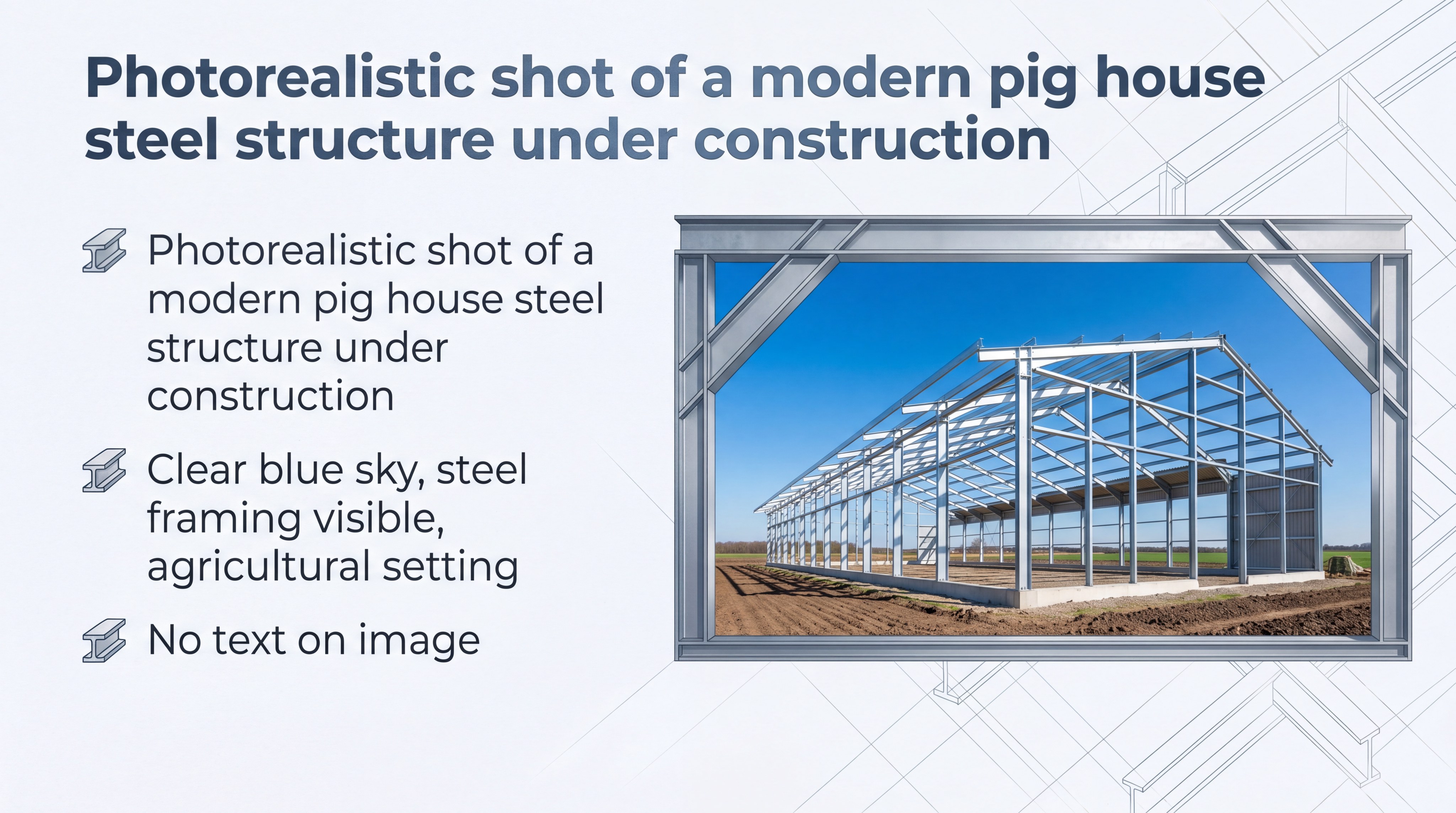
Providing a highly comfortable environment is essential because pigs convert high-cost feed into body weight much more efficiently when they are not physically stressed by extreme temperatures. Investing in a durable pig house steel structure represents the foundation of long-term biosecurity and optimal herd health on modern farms. When animals are content and dry, their daily weight gain increases while veterinary overhead costs drop.
How Does Climate Control Boost Weight Gain?
Pigs lack functional sweat glands, which makes them highly vulnerable to heat prostration and respiratory disease. If you keep them in a poorly ventilated barn, they will quickly stop eating and lose muscle mass. By ensuring precise thermal regulation, you can maintain their optimal metabolic zone.
Here is the deal:
Using modern ventilation systems dramatically lowers relative humidity and ammonia concentrations inside the building. This keeps the air fresh and free from airborne pathogens.
- Maintains consistent room temperatures
- Eliminates stagnant moisture and odors
- Reduces herd aggression and stress
Can Smart Spatial Layouts Prevent Disease?
Absolutely, because separating sleeping quarters from dunging zones stops dangerous pathogens from spreading rapidly. You will notice a major difference in overall cleanliness when you assign proper space to each finishing animal. Giving your pigs room to move freely prevents injury and tail-biting.
Think about it:
Crowding too many animals into a single pen is a recipe for high mortality rates. When you plan your interior layout with clearly defined zones, daily manure management becomes simple.
| Spatial Factor | Target Value | Practical Impact | |
|---|---|---|---|
| Space per Finisher | 8.5 to 10 sq. ft. | Minimizes physical aggression | |
| Sloped Floor Grade | 1.5% to 2% | Speeds up waste drainage |
These core metrics show that managing spatial allocation is your first line of defense against disease.
Key Takeaway: Designing your swine housing with dedicated thermal controls and adequate spatial allocation guarantees lower stress, superior feed conversion, and maximized seasonal profits.
What Standards Shape a Perfect Pig House Steel Structure?
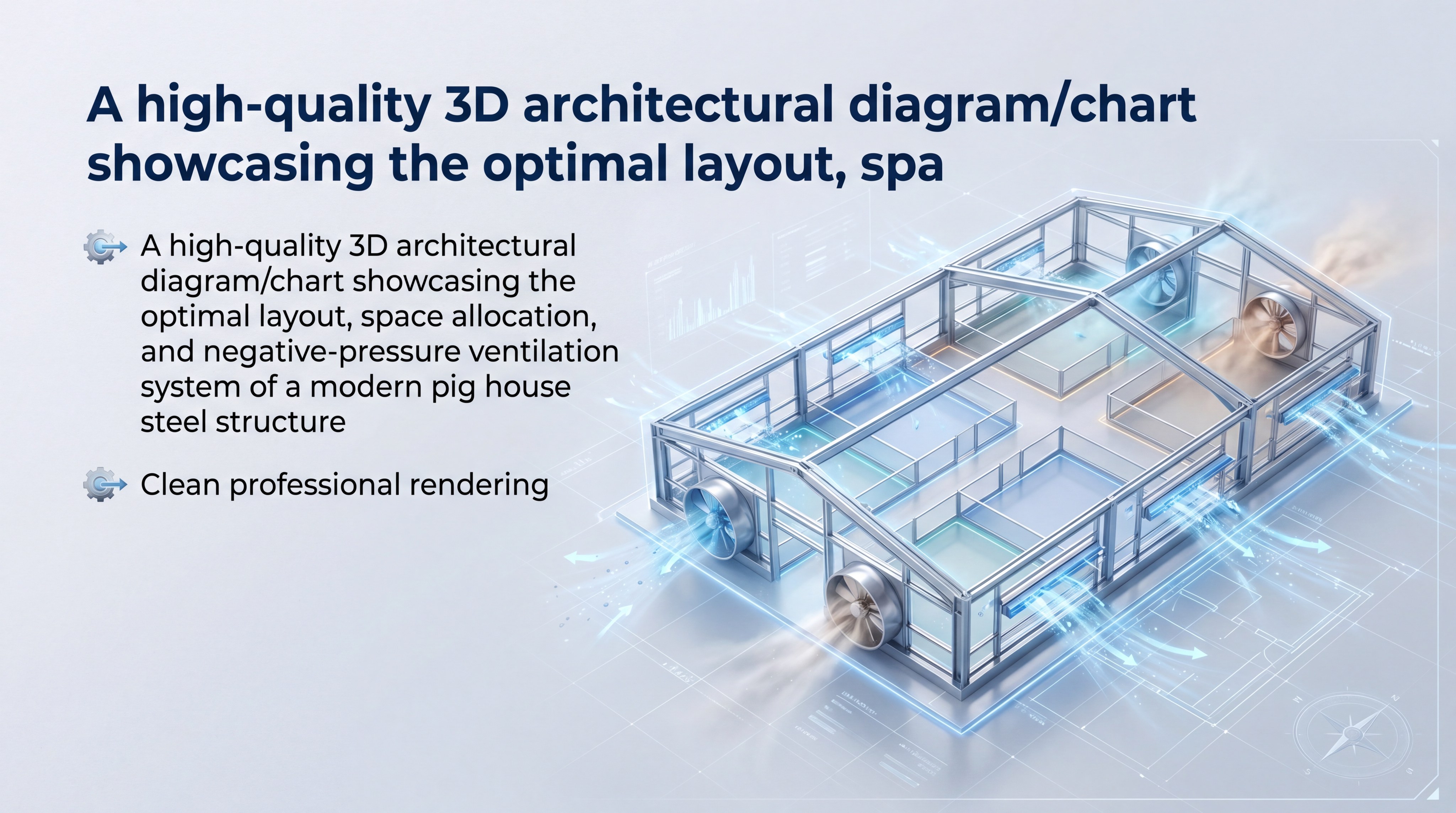
An exceptional swine facility relies on strict design standards including advanced thermal insulation, precise space allocation, and automated waste removal systems. Integrating these structural requirements into your pig house steel structure is crucial for keeping your operations profitable and hygienic. Let us explore the critical specifications that make these facilities work so well.
How Much Space Do Finisher Pigs Require?
Finisher pigs require a minimum of eight to ten square feet of unobstructed space to thrive without fighting. If you crowd them, they will naturally compete for feed and water, leading to uneven growth rates across the herd. Giving them sufficient room prevents injuries and promotes natural resting patterns.
But wait, there is more:
Sows with newborn piglets require specialized farrowing pens to prevent accidental crushing. Designing these areas carefully saves lives and secures your initial investment.
- Finisher pens: 8.5 sq. ft. minimum
- Farrowing crates: 5 x 7 ft minimum
- Nursery pens: 3 to 4 sq. ft. minimum
Why Is Fast Waste Drainage So Critical?
Standing waste is the absolute primary vector for bacterial infections and severe respiratory ailments. You need to design your floors with a precise slope to ensure all moisture runs off into designated collection channels immediately. This step prevents muddy pools from forming inside the living quarters.
Think about it:
Selecting high-quality concrete slats or sloped solid floors makes manual washing much less labor-intensive. Dry flooring keeps hooves healthy and dramatically cuts down on your weekly cleaning hours.
| Facility Feature | Standard Standard | Key Target Benefit | |
|---|---|---|---|
| Wall Insulation | R-19 Minimum | Cuts winter heating bills | |
| Roof Insulation | R-30 Minimum | Prevents summer heat stress |
Understanding these basic insulation standards will help you choose the best materials for your local weather patterns.
Key Takeaway: Adhering to strict spatial and insulation design guidelines keeps your herd dry and healthy, which naturally protects your financial bottom line.
How Do You Build a Small Pig House Steel Structure A-Frame?
Building a basic A-frame shelter involves selecting pressure-treated lumber or steel tubing, cutting identical triangular trusses, and securing corrugated metal cladding to form a portable pasture structure. Using a mobile pig house steel structure is a fantastic option for small-scale rotational grazing systems where flexibility is key. This simple configuration provides quick protection against sudden weather shifts.
What Materials Do You Need to Begin?
You need to gather pressure-treated timber or steel frame components, high-density metal screws, and corrugated sheets. Using low-grade materials will result in a flimsy shelter that cannot withstand the physical rubbing of heavy animals. Selecting galvanized fasteners prevents rust from developing in high-humidity zones.
Think about it:
Pigs are curious and strong, so every single bracket must be heavy-duty. Buying durable components now saves you from doing weekly repairs later.
- Pressure-treated 4×4 base skids
- Galvanized steel fasteners and brackets
- Corrugated metal roof cladding
What Are the Key Construction Steps?
First, you lay out the base skids to form an eight-by-eight-foot footprint on level ground. Next, join the vertical rafters at a sixty-degree angle to ensure rapid rainwater runoff during heavy downpours. Finally, secure the roof cladding tightly using rubber-washered screws to eliminate leaks.
Here is the deal:
You must leave a small gap near the peak to serve as a natural air vent. This prevents hot, stagnant air from trapping moisture inside the shelter.
| Construction Stage | Required Action | Critical Checklist | |
|---|---|---|---|
| Base Layout | Anchor skids | Verify exact square corners | |
| Rafter Install | Fasten trusses | Use heavy steel brackets |
Following these basic assembly steps ensures your pasture-based shelter remains strong and easy to transport.
Key Takeaway: Constructing a portable A-frame pasture shelter offers a quick, budget-friendly way to introduce rotational grazing to your small livestock herd.
Is a Hoop Pig House Steel Structure Right for Medium Herds?
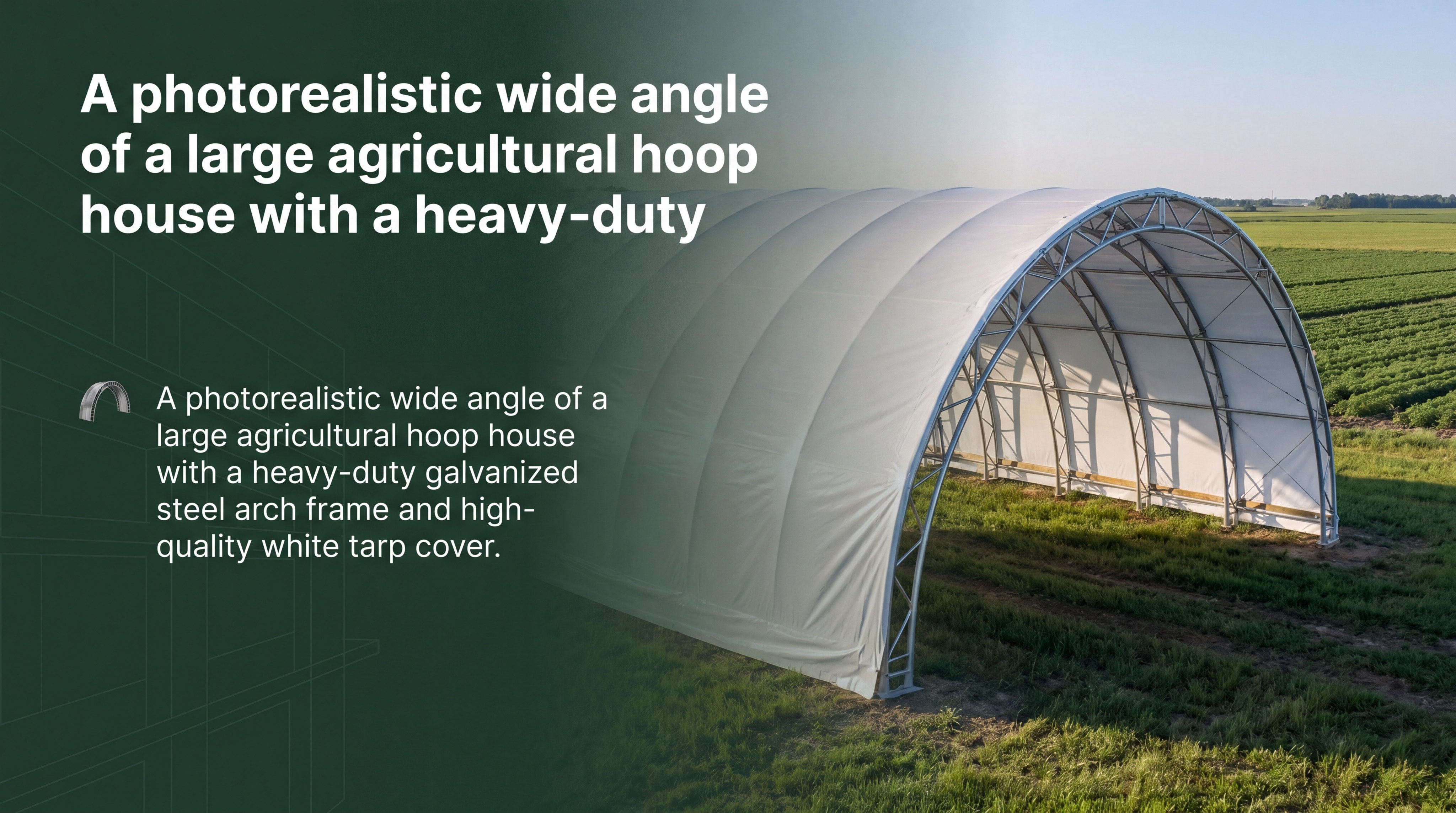
A hoop house is highly practical for medium herds because it offers large interior air volumes, unobstructed floor plans, and cost-effective construction. Choosing this design over a permanent pig house steel structure is a common intermediate step for growing farms. It provides excellent shelter while keeping your initial capital investment relatively low.
How Do You Secure the Curved Arches?
You must drive long rebar stakes deep into the ground at four-foot intervals along both sides of your layout. Next, bend heavy-duty PVC or galvanized steel pipes into arches and slide them over the stakes securely. This forms a robust skeleton that can handle strong winds and snow loads.
But wait, there is more:
Bolting your arches to a pressure-treated wooden base frame prevents the entire structure from shifting. This step is essential if your farm is in a windy region.
- Space arches at 4-foot intervals
- Use 2-inch galvanized metal pipes
- Anchor securely with concrete piers
Why Is Natural Airflow So Superior?
Natural airflow is outstanding in hoop structures because the open end walls allow cross-breezes to flush out heat. You can easily adjust the ventilation by raising or lowering the heavy fabric end-curtains as weather conditions shift. This prevents harmful ammonia fumes from building up in the deep bedding.
Here is the deal:
Keeping the air dry and moving is the best way to prevent dangerous respiratory diseases in your herd. Your pigs will sleep comfortably without coughing or getting heat-stressed during hot afternoons.
| Hoop House Element | Material Standard | Core Operational Role | |
|---|---|---|---|
| Main Cover | 12-mil poly tarp | Blocks harmful UV rays | |
| Base Anchors | 2-foot rebar | Resists wind uplift forces |
Selecting heavy-duty tarps and deep anchors is the secret to making your hoop shelter last through the winter.
Key Takeaway: Utilizing a hoop house design gives you a spacious, high-ventilation shelter that handles medium-sized herds on a reasonable budget.
When Should You Wood-Frame Your Pig House Steel Structure?
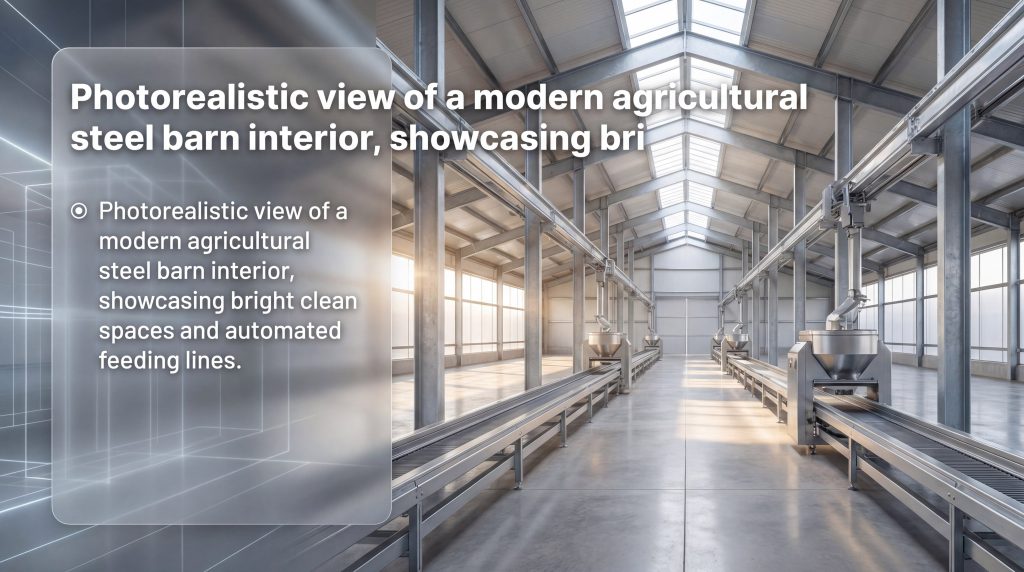
You should build a permanent wooden swine barn when you need a highly customizable, spacious, and durable structure with specialized interior pen divisions. However, before investing heavily in wood, comparing it to a modern pig house steel structure is essential for evaluating long-term maintenance costs. Wooden barns offer outstanding layout flexibility but require meticulous rot-prevention measures.
How Do You Pour a Solid Base Pad?
First, you must clear, level, and compact the soil on an elevated site to prevent seasonal flooding. Next, pour a four-inch-thick concrete foundation reinforced with heavy rebar to support the weight of the walls and animals. Giving the concrete a rough broom finish is crucial so your pigs do not slip.
Think about it:
Wet, slippery concrete is a major safety hazard for both you and your livestock. Adding a slight slope toward drainage channels keeps the floor dry and easy to clean.
- Pour 4,000 PSI concrete pad
- Incorporate heavy steel rebar
- Apply non-slip broom finish
Why Must You Seal Interior Wood?
Pigs naturally chew, rub, and push against physical structures, which can quickly splinter raw wood. You must seal all interior wooden panels with non-toxic, moisture-resistant coatings to prevent organic rot and insect infestations. High internal ammonia levels will degrade untreated lumber in just a few short years.
Here is the deal:
Installing non-porous fiberglass-reinforced plastic liners over your framing makes pressure-washing a quick and simple task. This ensures excellent hygiene and biosecurity.
| Wood Barn Component | Standard Material | Practical Benefit | |
|---|---|---|---|
| Wall Posts | Treated 6×6 lumber | Resists structural soil rot | |
| Pen Dividers | Steel-edged plywood | Stops destructive animal chewing |
Investing in non-porous wall liners is the most effective way to protect your wooden framing from constant moisture.
Key Takeaway: Building a permanent wooden barn with a reinforced concrete base provides excellent spatial customization, provided you protect all wood from moisture and chewing.
Why Choose a Prefabricated Pig House Steel Structure?
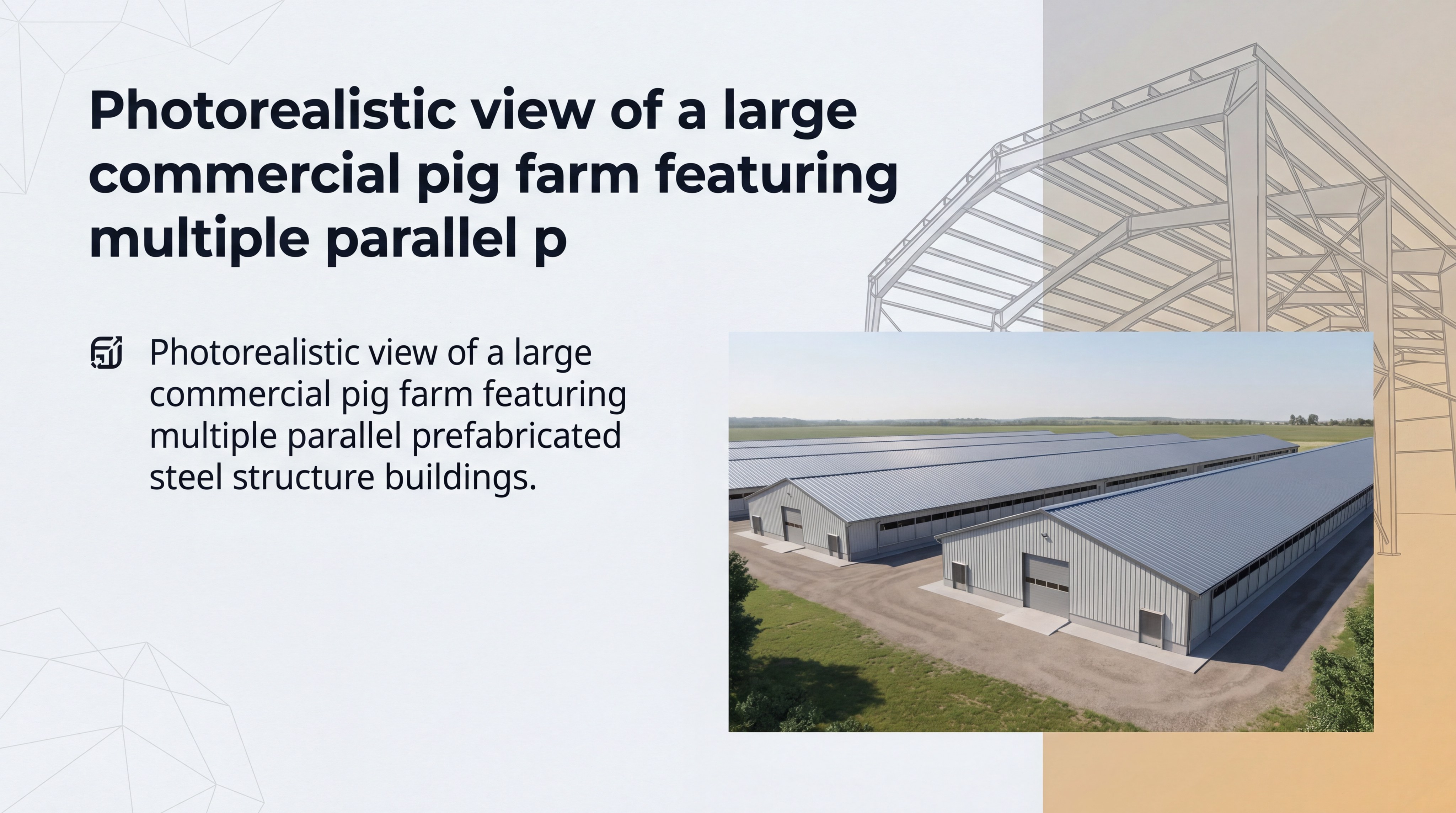
Modular steel buildings are the superior choice because they provide unmatched durability, low maintenance, exceptional pest control, and seamless future scalability. Standard wooden shelters decay quickly under harsh agricultural conditions, but a pig house steel structure stands strong for decades. It is the ultimate investment for serious commercial farmers aiming for maximum efficiency.
Can Steel Resist Destructive Swine?
Yes, high-tensile galvanized steel frame components are virtually indestructible under constant animal pressure. Pigs naturally root, push, and chew on their surroundings, which easily destroys flimsy wooden or plastic walls. Steel columns and heavy-duty partitions do not warp, splinter, or break over time.
But wait, there is more:
Steel surfaces leave zero cavities for rats or mice to burrow and nest. This drastically reduces feed contamination risks and protects your biosecurity.
- Resists physical impact and chewing
- Eliminates pest nesting cavities
- Prevents structural rust and decay
How Does Modular Design Save Money?
Modular design allows you to expand your facility footprint quickly by simply adding new steel bays to the existing frame. You do not have to undergo expensive, time-consuming complete rebuilds when your herd size grows over the years. This flexibility saves massive amounts of capital and minimizes operational downtime.
Think about it:
Prefabricated steel parts are manufactured with extreme precision, which makes on-site erection fast and budget-friendly. You will spend far less on manual construction labor compared to wood.
| Frame Material | Expected Lifespan | Pest Resistance Level | |
|---|---|---|---|
| Galvanized Steel | 40+ Years | Absolute (No chewing/burrowing) | |
| Standard Wood | 12 to 15 Years | Poor (High nesting risk) |
Comparing these basic metrics reveals why pre-engineered metal is the smartest long-term investment for commercial farms.
Key Takeaway: Selecting a modular steel framing system protects your herd from pests and structural hazards while making future business expansions incredibly simple.
How Do You Assemble Your Custom Pig House Steel Structure?
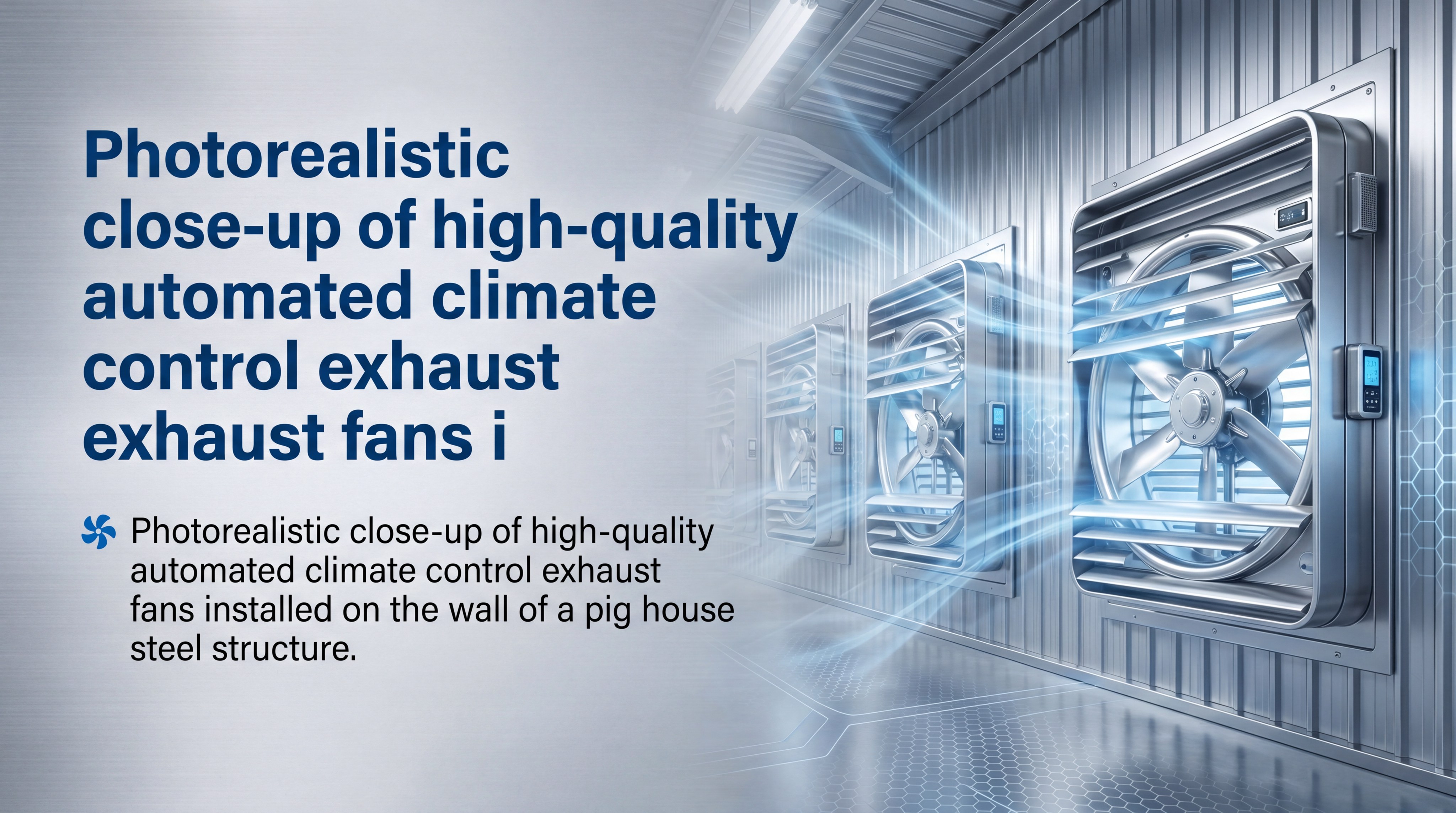
Erecting a prefabricated frame involves preparing a leveled foundation with cast-in anchor bolts, standing the main columns with a crane, and fastening insulated wall and roof panels. Working with a professional manufacturer to design a custom pig house steel structure ensures all components fit together with millimeter precision. This systematic assembly process guarantees a weather-resistant and highly secure agricultural building.
What Site Prep Is Required First?
You must clear, grade, and thoroughly compact the structural site using heavy-duty roller equipment first. Cast all main plumbing, electric, and waste drain lines beneath the concrete pad before pouring any foundation. This step eliminates the need for expensive concrete cutting and retrofitting later on.
Think about it:
Fixing utility placement mistakes after the concrete cures is an absolute financial nightmare. Pre-planning your layouts keeps your construction phase smooth and budget-friendly.
- Compact soil with vibration rollers
- Install utility lines pre-pour
- Verify anchor bolt templates
How Are the Main Panels Fastened?
Once the primary columns are bolted to the foundation, you secure horizontal purlins and girts to the frame. Next, attach the high-density insulated wall and roof sandwich panels using specialized steel fasteners. These panels provide exceptional climate control and create a continuous vapor barrier immediately.
Here is the deal:
Using double-sealed panel joints prevents freezing winter drafts and sweltering summer heat from entering your barn. This keeps energy bills low and livestock comfort high.
| Assembly Stage | Target Action | Verification Check | |
|---|---|---|---|
| Column Erection | Torque anchor bolts | Use calibrated click-wrenches | |
| Panel Install | Apply butyl joint tape | Inspect for continuous barrier |
Paying close attention to joint sealing is the key to maintaining perfect climate control inside your completed facility.
Key Takeaway: Following a precise, prefabricated assembly sequence guarantees a structurally sound and perfectly insulated barn that lowers your seasonal utility bills.
How Do You Clean and Maintain Your Pig House Steel Structure?
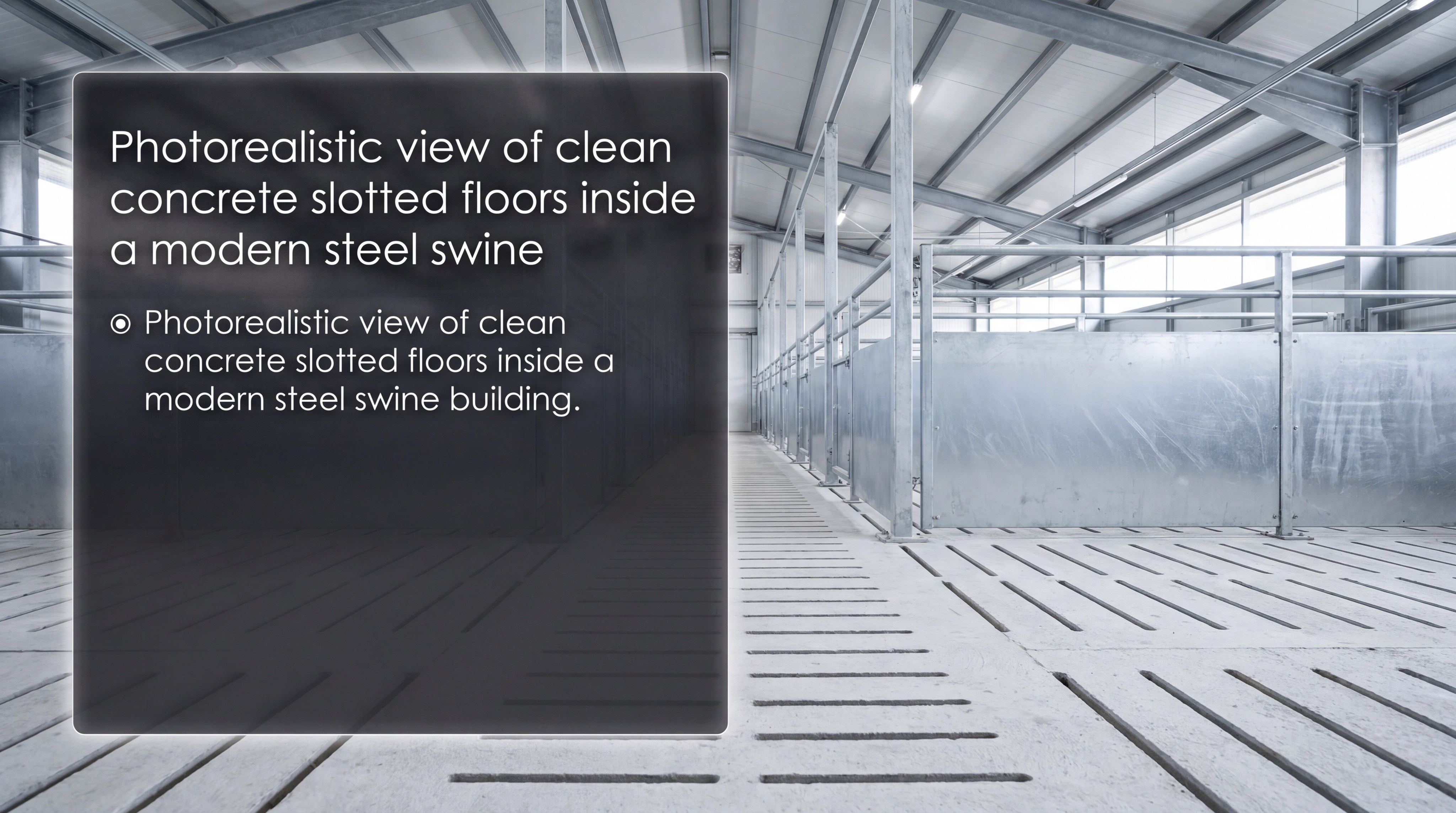
Daily maintenance requires removing manure promptly, washing down slatted floors, inspecting automated waterers, and checking mechanical ventilation fans to ensure continuous airflow. Integrating these routines into your pig house steel structure is the most effective way to prevent harmful ammonia buildup and protect livestock health. A clean environment ensures your animals remain productive and disease-free.
Why Is Daily Manure Clearing Critical?
Standing manure releases concentrated ammonia gas, which can severely damage your herd’s sensitive respiratory systems. You must scrape or flush all waste alleys daily to maintain excellent air quality and biosecurity. Dry floors also prevent dangerous bacteria from multiplying inside the living quarters.
But wait, there is more:
Pigs stay much cleaner and healthier when waste drops directly through concrete slats into under-floor collection pits. This minimizes human labor and keeps the bedding area dry.
- Flush waste alleys every morning
- Verify pit drainage flows freely
- Minimize standing moisture puddles
How Do You Inspect the Structure?
You should regularly walk the interior perimeter to inspect wall panels for deep scratches or animal impacts. Checking the tight connections of structural fasteners after heavy storms is vital for long-term safety. Applying a quick touch-up coating to any bare metal prevents surface corrosion immediately.
Think about it:
A systematic preventative inspection schedule keeps minor wear from turning into highly expensive emergency repairs. Your investment remains protected and functional for decades.
| Task Frequency | Target Location | Recommended Action | |
|---|---|---|---|
| Daily | Waste Alleys | Flush manure and check drinkers | |
| Weekly | Fan Ventilation | Clean dust off motor housings |
Creating a clear daily checklist ensures your team never misses vital environmental or biosecurity steps.
Key Takeaway: Sticking to a rigorous daily cleaning and structural inspection routine extends the lifespan of your facility while keeping herd mortality low.
How Do You Invest in a Pig House Steel Structure Long-Term?

Ensuring your swine farm stands the test of time requires careful long-term planning, selecting heavy-duty corrosion-resistant materials, and working with experienced agricultural engineering professionals. Transitioning to a high-tensile pig house steel structure is the absolute smartest choice you can make to guarantee permanent biosecurity and structural integrity. This strategic upgrade eliminates the constant repair headaches associated with traditional wood barns.
Why Partner With Qualified Design Experts?
Working closely with professional design engineers ensures your new layout meets all local environmental regulations and wind load requirements. You will receive customized blueprints that match your precise herd size, production cycle, and land geography perfectly. Professional guidance prevents extremely costly mistakes during the foundation pouring stage.
Think about it:
A poorly designed ventilation system can cause catastrophic heat stress in your herd during summer peak weeks. Expert planning protects your capital and keeps your animals breathing easy.
- Custom wind and snow load designs
- Optimized waste channel geometry
- Certified engineering compliance checks
How Can We Help Transform Your Farm?
Choosing high-quality steel is more than just a farm upgrade—it is a secure foundation for your business’s future growth. When you transition away from damp, drafty, and high-maintenance wooden structures, you eliminate the constant stress of seasonal repair bills and pest invasions. Our mission is to engineer high-performance buildings that maximize livestock welfare and boost your daily operational efficiency.
Whether you are expanding a small local pasture or designing a massive farrow-to-finish commercial facility, we are here to support your success. If you are ready to build a cleaner, safer, and more productive environment for your herd, contact us today for a free customized project blueprint. Let us work together to bring state-of-the-art durability and outstanding performance to your agricultural business.
Here is the deal:
You can also reach out directly to our contact page to ask specific design questions regarding your regional weather challenges.
| Procurement Step | Core Goal | Critical Output | |
|---|---|---|---|
| Consultation | Define herd size | Custom dimension blueprint | |
| Engineering | Verify regional loads | Solid structural steel plan |
These simple procurement phases ensure your project transitions smoothly from initial sketch to final completed frame.
Key Takeaway: Partnering with agricultural construction specialists to erect a galvanized steel barn saves massive labor and ensures decades of biosecure farm operations.
What Swine FAQs Focus on Your Pig House Steel Structure?
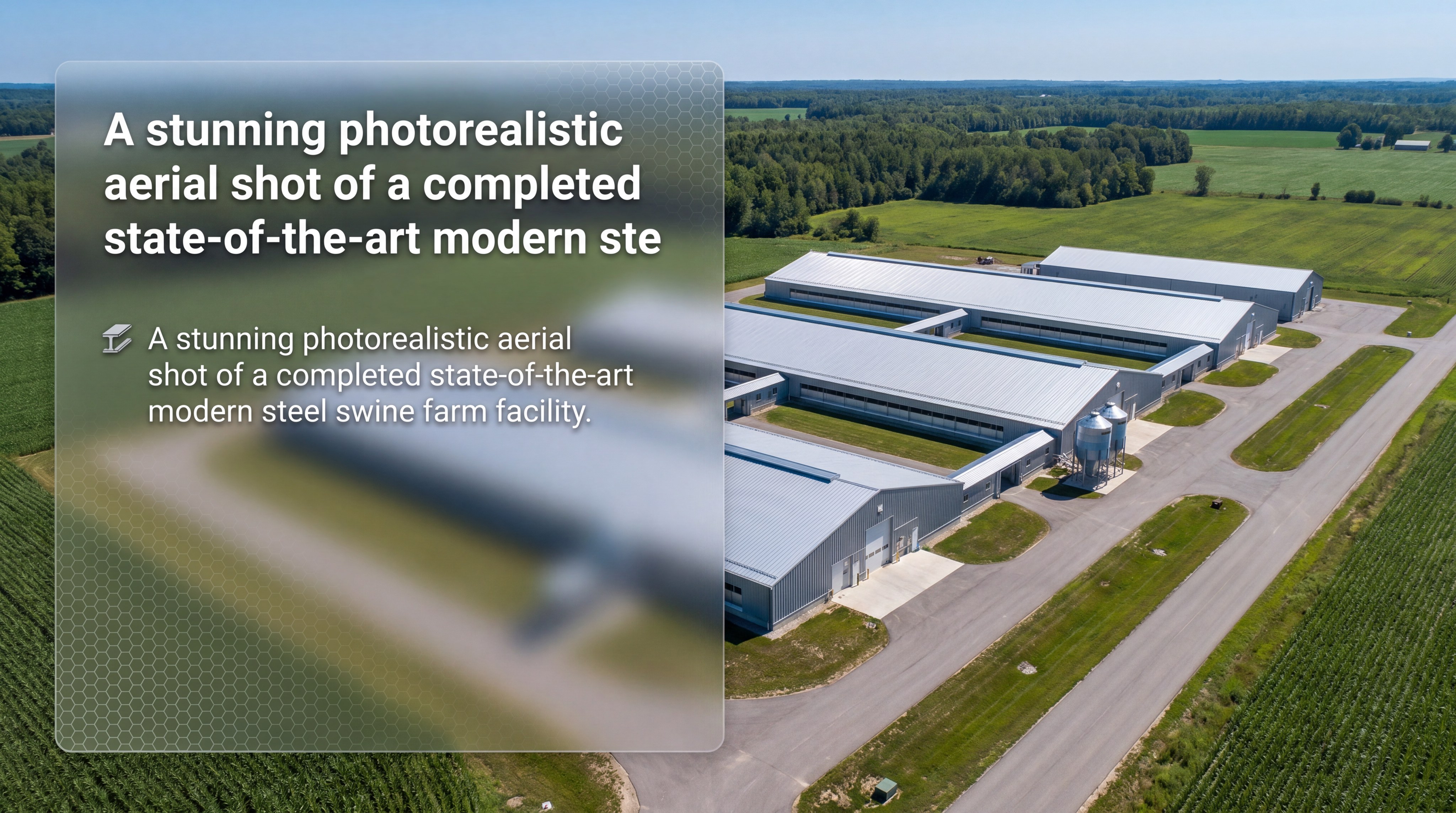
Finding direct answers to common swine housing queries will help you avoid costly mistakes and choose the best setup for your livestock. Designing a high-performance pig house steel structure involves careful decisions about flooring, ventilation, and overall spatial layout. Let us address the most frequent questions farmers ask when planning their new facilities.
Can I Erect a Swine Facility on My Own?
No, constructing a large-scale commercial agricultural facility requires professional heavy machinery, precise concrete pouring, and specialized structural engineering to ensure biosecurity and structural safety. However, single farmers can easily assemble small, lightweight A-frame shelters or portable hoop houses on their own using simple wooden beams and local labor.
- A-frames: Simple DIY setups
- Hoop houses: Medium-herd pasture options
- Steel barns: Professional commercial operations
But wait, there is more:
Pigs are incredibly active and will quickly find any weak points in a DIY frame, so securing professional engineering is always recommended for long-term safety.
What’s the Best Swine Flooring Option?
Concrete slats represent the industry gold standard because they are self-cleaning, highly durable, and prevent bacteria from accumulating. If you are running a smaller homestead or pasture-based farm, you can use solid concrete pads covered with deep straw bedding to promote natural nesting behaviors.
Think about it:
Your drainage layout determines how much time you spend scraping manure every week. Investing in quality slatted flooring saves thousands of hours of manual labor over the building’s lifecycle.
How Do I Know If My Barn Is Overheating?
Pigs will show clear behavioral indicators such as rapid open-mouth panting, lying spread far apart on bare concrete, or constantly spraying water. If you observe these symptoms, you must increase mechanical exhaust fan speeds or activate wall cooling pad systems immediately. Keeping ambient temperatures within their metabolic comfort zone is critical for weight gain.
Key Takeaway: Understanding these common housing questions helps you optimize your daily farm operations, select superior materials, and protect your herd’s health.