
Proper pig housing requires durable, biosecure, and structurally optimized steel structures designed for pig health and climate resilience. Swine farmers globally struggle with devastating disease outbreaks, rapidly rotting wooden barns, and structural rust driven by aggressive ammonia gases. It is heartbreaking to watch your hard work wash away when poor insulation triggers respiratory illnesses and high piglet mortality. But there is a reliable solution. By implementing a high-performance pig farm design , you can build a highly resilient environment that protects your herd and secures your profits for decades.
How Do You Design a Modern, Biosecure Pig Farm?
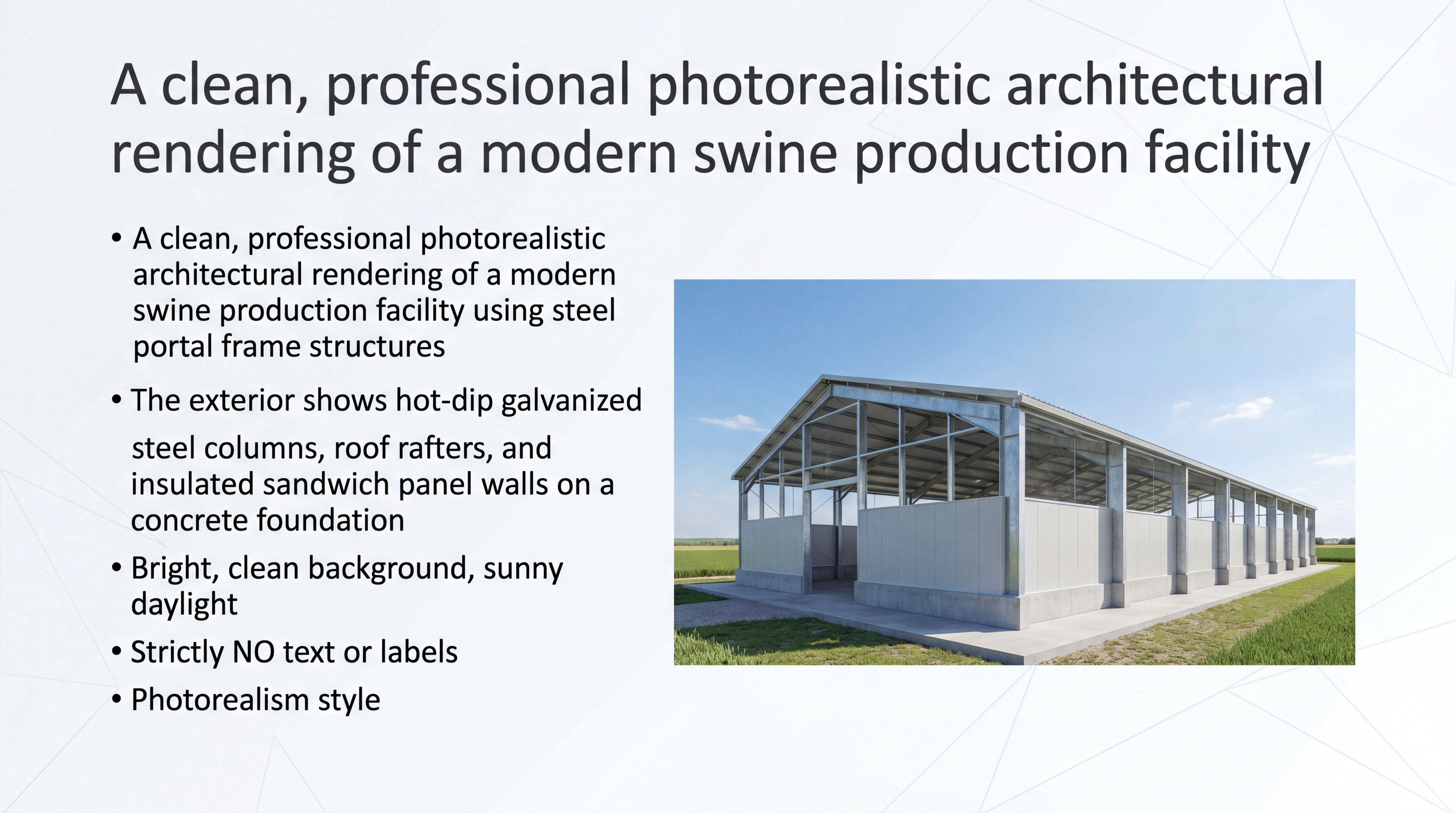
A modern, biosecure pig farm requires an integrated approach that separates animal age groups, controls environmental conditions, and uses impermeable building materials. Utilizing a clean-span pig farm design ensures you prevent pathogen cross-contamination while maintaining daily operational efficiency. By segregating different growth stages, you shield vulnerable young piglets from the pathogens carried by older finishers.
This physical boundary is your first line of defense against disease, allowing you to control entry and exits cleanly. Providing distinct zones for each stage maximizes feed conversion rates across your entire operation.
Why is growth-stage separation vital?
Separating pigs by age and weight classes stops the vertical transmission of chronic herd diseases.
Here is why.
- Nursery piglets have delicate immune systems that require pristine, warm conditions.
- Finishing hogs generate intense body heat and require robust ventilation.
- Sows need a quiet, stress-free zone for farrowing.
Providing distinct zones for each stage maximizes feed conversion rates across your entire operation. This setup is easily achieved with customizable agricultural steel structures that allow for precise pen partitioning.
How do we prevent disease transmission?
Preventing disease transmission requires strict control over how air, waste, and personnel move through the facility.
Think about it.
- A single contaminated boot or vehicle can compromise your entire herd’s health.
- Physical barriers must prevent direct contact between different animal batches.
- Easy-to-sanitize surfaces make daily washdowns highly effective.
Using non-porous wall cladding is the best way to stop bacteria from harboring in structural cracks.
| Design Parameter | Standard Layout | Biosecure Layout | |
|---|---|---|---|
| Animal Segregation | Mixed age pens | Strict age-segmented zones | |
| Material Porosity | High (traditional timber) | Low (coated steel panels) | |
| Sanitation Speed | Slow and labor-intensive | Ultra-fast high-pressure wash |
A seamless structural layout is the first defense line against biological threats, setting a strong foundation for physical durability.
Key Takeaway
Investing in a professional biosecure layout protects your livestock from deadly pathogens and guarantees long-term operational peace of mind.
Why Are Steel Portal Frames Best for Pig Barns?
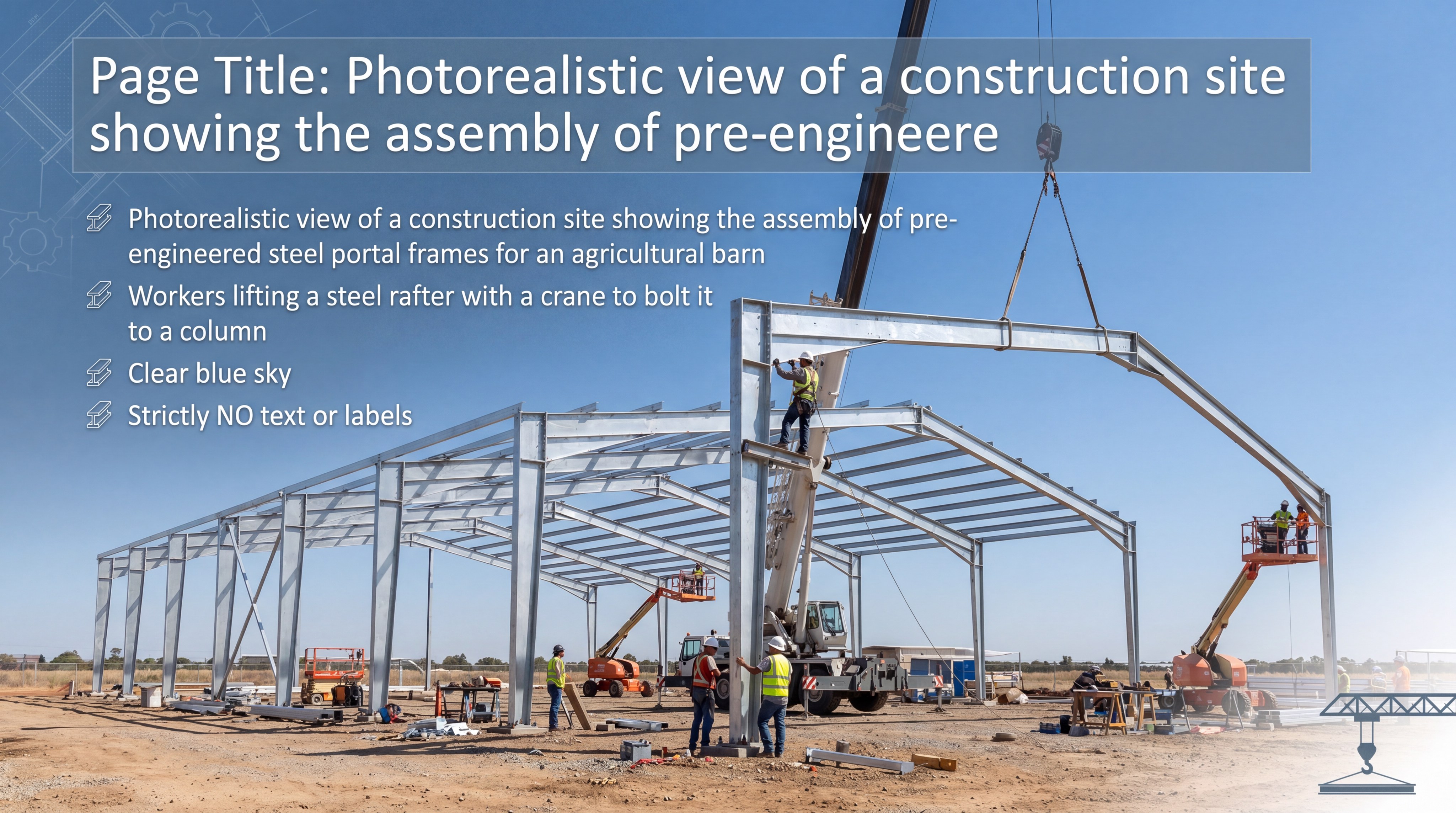
Steel portal frames are the gold standard for pig barns because they offer unmatched structural strength, chemical resistance, and wide clear-span spaces. Incorporating these frames into your pig farm design allows you to completely eliminate internal columns that block machinery and harbor dust. This structural choice ensures your facility stands strong against severe weather while providing a clean, open layout.
Using pre-engineered steel frames also cuts your construction time in half compared to traditional masonry. This rapid setup means your business can begin production much sooner.
How do clear spans optimize space?
Clear-span portal frames remove interior columns to give you complete freedom in layout configuration.
Look at this.
- You can adjust pen sizes dynamically as your herd requirements change.
- Scraper systems and heavy equipment move freely without hitting pillars.
- Airflow remains unobstructed, eliminating dangerous dead zones.
Using prefabricated portal steel frame buildings gives you the flexibility to adapt your operations over time.
Why does galvanized steel resist corrosion?
Swine environments are highly corrosive due to high moisture levels and continuous ammonia gas emissions.
But that is not all.
- Hot-dip galvanized steel features a thick zinc barrier that stops rust.
- It resists the harsh chemical sanitizers used during weekly washdowns.
- The structural framing remains safe and stable for decades without degrading.
This durability prevents costly structural repairs and protects your investment long-term.
| Structural Metric | Traditional Wood Frame | Galvanized Steel Portal Frame | |
|---|---|---|---|
| Clear-Span Width | Under 12 meters | Up to 40 meters | |
| Corrosion Resistance | Low (rots and warps) | Extremely High (zinc-coated) | |
| Service Life | 10 to 15 years | 50+ years |
Selecting high-strength galvanized steel ensures a solid structural shell, allowing you to focus on the critical flooring systems inside.
Key Takeaway
Galvanized steel portal frames provide a robust, column-free envelope that withstands the corrosive challenges of intensive swine production.
“Boost Your Business Today – Act Now!”
Email:sales@showhoo.com.cn
Phone/WhatsApp:+86 186 7895 5927
How Does Slatted Flooring Improve Herd Health?
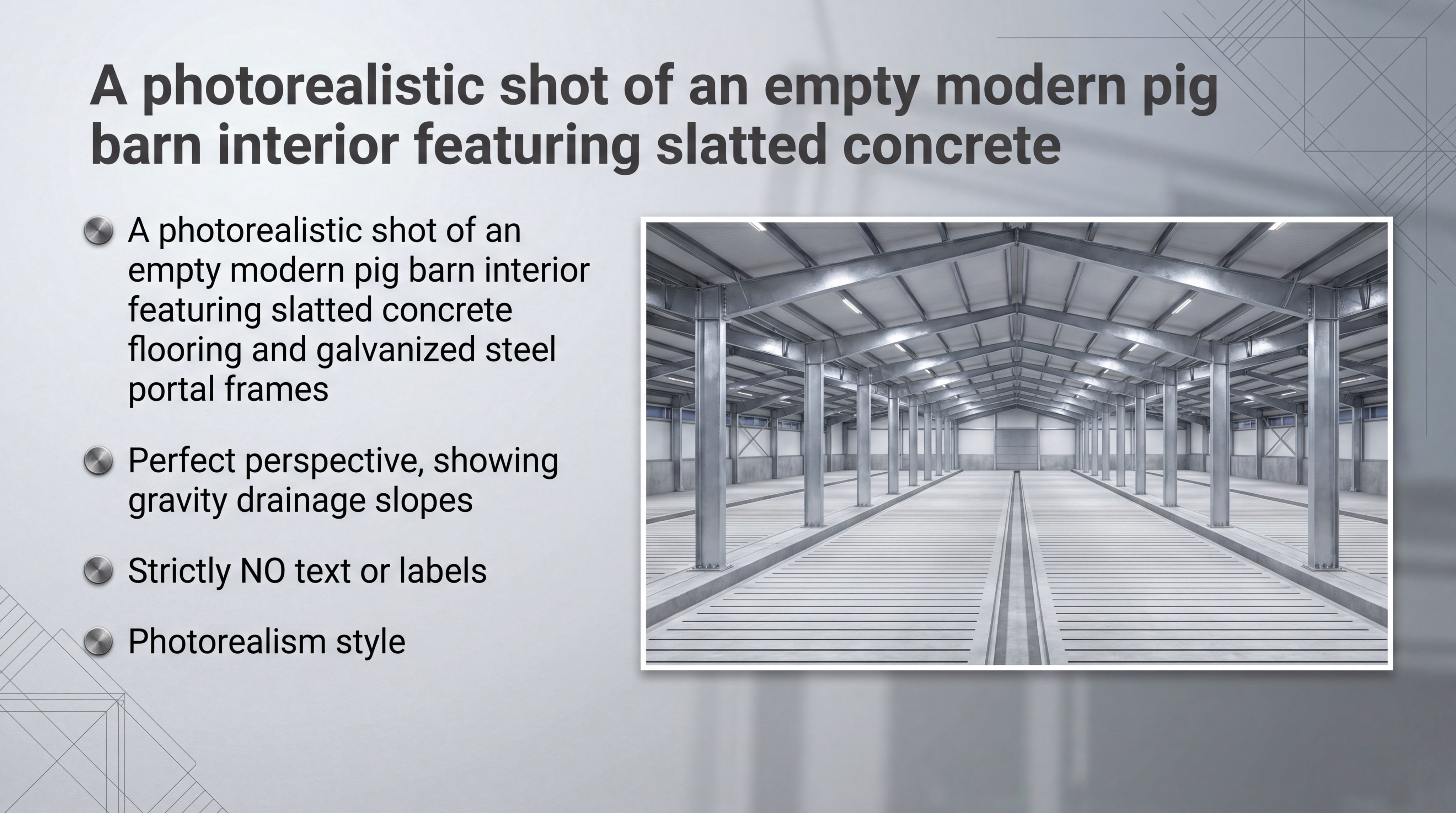
Slatted flooring improves herd health by instantly separating pigs from their waste, reducing ammonia exposure, and keeping feet dry. A modern pig farm design relies on high-quality concrete and plastic slats to maintain hygiene and prevent claw injuries. By ensuring rapid waste drainage, you keep your pigs clean and significantly lower the spread of enteric diseases. This floor system integrates perfectly into a modern steel structure pig farm project in Guinea , providing robust sanitation.
When animal waste falls straight through the slats, it stops dangerous bacterial growth in its tracks. This simple step keeps your pens smelling fresh and makes daily chores a breeze.
What is the ideal concrete slat spacing?
Sizing slat gaps correctly balances rapid waste drainage with optimal hoof support.
In other words,
- Nursery piglets require narrow 14mm gaps to protect their small feet.
- Finishing hogs need 18mm gaps to ensure large waste drains efficiently.
- Sows require wide, flat slats to prevent slipping during gestation.
Getting these dimensions right prevents painful lameness and joint infections in your herd.
How does gravity drainage prevent foot injury?
Sloped solid concrete zones direct liquid waste toward the slatted areas using simple gravity.
Here is why.
- A continuous 2% slope prevents dirty puddles from forming.
- Pigs naturally keep their resting areas clean when floors dry quickly.
- Dry floors prevent the bacterial growth that causes hoof rot.
This simple design feature keeps your animals comfortable and reduces veterinary costs.
| Floor Type | Primary Target Class | Core Benefit | |
|---|---|---|---|
| Plastic Slats | Nursery / Weaners | Soft on joints, retains body heat | |
| Concrete Slats | Finishers / Sows | Highly durable, self-cleaning | |
| Sloped Solid Concrete | Gestation resting zones | Comfortable, low-cost resting area |
Keeping your floors dry and clean makes it much easier to manage the overall air quality inside the barn.
Key Takeaway
Correctly spaced slatted flooring keeps pigs dry, clean, and free from hoof injuries, laying the foundation for excellent herd health.
How Do Mechanical Ventilation Systems Clean the Air?
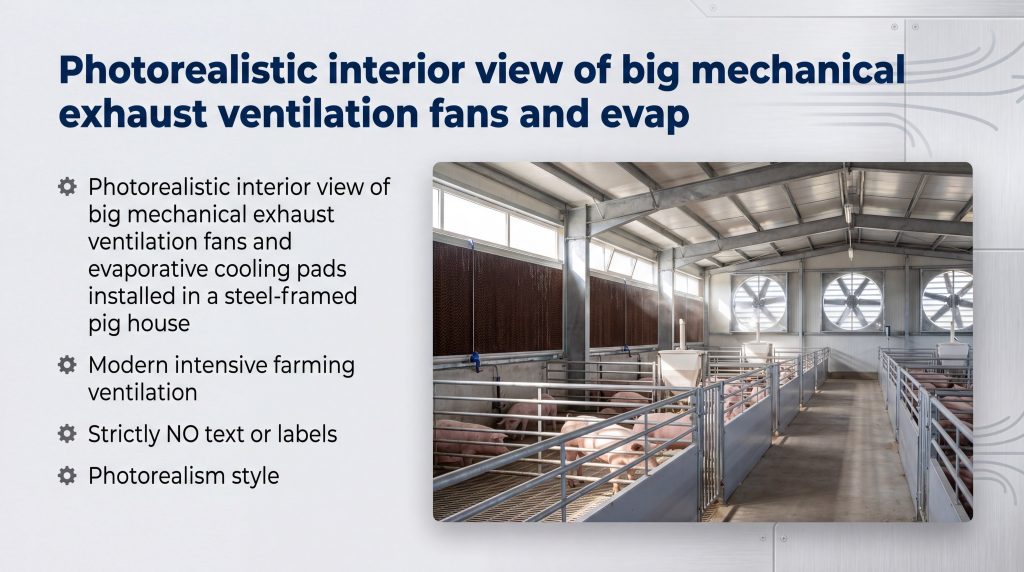
Mechanical ventilation systems clean the air by continuously removing toxic ammonia gas, diluting pathogens, and regulating indoor humidity. When drafting your pig farm design, choosing negative-pressure tunnel ventilation is key to keeping air moving in hot climates. By pulling fresh air through cooling pads, you keep your pigs comfortable and protect them from severe respiratory diseases.
This continuous airflow prevents moisture buildup on your walls and equipment, keeping your barn dry. A stable, comfortable climate keeps animal stress low and feeding rates high.
Why is negative pressure ventilation superior?
Negative pressure systems use powerful exhaust fans to create a vacuum that pulls fresh air evenly throughout the barn.
As you might expect,
- It eliminates dangerous dead zones where hot, stale air accumulates.
- It provides consistent wind-speed cooling directly at the pig level.
- You gain total control over the air exchange rate regardless of outdoor wind.
This precise control is crucial for preventing respiratory stress in high-density barns.
How do we eliminate toxic ammonia gas?
Continuous exhaust fan operation draws heavy ammonia gases out of the pit before they reach the animals.
But that is not all.
- Keeping ammonia levels below 10 ppm protects sensitive lung tissues.
- Lower humidity stops pathogens from multiplying in the air.
- Controlled air exchange keeps the environment fresh and odor-free.
Maintaining low gas levels keeps your pigs healthy and improves daily feed intake.
| Ventilation Metric | Natural Cross-Ventilation | Tunnel Mechanical Ventilation | |
|---|---|---|---|
| Airflow Control | Poor (wind-dependent) | Excellent (automated fans) | |
| Cooling Method | Simple shade | Evaporative cooling pads | |
| Gas Removal Rate | Highly variable | Continuous and reliable |
Optimizing your air movement system prepares your facility for the integration of smart climate controllers.
Key Takeaway
Mechanical tunnel ventilation provides precise air control and gas removal, protecting your pigs from respiratory stress.
Why Is Smart Climate Automation Worth the Investment?
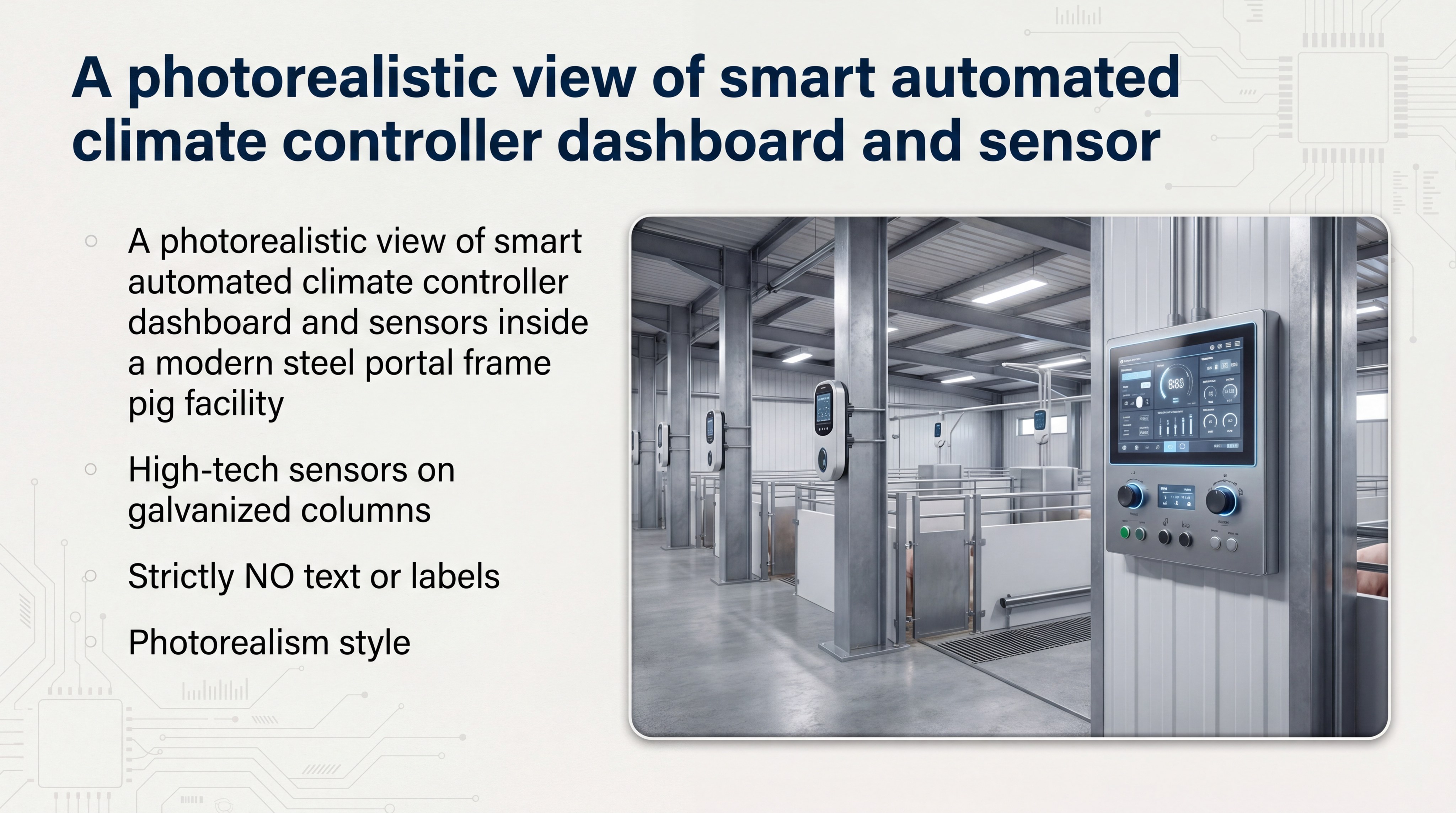
Smart climate automation is worth the investment because it constantly monitors environmental conditions and makes real-time adjustments to protect your herd. Integrating an automated control dashboard into your pig farm design ensures your fans, heaters, and cooling pads work together seamlessly. By preventing sudden temperature drops, you save young piglets from deadly chilling and keep your entire barn running efficiently. This advanced technology pairs perfectly with modern poultry house building setups and pig sheds alike, ensuring maximum performance.
A single temperature shock can stall finishing growth for up to a week, costing you profits. Automated systems work around the clock so you do not have to worry about sudden weather shifts.
How do automated controllers prevent stress?
Automated controllers adjust fan speeds and heating levels instantly when outdoor weather changes.
Look at this.
- They prevent cold drafts during sudden night temperature drops.
- They activate cooling pads automatically when summer heat peaks.
- Pigs stay in their optimal thermal comfort zone 24 hours a day.
Keeping temperatures stable helps your pigs digest feed better and grow faster.
What metrics should sensors monitor daily?
High-tech sensors placed throughout the barn track critical environmental conditions in real time.
Believe it or not.
- Temperature and relative humidity sensors must be placed at pig height.
- Ammonia and carbon dioxide levels require continuous tracking.
- Static pressure monitors ensure your ventilation fans are running efficiently.
Having access to this data allows you to make quick adjustments to protect your herd.
| Automation Feature | Manual Adjustments | Smart Automated System | |
|---|---|---|---|
| Response Time | Slow (hours) | Instant (seconds) | |
| Data Logging | None | Continuous tracking | |
| Resource Efficiency | Low (high energy waste) | High (optimized fan and heater use) |
Using automated climate controls makes managing feeding and watering systems much more reliable and efficient.
Key Takeaway
Smart climate automation keeps temperatures stable, protects young animals, and improves daily feed efficiency.
How Can Automated Feeders Optimize Growth Rates?
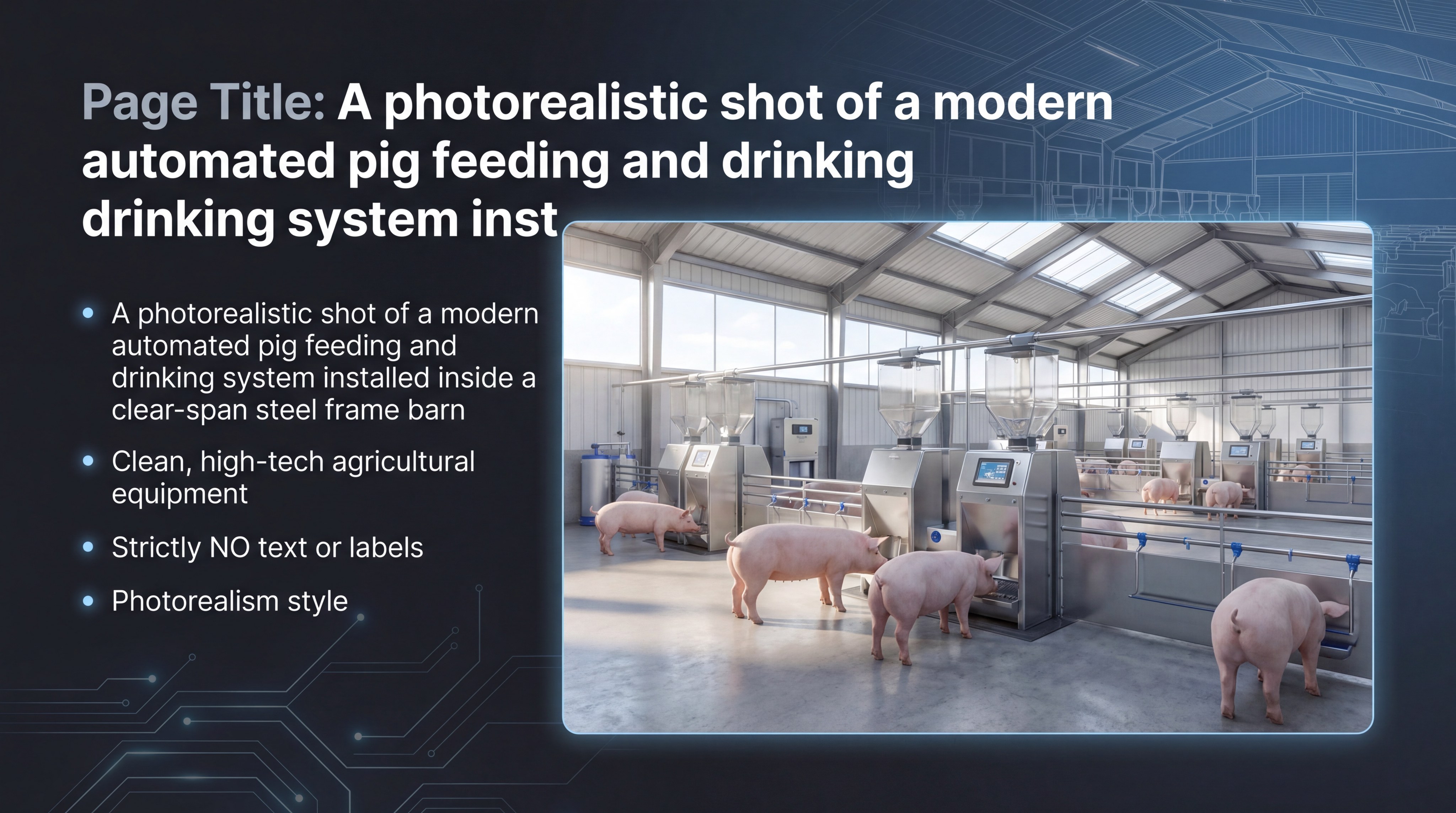
Automated feeders optimize growth rates by providing constant access to fresh feed, reducing waste, and saving manual labor. A well-engineered pig farm design uses stainless steel wet-dry feeders to encourage feed intake while keeping pen floors clean. By delivering feed directly from external silos to the pens, you cut down on labor costs and protect your feed from rodent contamination.
Pigs feed more calmly when they know food is always available. This constant access reduces fighting and ensures even growth rates across the pen.
Why are wet-dry feeders more efficient?
Wet-dry feeders let pigs eat dry feed and drink clean water in one convenient spot.
And the best part?
- Pigs eat more consistently, which improves daily weight gains.
- Separating feeding zones reduces aggression and stress at the feeder.
- It significantly cuts down on feed waste falling through the floor slats.
This design helps you get the most value out of your feed budget.
How do automated loops save labor costs?
Automated auger loops move feed from outside storage silos straight to individual pen dispensers.
Think about it.
- It eliminates the heavy labor of carrying bags of feed daily.
- Feed stays clean and dry inside sealed PVC pipes.
- It prevents workers from carrying diseases from pen to pen during feeding.
Your team can spend less time moving feed and more time managing herd health.
| Feeding Metric | Manual Trough Feeding | Automated Wet-Dry System | |
|---|---|---|---|
| Feed Waste | High (10% or more lost) | Low (under 3% lost) | |
| Labor Demand | High (daily heavy lifting) | Low (system checks only) | |
| Feed Hygiene | Poor (exposed to manure) | Excellent (sealed in silos and pipes) |
Optimizing feed delivery works hand-in-hand with managing your barn’s lighting cycles to improve overall herd performance.
Key Takeaway
Automated feeding loops deliver fresh feed efficiently, reduce waste, and free up labor for core herd management tasks.
“Boost Your Business Today – Act Now!”
Email:sales@showhoo.com.cn
Phone/WhatsApp:+86 186 7895 5927
Why Does LED Lighting Boost Breeding Efficiency?
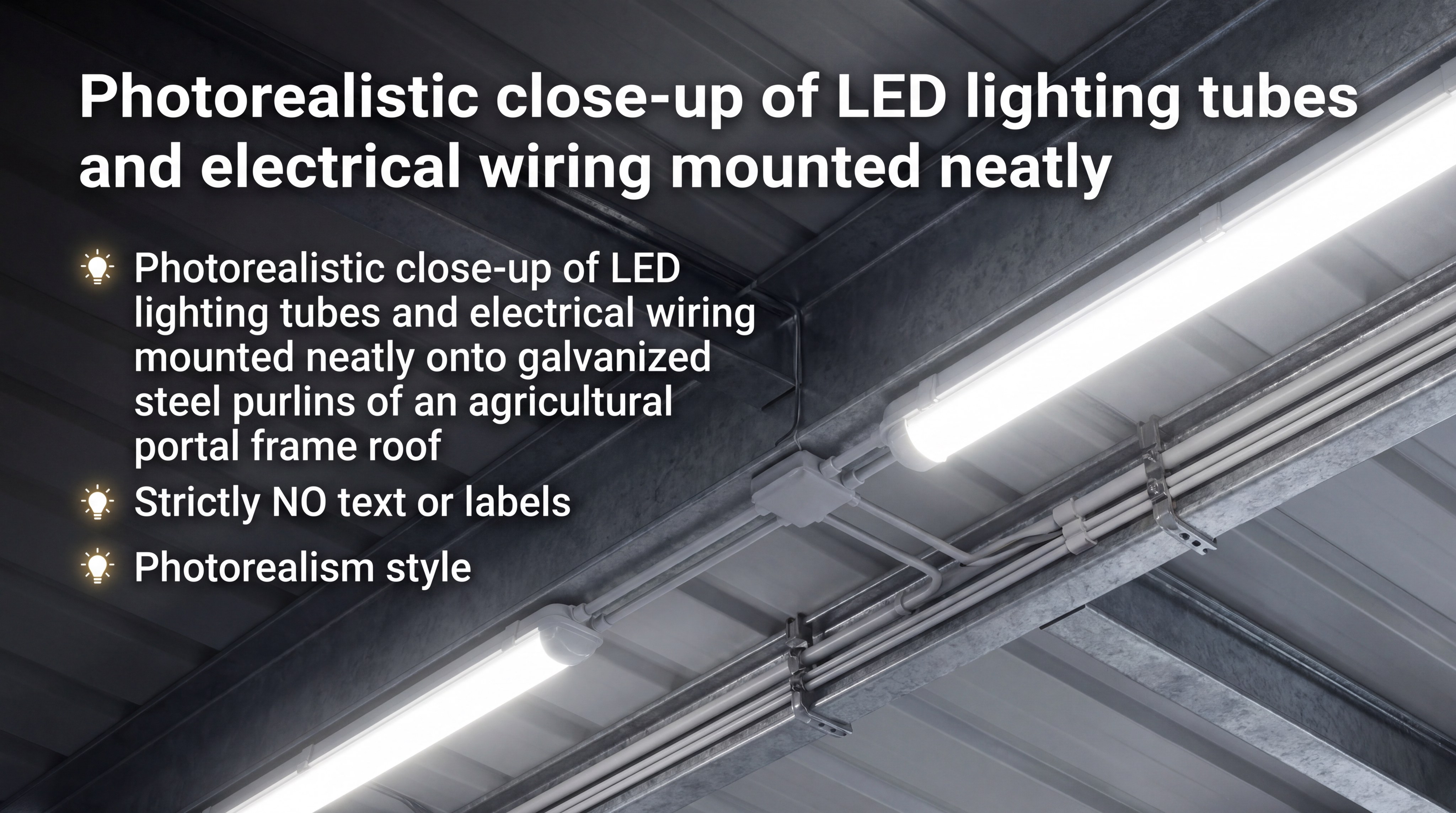
LED lighting boosts breeding efficiency by regulating pig hormone cycles, improving sow fertility, and lowering energy costs. When planning your pig farm design, using sealed, dust-proof LED fixtures mounted to the steel frame is key to achieving consistent light distribution. By providing the exact day-length cycles pigs need, you improve sow breeding rates and keep young piglets active and feeding.
Consistent, bright lighting also creates a much safer and more productive workspace for your farm staff. It makes daily animal inspections faster and much more accurate.
What lighting cycle maximizes sow heat?
Sows require a consistent light-dark cycle to trigger normal hormone releases and strong heats.
Here is why.
- Providing 16 hours of bright light daily stimulates follicle development.
- Following this with 8 hours of darkness allows the animals to rest.
- Consistent light levels make it easier to spot sows in heat quickly.
This photoperiod control helps you maintain a tight, predictable farrowing schedule.
How does light intensity affect growth?
Correct light intensity encourages young pigs to explore their pens and find feed and water easily.
Look at this.
- Bright, uniform light in nursery pens increases early feed intake.
- Eliminating dark corners reduces fear and aggression among weaned piglets.
- Dust-proof LED fixtures operate safely in humid, dusty barn environments.
This simple addition improves early growth and helps you spot health issues sooner.
| Lighting Feature | Traditional Fluorescent | Specialized Swine LED | |
|---|---|---|---|
| Durability | Low (breaks in humid conditions) | High (sealed against dust and moisture) | |
| Energy Consumption | Moderate to High | Extremely Low | |
| Light Spectrum Control | None | Optimized for swine vision and cycle |
Consistent lighting improves animal performance and helps workers run daily biosecurity checks safely and efficiently.
Key Takeaway
Specialized LED lighting helps regulate breeding cycles, improves early piglet growth, and lowers energy costs.
How Do You Plan Biosecurity Checkpoints Effectively?
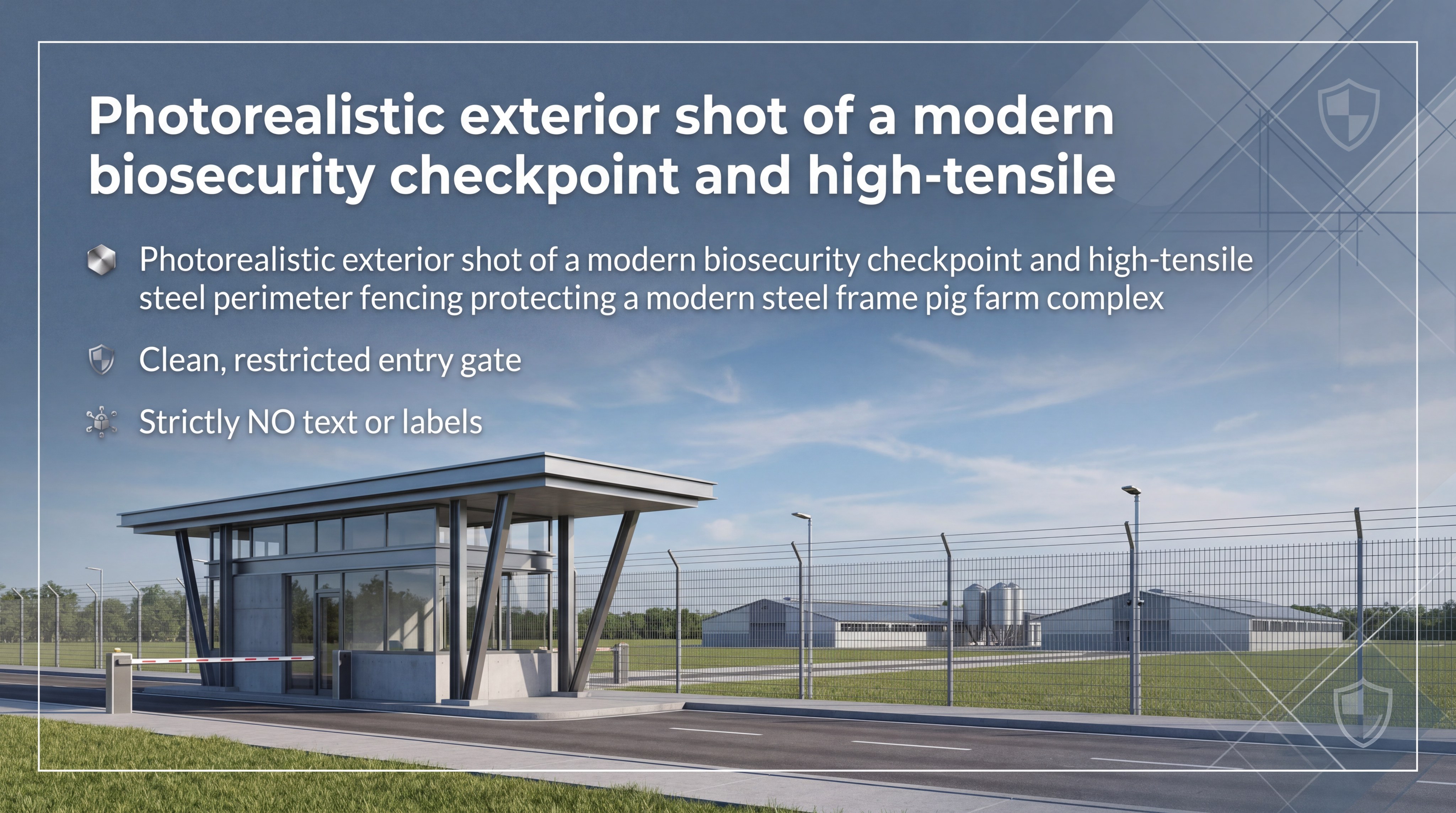
Planning biosecurity checkpoints effectively requires setting up a clear physical boundary between clean farm zones and outside traffic. Incorporating gated entries and vehicle disinfection areas into your pig farm design keeps deadly pathogens from entering your facility. By stopping diseases at the gate, you protect your investment and maintain a healthy, productive herd.
Keeping your staff and animal areas completely separated from visitors is essential. This layout makes managing daily disease controls simple and reliable.
Why are secure entry gates essential?
Secure gates and perimeter fencing prevent wild animals and unauthorized people from approaching your barns.
But that is not all.
- Wild boars and stray animals are major carriers of deadly diseases like African Swine Fever.
- Forcing all visitors to register ensures trace-back control if a disease occurs.
- Clear warning signs remind everyone of your strict health protocols.
Keeping your perimeter secure is the first step in protecting your herd from outside threats.
How do vehicle disinfection bays work?
Disinfection bays spray tire wells and vehicle undercarriages with strong sanitizing solutions before they enter the farm.
Think about it.
- Feed and livestock trucks travel between many different farms daily.
- Tires can easily carry pathogens in mud and organic waste.
- Automated undercarriage sprayers ensure thorough cleaning in minutes.
This simple step prevents outside pathogens from contaminating your clean farm roads.
| Biosecurity Level | Basic Farm Setup | Advanced Steel Farm Complex | |
|---|---|---|---|
| Perimeter Control | None (open boundaries) | High-tensile steel fencing with locking gates | |
| Visitor Protocol | Direct entry to barns | Shower-in, shower-out with clean clothes | |
| Vehicle Handling | Drive straight to pens | Mandatory disinfection spray wash |
Securing your farm boundary ensures your building’s structural engineering functions safely and without disease risks.
Key Takeaway
Strict perimeter checkpoints and vehicle disinfection bays stop disease at the gate, protecting your herd’s health and your profits.
What Structural Engineering Standards Must You Follow?
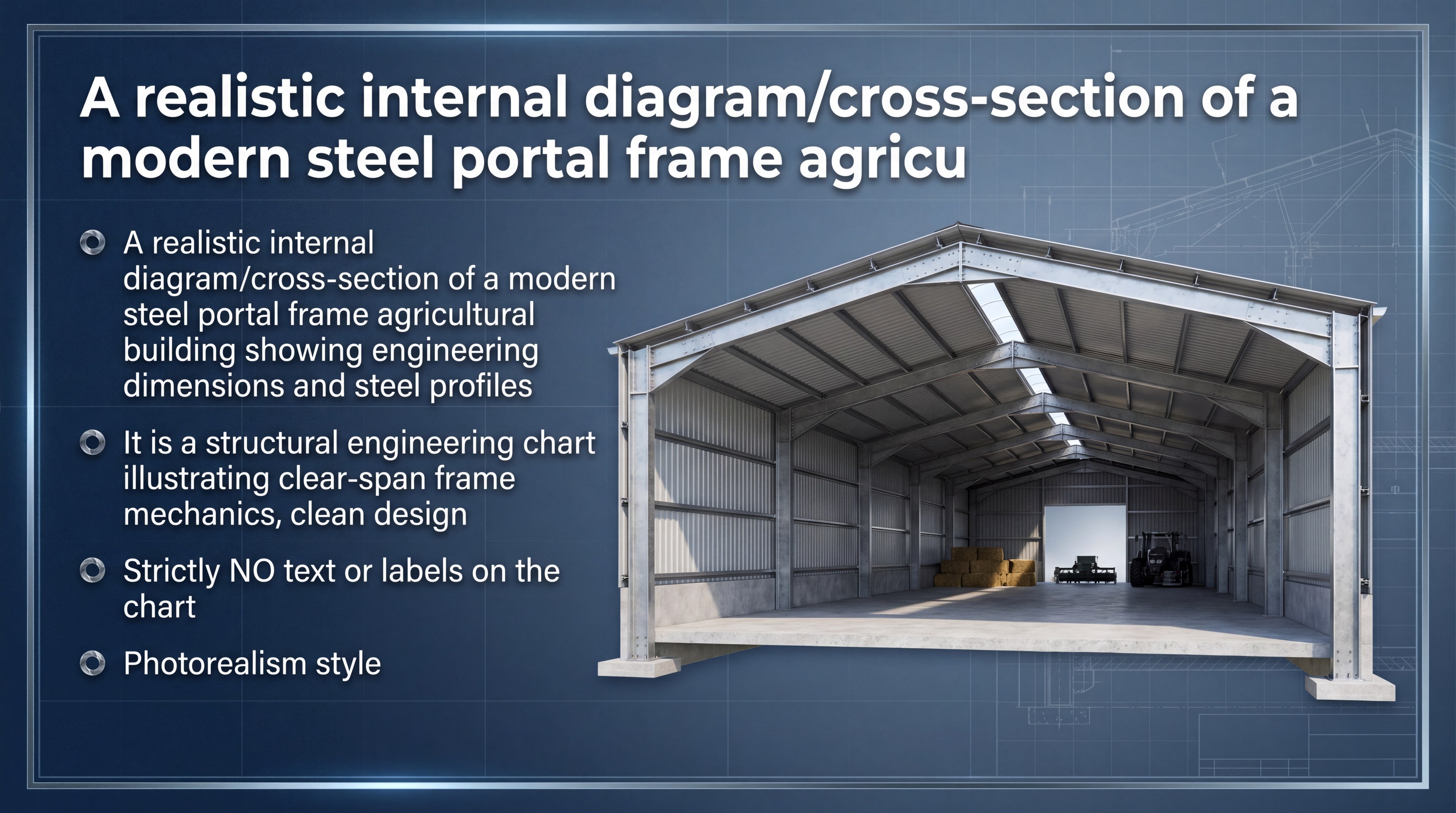
Following local structural engineering standards ensures your pig barn stands strong against high winds, snow loads, and seismic activity. A professional pig farm design uses heavy-duty Q355B steel portal frames and insulated sandwich panels to create a durable, weather-tight building envelope. By designing your barn to meet local climate standards, you protect your livestock from extreme weather and secure your long-term investment.
Using certified engineering standards guarantees that your insurance and local operating permits stay fully compliant. It gives you complete confidence that your facility is built to last.
How do we calculate wind and snow loads?
Engineers calculate wind and snow loads based on your local weather history to size steel columns and roof rafters correctly.
In other words,
- The steel frame must resist twisting and buckling during extreme storms.
- The roof pitch must shed heavy snow loads easily to prevent collapsing.
- Strong anchor bolts secure the main frames deep into the concrete foundation.
This structural strength keeps your animals safe and secure inside, no matter the weather.
Why are sandwich panels best for insulation?
Sandwich panels feature a thick insulation core sealed between two layers of protective steel, making them ideal for temperature control.
Here is why.
- They prevent summer solar heat from entering through the roof.
- They retain animal body heat during freezing winters to cut heating costs.
- The smooth, non-porous surface stands up to daily high-pressure washdowns.
These panels are easy to clean and provide excellent climate control year-round.
| Structural Component | Standard Material | High-End Engineering Spec | |
|---|---|---|---|
| Main Framework | Standard Q235 steel | Heavy-duty Q355B H-section steel with HDG coating | |
| Wall Cladding | Single sheet metal | Insulated polyurethane (PU) sandwich panels | |
| Roof Purlins | Light timber studs | Cold-formed galvanized Z or C-section steel |
Designing your building to meet strict engineering codes ensures your farm operations run smoothly for decades.
Key Takeaway
Using Q355B galvanized steel frames and insulated sandwich panels keeps your building safe, stable, and energy-efficient in any climate.
How Can Professional Offices Streamline Farm Management?
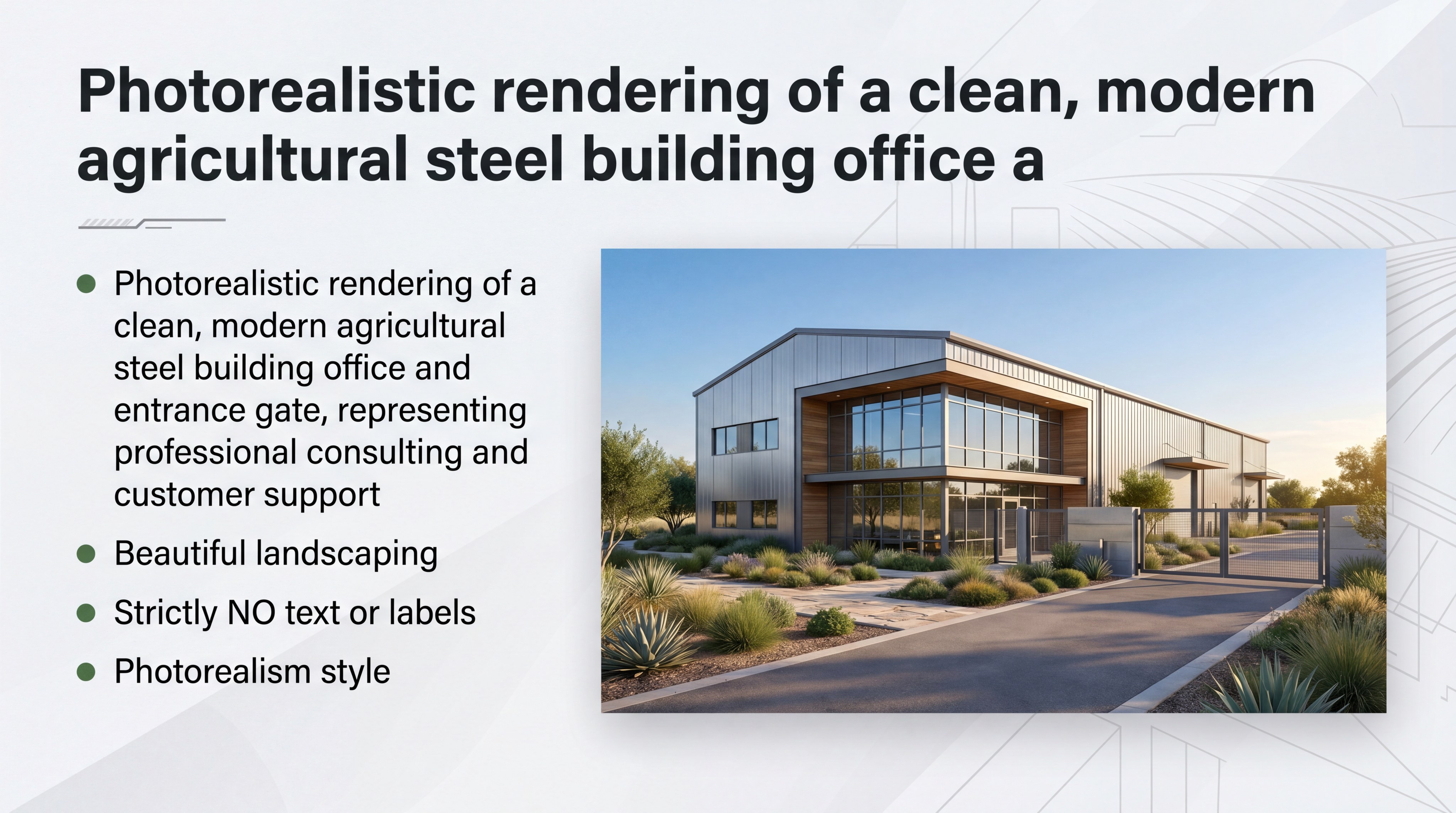
Professional offices streamline farm management by separating daily administrative work from livestock areas, improving biosecurity, and giving you a clean space to meet with visitors. A complete pig farm design includes a dedicated office at the main entrance to keep files dry, manage smart systems, and enforce hygiene rules. This layout ensures your farm runs smoothly while keeping animal zones safe from outside contamination.
A dedicated office building also creates a comfortable and professional environment for your staff. It makes keeping accurate breeding, feeding, and medical records simple.
Why separate admin zones from animal pens?
Keeping office spaces separate from animal barns prevents dust, moisture, and odors from damaging office equipment.
Look at this.
- It gives veterinarians and feed specialists a clean space to review farm data.
- It prevents visitors from carrying outside pathogens directly into your barns.
- Your team has a quiet, comfortable space to handle billing and farm records.
This simple separation improves hygiene and makes administrative work much more efficient.
How do professional entries build trust?
A clean, professional main office shows your partners, lenders, and buyers that you run a high-quality operation.
Believe it or not.
- It makes a great first impression on prospective clients and partners.
- It shows your dedication to strict animal welfare and biosecurity standards.
- Clean entrance gates make it easy for delivery trucks to navigate the site.
Investing in a professional entryway sets your business up for long-term success.
| Office Zone | Barn Area | Purpose / Activity | |
|---|---|---|---|
| Clean Office Zone | Restricted Entry | Record keeping, veterinary meetings, visitor check-in | |
| Shower Barrier | Biosecurity Gate | Transition zone to change into clean farm clothes | |
| Production Zone | Animal Pens | Daily feeding, herd health checks, cleaning |
Partnering with the right construction experts is the easiest way to bring this professional, integrated layout to life on your farm.
Key Takeaway
Adding a professional entrance office keeps your administration clean, improves farm biosecurity, and shows your commitment to quality.
Build Your Future-Proof Swine Operation Today
Running a successful pig farm requires balancing herd health, climate control, and structural durability. Traditional wood and brick barns simply cannot stand up to the corrosive moisture and ammonia gases of intensive farming. That is why transitioning to high-performance pre-engineered steel buildings is a smart, profitable move. Our portal steel frame systems, insulated sandwich panels, and automated environmental controls work together to solve your biggest farming challenges.
We are committed to helping you build a highly efficient, biosecure facility that protects your herd and maximizes your profits. From custom layouts to complete engineering support, we provide a reliable, one-stop solution for your business. Let us help you turn your farm design into a modern, high-yielding operation. To get started on your custom project and receive a free engineering estimate, contact us today .
“Boost Your Business Today – Act Now!”
Email:sales@showhoo.com.cn
Phone/WhatsApp:+86 186 7895 5927
What Are the Most Common Swine Housing Questions?
Can I expand my steel portal frame barn in the future if my herd grows?
Yes, absolutely. The pre-engineered modular design of steel portal frames allows you to easily unbolt the end-wall frames and add matching bay sections to expand the building’s length without disrupting your existing structure.
What is the best material for wall panels to resist aggressive ammonia rust?
Coated sandwich panels or fiberglass-reinforced plastic (FRP) sheets are the best choices. These materials are highly durable, non-porous, and stand up to high-pressure washdowns and chemical sanitizers without rusting or degrading over time.
How do I know if my slatted concrete floor spacing is safe for piglets?
Check the gaps using a caliper tool to ensure they are no wider than 14mm. Spacing wider than 14mm can trap small hooves and cause serious joint injuries or infections in young piglets.
Can I convert an existing open-sided barn into a fully enclosed climate-controlled building?
Yes, you can, but you must first check the strength of the existing structural frame. Many open barns can be sealed with insulated panels and fans, but a qualified engineer must confirm the frame can handle the suction forces of a new closed ventilation system.
How do I know if my new pig farm layout meets local biosecurity guidelines?
Ensure your layout clearly separates clean areas from dirty areas. Having a professional engineering team review your site plan will guarantee that your design meets all local health and sanitation rules.