
Building a poultry house in Kenya requires a strategic blend of structural durability, climate-smart design, and advanced farm automation to ensure long-term agricultural profitability. You face massive financial risks from rising feed costs, high chick mortality rates, and sudden structural failures. Overcoming these challenges starts with choosing a premium poultry house kenya design that keeps your flock safe, dry, and highly productive.
Traditional timber housing structures degrade within a few short years and easily harbor deadly, hard-to-eliminate pathogens. A single disease outbreak can wipe out your entire seasonal investment, while decaying wooden pillars make it impossible to install automated battery cages. By upgrading to clear-span pre-engineered steel buildings, you eliminate these biological hazards and establish a modern, climate-smart commercial farming operation.
How do you plan a poultry house kenya project?
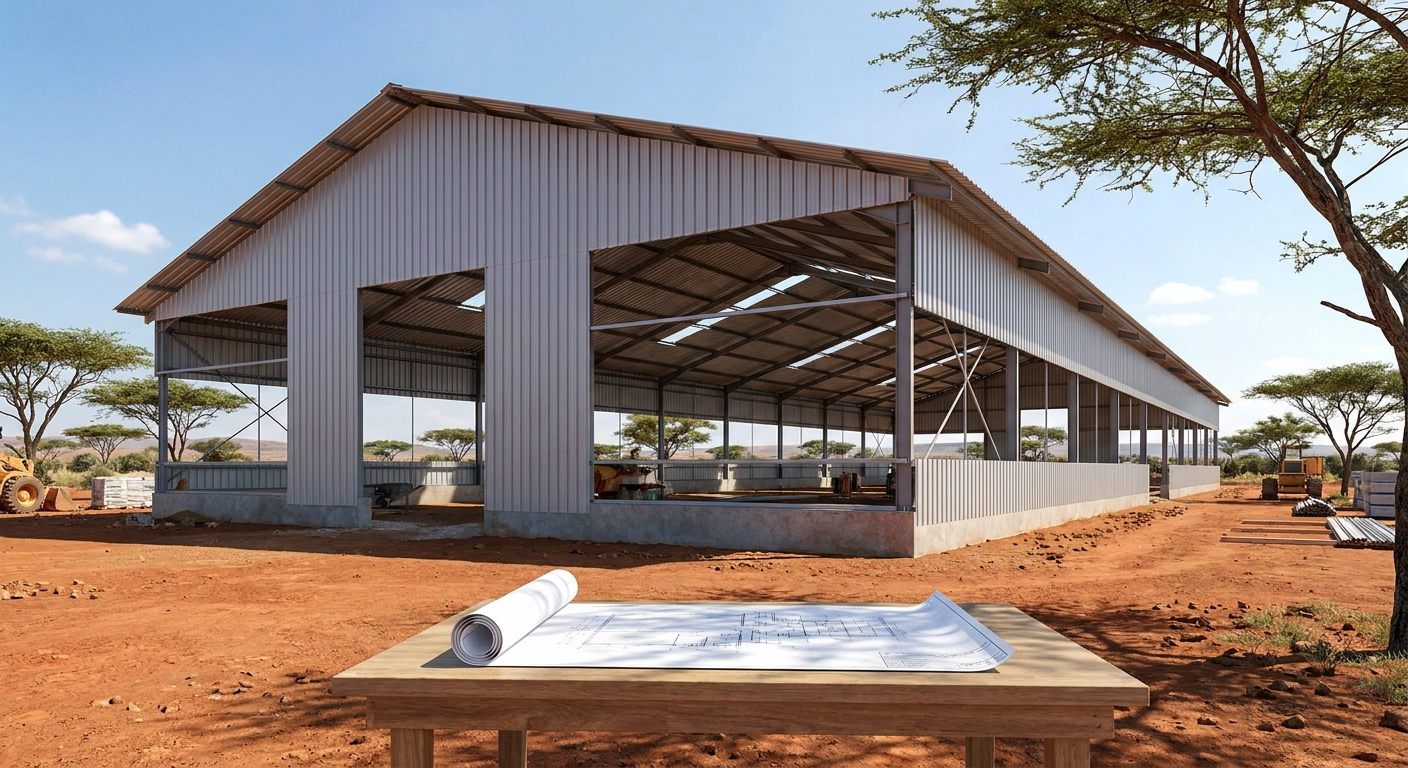
Planning a poultry house kenya project requires evaluating your target flock size, infrastructure logistics, and long-term business goals. By choosing a prefabricated steel model instead of a temporary timber shed, you secure a foundation designed for heavy automated equipment. This approach keeps your operations highly efficient right from the start.
You must also look at local resource availability, such as stable electricity and reliable water sources. Proper preliminary research prevents costly design adjustments during the construction phase. Planning for future scaling keeps your business adaptable as market demands rise.
What is the ideal scale for commercial success?
Let’s face it: starting too small can limit your long-term commercial growth. Most medium-to-large-scale growers aim for a starting capacity of at least 5,000 birds to optimize transport and feed costs.
- Broiler farms: Faster turnover, requiring high-density floor systems.
- Layer farms: Longer production cycles, heavily favoring multi-tier battery cages.
- Breeder setups: High-biosecurity requirements with dedicated isolation.
Think about this: can your structural plan support future expansion?
Why skip traditional smallholder assumptions?
Here is the catch: traditional advice often steers farmers toward cheap, manually built timber structures. While these seem cost-effective initially, they cannot withstand the heavy loads of automated systems and are prone to biological rot.
- Timber rots quickly under heavy tropical rain cycles.
- Wood harbors pests and pathogens that are impossible to completely sterilize.
- Structural sag prevents the installation of precise overhead automatic feeders.
But that’s not all: choosing a prefabricated steel model avoids structural collapse during heavy storms.
Key Takeaway: Correct structural planning at the outset prevents catastrophic failures and ensures your facility is ready for modern automation.
| Evaluation Metric | Traditional Timber Shed | Showhoo Light Steel Structure | |
|---|---|---|---|
| Load Capacity | Low static load | High (Multi-tier cage ready) | |
| Biosecurity | Poor (Porous wood) | Excellent (Non-porous zinc) | |
| Lifespan | 3 to 5 Years | 50+ Years |
Choosing pre-engineered steel during the planning phase lays the groundwork for commercial-scale profitability.
Where is the best site for a poultry house kenya?
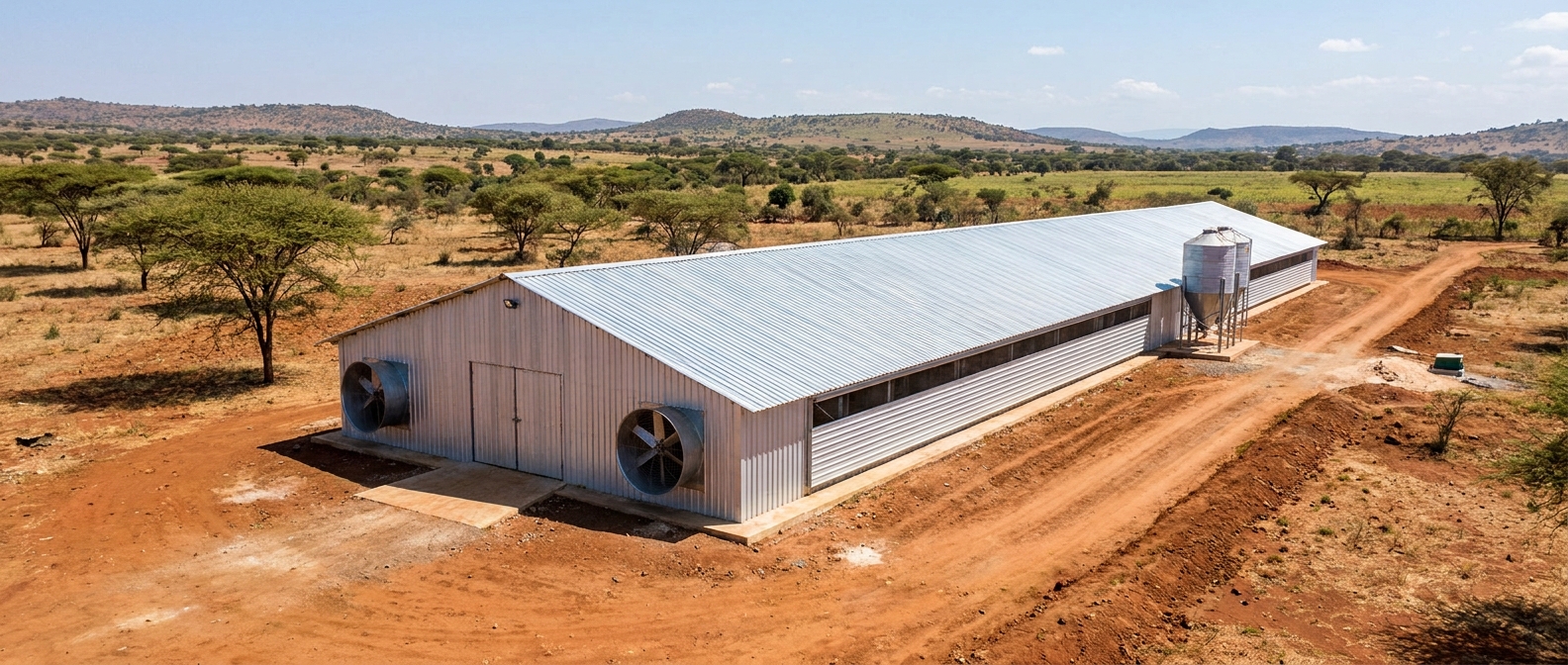
The best site for a poultry house kenya is a level piece of land that features excellent drainage, direct road access, and reliable utility connections. Choosing the right geographic coordinates minimizes transport expenses for feed delivery and bird processing. It also keeps your flock safe from natural disasters.
You must analyze the environmental conditions, local wind directions, and soil load-bearing capacity before laying any concrete. Correct positioning minimizes structural wear and limits your reliance on mechanical heating or cooling. Choosing an elevated site prevents water accumulation during the rainy season.
Why must orientation run East-to-West?
Think about this: the sun’s path can easily overheat your entire flock if your building is oriented incorrectly. Orienting the long axis of the house from East to West keeps direct sunlight off the sidewalls.
- Prevents excessive direct solar radiation through side openings.
- Encourages natural wind currents to flow across the width.
- Reduces stress on birds sitting near the outer boundaries.
But that’s not all: this simple orientation adjustment cuts cooling bills significantly.
How does topography impact drainage and security?
Here is the catch: low-lying plots often collect rainwater and runoff, which quickly damages foundations and compromises biosecurity. Elevating your building on a gentle slope ensures all moisture flows away from the birds.
- Maintains dry floor conditions around the perimeter.
- Limits pest access by removing stagnant pools.
- Enhances perimeter security with clear lines of sight.
Think about this: can your staff easily monitor the farm boundaries from the main entrance?
Key Takeaway: Correct environmental placement cuts cooling costs and natural pathogen risks by up to 35% without manual intervention.
| Topography Parameter | High Elevation / Slope | Low-Lying Basin | |
|---|---|---|---|
| Flood Risk | Negligible | Critical | |
| Air Circulation | Optimal | Stagnant | |
| Foundation Wear | Minimal | Accelerated |
Selecting an elevated, well-drained plot protects your physical asset from heavy tropical rain and flash flooding.
Build Your Durable Poultry House Kenya Today !
Email:sales@showhoo.com.cn
Phone/WhatsApp: + 86 186 7895 5927
Which style of poultry house kenya fits your farm?
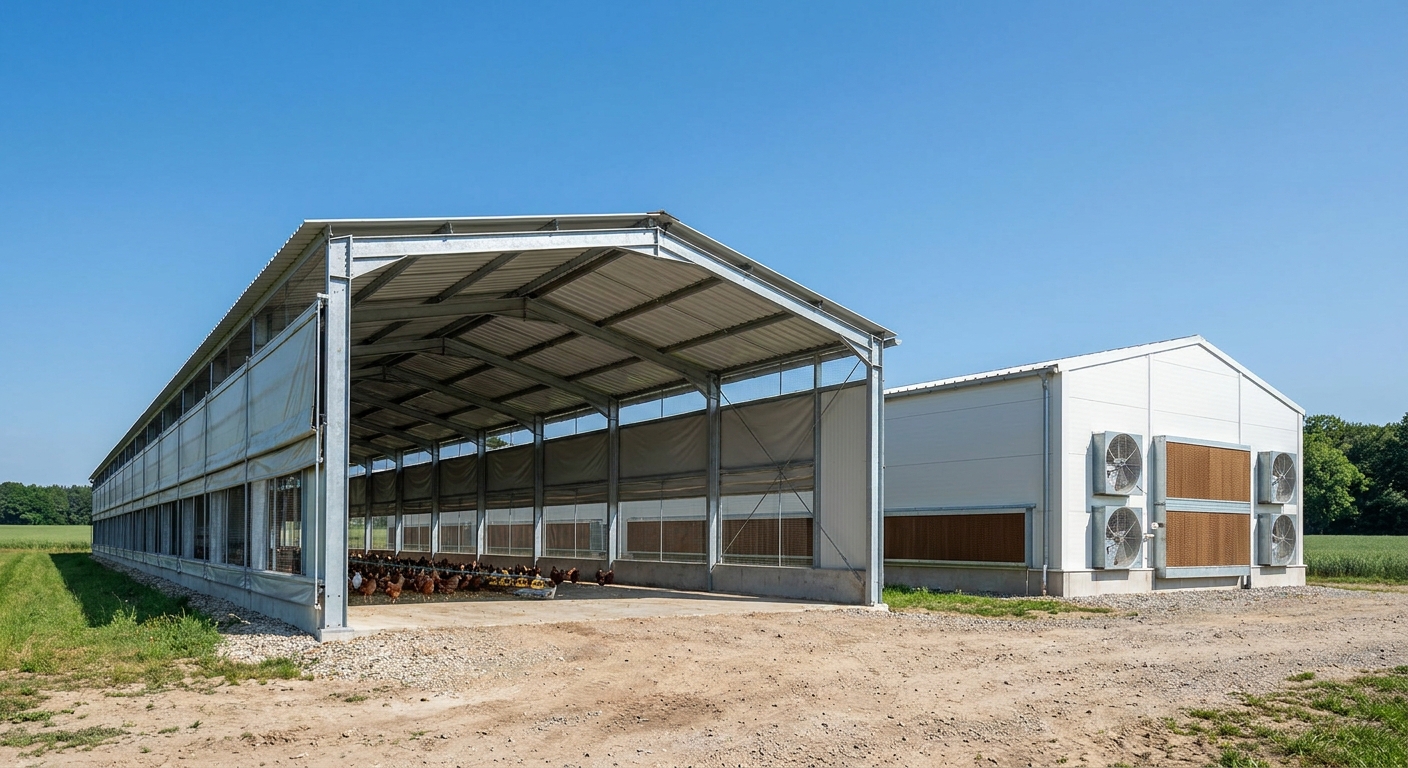
Selecting the correct style for your poultry house kenya depends on your production targets, climate conditions, and level of budget allocation. Modern operations choose either open-sided structures or fully enclosed climate-controlled environments. Each configuration requires different structural support from your framing material.
Open-sided systems work beautifully in moderate climates where natural breezes provide adequate cooling. Enclosed structures protect birds from extreme heat and external pathogens but require stable power to run exhaust fans. Your final choice dictates your daily management and operational complexity.
Deep litter vs. modern battery cages
But that’s not all: the housing style directly impacts your daily labor expenses and flock health. While deep litter systems allow birds to roam on wood shavings, battery cages optimize vertical space and automate egg collection.
- Deep Litter: Low initial cost, but higher disease transmission risk.
- Battery Cages: Maximized density, automated manure removal, and cleaner eggs.
- Hybrid Setups: Flexible spacing but difficult to fully automate.
Here is the catch: managing disease outbreaks is much harder on a dirt floor.
Why choose automated open-sided steel sheds?
Think about this: natural ventilation is completely free and highly reliable when designed correctly. Automated open-sided steel sheds combine the structural strength of pre-engineered frames with adjustable side curtains.
- Enables manual override during sudden power blackouts.
- Lowers initial mechanical equipment purchases.
- Provides massive clear-span space for customized cage layouts.
But that’s not all: you can manually adjust these curtains in seconds during sudden storms.
Key Takeaway: Matching the building style to your target bird type and climate optimizes your feed conversion ratio and lowers operational stress.
| Housing System Type | Target Capacity | Structural Load Requirements | Ventilation Control Level | |
|---|---|---|---|---|
| Deep Litter System | Low to Medium | Low static floor loads | Natural ventilation dependent | |
| Automated Battery Cage | High (Commercial) | High static and suspended load | High (Tunnel ventilation / Closed) |
Automated cage systems demand highly rigid steel framing to bear suspended heavy loads without structural deflection.
What are standard poultry house kenya dimensions?
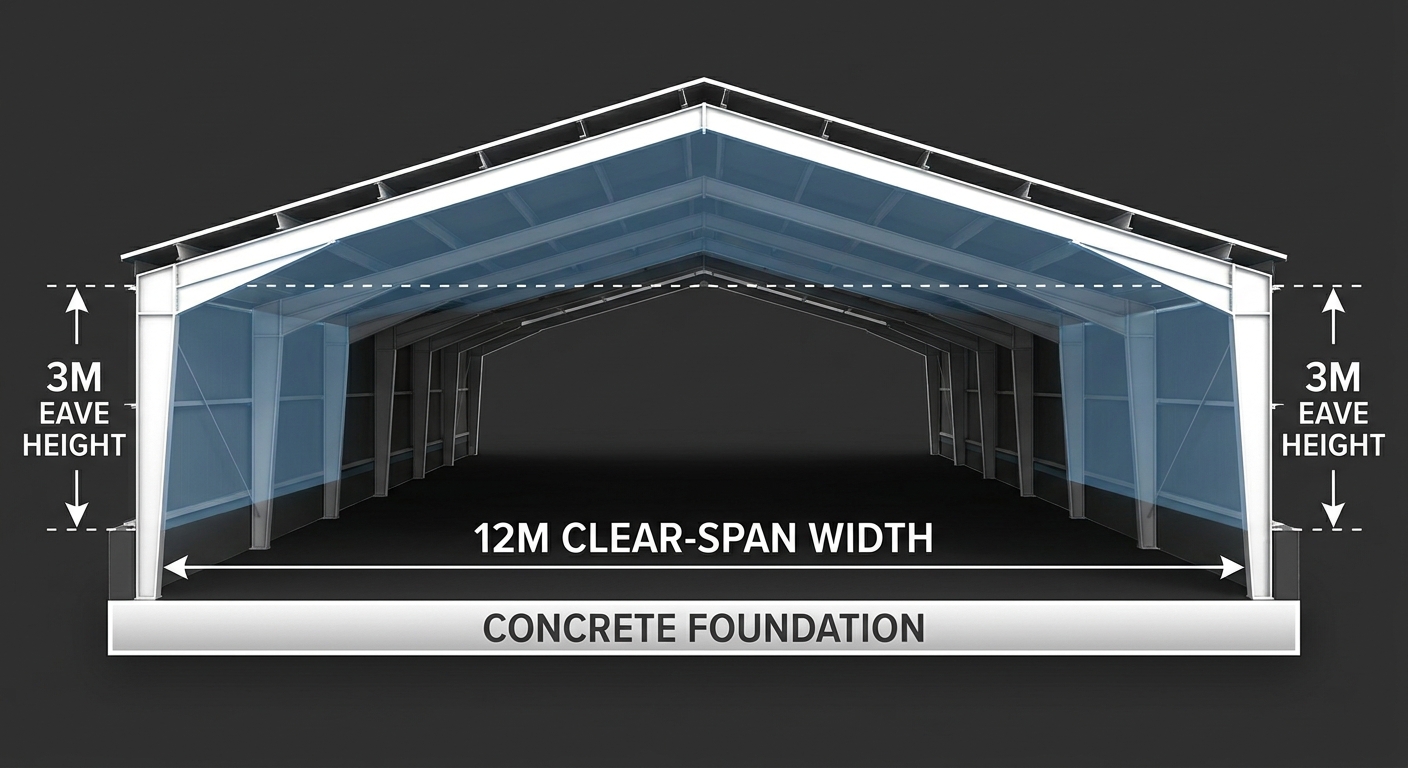
Standard dimensions for a professional poultry house kenya must balance optimal physical spacing with structural load limits. Designing your building too wide will restrict natural airflow and create pockets of stagnant, warm air. Keeping within standard engineering boundaries ensures uniform climate control throughout the facility.
A width of 12 meters is widely accepted as the maximum limit for natural cross-ventilation setups. Length can stretch from 60 to 150 meters depending on your land availability and feeding mechanics. Maintaining these proportions keeps your investment efficient and highly productive.
Why is 12-meter width the structural limit?
Here is the absolute truth: if your width exceeds 12 meters, natural airflow will stagnate. Central areas will accumulate toxic ammonia gases and high heat, leading to elevated mortality rates.
- Restricts air travel across the building width.
- Creates a dead zone in the middle of the house.
- Forces expensive mechanical exhaust fan installations.
Think about this: can you afford to lose 10% of your flock to preventable heat stress?
What is the optimal eave height for airflow?
But that’s not all: the height of your building plays a critical role in carrying heat away from the birds. An eave height of 3 to 3.5 meters allows warm air to rise safely above the living zone.
- Allows high-volume air accumulation away from birds.
- Accommodates suspended cooling fans and automated feeders.
- Reduces internal humidity by promoting quick heat dissipation.
Here is the catch: a lower roof will trap hot air directly on your birds.
Key Takeaway: Keeping dimensions within strict structural limits protects your flock from respiratory diseases and ensures peak natural ventilation.
| Dimension Metric | Recommended Standard | Engineering Reason | |
|---|---|---|---|
| Max Width | 12 Meters | Prevents center air stagnation | |
| Eave Height | 3.0 to 3.5 Meters | Moves hot air safely above birds | |
| Standard Length | 120 Meters | Optimizes automated feeder lines |
Sticking to certified commercial dimensions guarantees that your feeding systems and fans work as intended by their manufacturers.
What materials build a durable poultry house kenya?
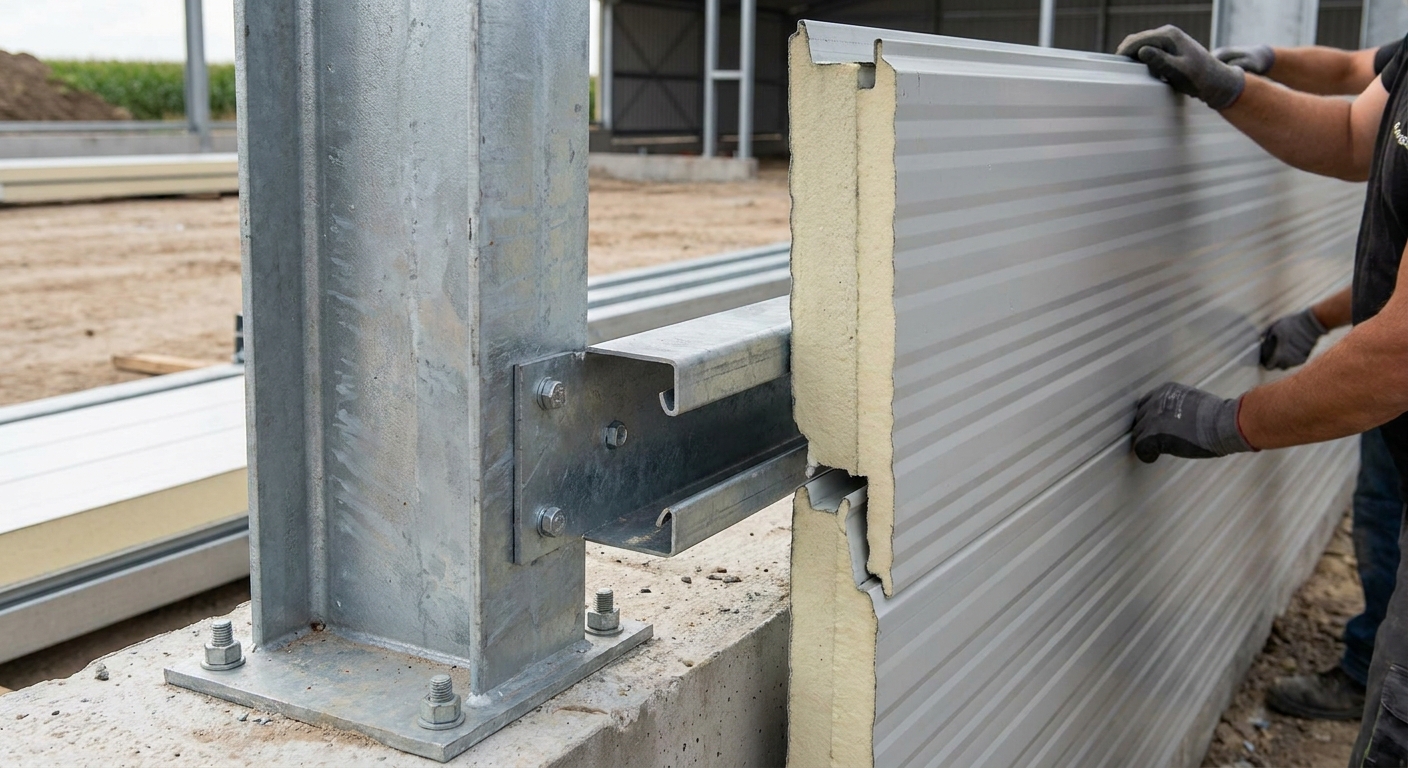
Selecting high-quality building materials for your poultry house kenya is the single most important factor determining structural longevity. Using hot-dip galvanized steel framing resists the highly corrosive ammonia fumes produced by bird droppings. This durable selection eliminates the rot and insect issues common with local timber.
Pre-engineered steel structures arrive ready for quick bolt-together assembly, saving you significant manual labor costs. Insulated roof sandwich panels help regulate indoor temperatures during hot Kenyan afternoons. This reliable system guarantees a long-term, low-maintenance home for your farming operation.
Why does timber fail commercial farmers?
Think about this: porous wood absorbs moisture, chemicals, and pathogens, making complete sanitization impossible. Within a few production cycles, untreated timber will start to warp, rot, and harbor persistent bird diseases.
- Termites easily destroy wood frames, threatening sudden structural collapse.
- Porous grain locks in bacteria like Salmonella and Coccidiosis.
- Frequent structural sag requires expensive, ongoing repair cycles.
Here is the catch: termite damage can weaken your main supports overnight.
What makes galvanized steel corrosion-proof?
But that’s not all: chemical exposure from poultry manure and intensive washing destroys standard metal frames in no time. Hot-dip galvanization coats steel with a heavy zinc layer that completely stops rust.
- Resists acidic ammonia gas exposures.
- Withstands aggressive pressure-washing protocols.
- Retains strong structural integrity for up to 50 years.
Think about this: would you prefer a frame that lasts 5 years or 50 years?
Key Takeaway: Investing in hot-dip galvanized steel removes biological contamination risks and guarantees structural performance for decades.
| Material Criterion | Traditional Timber | Brick & Mortar Walls | Hot-Dip Galvanized Steel | |
|---|---|---|---|---|
| Termite & Rot Resistance | Extremely Low | High resistance | Complete Immunity | |
| Pathogen Absorption | Extremely High | Moderate | Zero (Non-porous) | |
| Span Limits | Restricted (<8m) | High wall costs | Clear-spans up to 40m |
Prefabricated galvanized steel is the only material that achieves an absolute barrier to biological pathogens while ensuring structural spans over 12 meters.
How much does a commercial poultry house kenya cost?
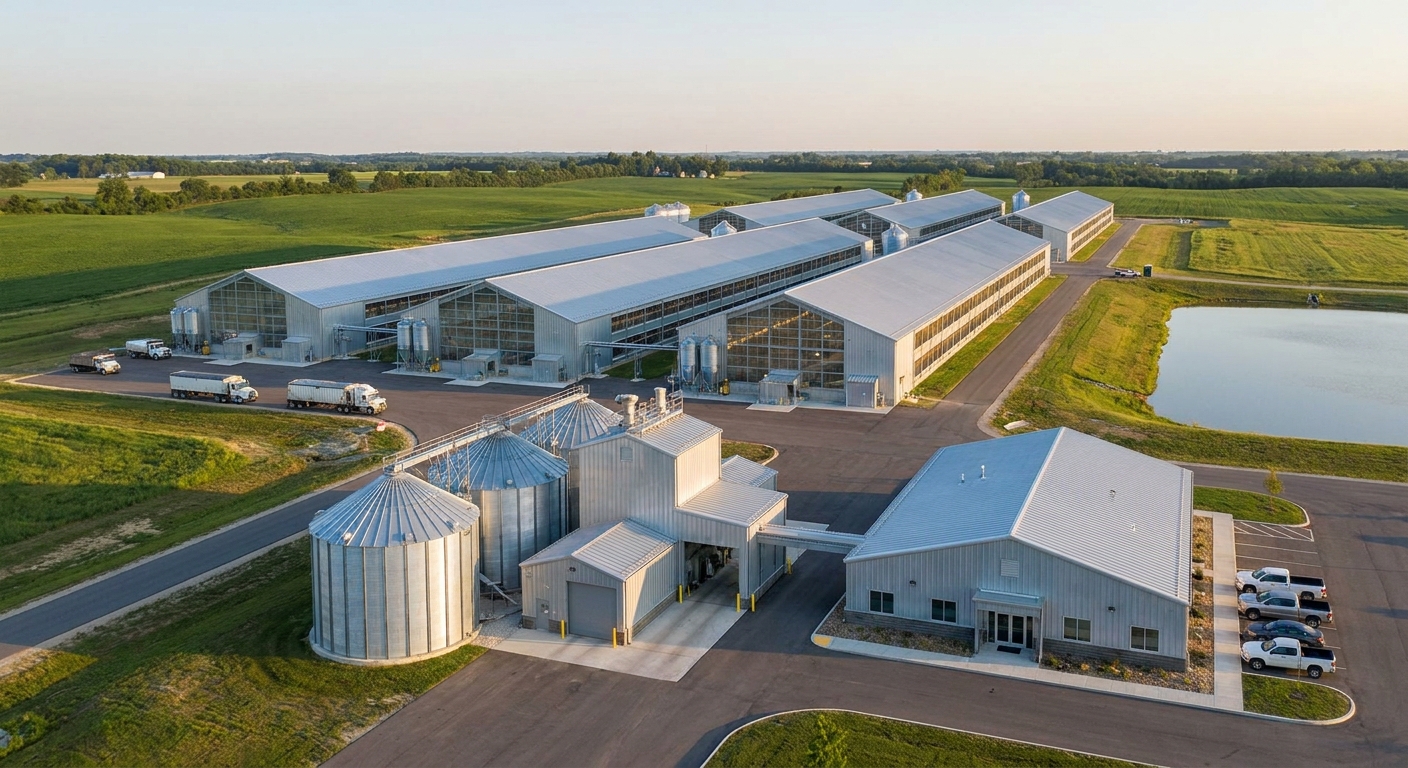
The initial cost of a commercial poultry house kenya depends on your desired automation level, building dimensions, and material choices. While prefabricated steel systems have a higher upfront cost, they slash your long-term maintenance and repair budgets. Calculating the total cost of ownership helps you make a smarter B2B financial plan.
You must evaluate your foundation preparation, shipping, customs duties at Mombasa, and local erection labor. Investing in high-quality structural components prevents expensive delays and structural repairs down the line. A durable building directly supports your business viability for years to come.
Upfront timber expenses vs. lifetime steel ROI
Think about this: saving money today can cost you a fortune tomorrow. Timber buildings are cheaper to build initially but require constant repairs and lead to higher flock mortality rates.
- Timber requires full rebuilding every 5 years on average.
- High pathogen retention in wood reduces egg and meat production.
- Steel structures offer high resale value and minimal maintenance.
Here is the catch: you will spend more on wood repairs than the cost of a steel building over ten years.
How to calculate total cost of ownership?
But that’s not all: most farmers ignore the hidden costs of bird mortality, disease treatment, and structure repairs. Total cost of ownership looks at every expense across a 10-year operating horizon.
- Operating costs: Energy use, sanitizer products, and repair labor.
- Capital depreciation: Quick wear of timber vs. long-lasting steel.
- Productivity losses: Flock downtime due to pest infestations.
Think about this: how much does a single pathogen shutdown cost your business?
Key Takeaway: Although steel carries a slightly higher upfront material cost, it saves up to 40% in long-term operating costs by avoiding rebuilds and lowering medical bills.
| Cost Category | Timber Structure | Prefabricated Steel | |
|---|---|---|---|
| Initial Cost | Low | Moderate | |
| 10-Year Repair Bill | Extremely High | Negligible | |
| Bio-Risk Cost | High | Low |
Standardizing on steel ensures your commercial farm maintains a predictable, high-yielding financial profile.
Build Your Durable Poultry House Kenya Today !
Email:sales@showhoo.com.cn
Phone/WhatsApp: + 86 186 7895 5927
How to maximize ventilation in a poultry house kenya?
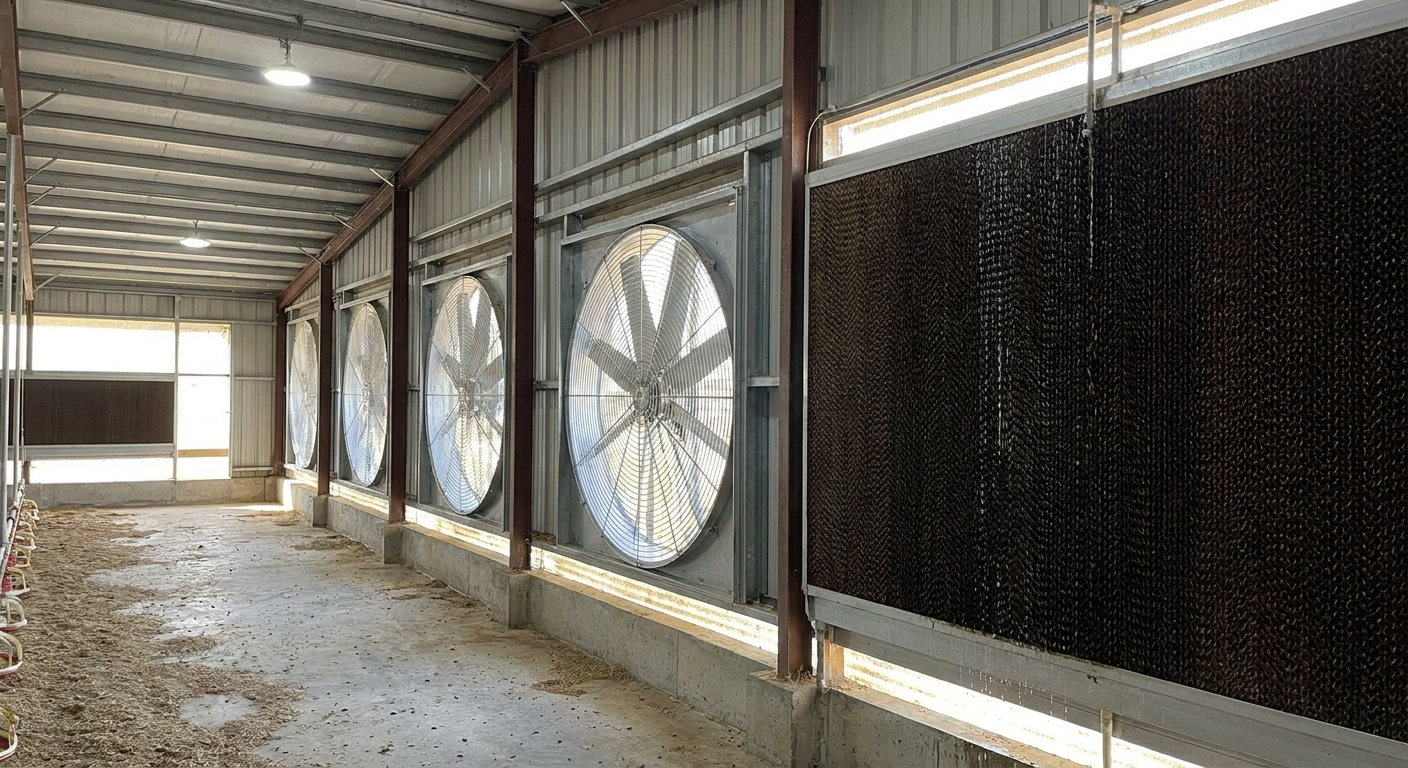
Maximizing ventilation in your poultry house kenya is essential to keep temperatures steady, clear away toxic ammonia, and prevent heat stress. Kenya’s warm microclimates require a calculated combination of natural breezes and mechanical air exhaust systems. Proper air movement ensures your flock remains healthy and productive through hot seasons.
You can adjust high-quality curtains on open-sided models to let fresh air flow across the building width. In closed structures, automated exhaust fans and cooling pads manage the microclimate inside. Investing in smart airflow layouts keeps bird mortality rates exceptionally low.
Why natural cross-ventilation isn’t enough
Why does this matter? Because poor ventilation leads directly to respiratory disease, wet litter, and severe heat stress on hot days. Relying purely on natural breezes leaves your birds vulnerable during calm afternoons.
- No-wind days cause rapid ammonia build-up inside the house.
- High tropical humidity slows down natural bird cooling.
- Stagnant air pockets increase mortality rate among layers.
Here is the catch: no-wind days cause rapid ammonia build-up inside the house.
Integrating tunnel ventilation & cooling pads
Think about this: cooling pads can drop incoming air temperatures by up to 10 degrees Celsius through evaporation. Tunnel ventilation pulls fresh air through these wet pads and runs it straight over the flock.
- High-speed exhaust fans draw stale air out quickly.
- Evaporative cooling pads absorb external heat.
- Uniform air speeds protect all birds equally.
But that’s not all: uniform air speeds protect all birds equally across the entire room.
Key Takeaway: Combining reliable steel structures with tunnel ventilation secures ideal year-round climates for premium bird performance.
| Ventilation Type | Natural Open-Sided | Automated Closed Tunnel | |
|---|---|---|---|
| Climate Control | Low (Weather dependent) | High (Fully automated) | |
| Energy Cost | Zero | Moderate | |
| Stocking Density | Standard | Maximum density |
High-speed mechanical exhaust lines require structural frames designed to resist ongoing vibrations and wind-tunnel pressures.
Why is biosecurity vital for a poultry house kenya?
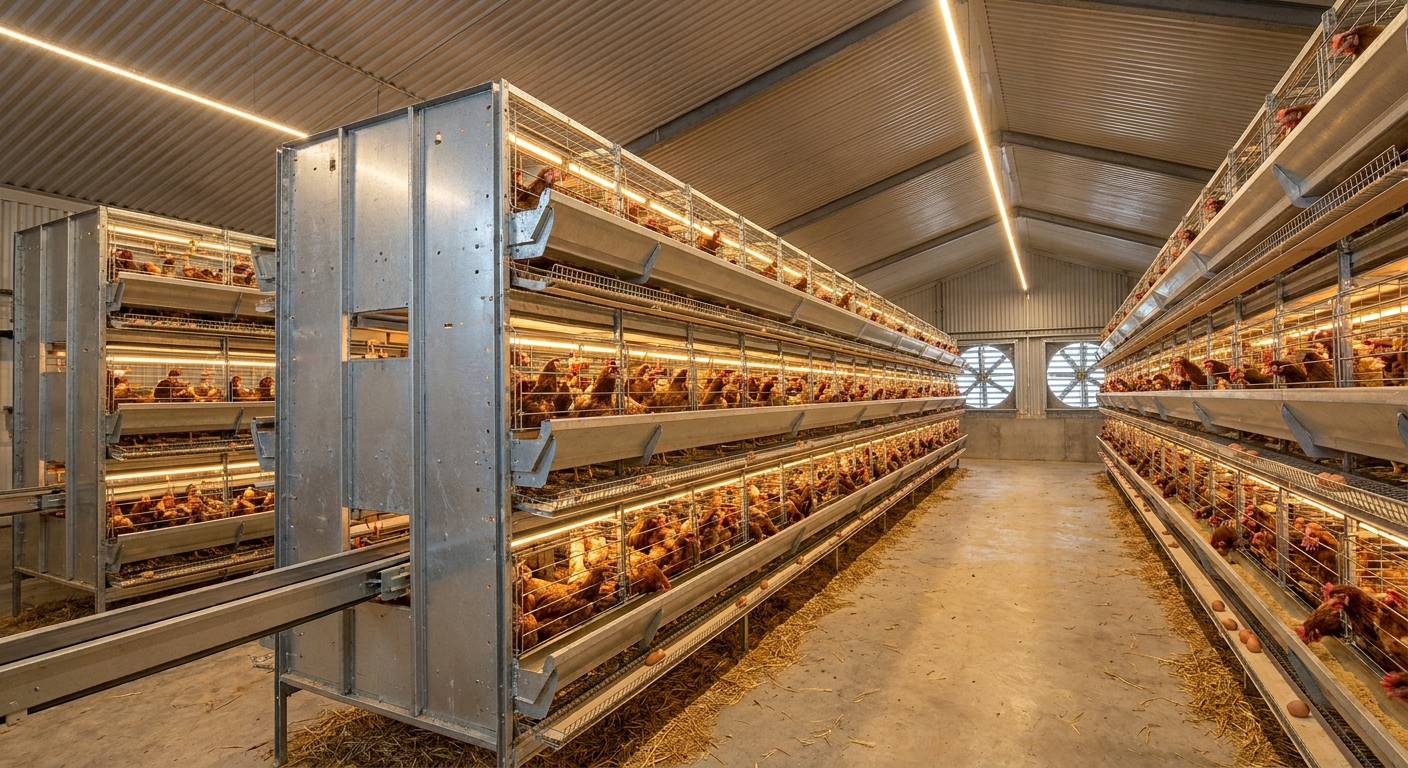
Building robust biosecurity into your poultry house kenya protects your multi-million shilling investment from devastating disease outbreaks. A clean farm layout relies on physical barriers, sanitization stations, and non-porous surfaces to keep pathogens away. Protecting your birds from outside contact is the most effective way to secure high profit margins.
High-density steel construction seals off common entry points for wild birds, mice, and other crop-destroying pests. Non-porous surfaces make it simple to quickly wash down and sanitize your entire facility between flock cycles. This secure bio-barrier keeps your birds healthy and your business running without costly interruptions.
Why does wood harbor deadly poultry pathogens?
But that’s not all: the microscopic cracks in timber are perfect hiding spots for deadly bacteria and viruses. Even after deep pressure washing, disease-causing pathogens remain active in the wood grain.
- Wood fibers absorb contaminated moisture and bird feces.
- Porous joints shield viruses from liquid sanitizers.
- Persistent dampness promotes dangerous mold growth.
Here is the catch: wood fibers absorb contaminated moisture and bird feces.
How non-porous steel simplifies sanitization
Think about this: steel frames do not absorb water, feces, or chemical residues. A quick pressure wash completely sterilizes the structure, allowing you to restock your flock with zero downtime.
- Zinc-coated panels block water and organic chemical absorption.
- Smooth surfaces wipe clean of grease and biological dust.
- Faster drying times speed up bird turnaround cycles.
But that’s not all: faster drying times speed up bird turnaround cycles.
Key Takeaway: Implementing a clean, non-porous steel structure blocks pathogen cycles and cuts down on expensive bird vaccination costs.
| Sanitization Step | Wood Structure | Galvanized Steel | |
|---|---|---|---|
| Washdown Speed | Slow / Ineffective | Fast / High pressure | |
| Chemical Wear | High rot risk | Zero degradation | |
| Sanitizer Cost | High (needs double use) | Low (single wash) |
Designing smooth, non-porous walls remains the most cost-effective way to protect your business from disease outbreaks.
Who is the top supplier for a poultry house kenya?
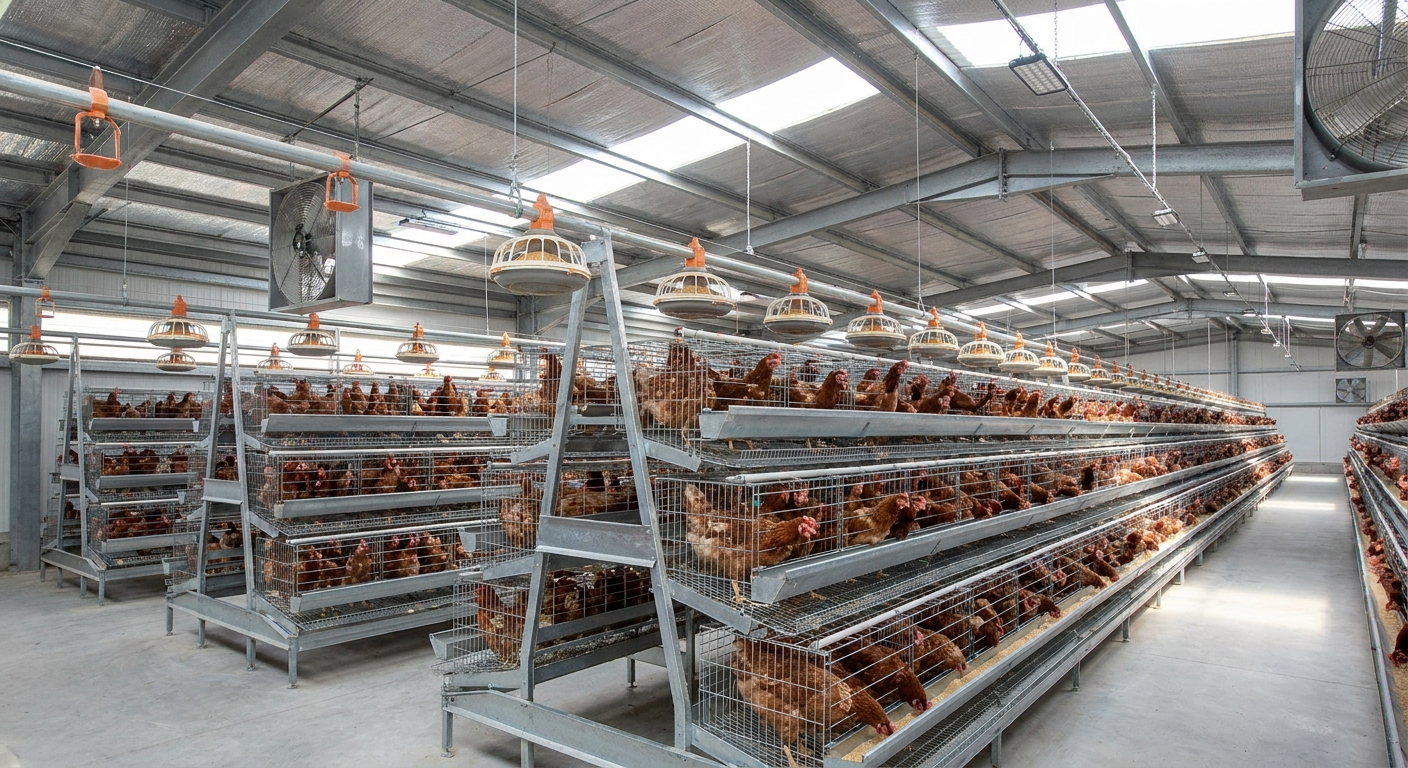
Finding a trusted supplier for your poultry house kenya guarantees that your steel frames meet international wind and structural load standards. Choosing a certified manufacturer who handles shipping directly to Mombasa Port prevents customs problems. This seamless delivery keeps your local building team working on schedule without delays.
You should choose an experienced partner who can customize building designs to support your exact cage setup and automated equipment. Verify their previous track record with large agricultural projects across East Africa. This research keeps your capital investment safe and highly productive.
Why buy direct from an international manufacturer?
Here is the catch: buying through local middle-men often adds massive markups without improving product quality. Purchasing directly from the factory floor guarantees you get engineered parts that fit together perfectly.
- Saves up to 30% by cutting out broker commissions.
- Grants direct access to professional engineering adjustments.
- Guarantees raw material certifications for durable galvanized steel.
Think about this: why pay broker fees when you can work directly with structural designers?
What quality certifications should you verify?
But that’s not all: substandard steel can buckle under heavy wind loads or thermal expansion. You must verify that your manufacturer holds international ISO and CE production credentials.
- ISO 9001: Standard for consistent manufacturing quality.
- CE Marking: Compliance with high European health and safety guidelines.
- AWS Certification: Certified structural welds on all main steel frames.
Here is the catch: uncertified materials lack guaranteed chemical and physical specifications.
Key Takeaway: Partnering directly with an ISO-certified prefab manufacturer reduces project risk by eliminating middleman markups and guaranteeing engineered component fitment.
| Supplier Criteria | Local Small Workshops | Showhoo Prefab Factory | |
|---|---|---|---|
| Certifications | None | ISO 9001, CE Certified | |
| Customization | Low (Limited machinery) | High (Computer-aided design) | |
| Shipping Support | None | Full CIF Mombasa logistics |
Partnering with a recognized manufacturing brand secures dependable support from the design phase to final farm assembly.
How to assemble a prefabricated poultry house kenya?
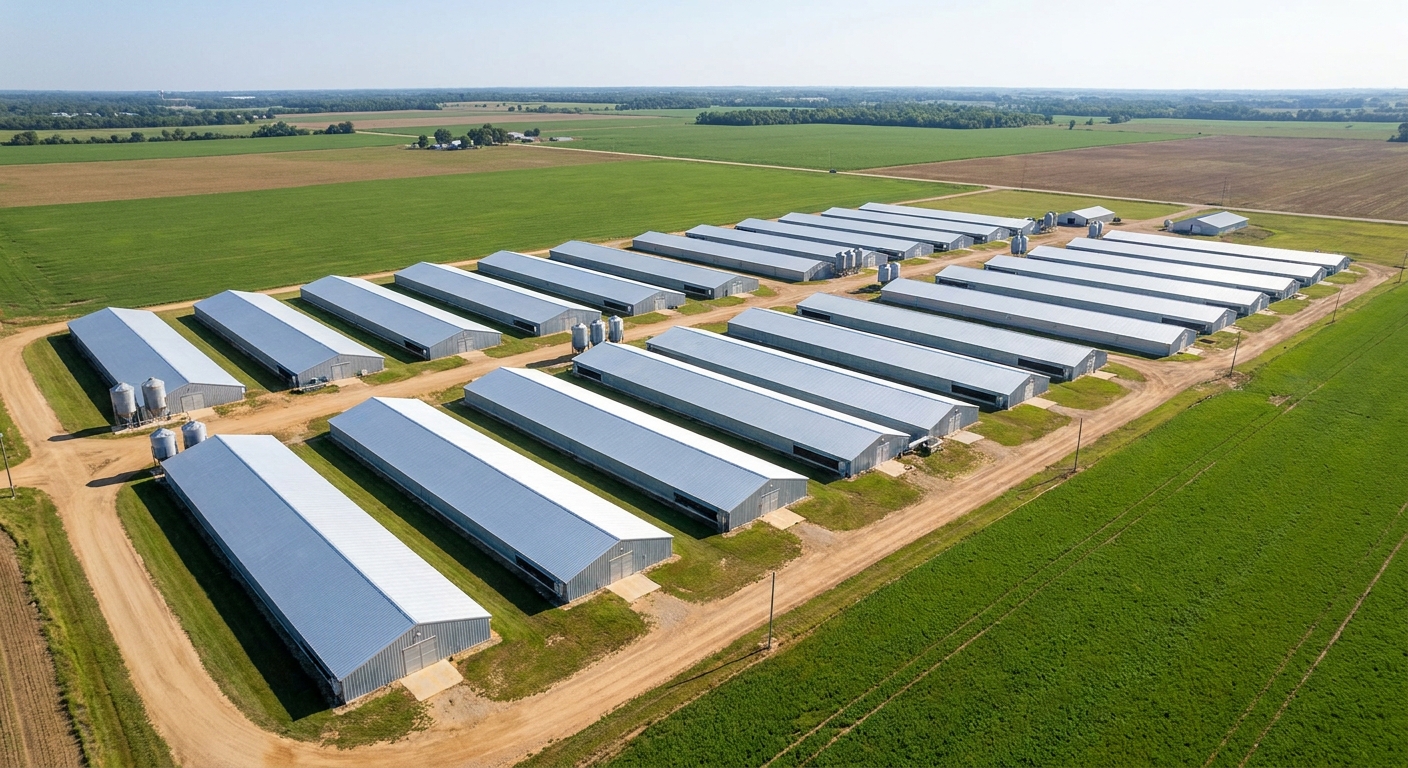
Assembling a prefabricated poultry house kenya requires a systematic workflow that starts with a level concrete foundation and anchor bolt layouts. Every steel component is pre-cut and pre-punched at the factory to allow for quick bolt-together installation on site. This system removes the risk of manual welding mistakes during setup.
You can use a local labor team guided by clear structural blueprints and assembly manuals provided by the manufacturer. Proper assembly keeps your structure structurally sound and ready for automated feeding systems. This simple process gets your commercial poultry farm up and running in record time.
Foundation prep and anchor bolt setting
Think about it: a building that arrives pre-cut and pre-punched eliminates field welding mistakes entirely. It all starts with a perfectly level concrete floor and precise anchor bolt alignments.
- Laying heavy-duty concrete foundations designed for wet sanitization.
- Setting heavy steel anchor bolts directly into the wet concrete mix.
- Checking diagonals to ensure a square base layout.
Here is the catch: an uneven foundation can cause framing misalignments later.
Step-by-step frame erection workflow
But that’s not all: erecting the columns in the wrong order can cause structural alignment problems. You must follow the step-by-step assembly guide to lift the main frames safely.
- Lifting and securing the main galvanized steel columns.
- Bolting the roof trusses together on the ground before lifting.
- Installing horizontal C/Z purlins to brace the framework.
Think about this: do you have the necessary lifting equipment ready on-site?
Key Takeaway: Following a factory-designed construction checklist keeps your installation team safe and prevents costly building errors.
| Installation Phase | Major Activity | Key Precision Requirement | |
|---|---|---|---|
| Foundation | Concrete pouring | Perfectly level surfaces | |
| Framing | Column & Truss bolting | Direct diagonal measurements | |
| Cladding | Roof & Wall paneling | Tight weather-proof sealing |
Utilizing a pre-engineered structural system ensures your building matches the original design specifications exactly.
Conclusion
Building a commercial poultry facility in Kenya represents a massive step toward long-term business independence, but relying on yesterday’s materials introduces unnecessary biological and financial risks. Traditional timber housing rots quickly, traps deadly bacteria, and collapses under the weight of modern battery cages and climate systems. Upgrading to a hot-dip galvanized, pre-engineered steel structure resolves these challenges permanently, giving you a biosecure, durable, and highly scalable asset.
At Showhoo, we engineer custom steel poultry houses specifically optimized for East Africa’s unique microclimates and shipping logistics. From precise structural blueprints to safe delivery at Mombasa Port, our team ensures your agricultural development project is built for maximum production density and minimal lifetime maintenance. Do not leave your flock’s health and your capital investment to chance; contact us today to receive a customized bill of quantities and take the first step toward building a highly profitable, automated poultry enterprise that will feed and lead the region for decades.
Build Your Durable Poultry House Kenya Today !
Email:sales@showhoo.com.cn
Phone/WhatsApp: + 86 186 7895 5927
Frequently Asked Questions
What’s the best structural material for a chicken coop in Kenya?
Yes, hot-dip galvanized steel is absolutely the best choice. It offers complete immunity to termite damage, zero pathogen absorption, and a long lifespan of over 50 years, which local timber simply cannot match.
Can I customize the steel building to support multi-tier battery cages?
Yes, you absolutely can. Our engineering team customizes the column spacing, eave height, and ceiling load capacities to integrate seamlessly with all major automated cage and feeding systems.
How do I know if my farm site has correct drainage for construction?
No, you cannot rely on visual checks alone during dry seasons. You should observe water flow during heavy rains or consult a local engineer to ensure the plot is elevated and free from flood risks.
Can I assemble the prefabricated structural frames with a local crew?
Yes, you easily can. Every single component arrives pre-cut, pre-drilled, and ready for quick bolt-together assembly, eliminating the need for specialized field welding or heavy machinery.
What’s the best way to handle shipping and customs clearance at Mombasa Port?
Yes, shipping under CIF terms is highly recommended. Showhoo packages all steel components into standard sea containers and provides complete commercial documentation to your local customs clearing agent.