
Pricing typically ranges between $350,000 and $550,000 before factoring specialized site preparations. Commercial developers constantly battle severe space limitations while watching traditional construction budgets spiral completely out of control. Wasting hard-earned capital on delayed masonry projects causes massive financial anxiety for growing industrial operations facing tight deadlines. Fortunately, a customized 100 x 250 steel building offers expansive clear-span interiors solving warehousing headaches immediately. Choosing prefabricated metal architecture eliminates weather delays completely while delivering unmatched structural integrity against harsh environmental elements. You gain permanent asset value without suffering endless contractor disputes slowing your enterprise expansion plans. We provide premium engineered facilities designed precisely for commercial applications requiring maximum durability.
What Is the Base Cost of a 100 x 250 Steel Building?
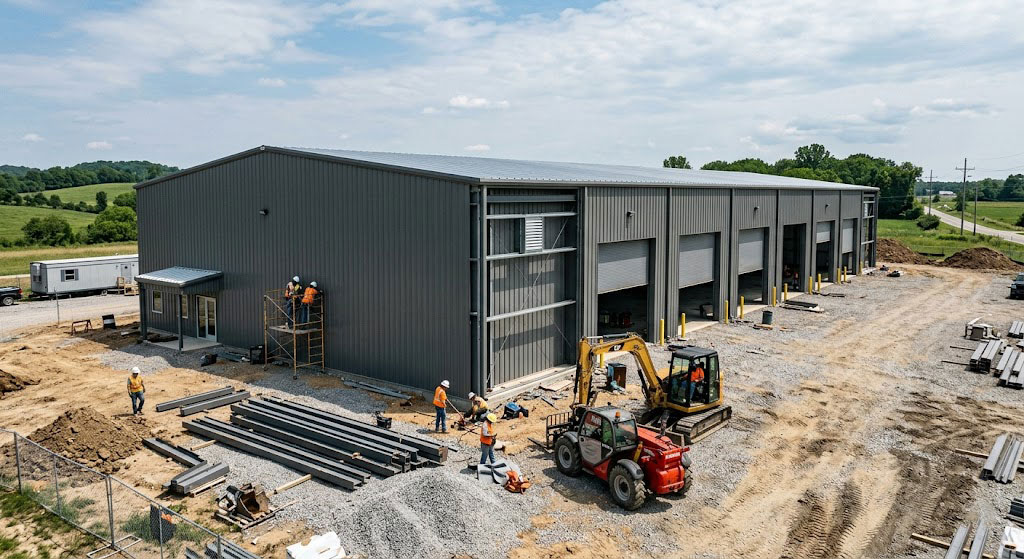
Expect standard kit pricing near $15 per square foot covering basic rigid-frame structural components. Purchasing a 100 x 250 steel building depends heavily upon current market fluctuations affecting global raw material supply chains. Buyers must secure accurate manufacturing quotes early because commodity rates shift dramatically during peak construction seasons globally. Here’s the deal, proactive developers lock down pricing contracts anticipating sudden inflationary spikes impacting heavy industrial commodities. You protect valuable capital planning ahead carefully.
What dictates initial pricing?
Global iron ore availability dictates factory output scheduling directly impacting your final invoice amounts. Factories purchase supplies quarterly passing sudden bulk discounts straight toward proactive commercial buyers timing their orders perfectly. Savvy project managers track manufacturing lulls carefully striking lucrative deals maximizing their overall return on investment. You secure massive savings avoiding peak summer rushes completely.
How do raw materials factor in?
Sourcing high-grade components locally eliminates expensive international shipping tariffs while supporting regional economic development initiatives effectively.
- Primary framing beams dictate core structural stability.
- Secondary purlins provide essential roof panel support.
- Heavy-gauge sheathing protects interiors from extreme weather.
- Galvanized fasteners prevent premature rust accumulation reliably. Key Takeaway: Lock down raw material contracts fast while negotiating accessory packages bulk discounts simultaneously.
| Component Type | Estimated Price Range | Structural Impact Level | Budget Priority |
|---|---|---|---|
| Primary Framing | $8 – $12 / sq ft | High | Maximum |
| Secondary Support | $3 – $5 / sq ft | Medium | High |
| Exterior Sheathing | $4 – $7 / sq ft | High | High |
| Heavy Fasteners | $1 – $2 / sq ft | Low | Medium |
Analyzing these individual component estimates reveals primary framing commands your largest budget share consistently.
How Do Customizations Affect a 100 x 250 Steel Building?
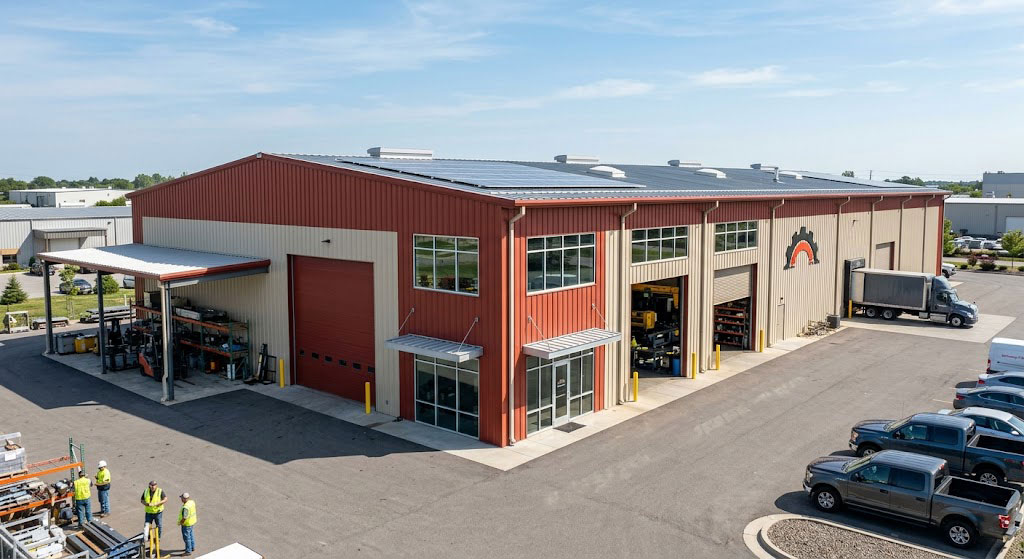
Premium custom features easily push your 100 x 250 steel building past standard industrial aesthetics into luxury commercial territory. Upgrading exterior facades using stone veneer panels increases property valuations significantly within upscale industrial parks demanding strict architectural compliance. Adding specialized mezzanine levels doubles usable floor space without expanding your physical foundation footprint unnecessarily. What’s the real story? Strategic aesthetic investments yield higher tenant lease rates covering initial customization expenses rapidly.
What doors fit massive structures best?
Selecting appropriate entryways dictates daily operational efficiency regarding heavy machinery traffic entering your facility constantly. Installing cheap mechanisms guarantees future mechanical failures halting entire warehouse logistical operations during peak shipping hours.
- Sectional overhead models offer reliable daily performance.
- Aircraft hangar bi-folds accommodate massive agricultural equipment.
- High-speed rolling curtains maintain internal climate control.
- Reinforced personnel doors provide secure employee access. Reach our design team via Phone/WhatsApp: +86 186 7895 5927 discussing specific clearance requirements.
Can aesthetic upgrades boost value?
Integrating architectural trim packages transforms basic metal boxes into striking corporate headquarters projecting immense professional credibility. Color-matched gutters blend seamlessly hiding necessary drainage systems behind sleek modern exterior profiles. Key Takeaway: Prioritize functional entryway mechanics alongside striking exterior aesthetics maximizing both daily workflow efficiency and overall property valuation.
| Custom Feature | Average Cost Addition | Operational Benefit | Aesthetic Value |
|---|---|---|---|
| High-Speed Doors | $3,000 – $8,000 each | Exceptional | Moderate |
| Stone Facades | $15 – $25 / sq ft | Minimal | Outstanding |
| Mezzanine Levels | $20 – $40 / sq ft | Massive Space Gain | Low |
| Skylight Panels | $200 – $500 each | Lower Energy Bills | High |
Reviewing these custom options demonstrates how strategic investments improve both functionality and visual appeal simultaneously.
Why Does Location Impact a 100 x 250 Steel Building?
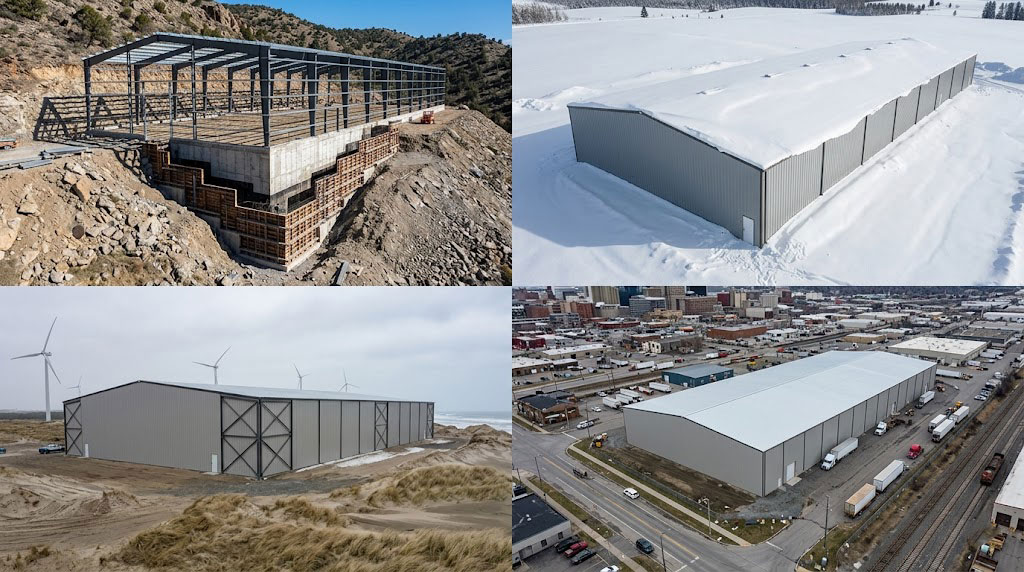
Geographic placement alters your 100 x 250 steel building engineering requirements drastically depending upon regional extreme weather patterns. Northern territories demand significantly thicker roof panels supporting massive winter precipitation accumulations safely preventing catastrophic structural failures. Coastal zones require specialized anti-corrosion coatings protecting underlying steel framing against relentless saltwater atmospheric degradation. Believe it or not, ignoring municipal building codes brings massive legal liabilities along with mandatory retrofitting penalties handed down by aggressive county inspectors.
Do snow loads change structural designs?
Heavy winter blizzards force engineers beefing up purlin spacing handling thousands of pounds pressing downward continuously. Failing load calculations risks catastrophic roof cave-ins destroying valuable inventory stored beneath compromised ceiling trusses.
- Steeper roof pitches shed heavy snow naturally.
- Reinforced rafters handle asymmetrical ice accumulations.
- Thermal breaks prevent destructive condensation buildup internally.
- Upgraded gutter systems manage rapid springtime melting. You save thousands avoiding structural disaster consulting regional engineers early confirming precise load specifications beforehand.
How do seismic zones affect engineering?
Building near active fault lines requires flexible moment-resisting frames absorbing violent ground tremors without shattering structural connections. Heavy-duty anchor bolts secure base plates firmly stopping facilities from sliding off concrete foundations during major earthquakes. Key Takeaway: Never underestimate regional weather demands when approving structural blueprints because nature destroys inadequate architecture quickly.
| Location Challenge | Engineering Solution | Estimated Cost Impact | Code Strictness |
|---|---|---|---|
| Heavy Snowfall | Thicker Roof Panels | +10% to +15% | High |
| Hurricane Winds | Extra Cross Bracing | +8% to +12% | Maximum |
| Seismic Activity | Flexible Framing | +15% to +20% | Maximum |
| Coastal Saltwater | Galvanized Coatings | +5% to +8% | Moderate |
Evaluating geographic engineering requirements highlights why generalized national price quotes often fail addressing specific local challenges.
Can I Insulate My 100 x 250 Steel Building Cheaply?
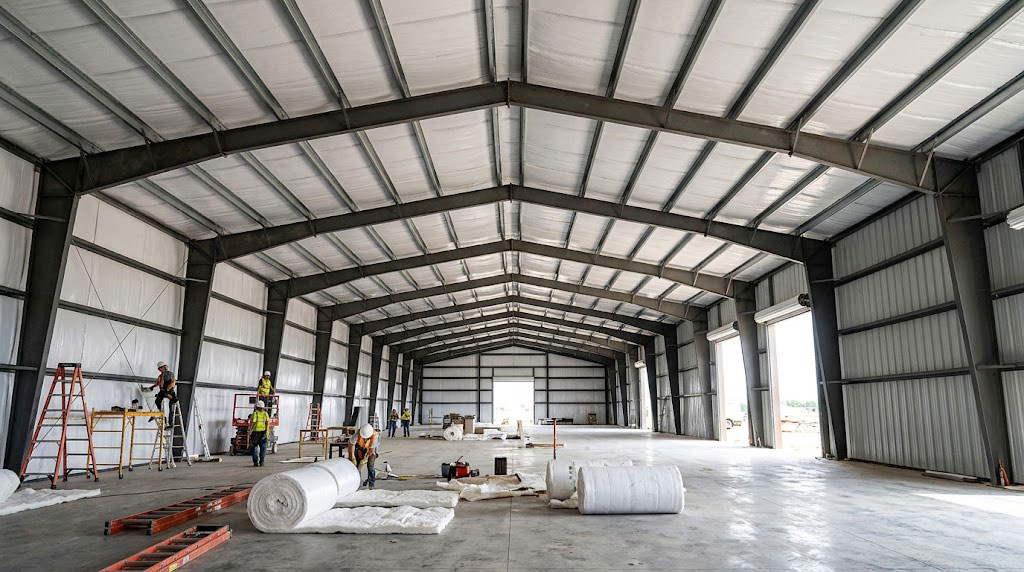
Basic fiberglass rolls provide economical temperature control keeping your 100 x 250 steel building comfortable year-round. Maintaining stable internal climates protects sensitive manufacturing equipment preventing condensation drips rusting expensive machinery overnight. Uninsulated metal structures act like massive ovens during summer months destroying perishable inventory quickly. Ready for the good part? High-efficiency thermal barriers slash monthly utility bills dramatically returning your initial investment within three short years.
What thermal barriers work best?
Spray foam applications expand filling every tiny crevice creating perfectly sealed airtight envelopes blocking drafty winds completely. While demanding higher upfront capital, closed-cell polyurethane foam adds significant structural rigidity reinforcing exterior panels against minor impacts.
- Fiberglass batts offer exceptional budget-friendly performance.
- Rigid foam boards provide excellent continuous coverage.
- Spray polyurethane stops moisture infiltration permanently.
- Reflective bubble wrap blocks radiant summer heat. Contact our experts via Email: sales@showhoo.com.cn selecting optimal thermal protection strategies fitting your precise operational budget.
Does condensation cause permanent damage?
Warm moist air hitting cold metal surfaces creates relentless “sweating” damaging stored cardboard packaging rapidly. Vapor retarders applied facing interior spaces block humidity migration preventing mold growth hiding behind wall panels. Key Takeaway: Invest heavily upfront implementing premium climate control systems protecting valuable internal assets while slashing long-term HVAC operating expenses continuously.
| Insulation Material | R-Value per Inch | Moisture Resistance | Installation Cost |
|---|---|---|---|
| Fiberglass Rolls | R-3.0 to R-3.3 | Low | $1.00 – $1.50 / sq ft |
| Spray Foam | R-6.0 to R-7.0 | Outstanding | $2.50 – $4.00 / sq ft |
| Rigid Boards | R-4.0 to R-5.0 | High | $1.50 – $2.50 / sq ft |
| Reflective Wrap | Varies by airspace | Moderate | $0.50 – $1.00 / sq ft |
Comparing thermal barrier options indicates spray foam delivers superior moisture protection despite carrying heftier initial application fees.
What Foundation Suits a 100 x 250 Steel Building?
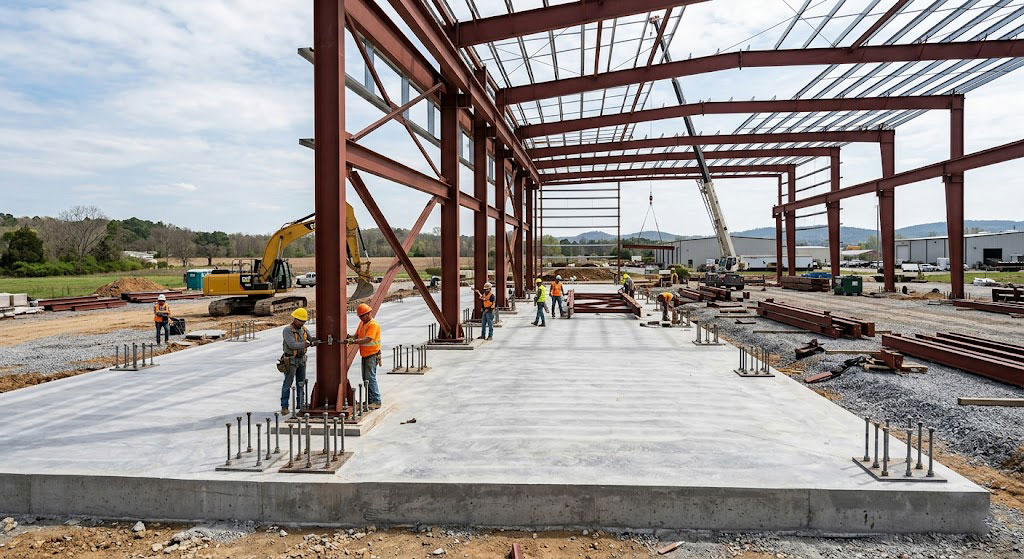
Massive concrete slabs carrying heavy industrial loads cost roughly six dollars per square foot locally. Designing proper ground support for your 100 x 250 steel building demands extensive soil testing confirming subterranean load-bearing capacities. Shifting dirt causes catastrophic concrete cracking threatening entire architectural frameworks towering above compromised base plates. This is where it gets interesting, pouring reinforced monolithic slabs simultaneously creates finished warehouse floors saving subsequent interior finishing expenses.
Why is soil testing mandatory?
Geotechnical engineers analyze underground compositions preventing structures sinking into soft unstable clay deposits over time. Discovering high water tables early allows contractors installing French drains diverting destructive moisture away from critical load-bearing footings.
- Core samples reveal hidden bedrock depths accurately.
- Compaction tests ensure dirt supports heavy machinery.
- Moisture analysis dictates specialized vapor barrier requirements.
- Seismic evaluations determine anchor bolt depths precisely. You avoid million-dollar foundational failures performing rigorous subterranean analysis before pouring any expensive wet cement.
How do piers handle heavy column loads?
Concentrating immense structural weight down isolated concrete cylinders requires precisely engineered steel rebar cages preventing lateral blowouts. Pier systems utilize deep subterranean friction holding massive facilities steady against violent hurricane-force updrafts trying ripping roofs away. Key Takeaway: Never cut corners financing foundational engineering because compromised ground support destroys entire commercial facilities slowly but inevitably.
| Foundation Type | Best Application | Average Cost | Durability Level |
|---|---|---|---|
| Monolithic Slab | Warehouses & Retail | $5 – $8 / sq ft | High |
| Pier & Beam | Agricultural Use | $4 – $6 / sq ft | Moderate |
| Perimeter Trench | Heavy Manufacturing | $7 – $10 / sq ft | Maximum |
| Elevated Plinth | Flood-Prone Areas | $8 – $12 / sq ft | High |
Reviewing foundational approaches confirms monolithic slabs provide unmatched versatility handling dense commercial manufacturing equipment safely.
How Much Is Erection for a 100 x 250 Steel Building?
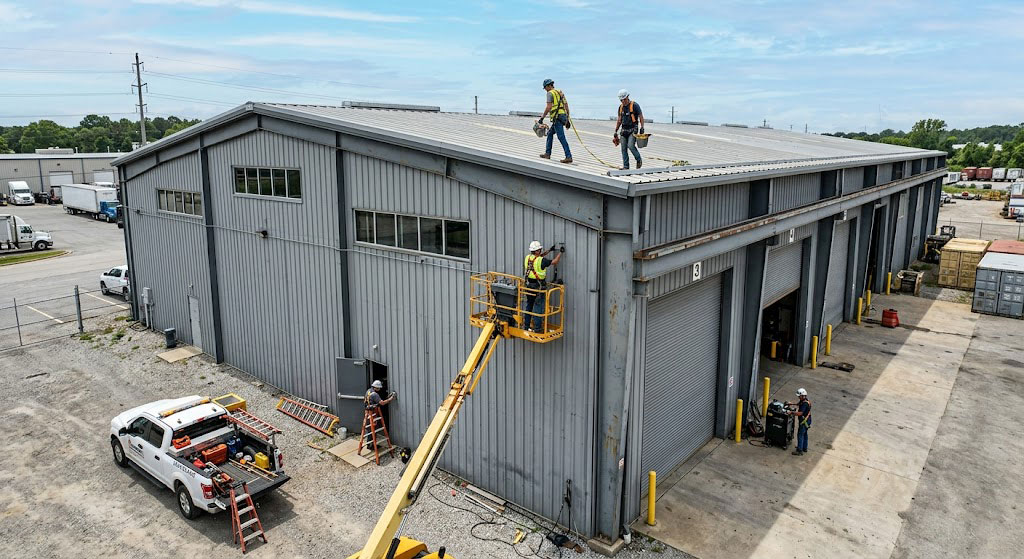
Professional assembly crews generally charge around five dollars per square foot erecting massive commercial framing safely. Lifting heavy steel beams high into your 100 x 250 steel building framework requires specialized crane operators handling dangerous payloads constantly. Inexperienced laborers face severe injury risks attempting complex aerial bolting procedures without proper fall protection harnesses. Truth be told, hiring certified erection specialists accelerates project timelines dramatically letting you begin profitable operations weeks earlier.
Why do complex roof designs cost more?
Steep pitches require workers utilizing expensive articulating boom lifts reaching dangerous heights safely during panel installations. Intricate hip-roof geometries demand meticulous piece-by-piece assembly slowing down daily construction progress significantly compared against simple gable structures.
- High roof peaks increase heavy crane rental durations.
- Multiple valleys demand complex waterproofing flashing installations.
- Heavy structural overhangs require specialized temporary supports.
- Translucent skylights slow standard panel progression rates. Reach out via Phone/WhatsApp: +86 186 7895 5927 requesting detailed assembly labor projections matching your specific architectural blueprints.
Can bad weather halt assembly progress?
High winds force site managers grounding crane operations immediately preventing heavy swinging beams crushing ground personnel unexpectedly. Lightning storms mandate total site evacuations pushing scheduled completion dates backward while racking up expensive daily equipment rental fees. Key Takeaway: Hire seasoned commercial crews holding extensive safety certifications guaranteeing rapid assembly without risking tragic workplace accidents.
| Erection Factor | Cost Impact | Time Delay Risk | Safety Concern |
|---|---|---|---|
| Standard Assembly | $4 – $6 / sq ft | Low | Moderate |
| Complex Roofing | +$2 – $4 / sq ft | High | Maximum |
| Extreme Heights | +$1 – $3 / sq ft | Medium | Maximum |
| Bad Weather Days | Varies by delay | Maximum | Low (if paused) |
Analyzing assembly variables demonstrates how complex architectural choices inflate labor budgets rapidly due toward slower installation speeds.
Are Delivery Fees High for a 100 x 250 Steel Building?
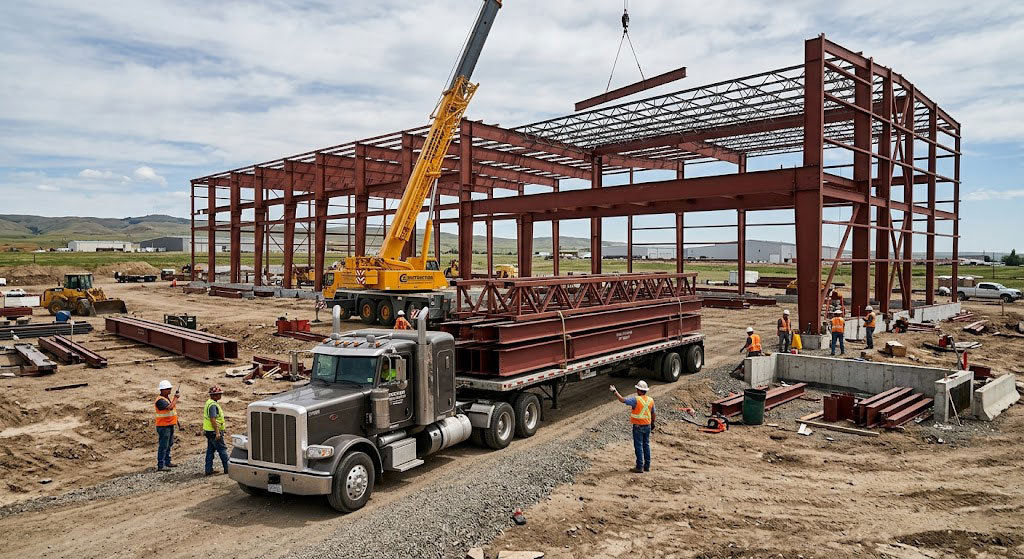
Freight logistics delivering tons of raw materials typically run between five percent and ten percent regarding total kit pricing. Transporting a massive 100 x 250 steel building involves coordinating multiple flatbed trailers crossing state lines hauling oversized loads legally. Remote construction sites face hefty mileage surcharges covering fuel expenses plus specialized driver compensation handling treacherous dirt access roads. Look closely, poor logistical planning results leaving expensive erection crews standing around earning hourly wages awaiting delayed material shipments.
How do oversized loads affect freight?
Extra-long primary rafters require specialized escort vehicles displaying flashing warning lights navigating tight highway offramps carefully. State transportation departments mandate expensive travel permits restricting hauling hours keeping dangerous wide loads off roads during heavy rush-hour traffic.
- Specialized escort cars charge premium daily rates.
- Municipal travel permits add hidden administrative expenses.
- Restricted hauling hours extend total delivery timelines.
- Route surveys prevent trucks hitting low highway overpasses. You bypass massive logistical headaches letting experienced factory dispatchers manage complex interstate freight coordination entirely.
Why is site accessibility critical?
Muddy unpaved access roads trap heavy semi-trucks causing massive project delays requiring expensive heavy-duty tow truck interventions. Staging areas must accommodate massive turning radiuses letting fifty-foot trailers maneuver safely without destroying existing property landscaping. Key Takeaway: Prepare wide access paths featuring compacted gravel surfaces allowing heavy freight trucks unloading materials smoothly without bogging down.
| Freight Variable | Cost Addition | Logistical Complexity | Delay Potential |
|---|---|---|---|
| Standard Mileage | $2 – $4 per mile | Low | Low |
| Oversized Permits | $100 – $500 per state | High | Medium |
| Escort Vehicles | $1.50 – $2.50 per mile | Medium | Low |
| Poor Site Access | Towing fees ($500+) | Maximum | Maximum |
Evaluating shipping constraints proves remote rugged locations demand significantly higher freight budgets accommodating difficult access challenges.
What Maintenance Does a 100 x 250 Steel Building Need?
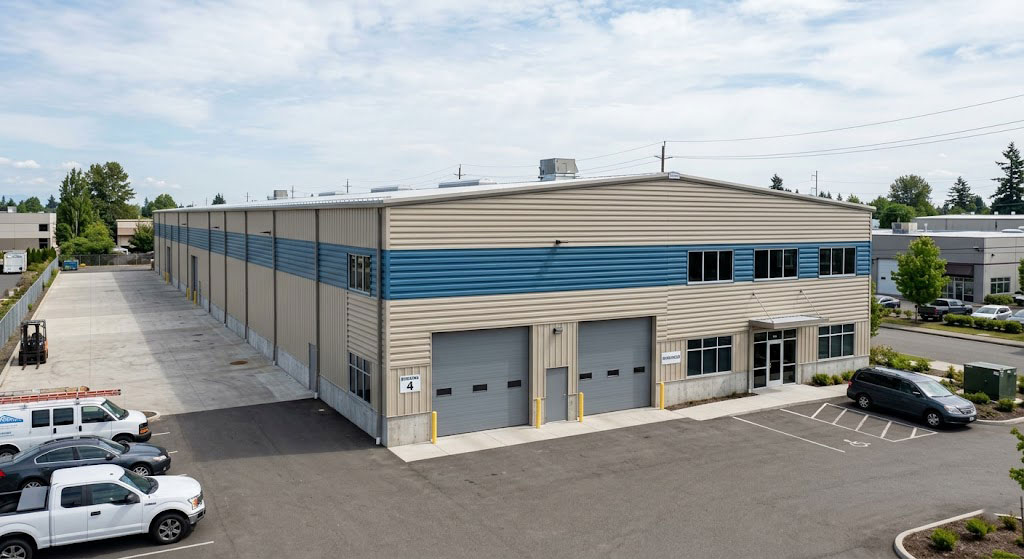
Annual inspections requiring minor paint touch-ups keep your 100 x 250 steel building looking pristine decades after initial construction. Unlike rotting timber structures, galvanized metal frameworks resist destructive termite infestations completely eliminating expensive recurring extermination bills entirely. Modern silicone-polyester paint coatings bake directly onto exterior panels resisting harsh ultraviolet fading remarkably well under relentless summer sunshine. Want to know a secret? Spending pennies proactively clearing blocked gutters saves thousands preventing catastrophic interior flooding during torrential downpours.
How often should roofs be inspected?
Facility managers must walk rooflines biannually checking rubberized fastener washers preventing tiny water leaks destroying internal drywall. Harsh winter ice dams rip metal gutters away demanding immediate springtime repairs protecting underlying foundation perimeters from concentrated waterfall erosion.
- Clear autumn leaves preventing blocked downspout drainage.
- Check rubber grommets surrounding exterior wall fasteners.
- Wash painted surfaces removing corrosive industrial pollutants.
- Inspect weatherstripping sealing massive commercial roll-up doors. You maintain property valuations effectively performing inexpensive preventative maintenance scheduling consistently year after year.
Do scratches cause widespread rust?
Deep gouges exposing bare metal require immediate zinc-rich primer applications halting destructive oxidation spreading silently beneath painted surfaces. Forklift impacts denting interior liner panels look unsightly but rarely compromise structural integrity unless striking primary load-bearing columns forcefully. Key Takeaway: Implement strict preventative maintenance routines fixing minor cosmetic damages immediately before localized issues mutate into massive structural liabilities.
| Maintenance Task | Frequency | Estimated Annual Cost | Consequence of Neglect |
|---|---|---|---|
| Gutter Cleaning | Biannually | $200 – $400 | Foundation Erosion |
| Fastener Checks | Annually | $100 – $300 | Roof Leaks |
| Paint Touch-ups | As Needed | $50 – $150 | Structural Rust |
| Door Servicing | Biannually | $300 – $600 | Operational Halts |
Reviewing routine maintenance schedules reveals metal architecture requires remarkably low ongoing financial commitments compared against traditional masonry.
Is Permitting Hard for a 100 x 250 Steel Building?
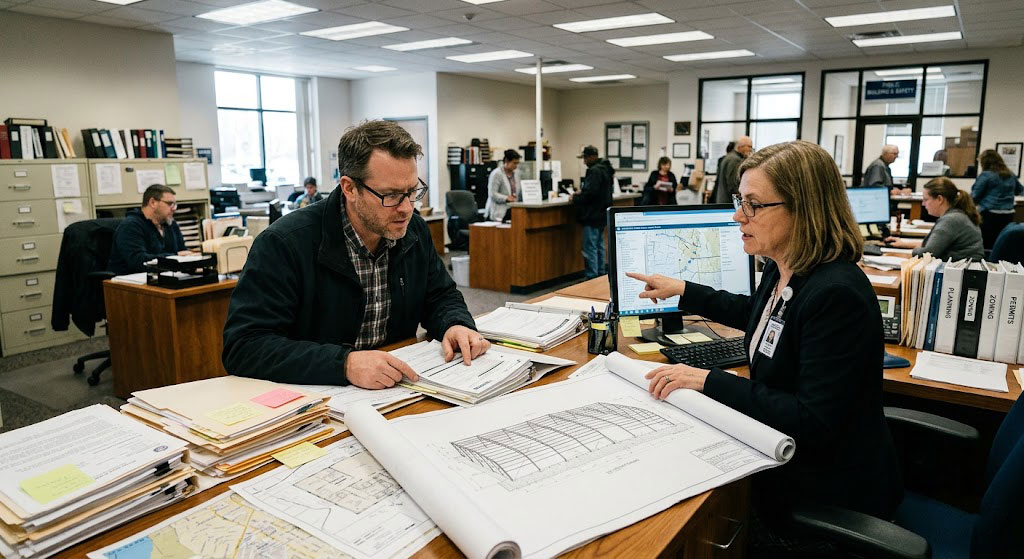
Navigating dense municipal zoning regulations requires submitting detailed stamped blueprints proving your proposed commercial facility meets strict local safety standards. Bureaucratic red tape delays massive industrial projects for months while city planners argue over obscure architectural facade aesthetic requirements. Hiring experienced local architects speeds approval processes significantly because veterans understand exactly what county inspectors demand seeing on submitted documentation. Here’s a thought, attempting circumventing legal building departments brings disastrous stop-work orders paralyzing your entire multi-million dollar commercial expansion.
Why do environmental studies take months?
Developing pristine raw land triggers mandatory ecological impact surveys protecting endangered local wildlife habitats from destructive heavy excavation machinery. Soil erosion control plans must demonstrate how contractors intend stopping muddy runoff polluting nearby municipal water supplies during heavy rainstorms.
- Traffic impact studies analyze new commercial vehicle flow.
- Stormwater management plans detail massive drainage basins.
- Noise abatement strategies protect nearby residential neighborhoods.
- Fire department reviews ensure adequate emergency vehicle access. Contact our planning department at Email: sales@showhoo.com.cn gathering necessary structural documentation satisfying aggressive local zoning boards efficiently.
Do stamped plans guarantee immediate approval?
While engineer-stamped blueprints verify structural integrity perfectly, aesthetic review boards still reject projects failing matching surrounding community architectural standards. Upgrading exterior facades using fake brick wainscoting often satisfies picky municipal planners letting stalled projects resume forward momentum quickly. Key Takeaway: Engage local zoning officials early presenting preliminary sketches gathering actionable feedback preventing expensive blueprint revisions later.
| Permit Type | Typical Approval Time | Estimated Fees | Difficulty Level |
|---|---|---|---|
| Structural Plan | 4 – 8 Weeks | $1,000 – $3,000 | High |
| Environmental | 8 – 16 Weeks | $2,000 – $5,000 | Maximum |
| Stormwater | 6 – 10 Weeks | $1,500 – $4,000 | High |
| Fire Safety | 2 – 4 Weeks | $500 – $1,500 | Moderate |
Studying permitting timelines emphasizes why developers must initiate bureaucratic approval processes months before breaking ground.
How to Buy a Cheap 100 x 250 Steel Building?
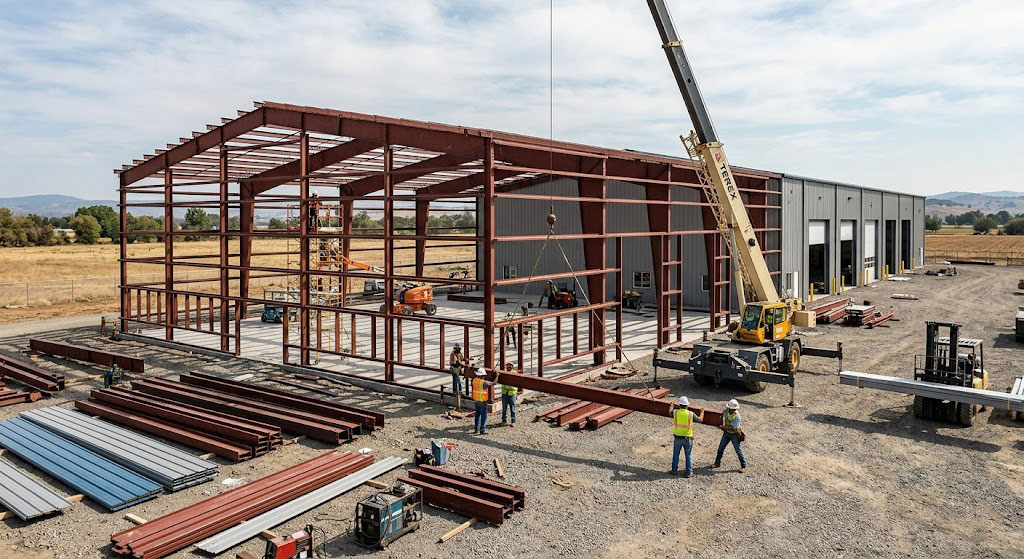
Procuring clearance models during slow winter months slashes your 100 x 250 steel building total invoice substantially. Manufacturers occasionally miscalculate massive inventory projections leaving perfectly good canceled-order kits sitting inside factories occupying valuable floor space uselessly. Astute buyers snatch these orphaned structures grabbing premium commercial square footage paying pennies compared against custom-engineered retail pricing. The bottom line? Flexibility regarding precise dimensions allows purchasing discounted stock kits shipping immediately without suffering long manufacturing delays.
Do turnkey packages save money?
Bundling design engineering alongside raw material fabrication plus final site assembly reduces overall project management headaches dramatically. Working exclusively through single-source providers eliminates costly miscommunications happening constantly between independent architects fighting against stubborn factory floor managers.
- Single-source accountability prevents vendor finger-pointing.
- Bundled discounts reduce total aggregate project expenses.
- Streamlined communication accelerates overall construction timelines.
- Unified warranty coverage protects your entire investment. You achieve maximum financial efficiency treating commercial construction projects holistically rather than purchasing fragmented services individually.
Can acting as owner-builder slash costs?
Handling local subcontractor hiring directly avoids paying hefty twenty-percent general contractor markup fees inflating overall construction budgets artificially. Acting as head project manager requires immense dedication scheduling plumbers alongside electricians precisely preventing massive site coordination disasters. Key Takeaway: Leverage canceled-order factory inventory aggressively while managing local subcontractors directly maximizing every single construction dollar spent.
| Cost-Saving Strategy | Potential Savings | Effort Required | Risk Level |
|---|---|---|---|
| Buying Canceled Kits | 15% – 25% | Moderate | Low |
| Owner-Builder Route | 10% – 20% | Maximum | High |
| Winter Purchasing | 5% – 10% | Low | Low |
| Standard Dimensions | 5% – 8% | Low | Low |
Analyzing discount strategies proves proactive buyers willing doing extra legwork secure massive commercial facilities keeping budgets intact.
Contact Summary Table
Managing escalating traditional construction costs remains incredibly stressful while businesses desperately need expansive operational footprints quickly. Prefabricated metal architecture eliminates weather-delayed masonry projects delivering exceptionally durable commercial facilities resisting harsh environments flawlessly. We construct premium structures engineered specifically handling your toughest industrial demands daily. Ready realizing your expansion vision? Please contact us today Request a Custom Design & Cost Breakdown Now! We deliver structural excellence globally.
| Phone/WhatsApp: | +86 186 7895 5927 | 24/7 Rapid Response |
| sales@showhoo.com.cn | Same Day Estimates |
FAQ
Q1: What is the base cost of this structure? Expect base kit pricing around $15 per square foot. Prices fluctuate based on global steel commodity trading rates and seasonal manufacturing demands.
Q2: How does custom insulation work? Premium spray foam seals internal environments completely. Closing microscopic air gaps prevents external moisture infiltration while drastically reducing monthly commercial heating expenses.
Q3: Can I pour concrete foundations cheaply? Monolithic slabs provide excellent value merging floors with footings. Attempting cheap subterranean engineering risks catastrophic cracking destroying entire architectural frameworks sitting above.
Q4: What’s the best way handling freight logistics? Let experienced factory dispatchers coordinate interstate heavy transport. Managing wide-load permits alongside specialized escort vehicles proves incredibly complex without dedicated logistical expertise.
Q5: How do I know if permits delay construction? Environmental impact studies stretch timelines across multiple months consistently. Stamped blueprints must pass aggressive local zoning board reviews before any physical site excavation begins.