
A standard commercial structure typically ranges between $187,500 and $225,000 depending upon specific material choices alongside regional regulations. Expanding your business operations often demands massive facility space, bringing heavy financial pressure instantly. Watching project budgets spiral out of control due to unforeseen construction delays leaves many corporate owners feeling completely overwhelmed. Choosing a prefabricated metal framework offers an exact, reliable 50 x 150 steel building cost, keeping your financial planning perfectly intact.
How Much Does a 50 x 150 Steel Building Cost Initially?
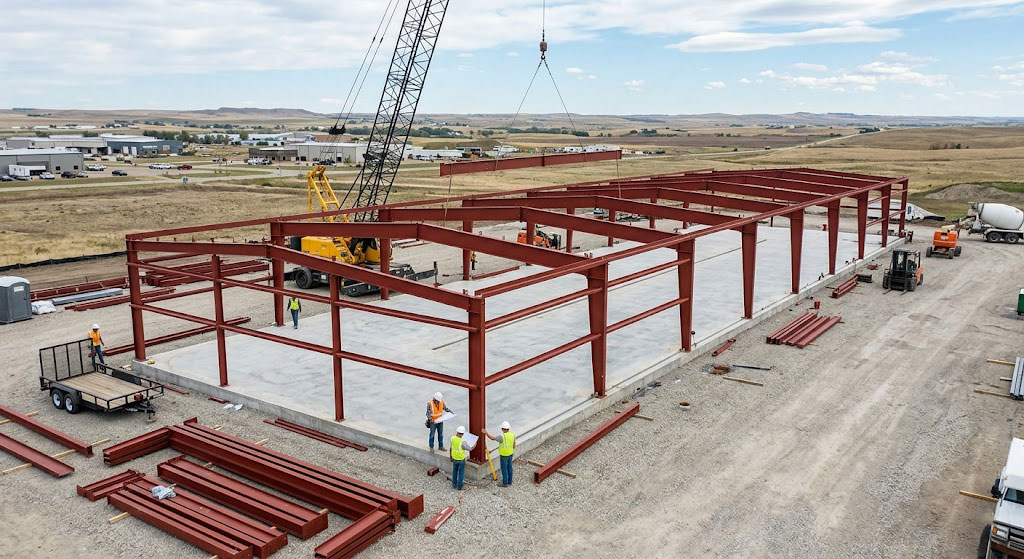
Your initial 50 x 150 steel building cost generally starts around $25 per square foot for basic kits. Business owners require accurate budgeting estimates before breaking ground on new commercial facilities. Establishing a baseline figure helps project managers allocate capital efficiently across multiple construction phases.
Early planning prevents unexpected financial shortfalls during later development stages. Knowing exact base figures provides tremendous peace of mind for corporate investors globally.
What Drives Base Market Pricing?
What’s the real story? Material market fluctuations dictate daily pricing models for heavy industrial metals. Global suppliers adjust structural component rates based upon international demand shifts.
Bulk purchasing power often yields better financial terms for large-scale corporate projects. Consistent supply chains help stabilize these fundamental material expenses substantially.
Does Framing Style Matter Here?
Clear-span designs require more robust rafters, slightly increasing base construction expenses.
- Rigid frame structures handle heavier snow loads effectively.
- Modular frames offer highly economical solutions for interior column placement.
- Tapered columns optimize raw metal usage efficiently.
Key Takeaway: Selecting an appropriate architectural layout directly impacts your budget, guaranteeing maximum usable square footage without overspending on unnecessary metal weight.
Tracking daily metal commodity markets prevents paying premium rates for standard framing components.
What Are the Main Factors Affecting a 50 x 150 Steel Building Cost?
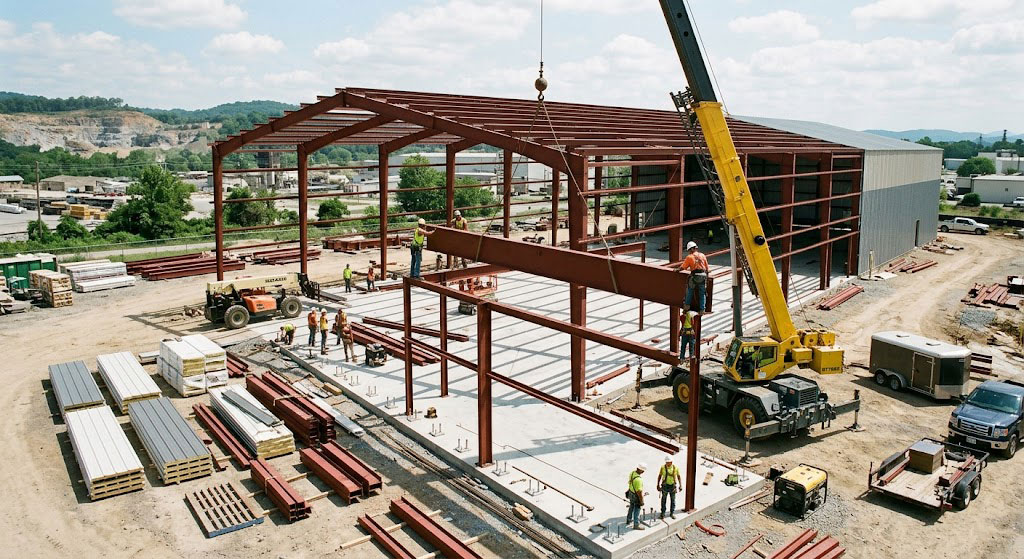
Several distinct variables heavily influence your 50 x 150 steel building cost, including strict local zoning codes and required material grades. Recognizing these primary drivers allows facility planners to forecast total project expenses accurately. Careful analysis of each structural component prevents nasty budget surprises down the road.
Advanced preparation remains absolutely paramount for any successful commercial expansion initiative.
How Do Engineering Standards Alter Pricing?
But here’s the kicker… Strict municipal laws dictate specific engineering loads for all new commercial structures. Upgrading wind ratings naturally requires much thicker, heavier gauge framing materials.
Heavy snow load requirements also force structural engineers to beef up roof trusses drastically. These necessary architectural enhancements guarantee long-term safety alongside strict legal compliance.
Can Premium Insulation Choices Impact Budgets?
Superior climate control solutions represent a major initial investment phase for developers.
- Fiberglass batts provide highly economical thermal resistance initially.
- Spray foam creates an airtight, highly efficient moisture seal.
- Rigid board options offer fantastic vapor barriers.
Key Takeaway: Balancing upfront insulation investments against future energy savings guarantees your new commercial facility operates profitably year after year.
Common Cost Drivers
| Variable | Budget Impact | Strategic Solution |
|---|---|---|
| Local Codes | High | Consult engineers early |
| Wind Loads | Moderate | Upgrade metal gauge |
| Insulation | High | Evaluate ROI yearly |
Properly assessing mandatory structural upgrades eliminates unexpected financial hurdles during the permitting phase.
How Does Location Influence Your 50 x 150 Steel Building Cost?
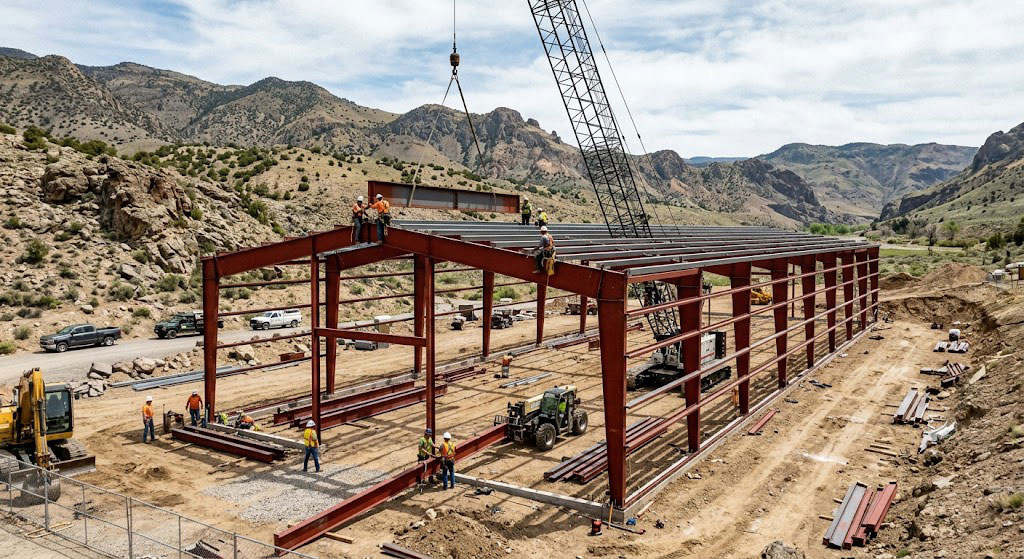
Geographical placement dictates specific engineering loads, which dramatically shifts your 50 x 150 steel building cost. Coastal regions face intense hurricane regulations requiring reinforced connections and much heavier panels. Mountainous zones demand massive roof strength safely combating heavy seasonal snow accumulation.
Urban areas often impose strict aesthetic zoning requirements on new development projects. Understanding municipal demands quickly clarifies your actual architectural scope.
What About Factory Delivery Expenses?
Ready for the good part? Strategically locating your job site near manufacturing hubs slashes transportation fees drastically. Freight charges calculate based strictly upon highway mileage and total payload weight.
Remote rural deliveries incur higher logistics fees due to difficult access routes. Consolidating truck shipments helps mitigate these unavoidable transit expenses beautifully. You can reach out via WhatsApp at +86 186 7895 5927 for precise freight estimates.
Do Local Municipal Permits Cost Much?
City bureaucracies charge varying administrative fees based upon project valuation and total size.
- Commercial zoning reviews require specialized architectural stamps.
- Environmental impact studies become mandatory near protected wetlands.
- Utility connection permits add hidden layers of unexpected expense.
Key Takeaway: Proactively researching municipal permit fee structures prevents costly administrative delays, keeping your entire construction timeline moving perfectly forward.
Location Based Expenses
| Location Factor | Expense Risk | Mitigation Strategy |
|---|---|---|
| Snow/Wind | High | Custom engineering |
| Freight Distance | Moderate | Consolidate shipping |
| Urban Permits | High | Hire local consultants |
Analyzing regional climate demands guarantees complete structural compliance without over-engineering unnecessary support frames.
What Concrete Foundations Impact a 50 x 150 Steel Building Cost?
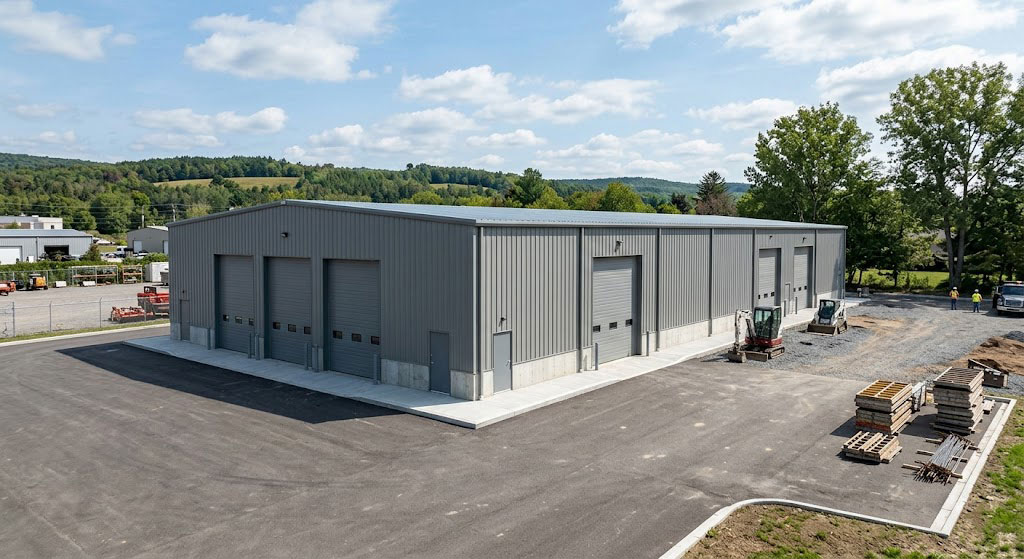
Pouring a reinforced concrete slab adds roughly $5 per square foot onto your overall 50 x 150 steel building cost. A stable base remains absolutely non-negotiable for guaranteeing structural integrity and long-term longevity. Soil quality tests dictate the exact excavation depth and metal reinforcement needed.
Poor ground conditions require extensive grading alongside specialized fill dirt hauling. Investing heavily in proper groundwork guarantees a solid future.
Which Commercial Foundation Type Works Best?
This is where it gets interesting… Floating slabs offer an economical choice for stable, level industrial lots. Pier and beam systems work far better on uneven or sloped terrains.
Heavy perimeter footings provide massive support for thick load-bearing exterior walls. Consulting an experienced geotechnical engineer quickly clarifies the absolute best approach.
How Do Poor Soil Conditions Alter Plans?
Expansive clay soils demand heavily engineered, expensive post-tensioned concrete solutions.
- Sandy terrain requires deep compaction before any wet concrete flows.
- Rocky ground might necessitate expensive dynamite blasting or heavy drilling.
- High water tables force the mandatory installation of costly drainage systems.
Key Takeaway: Conducting thorough geotechnical soil surveys early minimizes foundation risks, guaranteeing your structural base remains completely uncompromised over several decades.
Concrete Foundation Variables
| Soil Type | Recommended Foundation | Cost Impact |
|---|---|---|
| Stable/Flat | Floating Slab | Lowest |
| Sloped Terrain | Pier and Beam | Moderate |
| Expansive Clay | Post-Tensioned | Highest |
Securing proper soil testing data prevents catastrophic settling issues that could destroy expensive framing components.
How Do Custom Features Change a 50 x 150 Steel Building Cost?
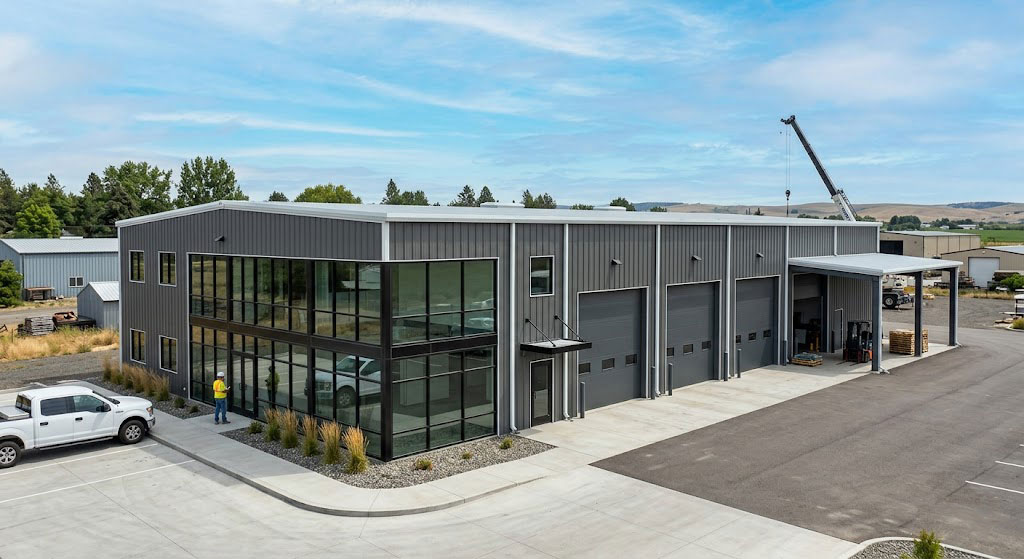
Adding premium rolling doors or specialized ventilation systems raises your 50 x 150 steel building cost drastically. Standard commercial kits offer basic utility, but specialized corporate operations require tailored functional elements. Aesthetic upgrades like classic brick facades transform plain metal boxes into highly professional storefronts.
Upgrading visual curb appeal helps attract retail customers and wealthy corporate clients. Every architectural modification carries a specific price tag requiring careful consideration.
Are Specialized Industrial Doors Worth It?
Believe it or not… Commercial-grade overhead doors streamline daily logistics and warehouse inventory management processes. Heavy-duty metal hardware withstands constant repetitive usage without breaking down prematurely.
Insulated sectional doors maintain strict climate control within sensitive manufacturing environments. These functional upgrades pay massive dividends through vastly improved daily operational efficiency. For customized component pricing, email us directly at sales@showhoo.com.cn anytime.
What About Adding Natural Lighting?
Integrating roof skylights reduces daytime commercial electricity dependency quite dramatically.
- Polycarbonate wall panels introduce soft, diffused sunlight safely indoors.
- Ridge vents combine active air circulation with ambient overhead illumination.
- Large storefront windows create highly welcoming, bright showroom environments.
Key Takeaway: Strategic accessory selections transform a basic shelter into a highly productive commercial workspace, maximizing your overall operational efficiency daily.
Custom Upgrade Investments
| Feature | Primary Benefit | Budget Effect |
|---|---|---|
| Roll-up Doors | Logistics speed | High |
| Skylights | Electricity savings | Low |
| Brick Facade | Visual aesthetics | Moderate |
Selecting functional accessories deliberately boosts daily warehouse productivity while keeping aesthetic expenses strictly controlled.
Why Pick Prefab vs. Traditional for 50 x 150 Steel Building Cost?
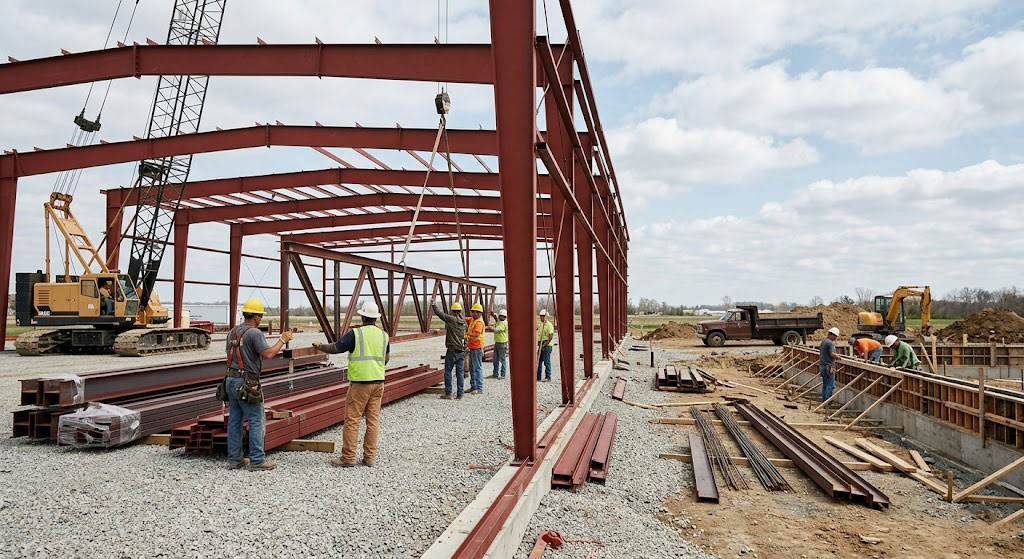
Prefabricated components drastically reduce expensive on-site labor, effectively lowering your overall 50 x 150 steel building cost. Traditional wood framing demands many weeks of highly skilled carpentry work. Factory-engineered metal kits bolt together rapidly using smaller, less specialized construction crews.
Faster commercial occupancy means generating corporate revenue much sooner than originally anticipated.
How Does Assembly Speed Affect Budgeting?
Truth be told… Shaving months off standard construction schedules slashes expensive heavy equipment rental fees. Shorter project durations mean significantly lower liability insurance premiums during the physical build.
Rapid assembly allows ambitious businesses to capitalize on immediate market opportunities. Minimizing site disruption keeps surrounding neighborhood operations running smoothly without costly public complaints.
Is Material Quality Compromised by Speed?
Controlled indoor factory environments guarantee precise millimeter-level manufacturing accuracy constantly.
- Automated robotic welding ensures incredibly strong, consistent structural joints.
- Pre-punched metal holes align perfectly during the final erection phase.
- Standardized protective coatings prevent early corrosion or damaging rust formation.
Key Takeaway: Embracing prefabricated methodology delivers superior structural integrity while simultaneously shrinking project timelines, giving your business a distinct competitive advantage.
Prefabricated Vs Traditional Methods
| Construction Metric | Prefabricated Metal | Traditional Wood |
|---|---|---|
| Erection Speed | Extremely Fast | Very Slow |
| Labor Expenses | Minimal | High |
| Durability | Decades | Susceptible to rot |
Leveraging factory automation guarantees structural precision while eliminating expensive human errors on the busy job site.
What Hidden Fees Might Affect Your 50 x 150 Steel Building Cost?
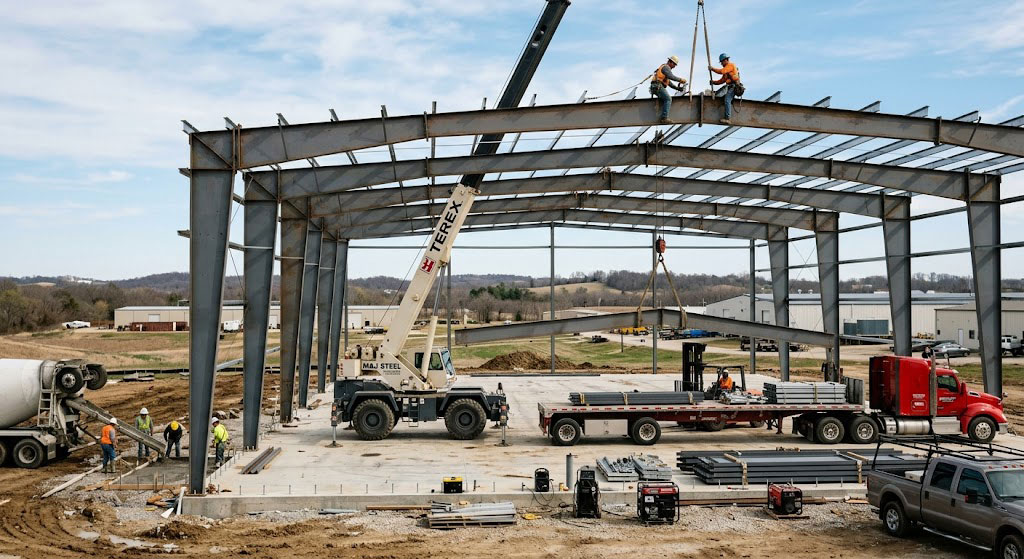
Unplanned site grading or complex utility hookups frequently inflate an unprepared 50 x 150 steel building cost. Inexperienced commercial buyers often overlook necessary interior finishing expenses like drywall and plumbing. Electrical panels capable of handling heavy industrial machinery require substantial financial outlay.
Overlooking these secondary expenses derails otherwise well-planned corporate expansion budgets completely. Thorough financial forecasting demands brutal honesty regarding true project scope.
Do Interior Office Build-Outs Cost Much?
Here’s the catch… Transforming a raw metal shell into habitable office space requires massive capital. Framing interior partition walls adds extra material and specialized labor expenses.
Installing commercial-grade flooring over raw concrete represents another major construction phase. Dropped architectural ceilings require intricate logistical coordination between multiple specialized subcontractors.
What About Unforeseen Site Prep Surprises?
Clearing massive underground tree stumps requires heavy excavation machinery rentals.
- Hauling away chemically contaminated soil triggers strict environmental disposal fees.
- Rerouting existing municipal utility lines demands slow governmental oversight.
- Building temporary heavy equipment access roads consumes vast quantities of gravel.
Key Takeaway: Allocating a generous contingency fund cushions against unforeseen site complications, keeping your commercial build financially secure from start to finish.
Potential Hidden Expenses
| Expense Category | Trigger Event | Financial Impact |
|---|---|---|
| Utilities | Long trenching runs | High |
| Soil Removal | Contamination | Very High |
| Interior Finish | Office space needs | Moderate |
Maintaining strict contingency reserves prevents project stagnation when unexpected subterranean obstacles inevitably appear.
How Can You Reduce the Overall 50 x 150 Steel Building Cost?
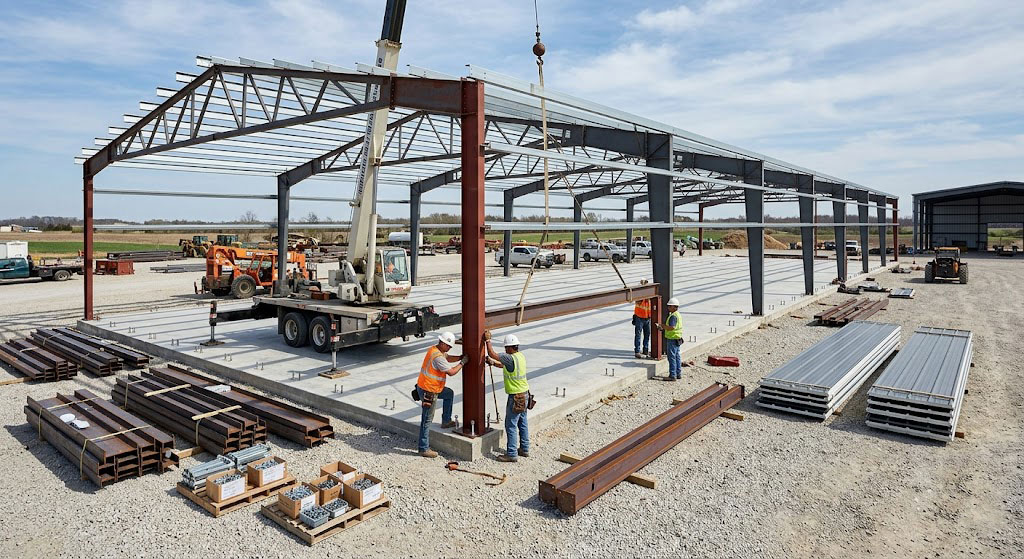
Standardizing your roof pitch and minimizing custom corners directly shrinks your overall 50 x 150 steel building cost. Symmetrical architectural designs manufacture much faster and erect with incredible ease. Avoiding overly complex facade flourishes keeps factory engineering time to an absolute minimum.
Smart structural choices yield massive financial savings without ever sacrificing basic utility. Practical functionality should always trump unnecessary visual vanity.
Should You Manage the Build Directly?
Think about it… Acting as your own general contractor saves tremendous markup percentages. Coordinating local subcontractors yourself requires intense daily dedication but pays off handsomely.
Managing municipal permitting processes personally eliminates expensive administrative consulting fees. Sourcing standard industrial accessories directly from manufacturers cuts out greedy middlemen entirely.
Can Smart Design Choices Save Capital?
Utilizing a lower roof pitch requires significantly less raw metal sheeting.
- Placing overhead doors on gable ends maintains maximum structural strength.
- Choosing standard color profiles avoids expensive custom factory paint charges.
- Spacing interior framing bays wider reduces total column count drastically.
Key Takeaway: Strategic simplification of your architectural footprint removes unnecessary manufacturing complexities, yielding a highly functional workspace at a fantastic price point.
Strategic Cost Reductions
| Action Taken | Difficulty Level | Potential Savings |
|---|---|---|
| Self-Management | High | Up to 20% |
| Standard Colors | Low | Moderate |
| Lower Roof Pitch | Low | High |
Eliminating complex architectural geometries ensures rapid factory production runs while drastically lowering final invoice totals.
What Is the Long-Term ROI of a 50 x 150 Steel Building Cost?
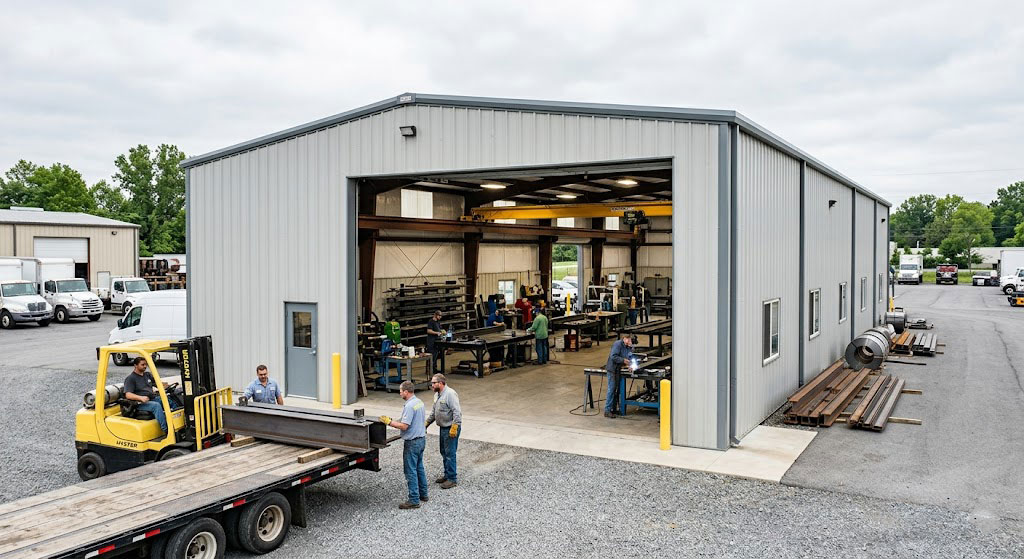
Minimal maintenance requirements and extreme structural durability maximize the return on your 50 x 150 steel building cost. Metal structures resist destructive termites, rotting wood, and devastating fire hazards naturally. These inherent defensive traits drastically lower annual commercial property insurance premiums.
Heavy-duty metal panels withstand decades of harsh weather exposure beautifully while retaining strong resale value.
How Do Energy Savings Add Up Slowly?
Let’s be honest… High-grade commercial insulation packages slash monthly HVAC utility bills drastically. Reflective white roof coatings bounce intense solar radiation away from your active workspace.
Maintaining stable interior temperatures reduces the daily wear on mechanical cooling units. Over twenty years, these combined energy savings completely offset initial construction expenses.
What Are the Annual Maintenance Expectations?
Washing exterior metal panels annually keeps protective paint coatings functioning perfectly.
- Clearing roof gutters prevents damaging water accumulation near delicate eaves.
- Inspecting rubber door seals maintains an airtight, highly efficient thermal envelope.
- Checking framing fastener tightness ensures ongoing structural rigidity during violent storms.
Key Takeaway: A well-maintained prefabricated facility delivers decades of highly profitable service with minimal upkeep, cementing its status as an elite commercial investment.
Long-Term ROI Factors
| ROI Component | Timeframe | Financial Benefit |
|---|---|---|
| Energy Efficiency | Monthly | High utility savings |
| Insurance Drop | Annually | Reduced premiums |
| Resale Value | Decades | Strong equity retention |
Prioritizing preventative maintenance protocols safeguards your massive corporate real estate investment against premature physical depreciation.
Are There Good Financing Options for 50 x 150 Steel Building Cost?
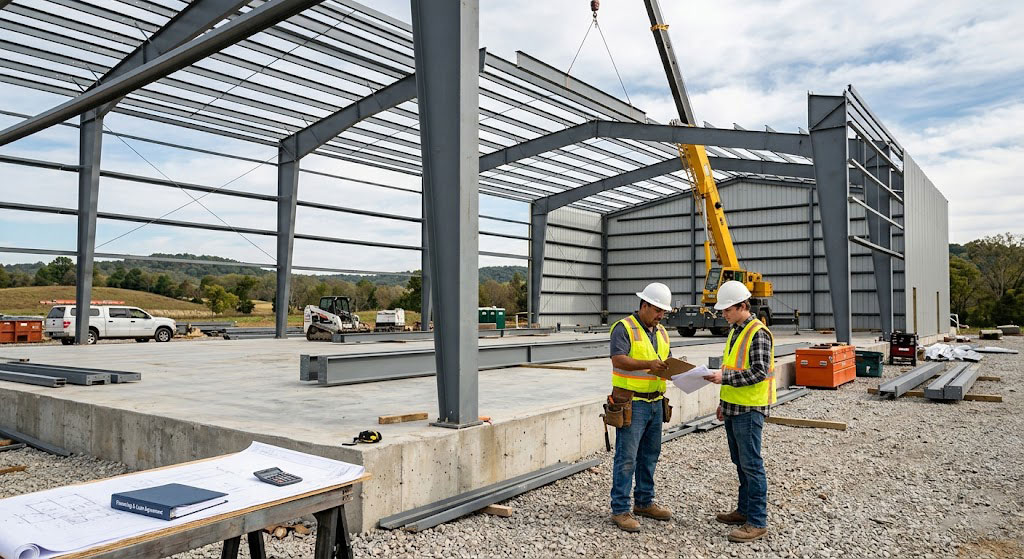
Securing favorable commercial lending terms easily manages a large upfront 50 x 150 steel building cost. Specialized industrial lenders understand the inherent residual value of heavy metal structures. Structuring commercial loans over twenty years keeps monthly operational overhead highly manageable.
Detailed corporate business plans remain mandatory for securing competitive institutional capital safely.
What Do Commercial Lenders Strictly Require?
Here’s the bottom line… Financial institutions demand detailed engineering blueprints before releasing any development funds. Demonstrating strong corporate cash flow reassures banks regarding your long-term repayment capabilities.
Providing accurate quotes from reputable manufacturers builds immediate lender confidence quickly. Securing local municipal zoning approval serves as a mandatory prerequisite for closing.
Should You Lease or Buy Your Facility?
Outright corporate ownership builds tremendous long-term commercial real estate equity.
- Commercial leasing preserves immediate capital for other vital operational inventory purchases.
- Buying allows unrestricted structural modifications suiting dynamically changing operational needs.
- Direct ownership guarantees a fixed monthly payment immune to sudden landlord hikes.
Key Takeaway: Aligning your financing strategy with long-term corporate growth goals ensures your physical expansion supports, rather than strains, your overall financial health.
Financing Strategy Comparison
| Option | Upfront Cost | Long-Term Benefit |
|---|---|---|
| SBA Loan | Moderate | Equity building |
| Cash Purchase | Highest | Zero interest paid |
| Commercial Lease | Lowest | Capital preservation |
Choosing appropriate financial leverage accelerates corporate growth without jeopardizing daily operational liquidity reserves.
Conclusion
We resolved the mystery behind pricing commercial structures, highlighting how specific design choices dictate final expenses. Our dedicated engineering team customizes industrial layouts matching your exact financial parameters perfectly. We engineer robust growth platforms driving global industrial success forward. Start planning your commercial facility upgrade and contact us today for detailed architectural insights. Start Your Project with a Free Consultation Today!
Professional Support Directory
| Service Channel | Contact Details | Availability |
|---|---|---|
| Get a Free Quote | Submit Your Requirements → Receive a Custom Solution | Reply Within 24 Hours |
| WhatsApp/Phone | +86 186 7895 5927 | 24/7 Support |
| sales@showhoo.com.cn | Prompt Reply |
Frequently Asked Questions
Q1: What’s the best way to estimate the final price? You should request a detailed, customized quote directly from the manufacturer. General square footage estimates ignore specific local snow loads, distinct wind requirements, and mandatory custom accessories.
Q2: Can I assemble the structure myself to save money? Yes, you absolutely can erect the framework if you possess commercial construction experience. However, hiring professional steel erectors guarantees safety, guarantees strict compliance with warranties, and drastically speeds up the entire process.
Q3: How do I know if my local building codes affect the price? You must consult your municipal zoning office before purchasing any construction materials. Coastal zones or heavy snow regions legally demand thicker steel profiles, which immediately increases your overall material expenses.
Q4: What’s the best foundation for this size? A poured concrete slab with reinforced perimeter footings serves as the superior choice. This specific design handles massive structural weights while providing a durable, smooth floor for heavy commercial machinery.
Q5: Can I add insulation after the initial construction? Yes, retrofitting insulation remains entirely possible for aging commercial spaces. However, installing insulated panels during the initial erection phase saves massive labor costs and provides vastly superior thermal performance.