
A 50×80 metal building typically costs between $40,000 and $56,000 for the base shell kit, which averages out to roughly $10 to $14 per square foot. However, once you factor in the concrete foundation, professional assembly, and interior finishing, your total turnkey investment for a 50 x 80 metal building can range from $80,000 to over $150,000 depending on your specific customization needs.
What determines the base price of a 50 x 80 metal building?
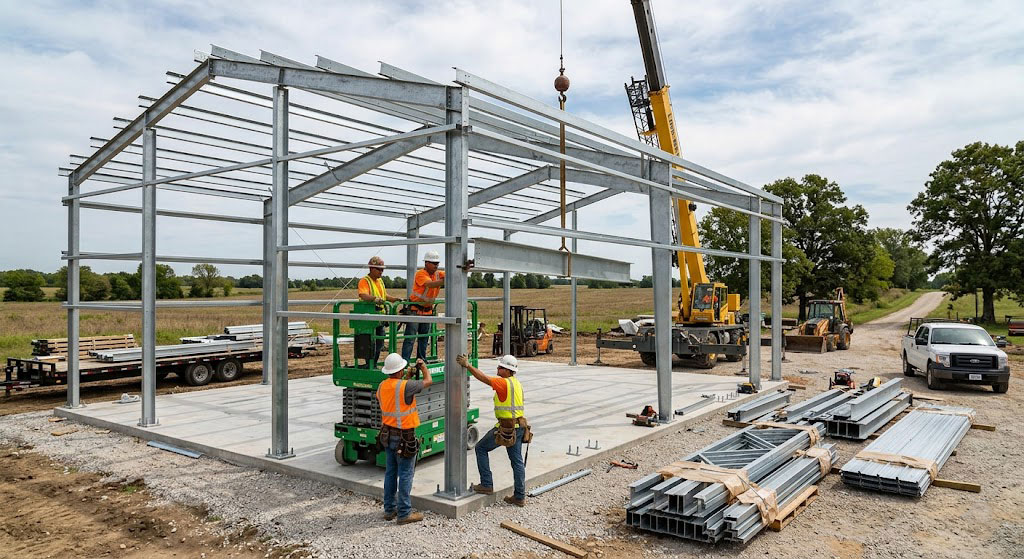
The base price of a 50 x 80 metal building is primarily influenced by the current market rate of raw steel and the complexity of the structural engineering required for your local climate. Manufacturers typically price these kits based on weight, meaning a building designed for heavy snow loads in Minnesota will cost significantly more than a standard structure in a mild climate.
● Steel Market Fluctuations ● Engineering and Wind Loads ● Design Complexity
Are raw material costs stable?
Steel prices fluctuate based on global supply chains and trade tariffs, which directly impacts the sticker price of your building kit. You might be wondering how to lock in a price when the market is so volatile. Most reputable suppliers offer a limited-time price guarantee once a deposit is placed, protecting you from sudden spikes.
- Global steel demand impacts regional pricing.
- Import tariffs can add 5% to 15% to raw costs.
- Energy costs for manufacturing influence final quotes.
Key Takeaway: Tracking steel indices helps you time your purchase to save thousands on the base shell.
How do local building codes affect engineering?
Your local municipality dictates the minimum wind and snow load requirements that your structure must withstand to pass inspection. Wait, there’s more: if you are building in a hurricane-prone coastal zone, the specialized heavy-duty framing required can increase the base kit cost by 20% or more.
- High-wind zones require closer purlin spacing.
- Seismic ratings influence foundation anchor requirements.
- Snow load engineering adds structural weight to the roof.
Key Takeaway: Always get your local building codes before requesting a quote to ensure the engineering is accurate.
| Factor | Estimated Cost Impact | Priority |
|---|---|---|
| Raw Steel Weight | $10,000 – $15,000 | High |
| Wind/Snow Load Engineering | $3,000 – $8,000 | Medium |
| Freight/Shipping | $2,000 – $5,000 | Low |
The data above highlights that structural weight is the primary driver of the base investment.
How much does the foundation cost for a 50 x 80 metal building?
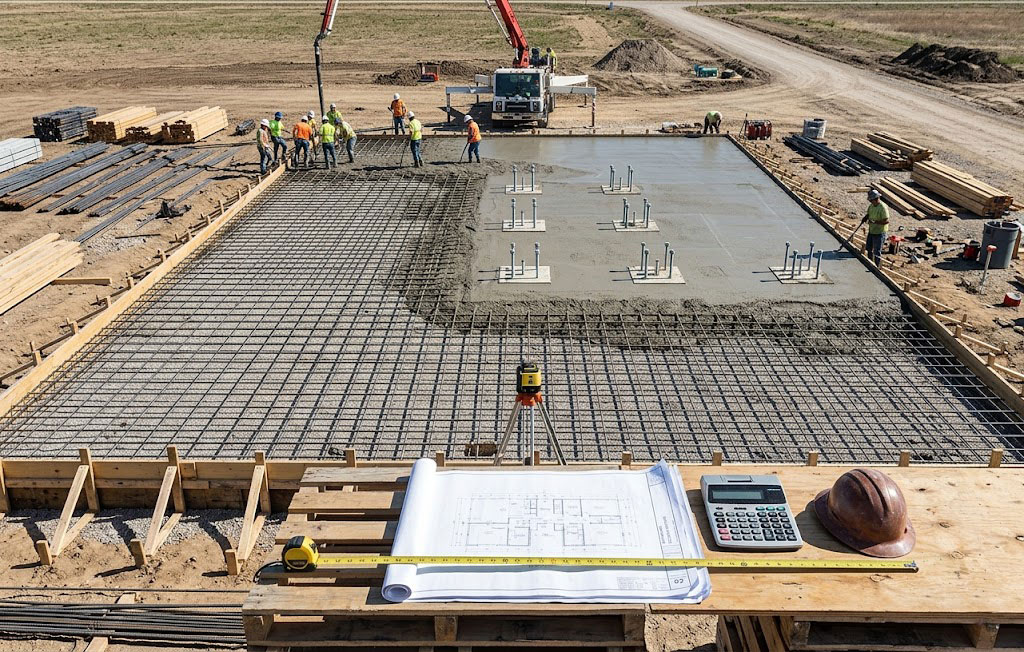
For a 50 x 80 metal building, the concrete foundation typically costs between $6 and $10 per square foot, totaling $24,000 to $40,000 for the full 4,000-square-foot slab. This price includes site preparation, excavation, formwork, rebar reinforcement, and the pouring of 3,000 to 4,000 PSI concrete.
● Slab Thickness and Rebar ● Site Preparation and Grading ● Labor and Local Material Rates
Why is slab thickness critical for heavy equipment?
If you plan to store heavy machinery or industrial vehicles, a standard 4-inch slab will likely crack under the pressure. This is where it gets interesting: upgrading to a 6-inch reinforced slab adds roughly 30% to your concrete volume but doubles the load-bearing capacity of your floor.
- Heavy machinery requires 4,000 PSI concrete.
- Wire mesh vs. rebar reinforcement choices.
- Vapor barriers prevent moisture from seeping up.
Key Takeaway: Investing in a thicker slab now prevents expensive foundation repairs if your business operations grow.
What are the hidden costs of site prep?
If your land is not perfectly level, the cost of clearing timber and grading the soil can skyrocket before a single yard of concrete is poured. Ready for the good part? Proper site drainage planning prevents water from pooling around your steel base, which is the leading cause of premature rust and structural settling.
- Excavation for footings and perimeter walls.
- Compacting sub-base materials like gravel.
- Installing drainage tiles or French drains.
Key Takeaway: A well-prepared site ensures the longevity of your building and avoids structural shifts.
| Slab Type | Average Cost (per sq ft) | Use Case |
|---|---|---|
| Standard 4″ Slab | $6.00 | Light Storage / Residential |
| Industrial 6″ Slab | $8.50 | Warehousing / Workshops |
| Heavy-Duty 8″ Slab | $11.00 | Manufacturing / Heavy Machinery |
Choosing the right slab thickness is the most vital decision in the early construction phase.
How do accessories impact the 50 x 80 metal building budget?
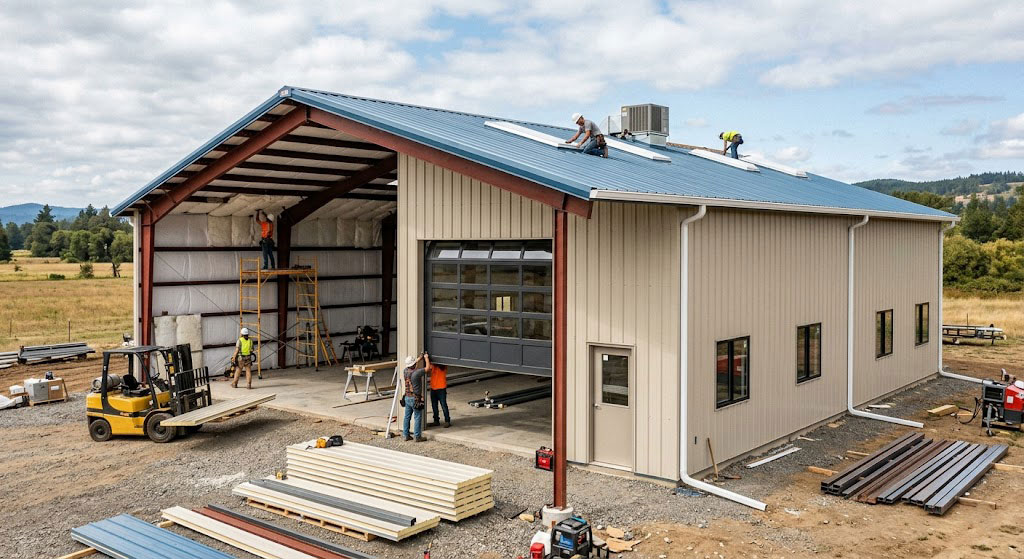
Customizing your 50 x 80 metal building with doors, windows, and ventilation systems can add $5,000 to $20,000 to your total project cost. While a basic “box” is affordable, most B2B applications require functional access points like oversized roll-up doors for logistics and walk-through doors for staff safety.
● Roll-up and Personnel Doors ● Windows and Natural Lighting ● Insulation Systems
What kind of doors do you really need?
Large commercial 50 x 80 metal building projects often require 12’x14′ or 14’x14′ roll-up doors to accommodate semi-trucks or oversized equipment. But here’s the kicker: opting for insulated, motorized doors can increase your “door budget” by 50%, though they provide significant energy savings and operational efficiency.
- Motorized openers for high-frequency use.
- Insulated vs. non-insulated slats.
- Wind-rated doors for coastal compliance.
Key Takeaway: Prioritize door size for functional flow, then decide on automation based on your daily volume.
Can skylights reduce your energy bill?
Incorporating translucent roof panels or large industrial windows allows you to utilize natural light, significantly reducing your monthly electricity expenditure. The best part is that these additions are relatively inexpensive to include during the initial manufacturing phase compared to retrofitting them later.
- Wall lights vs. roof skylights.
- Double-pane windows for thermal efficiency.
- Security bars for ground-level access.
Key Takeaway: Natural light improves worker productivity and slashes high-bay lighting costs.
| Accessory Item | Estimated Price Range | Benefit |
|---|---|---|
| 12×12 Roll-up Door | $1,200 – $2,500 | Vehicle Access |
| Personnel Door | $500 – $900 | Safety / Egress |
| Skylight Panel | $150 – $300 | Natural Lighting |
Strategic accessory selection balances operational utility with your total capital expenditure.
What are the labor costs to erect a 50 x 80 metal building?
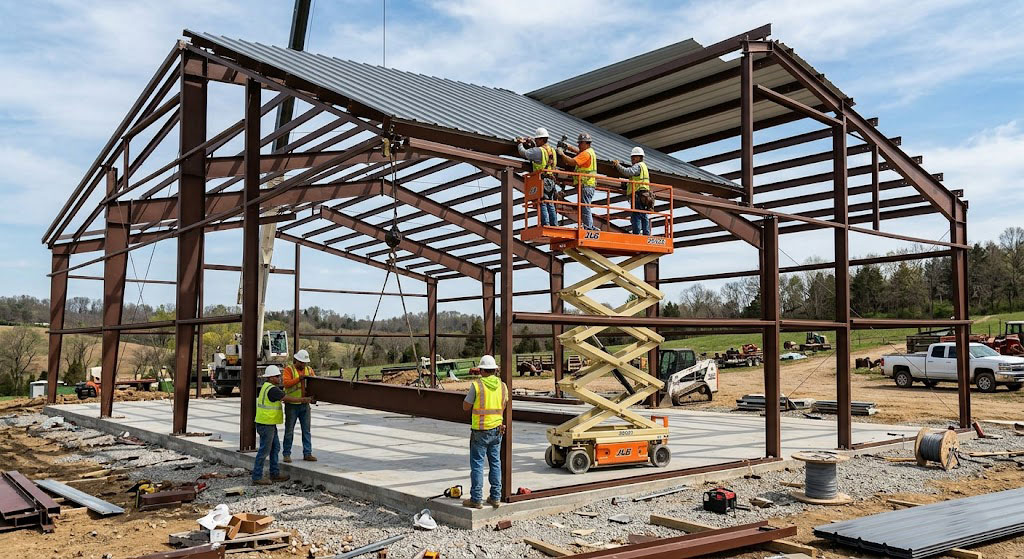
Professional assembly for a 50 x 80 metal building typically costs between $5 and $9 per square foot, which equates to $20,000 to $36,000 in labor fees. This covers the offloading of materials, structural framing, roof sheet installation, and the hanging of all trim and accessories.
● Professional Crew vs. DIY ● Equipment Rental Requirements ● Timeline and Complexity
Should you hire a specialized steel erector?
While some choose a general contractor, hiring a specialized steel erection crew ensures that the building is plumb, square, and weather-tight according to the manufacturer’s specifications. Believe it or not, an experienced crew can finish a 4,000-square-foot shell in less than two weeks, whereas a general crew might take a month.
- Erectors carry specialized insurance for high-work.
- Proper tensioning of bolts prevents future leaks.
- Expertise in sealing ridge caps and eaves.
Key Takeaway: A specialized crew reduces the risk of structural failure and long-term maintenance issues.
What equipment rentals are mandatory?
Erecting a building of this size requires a reach forklift or a small crane to lift the heavy steel rafters and columns into place. What’s the real story? Most labor quotes do not include these rental costs, which can add $2,000 to $5,000 to your “on-site” expenses.
- Telehandler for moving heavy bundles.
- Scissor lifts for interior finishing.
- Safety harness systems for roof work.
Key Takeaway: Factor in equipment rental early to avoid “sticker shock” during the construction week.
| Service Level | Cost per Sq Ft | Includes |
|---|---|---|
| Shell Only | $5 – $7 | Frame, Roof, Walls |
| Full Assembly | $8 – $12 | Doors, Windows, Trim |
| Turnkey | $25+ | Slab, Shell, Finish |
Professional labor is the bridge between a pile of steel and a functional business asset.
How does insulation affect the total cost of a 50 x 80 metal building?
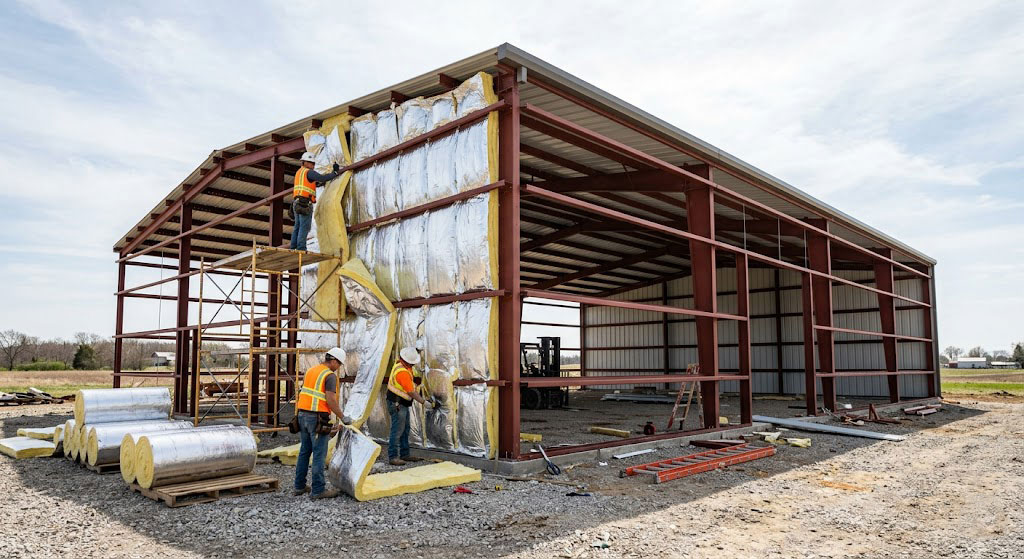
High-quality insulation for a 50 x 80 metal building usually costs between $1.50 and $4.00 per square foot, depending on the R-value required for your climate zone. Without proper thermal protection, a steel building becomes a “sweatbox” in the summer and a refrigerator in the winter, leading to massive climate control costs.
● Fiberglass Blanket (VRR) ● Spray Foam Applications ● Rigid Board and Vapor Barriers
Why is condensation a silent killer?
Steel is a highly conductive material, meaning temperature differences between the inside and outside lead to “sweating” or condensation. Check this out: if moisture is allowed to sit on your steel panels, it will eventually cause rust and degrade your insulation’s effectiveness.
- Vapor barriers stop moisture transfer.
- Reinforced facing prevents sagging over time.
- Proper ventilation works alongside insulation.
Key Takeaway: Never skip a vapor barrier, as moisture control is just as important as heat retention.
Is spray foam worth the higher price?
Closed-cell spray foam provides a superior R-value and structural rigidity, but it can cost triple the price of standard fiberglass blankets. The results speak for themselves: buildings insulated with spray foam often see a 40% reduction in monthly heating and cooling bills compared to traditionally insulated structures.
- Air-tight seal prevents drafts.
- Adds strength to the wall panels.
- Ideal for conditioned workspaces or offices.
Key Takeaway: Calculate the multi-year ROI of energy savings before defaulting to the cheapest insulation option.
| Insulation Type | R-Value | Cost Est. (4,000 sq ft) |
|---|---|---|
| 3″ Fiberglass | R-10 | $6,000 |
| 6″ Fiberglass | R-19 | $10,500 |
| 2″ Spray Foam | R-14+ | $16,000 |
Superior insulation turns a simple warehouse into a comfortable, year-round operational facility.
What are the interior finishing costs for a 50 x 80 metal building?
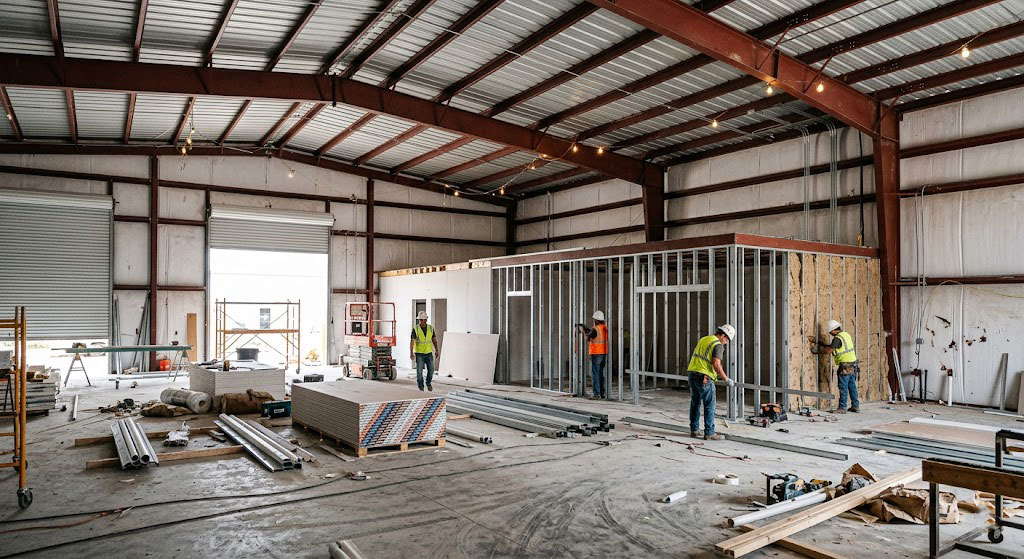
Interior finishing for a 50 x 80 metal building can range from $10,000 for basic electrical and lighting to over $100,000 if you are adding offices, plumbing, and HVAC. For many B2B owners, the “finish-out” is where the budget expands to accommodate specific business workflows like manufacturing lines or retail floors.
● Electrical and Industrial Lighting ● Plumbing and Restroom Facilities ● HVAC and Climate Control
How many lumens do you need for a workshop?
In a 4,000-square-foot 50 x 80 metal building, you will likely need at least 15 to 20 high-bay LED fixtures to provide adequate workspace lighting. Here is the kicker: while high-efficiency LEDs have a higher upfront cost, they consume 70% less energy and last significantly longer than traditional metal halide lamps.
- Zoned lighting for office vs. warehouse.
- Motion sensors to reduce waste.
- Emergency egress and exit lighting.
Key Takeaway: Plan your electrical layout before the concrete is poured to save on conduit installation.
Do you need a mezzanine for extra space?
If you find yourself running out of floor space, adding a mezzanine can effectively double your square footage without increasing your building’s footprint. This is where it gets interesting: a steel mezzanine capable of holding heavy inventory requires specialized footings and structural support that must be integrated into the initial design.
- Increases vertical space utility.
- Requires stairs and safety railings.
- Adds significant value to the property.
Key Takeaway: Vertical expansion is often 40% cheaper than horizontal expansion if planned during the initial build.
| Finish Component | Low End | High End |
|---|---|---|
| Electrical/Lighting | $8,000 | $15,000 |
| Plumbing (1 Bath) | $5,000 | $10,000 |
| HVAC System | $12,000 | $25,000 |
Interior finishes define the utility of your structure and represent the final step toward full operation.
How do shipping and logistics impact the price?
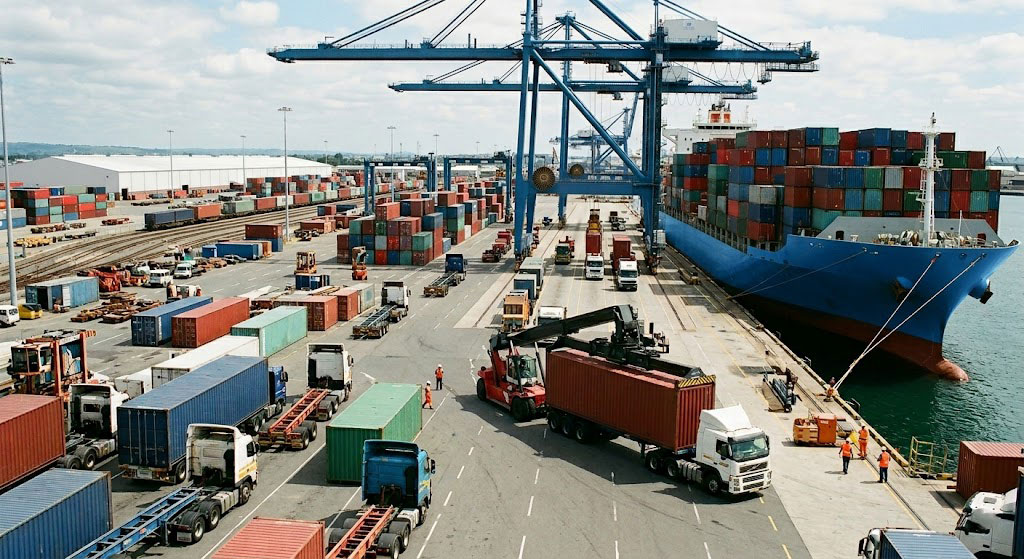
Shipping a 50 x 80 metal building kit can cost between $2,000 and $6,000, largely determined by the distance between the manufacturing plant and your job site. Because these structures are heavy and oversized, they require flatbed semi-trucks and specialized permits in certain states.
● Distance from Factory ● Fuel Surcharges ● Unloading Equipment
Can you save money on freight by buying local?
Purchasing from a factory located within 300 miles can save you thousands in shipping costs, but the quality of the steel must remain the priority. You might be wondering if it’s worth paying more for freight from a top-tier manufacturer; generally, the answer is yes if their engineering is superior and reduces on-site labor time.
- LTL (Less Than Truckload) is rarely an option.
- Permits for wide loads in certain counties.
- Seasonal fuel price spikes.
Key Takeaway: Always get a “delivered” price in your quote to avoid hidden logistics fees.
What happens if you aren’t ready for delivery?
Most manufacturers have limited storage space and will charge daily fees if you cannot accept the delivery on the scheduled date. Wait, there’s more: you must have a forklift or crane ready on-site the moment the truck arrives, as drivers usually have strict windows for unloading before they move to the next job.
- Demurrage fees for late unloading.
- Material storage requirements (tarping).
- Inventory check upon arrival.
Key Takeaway: Coordinate your foundation completion date with the delivery schedule to ensure a seamless transition.
| Distance (Miles) | Estimated Freight Cost | Truck Type |
|---|---|---|
| 0 – 250 | $1,500 – $2,500 | Standard Flatbed |
| 250 – 750 | $3,000 – $5,000 | Permit Required |
| 750+ | $6,000+ | Long Haul |
Logistics planning is the unsung hero of staying on budget during a large-scale steel project.
What are the long-term maintenance costs for steel?
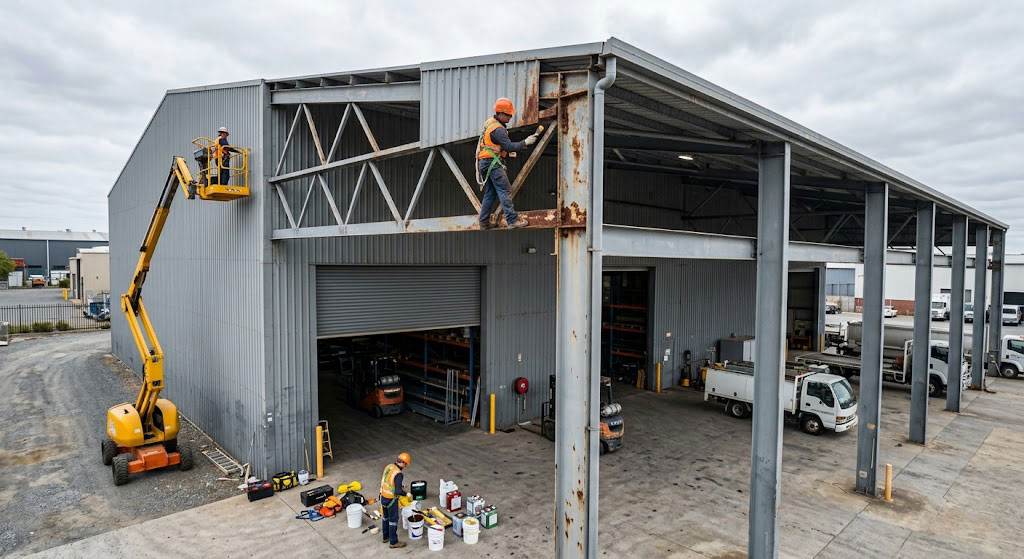
One of the greatest benefits of a 50 x 80 metal building is the exceptionally low long-term maintenance cost compared to wood or masonry structures. Over a 20-year period, you can expect to spend less than $500 annually on basic inspections and gutter cleaning, preserving the asset’s value with minimal effort.
● Roof Inspections and Fasteners ● Exterior Coating Longevity ● Pest and Fire Resistance
When should you check your fasteners?
Over time, the rubber washers on your roof screws can degrade due to UV exposure, potentially leading to small leaks. Ready for the good part? Spending one afternoon every two years checking and tightening these fasteners can prevent water damage that could cost thousands to repair.
- UV-resistant washers last 15-20 years.
- Checking for loose trim pieces.
- Clearing debris from valleys and gutters.
Key Takeaway: Proactive fastener maintenance is the cheapest way to extend the life of your roof.
Why is steel the king of insurance savings?
Because steel is non-combustible and resistant to pests like termites, your commercial insurance premiums are often 30% to 40% lower than wood-framed buildings. The real story is that these savings often pay for the entire cost of the building over its 50-year lifespan, making it the most economical choice for B2B ventures.
- Fire-resistant ratings for safety.
- No risk of rot or mold growth.
- Higher resale value for industrial zones.
Key Takeaway: High durability leads to lower insurance and maintenance, maximizing your long-term profit margins.
| Maintenance Task | Frequency | Estimated Cost |
|---|---|---|
| Fastener Check | Every 2 Years | $0 (DIY) |
| Gutter Cleaning | Twice Yearly | $200 |
| Pressure Wash | Every 5 Years | $500 |
Steel provides a “set it and forget it” solution that allows business owners to focus on growth.
How do permits and soft costs affect the bottom line?
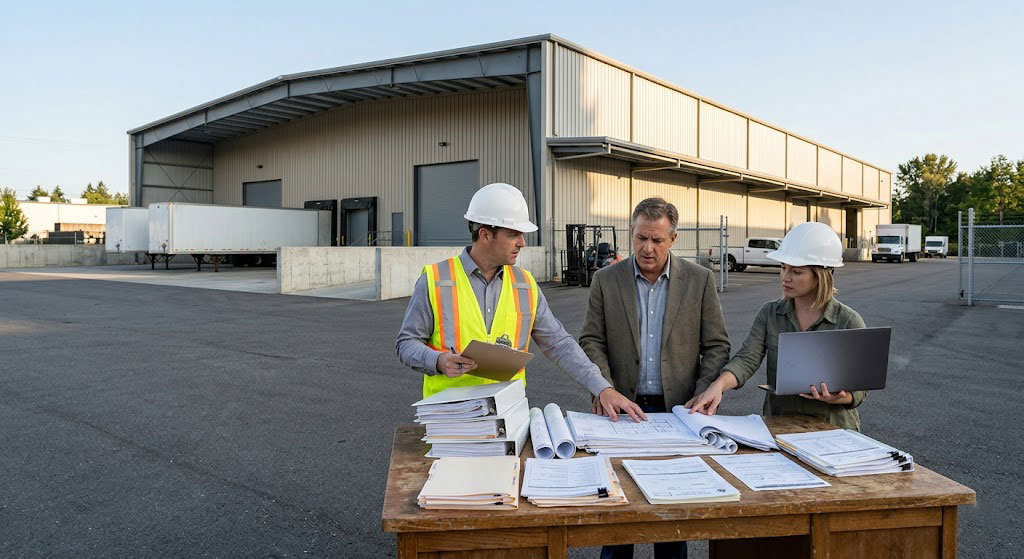
Permits, architectural drawings, and legal fees—often called “soft costs”—can add $3,000 to $15,000 to your 50 x 80 metal building project. These costs are highly dependent on your local county’s bureaucracy and whether your project requires specialized environmental or traffic impact studies.
● Building Permits and Inspections ● Engineered Drawings (P.E. Stamped) ● Land Surveys and Legal Fees
Why do you need P.E. stamped drawings?
Most building departments will not issue a permit without structural plans that have been stamped by a Professional Engineer (P.E.) licensed in your state. But here’s the kicker: many “cheap” online kits don’t include these stamps, forcing you to pay an outside engineer $2,000 or more to review and certify the plans.
- State-specific engineering stamps.
- Foundation design certification.
- Electrical and plumbing plan reviews.
Key Takeaway: Ensure your building quote includes P.E. stamps to avoid a major roadblock at the permit office.
What are impact fees for commercial builds?
In developing areas, municipalities may charge “impact fees” to offset the increased strain on roads and utilities caused by your new 4,000-square-foot facility. This is where it gets interesting: these fees can range from a few hundred dollars to over $10,000, so checking with the planning department is a mandatory first step.
- Road and infrastructure utility fees.
- Fire hydrant proximity requirements.
- Stormwater runoff management plans.
Key Takeaway: Verifying impact fees before purchasing land can save you from a massive unbudgeted expense.
| Soft Cost Item | Price Range | Requirement |
|---|---|---|
| Building Permit | $500 – $3,000 | Mandatory |
| P.E. Stamped Plans | $1,500 – $3,500 | Mandatory |
| Land Survey | $800 – $2,000 | Recommended |
Soft costs are the invisible foundation of a legal and compliant construction project.
Is a 50 x 80 metal building the right investment for you?
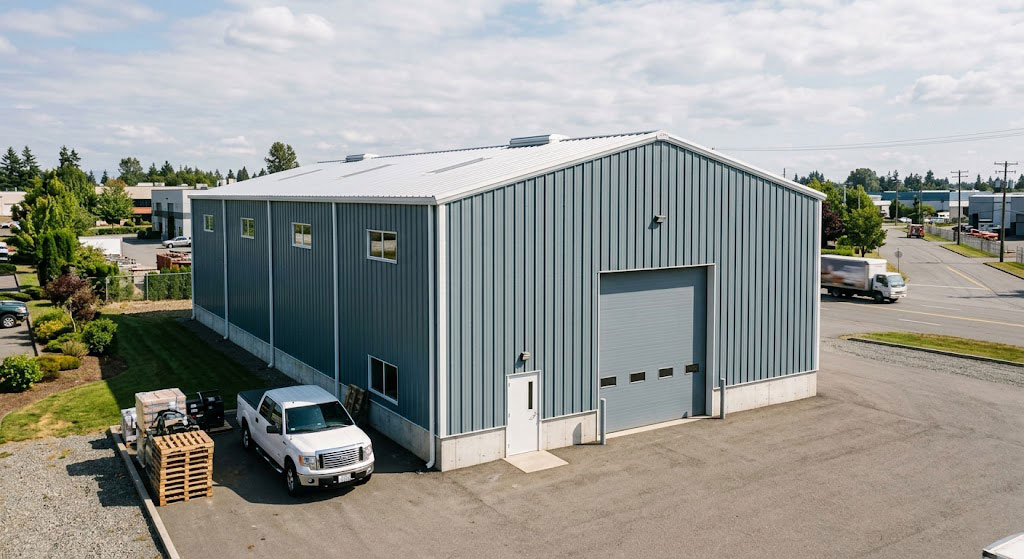
Deciding on a 50 x 80 metal building is a strategic choice that balances massive interior volume with a relatively low cost per square foot. Whether you are building a retail storefront, an agricultural barn, or a logistics warehouse, the speed of construction and durability of steel make it the superior choice for modern B2B infrastructure.
● Speed of Construction ● Versatility and Clear-Span Design ● Future Expansion Potential
Why is clear-span design a game changer?
A 50 x 80 metal building provides 4,000 square feet of “clear-span” space, meaning there are no interior columns to get in the way of your equipment or inventory. Ready for the good part? This total freedom of movement allows you to reconfigure your floor plan at any time as your business needs evolve, without worrying about structural load points.
- No interior pillars to dodge.
- Maximized storage for racking systems.
- Safe movement of forklifts and cranes.
Key Takeaway: Clear-span engineering offers the ultimate flexibility for any industrial or commercial application.
Can you expand your building in the future?
Steel buildings are designed with modularity in mind, allowing you to easily add additional bays to the endwalls if your business outgrows the initial 4,000 square feet. The results speak for themselves: extending a steel building is roughly 30% cheaper than trying to add onto a wood-framed or masonry structure of the same size.
- Endwall expansion is straightforward.
- Matching existing panels for aesthetics.
- Shared structural components reduce cost.
Key Takeaway: Buying a building that can grow with you is a form of future-proofing your business capital.
| Benefit | Impact | Business Value |
|---|---|---|
| Clear-Span | 100% Usable Space | Operational Efficiency |
| Steel Longevity | 50+ Year Life | Asset Protection |
| Fast Build | 4-6 Weeks | Quick ROI |
Steel construction represents the most resilient and scalable path for your business’s physical footprint.
Summary of the 50×80 Metal Building Investment
In summary, a 50×80 metal building offers a perfect balance of cost-efficiency and industrial-grade durability. We have explored how the base kit, foundation, labor, and accessories combine to create a comprehensive budget. The main message is clear: while the initial price is attractive, the true value lies in the low maintenance and high versatility of the clear-span design. If you are ready to secure a structure that will serve your business for decades, contact us today for a professional consultation. We are committed to providing structural solutions that empower growth and withstand the test of time.
FAQ Section
Q1: Can I save money by erecting the building myself? Yes, you can save significant labor costs, but you must have a skilled team and heavy lifting equipment. Most B2B owners prefer hiring professionals to ensure the building is weather-tight and to maintain structural warranties.
Q2: What’s the best way to keep my building cool in the summer? The most effective method is a combination of high-R-value spray foam insulation and ridge vents. This setup prevents heat from radiating through the steel while allowing rising hot air to escape naturally.
Q3: How do I know if I need a specialized foundation? You need a specialized foundation if your soil has poor load-bearing capacity or if you plan to install heavy industrial machinery. A professional soil test and an engineered slab design are essential for these scenarios.
Q4: How long does it take to get my building kit delivered? Standard delivery times usually range from 6 to 12 weeks after the final engineering drawings are approved. Custom designs with high wind loads or unique dimensions may take slightly longer during peak construction seasons.
Q5: Can I add a second floor to a 50×80 building later? You can, but it requires the building to be originally engineered for those additional loads. If you think you might add a mezzanine or second floor, it is much cheaper to include those structural supports in your initial design.