
Building a warehouse in 2026 typically costs between 12 and 35 per square foot for a basic shell, but specialized facilities can exceed $150 per square foot. Estimating the true cost of industrial space is often a confusing process filled with hidden fees and fluctuating material markets. If you miscalculate the initial investment, you risk stalling your operations or overpaying for features that don’t serve your logistics strategy. Understanding current warehouse prices allows you to plan a facility that balances structural durability with financial efficiency.
What factors drive 2026 warehouse prices?
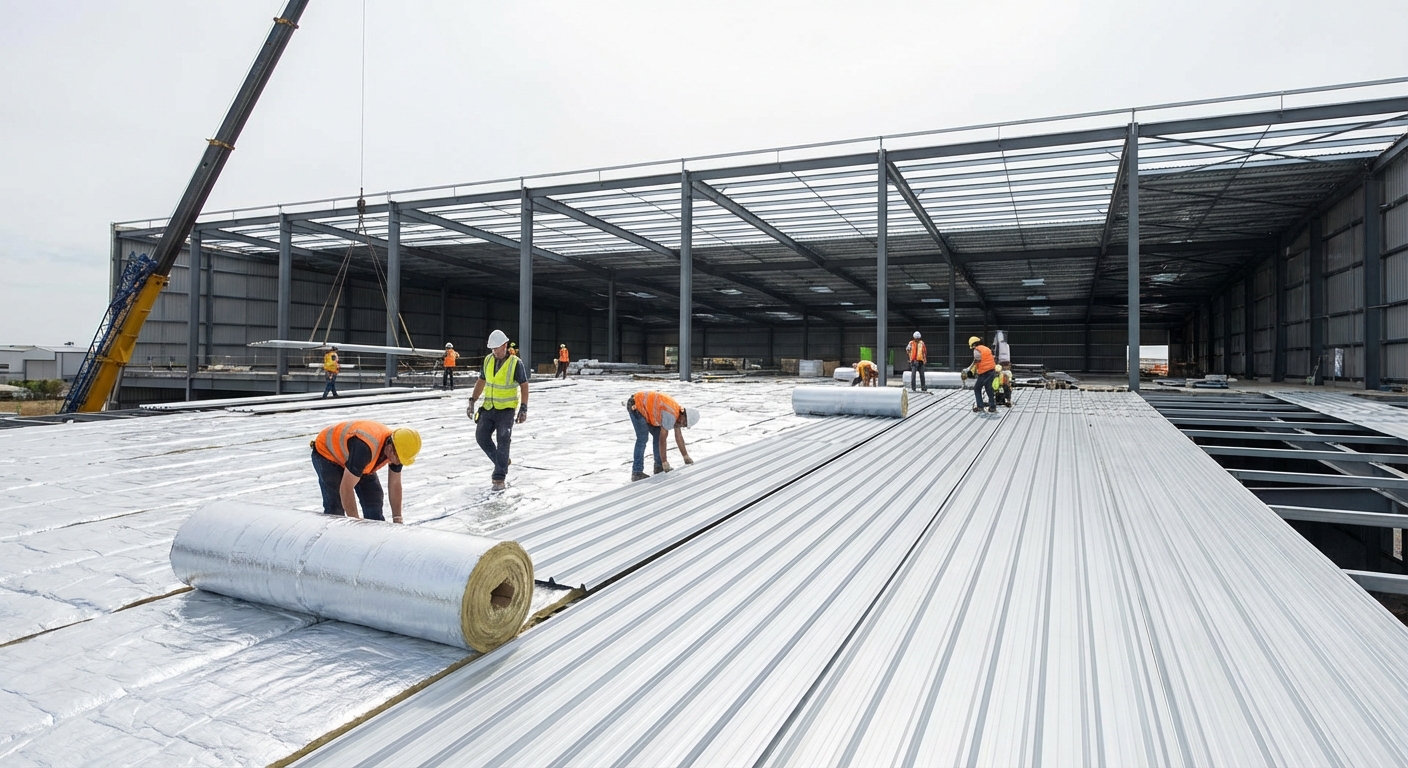
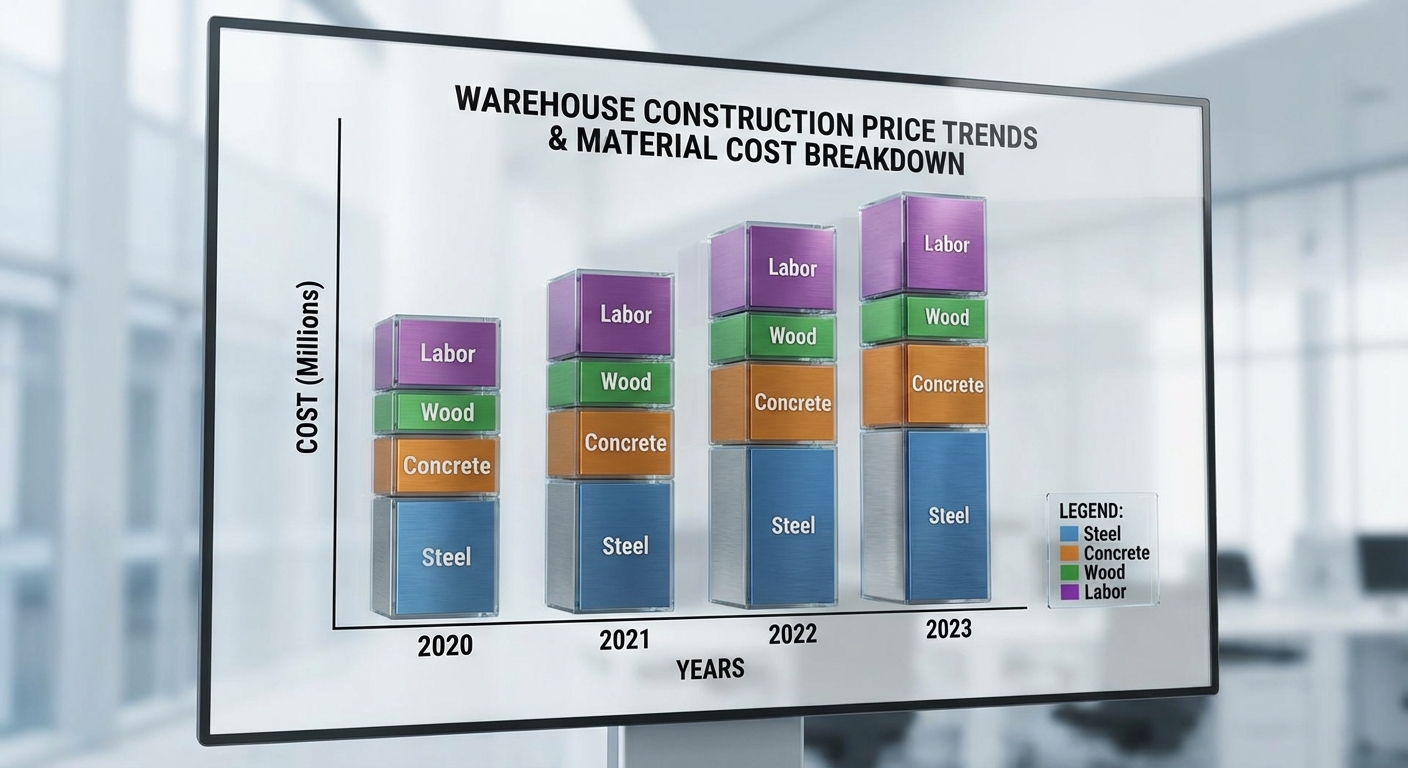
Primary factors driving current warehouse prices include raw material volatility, labor shortages, and the increasing demand for high-bay storage. As e-commerce expands, the need for specialized structural components continues to push budgets higher. These variables must be analyzed early to prevent significant budget overruns.
The impact of raw material costs
Fluctuations in global iron ore and energy costs have a direct impact on the fabrication of your building’s frame. High-grade steel remains a competitive commodity, keeping the baseline for industrial shells elevated.
Think about it.
- Steel grade availability (Q355B vs. Q235B).
- Global energy prices affecting fabrication cycles.
- Logistics and shipping container rates for delivery.
| Cost Driver | Impact Level | Trend | |
|---|---|---|---|
| Raw Steel | High | Volatile | |
| Insulation Materials | Medium | Increasing |
The data shows that material selection defines your initial price floor.
Key Takeaway: Monitoring global steel indices helps you time your material purchase for maximum financial value.
How do regional trends affect warehouse prices?
Regional warehouse prices are heavily influenced by local building codes, soil conditions, and proximity to major shipping ports. Coastal regions or areas with high seismic activity require more robust engineering, which naturally increases the total investment. Understanding these local nuances is critical for an accurate feasibility study.
Local labor and permit requirements
The cost of skilled trades—particularly welders and heavy equipment operators—varies significantly from one state to another. Furthermore, municipal fees for zoning and environmental impact can add thousands to your bottom line.
Look:
- Municipal zoning and environmental impact fees.
- Skilled trade availability in your specific zip code.
- Local fire suppression and safety mandates.
| Region Type | Cost Multiplier | Critical Component | |
|---|---|---|---|
| Coastal/High Wind | 1.15x | Bracing/Fasteners | |
| Seismic Zones | 1.12x | Ductile Connections |
Geographic location serves as a non-negotiable budget factor that dictates structural requirements.
Key Takeaway: Always include a 10% regional contingency fund to cover unexpected local permit or compliance adjustments.
Which steel types impact warehouse prices?
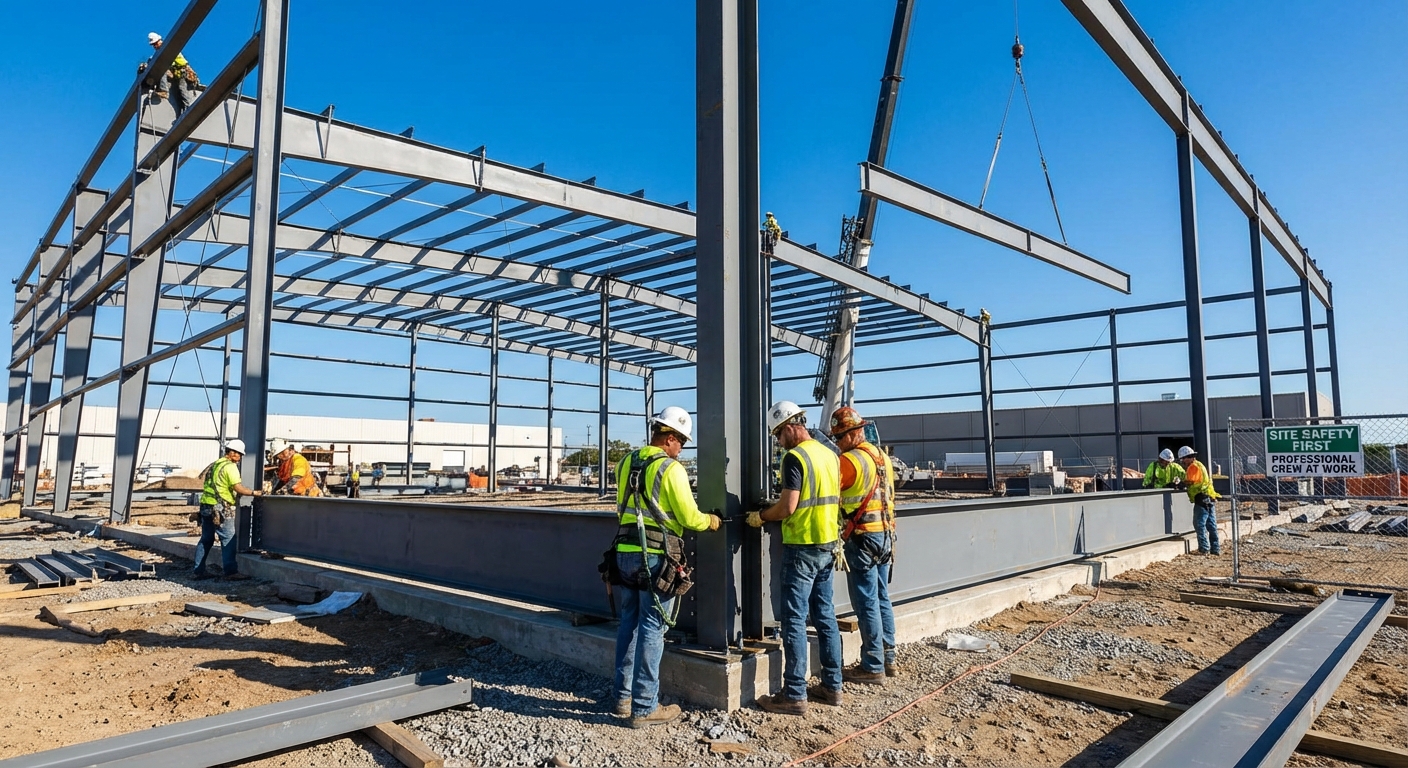
The specific grade and finish of the steel you choose will determine the initial warehouse prices and long-term maintenance needs. High-yield steel allows for lighter structural members without sacrificing strength, which can lower shipping and installation costs. Selecting the right material is the first step in structural optimization.
Comparing painted and galvanized finishes
While painted steel offers a lower entry price, galvanized steel provides superior corrosion resistance for harsh environments. You must weigh the upfront savings against the potential for future rust remediation.
The best part?
- Painted carbon steel for dry, inland storage.
- Hot-dip galvanizing for coastal or high-moisture sites.
- Light-gauge steel for smaller, low-span outbuildings.
| Steel Finish | Initial Cost | Maintenance | |
|---|---|---|---|
| Painted | Lower | Moderate | |
| Galvanized | Higher | Low |
Your choice of finish determines the building’s aesthetic longevity and structural health.
Key Takeaway: Investing in galvanizing for high-moisture areas prevents costly structural repairs during the building’s second decade.
Does scale influence average warehouse prices?
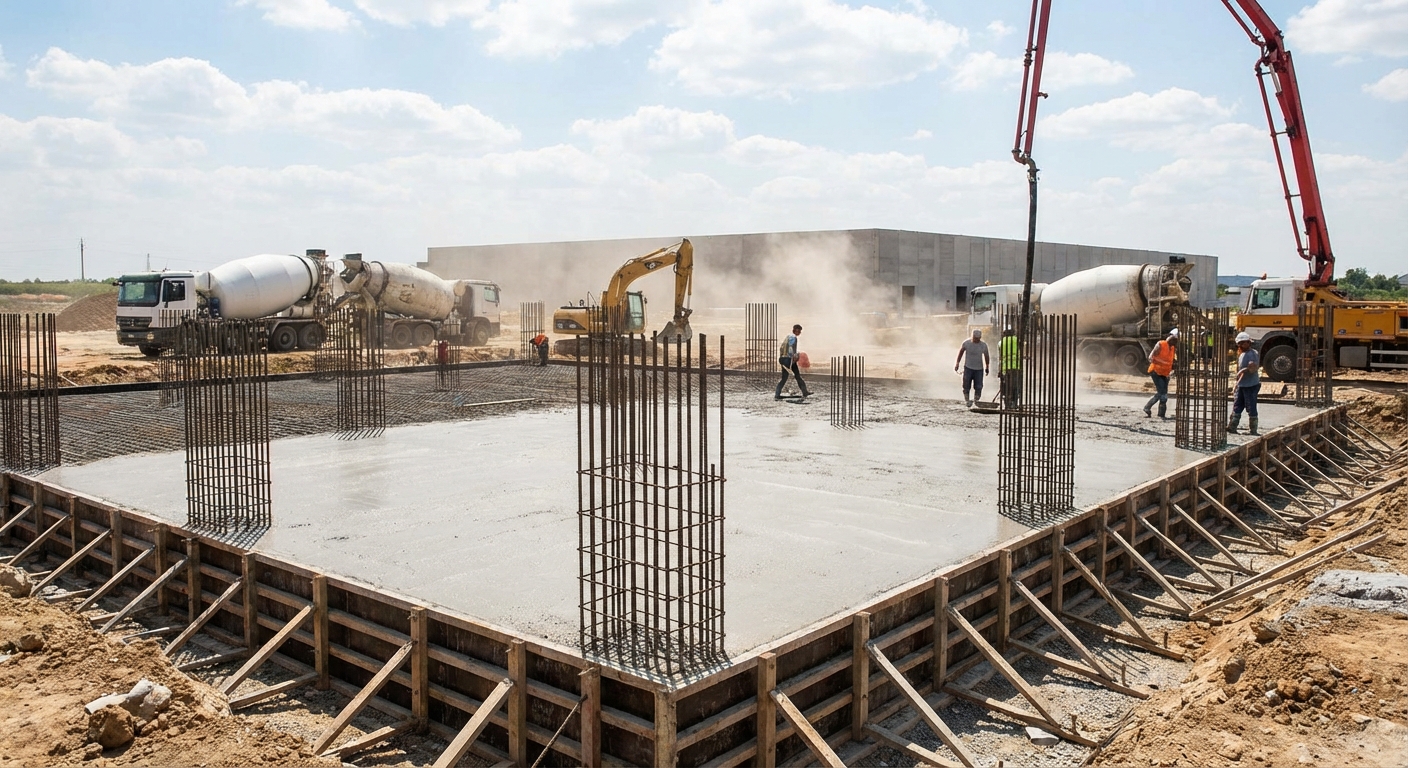
Economies of scale play a massive role in reducing warehouse prices per square foot as the building footprint increases. Fixed costs like mobilization, site preparation, and architectural engineering are spread across a larger area, bringing the unit cost down. This makes larger projects more efficient from a capital perspective.
The efficiency of large-volume fabrication
Manufacturers can offer deeper discounts on steel when you order in bulk, as it allows for optimized production runs. Additionally, shipping costs per ton decrease when you fully utilize large cargo containers.
Think about it.
- Fixed architectural and engineering fees.
- Bulk purchasing power for steel and panels.
- Optimized on-site mobilization for heavy machinery.
| Project Size (sq ft) | Avg. Cost Per Sq Ft | Efficiency | |
|---|---|---|---|
| 10,000 – 20,000 | $140 | Low | |
| 100,000+ | 60−80 | Maximum |
Increasing the footprint of your project often results in a more attractive price-per-unit metric.
Key Takeaway: If your growth projections are strong, building a larger facility now is cheaper than adding an expansion later.
How does height change warehouse prices?
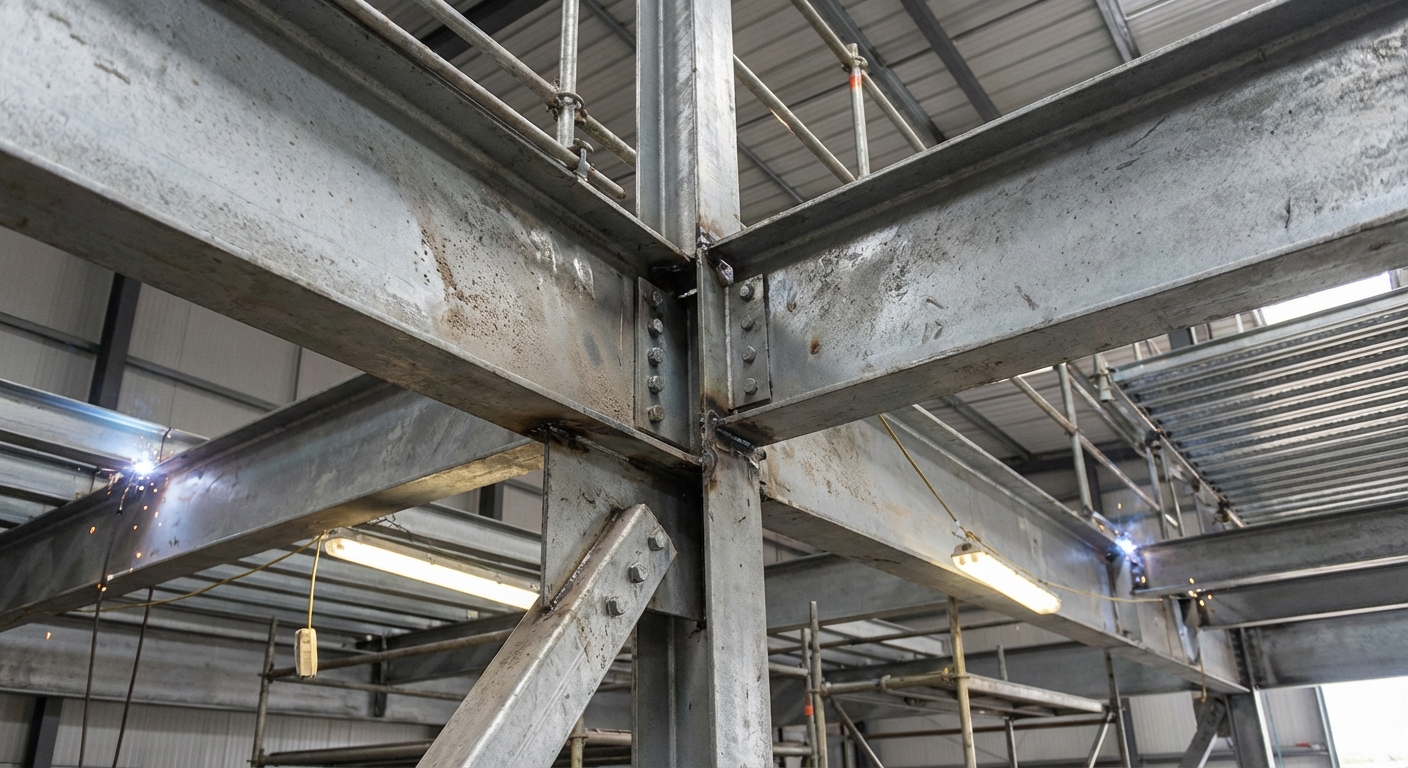
Modern warehouse prices are shifting as companies prioritize clear height to maximize vertical storage capacity. Increasing your building’s height from 24 feet to 36 feet requires thicker columns and more robust foundation work to support the added wind loads. While the square footage remains the same, the cubic volume and structural complexity increase.
Supporting high-bay racking systems
Vertical storage requires specialized slab engineering to handle the point loads of heavy racking. You must ensure your foundation can support the specific weight of your inventory at height.
Look:
- Increased steel tonnage for taller wall columns.
- Enhanced slab thickness for vertical racking loads.
- Specialized fire suppression for high-rack storage.
| Clear Height | Steel Impact | Storage Gain | |
|---|---|---|---|
| 24 Feet | Baseline | Standard | |
| 36+ Feet | +15% Steel | High-Density |
Vertical volume is often more valuable than horizontal footprint for modern logistics operations.
Key Takeaway: Prioritize clear height in your design to future-proof your facility for automated storage and retrieval systems.
How does design optimization lower warehouse prices?
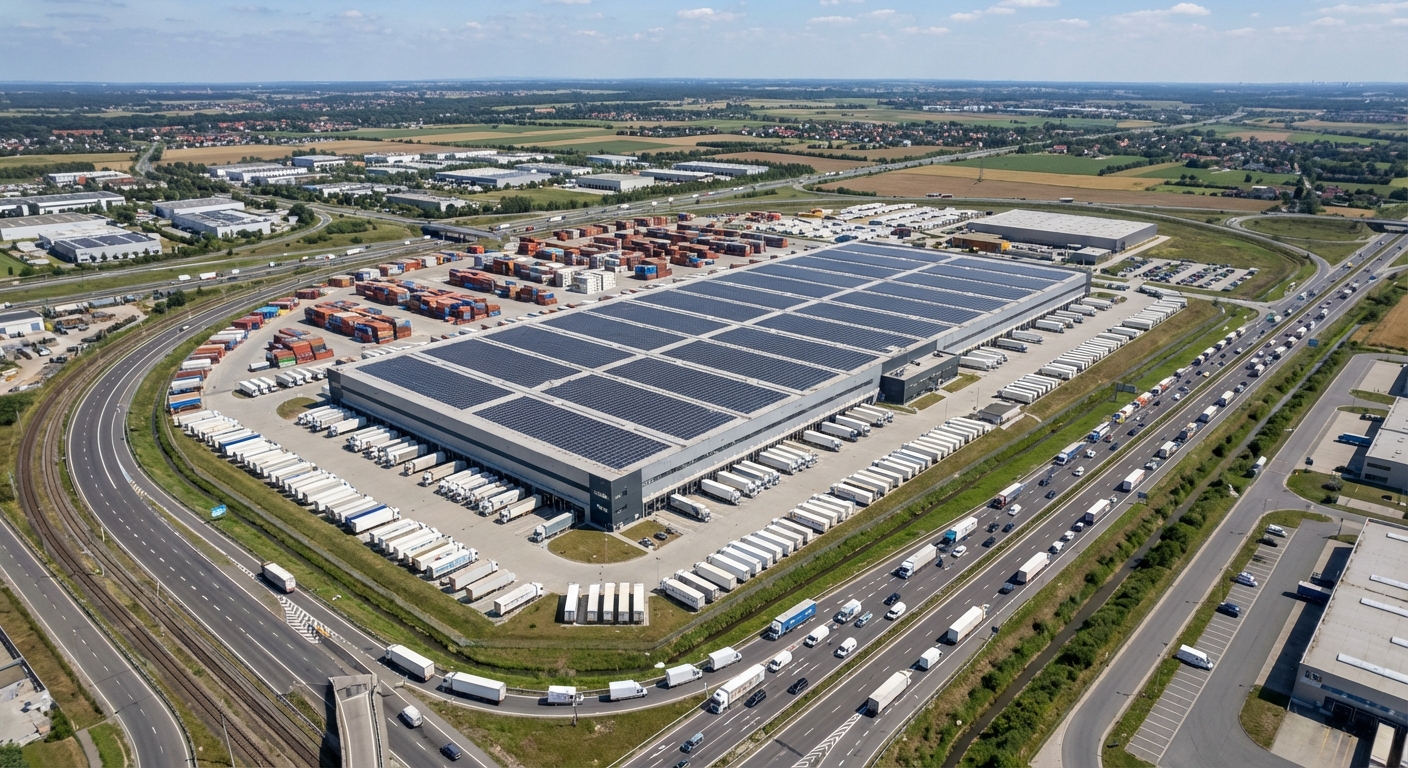
Smart warehouse prices are achieved through rigorous design optimization that eliminates “dead space” and uses standard components. Utilizing pre-engineered bay spacing (typically 20 to 25 feet) allows you to avoid the high costs of custom-fabricated structural members. This approach streamlines both the manufacturing and erection phases of the project.
Maximizing storage density per square foot
A well-planned layout ensures that every dollar spent on steel and concrete contributes to your operational throughput. By aligning your structural grid with your racking plan, you minimize wasted aisle space.
The best part?
- Standardized bay spacing for faster fabrication.
- Lower roof pitches to reduce interior volume.
- Integrated mezzanine levels for office or picking.
| Strategy | Cost Impact | Operational Benefit | |
|---|---|---|---|
| Standard Grid | -10% | Rapid Assembly | |
| Optimized Flow | Neutral | Higher Throughput |
Design efficiency is the most effective way to lower your project’s total capital expenditure.
Key Takeaway: Consult with a structural engineer early to align your building grid with your specific logistics and racking needs.
What site conditions impact warehouse prices?
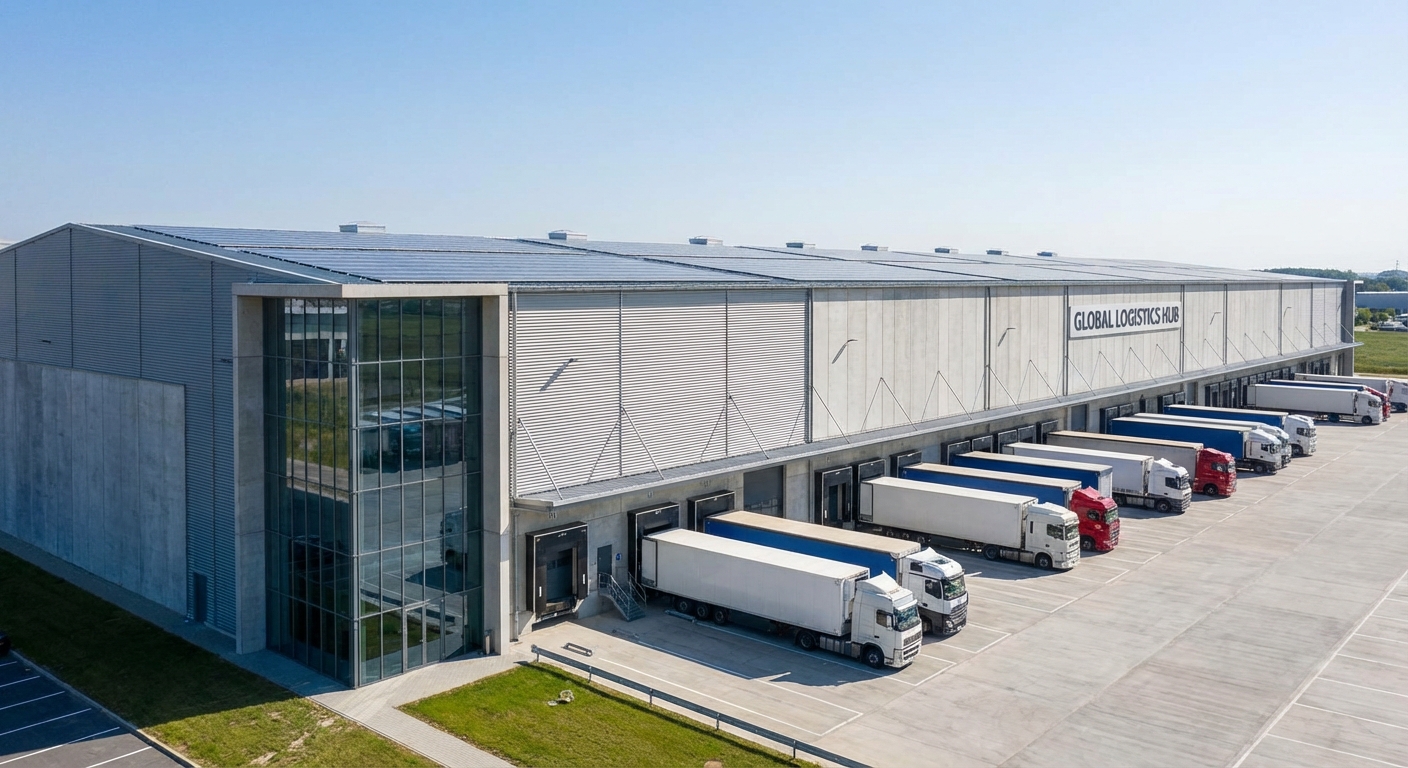
Invisible site factors often drive warehouse prices higher than the building shell itself. Poor soil quality might require deep pilings or soil stabilization, which can add tens of thousands of dollars to your foundation costs. These site-specific variables must be identified through a professional geotechnical report before construction begins.
Integrating utilities and infrastructure
Bringing high-capacity power, water, and sewage lines to a remote site can be a significant financial burden. You must also account for the cost of paving large loading aprons and managing stormwater runoff.
Think about it.
- Soil bearing capacity and foundation depth.
- Site grading and heavy-duty concrete paving.
- Utility hookups and transformer requirements.
| Site Variable | Risk Level | Potential Add-on | |
|---|---|---|---|
| Weak Soil | High | 5−15 /sq ft | |
| Remote Site | Medium | Utility Extension |
The ground beneath your building can be the most expensive variable in your entire construction budget.
Key Takeaway: Never purchase land for a warehouse project without a comprehensive soil test and utility feasibility study.
How do building codes influence warehouse prices?
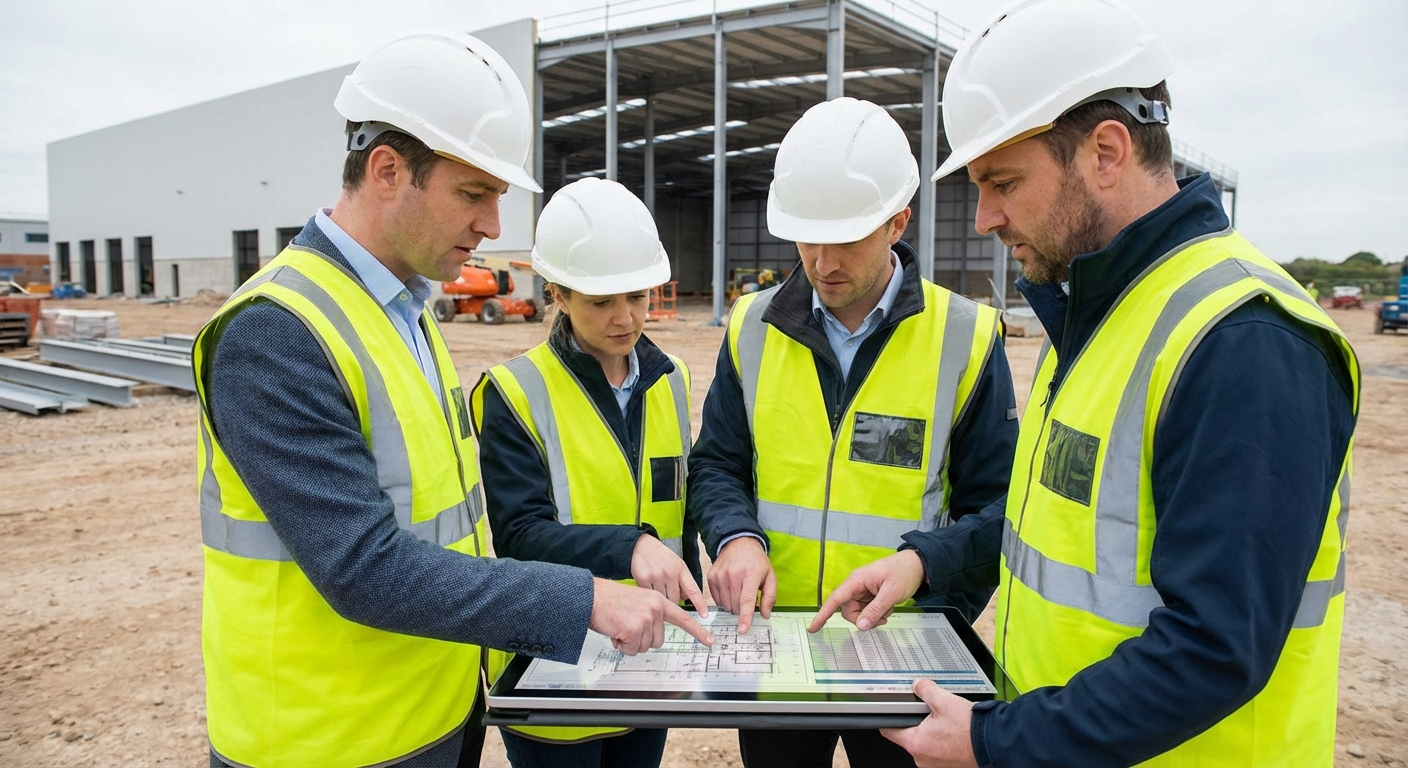
Strict adherence to international and local building codes is a primary driver of warehouse prices for industrial facilities. Codes for wind, snow, and seismic loads dictate the minimum weight and strength of your steel structure. Ensuring your building is compliant protects your investment and ensures the safety of your workforce.
Fire suppression and life safety systems
Depending on what you store, codes may require advanced Early Suppression Fast Response (ESFR) sprinkler systems. These systems are significantly more expensive than standard pipe-and-head configurations but are often mandatory for high-hazard goods.
Look:
- Wind load bracing for coastal hurricane zones.
- Snow load engineering for northern climates.
- ADA compliance for office and mezzanine areas.
| Code Category | Budget Impact | Critical Item | |
|---|---|---|---|
| Fire Safety | 5% – 10% | ESFR Sprinklers | |
| Structural | 10% – 20% | Steel Tonnage |
Compliance with safety standards is a non-negotiable cost that ensures long-term operational legality.
Key Takeaway: Verify your local fire marshal’s requirements early to avoid expensive retrofits during the final inspection phase.
Do MEP systems affect warehouse prices?
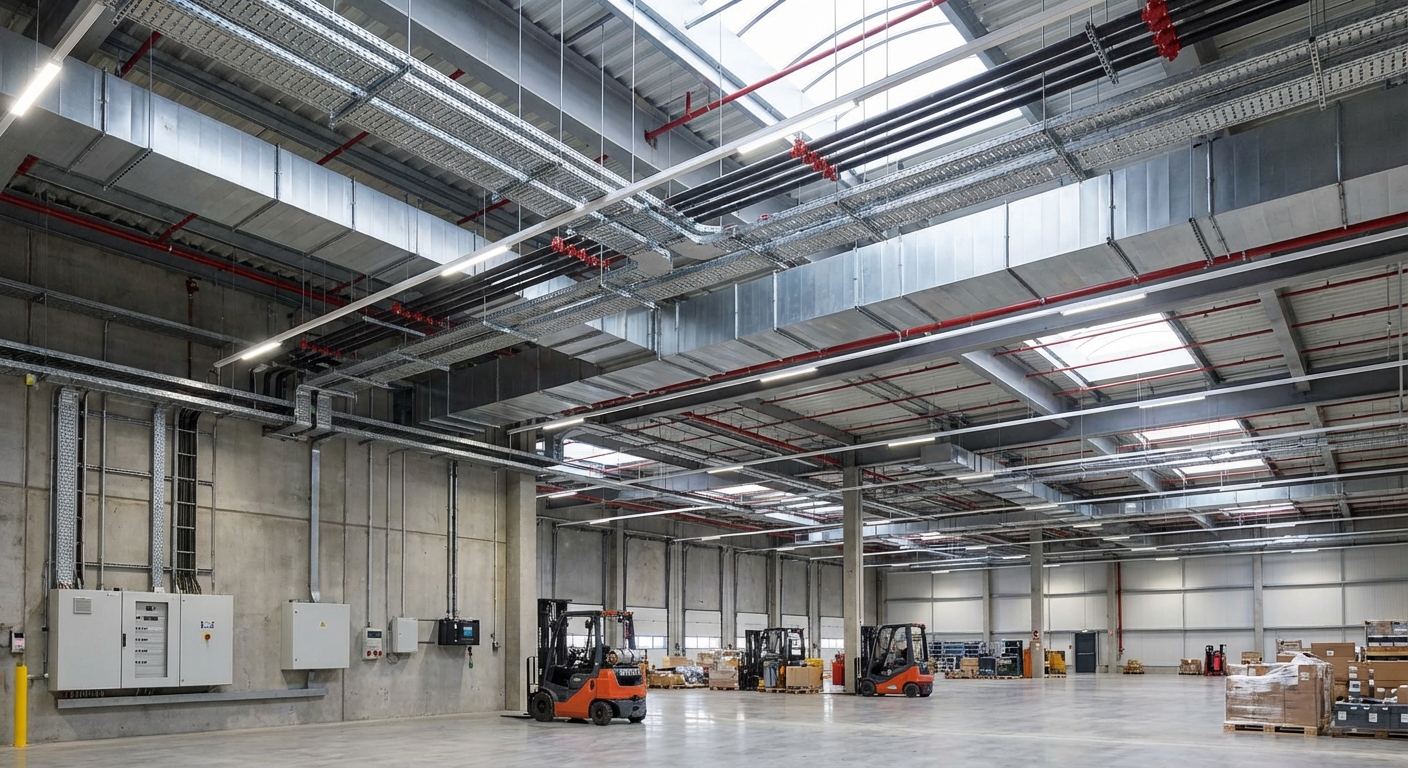
Mechanical, Electrical, and Plumbing (MEP) systems often represent 15% to 30% of total warehouse prices. Even a “simple” dry warehouse requires high-efficiency LED lighting, ventilation systems, and significant electrical distribution. If you require climate control or refrigeration, these costs can double the total project budget.
Powering automation and robotics
If you plan to implement automated sorting or robotics, your electrical infrastructure must be significantly upgraded. This includes high-capacity breakers and data connectivity throughout the facility floor.
The best part?
- LED lighting with motion sensors for energy savings.
- High-volume low-speed (HVLS) fans for ventilation.
- Dedicated power circuits for specialized machinery.
| MEP System | Standard | High-Tech/Cold | |
|---|---|---|---|
| Electrical | $4 /sq ft | $10+ /sq ft | |
| HVAC | Vent only | $20+ /sq ft |
Operational systems are the “heart” of the building and dictate its daily utility expenses.
Key Takeaway: Investing in high-efficiency MEP systems provides a rapid return on investment through lower monthly energy bills.
How to finalize a budget for warehouse prices?
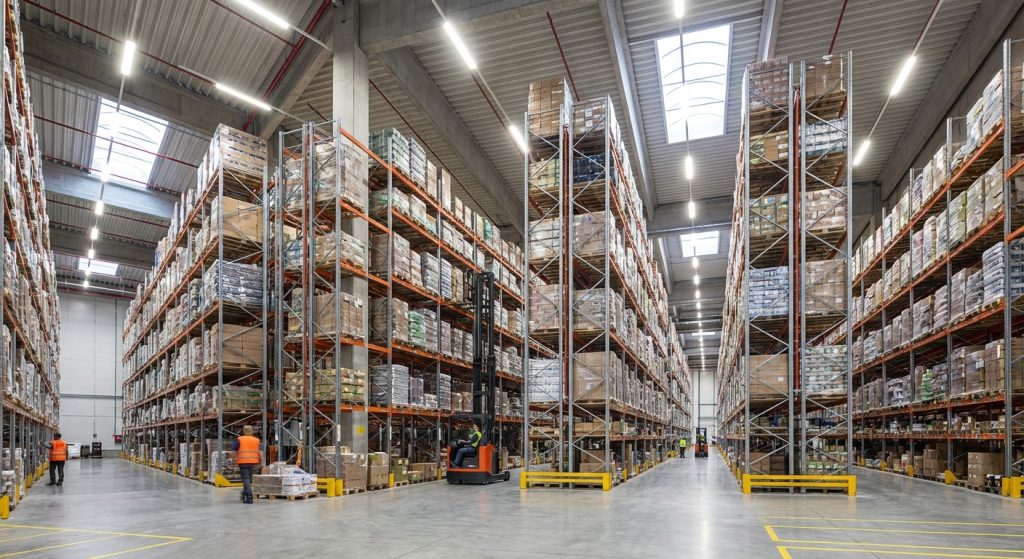
To accurately finalize a budget for warehouse prices, you must move beyond square-foot averages and obtain a detailed bill of materials. This involves integrating your structural design, material fabrication, and shipping logistics into a single cohesive plan. Working with a factory-direct provider can eliminate middleman markups and streamline the procurement process.
Managing the contingency fund
Professional developers always maintain a 10% to 15% contingency fund to handle the “unknown unknowns” of industrial construction. This protects your ROI from material spikes or unforeseen site delays that could otherwise derail the project.
Think about it.
- Detailed bill of materials from the fabricator.
- Firm shipping and logistics quotes.
- Installation and on-site labor estimates.
| Phase | Allocation % | Focus | |
|---|---|---|---|
| Structure | 55% | Durability | |
| Site/MEP | 35% | Operation | |
| Contingency | 10% | Risk |
A comprehensive budget accounts for every phase from the initial soil test to the final certificate of occupancy.
Key Takeaway: Partner with a one-stop steel structure provider to consolidate your design and fabrication costs for better control.
FAQ
1. Is it cheaper to build a steel or concrete warehouse?Steel is usually cheaper. Steel structures require lighter foundations and offer much faster assembly times compared to traditional concrete tilt-up methods.
2. How long does it take to construct a prefabricated warehouse?Usually 4 to 8 weeks. Once the foundation is cured, a prefabricated steel shell can be erected in a fraction of the time required for masonry.
3. What is the biggest hidden cost in warehouse construction?Site development. Unforeseen soil issues or utility connection fees can represent up to 25% of your total project expense if not identified early.
4. Can I add a second floor to my warehouse later?Only if engineered for it. You must specify your desire for a multi-storey building during the initial design phase to ensure the foundation and columns can support the weight.
5. How do I know if I need a cold storage facility?Check your inventory requirements. Cold storage is mandatory for perishables but costs significantly more due to insulation and refrigeration needs.
Ready to start your next industrial project? To receive a detailed quote and expert design consultation tailored to your specific logistics needs, contact us today.