
Building a warehouse requires a significant capital investment that can vary wildly based on your specific operational needs and location. You may feel overwhelmed by fluctuating material prices and hidden site preparation fees that threaten to derail your budget. By choosing a pre-engineered steel 5,000 sqft warehouse , you can solve these problems with factory-direct pricing and predictable timelines.
How do I estimate the total cost for a 5,000 sqft warehouse?
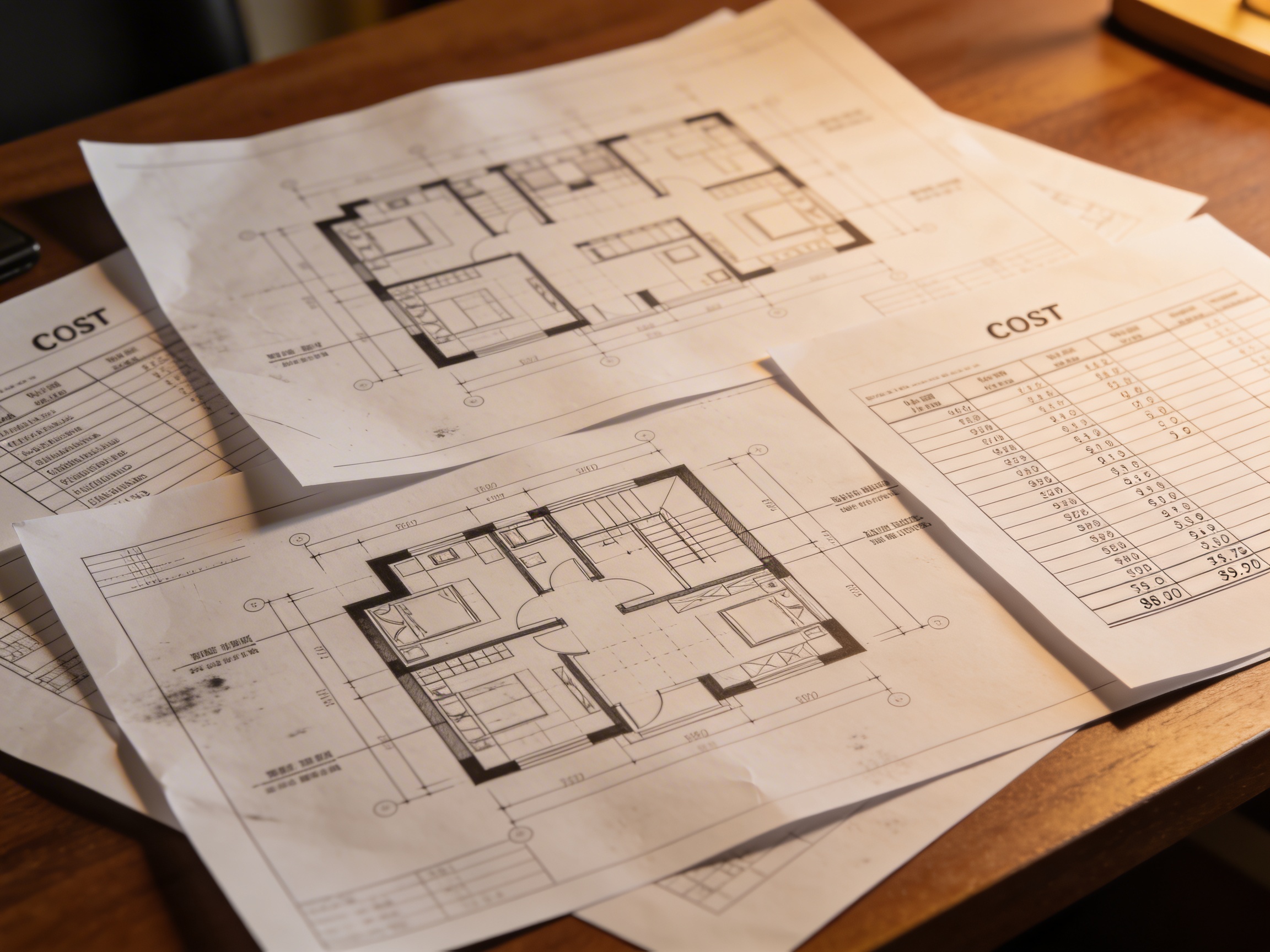
In the current market, constructing a 5,000 sqft warehouse generally ranges from 275,000 to 650,000, which translates to roughly 60 to 130 per square foot. This benchmark includes the building shell, basic foundation, and essential finishing but excludes the cost of land or specialized heavy equipment.
What are the primary cost drivers?
Look: Several specific factors will determine where your project falls on the pricing spectrum.
- Material Quality: Choosing premium steel or insulated panels.
- Site Complexity: Extensive grading or poor soil conditions.
- Design Features: Large clear spans or custom heights.
- Local Labor Rates: Regional differences in construction wages.
| Cost Category | Estimated Range (Per Sq Ft) | |
|---|---|---|
| Basic Shell | 45−75 | |
| Foundation | 6−12 | |
| MEP Systems | 15−35 |
The table above illustrates that the structural shell represents the largest portion of your initial capital outlay.
Key TakeawayYou should establish a realistic benchmark based on your specific industrial needs before seeking finalized quotes to avoid budget creep.
What factors affect the base price of a 5,000 sqft warehouse?
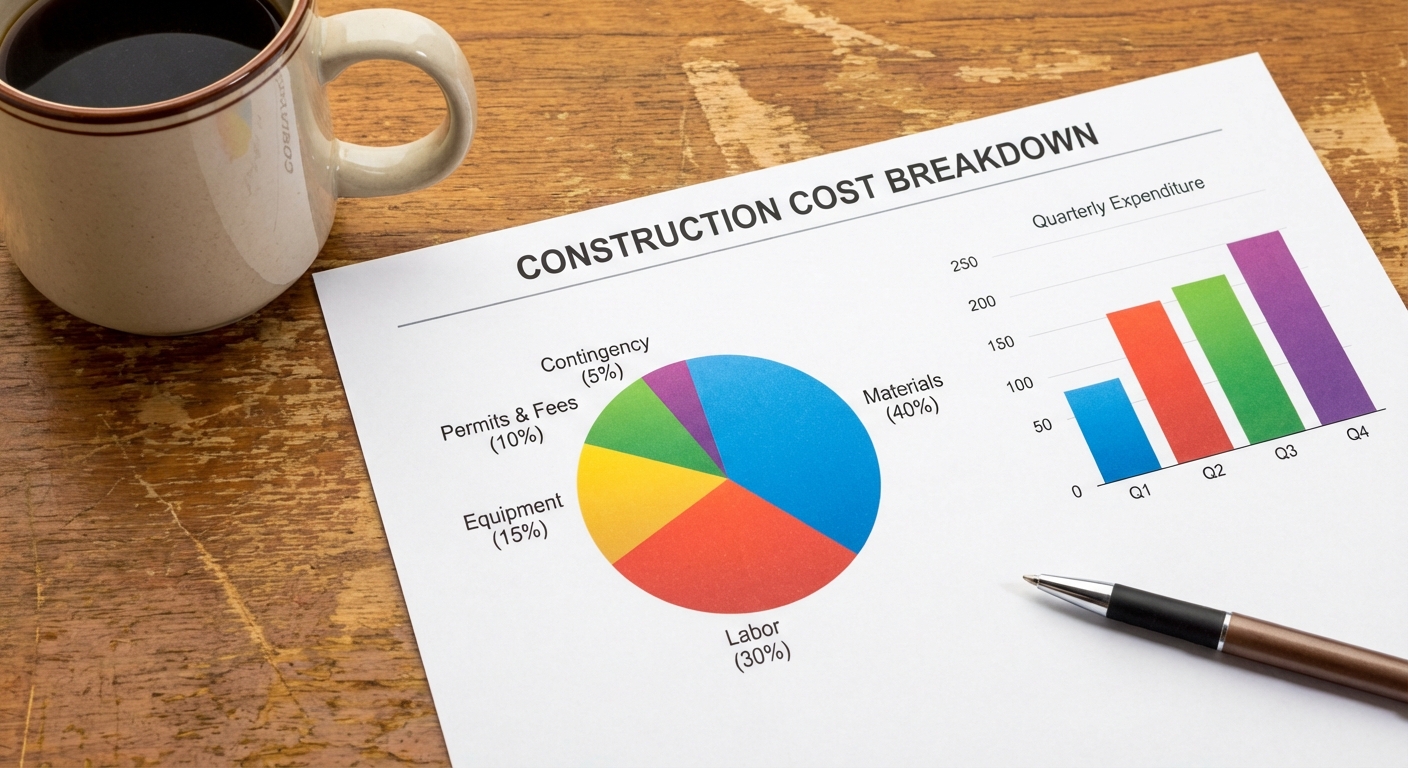
The base price of your 5,000 sqft warehouse shifts based on site conditions, your choice of materials, and your specific energy efficiency goals. While a basic storage shed is affordable, a climate-controlled distribution hub requires specialized systems that increase the upfront investment.
Does location matter for your budget?
The truth is: Where you build is just as important as what you build due to varying regional regulations and climates.
- Climate Zones: Northern regions require higher R-value insulation.
- Seismic Activity: High-risk zones need reinforced structural frames.
- Wind Loads: Coastal areas require specialized roofing and fasteners.
- Permit Fees: Some municipalities charge significantly more for industrial applications.
| Regional Factor | Impact on Cost | |
|---|---|---|
| High Labor Rate Areas | +15-25% | |
| Severe Weather Zones | +10-20% | |
| Urban Permitting | +5-10% |
Understanding these regional multipliers allows you to create a more accurate local budget for your facility.
Key TakeawayYou must account for local environmental factors and labor market conditions early in the design phase to maintain cost control.
How does foundation work impact a 5,000 sqft warehouse budget?
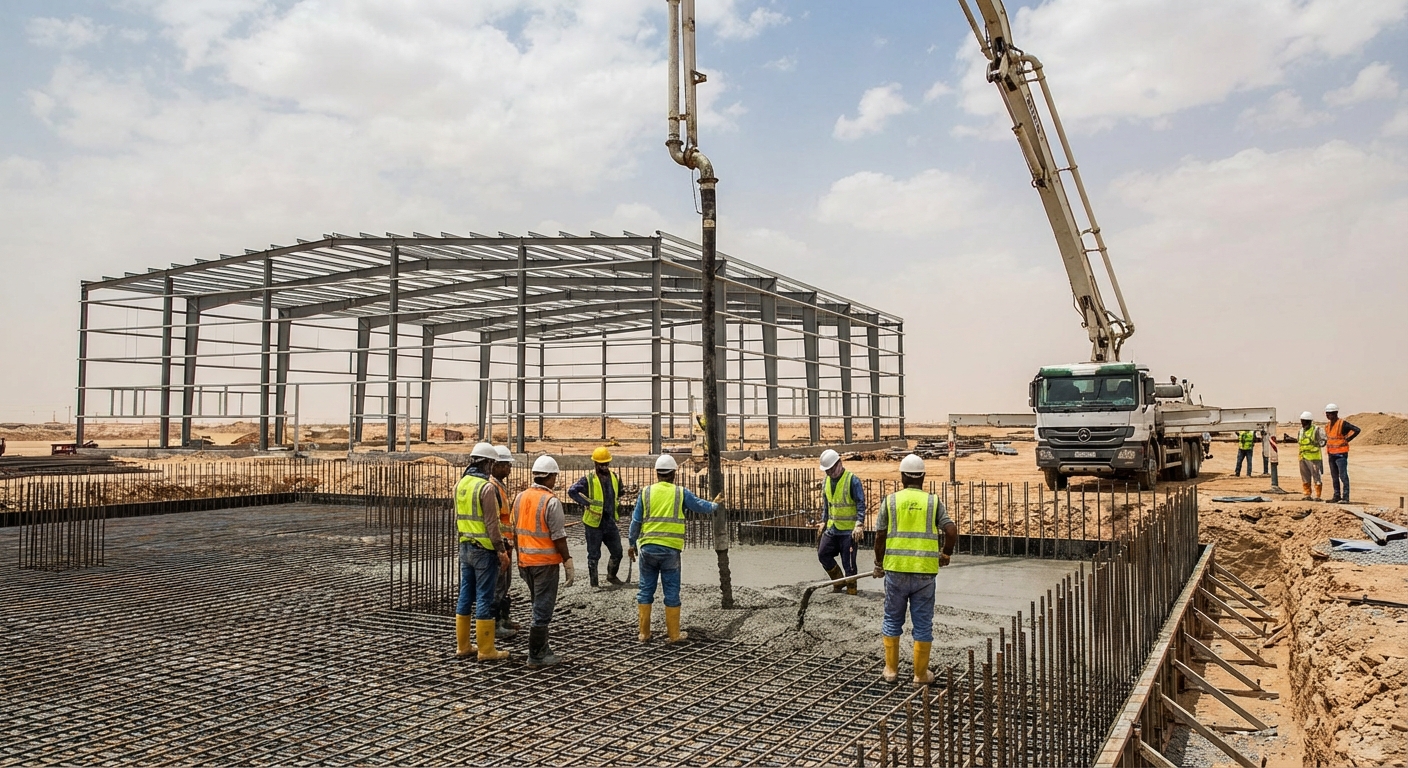
Foundation costs for a 5,000 sqft warehouse typically run between 6 and 12 per square foot for a standard slab-on-grade. If you are building in a colder climate, you may need frost-protected shallow foundations or heated slabs, which can add 5% to 10% to your total foundation budget.
Why is site preparation so critical?
Here is why: Proper dirt work and drainage prevent catastrophic structural issues like slab heaving or moisture cracking later.
- Grading: Ensuring the site is perfectly level for the pour.
- Compaction: Preventing the heavy warehouse structure from sinking.
- Vapor Barriers: Protecting your inventory from ground moisture.
- Sub-base Drainage: Moving water away from the structural slab.
| Foundation Element | Estimated Cost (Total) | |
|---|---|---|
| Standard Slab | 30,000−60,000 | |
| Site Preparation | 10,000−25,000 | |
| Vapor Barriers | 2,000−5,000 |
Your foundation is the literal base of your investment, so cutting corners here often leads to expensive repairs within the first decade.
Key TakeawayInvest in high-quality site preparation and vapor barriers to protect the longevity of your building and the safety of your inventory.
Which structural system fits a 5,000 sqft warehouse best?
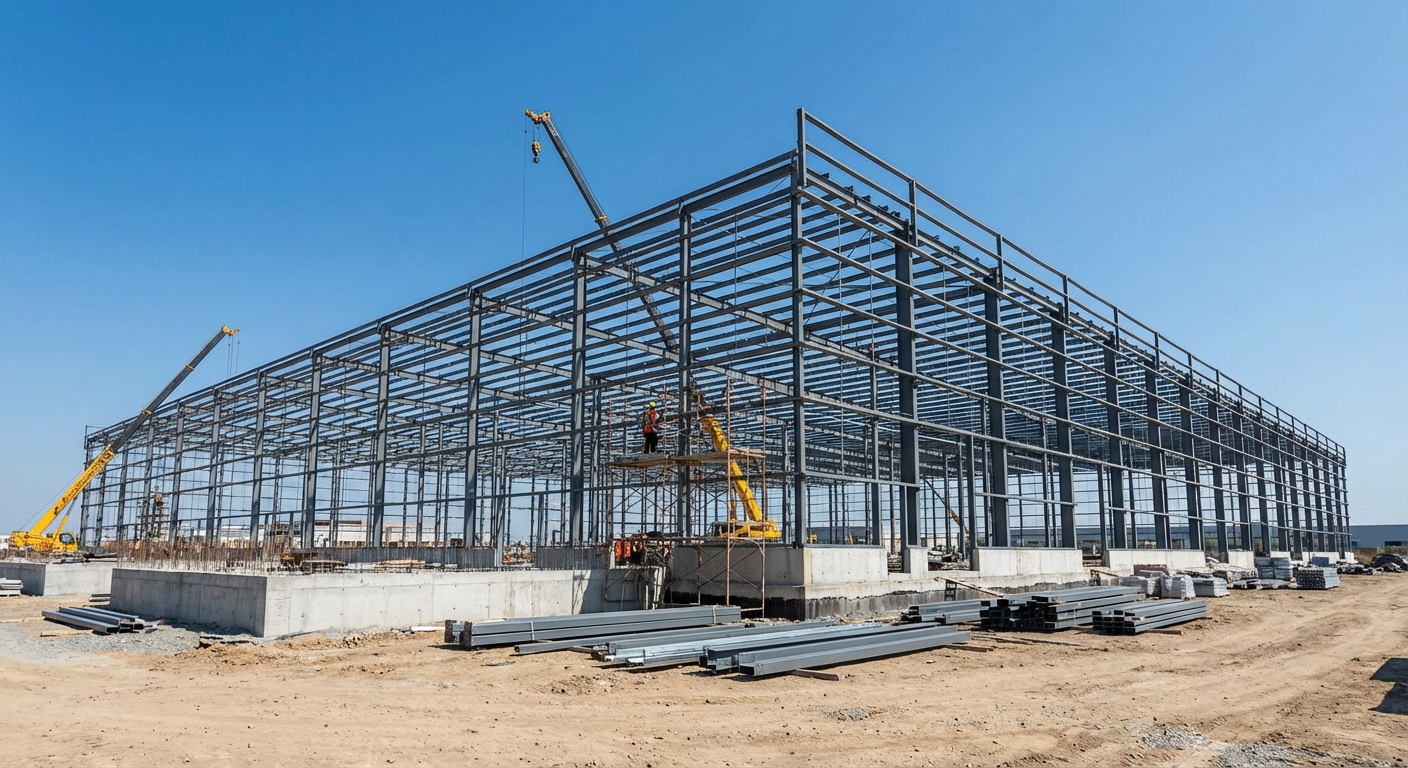
Pre-engineered steel is often the best choice for a 5,000 sqft warehouse because it is the fastest to erect and costs between 45 and 75 per square foot for the shell. These systems are fabricated off-site and bolted together on your prepared pad, which significantly reduces on-site labor costs and construction timelines.
Is steel better than tilt-up concrete?
The real secret: While concrete offers durability, steel provides unmatched flexibility and speed for smaller industrial footprints.
- Speed: Steel buildings can be ready for use weeks faster than concrete.
- Cost: Steel typically has a lower upfront cost per square foot.
- Expansion: It is much easier to add onto a steel structure later.
- Maintenance: Modern coatings protect steel from corrosion and fire.
| System Type | Avg. Cost / Sq Ft | Construction Speed | |
|---|---|---|---|
| Pre-Engineered Steel | 45−75 | Fast | |
| Tilt-Up Concrete | 65−90 | Moderate | |
| Insulated Forms | 80−100 | Moderate |
Steel remains the industry standard for small to mid-sized warehouses due to its high strength-to-weight ratio and cost-efficiency.
Key TakeawayYou will likely find that pre-engineered steel offers the best balance of low initial cost and long-term structural reliability.
What are the roofing options for a 5,000 sqft warehouse?
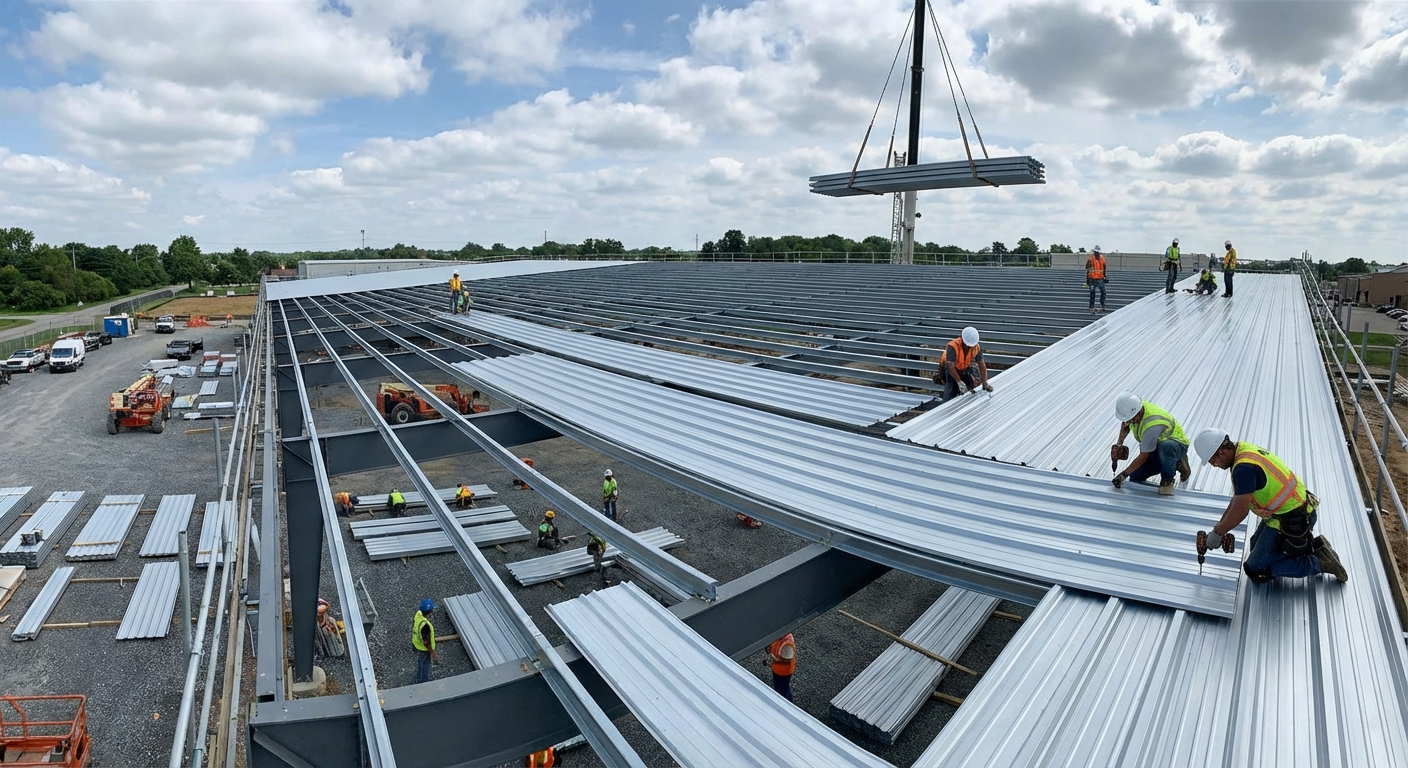
Standard metal roofing is the most common choice for a 5,000 sqft warehouse , but your budget should also consider high-efficiency membranes for better thermal performance. Roof assemblies must meet IECC 2021 standards, which often requires specific joint detailing and insulation levels to ensure code compliance.
How does your roof affect long-term ROI?
Think about it: Your roof is your first line of defense against the elements and a major factor in your monthly energy bills.
- Thermal Bridging: Preventing heat loss through the metal frame.
- Reflectivity: Using “cool roofs” to reduce summer cooling costs.
- Durability: Galvanized coatings that resist rust and leaks.
- Drainage: Integrated gutter systems to prevent site erosion.
| Roofing Material | Durability Rating | Energy Efficiency | |
|---|---|---|---|
| Standard Steel Panel | High | Moderate | |
| Insulated Sandwich Panel | High | Very High | |
| TPO Membrane | Moderate | High |
Choosing an energy-efficient roof system can pay for itself through lower utility bills in as little as five to eight years.
Key TakeawayDon’t view the roof as just a cover; treat it as a high-performance component that protects your assets and lowers operating costs.
How much should I budget for 5,000 sqft warehouse insulation?
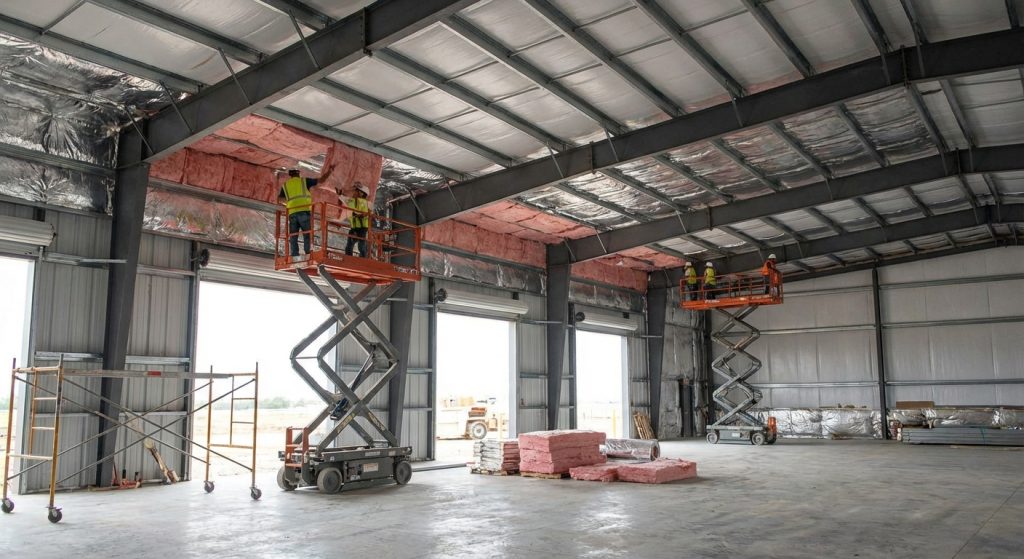
Insulation for a 5,000 sqft warehouse is a critical cost driver that directly affects your building’s ability to meet modern energy codes like ASHRAE 90.1. Depending on your climate zone, you might spend between 10% and 15% of your total budget on high-performance insulation to maintain temperature stability.
Is continuous insulation worth the investment?
Basically: Continuous insulation eliminates thermal leaks that standard fiberglass batts often leave behind at the structural joints.
- R-Value: Measuring the resistance to heat flow.
- Air Leakage: Reducing drafts that force HVAC systems to work harder.
- Condensation: Preventing moisture buildup that causes mold or rust.
- Code Compliance: Meeting strict new environmental regulations.
| Insulation Type | Typical R-Value | Best Use Case | |
|---|---|---|---|
| Fiberglass Batts | R-13 to R-19 | Basic Storage | |
| Rigid Foam Board | R-20 to R-30 | Climate Controlled | |
| Insulated Panels | R-25+ | High Performance |
Investing in a tighter building envelope creates a more comfortable workspace and significantly reduces monthly overhead.
Key TakeawayYou should prioritize high-quality insulation to ensure your warehouse remains energy-efficient and compliant with local building codes.
What internal finishes are needed for a 5,000 sqft warehouse?
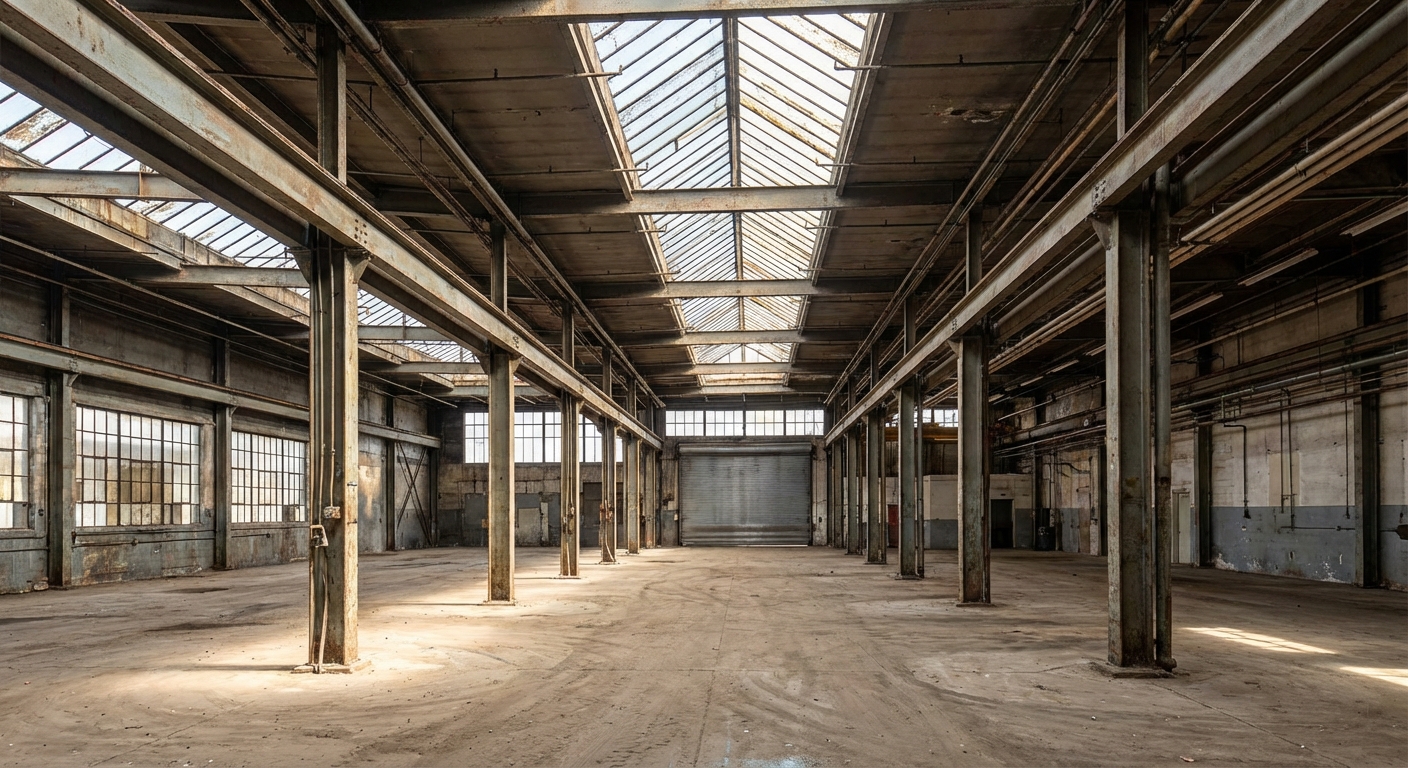
Internal finishes, lighting, and plumbing systems for a 5,000 sqft warehouse typically range from 15 to 35 per square foot. While a simple storage space might only need basic LED lighting, a functional workspace requires air handlers, ductwork, and upgraded electrical power.
Can finishes increase your building’s value?
Believe it or not: High-quality floor coatings and modern lighting can significantly improve operational efficiency and resale value.
- Epoxy Floors: Protecting the concrete from chemical spills and heavy traffic.
- LED Lighting: Reducing energy consumption by up to 60%.
- Climate Control: Maintaining specific humidity levels for sensitive goods.
- Safety Signage: Ensuring the facility meets OSHA requirements.
| Finish Item | Estimated Cost | ROI | |
|---|---|---|---|
| LED Lighting System | 5,000−12,000 | Very High | |
| Epoxy Floor Coating | 10,000−20,000 | Moderate | |
| Basic Plumbing/HVAC | 15,000−40,000 | Essential |
Properly planning your internal layout early helps avoid expensive change orders during the construction phase.
Key TakeawayMatch your internal finish budget to your specific operational use to avoid overspending on features you don’t actually need.
How do loading docks impact a 5,000 sqft warehouse price?
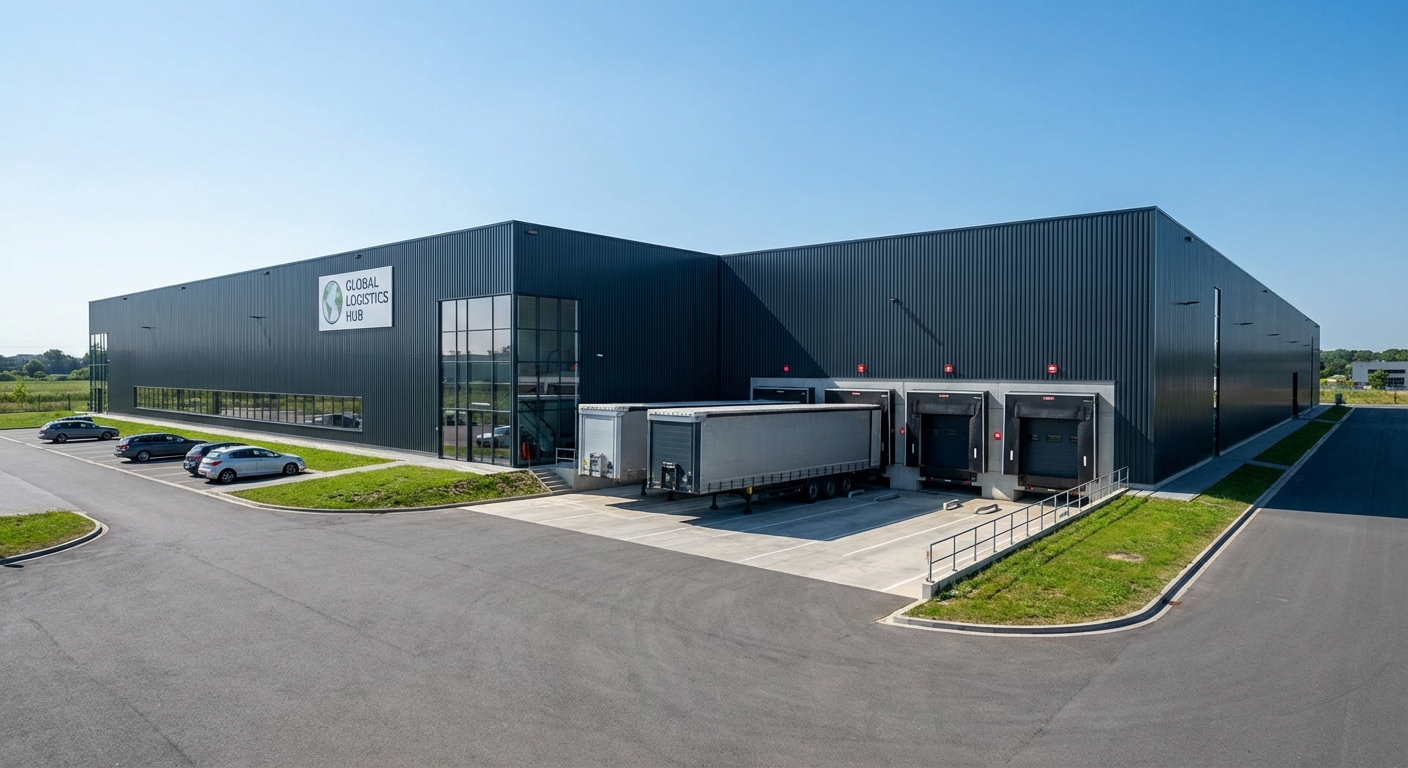
Operational components like overhead doors, dock levelers, and specialized gear now claim 10% to 15% of the total cost for a 5,000 sqft warehouse. These features are essential for distribution but require precision engineering to ensure they integrate seamlessly with the structural frame.
What operational features do you need?
Here’s the deal: The number and type of loading docks you install will dictate the flow and efficiency of your entire logistics operation.
- Dock Levelers: Allowing trucks of different heights to unload easily.
- Overhead Doors: Choosing insulated vs. non-insulated models.
- Dock Seals: Keeping the elements out while the doors are open.
- Sprinkler Systems: Meeting fire codes for high-piled storage.
| Equipment Item | Estimated Cost (Per Unit) | Function | |
|---|---|---|---|
| Insulated Sectional Door | 2,500−5,000 | Access/Insulation | |
| Manual Dock Leveler | 3,500−6,000 | Loading Safety | |
| Fire Sprinkler System | 15,000−30,000 | Code Safety |
Durable dock gear is a long-term investment that reduces the risk of workplace accidents and speeds up your supply chain.
Key TakeawayYou should treat loading dock equipment as a primary operational expense rather than a secondary architectural finish.
What soft costs apply to building a 5,000 sqft warehouse?
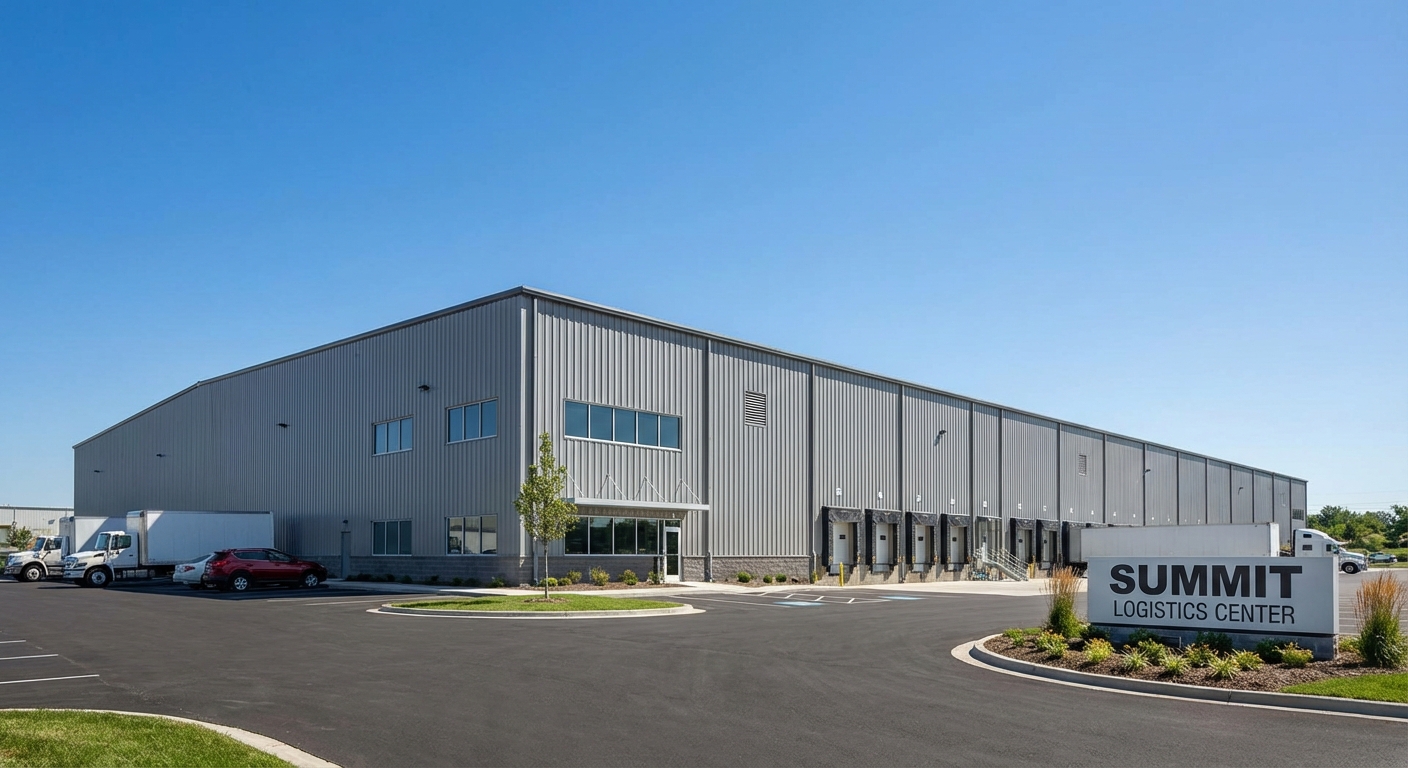
Soft costs for a 5,000 sqft warehouse often surprise project owners, usually adding another 15% to 25% to the total construction budget. Architectural design and engineering typically claim 8% to 12%, while permits and various impact fees can take up another 3% to 5%.
Why should you plan for contingencies?
It’s simple: Unforeseen delays in permitting or sudden material price spikes can stall your project if you don’t have a financial cushion.
- Design Fees: Paying for professional blueprints and structural calculations.
- Permitting: Navigating the local bureaucracy for industrial zoning.
- Contingency Fund: Setting aside 5% to 10% for “just in case” scenarios.
- Inspections: Third-party reviews to ensure structural integrity.
| Soft Cost Category | Percentage of Budget | |
|---|---|---|
| Design & Engineering | 8% – 12% | |
| Permits & Fees | 3% – 5% | |
| Contingency Cushion | 5% – 10% |
Treating these as line items rather than afterthoughts keeps your financing projections honest and realistic.
Key TakeawayAlways secure a 10% contingency fund to ensure your project stays on track regardless of market volatility.
How do I optimize the ROI for a 5,000 sqft warehouse?
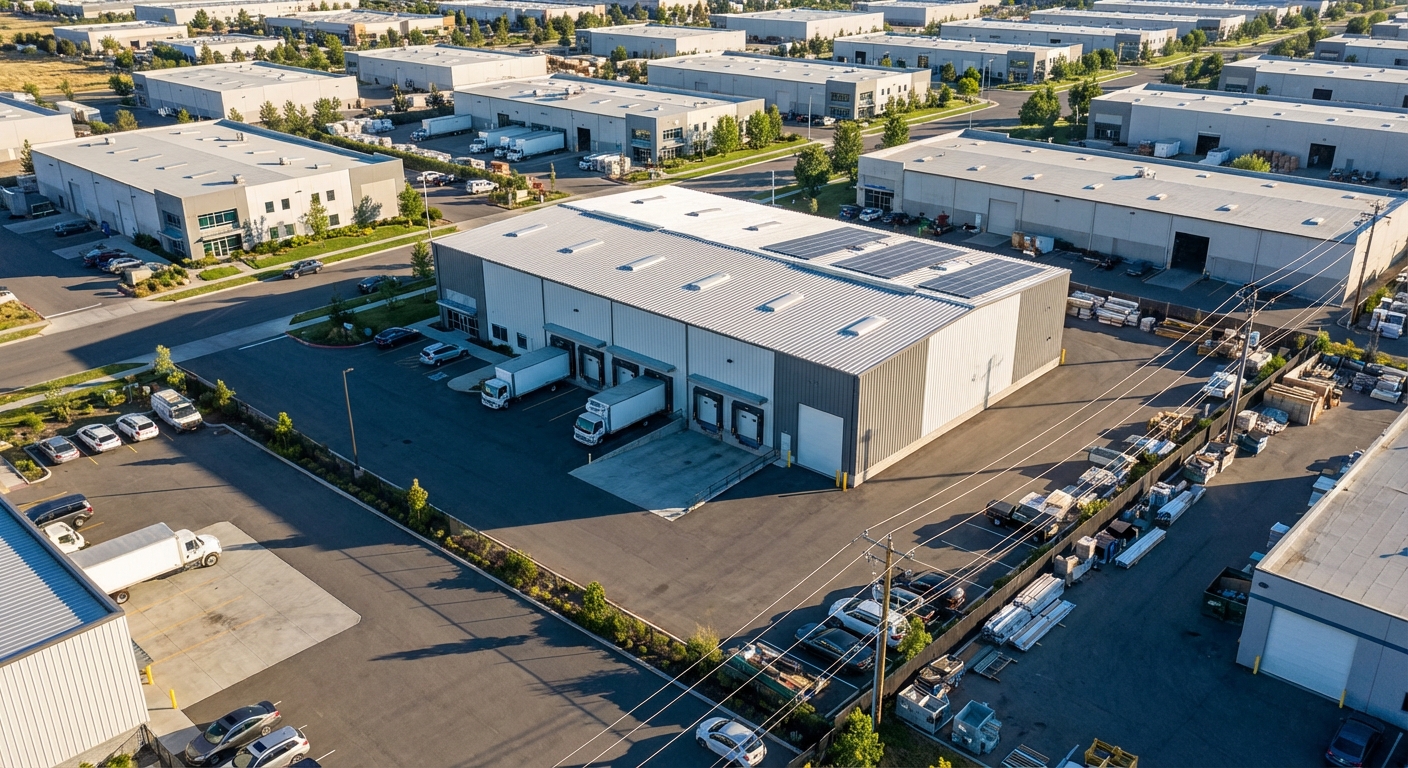
Optimizing the return on investment for your 5,000 sqft warehouse requires looking beyond the initial construction cost to the total cost of ownership. By using energy modeling during the design stage, you can verify how different materials will affect your operating expenses for decades to come.
Can energy efficiency pay for itself?
The bottom line: High-performance wall and roof systems can recover their added upfront cost in roughly five to eight years through utility savings.
- Operational Costs: Reducing the monthly burden of heating and cooling.
- Maintenance: Choosing materials that don’t require frequent painting or repairs.
- Lifespan: Steel structures can last 50+ years with minimal upkeep.
- Resale Value: Energy-efficient buildings are more attractive to future buyers.
| Efficiency Strategy | Payback Period | Long-Term Value | |
|---|---|---|---|
| Energy Modeling | Immediate | Very High | |
| High-R Insulation | 5 – 8 Years | High | |
| Integrated Systems | 4 – 7 Years | Moderate |
A data-driven approach to construction ensures that every dollar spent today saves you five dollars in the future.
Key TakeawayYou will maximize your profit by focusing on lifecycle performance rather than just looking for the lowest possible bid.
Conclusion
Navigating the complexities of warehouse construction doesn’t have to be a guessing game. From managing high material costs to ensuring your building meets the latest energy codes, we provide the engineering excellence and end-to-end support you need to succeed. Our brand vision is to be the leading global supplier of high-quality steel structures, delivering engineered excellence to every project worldwide.
Whether you are looking for a logistics hub or a custom workshop, our team handles the design, fabrication, and quality control so you can focus on growing your business. For project-specific guidance and a detailed quote, contact us today .
Frequently Asked Questions
Can I customize the height of my 5,000 sqft warehouse?Yes, pre-engineered steel buildings allow you to specify the clear eave height to accommodate high-piled storage or specialized machinery. You can adjust the height during the design phase to match your specific vertical space requirements.
What’s the best way to keep construction costs down?The most effective method is using a design-build approach with a factory-direct manufacturer. This eliminates middleman markups and ensures that all components arrive on-site ready for immediate assembly.
How do I know if I need a climate-controlled warehouse?You should evaluate your inventory’s sensitivity to temperature swings and humidity levels. If you are storing pharmaceuticals, electronics, or perishable goods, the long-term protection of those assets outweighs the higher initial cost of HVAC systems.
Can I expand my warehouse after the initial build?Yes, steel structures are designed for modularity, making it relatively simple to add extra bays in the future. You should mention potential future expansion to your engineer so they can optimize the initial frame for later additions.
How do I know if my warehouse meets local building codes?You must ensure your building is engineered based on local snow, wind, and seismic requirements. Our team provides full fabrication drawings that coordinate with your local codes to ensure structural compliance.