
The average warehouse cost in the U.S. currently ranges from 12.00 to 18.00 per square foot for rental rates and 150 to 250 per square foot for purchase prices. You are likely facing a market where industrial space is at a premium, making it difficult to find facilities that fit your operational budget without sacrificing location. If you continue to navigate this volatile real estate landscape without a clear cost breakdown, your profit margins could be eroded by unexpected overhead and inefficient space utilization. The solution lies in understanding the granular data behind how much is it to buy a warehouse so you can make a strategic investment in steel-framed structures that offer long-term durability.
How much is it to buy a warehouse in the current U.S. market?
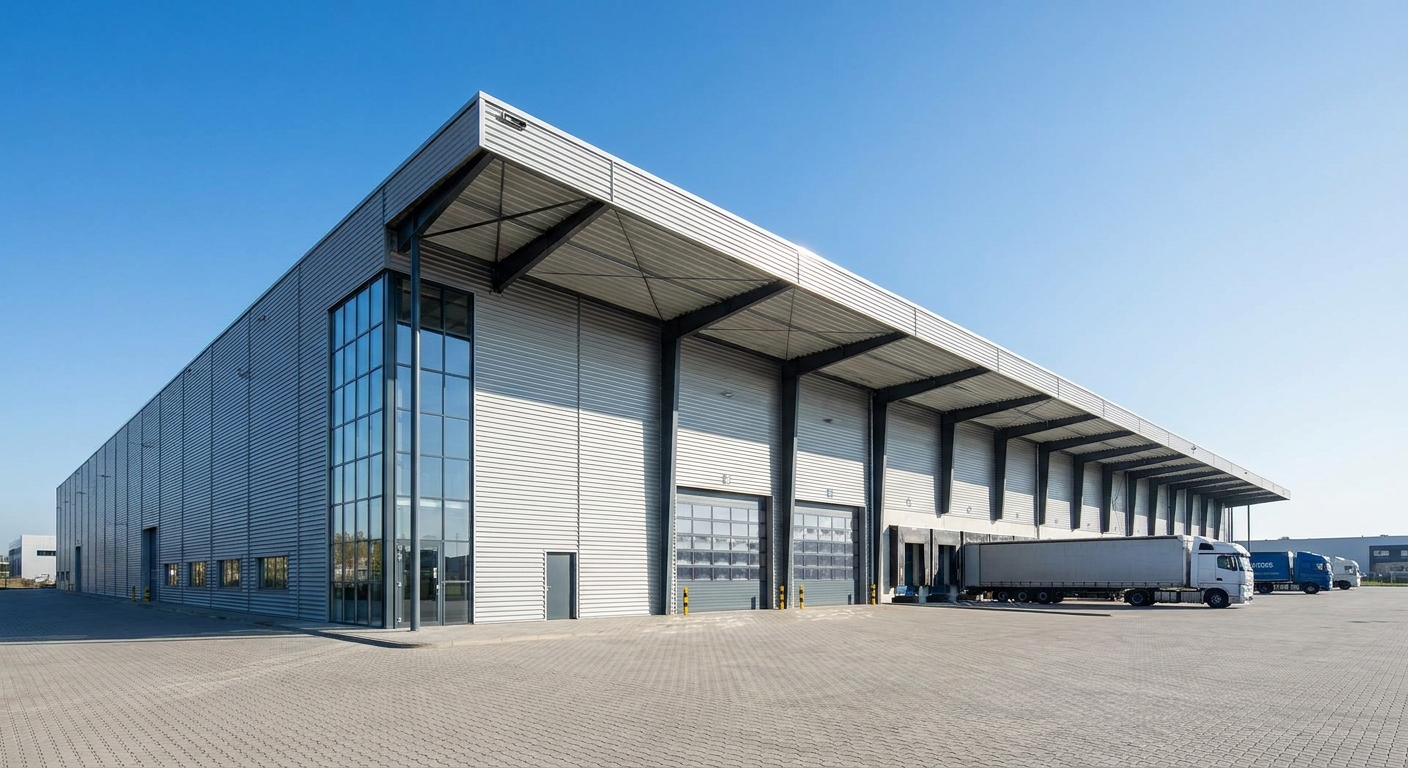
The national average to purchase a warehouse typically falls between 150 and 250 per square foot depending on the facility’s age and location. When you are calculating how much is it to buy a warehouse, you must account for the recent 15% increase in industrial property valuations. This upward trend is driven by high demand for e-commerce fulfillment centers across the Midwest and Sunbelt regions.
Current national rental benchmarks
Rental benchmarks for modern industrial spaces have stabilized at approximately $12.50 per square foot on a triple-net (NNN) basis. You will find that newer Class A buildings often command a 20% premium over the national average.
The reality is this:
- West Coast rates remain the highest in the country.
- Midwest markets offer the most competitive entry points.
- Southern states are seeing the fastest year-over-year growth.
Here is the deal: your base rent is only the starting point for total occupancy costs.
Key Takeaway: Understanding national benchmarks helps you identify if a local quote is fair or inflated based on broader market movements.
| Region | Avg. Buy Price (PSF) | Avg. Rent (PSF) | |
|---|---|---|---|
| National Average | $185 | $12.50 | |
| West Coast | $275 | $19.00 | |
| Midwest | $110 | $8.50 |
This data suggests that regionality is the primary driver of the massive price spreads seen across the continental United States.
How much is it to buy a warehouse in primary coastal cities?
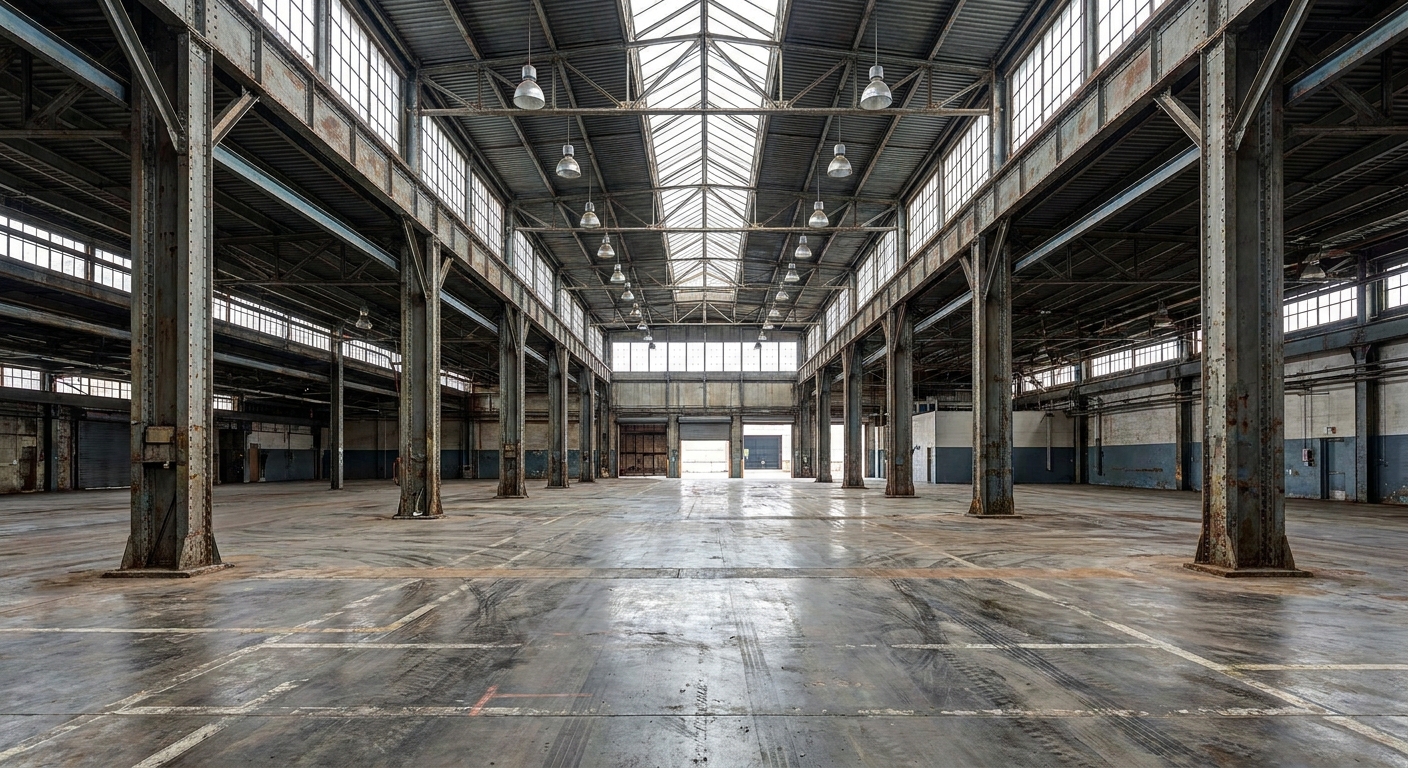
Purchasing a warehouse in primary coastal cities like Los Angeles or New Jersey can cost upwards of 350 to 450 per square foot. If you are looking at how much is it to buy a warehouse in these port-adjacent markets, expect to pay a significant “proximity premium” for the location. These areas are characterized by extremely low vacancy rates, often dipping below 2% in the Inland Empire.
Los Angeles and the Inland Empire
The Inland Empire remains the most expensive industrial corridor due to its proximity to the Ports of Los Angeles and Long Beach. You will encounter fierce competition from institutional investors for any available clear-span facility.
Check this out:
- Land scarcity prevents new horizontal expansion.
- Multi-story warehouses are becoming the new standard.
- Environmental regulations add to the initial purchase price.
But wait, there is more: the high cost of entry is often offset by the drastically reduced transportation times for imported goods.
Key Takeaway: High-cost coastal markets are essential for businesses that prioritize turnaround time over low real estate overhead.
| Market | Buy Price (PSF) | Vacancy Rate | |
|---|---|---|---|
| Los Angeles | $420 | 1.8% | |
| Northern NJ | $380 | 2.4% | |
| Seattle | $310 | 3.1% |
The extremely low vacancy rates in these hubs justify the aggressive pricing strategies adopted by coastal industrial developers.
“Optimize Your Build with Our Expert Solutions”
Email:sales@showhoo.com.cn
Phone/WhatsApp: +86 186 7895 5927
How much is it to buy a warehouse in emerging logistics hubs?
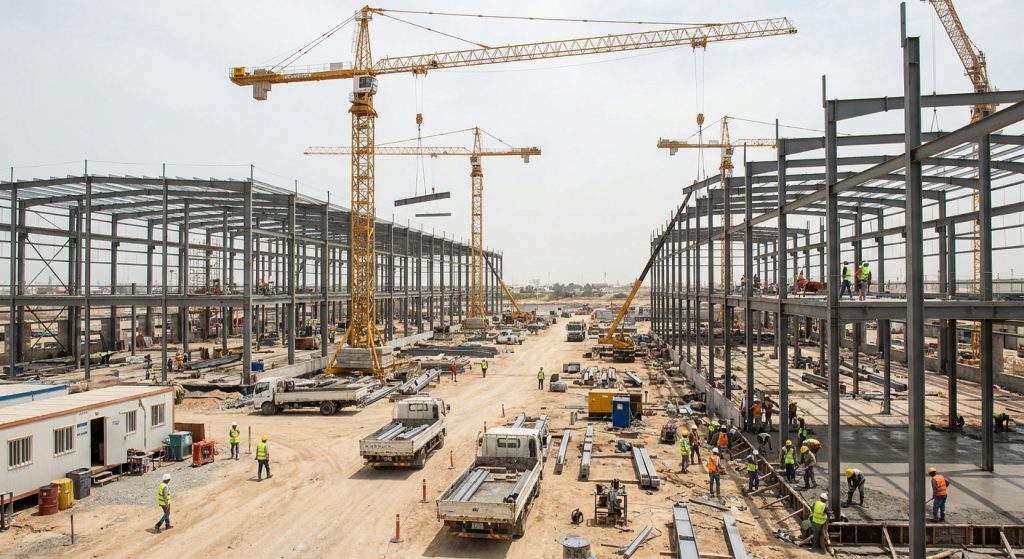
Purchasing a warehouse in emerging hubs like Dallas-Fort Worth or Phoenix generally costs between 120 and 160 per square foot. When researching how much is it to buy a warehouse in these growth zones, you will find a much higher concentration of new-build Class A inventory. These markets offer a strategic balance of affordable land and proximity to growing population centers.
Central hubs like Dallas and Columbus
Dallas and Columbus have become magnets for national distribution because they allow for two-day ground shipping to most of the U.S. population. You can secure massive footprints here for a fraction of the cost of coastal alternatives.
Here is the kicker:
- Utility costs are generally lower in the Texas and Ohio markets.
- Local governments often offer tax abatements for new industrial jobs.
- Construction timelines are shorter due to favorable zoning climates.
The bottom line: you get more modern features for every dollar spent in the central United States.
Key Takeaway: Emerging hubs provide the best “bang for your buck” for companies that need to scale their square footage quickly.
| Hub | Buy Price (PSF) | Development Activity | |
|---|---|---|---|
| Dallas, TX | $135 | Very High | |
| Columbus, OH | $115 | High | |
| Phoenix, AZ | $155 | High |
Active development in these areas ensures a steady supply of inventory, which keeps price appreciation relatively predictable for buyers.
How much is it to buy a warehouse when factoring zoning laws?
Zoning laws and land entitlements can add 20 to 50 per square foot to the final project cost depending on the complexity of the local jurisdiction. You must understand how much is it to buy a warehouse by looking beyond the steel and concrete to the underlying legal rights of the land. Industrial-heavy zoning is becoming harder to secure as residential expansion encroaches on former manufacturing zones.
Land availability and zoning laws
The scarcity of “shovel-ready” industrial land is the single biggest bottleneck for new warehouse development today. You may find a cheap parcel, but if it isn’t zoned for heavy distribution, the conversion costs will be astronomical.
Keep this in mind:
- Remediation for “brownfield” sites can double your land costs.
- Setback requirements limit the actual buildable square footage.
- Stormwater management mandates are becoming increasingly expensive.
Believe it or not, the time spent in the permitting phase can be more expensive than the actual construction labor.
Key Takeaway: Always verify that a prospective site has the correct industrial zoning before committing to a purchase price.
| Zoning Stage | Potential Cost Impact | Risk Level | |
|---|---|---|---|
| Pre-Entitled | Minimal | Low | |
| Re-Zoning Required | 30k−100k+ | High | |
| Environmental Issues | Variable | Critical |
Navigating zoning requires a local expert who understands the specific setbacks and usage restrictions of each industrial park.
How much is it to buy a warehouse based on building class?
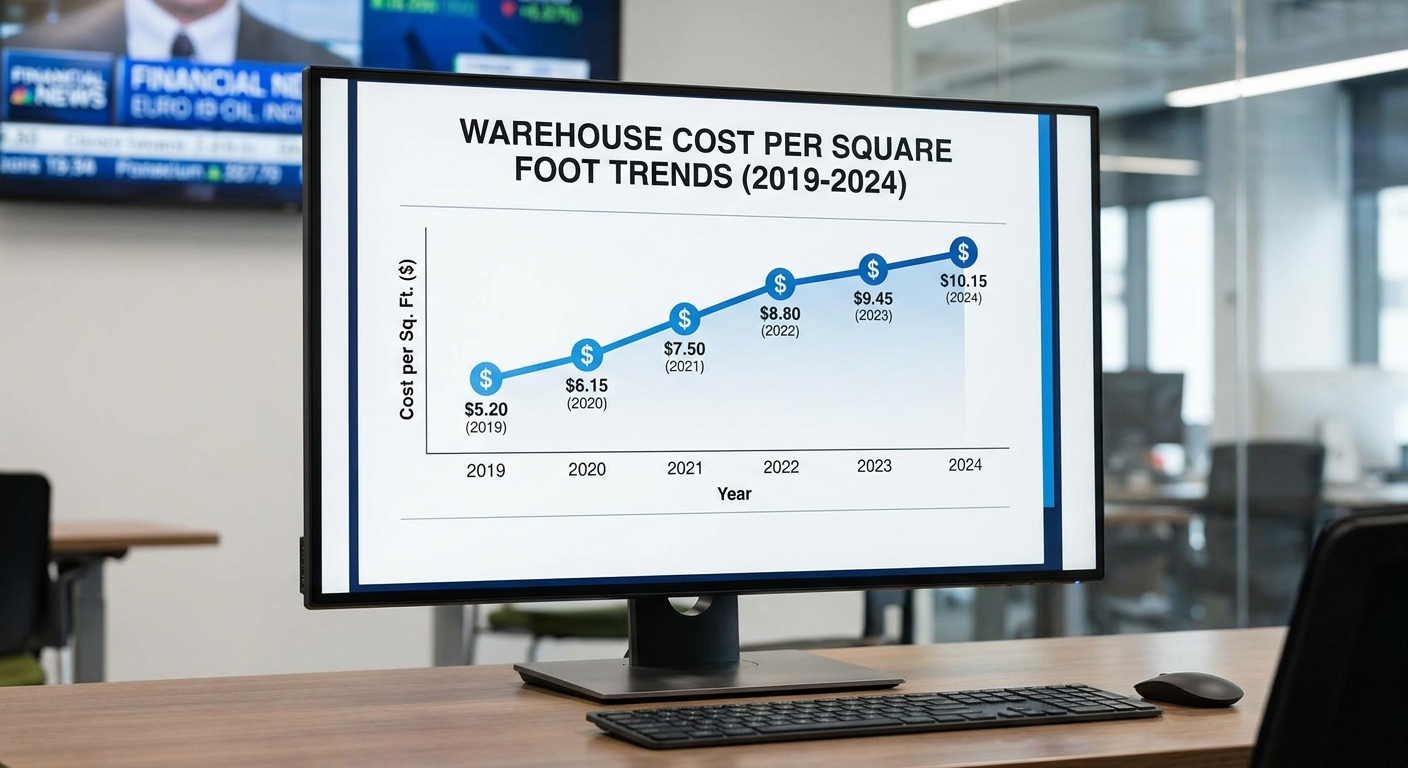
Class A warehouses cost approximately 180 to 260 per square foot, while Class B and C properties can be found for 80 to 140 per square foot. Your choice of building class directly dictates how much is it to buy a warehouse and what kind of operational efficiency you can expect. Modern Class A facilities offer the high ceilings and floor loads necessary for automated picking systems.
Premium Class A facility features
Class A buildings are the gold standard, featuring 36-foot clear heights, ESFR sprinkler systems, and ample trailer parking. You are paying for a “future-proofed” asset that will retain its value even as technology evolves.
Consider these specs:
- Reinforced 7-inch concrete floors for heavy machinery.
- High-efficiency LED lighting and climate control systems.
- Cross-docking capabilities for rapid inventory turnover.
The point is: higher upfront costs for Class A space lead to significantly lower long-term maintenance and energy bills.
Key Takeaway: Investing in Class A space is a strategic move for businesses that rely on automation and high-density storage.
| Building Class | Price Range (PSF) | Typical Age | |
|---|---|---|---|
| Class A | 180−260 | < 10 Years | |
| Class B | 120−180 | 15 – 30 Years | |
| Class C | 80−120 | 30+ Years |
The price gap between classes reflects the technological divide between manual labor operations and modern automated logistics.
“Optimize Your Build with Our Expert Solutions”
Email:sales@showhoo.com.cn
Phone/WhatsApp: +86 186 7895 5927
How much is it to buy a warehouse after hidden tax expenses?

Hidden costs like property taxes and specialized insurance can add an annual carry cost of 3.00 to 6.00 per square foot to your facility. To truly know how much is it to buy a warehouse , you must perform a multi-year cash flow analysis that includes these recurring liabilities. In high-tax states like New Jersey or Illinois, these “hidden” fees can represent 30% of your total occupancy cost.
Maintenance and property tax burdens
Property taxes are often reassessed upon sale, meaning your tax bill could be significantly higher than the previous owner’s. You must also budget for the maintenance of the roof, parking lot, and HVAC systems.
The facts are:
- Roof replacements for a 50,000 sq. ft. building can exceed $250,000.
- Property taxes can fluctuate based on local municipal budget gaps.
- Insurance premiums are rising due to increased climate-related risks.
Don’t overlook this: a “cheap” building with an old roof is often more expensive than a new building at a premium price.
Key Takeaway: Always request a 3-year history of tax bills and maintenance logs before closing on an industrial property.
| Expense Type | Estimated Cost (Annual PSF) | Frequency | |
|---|---|---|---|
| Property Taxes | 1.50−4.00 | Annual | |
| Insurance | 0.40−0.80 | Annual | |
| Maintenance | 0.50−1.20 | Ongoing |
A comprehensive budget must look past the purchase price to ensure the asset doesn’t become a financial burden.
How does location impact how much is it to buy a warehouse?
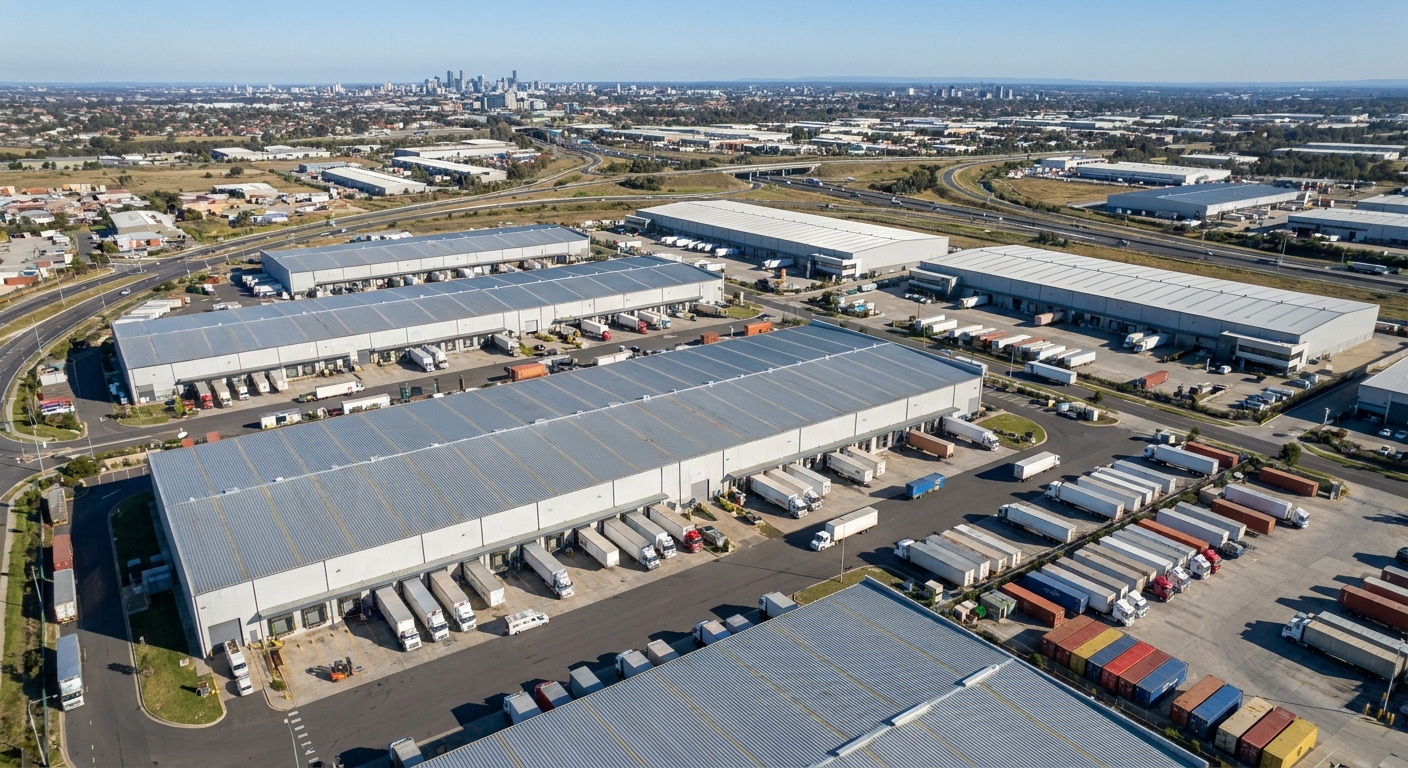
Location is the primary factor, as a warehouse located five miles from a major city center can cost twice as much as one located fifty miles away. When evaluating how much is it to buy a warehouse, you are essentially paying for a reduction in “last-mile” delivery expenses. Proximity to dense consumer populations allows for the same-day delivery services that modern customers demand.
Impact of last-mile delivery demand
The rise of e-commerce has turned former retail sites and small urban industrial lots into high-value logistics goldmines. You will find that these “infills” command the highest per-square-foot prices in the country.
Look at the data:
- Fuel costs are lower when your hub is near the customer.
- Driver retention is higher for urban routes versus long-haul.
- Delivery windows are easier to meet from a centralized location.
The simple truth: the most expensive real estate often yields the lowest total logistics cost per package.
Key Takeaway: Choose your location based on where your customers are, not just where the land is cheapest.
| Distance to Metro | Price Multiplier | Logistics Savings | |
|---|---|---|---|
| < 10 Miles | 2.5x | Very High | |
| 10 – 30 Miles | 1.5x | Moderate | |
| > 50 Miles | 1.0x (Base) | Low |
Strategic site selection requires a trade-off between higher real estate costs and lower transportation overhead.
Why infrastructure affects how much is it to buy a warehouse?
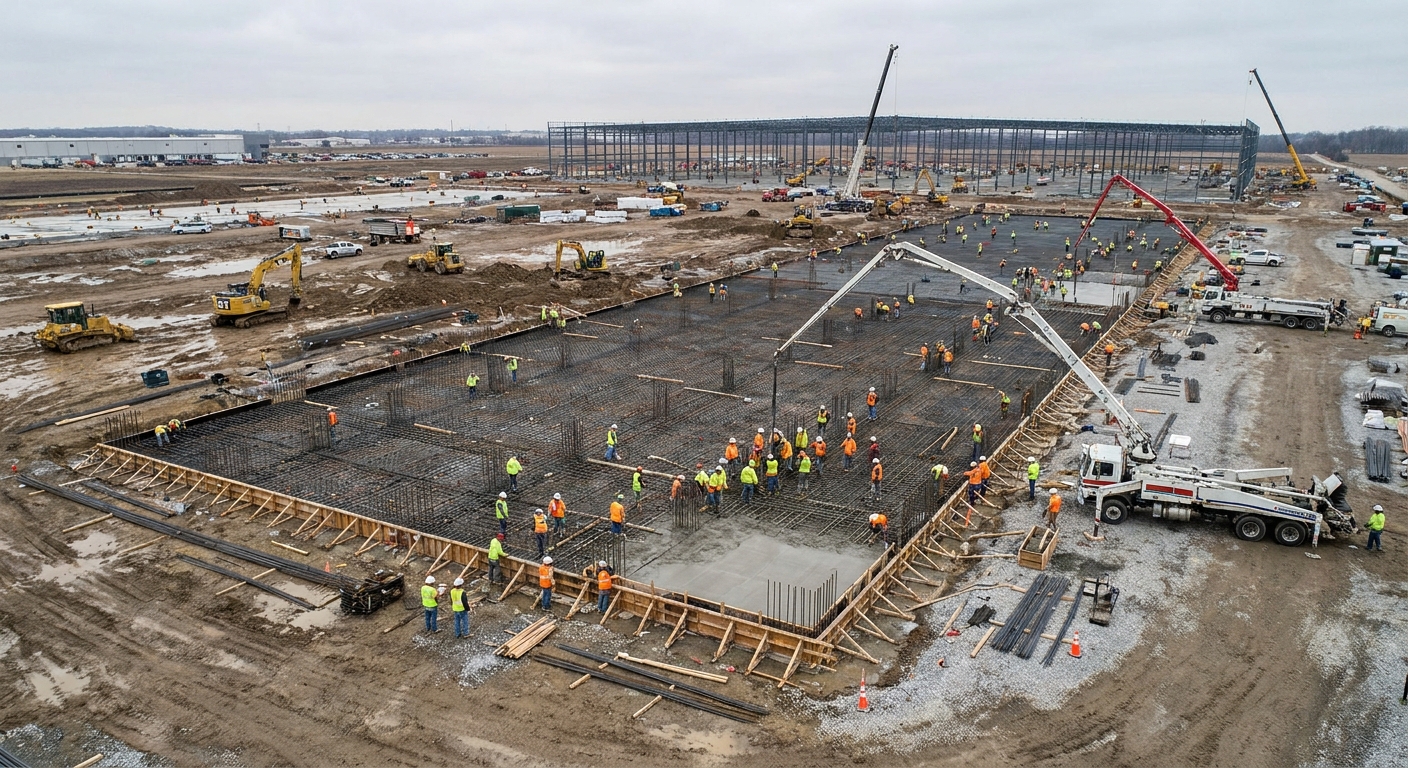
Specialized infrastructure like heavy power or cold storage can increase the purchase price by 50 to 100 per square foot over a standard dry warehouse. You need to calculate how much is it to buy a warehouse based on the specific utility requirements of your industry. A manufacturing plant requiring 4000-amp service will always carry a higher valuation than a simple storage shed.
High ceiling clearances and dock counts
Modern logistics requires high ceilings (32ft+) to maximize the vertical cube of the building. You also need a high ratio of dock doors to square footage to ensure that trucks aren’t idling in the yard.
It works like this:
- More docks equal faster loading and unloading cycles.
- High ceilings allow for 20-30% more pallet positions.
- Levelers and seals at every door reduce energy loss.
Here is the deal: if the infrastructure doesn’t support your equipment, the building is essentially useless for your operation.
Key Takeaway: Prioritize buildings with infrastructure that exceeds your current needs to allow for future operational growth.
| Feature | Standard Spec | Premium Spec | |
|---|---|---|---|
| Clear Height | 24′ – 28′ | 36′ – 40′ | |
| Power Supply | 400 – 800 Amp | 2000+ Amp | |
| Dock Ratio | 1 per 10k sqft | 1 per 5k sqft |
Advanced infrastructure allows for the implementation of vertical storage solutions that drastically reduce the necessary footprint.
“Optimize Your Build with Our Expert Solutions”
Email:sales@showhoo.com.cn
Phone/WhatsApp: +86 186 7895 5927
Is it better to lease or buy industrial space?
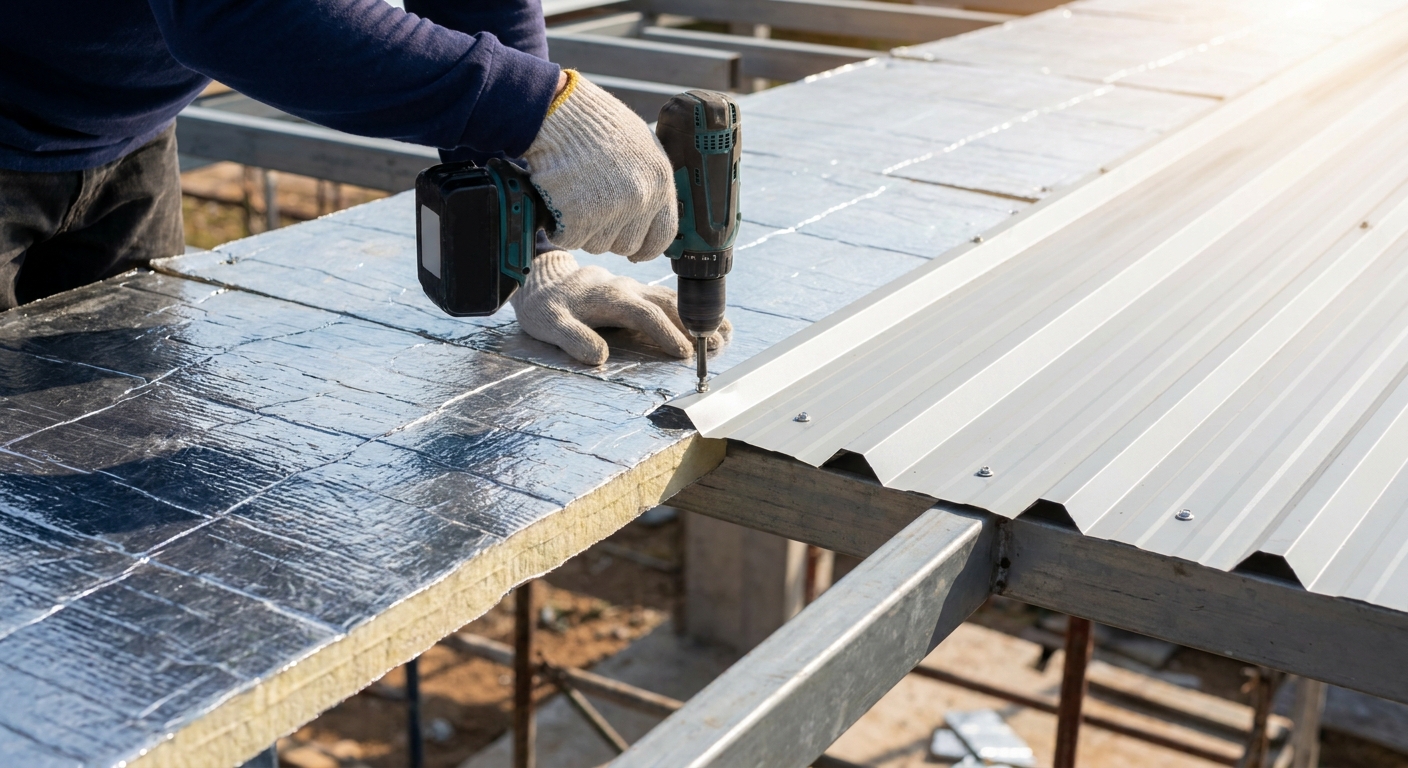
Buying is generally the better long-term financial move if you plan to occupy the space for more than seven years. When debating how much is it to buy a warehouse versus leasing, you must weigh the benefit of equity building against the flexibility of a rental agreement. Owning your facility protects you from the 5% to 8% annual rent escalations common in the current market.
Analyzing long-term capital gains
Industrial real estate has outperformed almost every other asset class over the last decade. By owning, you benefit from both the operational stability and the potential for significant capital appreciation.
Consider this perspective:
- Mortgage payments are often lower than market rents in many hubs.
- Depreciation provides a significant tax shield for your business income.
- You have total control over modifications and expansions.
But wait, there is more: owning the asset means you aren’t at the mercy of a landlord who might want to repurpose the building.
Key Takeaway: Buying is an investment in your company’s balance sheet, while leasing is a pure operational expense.
| Factor | Buying | Leasing | |
|---|---|---|---|
| Upfront Capital | High (20-30% down) | Low (Deposit) | |
| Flexibility | Low | High | |
| Long-term Cost | Lower | Higher |
The decision to buy should be driven by your company’s cash position and long-term commitment to a specific geographic market.
How do you evaluate how much is it to buy a warehouse for long-term scalability?
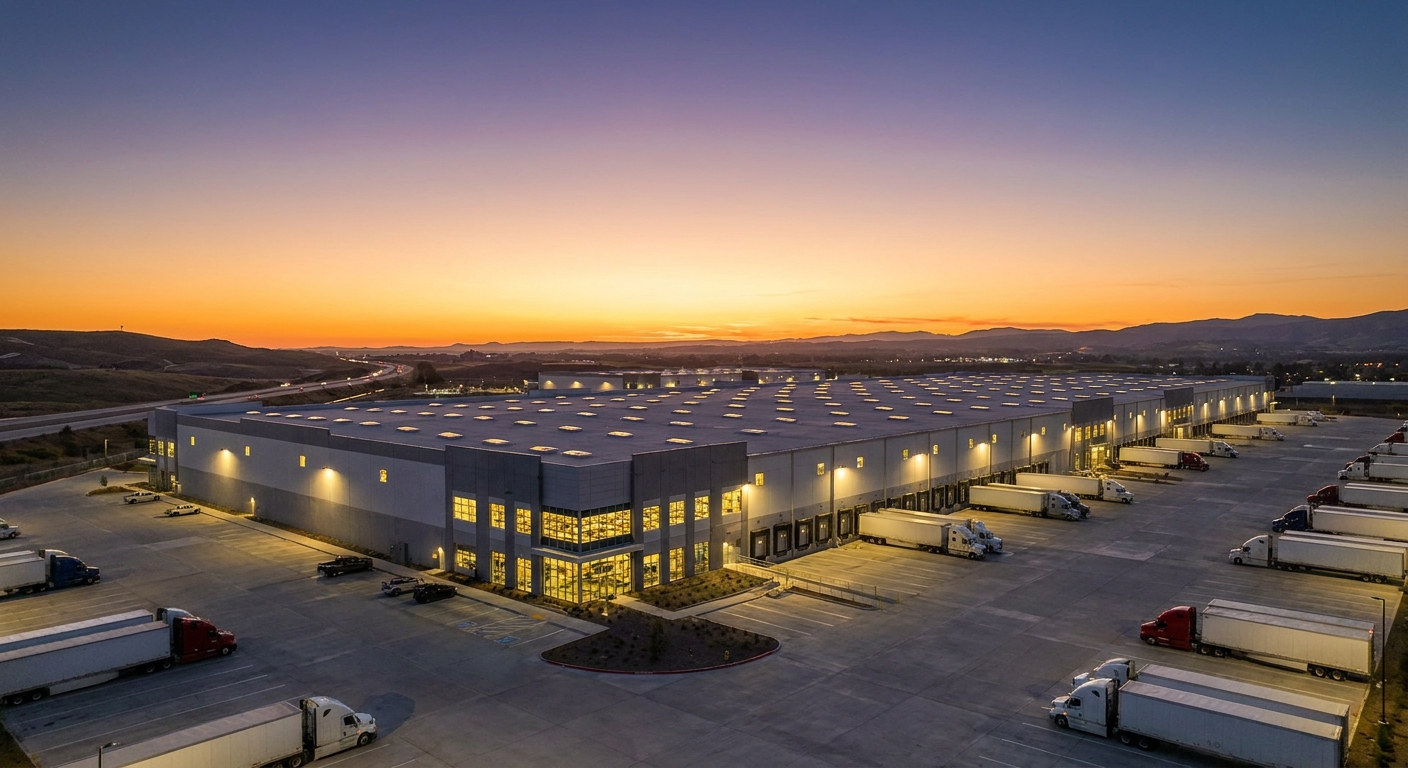
A scalable warehouse site should have at least 20% extra land for future building expansion or additional trailer parking. To determine how much is it to buy a warehouse that will last a decade, you must look at the “floor area ratio” (FAR) permitted by the local county. Buying a site that is already “maxed out” on its footprint will force you to move and incur relocation costs as you grow.
Assessing future scalability options
Scalability isn’t just about the building; it’s about the yard and the access points. You should look for sites that allow for “circular flow” where trucks enter one gate and exit another without difficult backing maneuvers.
The strategy is:
- Ensure the site can accommodate 53-foot trailers easily.
- Check if the steel structure is designed to support internal mezzanines.
- Verify that the local utility grid can handle increased power loads later.
The bottom line: it is much cheaper to buy extra land now than to try and acquire an adjacent parcel five years from now.
Key Takeaway: Scalability is a form of insurance against the high cost of business relocation and operational downtime.
| Scaling Asset | Benefit | Cost Impact | |
|---|---|---|---|
| Extra Land | Future expansion | Moderate Upfront | |
| Heavy Slab | Future Mezzanines | Low Upfront | |
| Oversized Utilities | Future Automation | Moderate Upfront |
Evaluating scalability ensures that your initial investment remains a viable operational hub for the duration of its lifecycle.
Partner with Showhoo for Your Next Project
Navigating the rising costs of industrial real estate requires a partner who understands the intersection of engineering and economy. We solve your space challenges by providing high-quality, factory-direct steel structures that are engineered for your specific local codes. Whether you need a 50,000-square-foot fulfillment center or a specialized manufacturing workshop, our team delivers complete, installation-ready systems that eliminate middleman markups. We are committed to global excellence, ensuring that every bolt and beam meets international standards for durability and safety. To get a customized solution and a transparent quote for your next build, contact us today and let us help you build a foundation for your future growth.
“Optimize Your Build with Our Expert Solutions”
Email:sales@showhoo.com.cn
Phone/WhatsApp: +86 186 7895 5927
Frequently Asked Questions
Can I build a warehouse cheaper than buying an existing one?
Yes, in many markets, building a new steel-structure warehouse is more cost-effective than buying an existing Class A facility. This is because you avoid the “location premium” baked into older assets and benefit from modern, energy-efficient materials that lower long-term costs.
What’s the best way to estimate the total cost of ownership?
The best way is to use a “Total Cost of Occupancy” model that includes the purchase price, property taxes, insurance, and anticipated maintenance over a 10-year period. This gives you a true dollar-per-square-foot figure that is much more accurate than the simple list price.
Can I use a steel building for cold storage?
Absolutely, steel structures are the preferred choice for cold storage because they can easily support the heavy insulation panels and cooling equipment required. The clear-span design also allows for the high-density racking systems necessary to make refrigerated space profitable.
What’s the best region for low-cost warehouse space in 2025?
The Southeast and parts of the Midwest currently offer the best balance of low land costs and high logistics connectivity. States like South Carolina, Tennessee, and Ohio are seeing massive investment because they provide high-quality labor at a lower price point than coastal markets.
Can I expand a steel warehouse after it is built?
Yes, one of the primary benefits of steel-framed warehouses is their modular nature, which allows for relatively simple end-wall removals and additions. If you plan for this during the initial design phase, the future expansion will be significantly faster and cheaper.