
Constructing a 20,000 square foot steel facility requires an initial capital investment ranging from $300,000 upward depending on selected modifications. Outgrown storage facilities restrict revenue potential, while unpredictable construction pricing paralyzes business planning. Securing reliable capacity without draining corporate capital demands accurate material projections. Understanding the exact cost to build 20000 sq ft warehouse grants commercial developers complete financial predictability.
What is the base cost to build 20000 sq ft warehouse?
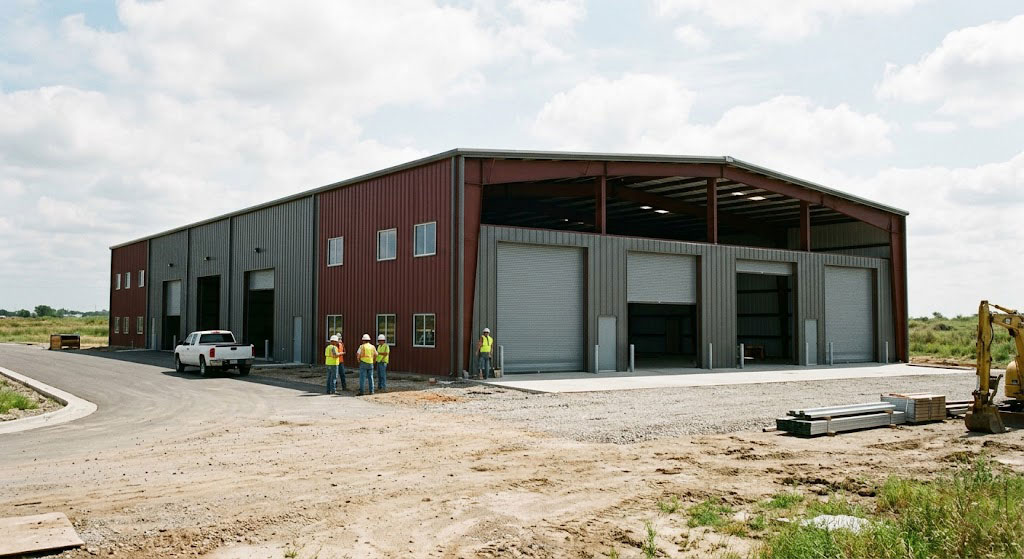
Base pricing for the cost to build 20000 sq ft warehouse hovers roughly around $15 through $25 per square foot. Buyers must calculate raw metal rates alongside fabrication expenses. Choosing durable components secures long-term asset viability. Planning early prevents unexpected financial drain.
What are primary structural options?
Evaluating different architectural designs helps control your overall project budget. Facilities require robust support structures.
- Clear span framing provides unobstructed interior zones.
- Multi-span configurations reduce heavy steel requirements.
- Modular layouts offer rapid assembly timelines.
Why choose rigid frame designs?
Selecting sturdy engineering ensures maximum weather resistance against harsh environmental factors. Structural stability protects valuable inventory stores. Here’s the deal: investing extra upfront prevents catastrophic roof failures during severe storms.
Material pricing breakdown factors
Procuring quality metals dictates a massive portion of total expenditures. Sourcing strategies impact bottom-line profit margins heavily. Market fluctuations demand constant monitoring.
Key Takeaway: Identifying core structural components allows facility owners better control over preliminary budget allocations.
| Structural Type | Average Price Per Sq Ft | Best Application |
|---|---|---|
| Clear Span | $18 – $25 | Aircraft hangars, large machinery |
| Multi-Span | $14 – $19 | Manufacturing lines, retail |
| Modular | $12 – $17 | Basic storage, distribution |
This comparison proves how interior column placement directly influences total metal framing expenditures.
How does layout change cost to build 20000 sq ft warehouse?
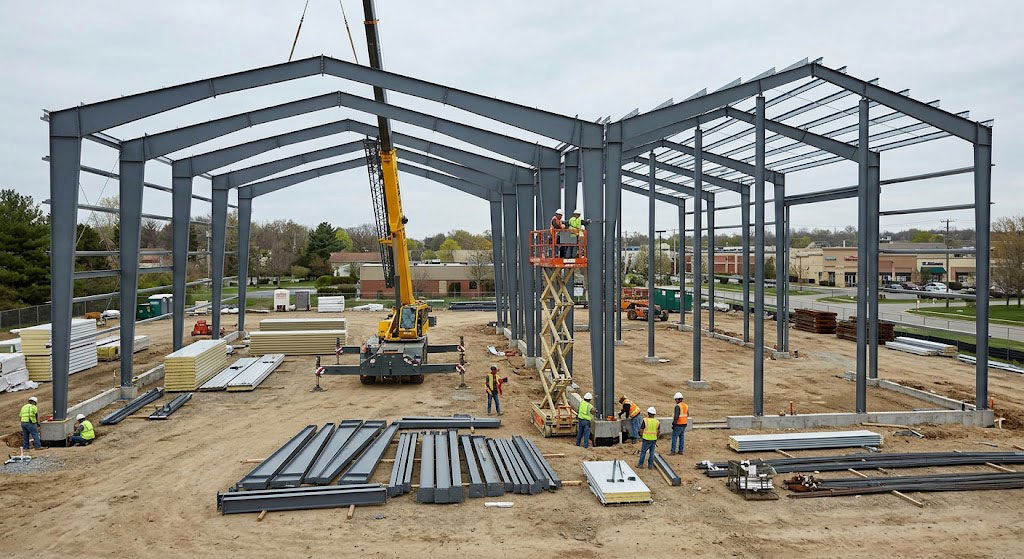
Architectural footprints alter the cost to build 20000 sq ft warehouse by dictating structural engineering complexities. Wider unobstructed spaces demand heavier load-bearing rafters. Strategic column placement drastically reduces raw material requirements. Balancing needs against budget requires skill.
Does clear span design cost more?
Removing internal pillars requires massive reinforced steel beams crossing wide expanses. Such engineering precision drives raw material expenditures upward significantly.
- Tapered columns manage extreme weight distributions.
- Reinforced rafters handle severe snow loads.
- Thicker base plates anchor massive structural frames.
Multi-span versus modular framing
Adding interior support beams drastically cuts down manufacturing expenses. Smaller metal components remain cheaper during fabrication stages. But wait, there’s more: interior columns might disrupt automated forklift traffic patterns.
Optimizing eave height parameters
Taller vertical walls require specialized wind-bracing components. Increasing volume capacity directly scales structural steel demands.
Key Takeaway: Balancing interior workflow needs against structural spans keeps your metal building investment profitable.
| Eave Height | Structural Demand | Cost Impact |
|---|---|---|
| 16 Feet | Standard Bracing | Baseline |
| 20 Feet | Moderate Reinforcement | + 15% Increase |
| 24+ Feet | Heavy Wind Bracing | + 30% Increase |
Vertical volume expansion necessitates exponentially stronger wall paneling alongside specialized reinforcement rods.
What foundation cost to build 20000 sq ft warehouse applies?
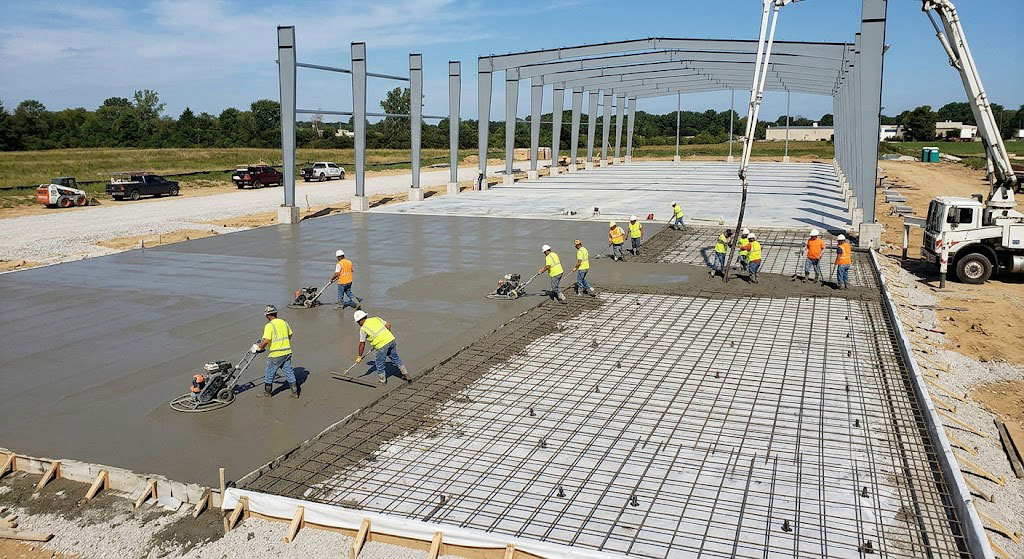
Concrete slab pouring impacts the cost to build 20000 sq ft warehouse by adding roughly $5 through $10 per square foot. Soil testing determines required excavation depths. Pouring thick commercial slabs requires extensive rebar grids. Solid ground preparation dictates structural lifespan.
How do soil types alter plans?
Geotechnical engineers must test ground stability prior planning poured footings. Unstable dirt requires deeper anchoring techniques.
- Sandy terrain needs extensive compaction protocols.
- Clay expands rapidly causing structural cracking.
- Bedrock formations demand expensive drilling equipment.
Choosing proper slab thickness
Heavy manufacturing machinery mandates six-inch concrete floors at minimum. Standard pallet jacks operate safely across thinner surfaces. Look at it this way: skimping on foundation depth guarantees expensive future floor repairs.
Rebar and concrete reinforcement
Steel mesh prevents minor surface fracturing across expansive industrial floors. Heavy rebar grids distribute massive point loads safely.
Key Takeaway: Investing properly into stable ground preparation ensures your massive structure remains perfectly level permanently.
| Foundation Element | Expense Range (Per Sq Ft) | Purpose |
|---|---|---|
| Standard 4″ Slab | $4.00 – $6.00 | Light pedestrian traffic |
| Reinforced 6″ Slab | $6.50 – $8.50 | Heavy forklift operations |
| Specialized Footings | $2.00 – $4.00 | Anchoring massive columns |
Geotechnical variables play an outsized role regarding exact concrete pouring expenditures across commercial sites.
Will insulation alter cost to build 20000 sq ft warehouse?
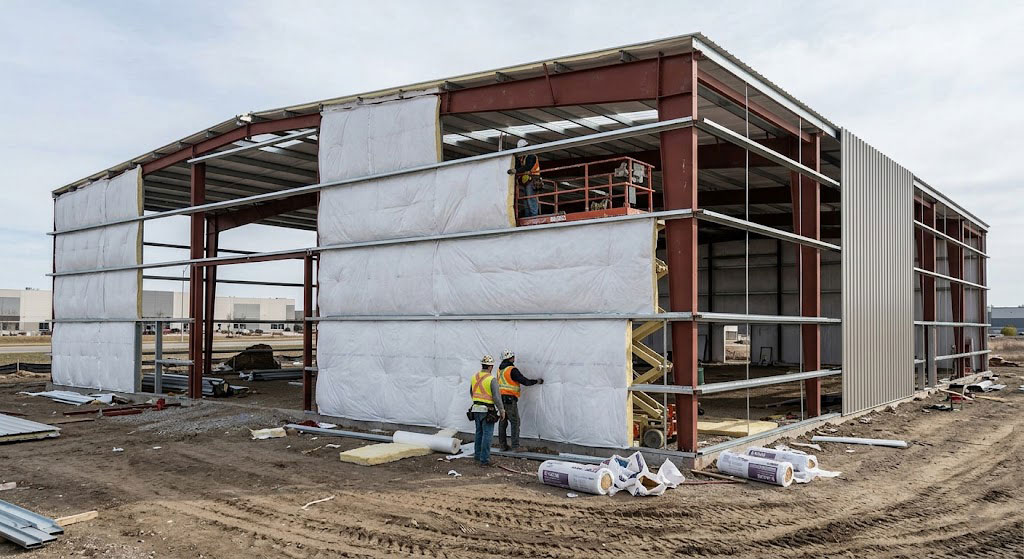
Thermal protection shifts the cost to build 20000 sq ft warehouse upwards yet slashes long-term utility bills dramatically. Climate control requirements dictate specific R-value selections. Proper vapor barriers prevent destructive interior condensation. Wrapping buildings properly saves heating money.
What are fiberglass roll benefits?
Vinyl-backed rolls remain extremely affordable for massive industrial spaces. Rapid installation keeps contractor labor hours minimal.
- Moisture barriers block harmful internal rusting.
- Thick layers trap mechanical heat efficiently.
- White backing reflects ambient lighting beautifully.
Is spray foam worth extra money?
Expanding polyurethane seals tiny structural gaps perfectly. Creating airtight envelopes stops severe winter drafts completely. Ready for the good part? Closed-cell foam adds actual structural rigidity across wall panels.
Rigid board insulation applications
Polystyrene panels slide neatly between exterior sheeting systems. These hard sheets resist physical impacts incredibly well.
Key Takeaway: Proper thermal wrapping reduces heating budgets ensuring comfortable environments for active inventory personnel.
| Insulation Style | R-Value Rating | Installation Speed |
|---|---|---|
| Fiberglass Rolls | R-11 to R-19 | Very Fast |
| Spray Polyurethane | R-20 to R-30 | Moderate |
| Rigid Foam Boards | R-15 to R-25 | Slow |
Selecting appropriate thermal barriers depends heavily upon local climate extremes along with targeted utility budgets.
How do custom doors affect cost to build 20000 sq ft warehouse?
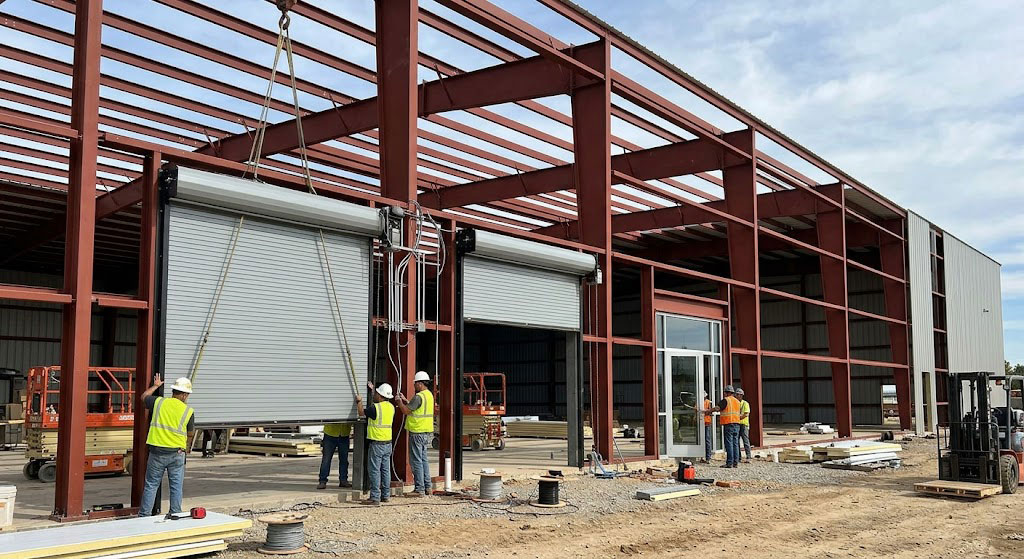
Access points change the cost to build 20000 sq ft warehouse because commercial-grade mechanical entryways demand premium pricing. Massive shipping bays require heavy-duty rolling steel curtains. Automated motors increase electrical wiring complexities. Traffic flow dictates door sizing.
What size overhead doors work?
Standard freight trucks require fourteen-foot clearance heights minimum. Smaller delivery vans utilize standard ten-foot bays easily.
- Insulated panels prevent temperature loss during winter.
- Chain hoists offer manual backup lifting capabilities.
- Automated sensors prevent accidental vehicle crushing.
Choosing pedestrian entry points
Personnel doors allow staff movement without opening massive shipping portals. Heavy steel man-doors resist forced unauthorized entry. This is where it gets interesting: strategically placed exits lower emergency insurance premiums drastically.
Impact of loading dock equipment
Hydraulic levelers bridge gaps connecting warehouse floors alongside truck trailers. Dock seals prevent cold drafts during active unloading sequences.
Key Takeaway: Strategic access planning accelerates daily freight logistics while maintaining stringent building security protocols.
| Entryway Type | Average Expense | Primary Function |
|---|---|---|
| Manual Overhead | $1,500 – $3,000 | Occasional large equipment access |
| Motorized Bay | $3,500 – $6,000 | High-traffic freight logistics |
| Steel Personnel | $800 – $1,500 | Daily employee foot traffic |
Upgrading mechanical bay entrances directly accelerates supply chain operations despite requiring larger initial capital.
What erection cost to build 20000 sq ft warehouse is normal?
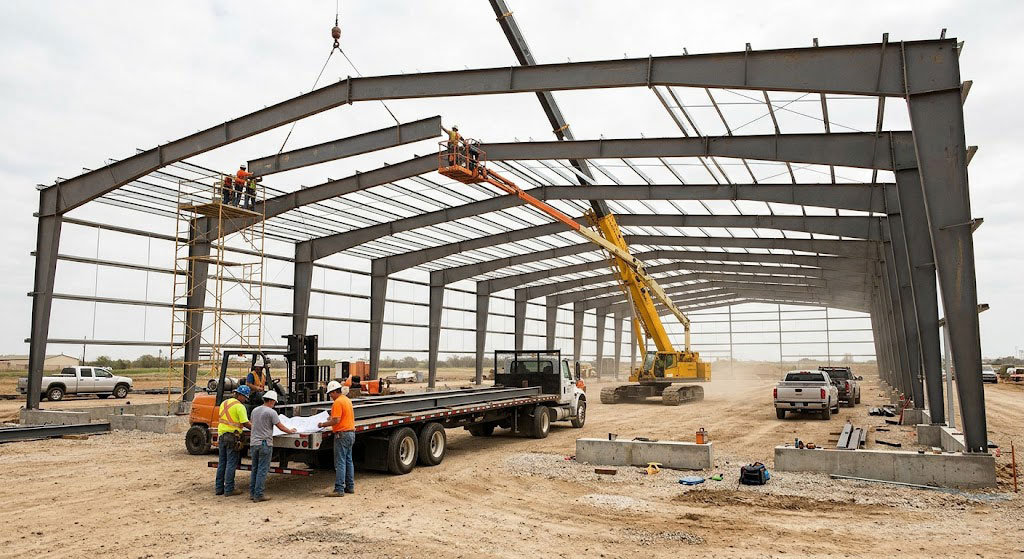
Professional assembly adds approximately $6 through $10 per square foot toward the cost to build 20000 sq ft warehouse. Skilled labor ensures structural bolts meet strict engineering tolerances. Operating heavy cranes incurs daily rental fees. Assembly speed depends upon crew experience.
How do crane rentals factor?
Lifting massive steel rafters requires specialized hydraulic machinery. Daily equipment rates climb rapidly during extended delays.
- Certified operators demand premium hourly wages.
- Boom lengths dictate reaching capabilities across sites.
- Weather conditions halt dangerous lifting procedures instantly.
Hiring certified metal contractors
Experienced crews bolt steel frames together rapidly. Novice builders often cause expensive component damage. What’s the real story? Expert teams finish massive structures weeks faster than general carpenters.
Managing site safety protocols
Commercial construction mandates strict protective gear enforcement. Fall protection harnesses save lives during high-elevation roofing.
Key Takeaway: Partnering alongside experienced erectors guarantees rapid assembly while preventing critical structural failures.
| Construction Phase | Labor Intensity | Equipment Needed |
|---|---|---|
| Main Frame Assembly | Very High | Large Hydraulic Cranes |
| Wall Paneling | Moderate | Scissor Lifts |
| Roof Sheeting | High | Boom Lifts, Safety Harnesses |
Experienced assembly crews leverage specialized machinery heavily causing rapid project completion despite higher hourly rates.
Do local codes change cost to build 20000 sq ft warehouse?
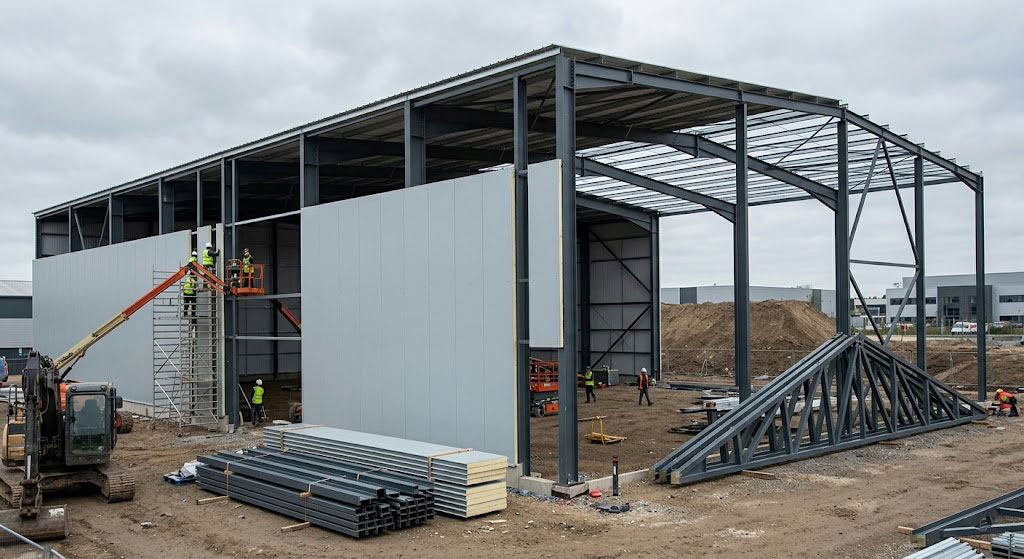
Municipal regulations modify the cost to build 20000 sq ft warehouse by mandating specific structural engineering upgrades. Coastal counties require extreme wind-rated paneling systems. Northern regions demand heavy snow-load rafter reinforcements. Compliance prevents legal headaches.
Navigating commercial permitting fees
City planners charge significant amounts approving massive commercial layouts. Complex structural blueprints require expensive certified engineering stamps.
- Zoning boards dictate exterior aesthetic requirements.
- Fire marshals mandate expensive sprinkler grid layouts.
- Environmental agencies monitor stormwater runoff plans.
Seismic engineering requirements
Earthquake zones force builders into utilizing flexible anchoring joints. Extra steel bracing prevents catastrophic lateral swaying. Here’s the catch: ignoring seismic codes guarantees immediate project shutdown by municipal inspectors.
Fire suppression system mandates
Massive storage facilities require vast pressurized overhead plumbing. Commercial water pumps guarantee adequate spray pressure during emergencies.
Key Takeaway: Researching local municipal regulations early prevents expensive redesigns after purchasing raw materials.
| Regulatory Area | Potential Upgrade Need | Cost Consequence |
|---|---|---|
| Snow Loads | Thicker roof purlins | High material increase |
| Wind Ratings | Extra structural bracing | Moderate material increase |
| Fire Safety | Full sprinkler grids | Major plumbing expense |
Municipal mandates dictate baseline structural integrity ensuring public safety across diverse geographical locations.
How does location shift cost to build 20000 sq ft warehouse?
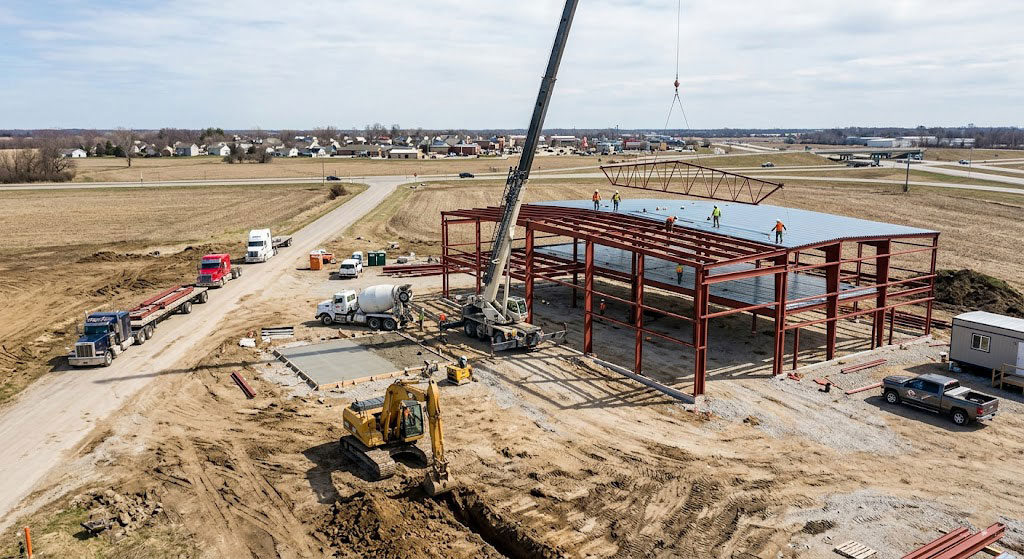
Geographic placement impacts the cost to build 20000 sq ft warehouse through varying regional labor rates alongside freight logistics. Urban environments demand premium contractor wages. Remote sites increase heavy truck delivery expenses. Distance dictates shipping prices.
Why do urban plots cost more?
City construction crews command top-tier hourly compensation. Navigating heavy equipment through tight traffic slows daily progress.
- Union regulations mandate specific wage minimums.
- Street closure permits add unexpected administrative fees.
- Limited staging areas complicate raw material storage.
Rural terrain logistical hurdles
Transporting massive steel beams miles away from major highways gets expensive. Dirt access roads trap heavy delivery trucks easily. Truth be told: remote sites often require bringing temporary power generators.
Regional material availability issues
Sourcing concrete locally keeps foundation pouring affordable. Importing specialized components across state lines inflates shipping invoices.
Key Takeaway: Balancing land acquisition prices against local construction wages determines actual project feasibility.
| Location Profile | Labor Rates | Logistics Challenge |
|---|---|---|
| Major Metropolis | Premium | Tight staging, traffic |
| Suburban Park | Moderate | Standard transport |
| Remote Rural | Affordable | Difficult site access |
Geographical dynamics fundamentally alter daily operations determining how smoothly raw materials reach final assembly locations.
Can site prep alter the cost to build 20000 sq ft warehouse?
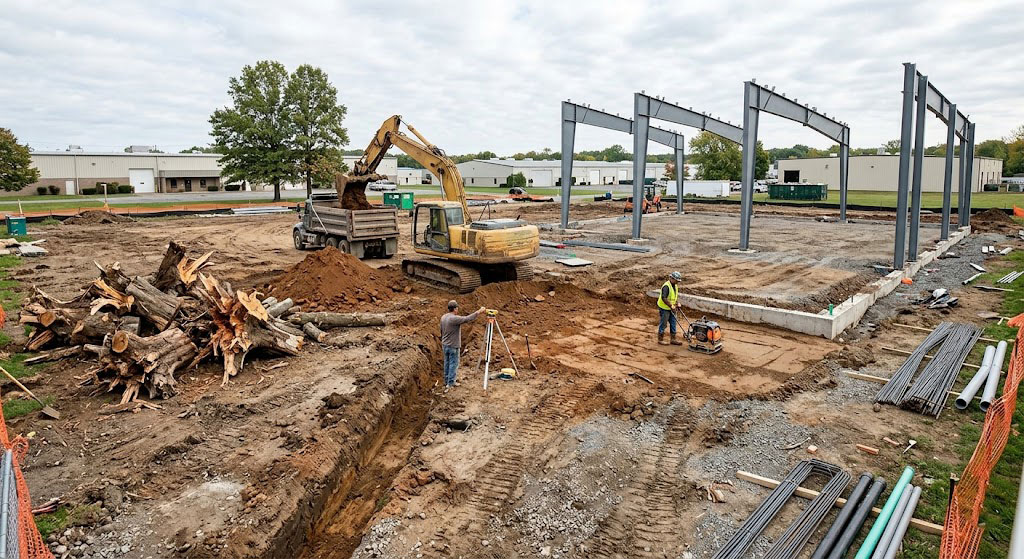
Land grading modifies the cost to build 20000 sq ft warehouse because creating perfectly flat surfaces requires heavy earthmoving machinery. Removing ancient tree stumps takes considerable effort. Implementing proper drainage trenches prevents future flooding. Groundwork requires careful planning.
Handling severe topographical slopes
Building across hillsides forces contractors into creating expensive retaining walls. Moving thousands of dirt yards eats fuel rapidly.
- Bulldozers scrape uneven topsoil layers completely.
- Laser levels guarantee perfectly horizontal building pads.
- Dump trucks haul away useless organic debris.
Managing complex stormwater runoff
Massive roof structures create extreme rainwater volume during storms. Digging retention ponds keeps adjacent properties completely dry. Consider this angle: properly engineered trenches direct sudden downpours away from fragile foundation slabs seamlessly.
Utility connection trenching efforts
Running municipal water lines underground requires deep excavating. Pulling high-voltage electrical cables demands specialized conduit piping.
Key Takeaway: Aggressive land preparation guarantees structural longevity preventing catastrophic water damage during heavy seasonal rainfall.
| Site Condition | Required Action | Budget Impact |
|---|---|---|
| Flat Pasture | Basic topsoil scraping | Minimal |
| Sloped Terrain | Cut-and-fill grading | Moderate |
| Rocky Ground | Blasting or heavy drilling | Severe |
Topographical realities dictate preliminary earthmoving requirements establishing stable environments before pouring concrete footings.
Will accessories raise cost to build 20000 sq ft warehouse?
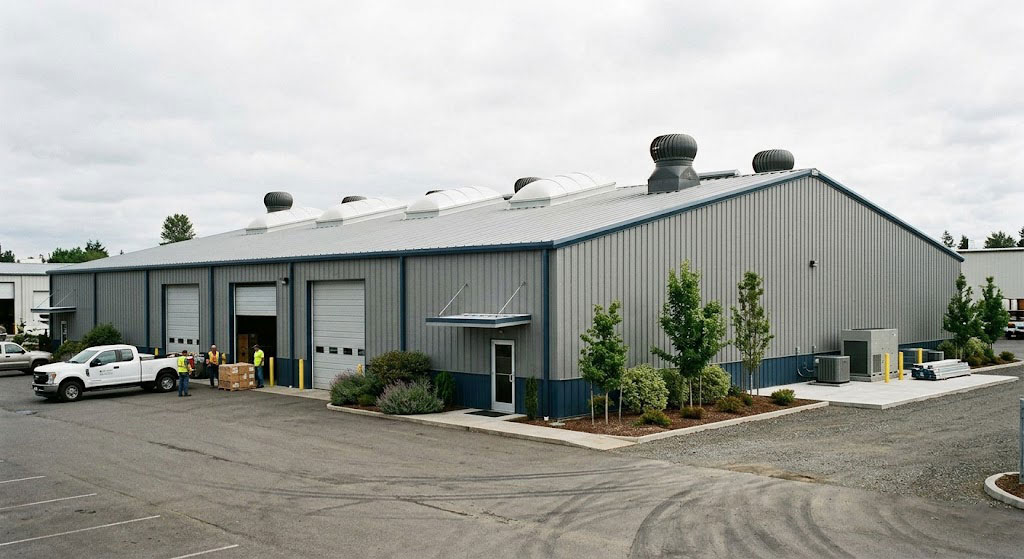
Aesthetic upgrades inflate the cost to build 20000 sq ft warehouse while vastly improving daily operational comfort. Natural lighting panels reduce daytime electricity consumption. Roof vents extract dangerous chemical fumes rapidly. Small additions create massive workflow benefits.
Should you add skylights?
Translucent roof panels allow brilliant sunshine indoors naturally. Harvesting daylight drops monthly utility overhead significantly.
- Polycarbonate panels resist heavy hail impacts.
- UV coatings prevent interior inventory fading.
- Strategic placement maximizes morning illumination.
Evaluating mechanical ventilation systems
Industrial fans keep stagnant air circulating pleasantly. Exhaust louvers pull toxic manufacturing exhaust outdoors. You might be wondering: breathing clean air keeps warehouse personnel highly productive throughout exhausting shifts.
Upgrading exterior aesthetic facades
Adding brick wainscoting makes boring metal boxes look incredibly professional. Colorful trim packages create striking corporate branding statements.
Key Takeaway: Purposeful accessory integration transforms basic metal shells into highly efficient commercial operating environments.
| Accessory Type | Operational Benefit | Initial Investment |
|---|---|---|
| Skylight Panels | Lowers electricity usage | Low |
| Ridge Vents | Improves air circulation | Low to Moderate |
| Masonry Facade | Enhances curb appeal | High |
Smart accessory investments yield massive functional dividends keeping facility operations running smoothly every single day.
Final Thoughts
Erecting a massive commercial facility requires balancing precise engineering demands against strict budget limitations. Mastering core structural components, insulation needs, alongside regional regulatory mandates guarantees project success. You require an industrial space that fosters growth without causing financial ruin. We engineer durable metal facilities designed explicitly for seamless operational scaling. Please contact us today to discuss your upcoming expansion; together we build resilient frameworks that empower modern industry.
FAQ
- Q1: Can I erect a large metal building myself? No, professional assembly remains necessary. Massive structural components require specialized hydraulic lifting equipment alongside certified engineering knowledge.
- Q2: What’s the best roof style for heavy snow? A high-pitch gable roof works best. Steeply angled rafters force accumulating snow to slide off preventing dangerous weight loads.
- Q3: How do I know if my soil needs testing? Always hire a geotechnical engineer. Guessing soil composition leads toward catastrophic foundation cracking and expensive structural repairs.
- Q4: Can I add office space inside later? Yes, clear span designs allow easy interior modifications. You simply frame non-load-bearing wooden walls wherever administrative space becomes necessary.
- Q5: What’s the best insulation for humid climates? Closed-cell spray foam performs incredibly well. It creates an airtight vapor barrier preventing dangerous condensation from rusting metal panels.