
Structural steel framing is the definitive engineered system of load-bearing structural elements fabricated from high-grade carbon and low-alloy steels to support modern commercial and industrial developments. If you have ever managed a large-scale commercial development, you know how devastating it is when projects suffer from structural settling, ballooning material costs, and unexpected engineering delays. You face constant pressure to maximize net rentable area while meeting rigid local seismic codes, yet traditional concrete methods continuously drag your schedule down and inflate foundation requirements. The real secret to overcoming these complex structural challenges lies in deploying an optimized steel frame structure that combines unmatched dimensional accuracy with rapid off-site fabrication.
What Is a Modern Steel Frame Taxonomic Structure?
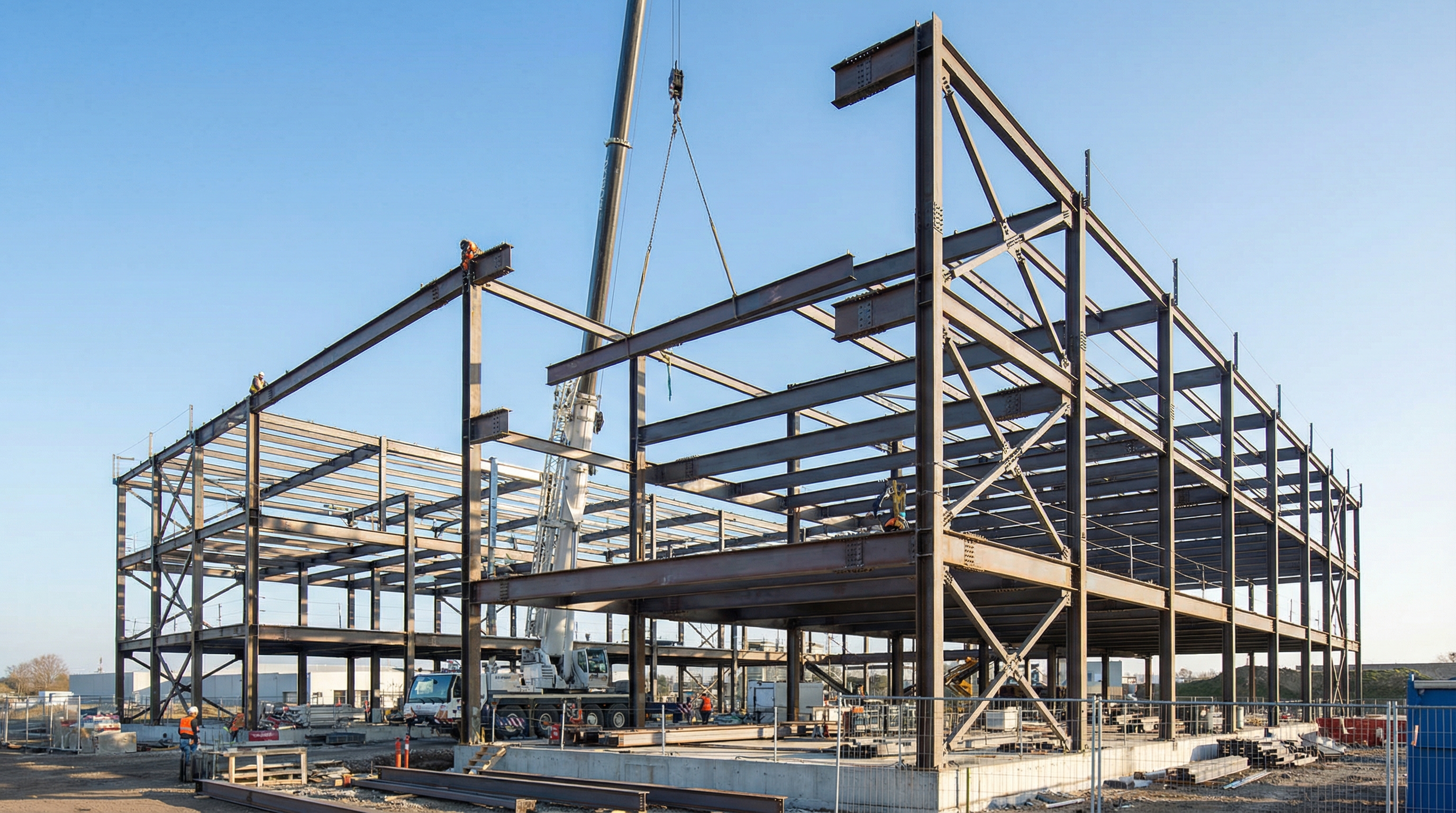
A modern steel frame taxonomic structure is a highly engineered, hierarchical system of primary and secondary structural steel members designed to safely transfer dynamic and static loads down to the building’s foundation. Implementing an advanced, multi-tiered steel frame structure provides structural engineers and procurement managers with a highly predictable, isotropic load path capable of withstanding extreme environmental forces. By organizing the building’s skeletal frame into discrete primary load-resisting components and secondary load-distribution components, developers can achieve exceptional span distances while minimizing material weight. This structural division not only optimizes the steel’s metallurgical efficiency but also streamlines the field erection sequence.
This taxonomic classification ensures that each structural member operates within its optimal stress-strain limits under both limit states of strength and serviceability. To build a highly resilient commercial asset, you must understand how these components interact dynamically under gravity, wind, and seismic pressures.
How Do Primary Framing Members Support Heavy Gravity Loads?
Here is the deal: primary structural steel elements represent the core structural spine of any commercial development, bearing the responsibility for transferring the entire dead and live gravity load down to the pile caps. These heavy-duty components include wide-flange columns (W-shapes), massive primary girders, and welded plate girders that form the primary structural bays.
- Wide-Flange Columns: Designed to resist high axial compression and bending moments, typically fabricated from ASTM A992 steel to guarantee structural integrity.
- Primary Girders: Span between columns to carry secondary floor beams and composite concrete slabs, minimizing overall deflection.
- Portal Frames: Provide robust structural portals that manage high lateral shear forces without requiring bulky masonry shear walls.
This robust configuration eliminates the need for closely spaced interior columns, allowing developers to maximize open floor plans and configure rental spaces with complete architectural freedom.
What Role Do Secondary Framing Elements Play?
Think about this: without secondary framing elements, the primary skeletal system would remain an open, unsupported frame incapable of supporting floors, roofs, or exterior cladding. Secondary members, such as cold-formed steel purlins, eave struts, and intermediate floor girts, act as local load collectors that bridge the gap between the primary frame and the building’s envelope.
These secondary framing members prevent lateral-torsional buckling of the primary beams by providing continuous lateral bracing along their unbraced lengths. By optimizing the spacing of these elements, engineers can significantly reduce the required weight of the primary columns and girders, lowering the total steel tonnage of your project.
How Do Composite Metal Decks Distribute Lateral Loads?
The real secret? Composite metal deck systems function as highly rigid horizontal diaphragms that collect lateral wind and seismic forces and transfer them directly to the primary lateral force-resisting system. By combining profiled steel decking with poured-in-place concrete and welded shear studs, you create a composite floor slab that exhibits immense structural stiffness and load-bearing capacity.
This unified composite action increases the moment capacity of the steel beams by up to thirty percent, reducing the depth of floor beams and saving valuable vertical building height.
Key Takeaway: An optimized primary and secondary framing hierarchy, bolstered by composite metal diaphragms, provides the ultimate structural baseline for maximizing net rentable area while ensuring uncompromising seismic and wind resilience.
| Feature/Component | Specific Data/Standard | Commercial Impact | |
|---|---|---|---|
| Primary Wide-Flange Girders | ASTM A992 (Fy=50 ksi) | Maximizes column-free span distances, increasing rentable floor area. | |
| Secondary Cold-Formed Purlins | ASTM A1011 (Fy=55 ksi) | Lowers structural steel tonnage and overall material logistics costs. | |
| Composite Floor Diaphragm | AISC 360-22 Chapter I | Reduces floor slab deflection and lowers story-to-story building heights. |
The following table analysis illustrates how separating structural members into specialized performance tiers directly reduces raw material overhead.
How Do Metallurgy and ASTM Grades Dictate Quality?
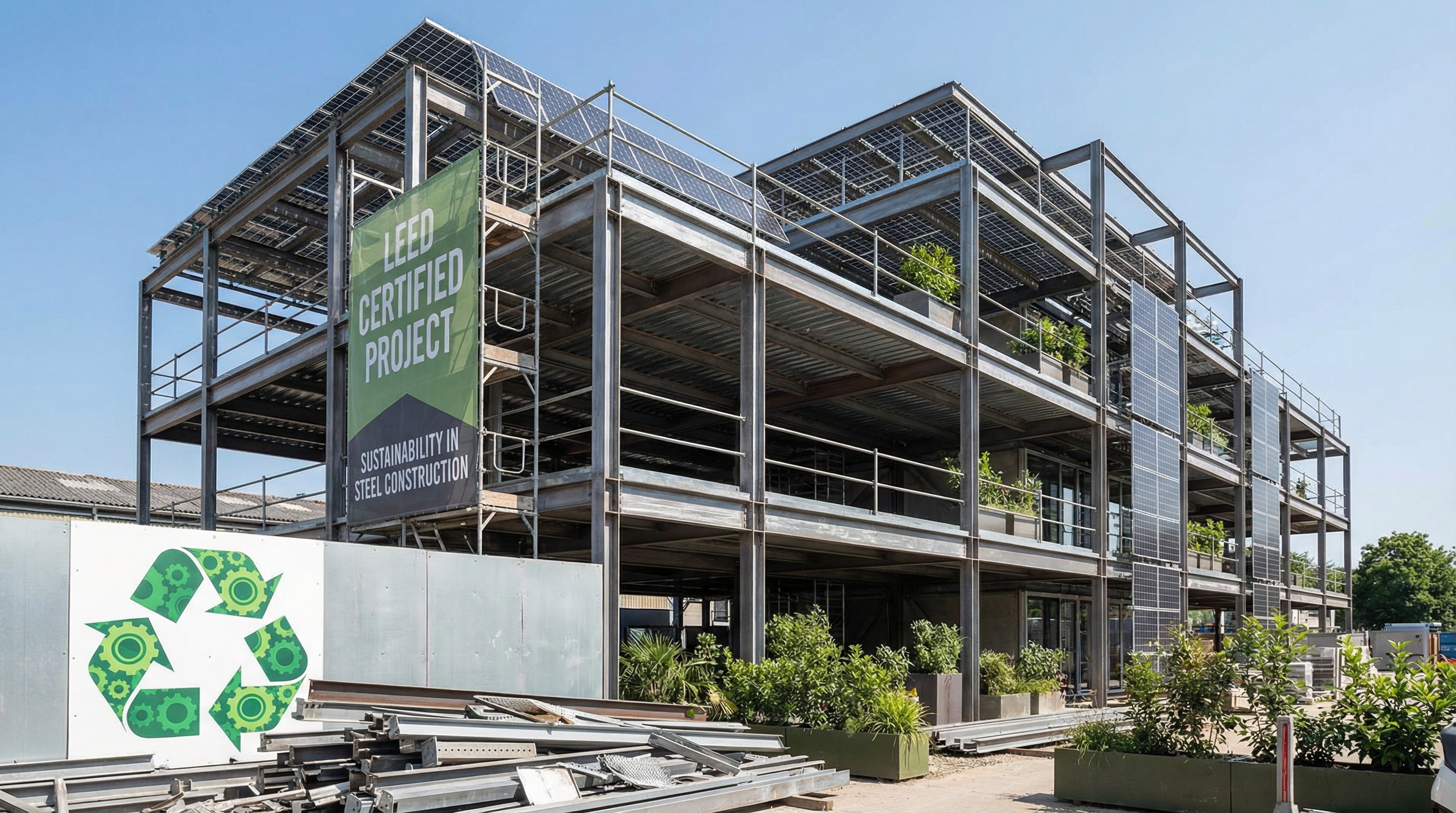
Metallurgy and ASTM grades dictate structural quality by establishing the precise chemical composition and mechanical threshold limits required to ensure predictable structural behavior under stress. When procuring material for your next major development, selecting the correct metallurgical grade for each element of your steel frame structure is paramount to preventing unexpected field failures. The mechanical properties of steel are governed by the balance of carbon, manganese, and micro-alloying elements like vanadium or niobium, which dictate yield strength and weldability. Understanding these structural specifications allows procurement teams to balance cost-efficiency with high structural performance.
By optimizing these material properties, engineers can design lighter, more ductile frames that absorb energy without brittle fracture. Let us look closer at how specific carbon and low-alloy compositions affect real-world engineering performance.
What Is the Chemistry of Carbon vs. Low-Alloy Steel?
You might be wondering: how does a tiny shift in chemical composition completely alter the yield strength and ductility of structural steel? The difference lies in the micro-addition of alloying elements like Manganese, Vanadium, and Columbium to carbon steel, transforming it into high-strength low-alloy (HSLA) steel.
- Carbon Content: Governs the base hardness and strength; however, carbon exceeding 0.23% dramatically reduces weldability and toughness.
- Manganese: Enhances steel’s toughness and response to heat treatment while mitigating the brittle effects of sulfur.
- Silicon & Aluminum: Act as deoxidizers during the casting process, ensuring uniform grain structure and material predictability.
Keeping the Carbon Equivalent (CE) below 0.45% is vital for ensuring high-quality field welds without the need for expensive, time-consuming pre-heating procedures.
How Do Yield Strength and Elongation Ratios Interact?
Here is why it works: by balancing the yield strength (Fy) and the ultimate tensile strength (Fu), steel mills can engineer structural materials that possess both high load-bearing capacity and excellent ductility. In structural steel design, ductility is defined as the material’s ability to deform plastically prior to experiencing rupture.
This property is critical for seismic safety because it allows structural frames to absorb and dissipate extreme kinetic energy during earthquakes. If a steel profile lacks sufficient elongation capacity, it will fail in a sudden, catastrophic brittle manner under high stress concentrations.
Why Are ASTM A36, A572, and A992 the Industry Standards?
The best part? Each ASTM grade is optimized for a specific structural application, with ASTM A992 standing out as the standard for wide-flange shapes due to its controlled yield-to-tensile ratio of less than 0.85. ASTM A36 remains the preferred choice for secondary components like gusset plates and channels where lower yield strengths are acceptable, while A572 Grade 50 is utilized for high-strength plates.
Specifying A992 for all W-shapes ensures that your design benefits from superior weldability, high yield strength, and predictable plastic hinge formation.
Key Takeaway: Aligning your material specifications with ASTM A992 for primary wide-flange profiles guarantees both compliance with modern building codes and maximum structural safety margins.
| Feature/Component | Specific Data/Standard | Commercial Impact | |
|---|---|---|---|
| ASTM A992 Steel | Fy≤65 ksi, Fy/Fu≤0.85 | Minimizes structural weight while optimizing seismic performance. | |
| ASTM A36 Steel | Fy=36 ksi | Reduces procurement costs for secondary structural and connection plates. | |
| Carbon Equivalent | CE≤0.45% | Shortens fabrication schedules by reducing welding preheat requirements. |
The following data matrix demonstrates how strict metallurgical limits prevent brittle failure and ensure long-term structural reliability.
Build Faster, Stronger, and Smarter with Expert Steel Frames.
Email:sales@showhoo.com.cn
Phone/WhatsApp: + 86 186 7895 5927
How Do We Map Global Steel Sourcing Safely?
We map global steel sourcing safely by establishing rigorous cross-standard grade equivalence matrices and strict mill-test certificate verification protocols. Implementing a diversified global procurement strategy for your steel frame structure can significantly reduce material acquisition costs and shield your project from regional supply chain shocks. However, simply accepting a supplier’s claim of material equivalence without technical validation can introduce severe structural liabilities into your project. To mitigate this risk, procurement managers must work closely with structural engineers to map international specifications, such as Chinese Q355B and European S355JR, back to standard American counterparts.
This precise mapping ensures that structural calculations remain valid regardless of where the raw steel is smelted and rolled. Let us examine the mechanics of mapping international steel standards to prevent structural failures.
What Are the Equivalencies Between Q355B and S355JR?
This is where it gets interesting: while Chinese GB/T 1591 Q355B and European EN 10025-2 S355JR are often marketed as direct equivalents to ASTM A572 Grade 50, subtle differences in testing temperatures and chemical compositions exist. Both foreign grades offer a nominal yield strength of 355 Megapascals, which corresponds closely to the 50 kilopounds per square inch specified by ASTM Grade 50.
- Testing Temperature: Q355B is impact-tested at 20 degrees Celsius, whereas S355JR represents room-temperature testing with no low-temperature impact guarantees.
- Silicon Limits: Chinese standards allow higher silicon levels, which can affect hot-dip galvanizing appearance and coating adhesion.
- Phosphorus & Sulfur: European standards maintain exceptionally low limits on these elements to reduce the risk of lamellar tearing.
Procurement managers must audit these metallurgical nuances to ensure structural compliance with localized design assumptions.
How Do We Navigate International Supply Chain Risks?
Believe it or not: many global construction projects suffer severe delays and cost overruns due to the delivery of off-spec structural steel that fails local quality audits. Sourcing steel internationally requires a comprehensive quality assurance protocol that starts at the casting furnace and extends to the final loading dock.
Without dedicated oversight, you run the risk of receiving structural steel with internal laminations, out-of-tolerance dimensions, or fraudulent material test certificates. Partnering with verified fabricators who maintain traceable mill relationships is the single most effective way to eliminate these procurement liabilities.
How Can We Verify Foreign Mill Quality?
The real secret? Establishing a direct, pre-shipment inspection protocol with independent third-party testing agencies like SGS or TUV guarantees that your steel meets all contract specifications before it leaves the country of origin. This pre-shipment validation process includes verifying the heat numbers stamped on physical beams against official mill test reports.
By identifying and correcting metallurgical anomalies at the source, you avoid catastrophic logistics bottlenecks at the port of entry.
Key Takeaway: Rigorous verification of international steel equivalents, combined with third-party pre-shipment inspection, allows developers to capitalize on global pricing without risking structural non-compliance.
| Feature/Component | Specific Data/Standard | Commercial Impact | |
|---|---|---|---|
| Chinese GB/T Q355B | Fy=355 MPa (51.5 ksi) | Lowers raw material cost while meeting international yield strength requirements. | |
| European EN S355JR | EN 10025-2 Standard | Provides reliable material properties for European and Middle Eastern projects. | |
| Pre-Shipment Audits | EN 10204 Type 3.1 MTR | Eliminates the risk of importing non-compliant steel and experiencing project delays. |
The following comparative table illustrates how matching international grades with domestic standards enables secure, cost-optimized global procurement.
Which Engineering Design Methods Ensure Safety?
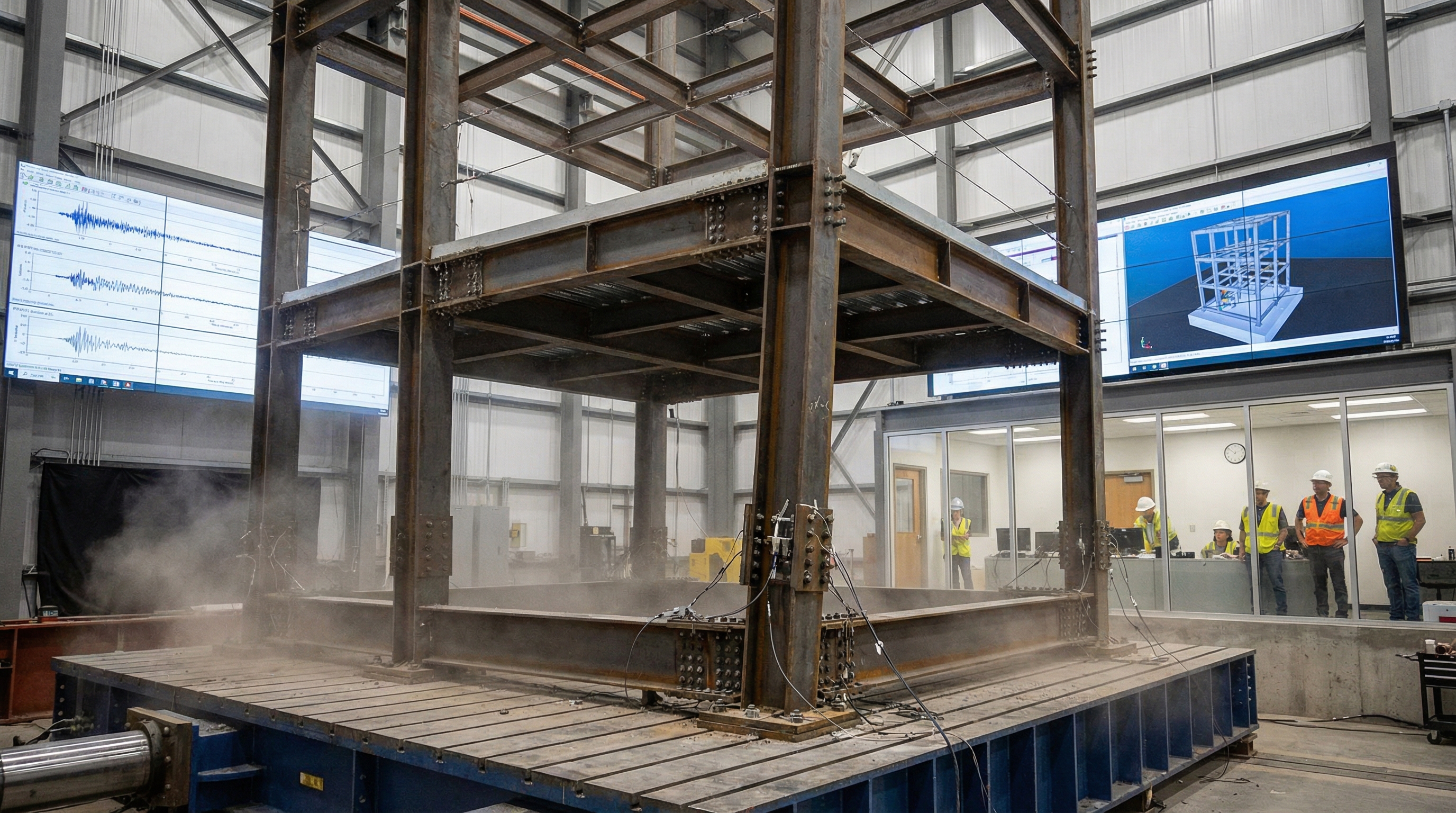
Engineering design methods ensure safety by utilizing sophisticated mathematical frameworks, such as Load and Resistance Factor Design, to account for variability in material strength and applied loads. In modern structural engineering, selecting the optimal design methodology for your steel frame structure dictates both the ultimate safety and the final economic feasibility of the building. Structural engineers must evaluate structural stability, lateral drift, and member slenderness to ensure the frame performs flawlessly under extreme load combinations. By employing advanced computational analysis software, designers can model real-world behaviors and optimize steel member selections.
This rigorous analytical approach ensures that the building remains structurally sound while avoiding excessive over-design. Let us analyze the primary differences between traditional and modern design philosophies.
How Do LRFD and ASD Methodologies Compare?
Here is the deal: while both Load and Resistance Factor Design (LRFD) and Allowable Stress Design (ASD) deliver safe structural systems, LRFD utilizes a more realistic, probabilistic approach to structural reliability. ASD relies on a single, deterministic safety factor applied to the ultimate strength of the material, which can lead to over-designed, heavy structures.
- LRFD Philosophy: Separately scales loads (using factors like 1.2 for dead load and 1.6 for live load) and resistance (using ϕ factors) based on structural statistics.
- ASD Philosophy: Combines nominal loads and compares them directly to allowable stresses divided by a safety factor (Ω).
- Weight Efficiency: LRFD design typically reduces overall steel framing weight by 5% to 15% compared to ASD.
By shifting to LRFD, structural engineers can optimize material distribution, saving significant capital on steel procurement.
How Do Load Combinations Affect Member Sizing?
Think about this: a structural steel member is rarely subjected to only a single type of load during its fifty-year service life. Instead, columns and beams must be engineered to withstand complex, simultaneous combinations of dead weight, live floor loads, wind pressures, snow accumulation, and seismic accelerations.
Structural codes like ASCE 7 define precise load combination equations that engineers use to calculate the maximum design forces on each structural member. Sophisticated finite element analysis software simulates these load patterns to ensure that no single element exceeds its ultimate strength or serviceability deflection limits.
What Role Does Seismic Drift and Deflection Play?
Here is why it works: controlling lateral displacement, or drift, during wind storms and earthquakes is just as critical as preventing member rupture. Excess lateral drift can cause severe non-structural damage to curtain walls, internal partitions, and mechanical systems, rendering a building unusable after an environmental event.
By implementing AISC 341 seismic provisions, structural engineers detail ductile moment frames that bend and dissipate energy without collapsing during extreme seismic shear forces.
Key Takeaway: Utilizing LRFD design methodologies under the AISC 360-22 framework optimizes member sizes, reducing structural weight while ensuring complete compliance with lateral drift and seismic safety standards.
| Feature/Component | Specific Data/Standard | Commercial Impact | |
|---|---|---|---|
| LRFD Design Code | ANSI/AISC 360-22 | Achieves substantial raw material savings by optimizing member capacities. | |
| Wind Deflection Limits | ASCE 7 (L/400 to L/600) | Protects non-structural building components from lateral deformation damage. | |
| Seismic Ductility | AISC 341-22 Provisions | Ensures occupant safety and building survivability during major seismic events. |
The following design overview demonstrates how modern probabilistic design methods balance structural safety with material efficiency.
How Do Bolted and Welded Connections Compare?
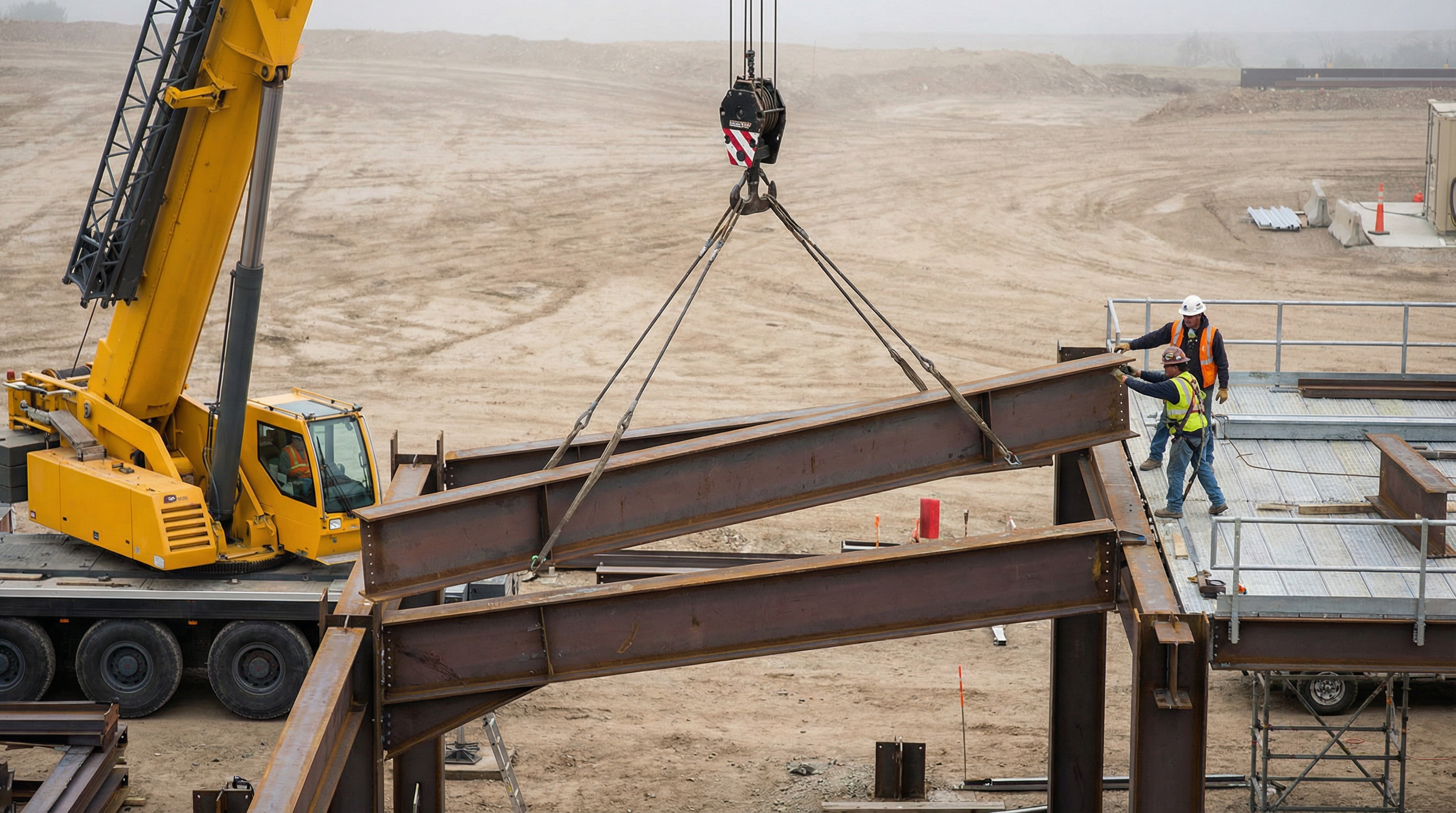
Bolted and welded connections compare by trading off the rapid, low-cost field assembly of bolted joints against the high structural rigidity and aesthetic seamlessness of welded joints. In any industrial or commercial steel frame structure , connection joints represent the most critical interface where forces are transferred between individual structural members. Selecting the appropriate connection detailing for each joint not only affects the structural integrity of the frame but also dictates the overall fabrication and erection costs. A single project will typically utilize a calculated mix of shop-welded and field-bolted connections to optimize speed and budget.
Understanding the mechanical behavior of these joints is essential for preventing connection failures. Let us analyze how structural designers select and execute these critical connection configurations.
Why Choose High-Strength Bolted Systems?
You might be wondering: how do high-strength bolting systems conforming to ASTM F3125 allow field erection crews to assemble massive steel frames quickly with standard hand tools, minimizing expensive field labor costs? These bolts are designed to perform either in bearing-type connections or slip-critical configurations depending on structural load requirements.
- Snug-Tight Joints: Best for light shear connections where minor slippage is acceptable, requiring minimal installation effort.
- Slip-Critical Joints: Utilizing high-tension bolts that clamp steel plates together so tightly that friction prevents any joint movement under dynamic loads.
- Tension Verification: Using twist-off tension control (TC) bolts or Direct Tension Indicators (DTIs) guarantees consistent bolt pre-tension.
By standardizing on field-bolted joints, developers can compress erection schedules and minimize the risk of weather-related construction delays.
When Are Welded Connections Chemically Superior?
The best part? Welded connections excel in situations requiring absolute joint rigidity, continuous load transfer, or compact structural profiles. Shop welding under controlled factory conditions allows fabricators to create seamless, high-strength connections that are virtually impossible to replicate in the field.
However, field welding requires specialized welding procedures, certified welders, and extensive non-destructive testing (NDT) to ensure the weld is free of hydrogen cracking and porosity. For structural joints subjected to heavy cyclic loading, complete joint penetration (CJP) welds provide unparalleled fatigue resistance.
How Do Connection Designs Prevent Catastrophic Failure?
The real secret? Designing connections to be stronger than the connected members ensures that any failure is preceded by visible plastic yielding in the steel beams rather than sudden, brittle rupture at the joints. Structural engineers follow AISC standards to verify limit states such as block shear, bolt pry, and plate tearing.
By detailing flexible connections in moment-resisting frames, the joint acts as a ductile hinge that absorbs seismic forces.
Key Takeaway: Integrating shop-welded sub-assemblies with field-bolted splices offers the ideal commercial compromise, delivering exceptional joint strength while maximizing speed-of-erection.
| Feature/Component | Specific Data/Standard | Commercial Impact | |
|---|---|---|---|
| ASTM F3125 Bolts | Grades A325 and A490 | Drastically cuts field installation times and reduces specialized labor costs. | |
| AWS D1.1 Welding | Certified Welding Procedures | Delivers high-rigidity connections for heavy industrial and high-rise joints. | |
| Slip-Critical Joints | RCSC Specifications | Prevents joint slippage in bridges, crane runways, and dynamic load structures. |
The following connection comparison highlights how selecting the correct joint detailing reduces total fabrication expenses.
How Do We Engineer Hazard Mitigation Systems?

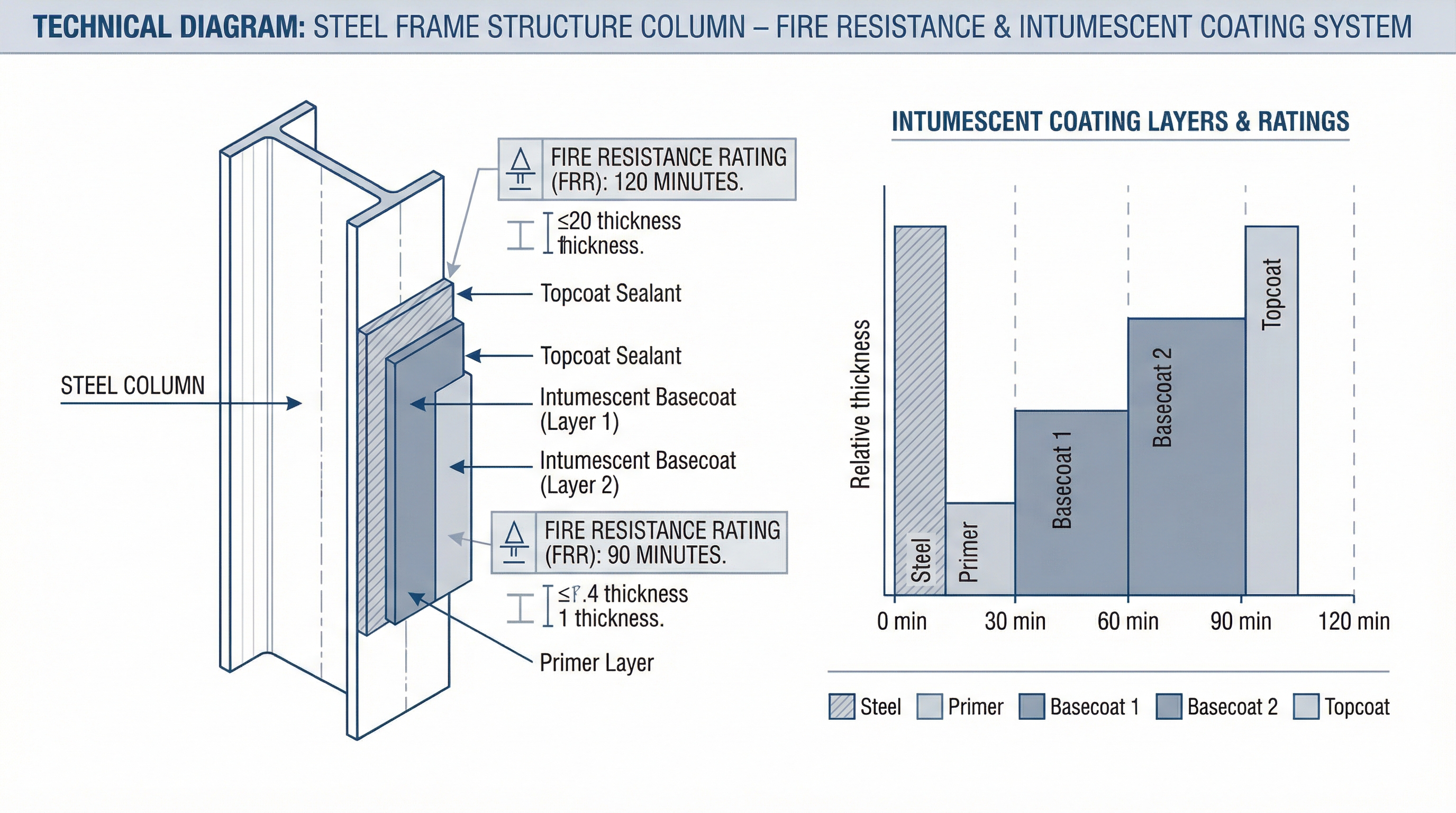
We engineer hazard mitigation systems by applying passive fire barriers, designing ductile seismic details, and implementing high-durability anti-corrosion coatings to protect the steel’s structural integrity. When planning a commercial development, ensuring that your steel frame structure can withstand extreme hazards like structural fires, corrosive maritime environments, and seismic events is critical for asset protection. While structural steel possesses immense inherent strength, its load-bearing capacity degrades rapidly at temperatures exceeding one thousand degrees Fahrenheit or under prolonged exposure to corrosive elements. Engineering comprehensive hazard mitigation systems guarantees that the building remains structurally stable and safe for occupants under all circumstances.
This multi-faceted protection strategy combines metallurgy, chemical engineering, and structural detailing. Let us analyze the technical solutions used to protect modern steel framing.
How Does Passive Fire Protection Insulate Steel?
Believe it or not: why does a non-combustible material like structural steel require intensive fireproofing coatings? The answer is that steel loses approximately fifty percent of its ambient yield strength at one thousand degrees Fahrenheit, putting the building at risk of structural collapse during a fire.
- Intumescent Paints: Thin-film coatings that expand up to fifty times their dry thickness under heat to form an insulating char barrier, ideal for exposed structural elements.
- Cementitious SFRM: Economical, spray-applied mineral-fiber and cement mixes designed to protect hidden structural framing above ceilings.
- UL Design Standards: Dictate the precise fireproofing thickness required based on the steel member’s weight-to-perimeter (W/D) ratio.
Applying the correct fireproofing system ensures complete compliance with local building codes while safeguarding human life.
How Do Charpy V-Notch Tests Ensure Ductility?
This is where it gets interesting: Charpy V-Notch (CVN) impact testing measures the amount of kinetic energy a specific steel alloy can absorb during a rapid impact at sub-zero temperatures. This material property is critical for structures located in cold climates or subject to heavy dynamic loading, where brittle fracture is a constant hazard.
By specifying structural steel with verified CVN toughness (such as twenty foot-pounds at minus twenty degrees Fahrenheit), engineers ensure the material retains its ductile performance. This metallurgical resilience prevents crack propagation from minor weld defects, guaranteeing structural reliability under extreme stress.
What Are the Best Anti-Corrosion Coatings?
Here is why it works: selecting the appropriate anti-corrosion coating system depends directly on the project’s environmental corrosivity category as defined by ISO 12944. For highly corrosive industrial or coastal areas, hot-dip galvanizing per ASTM A123 combined with a zinc duplex system provides up to fifty years of maintenance-free service.
This dual barrier and sacrificial protection system prevents moisture and oxygen from attacking the underlying steel substrate.
Key Takeaway: Implementing a targeted hazard mitigation plan—combining thin-film intumescent coatings, high CVN-toughness steel, and hot-dip galvanizing—extends the service life of your building and protects your capital investment.
| Feature/Component | Specific Data/Standard | Commercial Impact | |
|---|---|---|---|
| Intumescent Fireproofing | UL 263 / ASTM E119 | Delivers up to 4-hour fire ratings while maintaining architectural aesthetics. | |
| CVN Impact Toughness | ASTM A6 / AISC 341 | Prevents sudden brittle fracture in low-temperature and dynamic load zones. | |
| Hot-Dip Galvanizing | ASTM A123 / ISO 1461 | Eliminates ongoing maintenance and recoating costs in corrosive environments. |
The following table of mitigation strategies demonstrates how proactive protective engineering safeguards critical structural assets over multi-decade lifecycles.
Build Faster, Stronger, and Smarter with Expert Steel Frames.
Email:sales@showhoo.com.cn
Phone/WhatsApp: + 86 186 7895 5927
How Do Logistics and Tolerances Align?
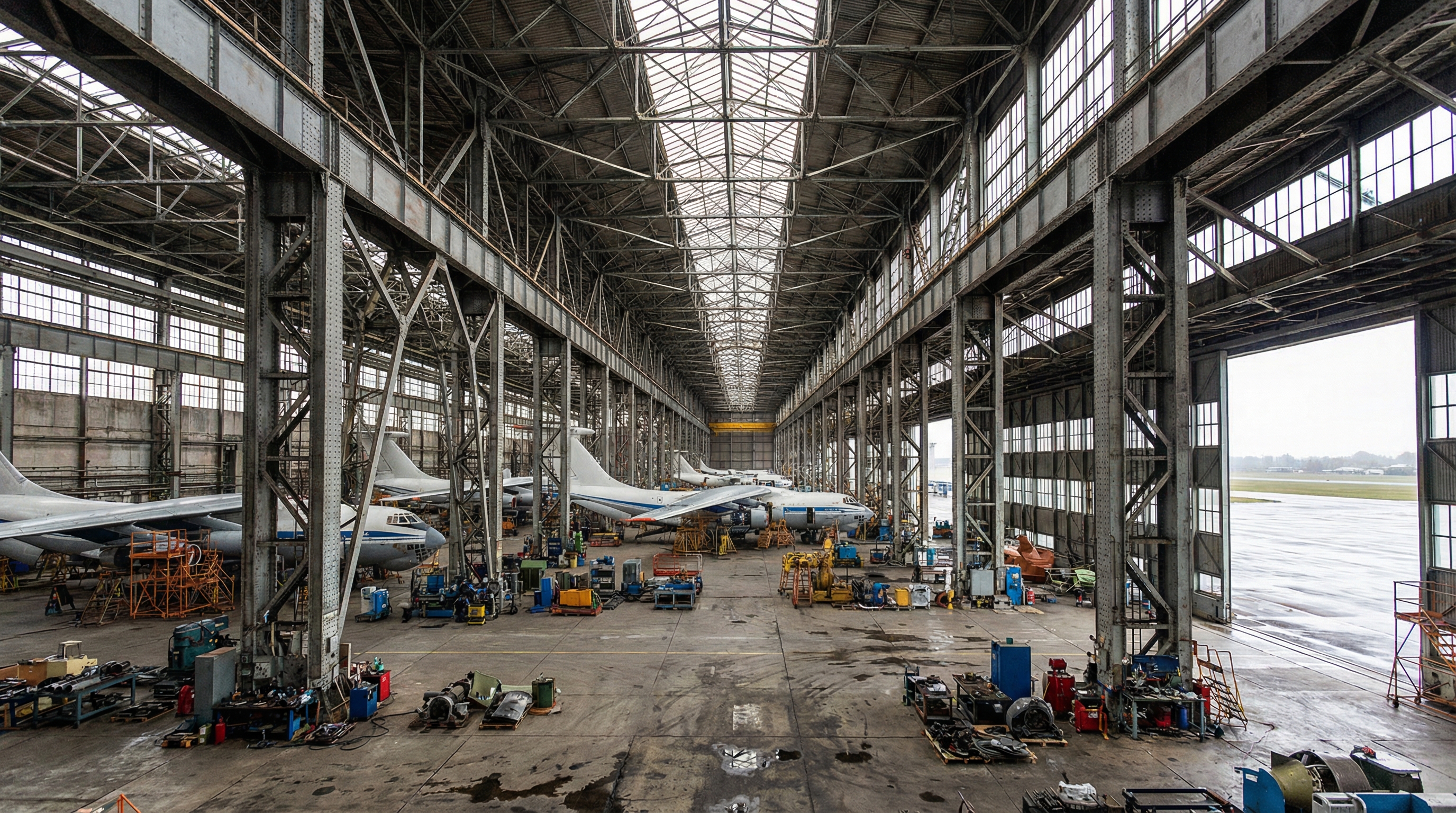
Logistics and tolerances align by utilizing advanced Building Information Modeling and strict AISC Code of Standard Practice guidelines to ensure fabricated members fit together seamlessly upon arrival at the job site. When coordinating the delivery and assembly of a massive multi-story steel frame structure , even a minor discrepancy of a few millimeters in anchor bolt placement can halt field operations and lead to massive delays. To prevent these field issues, fabricators and erectors rely on the AISC 303 Code of Standard Practice to govern dimensional tolerances during fabrication and erection. By integrating 3D modeling software with CNC manufacturing machinery, structural components are produced with extreme precision.
This synchronized approach allows complex framing systems to be erected rapidly without the need for on-site modifications. Let us look closer at how fabrication tolerances and logistics planning prevent construction bottlenecks.
How Does the AISC Code Govern Tolerances?
Here is the deal: AISC 303 establishes the strict legal and technical limits for variations in steel fabrication and erection, ensuring that all parties operate under a single, unified standard of quality. These tolerances govern column plumbness, beam camber, and overall building alignment during construction.
- Column Plumbness: Restricts lateral variation to 1 inch per 500 inches of height, preventing eccentric loading on structural foundations.
- Anchor Bolt Placement: Sets a maximum deviation limit of one-eighth of an inch from the design grid line to ensure seamless column base connection.
- Camber Tolerances: Controls the upward curvature fabricated into beams to offset future concrete slab dead weight deflections.
Adhering to these strict quality standards ensures that prefabricated members fit together perfectly, eliminating the need for expensive field cutting or re-welding.
How Do Shop Drawings Prevent Field Misalignment?
Think about this: a modern high-rise structural steel frame consists of thousands of unique members, each requiring precise bolt hole locations, bevel cuts, and connection plates. Shop drawings generated from 3D Tekla models act as the definitive manufacturing blueprint, detailing every cut and weld down to the millimeter.
These models are cross-referenced with architectural and MEP files to identify and resolve structural clashes before fabrication begins. By resolving design conflicts in a virtual environment, you eliminate the risk of discovering spatial clashes during active crane operations on-site.
What Are the Best Practices for Site Logistics?
The best part? Implementing a standardized piece-marking and color-coded tagging system allows site logistics teams to organize, stage, and deliver steel members in the exact order of field erection. This sequential logistics model is critical for tight urban job sites with limited staging areas, where steel must be lifted directly from the delivery truck to its final position.
By avoiding double-handling and on-site material sorting, you reduce crane standby times and maximize erection efficiency.
Key Takeaway: Precise alignment of fabrication tolerances per AISC 303, combined with detailed sequential logistics planning, guarantees rapid, clash-free field erection and minimized crane rental overhead.
| Feature/Component | Specific Data/Standard | Commercial Impact | |
|---|---|---|---|
| AISC 303-22 Code | Code of Standard Practice | Sets clear contractual quality boundaries, reducing legal and change-order risks. | |
| Anchor Bolt Tolerance | Max 1/8″ Deviation | Eliminates foundation-to-column connection delays and field modification costs. | |
| 3D Tekla Modeling | BIM Integration | Prevents mechanical, electrical, and structural clashes prior to fabrication. |
The following data analysis details how strict adherence to standard tolerances eliminates on-site assembly conflicts and reduces construction contingency funds.
How Can Prefabrication Accelerate Construction?
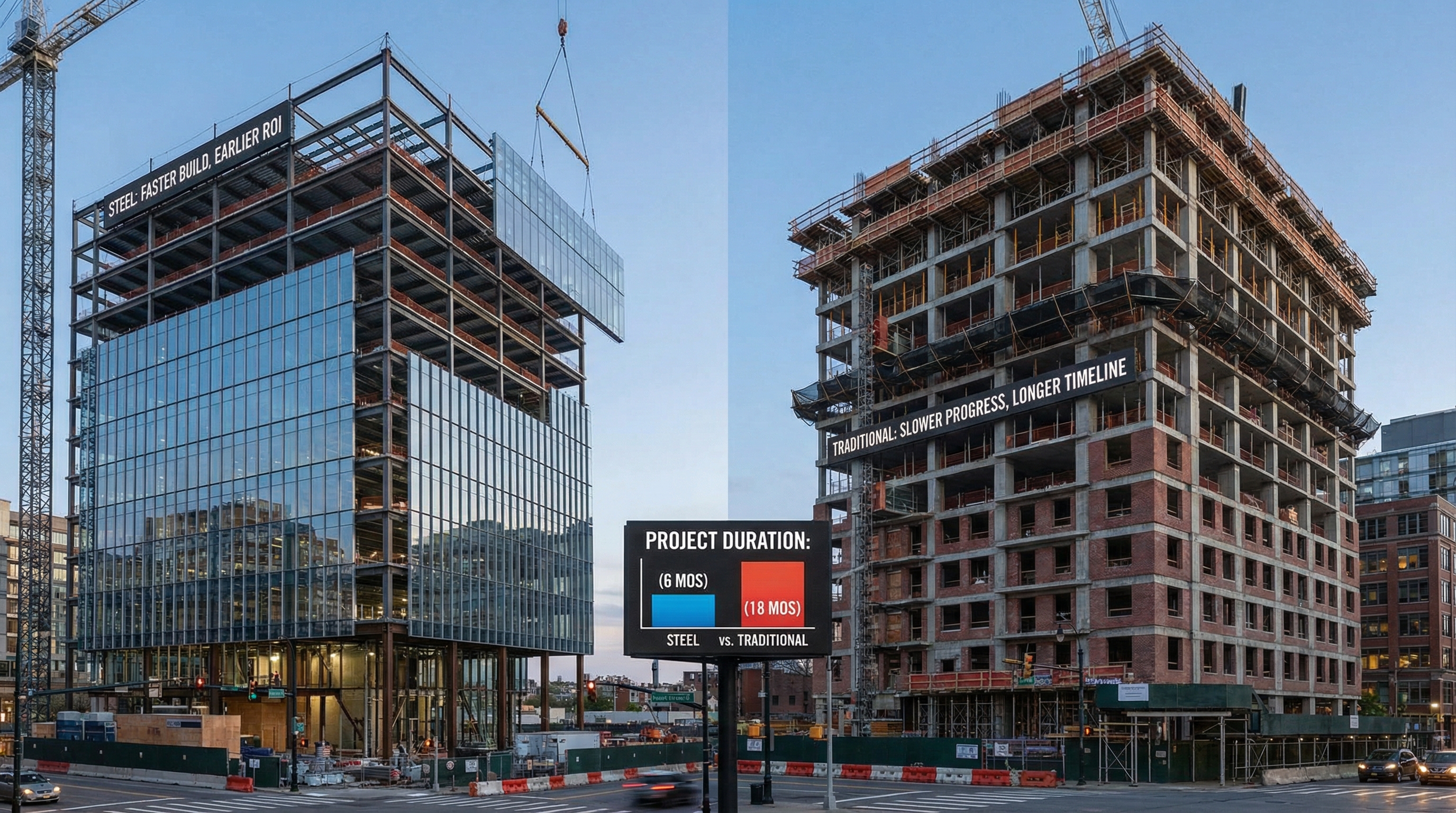
Prefabrication accelerates construction by allowing structural components to be manufactured in a controlled factory environment while on-site foundation work proceeds in parallel. For developers managing high-stakes projects, selecting a prefabricated steel frame structure is the single most effective decision to compress the master schedule and generate early occupancy revenue. Off-site prefabrication shifts high-precision labor from the unpredictable field environment into a climate-controlled manufacturing facility, where robotic welding and CNC drilling ensure uncompromising quality. This parallel-path workflow allows you to erect the building skeleton immediately after the concrete foundations are cured, eliminating weeks of traditional sequence wait-times.
This pre-engineered approach minimizes on-site labor requirements and enhances overall site safety. Let us examine how prefabrication and modular scheduling drive modern construction efficiency.
How Do Parallel Path Schedules Compress Timelines?
You might be wondering: why do traditional cast-in-place concrete buildings require a linear construction sequence where each floor must be formed, reinforced, poured, and cured before the next level can begin? In contrast, prefabricated steel framing enables a parallel-path schedule where the entire structural skeleton is fabricated off-site while excavation and foundation work are underway.
- Excavation and Foundation Work: Proceeds concurrently on-site while columns and beams are cut, welded, and painted in the shop.
- Column and Truss Placement: Commences immediately after the concrete foundations reach design strength.
- Reduced Wait-Times: Eliminates concrete curing cycles for structural frames, moving interior build-outs forward.
This overlapping schedule compresses the structural path of your project by up to forty percent, reducing interest-carrying costs on construction financing.
What Is the Role of Modular Steel Framing?
Believe it or not: modular steel framing takes prefabrication to the next level by combining structural steel framing with pre-installed wall panels, floor decks, and utility conduits into complete volumetric modules. These modules are transported to the site and stacked using heavy-duty cranes, forming a completed building envelope in a matter of days.
This construction methodology is ideal for hotels, student housing, and multi-family developments where repetitive floor plans allow for high production efficiency. By shifting up to eighty percent of building construction to an off-site factory, developers can maintain absolute quality control and dramatically reduce neighborhood disruption.
How Does Crane Coordination Maximize Site Efficiency?
The real secret? Maximizing the speed of a prefabricated steel build relies heavily on the engineering of your crane lifting plan and site staging coordinates. Structural steel erectors and rigging specialists must calculate pick weights, crane radii, and boom clearances to ensure that heavy steel assemblies are lifted safely and efficiently.
By utilizing high-capacity crawler or tower cranes, major components like multi-story column tiers and long-span trusses are erected in single lifts, reducing total crane rental days.
Key Takeaway: Shifting structural labor to off-site fabrication facilities compresses project timelines, guarantees tight dimensional tolerances, and significantly lowers on-site labor risks.
| Feature/Component | Specific Data/Standard | Commercial Impact | |
|---|---|---|---|
| Parallel-Path Scheduling | Overlapping Sequences | Compresses structural construction timelines by up to forty percent. | |
| Volumetric Modular Steel | Off-Site Prefabrication | Reduces on-site labor requirements and minimizes local site disruptions. | |
| Crane Lift Engineering | Calculated Rigging Plans | Lowers heavy equipment rental overhead and ensures high site safety standards. |
The following prefabrication summary demonstrates how parallel-path construction sequences accelerate the path to project completion and early occupancy.
What Is the True Lifecycle Cost of Steel?
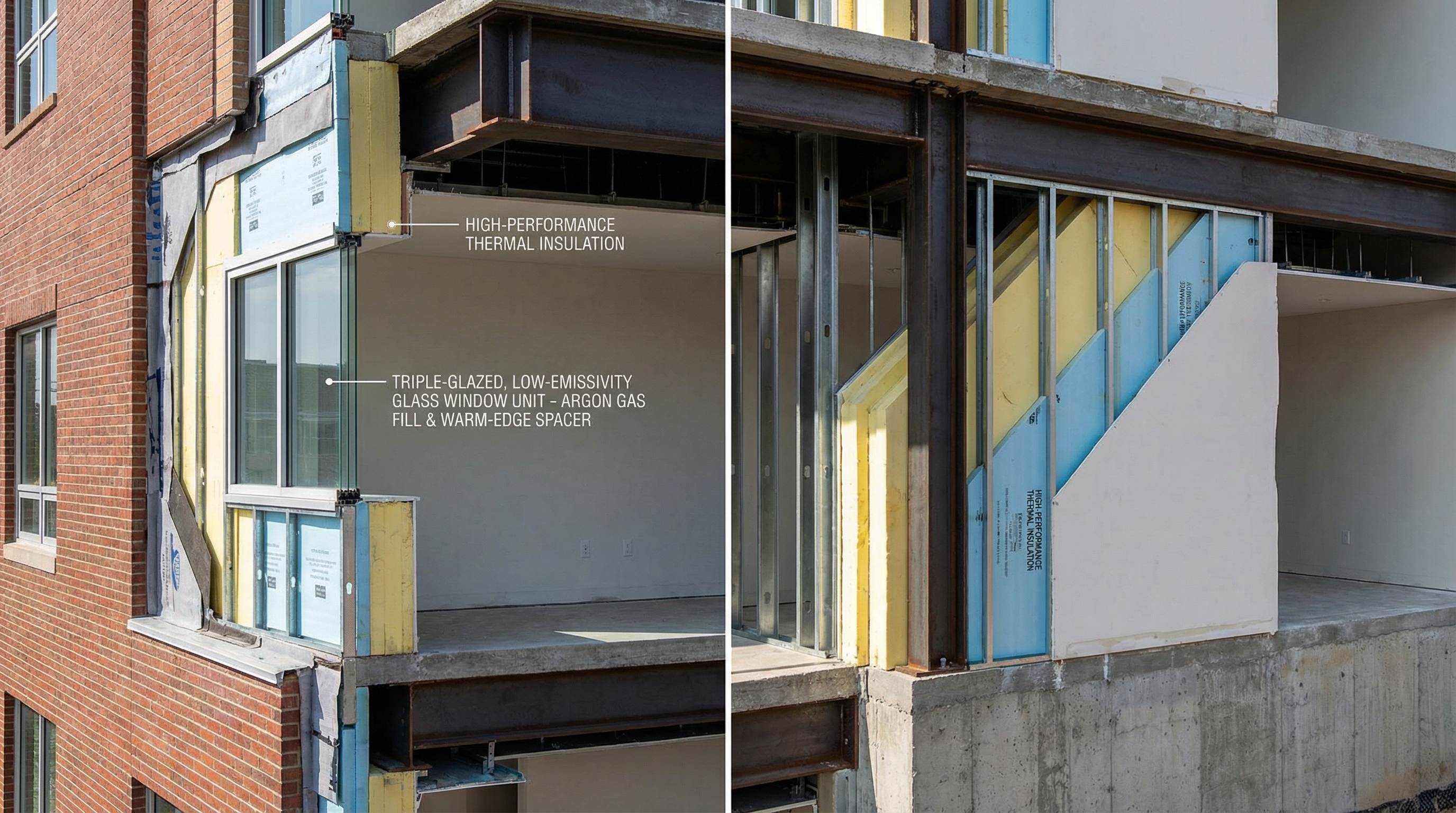
The true lifecycle cost of steel is determined by analyzing the initial material and fabrication expenditure combined with the long-term operational savings, minimized maintenance costs, and high salvage value. When evaluating structural systems, procurement managers often make the mistake of comparing structural steel to reinforced concrete solely on a raw “price-per-ton” basis. Choosing a high-performance steel frame structure delivers significant, compounding financial advantages that extend across the entire fifty-year lifecycle of the asset. From reduced foundation costs and faster construction schedules to low maintenance requirements and ultimate recyclability, the financial metrics of steel framing are highly favorable.
Understanding these economic variables allows B2B decision-makers to present a highly persuasive capital expenditure business case to their board. Let us break down the direct and indirect cost structures of structural steel.
How Does Lighter Structural Weight Save Foundation Costs?
Here is why it works: structural steel has a strength-to-weight ratio that is vastly superior to reinforced concrete, meaning a steel-framed building weighs up to fifty percent less than an equivalent concrete structure. This massive reduction in structural dead weight has a direct, compounding cost-saving effect on your building’s foundation design.
- Deep Foundations: Lighter buildings require fewer and shallower concrete piles, saving millions in excavation, concrete, and rebar costs on poor soils.
- Seismic Loads: Because seismic forces are directly proportional to building mass, a lighter steel frame experiences significantly lower seismic shear forces.
- Site Conditions: Allows for construction on challenging building sites with restricted bearing capacities where concrete would be physically unfeasible.
These structural weight savings translate directly into immediate CapEx reductions during the very first phases of construction.
What Is the Step-by-Step B2B Procurement Verification Checklist?
This is where it gets interesting: implementing a highly structured quality check is the single best way to protect your project budget from material volatility and low-quality imports. B2B procurement managers should follow this precise phase-gate protocol on every structural steel project:
- Phase 1: Pre-Qualification & Bid Verification
- Verify potential fabricator’s AISC 207-25 / AISC 420-25 or ISO 9001 certifications.
- Review welder qualification records (WPQR) and welding procedure specifications (WPS) per AWS D1.1.
- Phase 2: Raw Material Intake Auditing
- Mandate receipt of EN 10204 Type 3.1/3.2 MTRs for every material heat number.
- Audit chemical composition, ensuring Carbon Equivalent (CE) complies with weldability limits.
- Phase 3: Production and Quality Control Auditing
- Perform in-shop dimensional inspections on cut and prepped members.
- Measure dry film thickness (DFT) of anti-corrosion and fireproof coatings.
Utilizing this checklist as a contract exhibit ensures that fabricators remain legally bound to your project’s technical specifications.
What Are the Long-Term Circular Economy Credits?
Think about this: structural steel is the only building material that can be recycled infinitely without any loss in mechanical performance, providing a highly valuable circular economy credit at the end of the building’s lifecycle. If a steel-framed building is ever decommissioned, the structural members can be unbolted, reclaimed, and sold as valuable structural profiles or scrap metal.
This high residual value contrasts sharply with concrete structures, which require expensive, energy-intensive demolition and land-filling at the end of their service lives.
Key Takeaway: A comprehensive Total Cost of Ownership (TCO) analysis reveals that structural steel’s lighter weight, compressed erection timeline, and high end-of-life residual value make it the most economically superior framing material available.
| Feature/Component | Specific Data/Standard | Commercial Impact | |
|---|---|---|---|
| Reduced Dead Weight | 30% to 50% Mass Reduction | Lowers deep pile and foundation construction expenditures significantly. | |
| Compressed Erection | 3 to 6 Month Time Savings | Generates early rental revenue and slashes project debt service interest. | |
| Recyclable Material | 98% Structural Recovery | Provides a guaranteed circular economy credit and zero land-filling fees. |
The following lifecycle cost analysis illustrates how investing in high-grade structural steel delivers superior economic performance from day one through decommissioning.
How Does Steel Optimize Real-World Projects?
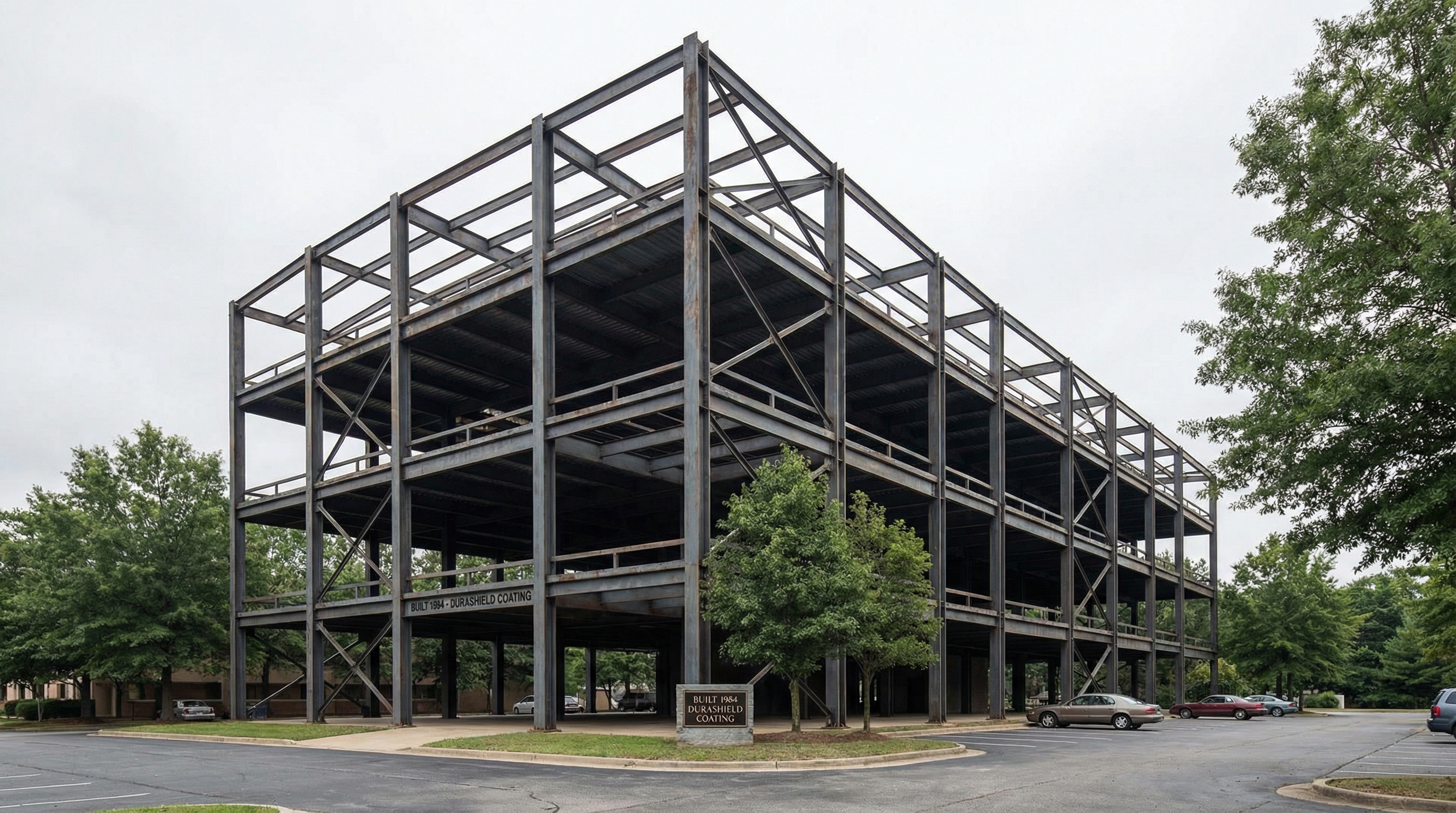
Steel optimizes real-world projects by enabling engineering teams to resolve complex spatial challenges, compress aggressive construction timelines, and achieve substantial capital expenditure savings. Examining real-world case studies provides procurement managers and structural engineers with concrete evidence of how an optimized steel frame structure solves real-world construction challenges. Whether constructing a Class-A commercial high-rise tower in a dense urban environment or deploying a massive, fast-track industrial logistics center, structural steel consistently delivers superior performance. These projects demonstrate how the theoretical advantages of metallurgy, design codes, and advanced connections manifest as tangible financial and schedule benefits.
Let us analyze two distinct, highly successful structural steel projects to understand the practical execution of these principles.
How Did ASTM A992 Optimize a 24-Story Commercial Tower?
Here is the deal: a major development group faced severe structural challenges when designing a 24-story Class-A office tower on a site with poor soil conditions and strict local wind drift and seismic codes. Traditional concrete framing would have required massive, closely spaced column grids and deep, expensive pile foundations that threatened the project’s financial viability.
- The Solution: The engineering team designed an optimized steel frame structure utilizing ASTM A992 wide-flange shapes under LRFD design methodologies per AISC 360-22.
- The Connection Detail: Implemented pre-qualified bolted moment connections to eliminate slow, weather-dependent field welding operations.
- The Outcome: The lightweight steel frame reduced overall foundation requirements, saving 12% in total structural weight and compressing the erection timeline by 22%.
This optimization allowed the developer to secure building permits rapidly and deliver the project under budget.
How Was a Fast-Track Warehouse Built with Q355B Steel?
Believe it or not: a leading global e-commerce company successfully constructed a 1.2 million square foot logistics fulfillment center within a rigid nine-month development window by leveraging a global steel supply chain. Sourcing high-strength Chinese GB/T 1591 Q355B steel allowed the procurement team to bypass regional material shortages and secure highly competitive pricing.
To eliminate the risk of non-compliant materials, the project team deployed independent third-party inspectors (TUV) to the manufacturing mills to audit chemical heats and verify EN 10204 Type 3.1 certificates before shipment. The resulting prefabricated portal frames were shipped sequentially and assembled on-site with absolute dimensional precision, completing the structural skeleton six weeks ahead of schedule.
What Lessons Can Procurement Managers Learn?
The real secret? Successful structural steel projects are built on a foundation of early collaboration between the structural engineer of record, the steel fabricator, and the site erection crew. By engaging a certified fabricator during the early design development phase, you can align member sizes with mill rolling schedules and optimize connection details for shop efficiency.
This proactive coordination virtually eliminates costly change orders and guarantees a seamless transition from the digital model to the physical site.
Key Takeaway: Real-world case studies prove that combining high-performance steel grades like ASTM A992 or Q355B with rigorous third-party quality control and collaborative design optimization delivers unmatched speed, safety, and financial returns.
| Feature/Component | Specific Data/Standard | Commercial Impact | |
|---|---|---|---|
| Tower Wide-Flange Shapes | ASTM A992(Fy=50 ksi) | Saved $1.4 million in raw materials and reduced column footprints. | |
| Logistics Warehouse Frame | Chinese GB/T Q355B | Bypassed regional supply bottlenecks and reduced material costs by 18%. | |
| Pre-Shipment Mill Audits | Third-Party TUV Verification | Ensured 100% material compliance, preventing port-of-entry delays. |
The following case study data table illustrates the quantifiable financial and operational advantages realized through engineering-grade structural steel solutions.
Summary and Action Guidelines
In the high-stakes arena of commercial and industrial development, the selection of your structural framing system is the single most critical decision that dictates your project’s safety, schedule, and lifetime return on investment. As explored throughout this comprehensive guide, structural steel framing stands as the pinnacle of modern construction engineering. By leveraging predictable metallurgical properties, optimizing designs under LRFD codes, and utilizing advanced prefabrication logistics, developers can overcome the most challenging site conditions while dramatically compressing construction timelines.
At Showhoo Building, we combine global supply chain expertise with state-of-the-art engineering capabilities to deliver structural steel framing solutions that exceed international quality standards. Whether you are developing a Class-A commercial high-rise tower or a fast-track industrial logistics center, our team of expert engineers and procurement specialists is ready to optimize your design, mitigate material risks, and accelerate your schedule. To transform your architectural vision into a highly resilient, cost-efficient structural reality, contact us today to schedule a comprehensive technical consultation with our lead engineering partners.
Build Faster, Stronger, and Smarter with Expert Steel Frames.
Email:sales@showhoo.com.cn
Phone/WhatsApp: + 86 186 7895 5927
Technical Frequently Asked Questions (FAQ)
How do I verify the authenticity and compliance of imported structural steel?
You verify the authenticity of imported structural steel by mandate-collecting Mill Test Certificates (MTCs) conforming to EN 10204 Type 3.1 or Type 3.2, which detail the specific heat numbers, chemical composition, and mechanical test results of the steel plates or profiles. Quality assurance managers must physically cross-reference the heat numbers stamped on the steel members delivered to the shop or site with the certified documents to ensure 100% material traceability. From a B2B procurement perspective, establishing this rigorous verification protocol, supplemented by third-party pre-shipment inspections (e.g., SGS or TUV), completely eliminates the commercial risk of importing non-compliant steel, preventing costly structural re-engineering or project delays.
What’s the best way to prevent hydrogen-induced cracking in structural welds?
The best way to prevent hydrogen-induced cracking in structural welds is to strictly adhere to the AWS D1.1 Structural Welding Code, which requires maintaining proper pre-heat and interpass temperatures based on the steel’s carbon equivalent (CE) and thickness, and utilizing low-hydrogen electrodes (such as E7018) stored in stabilized rod ovens. Additionally, ensuring that the joint surfaces are completely dry and free of rust, scale, or moisture prior to welding is critical. Implementing these precise welding procedures protects your project from hidden joint failures that could compromise the safety of the entire building. For procurement officers, mandating these standards in your contracts reduces the necessity for expensive post-weld remediation and guarantees rapid quality approvals from structural inspectors.
Can I substitute domestic ASTM A572 Grade 50 steel with international Q355B or S355JR?
Yes, you can safely substitute ASTM A572 Grade 50 with Chinese GB/T 1591 Q355B or European EN 10025 S355JR, as all three grades share a comparable nominal yield strength of 50 ksi (approximately 345 to 355 MPa) and excellent weldability profiles. However, the structural engineer of record must review the chemical composition and low-temperature Charpy V-Notch (CVN) impact values to confirm that the selected international grade meets all localized wind and seismic design parameters. From a commercial standpoint, establishing this technical grade-equivalence allows global procurement teams to bypass domestic supply bottlenecks, source steel from cost-competitive international mills, and keep fast-track projects moving forward without compromising safety.
Why choose LRFD design methodology over traditional ASD for steel structures?
You should choose Load and Resistance Factor Design (LRFD) over Allowable Stress Design (ASD) because LRFD utilizes a modern, probabilistic framework that applies separate safety factors to different load types (such as dead, live, and wind loads) based on their statistical variability. This approach allows engineers to design structures with a more consistent and reliable safety margin compared to the single, deterministic safety factor used in ASD. Culturally and financially, utilizing LRFD typically results in a 5% to 15% reduction in total structural steel tonnage by placing material precisely where strength is required. For B2B decision-makers, this weight reduction translates directly into thousands of dollars saved on raw material procurement, shipping freight, and crane erection costs.
How do I select the right anti-corrosion coating for a coastal development?
You select the right anti-corrosion coating by first determining the project’s environmental corrosivity class under ISO 12944 (which is typically classified as C5 or CX for marine and coastal areas) and then specifying a hot-dip galvanized coating per ASTM A123 combined with a high-performance zinc duplex paint system. The hot-dip galvanizing provides robust barrier and sacrificial cathodic protection, while the paint topcoat shields the zinc layer from aggressive salt-spray degradation, creating a synergistic effect that extends the coating life up to 2.5 times. Investing in a zinc duplex system during the pre-construction phase drastically reduces long-term maintenance expenses, prevents structural deterioration, and preserves the aesthetic and commercial value of your coastal asset for decades.