
A 100×200 metal building typically costs between 500,000 and 800,000 for the basic structural kit, though total project costs often reach 100 to 200 per square foot once finished. Planning a 20,000 square foot facility is a high-stakes financial commitment where overlooked variables often lead to massive budget overruns. Imagine being halfway through a project only to discover that local seismic codes or rising material prices have added $100,000 to your bill. If you want to secure a predictable 100 x 200 steel building cost , prefabricated steel offers a durable and highly efficient alternative that balances initial investment with a lifetime of low maintenance.
What is the average 100 x 200 steel building cost per sq ft?
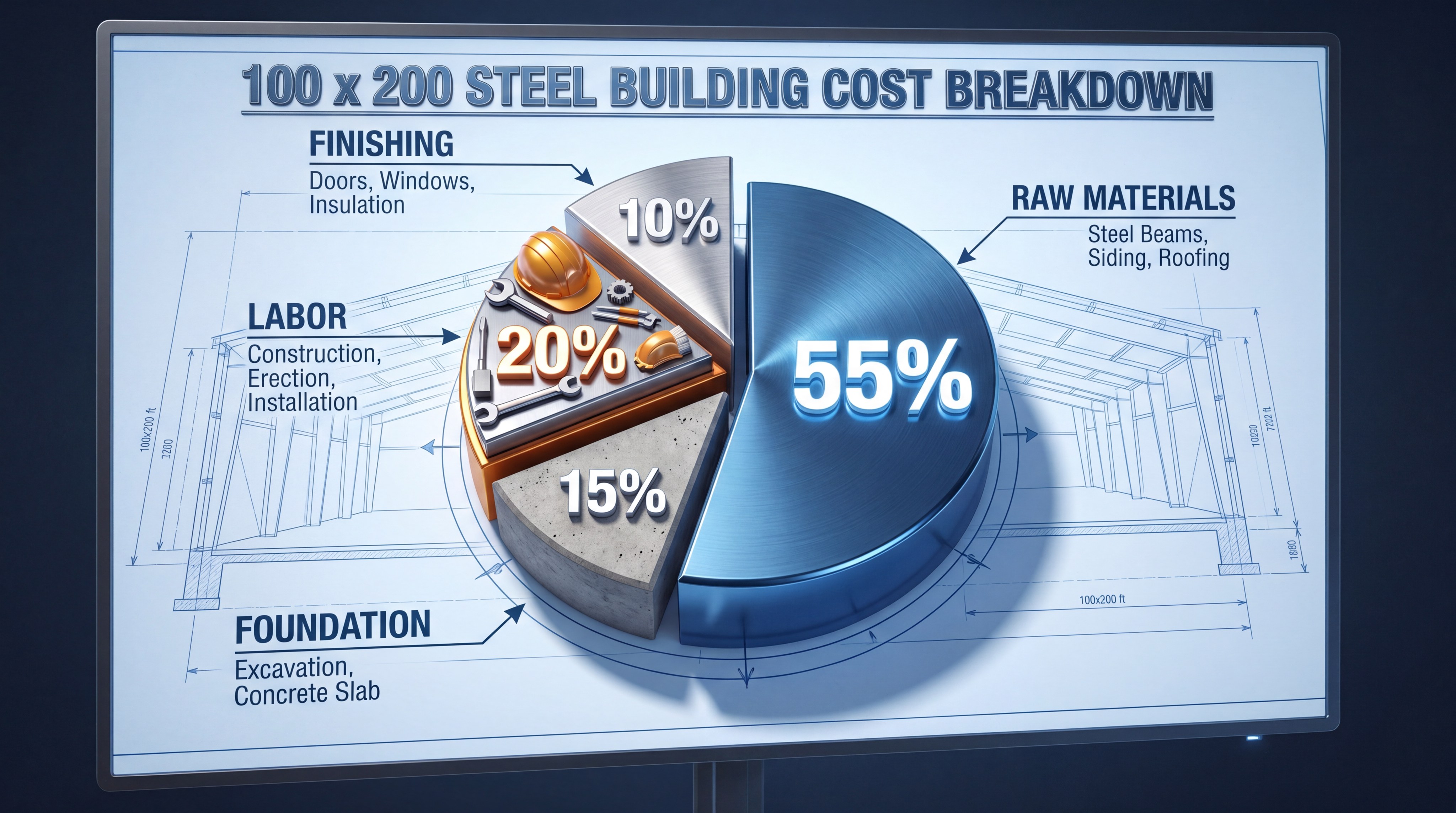
The average 100 x 200 steel building cost usually falls between 25 and 40 per square foot for the basic shell kit. This price covers the primary and secondary framing, metal wall panels, and roofing materials needed to enclose the structure. When you scale up to a 20,000 square foot warehouse, you can often secure better pricing through bulk material purchasing.
How do material market fluctuations change prices?
The global price of raw steel is highly volatile and can shift based on trade policies or supply chain constraints. You must realize that a quote provided today might expire in as little as seven days due to these market movements.
- Global steel demand spikes.
- Energy costs for manufacturing.
- Shipping and fuel surcharges.
- Trade tariffs on imported ore.
Look at it this way: timing your purchase during a market dip can save you tens of thousands of dollars. You should work closely with your supplier to lock in rates when the market is favorable.
Are there bulk discounts for 20,000 square foot projects?
Manufacturers often provide tiered pricing that benefits larger industrial projects. Because a 100×200 footprint is substantial, the efficiency of the production run helps lower the unit cost per pound of steel.
- Reduced engineering overhead per square foot.
- Optimized shipping container utilization.
- Volume-based raw material procurement.
- Streamlined fabrication processes.
But that’s not all. You can maximize your ROI on a 20,000 sq ft warehouse by choosing standard dimensions that fit existing manufacturing templates.
Key Takeaway: The base square foot cost is just the beginning of your financial journey, as market timing and project scale play massive roles in the final tally.
| Cost Component | Price Range (per Sq Ft) | Estimated Total | |
|---|---|---|---|
| Steel Shell Kit | 25−40 | 500,000−800,000 | |
| Engineering Fees | 1.50−3.00 | 30,000−60,000 | |
| Shipping/Logistics | 2.00−5.00 | 40,000−100,000 |
This data indicates that while the shell is the primary expense, ancillary soft costs can quickly consume a significant portion of your budget.
How does design affect 100 x 200 steel building cost?
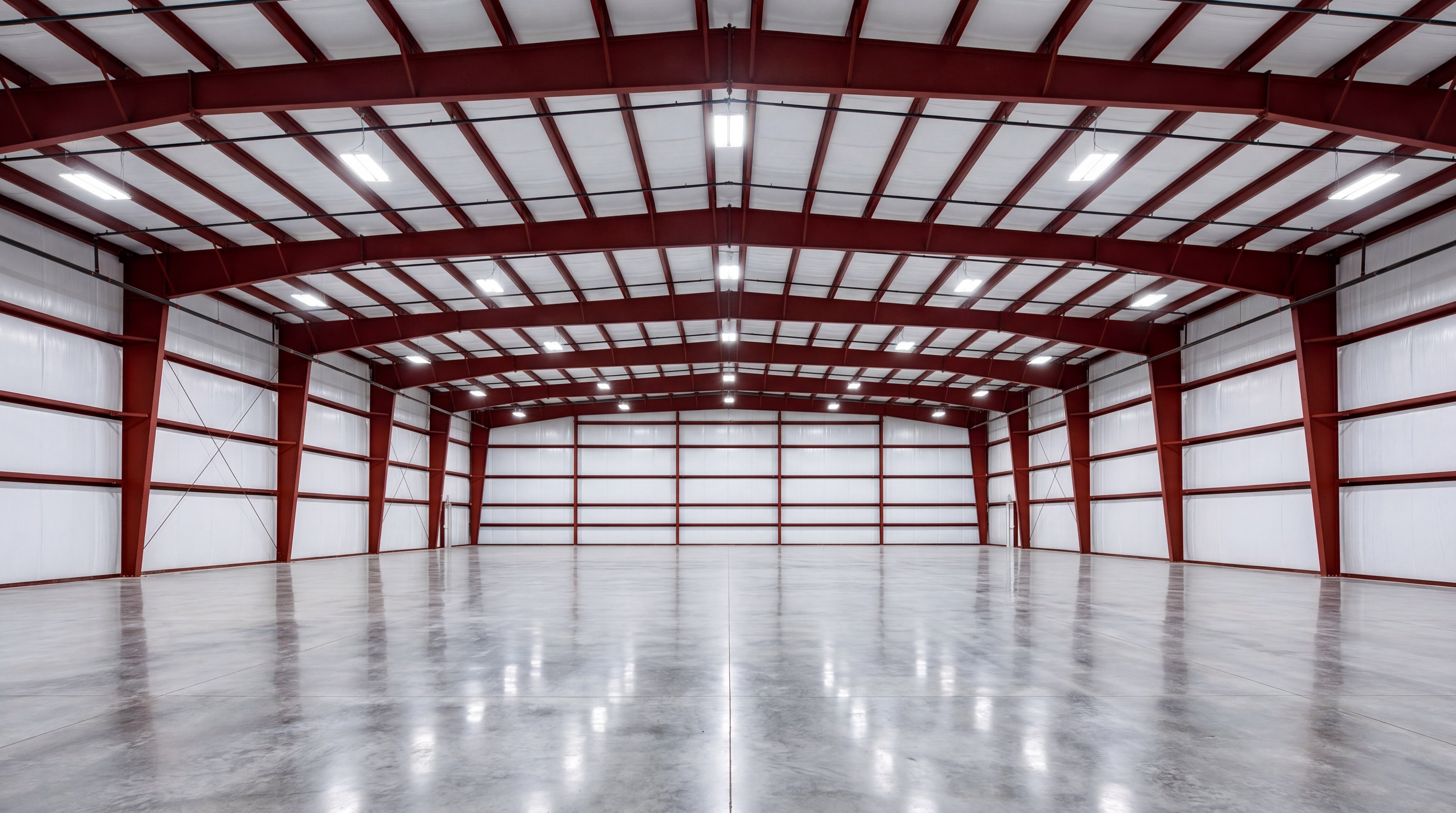
Custom engineering choices like clear-span frames significantly influence your final 100 x 200 steel building cost. If your operations require a vast, open interior without any obstructing columns, the structural steel members must be significantly heavier and more robust. This specialized engineering ensures that the roof can support its own weight and environmental loads across the full 100-foot width.
Is a clear-span design more expensive than multi-span?
Choosing a clear-span layout will generally increase your material costs by 15% to 25% compared to a multi-column design. While the lack of internal posts provides maximum flexibility for equipment and inventory, it requires massive I-beams to maintain structural integrity.
- No interior column obstructions.
- Heavier rafter and column sections.
- Higher grade structural bolts.
- Increased freight weight for large beams.
Here’s the kicker: the added cost for clear-span is often recovered through higher operational efficiency and better space utilization. You should evaluate if your machinery truly needs that much open room.
Does roof pitch influence the total steel weight?
A steeper roof pitch increases the surface area of your building, which naturally requires more metal panels and structural support. Most industrial buildings utilize a low-profile pitch, such as 1:12, to minimize the 100 x 200 steel building cost.
- Increased roof panel square footage.
- Higher wind load resistance requirements.
- More internal volume to heat and cool.
- Additional purlins and girts for support.
Think about it. You might want a higher peak for aesthetic reasons, but every degree of slope adds to your bottom line.
Key Takeaway: Structural design choices like clear-span frames and roof pitches are the primary drivers of material weight and engineering complexity.
| Design Option | Cost Impact | Operational Benefit | |
|---|---|---|---|
| Clear-Span Frame | +20% Material Cost | Maximum interior floor space | |
| Multi-Span Frame | Base Price | Lower cost for storage-only use | |
| High Roof Pitch | +10% Material Cost | Better snow shedding and aesthetics |
Analytical assessment shows that while clear-span designs are pricier, they offer superior long-term versatility for industrial tenants.
Unlock Your Project’s Full Potential
Email:sales@showhoo.com.cn
Phone/WhatsApp:+86 186 7895 5927
Which factors increase 100 x 200 steel building cost estimates?
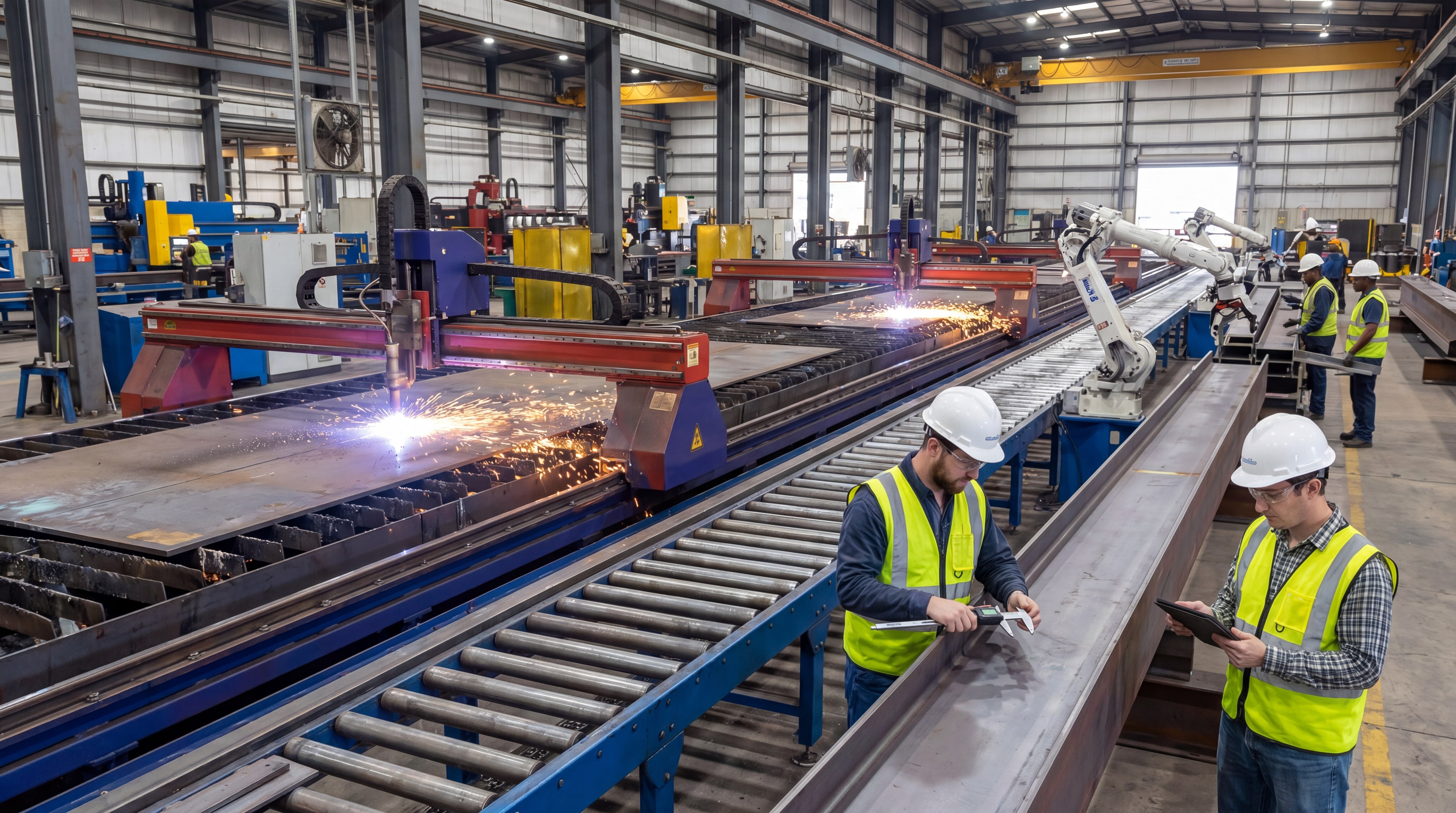
Adding heavy-duty equipment like bridge cranes will substantially drive up your 100 x 200 steel building cost . When you design a workshop to handle industrial manufacturing, the building itself must act as a machine, supporting the dynamic loads of moving weight. These reinforcements must be calculated into the initial engineering phase to ensure the frame does not buckle under pressure.
Do heavy-duty crane systems require extra reinforcement?
Integrating a 10-ton or 50-ton crane system requires the structural columns to be reinforced with extra steel and specialized brackets. You cannot simply bolt a crane to a standard frame without compromising the entire structure.
- Increased column thickness and depth.
- Specialized crane runways and rails.
- Heavy-duty foundation footings at column bases.
- Custom engineering for dynamic load cycles.
It gets better. You can order a custom steel structure workshop that is pre-engineered for specific crane capacities, saving you from on-site modifications later.
How do mezzanine levels impact the base material price?
Adding a second floor or a mezzanine for office space can increase your steel requirements by 20% to 30%. You have to account for the heavy decking, support joists, and the additional load these floors place on the main building columns.
- Higher eave heights required.
- Extra fireproofing and egress stairs.
- Reinforced primary framing for floor loads.
- Additional metal decking and concrete.
The reality is simple. You are essentially building a second structure inside the first one, which reflects in the price.
Key Takeaway: Industrial features like cranes and mezzanines transform a basic shell into a complex machine, significantly increasing the engineering and material investment.
| Add-On Feature | Estimated Cost Increase | Project Necessity | |
|---|---|---|---|
| Bridge Crane Support | 50,000−150,000 | Essential for manufacturing | |
| Mezzanine Floor | 30−60 per sq ft | Vital for office integration | |
| Reinforced Columns | 15% – 25% Steel Weight | Required for heavy dynamic loads |
Strategic analysis suggests that integrating these features during the factory design phase is 40% cheaper than retrofitting an existing building.
Is a foundation included in 100 x 200 steel building cost?
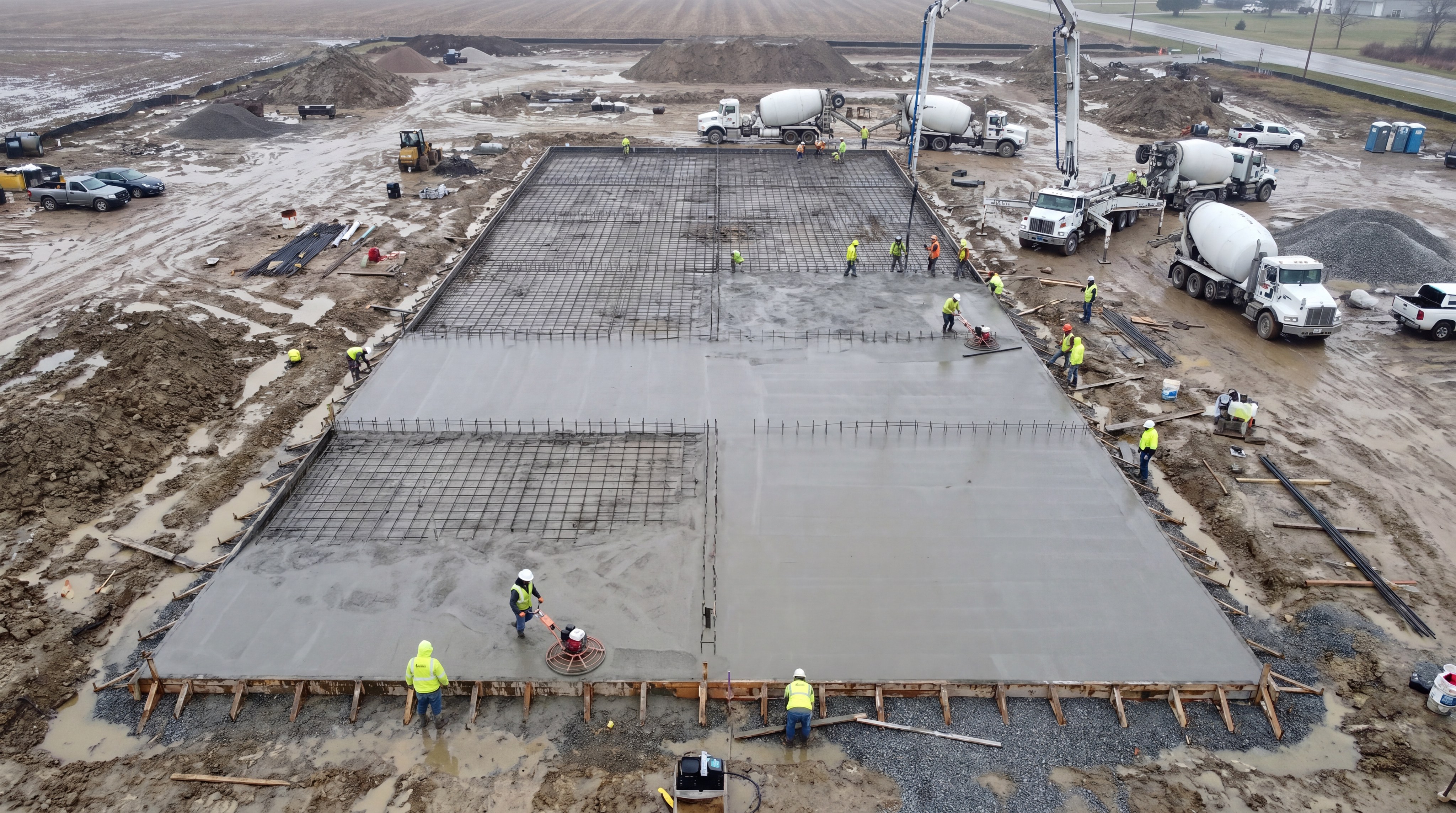
A concrete foundation is almost never included in the base 100 x 200 steel building cost provided by manufacturers. You must budget for this separately, as it is a localized service involving site preparation, pouring, and finishing. For a 20,000 square foot building, the foundation is a massive undertaking that requires professional engineering to support the heavy loads of the steel frame.
What is the typical cost for a 20,000 sq ft concrete slab?
A standard 6-inch reinforced concrete slab for a building of this size will typically cost between
8 and 12 per square foot. You are looking at a total expenditure of 160,000 to 240,000 just for the floor and footings.
- Excavation and site grading.
- Vapor barriers and gravel base.
- Rebar or wire mesh reinforcement.
- Professional pouring and power-trowel finishing.
Believe it or not. The foundation is often the second-largest expense after the steel kit itself. You should ensure your slab is designed to handle the specific PSI requirements of your machinery.
Does soil quality dictate the foundation engineering?
The stability of your ground determines how deep and wide your concrete footings must be to prevent settling. If you are building on soft clay or marshy land, you might need expensive piers or piles to anchor the structure.
- Soil compaction testing requirements.
- Footing depth for local frost lines.
- Specialized drainage systems for runoff.
- Potential for soil stabilization treatments.
You might be wondering if you can skip the soil test. You shouldn’t, as an improper foundation will cause your steel building to shift and leak over time.
Key Takeaway: Foundation costs are a separate but mandatory budget item that can account for up to 25% of your total project spend.
| Foundation Task | Estimated Cost | Factor of Influence | |
|---|---|---|---|
| 6-Inch Slab Pour | 120,000−180,000 | Concrete market prices | |
| Deep Footings | 30,000−50,000 | Building height and weight | |
| Site Grading | 10,000−40,000 | Existing terrain condition |
Engineering data proves that a high-quality foundation is the most critical factor in the longevity of your 20,000 sq ft investment.
How do local codes impact 100 x 200 steel building cost?
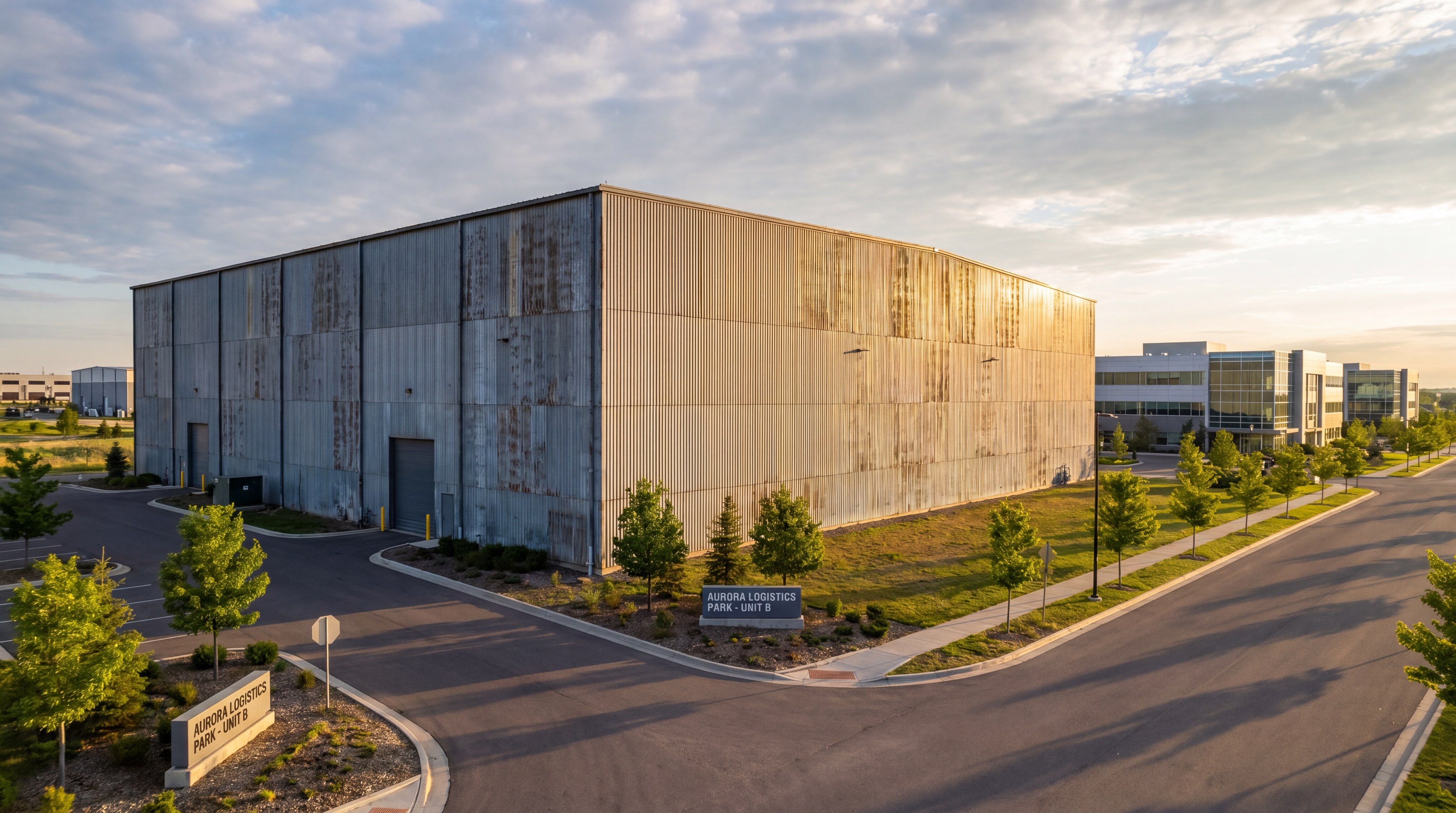
Stringent local building codes regarding snow or wind loads can add 15% or more to your 100 x 200 steel building cost . Every jurisdiction has specific requirements based on historical weather data and seismic activity in the region. When you purchase an industrial facility, the manufacturer must engineer the steel to meet these exact specifications to ensure safety and permit approval.
Are high snow load regions subject to higher steel costs?
Buildings designed for northern climates must be able to support thousands of pounds of snow accumulating on the roof. You will see an increase in the number of purlins and the thickness of the primary rafters to accommodate these heavy loads.
- Increased roof structural density.
- Heavier gauge metal roofing panels.
- Reinforced eave struts and girts.
- Specialized engineering certifications.
But that’s not all. You can explore Showhoo industrial solutions that are specifically tailored to meet international building codes for extreme climates.
Do seismic requirements change the framing specifications?
If your project is located in an earthquake-prone zone like California, the building must be able to flex and withstand lateral forces. You will likely need additional X-bracing or rigid frame connections that increase the total steel weight.
- Heavy-duty portal frames for openings.
- Increased structural bolt diameter.
- Additional wall and roof bracing.
- Specialized seismic anchor bolts.
The reality is simple. Safety codes are non-negotiable and will directly dictate the minimum amount of steel required for your site.
Key Takeaway: Local environmental loads are mandatory engineering constraints that significantly impact the total tonnage and price of your steel kit.
| Load Requirement | Typical Cost Impact | Common Regions | |
|---|---|---|---|
| High Snow (50+ PSF) | +15% – +20% | Canada, Northern USA | |
| High Wind (140+ MPH) | +10% – +15% | Coastal/Hurricane zones | |
| Seismic Category D/E | +12% – +18% | Fault line regions |
Analytical evidence suggests that ignoring local codes during the quoting phase leads to an average budget discrepancy of $45,000.
Can customization raise the 100 x 200 steel building cost?
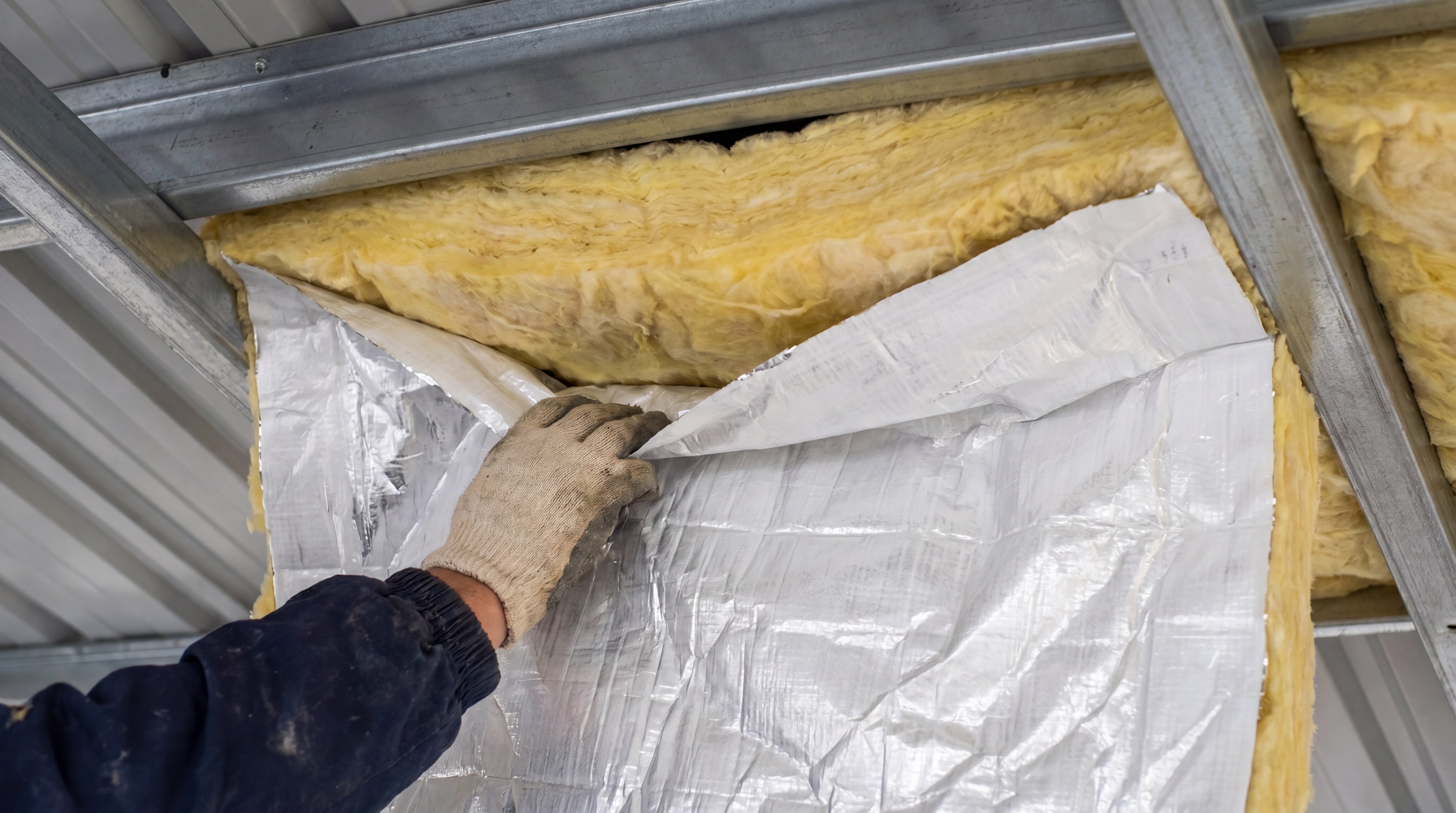
Upgrading to high-R-value insulation or premium facades will naturally increase the 100 x 200 steel building cost. While a basic “grey box” is affordable, most businesses need climate control, aesthetic appeal, and functional access points to operate effectively. These customizations add value and comfort but must be factored into your capital expenditure plan from the start.
How much do specialized insulation packages cost?
For a 20,000 square foot building, a comprehensive insulation system can range from 30,000 to 70,000 depending on the thickness and material type. You need a high-quality vapor barrier to prevent condensation and protect your inventory from moisture damage.
- Fiberglass blanket with reinforced facing.
- Rigid foam board for higher R-values.
- Spray foam for airtight sealing.
- Insulated Metal Panels (IMPs) for premium efficiency.
Here’s the kicker: investing in better insulation now will save you thousands in monthly utility bills for the next 30 years. You should consider the long-term energy savings as part of your overall cost-benefit analysis.
Are custom facade treatments worth the added investment?
Adding architectural elements like stone veneers, glass curtain walls, or parapet roofs can make an industrial building look like a high-end corporate office. You should expect these aesthetic upgrades to add 5 to 15 per square foot to your exterior finishing budget.
- Decorative wainscoting and trim.
- Large storefront window systems.
- Custom colors and textures.
- Hidden fastener wall panels.
Think about it. A professional appearance can increase your property value and attract higher-quality tenants if you plan to lease the space.
Key Takeaway: Customization transforms a basic structure into a high-performance asset, though it adds significant “soft costs” to the initial build.
| Customization | Estimated Cost | ROI Type | |
|---|---|---|---|
| Premium R-30 Insulation | 50,000−80,000 | Lower Utility Bills | |
| Storefront Glass Doors | 5,000−15,000 | Aesthetic Appeal | |
| Insulated Metal Panels | 15−25 per sq ft | Energy & Speed |
This summary highlights that while upgrades are expensive, they contribute directly to the building’s operational efficiency and market value.
Unlock Your Project’s Full Potential
Email:sales@showhoo.com.cn
Phone/WhatsApp:+86 186 7895 5927
How much is the labor for 100 x 200 steel building cost?
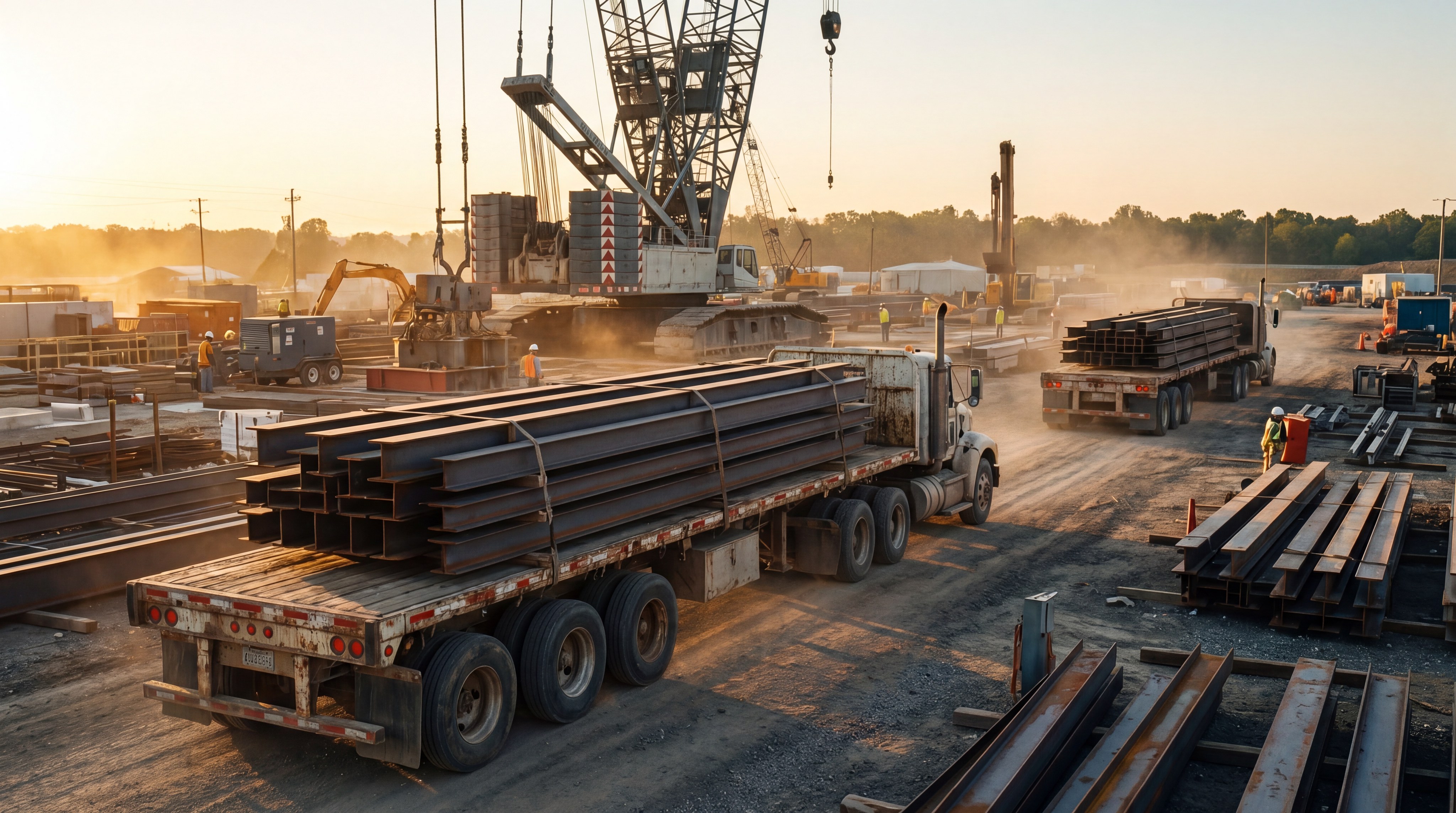
Professional erection labor typically accounts for 20% to 30% of the total 100 x 200 steel building cost . For a structure of this magnitude, you cannot rely on a small crew; you need a specialized team with heavy equipment like cranes and man-lifts. The speed of prefab assembly is a major advantage, but high-quality labor comes at a premium in today’s construction market.
Can a prefab kit reduce the total construction timeline?
One of the biggest draws of steel is that every component arrives at the site pre-punched, pre-cut, and ready for assembly. You can typically erect the main frame of a 20,000 sq ft building in 4 to 6 weeks, which is significantly faster than traditional wood or masonry.
- Faster site turnover and occupancy.
- Reduced weather-related delays.
- Lower total man-hours on site.
- Simplified installation with numbered parts.
But that’s not all. You can learn more about Showhoo prefabricated systems to understand how factory precision eliminates the need for on-site welding and cutting.
What is the average price for a professional erection crew?
A qualified steel erection crew will usually charge between 7 and 12 per square foot for a 100×200 project. This means you should set aside 140,000 to 240,000 for the labor required to stand the steel and hang the panels.
- Crane rental and operation fees.
- Scaffolding and safety equipment.
- Professional structural bolting.
- Sealing and weatherproofing labor.
Look at it this way: paying for an experienced crew prevents costly mistakes and ensures your building is under warranty. You should never cut corners on the team that holds your structure together.
Key Takeaway: Labor is a substantial cost, but the speed of steel erection provides a massive “time-to-market” advantage over other building methods.
| Labor Element | Price Range | Duration | |
|---|---|---|---|
| Main Frame Erection | 80,000−120,000 | 2 – 3 Weeks | |
| Paneling & Roofing | 50,000−90,000 | 2 Weeks | |
| Crane & Lift Rental | 15,000−30,000 | Project Life |
Data shows that while labor is expensive, the rapid completion of a steel project can save 3-4 months of interest and overhead.
Why is the 100 x 200 steel building cost worth the investment?
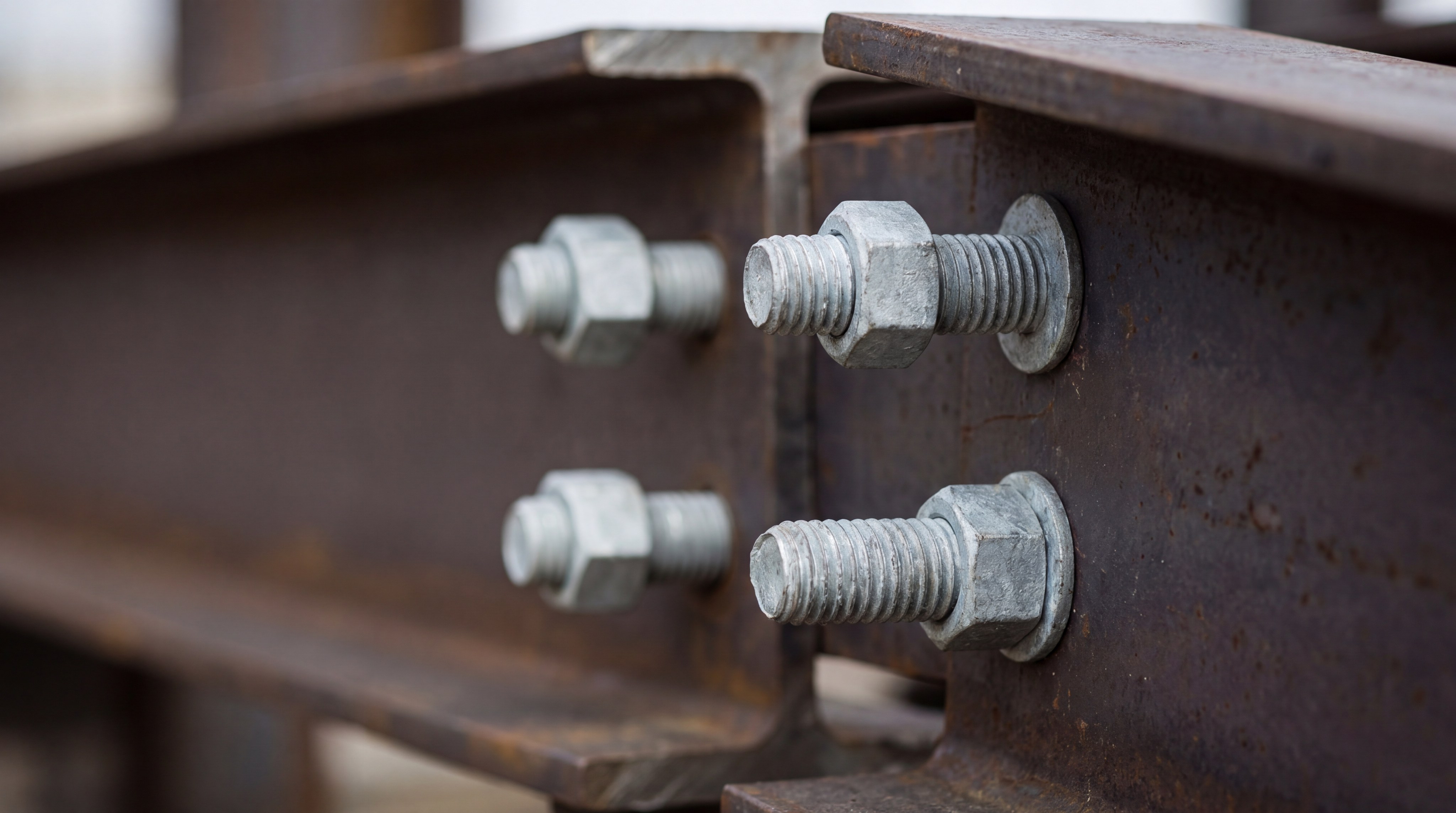
Choosing a steel structure provides long-term value that justifies the initial 100 x 200 steel building cost through low maintenance. Steel is immune to many of the problems that plague traditional buildings, such as rot, termites, and warping. When you invest in a 20,000 square foot asset, you are looking for a structure that will remain functional and attractive for 50 years or more with minimal intervention.
How does steel compare to wood for long-term maintenance?
Wood requires constant painting, sealing, and inspections to prevent structural decay and pest infestations. You will find that steel only requires occasional pressure washing and a simple annual inspection of the fasteners and seals.
- No termite or carpenter ant issues.
- Fire-resistant material lowers insurance.
- Resists mold and mildew growth.
- Dimensionally stable—won’t warp or shrink.
Believe it or not. The insurance premiums for a steel building are often 30% to 40% lower than a wood-frame building. You should factor these operational savings into your 10-year financial projections.
What is the typical ROI for a large metal building?
Because of their durability and versatility, 20,000 sq ft metal buildings hold their resale value exceptionally well. You can easily repurpose the interior layout for different tenants, making it a “future-proof” investment for real estate developers.
- High resale value and marketability.
- Low annual repair and upkeep costs.
- Energy-efficient designs reduce overhead.
- Faster path to revenue generation.
The reality is simple. You aren’t just buying a building; you are securing a high-yield industrial asset.
Key Takeaway: The superior durability and low maintenance of steel result in a much lower “total cost of ownership” compared to any other building material.
| Factor | Steel Building | Wood Building | |
|---|---|---|---|
| Longevity | 50+ Years | 25 – 35 Years | |
| Pest Resistance | Absolute | High Maintenance | |
| Insurance Cost | Low | High |
Analytical comparison confirms that the long-term savings on insurance and repairs frequently offset the higher initial cost of steel within 7 to 10 years.
Does location change the 100 x 200 steel building cost?
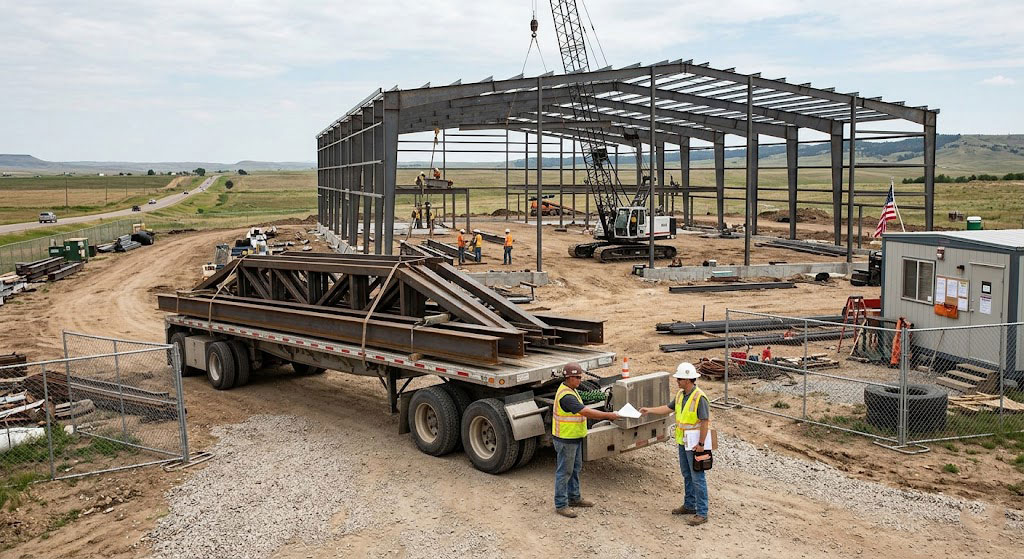
Shipping logistics and regional permit fees directly impact the bottom line of your 100 x 200 steel building cost . The further your job site is from the fabrication facility, the higher your freight costs will be. You must also account for local taxes and the cost of regional building permits, which vary wildly between states and cities.
How do global shipping and logistics affect your quote?
A 20,000 square foot building requires multiple flatbed trailers or shipping containers to move the massive steel members. You should expect to pay between 5,000 and 15,000 per load depending on the distance and current fuel surcharges.
- Proximity to major shipping ports.
- Current diesel and freight market rates.
- Requirement for “oversized load” permits.
- Number of trailers needed for 20,000 sq ft.
But that’s not all. By sourcing through the Showhoo factory direct model, you can often offset shipping costs by eliminating middleman markups on the materials.
Are there tax incentives for steel building construction?
Many regions offer tax breaks for businesses that build energy-efficient industrial facilities or create jobs in designated zones. You might be eligible for accelerated depreciation or state-level grants that effectively lower your net investment.
- Section 179 tax deductions for equipment.
- Energy-efficiency tax credits (e.g., 179D).
- Enterprise zone property tax abatements.
- Local economic development incentives.
Think about it. A 50,000 taxcred it is the same as saving 50,000 on the purchase price.
Key Takeaway: Strategic site selection and leveraging tax incentives are essential for controlling the final “out-of-pocket” expense of your project.
| Logistic Factor | Potential Cost | Savings Opportunity | |
|---|---|---|---|
| Freight Shipping | 15,000−40,000 | Source near transit hubs | |
| Permit Fees | 2,000−10,000 | Choose business-friendly zones | |
| Tax Incentives | -$20,000 (potential) | Utilize green building credits |
Strategic analysis proves that logistics and taxes can swing your final budget by up to 10%, making early research vital.
How can you lower your 100 x 200 steel building cost?
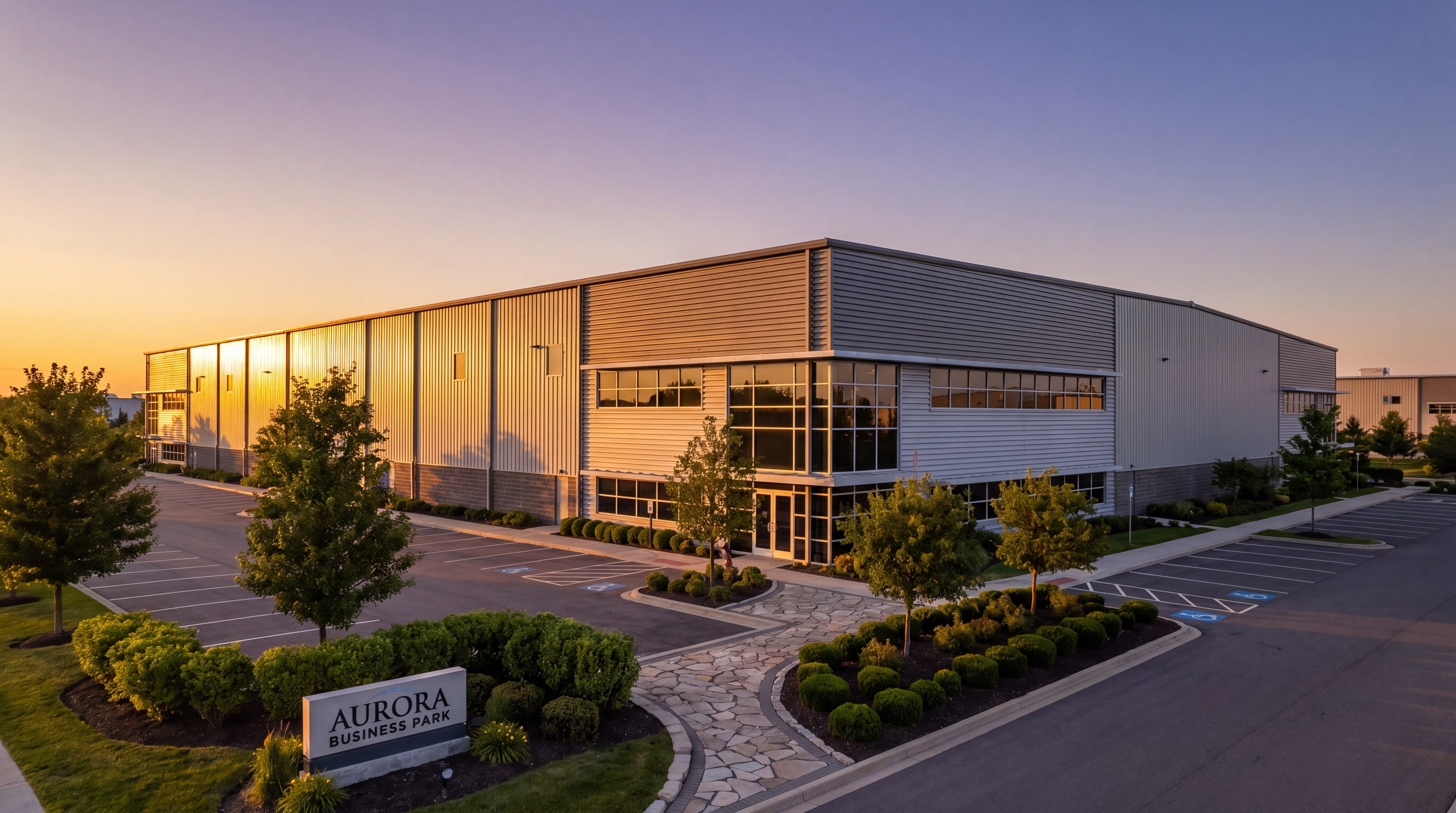
You can effectively reduce your 100 x 200 steel building cost by opting for factory-direct sourcing and standard dimensions. Every time you deviate from standard engineering templates, you trigger additional design fees and specialized fabrication labor. By working with a manufacturer that controls the entire supply chain, you can eliminate the hidden markups that distributors and brokers typically add to the invoice.
Does factory-direct pricing eliminate middleman markups?
Buying directly from the source can save you 10% to 20% compared to purchasing from a local retail dealer. You get closer to the raw material cost and gain direct access to the engineers who are actually designing your structure.
- No commission fees for sales agents.
- Clearer communication with the factory.
- Direct warranty and technical support.
- Streamlined order-to-delivery pipeline.
Here’s the kicker: factory-direct models like Showhoo’s allow for precision customization without the retail markup. You should always ask for a direct quote before signing with a broker.
Can simplified layouts reduce engineering fees?
Using a simple rectangular footprint and avoiding complex roof valleys or wall offsets will keep your costs at the absolute minimum. You can still achieve a professional look for your riding arena or warehouse while sticking to efficient structural designs.
- Use standard bay spacing (20′ or 25′).
- Avoid complex “L” or “T” shapes.
- Group window and door openings together.
- Choose a standard 1:12 roof pitch.
Look at it this way: the more your building resembles a “standard” kit, the faster and cheaper it will be to produce.
Key Takeaway: Strategic simplicity and direct sourcing are the two most powerful tools you have for keeping your 20,000 sq ft project under budget.
| Strategy | Estimated Savings | Implementation | |
|---|---|---|---|
| Direct Sourcing | 15% – 20% | Avoid local brokers | |
| Standard Spacing | 10,000−25,000 | Use 25′ bay segments | |
| Bulk Buy Options | 5% – 10% | Buy during market lows |
Analytical summary suggests that savvy buyers who prioritize standard engineering and direct factory communication consistently finish projects 15% under average market costs.
FAQ: Common Questions on Steel Building Costs
Can I customize the door placements in a 100 x 200 steel building without changing the base cost significantly?
Yes, you can typically choose the locations of your walk-doors and overhead doors during the design phase for a minimal fee. The primary cost change occurs if you require extra-large openings that need heavy-duty portal frames for structural support.
Does a clear-span design require a thicker concrete foundation than a multi-span layout?
Yes, because the weight of the entire roof is transferred solely to the exterior columns, the footings at those points must be significantly wider and deeper. You should expect higher foundation costs to ensure the point-loads are properly distributed into the soil.
What are the most common hidden fees when calculating the 100 x 200 steel building cost for a coastal location?
The most frequent hidden expenses include specialized wind-rated hardware, saltwater-resistant coatings, and high-velocity hurricane zone (HVHZ) certifications. You must also account for the cost of professional engineering seals required by local building departments.
Is it possible to expand the building length in the future if I start with a 100 x 200 footprint?
Absolutely, steel buildings are designed to be easily expandable by removing an end wall and adding additional frames. You should mention this plan during the initial design phase so the engineers can provide a “expandable” end-frame to simplify the future process.
How long does the fabrication and delivery process take for a 20,000 square foot industrial kit?
Typically, the design and fabrication phase takes 8 to 12 weeks once the drawings are approved. Shipping for a project of this size usually takes another 1 to 2 weeks depending on your proximity to the factory.
Conclusion
Investing in a 20,000 square foot facility is a milestone for any business, requiring a balance of structural integrity and fiscal responsibility. While the 100 x 200 steel building cost is influenced by customization and site requirements, the long-term benefits of durability and energy efficiency are unmatched. As a global leader in engineered excellence, Showhoo Building is committed to delivering factory-direct, high-performance structures that empower businesses to scale with confidence. Ready to secure a precision-engineered solution that eliminates middleman markups? Contact us today for a factory-direct quote tailored to your specific local codes and operational needs.
Unlock Your Project’s Full Potential
Email:sales@showhoo.com.cn
Phone/WhatsApp:+86 186 7895 5927