
In 2026, building a new church generally costs between 200 and 500 per square foot, which typically results in a total budget of 1.5 million to 3.5 million for a standard 10,000-square-foot facility. You may find that your current sanctuary is overflowing or that your congregation is meeting in a rented space that no longer supports your expanding outreach.
The dream of a permanent home is inspiring, yet the reality of rising material costs and complex 2026 building regulations can feel overwhelming. Without a clear financial roadmap, your project risks stalled timelines or a heavy debt burden that could hinder your spiritual mission. To help you navigate these challenges, how much does it cost to build a church can be significantly reduced by choosing modern steel solutions that turn your vision into a cost-effective reality.
What is the average price to build a church?
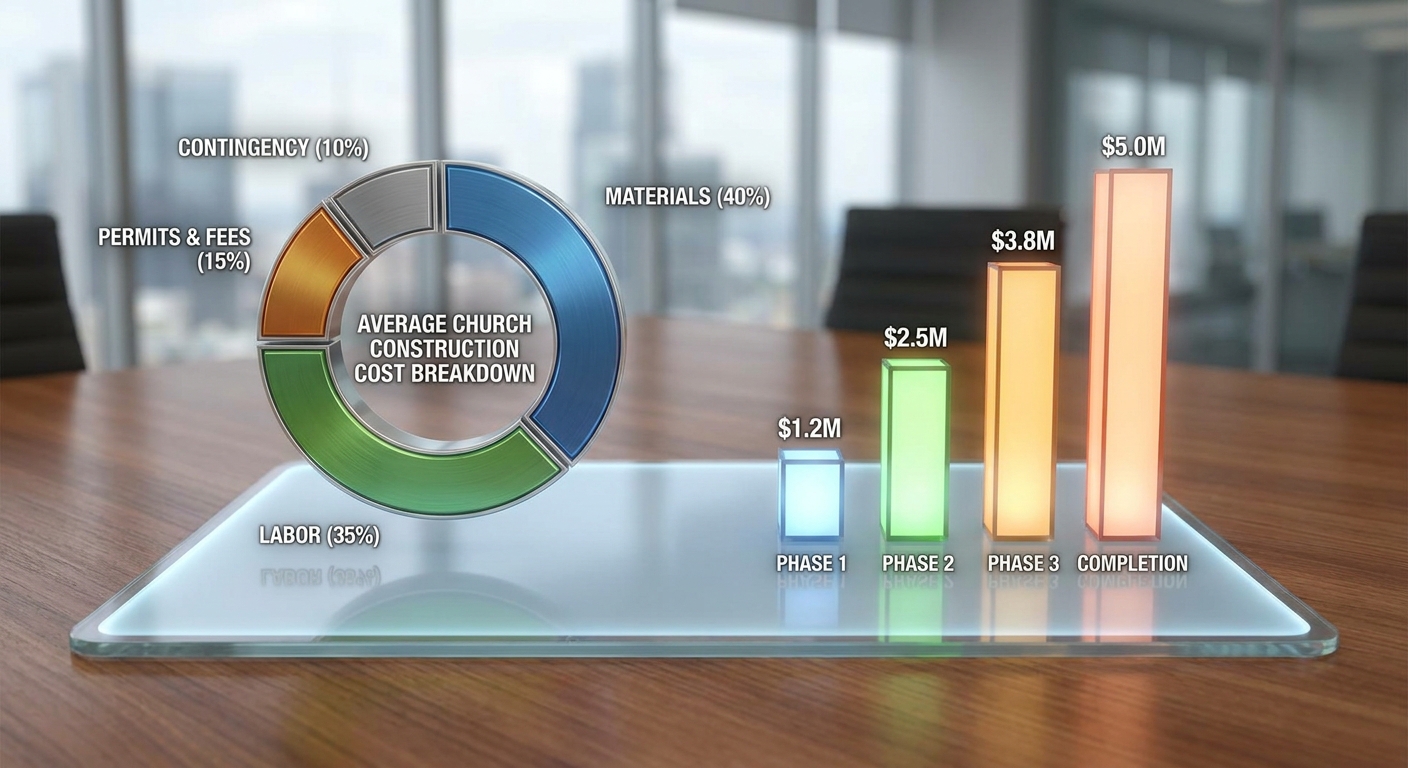
The average price for a new sanctuary typically falls between 1.5million and 3.5 million depending on the specific answer to how much does it cost to build a church . Most religious organizations find that their total expenditure is dictated by the complexity of the architectural design and the quality of interior finishes.
Are current market prices rising?
Think about it. The economic landscape of 2026 has introduced new variables in material procurement and specialized labor. You must account for:
- Standard inflation for raw construction materials.
- Increased costs for specialized liturgical craftsmanship.
- New environmental compliance fees.
But there is more. Setting a realistic fundraising goal requires a deep dive into these numbers early in the planning phase.
Key Takeaway: Understanding baseline market prices allows your committee to set attainable financial goals.
| Cost Component | Budget Range (USD) | |
|---|---|---|
| Construction | 1,000,000−3,000,000 | |
| Soft Costs | 150,000−300,000 | |
| Contingency | 100,000−200,000 |
How much does church construction cost per square foot?
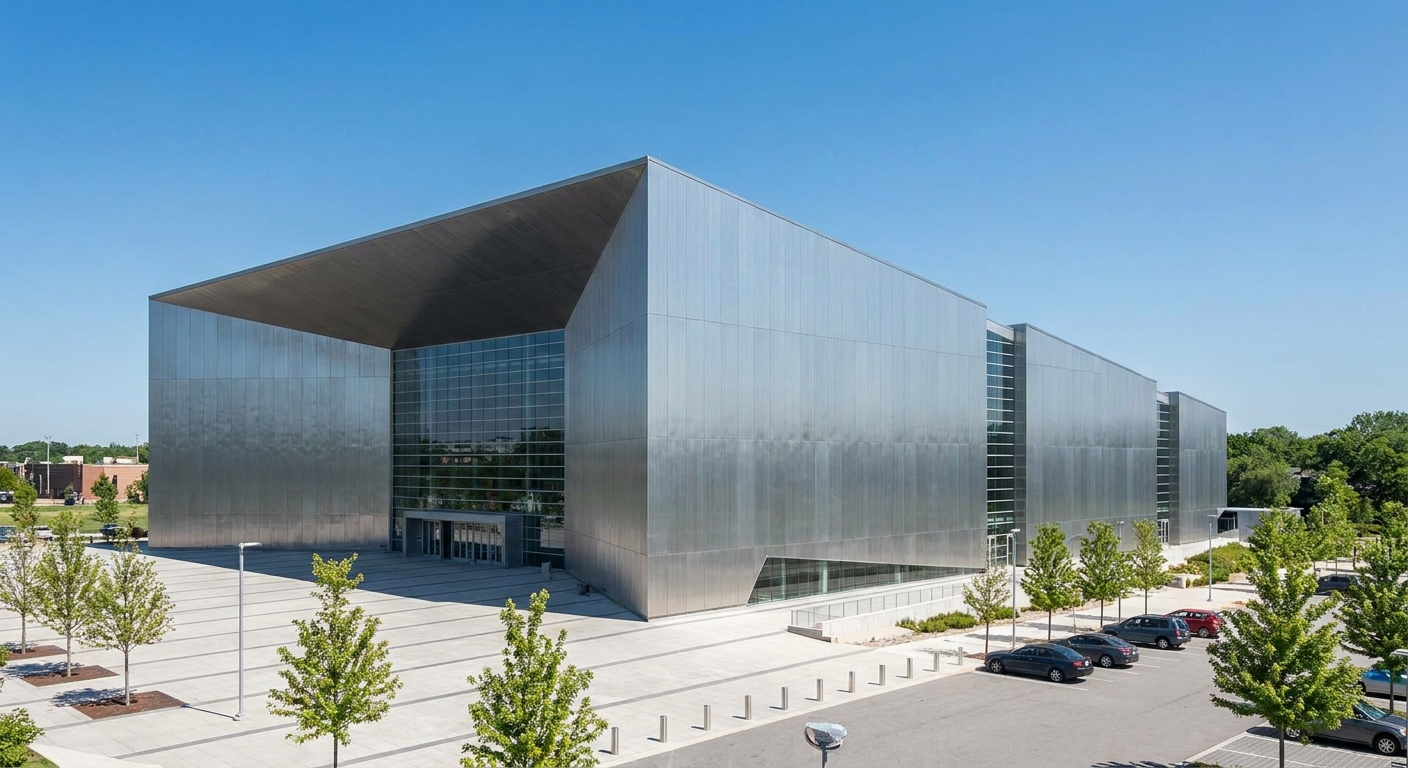
On average, you should expect to pay between 200 and 500 per square foot for commercial-grade religious facilities when calculating how much does it cost to build a church. This metric is the most reliable way to estimate your total project scope before official bids are received.
How does seating capacity impact size?
Here is the kicker: your total square footage is largely determined by your desired seating capacity and fellowship needs. Most modern ministries follow these guidelines:
- 7 to 15 square feet per person for sanctuary seating.
- Additional space for lobbies and cafes.
- Multi-purpose rooms for Sunday School.
Make no mistake. A 500-seat church building will require a much larger footprint than just the worship hall alone.
Key Takeaway: Square footage is the primary driver of your total construction budget.
| Building Size | Estimated Total Cost | |
|---|---|---|
| 5,000 Sq. Ft. | 1,000,000−1,500,000 | |
| 10,000 Sq. Ft. | 2,000,000−3,500,000 | |
| 20,000 Sq. Ft. | 4,500,000−7,000,000 |
Which regional factors impact your church building budget?
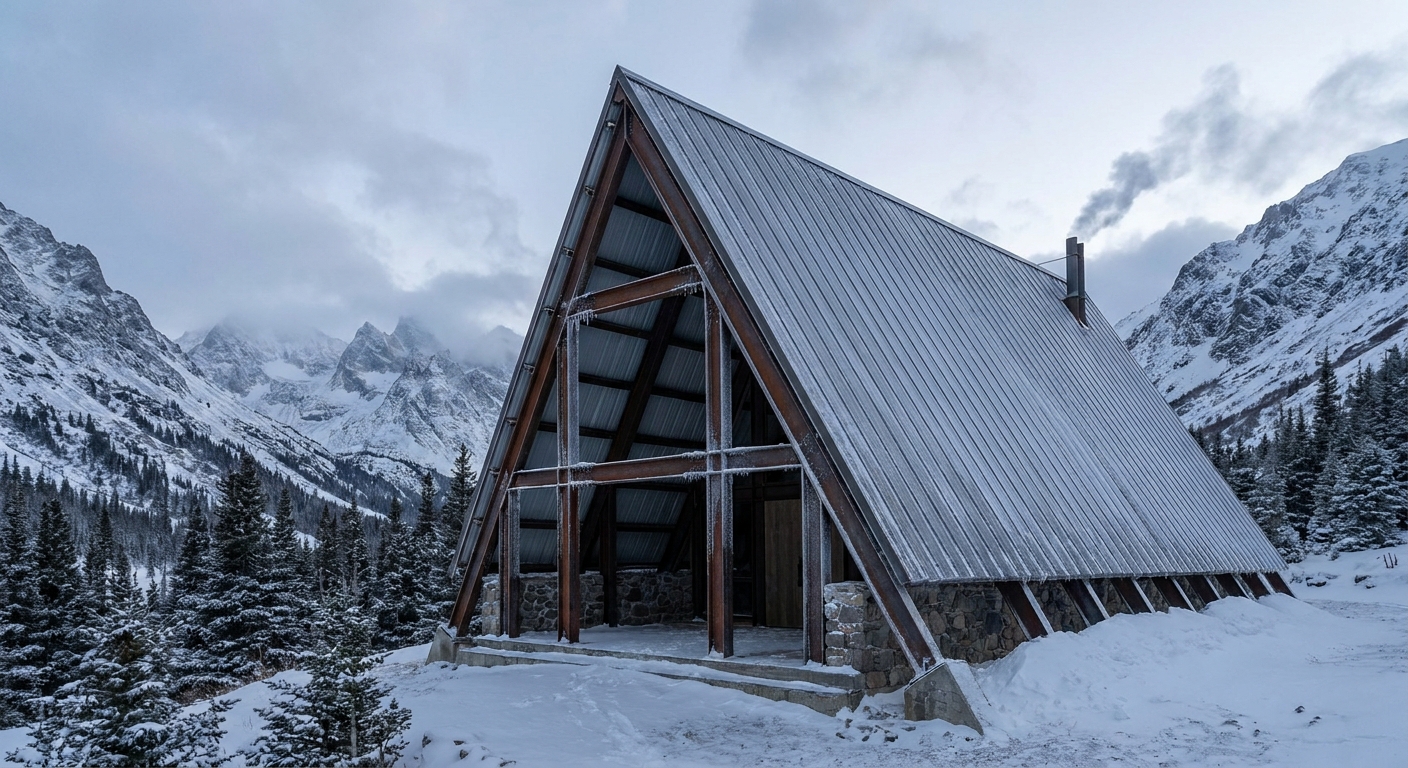
Regional location can swing your expenses by up to 30% depending on local labor rates and the specific answer to how much does it cost to build a church . Urban environments typically command higher permit fees and union labor costs compared to rural developments.
Does climate affect material choices?
But there is more. Your building must be engineered to withstand specific regional weather patterns, from heavy snow loads to high-velocity hurricane zones. Local codes often require:
- Enhanced insulation for northern climates.
- Seismic bracing in active geological zones.
- Specialized roof coatings for coastal humidity.
At Showhoo, about us is defined by our ability to customize engineering for any global location.
Key Takeaway: Regional location can swing your budget by up to 30% based on local requirements.
| Region Type | Relative Cost Factor | |
|---|---|---|
| Metropolitan | 1.25x Baseline | |
| Suburban | 1.00x Baseline | |
| Rural | 0.85x Baseline |
Explore Our Steel Solutions
Email:sales@showhoo.com.cn
Phone/WhatsApp:+86 186 7895 5927
How do land and site preparation affect the final cost?
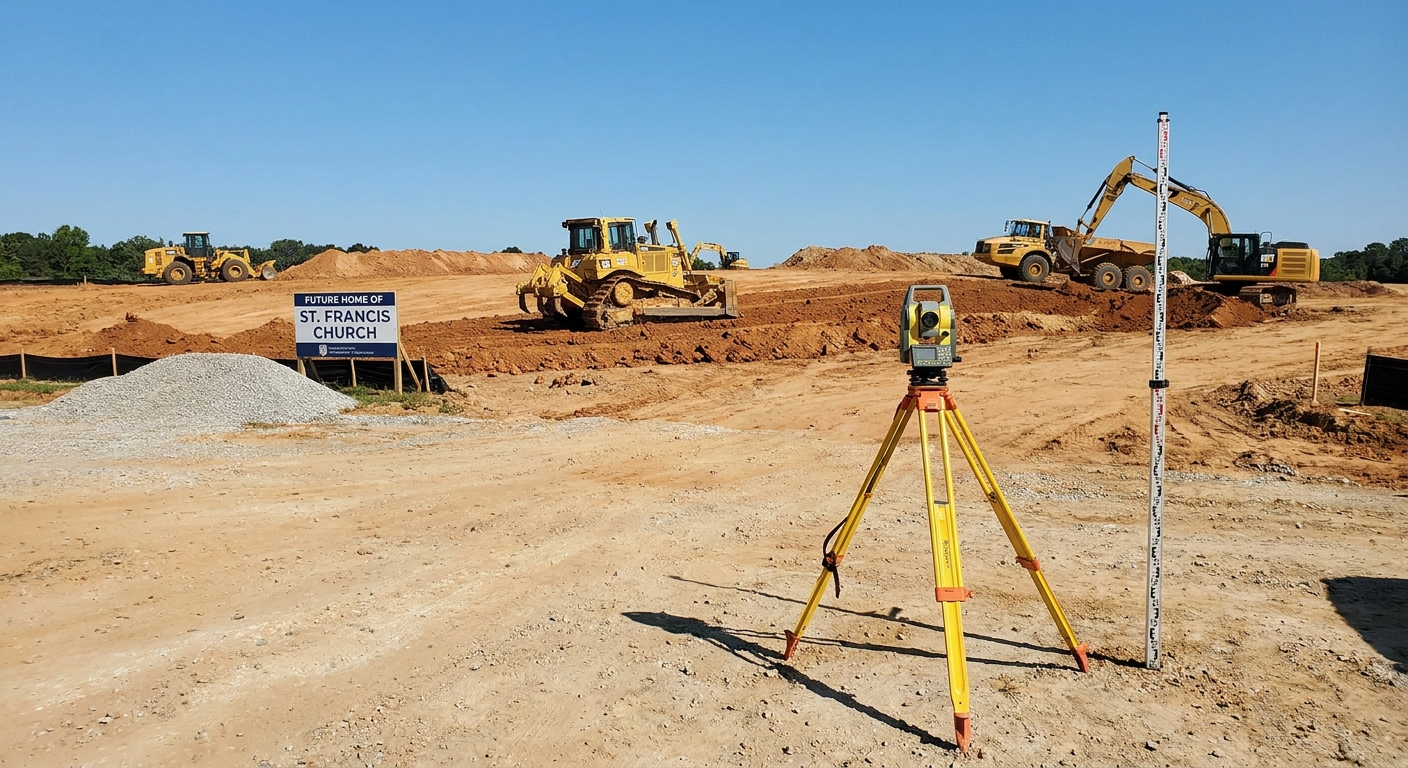
Land acquisition and site preparation generally account for 10% to 20% of the total budget when determining how much does it cost to build a church. Many pastors overlook the “soft costs” involved in making a plot of land ready for a foundation.
What are the hidden site expenses?
Think about it. Before you can ever raise a single beam, the land must be cleared, leveled, and connected to essential services. You should budget for:
- Civil engineering and drainage surveys.
- Utility hookups for water and electricity.
- Paving for parking lots and walkways.
It gets better. Ensuring the land is build-ready before purchase can save your ministry hundreds of thousands of dollars.
Key Takeaway: Site readiness must be verified before breaking ground to avoid massive overruns.
| Site Category | Estimated Expense | |
|---|---|---|
| Land Purchase | 100,000−500,000 | |
| Grading/Excavation | 50,000−150,000 | |
| Parking/Paving | 75,000−200,000 |
What interior finishes drive up your construction expenses?
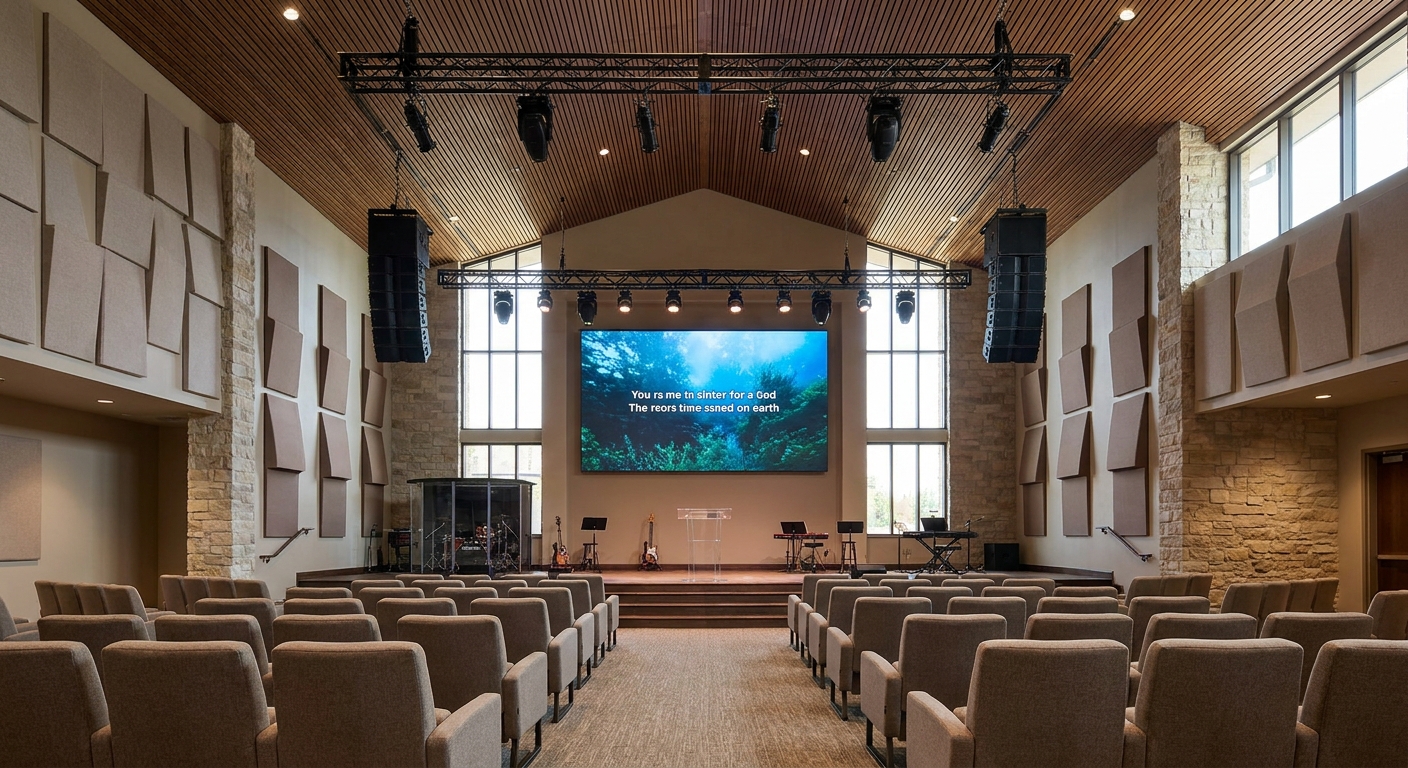
High-end audio-visual systems and liturgical furnishings can add 50 to 100 per square foot to the total when considering how much does it cost to build a church . These “finishing touches” are often what define the atmosphere of the sanctuary but can quickly drain a budget.
Is modern AV equipment necessary?
Here is the kicker: a modern church is often a high-tech media center requiring significant electrical and acoustic investment. Your interior budget should prioritize:
- Acoustic wall treatments for sound clarity.
- Professional lighting rigs and LED walls.
- Comfortable, durable seating for congregants.
But wait, there is more. Balancing these amenities with your structural costs is the key to successful stewardship.
Key Takeaway: Modern technology integration is a major secondary expense category for 2026 projects.
| Finish Level | Cost per Square Foot | |
|---|---|---|
| Basic | 30−50 | |
| Standard | 60−100 | |
| Premium | $150+ |
Why are modern steel structures more cost-effective?
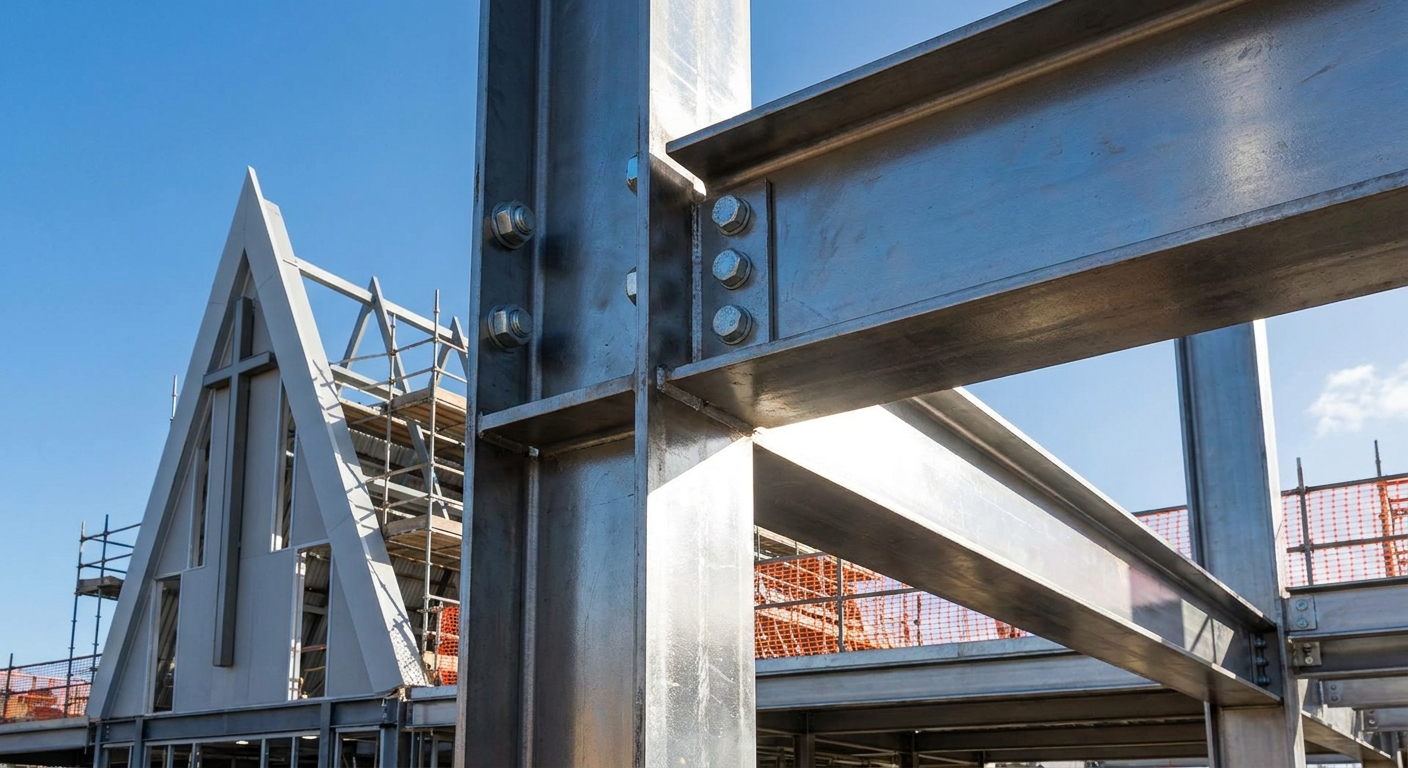
Modern steel structures offer significant savings through factory-direct manufacturing which lowers how much does it cost to build a church. By bypassing middleman markups and reducing on-site waste, steel frames provide a high-value alternative to masonry.
How does manufacturing reduce waste?
Think about it. Every beam and column is precision-engineered in a controlled environment to match your specific blueprints. This results in:
- Minimal on-site material waste.
- Reduced labor hours for cutting and fitting.
- Lower disposal fees for construction debris.
Whether you are building a sanctuary or a steel structure warehouse , the efficiency remains the same.
Key Takeaway: Steel systems provide factory-direct pricing that eliminates expensive middleman markups.
| Material Type | Waste Factor | Labor Intensity | |
|---|---|---|---|
| Wood Frame | 15-20% | High | |
| Concrete | 10-12% | Moderate | |
| Precision Steel | <2% | Low |
How does steel speed up the church construction timeline?
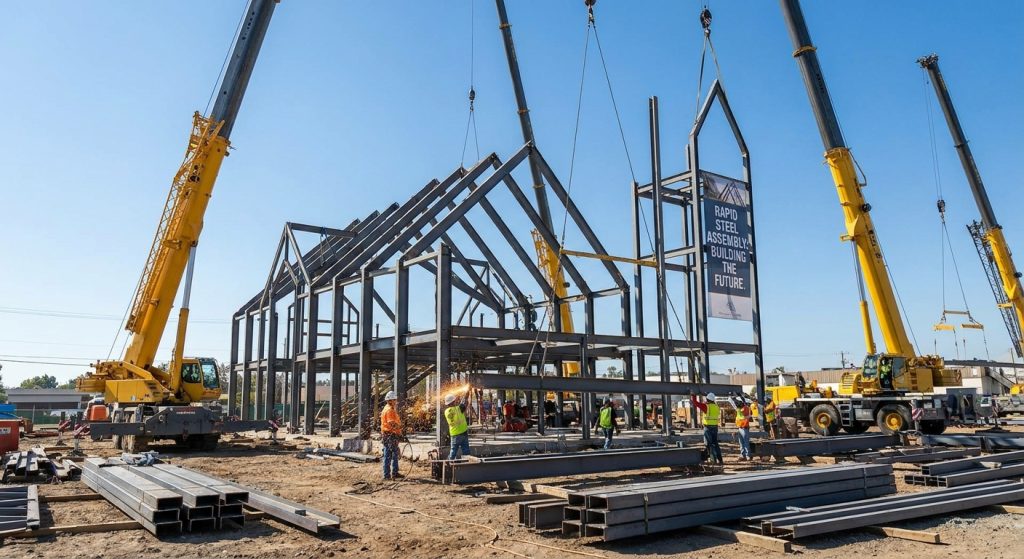
Utilizing prefabricated steel components can reduce build times by up to 50%, directly impacting how much does it cost to build a church . Because the frame is manufactured while the foundation is being poured, the assembly process is incredibly rapid.
Can you move in sooner?
Here is the kicker: a faster build means lower carrying costs for loans and fewer months of paying rent for temporary spaces. Our global projects demonstrate the power of:
- Bolt-together assembly systems.
- Pre-marked components for easy sorting.
- Simultaneous site and factory production.
But there is more. A shorter timeline reduces the risk of weather-related delays that plague traditional construction.
Key Takeaway: Faster completion means your ministry can move in and start serving the community sooner.
| Phase | Traditional Time | Steel Time | |
|---|---|---|---|
| Framing | 3-5 Months | 4-6 Weeks | |
| Weather-In | 2-3 Months | 2-3 Weeks | |
| Total Build | 12-18 Months | 6-9 Months |
Explore Our Steel Solutions
Email:sales@showhoo.com.cn
Phone/WhatsApp:+86 186 7895 5927
Can steel buildings support a traditional church aesthetic?
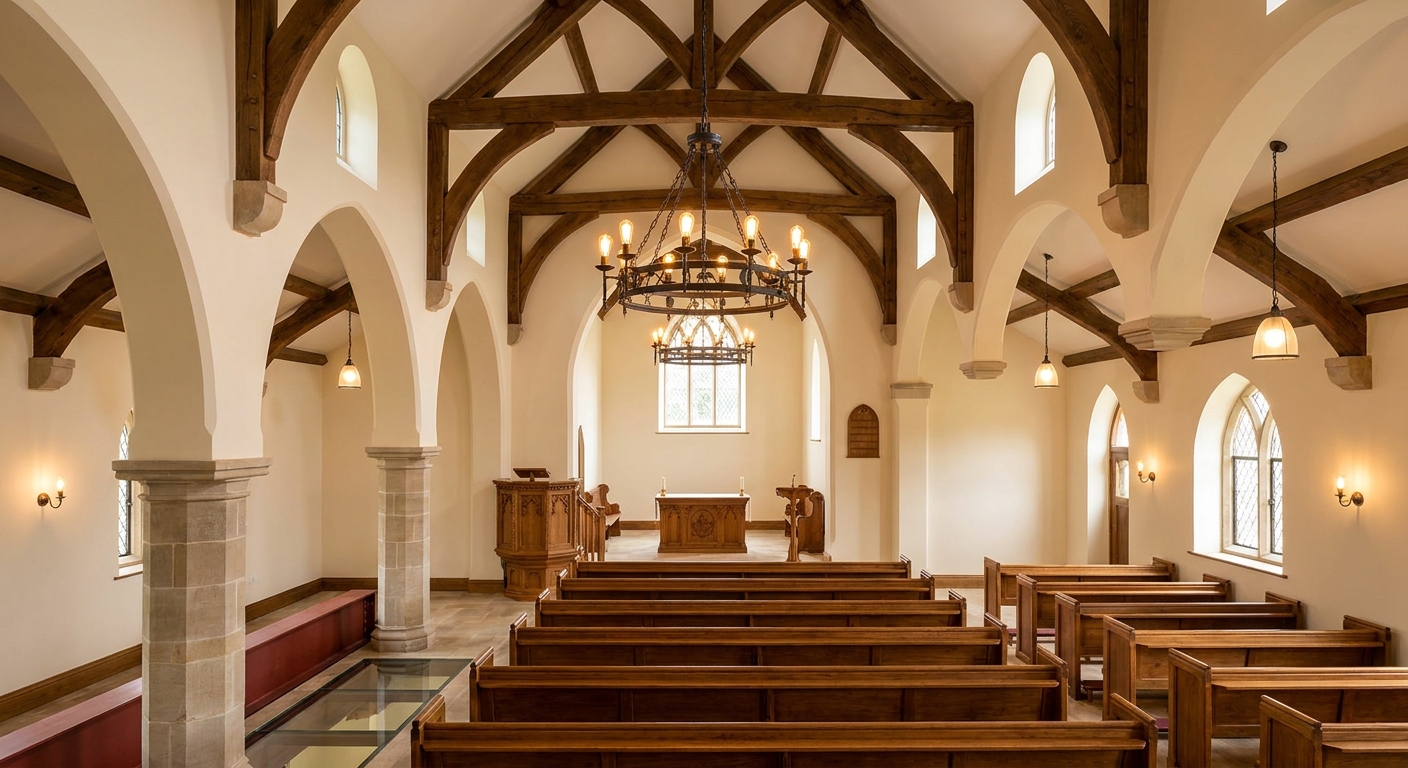
Modern engineering allows steel frames to support stone veneers and steeples without significantly increasing how much does it cost to build a church. You no longer have to choose between the industrial efficiency of metal and the sacred beauty of traditional architecture.
What customization options exist?
Think about it. The steel skeleton can be wrapped in any material to match your denominational style. Common customizations include:
- Brick or stone exterior facades.
- Large clear-span sanctuaries without columns.
- Custom roof pitches for traditional steeples.
Don’t be fooled. A steel building can look exactly like a traditional stone cathedral while offering superior durability.
Key Takeaway: You don’t have to sacrifice beauty for the structural integrity and cost-savings of steel.
| Exterior Finish | Aesthetic Impact | Cost Level | |
|---|---|---|---|
| Metal Panel | Modern/Sleek | Low | |
| Stucco/EIFS | Clean/Versatile | Moderate | |
| Brick/Stone | Traditional/Grand | High |
What is the cost of building with pre-engineered steel?
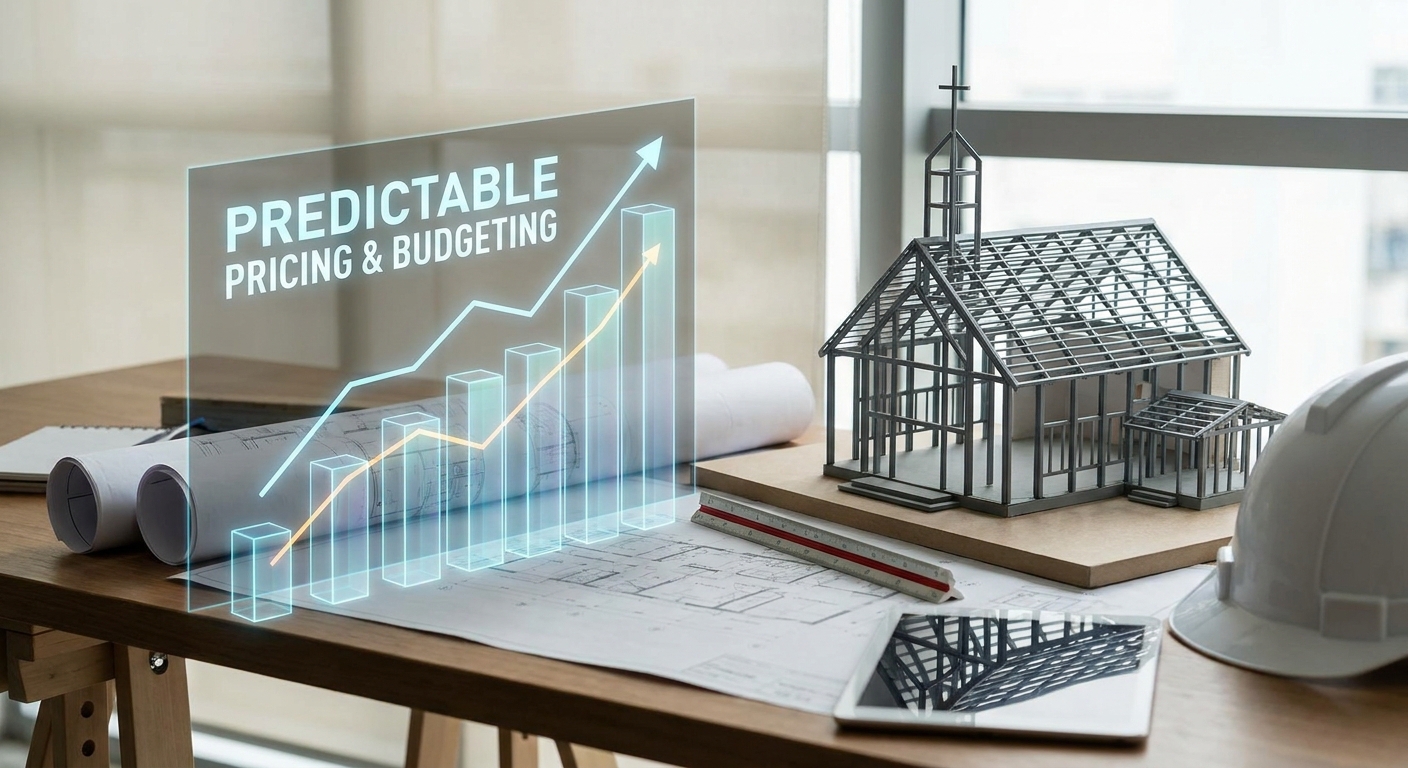
Pre-engineered steel frames offer predictable pricing and lower labor costs which helps you understand how much does it cost to build a church with precision. This method uses standardized components that are optimized for maximum strength and minimum material weight.
Is pre-engineering more reliable?
But there is more. Because the components are designed as a single system, there are no “missing pieces” or field modifications required. This provides:
- Fixed material pricing from the start.
- Guaranteed structural compliance with local codes.
- Scalable designs for future educational wings.
Here is the kicker: knowing your costs upfront reduces the stress on your finance committee.
Key Takeaway: Pre-engineered solutions offer predictable pricing and unmatched structural stability.
| Structure Type | Cost Predictability | Strength-to-Weight | |
|---|---|---|---|
| Custom Masonry | Low | Moderate | |
| Pre-Eng Steel | High | Exceptional |
What are the long-term savings of choosing steel?
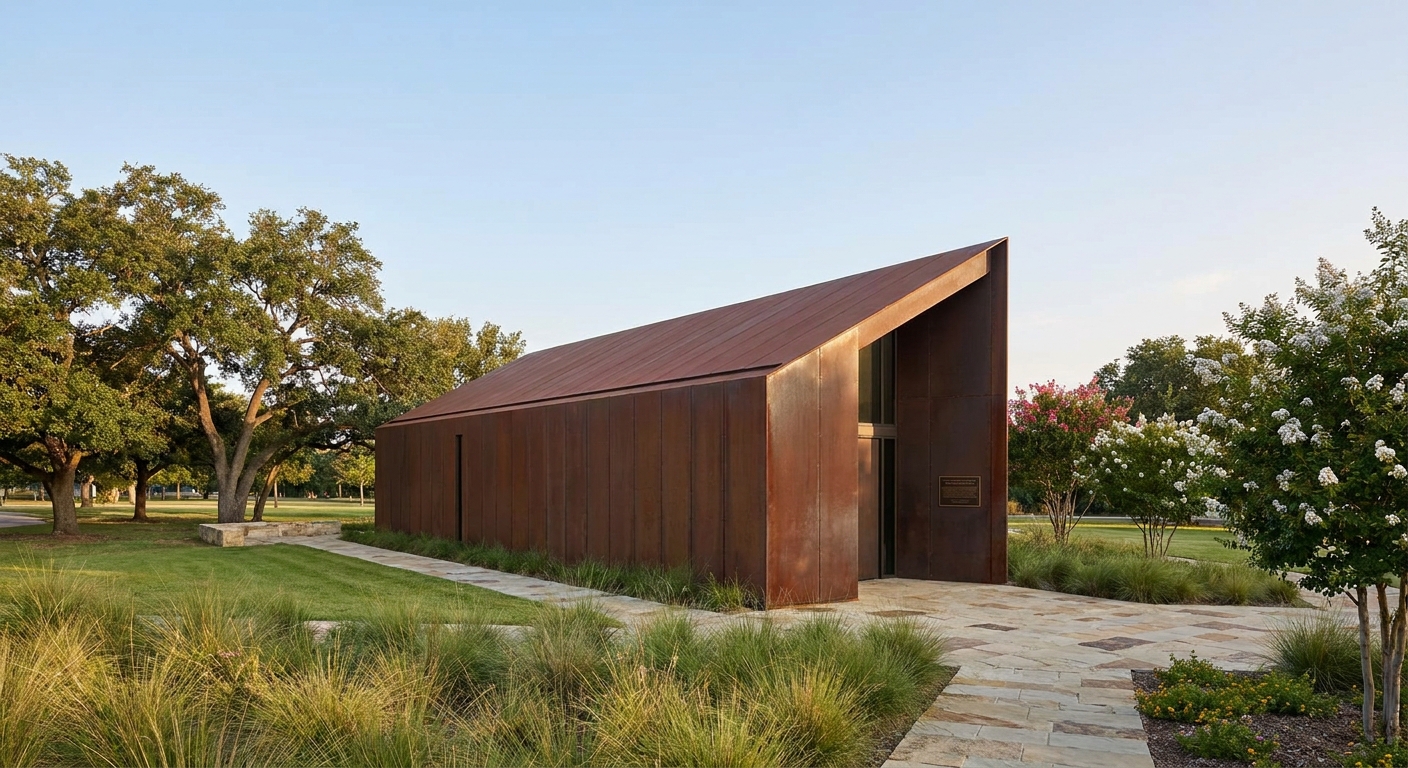
Choosing steel leads to substantial long-term savings on maintenance and insurance that reduces the lifetime how much does it cost to build a church. Unlike wood, steel is impervious to rot, termites, and fire, which significantly lowers your annual operating budget.
How much can you save on insurance?
Think about it. Insurance companies view steel as a “non-combustible” material, often resulting in lower premiums for the life of the building. You will also save on:
- Exterior repainting and sealing costs.
- Foundation repairs due to structural warping.
- Energy bills through high-efficiency insulated panels.
But there is more. These savings allow you to redirect funds from facility maintenance back into your community outreach and ministry programs.
Key Takeaway: The initial investment in steel pays dividends through significantly reduced operational costs.
| Expense Category | 10-Year Savings | |
|---|---|---|
| Maintenance | 50,000−100,000 | |
| Insurance | 20,000−40,000 | |
| Energy | 30,000−60,000 |
Conclusion
Building a sanctuary in 2026 requires a strategic blend of spiritual vision and modern industrial efficiency. By understanding the core cost drivers—from square footage and regional factors to the inherent advantages of steel—you can lead your congregation into a debt-free future. Transitioning to a steel-structured building offers a proven path to reduce timelines and costs without compromising on the beauty or the mission of your church.
If you are ready to turn your vision into a reality, contact us today to receive a customized quote for your project. We are dedicated to providing the engineering excellence required to build a house of worship that will serve your community for generations to come.
Explore Our Steel Solutions
Email:sales@showhoo.com.cn
Phone/WhatsApp:+86 186 7895 5927
Frequently Asked Questions
Can I build a church in phases to manage my budget?
Yes, phasing is a highly effective strategy for growing congregations. Many churches begin with a multi-purpose worship center and add dedicated classrooms or administrative wings as their building fund expands over time.
What’s the best way to get an accurate construction quote?
The most reliable method is to provide specific requirements to a manufacturer that offers integrated design and fabrication. Having a clear set of dimensions and desired finishes allows for a fixed-price proposal that prevents budget creep.
How do I know if a steel structure is right for my ministry?
If your priorities include large open worship spaces without internal columns and a rapid construction timeline, steel is your best option. It is particularly suited for ministries that value long-term durability and low maintenance costs.
What are the hidden costs people often miss in budgeting?
Churches often overlook soft costs such as civil engineering, utility hookup fees, and landscaping. Collectively, these secondary expenses can add 15% to 20% to your total budget if they are not accounted for early.
Can I customize the interior of a pre-engineered steel church?
Absolutely. While the frame is made of high-strength steel, the interior can be finished with traditional drywall, wood accents, and custom liturgical elements. This allows you to meet your specific denominational needs while benefiting from a steel shell.