
A 200×400 steel building typically costs between $1.2 million and $1.6 million for a primary framing kit. You need a massive facility for scaling your operations but unpredictable construction expenses are holding your project hostage. A single budget overrun on an 80,000 square foot structure can completely wreck your financial projections. We provide a transparent framework for calculating these expenses so you can plan effectively. Analyzing specific 200 x 400 steel building price factors allows you better budget management without fear.
What is the base cost for this building?
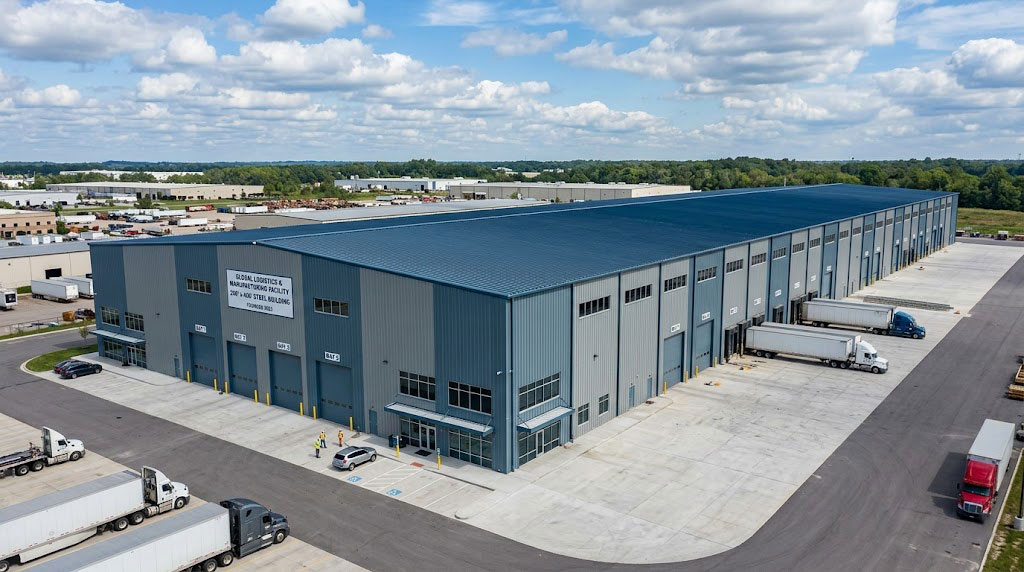
Base pricing for this size ranges roughly from $15 up through $20 per square foot. Determining your 200 x 400 steel building price starts right at this fundamental metric. Your primary package includes rigid frames, roof panels, and wall sheeting required for enclosing an 80,000 square foot space. We keep these numbers straightforward helping you forecast initial capital requirements accurately.
Are raw material rates stable?
Steel pricing fluctuates based upon global supply chains along with manufacturing demands. You must track market trends before locking any final contract.
Here’s the deal:
- Market demand dictates quarterly rate shifts.
- Bulk purchasing lowers your per-ton rate.
- Pre-engineered designs optimize material usage.
How do framing styles change costs?
Different structural designs require varying amounts of heavy steel support. Clear-span frames carry higher price tags because they eliminate interior columns providing unobstructed space. Multi-span frames utilize interior columns reducing total steel weight while lowering your expenses.
Key Takeaway: Understanding base structural components gives you a solid foundation for calculating your total project budget.
| Base Component | Average Cost per Sq Ft | Total Estimated Cost |
|---|---|---|
| Main Framing | $8 – $11 | $640,000 – $880,000 |
| Roof & Wall Panels | $4 – $6 | $320,000 – $480,000 |
| Fasteners & Trim | $3 – $3 | $240,000 – $240,000 |
This breakdown shows that main framing consumes your largest portion of initial capital.
How do customization options affect prices?
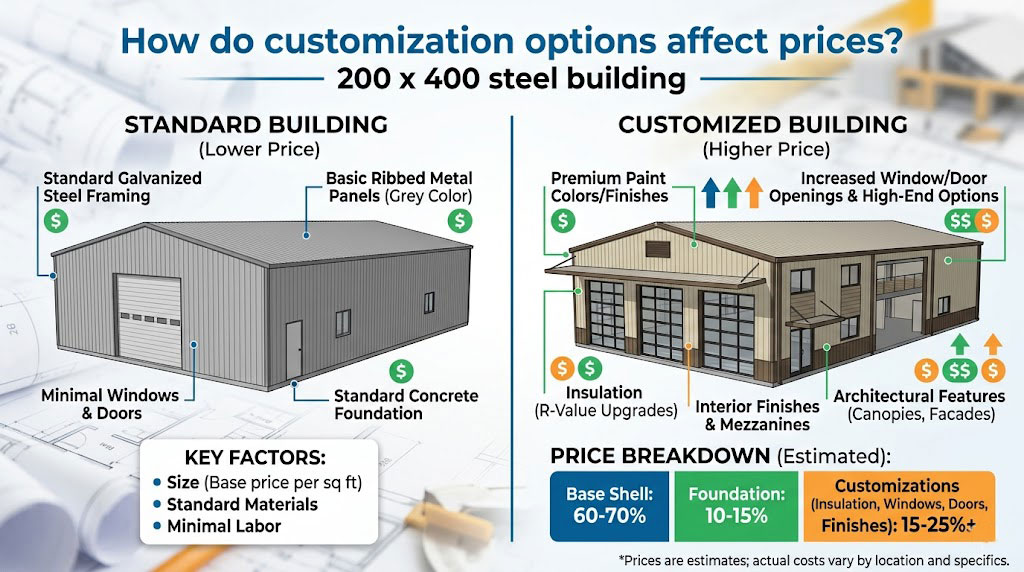
Customization options increase your total spend by 10% up through 30% depending upon your selections. Modifying standard designs directly impacts your overall 200 x 400 steel building price. Adding features like mezzanines, crane runways, or specialized exterior finishes requires extra engineering plus materials. These upgrades customize a facility exactly for your specific operational needs.
Can I add a crane runway?
Integrating any crane system requires heavier steel columns supporting dynamic loads.
Ready for the good part?
- Higher load capacities demand thicker steel profiles.
- Crane brackets are welded directly onto primary frames.
- Proper engineering prevents structural fatigue over time.
What about exterior aesthetic upgrades?
Standard metal panels offer basic protection but brick facades create a premium commercial look. Upgrading exterior appearances helps your facility blend into upscale industrial parks.
Key Takeaway: Custom features increase upfront expenses but often improve long-term functionality alongside property value.
| Customization Type | Estimated Added Cost | Impact on Functionality |
|---|---|---|
| Crane Runway | $40,000 – $80,000 | Heavy material handling |
| Mezzanine Floor | $50,000 – $100,000 | Extra office or storage space |
| Stucco Facade | $30,000 – $60,000 | Improved aesthetic appeal |
These figures demonstrate how specific operational requirements drive up your final project tally.
What role does location play in pricing?
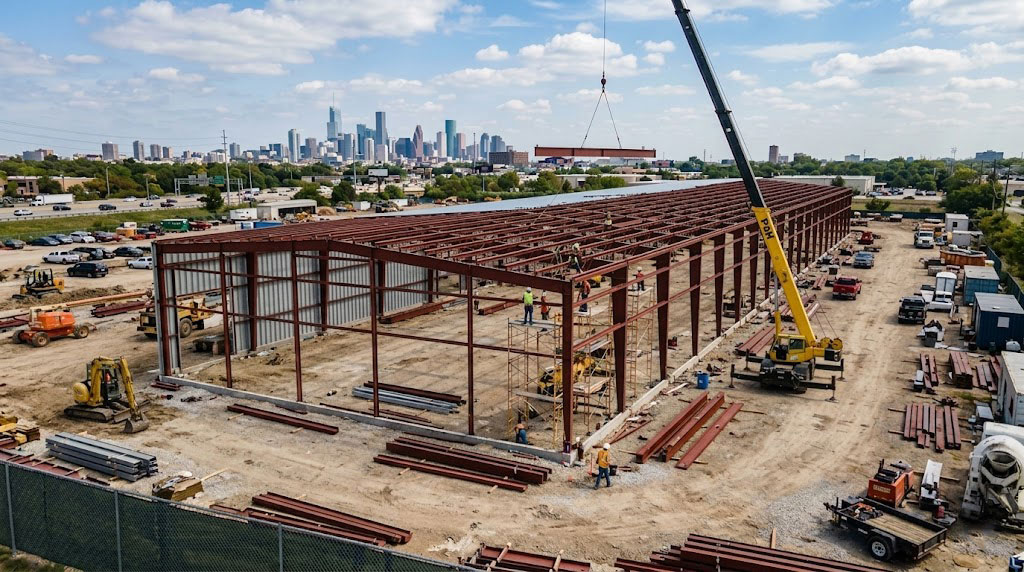
Your physical location alters structural engineering requirements and changes material delivery fees. Building codes within your specific region dictate a final 200 x 400 steel building price. Coastal areas require high wind-load ratings while northern states demand heavy snow-load capacities. These local variables force engineers into using thicker, heavier steel components.
How do snow loads change designs?
Heavy snowfall requires a stronger roof system preventing structural failure.
This is where it gets interesting…
- Engineers increase roof purlin thickness.
- Roof pitch angles might be steepened.
- Stronger main frames carry transferred weight safely.
Are shipping fees significant?
Transporting 80,000 square feet of steel materials requires dozens of flatbed trucks. If your site sits far from a manufacturing plant freight charges consume larger budget portions.
Key Takeaway: Geographic location dictates strict engineering codes that non-negotiably increase required steel amounts.
| Location Factor | Engineering Requirement | Average Cost Increase |
|---|---|---|
| Heavy Snow Region | Increased roof load capacity | 8% – 12% |
| Hurricane Zone | Higher wind speed rating | 10% – 15% |
| High Seismic Area | Reinforced frame connections | 5% – 10% |
Wind and snow load requirements consistently prove themselves as major geographic cost drivers.
How much does insulation add to the budget?
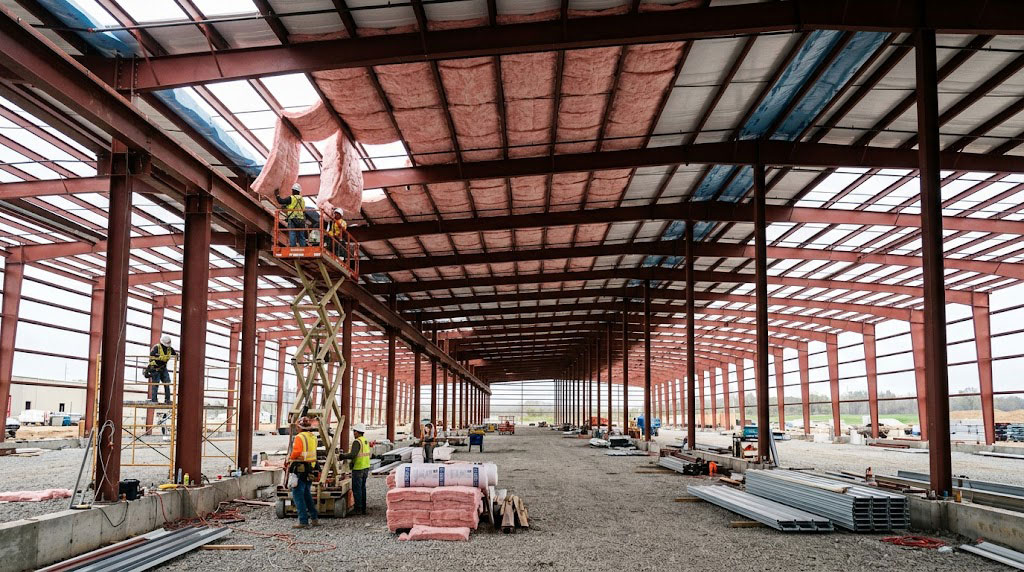
Insulation packages typically add $1.50 up through $3.00 per square foot onto your budget. Climate control plays a major role when calculating your 200 x 400 steel building price. Proper thermal barriers prevent condensation while reducing monthly heating bills. You must select an appropriate R-value based upon your local climate alongside interior usage.
Which insulation type works best?
Fiberglass blankets remain a common choice for large industrial facilities.
You might be wondering:
- Fiberglass offers excellent thermal resistance for low prices.
- Spray foam provides superior air sealing but costs much more.
- Rigid board insulation works well within specific climate-controlled zones.
Why does condensation cause problems?
Without adequate insulation warm interior air hits cold metal panels turning into water droplets. This moisture causes inventory damage while promoting premature rust on structural members.
Key Takeaway: Investing in high-quality thermal barriers prevents moisture damage and dramatically lowers long-term energy consumption.
| Insulation Type | Cost per Sq Ft | Best Application |
|---|---|---|
| Fiberglass Blanket | $1.00 – $1.75 | Standard warehouse storage |
| Spray Foam | $2.50 – $4.00 | Climate-controlled operations |
| Rigid Board | $2.00 – $3.00 | High-traffic impact areas |
Fiberglass remains a highly budget-friendly option for massive structures like 80,000 square foot facilities.
What are expected erection expenses?
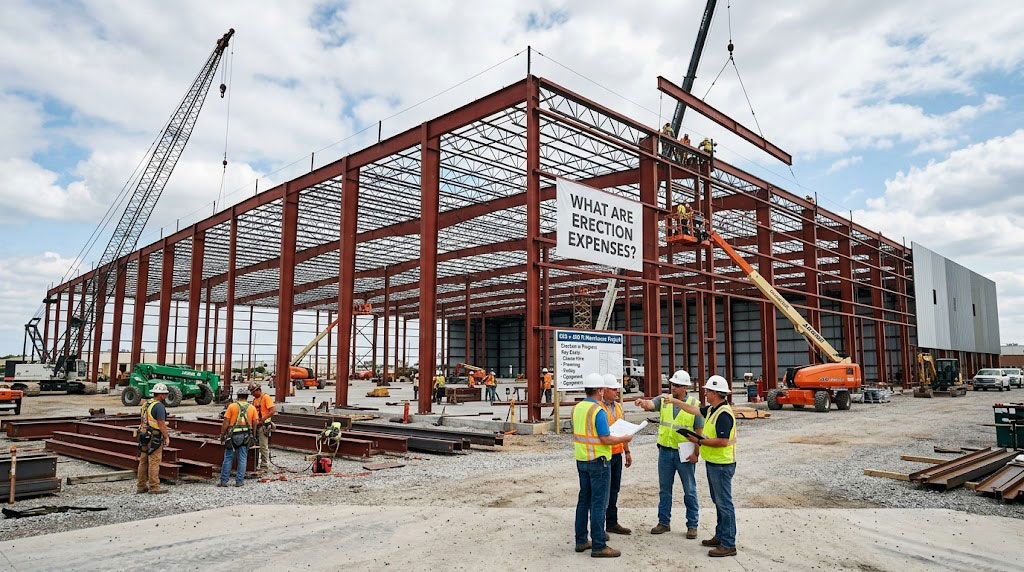
Erection crews generally charge $5 up through $10 per square foot assembling a structure. Labor rates vary widely by state directly impacting your total 200 x 400 steel building price. Putting together buildings of this magnitude requires heavy equipment, massive cranes, and skilled ironworkers. You should secure multiple bids from experienced local contractors securing best labor rates.
How long does construction take?
Professional crews typically assemble pre-engineered buildings of this size within 8 through 12 weeks.
But wait, there’s more:
- Weather delays extend timeframe projections.
- Complex custom features slow down framing processes.
- Site accessibility affects how fast heavy machinery operates.
Should you hire specialized crews?
General contractors often lack specific experience required bolting together massive rigid frames safely. Ironworkers specializing in pre-engineered metal buildings work faster while making fewer costly errors.
Key Takeaway: Hiring experienced steel erection crews guarantees faster build times while preventing expensive structural mistakes.
| Labor Component | Estimated Timeframe | Average Cost Range |
|---|---|---|
| Main Frame Assembly | 3 – 4 Weeks | $150,000 – $250,000 |
| Roof Sheeting | 2 – 3 Weeks | $100,000 – $150,000 |
| Wall Panels & Trim | 3 – 5 Weeks | $150,000 – $400,000 |
Wall panel installation usually takes longest due precision required around commercial openings.
How do doors and windows impact budgets?
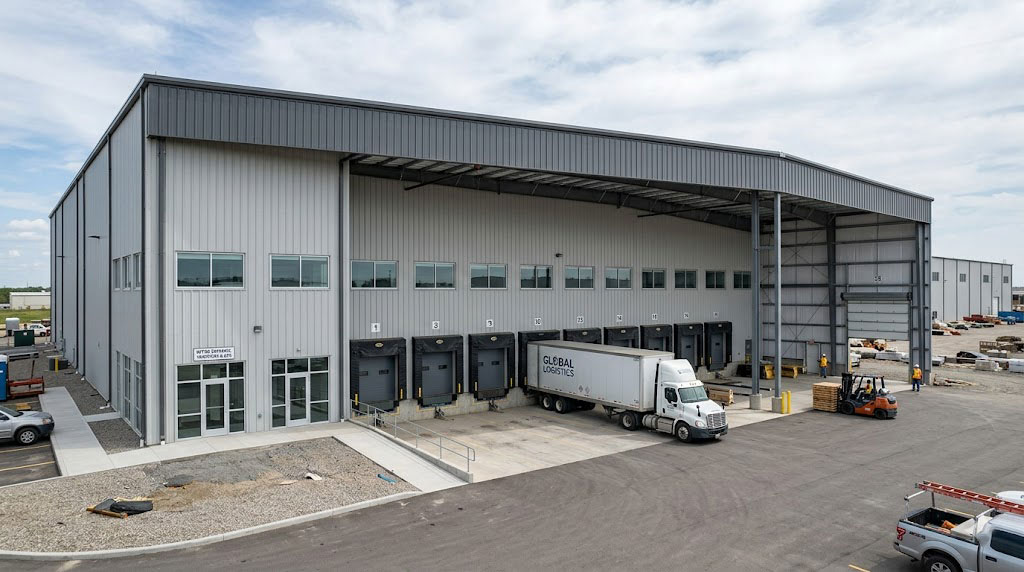
Commercial-grade doors plus windows add $20,000 up through $60,000 depending upon quantity selections. Every opening you add requires extra framing components altering your 200 x 400 steel building price. Large overhead rolling doors providing heavy machinery access cost much more than standard walk doors. Proper placement of these openings ensures smooth logistical operations for your business.
What types of overhead doors are available?
Industrial facilities rely upon heavy-duty sectional or coiling steel doors handling daily operations.
Here’s the kicker…
- Sectional doors offer better insulation properties.
- Coiling doors save valuable ceiling space.
- Motorized operators increase upfront costs but improve efficiency.
Do windows weaken building structures?
Windows never compromise safety because engineers design reinforced framed openings around them. These specific framing headers carry structural loads safely around fragile glass panels.
Key Takeaway: Strategic placement of premium doors maximizes operational workflow while maintaining strict structural integrity.
| Opening Type | Average Unit Cost | Primary Function |
|---|---|---|
| 14×14 Overhead Door | $2,500 – $4,000 | Heavy truck access |
| Steel Walk Door | $600 – $1,200 | Personnel entry/exit |
| Commercial Window | $400 – $800 | Natural lighting |
Overhead doors represent a massive expense within your opening accessories category.
Are there hidden fees in steel construction?
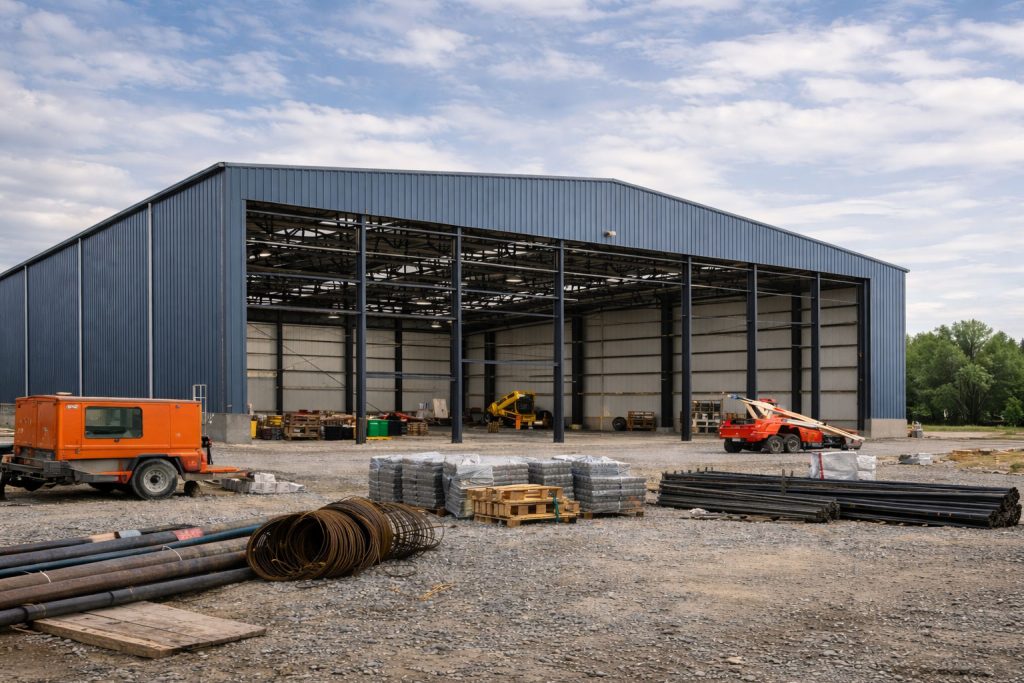
Site preparation alongside concrete foundation work represents common unbudgeted expenses. Buyers often focus only on metal kits forgetting how these phases affect a 200 x 400 steel building price. An 80,000 square foot concrete slab requires massive amounts of rebar, grading, and specialized pouring techniques. You must account for site-specific requirements before purchasing any steel package.
How much does foundation concrete cost?
Commercial-grade concrete slabs for this footprint easily exceed $400,000.
Consider these facts:
- Soil testing determines required slab thickness.
- Pier columns support heavy point-loads from main frames.
- Extensive excavation creates perfectly level sites.
Are building permits expensive?
Local municipalities charge heavy fees reviewing commercial construction plans. These bureaucratic expenses vary wildly depending upon your county regulations plus zoning laws.
Key Takeaway: Comprehensive budgets require factoring concrete, site prep, and permitting alongside your metal structure.
| Hidden Cost Category | Estimated Range | Dependency Factor |
|---|---|---|
| Concrete Foundation | $350,000 – $550,000 | Soil stability & thickness |
| Site Excavation | $50,000 – $150,000 | Current land topography |
| Building Permits | $10,000 – $30,000 | Local county regulations |
Concrete work consistently represents a massive non-steel expense for large commercial projects.
Can financing help manage overall costs?
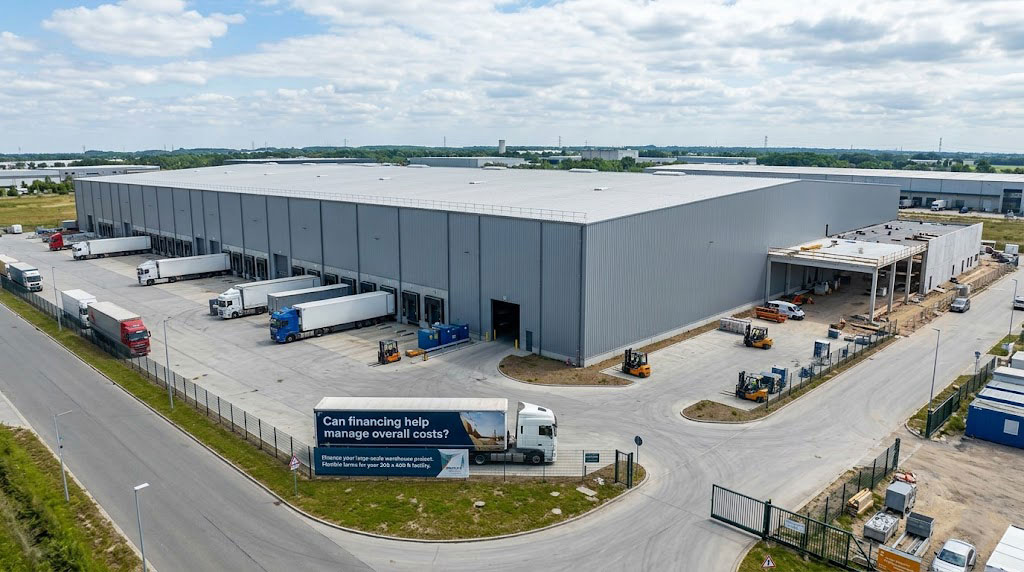
Commercial construction loans allow you amortizing massive upfront expenses over 10 through 20 years. Structuring debt properly softens an immediate blow of your 200 x 400 steel building price. Lenders typically require a 20% down payment alongside detailed business financial records before approving mortgages. Securing capital early prevents costly project delays once actual manufacturing begins.
What documents do lenders require?
Banks need complete engineering drawings plus firm quotes from your manufacturer.
Look at it this way:
- Lenders review your business credit history.
- They require detailed breakdowns detailing construction phases.
- Appraisals confirm future values of completed facilities.
How do interest rates affect projects?
Even slight increases in interest rates add tens of thousands over long loan terms. You should shop multiple commercial banks finding favorable borrowing conditions.
Key Takeaway: Strategic financing preserves working capital while allowing you immediate operational footprint expansion.
| Loan Component | Typical Requirement | Impact on Business |
|---|---|---|
| Down Payment | 15% – 25% | Requires cash on hand |
| Loan Term | 10 – 25 Years | Dictates monthly payment |
| Interest Rate | Varies by market | Affects total project cost |
Securing fixed interest rates protects your business from unpredictable economic fluctuations.
Why choose steel for massive structures?
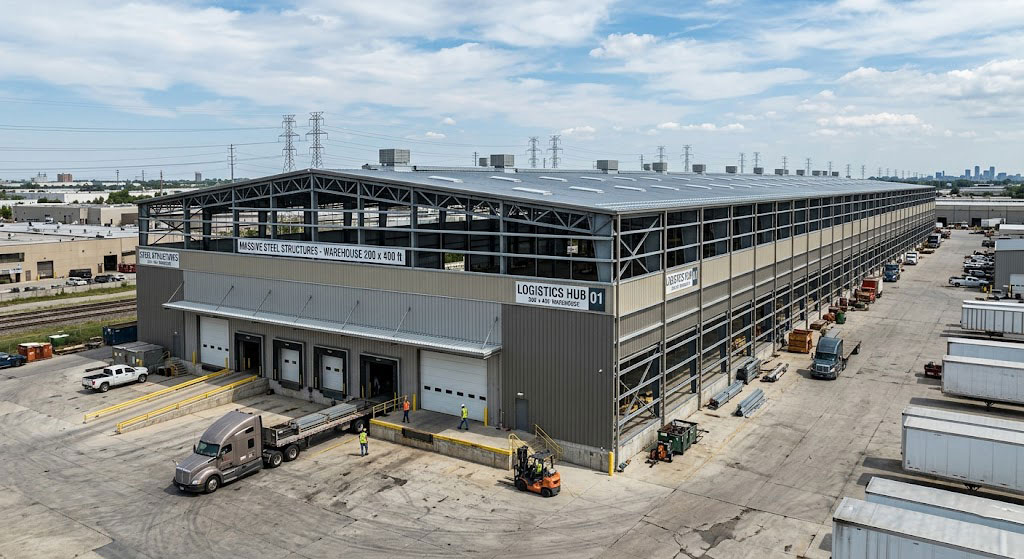
Pre-engineered steel provides a highly cost-effective way enclosing massive square footage without interior obstructions. Compared against traditional wood or brick this material drastically lowers your long-term 200 x 400 steel building price. Steel resists rot, repels pests, and withstands severe weather events far better than organic materials. This durability translates directly into lower maintenance budgets alongside cheaper insurance premiums.
Is column-free space necessary?
Manufacturing plants plus logistics hubs require clear-span interiors maneuvering heavy equipment safely.
Keep this in mind:
- Forklifts move faster without dodging support columns.
- Assembly lines configure easily within open spaces.
- Inventory racking systems utilize area more efficiently.
Does steel lower insurance premiums?
Insurance companies view commercial steel structures as low-risk assets because they remain non-combustible. This fire resistance greatly reduces annual commercial property insurance bills.
Key Takeaway: Unmatched durability alongside structural efficiency makes steel an obvious choice for 80,000 square foot facilities.
| Material Comparison | Maintenance Need | Insurance Risk |
|---|---|---|
| Pre-Engineered Steel | Very Low | Low (Non-combustible) |
| Traditional Wood | High | High (Combustible) |
| Concrete Block | Medium | Medium (Structural cracks) |
Steel consistently outperforms other materials regarding safety ratings plus long-term upkeep expenses.
How to get an accurate quote today?
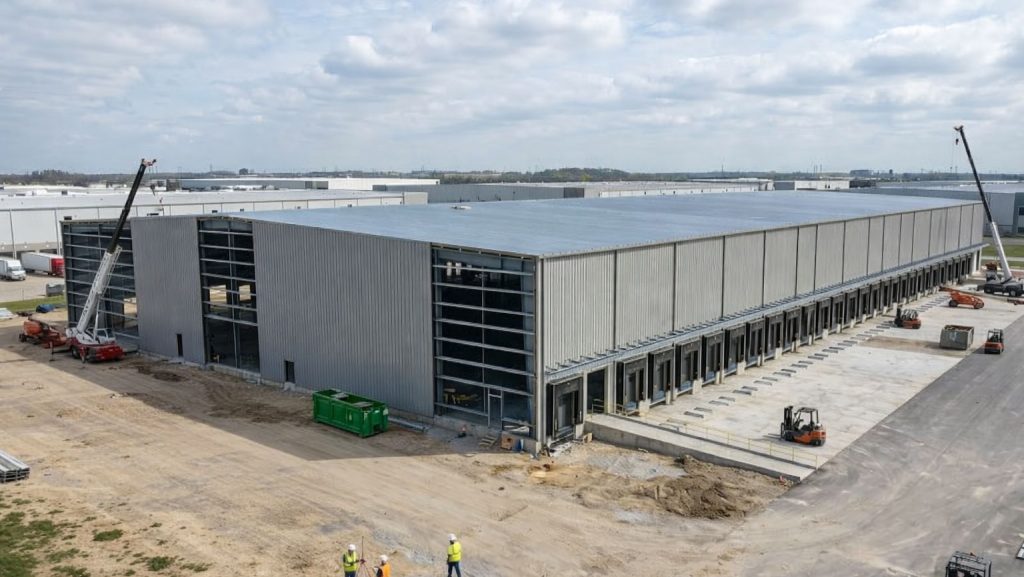
You must provide precise details regarding location, intended use, and customization needs receiving exact figures. Vague requests result in inaccurate estimates failing to reflect your true 200 x 400 steel building price. Professional manufacturers assign dedicated project managers analyzing specific engineering requirements. Gathering design parameters early speeds up your entire quotation process.
What information should you prepare?
Having local zip codes and desired door locations ready helps engineers start calculations immediately.
Now, focus on this:
- Provide exact dimensions for overhead doors.
- State whether you need clear-span or multi-span frames.
- Detail any future expansion plans for your facility.
Should you review contracts carefully?
Always verify what manufacturers include within final contracts before signing anything. Verify that freight, anchor bolt plans, and stamped engineering drawings appear clearly within agreements.
Key Takeaway: Providing comprehensive project details upfront guarantees reliable quotes while preventing unexpected manufacturing expenses.
| Information Needed | Why It Matters | Consequence of Omitting |
|---|---|---|
| Exact Jobsite Zip Code | Determines snow/wind loads | Structural failure or code violation |
| Required Clear Height | Dictates column size | Equipment won’t fit inside |
| Door Sizes & Locations | Requires special framing | Expensive field modifications |
Accurate initial details prevent costly engineering revisions later down your construction timeline.
A structure of this magnitude represents a massive capital investment for your business. Carefully analyzing base materials, customization options, and site preparation expenses guarantees your project stays within financial boundaries. You need a trusted partner navigating complex engineering and logistical challenges safely. Our team provides precise engineering solutions tailored specifically for your operational demands. If you feel ready expanding your footprint using reliable structures,contact us today discussing your specific requirements.
| Phone / WhatsApp | Expert Advice | |
| +86 18678955927 | sales@showhoo.com.cn | Get Your Free Steel Building Quote in 24 Hours |
FAQ
Q1: What’s the best way determining my total project budget? Start by getting a firm quote for your metal package then double that number. Steel kits generally represent about half of total finished project costs once you add concrete, labor, and site prep.
Q2: Can I erect this size building myself? No. Structures spanning 80,000 square feet require heavy cranes, commercial man-lifts, and certified ironworkers bolting massive rigid frames safely.
Q3: How do I know if I need clear-span designs? You need clear-span if operations involve large aircraft, massive manufacturing equipment, or indoor sports. Otherwise multi-span designs use interior columns saving you significant money.
Q4: Can I add more space onto this building later? Yes. Pre-engineered frames are designed using expandable endwalls allowing you easy bolt-on bay additions when businesses outgrow initial 400-foot lengths.
Q5: What’s the best foundation for massive structures? Reinforced concrete slabs featuring deep pier footings are required. Heavy point-loads from massive steel columns must be supported by thick concrete piers preventing buildings from sinking.