
A 100×200 metal building typically costs between 500,000 and 600,000 for the primary kit, which averages out to 25 to 30 per square foot for materials. When you are looking to scale your industrial or commercial operations, finding the right space often feels like a choice between an astronomical price tag or a decade-long wait for traditional construction. This delay doesn’t just stall your growth; it actively drains your capital through missed opportunities and rising overhead costs. By choosing a 100 x 200 metal building , you implement a solution that offers speed, durability, and a clear-span interior that maximizes every inch of your 20,000-square-foot investment.
What is the base price for a 100×200 metal building?
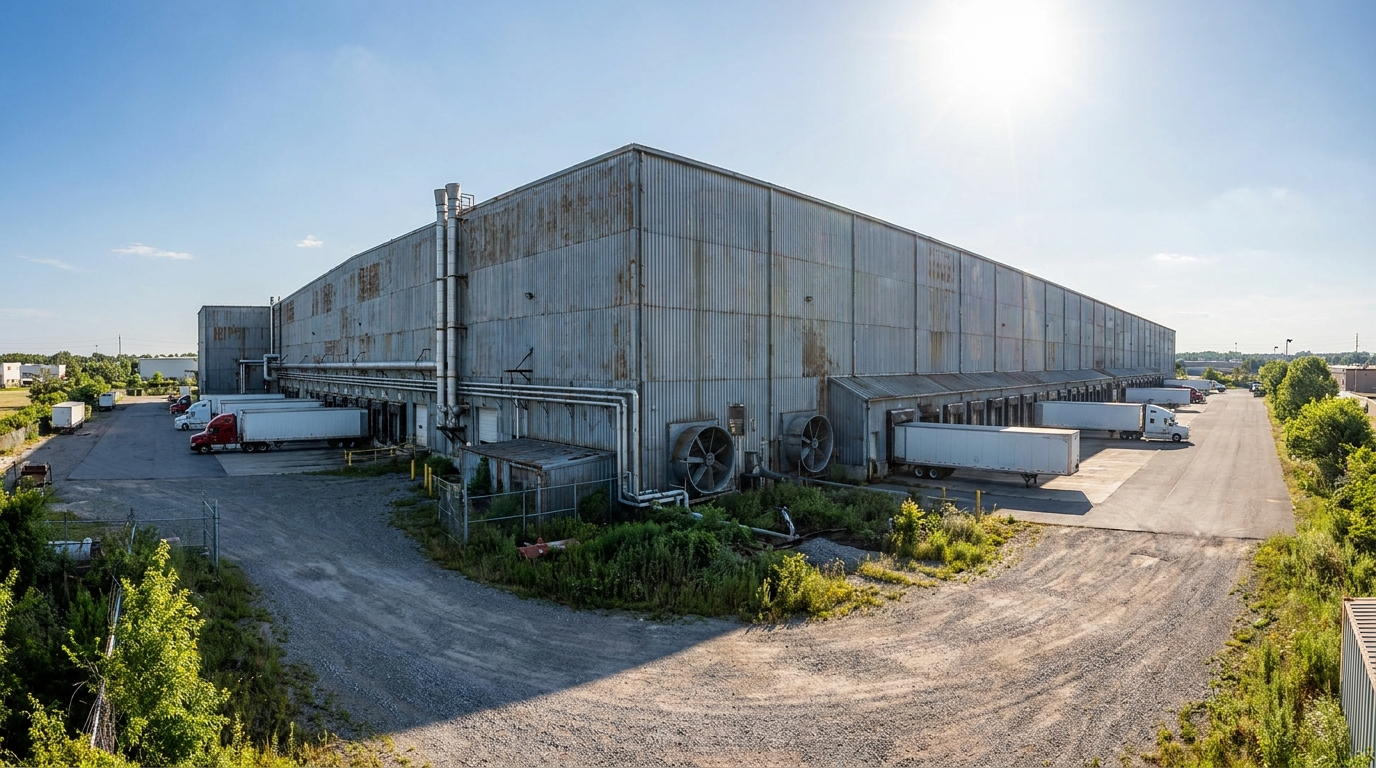
The base price for a 100×200 metal building generally starts at $500,000, covering the high-strength steel I-beam framing and basic wall and roof panels. This entry-level pricing for a 100 x 200 metal building assumes standard engineering without heavy customizations or extreme environmental load requirements.
Understanding the Raw Material Budget
Your primary investment goes into the structural integrity of the facility. The price fluctuates based on the global steel market, which influences the cost of columns and rafters.
Think about this:
- Primary I-Beam steel frames
- Standard 26-gauge PBR panels
- All necessary fasteners and bolts
- Pre-drilled and pre-cut components
The best part? These kits are engineered to fit like a puzzle, which significantly reduces the time your crew spends on-site.
Large-scale facilities provide a massive footprint that can be adapted for logistics, manufacturing, or bulk storage. By securing a high-quality kit, you establish a permanent asset that resists rot and pests far better than traditional wood.
| Component | Estimated Base Cost | |
|---|---|---|
| Steel Framing | 320,000−380,000 | |
| Roof & Wall Panels | 120,000−160,000 | |
| Basic Trim & Accessories | 60,000−80,000 |
This pricing baseline serves as the foundation for your project, allowing you to estimate the initial capital required before adding specialized features.
Does building size affect the cost per square foot?
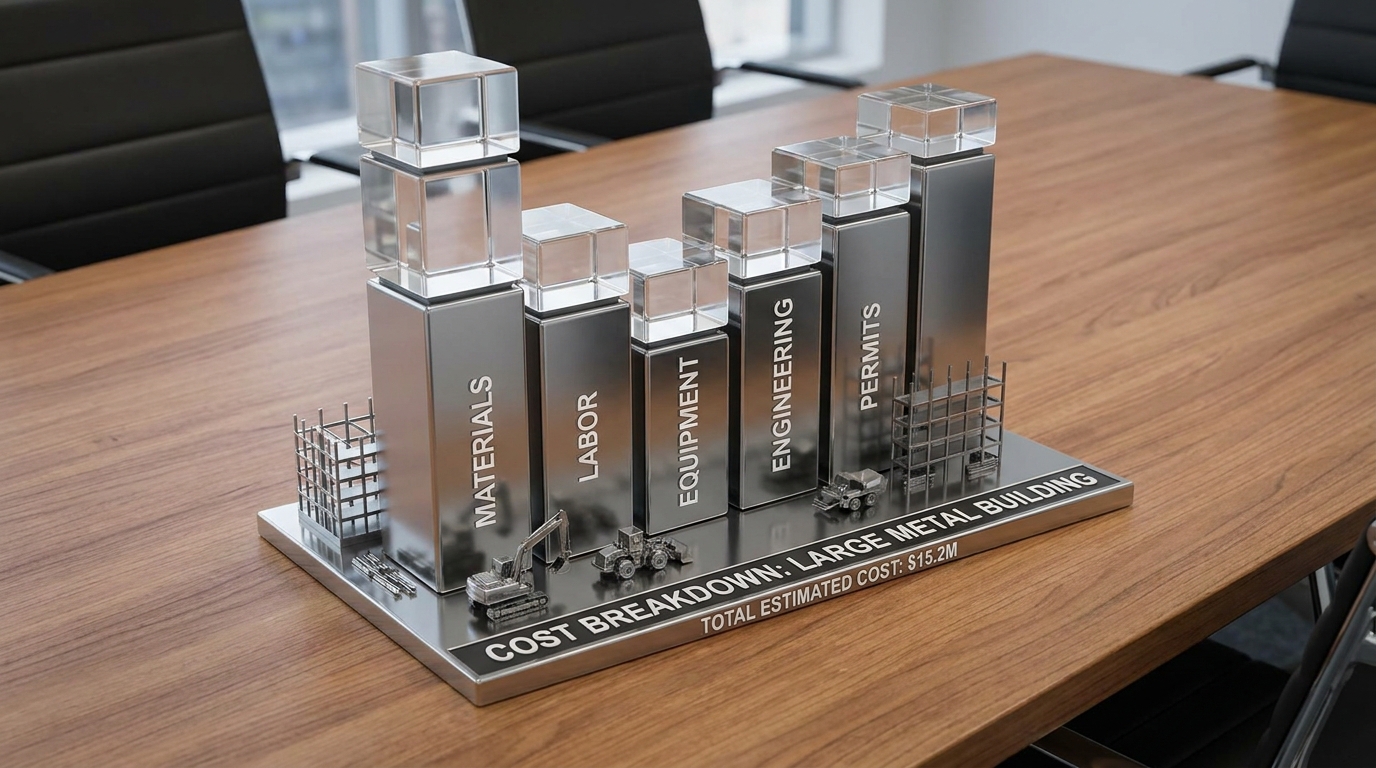
Yes, a larger 100 x 200 metal building often results in a lower cost per square foot compared to smaller structures due to economies of scale. Because the engineering and manufacturing processes are optimized for larger volumes of steel, your 20,000-square-foot facility benefits from bulk material purchasing and streamlined production.
The Impact of Clear-Span Engineering
A clear-span design allows you to have a completely open floor plan without bulky interior columns. While this requires heavier structural steel to support the roof load over 100 feet, the utility of the space increases dramatically.
Look:
- Zero interior obstructions for forklifts
- Flexible layout for production lines
- Maximization of vertical storage space
- Simplified floor maintenance and cleaning
Wait, there’s more. The structural efficiency of a large steel building means you get more usable square footage for every dollar spent on the frame.
Choosing a larger footprint from the start is often more cost-effective than trying to expand a smaller building later. The initial investment in a massive clear-span structure provides the versatility needed for diverse industrial applications.
| Building Size | Total Square Feet | Estimated $/SF | |
|---|---|---|---|
| 40 x 60 | 2,400 | 35−45 | |
| 60 x 100 | 6,000 | 30−38 | |
| 100 x 200 | 20,000 | 25−30 |
The reduction in per-square-foot costs for larger buildings makes the 100×200 model one of the most efficient choices for businesses requiring substantial floor area.
How do material choices impact your total investment?
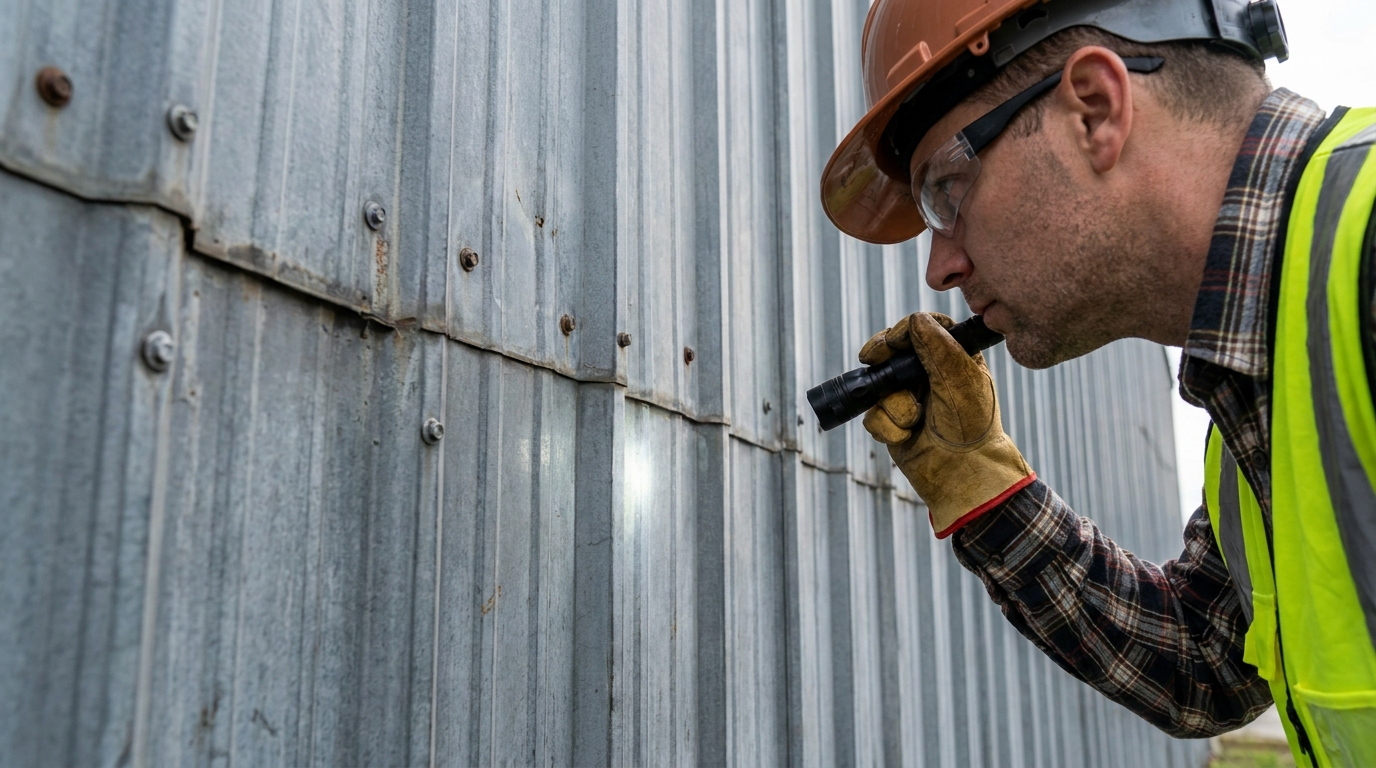
Upgrading to premium materials for your 100 x 200 metal building can increase the initial price by 15% to 25% but provides superior longevity. Choosing thicker gauge steel or specialized insulation packages ensures your facility can handle the specific demands of your industry without frequent repairs.
Selecting the Right Panels and Coatings
The exterior of your building acts as the first line of defense against the elements. Standard paint may be sufficient for some, but marine-grade or anti-corrosive coatings are essential for coastal or high-moisture areas.
But here is the kicker:
- Galvalume finishes for superior rust resistance
- High-performance PVDF paint systems
- Thicker 24-gauge standing seam roofs
- Energy-efficient insulated metal panels (IMPs)
The reality is that spending more on quality cladding now prevents costly leaks and panel replacements a few years down the road.
Why Insulation Matters for Large Structures
Heating or cooling a 20,000-square-foot space is a major operational expense. High-quality fiberglass or spray foam insulation regulates internal temperatures and prevents condensation.
Here is why you should care:
- Significant reduction in monthly utility bills
- Prevents rust caused by internal moisture
- Improves the comfort of your workforce
- Provides essential noise dampening
By investing in a robust insulation package, you turn a simple steel shell into a high-performance climate-controlled environment.
| Material Type | Standard Option | Premium Upgrade | |
|---|---|---|---|
| Wall Panels | 26-Gauge Polyester | 24-Gauge PVDF | |
| Roof System | Screw-down PBR | Standing Seam | |
| Insulation | R-13 Fiberglass | R-30+ IMPs |
Prioritizing high-grade materials during the design phase protects your capital by minimizing future maintenance and operational overhead.
What are the costs for agricultural applications?
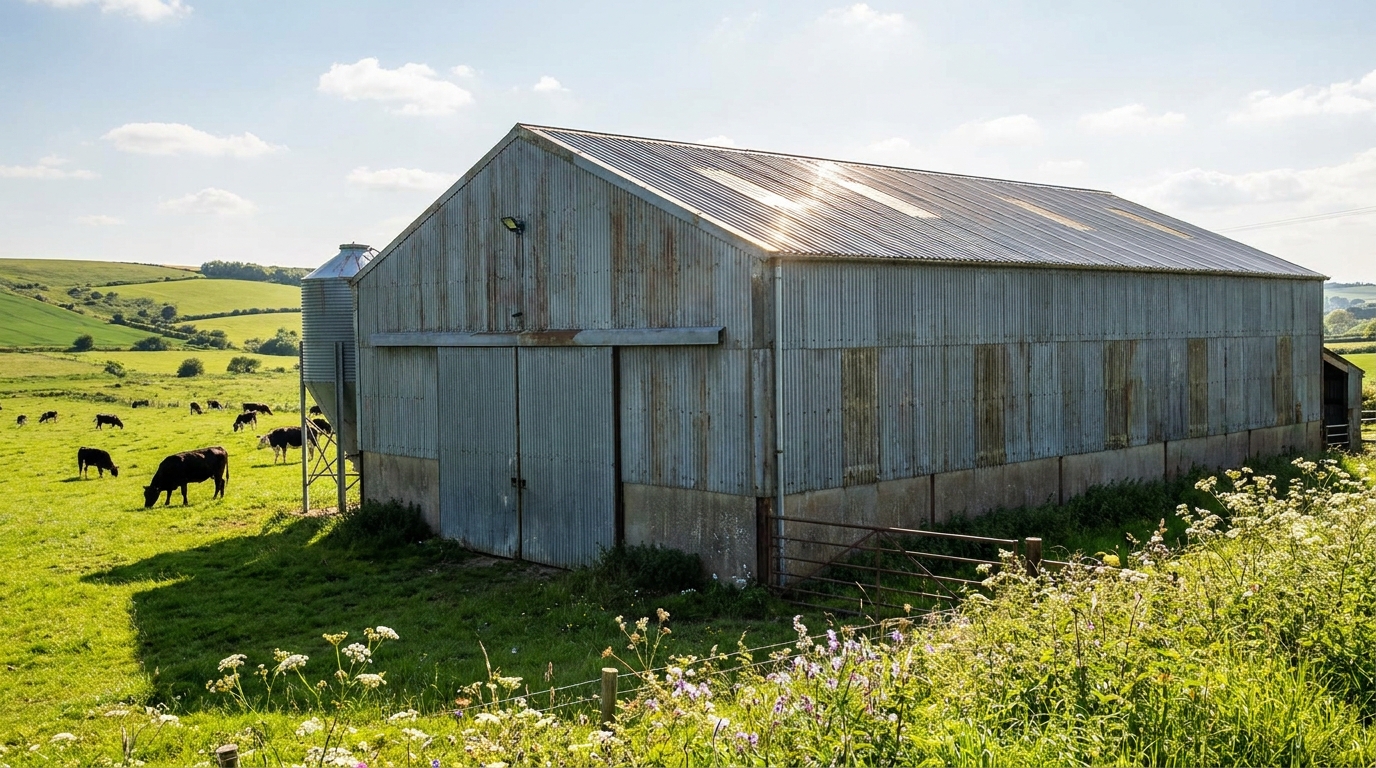
Agricultural versions of a 100 x 200 metal building are often more affordable, typically ranging from 22 to 27 per square foot for the kit. These structures usually feature simpler designs, fewer openings, and focus on providing a durable environment for livestock or equipment storage.
Specialized Farming Structural Needs
Farming operations require unique features like ventilation systems and heavy-duty doors for large machinery. Steel is the preferred choice for barns and sheds because it does not harbor pests or rot under humid conditions.
The best part?
- Resistant to termites and wood-boring insects
- Fire-resistant properties for hay storage
- Easily washable surfaces for sanitation
- Wide bays for tractors and harvesters
You can focus on your harvest instead of worrying about structural decay or mold growth in your facility.
Large agricultural buildings offer the necessary scale for modern farming while keeping construction costs manageable. Steel’s ability to withstand severe weather ensures your livestock and equipment remain protected through every season.
| Farm Use Case | Standard Feature | Cost Consideration | |
|---|---|---|---|
| Livestock Shed | High Ventilation | Moderate | |
| Equipment Storage | Oversized Bay Doors | Low – Moderate | |
| Grain Storage | Reinforced Walls | High |
Designing for agricultural efficiency allows you to secure a massive footprint that supports diverse farming activities without exceeding your budget.
How much should you budget for concrete foundations?
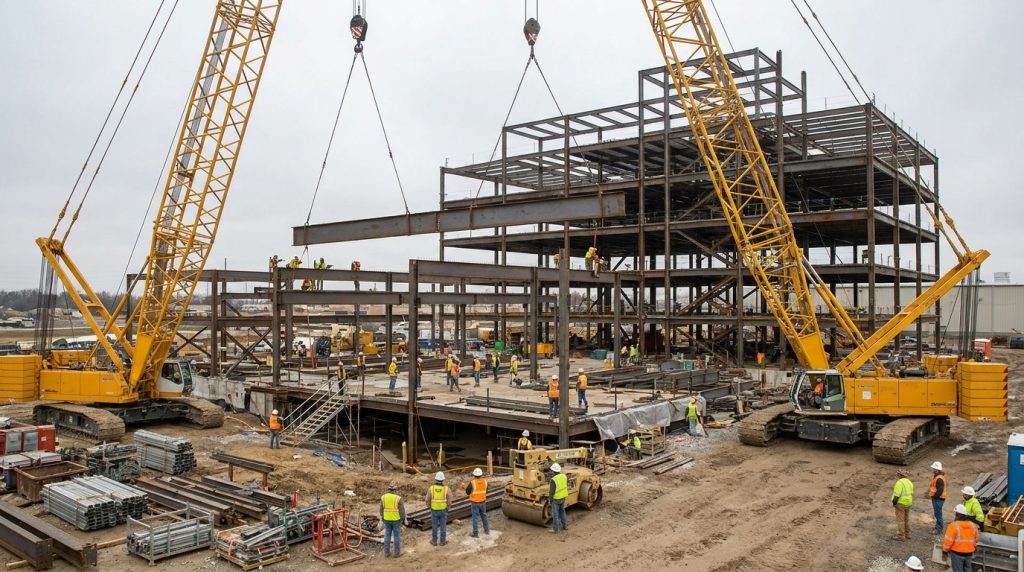
You should budget approximately 100,000 to 200,000 for the foundation of a 100 x 200 metal building. This cost usually falls between 5 and 10 per square foot, depending on your soil conditions and the weight of the equipment you plan to house inside.
Factors Influencing Slab Costs
A standard slab might work for basic storage, but heavy manufacturing requires reinforced concrete. The depth of your footings and the thickness of the slab are critical for the long-term stability of the steel frame.
Look:
- Soil bearing capacity and preparation
- Rebar density and mesh requirements
- Concrete PSI rating and finish
- Embedded anchor bolts for the steel columns
The bottom line? Skimping on the foundation can lead to structural shifting and roof leaks that are nearly impossible to fix later.
A professional concrete installation ensures that your steel structure remains level and secure for decades. Proper drainage and vapor barriers are also essential to protect your inventory from moisture rising through the floor.
| Foundation Type | Typical Depth | Estimated $/SF | |
|---|---|---|---|
| Standard Slab | 4 – 6 Inches | 5−7 | |
| Industrial Heavy | 8 – 10 Inches | 8−12 | |
| Pier & Beam | Custom | Variable |
While foundation costs are a significant part of the project, they are the single most important factor in the structural integrity of your large-scale building.
Can interior customizations increase the final price?
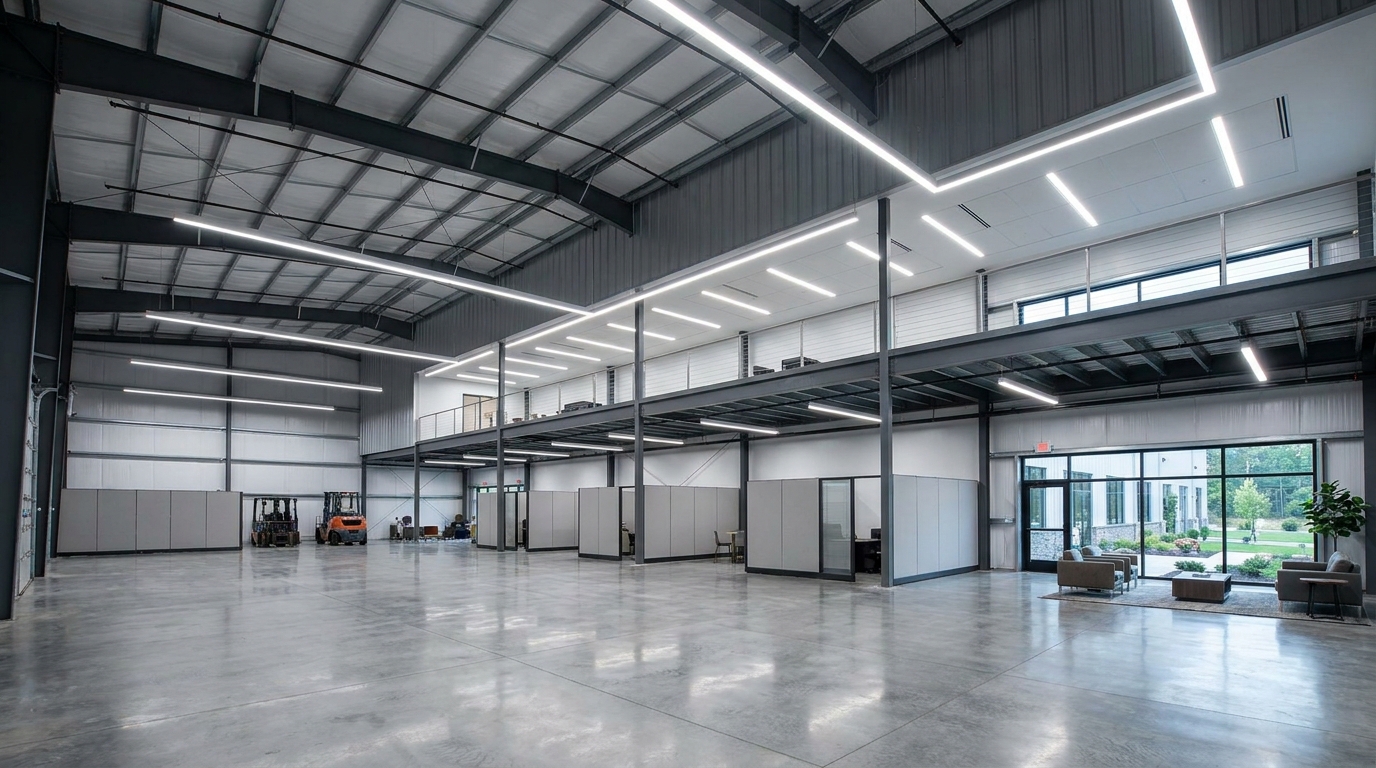
Interior additions to your 100 x 200 metal building can add anywhere from 50,000 to over 250,000 to the total project cost. Features like mezzanines, office build-outs, and advanced lighting systems transform a warehouse into a multi-functional corporate headquarters.
Expanding Capacity with Mezzanines
If you need more floor space but want to stay within your current footprint, a mezzanine is a perfect solution. Steel mezzanines allow you to create second-story offices or high-density storage areas without extending the foundation.
Here is the kicker:
- Doubles usable square footage in specific zones
- Integrated into the primary steel frame
- High load-bearing capacity for parts storage
- Professional aesthetic for client-facing areas
It’s like getting a larger building without the cost of a larger lot or extra roofing.
Lighting and HVAC Integration
Large-scale facilities require specialized electrical layouts to ensure safety and productivity. High-bay LED lighting and industrial HVAC units are necessary for manufacturing environments but require careful planning during the design stage.
Think about this:
- Zoned climate control for offices
- Energy-efficient skylights for natural light
- Heavy-duty electrical drops for machinery
- Integrated fire suppression systems
These systems ensure that your building meets all modern safety standards while providing a comfortable workspace for your employees.
| Interior Feature | Primary Benefit | Price Impact | |
|---|---|---|---|
| Steel Mezzanine | Increased Square Footage | High | |
| Office Partitioning | Personnel Workspace | Moderate | |
| LED High-Bay Lighting | Energy Savings | Low – Moderate |
Customizing the interior allows you to tailor the massive open space to your specific workflow, making the building a much more valuable business asset.
Do local building codes add hidden expenses?
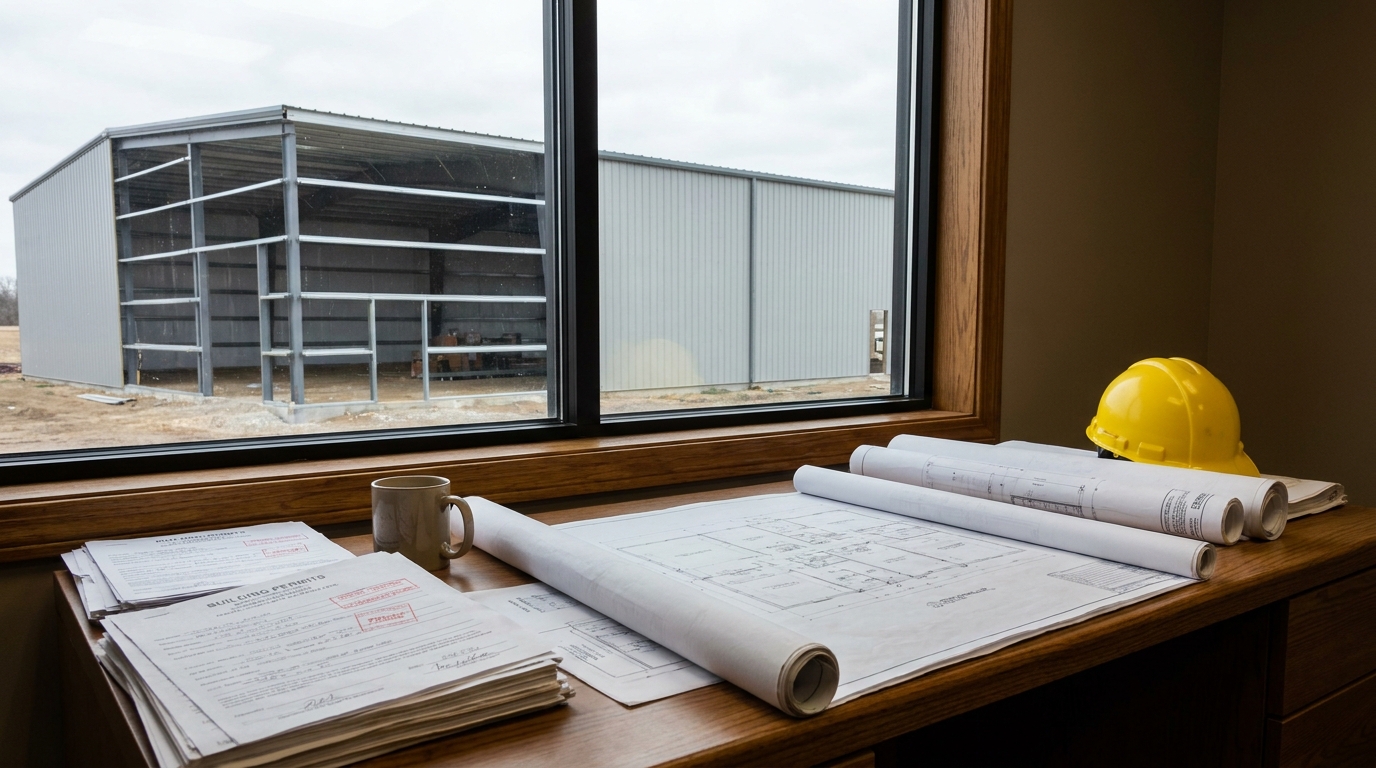
Local codes can increase the price of a 100 x 200 metal building by 10% to 20% if you are in a high-risk weather zone. Engineering requirements for snow loads, wind speeds, and seismic activity vary by region and dictate the amount of steel required for your structure.
Engineering for Regional Weather
If your project is located in the North, you must account for heavy snow accumulation on the roof. Conversely, coastal projects require specialized bracing and heavy-duty fasteners to withstand hurricane-force winds.
Look:
- Stiffened rafters for snow accumulation
- Additional portal frames for wind bracing
- Fire-resistant coatings for urban zones
- Energy code compliance (IECC) requirements
The reality is that your building must be stamped by a local engineer to pass inspection and secure insurance coverage.
Securing the proper permits and meeting engineering standards protects your business from liability and ensures the safety of your assets. Working with a manufacturer that understands international codes can save you thousands in redesign fees.
| Code Factor | Regional Requirement | Impact on Steel Weight | |
|---|---|---|---|
| Snow Load | 30+ PSF (North) | High Increase | |
| Wind Speed | 140+ MPH (Coastal) | Moderate Increase | |
| Seismic Category | High Risk (West) | Moderate Increase |
Adhering to local building codes is not just a legal hurdle; it is a critical step in ensuring your 20,000-square-foot facility stands strong for its entire lifespan.
What are the typical delivery and logistics fees?
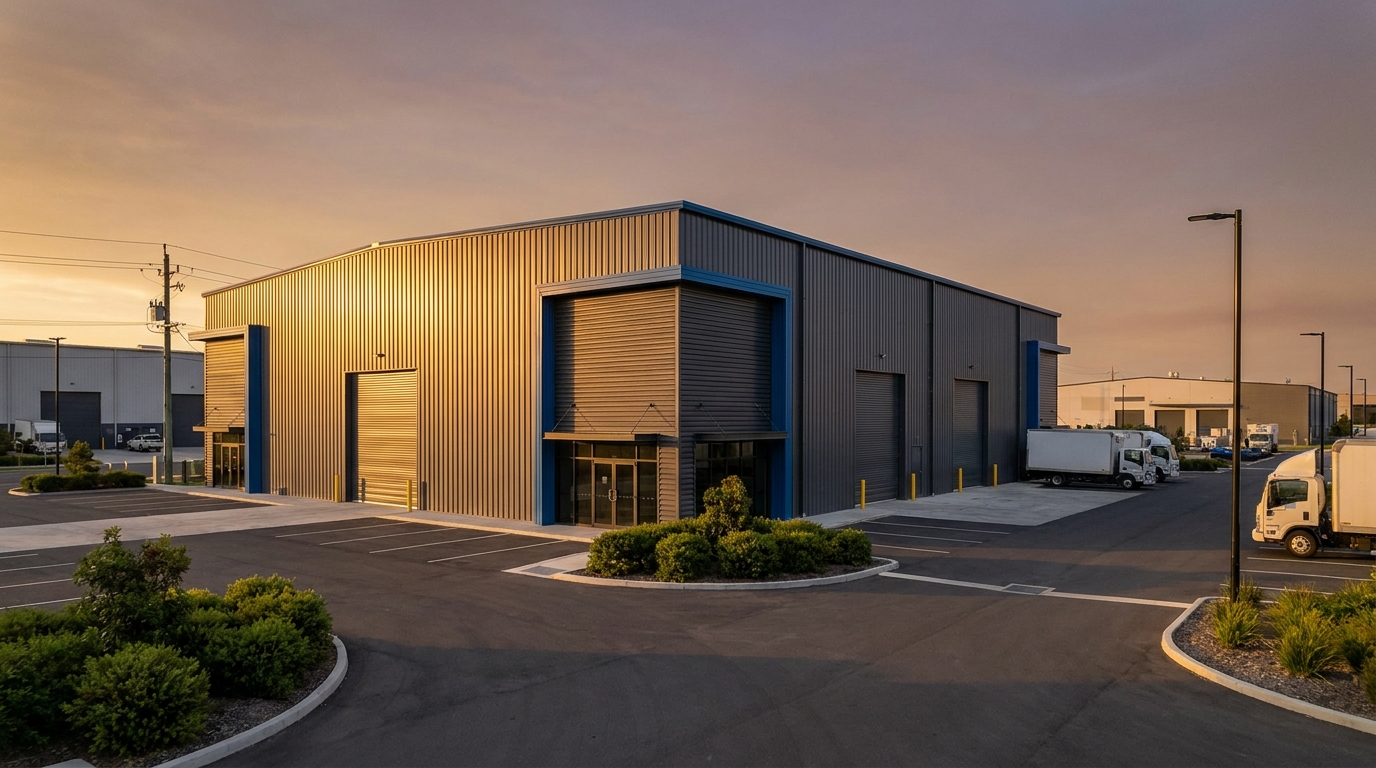
Logistics for a 100 x 200 metal building usually cost between 5,000 and 15,000, depending on your distance from the fabrication facility. To get an exact figure for your site, we recommend contacting us today to discuss your specific location and delivery timeline.
Managing Oversized Load Shipments
A 20,000-square-foot building requires multiple flatbed trailers to transport the primary frames and secondary components. Coordination is key to ensure that materials arrive in the correct sequence for construction.
Wait, there’s more.
- Sequenced delivery for faster unloading
- All parts clearly marked and labeled
- Full packing lists for easy inventory
- Protection against transit damage
Having a streamlined logistics plan means your crew can start erecting the columns the moment the first truck arrives.
Reliable delivery services minimize downtime and prevent the loss of small parts that can stall a massive project. Professional packaging ensures that even delicate trim pieces and fasteners arrive in pristine condition.
| Logistics Factor | Detail | Cost Impact | |
|---|---|---|---|
| Shipping Distance | Per Mile Rate | Moderate | |
| Number of Trucks | Usually 3 – 5 Trailers | High | |
| Unloading Equipment | Forklift or Crane Hire | Low – Moderate |
By planning for delivery costs early, you can ensure a smooth transition from the manufacturing floor to your job site without unexpected delays.
Are there long-term savings with steel structures?
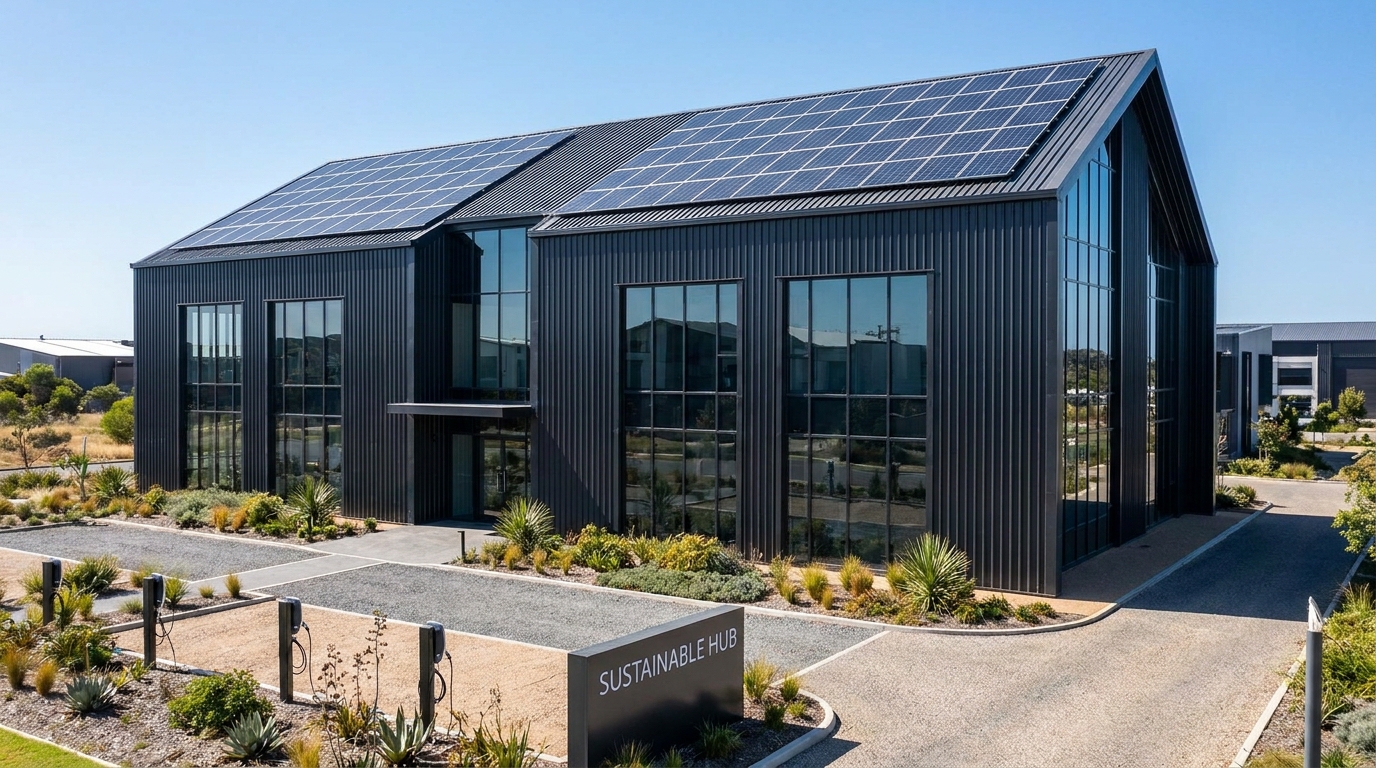
Choosing a 100 x 200 metal building can save you over $100,000 in maintenance costs over a 20-year period compared to wood or masonry. Steel’s inherent durability and the efficiency of modern insulation packages make it the most cost-effective choice for large-scale facilities.
Lowering Maintenance and Insurance
Steel is a non-combustible material, which often leads to significantly lower insurance premiums for commercial properties. Because it does not warp, rot, or crack like wood, you won’t be spending thousands every year on structural repairs.
The best part?
- Extremely low annual upkeep costs
- Pest-proof structural components
- Long-lasting roof and wall warranties
- High resale value for the property
You are building an asset that maintains its value while requiring minimal attention from your maintenance staff.
The long-term ROI of a steel building is unmatched in the industrial sector. From energy savings to reduced repair bills, your 20,000-square-foot facility will continue to pay for itself long after the initial construction is complete.
| Savings Category | 5-Year Impact | 20-Year Impact | |
|---|---|---|---|
| Maintenance | $10,000 Saved | $60,000+ Saved | |
| Insurance Premiums | $5,000 Saved | $30,000+ Saved | |
| Energy Efficiency | $15,000 Saved | $80,000+ Saved |
Investing in a high-quality metal building is a strategic decision that prioritizes long-term financial health over short-term savings.
How do you get an accurate project quote?
The only way to get a precise price for your 100 x 200 metal building is to request a custom quote based on your specific site conditions and design requirements. Standard estimates provide a helpful baseline, but your final investment will be determined by the specific engineering needed for your local codes.
The Quote Consultation Process
When you speak with a building specialist, they will analyze your project requirements to find cost-saving opportunities. From optimizing the bay spacing to selecting the right insulation, expert guidance ensures you get the most building for your budget.
But here is the kicker:
- Free expert design consultations
- Detailed Bill of Materials (BOM)
- Transparent pricing with no hidden fees
- Fast 24-hour quote turnaround
You get a clear picture of your total investment before you ever break ground on the project.
Working directly with a manufacturer provides the best price control and ensures that your technical questions are answered by the people actually building your structure. A comprehensive quote acts as your roadmap to a successful facility expansion.
| Quote Step | Necessary Info | Outcome | |
|---|---|---|---|
| Initial Inquiry | Project Dimensions | Base Price | |
| Engineering Review | Zip Code / Site Data | Code Compliance | |
| Final Specification | Custom Features | Fixed Contract Price |
Taking the first step toward an accurate quote is the most important move you can make to ensure your 100×200 project stays on track and within budget.
When you are ready to take your business to the next level, contact us today to receive a customized solution designed for your success. We provide engineered excellence, delivered worldwide, ensuring your next industrial facility is built to last for generations.
FAQ
Can I install a mezzanine in a 100×200 metal building? Yes, these structures are perfectly suited for mezzanines because the heavy steel frame can support the additional load of a second floor for offices or storage.
What’s the best way to insulate such a large space? Insulated metal panels (IMPs) are the best option because they provide superior thermal performance and a finished interior look in a single step.
How does the construction timeline compare to wood? Steel is much faster because the components arrive pre-cut and pre-drilled, allowing a 20,000-square-foot shell to be erected in weeks rather than months.
Is a 100×200 building considered a clear-span structure? It can be; we specialize in clear-span designs up to 40 meters, which provides a completely open interior without any support columns.
Why should I choose steel over masonry for my warehouse? Steel offers much higher durability against severe weather and seismic activity while costing significantly less to build and maintain over time.