
Learning how to start a poultry farm requires a strategic combination of thorough market research, high-quality infrastructure investment, and rigorous biological management. Many entrepreneurs see the massive demand for protein but feel overwhelmed by the technical complexities of livestock care. Without a structured roadmap, your initial capital can quickly vanish due to poor housing choices or uncontrolled disease outbreaks. This comprehensive guide provides the specific blueprint you need to build a profitable and sustainable poultry enterprise from the ground up.
Why should you learn how to start a poultry farm today?
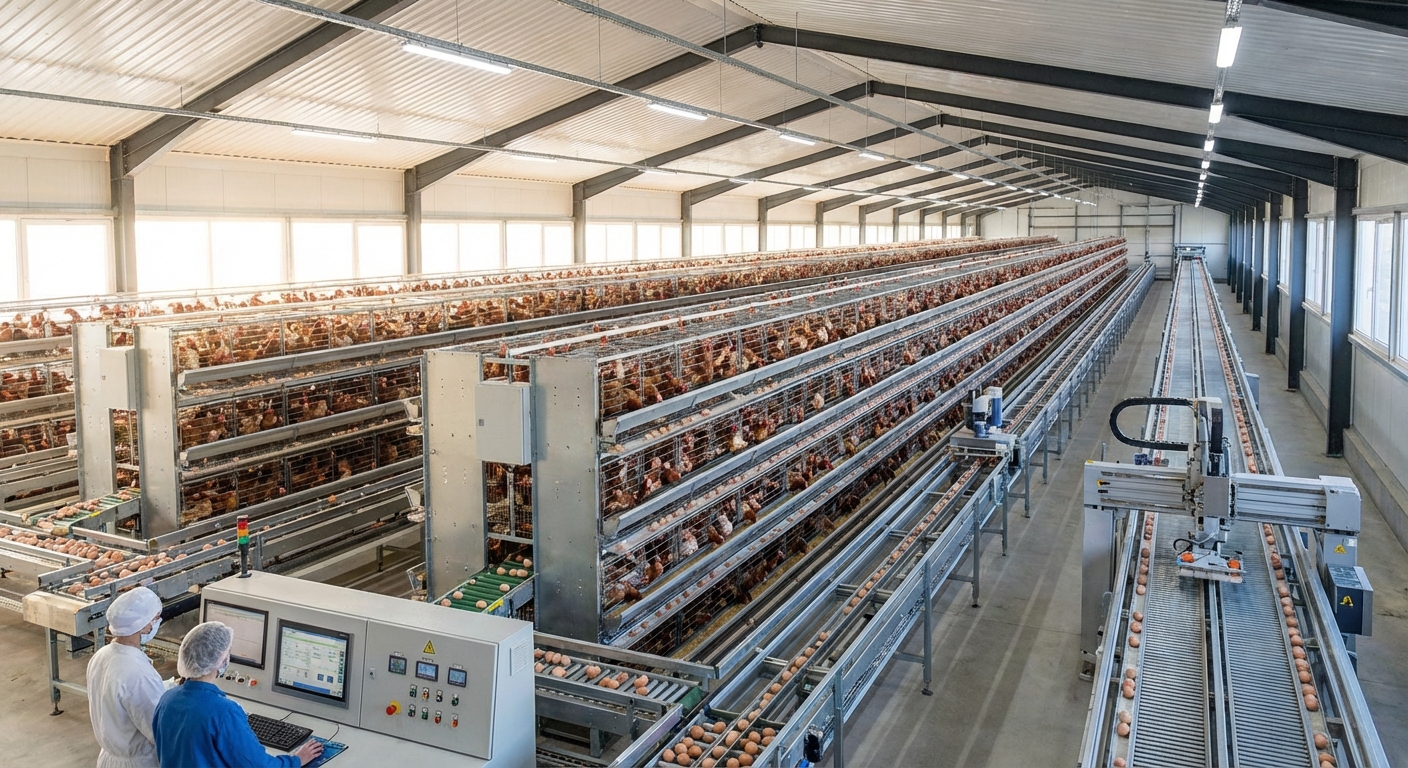
Learning how to start a poultry farm is a vital move because poultry products remain the most consumed animal protein globally, offering consistent market demand. The business provides a rapid return on investment due to the short growth cycles of modern bird breeds. You can scale this business from a small backyard operation to a large industrial complex.
Is there a high reproduction rate in poultry?
Yes, poultry birds reproduce much faster than other livestock, allowing you to multiply your flock size in a very short timeframe. A single healthy layer can produce hundreds of eggs per year, which translates into an exponential increase in bird count if you operate a hatchery.
- Layers can produce up to 325 eggs annually.
- Incubation takes only 21 days for chickens.
- Flock sizes can double within months under proper care.
Make no mistake: the speed of biological production is your greatest financial advantage in this industry.
Why is the market demand so stable?
The demand for white meat and eggs is recession-proof because these products are affordable staples for households worldwide. As urban populations grow, the need for professionally raised, hygienic poultry continues to outpace traditional farming supply.
- High protein content drives consumer preference.
- Poultry meat is generally more affordable than beef or pork.
- Value-added products like liquid eggs create new revenue streams.
Think about this: everyone needs to eat, and poultry is often the first choice for health-conscious and budget-conscious buyers.
Key Takeaway: The rapid reproduction and stable market demand make poultry farming one of the most resilient sectors in modern agriculture.
| Component | Advantage | Impact | |
|---|---|---|---|
| Reproduction | 21-day incubation | Fast flock growth | |
| Market | Constant demand | Stable cash flow | |
| Scalability | Modular housing | Easy expansion |
This data shows that the biological efficiency of birds directly supports a high-velocity business model.
What is the profit when you learn how to start a poultry farm?
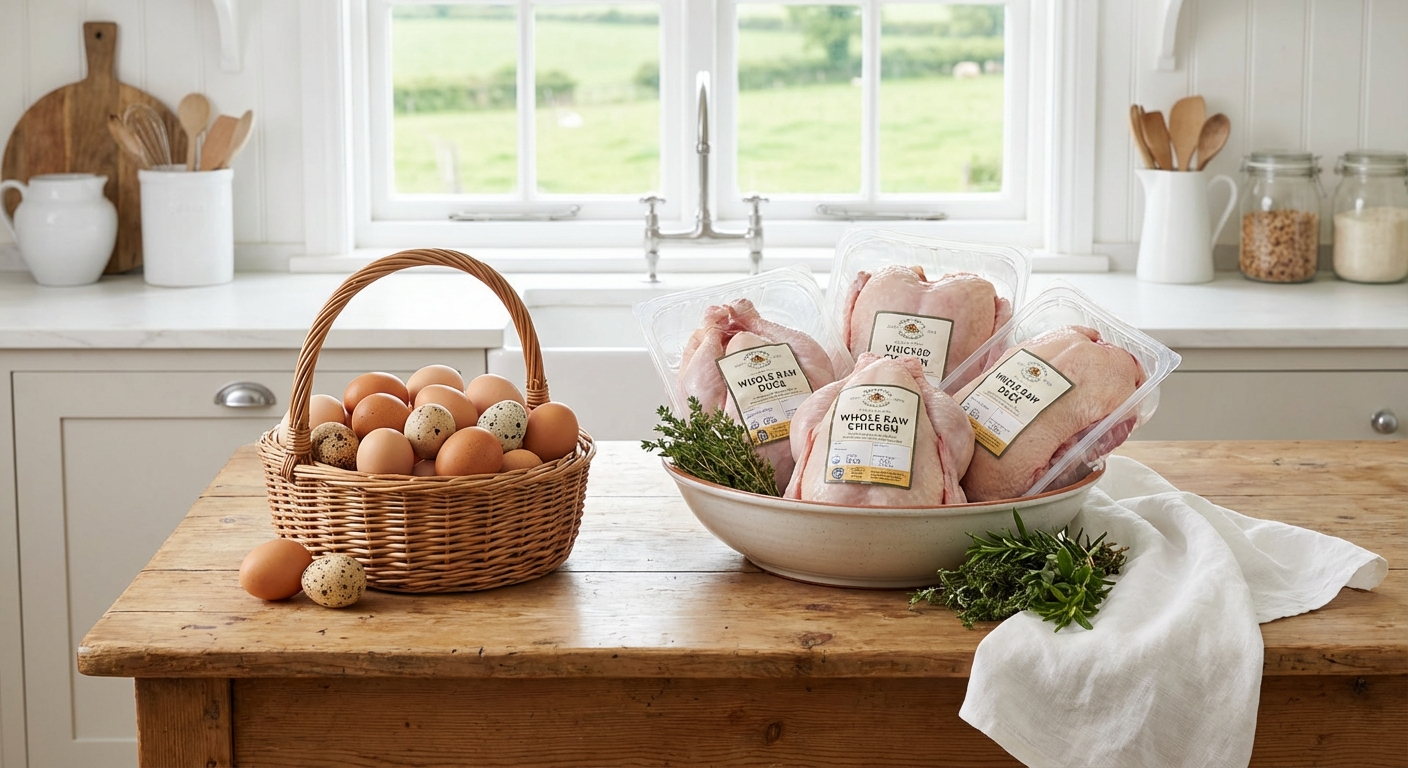
The profit potential for anyone knowing how to start a poultry farm is substantial because you can generate income from both meat sales and daily egg production. By optimizing your feed conversion ratio, you can ensure that every kilogram of feed translates into maximum weight gain or egg yield. Well-managed farms often see profit margins exceeding 30% after the first year of operation.
How much can you earn from broiler meat?
Broilers offer a quick turnover because they reach market weight in as little as six to seven weeks depending on the breed. You can run multiple production cycles per year, which maximizes the utility of your fixed assets and land.
- High weight gain per kilogram of feed consumed.
- Short production windows of 45-50 days.
- Bulk sales to wholesalers and supermarket chains.
Here is the bottom line: speed is money, and broilers are the fastest way to turn feed into sellable meat products.
Can eggs provide a consistent daily income?
Egg production provides a steady daily cash flow that can cover your operational expenses while you wait for larger meat harvests. This consistency makes it easier to manage your farm’s liquidity and pay for recurring costs like labor and electricity.
- Daily collection ensures fresh product for markets.
- Lower price volatility compared to meat markets.
- Long production cycles lasting over 70 weeks.
It gets even better: you can sell manure as high-quality organic fertilizer to local crop farmers for additional profit.
Key Takeaway: Diversifying your income between meat and eggs protects your business from specific market fluctuations and ensures year-round liquidity.
| Revenue Stream | Cycle Length | Income Frequency | |
|---|---|---|---|
| Broiler Meat | 6-8 Weeks | Periodic / Lump sum | |
| Table Eggs | 12-18 Months | Daily | |
| Organic Waste | Monthly | Monthly |
Agricultural entrepreneurs who balance these streams are better equipped to handle seasonal price shifts in the poultry industry.
Can you pick species for how to start a poultry farm?
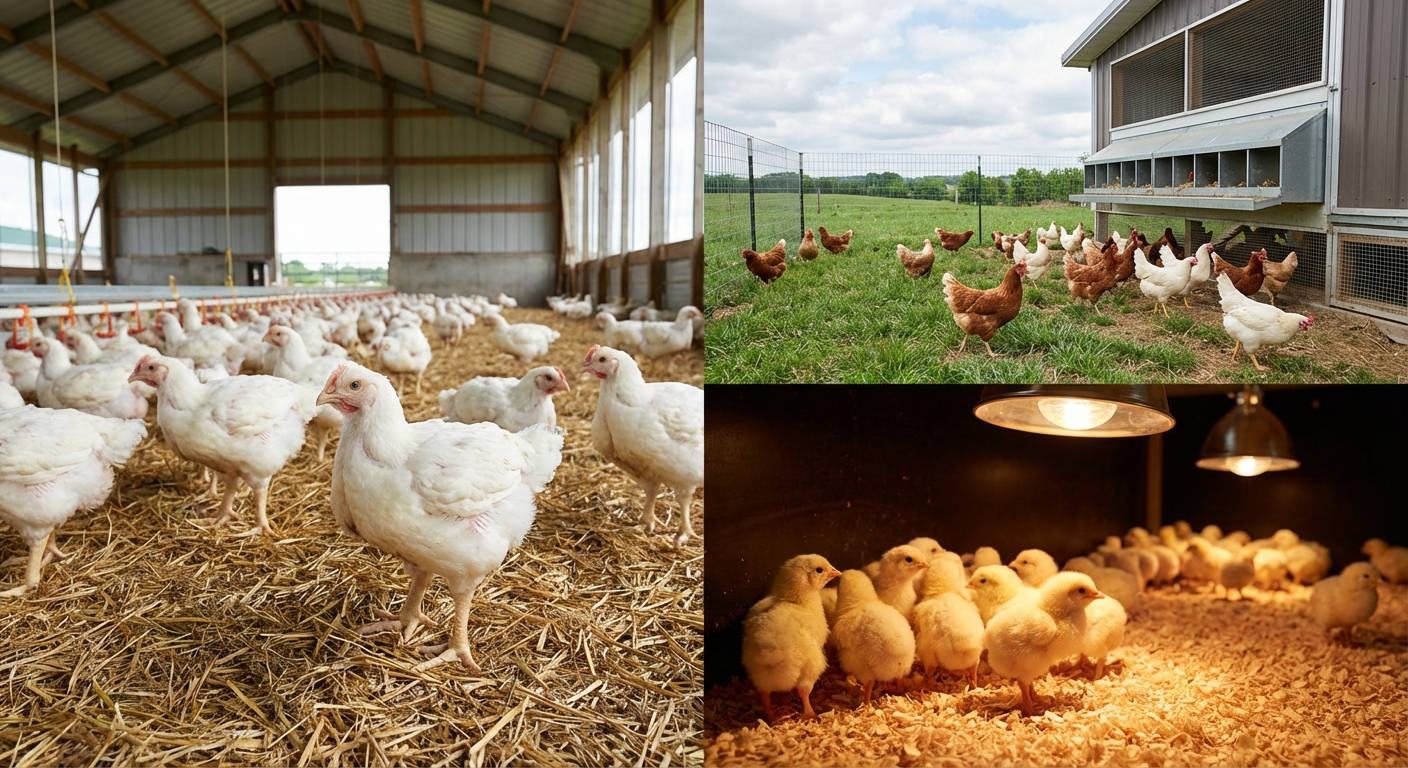
Selecting the right bird species is the first step in how to start a poultry farm because it dictates your infrastructure design and your target customer base. You must choose between layers for egg production, broilers for meat, or dual-purpose breeds that offer a balance of both. Your local climate and market demand should be the primary factors in this crucial decision.
Should you start with broiler chickens?
Broilers are the best choice for beginners who want quick returns and have access to reliable meat processing facilities. They require intensive feeding but offer the shortest path from investment to revenue, making them ideal for high-turnover business models.
- Focus on rapid muscle development.
- Require high-protein starter and finisher feeds.
- Best suited for large-scale industrial meat production.
You might be wondering: “Is it hard to manage them?” While they grow fast, they need strict temperature control to prevent stress-related mortality.
Are layers better for long-term stability?
Layers are the preferred option if you want a business that generates revenue every single morning for over a year. While they take longer to start producing, the longevity of the flock means you spend less time and money on sourcing new chicks.
- Require specialized nesting and collection areas.
- Production starts around 18-20 weeks of age.
- Consistent nutrition is vital for eggshell quality.
But wait, there’s more: layers often have a higher resale value as “spent hens” once their primary production cycle ends.
Key Takeaway: Your choice of species determines your daily operational rhythm and the type of specialized equipment you will need to purchase.
| Bird Type | Primary Output | Duration of Productivity | |
|---|---|---|---|
| Broiler | Meat | 42 – 56 Days | |
| Layer | Eggs | 72 – 80 Weeks | |
| Cockerel | Meat | 20 – 24 Weeks |
Choosing the species that fits your local consumer habits is the most effective way to guarantee your future sales.
Which niche works best for how to start a poultry farm?
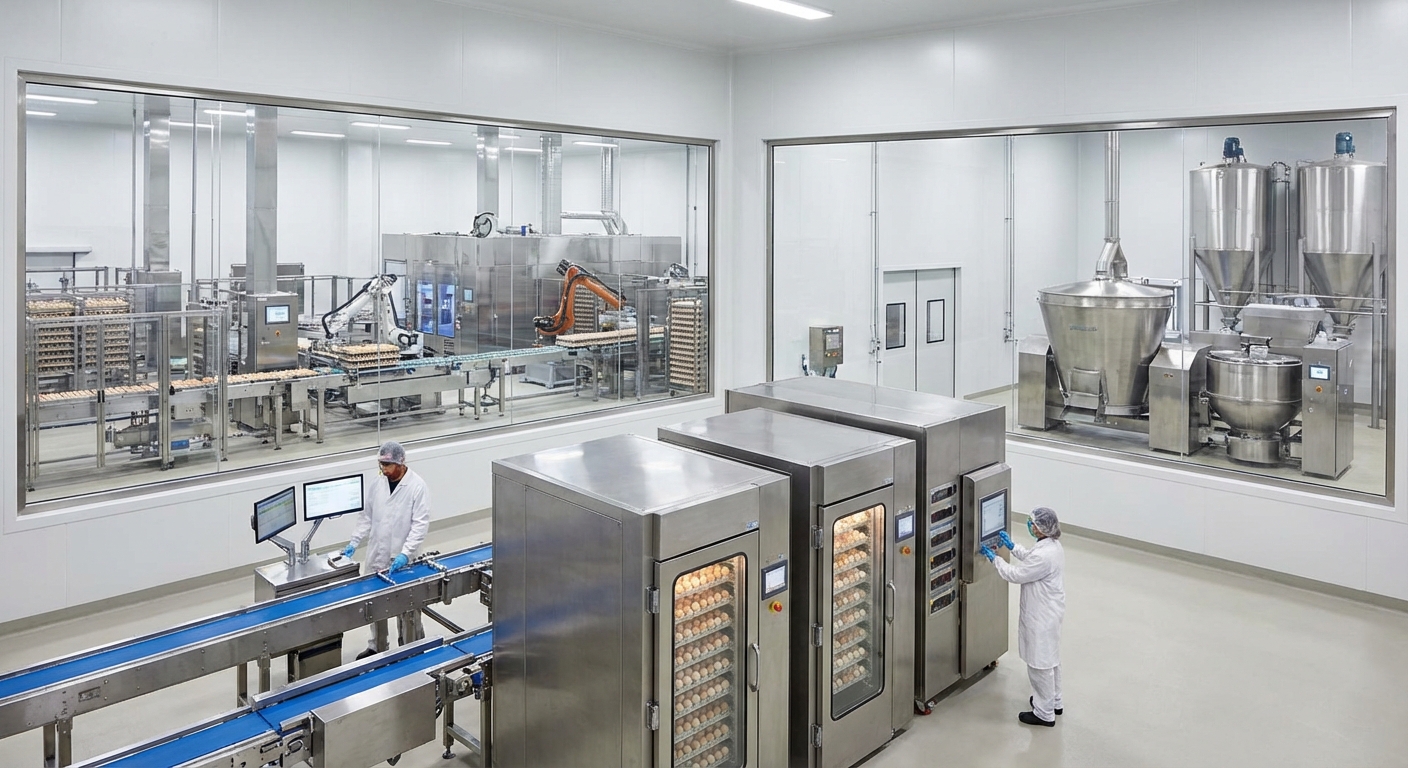
Finding a specific niche is essential when learning how to start a poultry farm to avoid competing directly with massive integrated conglomerates. You might focus on the hatchery business, specialized feed production, or organic free-range poultry which commands a premium price. Specialization allows you to become an expert in one area, significantly improving your efficiency and product quality.
Is the hatchery niche profitable?
Operating a hatchery involves incubating fertilized eggs and selling day-old chicks to other poultry farmers in your region. This niche requires high technical expertise and precision equipment but offers very high margins because you are at the top of the supply chain.
- Requires industrial-grade incubators and hatchers.
- Strict biosecurity is needed to prevent chick mortality.
- High demand from small and medium-sized local farms.
Let’s look at the facts: a reliable hatchery is the backbone of any local poultry industry, making it a powerful market position.
Can you produce your own poultry feed?
Producing your own feed allows you to control the largest variable cost in poultry farming while ensuring your birds get the exact nutrients they need. Many farmers start by making feed for their own flock and eventually expand to sell their custom mixes to neighbors.
- Reduces overall production costs by 10-20%.
- Ensures consistent quality and prevents nutritional deficiencies.
- Requires investment in grinders, mixers, and pellet machines.
The best part? You can adjust your formulas based on the age and health of your birds in real-time.
Key Takeaway: Specializing in a niche like hatching or feed production can provide higher barriers to entry for competitors and more stable profits.
| Niche Area | Primary Customer | Key Asset Needed | |
|---|---|---|---|
| Hatchery | Local Farmers | Incubators | |
| Feed Mill | Commercial Farms | Mixing Plant | |
| Processing | Retailers | Slaughterhouse |
Specialization is the fastest route to achieving economies of scale and establishing a recognizable brand in the agricultural market.
Where is the best site for how to start a poultry farm?
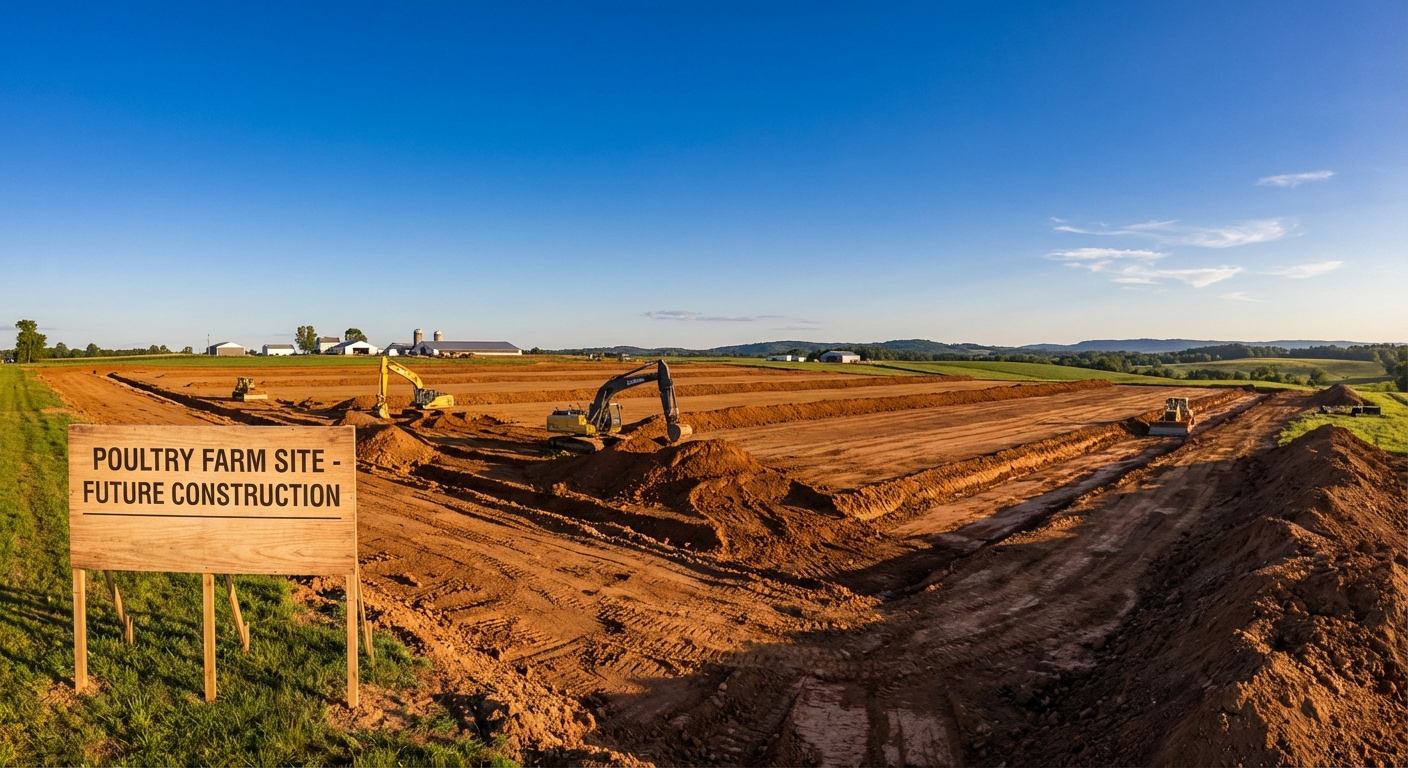
Selecting a site for how to start a poultry farm requires a balance between low land costs and proximity to major markets. You need a location with excellent drainage to prevent moisture-related diseases and a reliable supply of clean water for your birds. Furthermore, the site must be accessible by heavy trucks to facilitate the delivery of feed and the transport of birds to market.
Why is biosecurity important for site selection?
Your farm should be located away from other poultry operations to minimize the risk of cross-contamination and airborne disease transmission. A remote location provides a natural buffer zone that protects your flock from pathogens carried by wild birds or neighboring livestock.
- Minimum distance from residential areas.
- Buffer zones to prevent disease spread.
- Restricted access to the main production area.
Here is the kicker: a single disease outbreak from a neighbor can wipe out your entire investment if you are too close.
Does road access affect your profitability?
Reliable road access is critical because poultry products are perishable and need to reach customers as quickly as possible. If your farm is inaccessible during the rainy season, you risk losing an entire harvest or facing significantly higher transportation costs.
- Proximity to highways reduces travel time.
- Allows for easy entry of large feed delivery trucks.
- Ensures workers can reach the site easily.
Believe it or not, many farms fail not because of bird health, but because they couldn’t get their products to market on time.
Key Takeaway: A site that combines strong biosecurity with logistical efficiency is the physical foundation of your long-term success.
| Site Factor | Requirement | Reason | |
|---|---|---|---|
| Drainage | Sloped or sandy soil | Disease prevention | |
| Utilities | Stable electricity | Climate control | |
| Location | Rural but accessible | Biosecurity & Logistics |
Investing time in site analysis today prevents expensive logistical bottlenecks and health crises once your farm is fully operational.
Does housing matter for how to start a poultry farm?
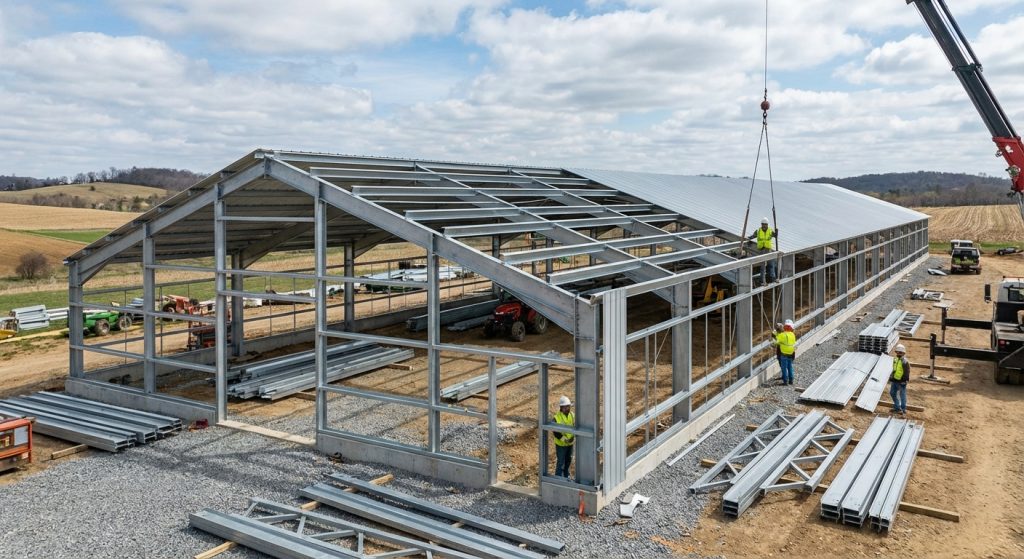
Professional housing is the most critical asset in how to start a poultry farm because it directly impacts the health and growth rate of your birds. You should prioritize durable materials like a prefab steel structure which offers superior protection against predators and extreme weather. Proper housing also allows for automated climate control, which is essential for maintaining the optimal temperature required for maximum feed efficiency.
Why use a prefab steel chicken house?
Prefab steel structures are the industry standard because they are easy to disinfect, fire-resistant, and can be erected much faster than traditional brick buildings. Steel also allows for large, clear-span designs that accommodate modern automated feeding and egg collection systems without internal pillar obstructions.
- Resistant to pests and wood-boring insects.
- Modular design allows for easy future expansion.
- Long lifespan with minimal maintenance costs.
You may be thinking: “Isn’t it expensive?” In reality, the reduction in bird mortality and labor costs makes steel the most cost-effective choice.
How does ventilation improve bird health?
High-quality housing must include a robust ventilation system to remove ammonia, moisture, and excess heat from the environment. Poor air quality leads to respiratory issues and low weight gain, which can quickly turn a profitable flock into a financial burden.
- Tunnel ventilation for efficient cooling.
- Automated curtains for natural air regulation.
- Prevents the buildup of harmful gases like ammonia.
Just remember: birds breathe much faster than humans, and their health depends entirely on the air quality inside the house.
Key Takeaway: Your poultry house is not just a shelter; it is a specialized biological machine designed to optimize bird performance.
| Housing Type | Durability | Construction Speed | |
|---|---|---|---|
| Steel Structure | High | Fast (Weeks) | |
| Concrete/Brick | Medium | Slow (Months) | |
| Timber/Wood | Low | Medium |
Choosing a modern steel structure ensures your farm meets international standards for animal welfare and production efficiency.
What gear is needed for how to start a poultry farm?
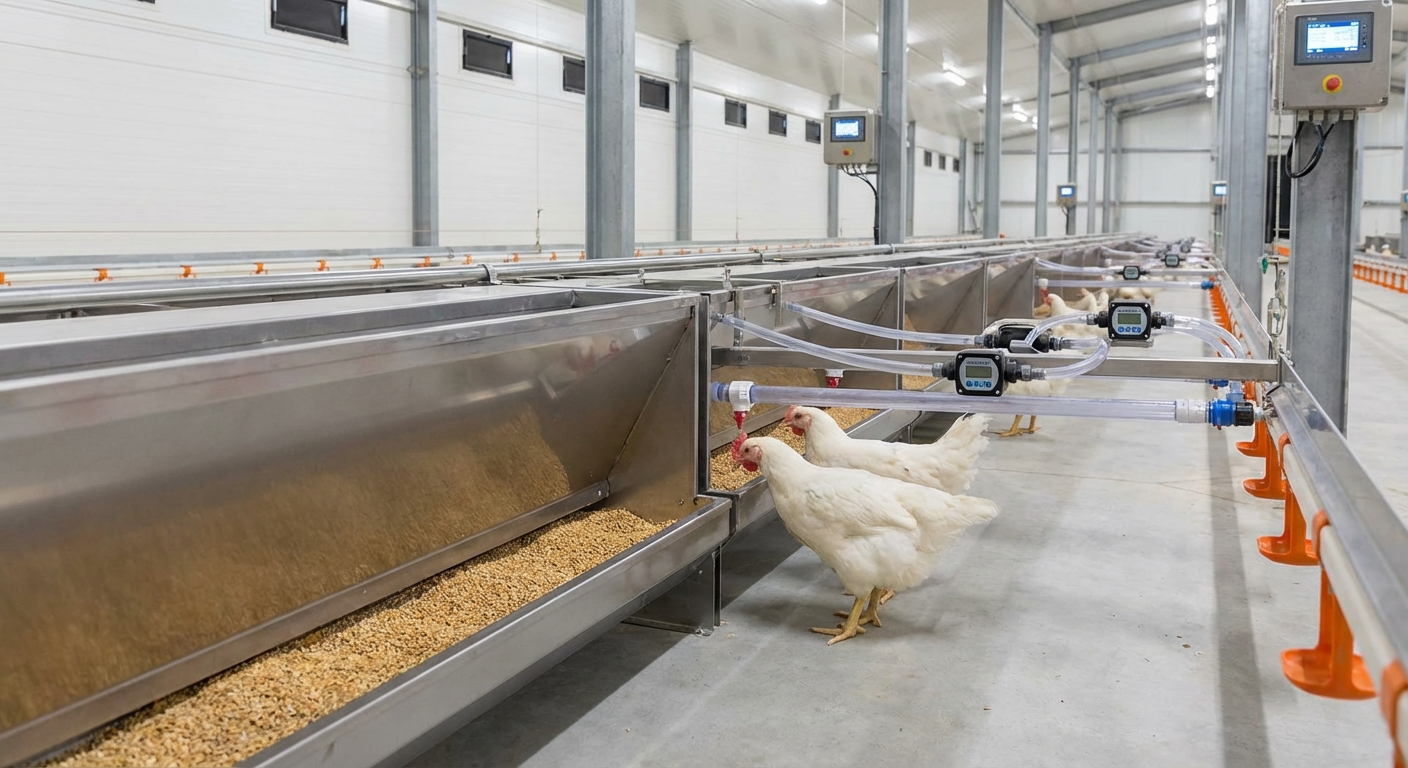
Acquiring the right equipment is a cornerstone of how to start a poultry farm because automation reduces your reliance on expensive and inconsistent manual labor. You will need automated feeding lines, nipple drinkers, and high-efficiency heaters to ensure your birds have constant access to nutrition and warmth. Modern equipment also includes sensors that monitor air quality and temperature, alerting you to any issues before they become emergencies.
Are automated feeding systems worth it?
Automated feeding systems ensure that every bird gets the same amount of nutrition, leading to a more uniform flock and predictable market weights. These systems also significantly reduce feed waste, which is the largest recurring expense in any poultry business.
- Reduces labor costs by minimizing manual handling.
- Prevents feed contamination from human contact.
- Allows for precise measurement of daily consumption.
Here is the secret: uniform birds are much easier to sell at premium prices to industrial buyers and supermarkets.
Why choose nipple drinkers over open troughs?
Nipple drinking systems are the most hygienic way to provide water because they prevent birds from stepping in or defecating in their water supply. This drastically reduces the spread of waterborne diseases and keeps the floor litter dry, further improving the overall health of the house.
- Provides 24/7 access to clean, fresh water.
- Reduces moisture in the bedding material.
- Minimizes the labor needed for daily cleaning.
The reality is simple: clean water is the cheapest and most effective medicine you can provide to your flock.
Key Takeaway: Automation is the only way to scale your farm efficiently while maintaining the high standards required for modern commercial success.
| Equipment | Function | Benefit | |
|---|---|---|---|
| Feed Lines | Nutrition delivery | Zero waste | |
| Nipple Drinkers | Hydration | Disease control | |
| Controllers | Climate management | Stress reduction |
Investing in high-quality gear from the start prevents the operational headaches that plague manual farming operations.
How to manage funds for how to start a poultry farm?
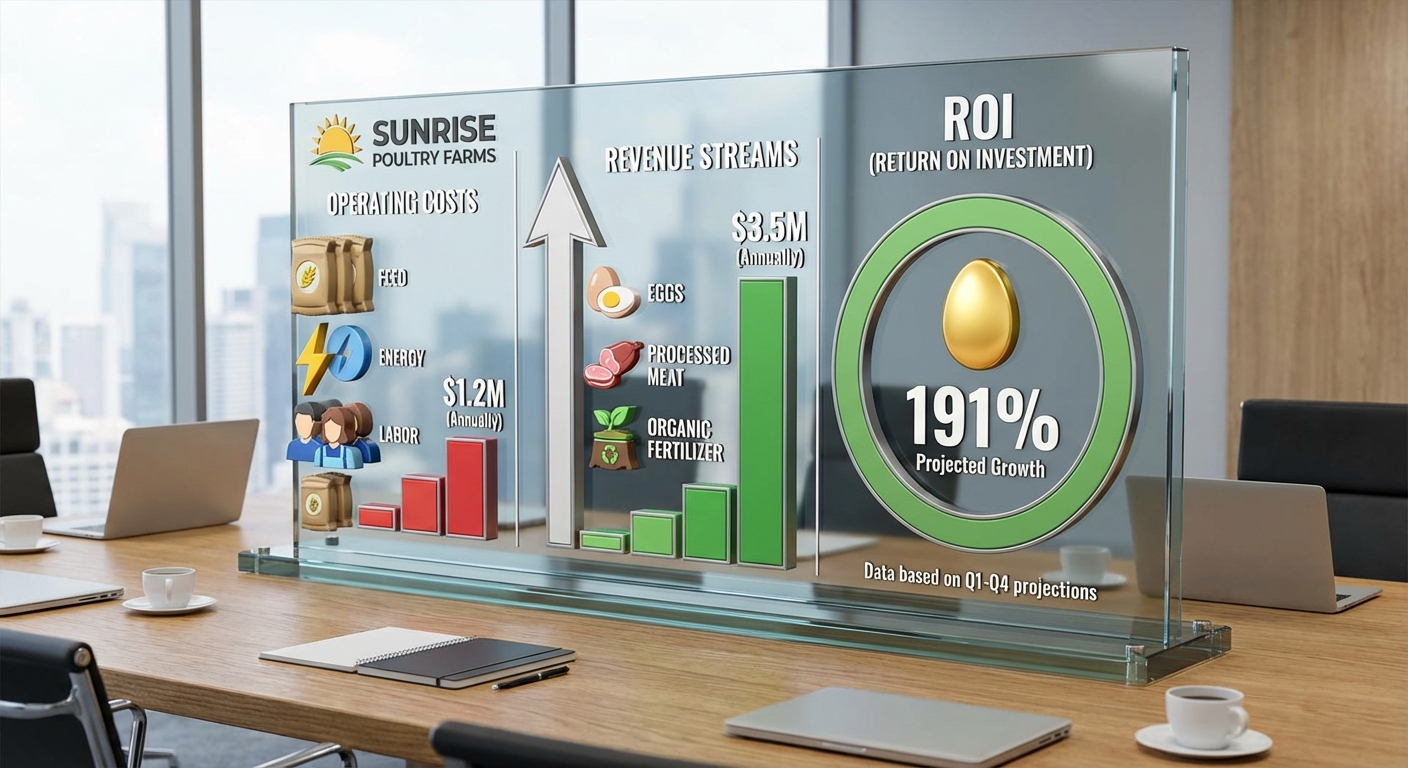
Financial management is the most overlooked aspect of how to start a poultry farm, often leading to failure even when the birds are healthy. You must account for both fixed costs, like land and housing, and variable costs such as feed, vaccines, and labor. A successful business plan includes a contingency fund to handle fluctuations in feed prices or unexpected market downturns.
What are the biggest fixed costs?
Your primary fixed costs include land acquisition and the construction of your professional poultry houses and storage facilities. These are one-time investments that provide the infrastructure needed to run your business for many decades.
- High-quality prefab steel structures.
- Land purchase or long-term lease.
- Automated equipment and utility installations.
You should know: skimping on these initial costs often leads to much higher maintenance and mortality expenses later on.
How do you track variable expenses?
Variable expenses like feed and medication can consume up to 70% of your revenue, making tight tracking essential for your survival. You need to monitor your Feed Conversion Ratio (FCR) daily to ensure your birds are growing efficiently and your money is being spent wisely.
- Feed costs fluctuate with global grain markets.
- Vaccination schedules must be strictly followed.
- Labor and electricity costs vary with flock size.
Let’s look at the facts: the most successful farmers aren’t just good at raising birds; they are exceptional at managing spreadsheets.
Key Takeaway: Precise budgeting and a focus on the Feed Conversion Ratio are the keys to maintaining a healthy bottom line.
| Expense Category | Percentage of Total | Type | |
|---|---|---|---|
| Feed | 60% – 70% | Variable | |
| Housing | 15% – 20% | Fixed (Initial) | |
| Health/Vaccines | 5% – 10% | Variable |
Keeping your variable costs low through efficient management is the fastest way to increase your net profit.
What are the risks of how to start a poultry farm?
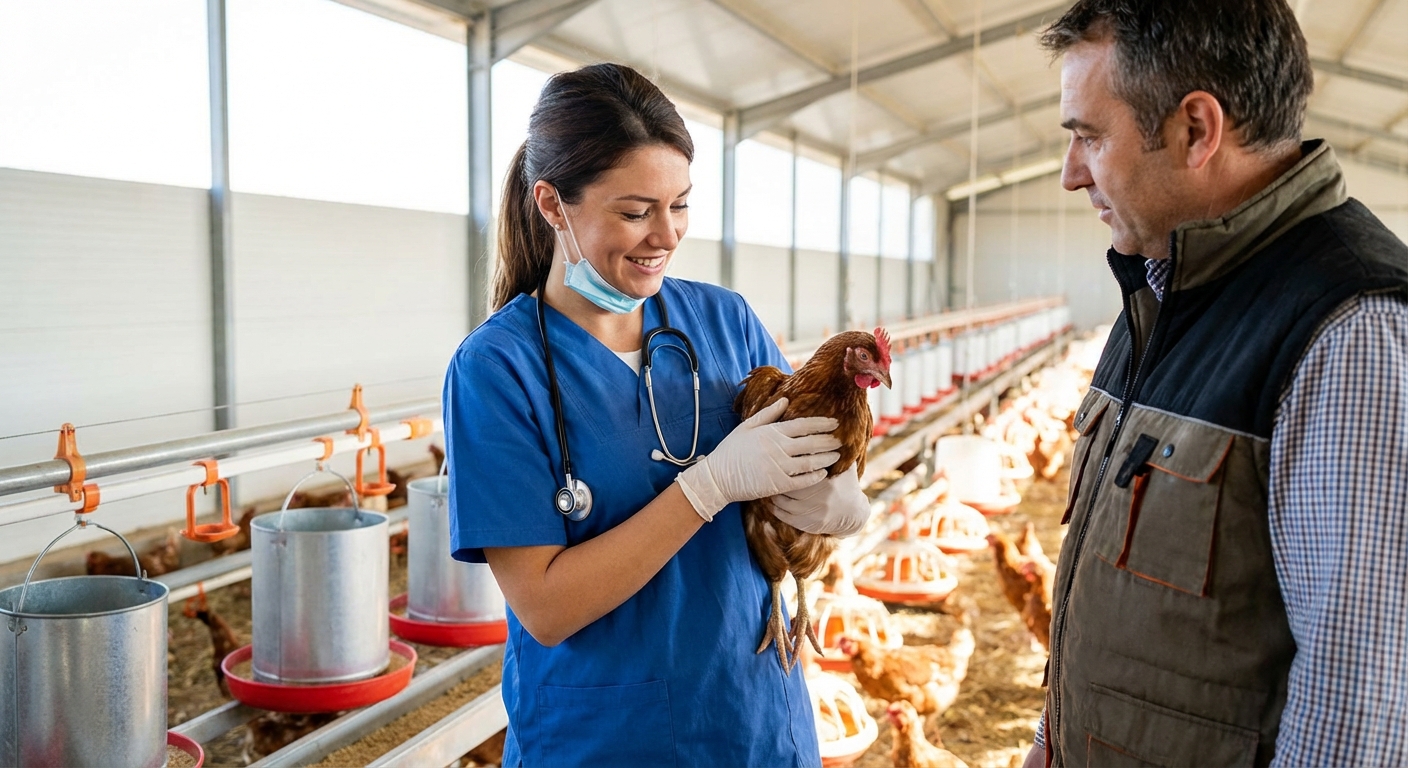
Understanding operational risks is a critical part of how to start a poultry farm because it allows you to implement preventative measures before a crisis occurs. The biggest threats include disease outbreaks like Avian Influenza, sudden shifts in feed prices, and power failures that can kill a flock within hours. A robust risk management strategy involves insurance, biosecurity protocols, and backup power systems.
How can you prevent a disease outbreak?
Rigorous biosecurity is your only defense against pathogens that can wipe out thousands of birds in a single day. You must control all entry points to your farm, ensuring that every vehicle and person is thoroughly disinfected before coming near your poultry houses.
- Limit visitor access to the farm premises.
- Use disinfectant footbaths at every entrance.
- Regularly test birds for common infectious diseases.
It’s a tough pill to swallow, but a single mistake in biosecurity can end your business in less than 48 hours.
Why is backup power necessary?
In modern intensive farming, the birds rely entirely on fans and lights to stay alive and productive; a power failure can lead to mass suffocation or heat stroke. Investing in a high-capacity backup generator is an non-negotiable insurance policy for any commercial poultry operation.
- Powers essential ventilation fans during outages.
- Maintains lighting schedules for egg production.
- Ensures automated feeding systems continue to run.
The bottom line is this: without power, your climate-controlled poultry house becomes a dangerous oven for your birds.
Key Takeaway: Risk management is not about avoiding problems; it’s about having the systems in place to handle them when they inevitably arise.
| Risk Factor | Prevention Strategy | Criticality | |
|---|---|---|---|
| Disease | Biosecurity & Vaccines | Critical | |
| Power Failure | Backup Generators | High | |
| Market Price | Forward Contracts | Medium |
A proactive approach to risk ensures that your farm remains viable even during the most challenging market conditions.
How to scale after you learn how to start a poultry farm?
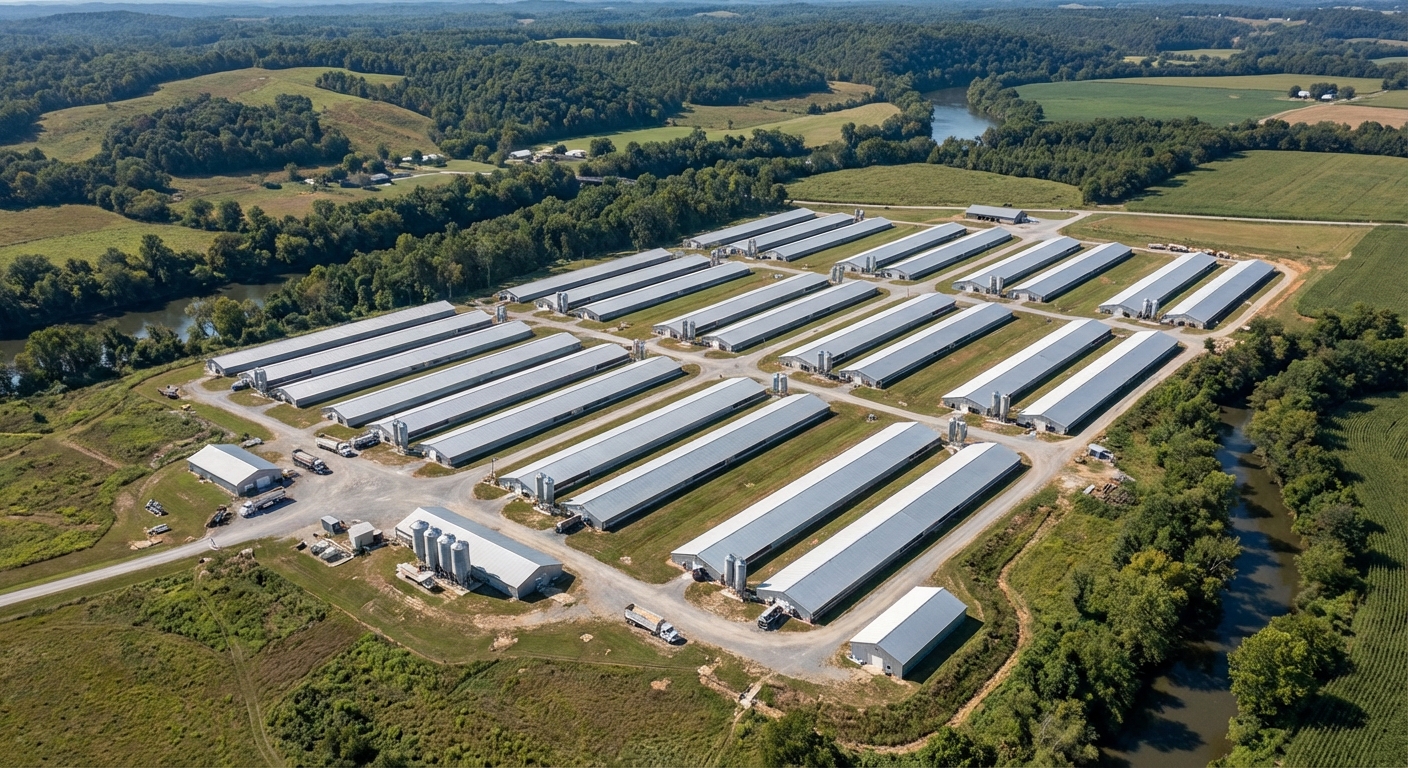
Scaling your business requires reinvesting your initial profits into additional housing and more advanced technology to increase your total bird capacity. You can also scale vertically by opening your own processing plant or retail outlets to capture more of the profit margin from each bird. Successful scaling is a gradual process that relies on maintaining your existing quality standards while expanding your operational footprint.
When is the right time to expand?
You should consider expansion only after you have achieved consistent profitability and have mastered the management of your first flock. Expansion requires a significant new capital injection, so ensure your existing operations are running like a well-oiled machine before adding more complexity.
- Stable cash flow from existing houses.
- Proven local market demand for more product.
- Availability of trained labor to manage new units.
Here is the kicker: scaling a broken business model will only lead to larger, more expensive failures.
Can technology help you manage more birds?
Using Internet of Things (IoT) sensors and data analytics allows a single manager to oversee multiple poultry houses from a central dashboard. This technology tracks growth rates, mortality, and environment in real-time, enabling you to manage massive flocks with high precision and low overhead.
- Remote monitoring reduces the need for site visits.
- Early warning systems prevent large-scale losses.
- Data-driven decisions improve feed conversion rates.
The future of farming is digital, and those who embrace technology will dominate the market in the coming decade.
Key Takeaway: Strategic scaling through technology and vertical integration is the only way to move from a small farmer to an industry leader.
| Growth Stage | Focus | Primary Goal | |
|---|---|---|---|
| Startup | Infrastructure | Survival & Stability | |
| Expansion | New Houses | Market Share | |
| Maturity | Integration | Profit Optimization |
Scaling is a marathon, not a sprint; build a solid foundation today so you can expand with confidence tomorrow.
Decision FAQ
Can I start a poultry farm with very little capital?Yes, but you must start small. You can begin with a few hundred birds and reinvest every cent of profit into better housing and automation until you reach commercial scale.
What’s the best way to choose a poultry house supplier?Look for a supplier that offers integrated solutions. You want a partner that provides not just the steel structure, but also engineering support and guidance on local building codes.
Can I manage a poultry farm while working another job?It is extremely difficult without high levels of automation. Poultry require 24/7 monitoring; unless you invest in automated systems, it is a full-time commitment.
What is the most common reason new poultry farms fail?Lack of biosecurity. Most beginners underestimate how quickly a disease can spread, leading to total flock loss and financial ruin.
Is organic poultry farming more profitable?It can be, as customers pay a premium. However, the costs for organic feed and the risks of free-range diseases are much higher than in intensive farming.
Conclusion
Launching a successful poultry business is a journey of precision, commitment, and strategic planning. By following this blueprint, you move from being a hopeful beginner to a prepared entrepreneur ready to capitalize on the global demand for food. Our vision is to empower global farmers with the professional steel infrastructure and technical knowledge needed to feed the world sustainably. Do not let complexity hold you back from this lucrative market. To get a customized quote for your new facility, contact us today and let our engineers help you build a foundation for lifelong profit.