
To start a poultry farming business successfully, you must combine a strategic business plan with high-quality infrastructure and disciplined flock management. Many aspiring entrepreneurs enter this sector with high hopes, only to be met with the harsh reality of sudden disease outbreaks and rising operational costs that threaten their initial investment. This financial instability often stems from inadequate housing and poor resource allocation, leading to a frustrating cycle of loss. By implementing a professional poultry farming strategy focused on modern steel housing and automated systems, you can secure a consistent revenue stream and turn your agricultural venture into a scalable, high-profit enterprise.
Why should you start a poultry farming business now?
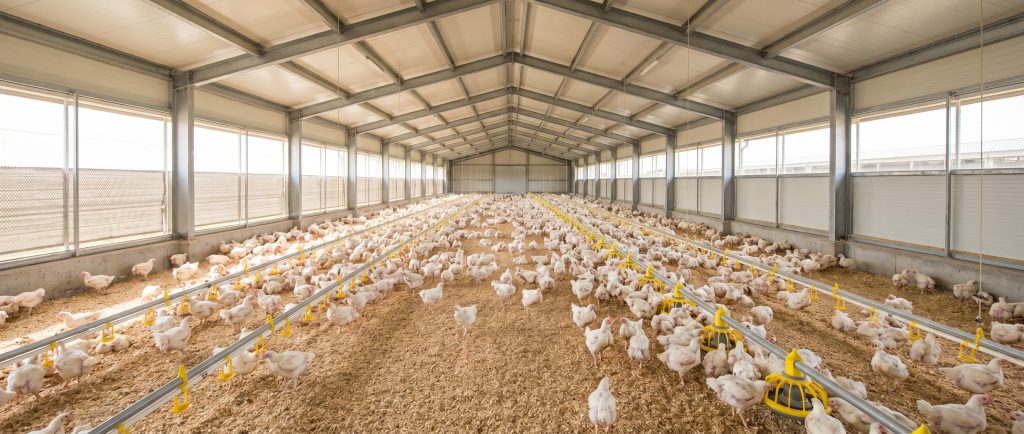
You should start a poultry farming business now because the global demand for affordable animal protein continues to outpace supply. This sector offers one of the highest turnover rates in agriculture, allowing you to move from chick to profit in less than two months.
Capitalizing on rapid livestock reproduction
Chickens are exceptionally prolific, making them the most efficient way to turn feed into saleable meat or eggs. Unlike cattle or pigs, birds require less space and have a significantly shorter production cycle.
Here is the kicker: A single broiler house can produce five to six batches of meat per year.
- Fast growth rates (6-8 weeks for broilers).
- High feed conversion efficiency.
- Daily cash flow from egg layers.
Tapping into a recession-proof food market
The market for eggs and poultry meat remains stable even during economic downturns because they are the most affordable protein sources available. You are entering an industry with an evergreen customer base that spans from local households to massive food processing plants.
But that’s not all. The byproduct, poultry manure, serves as a high-value organic fertilizer for additional revenue.
Key Takeaway: The speed and resilience of the poultry market provide a unique opportunity for entrepreneurs to achieve rapid liquidity and long-term stability.
| Benefit | Impact on Business | |
|---|---|---|
| Quick Turnover | Realize profits within 8 weeks | |
| Market Demand | Consistent year-round sales | |
| Diversification | Revenue from meat, eggs, and manure |
The combination of low entry barriers and high demand makes this the ideal time to establish your presence in the market.
What bird types suit your poultry farming goals?
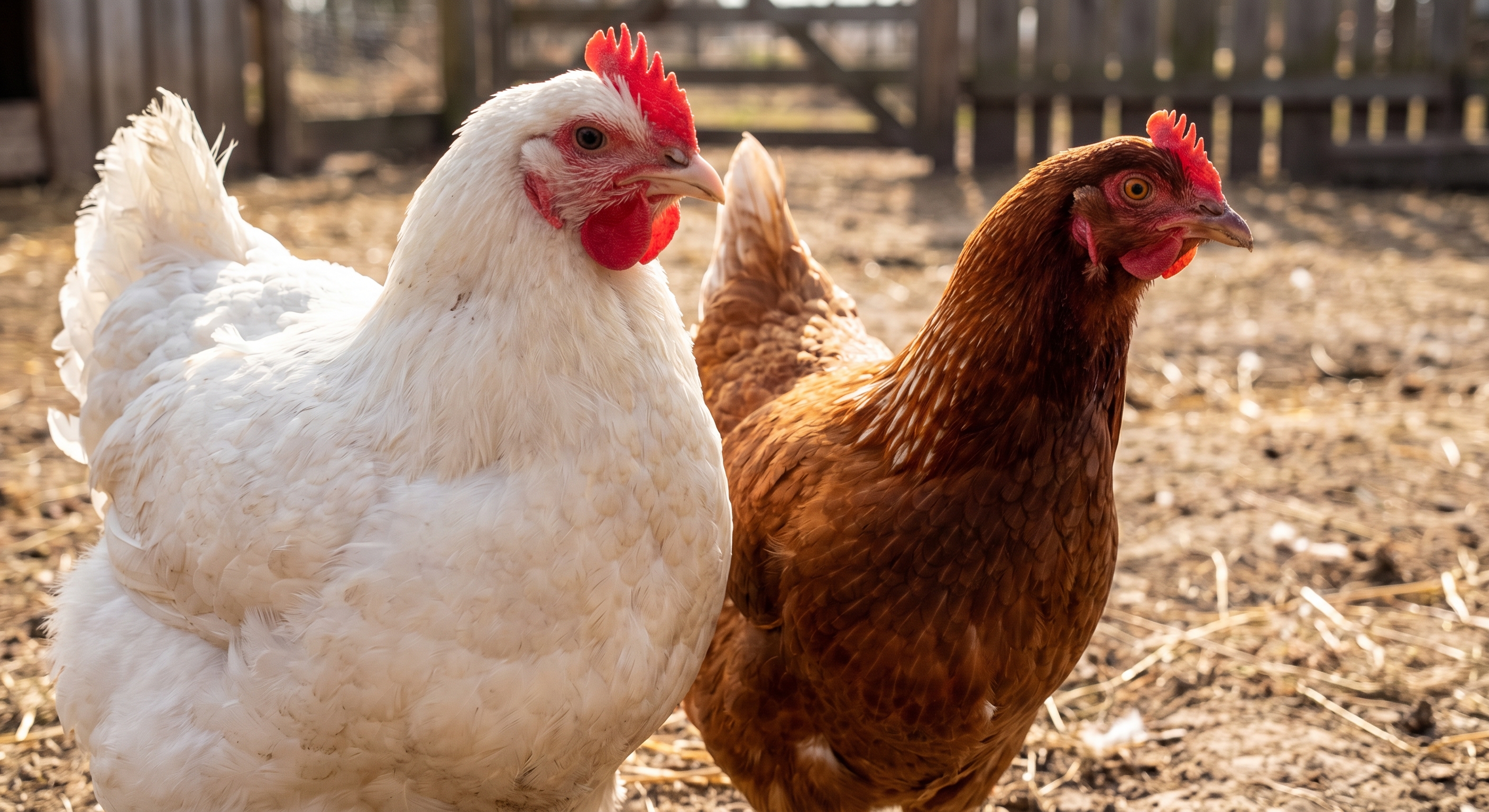
Selecting the right breed is the first step in poultry farming to ensure your production output matches your specific financial objectives. Your choice will dictate everything from the design of your housing to your daily management routine and marketing strategy.
Choosing broilers for rapid meat production
Broilers are bred specifically for fast growth and high muscle development, reaching market weight in record time. They are the best choice for farmers who want to see a return on their investment as quickly as possible.
Let’s face it: Speed is the name of the game in meat production.
- Market ready in 6 to 8 weeks.
- High demand from restaurants and butcheries.
- Simplified feeding schedules compared to layers.
Investing in layers for consistent egg revenue
Layers provide a steady, daily income stream that can last for over a year once the birds reach maturity. While they require more patience initially, the long-term stability they offer is unparalleled in the livestock world.
Believe it or not: A healthy layer can produce over 300 eggs in its first year.
Key Takeaway: Align your bird selection with your cash flow needs; choose broilers for quick cycles or layers for steady daily income.
| Bird Type | Growth Period | Product Type | Revenue Style | |
|---|---|---|---|---|
| Broilers | 6-8 Weeks | Meat | Bulk Sum | |
| Layers | 18-20 Weeks | Eggs | Daily Flow | |
| Cockerels | 20-24 Weeks | Meat | Seasonal |
Selecting a breed that matches your local market demand is the most critical decision for your early profitability.
How to choose a location for poultry farming?
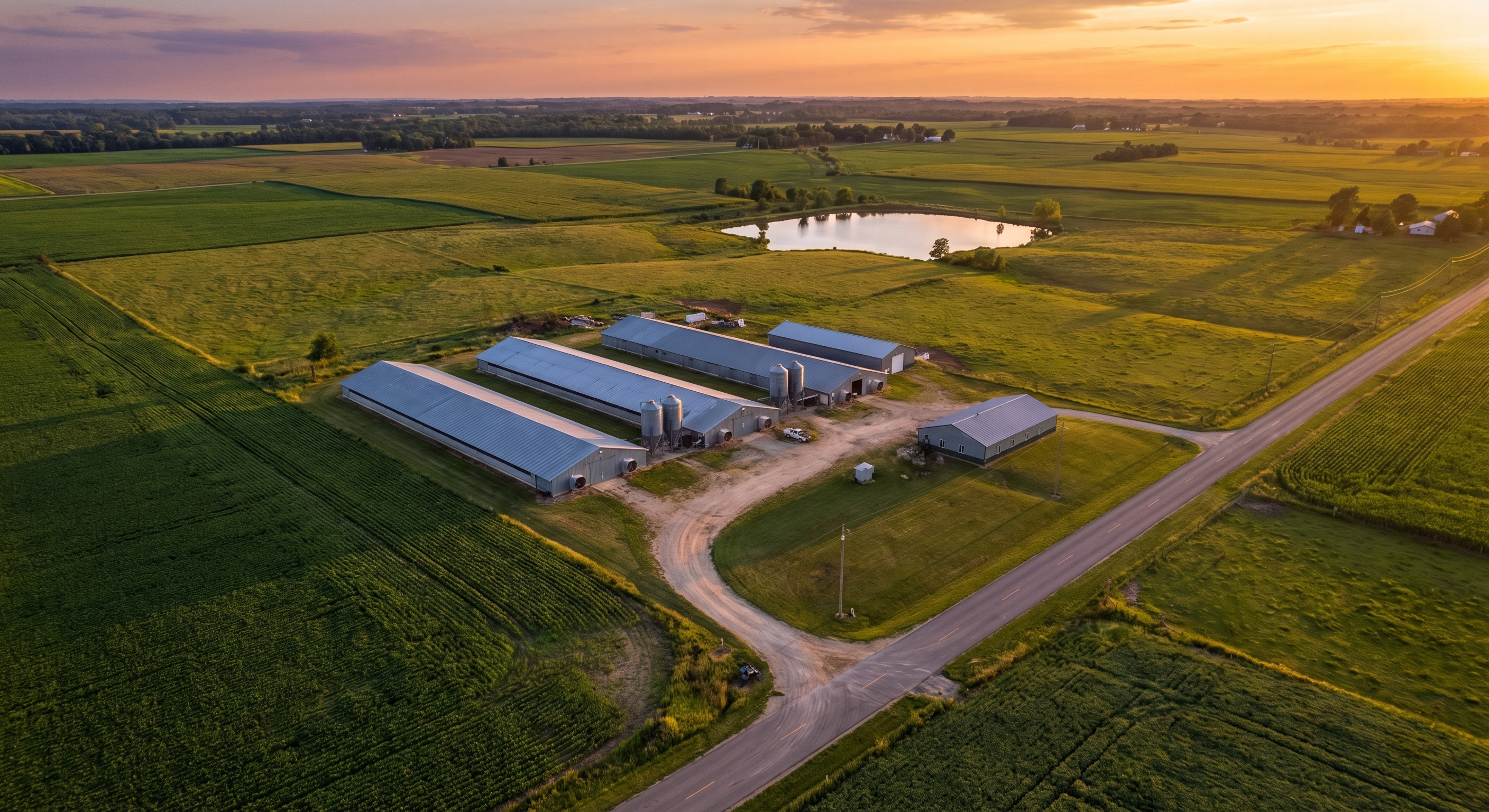
You must choose a location for poultry farming that balances biosecurity with easy access to your primary target markets. A remote site protects your flock from diseases carried by other livestock, while proximity to roads reduces the cost of transporting feed and finished products.
Prioritizing biosecurity and environment
The ideal site is away from residential areas to avoid noise complaints and high enough to prevent flooding during rainy seasons. Proper drainage is essential to keep the floor of your poultry house dry and free from harmful ammonia buildup.
Here is the truth: Disease prevention starts with where you place your gate.
- Minimum 500 meters from other farms.
- Elevated ground to ensure natural drainage.
- Reliable access to clean borehole water.
Ensuring utility and transport accessibility
Your farm needs a constant supply of electricity to power ventilation fans and lighting systems, which are crucial for bird health. Additionally, the road to your farm must be wide and sturdy enough to accommodate heavy feed delivery trucks.
But wait, there’s more. Poor road access can lead to higher transportation fees that eat into your profit margins.
Key Takeaway: A strategic location acts as a natural barrier against disease and a cost-saving measure for logistics and utilities.
| Factor | Requirement | Importance | |
|---|---|---|---|
| Distance | Rural / Semi-rural | High (Biosecurity) | |
| Water | Reliable Borehole | Critical (Health) | |
| Roads | All-weather access | Medium (Logistics) |
Site selection is a one-time decision that will affect your operational costs and biosecurity risks for the life of the business.
What equipment is vital for poultry farming success?
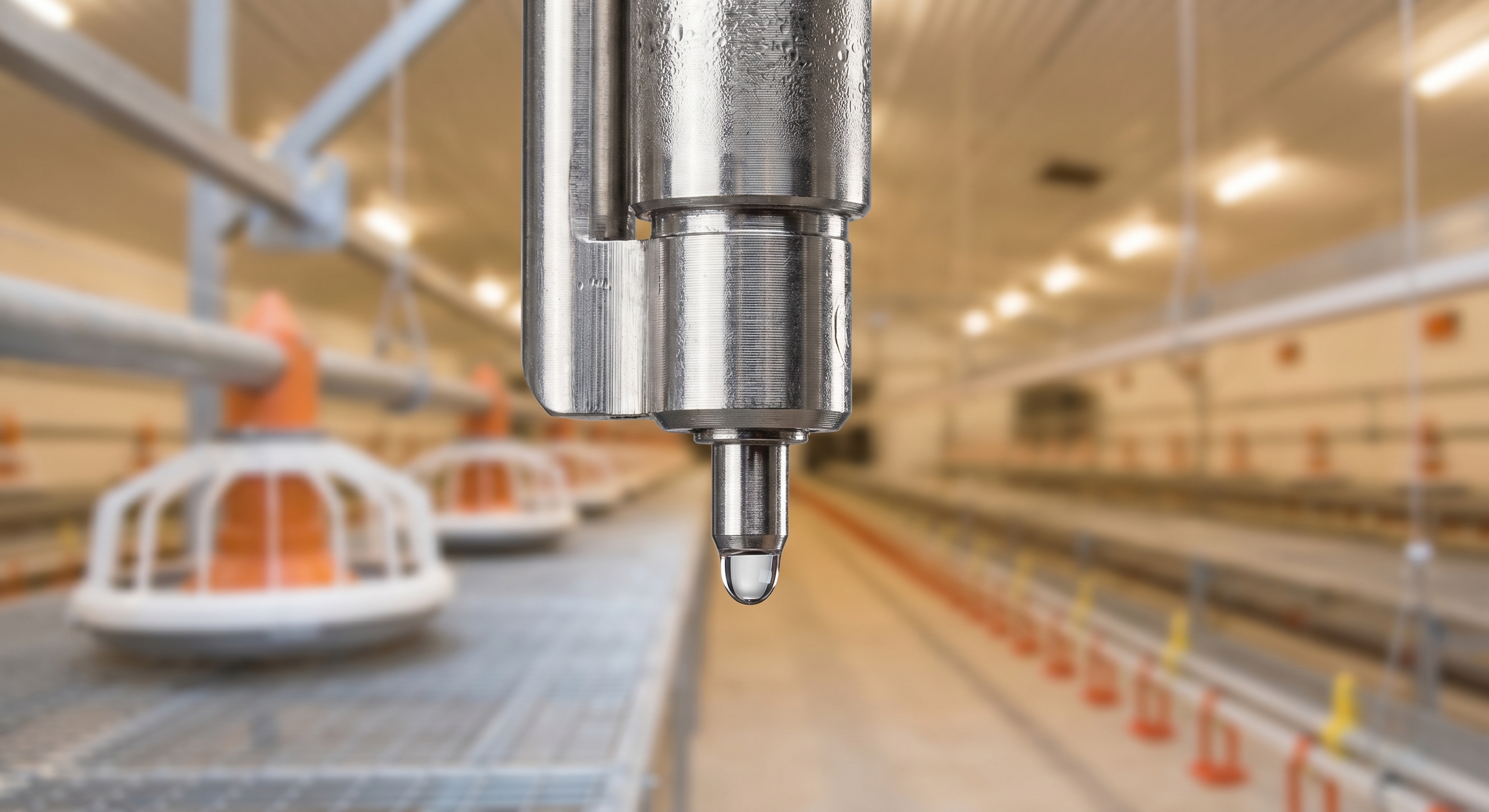
Investing in modern poultry farming equipment is the most effective way to reduce manual labor and minimize feed wastage. High-quality feeders, drinkers, and climate control systems ensure that every bird has consistent access to the resources it needs to thrive.
Automating feed and water delivery
Automatic nipple drinkers keep the water supply clean and prevent the litter from becoming damp, which is the primary cause of respiratory issues. Similarly, automated feeders ensure that feed is distributed evenly, preventing dominant birds from overeating while others starve.
The bottom line? Automation pays for itself through reduced mortality and labor savings.
- Nipple drinkers for hygiene.
- Pan feeders to reduce waste.
- Heaters for brooding young chicks.
Controlling the internal environment
Ventilation fans and lighting systems are necessary to regulate temperature and stimulate the desired biological responses in your birds. In layers, controlled lighting is particularly important as it directly influences the timing and frequency of egg production.
Here is the kicker: A 2-degree temperature swing can significantly drop feed conversion rates.
Key Takeaway: High-quality equipment reduces human error and ensures a stable environment that maximizes bird growth and health.
| Equipment | Function | Primary Benefit | |
|---|---|---|---|
| Nipple Drinkers | Clean water access | Zero water contamination | |
| Auto-Feeders | Nutrient distribution | 15% reduction in waste | |
| Exhaust Fans | Air quality control | Prevents ammonia buildup |
Precision tools are the difference between a farm that survives and a farm that scales effectively.
How to write a poultry farming business plan?

A comprehensive business plan for poultry farming serves as your operational manual and your primary tool for securing bank loans or private investment. It must detail your financial projections, market analysis, and a strict timeline for production cycles to ensure you stay on track.
Defining your financial projections
You need to list every capital expense, from the cost of the steel structure house to the price of day-old chicks and vaccination programs. Accurately estimating your operational costs for the first six months is vital to avoid cash flow shortages before your first harvest.
The reality is simple: Most farms fail not due to bad birds, but due to poor cash management.
- Fixed costs (land, buildings, equipment).
- Variable costs (feed, chicks, vaccines).
- Expected ROI timelines.
Outlining your marketing strategy
Identify who your buyers are—be it local markets, hotels, or large-scale wholesalers—and determine how you will reach them. Your plan should include a fallback strategy for selling surplus stock during peak production periods to maintain profitability.
But that’s not all. Having a pre-signed contract with a buyer can drastically reduce your market risk.
Key Takeaway: A detailed plan provides a roadmap for growth and acts as a shield against the financial unpredictability of the agricultural sector.
| Plan Section | Focus Area | Goal | |
|---|---|---|---|
| Executive Summary | Vision and Goals | Clarity for investors | |
| Financials | Cash flow and ROI | Profitability tracking | |
| Operations | Daily farm routines | Consistency in quality |
A written plan transforms a risky venture into a structured business with measurable metrics for success.
How to build a modern poultry farming house?
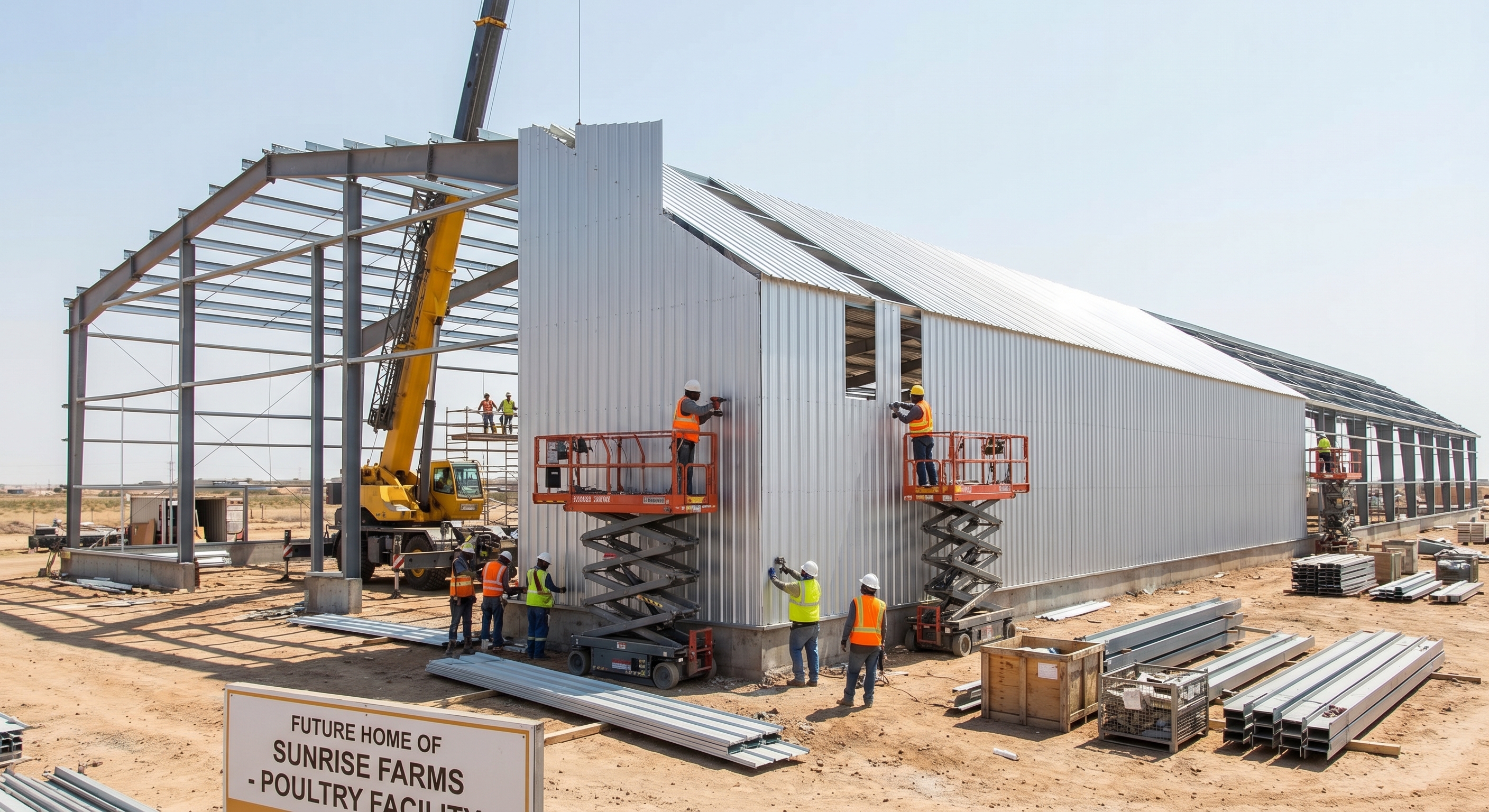
Building a modern chicken house requires a focus on structural durability and climate optimization to protect your flock from the elements. Utilizing prefabricated steel structures allows for faster construction and a more hygienic environment that is easier to disinfect between batches.
Choosing steel for durability and hygiene
Steel frames are superior to wood because they do not rot, harbor pests, or catch fire, providing a long-lasting asset for your farm. The smooth surfaces of metal panels allow for thorough pressure washing, which is essential for breaking disease cycles.
Here is the secret: Steel houses maintain their value and structural integrity much longer than traditional sheds.
- Resistance to termites and rodents.
- Fast assembly times (weeks instead of months).
- Customizable sizes for future expansion.
Optimizing ventilation and layout
The orientation of the house should allow for maximum natural airflow while shielding the interior from direct sunlight and heavy rain. A well-designed interior layout ensures that feeders and drinkers are easily accessible for both the birds and the farm staff.
But wait, there’s more. Proper insulation in the roof can reduce your cooling costs by up to 30%.
Key Takeaway: High-quality housing is the most important physical asset you will own; it is the foundation of your biosecurity and bird comfort.
| House Feature | Material/Design | Benefit | |
|---|---|---|---|
| Frame | Galvanized Steel | Lifetime durability | |
| Walls | Sandwich Panels | Thermal insulation | |
| Floor | Reinforced Concrete | Easy disinfection |
A professional structure ensures that your birds are protected from external stress, allowing them to focus all their energy on growth.
How to manage poultry farming birds for growth?
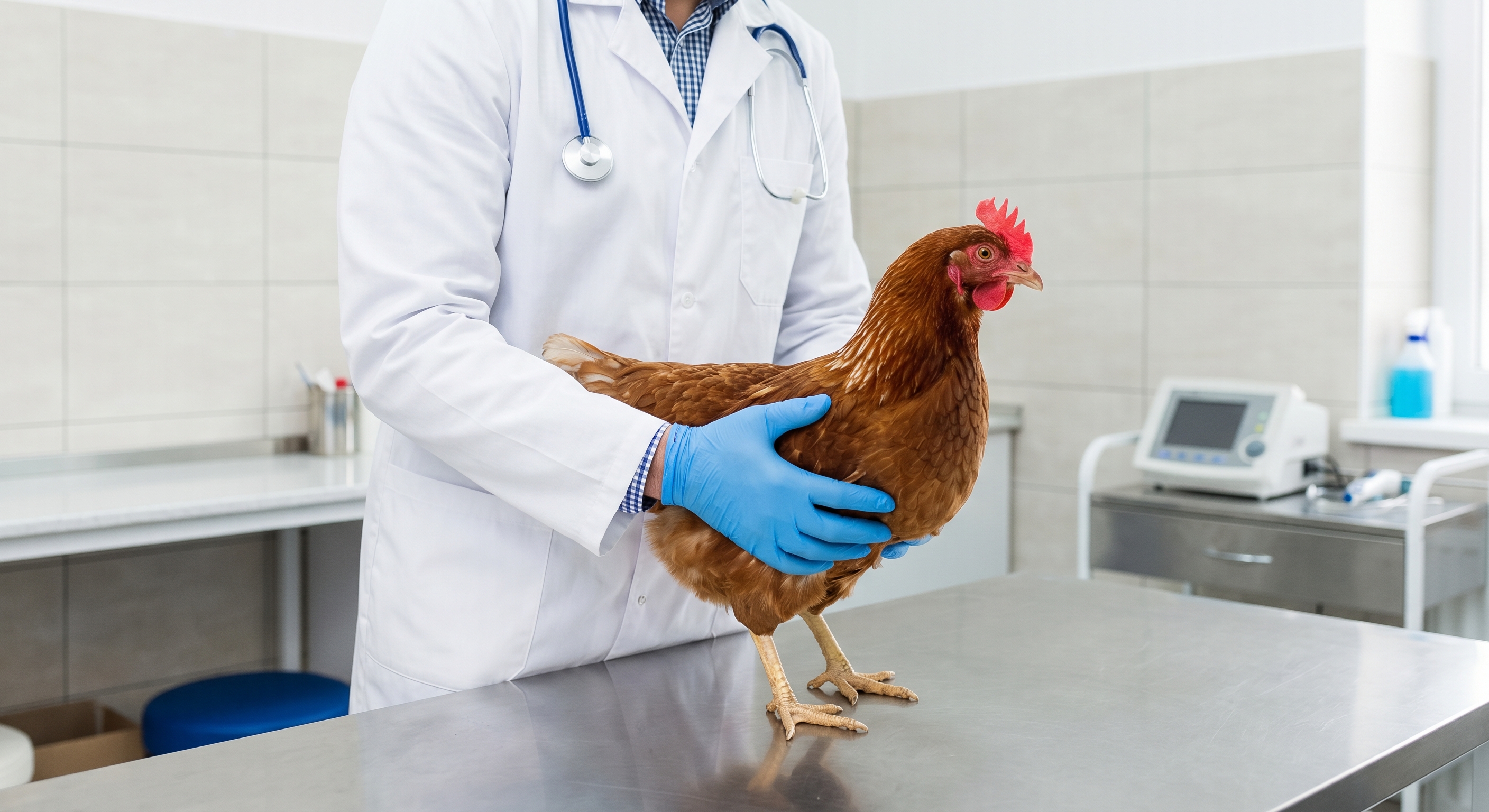
Managing poultry farming birds for maximum weight gain or egg production requires a disciplined approach to nutrition, health, and environmental monitoring. You must treat your flock like a precision biological machine that responds directly to the quality of care and inputs it receives.
Implementing a strict health protocol
Regular vaccinations and deworming are non-negotiable if you want to prevent flock-wide mortality and maintain high growth rates. You should establish a relationship with a local veterinarian who can provide a customized health calendar based on the specific disease risks in your region.
Here is the kicker: An ounce of prevention is worth a pound of cure—and a lot of saved money.
- Strict vaccination schedule.
- Daily health inspections.
- Immediate isolation of sick birds.
Maintaining optimal nutrition and water
Feed represents nearly 70% of your total production cost, so ensuring its quality and proper storage is essential for your bottom line. Always use feed that is appropriate for the age and type of bird you are raising to avoid stunted growth or poor egg shells.
But that’s not all. Even the best feed is useless if the birds do not have access to cool, fresh water 24/7.
Key Takeaway: Consistent daily routines and high-quality inputs are the only ways to guarantee a high-performing flock and predictable profits.
| Management Task | Frequency | Goal | |
|---|---|---|---|
| Feeding | Twice Daily | Consistent weight gain | |
| Water Cleaning | Daily | Disease prevention | |
| Weight Checks | Weekly | Performance tracking |
Meticulous attention to detail in the first two weeks of a bird’s life sets the stage for its entire production cycle.
What are the main poultry farming risks today?
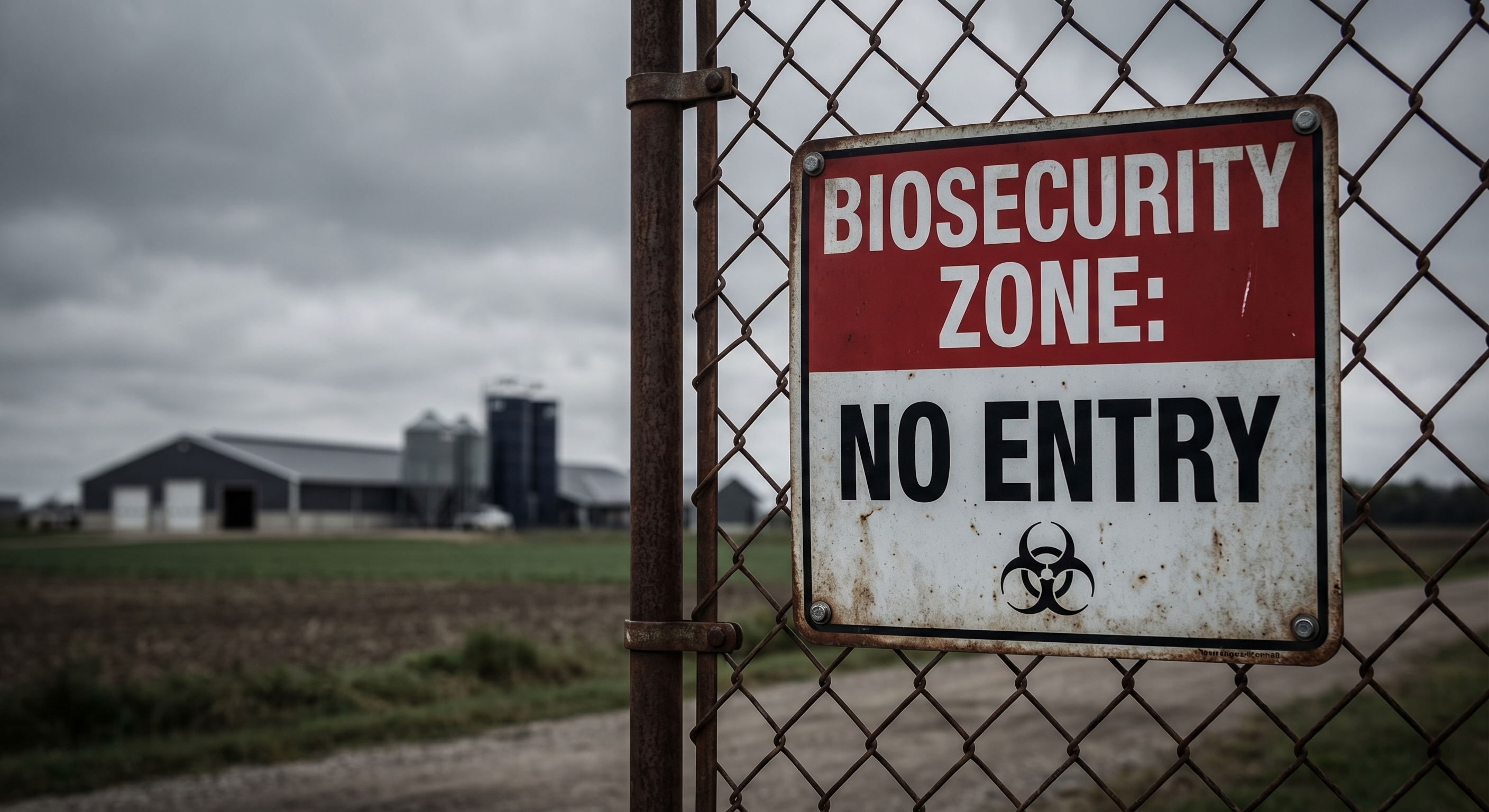
The primary risks in poultry farming include volatile feed prices and the constant threat of avian influenza and other contagious diseases. To protect your investment, you should utilize efficient storage solutions like a steel structure warehouse to buy feed in bulk when prices are low.
Managing biosecurity and disease threats
Disease can wipe out an entire flock in days, making strict biosecurity protocols the most important part of your risk management strategy. Restricting visitor access and using footbaths at every entrance are simple but effective ways to keep pathogens off your farm.
Let’s be honest: One careless visitor can cost you your entire season’s profit.
- “No Entry” signs for unauthorized personnel.
- Dedicated footwear for farm workers.
- Regular disinfection of transport vehicles.
Mitigating financial and market volatility
Price fluctuations in the feed market can suddenly turn a profitable batch into a loss if you aren’t prepared. Diversifying your customer base and maintaining a small emergency fund will help you navigate periods of low market prices without going out of business.
Here is the kicker: Buying feed in bulk can save you up to 20% on total production costs.
Key Takeaway: Risk is inevitable in agriculture, but it can be managed through strict biosecurity and smart bulk purchasing of essential resources.
| Risk Type | Mitigation Strategy | Severity | |
|---|---|---|---|
| Disease | Strict Biosecurity | Critical | |
| Feed Cost | Bulk storage/purchasing | High | |
| Market Price | Customer diversification | Medium |
A proactive approach to risk management is what separates professional farmers from hobbyists.
Is poultry farming profitable for long-term growth?
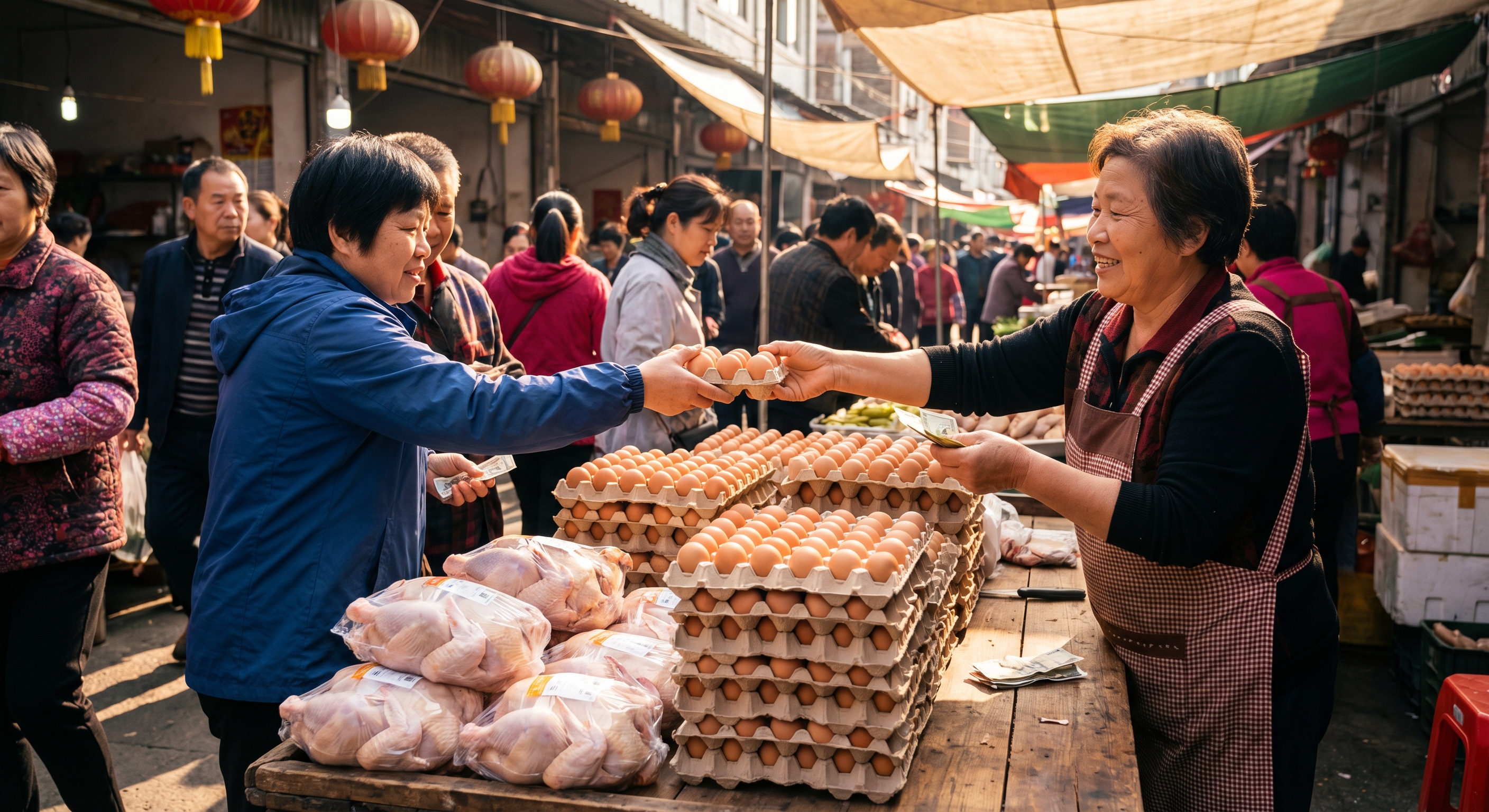
Yes, poultry farming is exceptionally profitable when you treat it as a business rather than a subsistence activity. With the right infrastructure, most well-managed broiler farms can break even within their first three batches, leading to significant long-term wealth creation.
Evaluating the return on investment
The high frequency of production cycles allows you to reinvest your profits and grow your flock size rapidly. Unlike crops that may only harvest once or twice a year, poultry provides multiple opportunities to generate cash and adjust your strategy based on market feedback.
The bottom line? You can double your production capacity within 18 months through reinvestment.
- Quick ROI (Returns within months).
- High scalability.
- Low land requirements per bird.
Exploring secondary revenue streams
Beyond meat and eggs, you can generate significant income by selling poultry manure as organic fertilizer to crop farmers. This “waste” product is in high demand and can often cover the costs of your utility bills or minor farm maintenance.
But that’s not all. Value-added products like dressed chicken or branded eggs can command a premium price in urban markets.
Key Takeaway: Multiple income streams and fast turnover cycles make poultry one of the most resilient and profitable agricultural investments.
| Product | Frequency | Profit Margin | |
|---|---|---|---|
| Broiler Meat | Every 8 weeks | High | |
| Layer Eggs | Daily | Stable | |
| Manure | Batch-based | Bonus |
The combination of primary and secondary revenue makes the poultry business model incredibly robust against market shifts.
How to scale your poultry farming business model?
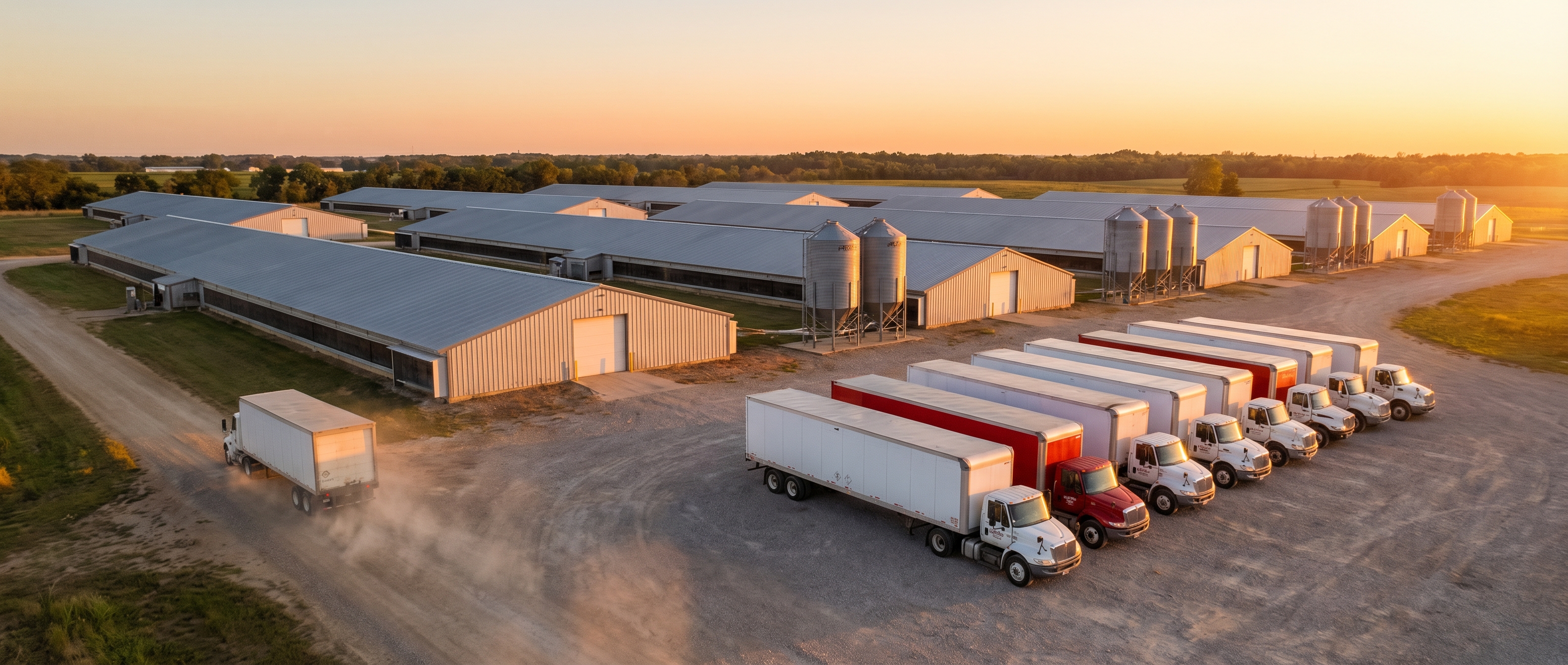
Scaling your poultry farming operation requires a transition from manual labor to fully automated industrial systems. As your flock size grows, the need for precision management and high-capacity housing becomes even more critical to maintain your profit margins.
Transitioning to industrial automation
Large-scale operations rely on automated egg collection, manure removal, and climate control systems to manage thousands of birds with minimal staff. This automation reduces human error and ensures that every bird in a large house receives the same high standard of care.
Here is the secret: Scaling isn’t just about more birds; it’s about more efficient systems.
- Automatic egg grading machines.
- Silo-based feed storage systems.
- Integrated farm management software.
Expanding housing and logistics capacity
To reach a regional or national market, you must expand your housing capacity while establishing a dedicated logistics network for distribution. Building multiple houses allows you to stagger your production cycles, ensuring you have a fresh supply of products for your customers every single week.
But wait, there’s more. Owning your own feed mill at this stage can drastically reduce costs and ensure nutrient consistency.
Key Takeaway: Scaling requires a strategic shift toward automation and infrastructure that supports high-volume, high-consistency production.
| Scale Phase | Focus | Result | |
|---|---|---|---|
| Expansion | New Steel Houses | Increased volume | |
| Automation | Feeding/Watering | Lower labor costs | |
| Integration | Feed Mill/Logistics | Maximum margins |
A well-planned expansion strategy ensures that your business grows in a sustainable way that maximizes your existing resources.
Conclusion
Starting a poultry farming business is a journey that rewards those who prioritize planning, infrastructure, and biosecurity. By following a structured business plan and investing in modern steel housing, you transform a high-risk agricultural venture into a stable and lucrative enterprise. Our vision is to empower farmers with the world-class building solutions they need to lead the future of food production. To take the first step toward building your profitable farm, contact us today for a professional consultation and custom housing design.
Frequently Asked Questions
Can I start poultry farming in my backyard?Yes. You can start with a small flock of 10-50 birds to learn management basics before scaling to a commercial operation.
What’s the best way to handle a disease outbreak?Immediate isolation. You must separate sick birds instantly and consult a veterinarian while locking down the farm to prevent spread.
How do I know if my chickens are healthy?Monitor activity levels. Healthy birds are active, have bright eyes, clean feathers, and a consistent appetite for both feed and water.
Can I mix different breeds in the same house?Not recommended. Different breeds and ages have different nutritional needs and social behaviors, which can lead to stress and poor growth.
What’s the best feed for fast broiler growth?High-protein starter crumbs. Use specialized broiler starter for the first three weeks followed by high-energy finisher pellets for the best results.